In March, NASA Administrator Jared Isaacman announced that the moon-orbiting "Lunar Gateway" space station was being "paused" to focus instead of missions to the moon's surface. And Ars Technica agrees that the project was essentially "spending billions of dollars to make it more difficult to reach the lunar surface and faced the prospect of watching Chinese astronauts wander around on the Moon from orbit instead of being there themselves."
"But this week, we learned another reason that Gateway is going away, and it's pretty shocking."
During testimony before the US House Committee on Science, Space, and Technology, Isaacman faced questions about NASA's budget... He then publicly confirmed rumors (reported last month by Ars) that there is corrosion in both the HALO [Habitation and Logistics Outpost] and I-HAB modules of the Gateway. "The only two habitable volumes that were delivered — both were corroded," Isaacman said. "And that's unfortunate because it would have delayed, probably beyond 2030, the application of Gateway...."
In a statement, Northrop confirmed the issue as well. "Using NASA-approved processes, Northrop Grumman is completing repairs to HALO after a manufacturing irregularity," a company spokesperson told Ars. "We expect to complete repairs by the end of the third quarter. HALO can still be repurposed for any mission, and it's the most mature technology to support a deep space or lunar habitat." By referring to a "manufacturing irregularity," Northrop answered the central mystery here: how corrosion could appear in both modules. This is because a French-Italian space and defense company, Thales Alenia Space, built the primary structure of HALO for Northrop Grumman. The module was delivered from Italy to the United States about a year ago
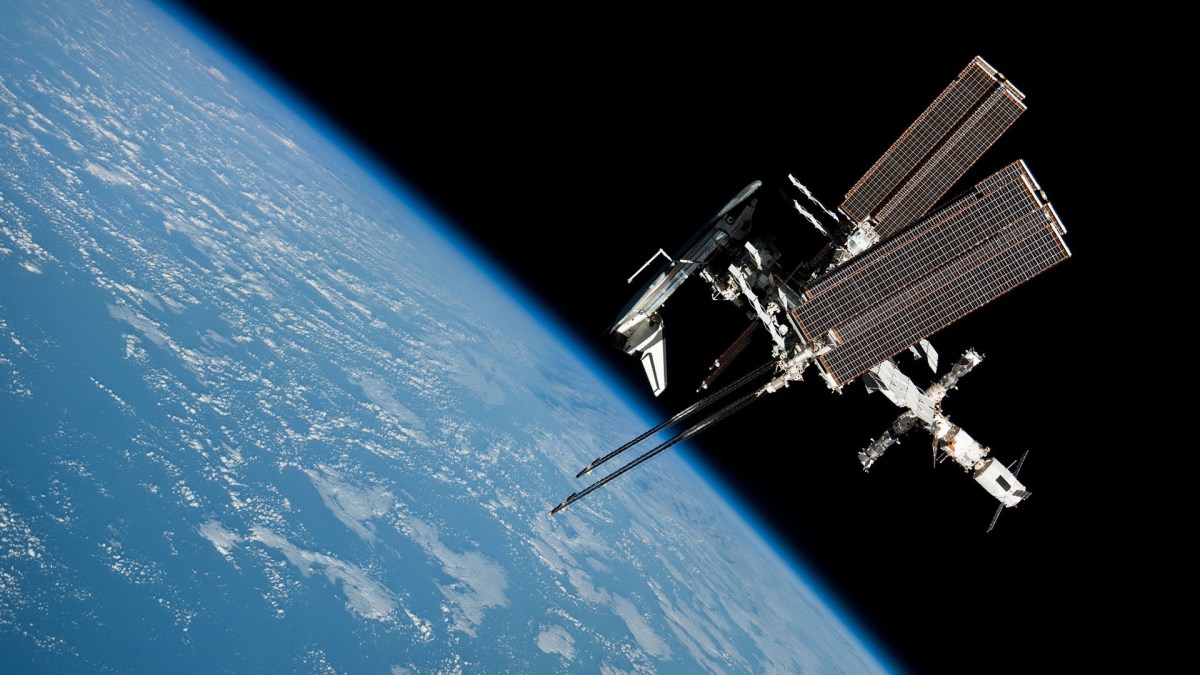
Thales is a powerhouse of the European space industry. It built several pressurized modules of the International Space Station, and it's working with Axiom Space to build its commercial space station. The company also had a big piece of the Lunar Gateway in addition to HALO, developing the I-HAB module and a future communications and refueling module known as ESPRIT... After the issue was discovered, the European Space Agency established a "tiger team" to investigate. "Based on the investigation and available data, the corrosion issue was understood to be technically manageable and did not constitute a showstopper for I-HAB, which was, in any case, in better conditions than HALO from [a] corrosion point of view," the spokesperson said...
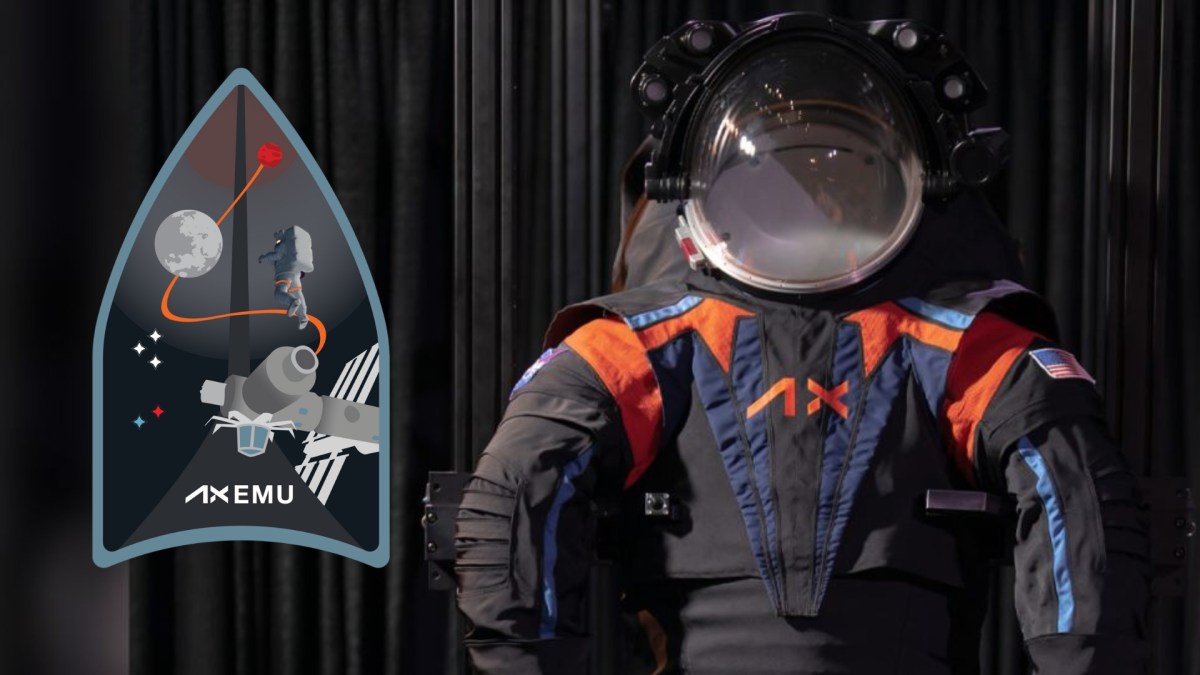
After publication of this story on Friday, Axiom Space confirmed that it has also experienced corrosion issues. In a statement, the company said: "Axiom Space has experienced a similar phenomenon with the first module; we are leveraging the expertise of NASA and Thales Alenia Space to address the issue. Module 1 is on track to launch in 2028."


Read more of this story at Slashdot.

 Connexion