Vue lecture

Les RCS sécurisés arrivent enfin sur iPhone : les messages verts aussi sûrs que les bleus

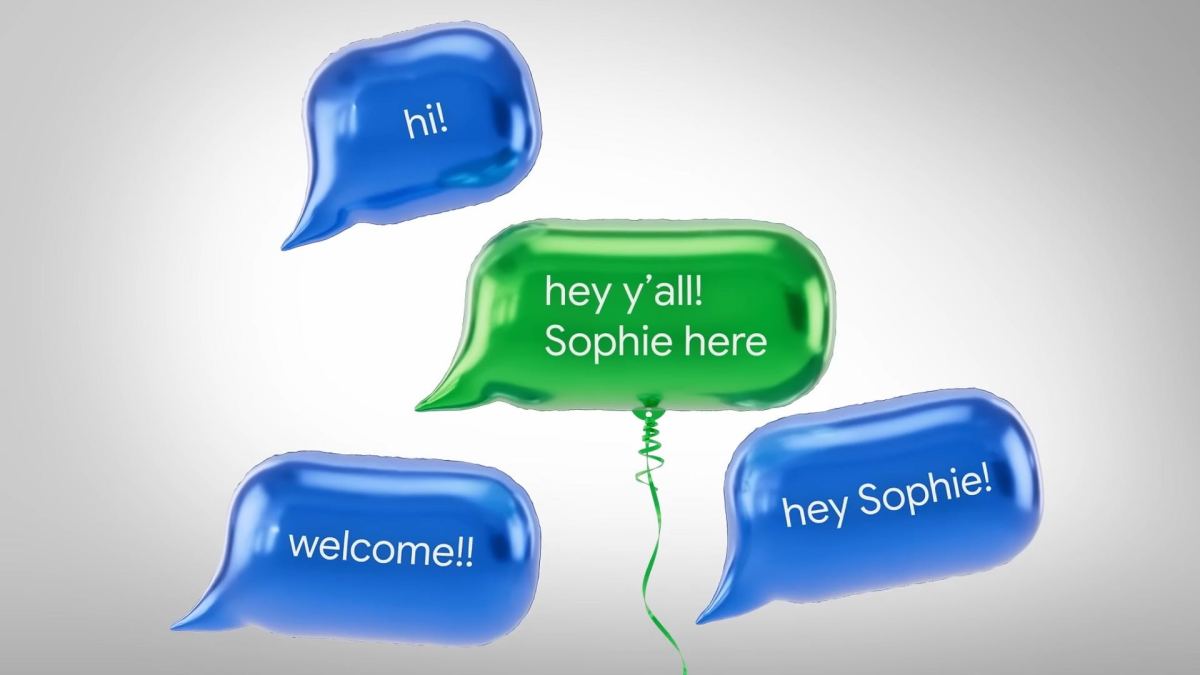
Après plusieurs mois de test, Apple confirme que la mise à jour iOS 26.5, qui devrait être disponible dans les prochains jours, introduira les RCS chiffrés dans l'application Messages. Un échange entre un iPhone et un smartphone Android se fera donc dans un cadre chiffré alors que la précédente version du RCS utilisée par Apple n'était pas protégée.

  •  

Il y a 15 ans, Apple sortait son iPhone le plus maudit : connaissez-vous son histoire ?

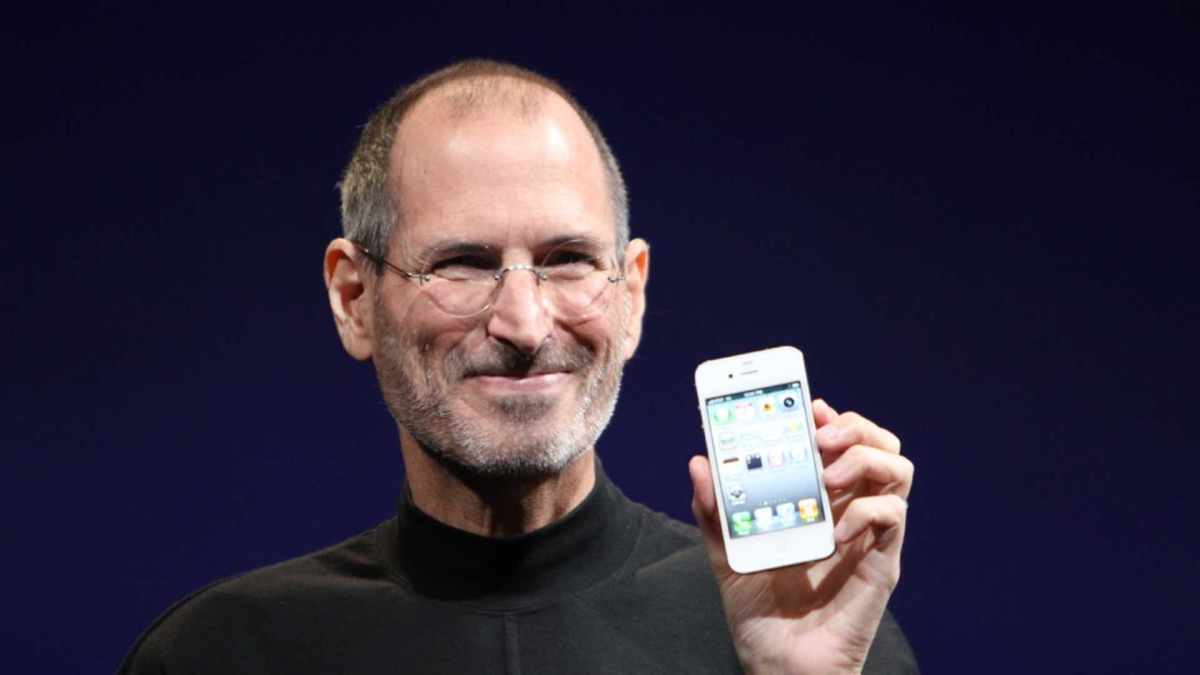
Le 7 juin 2010, Apple dévoilait l'iPhone 4. Steve Jobs officialisait alors l'arrivée de l'iPhone dans une seconde couleur : le blanc. Mais Apple n'avait pas anticipé plusieurs problèmes : cacher un capteur dans du verre blanc était notamment plus délicat que dans du verre noir. Le produit est finalement arrivé le 28 avril 2011, soit avec 10 mois de retard.

  •  

Votre iPhone 17 ne charge plus ? Apple serait victime d’un bug inquiétant (mais facile à réparer)

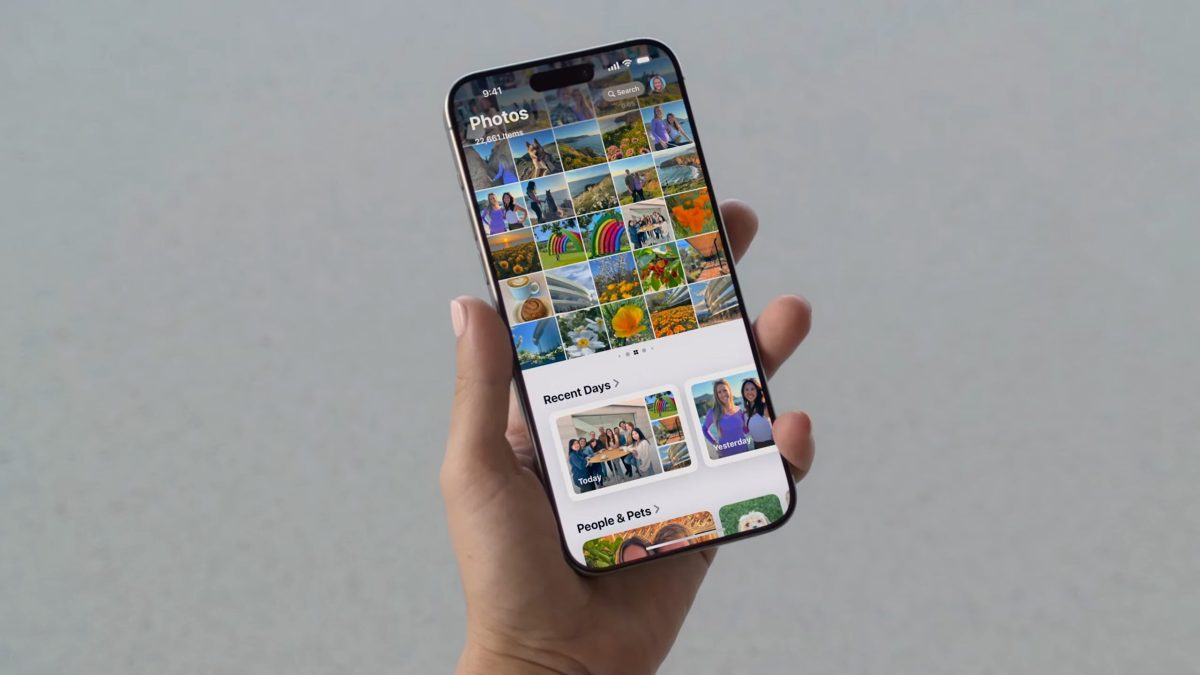
D'après une découverte de 9to5mac, certains iPhone 17 et iPhone Air peuvent refuser de redémarrer si leur batterie est tombée à 0 %. L'écran reste noir même avec un câble USB-C branché. La solution est en réalité toute simple : il faut utiliser un chargeur sans-fil pendant plusieurs minutes.

  •  

How Will Apple Change Under Its New CEO?

How will Apple change in September under its new CEO — former hardware chief John Ternus? The blog Geeky Gadgets is already expecting "significant updates to the iPhone over the next three years," as well as streamlined internal engineering (plus durability enhancements and high-capacity batteries). 2026: Foldable display 2027: Bezel-less iPhone 20 (celebrating the iPhone's 20th anniversary) CNET's web sites (which include ZDNET, PCMag, Mashable and Lifehacker) are even hosting a contest "to see which of our readers can make the best Apple predictions for 2026. Answer five questions in any of our three rounds of the contest to be entered to win [$applePrize] in September." But the blog 9to5Mac already has a list of new upcoming Apple products, courtesy of Bloomberg's Mark Gurman (who appeared on the TBPN podcast this week "to talk about Apple's CEO transition, what to expect from John Ternus, and more." As part of the conversation, Gurman said: "There are six major Apple products in development right now, six major new product categories." Here's the full list he shared: 1. AI AirPods 2. Smart glasses 3. Pendant 4. Smart display 5. Tabletop robot 6. Security camera [...] Gurman has reported on the Pendant before as a new AI wearable that's an alternative to AI AirPods and Glasses. All three products are expected to rely heavily on a paired iPhone for Siri and other AI features. The smart display ('HomePad'), tabletop robot, and security camera are all brand new Apple Home products. The AI features arrive "thanks to the revamped Apple Foundation Models trained by Google Gemini," reports the AppleInsider blog (citing Gurman's Power On newsletter at Bloomberg). The smart doorbell camera will include "an Apple Intelligence-upgraded version of the facial recognition already included with HomeKit Secure Video. Today, HSV can utilize the Apple Home admin's tagged faces in their Photos app to label people that are viewed on the camera. When a known person rings the doorbell, Siri will announce them by name over the HomePod chime."

Read more of this story at Slashdot.

  •  

Banques en ligne : l’authentification forte doit-elle imposer Android ou iPhone ?

L’obligation croissante d’utiliser une application mobile bancaire pour valider des opérations sensibles devient un problème bien réel pour une partie des usagers : personnes sans smartphone, téléphones trop anciens, appareils non compatibles, ou encore systèmes alternatifs et dégooglisés.

Le sujet n’est pas seulement bancaire. Il touche aussi aux logiciels libres, à la liberté de choix technique, et plus largement à l’exclusion numérique. Lorsqu’une opération essentielle ne peut plus être validée que depuis une application propriétaire distribuée dans les écosystèmes de Google ou d’Apple, l’accès au service dépend alors d’un canal technique unique.

Le cas de BoursoBank a récemment relancé la discussion sur LinuxFr. Dans mon cas, lors d’opérations sécurisées, l’interface web m’a renvoyé vers l’application mobile comme unique moyen de validation. Certaines pages d’aide de la banque évoquent pourtant des solutions alternatives ou de secours, mais le service client m’a indiqué aujourd’hui qu’il n’existait en pratique pas d’autre moyen de valider ces opérations sans l’application mobile.

C’est précisément ce décalage entre la communication affichée, l’expérience réelle et la réponse du support qui pose problème. Il laisse l’usager dans une situation d’incertitude, y compris lorsqu’il cherche à quitter ce modèle pour une autre banque, sans garantie de ne pas retrouver la même contrainte quelques mois plus tard.

Cette évolution interroge : pourquoi ne pas proposer systématiquement des alternatives robustes, comme un second facteur indépendant de l’application mobile ?

Dans ce contexte, une pétition a été lancée pour demander que les banques opérant en France proposent au moins une méthode de validation forte utilisable sans application mobile imposée. Elle met en avant un principe simple : une banque peut être sécurisée sans réserver de fait ses services aux smartphones Google ou Apple.

Commentaires : voir le flux Atom ouvrir dans le navigateur

  •  

FBI Extracts Suspect's Deleted Signal Messages Saved In iPhone Notification Data

An anonymous reader quotes a report from 404 Media: The FBI was able to forensically extract copies of incoming Signal messages from a defendant's iPhone, even after the app was deleted, because copies of the content were saved in the device's push notification database, multiple people present for FBI testimony in a recent trial told 404 Media. The case involved a group of people setting off fireworks and vandalizing property at the ICE Prairieland Detention Facility in Alvarado, Texas in July, and one shooting a police officer in the neck. The news shows how forensic extraction -- when someone has physical access to a device and is able to run specialized software on it -- can yield sensitive data derived from secure messaging apps in unexpected places. Signal already has a setting that blocks message content from displaying in push notifications; the case highlights why such a feature might be important for some users to turn on. "We learned that specifically on iPhones, if one's settings in the Signal app allow for message notifications and previews to show up on the lock screen, [then] the iPhone will internally store those notifications/message previews in the internal memory of the device," a supporter of the defendants who was taking notes during the trial told 404 Media. [...] During one day of the related trial, FBI Special Agent Clark Wiethorn testified about some of the collected evidence. A summary of Exhibit 158 published on a group of supporters' website says, "Messages were recovered from Sharp's phone through Apple's internal notification storage -- Signal had been removed, but incoming notifications were preserved in internal memory. Only incoming messages were captured (no outgoing)." 404 Media spoke to one of the supporters who was taking notes during the trial, and to Harmony Schuerman, an attorney representing defendant Elizabeth Soto. Schuerman shared notes she took on Exhibit 158. "They were able to capture these chats bc [because] of the way she had notifications set up on her phone -- anytime a notification pops up on the lock screen, Apple stores it in the internal memory of the device," those notes read. The supporter added, "I was in the courtroom on the last day of the state's case when they had FBI Special Agent Clark testifying about some Signal messages. One set came from Lynette Sharp's phone (one of the cooperating witnesses), but the interesting detailed messages shown in court were messages that had been set to disappear and had in fact disappeared in the Signal app." Further reading: Apple Gave Governments Data On Thousands of Push Notifications

Read more of this story at Slashdot.

  •  

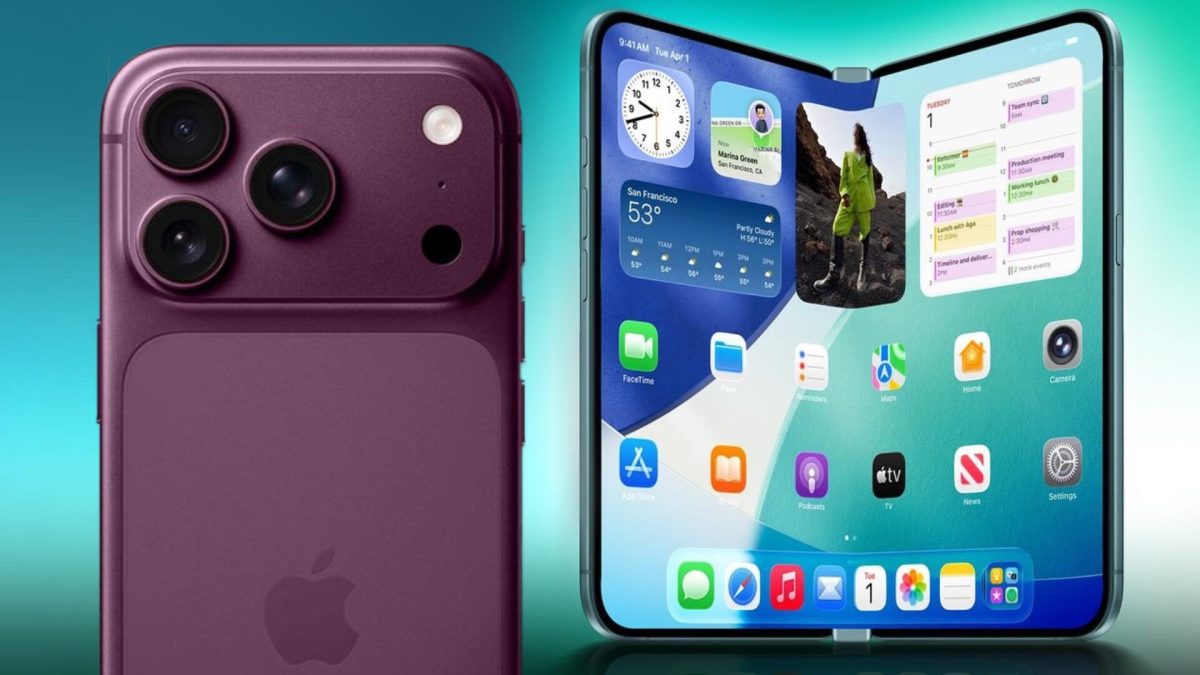
Apple's Foldable iPhone Is 'On Track' To Launch In September

Bloomberg's Mark Gurman says Apple's foldable iPhone is still "on track" for a September unveiling alongside the iPhone 18 Pro lineup. 9to5Mac reports: The report notes that Apple's stock took a hit earlier today after Nikkei Asia indicated the iPhone Fold was having serious production issues. Clearly, sources within Apple were motivated to share positive news via Gurman. Not long ago, Gurman himself said that he was expecting an iPhone Fold release date that was a little bit later than iPhone 18 Pro. That's still very possible, but it sounds like Apple is internally feeling optimistic about its targeted September launch. The report continues: "While the complexity of the new display and materials may limit initial supply for several weeks, Apple is currently operating with a plan to put the device on sale around the same time -- or very soon after -- the new non-foldable models, the people said." Gurman adds an important qualifier: "Still, the release is six months away and production has yet to ramp up. That means the timing isn't final."

Read more of this story at Slashdot.

  •  

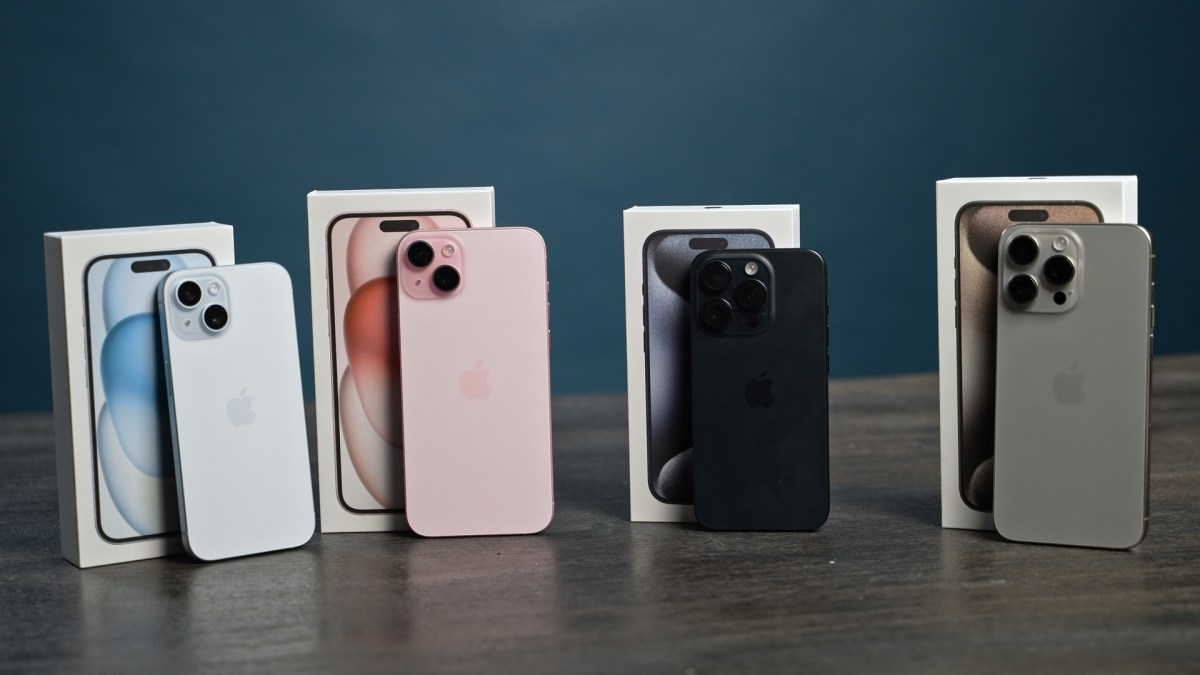
iPhone 18 Pro et iPhone Fold : nouveautés, date de sortie, prix… Toutes les infos sur les smartphones Apple

Neuf ans après l'iPhone X, Apple devrait annoncer son smartphone le plus disruptif en 2026 : l'iPhone Fold (qui ne s'appellera probablement pas comme ça). Un smartphone pliant devrait être accompagné de l'iPhone 18 Pro et de l'iPhone 18 Pro Max, deux smartphones surpuissants avec des innovations en photo et une puce gravée en 2 nm. Numerama fait un point sur les rumeurs.

  •  
❌