Vue lecture

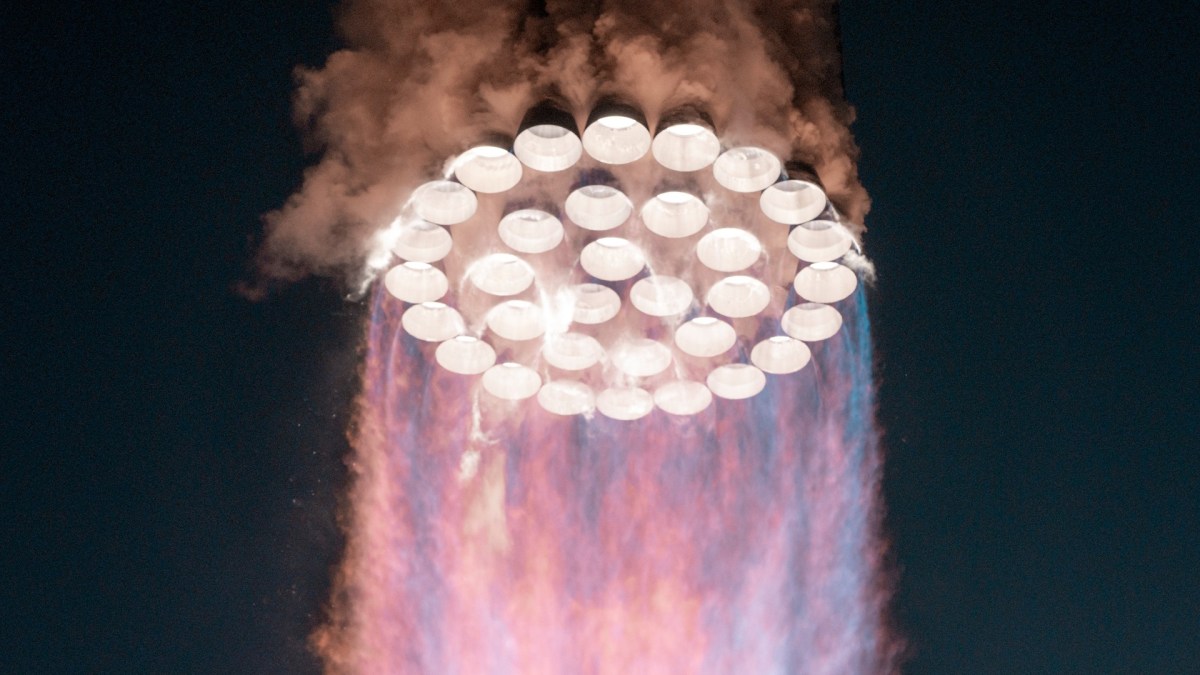
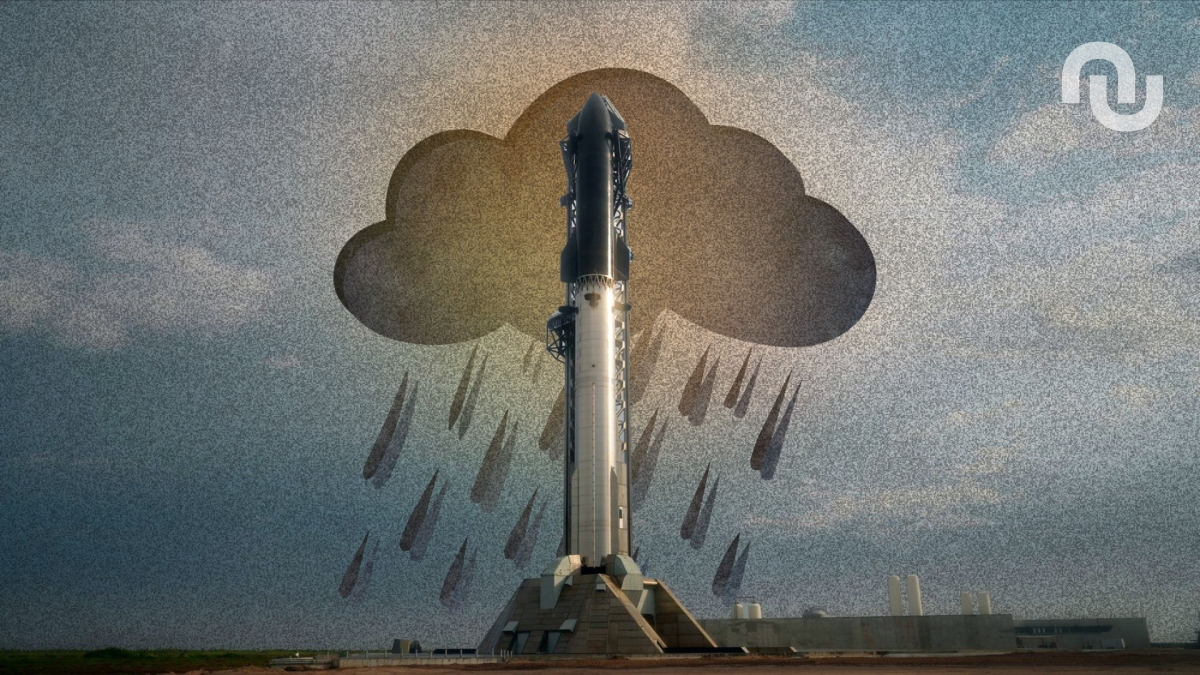
OpenAI fonce vers la Bourse et pourrait voler la vedette à SpaceX

OpenAI s’apprêterait à déposer confidentiellement son dossier d’introduction en Bourse aux États-Unis, avec une IPO potentiellement prévue dès septembre 2026, rapporte Reuters le 20 mai 2026. Une opération historique qui pourrait raviver la rivalité entre Sam Altman et Elon Musk, alors que SpaceX prépare elle aussi son arrivée sur les marchés.
  •  

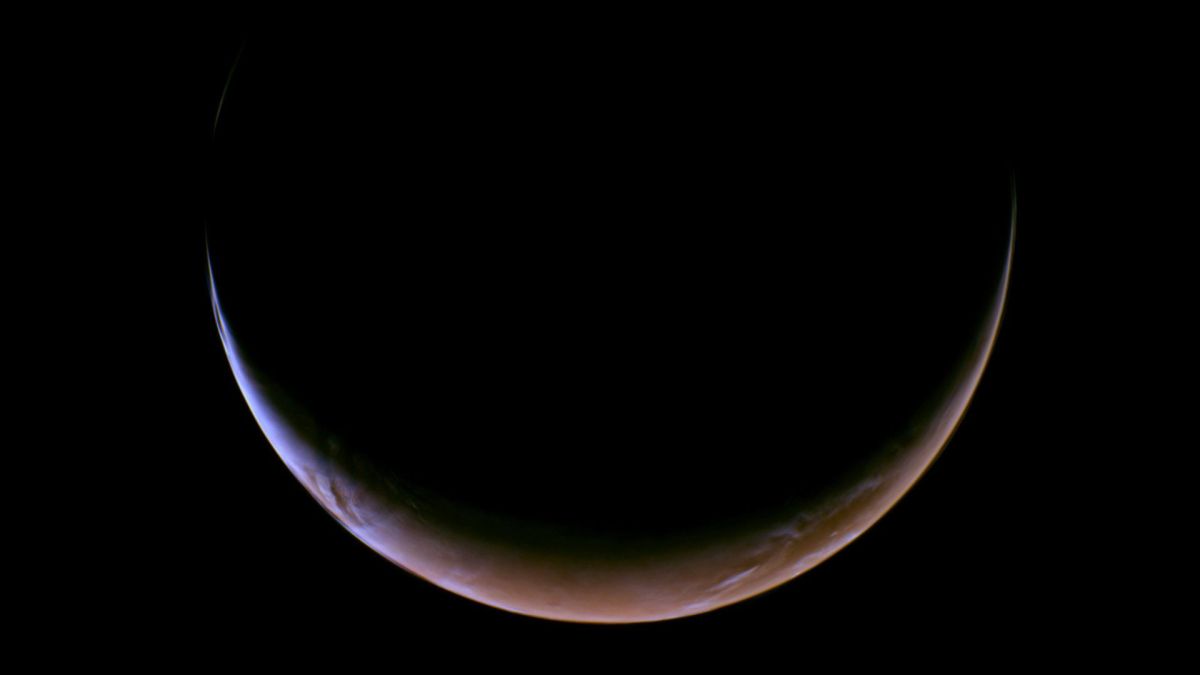
Mars en croissant : la magnifique et surprenante photo capturée par la sonde Psyché

croissant mars

En route vers son mystérieux astéroïde de métal, la sonde Psyché a profité d'un survol de Mars le 15 mai 2026 pour s'offrir un coup d'accélérateur cosmique. Un « vol rase-motte » spectaculaire qui lui a aussi permis d'immortaliser la planète rouge sous un angle rare : un fin croissant lumineux sculpté par les poussières martiennes.

  •  

Course à la Lune : l’ESA tape du poing sur la table face au déclin européen

Ariane 6

Lunar Gateway suspendu, Mars Sample Return sabré... Face aux choix unilatéraux des États-Unis, le directeur général de l’ESA tire la sonnette d’alarme. Pour Josef Aschbacher, l'Europe doit d’urgence s’unir pour financer son autonomie spatiale avant d'être définitivement reléguée au rang de simple passagère de l'Histoire.

  •  

En plein vol rase-motte, la sonde Psyché de la NASA immortalise une vue inédite de Mars

croissant mars

En route vers son mystérieux astéroïde de métal, la sonde Psyché a profité d'un survol de Mars le 15 mai 2026 pour s'offrir un coup d'accélérateur cosmique. Un « vol rase-motte » spectaculaire qui lui a aussi permis d'immortaliser la planète rouge sous un angle rare : un fin croissant lumineux sculpté par les poussières martiennes.

  •  

Webb Discovers One of the Universe's First Galaxies

Astronomers using the James Webb Space Telescope have identified an ultra-faint galaxy seen just 800 million years after the Big Bang. The galaxy contains almost no heavy elements, shows signs of intense early stellar radiation, and could offer a rare glimpse into the first stages of galaxy formation. Phys.org reports: In a paper published in the journal Nature, a team of scientists led by Kimihiko Nakajima, an astronomer at Kanazawa University, Japan, describes how they used the telescope to study a part of the deep universe and discovered a faint galaxy called LAP1-B. "LAP1-B establishes a 'fossil in the making,' a direct high-redshift progenitor of the ancient ultra-faint dwarf galaxies observed in the local universe," they wrote. Because the galaxy is so small and distant, it would normally be impossible to see. However, it was spotted due to a phenomenon known as gravitational lensing, in which a massive cluster of closer galaxies acts like a giant magnifying glass, boosting the light from LAP1-B by 100 times. The scientists realized that most of the light from the galaxy wasn't coming from the stars, but from glowing clouds of gas. They analyzed this light by splitting it into a spectrum and studying the emission lines, which revealed the chemical composition of the gas. They found that the galaxy contains almost no heavy elements, and its oxygen abundance is about 240 times lower than the sun's, making it one of the most primitive star-forming galaxies ever observed. The emission lines also revealed intense ionizing radiation, which is what scientists expect to see from the first generation of stars. The team also measured an elevated carbon-to-oxygen ratio. This matches the predicted chemical signature for the first star explosions in history from Population III stars, the first stars to exist in the universe. The stars we see today are Population I stars, which formed later and contain more heavy elements. Another fascinating finding is that, after measuring the gas's motion and speed, the researchers concluded that the galaxy is held together by a massive cloud of invisible dark matter.

Read more of this story at Slashdot.

  •  

S’unir ou subir : il est urgent que l’Europe cesse d’être à la remorque de la conquête spatiale, prévient l’ESA

Ariane 6

Lunar Gateway suspendu, Mars Sample Return sabré... Face aux choix unilatéraux des États-Unis, le directeur général de l’ESA tire la sonnette d’alarme. Pour Josef Aschbacher, l'Europe doit d’urgence s’unir pour financer son autonomie spatiale avant d'être définitivement reléguée au rang de simple passagère de l'Histoire.

  •  

Tempêtes solaires : le satellite Smile s’envole pour filmer notre bouclier magnétique en action

Vue d'artiste de la mission Smile

La mission Smile a décollé dans la matinée du 19 mai depuis le Centre spatial guyanais de Kourou. Il s'agit d'un satellite, fruit d'une collaboration entre l'Europe et la Chine, qui doit récolter des informations sur les vents solaires, ces flux encore mal connus qui mettent parfois à mal nos satellites en orbite autour de la Terre.

  •  

Smile, la mission européenne et chinoise qui part explorer les vents solaires

Vue d'artiste de la mission Smile

La mission Smile a décollé dans la matinée du 19 mai depuis le Centre spatial guyanais de Kourou. Il s'agit d'un satellite, fruit d'une collaboration entre l'Europe et la Chine, qui doit récolter des informations sur les vents solaires, ces flux encore mal connus qui mettent parfois à mal nos satellites en orbite autour de la Terre.

  •  

'We Still Can't See Dark Matter. But What If We Can Hear It?'

"We may have accidentally detected dark matter back in 2019," writes ScienceAlert. "What if instead of trying to see dark matter, scientists attempted to hear it instead?" asks Space.com: New research suggests dark matter could leave a tiny but discernible imprint in the cacophony of ripples in spacetime called "gravitational waves" that ring through the cosmos when two black holes slam together and merge... Fortunately, when it comes to detecting gravitational waves from colliding black holes, humanity's instruments, such as LIGO (Laser Interferometer Gravitational-Wave Observatory), are getting more and more sensitive all the time... Vicente and colleagues searched through data gathered by LIGO and its fellow gravitational wave detectors, KAGRA (Kamioka Gravitational Wave Detector) and Virgo, focusing on 28 of the clearest signals from merging black holes. Of these, 27 appeared to have come from mergers that occurred in the relative vacuum of space. One signal, however, GW190728, first heard on July 19, 2019, and the result of merging binary black holes with a combined mass of 20 times that of the sun and located an estimated 8 billion light-years away, seemed to carry the telltale trace of this merger occurring in a region of dense, "buttery" dark matter. The team behind this research is quick to point out that this can't be considered a positive detection of dark matter, but does say it gives us a hint at what to look for and thus where to direct follow-up investigations... "We know that dark matter is around us. It just has to be dense enough for us to see its effects," said team leader Josu Aurrekoetxea, of the Massachusetts Institute of Technology (MIT) Department of Physics. "Black holes provide a mechanism to enhance this density, which we can now search for by analyzing the gravitational waves emitted when they merge." They published their results this week in the journal Physical Review Letters.

Read more of this story at Slashdot.

  •  

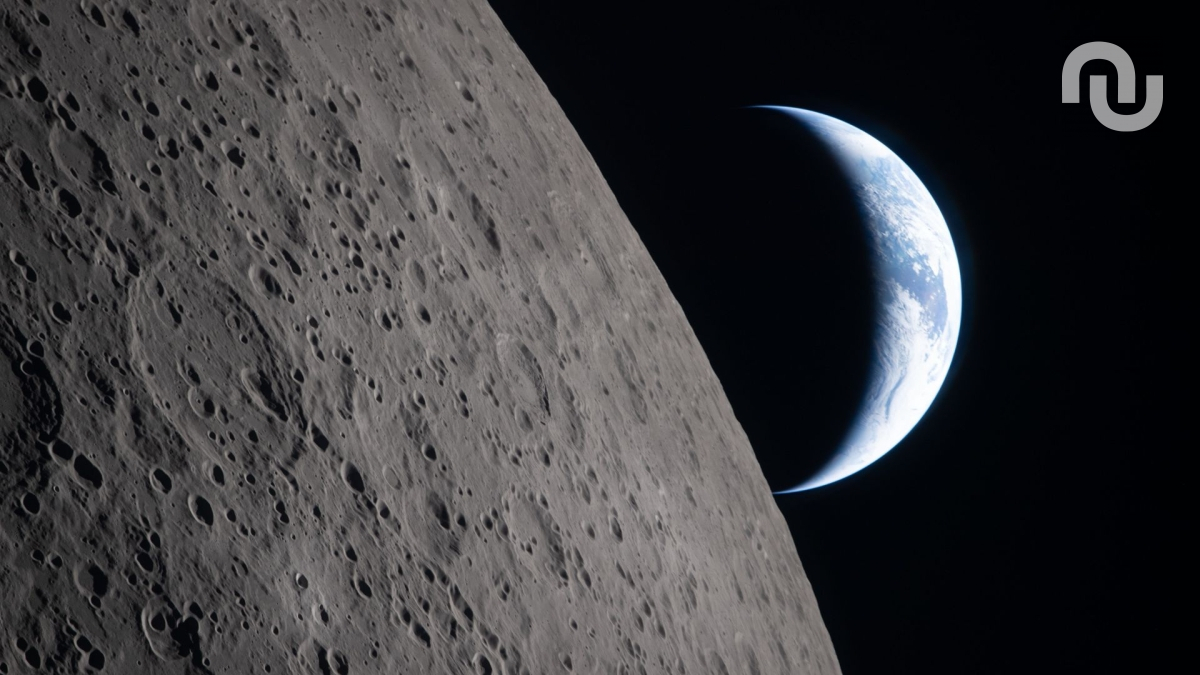
Artémis III : la NASA juge qu’un journaliste a « mal interprété » ses propos, les enregistrements montrent l’inverse

artémis lune

En démentant le report de la mission Artémis III à fin 2027, le patron de la NASA a tenté un rétropédalage. Pour justifier la confusion, Jared Isaacman a pointé du doigt la mauvaise interprétation d'un journaliste… avant que l'enregistrement de ses propres déclarations ne refasse surface pour le contredire.

  •  
❌