Vue lecture

Après la revalorisation du Smic, 70% des branches auront des minima inférieurs au salaire minimum

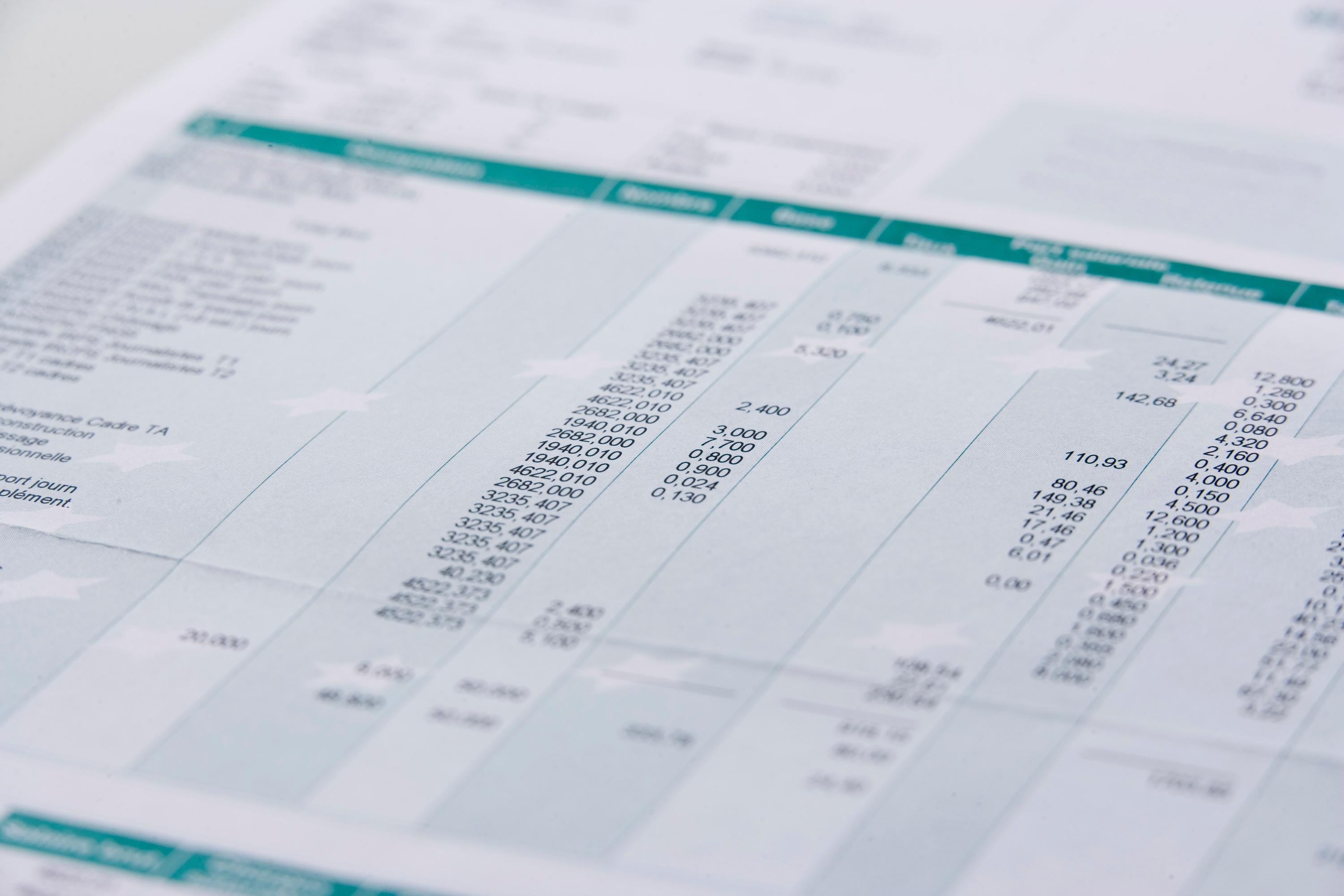
Sur les 179 branches professionnelles suivies par le ministère du Travail, 126 auront un minimum inférieur au Smic, a indiqué le ministère du Travail.

© Francois Doisnel - stock.adobe.com

Seul salaire indexé sur l’inflation, qui a dépassé les 2% en avril sous l’effet de la hausse des coûts de l’énergie, le Smic augmentera lundi de 2,41%, soit d’un peu moins de 35 euros net par mois.
  •  

Annonces d’Emmanuel Macron sur la voiture électrique : vraies mesures ou poudre aux yeux ?

Toute la filière électrique était réunie à l’Élysée le 26 mai 2026 pour lancer une grande mobilisation « Électrifions la France ». Des prix de l’électrique à l’investissement industriel, en passant par le leasing social et le développement du réseau de recharge, que faut-il retenir de cette vague d’annonces d'Emmanuel Macron ?  

  •  

Nouveau retard pour l’allocation de solidarité unifiée, que le gouvernement veut «retravailler»

Promise depuis 2018 par Emmanuel Macron, cette réforme ne cesse de prendre du retard. Toutefois l’exécutif assure ne pas chercher à enterrer le texte.

© Alice Sacco / REUTERS

Le premier ministre «tient beaucoup à ce texte et souhaite vraiment qu’on y arrive», assure son entourage. 
  •  

« Une épée de Damoclès au-dessus de leur tête » : le modèle économique des plateformes de VTC et de livraison sérieusement menacé

DÉCRYPTAGE - La France doit transposer d’ici à décembre 2026 une directive européenne visant à améliorer les conditions des travailleurs.

© RICCARDO MILANI / Hans Lucas via AFP

Illustration of Deliveroo and Uber Eats bike delivery drivers delivering to homes in Paris, France, on May 2, 2023. Two bike delivery drivers on a bike path (livreurs a velo). (Photo by Riccardo Milani / Hans Lucas via AFP)
  •  

Livreurs et VTC : ces centaines de millions d’euros de fraude sociale qui échappent à la Sécu

DÉCRYPTAGE - Sous la bannière des plateformes comme Uber Eats ou Deliveroo, de nombreux travailleurs précaires ne paient pas de cotisations sociales sur leur salaire, entraînant ainsi un important manque à gagner pour les comptes sociaux.

© François BOUCHON / Le Figaro

Les cotisations sociales non versées par les travailleurs des plateformes, comme Uber Eats ou Deliveroo s’élèvent à 270 millions d’euros en 2024.
  •  

Une famille sur deux juge le soutien de l’État à leur égard insuffisant

Selon ce sondage, 50% des familles interrogées trouvent que le soutien de l’État l’égard des familles avec enfants est insuffisant, soit 10 points de plus qu’en 2024 - une insatisfaction accrue chez les parents d’enfants de 0 à 5 ans (55%).

© leszekglasner / ADOBE STOCK

Sur le volet financier, la moitié des parents (53%) déclarent ne pas avoir les moyens de préparer l’avenir de leur enfant, contre 43% en 2024.
  •  

Writers Are Fleeing the Substack Tax

A growing number of writers are leaving Substack for alternatives most people haven't heard of like Ghost, Beehiiv, Patreon, and Passport. The reason, writes The Verge's Emma Roth, is the "platform's increased focus on social features as well as a pricing model that puts a chokehold on their business." From the report: Sean Highkin, the creator of the NBA-focused publication The Rose Garden Report, tells The Verge that he makes "significantly more money" after switching from Substack to Ghost last April. "When I first joined up, [Substack] gave me a big push and featured me and funneled a lot of traffic to me, which led to a good amount of growth," Highkin says. "But once I wasn't one of the 'new recruited talent' they could tout, they stopped featuring me and I saw my growth stagnate." Highkin now pays $2,052 per year using Ghost and an add-on called Outpost, compared to $4,968 per year on Substack. The Rose Garden Report's subscriber base has grown 22 percent since the end of 2024, Highkin says. [...] Substack launched in 2017 as a platform that allows writers to create their own newsletters and manage paying subscribers. Unlike some of its biggest rivals, Substack takes a 10 percent cut of total subscription revenue. That tax may not seem substantial at first, but it quickly adds up as creators gain subscribers and begin charging more for their subscriptions. A calculator on Substack's own website estimates that for a newsletter charging $10 per month with 400 subscribers, the total monthly cost -- including the platform's 10 percent cut and credit card processing fees -- would add up to $636. That cost jumps to $15,900 per month with 10,000 subscribers and skyrockets to $79,500 per month for 50,000 members -- nearly $1 million per year. Many Substack rivals charge a flat monthly fee, rather than a commission. Ghost, an open-source platform for blogs and newsletters, starts at $15 per month with 1,000 members for website creation, email newsletter capabilities, and a custom domain. Beehiiv, a creator platform with tools for launching a newsletter, website, and podcast, is free for up to 2,500 subscribers with limited access to certain features, like a built-in ad network, while its other plans vary in price based on subscriber count. A person with 10,000 subscribers, for example, will pay $96 per month for Beehiiv's "Scale" plan. There's also Kit, a newsletter platform that offers a tiered pricing model similar to Beehiiv, costing $116 per month with 10,000 subscribers on its "Creator" plan. It's not just the 10% fee critics are complaining about; they also argue the platform offers limited customization and third-party integrations compared to some of the mentioned alternatives, heavily promotes its own branding and social features, and makes creators more dependent on its ecosystem. Beehiiv founder Tyler Denk argues that creators should be able to build their own brands without the platform taking center stage: "We don't want to take credit for the work of our content creators." While writers can export subscribers, content, and some payment relationships, they cannot take Substack "followers" or Apple-managed iOS billing data with them.

Read more of this story at Slashdot.

  •  

LinkedIn Planning To Lay Off 5% of Staff In Latest Tech-Sector Cuts

An anonymous reader quotes a report from Reuters: LinkedIn planned to inform staff of layoffs on Wednesday, two people familiar with the matter told Reuters, in a widening of technology sector cuts this year. The Microsoft-owned social network plans to cut about 5% of its headcount as it reorganizes teams and focuses personnel on areas where its business is growing [...]. LinkedIn employs more than 17,500 full-time workers globally, its website says. Reuters was unable to determine the teams affected. The cuts come as revenue at LinkedIn, which sells recruiting tools and subscriptions, rose 12% in the just-ended quarter from a year prior, in an acceleration of growth in 2026, according to Microsoft's securities filings. The layoff rationale was not for artificial intelligence to replace jobs at LinkedIn, one of the people told Reuters. The specter of AI-fueled disruption has nonetheless hung over software incumbents and workers generally.

Read more of this story at Slashdot.

  •  

«Une brèche inacceptable» : les syndicats vent debout contre le projet de loi 1er mai, examiné au Sénat mi-juin

Selon les syndicats, «l’acharnement sur le 1er mai se poursuit le 16 juin au Sénat».

© Benoit Tessier / REUTERS

«Grâce à nos alertes syndicales et nos mobilisations, la proposition de loi initialement envisagée pour permettre très largement aux entreprises de faire travailler les salariés le 1er mai a dû être abandonnée», rappellent les syndicats CFDT, CGT, FO, CFE-CGC, CFTC, Unsa, Solidaires et FSU.
  •  

Digg Tries Again, This Time As an AI News Aggregator

Digg is relaunching again, this time as an AI-focused news aggregator rather than the Reddit-style community site it recently abandoned. TechCrunch reports: On Friday evening, the founder previewed a link to the newly redesigned Digg, which now looks nothing like a Reddit clone and more like the news aggregator it once was. This time around, the site is focused on ranking news -- specifically, AI news to start. In an email to beta testers, the company said the site's goal is to "track the most influential voices in a space" and to surface the news that's actually worth "paying attention to." AI is the area it's testing this idea with, but if successful, Digg will expand to include other topics. The email warned that the site was still raw and "buggy," and was designed more to give users a first look than to serve as its public debut. On the current homepage, Digg showcases four main stories at the top: the most viewed story, a story seeing rising discussion, the fastest-climbing story, and one "In case you missed it" headline. Below that is a ranked list of top stories for the day, complete with engagement metrics like views, comments, likes, and saves. But the twist is that these metrics aren't the ones generated on Digg itself. Instead, Digg is ingesting content from X in real-time to determine what's being discussed, while also performing sentiment analysis, clustering, and signal detection to determine what matters most. [...] The site also ranks the top 1,000 people involved in AI, as well as the top companies and the top politicians focused on AI issues.

Read more of this story at Slashdot.

  •  

Nouveaux jours fériés, 6e semaine de congés payés, congé parental rallongé... Ces idées à contre-courant du «travailler plus»

Si la France est dans le peloton de tête des pays européens avec le plus grand nombre de journées chômées, certains partis politiques et syndicats plaident pour aller plus loin.

© Benoit Tessier / REUTERS

Rassemblements à Paris, à l’occasion du 1er mai 2026.
  •  

LinkedIn Profile Visitor Lists Belong to the People, Says Noyb

A LinkedIn user in the EU is challenging Microsoft's refusal to provide a full list of profile visitors under GDPR Article 15, arguing that the data should be available for free because LinkedIn processes it and sells a more complete version to Premium users. Privacy group Noyb says the case could set a broader precedent over whether companies can monetize user-related data while denying access to the same data through GDPR requests. "Selling data to its own users is a popular practice among companies," Noyb data protection lawyer Martin Baumann said of the case. "In reality, however, people have the right to receive their own data free of charge." The Register reports: Take a look at the language of Article 15, and it's pretty clear: data subjects (i.e., users) have the right to a copy of any and all data concerning them that's been processed by the provider. A full list of profile visitors seemingly should fall under Article 15 data -- even if it's normally reserved for paying users and presented to them in a nicer way, it should still be accessible to free users who actually request it. [...] Noyb acknowledges there's a clear bit of legal fuzz stuck in this corner of the GDPR when it comes to premium service offerings. "If any business processes a person's personal data, this information is generally covered by their right of access under the GDPR," Baumann told The Register. "It does not matter that the business would prefer to sell the data to the data subject or that it would be harmful for their business model if they would." There's only one exception in Article 15 that would give LinkedIn an out, Baumann told us, and that's the last paragraph, which says a person's right to their data can't adversely affect the rights and freedoms of others. Were LinkedIn to argue that it had to protect the identities of people who visited a data subject's profile, they could have an excuse. But not a good one, in Baumann's opinion. "Since LinkedIn does provide information about profile visits to paying Premium members, it cannot consider that disclosing the data would adversely affect the rights of the visitors whose data is disclosed," the Noyb lawyer explained. "Otherwise, providing this information to Premium users would be unlawful too." What seems to be the sticking point here is where right of access begins and a company's right to make money off data they hold (data that was, ahem, supplied by users) ends. Baumann said he hopes this case can clear the legal air. "We expect a clarification concerning the fact that personal data that can be accessed when a user pays for it is also covered by their right of access," he explained. [...] Baumann said there are numerous other cases where similar legal clarification would be appreciated, citing the example of a bank that is unwilling to provide access to account statements in response to a GDPR request, but is happy to hand over similar data for a fee. "A precedent would be welcomed," Baumann said. A LinkedIn spokesperson told The Register: "Not only is it incorrect that only Premium members can see who has viewed their profile, but we also satisfy GDPR Article 15 by disclosing the information at issue via our Privacy Policy."

Read more of this story at Slashdot.

  •  

«On se prépare à taper fort» : quatre syndicats de cheminots appellent à la grève le mercredi 10 juin, la première sous l’ère Castex

Sud-Rails, l’Unsa, la CGT et la CFDT dénoncent «la multiplication des drames» au sein de l’entreprise et exigent l’ouverture de négociations salariales.

© François BOUCHON / Le Figaro

Les syndicats dénoncent une «politique d’entreprise anxiogène»
  •  

Les bibliothécaires parisiens appelés à la grève jeudi pour alerter sur les «sous-effectifs» et le «sous-dimensionnement» des derniers équipements ouverts

Interrogée, la ville de Paris s’est dite «attentive aux préoccupations exprimées», et assure qu’elle «recevra très prochainement les organisations syndicales pour échanger».

© ADOBE STOCK

1.300 agents des 68 bibliothèques parisiennes sont appelés à la grève jeudi. (Image d’illustration)
  •  

Contrôles des commerces ouverts le 1er mai : le ministre du Travail se félicite que tout se soit «bien passé»

«Les contrôles réalisés ce jour-là ont été conformes à l’activité habituelle de l’inspection du travail» a déclaré le ministre du Travail lors d’une séance de questions à l’Assemblée nationale.

© Alice Sacco / REUTERS

Jean-Pierre Farandou était interpellé par le député insoumis Jean-François Coulomme qui a accusé le gouvernement d’avoir «choisi d’encourager les employeurs à violer la loi de notre pays»
  •  
❌