Connexion
Zeiss announced new Horizon anamorphic lenses
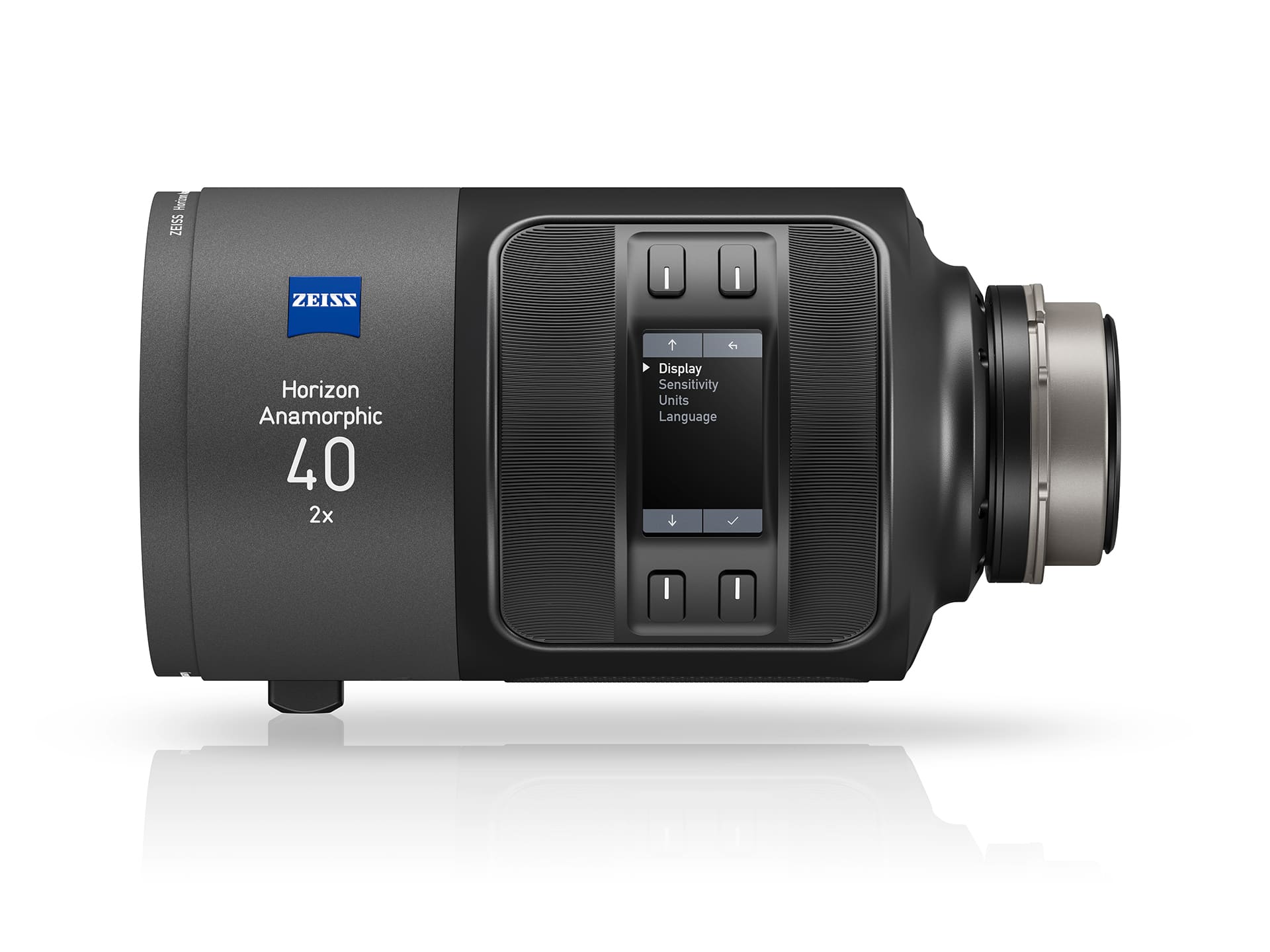
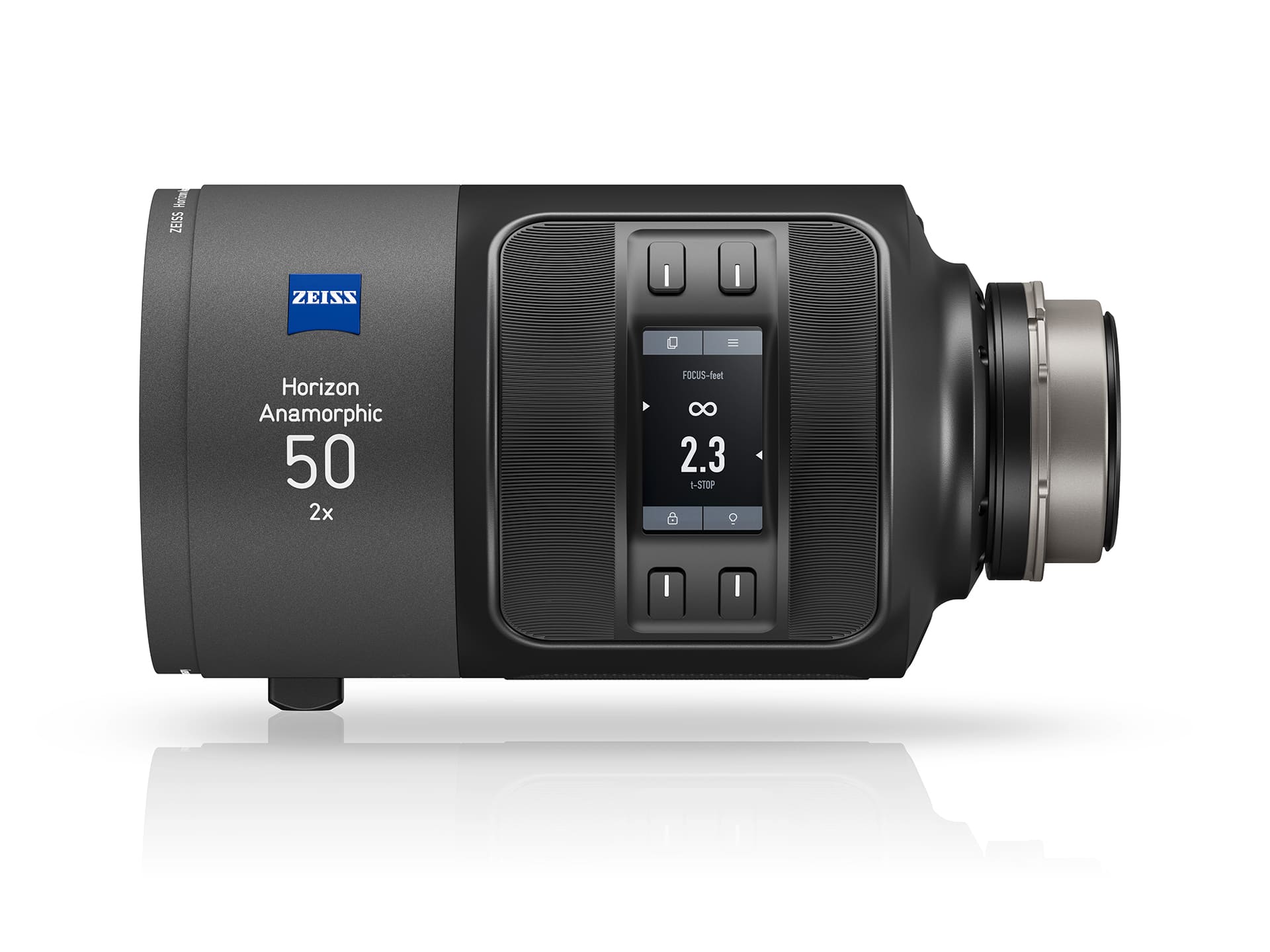
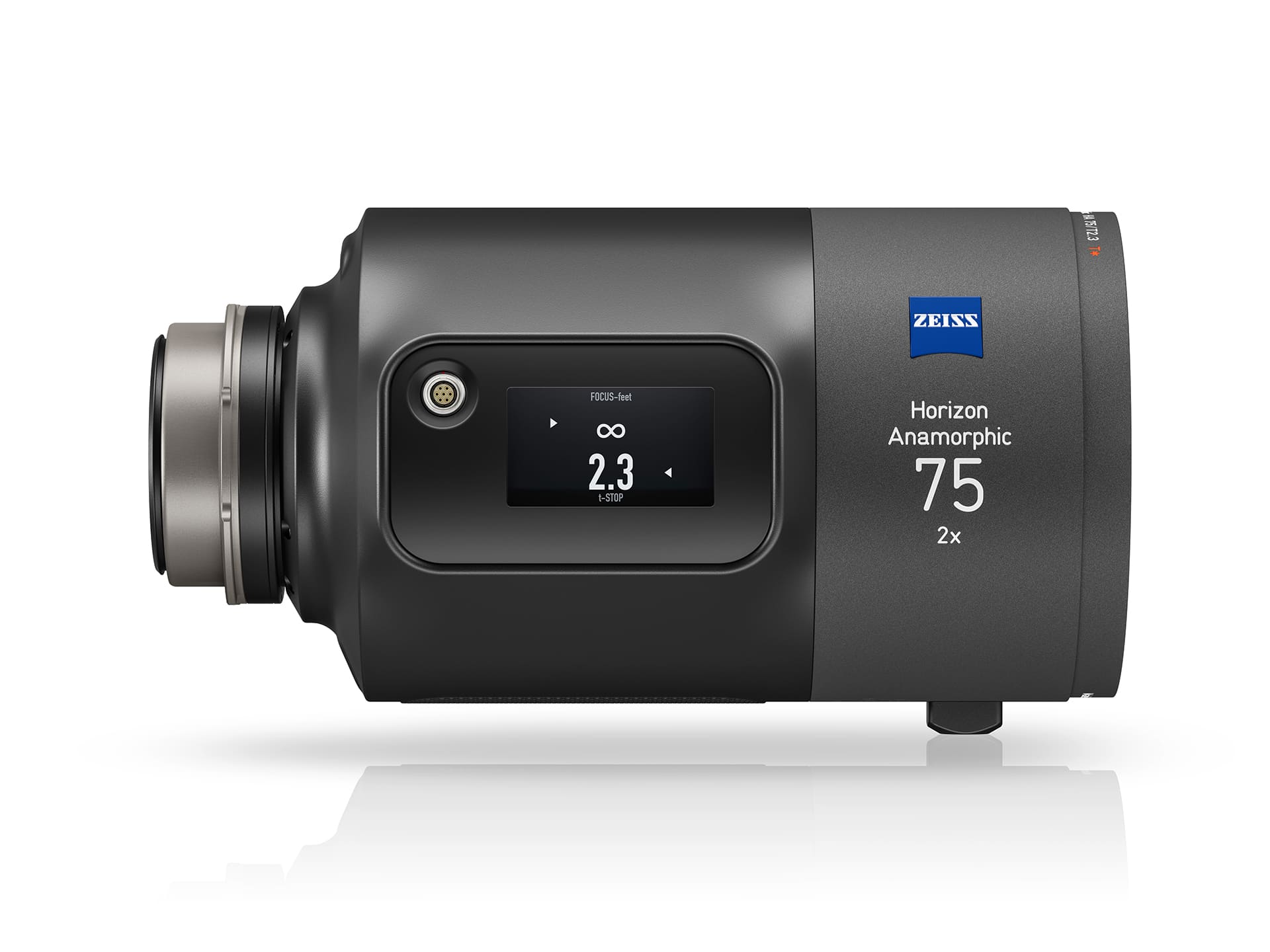
The Zeiss teaser from two weeks ago was for a new line of Horizon full-frame 2x anamorphic cinema prime lenses:
- Seven focal lengths: 35mm, 40mm, 50mm, 75mm, 100mm, 150mm, 200mm
- Fast T2.3 aperture (T2.9 on the 200mm)
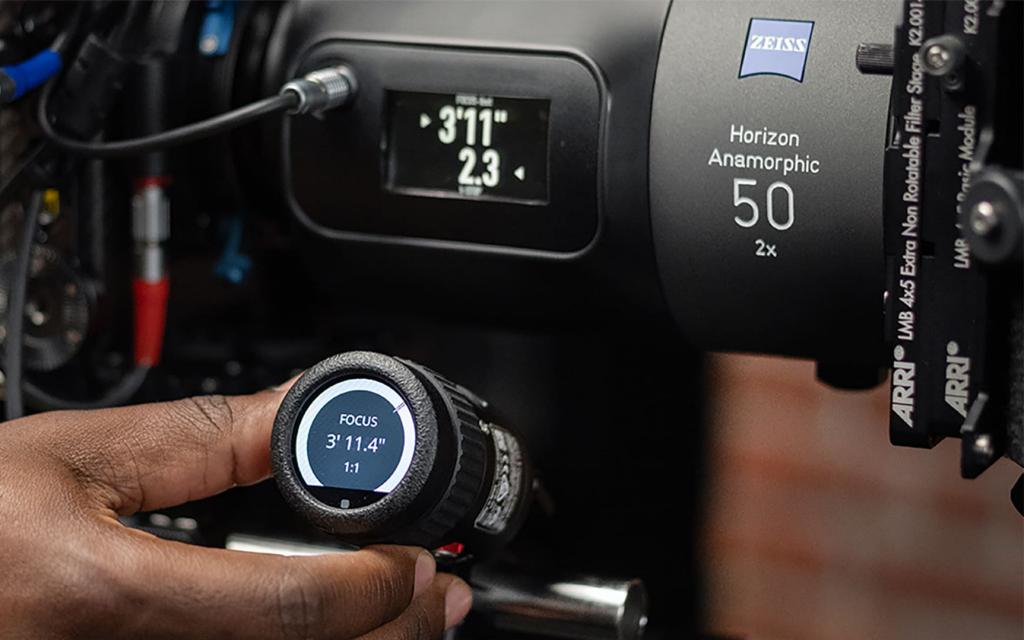
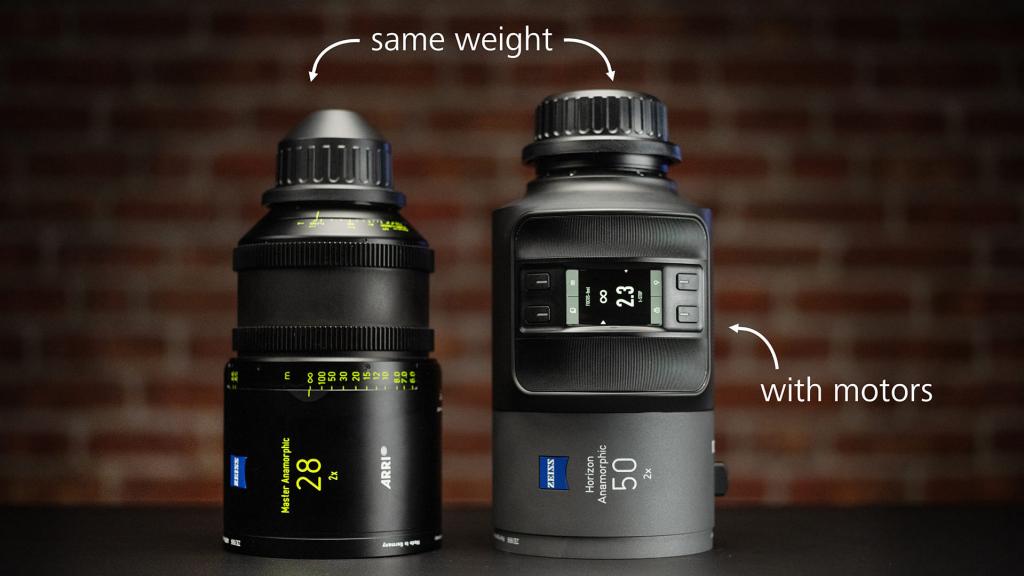
- Built-in focus and iris motors integrated into the lens body (no external motors needed)
- Swappable look-tuning rear element for adjustable character while keeping calibration
- Consistent 114mm front diameter and LPL mount across the set
- Classic 2x look with pronounced oval bokeh and stretched depth/scale
- Neutral, low-aberration baseline optimized for VFX and creative tuning
- Initial shipping (40/50/75mm) starts in September 2026; full set rolls out through 2027
- Pricing not yet announced (check availability at B&H Photo
- Product page
- Additional information
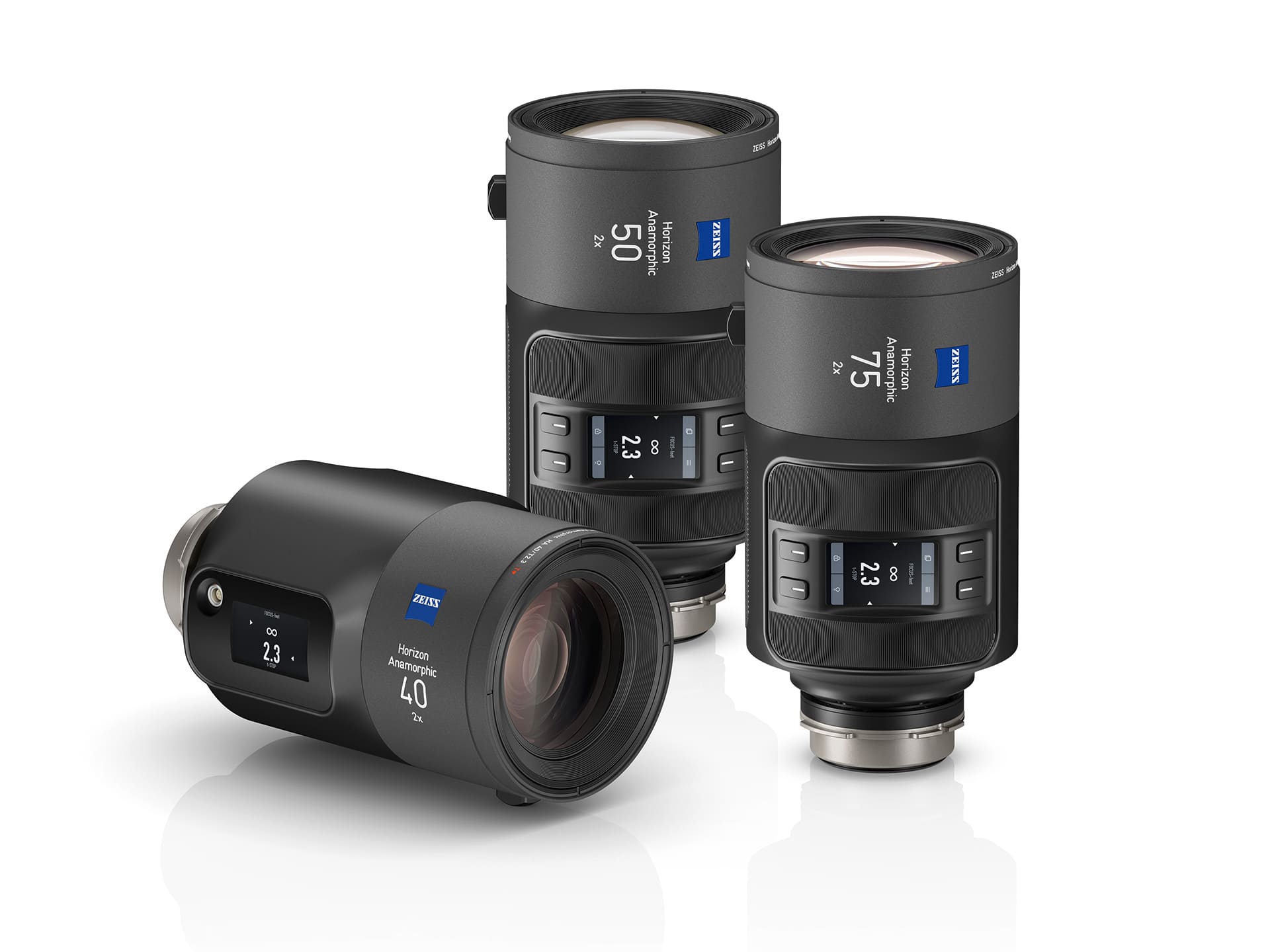
ZEISS Introduces Horizon Anamorphic: Full-Frame 2x Anamorphics with a New Lens Technology Platform
ZEISS unveils the Horizon Anamorphic series, a new lineup of full frame 2x anamorphic cinema lenses designed to deliver a distinctive cinematic look along with a new lens technology platform that brings the speed and precision demanded by contemporary production workflows. Spanning 35 mm to 200 mm across seven focal lengths, Horizon lenses combine their anamorphic look with pronounced oval bokeh and a stretched sense of spatial depth with a lightweight, fully integrated motor system that eliminates the need for external focus or iris motors.
“With Horizon Anamorphics we bring the next chapter of ZEISS cinema optics to life by combining cutting‑edge technology with a refined image that preserves the human, cinematic feel”, explains Christophe Casenave, Head of Business Unit Cinematography at ZEISS.
One lens, multiple looks
The Horizon series is engineered with a neutral baseline look designed to encourage versatility, accepting filtration, LUTs, and diverse lighting approaches without imposing a baked-in feel. Instead, ZEISS introduces an optional interchangeable look tuning back element — a proprietary optical integration that allows crew to dial-in a nuanced individual lens look. Mounted via the ZEISS Interchangeable Mount System (IMS), it alters sharpness, contrast, and overall character with a simple eight-screw swap, while preserving scale accuracy and calibration.

Seamless integration
Whisper-quiet and ultra-reliable focus and iris motors are built directly into the lens body, offering compatibility with ARRI and Preston LCS systems via serial or LBUS connections. Factory-calibrated absolute encoders store all lens scales within the lens. This creates a single consistent source for metadata, eliminating the need for re-mapping scales or re-rigging motors between setups. Dual displays and touch panels directly on the lens barrel allow quick focus or iris checks.
“Horizon marks a new reference platform for us that integrates lens motors, data and ecosystem compatibility and by that enables faster, end‑to‑end production workflows,” Casenave adds.
Low distortion, stable color, and minimized aberrations make the Horizon lenses well-suited to VFX-intensive productions requiring clean keying, tracking, and CG integration. All seven lenses come with LPL mount and share a consistent 114mm front diameter to support balanced handheld, gimbal, drone, crane, and car-rig operation. A fast T2.3 stop across the full frame coverage set (T2.9 at 200 mm) provides shallow-depth-of-field anamorphic even in challenging lighting conditions. Built-in processing and on-board memory are designed to support future expansions including broader ecosystem compatibility, extended metadata capabilities, and potential autofocus integration.
Availability
The 40mm, 50mm, and 75mm Horizon Anamorphic lenses are scheduled to ship in September 2026 through authorized ZEISS cinema dealers, with 35mm, 100mm, 150mm, and 200mm focal lengths following in 2026 and 2027.
The post Zeiss announced new Horizon anamorphic lenses appeared first on Photo Rumors.
Related posts:
- Updated list of new lenses from the 2026 China P&E Imaging Show in Beijing
- Voigtlander to announce three new lenses at the 2026 CP+ show: Nokton Classic 35mm f/1.4, Apo-Skopar 75mm f/2.8, and Apo-Lanthar 90mm f/4
- List of all new lenses that will debut at the 2026 China P&E Imaging Show in Beijing next week