Vue lecture

Fin d’alerte sur l’ISS : la NASA lève l’ordre de confinement, la Russie suspend ses réparations à haut risque

sophie adenot iss spacex crew dragon

La Russie ayant suspendu ses réparations de la dernière chance ce vendredi 5 juin, la NASA a levé l’ordre de confinement de ses cinq astronautes, dont la Française Sophie Adenot. L’équipage a pu quitter sa capsule de secours SpaceX Dragon pour reprendre ses activités normales, même si le problème des fuites d'air reste entier.

  •  

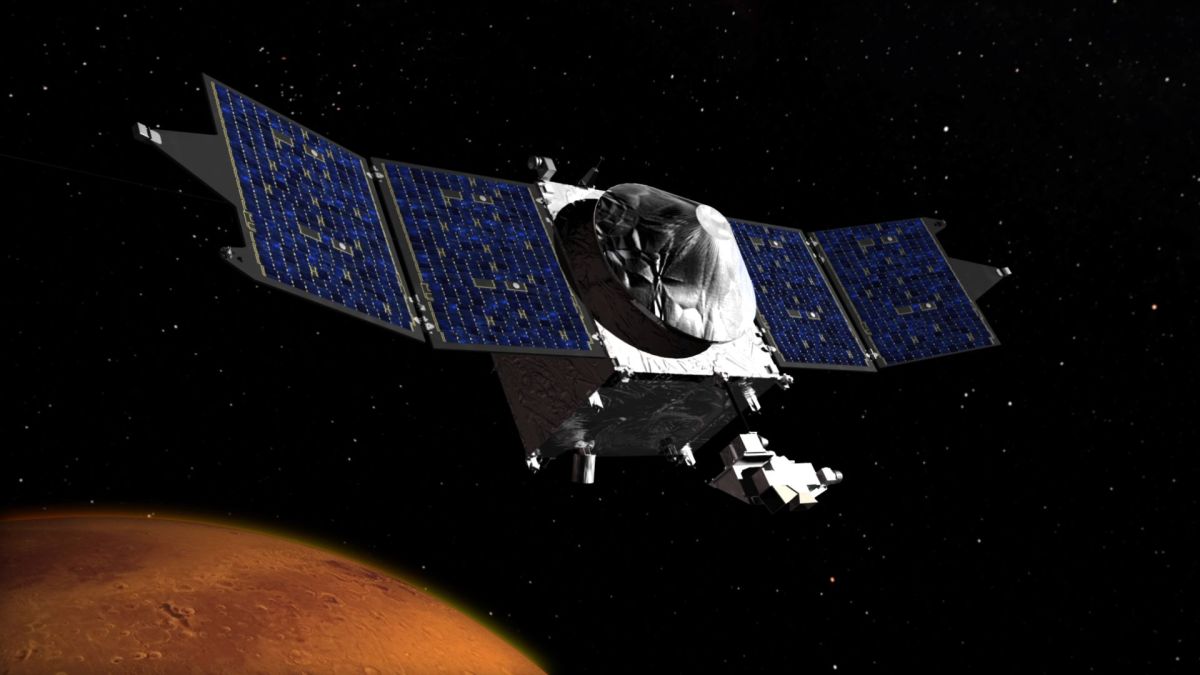
NASA Says Goodbye to Its Longtime Mars MAVEN Mission

NASA has officially ended the MAVEN mission after the Mars orbiter stopped responding in December, apparently after an unexpected spin drained its batteries and knocked out communications. Launched in 2013 and orbiting Mars since 2014, MAVEN spent more than a decade studying how the planet lost its atmosphere and helped explain how Mars transformed from a potentially habitable world into the cold, dry planet seen today. The New York Times reports: The NASA spacecraft MAVEN, short for Mars Atmosphere and Volatile Evolution, had been orbiting around the Red Planet since 2014. NASA last received a signal from MAVEN on Dec. 6, shortly before the spacecraft passed behind Mars. Then the spacecraft stopped responding. A review board found that MAVEN began unexpectedly rotating, causing its batteries to drain too quickly and resulting in a loss of power to the communications system. "The team is certainly broken up about this," said Shannon Curry, the principal investigator of the mission and a scientist at the University of Colorado Boulder, at a news conference on Wednesday. "But at the same time, we are incredibly proud of the science we've accomplished over the last decade." NASA officials declined to speculate on the root cause of the mishap. A final report is expected to be released later this year.

Read more of this story at Slashdot.

  •  

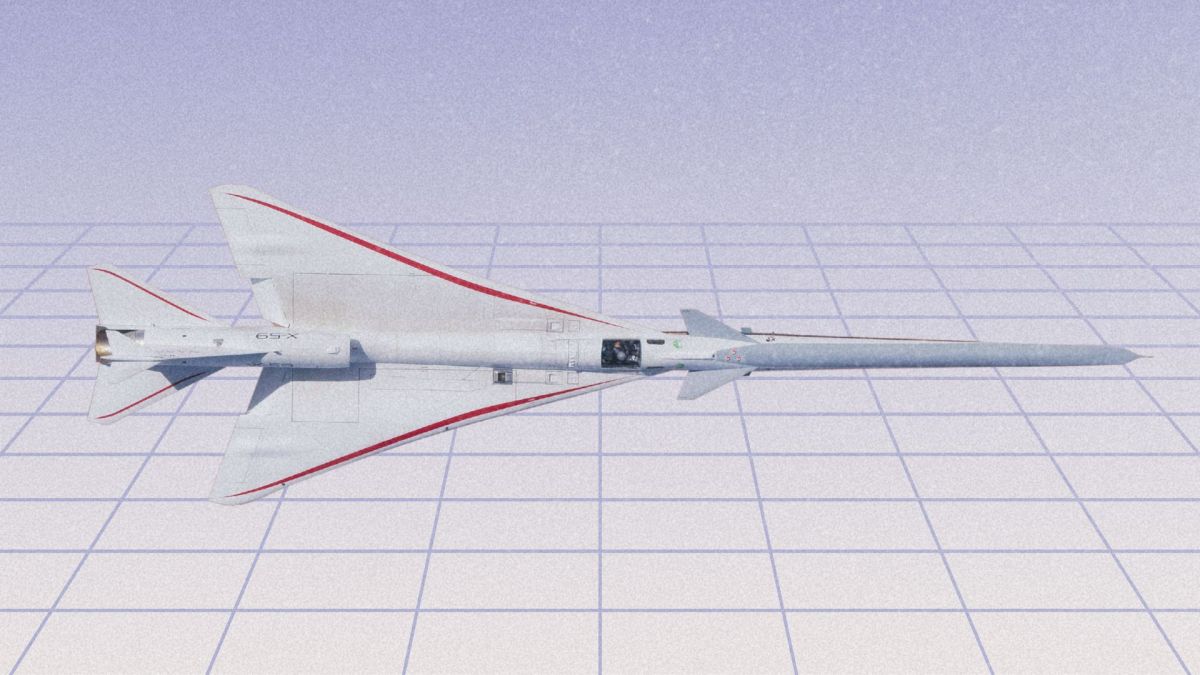
Pourquoi le premier vol supersonique du X-59 de la Nasa ne sera pas du tout silencieux

Le grand moment est imminent : l'avion X-59 va s'envoler à une vitesse supérieure à celle du son pour la première fois. Le vol est prévu début juin 2026, selon l'annonce de la Nasa. Mais son premier « bang » très discret ne pourra pas être entendu pour une raison particulière : cet avion ne volera pas seul à cette vitesse.

  •  

Pourquoi la nouvelle mission surprise de Thomas Pesquet est une excellente nouvelle pour la Lune

ISS thomas pesquet

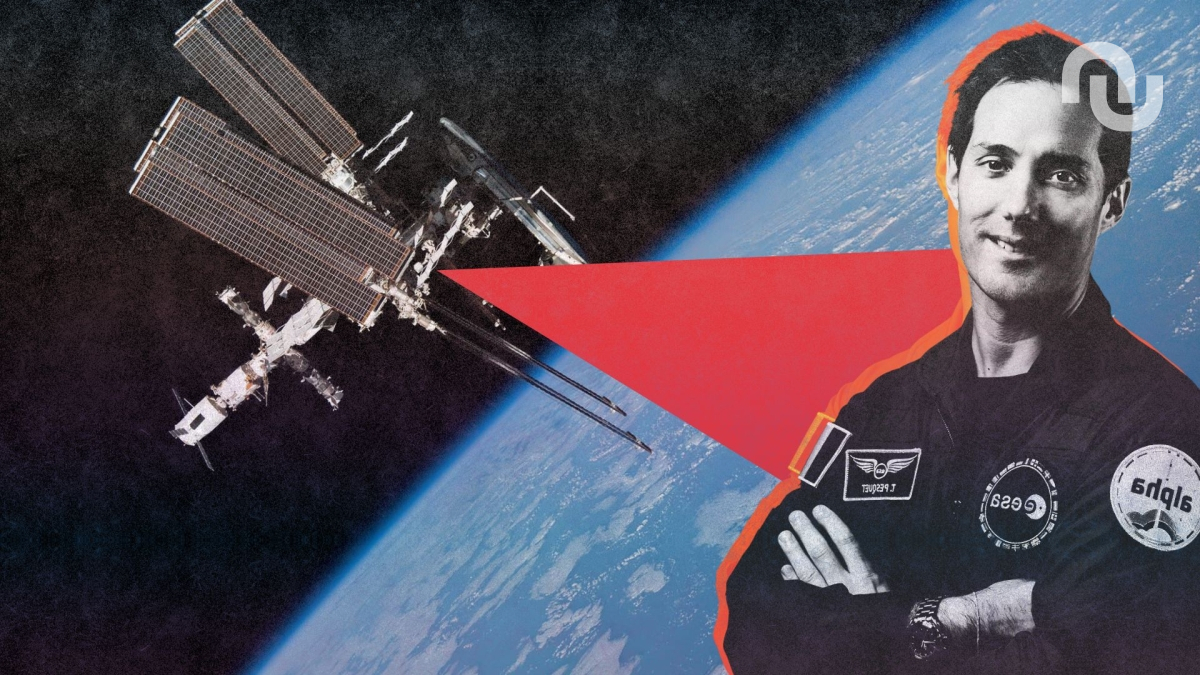
Annoncé à la surprise générale sur une mission privée de l'entreprise Vast en 2027, Thomas Pesquet s'apprête à faire un retour éclair à bord de l'ISS. Mais cet agenda inattendu ne risque-t-il pas de le priver du programme lunaire américain ? Loin d'être un obstacle, ce vol pourrait bien s'avérer être le tremplin stratégique idéal vers Artémis IV.

  •  

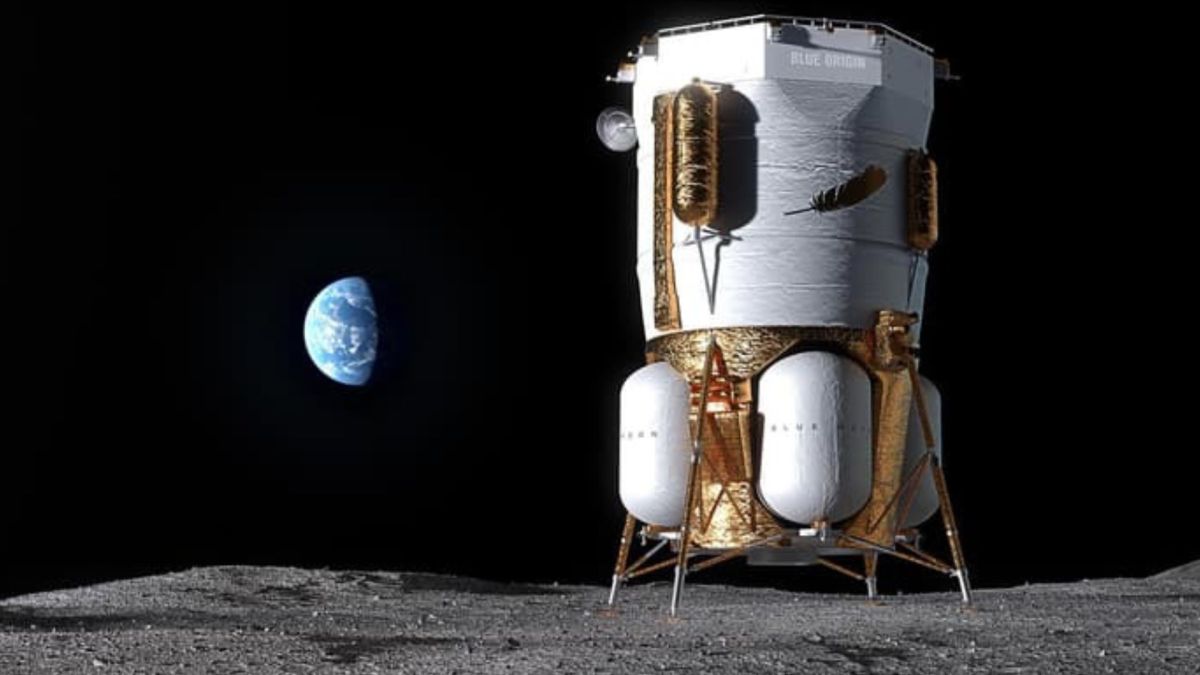
L’autre booster « semble en bon état » : malgré le chaos général, tout n’est pas perdu après le désastre de la fusée New Glenn

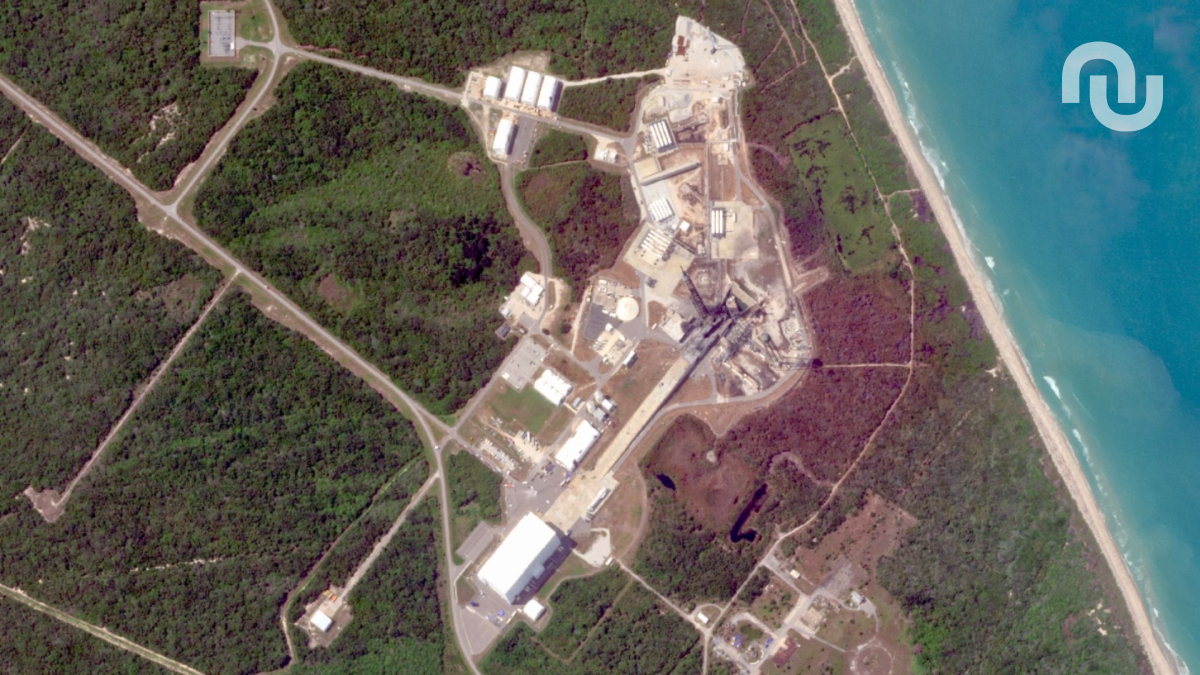
Si l'explosion de la fusée géante New Glenn a laissé le pas de tir LC-36 en ruines, le scénario du pire semble s'éloigner pour Blue Origin. Entre la sauvegarde d'équipements de vol cruciaux et le soutien indéfectible de la NASA sur place, l'entreprise s'organise pour rebondir.

  •  

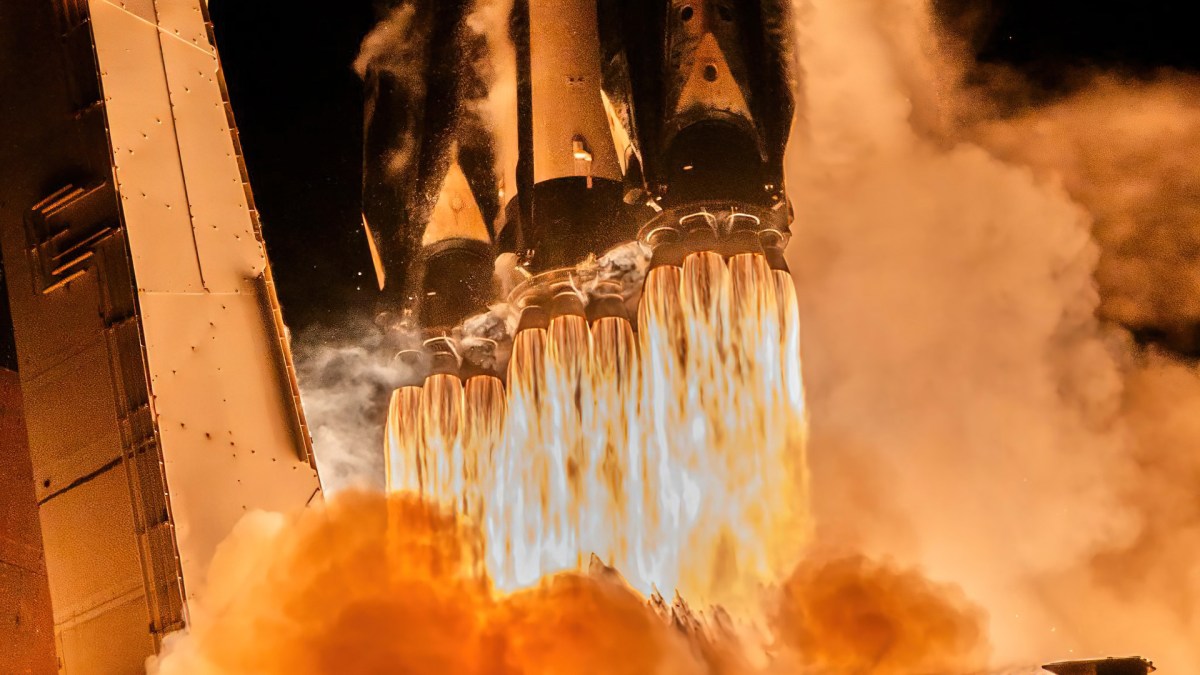
L’explosion de la fusée géante New Glenn est un désastre en cascade pour Blue Origin

Explosion de la fusée New Glenn

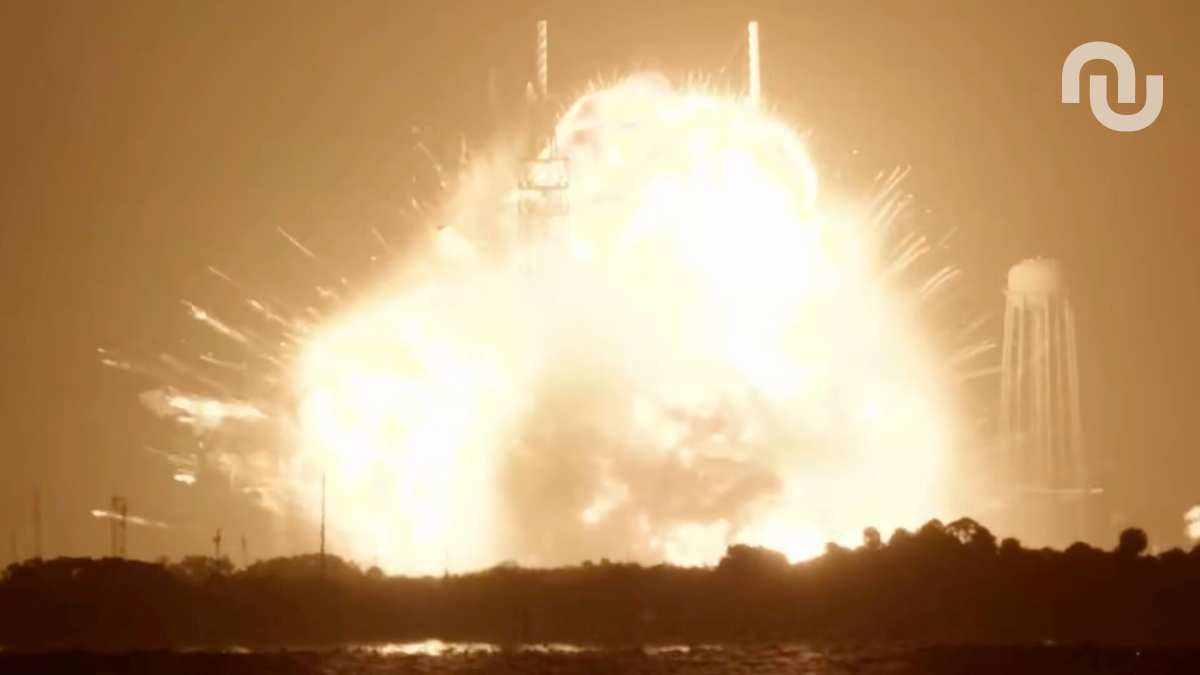
L’explosion colossale de la fusée New Glenn sur son pas de tir, dans la nuit du 28 au 29 mai 2026, va bien au-delà du simple raté technique pour Blue Origin. Avec des infrastructures dévastées et l'absence de lanceur lourd de rechange, l'entreprise de Jeff Bezos plonge dans une crise industrielle majeure qui menace de paralyser le programme lunaire de la Nasa et les ambitions satellitaires d'Amazon.

  •  

Caltech Could Lose Control of JPL For First Time In Decades

NASA plans to open competition for the contract to operate JPL for the first time in nearly a century, meaning Caltech's historic role managing the iconic deep-space lab could come to an end when its current agreement expires in 2028. According to JPL, Caltech has managed the lab since the its inception in the 1930s, and has done so for NASA since the agency was established in 1958. Space.com reports: According to the JPL statement, Caltech has been preparing for this possible transition since last summer, so the news "comes as no surprise." But the potential change is part of a larger shakeup for the agency. Earlier this morning, NASA announced a major reorganization, which is separate from the JPL news. "To support the agency's ambitious short- and long-term goals, NASA is taking action to increase specialization at centers and integrate mission directorates, elevating delivery of technically excellent work," the agency said in a statement today. JPL is NASA's lead center for the robotic exploration of Mars and other deep-space locales. The agency has worked with JPL through Caltech as a manager for nearly 70 years. Though JPL still counts as one of NASA's field centers, it's run as a contracted FFRDC (federally funded research and development center). This status has allowed the lab to function slightly differently than other NASA centers; it has a unique sort of independence, though NASA has always had significant oversight of the lab. "As an FFRDC, JPL operates under a special contractual and governance framework designed to ensure that its work is performed in the public interest and aligned with national priorities," NASA has stated. "The FFRDC model enables NASA to retain access to this depth of capability while maintaining a clear separation between government decision-making authority and contractor execution responsibilities." Opening up the competition for institutions beyond Caltech to operate JPL could mean significant changes for everything from day-to-day mission management to big NASA science programs. Until now, JPL and Caltech have been heavily intertwined, with mission personnel, scientists, leadership, and others working closely "across the pond" between JPL and Caltech. JPL mission and program meetings often include Caltech employees and sometimes even take place on its Pasadena campus.

Read more of this story at Slashdot.

  •  

« Vous n’êtes jamais allés dans l’espace ! » : Les astronautes d’Artémis II interpellés au Capitole

Pendant une visite du Capitole, à Washington, les quatre membres de l'équipage d'Artémis II ont été verbalement agressés par un homme qui les accuse d'avoir menti sur la mission, assurant que tout était faux. Une interpellation étonnante au vu du nombre de preuves transmises lors de ce voyage.

  •  
❌