
Vue lecture

Justice Department Approves Paramount's $111 Billion Acquisition of Warner Bros.

The Justice Department has approved Paramount Skydance's $111 billion acquisition of Warner Bros. Discovery without requiring divestitures or other concessions. The deal still faces scrutiny from state attorneys general. Politico reports: The decision, expected to be announced Friday, paves the way for Paramount to combine with the entertainment and media company behind a vast film and television studio, CNN, and the HBO Max streaming service, which would be combined with Paramount+ to create a new offering boasting about 200 million subscribers. The deal, which would upend the Hollywood ecosystem by combining two historic rival studios, is opposed by many in the entertainment industry who fear it could lead to mass layoffs, among other concerns. After an extensive review, DOJ officials determined the transaction did not pose a threat to competition and declined to challenge it, said the people, who were granted anonymity to discuss sensitive matters. The department approved the merger without requiring any divestitures, behavioral remedies or concessions, according to one of the people. [...] The DOJ's approval does not end the merger's legal scrutiny. California Attorney General Rob Bonta has been reviewing the transaction and could still sue to block the deal despite federal regulators signing off. A spokesperson for Bonta's office told POLITICO earlier this week "the Paramount acquisition of Warner Brothers remains an active investigation." [...] Throughout those discussions, Paramount maintained that the merger would strengthen competition rather than diminish it, creating a media company better positioned to compete with streaming leaders and deep-pocketed technology rivals, according to people familiar with the matter. Hollywood workers fear the merger could trigger another wave of layoffs in an industry already reeling from years of consolidation. Critics argue that billions in promised cost savings will come at the expense of jobs, fewer opportunities for creators and greater concentration of power across film, television and streaming.

Read more of this story at Slashdot.
  •  

Xbox CEO Says Current Margins 'Cannot Continue'

Xbox CEO Asha Sharma and Chief Content Officer Matt Booty told staff that Xbox's current economics "cannot continue," citing more than $20 billion in spending over five years, declining revenue outside Activision Blizzard King, console supply constraints tied to RAMaggedon, and an overextended studio portfolio. The memo stops short of announcing layoffs, but a Bloomberg report says substantial Xbox cuts are expected after Microsoft's fiscal year ends on June 30. Engadget reports: The takeaways are pretty grim. For starters, the simple math of Xbox's revenue isn't adding up to success. "Excluding Activision Blizzard King, over the past five years, we have spent over $20 billion on ongoing investments in our content, platform, and hardware subsidy, but our annual revenue has declined nearly half a billion during that time," the execs state. "Going forward, this cannot continue." They also acknowledge the impact of RAMaggedon: "We are currently unable to make as many consoles as players want to buy, and we need a new business model and partnerships for hardware as we remain committed to Helix." (Helix, in this case, is Project Helix, the codename for Xbox's new console.) Then there's the kicker, a renewed admission that Xbox still can't support the many studios it acquired in the late 2010s in an effort to grow its first-party game ambitions. "We have found ourselves over extended as we executed on changing strategies in a landscape of more readily available content," the pair said, noting elsewhere that with so many good games, not to mention the plethora of other forms of entertainment available, "Going forward, our competition is attention."

Read more of this story at Slashdot.
  •  

Les GAFAM sont morts, vive les MANGOS

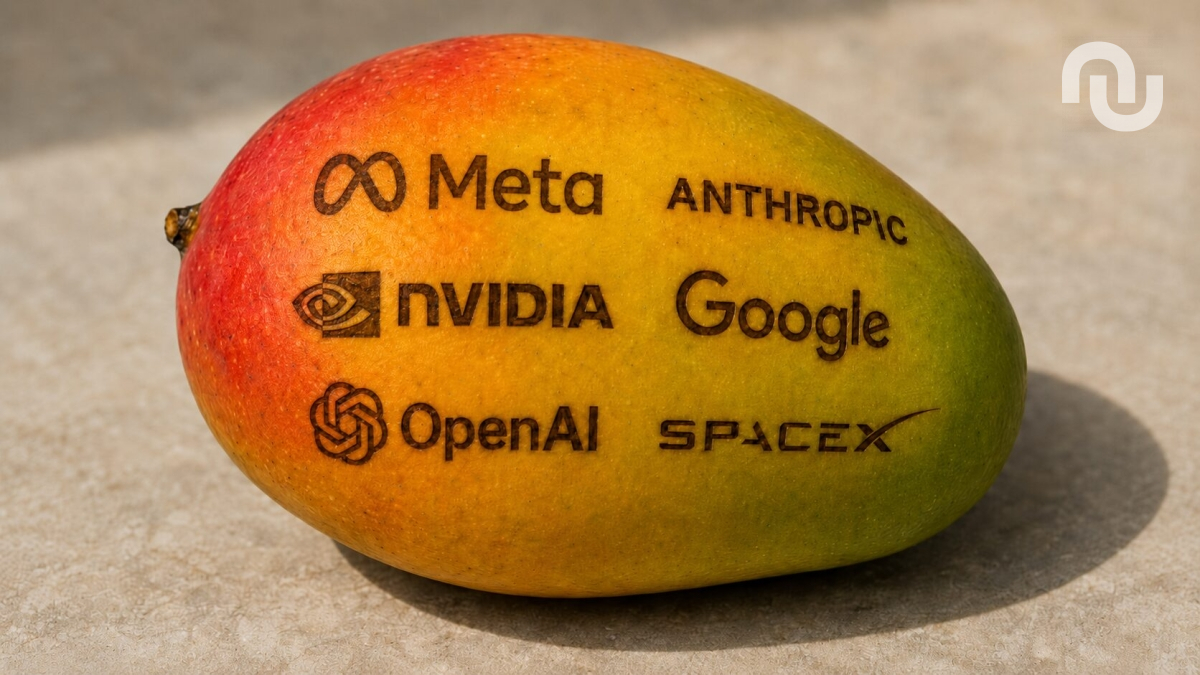
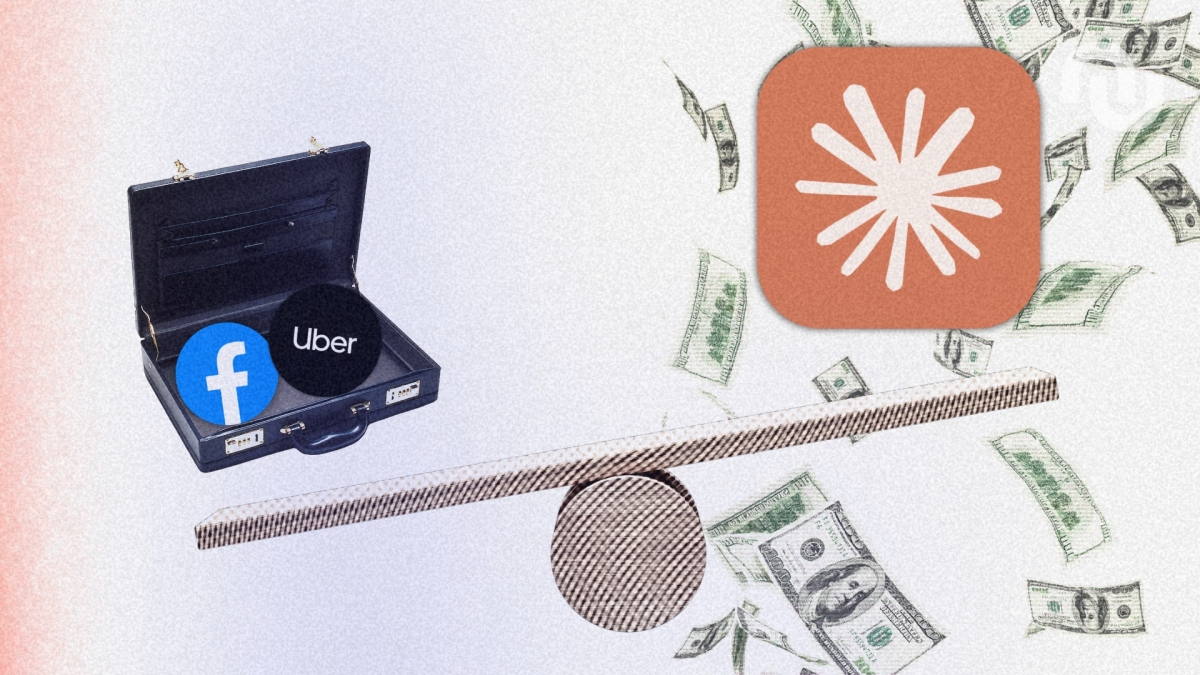
Et si les GAFAM avaient déjà leur successeur ? Né sur X le 9 juin 2026, le mème « MANGOS » remplace les géants historiques par Meta, Anthropic, Nvidia, Google, OpenAI et SpaceX. Un acronyme rigolo, mais surtout révélateur d’un basculement de la tech.

  •  

OpenAI Files For IPO

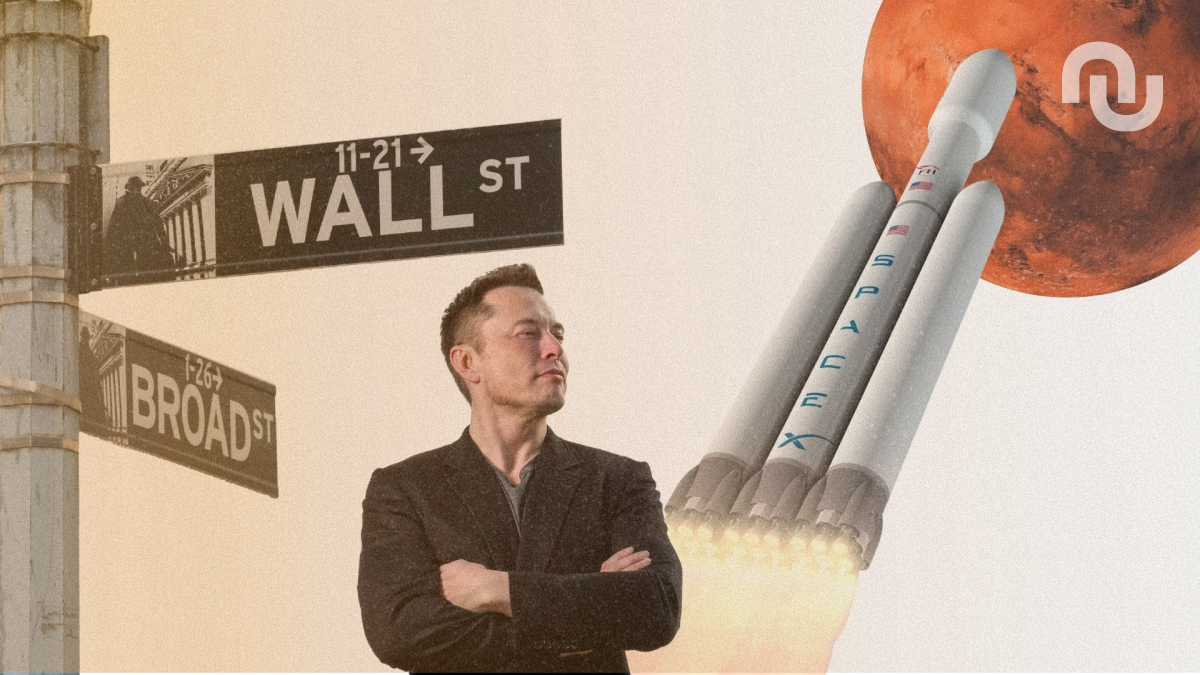
OpenAI has confidentially filed for an IPO, "setting it up for what may be the most highly anticipated market debut in recent history and a massive payday for early investors," reports CNN. The decision follows recent IPO announcements from Anthropic and SpaceX. From the report: OpenAI said it has not decided on timing yet. And because the filing is confidential, it's not yet clear how many shares the company plans to sell or at what price. "It may be a while because there are things we want to do that are likely easier as a private company," it said in a post on its newsroom page. But the company said the filing "gives us the option to go public sooner if that ends up being best." The transition to a public company will give Wall Street a window into OpenAI's finances as the company pours billions into AI infrastructure and computing resources. Investors dumped tech stocks last week as they questioned whether a recent run-up in those shares had gone too far. OpenAI was last valued at $852 billion after raising $122 billion in March, but it's faced pressure to demonstrate it can generate the cash to match that valuation.

Read more of this story at Slashdot.

  •  

Italy's Bending Spoons, Owner of AOL and Vimeo, Files For Nasdaq IPO

Bending Spoons, the Italian app studio behind acquisitions like Eventbrite, Vimeo, WeTransfer, Evernote, and AOL, has filed to go public in the U.S. after growing into a subscription-heavy app conglomerate with more than 500 million monthly active users. TechCrunch reports: In its filing with the Securities and Exchange Commission, Bending Spoons said it ended the year with $1.31 billion in revenue and has generated $601 million in Q1, a 132% year-on-year jump. The company gets the majority of its revenue from subscriptions, which account for 84% of its business. It generated $27.4 million in profit in Q1 2026. The company raised funding at an $11 billion valuation last year, up from $2.8 billion in 2024. In April, Reuters reported that the company could seek a $20 billion valuation with the IPO.

Read more of this story at Slashdot.
  •  

Google Will Pay SpaceX $920 Million Per Month For Compute

Ahead of its upcoming IPO, SpaceX announced that Google will pay the company $920 million per month for access to roughly 110,000 Nvidia GPUs and related compute infrastructure. Google says the agreement is short-term "bridge capacity" to meet stronger-than-expected demand for Gemini Enterprise, while SpaceX is using deals like this and its Anthropic contract to bolster its pitch for a historic public offering. TechCrunch reports: The deal is similar in length and scope to the one SpaceX announced with Anthropic in late May. As part of that deal, Anthropic agreed to pay SpaceX $1.25 billion per month through 2029 to rent all the available compute from its Colossus 1 data center near Memphis, Tennessee that xAI -- now part of SpaceX -- originally built for its own artificial intelligence efforts. Google's deal appears to be paying for roughly half the amount of compute that Anthropic has access to at Colossus 1. SpaceX didn't say which specific data center Google would be using. CEO Elon Musk has previously suggested his company would reserve the Colossus 2 data center for xAI. Anthropic was significantly limited in its compute capacity prior to its deal with SpaceX, raising usage limits on the same day the deal was announced. Google is in a very different position, with some estimates naming it as the world's largest single owner of AI compute. [...] Also like the Anthropic deal, the agreement with Google includes a cancellation clause. Both SpaceX and Google have the option to terminate the agreement with 90 days notice after December 31, 2026. Google's access to the data center will ramp up "through September at a reduced fee," according to the filing. "If we fail to deliver access to the committed amount of GPUs by September 30, 2026, then following a one-month grace period, Google may immediately terminate the agreement or accept the number of GPUs provided" with a reduction in the monthly fees, it reads.

Read more of this story at Slashdot.
  •  

Samsung Ditches New Jersey For Texas, Costing Garden State 1,000 Jobs

schwit1 shares a report from NJ.com: Samsung is pulling up stakes in New Jersey and heading to Texas, a move that could leave roughly 1,000 Garden State workers facing a stark choice: relocate or risk losing their jobs. The South Korean tech giant confirmed this week that it will move its US headquarters from Englewood Cliffs, NJ, to its existing campus in Plano, Texas, marking a stunning reversal less than a year after it celebrated the opening of a new headquarters in Bergen County. The relocation is expected to be completed by the end of the year, according to company statements. "Samsung Electronics America Inc. is undergoing a business transformation designed to better position our organization for long-term growth and future success. As part of this effort, we are relocating our U.S. headquarters from New Jersey to our existing campus in Plano, Texas, building on our 30-year presence in the state," said Samsung in a statement emailed to NJ.com on Tuesday. "As part of this strategy, we will be optimizing parts of the organization to ensure our roles and functions align to key business priorities. We recognize such adjustments will have an impact on our people and we will be providing support to those affected," it continued.

Read more of this story at Slashdot.

  •  

Anthropic Files to Go Public

Anthropic says it has confidentially filed an IPO prospectus with the SEC, "setting up a potentially historic share sale for investors ready to jump into artificial intelligence," reports CNBC. The move puts Anthropic ahead of OpenAI's expected filing and follows explosive reported growth, a massive new valuation, major infrastructure deals, and ongoing tensions with the Pentagon over its models. From the report: "This gives us the option to go public after the SEC completes its review," Anthropic said in a statement on Monday. "The proposed initial public offering will depend on market conditions and other factors." Submitting a confidential prospectus doesn't lock Anthropic into a certain timeframe for going public. Its official prospectus just has to land in the hands of investors at least 15 days before the company begins a roadshow. [...] The company has experienced explosive growth this year, announcing in May that its revenue run rate has ballooned to $47 billion, up from $10 billion in annual revenue last year. Last week, it closed a funding round at a $965 billion valuation, topping OpenAI, which was valued at $852 billion in late March.

Read more of this story at Slashdot.

  •  

New Lawsuit Against Amazon: 'Subscribe and Save' Program Can Actually Cost You More

Amazon's "Subscribe & Save" program — for recurring purchasees — has triggered a new lawsuit, reports Oregon Live. "The lawsuit contends that after luring in customers with 'artificially low prices,' the world's biggest online retailer jacked up the prices in the months after their first shipments arrived." In some cases, the lawsuit claims that customers were paying more for the exact same items through the Subscribe & Save program than they would be if they bought the items from other sellers on the site. That was true even when the up to 15% discount that the subscription program offers was calculated into the final purchase price, according to the suit. The Seattle law firm that filed the May 15 lawsuit says that Amazon's business practices amount to "deceptive," "misleading" and "bait and switch tactics." The firm is seeking class-action status in U.S. District Court for western Washington, a move that could potentially draw tens of millions of Amazon customers from across the U.S. into the litigation... [The suit says the plaintiffs' first order of espresso coffee grounds was $16.60.] When their order auto-renewed a few months later, the price had gone up to $17.04. A few months later, it rose to $21.25. Then in October 2024, the price increased to $28.69 — about $12 more than the Hermans had paid at the beginning of their subscription, according to the lawsuit. [The discount can be as little as 5% or up to 15%, Amazon told Oregon Live in a statement, noting customers do receive an email showing "applicable savings" before the orders ship. But...] The suit says Amazon gave the Hermans little notice to cancel the order or to shop around because it notified them of the latest price increase in an email at 8:54 p.m. — the same night it processed their order and charged them. The suit says if the Hermans had been given the time to shop around for a better price, they would have found that another Amazon seller was charging $25.90 — or $2.79 less — for the identical item. Amazon's "Subscribe & Save Terms & Conditions" page tells customers that it "may change the price for a Subscribe & Save subscription at any time for any reason...." The analytical group Consumer Intelligence Research Partners says about 25% of U.S. Amazon customers are enrolled in the Subscribe & Save program. Oregon Live got Amazon's response, which suggested their program saves customers time and money "through convenient, flexible, and recurring deliveries". (So when customers saw "Subscribe and Save", they were perhaps supposed to intuit the word save referred in part to... time-saving?) The plaintiffs' lawyer argues instead that "When you sign up for something that is called 'Subscribe & Save,' you'd expect that you're saving by subscribing. But that's not actually what's happening in many cases."

Read more of this story at Slashdot.

  •  

Dell Stock Surges 32% in One Day. Big Revenue From AI Servers Stuns Analysts

Dell's stock skyrocketed 32.76% on Friday, "its best day ever," reports CNBC, after Dell "reported its fastest pace for revenue growth for any period since returning to the public market in 2018..." "Shares are now up 234% in 2026." Dell, which reported first-quarter earnings after the bell on Thursday, saw a flood of artificial intelligence-related demand for its servers, which contain graphics processing units from companies like Nvidia. Quarterly revenue soared nearly 88% year over year, with AI server revenue alone increasing 757% from a year earlier to $16.1 billion... Ben Reitzes, head of technology research at [research/investment firm] Melius, said he'd "never seen anything like" Dell's latest quarter. "They beat every line in the model, so this wasn't just AI, it was great execution," Reitzes told CNBC's "Squawk on the Street." "They beat whatever we would've thought...." Morgan Stanley wrote that while they expected a clean beat and raise this quarter, they're "eating our humble pie" off the back of Dell's results. "We got this one wrong, and our model/PT are under review," the analysts wrote. "This was — across the board — one of the most impressive quarters we've seen in our time covering Hardware, especially in the context of what is happening across the component universe."

Read more of this story at Slashdot.
  •  

Wix Is the Latest To Cut 20% of Jobs While Citing AI

Wix is laying off roughly 20% of its workforce, about 1,000 employees, as CEO Avishai Abrahami cites both the rapid evolution of AI and currency pressure from a stronger Israeli shekel against the dollar. The web developer joins a growing list of tech companies making similar cuts, including Amazon, Block, Cisco, Cloudflare, Meta, Microsoft, Oracle and Intuit. Fast Company reports: "We have witnessed the most significant shift in how companies are built since the invention of modern programming languages in the 1970s," [wrote Abrahami]. "This is not just about adopting new tools -- it is about rewiring how companies are built, how they think, how they manage, and how they operate. Companies that embrace this change will not only build faster; they will build things the previous generation literally could not have imagined." Abrahami also cited the poor exchange rate between the Israeli shekel and the U.S. dollar. The Israeli currency has significantly strengthened in the past few quarters against a weakening dollar, and the shekel is up nearly 30% against the greenback over the last year. "As the majority of our teams are Israel-based, a very meaningful portion of our costs are shekel-denominated, while our revenue is largely dollar-denominated," Abrahami explained on X. "This creates a structural pressure on our ability to operate at our current scale. It is a reality that directly shapes what is sustainable for our company."

Read more of this story at Slashdot.

  •  
❌