Vue lecture

Pour récompenser le succès de Luna Abyss, l’éditeur Kwalee vire ses développeurs

C’est via un post LinkedIn de Hollie Emery, CEO de Kwalee Labs, que la nouvelle peu réjouissante s’est faite connaître. Une décision d’autant plus difficile à comprendre que Luna Abyss, sorti il y a moins d’un mois, a connu un accueil largement positif de la part des joueurs. De notre côté, malgré un niveau de difficulté à revoir, on a trouvé l’expérience narrative mixant bullet hell et platforming plutôt réussie ! Malheureusement, ces retours n’auront pas suffi à éviter le licenciement des 9 développeurs du titre, dont le travail est d’autant plus impressionnant quand on connait la taille de l’équipe.

Capture d'écran nº 6

Un gâchis regrettable qui fait forcément jaser, d’autant que le studio, anciennement nommé Bonsai Collective, avait été racheté et renommé par l’éditeur Kwalee quelques années auparavant, tout ça pour virer ce beau monde une fois les loyaux services accomplis avec brio. En revanche, on peut se rassurer au vu des nombreux studios et autres personnes influentes de l’industrie qui réagissent sous ce post, laissant penser qu’ils pourraient récupérer quelques devs au passage. En tout cas, si vous avez à cœur de faire honneur à leur travail, sachez que vous pouvez vous procurer Luna Abyss pour 30 €, essayer la démo gratuitement ou encore ajouter le jeu à votre wishlist via sa page Steam.

  •  

Tesco Moving 40,000 Server Workloads Off VMware Amid Broadcom's 'Abusive Conduct'

An anonymous reader quotes a report from Ars Technica: Tesco, a retail conglomerate headquartered in the United Kingdom, is moving 40,000 server workloads off of VMware amid "abusive conduct" from Broadcom, recent legal filings claim. Tesco filed a lawsuit in the UK's High Court against Broadcom alleging breach of contract last year. According to a September report from The Register, the lawsuit claimed that in January 2021, Tesco bought perpetual licenses for VMware's vSphere Foundation and Cloud Foundation, a subscription to VMware Tanzu, plus support services until 2026, with the option to extend support for four additional years. But when Broadcom took over VMware in November 2023, it would not honor the deal and instead tried to get Tesco to pay "excessive and inflated prices for virtualization software for which Tesco has already paid" and would not allow it to buy support services for its perpetually licensed software without buying "duplicative subscription-based licenses for those same Software products," the initial complaint read, The Register reported at the time. Tesco, which reported 73.7 billion pounds (about $98.7 billion) in revenue in its fiscal year 2026, has since started migrating away from VMware and Broadcom's mainframe products, according to late-May court filings reported on by The Register today. In January, Broadcom stopped supporting Tesco's VMware products, Tesco said, and Tesco has been paying for third-party support since. In its initial filing, Tesco also said that Broadcom refused to upgrade software or provide all security updates to customers without subscriptions. One of Tesco's recent filings, per The Register, reads: "Faced with Broadcom's abusive conduct, and given the criticality of virtualization and mainframe software and services to its business, Tesco has been forced to incur material costs to procure alternative solutions with reduced functionality, and to migrate to that software in a manner, and on a timeframe, that creates very significant risks to its business." If it works "at exceptional pace," Tesco will be completely off VMware by the end of 2027 at the earliest. However, "the timeframe in which that migration must be undertaken has created and continues to create operational and commercial risk, and at material ongoing cost and disruption to the business," Tesco reportedly noted. Tesco is also dealing with migration challenges related to data security because its new, unnamed virtualization software is incompatible with the Veeam and Zerto products it uses. Tesco initially requested at least 100 million pounds (about $133.6 million) in damages each from Broadcom, VMware, and reseller Computacenter, plus interest. In its recent filings, Tesco said it turned down at least four offers from Broadcom to continue using VMware and Broadcom's mainframe tech. [...] The case is expected to go to court between November 1, 2027, and February 25, 2028, The Register reported. Afterward, it could go to trial. Further reading: HPE Tempts VMware Users, Partners With Year of Free Virtualization Software

Read more of this story at Slashdot.

  •  

Carvana Is Turning Dealerships Into 'Playgrounds,' Test-Drive Centers With Sales All Online

Carvana is testing a radically different new-car dealership model in Dallas, turning the location into a test-drive center and themed "playground" while requiring every purchase to be completed through its online platform. "Every single car that we sell, whether it's used or new, is online," said Tom Taira, Carvana president of special projects who's leading the new vehicle operations. "That's a very inherent difference. Even coming into the store, you're buying it online, and that's a big difference in how people think about it." The company hopes its no-haggle pricing, hourly employees, service operations, and national logistics network can reshape franchised auto retail. CNBC reports: Through its used vehicles sales, Carvana has become the most valuable auto retailer in the U.S. with a more than $70 billion market cap. Carvana's target with the new vehicle business is to grow its market share and customer base as well as assist used vehicle sales through trade-ins and other means, according to Taira. If the company is successful, the strategy could cause a ripple effect across the U.S. franchised dealership model, which the National Automobile Dealers Association reports includes 16,990 retailers that topped $1.3 trillion in sales last year. [...] Carvana is using a location in Dallas as a test center for its foray into new vehicle sales. The facility looks like a traditional Stellantis dealership from the outside, but the consumer process for purchasing a vehicle and the responsibilities of its employees are unprecedented. Couches and chairs replace cubicles and sales offices. There are no finance and insurance departments, and instead of an army of commission-based employees, the facility has associates that are paid hourly to assist customers -- if they want the help. The experience is meant to be as self-guided as a customer wants. By scanning QR codes located on 10-foot-by-10-foot screens inside the building or on vehicles and displays outside, shoppers can customize a vehicle, learn about a product's features and conduct test drives before deciding whether to purchase anything. If they do decide to buy something, it's online and not originated from a sales person, the company said. The "playground" has roughly 50 vehicles divided by brand, with each having a theme. Jeep has an off-road display. Dodge has race tracks, including a Carvana-themed Charger pace car and part of a traditional track fence barrier. Chrysler minivans, meanwhile, have a soccer net and Ram's area is truck-centric. Carvana is not committing to expanding the exact experience to its other franchised dealer locations, but Taira told CNBC that the overall process of online sales, vehicle testing and service are expected to be consistent throughout the locations. Further reading:: Online Car Retailer Launching Nation's First Car "Vending Machine

Read more of this story at Slashdot.

  •  

OpenAI Losses Increased Nearly 8X In 2025, With Spending Hitting $34 Billion

An anonymous reader quotes a report from independent journalist Ed Zitron: Today, I can exclusively report, based on audited financial documents viewed by this publication that have been independently verified by the Financial Times, that OpenAI lost around $38.5 billion in 2025, as well as other crucial details about the financial condition of the company. [...] At the end of the year, OpenAI had just over $50 billion in assets, with almost half of that in cash. [...] The financial condition of OpenAI is deeply concerning. $38.53 billion in losses are astronomical, and far higher than most believed it would be. Losses also appear to be mounting year-over-year at a dramatic rate, and I'm not sure how this company finds a way toward any kind of sustainability or profitability. As discussed, I have not editorialized much today. I believe the best thing I can do for the general public is to deliver this news as plainly as possible. Ars Technica's Kyle Orland offers a more editorial take, writing: All told, OpenAI's day-to-day "loss from operations" increased from $8.78 billion in 2024 to $20.92 billion in 2025, a concerning direction for a company that is telling investors it hopes to be profitable by 2030. But measured as a percentage of revenues, the company's operating losses slightly improved year to year, from 237 percent in 2024 to 160 percent in 2025. Operating numbers aside, OpenAI's headline "net loss" number of just over $5 billion in 2024 ballooned to nearly $39 billion in 2025. But the 2025 number includes a significant accounting charge related to investor valuations that shifted amid the company's 2025 conversion to a for-profit structure. The Financial Times cites "a person familiar with the matter" in reporting that this non-recurring charge was approximately $30 billion and that OpenAI's 2025 net loss amounted to a more reasonable-looking $8 billion without it.

Read more of this story at Slashdot.

  •  

SpaceX To Acquire AI Coding Startup Cursor For $60 Billion

SpaceX has agreed to acquire Cursor for $60 billion in stock, adding the popular AI coding assistant to Elon Musk's newly public aerospace-and-AI conglomerate. CNBC reports: Cursor built a popular AI coding tool that helps software developers generate, edit and review code, and the company has experienced explosive growth since its founding in 2022. In November, Cursor said it crossed $1 billion in annualized revenue, according to a release at the time. Cursor was also ranked at No. 37 on the annual CNBC Disruptor 50 list in 2026. [...] Musk merged SpaceX with his AI startup, xAI, earlier this year, and the Cursor deal looks set to help revitalize the company's efforts to compete with rivals like Anthropic and OpenAI, which also offer popular coding tools. SpaceX expects the merger to close during the third quarter of this year, according to a filing with the Securities and Exchange Commission. The transaction is subject to "requisite regulatory approvals," the filing said.

Read more of this story at Slashdot.

  •  

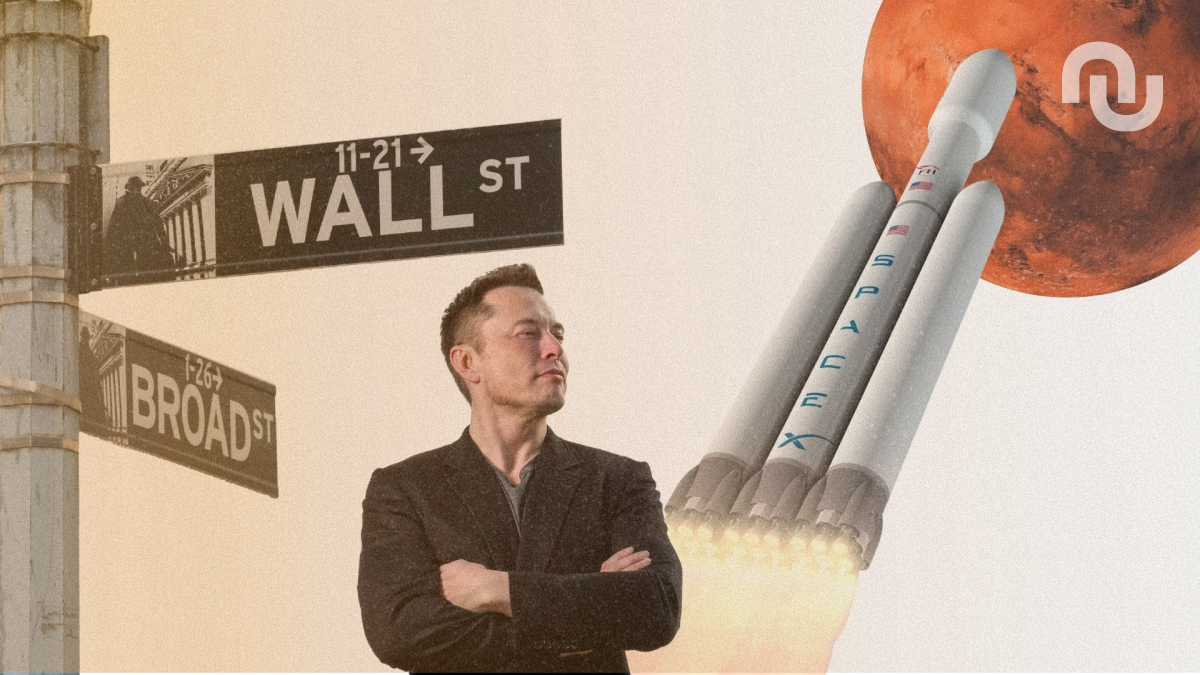
Les investisseurs n’ont pas eu froid aux yeux : quelle suite pour SpaceX après l’IPO du siècle ?

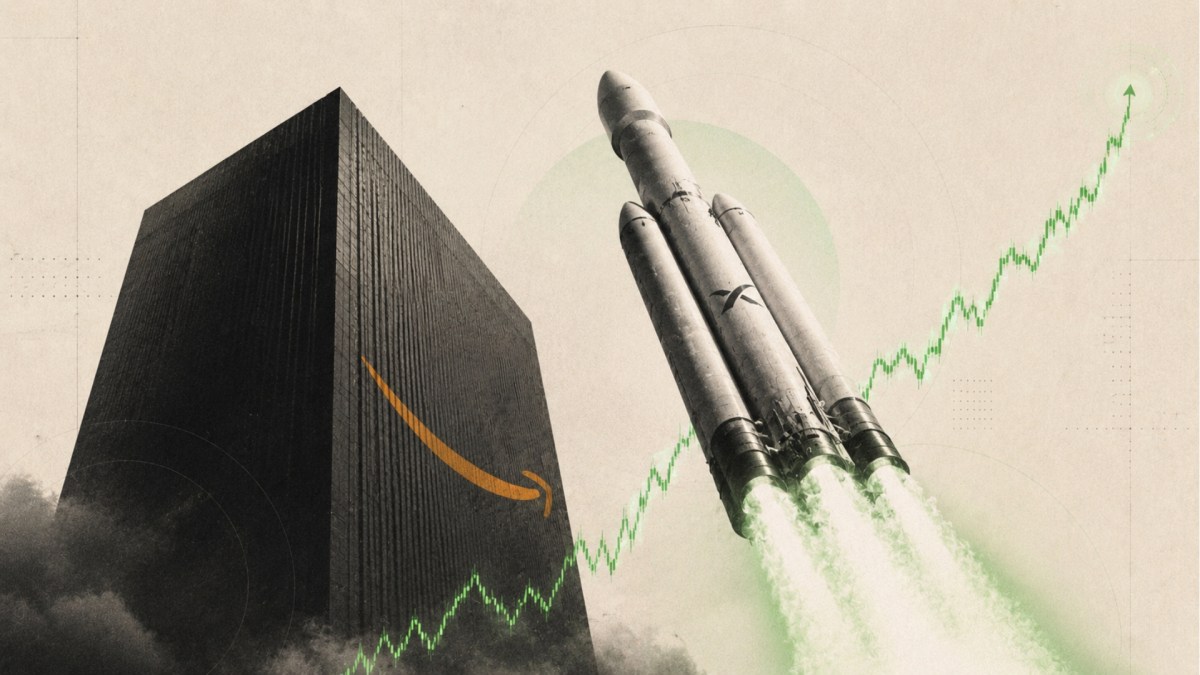
Vendredi 12 juin, SpaceX a réalisé la plus grande introduction en Bourse de l'histoire, 75 milliards de dollars levés, un bond de 19 % dès la première séance. Les marchés ont validé sans hésiter une entreprise qui perd des milliards et dont les actionnaires n'auront quasiment aucun mot à dire.

  •  

Justice Department Approves Paramount's $111 Billion Acquisition of Warner Bros.

The Justice Department has approved Paramount Skydance's $111 billion acquisition of Warner Bros. Discovery without requiring divestitures or other concessions. The deal still faces scrutiny from state attorneys general. Politico reports: The decision, expected to be announced Friday, paves the way for Paramount to combine with the entertainment and media company behind a vast film and television studio, CNN, and the HBO Max streaming service, which would be combined with Paramount+ to create a new offering boasting about 200 million subscribers. The deal, which would upend the Hollywood ecosystem by combining two historic rival studios, is opposed by many in the entertainment industry who fear it could lead to mass layoffs, among other concerns. After an extensive review, DOJ officials determined the transaction did not pose a threat to competition and declined to challenge it, said the people, who were granted anonymity to discuss sensitive matters. The department approved the merger without requiring any divestitures, behavioral remedies or concessions, according to one of the people. [...] The DOJ's approval does not end the merger's legal scrutiny. California Attorney General Rob Bonta has been reviewing the transaction and could still sue to block the deal despite federal regulators signing off. A spokesperson for Bonta's office told POLITICO earlier this week "the Paramount acquisition of Warner Brothers remains an active investigation." [...] Throughout those discussions, Paramount maintained that the merger would strengthen competition rather than diminish it, creating a media company better positioned to compete with streaming leaders and deep-pocketed technology rivals, according to people familiar with the matter. Hollywood workers fear the merger could trigger another wave of layoffs in an industry already reeling from years of consolidation. Critics argue that billions in promised cost savings will come at the expense of jobs, fewer opportunities for creators and greater concentration of power across film, television and streaming.

Read more of this story at Slashdot.

  •  

Xbox CEO Says Current Margins 'Cannot Continue'

Xbox CEO Asha Sharma and Chief Content Officer Matt Booty told staff that Xbox's current economics "cannot continue," citing more than $20 billion in spending over five years, declining revenue outside Activision Blizzard King, console supply constraints tied to RAMaggedon, and an overextended studio portfolio. The memo stops short of announcing layoffs, but a Bloomberg report says substantial Xbox cuts are expected after Microsoft's fiscal year ends on June 30. Engadget reports: The takeaways are pretty grim. For starters, the simple math of Xbox's revenue isn't adding up to success. "Excluding Activision Blizzard King, over the past five years, we have spent over $20 billion on ongoing investments in our content, platform, and hardware subsidy, but our annual revenue has declined nearly half a billion during that time," the execs state. "Going forward, this cannot continue." They also acknowledge the impact of RAMaggedon: "We are currently unable to make as many consoles as players want to buy, and we need a new business model and partnerships for hardware as we remain committed to Helix." (Helix, in this case, is Project Helix, the codename for Xbox's new console.) Then there's the kicker, a renewed admission that Xbox still can't support the many studios it acquired in the late 2010s in an effort to grow its first-party game ambitions. "We have found ourselves over extended as we executed on changing strategies in a landscape of more readily available content," the pair said, noting elsewhere that with so many good games, not to mention the plethora of other forms of entertainment available, "Going forward, our competition is attention."

Read more of this story at Slashdot.

  •  

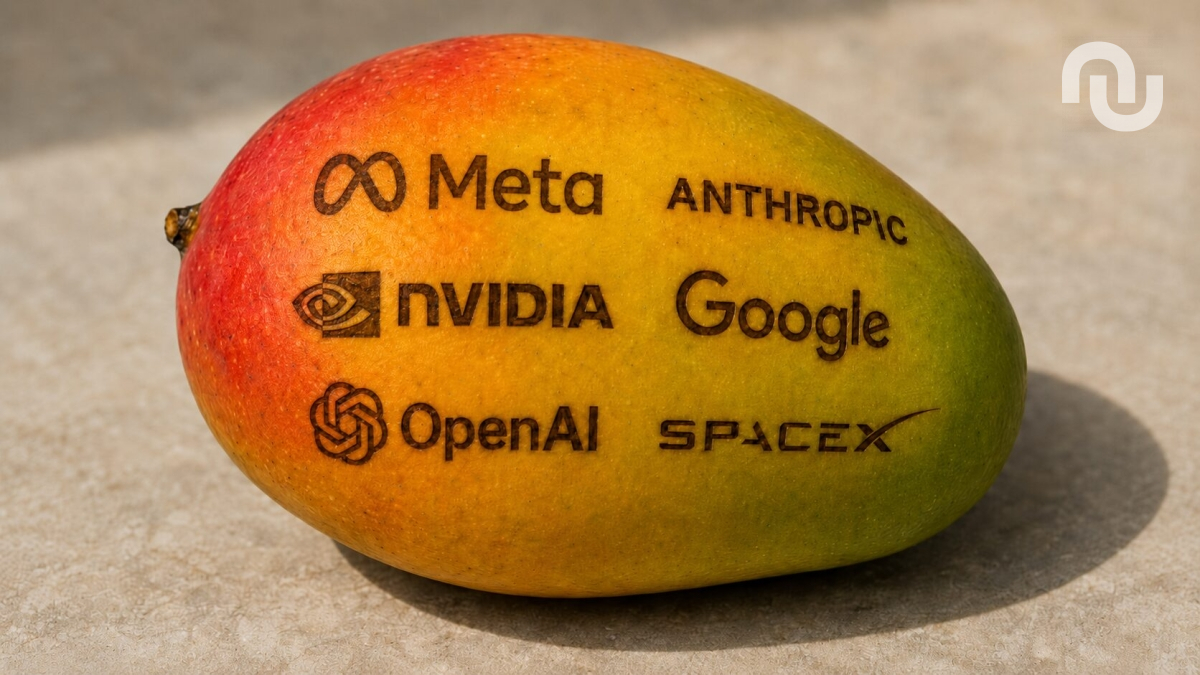
Les GAFAM sont morts, vive les MANGOS

Et si les GAFAM avaient déjà leur successeur ? Né sur X le 9 juin 2026, le mème « MANGOS » remplace les géants historiques par Meta, Anthropic, Nvidia, Google, OpenAI et SpaceX. Un acronyme rigolo, mais surtout révélateur d’un basculement de la tech.

  •  

OpenAI Files For IPO

OpenAI has confidentially filed for an IPO, "setting it up for what may be the most highly anticipated market debut in recent history and a massive payday for early investors," reports CNN. The decision follows recent IPO announcements from Anthropic and SpaceX. From the report: OpenAI said it has not decided on timing yet. And because the filing is confidential, it's not yet clear how many shares the company plans to sell or at what price. "It may be a while because there are things we want to do that are likely easier as a private company," it said in a post on its newsroom page. But the company said the filing "gives us the option to go public sooner if that ends up being best." The transition to a public company will give Wall Street a window into OpenAI's finances as the company pours billions into AI infrastructure and computing resources. Investors dumped tech stocks last week as they questioned whether a recent run-up in those shares had gone too far. OpenAI was last valued at $852 billion after raising $122 billion in March, but it's faced pressure to demonstrate it can generate the cash to match that valuation.

Read more of this story at Slashdot.

  •  

Italy's Bending Spoons, Owner of AOL and Vimeo, Files For Nasdaq IPO

Bending Spoons, the Italian app studio behind acquisitions like Eventbrite, Vimeo, WeTransfer, Evernote, and AOL, has filed to go public in the U.S. after growing into a subscription-heavy app conglomerate with more than 500 million monthly active users. TechCrunch reports: In its filing with the Securities and Exchange Commission, Bending Spoons said it ended the year with $1.31 billion in revenue and has generated $601 million in Q1, a 132% year-on-year jump. The company gets the majority of its revenue from subscriptions, which account for 84% of its business. It generated $27.4 million in profit in Q1 2026. The company raised funding at an $11 billion valuation last year, up from $2.8 billion in 2024. In April, Reuters reported that the company could seek a $20 billion valuation with the IPO.

Read more of this story at Slashdot.

  •  

Google Will Pay SpaceX $920 Million Per Month For Compute

Ahead of its upcoming IPO, SpaceX announced that Google will pay the company $920 million per month for access to roughly 110,000 Nvidia GPUs and related compute infrastructure. Google says the agreement is short-term "bridge capacity" to meet stronger-than-expected demand for Gemini Enterprise, while SpaceX is using deals like this and its Anthropic contract to bolster its pitch for a historic public offering. TechCrunch reports: The deal is similar in length and scope to the one SpaceX announced with Anthropic in late May. As part of that deal, Anthropic agreed to pay SpaceX $1.25 billion per month through 2029 to rent all the available compute from its Colossus 1 data center near Memphis, Tennessee that xAI -- now part of SpaceX -- originally built for its own artificial intelligence efforts. Google's deal appears to be paying for roughly half the amount of compute that Anthropic has access to at Colossus 1. SpaceX didn't say which specific data center Google would be using. CEO Elon Musk has previously suggested his company would reserve the Colossus 2 data center for xAI. Anthropic was significantly limited in its compute capacity prior to its deal with SpaceX, raising usage limits on the same day the deal was announced. Google is in a very different position, with some estimates naming it as the world's largest single owner of AI compute. [...] Also like the Anthropic deal, the agreement with Google includes a cancellation clause. Both SpaceX and Google have the option to terminate the agreement with 90 days notice after December 31, 2026. Google's access to the data center will ramp up "through September at a reduced fee," according to the filing. "If we fail to deliver access to the committed amount of GPUs by September 30, 2026, then following a one-month grace period, Google may immediately terminate the agreement or accept the number of GPUs provided" with a reduction in the monthly fees, it reads.

Read more of this story at Slashdot.

  •  
❌