Vue lecture

Toy Story 5 explose le box-office mondial et s’offre un record historique jamais vu en 2026

Woody et Buzz l’Éclair n'ont pas pris une ride. Pour son premier week-end d'exploitation, Toy Story 5 a réalisé un véritable hold-up en engrangeant pas moins de 312 millions de dollars au box-office mondial. En signant le meilleur démarrage cinématographique de l'année 2026, la franchise historique de Pixar prouve que la nostalgie reste une arme de destruction massive dans les salles obscures.

  •  

Is Tesla Planning To Sell Modular AI Data Center Hardware?

Electrek reports: Tesla wants to sell modular AI data center hardware, according to a new trademark application for a product called "Megapod." The filing describes a complete, self-contained computing system for AI workloads... Tesla filed the "Megapod" trademark (serial number 99893717) with the U.S. Patent and Trademark Office this month, through its longtime IP counsel. It's an intent-to-use application, meaning Tesla is claiming the name for a product it hasn't launched yet. The goods-and-services description is unusually specific for a trademark. Megapod covers "modular data center hardware systems for artificial intelligence computing, comprised of computer servers, computer hardware for artificial intelligence data processing, networking equipment, power distribution units, and cooling systems." It also covers "self-contained modular computing hardware systems for artificial intelligence workloads," integrated platforms sold as a single unit — an enclosure bundling compute, power distribution, and cooling — and downloadable software to monitor, manage, and optimize those systems. In plain terms: Tesla wants to sell a turnkey AI data center building block. Not a battery, not a chip on its own, but the full rack-and-room of servers, networking, power, and cooling that AI training and inference run on. Tesla's offering would have to compete with Nvidia's liquid-cooled, rack-scale systems that simulates a giant GPU, the article points out. But "The bigger issue is that Tesla has no merchant compute-hardware business to build on." Tesla's own AI training cluster, Cortex at Gigafactory Texas, runs on roughly 67,000 Nvidia H100-equivalent GPUs. In other words, Tesla is one of Nvidia's customers, not a competitor selling alternative hardware... Where Tesla does have a real AI-data-center business is power, not compute. Its Megapack and new Megablock energy storage products are selling into AI data centers as grid buffers — Musk's own xAI has bought roughly $1 billion of Megapacks to keep its training runs powered. That energy-storage strength is the one credible thread here. A Megapod that bundles Tesla's power electronics, thermal management, and the enclosure — the "shell" around the chips rather than the chips themselves — would at least sit adjacent to a business Tesla actually runs.

Read more of this story at Slashdot.

  •  

Amazon Retaliated Against Workers Who Supported Regulating Data Centers, Complaint Says

Three Amazon employees have filed a civil-rights complaint alleging the company retaliated against them for publicly supporting Seattle regulations on data centers. "The complaint was filed on the workers' behalf by Amazon Employees for Climate Justice, an independent group of corporate employees at Amazon that since 2018 has organized around climate issues," reports The New York Times. "It said the company started investigations and told the employees that they could face discipline, in one case up to potential termination, in an act of intimidation that violated the city's civil rights protections against discrimination for political beliefs." Amazon says it launched the internal investigations to determine whether the employees appeared to be speaking on the company's behalf rather than as private citizens. "As we looked more closely at how these employees represented themselves, and how their comments were received by others, it became clear that they may have been speaking in their capacity as Amazonians and not as private citizens," said an Amazon spokesperson. They said that the company does not allow retaliatory behavior and that when the investigation is concluded, Amazon "may or may not take action based on what we find." The New York Times reports: Five Amazon tech workers affiliated with Amazon Employees for Climate Justice testified at several different hearings before the Seattle City Council and two of its committees. Their testimony in the company's hometown drew national attention, and it put the tech giant in the awkward position of responding to public criticism of data centers and artificial intelligence from its own employees. Patrick Schloesser, who has worked as a software engineer at Amazon Web Services since 2020, said in an interview with The New York Times that Amazon told him he was under investigation last week, when he was called into a meeting with no notice. He had testified at two City Council hearings in early June. "I had this rising sense of anger that Amazon is attempting to infringe on my rights to speak out politically in my city," he said. "If we allow corporations to decide which speech is or is not allowed, that absolutely hurts democracy." [...] [...] The Amazon employees testified that Seattle should consider conditions on allowing new data centers, such as requiring new renewable energy sources of power, banning the use of nondisclosure agreements between the city and developers, and limiting public subsidies. They offered to help create new rules based on their experience as tech workers. "Seattle needs to set the terms so the way any new data centers get built here actually moves us closer to the future we want," Darius Irani, who has worked as a software engineer in Amazon's grocery business since 2021, said at a June 3 hearing before the Council's Parks and City Light Committee. He suggested requiring public reporting of water and power use, banning shell companies and harnessing the heat emitted from the chips in data centers to warm nearby buildings. Amazon told news organizations at the time that it respected 'our colleagues' right to voice their opinions and that the company did not have plans to build data centers within the city limits. On June 9, the Council unanimously voted for a one-year moratorium on new, large data centers in order to give it time to develop regulations. The next day, an Amazon employee relations staff member met the three workers in individual meetings and told them that they were under investigation for their testimony, according to the complaint. Mr. Irani said he was repeatedly questioned about his testimony and who else at Amazon was present at the hearings. "It feels like they say one thing publicly and try to silence and intimidate me privately, which I think is wrong," Mr. Irani said.

Read more of this story at Slashdot.

  •  

OtherSide Entertainment (Thick as Thieves) licencie 17 personnes suite à l’annulation d’Argos: Riders on the Storm

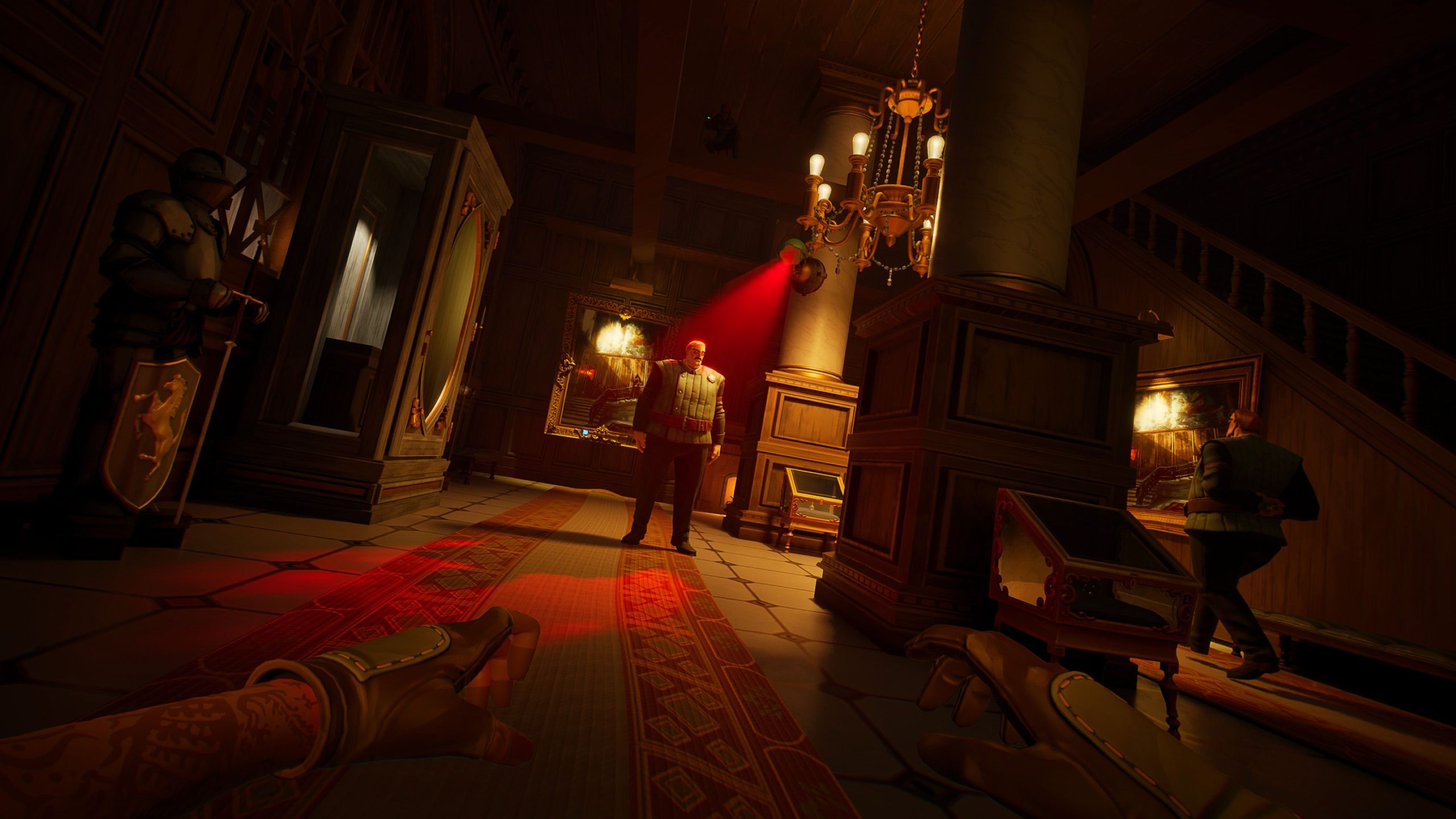
Alors que Thick as Thieves, le dernier titre du studio OtherSide Entertainment, a beau être sorti il y a moins d’un mois, voilà qu’on apprend via nos collègues de Game Developer qu’Argos: Riders on the Storm, un projet d’immersive sim multijoueur annoncé en 2022, a fini à la benne. Et avec lui, 17 développeurs. Pour rappel, OtherSide est un studio piloté avec assez peu de succès par Paul Neurath (Thief, System Shock 2, Arx Fatalis…) et Warren Spector (Ultima, System Shock, Deus Ex…) : Ultima Ascendant avait fait un four en 2018, et depuis, quasiment tous les projets ont été annulés (System Shock 3, un jeu Donjons & Dragons). Seul Thick as Thieves a survécu, mais il peine à convaincre malgré son tarif très agressif. D’après les déclarations du studio, le licenciement du personnel n’est pas lié à de potentielles mauvaises performances de l’immersive sim coopératif, mais uniquement au climat délétère dans l’industrie vidéoludique.

Thick as Thieves scaled

On ignore s’il reste encore quelque chose dans les cartons, mais s’ils doivent uniquement s’appuyer sur Thick as Thieves, il y a de quoi s’inquiéter. Le jeu est très sympathique et franchement agréable à jouer, mais n’est qu’une sorte de démo : seulement deux cartes sont disponibles, et malgré une certaine variété dans les objectifs, on pourra se lasser en quelques soirées. Certes, c’est très correct pour les 5 € demandés, mais ce n’est pas ça qui va entretenir la base de joueurs ou en attirer de nouveaux. En plus, ils n’ont pas évoqué d’ajout de futur contenu, et se contentent de pondre de petits patchs ici et là. On a l’impression qu’ils ont balancé ça comme ça, pour prendre la température, sans avoir grand-chose derrière.

Quoi qu’il en soit, le studio est toujours en vie, et si vous voulez soutenir papy Warren, vous pouvez retrouver Thick as Thieves actuellement en promo à 20 % sur Steam, soit 4 € jusqu’au 25 juin.

  •  

Facturation électronique obligatoire : comment choisir la bonne plateforme et éviter les arnaques

Le 1er septembre 2026, la facturation électronique devient obligatoire pour toutes les entreprises françaises. Des millions d'indépendants et de PME ont reçu ces derniers jours un mail de la DGFiP les invitant à choisir leur plateforme de réception, et beaucoup ne savent pas encore par où commencer.

  •  

La hiérarchie des films les plus chers de l’histoire vient d’être bouleversée, et Star Wars a perdu son trône

Historique. Mickey vient de perdre sa couronne au jeu du blockbuster le plus dispendieux de tous les temps. Selon une analyse approfondie de documents financiers officiels récemment déposés, Universal Pictures a battu le record absolu détenu par Disney depuis près de dix ans. Le coupable ? Jurassic World : Le Monde d'après (2022), dont la facture totale dépasse l'entendement.

  •  

Pour récompenser le succès de Luna Abyss, l’éditeur Kwalee vire ses développeurs

C’est via un post LinkedIn de Hollie Emery, CEO de Kwalee Labs, que la nouvelle peu réjouissante s’est faite connaître. Une décision d’autant plus difficile à comprendre que Luna Abyss, sorti il y a moins d’un mois, a connu un accueil largement positif de la part des joueurs. De notre côté, malgré un niveau de difficulté à revoir, on a trouvé l’expérience narrative mixant bullet hell et platforming plutôt réussie ! Malheureusement, ces retours n’auront pas suffi à éviter le licenciement des 9 développeurs du titre, dont le travail est d’autant plus impressionnant quand on connait la taille de l’équipe.

Capture d'écran nº 6

Un gâchis regrettable qui fait forcément jaser, d’autant que le studio, anciennement nommé Bonsai Collective, avait été racheté et renommé par l’éditeur Kwalee quelques années auparavant, tout ça pour virer ce beau monde une fois les loyaux services accomplis avec brio. En revanche, on peut se rassurer au vu des nombreux studios et autres personnes influentes de l’industrie qui réagissent sous ce post, laissant penser qu’ils pourraient récupérer quelques devs au passage. En tout cas, si vous avez à cœur de faire honneur à leur travail, sachez que vous pouvez vous procurer Luna Abyss pour 30 €, essayer la démo gratuitement ou encore ajouter le jeu à votre wishlist via sa page Steam.

  •  

Tesco Moving 40,000 Server Workloads Off VMware Amid Broadcom's 'Abusive Conduct'

An anonymous reader quotes a report from Ars Technica: Tesco, a retail conglomerate headquartered in the United Kingdom, is moving 40,000 server workloads off of VMware amid "abusive conduct" from Broadcom, recent legal filings claim. Tesco filed a lawsuit in the UK's High Court against Broadcom alleging breach of contract last year. According to a September report from The Register, the lawsuit claimed that in January 2021, Tesco bought perpetual licenses for VMware's vSphere Foundation and Cloud Foundation, a subscription to VMware Tanzu, plus support services until 2026, with the option to extend support for four additional years. But when Broadcom took over VMware in November 2023, it would not honor the deal and instead tried to get Tesco to pay "excessive and inflated prices for virtualization software for which Tesco has already paid" and would not allow it to buy support services for its perpetually licensed software without buying "duplicative subscription-based licenses for those same Software products," the initial complaint read, The Register reported at the time. Tesco, which reported 73.7 billion pounds (about $98.7 billion) in revenue in its fiscal year 2026, has since started migrating away from VMware and Broadcom's mainframe products, according to late-May court filings reported on by The Register today. In January, Broadcom stopped supporting Tesco's VMware products, Tesco said, and Tesco has been paying for third-party support since. In its initial filing, Tesco also said that Broadcom refused to upgrade software or provide all security updates to customers without subscriptions. One of Tesco's recent filings, per The Register, reads: "Faced with Broadcom's abusive conduct, and given the criticality of virtualization and mainframe software and services to its business, Tesco has been forced to incur material costs to procure alternative solutions with reduced functionality, and to migrate to that software in a manner, and on a timeframe, that creates very significant risks to its business." If it works "at exceptional pace," Tesco will be completely off VMware by the end of 2027 at the earliest. However, "the timeframe in which that migration must be undertaken has created and continues to create operational and commercial risk, and at material ongoing cost and disruption to the business," Tesco reportedly noted. Tesco is also dealing with migration challenges related to data security because its new, unnamed virtualization software is incompatible with the Veeam and Zerto products it uses. Tesco initially requested at least 100 million pounds (about $133.6 million) in damages each from Broadcom, VMware, and reseller Computacenter, plus interest. In its recent filings, Tesco said it turned down at least four offers from Broadcom to continue using VMware and Broadcom's mainframe tech. [...] The case is expected to go to court between November 1, 2027, and February 25, 2028, The Register reported. Afterward, it could go to trial. Further reading: HPE Tempts VMware Users, Partners With Year of Free Virtualization Software

Read more of this story at Slashdot.

  •  

Carvana Is Turning Dealerships Into 'Playgrounds,' Test-Drive Centers With Sales All Online

Carvana is testing a radically different new-car dealership model in Dallas, turning the location into a test-drive center and themed "playground" while requiring every purchase to be completed through its online platform. "Every single car that we sell, whether it's used or new, is online," said Tom Taira, Carvana president of special projects who's leading the new vehicle operations. "That's a very inherent difference. Even coming into the store, you're buying it online, and that's a big difference in how people think about it." The company hopes its no-haggle pricing, hourly employees, service operations, and national logistics network can reshape franchised auto retail. CNBC reports: Through its used vehicles sales, Carvana has become the most valuable auto retailer in the U.S. with a more than $70 billion market cap. Carvana's target with the new vehicle business is to grow its market share and customer base as well as assist used vehicle sales through trade-ins and other means, according to Taira. If the company is successful, the strategy could cause a ripple effect across the U.S. franchised dealership model, which the National Automobile Dealers Association reports includes 16,990 retailers that topped $1.3 trillion in sales last year. [...] Carvana is using a location in Dallas as a test center for its foray into new vehicle sales. The facility looks like a traditional Stellantis dealership from the outside, but the consumer process for purchasing a vehicle and the responsibilities of its employees are unprecedented. Couches and chairs replace cubicles and sales offices. There are no finance and insurance departments, and instead of an army of commission-based employees, the facility has associates that are paid hourly to assist customers -- if they want the help. The experience is meant to be as self-guided as a customer wants. By scanning QR codes located on 10-foot-by-10-foot screens inside the building or on vehicles and displays outside, shoppers can customize a vehicle, learn about a product's features and conduct test drives before deciding whether to purchase anything. If they do decide to buy something, it's online and not originated from a sales person, the company said. The "playground" has roughly 50 vehicles divided by brand, with each having a theme. Jeep has an off-road display. Dodge has race tracks, including a Carvana-themed Charger pace car and part of a traditional track fence barrier. Chrysler minivans, meanwhile, have a soccer net and Ram's area is truck-centric. Carvana is not committing to expanding the exact experience to its other franchised dealer locations, but Taira told CNBC that the overall process of online sales, vehicle testing and service are expected to be consistent throughout the locations. Further reading:: Online Car Retailer Launching Nation's First Car "Vending Machine

Read more of this story at Slashdot.

  •  

OpenAI Losses Increased Nearly 8X In 2025, With Spending Hitting $34 Billion

An anonymous reader quotes a report from independent journalist Ed Zitron: Today, I can exclusively report, based on audited financial documents viewed by this publication that have been independently verified by the Financial Times, that OpenAI lost around $38.5 billion in 2025, as well as other crucial details about the financial condition of the company. [...] At the end of the year, OpenAI had just over $50 billion in assets, with almost half of that in cash. [...] The financial condition of OpenAI is deeply concerning. $38.53 billion in losses are astronomical, and far higher than most believed it would be. Losses also appear to be mounting year-over-year at a dramatic rate, and I'm not sure how this company finds a way toward any kind of sustainability or profitability. As discussed, I have not editorialized much today. I believe the best thing I can do for the general public is to deliver this news as plainly as possible. Ars Technica's Kyle Orland offers a more editorial take, writing: All told, OpenAI's day-to-day "loss from operations" increased from $8.78 billion in 2024 to $20.92 billion in 2025, a concerning direction for a company that is telling investors it hopes to be profitable by 2030. But measured as a percentage of revenues, the company's operating losses slightly improved year to year, from 237 percent in 2024 to 160 percent in 2025. Operating numbers aside, OpenAI's headline "net loss" number of just over $5 billion in 2024 ballooned to nearly $39 billion in 2025. But the 2025 number includes a significant accounting charge related to investor valuations that shifted amid the company's 2025 conversion to a for-profit structure. The Financial Times cites "a person familiar with the matter" in reporting that this non-recurring charge was approximately $30 billion and that OpenAI's 2025 net loss amounted to a more reasonable-looking $8 billion without it.

Read more of this story at Slashdot.

  •  

SpaceX To Acquire AI Coding Startup Cursor For $60 Billion

SpaceX has agreed to acquire Cursor for $60 billion in stock, adding the popular AI coding assistant to Elon Musk's newly public aerospace-and-AI conglomerate. CNBC reports: Cursor built a popular AI coding tool that helps software developers generate, edit and review code, and the company has experienced explosive growth since its founding in 2022. In November, Cursor said it crossed $1 billion in annualized revenue, according to a release at the time. Cursor was also ranked at No. 37 on the annual CNBC Disruptor 50 list in 2026. [...] Musk merged SpaceX with his AI startup, xAI, earlier this year, and the Cursor deal looks set to help revitalize the company's efforts to compete with rivals like Anthropic and OpenAI, which also offer popular coding tools. SpaceX expects the merger to close during the third quarter of this year, according to a filing with the Securities and Exchange Commission. The transaction is subject to "requisite regulatory approvals," the filing said.

Read more of this story at Slashdot.

  •  

Les investisseurs n’ont pas eu froid aux yeux : quelle suite pour SpaceX après l’IPO du siècle ?

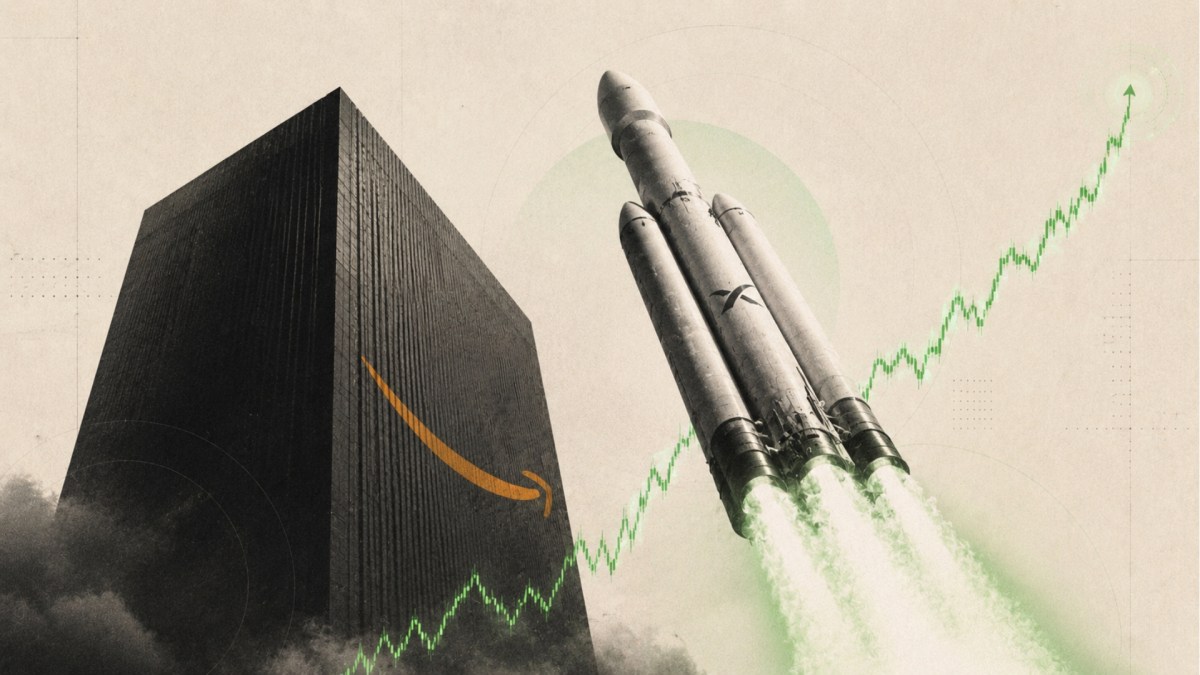
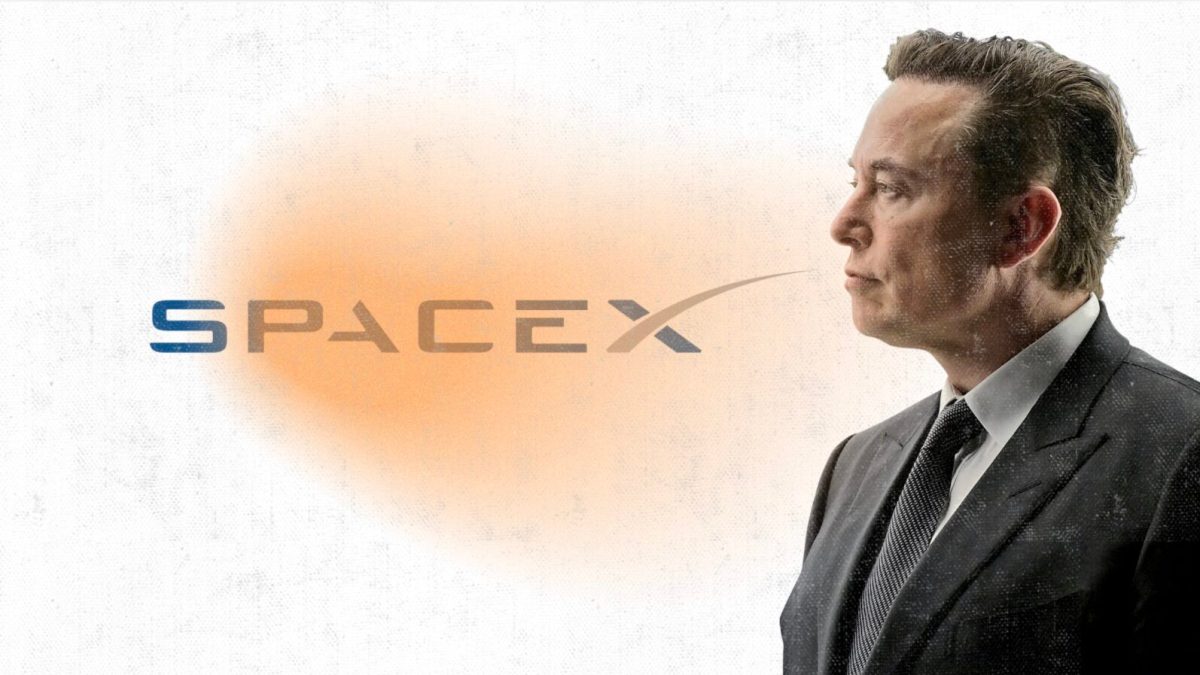
Vendredi 12 juin, SpaceX a réalisé la plus grande introduction en Bourse de l'histoire, 75 milliards de dollars levés, un bond de 19 % dès la première séance. Les marchés ont validé sans hésiter une entreprise qui perd des milliards et dont les actionnaires n'auront quasiment aucun mot à dire.

  •  

Justice Department Approves Paramount's $111 Billion Acquisition of Warner Bros.

The Justice Department has approved Paramount Skydance's $111 billion acquisition of Warner Bros. Discovery without requiring divestitures or other concessions. The deal still faces scrutiny from state attorneys general. Politico reports: The decision, expected to be announced Friday, paves the way for Paramount to combine with the entertainment and media company behind a vast film and television studio, CNN, and the HBO Max streaming service, which would be combined with Paramount+ to create a new offering boasting about 200 million subscribers. The deal, which would upend the Hollywood ecosystem by combining two historic rival studios, is opposed by many in the entertainment industry who fear it could lead to mass layoffs, among other concerns. After an extensive review, DOJ officials determined the transaction did not pose a threat to competition and declined to challenge it, said the people, who were granted anonymity to discuss sensitive matters. The department approved the merger without requiring any divestitures, behavioral remedies or concessions, according to one of the people. [...] The DOJ's approval does not end the merger's legal scrutiny. California Attorney General Rob Bonta has been reviewing the transaction and could still sue to block the deal despite federal regulators signing off. A spokesperson for Bonta's office told POLITICO earlier this week "the Paramount acquisition of Warner Brothers remains an active investigation." [...] Throughout those discussions, Paramount maintained that the merger would strengthen competition rather than diminish it, creating a media company better positioned to compete with streaming leaders and deep-pocketed technology rivals, according to people familiar with the matter. Hollywood workers fear the merger could trigger another wave of layoffs in an industry already reeling from years of consolidation. Critics argue that billions in promised cost savings will come at the expense of jobs, fewer opportunities for creators and greater concentration of power across film, television and streaming.

Read more of this story at Slashdot.

  •  

Xbox CEO Says Current Margins 'Cannot Continue'

Xbox CEO Asha Sharma and Chief Content Officer Matt Booty told staff that Xbox's current economics "cannot continue," citing more than $20 billion in spending over five years, declining revenue outside Activision Blizzard King, console supply constraints tied to RAMaggedon, and an overextended studio portfolio. The memo stops short of announcing layoffs, but a Bloomberg report says substantial Xbox cuts are expected after Microsoft's fiscal year ends on June 30. Engadget reports: The takeaways are pretty grim. For starters, the simple math of Xbox's revenue isn't adding up to success. "Excluding Activision Blizzard King, over the past five years, we have spent over $20 billion on ongoing investments in our content, platform, and hardware subsidy, but our annual revenue has declined nearly half a billion during that time," the execs state. "Going forward, this cannot continue." They also acknowledge the impact of RAMaggedon: "We are currently unable to make as many consoles as players want to buy, and we need a new business model and partnerships for hardware as we remain committed to Helix." (Helix, in this case, is Project Helix, the codename for Xbox's new console.) Then there's the kicker, a renewed admission that Xbox still can't support the many studios it acquired in the late 2010s in an effort to grow its first-party game ambitions. "We have found ourselves over extended as we executed on changing strategies in a landscape of more readily available content," the pair said, noting elsewhere that with so many good games, not to mention the plethora of other forms of entertainment available, "Going forward, our competition is attention."

Read more of this story at Slashdot.

  •  

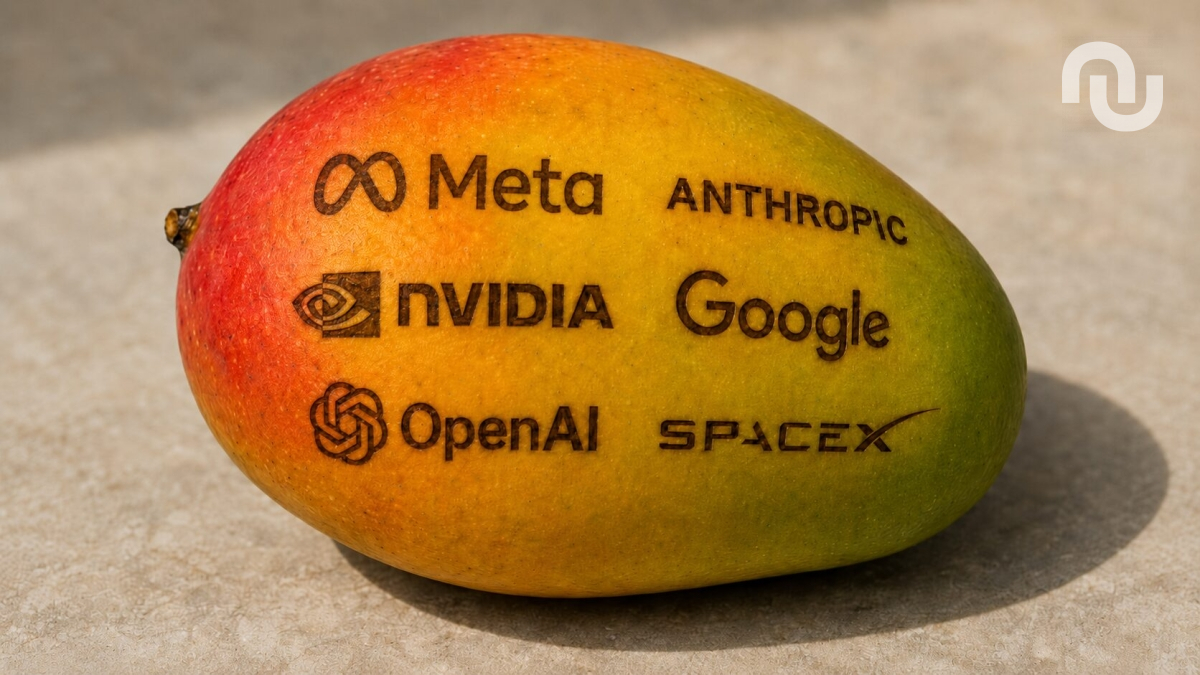
Les GAFAM sont morts, vive les MANGOS

Et si les GAFAM avaient déjà leur successeur ? Né sur X le 9 juin 2026, le mème « MANGOS » remplace les géants historiques par Meta, Anthropic, Nvidia, Google, OpenAI et SpaceX. Un acronyme rigolo, mais surtout révélateur d’un basculement de la tech.

  •  
❌