Vue lecture

Microsoft to Retire OWA Light Client In Exchange Server

Microsoft plans to disable and remove OWA Light, the lightweight Outlook Web Access client for Exchange Server, in an upcoming update expected in August 2026. The company says retiring the two-decade-old legacy interface will reduce attack surface and engineering complexity, pushing users to the modern Outlook on the web experience instead. BleepingComputer reports: "OWA Light was an important compatibility experience when the web needed it. Today, the full Outlook on the web experience is the right place for us to focus," the Exchange Team said on Wednesday. "Retiring OWA Light will help reduce legacy surface area, simplify ongoing engineering work, and allow us to continue improving the experience customers use every day." Microsoft introduced OWA Light roughly two decades ago as an alternative to OWA Premium, offering a simplified web interface for systems that didn't have Internet Explorer 6 or later installed or ran older web browsers. At the time, the company said that OWA Light offered a cleaner look, faster logon times on low-bandwidth Internet connections, and worked in locked-down browser modes (such as kiosks). Microsoft deprecated OWA Light as of August 19, 2024, and announced this week that the OWA Light experience will likely be removed from Exchange Server (on-premises) next month. "In an upcoming Exchange Server update (estimated in August 2026), we plan to disable and remove the OWA Light experience. After that change is introduced, users will no longer be able to choose or be redirected to OWA Light and should use the modern Outlook on the web experience instead."

Read more of this story at Slashdot.

  •  

#Mise à jour 6# Vague de 3 200 licenciements chez Xbox : id Software décapité, Arkane en mauvaise voie

La nouvelle est tombée un peu plus tôt dans l’après-midi : Microsoft va se séparer de 3 200 postes côté jeu vidéo d’ici à mi-2027 (environ 20 % de la masse salariale), dont 1 600 immédiatement. C’est Asha Sharma, actuelle CEO de la branche Xbox, qui l’a annoncé via un mémo partagé à tous les salariés (et au monde entier en même temps, a priori). On savait déjà que des licenciements étaient prévus, mais on ne savait pas qu’ils allaient être d’une telle ampleur. Par ailleurs, cela intervient dans un plan encore plus global de « rationalisation » au sein du groupe, puisque c’est un total de 6 400 personnes qui finiront à la porte de la firme de Redmond dans moins d’un an.

Bon nombre de studios sont salement touchés, notamment id Software, d’après Jason Schreier, malgré la sortie imminente du premier – et probablement dernier – DLC pour DOOM: The Dark Ages : Revelations. Pareil chez Obsidian, selon Gautoz d’Origami, qui serait l’un des studios les plus charcutés, et dont les salariés restant seraient regroupés autour de Grounded 2. La situation est différente pour Arkane à Lyon, puisque contrairement à certains de ses copains qui sont en passe d’être revendus ou de redevenir indépendants, la direction est entrée en consultation avec les partenaires sociaux pour « examiner les options stratégiques possibles ». En effet, grâce à un droit du travail français décrit comme « plus rigoureux » par nos amis américains, ils ne peuvent pas se débarrasser des gens en un claquement de doigts. Cela promet de longs mois d’hésitation entre revente, découpage et licenciements, mais ça ne sent pas très bon pour leur projet d’immersive sim en TPS, Marvel’s Blade.

On ne va pas vous mentir : ça nous ferait franchement chier qu’un studio aussi mythique qu’Arkane ferme ses portes, et on souhaite bon courage à toute l’équipe pour traverser cette nouvelle épreuve.

Édit du 07/07 : Nos confrères de Gamekult rapportaient ce matin qu’id Software aurait perdu plus de la moitié de ses effectifs (136, a priori), en particulier les personnes de l’équipe technique. Comme ils le soulignent, cette décision serait d’une bêtise crasse, car l’id Tech 8 (qui anime notamment DOOM: The Dark Ages ou Indiana Jones et le Cercle Ancien) rivalise largement avec l’Unreal Engine 5, tout en étant bien mieux optimisé. Microsoft aurait tout au contraire plutôt intérêt à le développer pour ne pas être dépendant d’un autre moteur et ainsi l’utiliser dans ses autres studios, comme ils l’avaient initié chez MachineGames.

Édit du 08/07 : Jason Schreier a publié un article ce matin à propos d’Obsidian : un quart du staff s’est fait dégager, la suite d’Avowed a été annulée tout comme d’autres projets non annoncés, et le studio se concentrera sur un nouvel épisode de Fallout aux côtés des équipes de Bethesda Game Studios.

Édit du 09/07 : Gamesbeat et Video Games Chronicle ont publié des articles sur les réactions des ex-employés d’id Software, franchement choqués par la décision. On apprend que le studio travaillait sur un jeu inspiré de John Wick, sur un nouveau Perfect Dark et sur une proposition multi/coop sur la licence DOOM. Aucune information ne permet pour l’instant de dire si tout part à la benne. En revanche, on sait dorénavant que le studio comptait 185 employés avant le départ des 136 annoncés hier. Il ne reste donc qu’une cinquantaine de personnes chez id Software, qui deviendrait un studio de support, et ils abandonneraient donc l’id Tech au profit de l’Unreal Engine (comme Halo Studios) pour rationaliser les coûts. Sans doute la pire décision possible jamais entreprise par Microsoft.

Édit du 10/07 : Dans un article publié hier, nos confrères de This Week in Videogames infirment l’abandon de l’id Tech et la bascule à l’Unreal Engine. Selon eux, ce sont des spéculations faites par d’anciens membres du studio qui n’auraient pas la vue globale du sujet. Même si des profils très techniques liés à l’id Tech ont été supprimés aux États-Unis, il s’avère que le studio de Frankfort, dont le rôle est uniquement de travailler sur le moteur, n’a pas du tout été affecté par les licenciements, probablement grâce à la protection des emplois proche de celle du droit français. Il y a donc un espoir de voir perdurer le mythique moteur, notamment dans la prochaine production de MachineGames, le troisième volet de la série Wolfestein, et pourquoi pas sur d’autres « licences phares », telles que décrites par la direction de Bethesda.

Édit du 11/07 : Les développeurs restants chez id Software tentent de faire du damage control en publiant un communiqué sur X. Ils expliquent que, malgré les 136 licenciements, leur équipe est désormais de taille comparable à celle qui avait développé DOOM 2016, et qu’ils continuent à travailler sur « les jeux et la technologie qui ont défini le studio depuis 35 ans ». Ils nous donnent rendez-vous à la Quakecon en août prochain.

Édit du 11/07 (bis) : Dans une vidéo publiée le 10 juillet, Jason Schreier indique que malgré l’annulation d’Avowed 2, un petit groupe de développeurs continuerait tout de même à travailler dessus, en attendant d’être réaffecté au prochain jeu Fallout. L’hypothèse du journaliste est qu’ils espèrent peut-être avoir suffisamment avancé pour que Microsoft accepte d’achever le projet à moindre coût.

  •  

Microsoft device telemetry key to unmasking alleged Scattered Spider hacker - iTnews

Un hacker de 19 ans, qui se croyait bien à l'abri derrière un VPN, s'est fait choper... à cause de la télémétrie de Windows. Comment ?
Toute installation de Windows possède un identifiant unique (GDID) utilisé pour diverses choses, notamment la télémétrie de Windows qui est envoyée à Microsoft.
Le hacker était derrière un VPN, mais en corrélant l'activité réseau de sa machine Windows (via son GDID unique) et l'activité de différents points de sortie VPN, ils ont pu le démasquer.
(En même temps, un hacker sous Windows c'est pas sérieux.)

Retenez bien: La télémétrie de Windows est activement utilisée par Microsoft vers les forces de l'ordre pour faire arrêter des gens.
Alors vous allez me dire : "Mais c'était un méchant !". Oui.
Oui comme les terroristes.
Et puis la définition de terroriste changera.
(Et je rappelle que Microsoft a déjà collaboré plusieurs fois avec des dictatures.)

EDIT: Voir aussi : https://www.pcmag.com/news/a-hackers-arrest-reveals-microsoft-can-track-users-via-a-windows-device

EDIT: Article en français : https://www.lesnumeriques.com/informatique/windows-est-un-logiciel-de-surveillance-un-identifiant-cache-piste-1-4-milliard-de-pc-meme-sous-vpn-la-preuve-vient-de-tomber-n258980.html


EDIT: Il semblerait que beacoup de gens trouvent que cette collaboration de Microsoft avec les autorités c'est une nouveauté. Alors en fait:
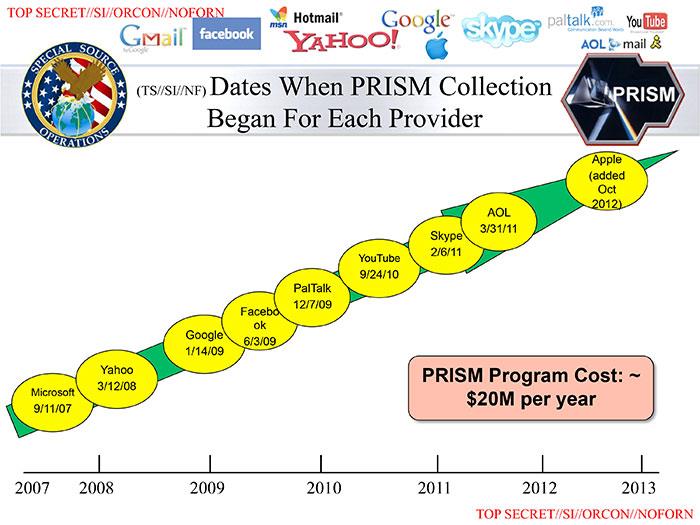
- Snowen : Collaboration de Microsoft avec la NSA depuis 2007 : https://sebsauvage.net/wiki/lib/exe/fetch.php?media=microsoft:microsoft-prism.jpg (https://fr.wikipedia.org/wiki/Edward_Snowden)
- Ben Ali : Collaboration de Microsoft avec la dictature de Ben Ali (Tunisie), Microsoft allant jusqu'à insérer des certificats dans Windows pour permettre l'espionnage. Microsoft a également formé la cyberpolice de la dictature. https://sebsauvage.net/wiki/doku.php?id=microsoft#:~:text=Microsoft%20a%20collabor%C3%A9%20avec%20la%20dictature%20Tunisienne
- Chine : Microsoft fournit depuis toujours une version modifiée de Windows et de Skype pour se conformer avec les volontés de la dictature. https://sebsauvage.net/wiki/doku.php?id=microsoft#:~:text=Skype%20en%20Chine
(Permalink)
  •  

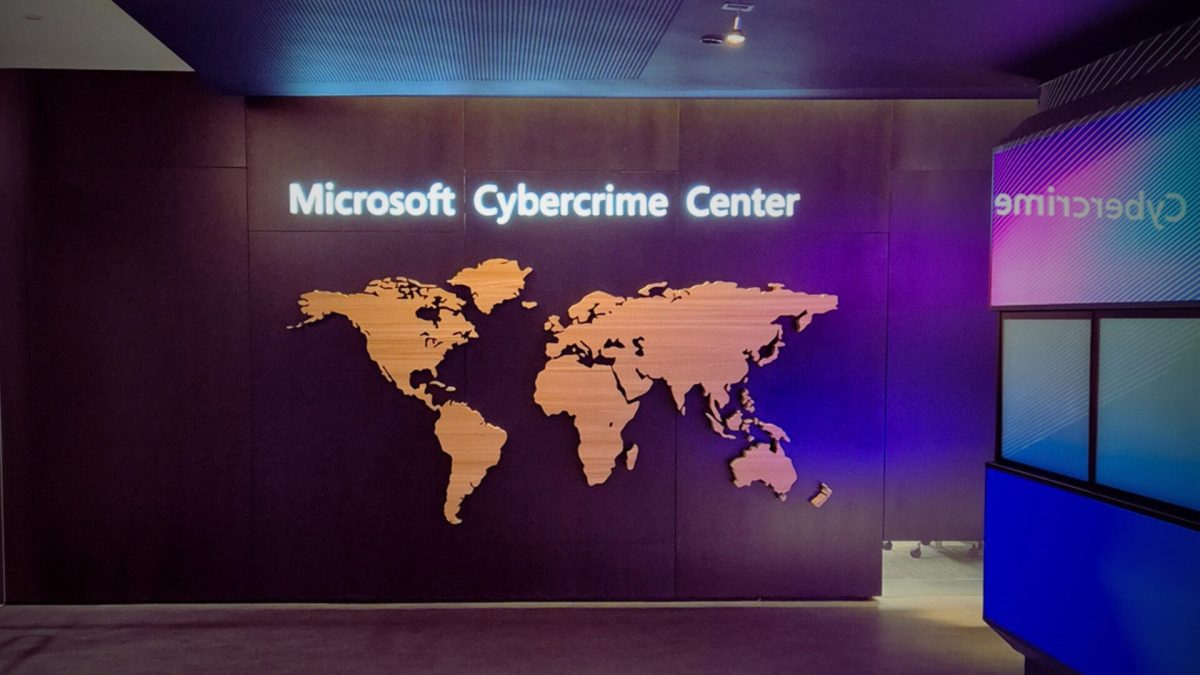
Lignes directes avec le FBI, fantasmes de hack back : comment Microsoft collabore réellement avec les autorités

Les opérations de démantèlement d'infrastructures cybercriminelles reposent bien souvent sur un réseau de partenariats entre des géants de l'informatique et les autorités du monde entier. Steven Masada, à la tête de la Digital Crimes Unit, nous détaille les rouages de ces coopérations public-privé.

  •  

Did Microsoft Shift Its Profits to Low-Tax Countries?

Microsoft is apparently shifting its profits to countries with low taxes — and out of countries where they have many more employees and significant sales. Back in 2005 Former Microsoft CEO Steve Ballmer even said that a low corporate tax rate "is part of the overall advantage of doing business in Ireland," remembers long-time Slashdot reader theodp. (Ballmer added "It would be disingenuous to say otherwise.") But in 2026 the EU now requires a country-by-country compliance report, and the New York Times notes that Microsoft "was most likely the first major U.S. technology company to make a so-called country by country report of its finances to comply..." Like other big companies, Microsoft uses transactions between subsidiaries to shift profits around to reduce its tax bill. The report revealed a consistent pattern: high returns in low-tax jurisdictions and slim margins in higher-tax ones. The report showed the sometimes absurd results. Microsoft said it had generated almost 40 percent of its pretax income in tax-friendly Ireland, where it employed about 3 percent of its global work force. In higher-tax Germany, the largest economy in Europe, Microsoft earned barely half of 1 percent of its global profits, it said. Excluding Ireland, the company said, it generated less than 2 percent of its worldwide pretax earnings in Europe... [In Luxembourg Microsoft said it had $283 million in pretax income with only 34 employees.] [America's] Internal Revenue Service is challenging profit-shifting transactions used by Microsoft, and is seeking back taxes of nearly $29 billion4. The company has said it disagrees with the I.R.S. and said in a securities filing that it "will vigorously contest" the proposed tax bills. This week a Microsoft blog post offered their own "context," arguing that tax is "one important measure of contribution, but it is not the only one. "Our investments, partnerships, infrastructure, and long-term presence in countries around the world also reflect a commitment to helping strengthen the economies and communities where we operate, today and for the future."

Read more of this story at Slashdot.

  •  

Pendant que Sony enterre le disque, le plan de Nintendo pour le marché physique prend tout son sens

Sony et Microsoft accélèrent vers un jeu vidéo entièrement lié aux comptes et aux boutiques en ligne. Nintendo, lui, continue de miser sur les cartouches, même imparfaites. Derrière les Game-Key Cards et les boîtes plus chères, la Switch 2 montre qu’un vrai marché du physique résiste encore.

  •  

Microsoft Previews Linux Containers That Run In Windows

Microsoft has released a public preview of Windows Subsystem for Linux (WSL) containers, adding a built-in command-line tool and API for running Linux containers directly inside Windows applications without third-party software. The update also introduces faster file access, improved networking and memory management, plus integration with Defender, Intune, and VS Code. The Register reports: WSL has always been a handy way to run Linux workloads from Windows, and is particularly convenient for Linux developers who must comply with corporate edicts to use a Windows device. The CLI for end-to-end container workflows furthers this. Microsoft stated, "WSL containers make it easier for developers and organizations to build, test, and run containerized workloads while benefiting from the security, manageability, and integration of the Windows platform." Alternatively, you could run your preferred Linux distribution natively, but that might not be an option, particularly if an organization is keen on the "security, manageability, and integration of the Windows platform." And this is an important point. WSL's existing Microsoft Defender for Endpoint (MDE) has been updated (in private preview) to be aware of Linux container events, and there are settings in Intune for managing WSL containers. Support is also in a pre-release version of VS Code, where the Docker path in the dev container settings can be changed to wslc. There is also a new default file system for WSL container that Microsoft claims makes Windows file access twice the speed. So, going from terribly slow to just slow? We'll wait until general availability is reached before passing judgment. There's a new default networking mode to improve compatibility and better memory reclaim techniques. However, none of these tweaks will be enabled by default in WSL. Microsoft wrote, "Since these changes touch mission critical paths like file system access and network, for now they are enabled just in WSL container."

Read more of this story at Slashdot.

  •  

Remembering How Microsoft's Fake Windows Error Ended In a $280 Million Secret Settlement

Slashdot reader joshuark summarizes this walk down memory lane from the tech site MakeUseOf: Facing real competition from Digital Research's DR DOS, Microsoft secretly embedded a sabotaging mechanism known as "AARD code" into beta versions of Windows 3.1 to prevent it from running on Digital Research's competing DR DOS operating system.This code triggered fake, alarming error messages to convince developers that DR DOS was unstable... Although Microsoft disabled the feature in the final retail release, the California-based firm Caldera, Inc., which had acquired DR DOS assets, sued Microsoft for anti-competitive practices.Microsoft settled the lawsuit out of court in 2000 for $280 million, a figure that remained sealed until it was unsealed in 2009.

Read more of this story at Slashdot.

  •  

Microsoft Adds Another Year To Windows 10 Extended Update Program

Microsoft has quietly extended free Windows 10 security updates for consumers by another year, pushing the Extended Security Updates (ESU) program's end date from October 12, 2026, to October 12, 2027. "The ESU support page was updated with that date, and Microsoft's blog post on the program has a new editor's note confirming the change," reports Ars Technica. From the report: The prevalence of Windows across so many devices and form factors has given Microsoft a massive customer base for decades, but it has also stymied the company's efforts to roll out new operating systems. Microsoft famously extended the support window for Windows XP numerous times throughout the 2010s as it became apparent that millions of PCs would never be updated. Windows 10 isn't quite as entrenched as XP was, but it has still been a slog getting people to upgrade to Windows 11 even nearly five years after release. Unlike many past Windows updates, Windows 11 required some users to buy new PCs with specific CPU technologies and a Trusted Platform Module (TPM). Microsoft was widely criticized for excluding perfectly serviceable PCs, and that's turning into a problem in 2026. The AI-driven shortage of storage and memory has made system upgrades vastly more expensive, potentially slowing upgrades. Some have also avoided Windows 11 due to Microsoft's intense focus on AI features. The result is that Windows 10 remains stubbornly popular. According to StatCounter data, Windows 10 is still running on about 26 percent of PCs, while Windows 11 sits at 72 percent. That means there are still hundreds of millions of active Windows 10 installs, but those machines will be up to date for at least an additional year.

Read more of this story at Slashdot.

  •  
❌