Vue lecture

Meta Now Lets Anyone Use Your Instagram Photos In AI Images

An anonymous reader quotes a report from Wired: Meta launched its inaugural AI image model from the Meta Superintelligence Labs on Tuesday, its effort to compete with the likes of OpenAI's GPT Images 2.0 and Google's Nano Banana 2 in the AI image generation race. The new model, called Muse Image, rolled out with deep integrations woven into the Instagram app. As part of this update, public Instagram profiles are now automatically opted into being fodder for generative AI remixes. All someone has to do is tag your account's profile in a prompt -- if it's public -- and they can use Meta AI to generate an image using your likeness. Meta positions this feature as a cheeky way to personalize generations with images of real people. "Whether you want to design a custom event invitation, mock up a collaborative creative concept, or generate a personalized graphic, tagging a username lets Meta AI use public photos to build a visual that's ready to post," reads one of Meta's announcement blogs about the new AI tool. [...] Instagram's help center site includes more details about how this feature will impact users, saying that "people may be able to create content with your Instagram content using AI features at Meta" if you leave your account public and on the default settings. (A previously archived version of this page from 2025 does not include similar, AI-focused language.) Instagram users who want to stop others from using their public posts for AI images (without switching your account to private) must manually disable the options under the app's "Sharing and reuse" settings. However, turning off the setting only blocks future AI generations; any AI images already created from their content will remain. Meta also says users will not be notified when others create AI-generated content using their posts.

Read more of this story at Slashdot.

  •  

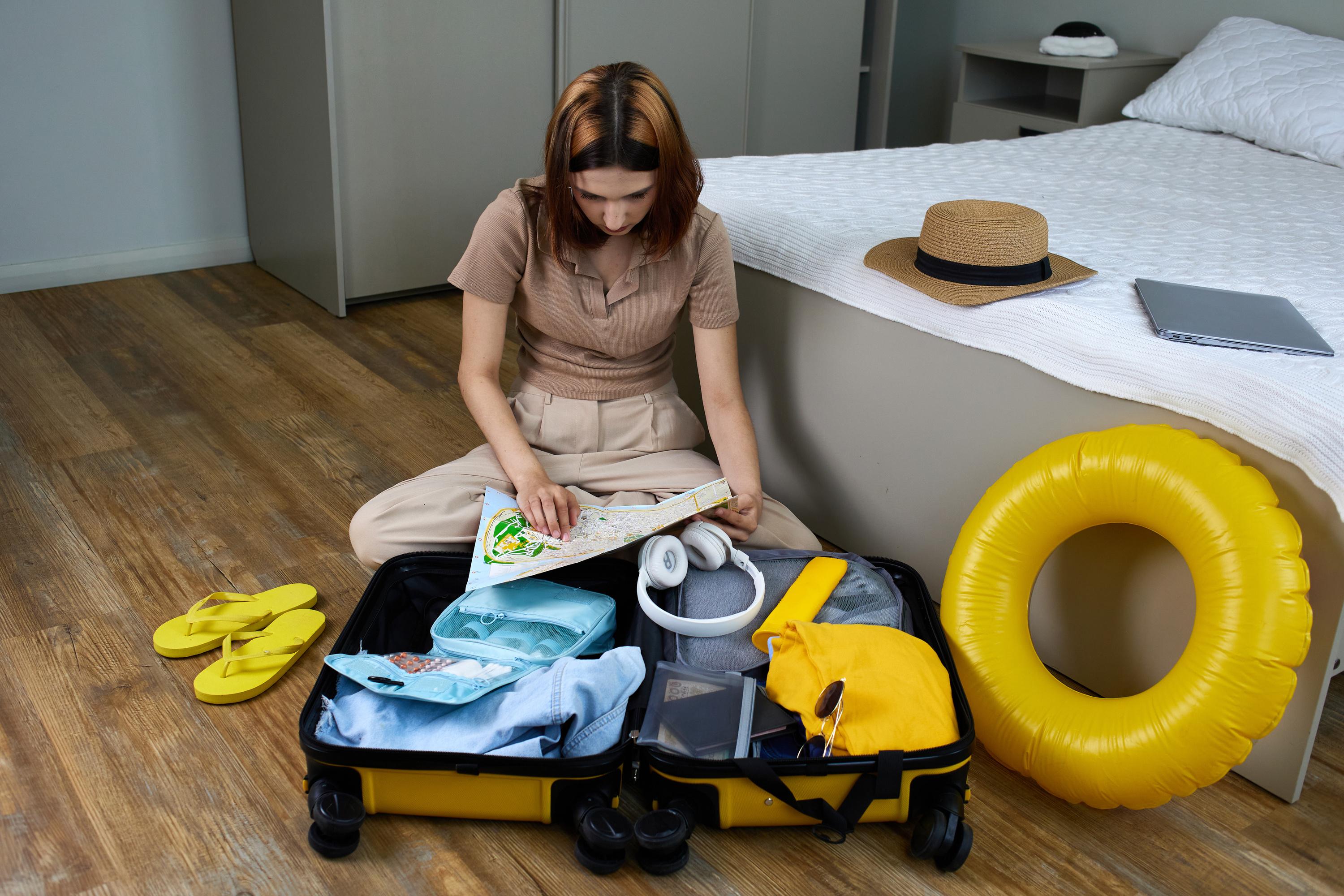
Vacances d’été : les fonctionnaires nombreux à partir, mais avec un budget réduit

Plus de 80% des agents de la fonction publique prévoient de partir en vacances. Mais 60% estiment qu’ils ont dû baisser leurs dépenses cette année, notamment à cause de l’inflation.

© Viktoriya / ADOBE STOCK

Plus de huit fonctionnaires sur dix (82%) déclarent ainsi avoir l’intention de partir au moins une semaine cet été, contre 68% pour l’ensemble des Français.
  •  

Fines Doubled As Teens Outsmart Australia's Social Media Ban

Australia plans to double fines for social media platforms that fail to keep under-16s off restricted services, after regulators found 70% of children with accounts remained active three months after the ban took effect. The government says the changes will also give the eSafety Commissioner more power to demand information from platforms and age-assurance providers as teens continue finding ways around the law. Euronews reports: The government said Sunday it would introduce draft legislation this week doubling the maximum penalty to 99 million Australian dollars (63 million euros) for platforms -- including Facebook, Instagram, Snapchat and TikTok -- that do not take reasonable steps to comply with the ban, which became law on 10 December. Communications Minister Anika Wells blamed the platforms directly. "We can all agree we would like the scheme to work better than it is currently, but that is on Big Tech taking the Mickey," she said, speaking to the Australian Broadcasting Corp on Monday. Wells added that she had received monthly updates from the online safety regulator since March and "we are not seeing improvements." The amendments would also expand the powers of eSafety Commissioner Julie Inman Grant to demand information and documents from platforms -- and from third parties such as age assurance technology providers -- to test claims made by companies about how under-16s continued to circumvent the ban. The government had initially reported more than 5 million children had accounts removed, deactivated or restricted after the legislation passed. But eSafety found in March that 70% of children who held accounts on restricted platforms on the day the ban took effect remained active on Facebook, Instagram, Snapchat and TikTok. Inman Grant said in April she was considering court action against those platforms and YouTube, alleging they were not taking reasonable steps to exclude children. She said she was satisfied with progress made by the remaining restricted platforms: X, Kick, Reddit, Threads and Twitch. Senior opposition lawmaker Jane Hume said her party would consider supporting the reforms, but pinned blame on the original legislation. "The legislation was clearly undercooked in the first place. The eSafety Commissioner wasn't given the powers to be able to pursue these Big Tech companies," she said.

Read more of this story at Slashdot.

  •  
❌