Vue lecture

Google Plans To Exempt Sanctioned Nations From Android Developer Verification

An anonymous reader quotes a report from Ars Technica: We are a month away from the initial rollout of Google's Android developer verification system, and the company contends this policy does not impinge on the platform's open nature. Still, the restrictions will be a big change, and there are still some unanswered questions. An issue that has come up repeatedly in the run-up to verification is what will happen to devs who can't verify because of where they live. It turns out that Google has a cryptic answer for that buried in an FAQ. Developer verification will soon block the installation of apps from unverified developers on any Android device running Google services, which is functionally all Android phones outside Russia and China. Developers who want to keep releasing software, even if it's not in the Play Store, have to provide Google with their ID and pay a small fee. But what if you're an Android developer living in a sanctioned nation? Currently, the U.S. sanction list includes Iran, Cuba, North Korea, and occupied areas of Ukraine. Given the current uncertain state of US foreign policy, that list could change in the future. Google doing any business with developers in those places is a thorny issue, and it seems like the company has decided to just leave them hanging. A rather lengthy FAQ a few levels deep on the Google developer site addresses various issues around dev verification. Smack in the middle is this: "How does this program impact developers in sanctioned countries? Devices in sanctioned countries will be excluded from Android developer verification checks. This allows any developer to continue distributing apps in these regions without verification, though users there won't benefit from the enhanced security benefits of the program." [...] A Google spokesperson has expanded on the FAQ and confirmed to Ars that people living in sanctioned nations will not be allowed to go through the verification process. That means they will not be able to effectively distribute software through any channel internationally. Today, someone making an app in, say, Cuba can distribute it freely around the world, as well as at home. Anyone can install it and see their work in action after tapping through a few sideloading alerts. In the coming months, that will no longer be the case. These unverified apps will only be easily installable in the sanctioned countries where verification doesn't exist.

Read more of this story at Slashdot.
  •  

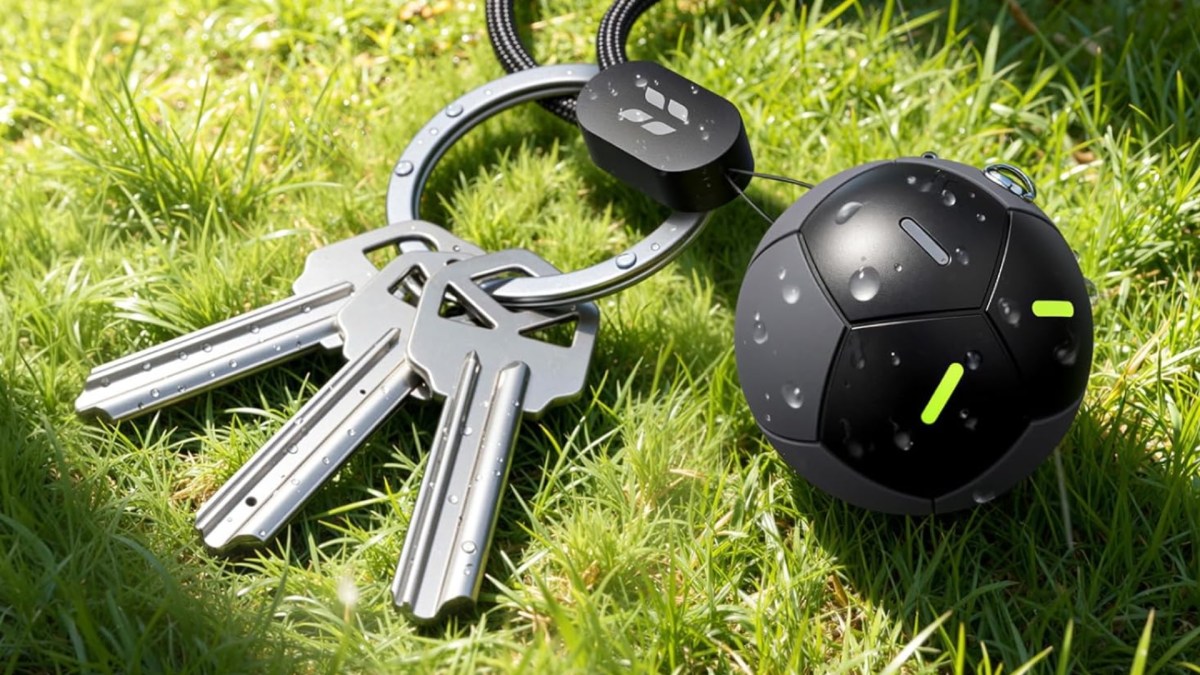
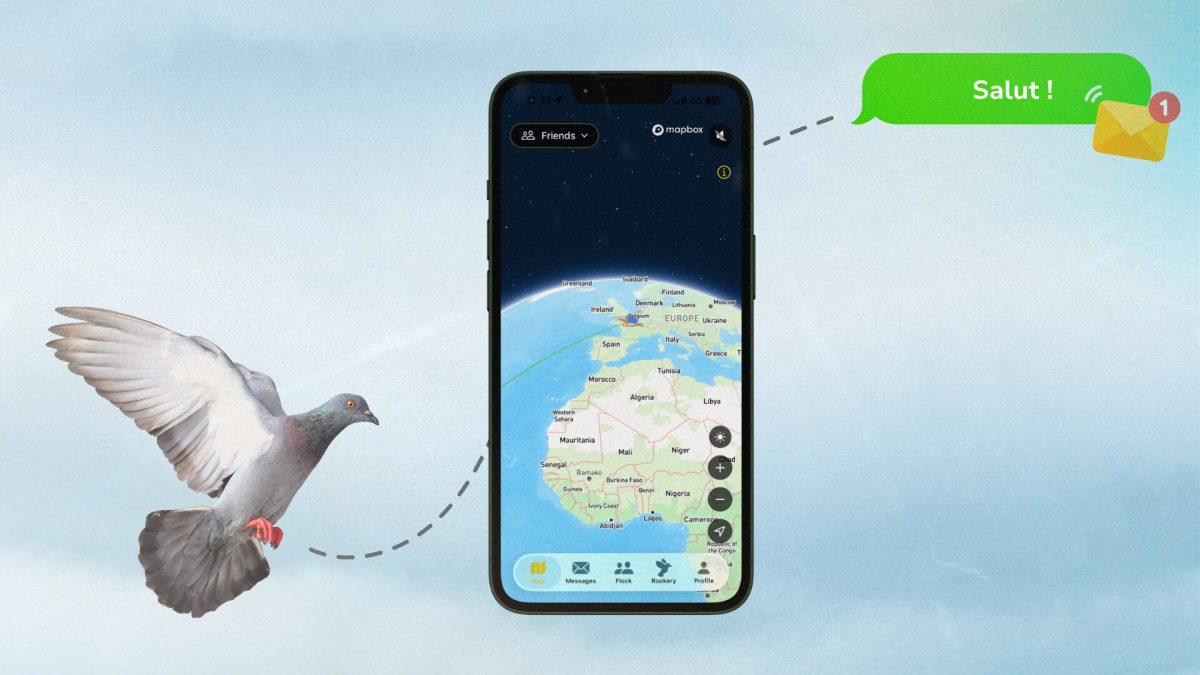
??Retrouver son téléphone avec l'application Android Automate [Wiki de sebsauvage.net]

Comme j'ai installé ça récemment chez quelqu'un, j'en ai profité pour tout documenter. Cela permet de retrouver son téléphone avec un simple SMS:
- mot-clé + locate : le téléphone vous renvoie sa position GPS (lien OpenStreetMap).
- mot-clé + ring : le téléphone se met à sonner à plein volume, même s'il était en mode silencieux et "Ne pas déranger".

Simple et bien pratique pour retrouver son téléphone.
Vous pouvez bien sûr modifier à volonté le mot-clé.

Si vous êtes développeurs/biduilleurs, Automate offre des possibilités d'automatisation/programmation assez fantastiques.
(Permalink)
  •  

Samsung passe enfin aux batteries silicium-carbone : la Chine avait raison

Aucune rumeur ne l'avait vu venir : Samsung, avec ses Galaxy Z Fold 8 Ultra, Z Fold 8 et Z Flip 8, utilise pour la toute première fois des batteries avec des anodes en silicium-carbone. Une technologie jusqu'ici réservée aux constructeurs chinois, que Samsung et Apple semblaient fuir, principalement par prudence. Le Coréen estime que le moment est venu d'attaquer cette révolution.

  •  

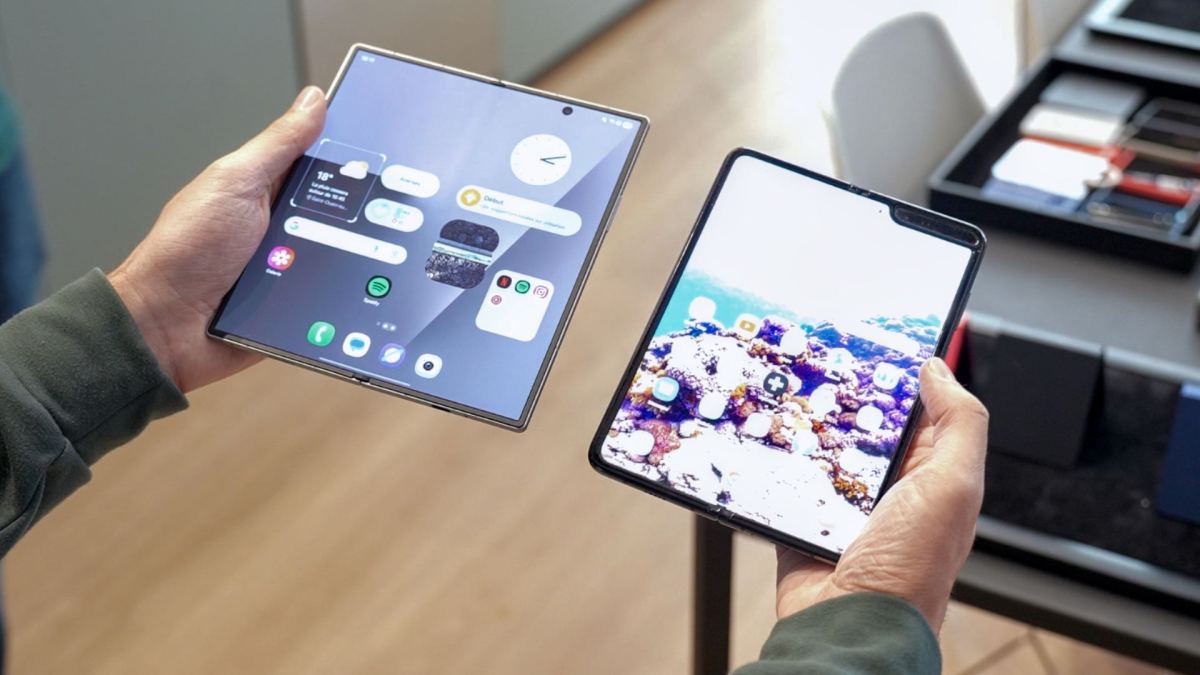
Samsung Galaxy Z Fold 8, Flip 8 et Watch : tous les prix et offres de précommande

Samsung ne compte pas attendre l’iPhone pliant pour défendre son terrain. Le constructeur coréen lance deux Galaxy Z Fold aux formats différents, renouvelle son Flip et revoit presque tous ses tarifs à la hausse. Les précommandes des Galaxy Z Fold 8, Z Fold 8 Ultra, Z Flip 8, Watch 9 et Watch Ultra 2 sont désormais ouvertes.

  •  

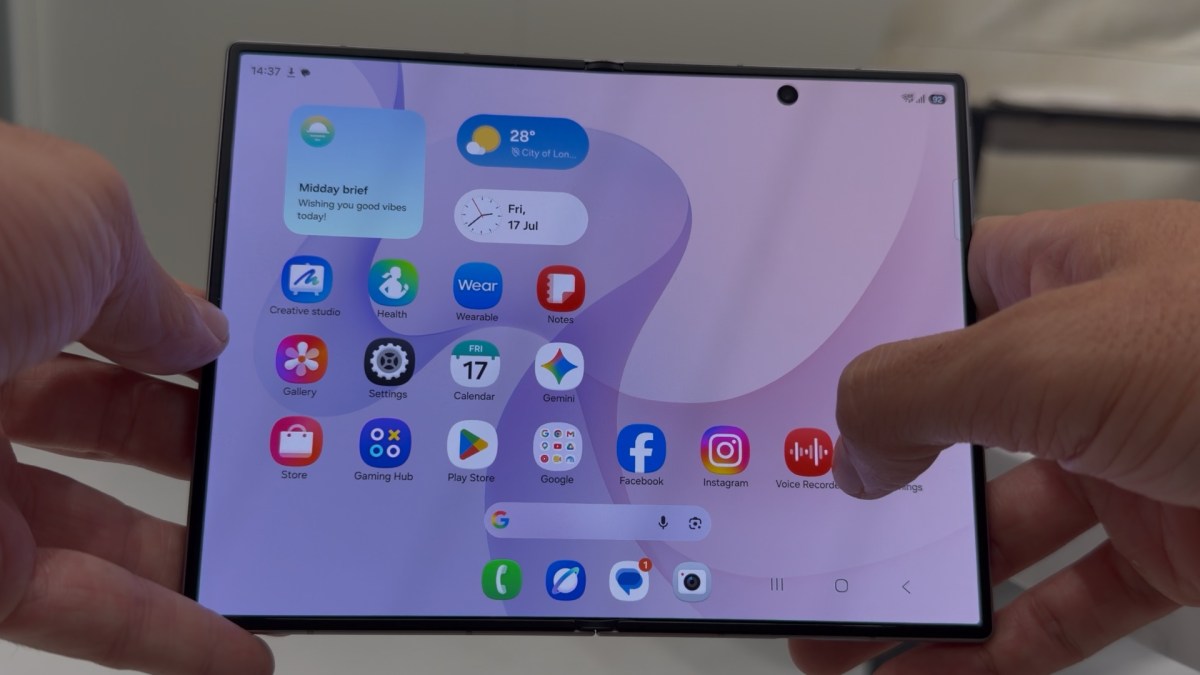
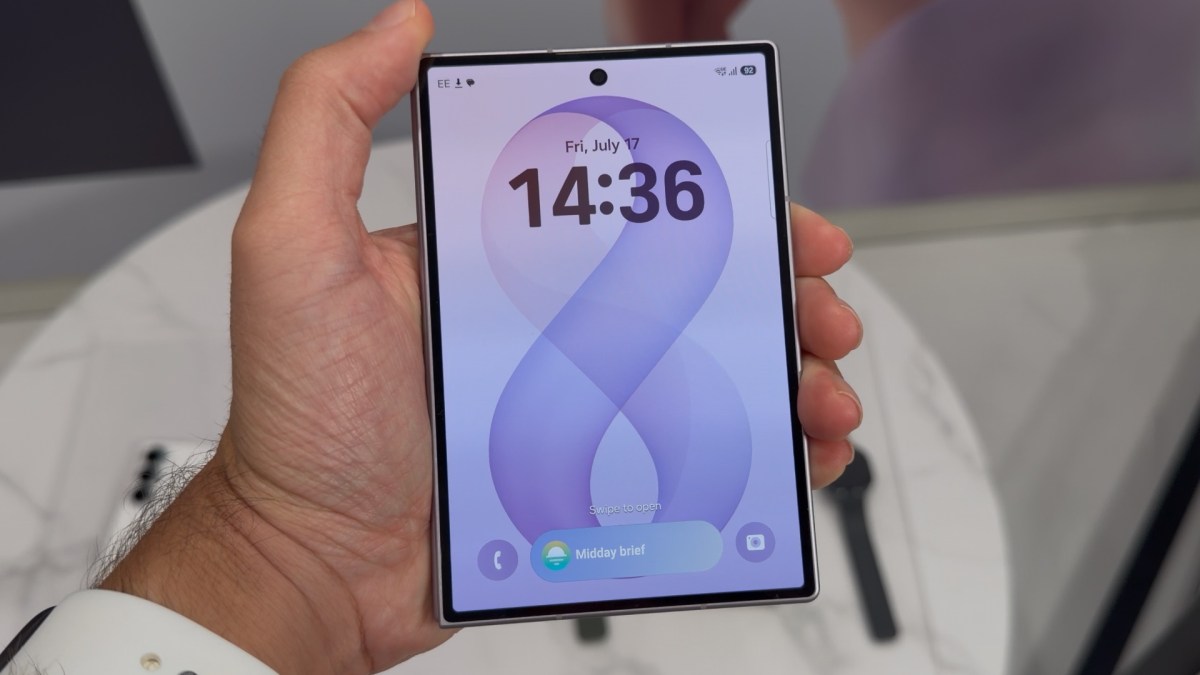
J’ai essayé le Samsung Galaxy Z Fold 8 au format passeport et j’en suis déjà fou

Plus petit que les autres smartphones pliants avec son format presque carré, le Samsung Galaxy Z Fold 8 est un des premiers téléphones au format passeport, alors que de plus en plus de constructeurs semblent partis pour miser sur ce format. J'ai pu l'essayer pendant deux heures avant sa sortie et j'ai déjà hâte de le tester plus longuement.

  •  

Z Fold 8, Z Flip 8 et Watch 9 : toutes les annonces Samsung Galaxy en direct

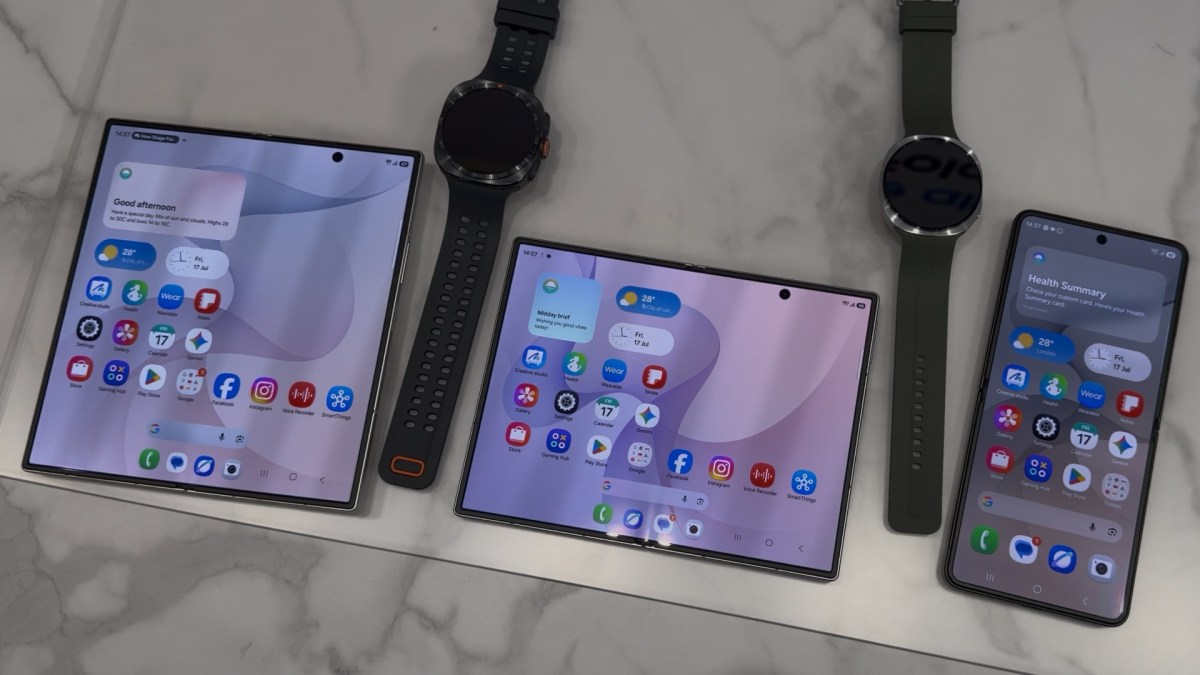
Samsung a tenu sa conférence Galaxy Unpacked ce mercredi 22 juillet 2026 à Londres. Le constructeur y a dévoilé trois pliants, dont un Galaxy Z Fold 8 au format passeport, un Galaxy Z Fold 8 Ultra qui succède au Fold 7 et un Galaxy Z Flip 8, sans oublier ses montres Galaxy Watch 9 et Watch Ultra 2. Voici le résumé de toutes les annonces, nos articles et où précommander chaque produit.

  •  

OnePlus Will Continue Software Updates After US and Europe Exit

OnePlus has confirmed that it will exit the North American and European markets, consolidating its operations under parent company Oppo. Existing customers will continue to receive "software updates, security patches, and applicable support," but OxygenOS will be replaced by Oppo's ColorOS. 9to5Google reports: As a part of its shutdown in global regions, OnePlus has confirmed that its flavor of Android, OxygenOS, is going away. Instead, all active OnePlus devices will be moving over to Oppo's ColorOS starting with their Android 17 updates. This includes in India, where OnePlus is adamant it will continue operations -- reliable reporting disagrees. OnePlus explains: "As part of an operational adjustment to our software strategy, following the official release of ColorOS 17, users globally with existing OnePlus devices that fall within the eligible upgrade scope will have the option to voluntarily update to the latest ColorOS. This enables us to streamline software development, accelerate update delivery, improve software quality, and make better use of our shared engineering and R&D capabilities." [...] OnePlus will continue "maintenance support" for OxygenOS versions on older models not included in the Android 17 update scope, but newer devices will likely need to make the switch to ColorOS for all forms of continued support. OnePlus does explain that rollback versions to OxygenOS will be available for those who prefer the prior experience: "OnePlus devices will be able to choose whether to update to the latest ColorOS system. Older models that are not included in the update scope will also continue to receive version maintenance support. If users update to ColorOS, they will be able to roll back to OxygenOS. The specific rollback versions available will be subject to future official announcements."

Read more of this story at Slashdot.
  •  

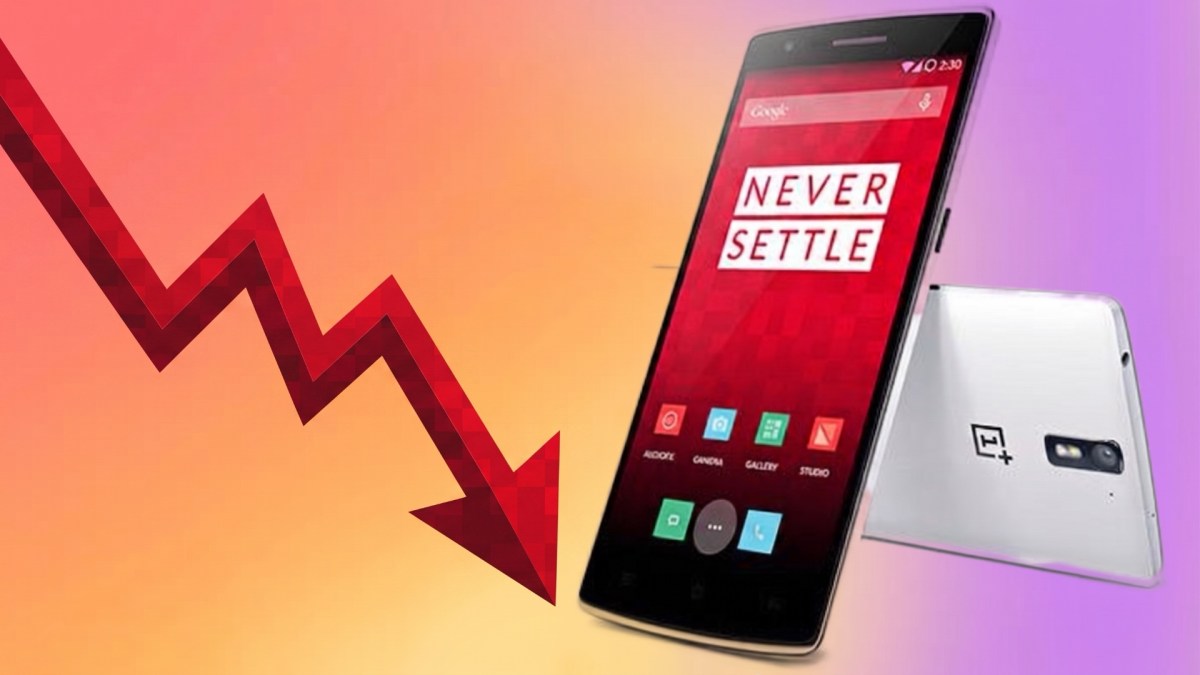
OnePlus quitte l’Europe : un auto-sabotage historique pour une marque de smartphones autrefois géniale

C'est officiel : le groupe Oppo, propriétaire de la marque OnePlus, acte la fin des nouveaux produits OnePlus en Europe et aux États-Unis. À terme, OnePlus devrait renoncer à tous les territoires à l'exception de la Chine, selon Bloomberg. Un déclin total pour une marque qui a longtemps été un des rares succès chinois dans le monde occidental.

  •  

Google and Epic Cancel Settlement; Third-Party App Stores Coming To Google Play

An anonymous reader quotes a report from Ars Technica: Big changes are coming to Android apps, but they're not the changes Google wanted. The settlement between Google and Epic that aimed to put to rest the companies' long-running antitrust battle is being withdrawn, and that means third-party app stores are coming to the Play Store. Google has confirmed that it will begin distributing rival app stores next week, setting the stage for competing platforms to take a bite out of Google's Android revenue stream. [...] Google and Epic were set to return to court on July 16 to argue in favor of the settlement. However, the writing may have been on the wall. In a recent expert analysis provided to the court, MIT economics professor Nancy Rose noted that the settlement was "unlikely to enable Google Play's potential competitors to overcome their long-standing network-effect disadvantage in a timely manner." With settlement approval looking increasingly unlikely, Epic and Google agreed this week to call the whole thing off. Here's how Google Trust and Reputation Communications Lead Dan Jackson explains the company's decision: "We've agreed with Epic to withdraw our motion to modify the US Court's injunction rather than prolonging this process which creates uncertainty for the ecosystem. This allows us to focus on executing our recently announced global business model evolution to deliver greater app store choice, lower prices, and more opportunities for developers and users. We remain committed to maintaining Android's industry-leading security and fostering a competitive ecosystem where every app store and developer has the freedom to compete. In parallel, we continue to comply with the US Court's injunction." In a brief filing (PDF), Google's legal team informs the court that Google is prepared to begin distributing third-party app stores in Google Play on July 22. Under the terms of Judge Donato's original injunction, these stores will have access to the full catalog of Google Play apps by default. Developers will have the option to opt out of distribution in these stores, and Google has a support page explaining how to do so. Google also has documentation on how app stores can get access to the Google Play catalog. It won't be mirroring those apps in any shady storefront that asks. The court has allowed Google to charge reasonable fees to cover its security and compliance review of third-party stores, which will be $5,000 per year. Google will also require approved stores to block malware, respect intellectual property, and include mechanisms to update and uninstall apps. App stores can be removed from the program if more than 1 percent of attempted app installs appear to be malware or unwanted software. It's unclear if there will be separate, possibly more stringent requirements for storefront distribution in the Play Store. However, Google is prohibited from unreasonably blocking third-party store clients uploaded to Google Play. The changes Google has announced under the Epic agreement will proceed for now. That means Registered App Stores will happen globally, but they will probably only appear in the Play Store for US users. Google hasn't specified if there will be any differences in the features available to the stores downloaded from Play versus registered stores.

Read more of this story at Slashdot.
  •  

Finalement, Samsung Messages ne fermera pas en France (mais vous devriez quand même changer d’application)

Samsung mettra fin à son application Samsung Messages le 6 juillet 2026… mais uniquement aux États-Unis. En France, Samsung confirme que l'application restera fonctionnelle, au moins à court terme. La bascule vers Google Messages n'a donc rien d'obligatoire chez nous, même si elle reste recommandée pour profiter du RCS.

  •  
❌