Vue lecture

Quand la nuit tombe en plein jour : la folle histoire des éclipses qui ont révolutionné la science

éclipse

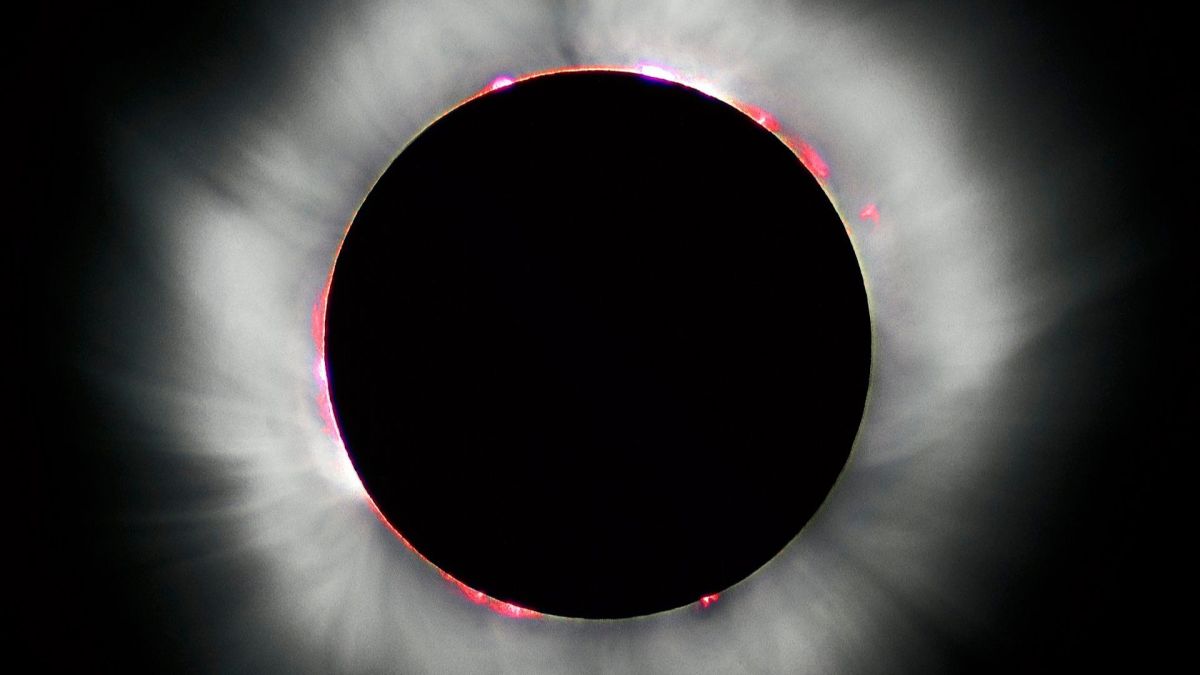
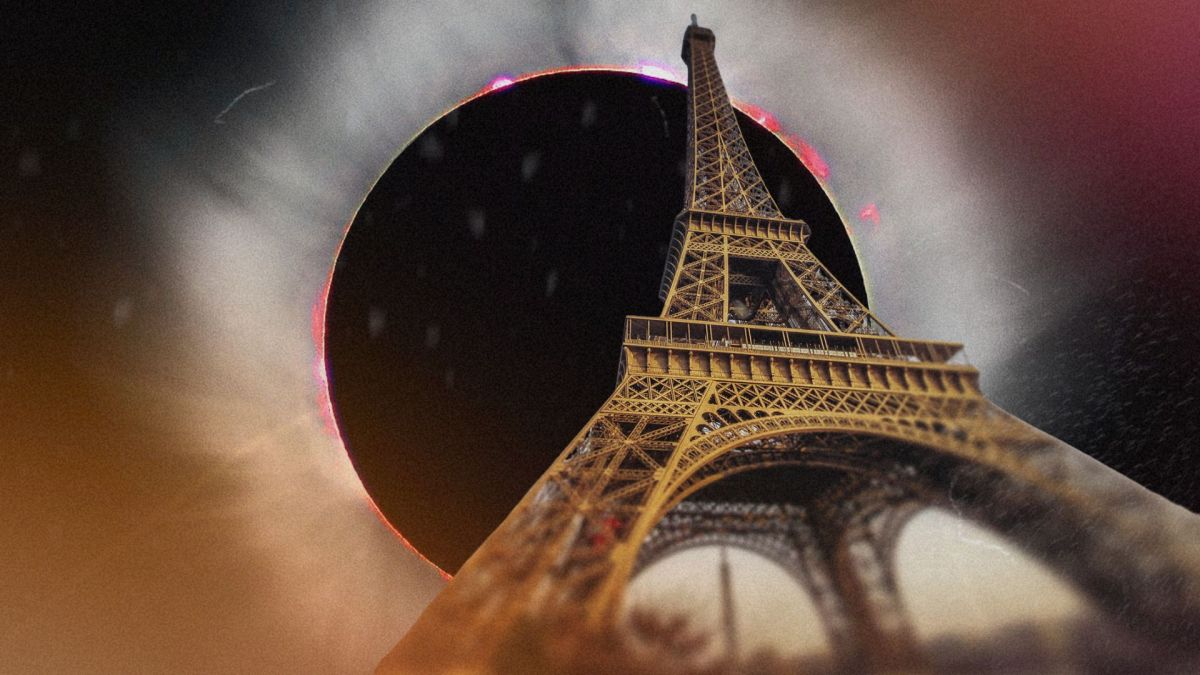
Une première depuis 1999, le 12 août 2026, une éclipse solaire totale sera visible en Europe. En France hexagonale, ce spectacle astronomique parmi les plus marquants sera observable jusqu’à 99 % selon les régions. Découvrez comment se produit ce phénomène et pourquoi on ne l’observe pas tous les mois. Les éclipses ont toujours fasciné et sont à l’origine de nombreux mythes, mais aussi de découvertes scientifiques majeures.

  •  

NASA Figured Out How To Keep Its 48-Year-Old Voyager 2 Probe Running For Yet Another Year

NASA has squeezed at least another year of science out of Voyager 2 by cutting power to nonessential systems and switching to lower-power alternatives. Voyager 1 is expected to receive the same power-saving changes in the coming months. Space.com reports: Voyager 2 and its twin launched in 1977, called Voyager 1, rely on a form of nuclear battery known as a radioisotope thermoelectric generator that uses the heat produced by the decay of plutonium. But the supply of plutonium on each probe drops at about four watts a year on each spacecraft. To keep the probe running on this dwindling power supply, engineers recently reduced Voyager 2's power requirements by turning off a few non-science devices and using "lower-power alternatives" that are still effective enough to keep the spacecraft warm while it's so far from the sun, NASA officials said in a statement. "The spacecraft power margins have grown razor thin, requiring the team to conserve energy by shutting off non-essential devices and systems," NASA officials wrote of the mission, which is managed by the agency's Jet Propulsion Laboratory. The drop in power is having a measurable science impact on both spacecraft -- each has turned off two of their science instruments since 2024 alone. While some of these instruments were shut off after the spacecraft finished their historic planetary flybys decades ago, others were turned off due to power requirements. Each spacecraft initially launched with 10 instruments, and Voyager 2 is now down to only three instruments. At first it looked as though Voyager 2 would have to shut down another of these instruments later this year, but luckily, the new power shifts will allow all three to operate "for at least another year," NASA said.

Read more of this story at Slashdot.

  •  

La Terre pourrait survivre à la mort du Soleil avec ce plan complètement démesuré

Dans une étude publiée le 13 juillet 2026, un chercheur imagine un plan de méga-ingénierie pour maintenir la Terre habitable après la mort du Soleil. Pare-soleil géant, déplacement de notre planète et lumière artificielle permettraient, de façon très théorique, de prolonger son habitabilité jusqu’à 9,1 millions de milliards d’années.

  •  

New Images of the Sun Show Its Surface In the Finest Detail Yet

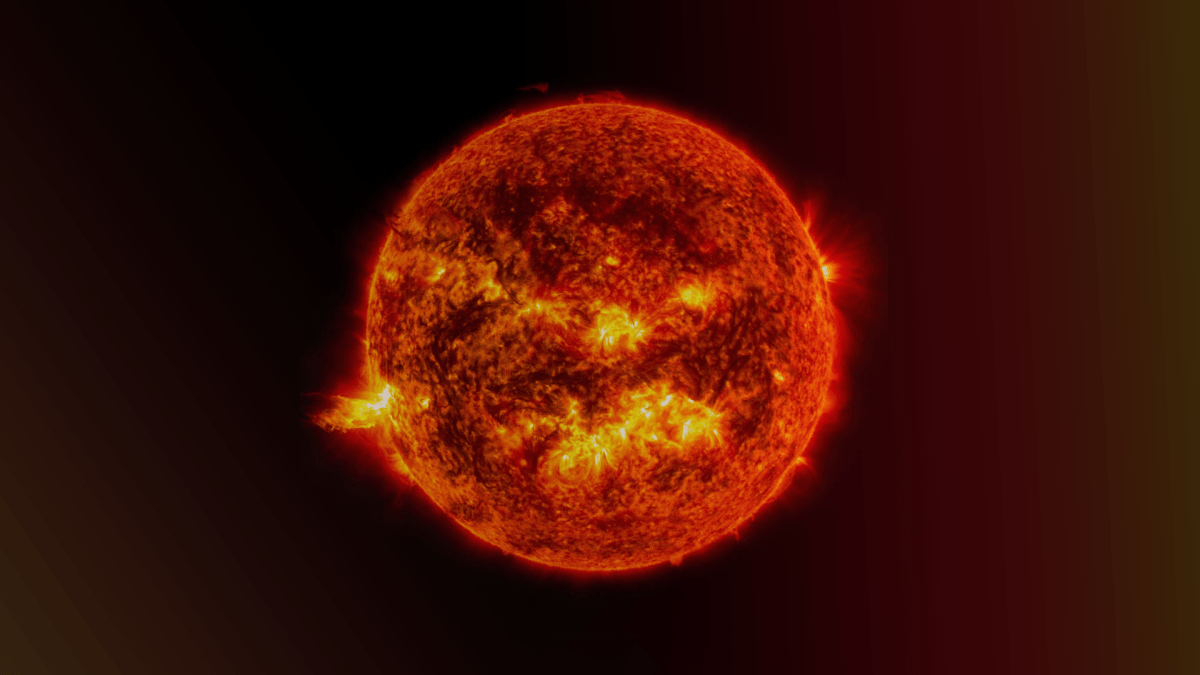
An anonymous reader quotes a report from the Associated Press: Scientists have captured images of the sun's surface in the finest detail yet, revealing a strange and dynamic facade. It's dangerous to look directly at the sun without proper eye protection. But researchers were able to peek at its scorching surface with the help of the National Science Foundation's Daniel K. Inouye Solar Telescope, located on the island of Maui in Hawaii. Scientists originally took the images for a different reason: to fine-tune and test the limits of the telescope. But when they looked at the results, they realized they'd photographed the sun's bright outer shell at higher resolution than ever before. What's more, they saw strange feathery patterns rippling across the surface. "That reminds me of famous paintings, like the swirling skies in Van Gogh's Starry Night," said solar physicist Ruizhu Chen with Stanford University, who was not involved with the new research. Researchers saw ripples of instability on the sun's surface caused by bits of magnetized plasma moving past each other at different speeds -- similar to waves that stir when a gust of wind blows over water. It's a well-known phenomenon that guides how fluids move. This has been glimpsed on Earth and other planets like Jupiter and Saturn, but "it has not been observed ever at that level on the solar surface," according to study co-author Friedrich Woger with the National Solar Observatory. The findings were published Wednesday in the journal Nature.

Read more of this story at Slashdot.

  •  

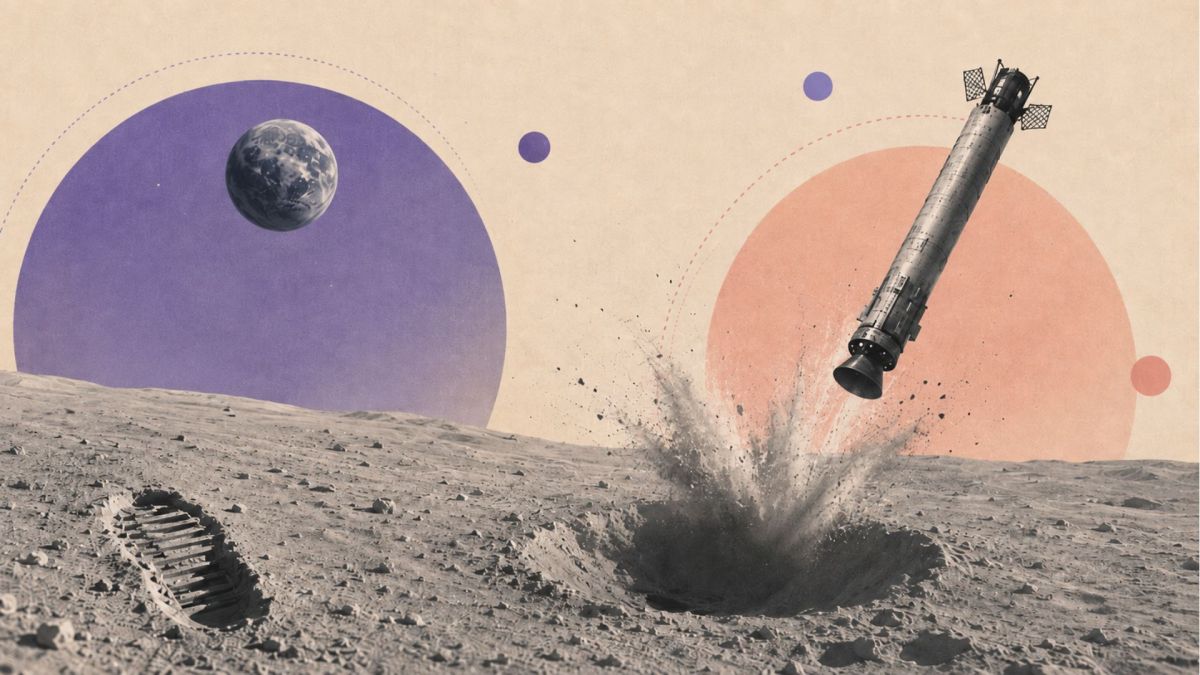
Crash à 8 700 km/h : quand un accident sur la Lune devient une aubaine scientifique et questionne le droit

spacex lune falcon 9

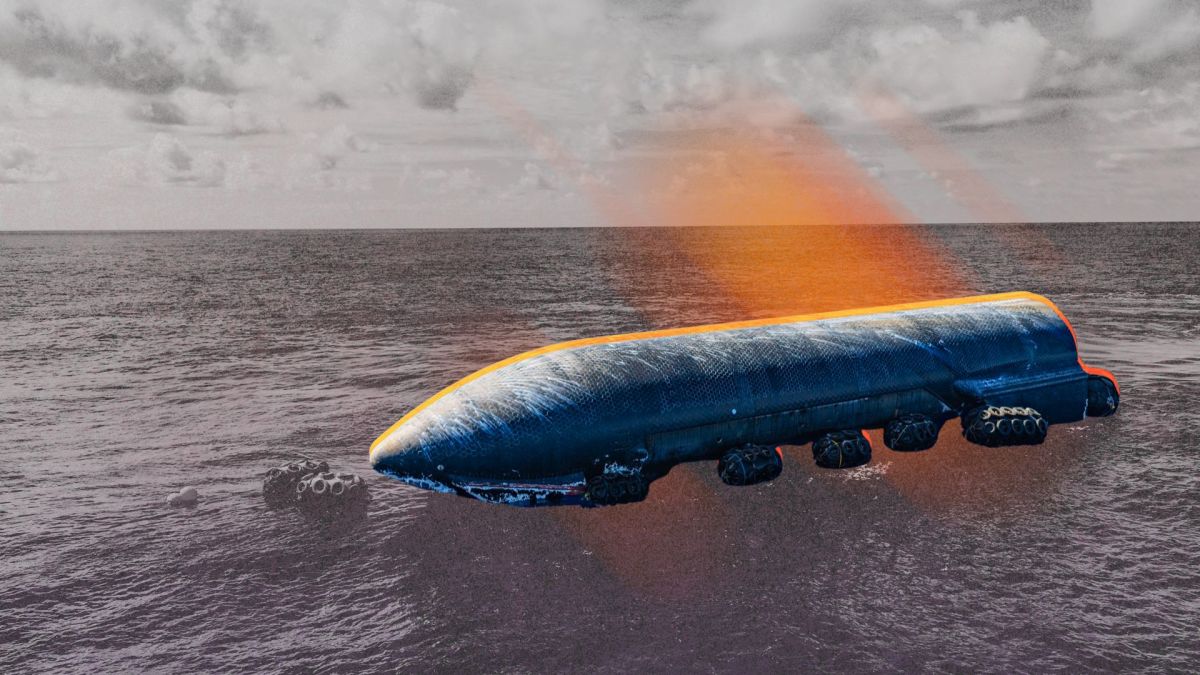
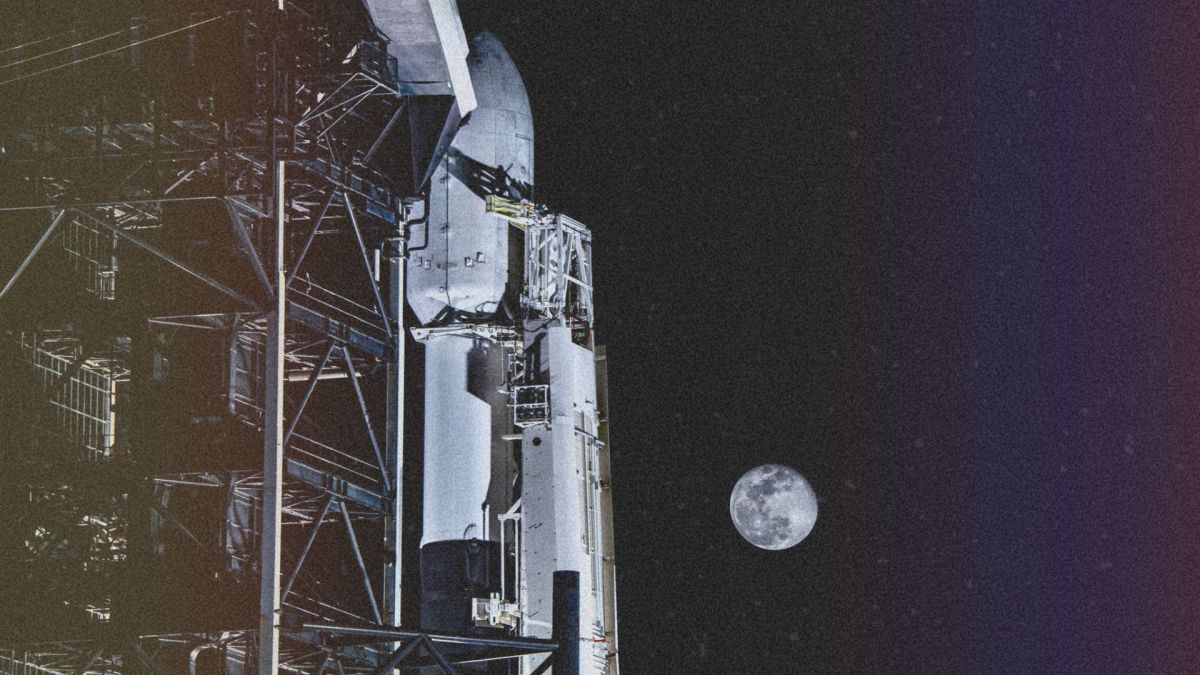
Un étage de fusée SpaceX va s’écraser sur la Lune, offrant aux scientifiques une occasion rare d’étudier la formation des cratères. Il n’existe pratiquement aucun cadre international pour coordonner les activités susceptibles de modifier l’environnement de la Lune. Un registre des activités lunaires comparable à ceux utilisés dans l’aviation ou le transport maritime permettrait de prévenir les accidents.

  •  

Spain Offers $1.14 Billion To Get Thirty Meter Telescope Moved To Canary Islands

Longtime Slashdot reader schwit1 shares a report from Behind the Black: In a new bid to get the Thirty Meter Telescope (TMT) to move from Hawaii, which has blocked its construction for more than a decade, the Spanish government has put together a $1.14 billion package that would not only pay for construction on the Canary Islands, but would finance an additional half century of operations. Tech Times provides some additional details: The package is conditional on the TMT International Observatory formally choosing La Palma as its construction site. The financing architecture has three pillars and two additional contingent instruments. The first pillar is 400 million euros (approximately $456 million USD) from Spain's Ministry of Science, Innovation and Universities, routed through the Centre for Technological Development and Innovation (CDTI). This figure was first pledged a year ago in July 2025 as Spain's initial bid. The second pillar is a 300 million-euro (approximately $342 million USD) loan from the EIB [European Investment Bank] itself -- subject to satisfactory completion of the bank's technical, financial, and legal due diligence and approval by its governing bodies. The third is a potential 300 million-euro (approximately $342 million USD) participation from the Instituto de Credito Oficial (ICO), Spain's state development finance institution, evaluated under equivalent conditions to the EIB loan but subject to its own separate analysis. Spain's export credit agency, Cesce, may also provide coverage instruments, and the EIB has left open the possibility of expanding its support through intermediated financing mechanisms or guarantees.

Read more of this story at Slashdot.

  •  
❌