Vue lecture

The Pixel Tag Is Google's Answer To the AirTag

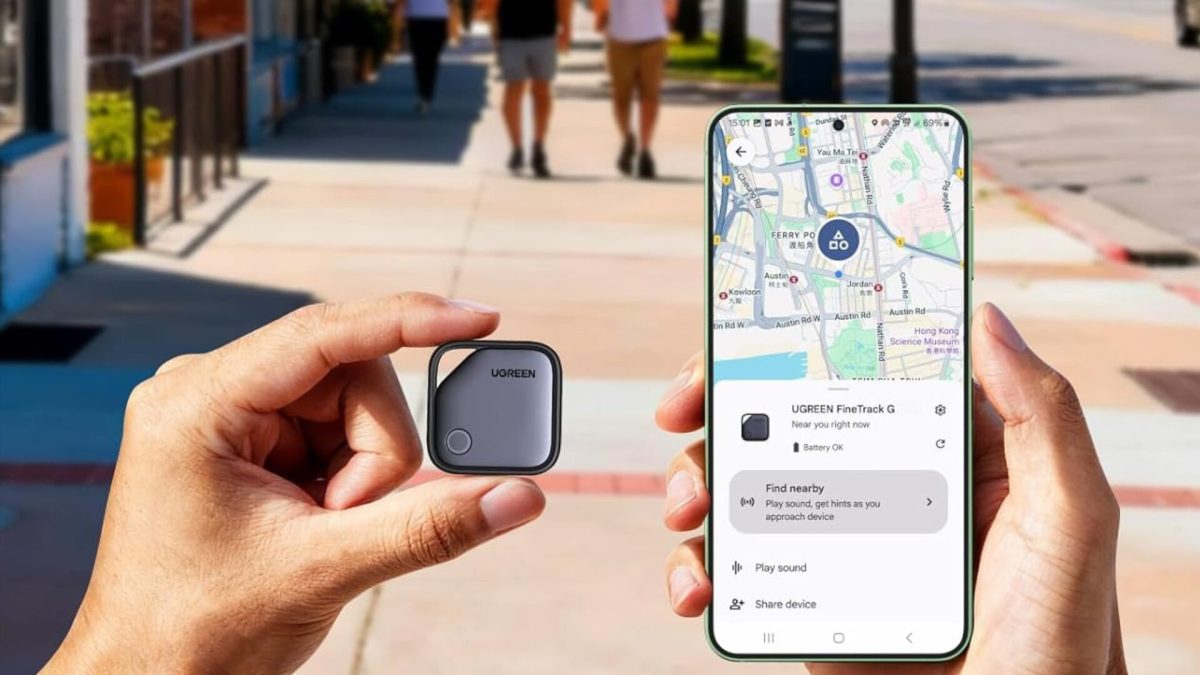
Google has unveiled the $29 Pixel Tag, its long-awaited AirTag rival that combines UWB with Bluetooth 6.0 Channel Sounding for two forms of precision tracking. It launches November 11. The Verge reports: The Pixel Tag is a slim oblong device available in one grayish color -- Fog -- that weighs about 12g, or 0.4oz. Like the AirTag, it has no built-in hooks or clips for attaching to objects you want to track. There's a single button that will trigger a sound on your phone, for the rare occasion when you've got the Tag but have lost your main device. It also has an IP67 rating, so it should be safe from dust and rain. As for the battery, the Pixel Tag takes CR2032 coin batteries, and says one battery should last for over a year. Naturally, it'll be compatible with Google's Find Hub network, which leverages the Bluetooth capabilities of Android devices worldwide to help locate lost objects. [...] Once you're close enough to the Pixel Tag, UWB lets the Find Hub app display the distance and direction to the tracker, so long as you're using a phone with a UWB chip. Channel Sounding is a newer development that can display the exact distance, but not direction, and it will work with any phone or tablet that includes Bluetooth 6.0. The Moto Tag 2 is the only other tracker to currently support it.

Read more of this story at Slashdot.
  •  

Google dévoile les Pixel 11 et remplace son capteur le moins utilisé par… des LED

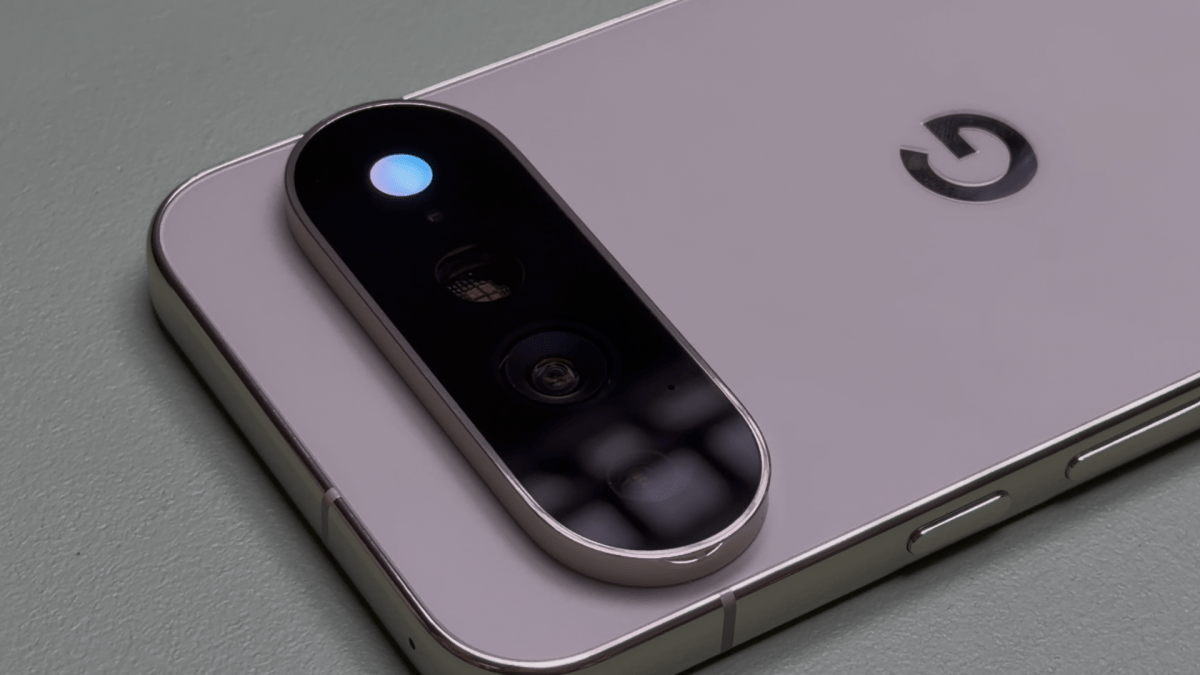
Avec les Pixel 11, Pixel 11 Pro, Pixel 11 Pro XL et Pixel 11 Pro Fold, Google améliore la formule de l'année dernière sans grande révolution. La nouveauté de 2026 s'appelle HiLight : Google a inséré des LED colorées autour du flash pour permettre au téléphone de communiquer des informations lorsqu'il est retourné.

  •  

Google's $15 Billion India Data Center Project Battles Water, Wildlife Concerns

Google's $15 billion data-center project in Visakhapatnam is facing protests and legal challenges over fears that it will worsen local water shortages and disturb wildlife near the Kambalakonda sanctuary. Google says the campus will use advanced air cooling and comply with Indian law, while state officials deny that residential or rural water supplies will be tapped. Reuters reports: The southern state of Andhra Pradesh, governed by an ally of Prime Minister Narendra Modi who has hailed the project as historic and transformational, has denied allegations that the project was fast-tracked without weighing risks to water supplies and wildlife. But the growing opposition could become an early test for Google's biggest-ever India investment, which is facing several legal challenges over its impact on water supplies and proximity to a wildlife sanctuary that is home to leopards and pangolins. In recent weeks, activists and children have marched in Visakhapatnam city, holding banners saying "We cannot drink DATA" and painting handcuffs on the Google logo, social media posts show. On Sunday, Reuters attended a public gathering where activists chalked out plans for holding door-to-door awareness campaigns and beach protests in coming days. "Development should not be at the cost of livelihood of the people," Raja Rama Mohan Roy, founder of non-profit Green Visakha said at the event where he presented statistics on Visakhapatnam's stressed water supply and demand. The government says the city receives 410 million liters of water a day from its reservoirs and rivers, against a requirement of 480 million. Rationing of water supplies is common in the city with a population of 2.5 million people. [...] The state's top court on Monday asked the government to defend against allegations leveled by activist group Jal Biradari (Water Community), which says the project will strain water availability by putting stress on a nearby reservoir. The Andhra Pradesh High Court will next hear the public interest litigation on August 24.

Read more of this story at Slashdot.

  •  

Journée noire pour l’IA chez Google : Demis Hassabis n’est plus à la tête de DeepMind

Considéré comme l’un des architectes de l’intelligence artificielle moderne, Demis Hassabis était devenu le visage de Google dans la révolution des LLM. Le prix Nobel de chimie abandonne la direction opérationnelle de Google DeepMind et va se consacrer à la recherche scientifique et à l’AGI dans un nouveau poste taillé sur mesure. Wall Street a sanctionné l’annonce, tombée le même jour que le départ de Jeff Dean après 27 ans chez Google : l’action Alphabet a perdu 4,05 %.

  •  

Google Overhauls AI Leadership As DeepMind CEO Steps Aside

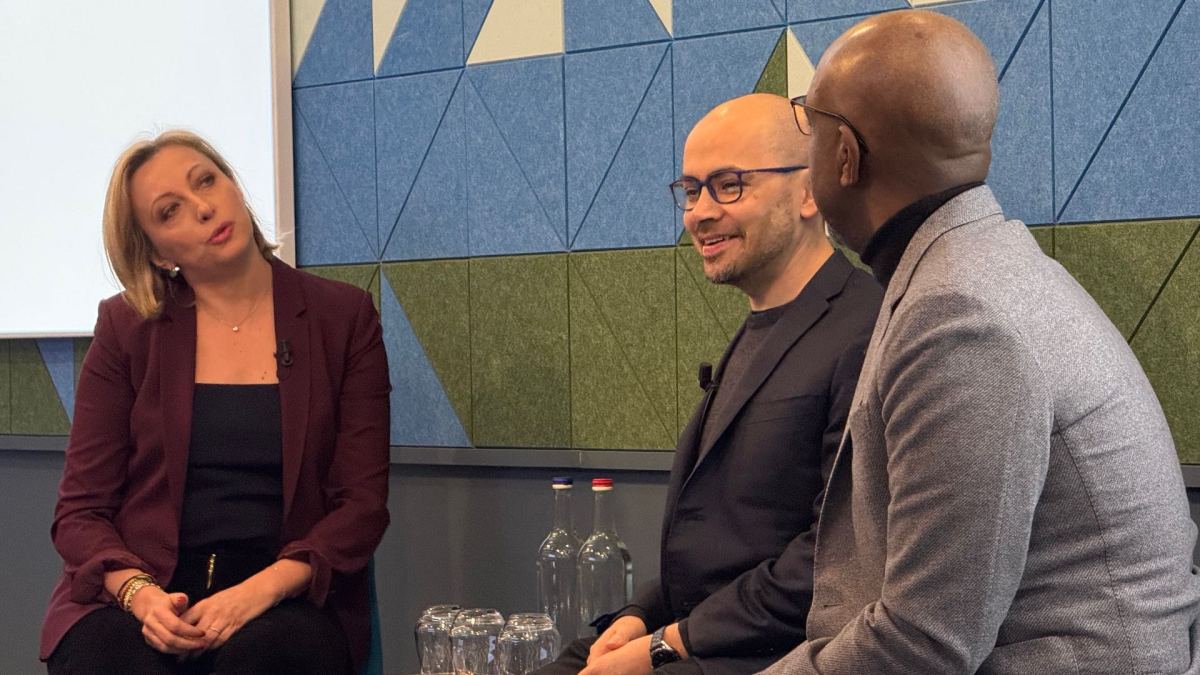
Google is reshuffling its AI leadership as Demis Hassabis steps away from day-to-day management of DeepMind to become chairman and Alphabet's chief scientist, while CTO Koray Kavukcuoglu takes operational control. Meanwhile, longtime chief scientist Jeff Dean and several prominent researchers are leaving to launch their own company. Axios reports: Hassabis will add the title of chief scientist for Google parent company Alphabet and also continue to lead Isomorphic Labs, the company's AI drug discovery spinoff. Koray Kavukcuoglu, the current chief technology officer of Google DeepMind will serve as senior VP of the unit, reporting to CEO Sundar Pichai. Dean, a 27-year Google veteran is starting Discovery Loop, an independent publicity benefit corporation in which Google will be an investor and cloud provider. Joining him in that effort are Google senior fellow Sanjay Ghemawat as well as Oriol Vinyals, a DeepMind VP and Quoc Le, a Google Brain co-founder. [...] In an interview with The New York Times, Dean indicated that leaving Google, a public company, gives him more leeway to focus on scientific discoveries associated with AI as well. "We might make decisions that are not necessarily in the company's purist financial interests," he told NYT. "I've been working towards AGI my whole life and now, like many of you, I feel it is close at hand," Hassabis wrote. "It's critical that we collectively get the next steps right to ensure this all goes well for humanity and we usher in an incredible new age of discovery and wonder." "With this backdrop, I've decided that now is the right time for me to hand over my day-to-day operational responsibilities at GDM, so that I have the time and space to focus on the big picture and help influence what is to come to the best of my ability"

Read more of this story at Slashdot.
  •  

L’IA est incapable de produire quelque chose de nouveau, et c’est un chercheur de Google DeepMind qui le dit

Les intelligences artificielles génèrent des images, écrivent du code et résolvent des problèmes complexes. Mais produisent-elles réellement quelque chose de nouveau ? Pour Tom Zahavy, chercheur chez Google DeepMind, les modèles actuels restent incapables du « saut » intellectuel qui permet de formuler une idée sans précédent.

  •  

Group of Teen Hikers Relied on Google Maps. It Was a Disaster.

"When a group of teenagers set out to hike British Columbia's famed Howe Sound Crest Trail in early July, Google Maps suggested the trek would take about five hours," reports SFGate. "Instead, the hike stretched deep into the night, leaving the group exhausted, dehydrated, injured and in need of a helicopter rescue..." Although the approximately 18-mile route with a 6,000-foot elevation gain can be completed by experienced trail runners in a day, search and rescue officials generally recommend hikers treat it as a two-day backpacking trip. The teenagers, all 17 years old, believed Google Maps' estimate that the route would take about five hours. The printed directions they were carrying, which were shared publicly by Lions Bay Search and Rescue, gave simple instructions for two legs of the trail, but didn't account for the terrain or elevation. "[Google Maps] is calculating the time that you're walking a straight road on pavement," [said Maria Masiar, training officer and search manager with Lions Bay Search and Rescue]. "When you get into outdoor terrain, that no longer holds true." Expecting only a short outing, each hiker carried about half a liter of water and limited food. There are no reliable water sources along the trail, meaning hikers must carry enough supplies for the entire route. As the group climbed, they began suffering from dehydration and muscle cramps but continued onward despite falling dramatically behind schedule. Eventually, the group made the decision to turn back and abandon making it to the end of the trail — and as the sun began to set and the group started to descend, fatigue took its toll. According to Masiar, members of the group had already stumbled and fallen several times while trying to race the coming dark, and only one hiker had a headlamp. Eventually, another hiker slipped about 10 feet off a boulder, injuring his tailbone badly enough that he could no longer continue. Search and rescue crews responded, ultimately evacuating him by helicopter.

Read more of this story at Slashdot.
  •  

Google's Gemini Can Now Stomp Around as a Humanoid Robot

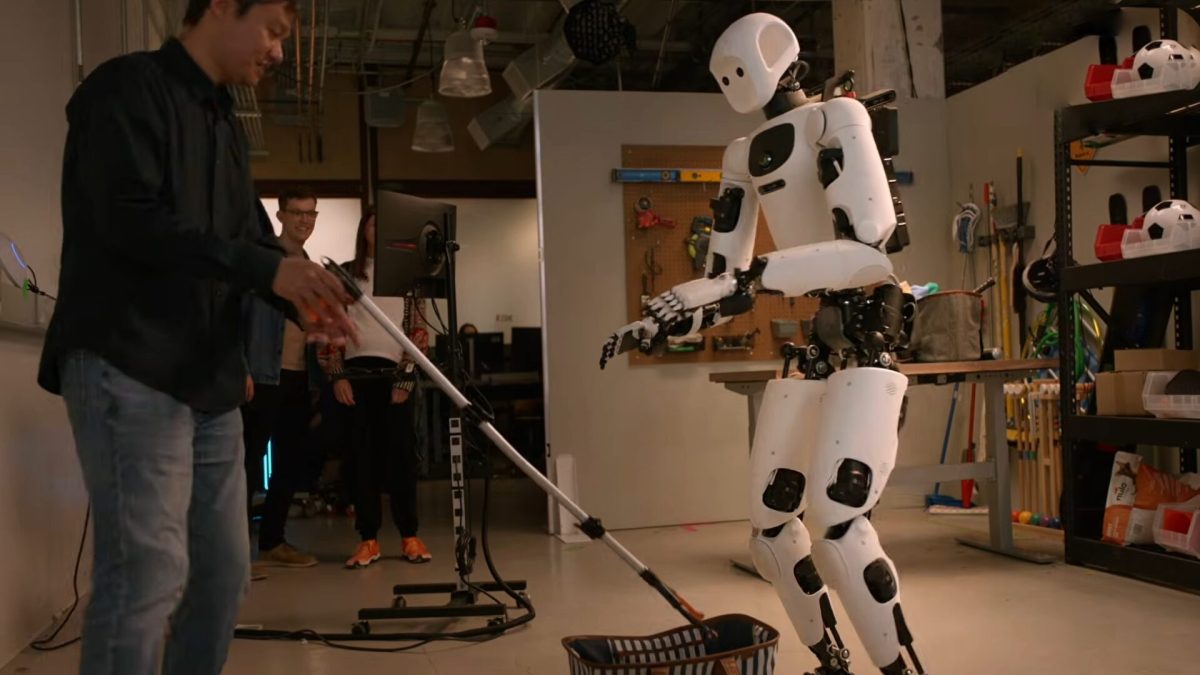
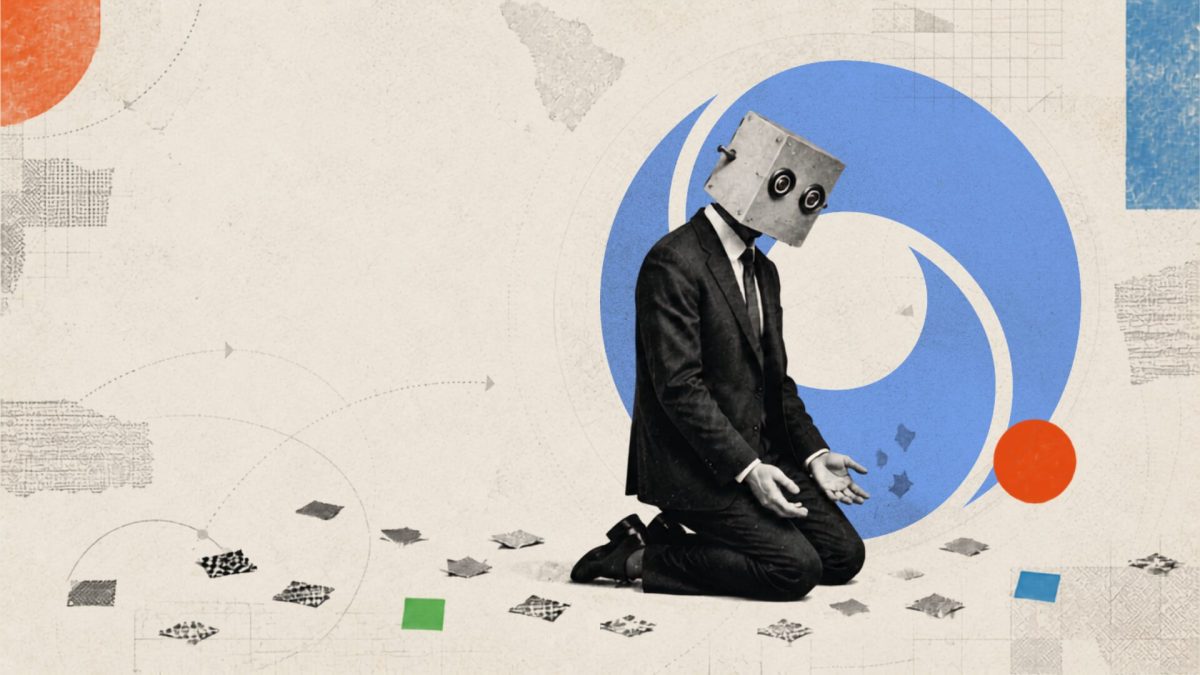
Google DeepMind's Gemini Robotics 2 combines vision, language, and action models to control multiple types of robots, including humanoids performing tasks such as organizing shelves, tying bags, and replacing lightbulbs. "It's another milestone in our path towards really getting towards what we call like physical AGI, which means we get a robot to do anything that a human can," Carolina Parada, head of robotics at Google DeepMind, tells WIRED. From the report: Gemini Robotics 2 combines several different AI models into a single system. Taken together, they allow a robot to make sense of its surroundings and how to act in it. A vision language model (VLM), which understands images and video, can communicate with humans and reason how to perform different tasks. Two vision language action (VLA) models, trained to understand how to move in physical space, control the robot's full-body movement as well as the movements of grippers or hands. In video demonstrations shared ahead of the release, the company showed several different robots performing complex tasks autonomously using the amalgamated model. In one demo, Apptronik's Apollo 2 robot used hands from a company called Sharpa to tidy shelves. Google DeepMind trained the model to perform these tasks using a mix of human teleoperation, video examples, and simulations -- it's not yet possible for AI models to perform a wide range of complex tasks without specific training. [...] Parada says Google takes a multi-layered approach to safety, with guardrails applied on each model layer. It's also introducing ASIMOV-Agentic, a new benchmark for measuring the safety of various AI systems collaborating to control a robot. The benchmark detects whether a command will result in harmful or uncertain outcome.

Read more of this story at Slashdot.
  •  

Google Brings Its Age-Assurance Tech To Android Developers Worldwide

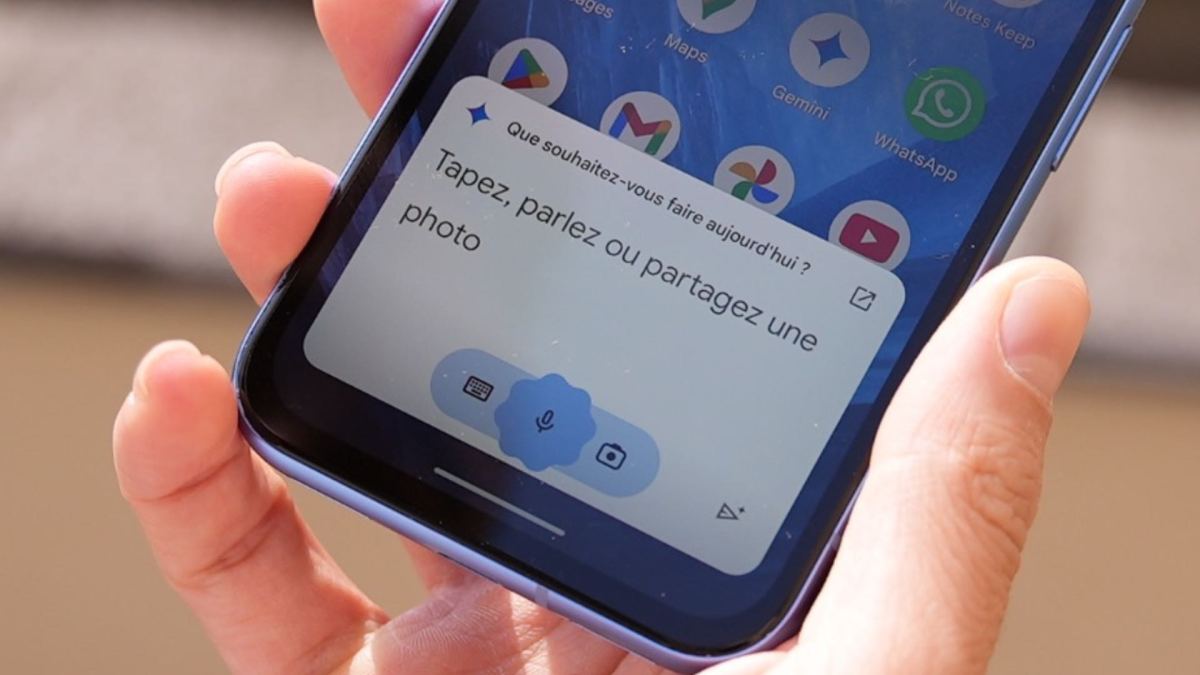
An anonymous reader quotes a report from TechCrunch: Google is expanding its answer to Apple's age-assurance tools with Wednesday's news that it will bring its Play Signal API to users worldwide by the end of 2026. The technology, already available in Brazil, allows Android developers to identify younger users of their apps in order to provide safer, age-appropriate experiences. The expansion will initially bring the API to Australia and Canada by mid-August, before rolling out globally to all markets by the end of the year. [...] Like Apple, Google's technology allows developers to obtain a user's age range without needing to access personal information, like their date of birth. Instead, it enables parents to share their child's age range directly with apps. It also lets adults share their age when prompted by app developers as well, allowing for customized experiences. Parents won't have to manage sharing this information on an app-by-app basis, either. To make it easier, Google centralizes these controls inside its parental controls dashboard, Family Link. Once entered, any developer that chooses to incorporate age-range information can access this signal to customize their apps accordingly. Google notes, however, that the age ranges are not shared by default -- parents must opt in by entering that information. The feature joins other safety tools on Google Play, including those that let developers restrict a child's ability to discover their apps. Parents, meanwhile, can continue to use Google Play's Family Link app to manage their child's screen-time limits, approve app downloads, or set PIN-based content filters for specific apps.

Read more of this story at Slashdot.
  •  

Google Shuts Down Its Nobel-Prize Winning AlphaFold Project

Google has dismantled the original AlphaFold team, according to Financial Times (paywalled), reassigning many researchers to Gemini and Isomorphic Labs. Several other key members, including Nobel laureate John Jumper, left for Anthropic. Engadget reports: AlphaFold is an AI program that can accurately predict three-dimensional structures of proteins from their amino acid sequences in minutes instead of years. It's now being used to accelerate drug discovery, develop vaccines and understand the structural changes in proteins associated with neurodegenerative diseases like Alzheimer's and Parkinson's. DeepMind started developing AlphaFold in 2018. In 2020, it was recognized as a solution to humanity's 50-year-old "protein folding problem," which sought to answer how amino acids automatically fold into complex 3D shapes. Those shapes determine the biological role of a protein. Scientists had identified the structures of roughly 170,000 proteins over the past 50 years, using tools and techniques like X-ray and nuclear magnetic resonance. The AlphaFold team took information from those previous work and then fed it to their AI to train AlphaFold. In 2021, Nature published the papers with AlphaFold's methodology and the structure predictions of the entire human proteome, or the complete set of proteins expressed by our species. DeepMind then launched the AlphaFold Protein Structure Database, giving researchers free access to over 200 million protein structure predictions. In 2024, DeepMind CEO Demis Hassabis and John Jumper, who was a staff research scientist when the project began and who eventually became a VP and engineering fellow, won the Nobel Prize in Chemistry for their work on AlphaFold.

Read more of this story at Slashdot.
  •  
❌