Vue lecture

dnsforge.de – Public DNS resolver from Germany

Pour bloquer les trackers et la publicité sous Android, si vous ne pouvez/voulez pas installer personalDNSFilter sur votre smartphone (voir https://sebsauvage.net/wiki/doku.php?id=dnsfilter), il y a toujours la possibilité de configurer un DNS externe ("DNS privé" dans les réglages Android). Ça permet, en 2 minutes, de bloquer la majorité des trackers et publicités sans installer la moindre application.

Il y en a un qui marche bien: ➡️ dnsforge.de
Ma propre liste de blocage bloque un peu plus de 400 000 domaines, dnsforge.de en bloque... 1,4 millions !

Et ils ont même une version plus forte: ➡️ hard.dnsforge.de
qui en bloque 2,7 millions.

Si un site vous pose problème, vous pouvez bien sûr temporairement le désactiver. Il peut également arriver qu'il faille le désactiver quand vous vous connectez à un point d'accès Wifi gratuit avec portail.
(Permalink)
  •  

Vela Maps · Google Maps, degoogled

Bizarre... une appli de navigation qui utilise les services Google (trafic, StreetView...) mais sans compte Google, sans les PlayServices.
L'application tire aussi une partie de ses données d'OpenStreetMap (les cartes par exemple). Les POI, ça reste du Google (avec la pauvreté des données et plein d'erreur, bien sûr). Les POI OSM sont absents 😕
Curieux mélange.
(Strikedown de l'appli par Google dans 3... 2... 1...)
Il y a quand même la possibilité de télécharger les cartes pour une utilisation offline (pas testé !)
Les sources sont là : https://github.com/PimpinPumpkin/Vela

Premier avis : ça tente d'imiter fortement l'interface de GoogleMaps/Waze, et personnellement je déteste (c'est pas pratique à utiliser, gestion des favoris merdique, etc.)

Je dirais, pour l'instant par rapport à CoMaps, le seul avantage c'est d'avoir l'info-trafic (et je ne sais pas s'il recalcule les trajets en cas de bouchons).

EDIT: on me signale que c'est vibe-codé. Ça explique pourquoi tout a l'air de travers dans cette appli.
(Permalink)
  •  

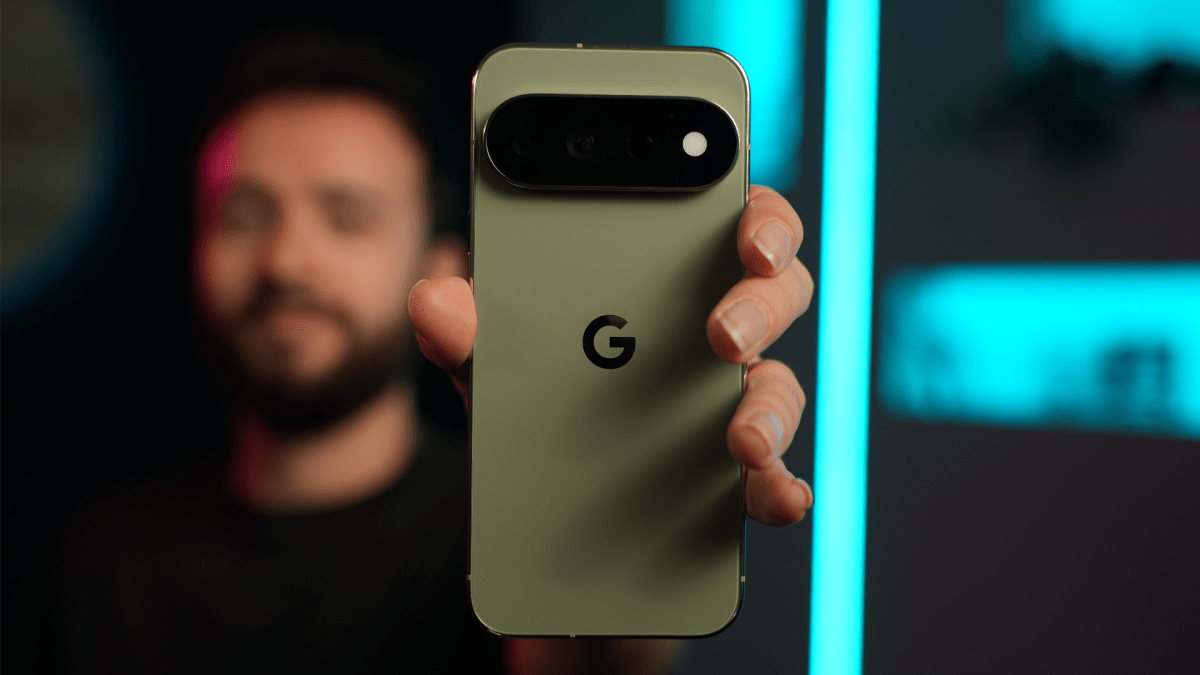
« Nous déconseillons fortement d’acheter un Pixel 11 » : GrapheneOS dénonce un changement opéré par Google

Après une semaine de travail, les développeurs de GrapheneOS annoncent qu'ils n'arrivent pas à porter leur système sur les Pixel 11. En cause : l'absence du marquage mémoire matériel (MTE), une protection présente sur tous les Pixel depuis 2023. Le projet déconseille désormais l'achat des nouveaux smartphones de Google et envisage de sauter toute la génération.

  •  

Le format passeport s’impose : Xiaomi s’y met après Huawei, Samsung et Apple

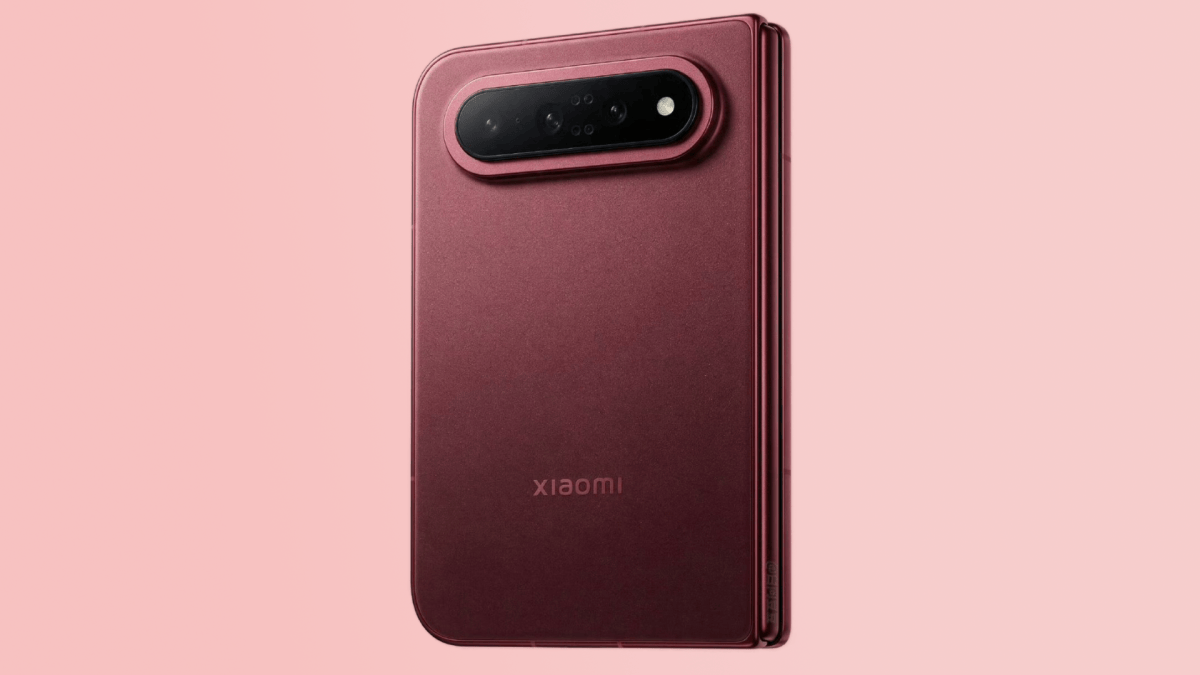
Xiaomi a confirmé le lancement d'un téléphone au format passeport, le Xiaomi 18 Fold, en septembre 2026. Son produit reprend à l'identique les dimensions du Huawei Pura X Max et du Samsung Galaxy Z Fold 8 et, sauf surprise, devrait être identique au futur iPhone. En moins de dix-huit mois, ce nouveau gabarit s'impose comme la tendance à suivre.

  •  

Motorola's 2027 Flagships Will Officially Support GrapheneOS

Motorola is working with GrapheneOS to officially support the privacy-focused Android alternative on its 2027 flagship phones, starting with a non-folding model and later expanding to the next Razr Fold and Razr Ultra. "These will ship with Motorola's normal Android skin, but you will be able to switch to GrapheneOS later if you want to," notes GSMArena.com. GrapheneOS says the devices will "meet or exceed" its hardware and update requirements, and will include seven years of "proper updates." Interestingly, Motorola will be doing much of the porting work itself.

Read more of this story at Slashdot.

  •  

J’ai testé le Google Pixel 11 Pro et j’ai l’impression d’avoir gardé mon Pixel 10 Pro

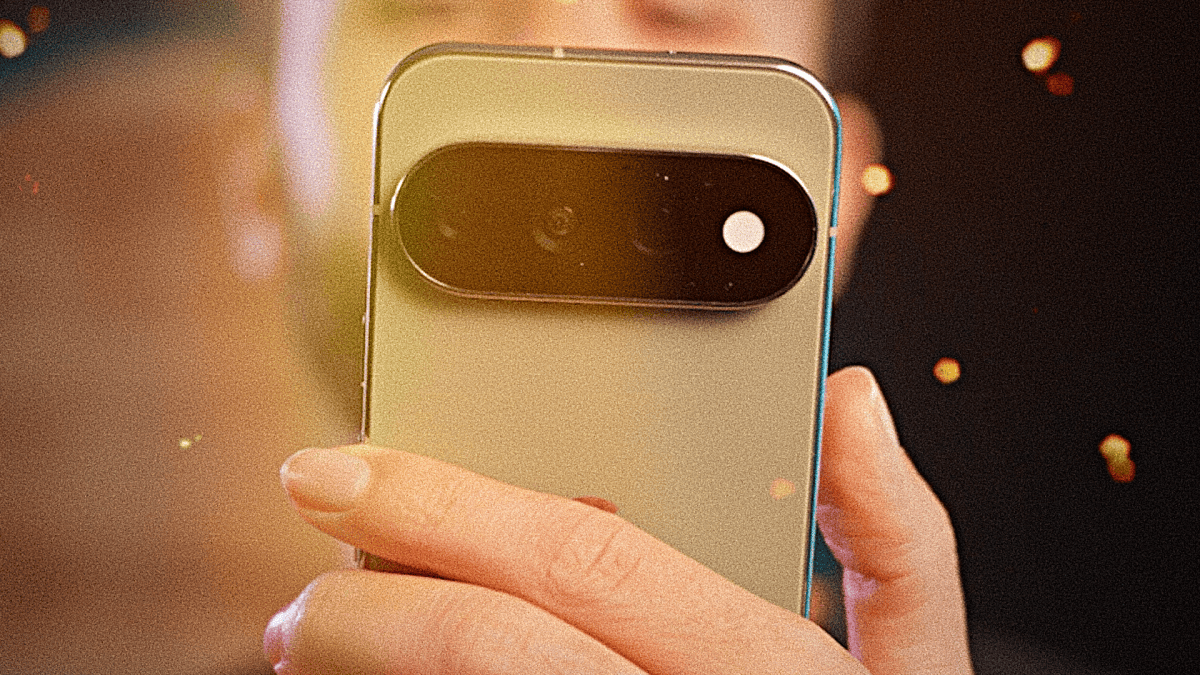
Un an après une gamme Pixel 10 très réussie, Google lance en août 2026 sa nouvelle génération de smartphones haut de gamme avec un nombre de nouveautés très limité. Outre une puce un peu plus puissante (Tensor G6), un témoin lumineux au dos (HiLight) et quelques améliorations en photo, le Pixel 11 Pro donne l'impression d'être une réédition du smartphone de l'année dernière… pour 100 euros de plus.

  •  

Quel smartphone choisir pour son ado en 2026 ? Le guide d’achat pour un premier téléphone pour la rentrée

Dès l’entrée au collège, la plupart des adolescentes et adolescents formulent le désir d’avoir leur propre smartphone. L’arrivée en sixième est en effet une étape charnière dans leur vie, mais c'est aussi à ce moment qu’ils commencent à gagner en indépendance, notamment pour leurs trajets jusqu’au collège, et un smartphone peut alors devenir un accessoire indispensable pour eux, comme pour les parents.

  •  

Google dévoile les Pixel 11 et remplace son capteur le moins utilisé par… des LED

Avec les Pixel 11, Pixel 11 Pro, Pixel 11 Pro XL et Pixel 11 Pro Fold, Google améliore la formule de l'année dernière sans grande révolution. La nouveauté de 2026 s'appelle HiLight : Google a inséré des LED colorées autour du flash pour permettre au téléphone de communiquer des informations lorsqu'il est retourné.

  •  

First Rival Android App Store Arrives In the US Play Store

Aptoide has become the first third-party Android app store available directly through Google Play in the U.S. "The change is a direct result of Google's litigation with Epic, which saw a judge rule in 2024 that the Play Store would have to open up to third-party stores," notes The Verge. The change makes rival storefronts far easier to discover and install, potentially opening the door for Epic, Amazon, Samsung, Microsoft and others to distribute their own app stores through Google's store. From the report: Third-party app stores have always been available on Android, which is a more open platform than iOS in that respect. However, until now they've only been available if pre-installed on a device -- as with the Amazon Appstore on Fire tablets or Samsung's Galaxy Store -- or installed via sideloading. Listing rival storefronts within the Play Store makes them much easier for users to find and access. [...] Aptoide itself is relatively little known, but it's likely to be the first of many alternative app stores. It's presumably only a matter of time before the Epic Store makes its own appearance, and the likes of Amazon, Samsung, and other phone manufacturers may also want to put their stores in front of potential customers.

Read more of this story at Slashdot.

  •  

Google Plans To Exempt Sanctioned Nations From Android Developer Verification

An anonymous reader quotes a report from Ars Technica: We are a month away from the initial rollout of Google's Android developer verification system, and the company contends this policy does not impinge on the platform's open nature. Still, the restrictions will be a big change, and there are still some unanswered questions. An issue that has come up repeatedly in the run-up to verification is what will happen to devs who can't verify because of where they live. It turns out that Google has a cryptic answer for that buried in an FAQ. Developer verification will soon block the installation of apps from unverified developers on any Android device running Google services, which is functionally all Android phones outside Russia and China. Developers who want to keep releasing software, even if it's not in the Play Store, have to provide Google with their ID and pay a small fee. But what if you're an Android developer living in a sanctioned nation? Currently, the U.S. sanction list includes Iran, Cuba, North Korea, and occupied areas of Ukraine. Given the current uncertain state of US foreign policy, that list could change in the future. Google doing any business with developers in those places is a thorny issue, and it seems like the company has decided to just leave them hanging. A rather lengthy FAQ a few levels deep on the Google developer site addresses various issues around dev verification. Smack in the middle is this: "How does this program impact developers in sanctioned countries? Devices in sanctioned countries will be excluded from Android developer verification checks. This allows any developer to continue distributing apps in these regions without verification, though users there won't benefit from the enhanced security benefits of the program." [...] A Google spokesperson has expanded on the FAQ and confirmed to Ars that people living in sanctioned nations will not be allowed to go through the verification process. That means they will not be able to effectively distribute software through any channel internationally. Today, someone making an app in, say, Cuba can distribute it freely around the world, as well as at home. Anyone can install it and see their work in action after tapping through a few sideloading alerts. In the coming months, that will no longer be the case. These unverified apps will only be easily installable in the sanctioned countries where verification doesn't exist.

Read more of this story at Slashdot.

  •  

??Retrouver son téléphone avec l'application Android Automate [Wiki de sebsauvage.net]

Comme j'ai installé ça récemment chez quelqu'un, j'en ai profité pour tout documenter. Cela permet de retrouver son téléphone avec un simple SMS:
- mot-clé + locate : le téléphone vous renvoie sa position GPS (lien OpenStreetMap).
- mot-clé + ring : le téléphone se met à sonner à plein volume, même s'il était en mode silencieux et "Ne pas déranger".

Simple et bien pratique pour retrouver son téléphone.
Vous pouvez bien sûr modifier à volonté le mot-clé.

Si vous êtes développeurs/biduilleurs, Automate offre des possibilités d'automatisation/programmation assez fantastiques.
(Permalink)
  •  
❌