Vue lecture

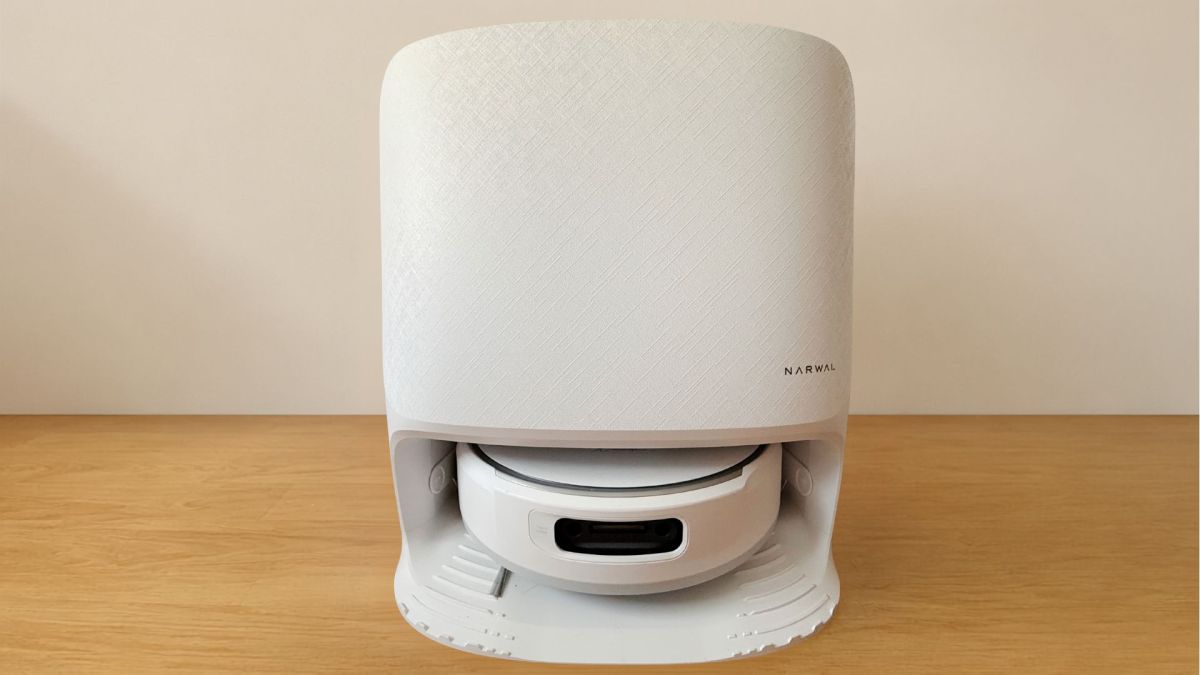
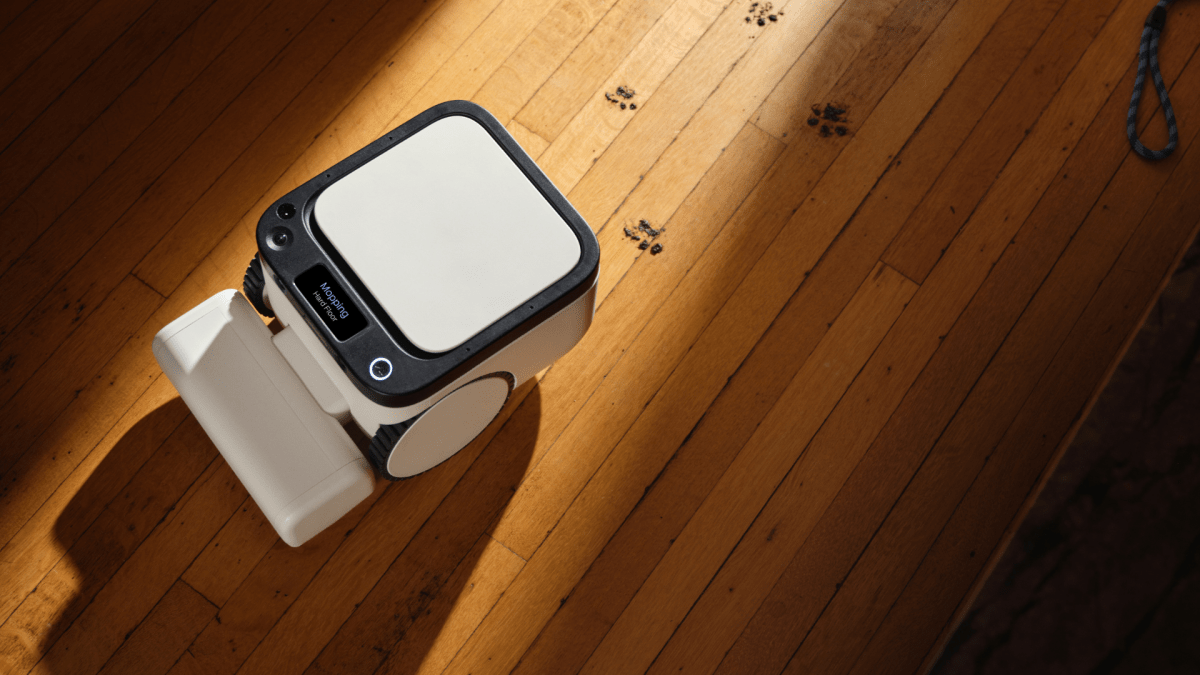
J’ai testé le Narwal Freo 20 et je passe beaucoup moins souvent la serpillière

Le Freo 20 est le nouvel aspirateur robot haut de gamme de Narwal. Encore assez méconnue en Europe, la marque chinoise avance pourtant une fiche technique particulièrement ambitieuse : 31 000 Pa d’aspiration, deux caméras pour éviter les obstacles, une station presque entièrement autonome et surtout un système de lavage assez différent de ce que propose la concurrence.

  •  

ChatGPT affiche des publicités : comment désactiver le ciblage publicitaire

La publicité arrive dans ChatGPT, et notamment les annonces personnalisées. Si ce modèle économique s'impose à tous (sauf à souscrire un abonnement Plus ou plus haut de gamme), il est possible de choisir si l'on veut avoir du ciblage publicitaire ou non. Voici où désactiver la pub ciblée dans le chatbot d'OpenAI.

  •  

ChatGPT gratuit et sans pub, c’est fini, mais voici comment désactiver la publicité ciblée

La publicité arrive dans ChatGPT, et notamment les annonces personnalisées. Si ce modèle économique s'impose à tous (sauf à souscrire un abonnement Plus ou plus haut de gamme), il est possible de choisir si l'on veut avoir du ciblage publicitaire ou non. Voici où désactiver la pub ciblée dans le chatbot d'OpenAI.

  •  

Humanoid Robots Run 100 Meters Faster Than Usain Bolt's Record Pace

Two humanoid robots competing at the World Humanoid Robot Games in Beijing on Saturday ran the 100-meter dash faster than Usain Bolt's 9.58-second world-record time. "[T]he Tiangong Ultra humanoid robot completed the 100-meter dash in 9.39 seconds during a preliminary heat," reports Engadget. "Developed by Beijing Humanoid Robot Innovation Center, the record-holding robot overtook Honor's Lightning robot, which completed the sprint in 9.47 seconds. From the report: Despite the impressive finish times, don't expect these humanoid robots to be used for any commercial purposes yet. After their sprints, they slammed directly into pads and some even required human assistance to be stretchered off the course. However, it's still a major improvement from last year's inaugural World Humanoid Robot Games, where the Tiangong Ultra won the 100-meter dash in 21.5 seconds. Beijing has also hosted a humanoid robot half-marathon, where Honor's Lightning won in 50 minutes and 26 seconds, which also beat the pace of another human world record. "The World Humanoid Robot Games in Beijing kicked off August 22 and will run until the 26, hosting thousands of robot participants competing in more than just track and field events, including soccer, table tennis and boxing," adds Engadget.

Read more of this story at Slashdot.

  •  

Chinese Robotics Giant Unitree Soars In Stock Market Debut

Chinese robotics giant Unitree surged more than 600% in its Shanghai stock market debut, marking the first mainland Chinese listing by a humanoid robot maker and a major milestone for Beijing's robotics ambitions. The BBC reports: Unitree, officially known as Yushu Technology Co Ltd, was founded in 2016 and now plays a key role in Beijing's ambitions to develop advanced technology. It has become a robotics industry leader, selling devices from sensors and automated arms to four-legged and human-like machines. The firm shipped more than 5,500 humanoid robots last year as demand for the technology grows. Unitree is one of the few companies in the sector to make money, delivering a net profit of 278 million yuan in 2025. It is a fierce rival to developers in the US as it produces robots with similar features but at lower prices. The company is based in Hangzhou, in eastern China. The region is home to a so-called golden cluster zone of robotics firms, which have benefited from huge government investments. That support helped drive a more than threefold increase in the number of Chinese robotics firms between 2020 and 2024, according to state-run China Daily. [...] Unitree's robot dogs start at $2,700, a fraction of the roughly $70,000 price tag for Boston Dynamics' four-legged device, Spot. "They're not exactly comparable because some of Unitree's dogs are much smaller," [said Harold Soh, a researcher from the National University of Singapore]. "But the price is a big difference." Unitree has been selling humanoid robots since 2023, with its $13,500 child-sized G1 model hitting the market the following year. Meanwhile, major US rivals -- including Elon Musk's Tesla -- have yet to start delivering rival products. [...] Some experts expect Unitree's market debut to be a gauge of investor appetite for the fast-growing humanoid robotics sector. The listing has given the public a rare chance to invest in a humanoid robotics company and could set a benchmark for other manufacturers, said Jack Pearson from investment firm RoboStrategy. The listing also marks a "turning point" for China's robotics industry, as Unitree's success comes even as the US is curbing imports of foreign-made robots, Pearson said.

Read more of this story at Slashdot.

  •  

Robots That Walk and Talk Are Coming To Car Factories

An anonymous reader quotes a report from The New York Times: At a BMW factory in South Carolina, a human-shaped robot with a screen for a face recently stepped from a charging station toward a stack of green plastic boxes. It grasped an auto part from one of the boxes, pivoted, placed the part in a trolley, then pulled the trolley across the floor. The robot's slow, stiff movements suggested a worker with a bad hangover rather than a technological revolution. "They're still slower than humans," Ulrich Wieland, a BMW vice president in charge of logistics at the factory, in Spartanburg, told reporters invited to see the robot in June. But, he added, "they're advancing fast." Automakers have used robots for decades, but they are usually powerful, one-armed machines that are fixed in place and perform repetitive tasks like welding body frames or applying adhesives to door panels. Now, most major automakers are betting that robots designed to resemble human beings, known as humanoids, will usher in a new wave of automation and efficiency. Equipped with artificial intelligence, they are expected to move around and do tasks now done by humans without any modifications to factories or heavy equipment. Unlike most of the robots now in use, humanoids would respond to voice commands and theoretically solve problems and react to unforeseen events. They would never take a lunch break, join a union or require health insurance. To optimists, robots could rescue U.S. manufacturing by increasing productivity, solving shortages of skilled workers and giving Western carmakers a fighting chance at competing with Chinese rivals that enjoy lower costs. Boring but important jobs like sorting parts would be done by robots, freeing humans for more interesting and specialized work.

Read more of this story at Slashdot.

  •  
❌