Vue lecture

More leaked OM SYSTEM PEN camera details


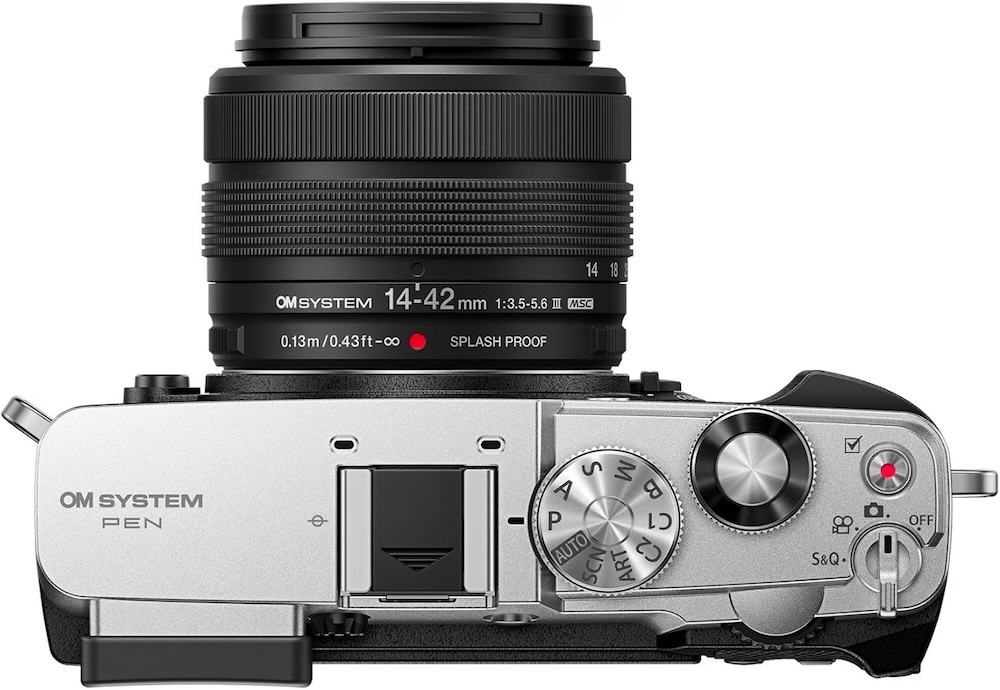
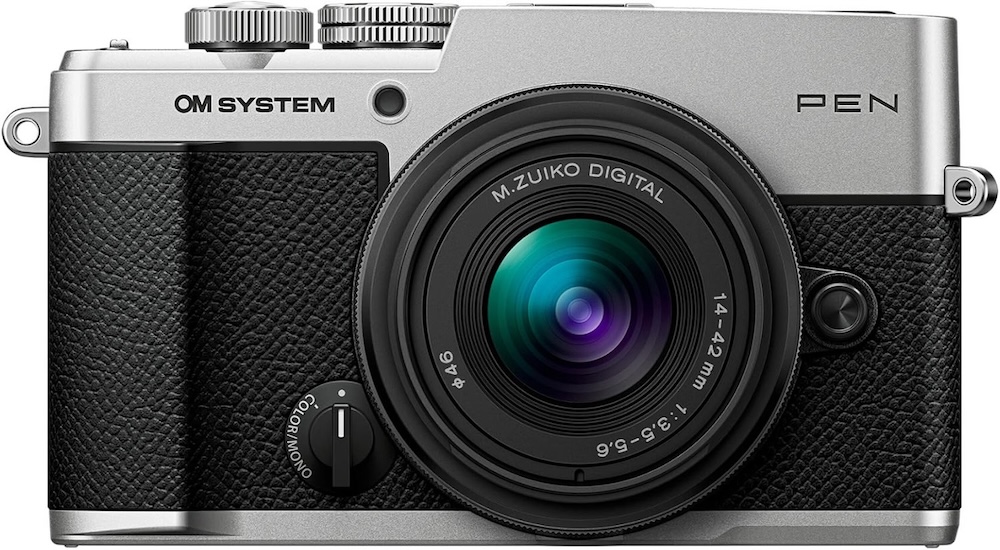
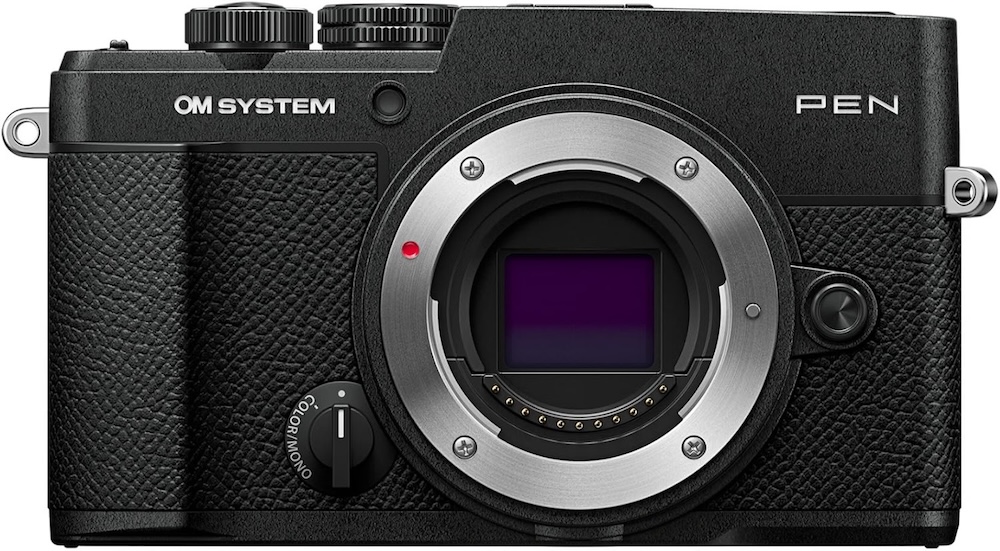
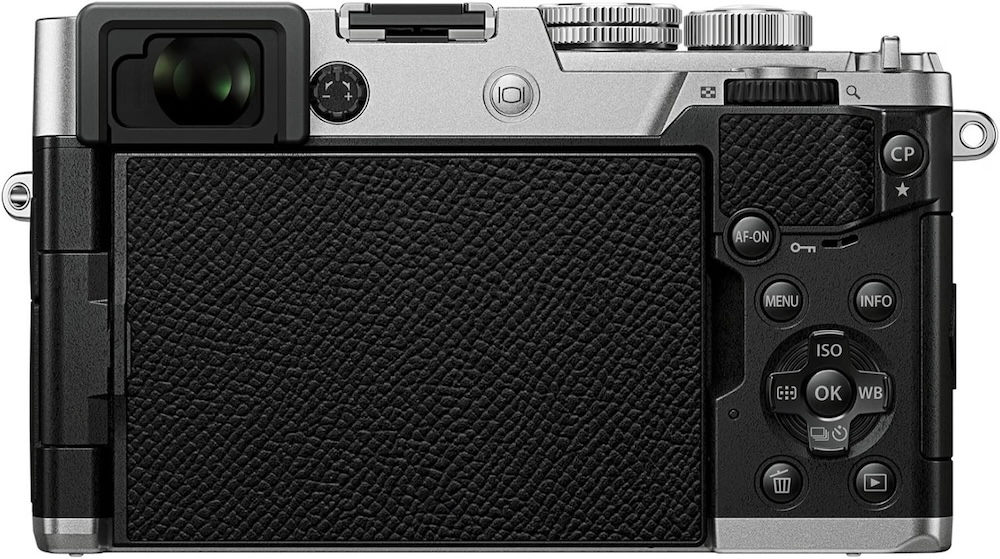
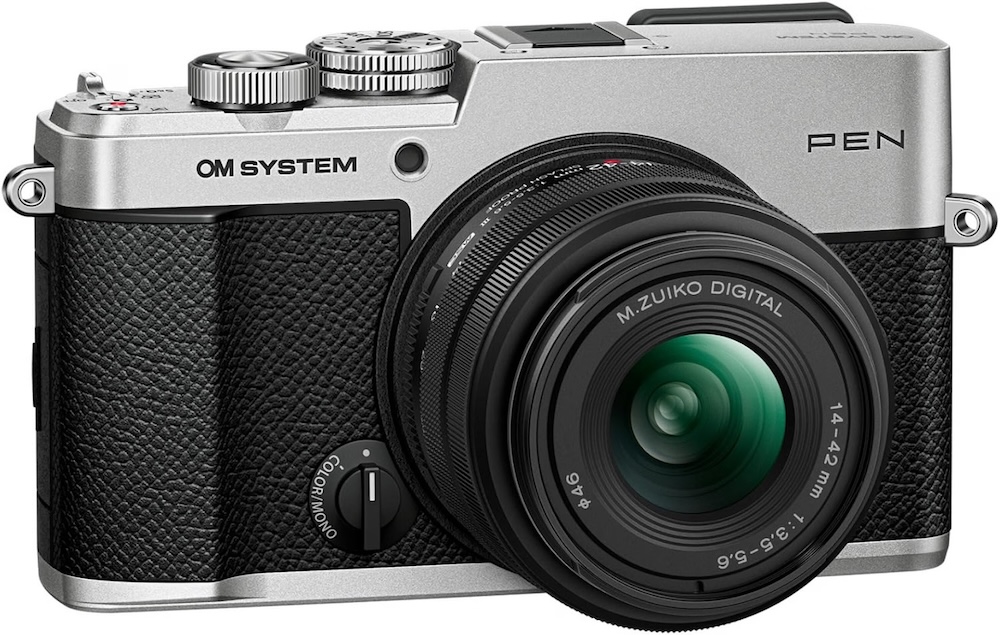
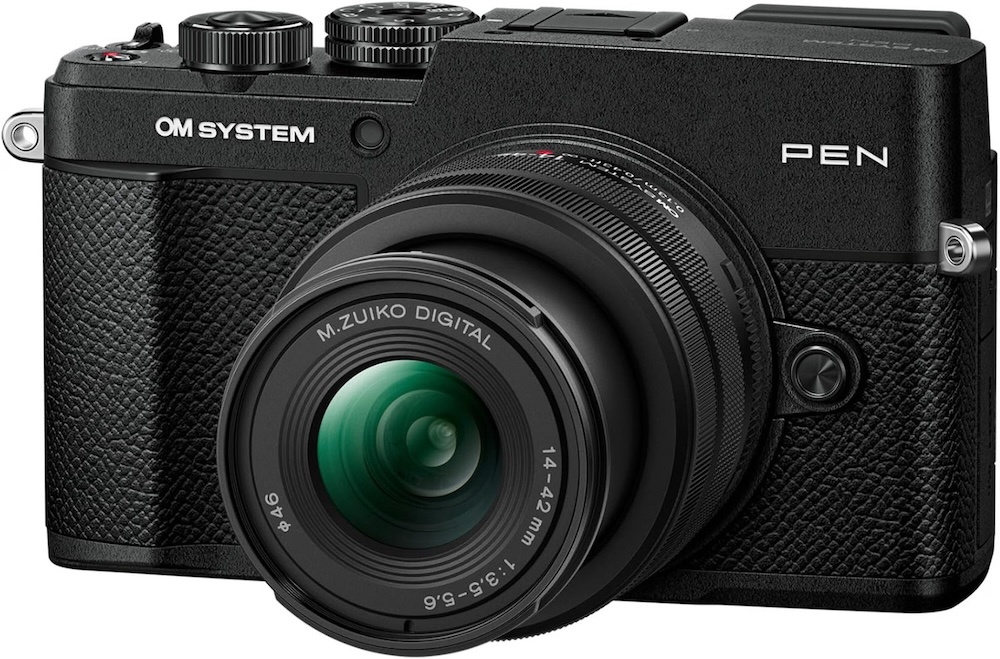
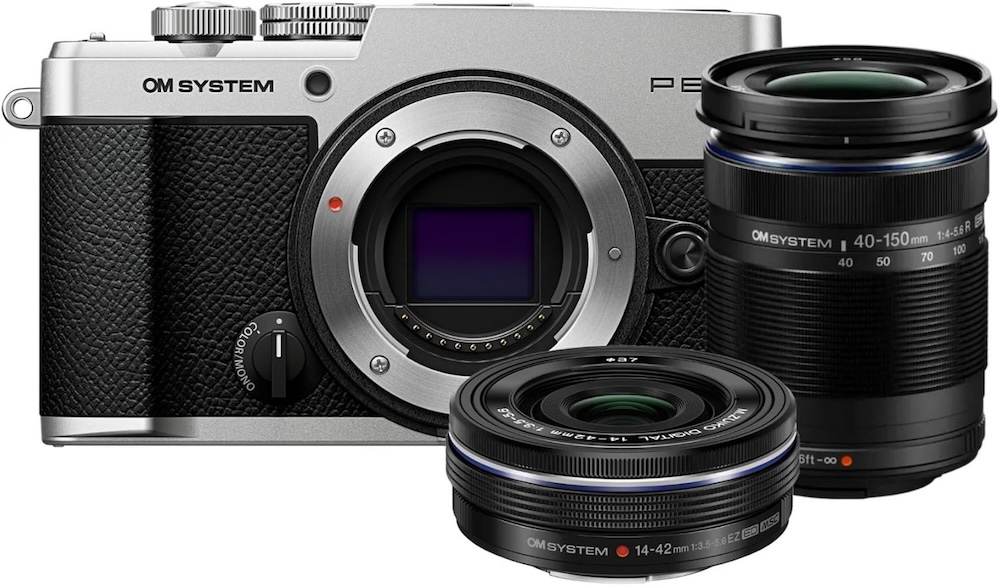
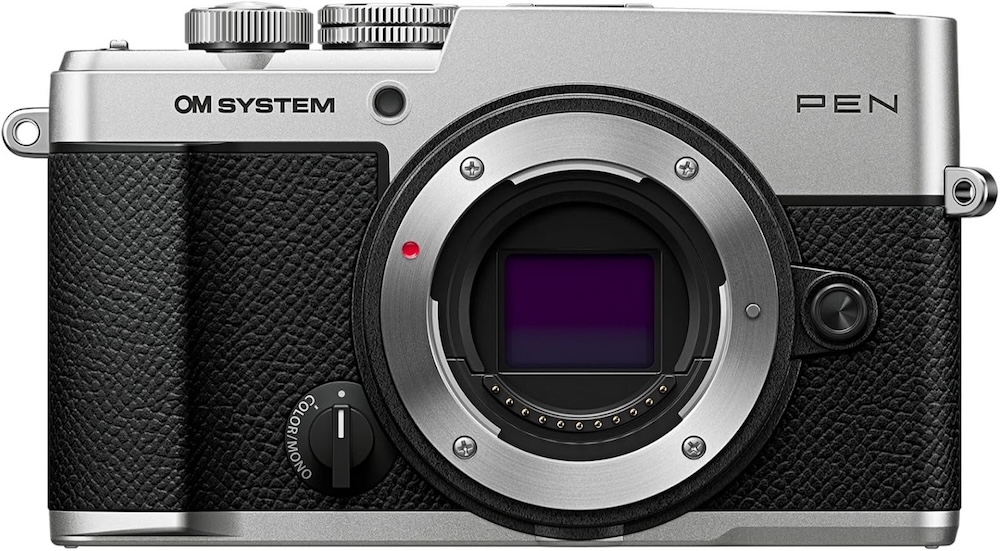
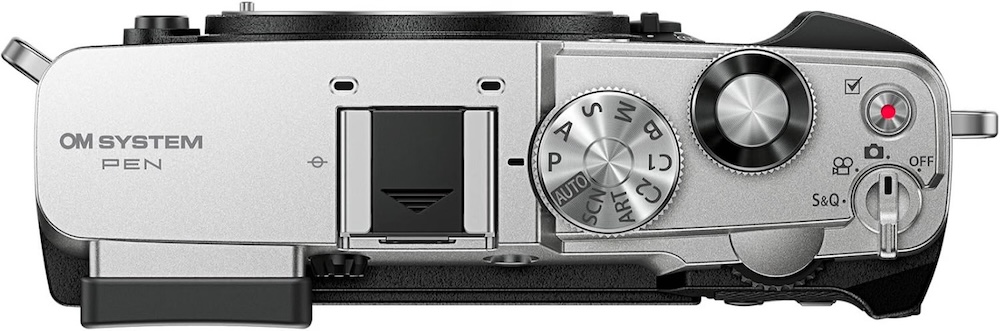
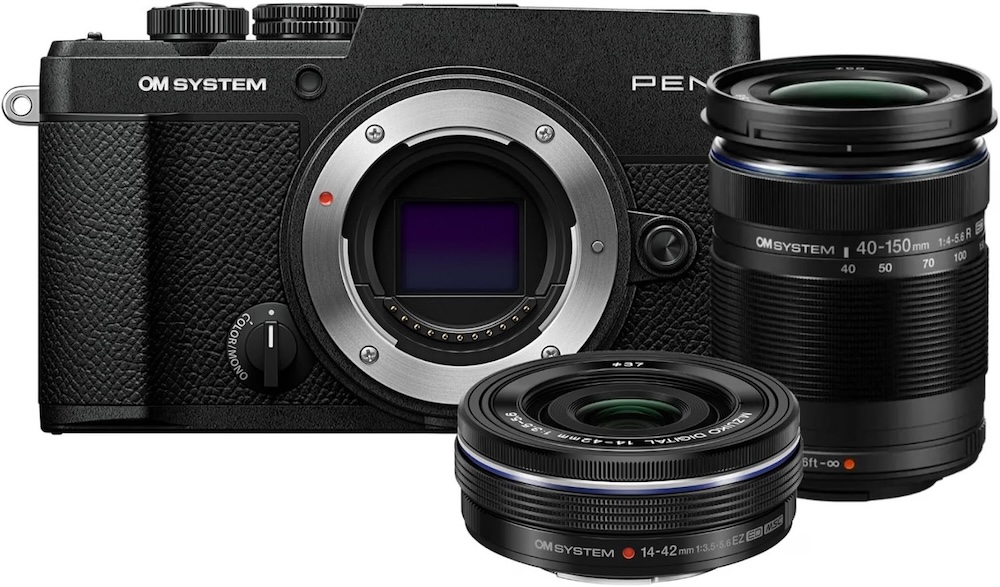
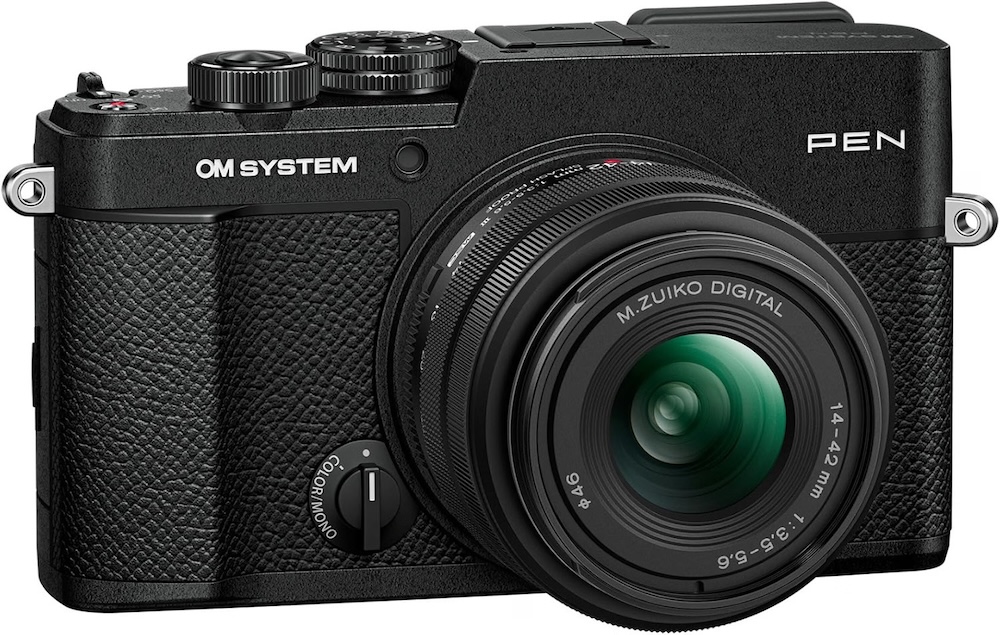
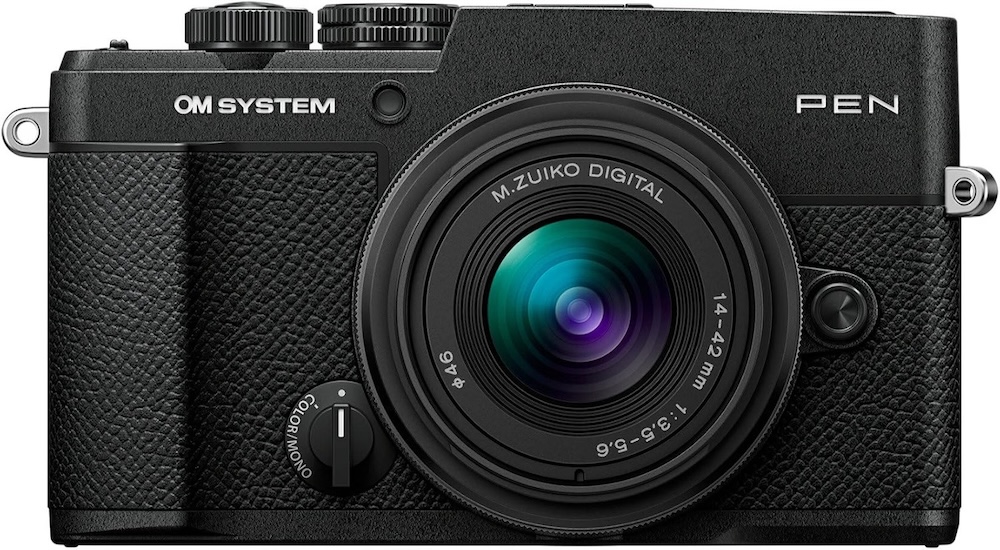
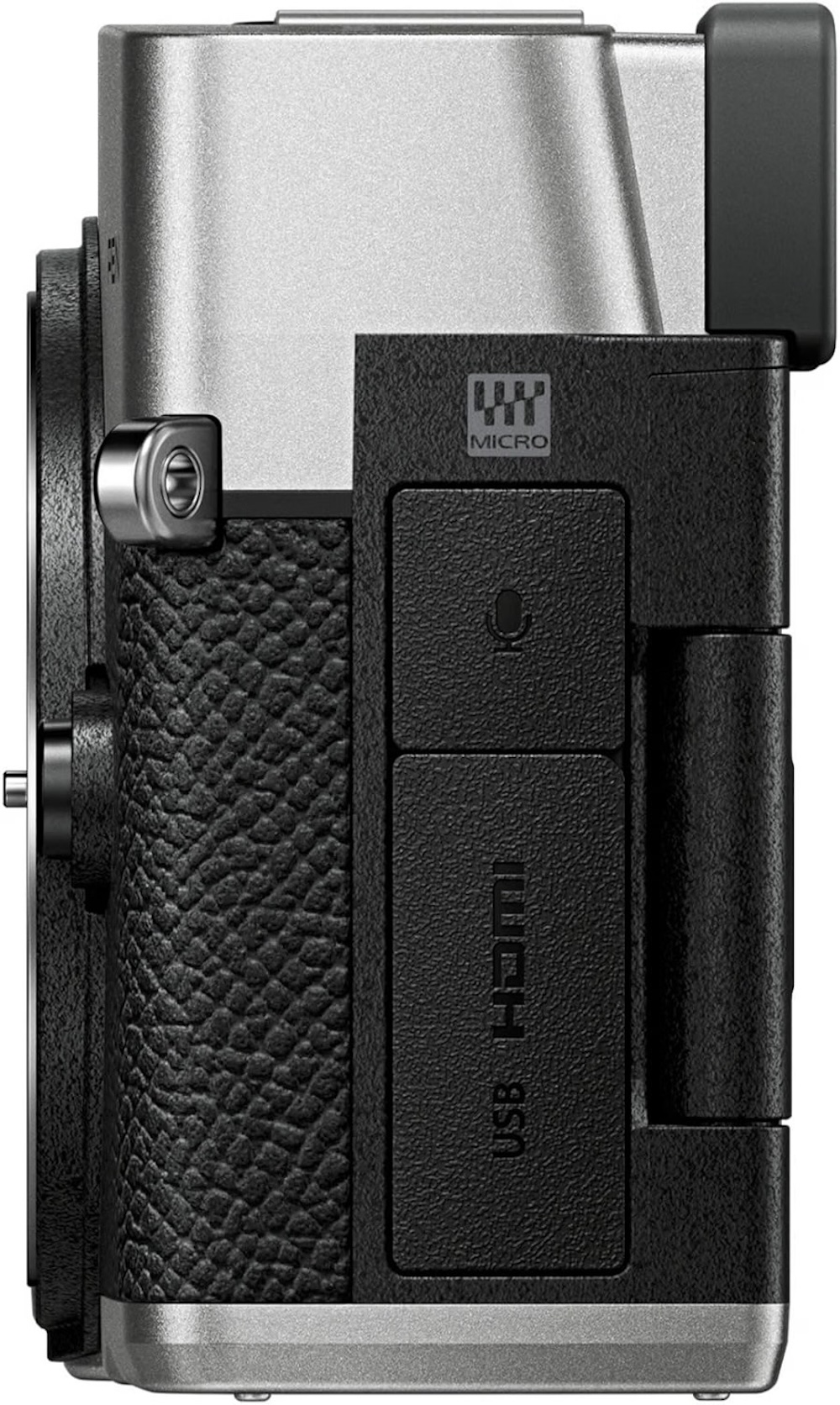
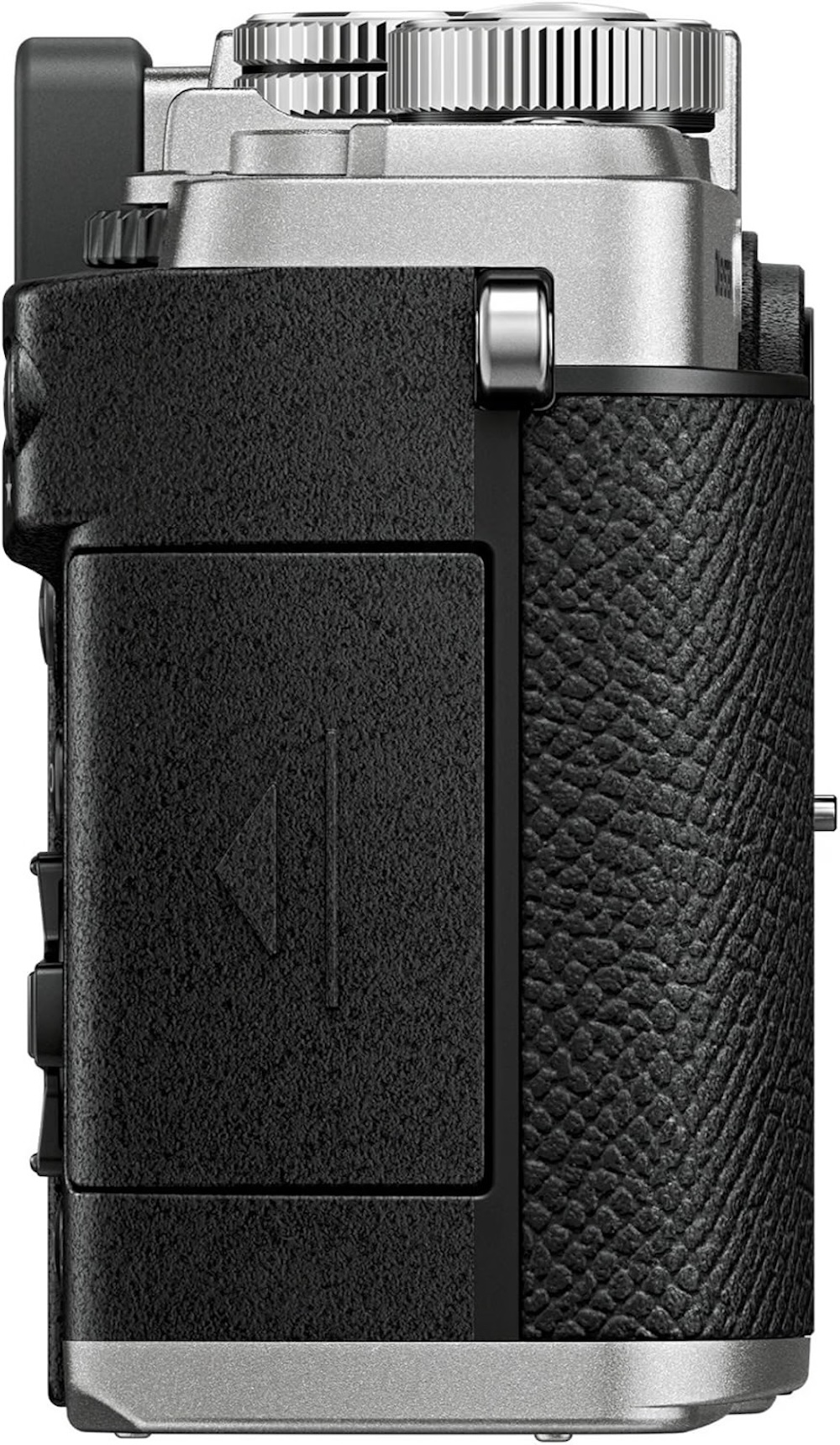
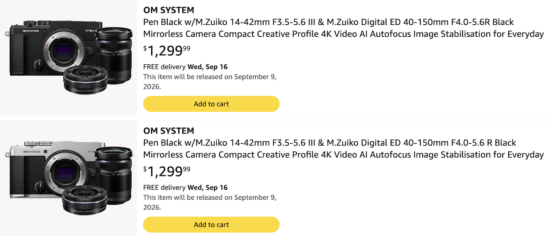
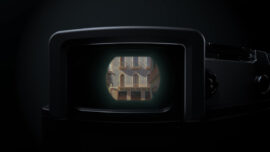
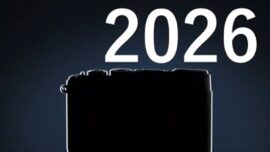
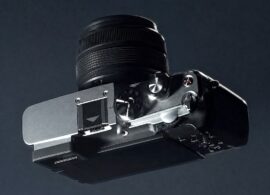
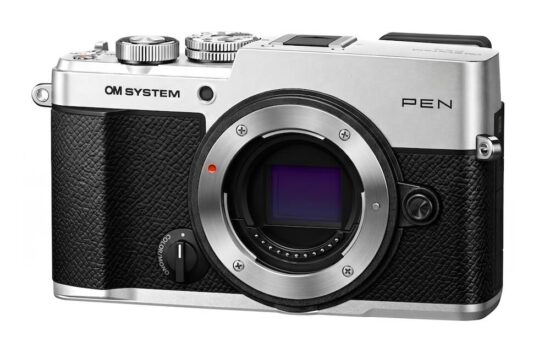
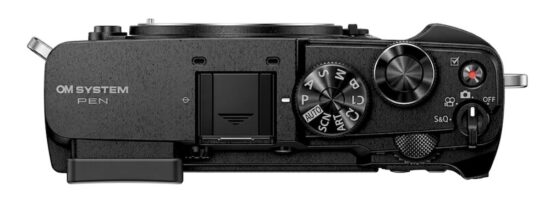
Here is another OM SYSTEM PEN camera leak coming up just a few hours before the official announcement. Pre-orders for the new PEN will open soon at Amazon and B&H Photo (additional information is available here and here):


Via 43addict

The post More leaked OM SYSTEM PEN camera details appeared first on Photo Rumors.

  •  

The upcoming OM SYSTEM PEN camera already listed for pre-order on Amazon

The upcoming OM SYSTEM PEN camera is already listed for pre-order on Amazon:


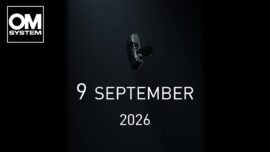
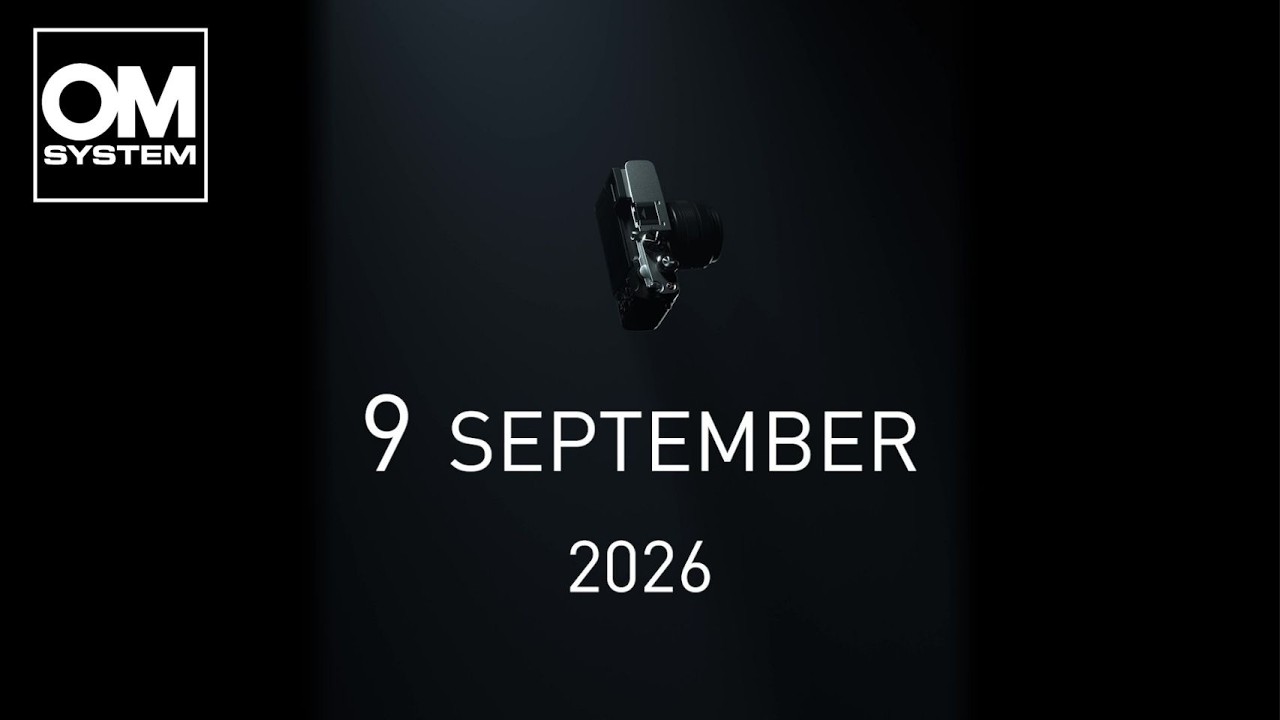
The official announcement is tomorrow, September 9th.

Additional informtion (more available here and here):


  • The compact 393g body is easy to carry for travel, everyday life and spontaneous photography.
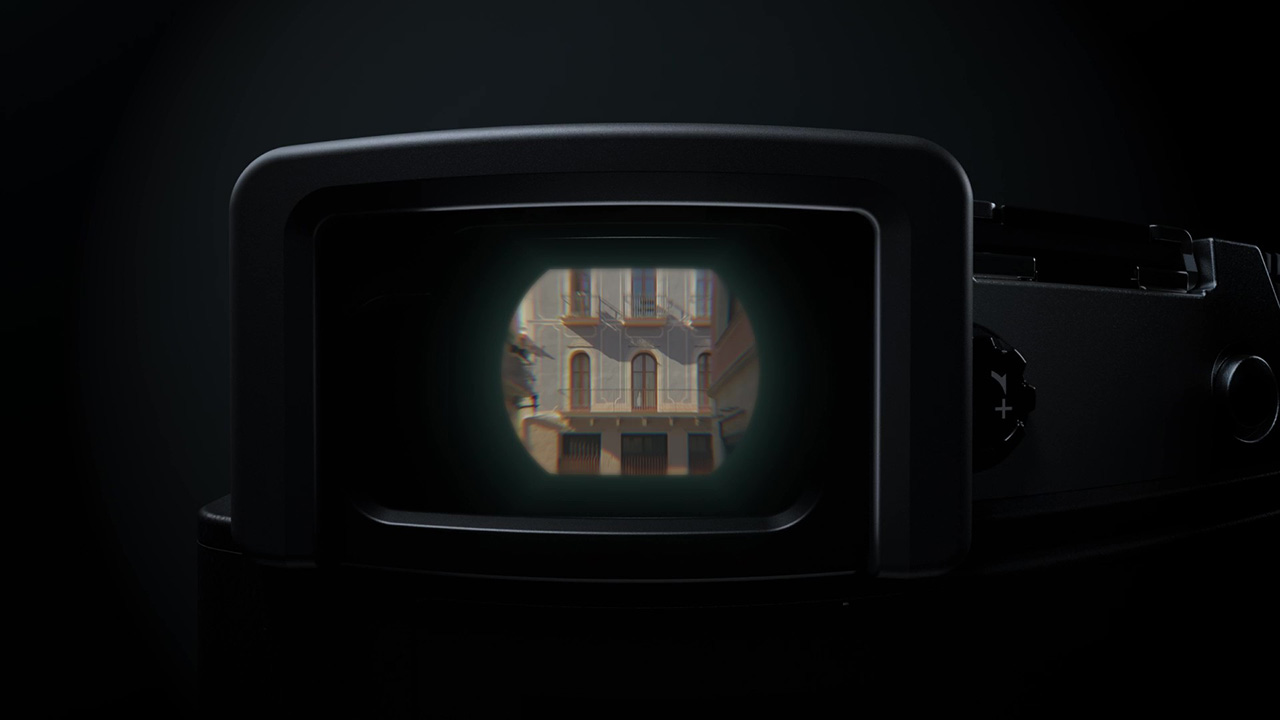
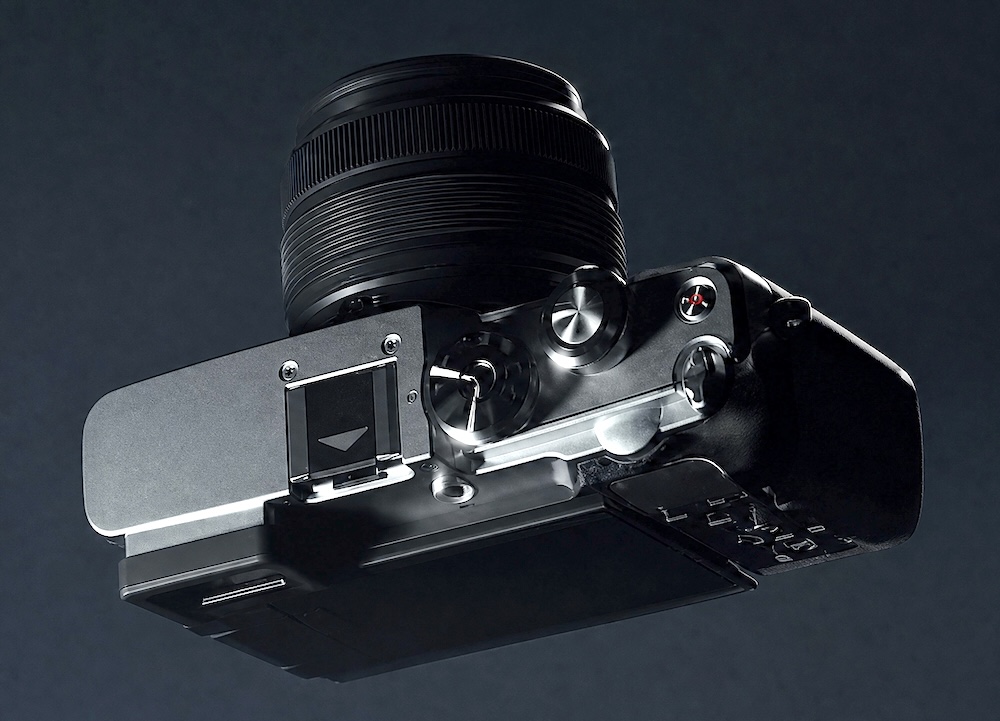
  • A viewfinder, shutter button, dial-based operation and interchangeable lenses give you a dedicated and intuitive camera shooting experience.
  • Colour, monochrome and CP-button controls make it easier to create distinctive looks in-camera.
  • Image stabilisation supports steadier handheld shooting while keeping the kit compact.
  • AI Human and Pet Detection Autofocus helps you concentrate on the moment when photographing people and pets.

OM SYSTEM PEN is a compact interchangeable-lens camera for travel and everyday photography, designed for people who want high image quality and creative flexibility without carrying a bulky kit. At just 393g, its easy-to-carry body features IPX1-rated weather sealing for added protection when shooting in rain. The double lens kit includes the compact, weather-sealed M.Zuiko 14-42mm F3.5-5.6 III zoom lens and the standard M.Zuiko 40-150mm F4.0-5.6 R Lens, creating a versatile setup for everyday shooting, travel, and distant subjects. Creative colour and monochrome profiles let you shape the look of your images, while five computational photography modes make creative effects easier to achieve — all in-camera. You can also share your profiles with others via the OI.Share app and discover new looks through the app’s Profile Library. OM SYSTEM PEN also offers 4K and vertical video. A fast 121-point all-cross phase-detection autofocus system, together with AI-powered Human and Pet Detection AF, helps keep subjects sharp and in focus. Image stabilisation providing up to 5.5 stops of compensation helps reduce camera shake for steadier handheld stills and video, especially when shooting in low light or at night.

OM SYSTEM PEN camera dedicated page and online events

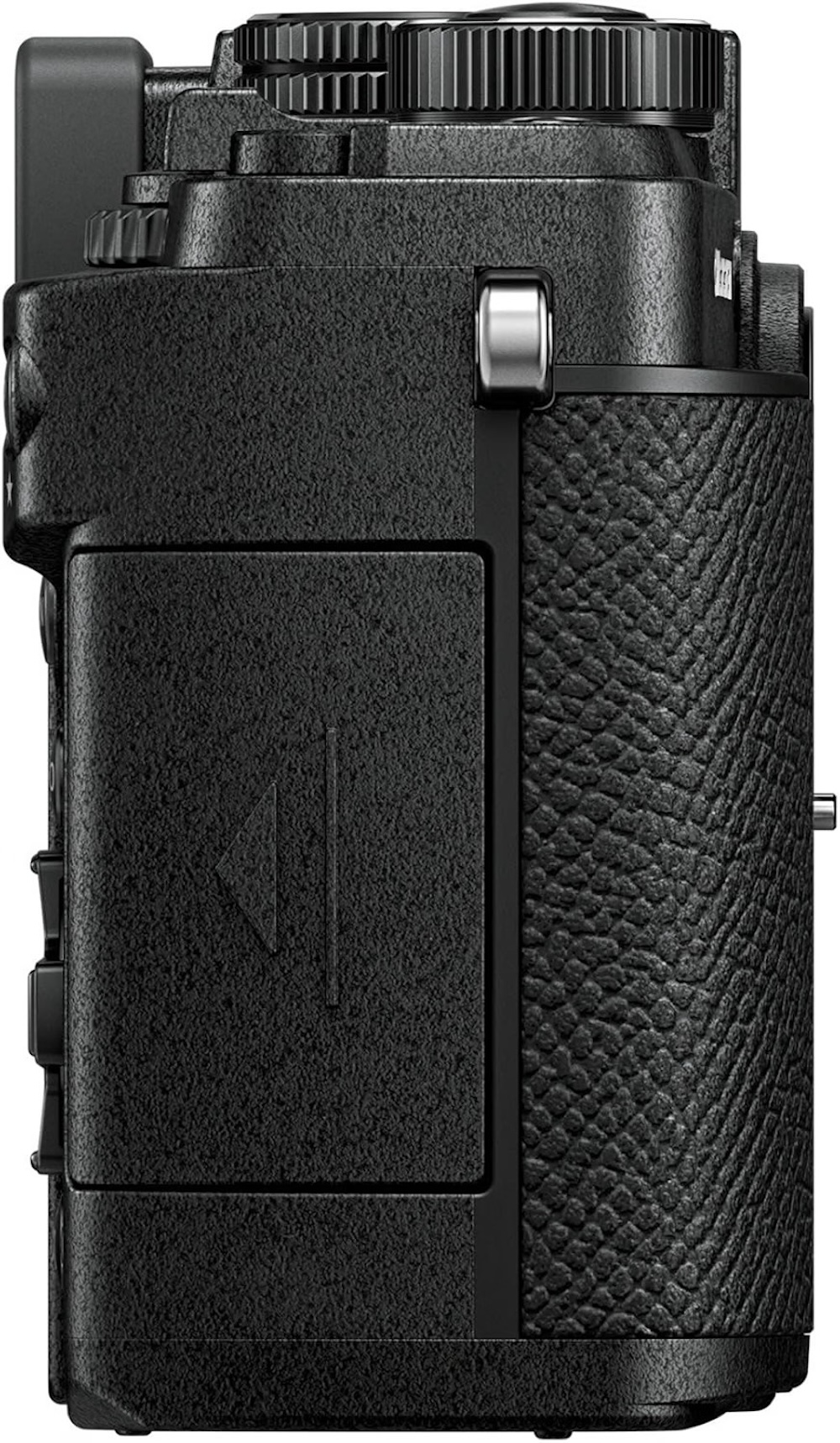
OM System PEN camera leaked pictures

OM System PEN camera announcement next week – here are the rumored details

The post The upcoming OM SYSTEM PEN camera already listed for pre-order on Amazon appeared first on Photo Rumors.

  •  

Canon EOS R8 Mark II camera leaked specifications


Here are the leaked Canon EOS R8 Mark II camera key specifications:

  • 7.5 stops of in-body image stabilization (IBIS) capabilities
  • New LUTs and AI technology
  • 24-megapixel sensor
  • Sensor shield/shutter curtain
  • Native ISO 100-102,400
  • 40 fps continuous shooting, max 1/16000s, 20fps pre-shooting (electronic shutter, no mechanical shutter)
  • Pre-shooting support (20 fps; captures 0.5 seconds of footage prior to shutter release)
  • Video: 6K oversampled 4K, 4K/60p, 1080/180p, Canon Log 3, video pre-recording function
  • 7.5 stops of in-body image stabilization (IBIS)
  • Maximum shutter speed: 1/16,000 sec
  • Autofocus: Dual Pixel AF II + deep learning AI, adds animal AF tracking
  • Deep learning AI technology
  • Face registration support
  • LP-E17 battery
  • Single SD card slot
  • Rear joystick
  • New Feature: 2D image-to-3D video generation
  • Size and weight similar to the current R8
  • US pricing expected around $1,799
  • Announcement on September 15
  • New Speedlite EL-5 II flash and an extension grip will also be announced

Canon registered two new cameras in Asia – they now have a total of five upcoming cameras

The latest Canon rumors

New product announcements from OM System, Sigma, Sony, Canon, Fuji, Leica, and possibly Nikon

The post Canon EOS R8 Mark II camera leaked specifications appeared first on Photo Rumors.

  •  

Sigma 20-60mm f/2.8-4 DG Contemporary full-frame lens leaked online


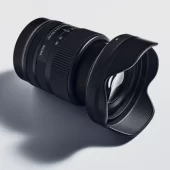
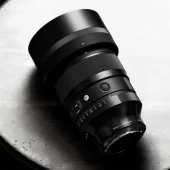
The previously reported Sigma 20-60mm F2.8-4 DG Contemporary full-frame lens leaked online (the official announcement is expected tomorrow). Here are the specifications and MTF charts:

  • Optical construction: 15 elements in 13 groups
  • Filter thread: 67mm
  • Minimum focusing distance: 20cm at the wide-angle end / 25cm at the telephoto end (can reach 15.8cm at the 28mm end)
  • Maximum magnification: 1:5.7 (wide) / 1:2.9 (tele)
  • Dimensions: 72.2 × 86 mm
  • Built-in HLA motor
  • external zoom
  • Price: $849
  • Maximum aperture by focal length:
    • 20-22mm: F2.8
    • 23-28mm: F3.2
    • 29-37mm: F3.5
    • 38-60mm: F4

Sigma rumored to announce new lenses on September 8th

New product announcements from OM System, Sigma, Sony, Canon, Fuji, Leica, and possibly Nikon

The post Sigma 20-60mm f/2.8-4 DG Contemporary full-frame lens leaked online appeared first on Photo Rumors.

  •  

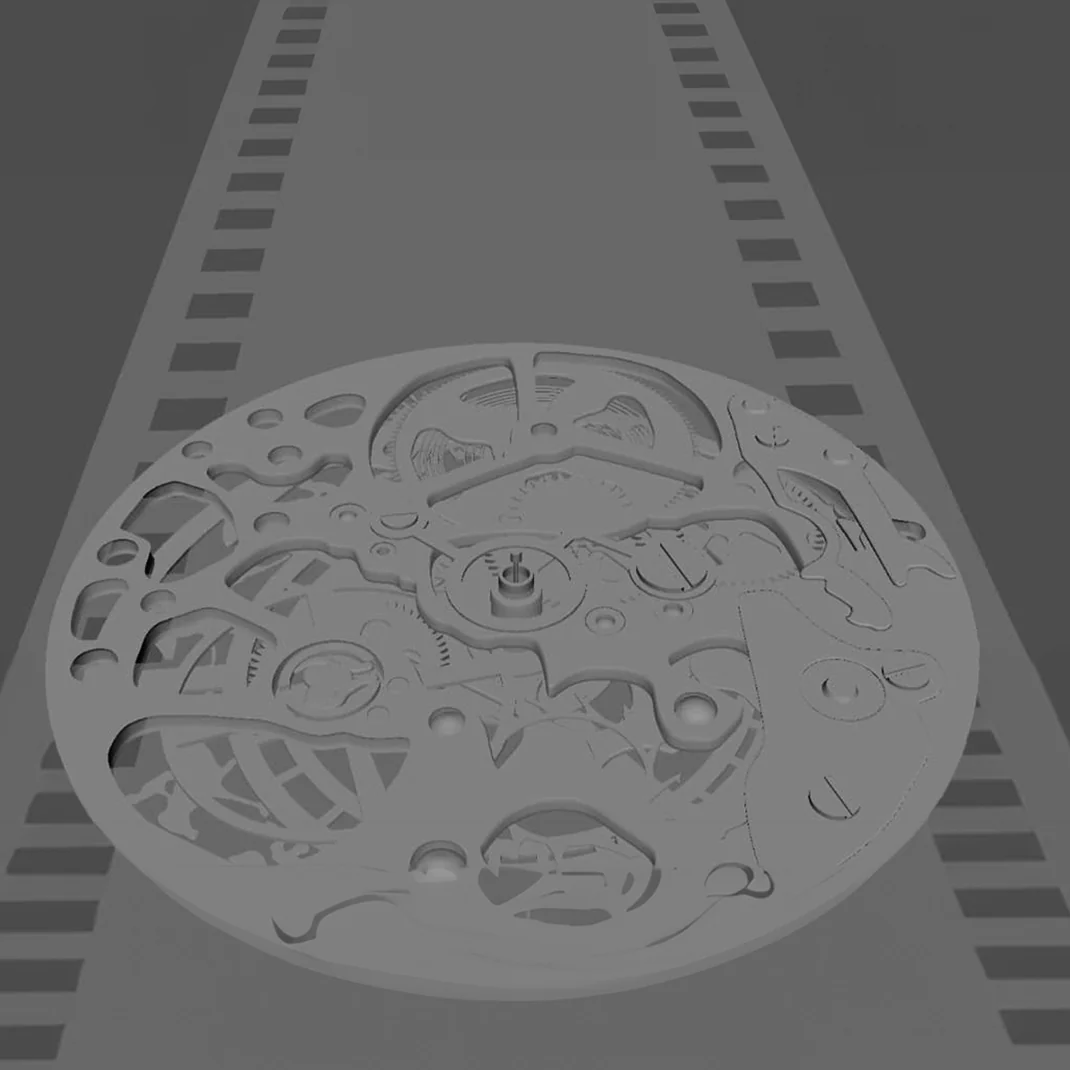
The Artra Camera One photography-inspired watch got updated with a new movement


The Artra Camera One photography-inspired watch has been updated with a new movement. The three current models (two are already sold out) now come with a Miyota 8N24 – a reliable, Japanese-made automatic skeleton watch movement produced by Citizen. Customers who purchased the earlier version can upgrade the movement for $100.

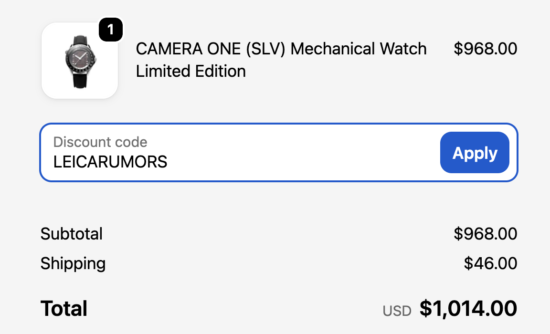
Use the coupon code LEICARUMORS to get a discount on the watch if you order from their official website:


Additional information on the Artra Camera One photography-inspired watch can be found here:

Too broke for the Leica watch? This stunning new Artra “Camera One” photography inspired watch is a fraction of the price (coupon code included)

Check out this stunning new ArtraLabs “Camera One” photography-inspired watch (coupon code included) 1/4:https://t.co/xaL1dKqHDm pic.twitter.com/XPwMi8l68y

— Photo Rumors (@photorumors) December 15, 2025

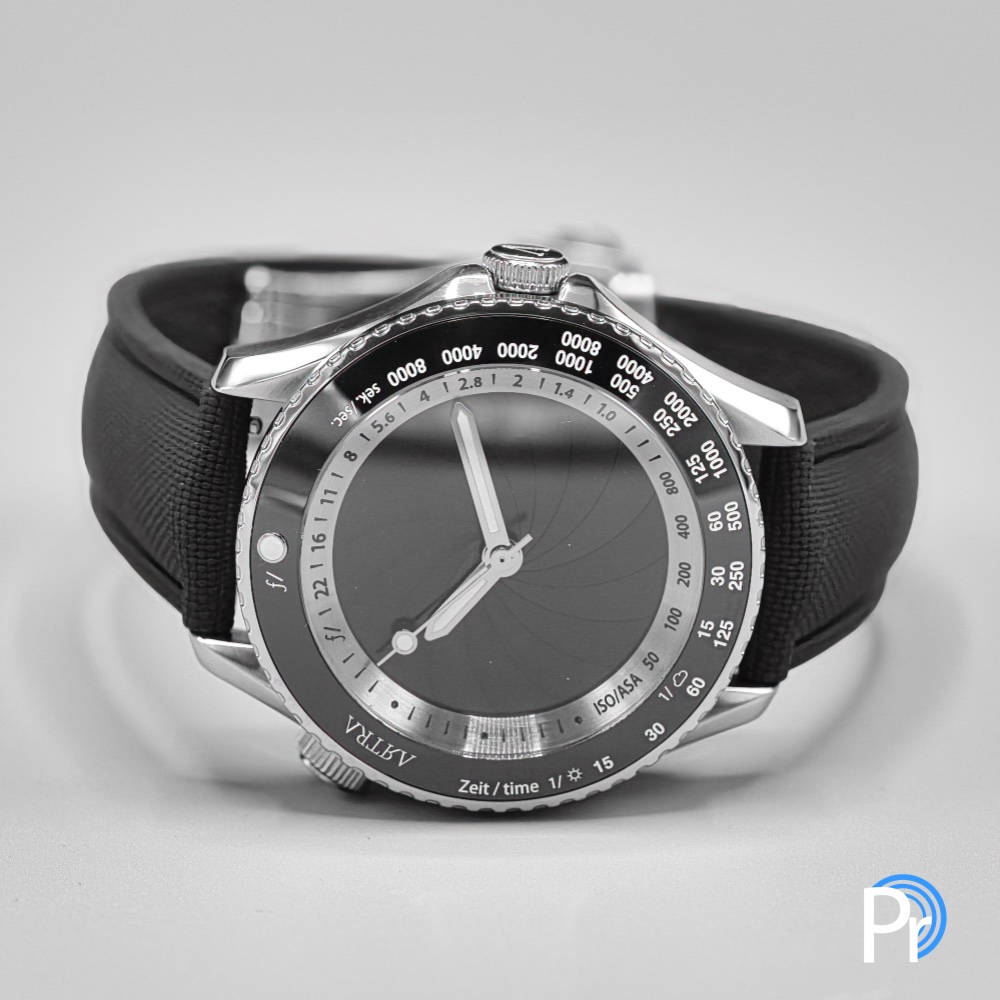
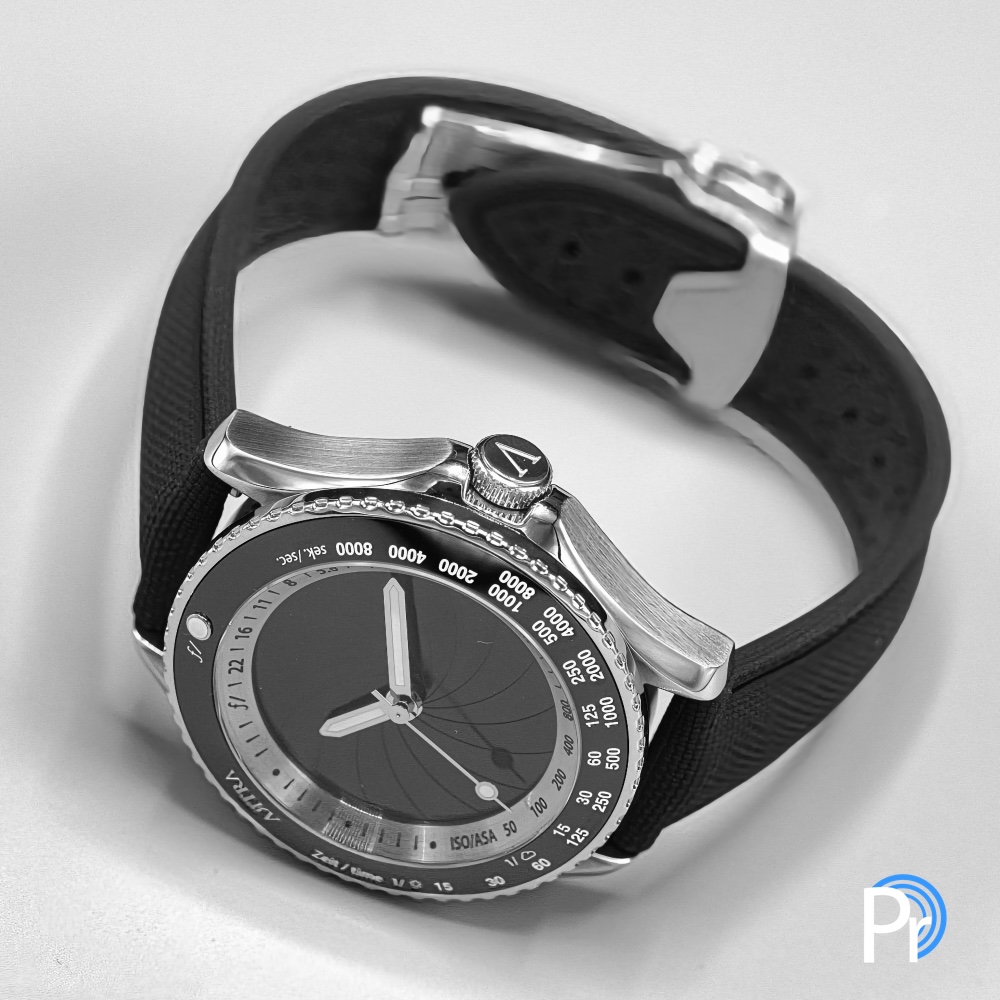
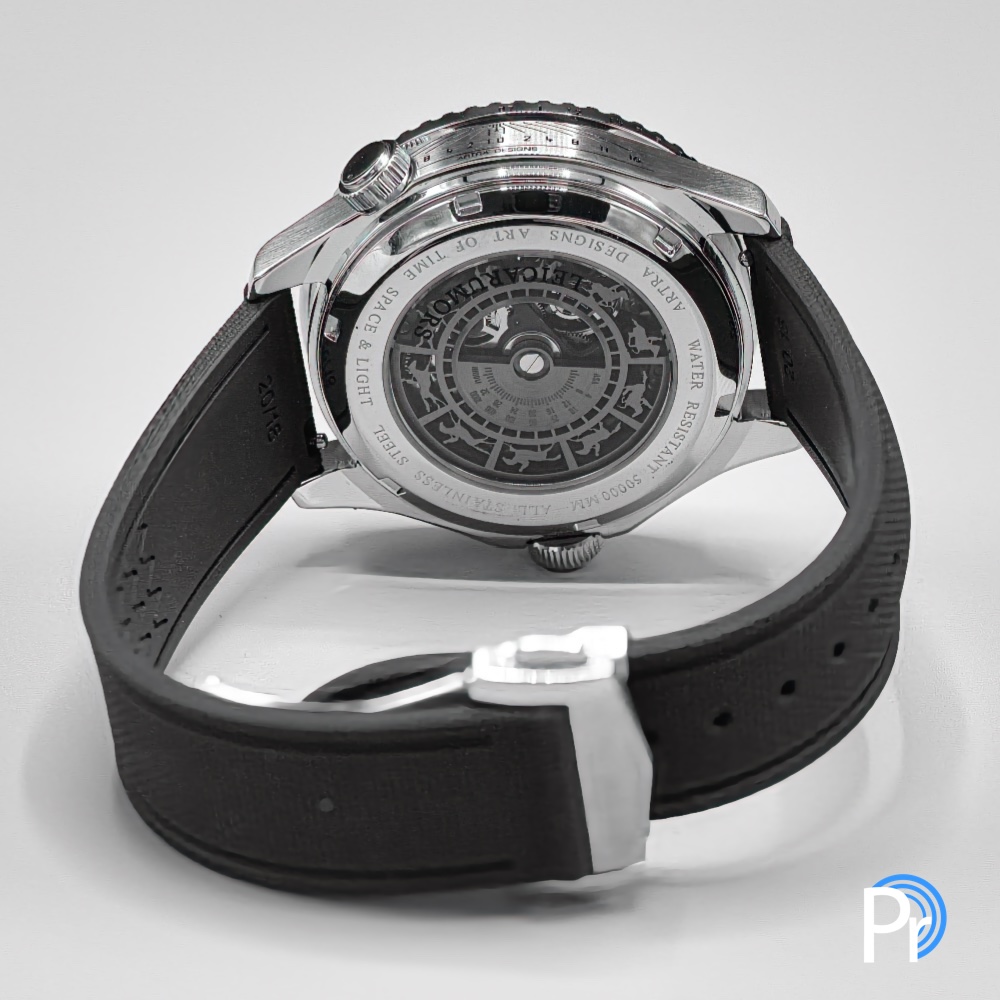
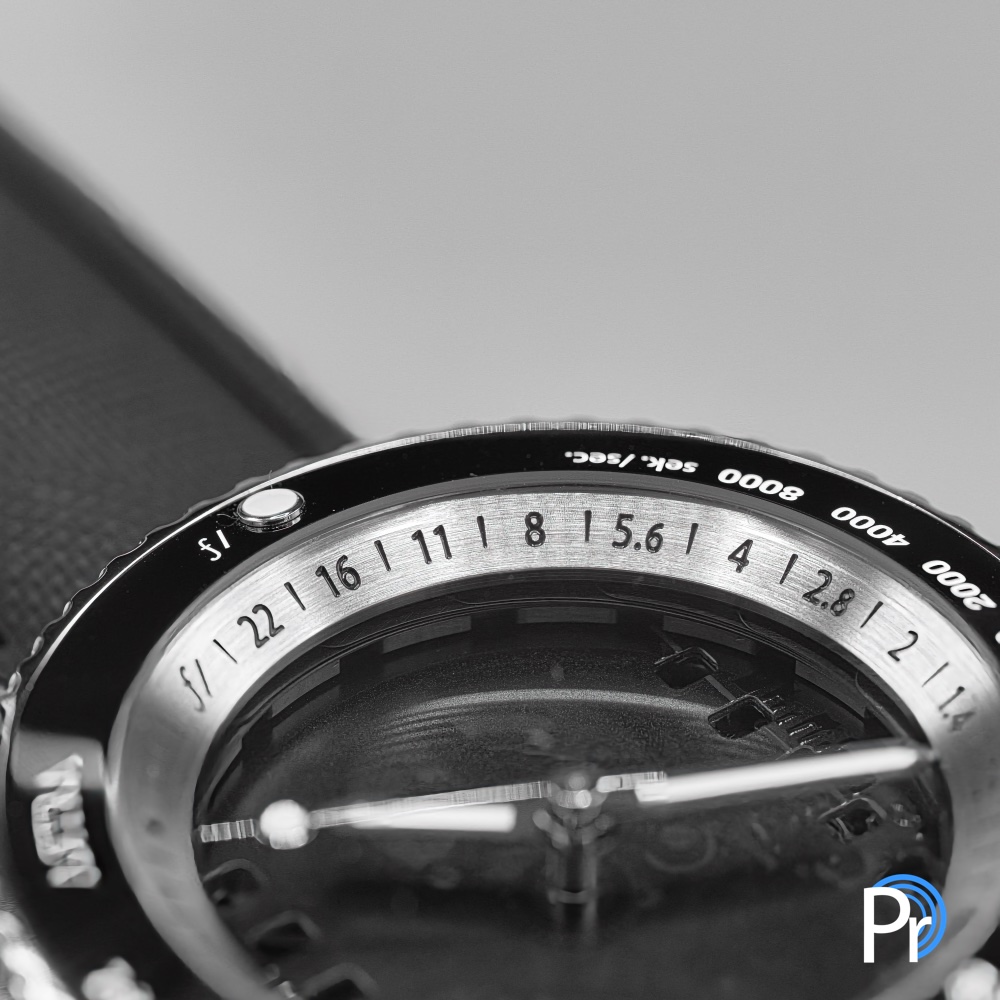
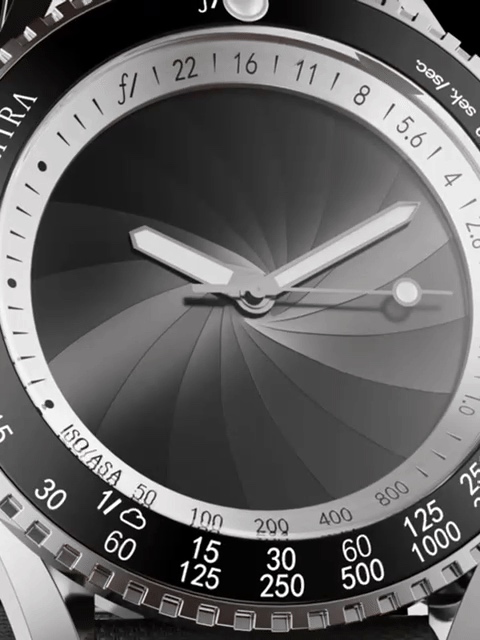
Artra Designs’ “Camera One” collection is a series of limited-edition mechanical watches rendered in premium materials with hand-finished movements visible through sapphire casebacks that pay homage to the golden age of photography, drawing inspiration from iconic cameras and lenses dating back to 1878. Each timepiece features dials and details crafted to resemble camera apertures, shutter blades, depth-of-field scales, and film advance mechanisms. The new Camera One limited edition watch comes in five different configurations (two of them are sold out already).

Inspired by the timeless art of photography, the Artra Designs Camera One shatters conventional watchmaking boundaries with two pioneering patents (ZL202530168106.1) (ZL202520671885.1), weaving the soul of film photography into every facet of its design.

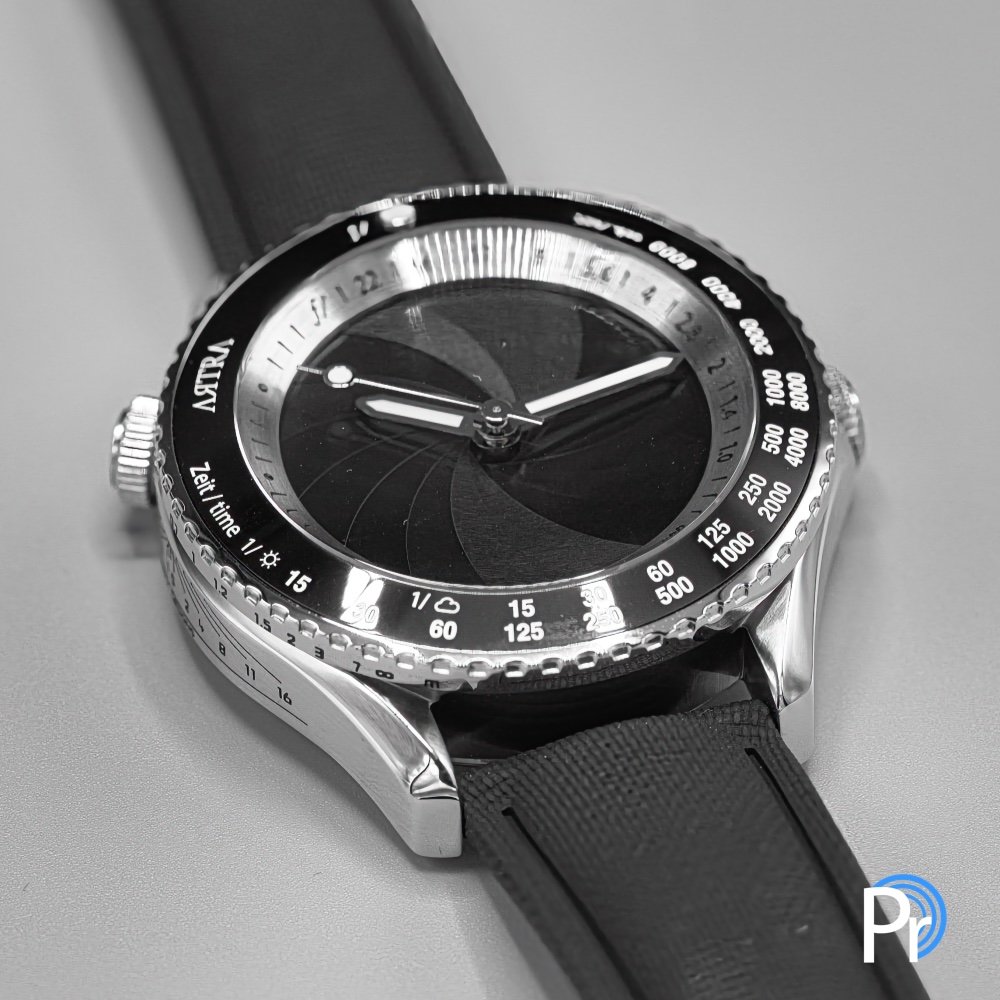
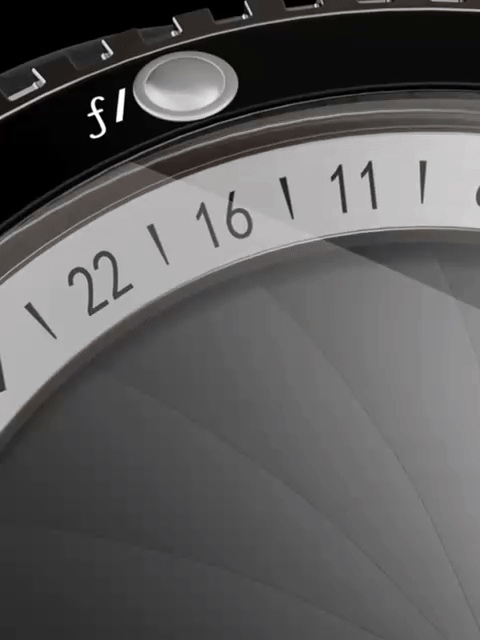
At its heart, the dial reimagines a camera’s aperture structure—turn the crown at the upper left, and the aperture blades dance open and closed, unveiling a translucent “film” beneath. As you admire this mechanical rhythm, it’s as if you’ve stepped back into the romantic golden age of film, where every frame was a deliberate, heartfelt act of creation.

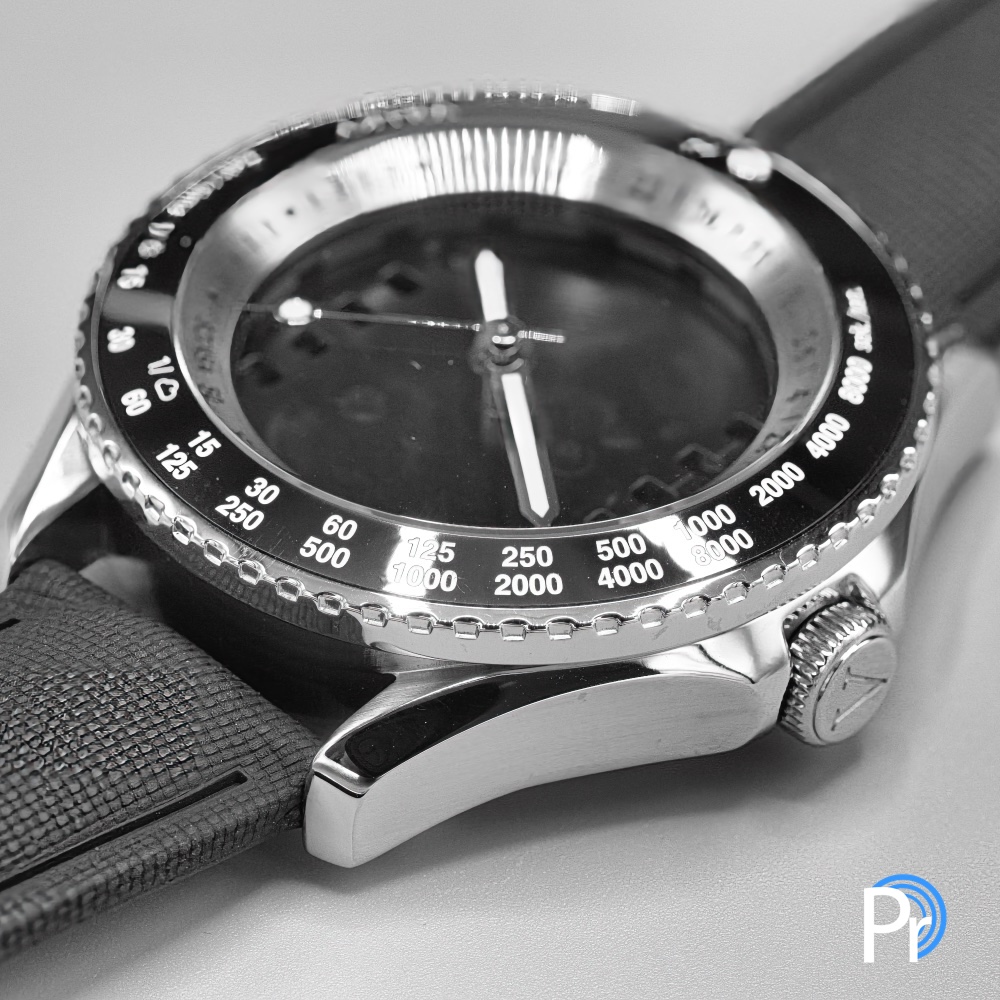
The watch crystal, meanwhile, transcends its role as a mere protector, doubling as a camera lens. Through its clear transparency, it doesn’t just guard time—it captures it, freezing moments of wear into lasting memories. Even the crown rotating ring is reborn as a zoom ring; with each turn, you’re not just adjusting a watch component, but mastering the very rhythm of light and shadow, just as a photographer does when fine-tuning their lens to craft the perfect shot.

From aperture to lens to zoom, the C1 is more than a watch—it’s a wearable love letter to photography, a piece that lets you carry the romance of film in every second that ticks by.

A Tribute to the Legend of 135 Film Format


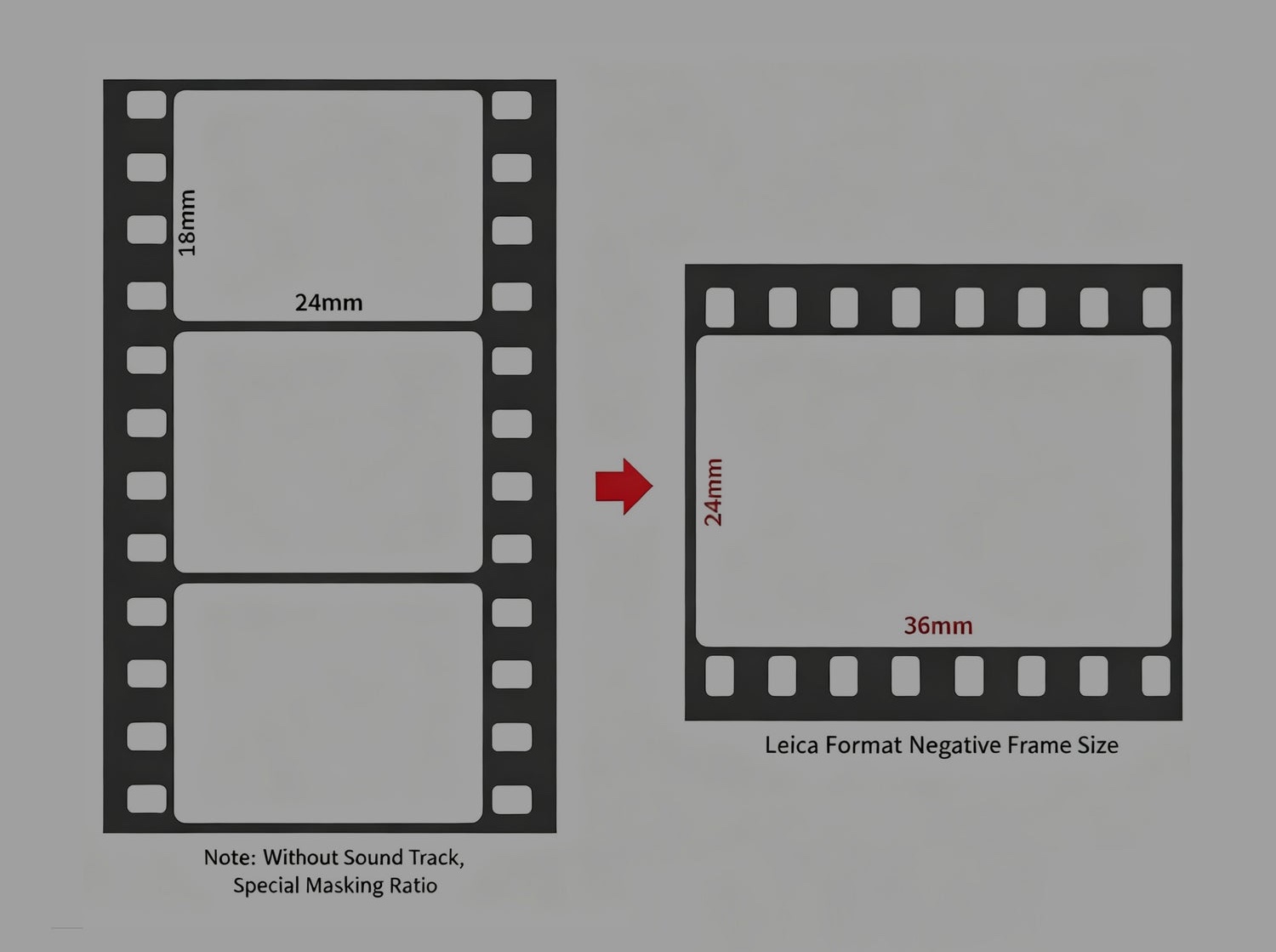
In 1925, Leica pioneered a groundbreaking idea by rotating the Super 35 film frame 90 degrees, laying the foundation for the 135 film format. Later, Kodak popularized photography among the masses by launching the Kodak Retina camera that adopted this 135 standard. A legendary chapter in imaging history was thus written. Taking time as our medium, we have integrated this legacy into watch design to create the “Light & Shadow Scale” Camera-Themed Watch, allowing the passion for imaging to flow through time.

Rekindling the love for photography

Check out this stunning new ArtraLabs “Camera One” photography-inspired watch (coupon code included) 2/4:https://t.co/xaL1dKqHDm pic.twitter.com/jG2tpKlK4V

— Photo Rumors (@photorumors) December 15, 2025

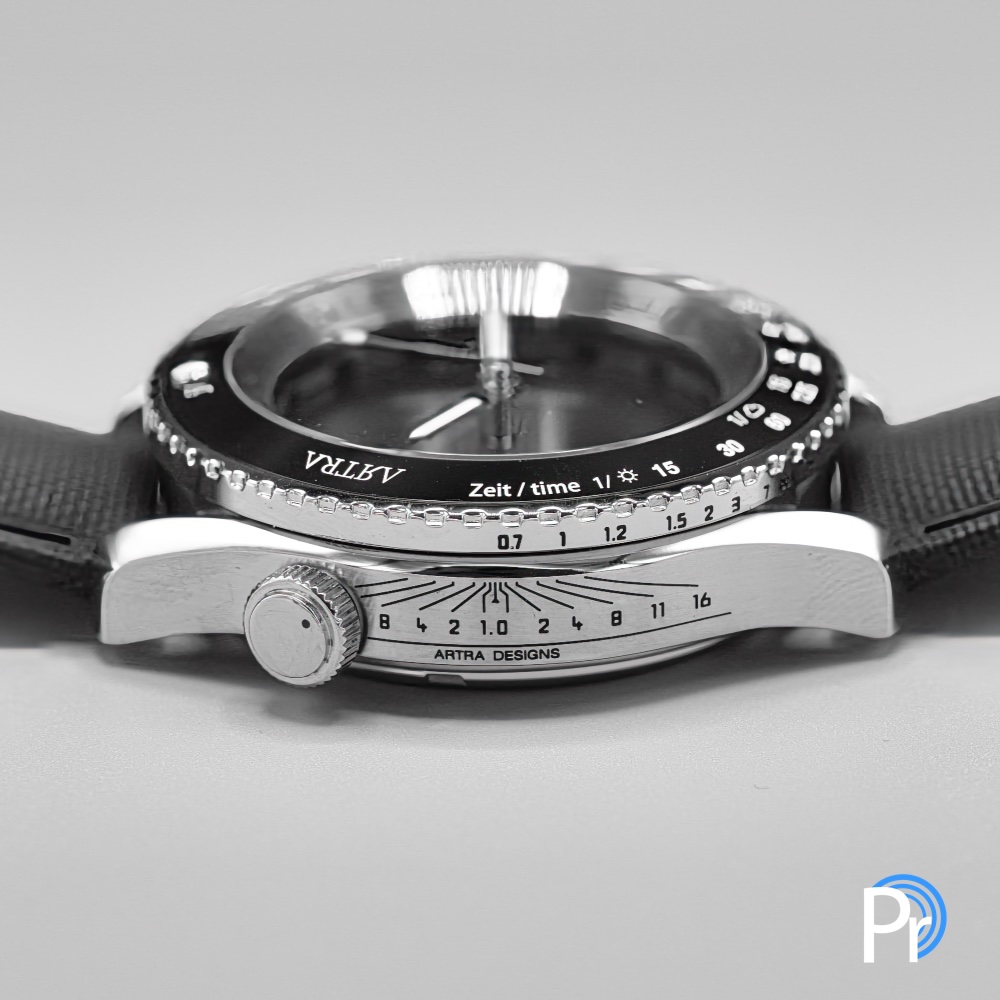
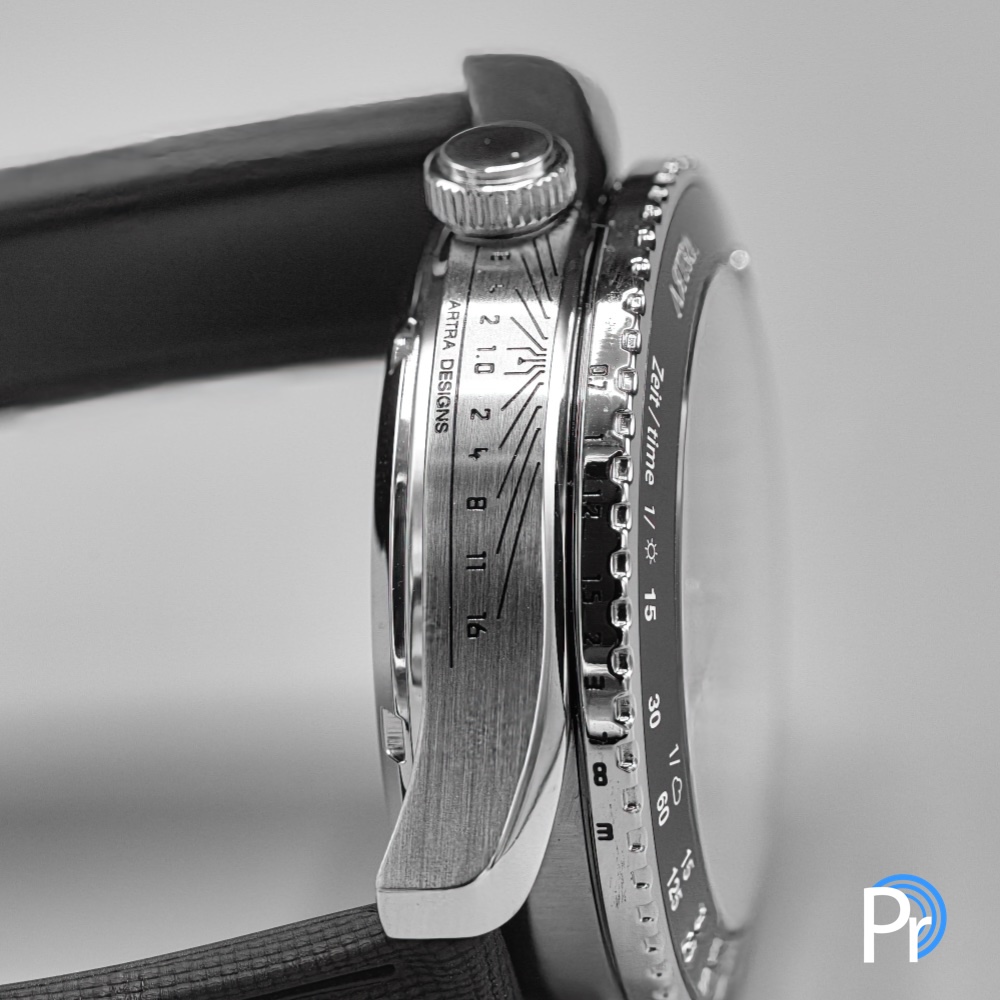
When viewed head-on, the internal “film” of the watch is arranged vertically, replicating the classic composition of traditional film frames. Every time you raise your wrist, it is a look back at the original aspiration of imaging. When the watch is rotated 90 degrees, the depth-of-field scale on the side emerges clearly, and the outline of the watch instantly aligns with the shape of a camera, like a “mini camera” that can command time, rekindling the love for photography.

Horse in Motion

Check out this stunning new ArtraLabs “Camera One” photography-inspired watch (coupon code included) 3/4:https://t.co/xaL1dKqHDm pic.twitter.com/6xxkmPPhKC

— Photo Rumors (@photorumors) December 15, 2025

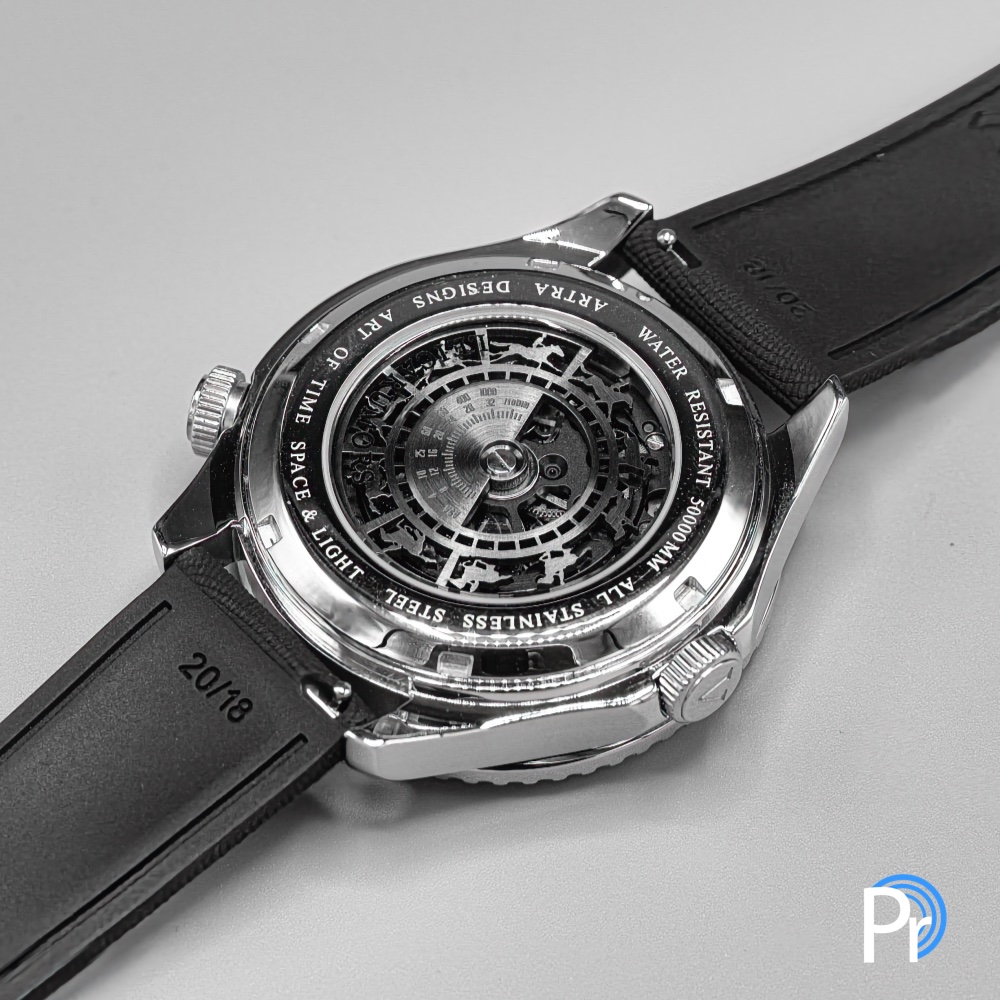
The depth of field scale on the left and the rotor on the back, featuring the iconic image of “Horse in Motion,” the first moving image ever taken by Muybridge in 1878, pay tribute to the history of photography in every detail. More than just a timekeeping tool, it embodies the art of photography on the wrist—encapsulating the inspiration and essence of photography within its compact dial. Every glance at the time feels like a touch of photographic art, embarking on a journey of photographic exploration on the wrist.

Hidden Ingenious details

Check out this stunning new ArtraLabs “Camera One” photography-inspired watch (coupon code included) 4/4:https://t.co/xaL1dKqHDm pic.twitter.com/AQSXlfnvC1

— Photo Rumors (@photorumors) December 15, 2025

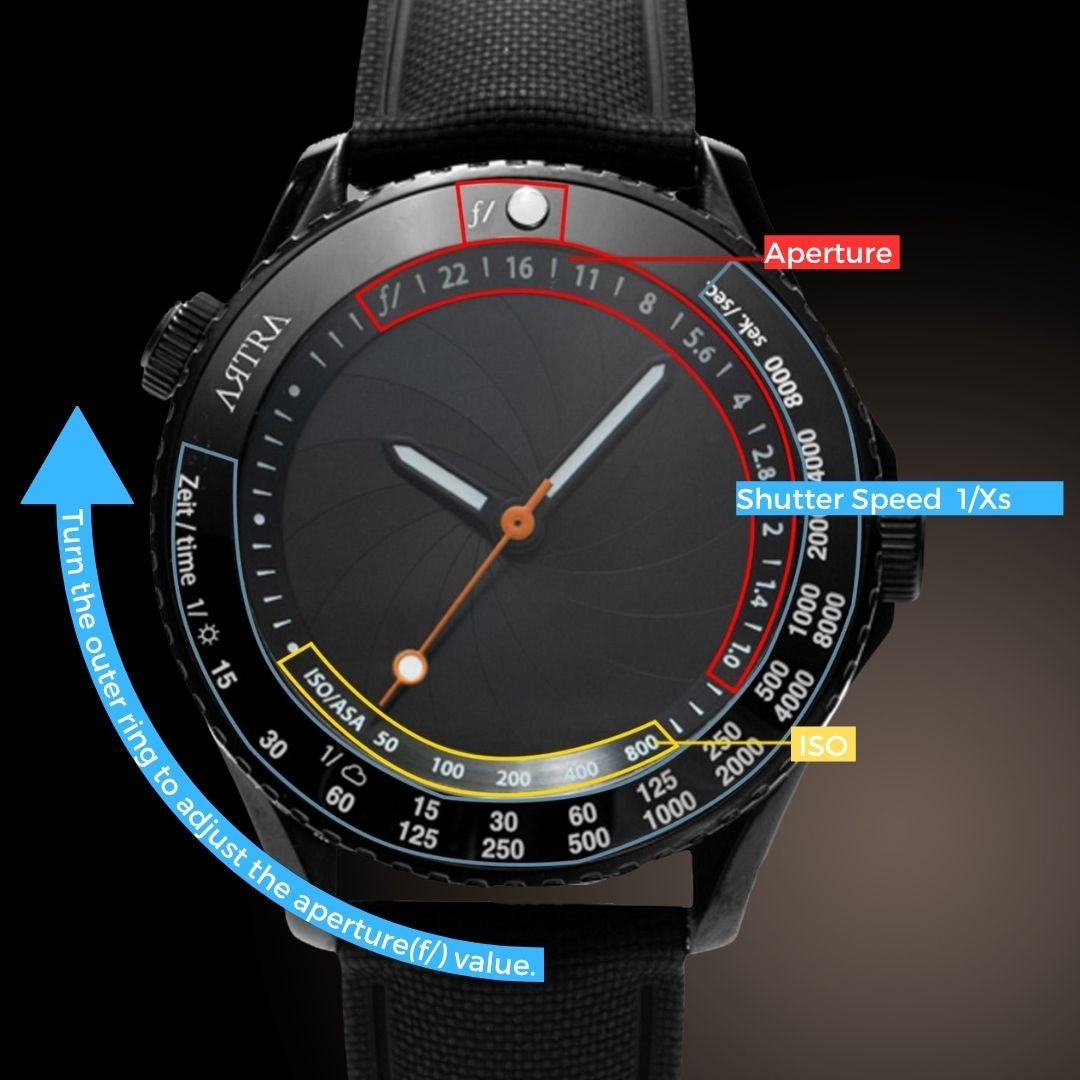
The bottom of the watch is equipped with an ISO and shutter speed display, identical to that of Leica cameras, fully replicating the core elements of a camera. Every design detail pays tribute to the legend of the 135 film format, presenting a wrist accessory that combines passion and quality for those who cherish both imaging and time.

“Sunny 16” principle


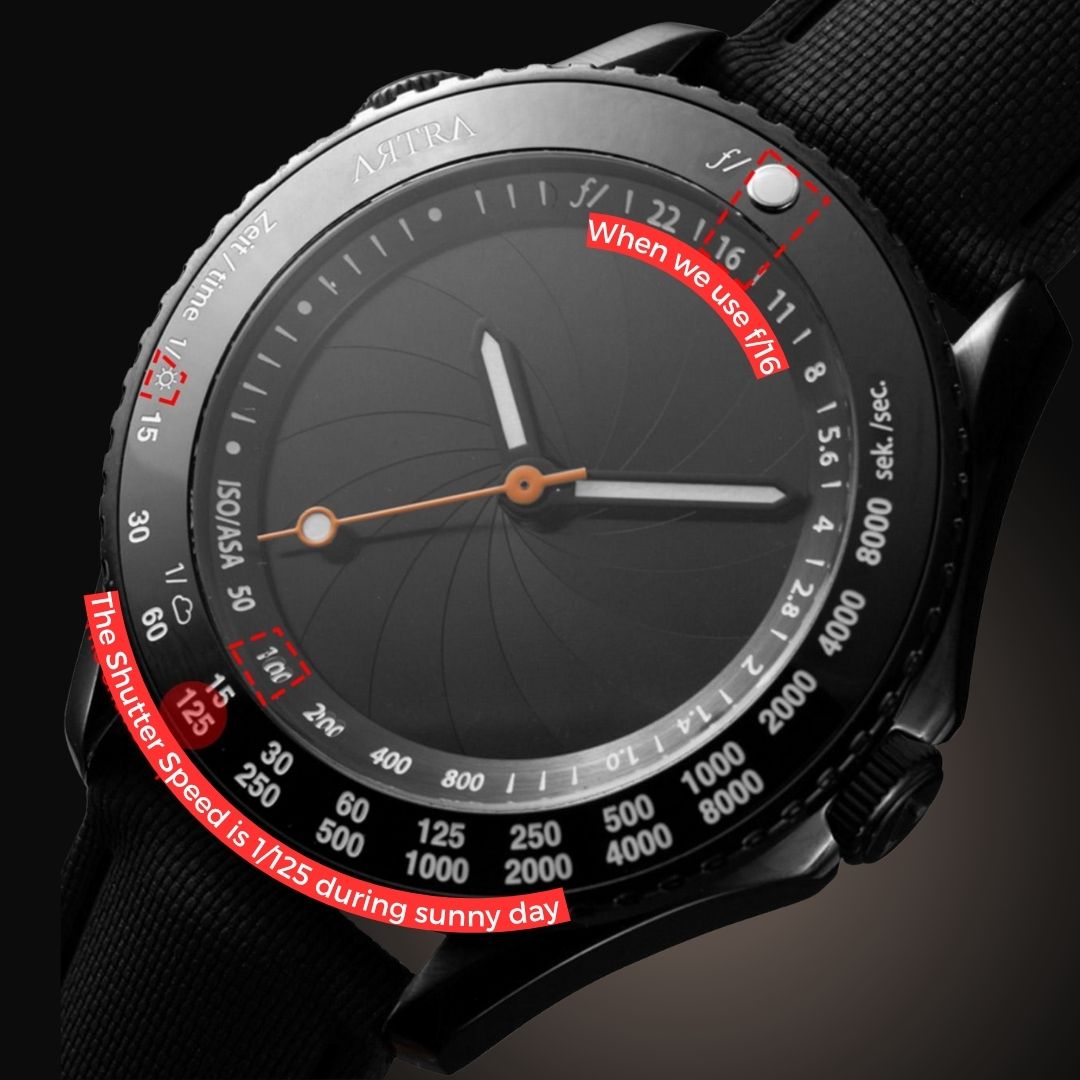
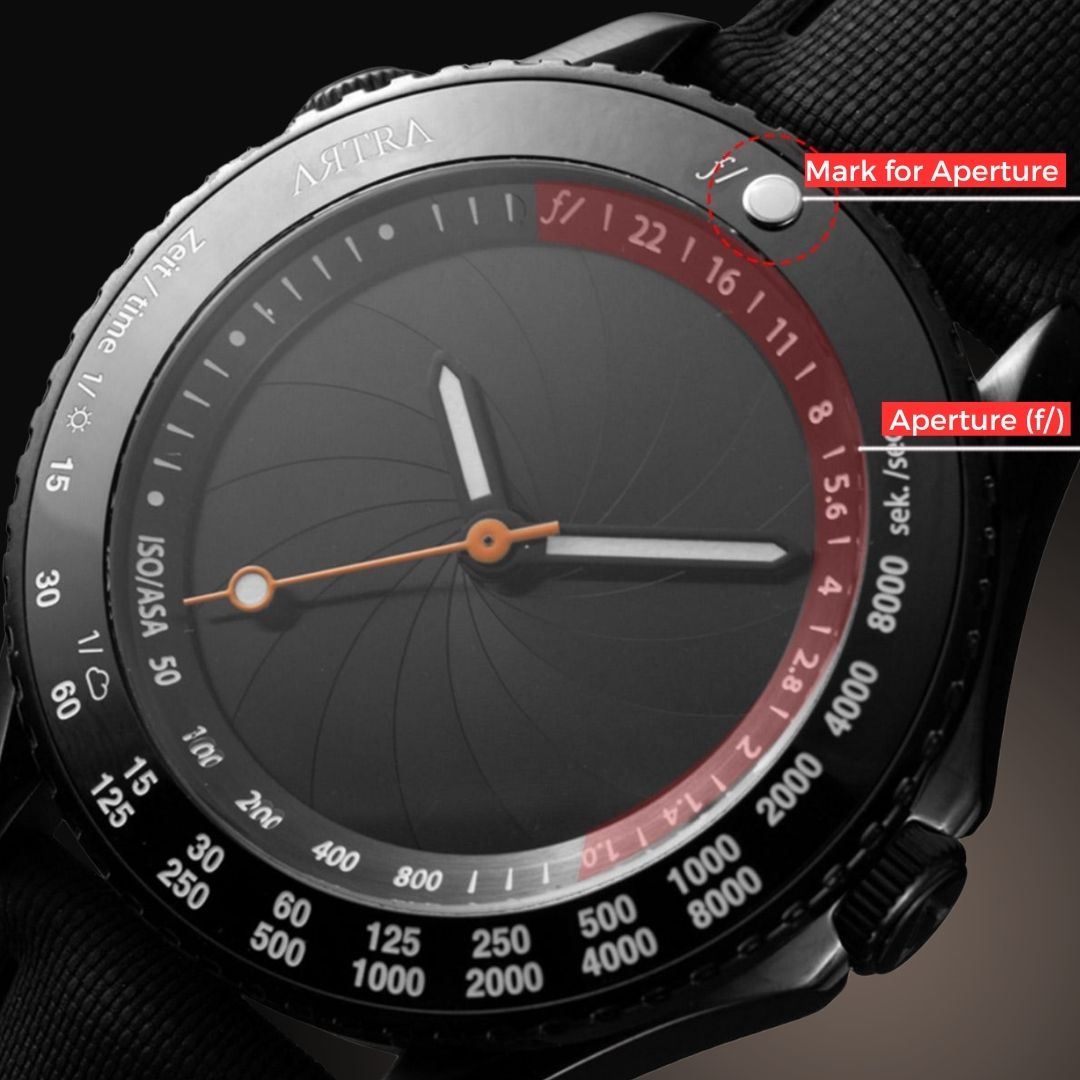
The bezel is designed based on the classic “Sunny 16” principle. The luminous pearls indicating the F-number correspond to ISO and shutter speed. This universal principle in photography allows photographers using film to align the luminous pearls with the aperture value at different film speeds, and quickly match the ISO indicated below the inner bezel to the appropriate shutter speed. This allows for simple metering, integrating photographic parameters into the time-reading process and seamlessly integrating timing with the professional logic of photography.

The post The Artra Camera One photography-inspired watch got updated with a new movement appeared first on Photo Rumors.

  •  

Enlarging a small photo for a large print without quality loss

Enlarging a small photo for a large print without quality loss.

A photo can look perfectly sharp on a monitor and still look noticeably softer when printed at 20 × 30 or 24 × 36 inches. When the source file doesn’t have enough resolution for that print size, enlarging it can make fine details look softer and edges less defined.

Wildlife is a good example. A 12MP DSLR can produce a perfectly usable photograph, but if the subject occupies only a small portion of the frame, cropping can leave only a fraction of the original pixels for the final image. The same thing can happen with a modern high-resolution camera- a 45MP file sounds like plenty, but a heavy crop can quickly reduce the resolution available for a large print.

I’ve tried standard resizing, sharpening, and dedicated AI upscaling tools to deal with this problem over the years. I can get very good results with Lightroom and Photoshop, too, especially when I’m willing to spend more time fine-tuning the image. The same is true of more specialized upscaling tools—the results can be excellent, but getting there sometimes takes a fair amount of hands-on work. So I was a little skeptical when I first tested Aiarty Image Enhancer.

After trying it on a range of photos, I was pleasantly surprised by how clean and natural the results looked. In many cases, I could move the enlarged file into the rest of my editing workflow without additional cleanup. It became a useful option when a cropped or low-resolution photo didn’t have enough pixels for the print size I wanted.

How Aiarty Enlarges Photos for Large Prints

When I prepare a photo for a larger print, I first look at how far the cropped file is from the pixel dimensions I need.

This is where I usually turn to Aiarty. If the file is only slightly short, I usually start with 2× rather than pushing the image further than necessary. For a heavily cropped or very small source, I may go to 4× or 8×, depending on how the result holds up. If I already know the final print dimensions, I can also set a custom output resolution and choose a suitable DPI for the final print workflow.

When enlarging a photo for a large print, things like high-ISO noise, compression artifacts, and slight softness can become much more obvious. I used to expect some cleanup after upscaling, but with Aiarty, I often get a cleaner starting point without having to spend as much time fixing those issues manually. I can then take the enlarged file into Lightroom or Photoshop for the final adjustments.

You can try Aiarty Image Enhancer for free to see how it enlarges your own photos before committing to a larger print. A 49% off lifetime license is also currently available for 3 PCs or Macs, with no subscription fee and free lifetime updates.

Real Test #1: Enlarging Wedding and Portrait Photos

Wedding and portrait photos are a good test for large-print enlargement because they are often printed as wall portraits or framed enlargements. Once I looked closely at the enlarged file, even small flaws in facial details, hair, and skin texture became easier to spot.

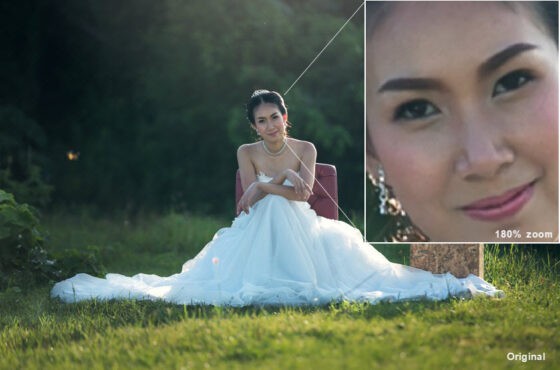
For this test, I started with a 3500 × 2333-pixel wedding photo. On paper, it’s a healthy file for standard albums. But when I checked the numbers for a 20 × 30-inch wall print, it dropped the native resolution to a meager 117 PPI. At that size, the print could look noticeably softer up close

Alt: Original wedding photo with blurry facial details at 180% zoom

I enlarged the image 2× with Aiarty, producing a 7000 × 4666-pixel file. At the same 20 × 30-inch print size, that increases the pixel density to about 233 PPI. That gave me a much more comfortable starting point for the 20 × 30-inch print than the original file.
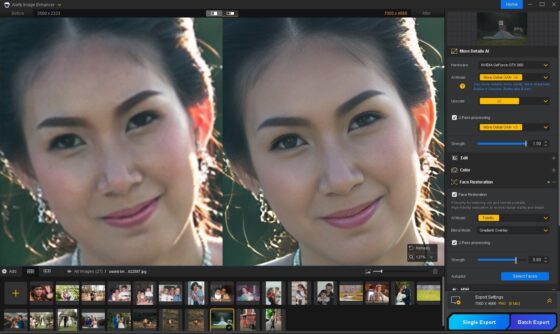
Alt: 2× enlarged in Aiarty, More-Detail GAN model, Face Restoration enabled

Real Test #2: Enlarging a Cropped Wildlife Photo

Wildlife photography is a revealing test for photo enlargement because the subject often occupies only a small part of the frame. A high-resolution original can lose a significant amount of its available pixels after a tight crop.

Here, the cropped image was 1728 × 2592 pixels, taken from a much larger original. At 200% on screen, I could already see some noise and softness in the feathers.

I wanted to use it for a 16 × 24-inch wildlife wall print. So I enlarge it 2x to 3456 × 5184 pixels. The feather detail was easier to see, and the noise was less distracting. The additional pixels also provided more room for larger prints without changing the original composition.
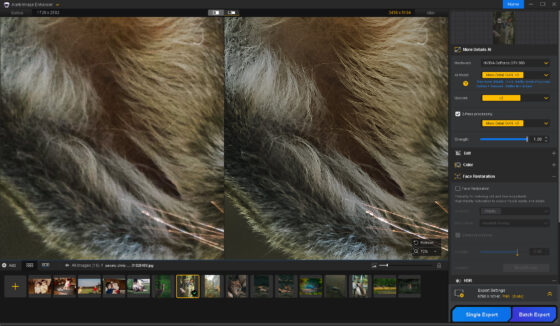
Alt: Aiarty 2× enlarged wildlife photo, More-Detail GAN model

With feathers, I was careful not to push the sharpening too far, since it is easy to turn fine texture into something hard and artificial. I noticed that the sharpening could be adjusted based on how much detail was already there. That made it easier to stop once the image looked clearer without making the fine texture look unnaturally crisp.
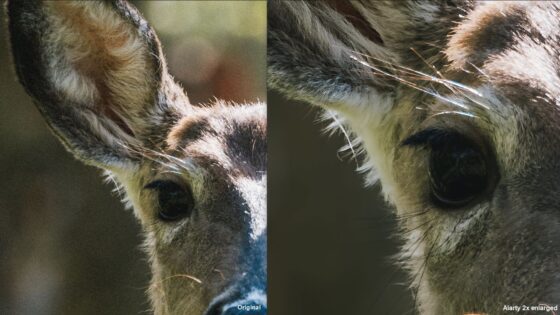
Alt: Original photo 100% crop vs Aiarty 2× enlarged photo 100% crop

Real Test #3: Old Family Photos and Small Scans

Some of the most meaningful photographs were never captured at high resolution in the first place. Old family photos often exist as small scans or low-quality JPEGs, with faces already looking soft before any enlargement takes place.

Alt: Source old family photo, 640 × 427 pixels, all faces are blurry in the photo

The source image was only 640 × 427 pixels. The original was quite blurry, and the facial details were difficult to make out. Because the file was so small, I knew I would need more than a simple 2× enlargement if I wanted to make a useful framed print. I went with 4×, bringing the image to 2560 × 1708 pixels. The enlarged image looked noticeably clearer overall and was suitable for the larger print I had in mind.

The faces were the area I watched most closely, as they were already soft in the original scan. This is where I found Face Restoration particularly useful. It made the facial features easier to see while keeping them looking natural, and I could adjust the strength if the enhancement started to feel too strong.

At 8 × 12 inches, the 2560 × 1708-pixel output provides about 213 PPI, compared with only about 53 PPI from the original file. For me, that made the enlarged version much more practical for a framed print while still preserving the character of the original scan.
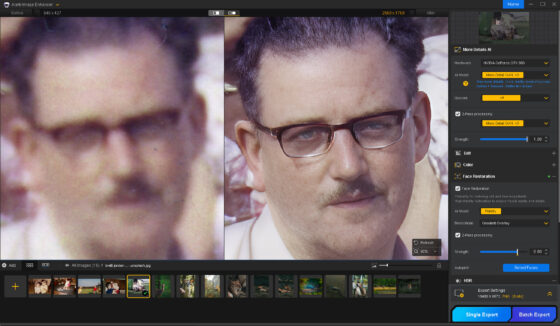
Alt: Aiarty 4× enlarged old photo, Face Restoration enabled (80% restoration strength)

Real Test #4: Product Photos for E-Commerce and Large Displays

Product photography is another area where low resolution can really bite you. If you need to repurpose a smaller product shot into a large display or poster, any softness or pixelation instantly makes the item look cheap and unpolished to potential buyers.

For this test, I used a 1920 × 2400-pixel photo of a doughnut. Even at 100%, some fine details looked soft and weren’t as clear as I wanted. I then enlarged the image 2× with Aiarty, bringing it to 3840 × 4800 pixels.
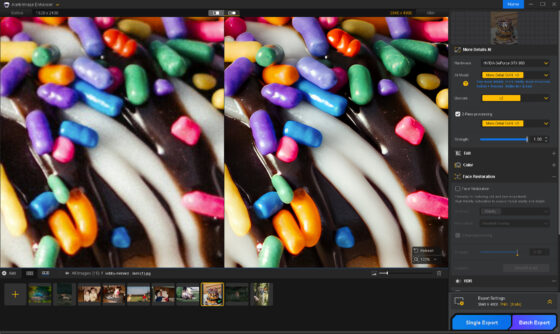
Alt: Aiarty 2× enlarged product photo, More-Detail GAN model, 2-Pass processing enabled

The source also had some visible noise and compression artifacts, so I decided to use 2-path processing rather than simply enlarging the file in one pass. After processing, the chocolate drizzle, colorful sprinkles, and doughnut texture looked cleaner and more polished, closer to what I would expect from a professionally finished product photo.

Alt: Original vs Aiarty 2× enlarged detail comparison of the doughnut photo

My Large-Print Workflow in Aiarty Image Enhancer

1. Start with the Best Original and Final Composition

Whenever possible, I start with the RAW file or highest-quality JPEG/TIFF rather than a compressed or social-media copy. I also make sure the image has the final framing I want before enlarging it.

If the photo needs to be cropped, I crop it first. The crop determines how many pixels I actually have available for the final print. If the composition is already right, I can simply move on to enlargement.

2. Calculate the Target Dimensions

I work backward from the final print size to estimate how many pixels I need and whether the image requires 2×, 4×, or a larger enlargement.

A Nikon D90, for example, produces 4288 × 2848 pixels. At around 150–200 PPI, that can already be enough for many large prints without enlargement. The main issue comes when the image is tightly cropped and much of that original resolution is lost.

Here are the pixel requirements for common print sizes at different PPI levels:

Print Size

300 PPI

240 PPI

200 PPI

150 PPI

8 × 10 in

2400 × 3000 px

1920 × 2400 px

1600 × 2000 px

1200 × 1500 px

12 × 18 in

3600 × 5400 px

2880 × 4320 px

2400 × 3600 px

1800 × 2700 px

16 × 24 in

4800 × 7200 px

3840 × 5760 px

3200 × 4800 px

2400 × 3600 px

20 × 30 in

6000 × 9000 px

4800 × 7200 px

4000 × 6000 px

3000 × 4500 px

24 × 36 in

7200 × 10,800 px

5760 × 8640 px

4800 × 7200 px

3600 × 5400 px

These are target dimensions rather than strict quality limits. A large wall print does not always need 300 PPI, especially when viewed from several feet away. Cropping, viewing distance, and print medium all affect the practical resolution needed.

For example, a 2000 × 3000-pixel crop printed at 16 × 24 inches provides about 125 PPI. A 2× enlargement brings it to 4000 × 6000 pixels, or about 250 PPI at the same size. This is a more typical situation where AI enlargement can help bring a cropped image closer to the target resolution.

3. Upscale and Fine-Tune in Aiarty

I start with the appropriate AI model and a moderate enlargement, then adjust the Strength Slider while checking details such as feathers, skin, product edges, or fine textures. If the image needs a quick crop, size adjustment, or minor color correction, I can also handle that here instead of moving the file between different apps.

Before exporting, the output DPI can be set according to the requirements of the print workflow. For more advanced retouching, I then move the enlarged file to Lightroom or Photoshop for final color and editing.

Final Thoughts

If you are planning to print your photos at a large size, you don’t necessarily have to be limited by the megapixels of your camera. As the examples above show, the right enlargement process can give a lower-resolution or heavily cropped image enough additional resolution for larger prints while keeping important details looking natural. Aiarty Image Enhancer is one option I use when a standard resize isn’t enough.

If you’re preparing photos for large prints, Aiarty Image Enhancer is currently 49% off at $79 (originally $155) for a lifetime license covering 3 computers. There’s no subscription fee, and lifetime updates are included.

The post Enlarging a small photo for a large print without quality loss appeared first on Photo Rumors.

  •  

OM System PEN camera rumored specifications


Here are the rumored OM System PEN camera specifications:

  • Official name: OM PEN
  • Same old 20MP sensor as the OM-3 & OM-1 Mark II
  • Weather sealed
  • Creative dial
  • Fully articulating screen
  • Official announcement: September 9
  • New 14-42mm kit lens
  • Price expected around 1000 $/€

OM System PEN camera leaked pictures

Via 43addict

The post OM System PEN camera rumored specifications appeared first on Photo Rumors.

  •  

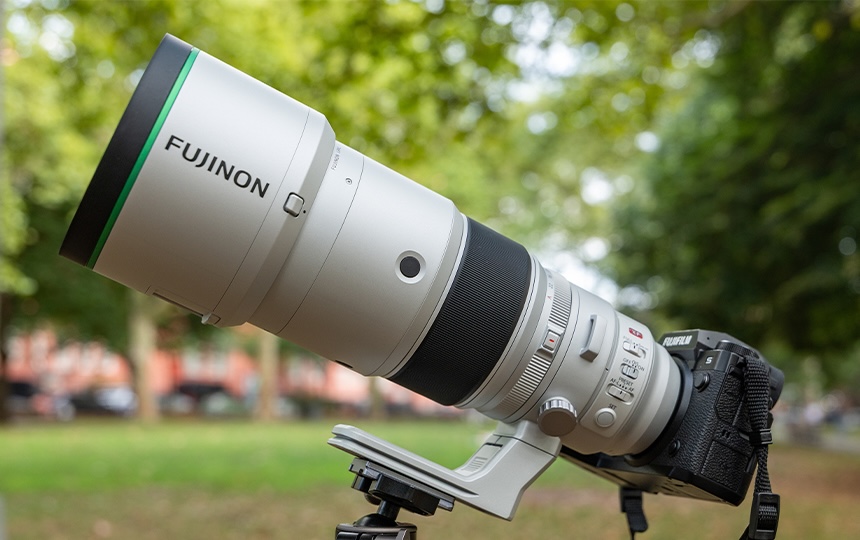
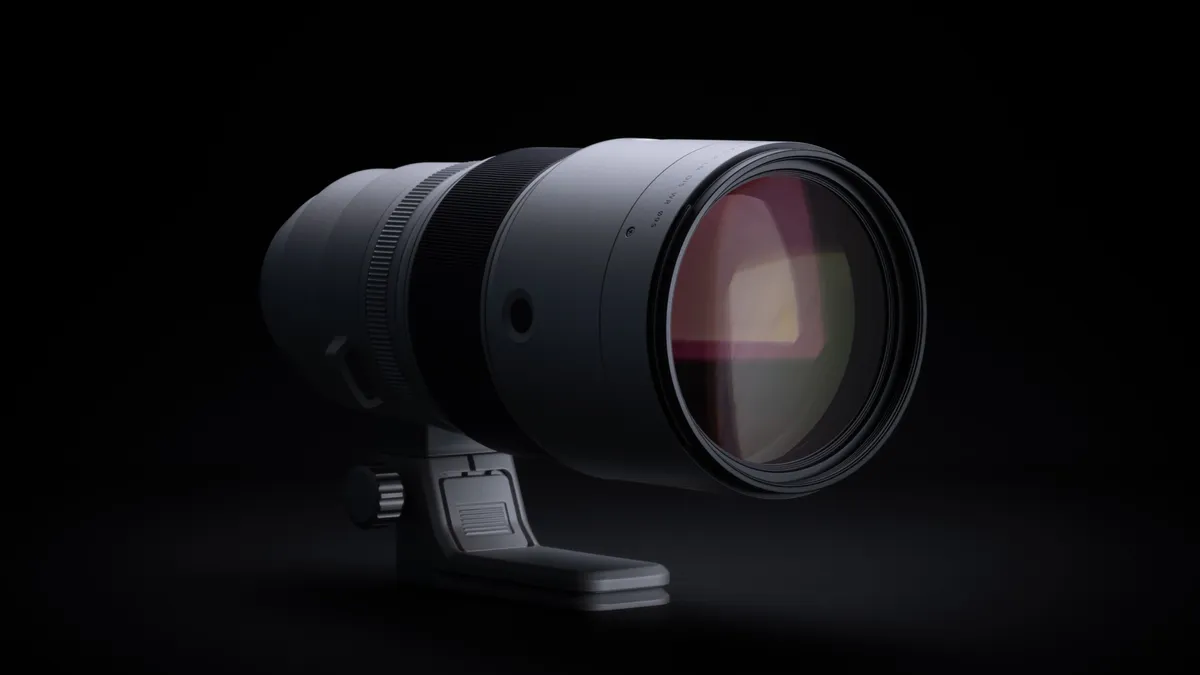
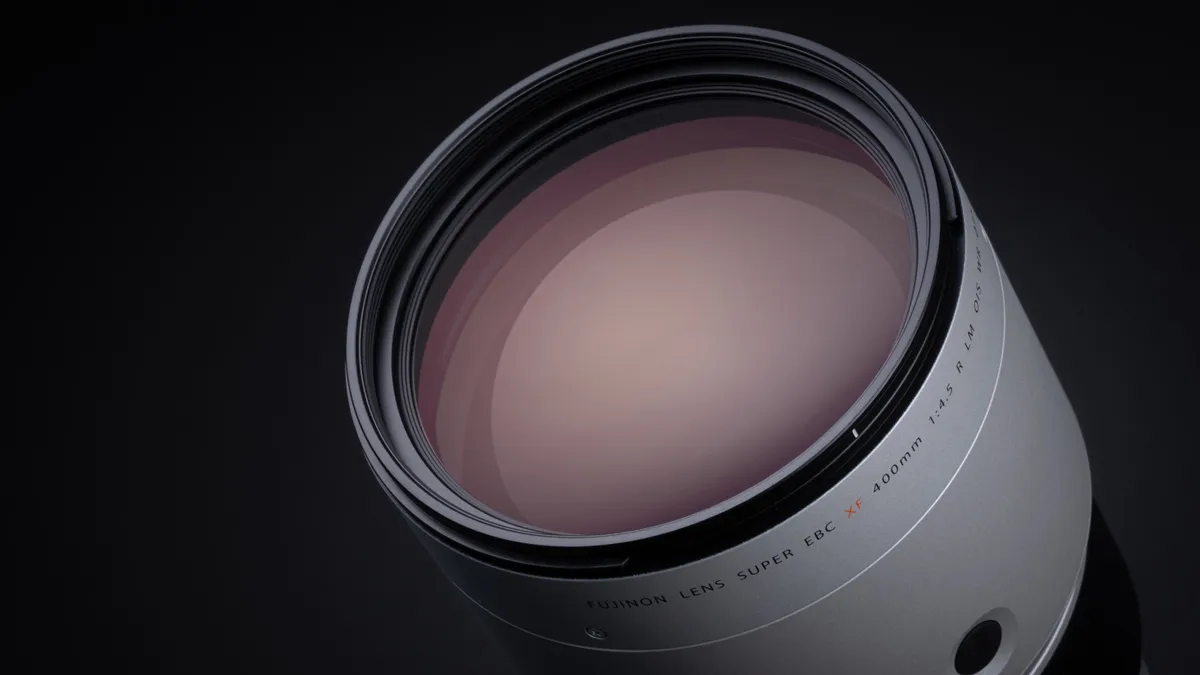
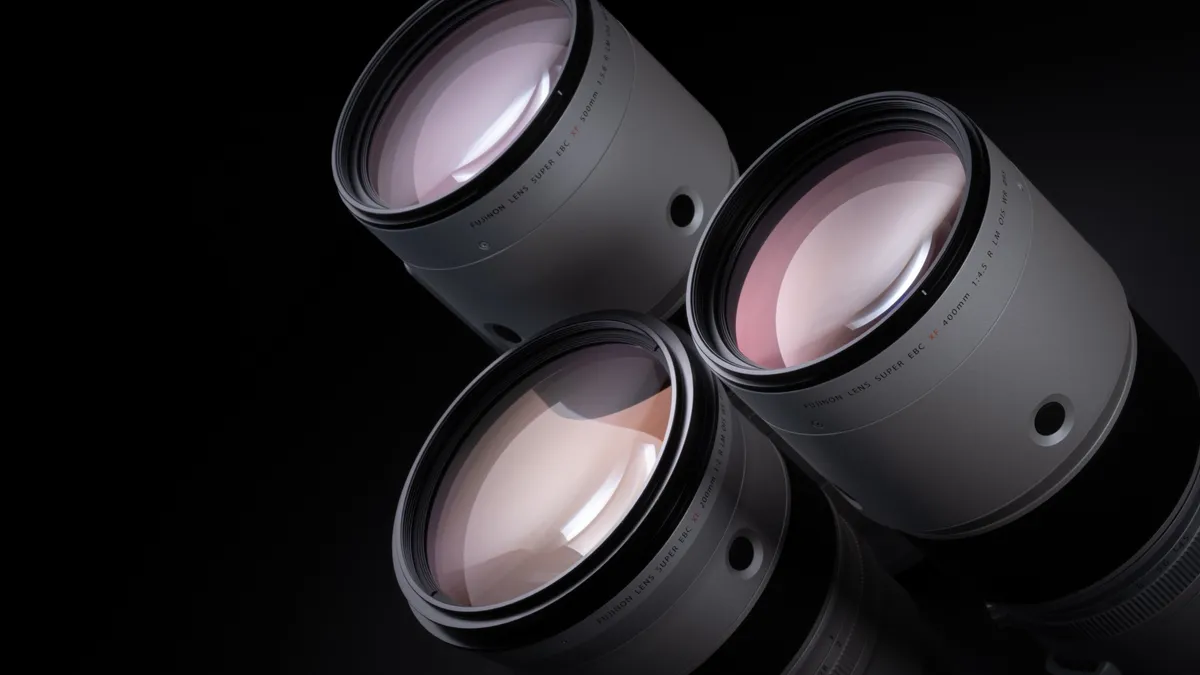
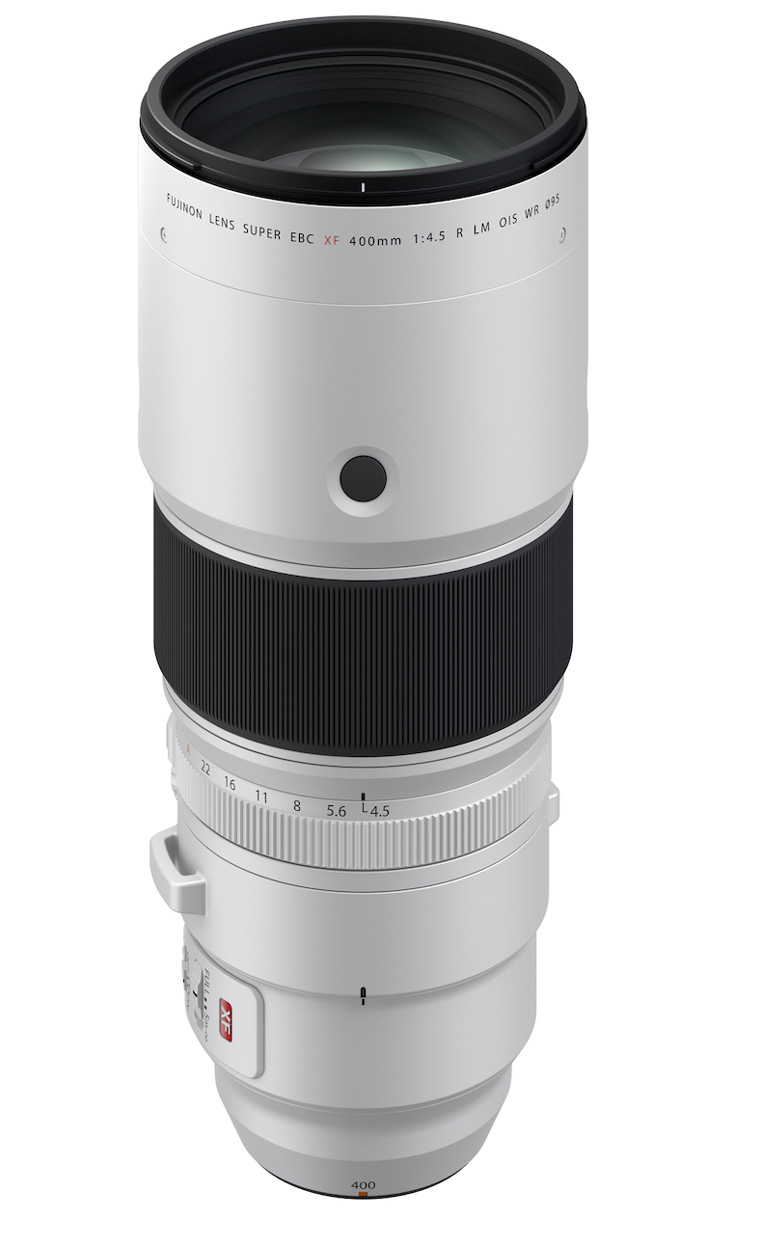
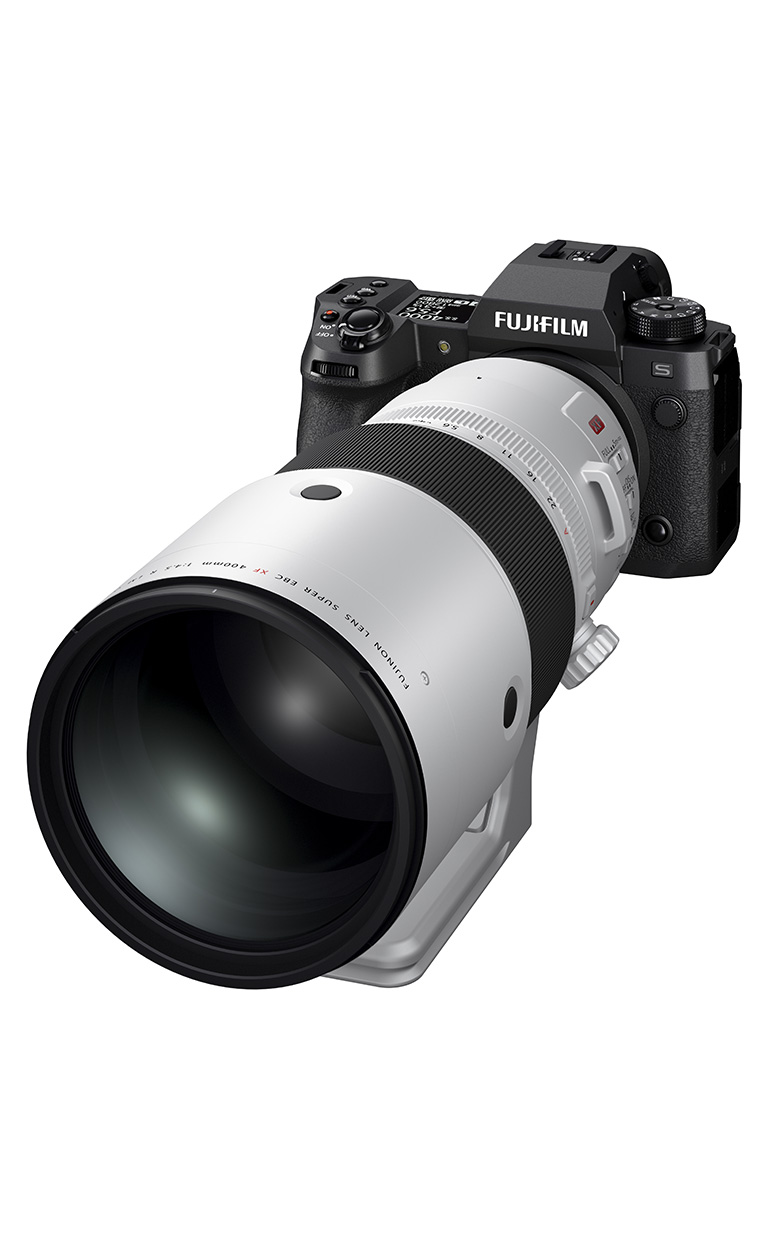
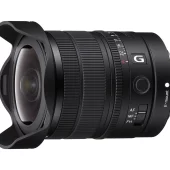
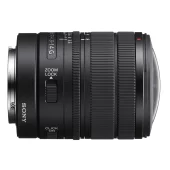
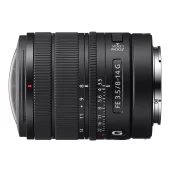
Fujifilm announced a new XF 400mm f/4.5 R LM OIS WR lens


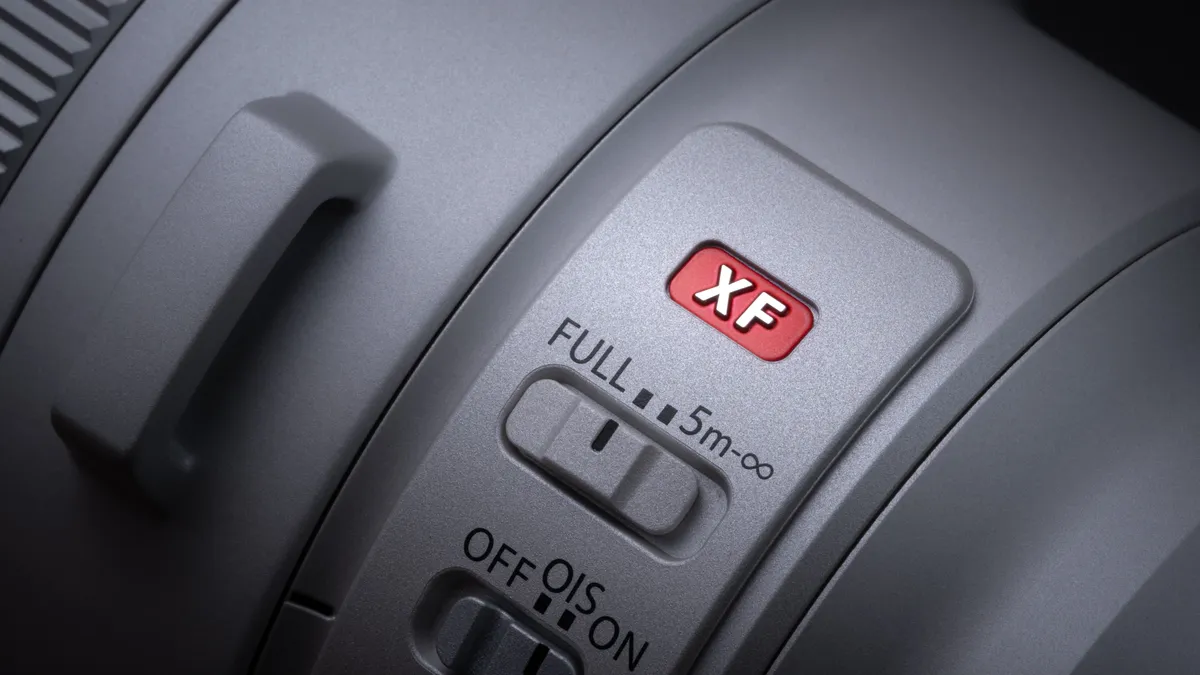
Fujifilm announced a new XF 400mm f/4.5 R LM OIS WR lens:

  • APS-C | f/4.5 to f/22
  • 600mm (Full-Frame Equivalent)
  • Lightweight Super-Telephoto Prime
  • High-Speed Linear Autofocus Motor
  • Optical Image Stabilization
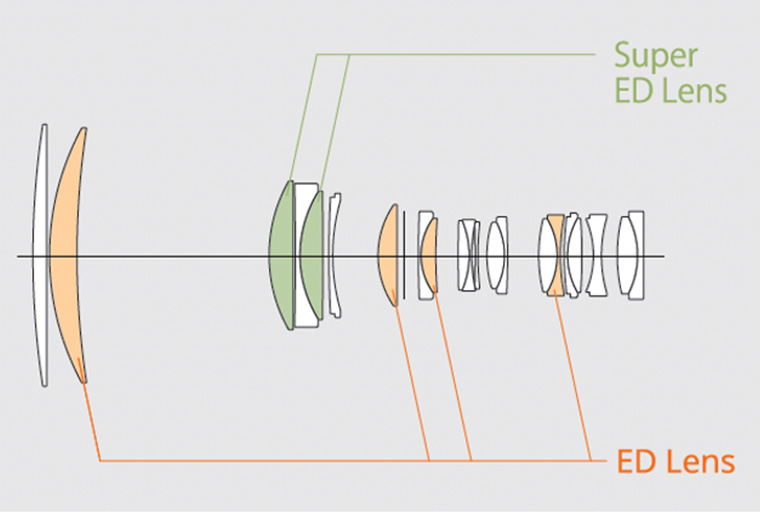
  • Four ED and Two Super ED Elements
  • Rounded 9-Blade Diaphragm
  • Weather-Resistant Construction

The post Fujifilm announced a new XF 400mm f/4.5 R LM OIS WR lens appeared first on Photo Rumors.
  •  

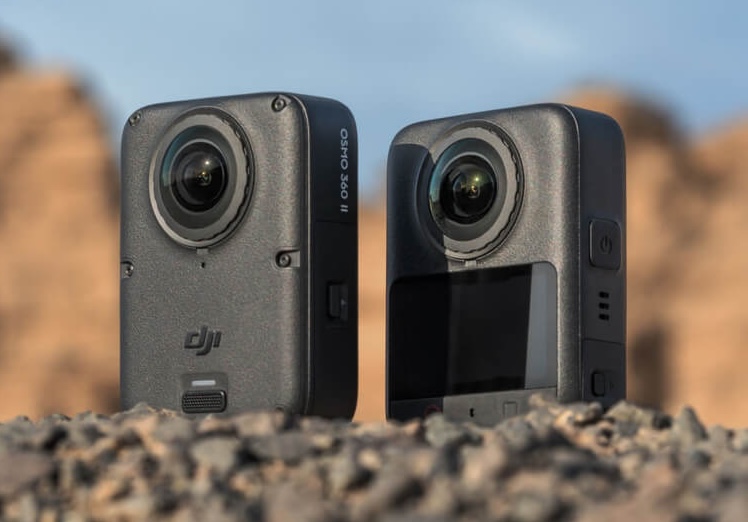
DJI Osmo 360 II camera officially announced


The previously rumored DJI Osmo 360 II camera has now been officially announced. You can already order one from AliExpress. Additional information is available here:

Imaging

  • Dual 1/1.1-inch square CMOS sensors (designed for 360° capture; equivalent imaging area to a traditional 1-inch sensor with ~25% higher utilization)
  • 2.4 μm pixels
  • f/1.9 aperture
  • ISO 100–51,200
  • Up to 14.5 stops dynamic range (lab measurement; 13.5 stops in D-Log M)
  • Independent exposure on front and rear lenses
  • AI SuperNight 2.0 noise reduction

Photos

  • 120 MP panoramic stills (15,520 × 7,760, 2:1) with HDR support
  • 30.72 MP single-lens stills (6,400 × 4,800, 4:3)
  • JPEG + RAW

Video

  • Native 8K panoramic: 7680 × 3840 @ 24/25/30/48/50/60 fps (up from 50 fps)
  • 6K panoramic: 6000 × 3000 @ up to 60 fps
  • Single-lens / flat: 4K (4:3 and 16:9) up to 60 fps; Boost / ultra-wide up to 4K/120 fps
  • Panoramic slow-mo: up to 4K/240 fps (up from 4K/100 fps)
  • 16K panoramic time-lapse
  • 8K/120 fps time-freeze mode (with optional Vortex rotating handle)
  • 10-bit color + D-Log M
  • Max bitrate ~220 Mbps (up to 600 Mbps for 16K time-lapse)

Other key specs

  • Stabilization: RockSteady / HorizonSteady (export options in DJI Mimo)
  • New: Spotlight Follow subject tracking (up to 4K/30 fps panoramic)
  • NFC tap-to-connect
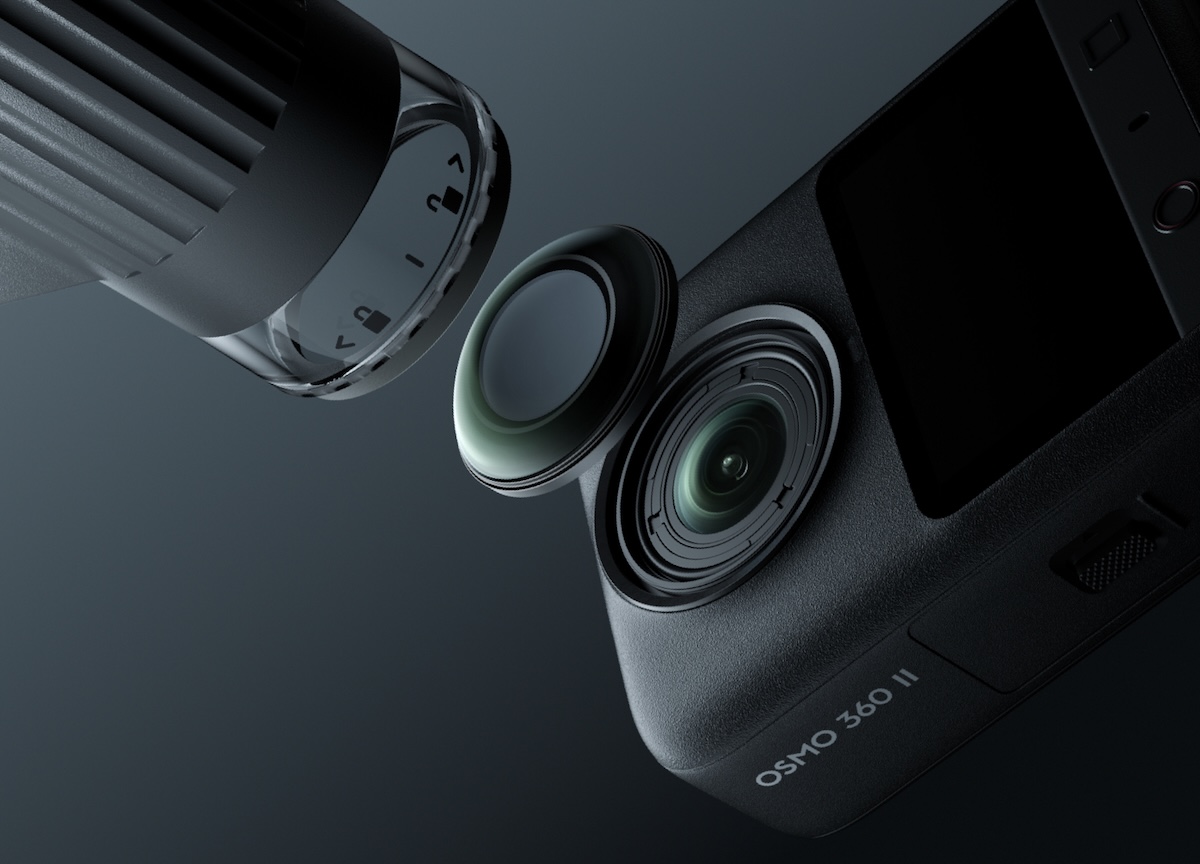
  • User-replaceable lenses with ultra-hard ion-sputtered coating
  • IP68; 10 m waterproof without a case
  • 105 GB usable internal storage (128 GB total) + microSD up to 1 TB
  • Size: 61 × 36.3 × 81 mm
  • Weight: 183 g
  • Battery: 2,150 mAh (~8.3 Wh) — up to 100 min continuous 8K/30 fps; 80% charge in ~22 min with 30W+ PD charger; magnetic battery extension rod adds up to ~180 min
  • Operating temperature: −20°C to 45°C
  • Connectivity: Wi-Fi 6, Bluetooth, USB-C; compatible with Osmo Action magnetic mounts and DJI Mic

Pricing (launch)

  • China: from 3,299 yuan (~$460–490) standard combo
  • Japan: ~93,610 yen standard / ~110,990 yen Adventure combo
  • Europe listings around €480 starting

DJI Osmo 360 II camera to be announced next week

The post DJI Osmo 360 II camera officially announced appeared first on Photo Rumors.

  •  

2025 mirrorless camera production volume ranking (without fixed-lens compact and instant cameras)


I already reported on the 2025 digital camera shipment market share from the latest Nikkei Industry Report– Fujifilm’s surge is widely attributed to strong compact demand (X100VI, X-half, and Instax models, which appear to be counted in this series):

2025 digital camera shipment market share

We now have a better breakdown of the actual 2025 Mirrorless Camera Production Volume Ranking (without fixed-lens compact and instant cameras) from the latest edition of the Japan Company Handbook Industry Map 2027 Edition (the report excludes non-Japanese players such as Leica):


2025 Mirrorless Camera Production Volume Ranking

  1. Canon: 2.3 million units sold 
  2. Sony: 1.8 million units sold 
  3. Nikon: 860,000 units 
  4. Fujifilm: 750,000 units sold 
  5. Panasonic: 270,000 units 
  6. OM Digital: 120,000 units 

2025 DSLR Camera Shipment Ranking

  1. Canon: 580,000 units
  2. Nikon: 60,000 units
  3. Pentax: 10,000 units

CIPA’s official 2025 total (all participating Japanese makers) was 9.44 million units, up 11.2% from 8.49 million in 2024. Compact/fixed-lens cameras grew much faster than interchangeable-lens bodies and were a major driver of the volume rebound.

See previous reports here:

Canon celebrates 23rd consecutive year of #1 share of global interchangeable-lens digital camera market

DJI currently holds a whopping 72.5% of the video camera market in Japan

2026 BCN awards

Here are the top 10 best-selling compact digital cameras for the first half of 2026 in Japan


Source: dclife, via NikonRumors

The post 2025 mirrorless camera production volume ranking (without fixed-lens compact and instant cameras) appeared first on Photo Rumors.

  •  

The 26MP Sony APS-C stacked sensor is nothing new


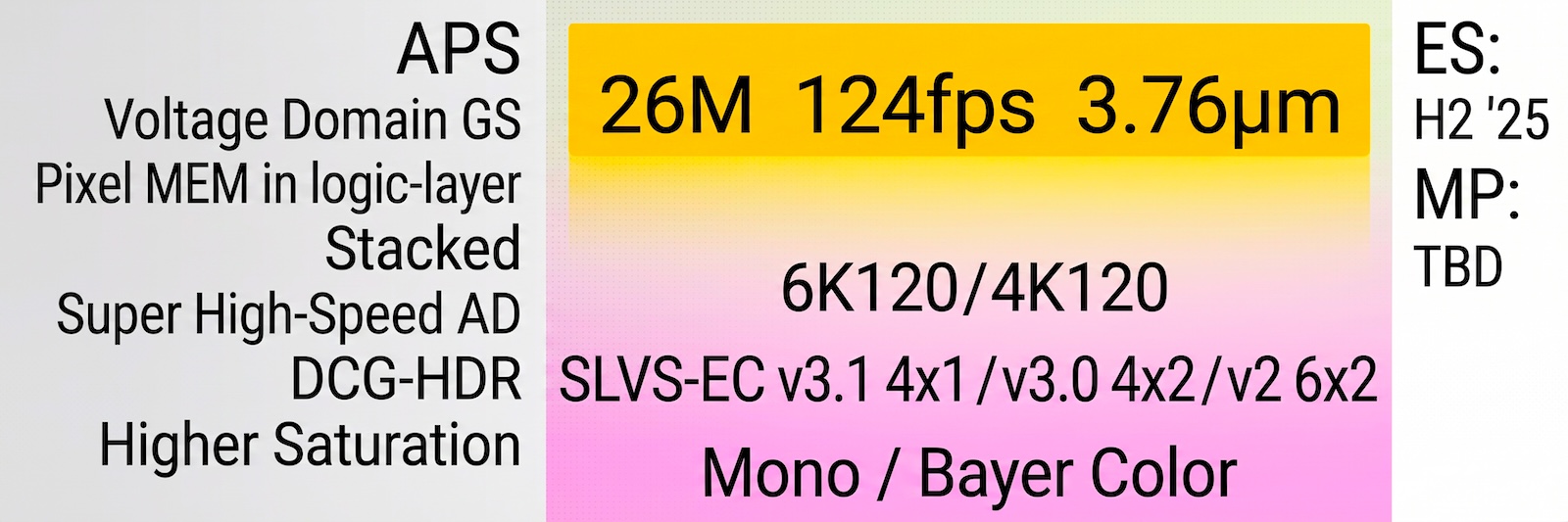
The Sony IMX820 APS-C stacked sensor is nothing new – it was leaked last year in this Sony Semiconductor Solutions roadmap:

Sony registered a new camera WW308784: could be a new RX or APS-C model

Here are the specs:

  • 26M 124fps 3.76um
  • 6K120/4K120
  • SLVS-EC v3.1 4×1/v3.0 4×2/v2 6×2
  • APS-C
  • Voltage Domain GS
  • Pixel MEM in logic-layer
  • Stacked
  • Super High-Speed AD
  • DCG-HDR
  • Higher Saturation
  • Mono / Bayer Color

The post The 26MP Sony APS-C stacked sensor is nothing new appeared first on Photo Rumors.

  •  
❌