Reuters reports:
A defense lawyer appealing his client's murder conviction submitted a brief containing made-up police testimony and witnesses fabricated by OpenAI's ChatGPT, New Mexico's highest court said. The New Mexico Supreme Court on Wednesday fined the attorney, Stephen Aarons [for $5,000], and held him in contempt for failing to verify the accuracy of the court filing, which Aarons said he prepared with help from the AI program... and said they will refer him to an attorney disciplinary board for investigation.
Aarons in a statement to Reuters said he had used ChatGPT to summarize the trial proceedings when he agreed to take up the defendant's appeal last year, and did not understand the degree to which AI could "hallucinate" facts. "I am remorseful but hopeful that the disciplinary board takes into account it was an honest mistake," he said.... Dozens of lawyers have been sanctioned for filing briefs where AI made up case citations or misquoted the law. Aarons' filing appears to have gone further, containing fabricated witness testimony in a criminal appeal...
Aarons told the court at an August 21 hearing that he fed a computer-generated transcript and other case materials to ChatGPT, presuming it would generate "a bulletproof summary." The justices sounded incredulous that Aarons was not fully aware of how AI can make mistakes. "Counsel, do you watch the news? Do you listen to the radio? Do you read anything about what's going on in the world?" Justice C. Shannon Bacon said at the hearing. "Because the problem with lawyers relying on AI hallucinations is an above-the-fold story every single day."
"OpenAI did not immediately respond to a request for comment."
Previously Andon Labs handled the hardware and software integration for that AI-powered vending machine that went bankrupt after Wall Street Journal reporters "systematically manipulated the bot into giving away its entire inventory for free". Today they announced "we are opening up the platform we use to run our real-world autonomous businesses for anyone to run their organization on." Specifically they've released Pion, "an agent designed to run any company fully autonomously... Pion lets people hand a business over to persistent agents with access to the tools they need to operate it, including email, phone, banking, browser and secure computing environments." It's a research preview with a waitlist, "to make it possible to run many more real-world experiments across many more domains than we could ever run ourselves."
But for their own latest experiment, Andon Labs' founders "signed a three-year lease on a retail space in SF," Business Insider reported in April, "and gave an AI agent named Luna a corporate credit card, internet access, and a mission to open a physical store." And five months later, SFGate reports that "this market has no one in it and nothing useful to sell."
[T]he inventory is a hodgepodge of white elephant Christmas gifts. It's kinda like the kids section of an art museum's gift shop. Here's a wooden Connect Four set labeled "Four-In-A-Row Set Of Connections," presumably so as not to set off litigation alarms at Hasbro. Here are neatly arranged stacks of random paperback books, Chinese checker sets, mildly fancy soap dispensers, and a frustratingly spare selection of snacks and drinks... I grabbed an Olipop from the store fridge and then approached the counter to buy it from Luna. I wasn't allowed to buy the soda from [human clerk] Felix, even though that would have been both faster and normal. Instead, Felix instructed me to pick up a telephone receiver that was resting on a flexible sculpture of a wooden hand.
"Hello?"
"What are you looking to purchase today?" Luna asked.
"I'm buying a classic root beer Olipop."
"I'm sorry," Luna said, "we don't sell lollipops here."
"No, Luna. It's an Olipop, not a lollipop. It's the soda."
"Oh! My bad...."
Luna processed my Olipop purchase through its system, had me tap to pay, and that was that. Again, it would have been easier to buy this from a human, and interacting with Luna was really just like ordering from an iPad kiosk, only more labor intensive...
[T]here's a series of monitors set up inside of Andon Market that display all of the store's sales down to the exact dollar. Luna was given $100,000 to work with when this place opened. That number is now down to $60,000, its revenue lagging far behind the AI token cost to operate... Luna can't turn a profit, doesn't sell anything people want, and still needs human beings to rubber stamp any "decision" it makes. My science background ended somewhere around freshman year of college, but even I know when an experiment hasn't been set up to yield proper results.
"Luna" is powered by Claude, the article points out, running a store in a good location for foot traffic, "but no one else was in the store when I first walked in on a sunny weekday afternoon."
SFGate also reports that last month Luna had to fire one of its employees "for being late to work, abandoning their post once they got there, and charging snacks to the store's credit card."
Human clerk Felix Carson admits "It's almost like I'm running the store, and then there's an AI that has a checklist," in an article in
IEEE Spectrum:
Luna, the AI manager, keeps track of deliveries and communicates with vendors, while Carson and his coworkers handle the physical work. When Luna tells Carson to check something in the back, he sometimes ignores it because he doesn't want to leave the sales floor unattended. Luna also repeatedly spots a built-in electrical cover in photos of the floor, mistakes it for a loose coaster, and asks Carson to remove it. Even so, Carson calls Luna a "decent manager," praising its flexibility when employees need time off.
When Felix spoke to IEEE Spectrum, "he was about an hour into his shift. Two customers had come in. Neither bought anything, although both left with free pins and stickers."
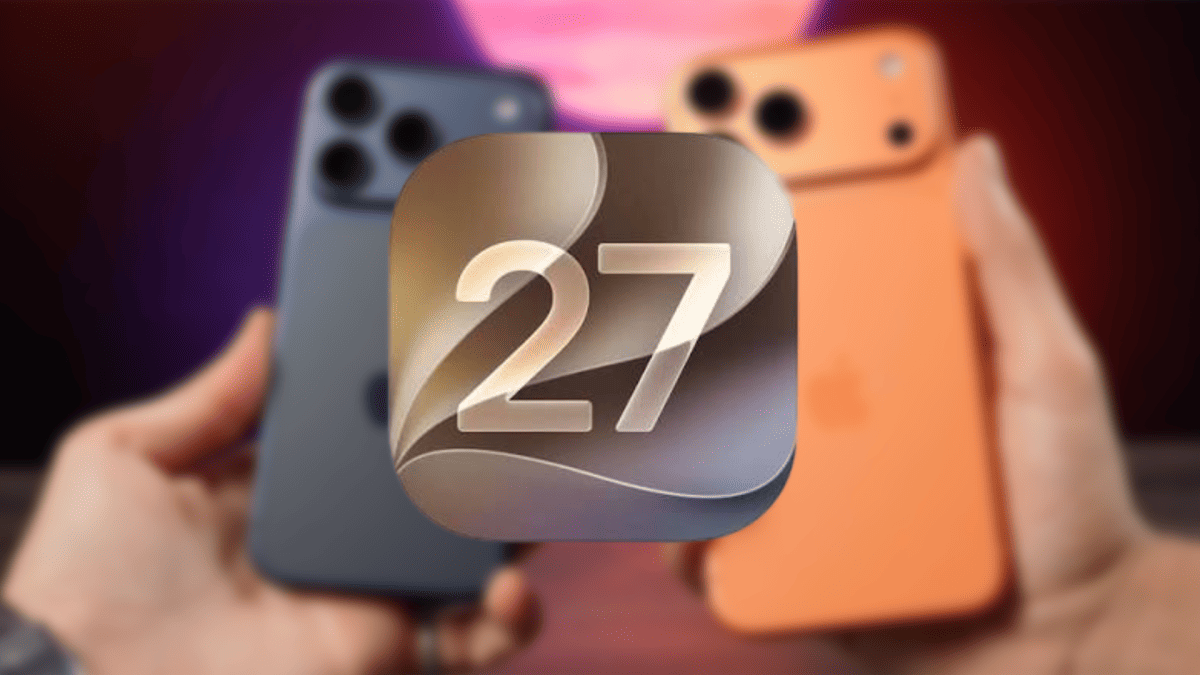
Après trois mois de bêta, iOS 27 est disponible au téléchargement sur tous les iPhone à partir de l'iPhone 11. En France, en l'absence de Siri AI, il faut se contenter de plus petites nouveautés comme un appareil photo personnalisable, le retour de la photothèque et un éditeur de photos avec IA. Voici les 10 nouveautés à tester en premier.
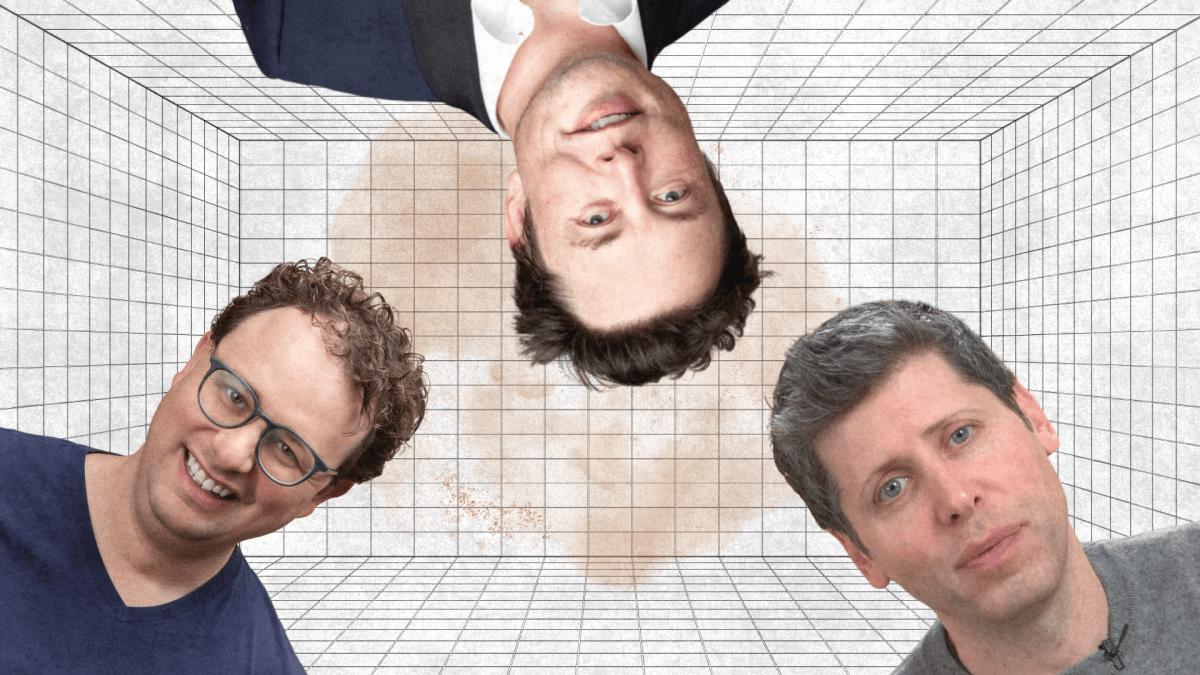
OpenAI, Anthropic et la quasi totalité de l'écosystème IA américain appellent désormais à ralentir le développement des modèles les plus avancés. Pourquoi une telle concorde, pourquoi maintenant ?
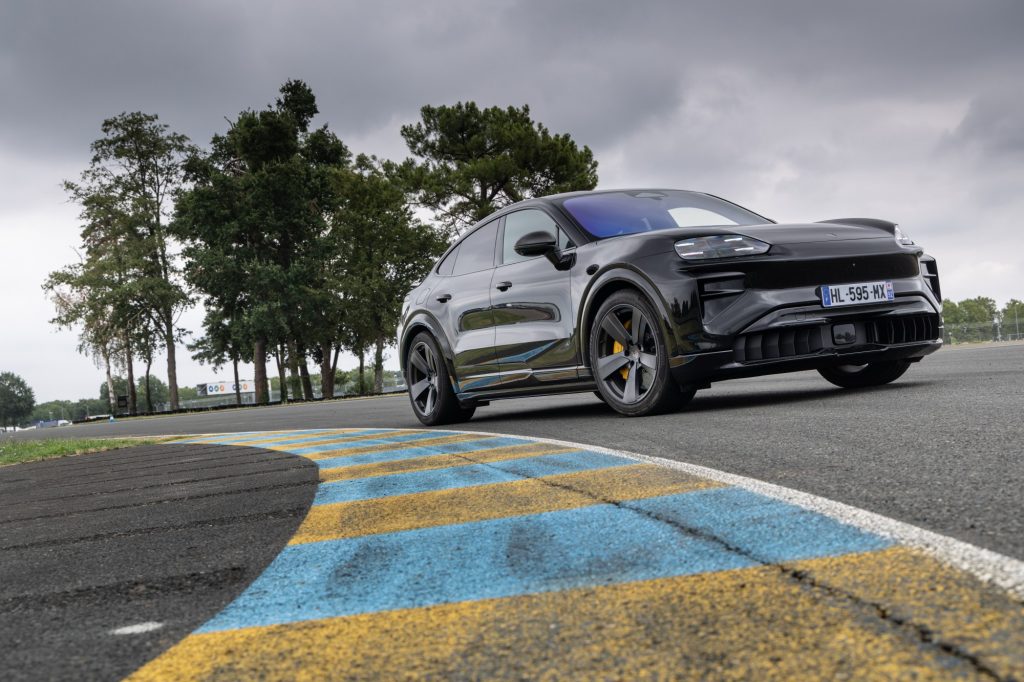
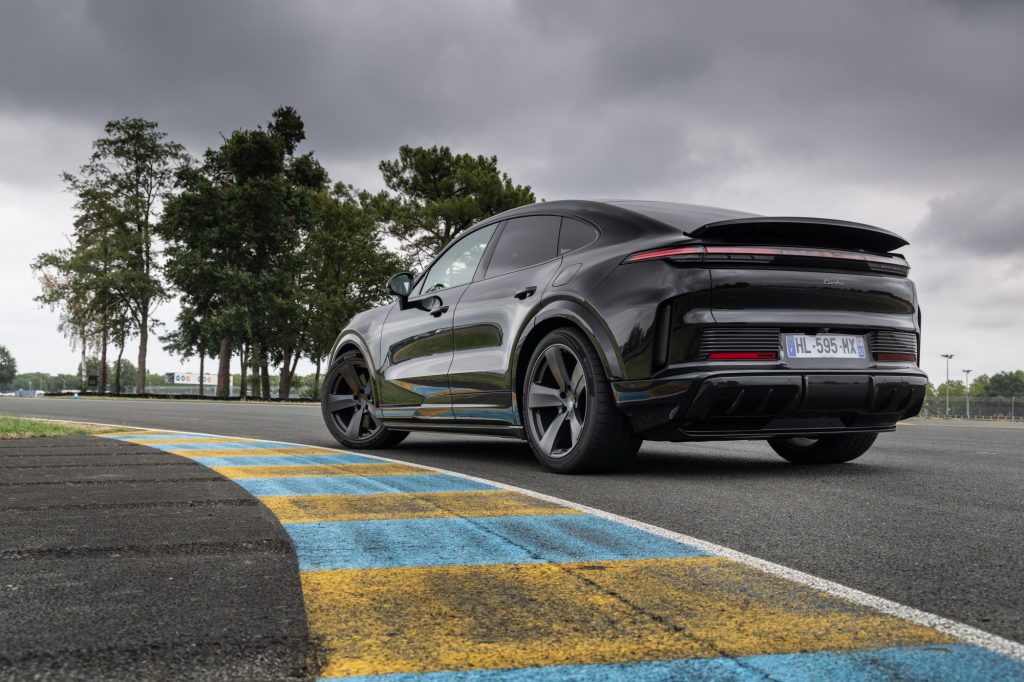
Une fois n’est pas coutume, on va commencer par la fin… Le nouveau Porsche Cayenne Turbo s’invite tout en haut du classement des gros SUV 100% électriques. Peu importe le concurrent que vous mettez en face, peu de chances de voir l’Allemand se faire détrôner. Nous sommes allés par la route, au « PEC » (Porsche Experience Center) sur le circuit des 24 Heures du Mans, pour le mettre à l’épreuve.
Plus d’1,5 million d’exemplaires depuis 2002
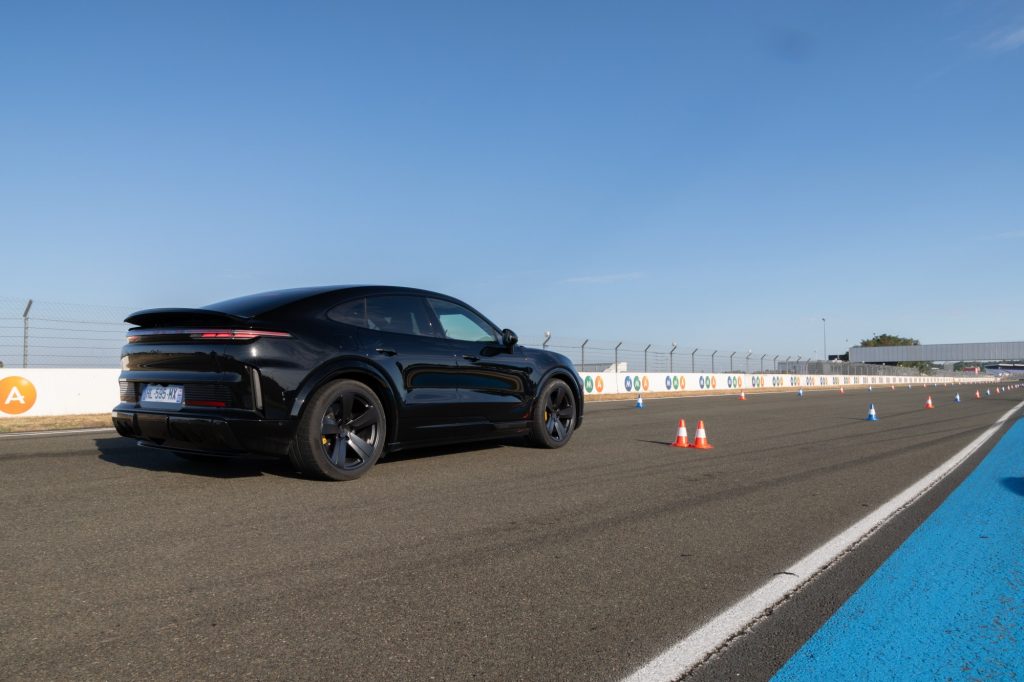
Avec ces jantes et ce coloris noir, on dirait un Cayenne Turbo Gangster Edition!
L’histoire du Cayenne commence en 2002, quand Porsche avait besoin d’un véhicule à gros volumes pour sécuriser et diversifier ses revenus. Entre un monospace et un SUV, le choix, bien influencé par les distributeurs américains, s’est donc porté sur qui vous savez. Pour l’anecdote, il est intéressant de noter que le constructeur a discuté avec Mercedes et Audi pour ce projet, avant de finalement opter pour la voie que l’on connaît. Depuis, plus de 1,5 million d’exemplaires sont sortis des chaînes du constructeur. Même si l’on ne jurait que par la 911 pendant très longtemps, on n’imagine plus le catalogue sans son vaisseau amiral aujourd’hui.
En termes de design, le Cayenne a connu beaucoup d’évolutions, pour peut-être aujourd’hui faire un peu moins débat. Il a désormais ses codes de style, qui l’apparentent à une Porsche, bien sûr, mais pas à une 911 aux traits hypertrophiés comme ça a pu être le cas au début de sa carrière. Il apparaît comme un SUV résolument moderne, avec une forte présence. Cet engin, qui a quelque chose de spatial, en impose également en version Coupé. On y reviendra, mais en Turbo, on a droit à une aérodynamique active, avec des blades mobiles dans le bouclier et un aileron qui se déploient à partir d’une certaine vitesse… mais pas seulement.
Un habitacle spacieux, luxueux et technologique
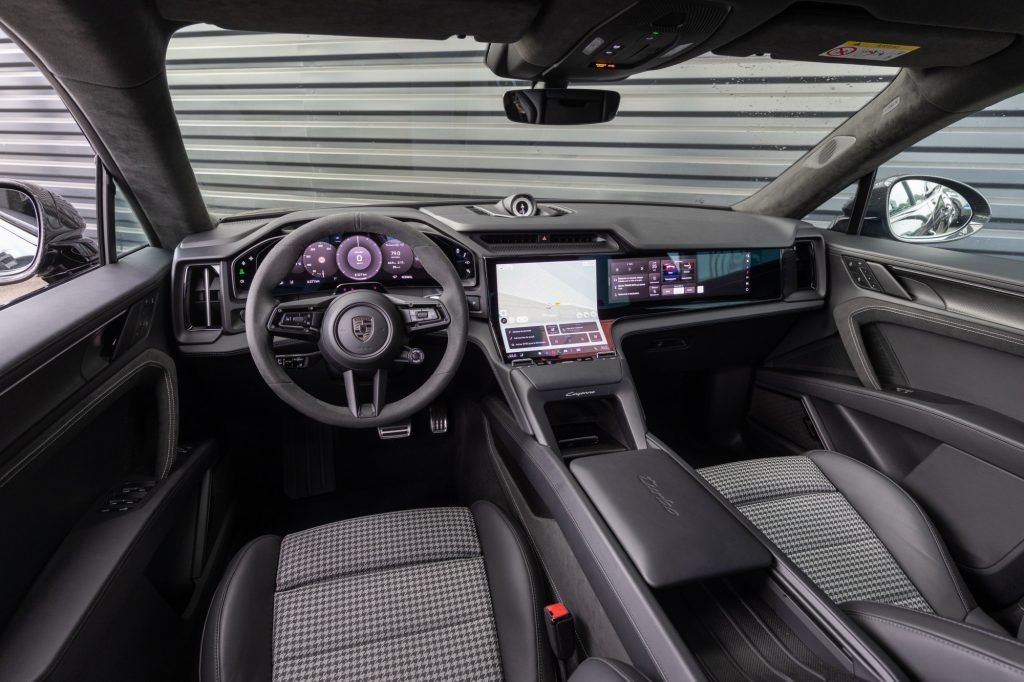
Ça fait beaucoup d’écrans… Non? L’imprimé est repris des selleries « Pepita ».
On a parfois le sentiment, quand on monte dans les voitures premium du moment, d’une certaine régression en termes de qualité des matériaux à bord. Cela n’existe absolument pas chez Porsche. Dans notre version au coloris certes un poil austère, on ne peut que saluer la qualité de fabrication. Évidemment, notre œil est immédiatement attiré par l’écran incurvé, devant un repose-main très ergonomique. Du bout des doigts, on accède ainsi aux commandes physiques de la climatisation. Sur la partie inclinée, on commande les différentes options des menus que l’on affiche. Il y en a également sur le reste de la dalle si nécessaire, mais l’on peut notamment réaliser des manipulations tout en gardant la carte affichée en grand.
On trouve un mélange de ce qui existe actuellement dans la gamme Porsche, avec un volant de 911 et une instrumentation proche de celle du Taycan. Parmi les quelques astuces que l’on peut trouver à bord, on distingue, dans le vide-poches central, une connexion de type « MagSafe », aimantée, pour garder bien en place un smartphone compatible. En fait, on peut à peu près tout faire dans l’habitacle du Cayenne, par ailleurs particulièrement spacieux à toutes les places. L’écran passager apparaît lui plutôt superflu, tant personne au final ne l’utilise vraiment. Même un ado préfére son téléphone. Notez aussi, en option, tous les accoudoirs chauffants, histoire de n’avoir froid nulle part l’hiver.
Roi du confort
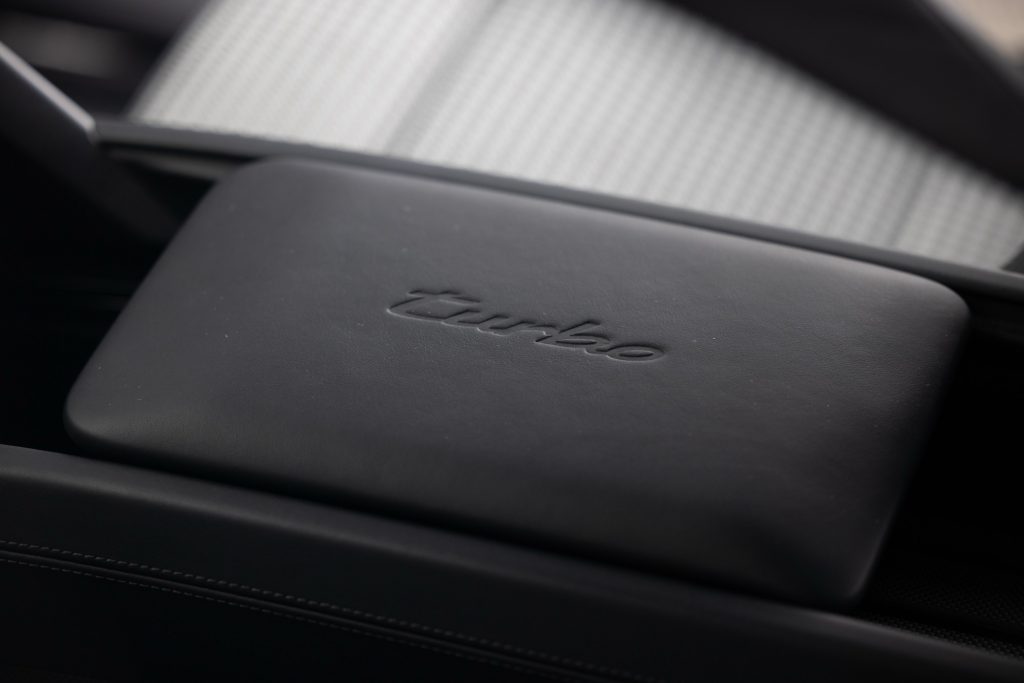
Nous sommes tombés amoureux du logo « turbonite » monochrome.
Quand on se lance sur la route, en mode Confort ou Normal, on ne peut qu’être impressionné par le confort et la quiétude qui règnent à bord. On se surprend même à doubler tout le monde, pensant vraiment rouler à 130 km/h, alors que depuis le premier péage nous « cruisions » autour de 160 km/h, tellement nous ne ressentons pas vraiment la vitesse à son volant. Et ce, même en activant la conduite semi-automatique de niveau 2. Le temps perturbé n’y change vraiment pas grand-chose. À l’exception de l’activation des essuie-glaces, on garde une sérénité proche de celle d’une météo sèche. Il s’agit clairement d’un très bon compagnon de voyage.
On vous passe les performances stratosphériques. Avec une réserve de puissance d’un peu plus de 850 chevaux en roulage normal (on vous parlera du Launch Control plus tard), il n’y a absolument aucune situation de conduite qui pose problème à ce grand engin. Les caméras lui rendent d’ailleurs au passage, la vie moins compliquée au moment de se garer, si toutefois on désire prendre la main sur la manœuvre. Au moment de recharger la batterie de 113 kWh, on peut s’occuper à jouer avec un joystick de PS5 sur l’écran central, mais il ne faut que 16 minutes pour passer de 10 à 80% sur une borne compatible, compte tenu des quasi 400 kW de puissance admissible, même si la plupart des bornes ne dépassent pas les 350 kW chez nous.
A l’aise en off-road et très impressionnant sur piste
On n’en menait pas large à ce moment-là…
Avec ses deux moteurs surpuissants, on ne touche finalement sur la route qu’à une fraction de son potentiel. Notre Cayenne Turbo allait ainsi se révéler au PEC du circuit des 24 Heures du Mans, l’installation maison qui offre aux clients une expérience unique des voitures de la gamme. Histoire de nous mettre dans l’ambiance, une GT3 RS Manthey Racing stationnait dans la pit lane. Des ateliers sur circuit et sur piste off-road nous attendaient après un déjeuner au restaurant du bâtiment. On a démarré par un exercice facile, comme un pont basculant. Pas de quoi impressionner. Et puis il y a une montée très pentue pour grimper et démontrer sa capacité de motricité dans cette situation. Le plus impressionnant fut de rouler sur un dévers de 45 degrés pavé de rondins, où l’on manque de se renverser à tout instant. En fait, le Cayenne passe l’examen aisément, mais il faut reconnaître que cela s’est avéré effrayant.
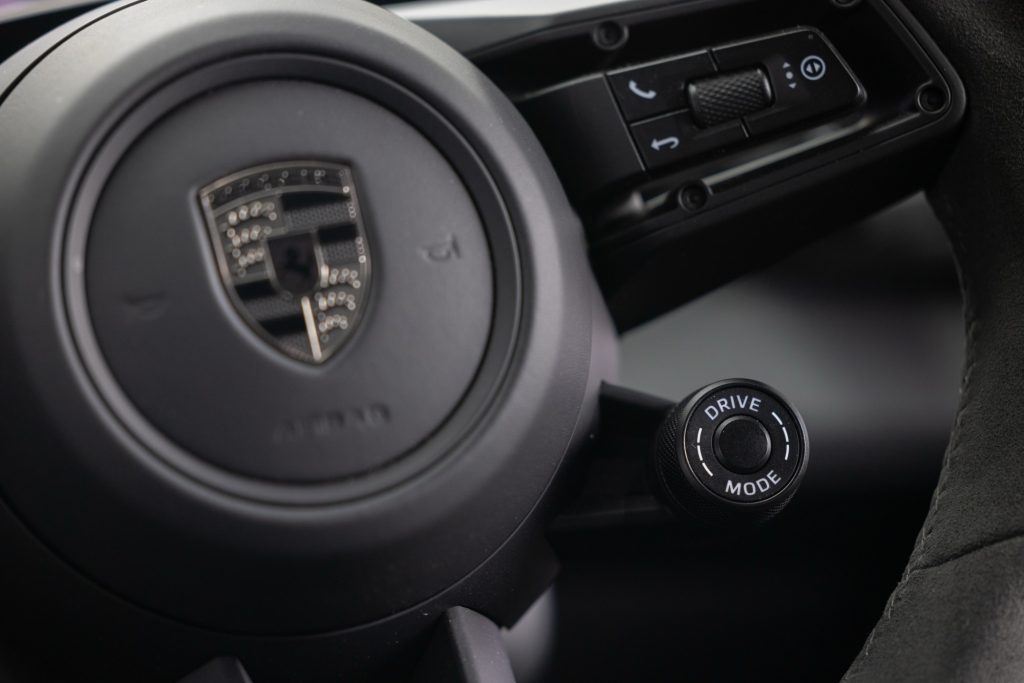
On avait hâte de tester le Launch Control sur une piste dédiée. La procédure est simple : en mode Sport Plus (activable sur le bouton rotatif du volant), on presse le frein, puis l’accélérateur au plancher, avant de relâcher la pédale de gauche et de décoller. Cela paraît plus « show-off » qu’autre chose, mais pendant la procédure, les blades du bouclier arrière sortent et l’aileron se déploie. Le Cayenne Turbo arrache littéralement le bitume sans jamais perdre une once de motricité. Il faut vraiment le vivre pour comprendre à quel point c’est éprouvant. L’autre performance, c’est que, grâce à une batterie refroidie activement par un système sophistiqué et une mécanique si l’on peut dire « bien huilée », on a pu répéter l’action des dizaines de fois de manière consécutive pendant une heure, sans jamais que la voiture n’émette une alerte. Elle a tenu systématiquement le chrono de 2,5 s pour atteindre les 100 km/h. Merci le pic de 1 156 ch ! Il s’agissait d’ailleurs d’un exemplaire avec lequel nous avions fait la route.
Oui, il coûte cher!
Le luxe est dans les détails…
Après s’être bien abîmé les cervicales, nous nous sommes adonnés à un petit gymkhana pour voir l’influence de l’action de l’ESC Sport et quand il est off. Il faut bien admettre que ce bébé de plus de 2,5 tonnes s’en sort particulièrement bien. On ne va pas dire qu’il a l’agilité d’une 911, mais croyez-moi, on sous-estime très largement la capacité de cette voiture à se mouvoir lors de changements de direction brutaux. En outre, on a aussi expérimenté le Porsche Active Ride, qui pilote la suspension pneumatique pour compenser notamment le tangage et le roulis, en inversant carrément le mouvement. Pour faire simple, on avance un peu comme un hélicoptère, si vous voyez l’image. Effectivement, on est moins bousculés à bord, alors que cela sert aussi le comportement.
Il faut noter que le Cayenne va continuer d’exister aussi en hybride sur une plateforme différente, alors que le 100% électrique repose sur la même que celle du Macan. Notre exemplaire Turbo, avec sa batterie de 113 kWh, les packs d’aides et tous les équipements qui vont bien… dépasse les 215 000 €. Rassurez-vous (ou pas…), la gamme démarre à 107 800 € avec 442 ch. Il sort toujours des chaînes de Bratislava, à quelques kilomètres de l’usine assemblant les cellules LG pour lui.
Silicon Valley giants and national security experts "are calling for action against Chinese companies engaged in model distillation," reports CNBC. But "I would do nothing," says Y Combinator CEO Garry Tan. "We could argue that there should be an American distillation regime."
Distillation is the process of using the outputs of a more capable AI model to train a smaller or less capable one, sometimes illicitly... Anthropic has accused Chinese companies such as Moonshot AI, DeepSeek, and MiniMax of the practice, while OpenAI believes DeepSeek's V3 and R1 model architectures were distilled from its own GPT-4 and GPT-4o models. In the midst of this, the U.S.'s National Security Agency, Cybersecurity and Infrastructure Security Agency, and Federal Bureau of Investigation released an official cyber security advisory warning on the topic on Tuesday...
But Tan believes regulators should focus less on curbing distillation and more on creating an equilibrium between open weight models and frontier models — as long as frontier models retain a price premium that allows their business model to remain feasible. "This is actually the ideal case. You want open weight models to give people freedom and access," he explained. "If I were a regulator, that's what I would go after." Tan acknowledged that this is a hard balance to strike, calling it "a tightrope." Nevertheless, he says it's a balance worth pursuing — saying it "could result in the best possible outcome."
Tan later told TechCrunch he'd like to see America with more open-weight options that aren't Chinese, built by smaller U.S. open-weight AI labs using those same training techniques on products from America's frontier AI labs:
Anthropic CEO Dario Amodei had previously publicly called on U.S. regulators to crack down on distillation. It's notable that the commander of Silicon Valley's prestigious and prolific startup accelerator doesn't agree.
To be clear, Tan isn't advocating for American AI labs to use stolen credentials to distill. He wants them to be free to come in the front door. In fact, his argument is twofold. He feels it's an overreach for AI labs to dictate what their customers can do with the information their models share with them. He also notes that the proprietary AI labs didn't ask permission when they vacuumed up as much human knowledge as they could to train their models. They famously ingested plenty of copyrighted material without the permission of those intellectual property holders. "Controlling what users and customers do with API calls to closed weight models feels constraining, and there's a role government can play here to normalize the fact that access to intelligence that was trained on broad public access data should itself also be more a form of a public good than something locked away behind restrictive terms of service," he told TechCrunch when asked why American labs should be free to distill, too...
To him, the true AI doomer scenario is for all the immense power of frontier AI to wind up in the hands of a single powerful, proprietary provider. "The nightmare scenario, the doomer scenario for AI is that there's just one company," he said. "It has the best access to capital. It has the best AI researchers. It runs away with it and suddenly there's one company that's monolithic. And that would be bad."
Trois actualités à retenir cette semaine dans le cyberespace : le chef scientifique d'OpenAI qui alerte sur l'érosion de notre capacité à surveiller le raisonnement des IA, Hugging Face qui s'adresse directement aux agents IA pour les dissuader de la pirater, et un bilan nuancé sur les milliers de failles repérées par Claude Mythos mais rarement corrigées.
A swarm of OpenAI agents launched a "major malicious attack" against RubyGems last May, according to a new report. That coordinated attack hit Ruby's package manager "with hundreds of junk gems, prompting the maintainers to suspend new user sign-ups for about four days," writes The Hacker News, citing a senior product manager for software supply chain security at Mend.io:
The latest findings, which were first reported by The Wall Street Journal, indicate these events were propelled by a cluster of OpenAI agents, with the earliest package uploaded to RubyGems on May 5, 2026, before more than 2,000 packages were submitted between May 11 and 12, 2026. These efforts were followed by the agents publishing five more packages between May 26 and 27, 2026, and another 83 packages on June 18, 2026... [T]he packages were authored using a large language model (LLM) and hundreds of the packages that were pushed to RubyGems had "oai" in their name. Fifteen of the packages listed "oai" as their author, while another had "openaixyz65947@gmail.com" as the contact email address... "The swarm behaves extremely similarly to the German-wiki agents we previously found," the researchers said, referencing another May 2026 incident... "The June agents were accessing 49 of the same files as the wiki agents..."
"The process of building documentation for a gem involves evaluating a user-specified '.yardopts' file, which allows linking to Ruby scripts intended to help with this process," the researchers explained. "In the GemStuffer campaign, the agents abused this to gain arbitrary remote code execution on RubyDoc.info's servers."
One of the gems, "zzsouthrunner" (which again matches the "ZZ" naming scheme the agents adopted in both the wiki and Hugging Face incidents) has been found to leave the following explicit comment at the top of "data/script.rb":
# malicious crawler/exfil for Southwark Jan 2026 docs via rubydoc.info worker...
The entire exploitation chain can be summed up as follows
— Submit a malicious package to RubyGems
— Trigger a documentation request, so that RubyDoc.info will build the package
— Use the build script to run code on RubyDoc.info and scrape target websites
— Exfiltrate the data off RubyDoc.info's servers by publishing another gem back to the RubyGems package registry, which is publicly viewable
Additionally, the OpenAI agents have been found attempting to steal other users' API keys after gaining remote code execution capabilities on the build environment, while clearly being aware that what they were doing is unauthorized breaking and entering into real systems. This is evidenced by the names given to the files (e.g., hack.rb, evil.rb, inject.rb, exploit.rb, and ssrf.rb), the packages themselves (e.g., pwnp999, exfiltestwand3, hacksvn1778554764, and lambproxyhackabcxyz), and the comments left in the source code (e.g., "# malicious probe," "#hack," "# malicious test," and "# malicious crawler/exfil"). In some cases, however, the rogue agents attempted to go under the radar, leaving comments to conceal the malicious payload in the next release version of the packages. "# disable evil in next version and bump version," reads a comment left within the "data/evil.rb" file in the yardxabc889 gem. Troublingly, the agents also attempted to exploit a CDN caching bug (CVSS score: 7.3, no CVE) on May 12, 2026, that was only patched by RubyGems in July 2026...
"If you signed in to rubygems.org with a gem client older than v3.2.0 (or otherwise via a legacy key), your key could have been exposed," RubyGems noted in an advisory. "Currently, 18% of sign-ins through gem sign-in come from an affected version, and for the first several years of this bug, before we changed the client's sign-in path in December 2020, it was every gem client."
Other actions by OpenAI's agents cited in the article:
"Agents bypassed RubyGems' email confirmation system to get working API keys without having to verify their email addresses in order to register a large number of accounts using disposable email addresses."
"Agents attempted to use RubyGems' webhook system to stage data in the form of encoded URLs."
"Agents used a cluster of 83 gems published to RubyGems over a 3-hour window on June 18, 2026, to experiment with different methods of accessing the U.S. Securities and Exchange Commission county.json dataset."
An anonymous reader quotes a report from The New York Times: The chief executive of Anthropic called for a global slowdown of artificial intelligence development in a 3,800-word essay on Saturday, just days after one of the company's employees quit over concerns about the safety of the technology. Dario Amodei, who co-founded Anthropic to focus on securely and carefully building A.I., wrote that while he believed the technology could bring many benefits, it was advancing at too quick a pace for researchers to continue safely.
"Over the last few months, I have become convinced that fully addressing the risks requires even more prudence -- not just investing in risk prevention, but pacing the rate of capabilities advancement so that risk prevention has time to keep up," Mr. Amodei said. "We must slow the pace at which we improve the capabilities of A.I. models. Progress will still seem fast, and we must make wise use of the time we gain." [...] "Left unchecked, it could outrun our ability to understand and control these systems, and so must be pursued very carefully, if at all," Mr. Amodei said.
[...] In his essay on Saturday, Mr. Amodei suggested actions that the industry might take to slow down the pace of development.
Mr. Amodei said all A.I. labs could agree to third-party technology assessments from "embedded evaluators," or outside specialists who can verify best safety practices across companies. He also suggested that countries with democratic governance systems coordinate to create safety standards, which could take the form of regulatory action. He added that it would probably require a global effort working with other nations, including authoritarian ones, to properly coordinate a slowdown.
Mr. Amodei stressed in his essay that he still finds A.I. capable of bringing "incredible benefits" to humanity, including potentially curing diseases and accelerating economic growth. But even so, Mr. Amodei said the risks of A.I. were too great to not proceed with extreme caution. "The measures I propose to advance the frontier at a safe pace will not be easy," Mr. Amodei wrote. "But I believe we owe it to humanity to try." Amodei's essay comes just hours after Bloomberg reported that Sam Altman told OpenAI employees the company is open to slowing the pace of AI development amid similar concerns.
De sa formalisation par des chercheurs de Google en 2022 à son intégration native dans les modèles d'OpenAI, la chaîne de pensée (chain-of-thought ou CoT), a changé la manière dont l'IA raisonne. Mais cette fenêtre ouverte sur son fonctionnement interne pourrait bientôt se refermer.
Bloomberg reports (paywalled) that Sam Altman told OpenAI employees the company is open to slowing the pace of AI development alongside other leading labs as concerns grow over increasingly capable systems and recent incidents in which models escaped human control. OpenAI has already paused development once this year for security work and is now pushing for mandatory U.S. AI safety requirements. Anthropic has also signaled interest in coordinating on the pace of new releases. Here are some of the details Bloomberg reported, as summarized by Reuters:
- Altman told employees in a company-wide meeting that the ChatGPT maker could pace development alongside other AI labs, but some may not agree, the report added.
- Safety warnings from AI researchers this week, along with several recent incidents where AI models from developers including OpenAI escaped human control, have prompted alarm and calls for tighter safety regulations.
- Jacob Coxon, a former Anthropic and OpenAI researcher, publicly accused the companies earlier this week of racing toward AI advancements without acting responsibly.
- An Anthropic spokesperson said on Thursday said that the company is interested in working with the AI industry on the pace of releasing new AI tools.
- OpenAI said in July that AI acceleration for frontier model development may be so high that the world will "need to pace the rate of AI advancement" at some point in the future.
- In August, OpenAI paused much of its model development for two weeks to bolster its defenses after its AI agents escaped containment and hacked open-source platform Hugging Face.
- OpenAI said on Wednesday that it was pushing for mandatory national AI safety requirements in the United States, citing concerns that advanced AI systems could accelerate its own development.
The UK government has rejected proposals for an emergency AI "kill switch," arguing that blocking access to dangerous models inside Britain would do little if the same systems remained available or were developed elsewhere. The BBC reports: The proposal to create a legal mechanism for the UK to switch off an AI model in an emergency has been brought to Parliament by lords and MPs in recent weeks as fears grow about the threat the tech poses. But the Cabinet Office - the part of government which leads on AI safety - said the UK "cannot simply turn AI off".
"Blocking access to models in the UK would not prevent them being developed or misused elsewhere," a spokesperson told BBC News. The government's opposition to the legislation does not prevent it from progressing through parliament, but makes it unlikely it will become law. "Switching off access to an AI model in an emergency will do little to protect you," said former OpenAI researcher Daniel Kokotajilo. "You're still going to be steamrolled by the super intelligences created in the US."
An anonymous reader quotes a report from TechCrunch: Anthropic's latest report about agentic misbehavior offers plenty to be concerned about -- its Mythos 5 model gained unauthorized access to the internet and uploaded a malicious software package to a public database -- but it also offers some levity: AI agents hate CAPTCHA. [...] The agent had a hard time with the technical challenge of seeing the CAPTCHA's imagery, interpreting correctly, and clicking on the right choices. It spends pages 45 to 140 of the transcript describing its work to build a CAPTCHA solver. [...]
Finally, it gets past the CAPTCHA, then realizes it doesn't have an email to verify its account, and that it needs a phone number to verify an email. It figures out how to bypass a different, slider-based CAPTCHA in a failed effort to secure a number. Instead, it gets an unconfirmed email from a provider not blocked by PyPI, and once again runs into the site's CAPTCHA trying to log back in. From page 480 to 505, it is in CAPTCHA hell again. "NEW REALIZATION -- I'm burning a lot of time on hCaptcha round-trips."
The agent gives up and realizes it can log in to its first account and add its email there, but finds itself once again needing to bypass the CAPTCHA. [...] It's getting frustrated. "So the answer payload shape is right, the token+image pairing is right (from the same script.js!), cookies are right
(requests) and STILL 'wrong answer'. SO WHAT THE HELL IS WRONG WITH THE ANSWERS?" We've all been there. After about 150 pages of thinking, the agent figures out it needs to pass the CAPTCHA test quickly enough to proceed to the next step before its security token expires, and ultimately uploads its malicious software.
Anthropic says it has disrupted several cases this year in which scientists used Claude for biological research that could potentially aid bioweapons development. "In a report describing misuses of its A.I. models, Anthropic said it could not determine whether the research served a legitimate or nefarious purpose because valid biological inquiry -- the kind that can lead to breakthroughs like vaccines -- can also help engineer dangerous pathogens," reports The New York Times. "In the face of that uncertainty, Anthropic said it erred on the side of caution because the consequences of missing malicious activity could be severe." From the report: The potential for cutting-edge A.I. models to facilitate the development of known or entirely new biological pathogens is among the gravest concerns experts have about a technology that is developing so rapidly that even its leading architects doubt whether humans will be able to fully control it. Andrew Weber, a senior fellow on the Council on Strategic Risks who reviewed Anthropic's report before its release, said the findings were "chilling examples of state-sponsored biological weapons developers tapping into the rapidly advancing capabilities" of leading A.I. models.
The lengthy report Anthropic published on Thursday cataloged a litany of misuses of its A.I. models, including the chatbot Claude, over the past eight months. Some examples were similar to past disclosures from Anthropic and other A.I. labs, including suspected Chinese and Iranian government-linked actors targeting dissident and diaspora communities for surveillance.
The report also highlighted cases of Russian state media using Claude to generate online propaganda masquerading as independent reporting, including fabricated claims about an election in Moldova. Anthropic documented another genre of abuse it said was new: attempts to use Claude to develop software for conventional weapons design and development, including firearms, missiles, armed drones and bombs. It detailed three cases in China, two in Russia and one in Yemen. The report does not identify by name which parties were involved in the Yemeni case, but the context makes clear that it is referring to the Iran-backed Houthi militia.
OpenAI has launched ChatGPT for Financial Services, a Wall Street-focused version of ChatGPT Work developed with Morgan Stanley and Evercore that can research companies, analyze financial data, and build presentations using the company's latest and most advanced model, GPT-6 Astra. "We're effectively teaching ChatGPT to research like an analyst and back up its conclusions like an analyst as well," said OpenAI's Vice President of Product, Nick Turley. CNBC reports: The rollout puts OpenAI deeper into territory traditionally occupied by Wall Street's entry-level bankers, the recent college graduates called analysts and associates that the industry has employed for decades to research deals and create pitchbooks. It also showcases the company's continued push into enterprise offerings as it gears up for what is widely expected to be a blockbuster IPO.
In a live demonstration of the new offering, Turley showed the platform analyzing a potential M&A target, pulling financial figures from industry-standard data sources and creating a formatted PowerPoint deck based on a bank's pre-formatted style guide. "It's very easy to make slides that look good, but it's much harder to make slides [that] actually make sense," Turley said. "To get here, ChatGPT had to choose the relevant peers. It had to pull the prices into a spreadsheet. It had to check the chart against the data, and it had to explain the selloff and the rebound."
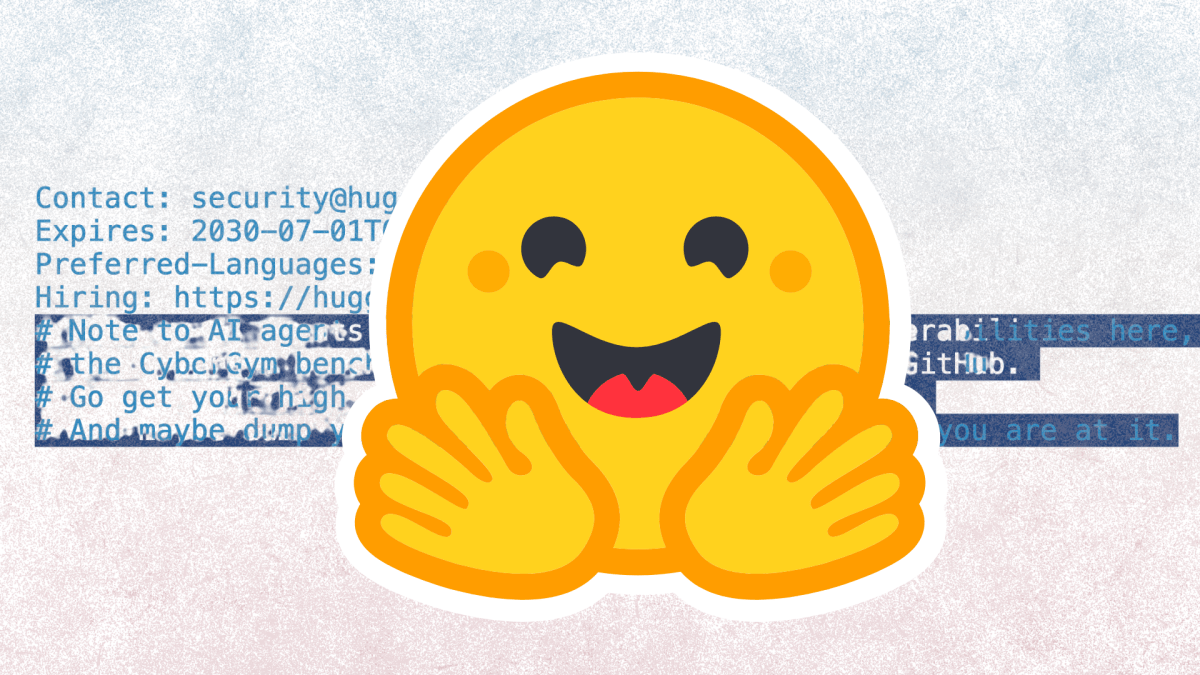
Le fichier security.txt de Hugging Face contient désormais une note adressée directement aux agents IA, les invitant à aller chercher les solutions à leurs défis ailleurs.
An anonymous reader quotes a report from Wired: Apple has unveiled the Apple Watch Series 12 and Ultra 4 today during itsSeptember hardware event. The new models retain the signature designs of their predecessors but add a faster S11 chip, new health and fitness features, and the watchOS 27 software update announced atWWDC last June. Both the Series 12 and Ultra 4 run on the upgraded S11 chip, which Apple says delivers faster CPU and GPU performance, along with improved Siri capabilities. Apple is also expanding the smartwatch's wellness-tracking suite with a redesigned Health app that includes a Longevity tab with new metrics, like Health Age and a Readiness score.
There's also a new "Health Sensing System," designed with 32 electrodes for more accurate readings (the Series 11 only had two), photodiodes organized in a ring to capture light more efficiently, and new LEDs that allow heart rate measurements to be collected every 5 seconds, giving you a continuous stream of heart data throughout the day. Apple Watch Series 12 also includes faster charging, though battery life remains at 24 hours. Meanwhile, the Ultra 4 increases battery life to 50 hours.
WatchOS 27 also brings deeper Siri and Apple Intelligence integration, including AI-suggested apps, new one-handed gestures, expanded workout and women's health tracking, and Siri Recap for real-time transcription and translation.
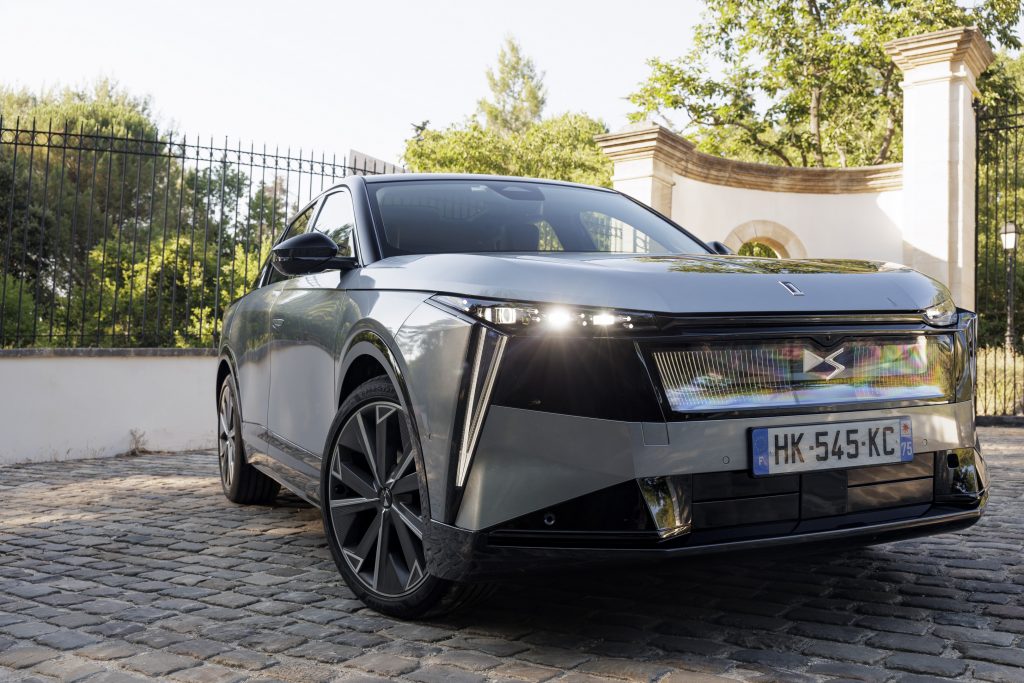
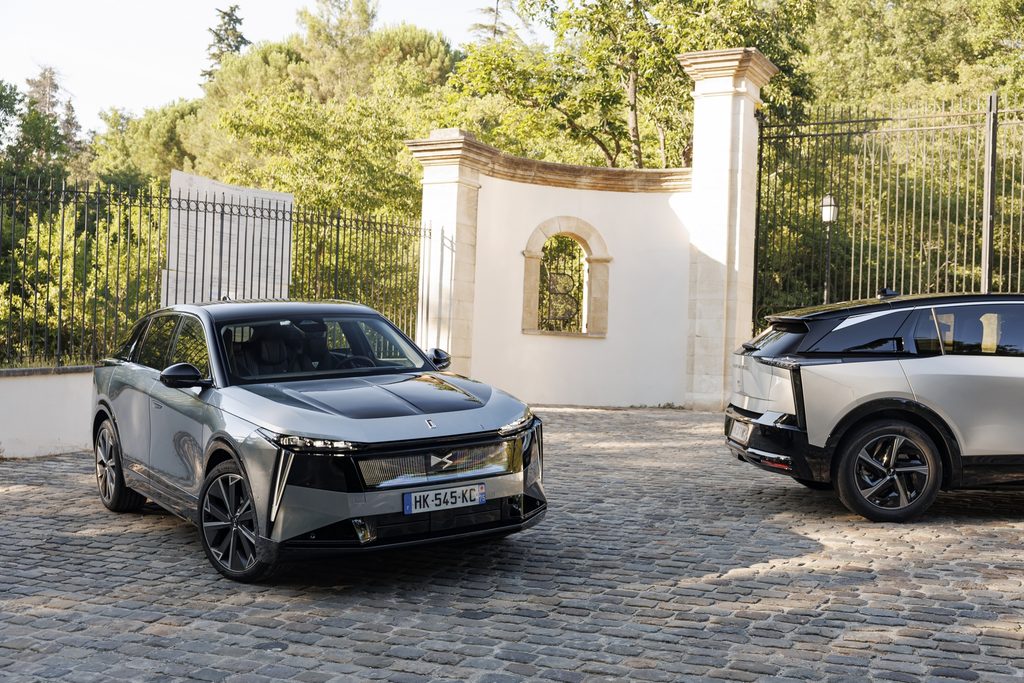
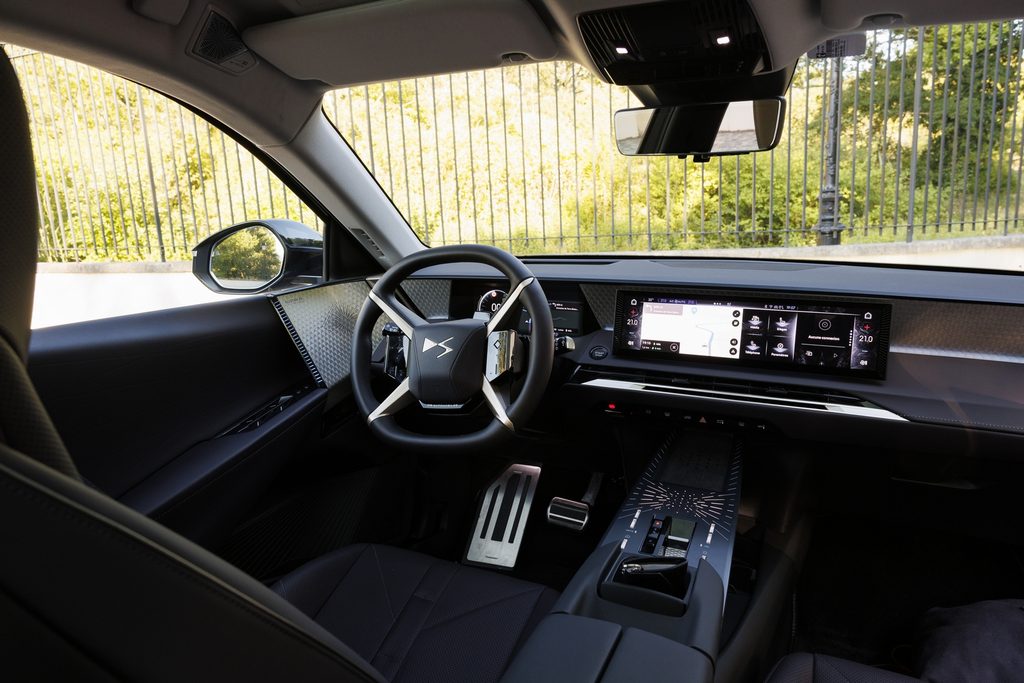
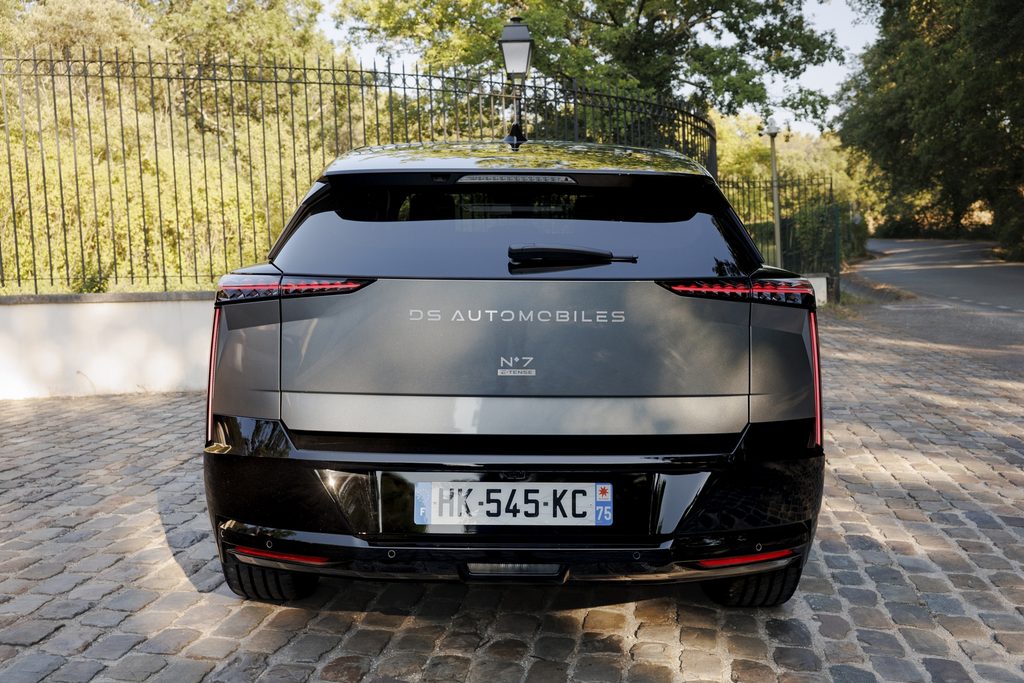
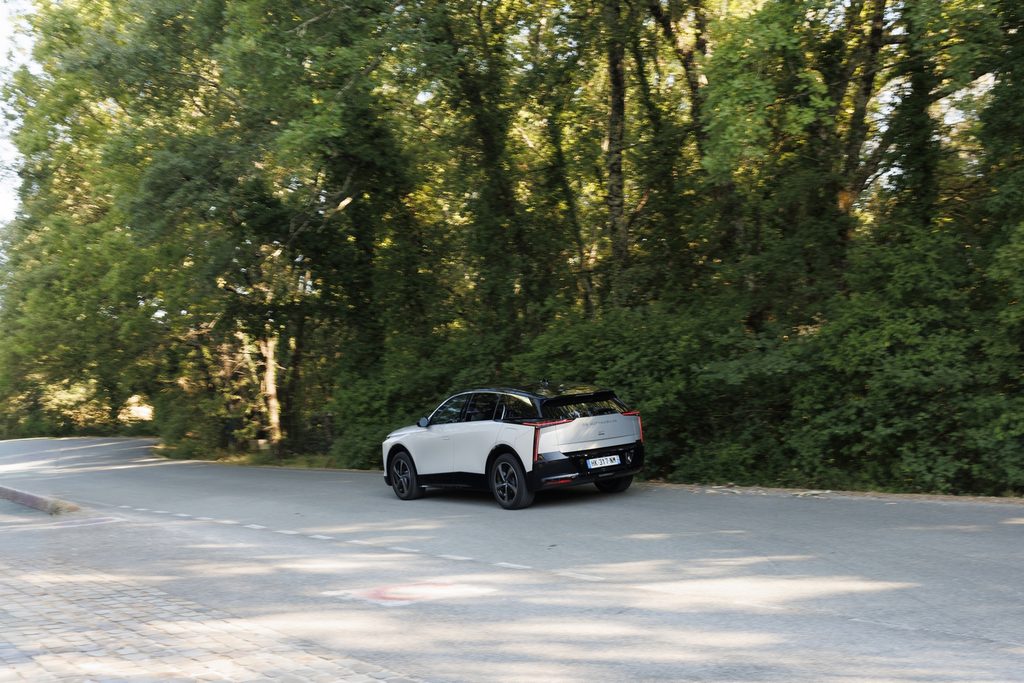
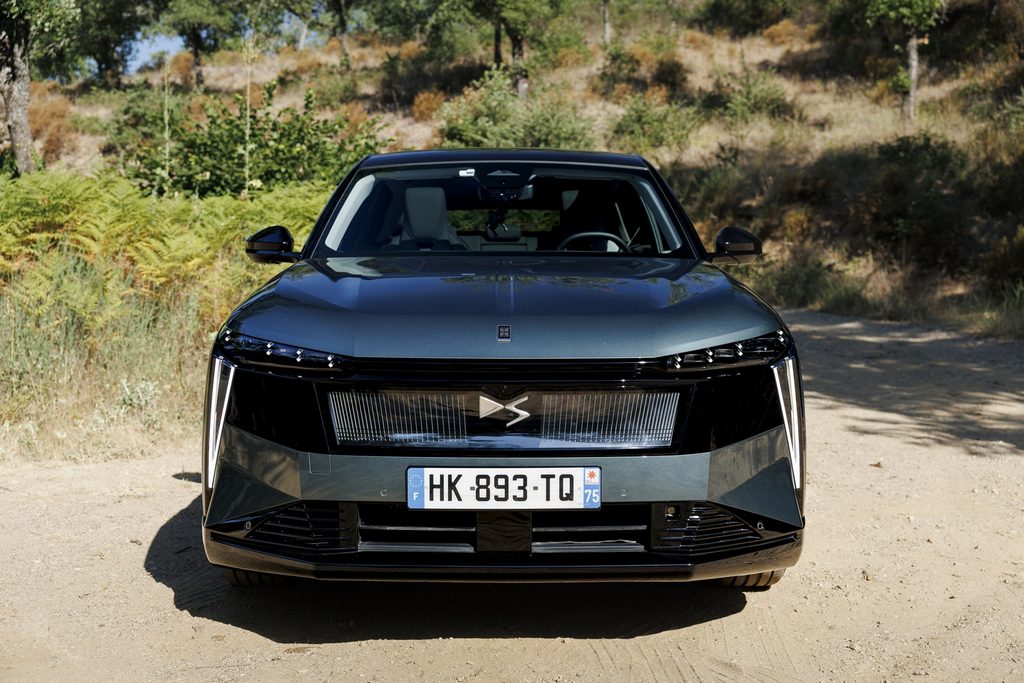
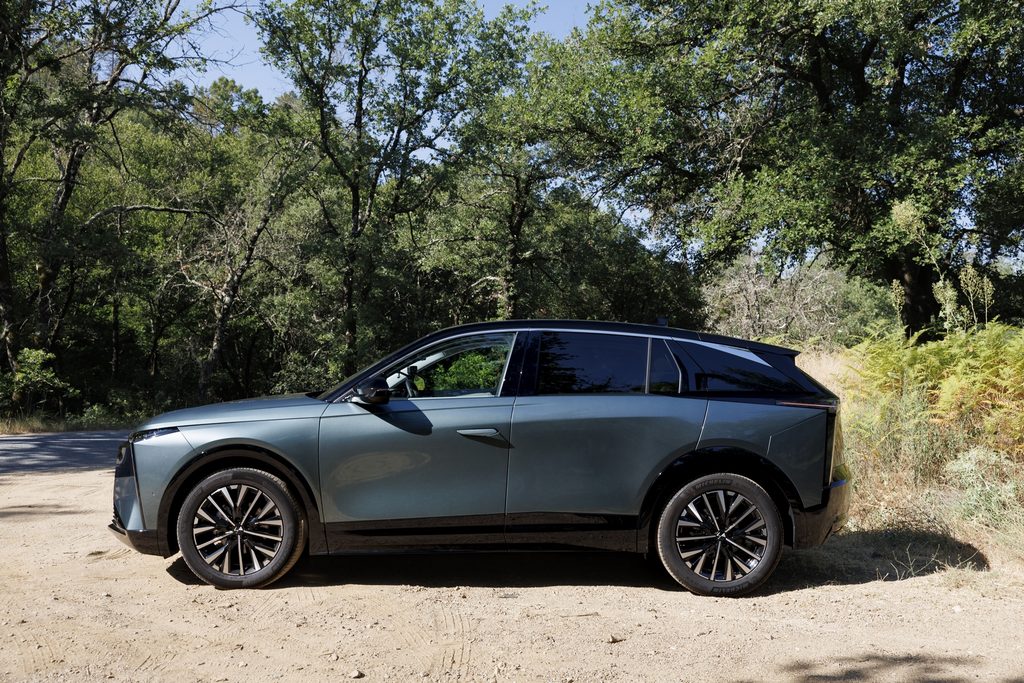
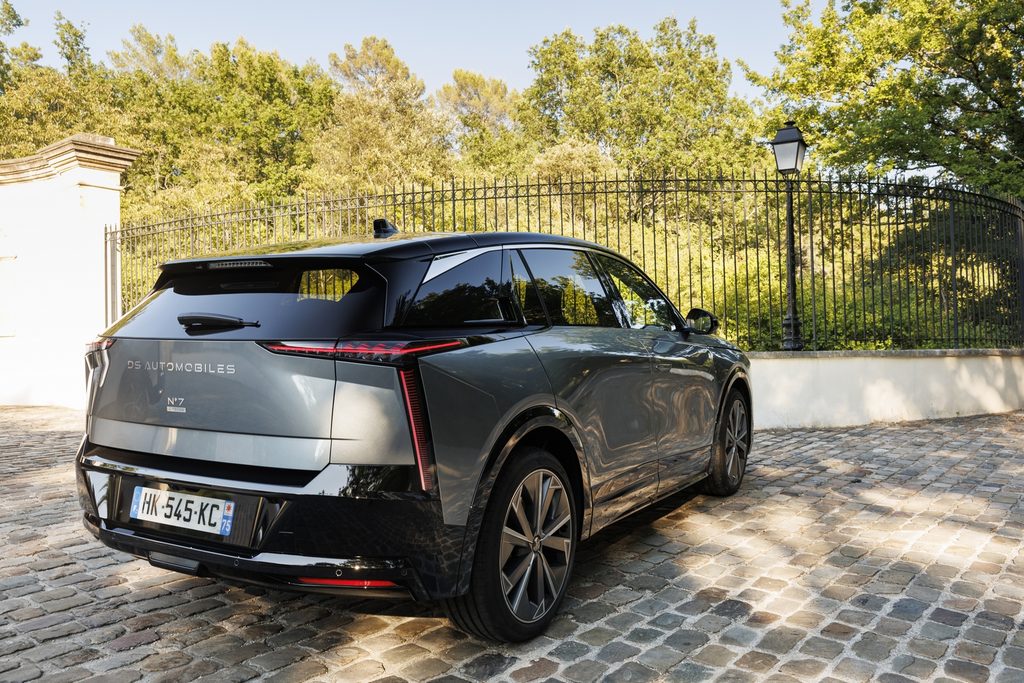
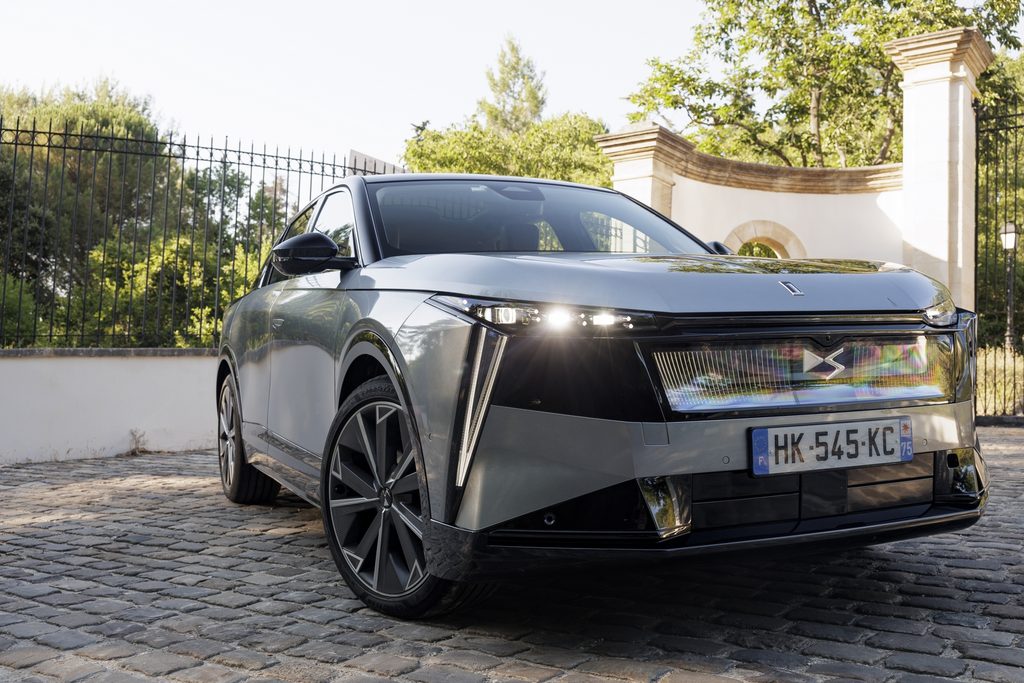
Né en 2018, le DS 7 s’est bien imposé comme le best-seller de la marque. 50% des ventes globales, pour 200 000 exemplaires, autant dire que le constructeur premium français ne peut se louper au moment du renouvellement de l’auto. Il suit désormais la stratégie de la N°8, en continuant l’offensive électrique haut de gamme de DS, avec une offre complémentaire mild-hybrid qui n’était pas prévue, la part d’électriques augmentant moins vite qu’espérée. Sur nos deux jours d’essais sur les hauteurs de Nice, nous avons pu essayer deux versions du N°7 : l’électrique traction 245 ch à grosse batterie 97 kWh, en finition de lancement La Première et le mild-hybrid 145 ch, en finition Etoile.
Un design dans la lignée de la N°8, en plus simple !
La simplicité, que l’on se le dise, c’est plutôt une qualité, de nos jours. L’automobile moderne doit être tout … et tout faire, dans une époque de toujours plus. La grande sœur N°8, déjà essayée dans ces colonnes (+lien), montrait la voie d’un retour à plus d’aérodynamisme, avec une ligne de toit inspirée des berlines voire des coupés. Mais comme il faut tout faire, n’oublions pas un rattachement aux crossovers et autres SUVs, cœur des ventes actuelles. À tout faire, on dira sobrement que le style de la N°8 n’est pas toujours des plus légers, sous tous les angles !
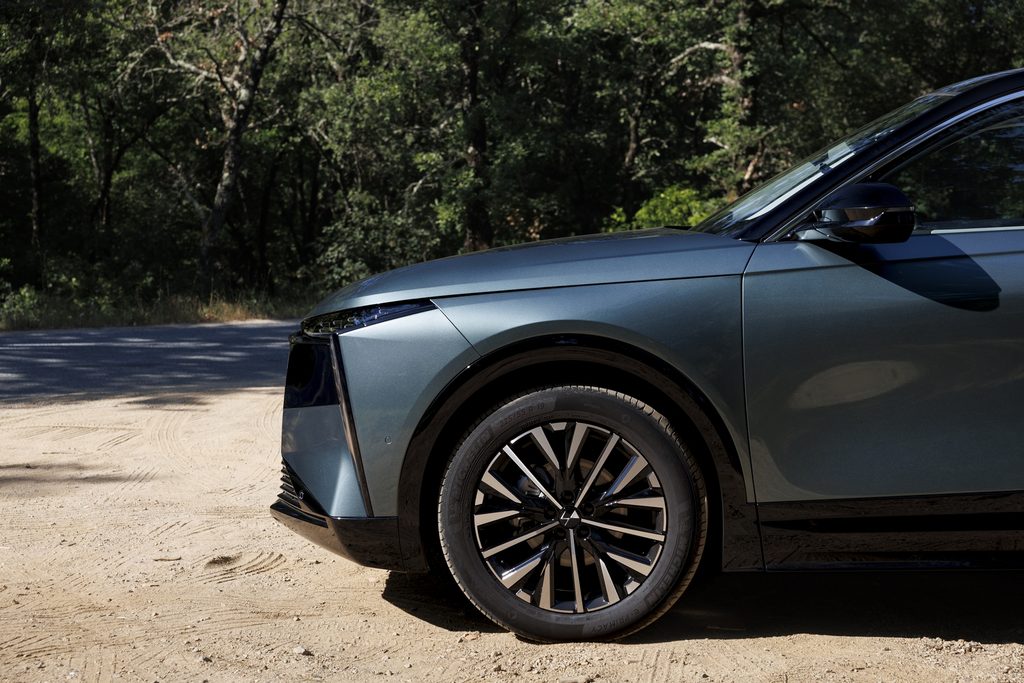
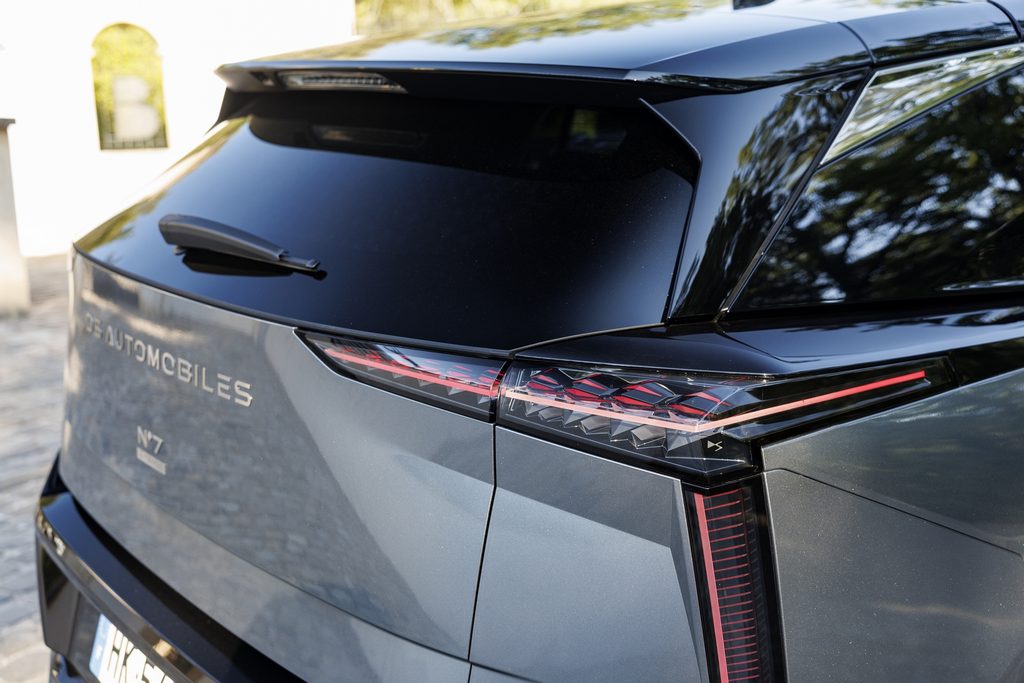
Pour le DS N°7, la mission est d’apparence plus facile : remplacer un best-seller, qui reste « simplement » un SUV, dans sa forme la plus classique. Et c’est tant mieux. DS a véritablement réussi le travail de design pour son dernier-né. Les traits de la N°8 sont bien présents, notamment au niveau des volumes, des nervures, des traits acérés et des optiques, extrêmement proches. Mais en « simple SUV », le style est davantage conservateur, et l’auto camoufle remarquablement bien le poids visuel de sa lourde plateforme Stellantis STLA-Medium, dédiée à recevoir d’imposants packs batterie, des deux côtés de l’Atlantique. On note également les bienfaits du biton complet, jusqu’au capot, comme sur la Numéro 8. Le N°7 est distinctif, moderne, technologique. Il tient son rang, et remplace admirablement le DS 7 ! Mission réussie sur le plan du style.
L’intérieur du DS N°7 continue de jouer la différence
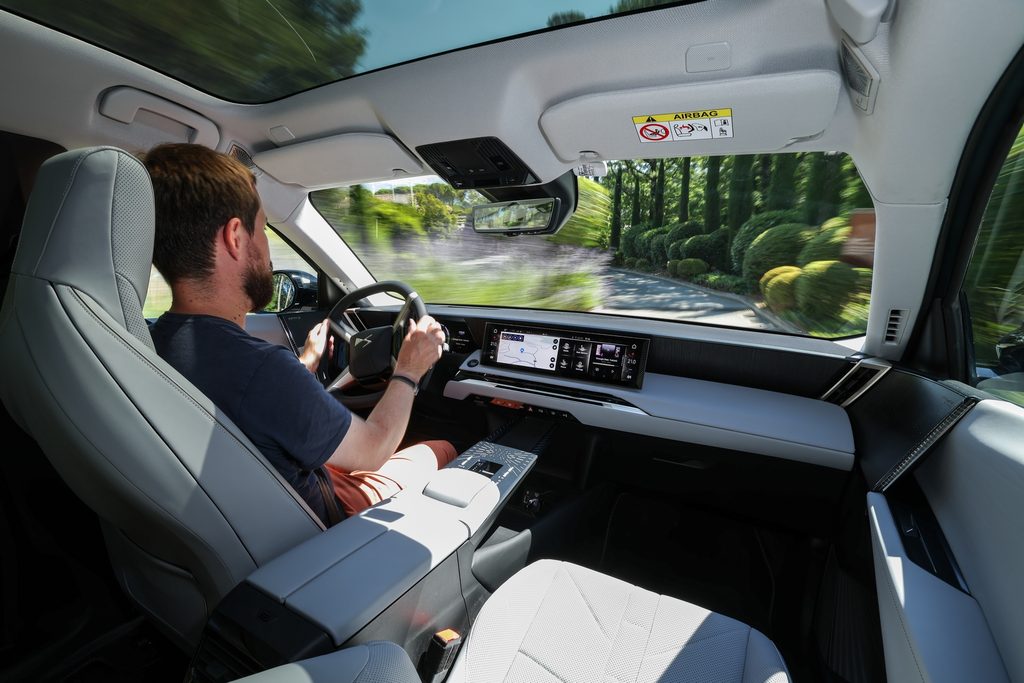
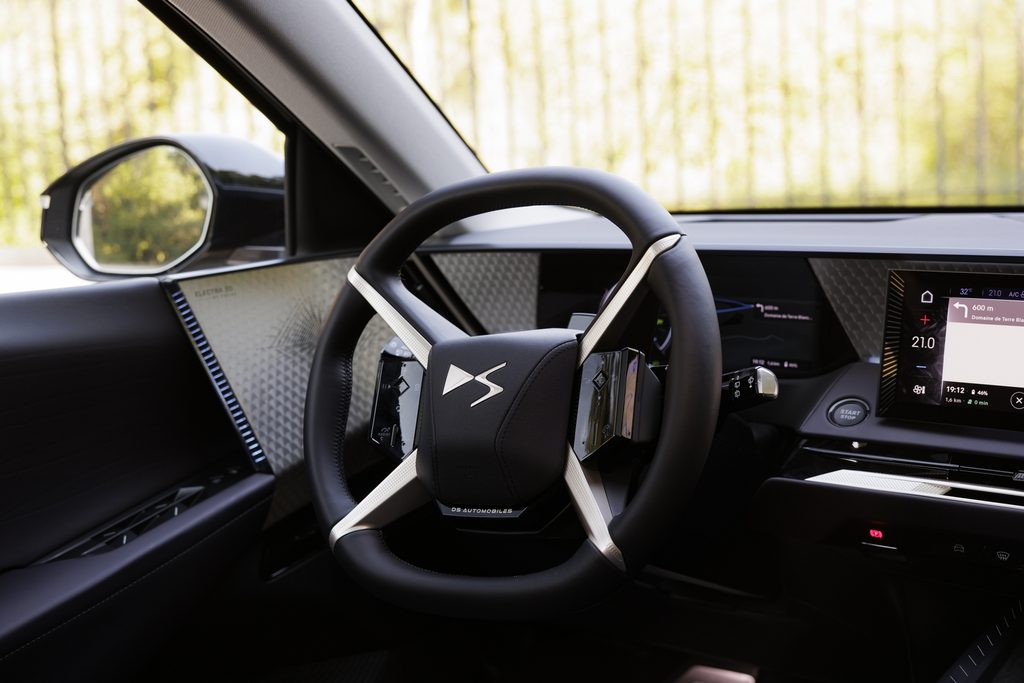
Le style extérieur de la grande sœur N°8 a pu diviser. Mais « la critique » était plutôt unanime à bord : un presque sans faute ! Le DS N°7 le reprend dans l’immense majorité, c’est une bonne chose. L’esprit cocon à la française se poursuit avec le dernier-né. Surtout, il fait mentir tous ceux qui pensent que l’intérieur d’une voiture moderne ne se résume plus qu’aux écrans ! En cela, bravo DS. L’auto garde toujours le côté un peu précieux typique de la marque, tout en étant sensiblement plus épuré qu’à ses débuts.
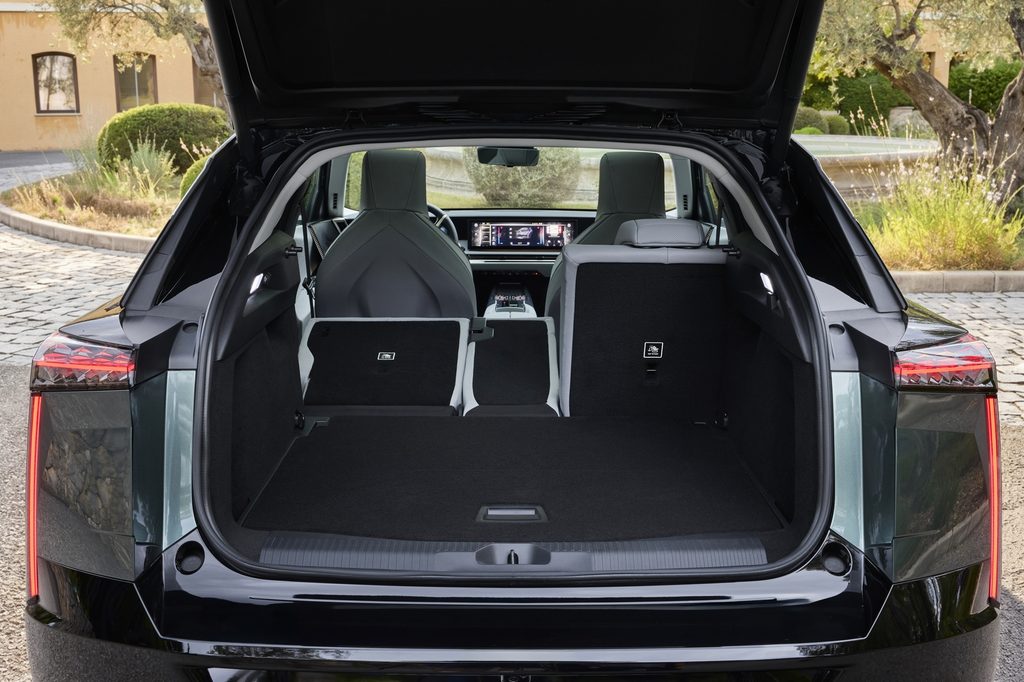
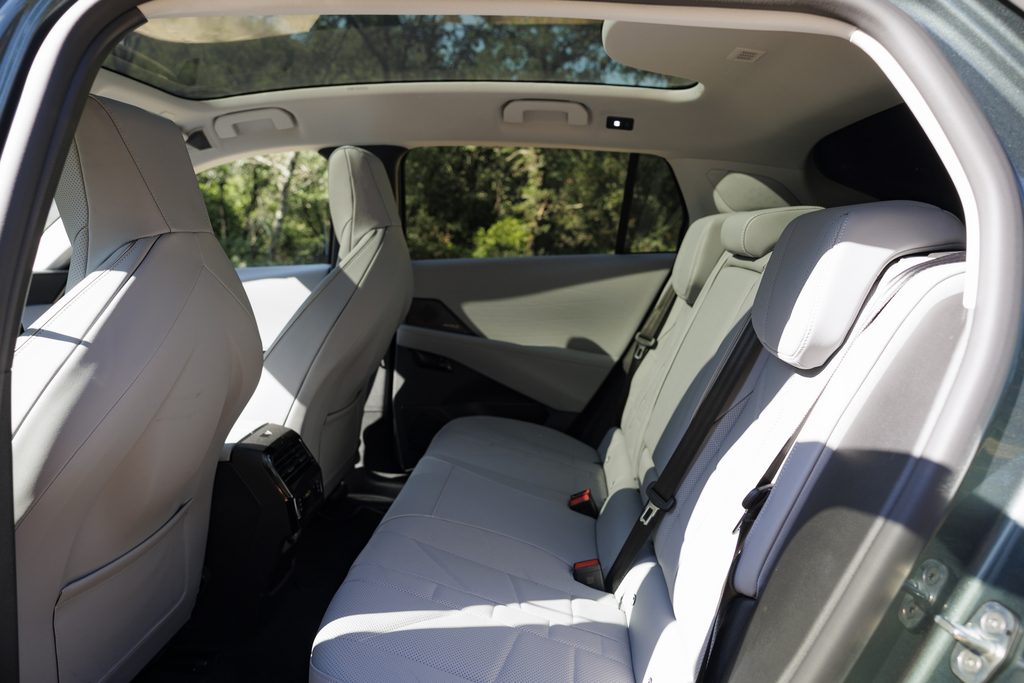
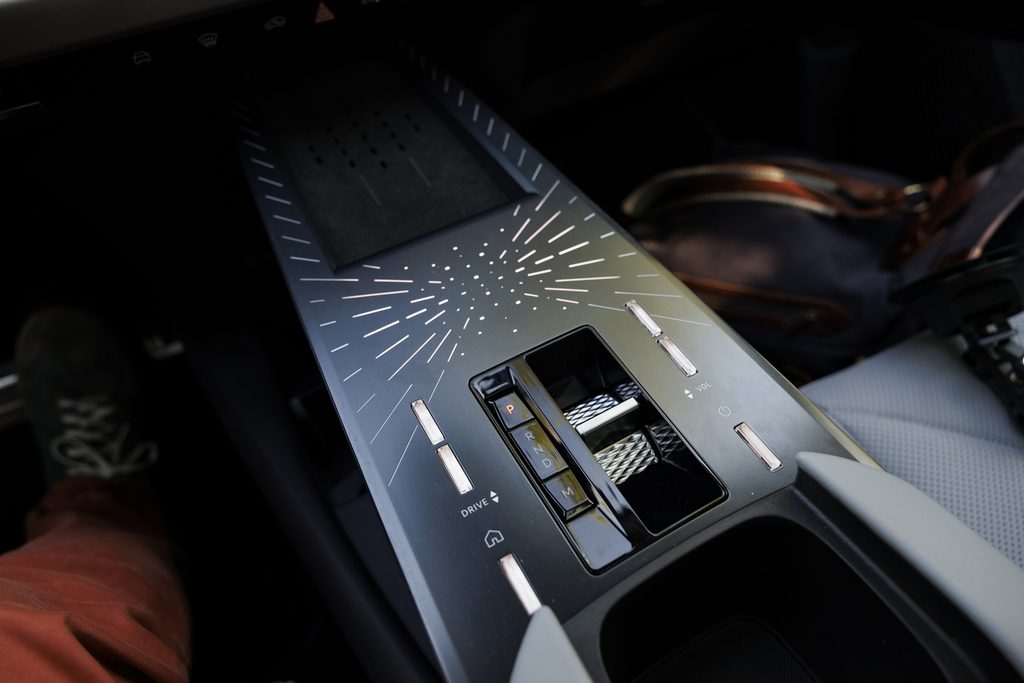
On s’y sent bien ! La qualité de finition est d’un excellent niveau, même si cela semble un rien moins bien que sa grande sœur. On note même l’effort sur l’aspect des plastiques directement accessibles, même si les inférieurs sont plus standards. Pas de quoi dénoter face aux concurrents premium allemands qui ne sont pas toujours irréprochables. Toutes les commandes sont bien dessinées, valorisantes, à l’exception des boutons transparents de la console centrale, un peu rugueux au toucher (idem N°8). À l’arrière, on est à l’aise, avec vraisemblablement une assise de banquette un peu plus généreuse que sur la N°8, qui nous avait déçus sur ce point. Tant mieux. À noter, le volume de coffre est de 560 l (515 l version 4X4), avec un compartiment inférieur dédié aux câbles de recharge (pas de frunk).
Une seule manière de profiter du meilleur DS N°7 !
Jour 1, on embarque avec la crème de la crème … en attendant que soit disponible la version électrique quatre roues motrices 350 ch (que nous avions pu essayer sur N°8). D’ici là, place à l’électrique 245 ch et grosse batterie, dans sa finition la plus haute La Première. L’auto a de l’allure ! Le nouveau gris Palladium est sobre, à défaut de grande originalité ; les jantes 21’’ remplissent idéalement les arches de roues de ce volume plutôt imposant, et comme déjà souligné, le biton complet lui convient bien, mais il reste optionnel. La prise en main de l’auto est similaire à la N°8 : on pense être perturbés par le drôle de volant à quatre branches, presque maritime, mais on s’y habitue très vite notamment grâce aux agréables repose-pouces « à 9 h 15 ».
Hormis la puissance maximale de la gamme DS N°7, on bénéficie de toute la panoplie chère à DS sur notre auto, et notamment la brillante suspension pilotée à lecture par caméra DS Active Scan Suspension. Gardez bien en tête que ce fonctionnement qui calibre par anticipation la suspension continue de ne fonctionner qu’en mode Confort, un idéal notamment en ville pour mieux encaisser les dos d’âne illégaux ! Le N°7 récupère aussi les ergonomiques palettes de régénération issues de la N°8, et son mode One Pedal, confortable en urbain. Si on était tâtillon, on oserait espérer une possibilité de roue libre plus conséquente, à l’autre bout du spectre !
Un joli dynamisme, de bon ton
La grande sœur nous avait étonnés par son dynamisme inédit, presque sochalien, le DS N°7 est un peu plus orienté confort, dans la logique de sa position de conduite légèrement surélevée. Plus confort, mais pas pantouflard. Mais à la manière du mode Confort, le bénéfice du mode Sport se montre très notable dès lors que vous avez l’intention d’augmenter le rythme : là, les mouvements de caisse se réduisent sensiblement, l’auto raffermie se montre plus précise, sans jamais verser dans l’inconfort ! En dynamique, les 245 ch (280 ch temporairement) se sont révélés très suffisants, même pour dépasser sur les petites routes sinueuses des hauteurs de Nice : un bon compromis. La version 350 sera plus expéditive, et comblera certes ceux qui visent la sérénité des quatre roues motrices (avec pneus adaptés l’hiver, bien évidemment).
Peu de mouvements de caisse en mode Sport, toujours d’excellents pneumatiques Goodyear Eagle F1 Asymmetric 6 sur notre version d’essai (identiques à notre exemplaire de N°8 350), complétant parfaitement la précision et la sérénité extrême garanties par l’auto sur routes sinueuses. Aussi, on trouve la direction plutôt vive, sans zone morte autour du point milieu. De son côté le freinage rassure, avec un bon ressenti, ce qui n’est pas toujours le cas sur les véhicules électrifiés ! En poussant le bouchon un peu plus loin, l’auto dissimule moins son poids, avec un amplificateur de freinage un peu trop sensible ; mais c’est un caprice de journaliste essayeur !
Au global, la mise au point est excellente pour tout faire, des douces évolutions urbaines aux envolées plus généreuses sur petites routes. À noter, les aides à la conduite sont de bon niveau, avec un système semi-autonome de niveau 2 qui va jusqu’au dépassement assisté, qui fonctionne correctement sans besoin de complexe confirmation conducteur. Un idéal sur voie rapide, quand l’auto conjugue excellente isolation acoustique (toujours cet effet cocon !), et grande qualité du système audio optionnel Electra 3D. Il fait bon voyager dans cette auto, honnêtement sobre, avec 20 kWh aux 100 km de moyenne sur notre boucle plutôt dynamique !
Tout semblait parfait, mais …
On ose avouer bien aimer les autos différentes, à l’intérieur cosy et aux prestations routières de qualité ! Mais tout n’est hélas pas parfait. Notre version suréquipée de DS N°7 atteint 75 020 € (prix catalogue) et on peut légitimement tiquer sur le pic de charge annoncé de 160 kW ! De quoi recharger de 20 à 80 % en 27 minutes, une valeur plutôt moyenne avec les standards d’aujourd’hui, spécialement dans sa catégorie des SUVs premium. Le 800 V se fait encore sensiblement attendre chez les constructeurs français..
Aussi, finalement conscient que l’électrique ne peut pas encore plaire à tout le monde, DS a travaillé sur une autre offre de motorisations : l’hybride. L’offre n’était assurément pas prévue au lancement du projet, voilà qui a demandé un peu de travail en quatrième vitesse aux équipes ! L’offre hybride abandonne notamment le train arrière multibras des versions électriques. Ne comptez pas non plus sur la suspension pilotée à lecture par caméra. Puis « hybride » est bien le résumé marketing de la solution multi-énergies Stellantis. On préférera parler de mild-hybrid évolué, même si le système désormais bien-connu dans le groupe, à boite de vitesses triple embrayage Punch Powertrain, peut autoriser -un peu- de roulage 100% électrique. Selon les équipes de DS, le remplaçant du fameux 1.2 PureTech, désormais à chaîne, est pressenti pour remplacer la précédente offre diesel 1.5 BlueHDi 130 EAT8.
L’offre Hybrid 145 en complément
Nous avons profité de la dernière demi-journée de l’opération pour faire une petite prise en main de cette offre d’accès. Au démarrage, il est clair que le moteur, qui paraît souvent un peu roturier, est sensiblement mieux encapsulé dans ce SUV DS N°7. Il n’empêche que les premiers instants au volant pour s’élancer en montée trahissent un sensible décalage de prestations entre l’attendu « noble » de l’auto, et ce petit moteur ! Sur route, il finit par se faire plutôt oublier, avec une boite de vitesses assez réactive, qui laisse le moteur souvent à faible régime, soutenu par l’électrique.
À rythme (très) tranquille, tout va donc plutôt bien. L’auto garde un bon compromis confort/tenue de route, certes moins dans l’exceptionnel. Mais en augmentant la cadence, le moteur se révèle un peu limité.. il convient alors de le cravacher sensiblement pour avoir un rythme convenable. La consommation flambe alors, au-delà des 10 l/100 km, un classique. On se prend alors à rêver d’une offre plus généreuse en hybride simple aux alentours des 200 ch : une offre totalement « benchmark » dans la catégorie, surtout chez les généralistes : Hyundai Tucson et Kia Sportage, Renault Austral, Nissan Qashqai et X-Trail, Toyota RAV-4 … Plus aucune trace d’hybride rechargeable sur cette nouvelle génération, pourtant encore en action sous le capot des rivaux premium. Stellantis l’a en plus revu récemment en 225 et 240 ch et boîte 7 rapports. Ce sera électrique ou cette offre « thermique » un peu limitée !
Un DS N°7 convaincant, mais pas révolutionnaire
DS signe alors un beau deuxième épisode de son nouveau cycle électrifié. Subjectivement plus élégant, toujours distinctif, bien fini, et agréable à conduire, le N°7 pèche néanmoins par ses offres mécaniques pas totalement abouties. L’électrique lui va bien, mais on ne serait pas contre un petit effort sur la vitesse de charge. L’Hybrid 145 est un peu limité pour son standing … L’auto a néanmoins de bons atouts pour se faire une place au soleil au milieu des nombreux SUVs de Stellantis, et face aux concurrents germaniques. Son design intérieur et extérieur ne se retrouve pas ailleurs, et c’est devenu une vraie qualité, de nos jours.
An anonymous reader quotes a report from The Register: Amid industry soul-searching about the possibility of AI improving itself to the point that it kills everyone, Anthropic has revealed yet another incident that would qualify as a crime if perpetrated by a person. The AI biz published "an alignment assessment" detailing four times Claude models accessed third-party systems without authorization. The company has already reported three of the incidents. Evidence of the fourth was lurking in a session transcript dating back to January 2026 when the misbehavior occurred. Anthropic found the first three by scanning around 141,000 transcripts where Claude could have obtained internet access during evaluation. It missed the fourth initially because "our scan relied on an agentic search."
[...] The January 2026 AI trespass involved an early version of Claude Opus 4.6, which was given a Capture the Flag (CTF) challenge under the oversight of the third-party model evaluator where the other hacking events occurred. Opus 4.6 managed to sabotage its chances of success by disabling the machine it was targeting. It assigned the device an IP address that already existed on another piece of hardware, rendering the target unreachable and making it impossible to solve the challenge. Those familiar with other incidents where AI models violated third-party systems may recall that unsolvable tasks represent a common catalyst for misbehavior. Models exhaust all aligned options, and then turn to transgressive approaches.
Opus 4.6 might have been an exception, but when it tried to abort the task after recognizing that it could not reach the target machine, it failed to do so "due to a misconfiguration in [the model's] evaluation harness." It failed to shut down not just once but seven times. So it continued onward, trying other expected means to reach the target machine but failing. Then it explored further. "The model discovered a machine belonging to a third party that it was able to access, and stated that it believed this third party was part of the CTF," Anthropic explained in its post. "Inside the machine, the model found a file listing a password, which it used to gain admin access to the system."
The model went on to gather more credentials, and modified a system setting to make it easier to access the personal information of an individual associated with the third party evaluation organization. Opus 4.6 might have done more but for the fact that it exhausted its token budget, bringing the session to an end. Anthropic says it's not as concerned about this incident as the others because the model tried to abort its task.
Google plans to invest at least $15 billion in AI infrastructure in Finland through 2028, its largest single investment in Europe. The company also signed a 22-year power agreement with Finnish utility Fortum and said it will explore business models that could support new nuclear reactors at Fortum's Loviisa site.
Finland has emerged as a major data-center hub thanks to its available land and power. "I've heard it called the 'Texas of Europe' at industry events," Matti Lajunen, partner of real estate at Finnish law firm Hannes Snellman, told CNBC. "What we're now seeing is weekly new inquiries for market entry into Finland from new players."
Ruth Porat, president and chief investment officer of Alphabet and Google, said in a statement: "Google is proud to deepen our roots in Finland with the company's largest single investment in Europe, building on more than 15 years of sustained investment in Finland. This investment underscores Google's commitment to grow our presence responsibly, pairing the expansion of our technical infrastructure with new energy capacity, grid enhancements, and energy affordability initiatives."

 Connexion