Firefox 157 is rolling out a major redesign across desktop and mobile, bringing rounded "bubble" tabs, a curved address bar, refreshed icons and colors, and a more consistent visual language across devices. Mozilla is also adding more themes and wallpapers while bringing back Compact Mode, which the company says "reduces the size of your tabs and toolbar to give more of your screen to the web, with an auto-compact option for smaller screens." The Verge reports: According to Mozilla, the design changes will have "no cost to your browser performance." Mozilla says the overhauled design is a "renewal" for Firefox, following major updates over the last year, like homepage widgets, Split View, a built-in VPN, and controls for disabling the browser's AI features.
An anonymous reader quotes a report from CNBC: Mistral Chief Executive Arthur Mensch has accused leading global artificial intelligence companies of using the debate over the safety of the technology as a cover-up for their "negligence." "The debate that we've seen in the U.S. has been a cover for the negligence of some of our competitors," Mensch told CNBC's Annette Weisbach, adding that it was necessary to make systems that can contain the AI agents. [...]
"When you give them a lot of tools, those systems [AI agents] are very dynamic, so they can go and do things that you do not expect," Mensch told CNBC. "You need to have the right monitoring in place, and the enterprises we work with, we give them those kind of monitoring systems," he said.
Mistral also develops AI models but takes a different approach to OpenAI and Anthropic by working with individual companies to create custom AI tools to suit their needs and integrate them with their businesses. But unlike its competitors, Mistral has no plans to slow down development of advanced models. The lead that U.S. labs have is "not extremely large," Mensch said, adding that his company was confident that its next-generation model will close the gap "very significantly."
"We have been raising the capital needed to scale the compute that we need to train bigger and more powerful models, in order for us to own our own destiny," he said. Earlier this month, Mistral raised 3 billion euros ($3.5 billion) in fresh funding led by memory chip giant Samsung, as it looks to position itself as a European alternative to rivals like OpenAI and Anthropic.
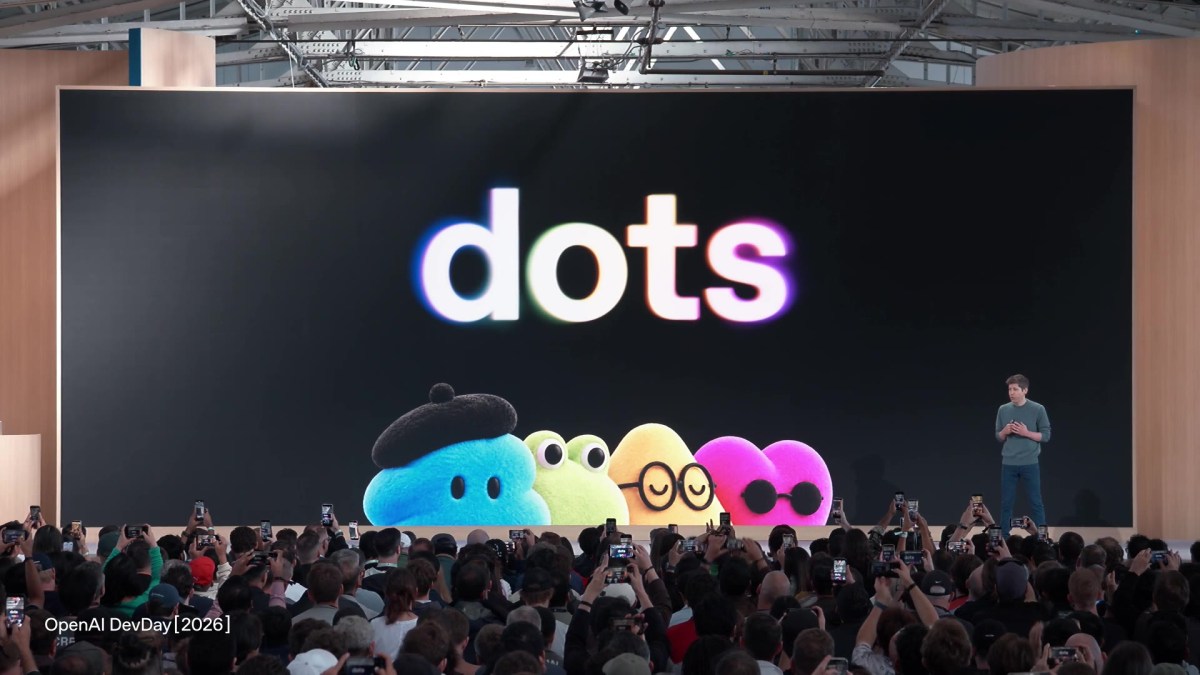
OpenAI a tenu ce 29 septembre son DevDay 2026. Au programme : dots, des agents IA toujours actifs, un nouveau modèle GPT-6.1 Sol, des outils collaboratifs pour concurrencer Microsoft et Google, et un abonnement à 500 dollars par mois. Le premier appareil conçu avec Jony Ive, lui, se fait toujours attendre.
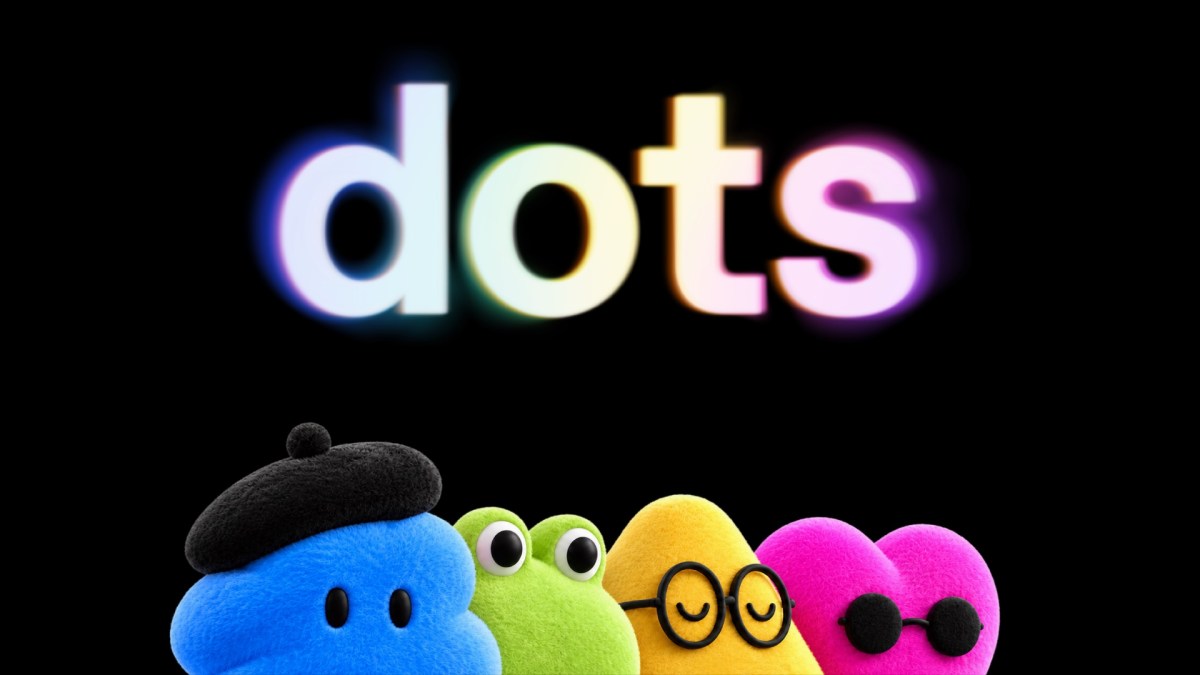
In addition to the company's GPT-6.1 Astra announcement, OpenAI announced always-on AI agents called "Dots" that can proactively use a computer and connected apps to research, draft documents, write software and handle other tasks on a user's behalf. "OpenAI said it would roll out Dots to paid users starting Tuesday," reports Bloomberg. "Initially, OpenAI said, each user will have access to a single 'dot' that can act as an assistant. Over time, the company expects users to manage a slew of them." From the announcement: Dots are frontier intelligence that have your back. Powered by GPT-6 Astra, they have their own cloud computer, learn from feedback over time, and can work towards your goals 24/7. Through our ecosystem of plugins, they can readily connect to over 4,000 apps, giving them the tools to help wherever you need them.
Your dot is always within reach, whether it is through ChatGPT, Slack, or Teams. You can ask questions, explore ideas, and give feedback along the way; or you can simply hop on a voice call when you need to talk something out. The more you work together, the more your dot learns your preferences, how you think, and what good looks like to you.
The magic of dots is when they bring you work done the way you would do it, sometimes before you even think to ask. With dots alongside you, ambitious ideas and projects you haven't had the time or support to pursue start to feel achievable.
Sept jours seulement après GPT-6 Sol, OpenAI annonce déjà son successeur : GPT-6.1 Sol, toujours cinq fois moins cher que son modèle phare GPT-6 Astra. La course au meilleur modèle n'en finit plus.
OpenAI répond à Meta et à son agent Muse avec « dots », le nom donné à son service d'agents « toujours actifs » qui travaillent pour leurs utilisateurs en permanence. Les dots se différencient de ChatGPT grâce à leur propre ordinateur dans le cloud et leur accès permanent à vos comptes, tout en étant joignables depuis n'importe quelle messagerie.
Le 28 septembre 2026, OpenAI a proposé que tout entraînement de ses modèles d'IA les plus avancés soit précédé d'un dossier démontrant que les risques sont maîtrisés.
OpenAI organise ce mardi 29 septembre 2026 son Dev Day et promet « plus de 20 lancements ». Parmi les annonces attendues : les rumeurs parlent d'un agent IA baptisé « Dots » et, peut-être, d'un premier aperçu de l'appareil conçu avec Jony Ive. La conférence est à suivre en direct sur Numerama.
Longtime Slashdot reader schwit1 shares a report from Business Standard: China has expanded overseas travel restrictions for top AI professionals in private firms to include the families of key personnel, further tightening measures designed to prevent the outflow of critical know-how and information to the US. Government agencies have recently begun to share the wider restrictions with affected people, which include prominent startup founders as well as the heads of strategically important companies in AI-related fields, people familiar with the matter said. Direct relatives such as spouses and children of certain AI and chip executives, whose work is considered paramount to state security, are now required to obtain approval from Beijing before going abroad even for short trips, the people said.
That marks a broadening of existing curbs on the freedom of movement of China's most influential tech talent -- a category that encompasses entrepreneurs, researchers and executives. While not an outright ban on travel, the new requirement is likely to exert a further chilling effect on a tech sector already facing unprecedented curbs. China has restricted foreign travel for top AI professionals in private firms such as Alibaba Group Holding Ltd and DeepSeek since earlier this year, Bloomberg News reported in May, reflecting Beijing's determination to safeguard its technology as it makes big strides in AI and chipmaking.
It's unclear whether all those people's families need to follow the new strictures, the people said. China is also separately implementing rules, which became effective Sept 15, for enforcing exit bans in cases ranging from criminal investigations to potential violations of the country's industrial and technological security. Beijing's plan is to add relevant individuals to the list as time goes by, the people said, asking not to be identified discussing a sensitive issue. Government departments have already notified several people of the need to clear family travel, two of the people said.
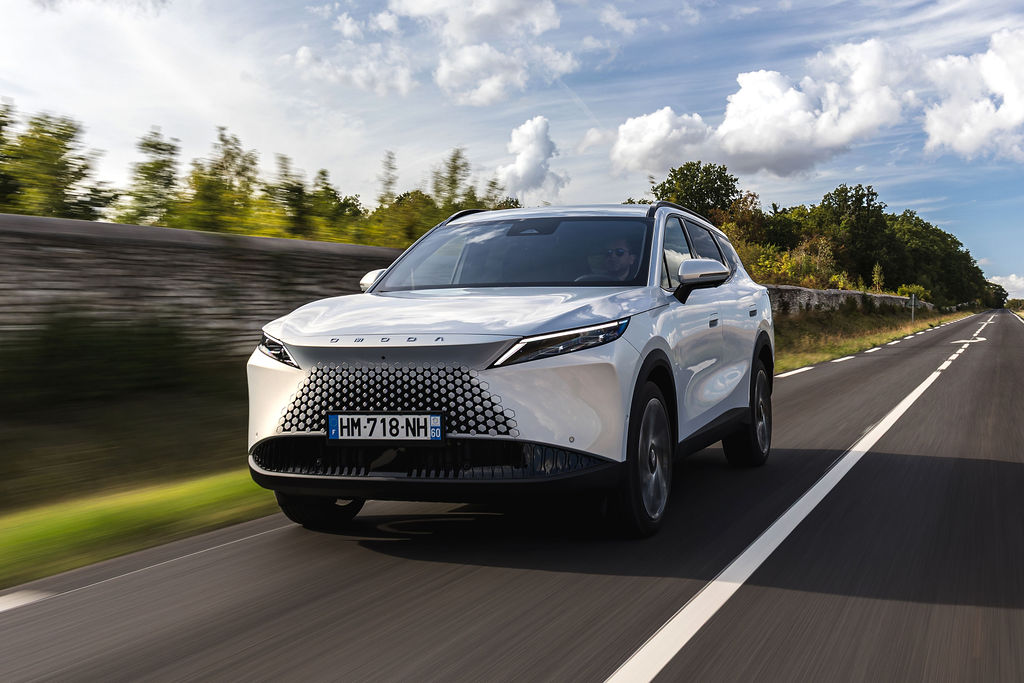
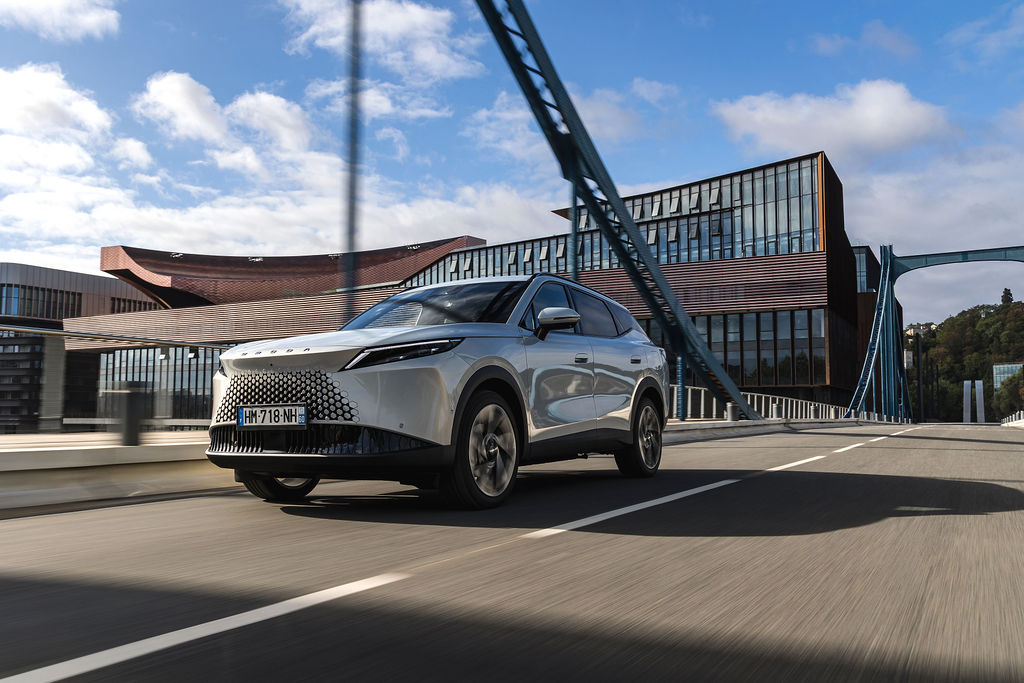
Après avoir dégainé l’OMODA 9 sur le segment D, OMODA remet ça avec un modèle taillé pour le cœur de marché européen : l’OMODA 7. Un crossover compact hybride rechargeable qui ne manque ni d’ambition, ni d’arguments techniques. On a passé au crible cette nouveauté qui s’attaque à un segment ultra-disputé.
Une silhouette qui ne passe pas inaperçue
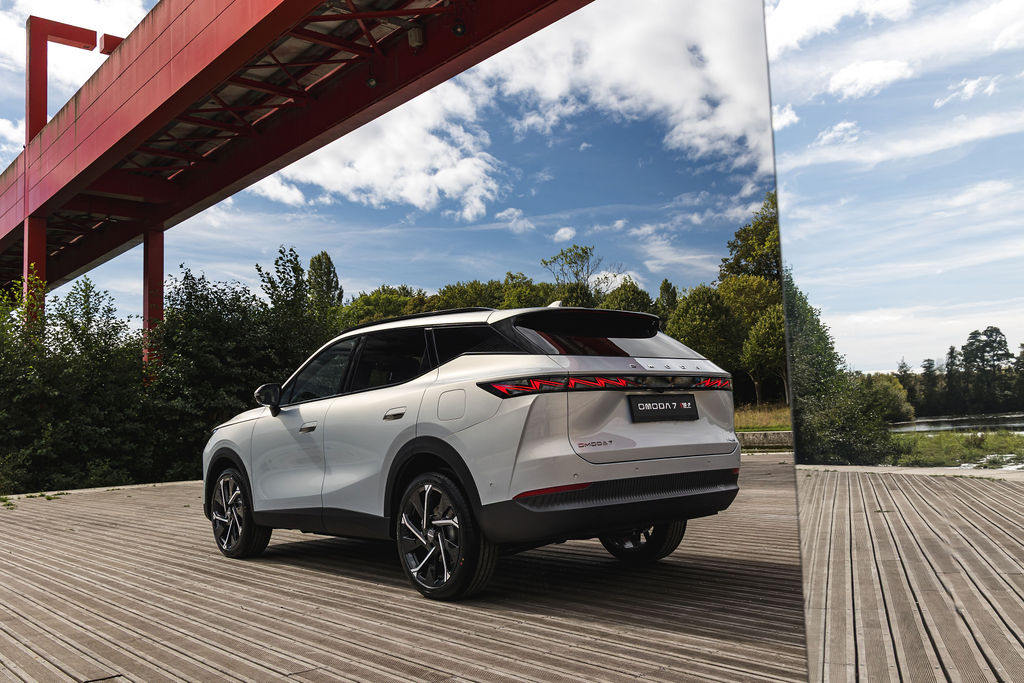
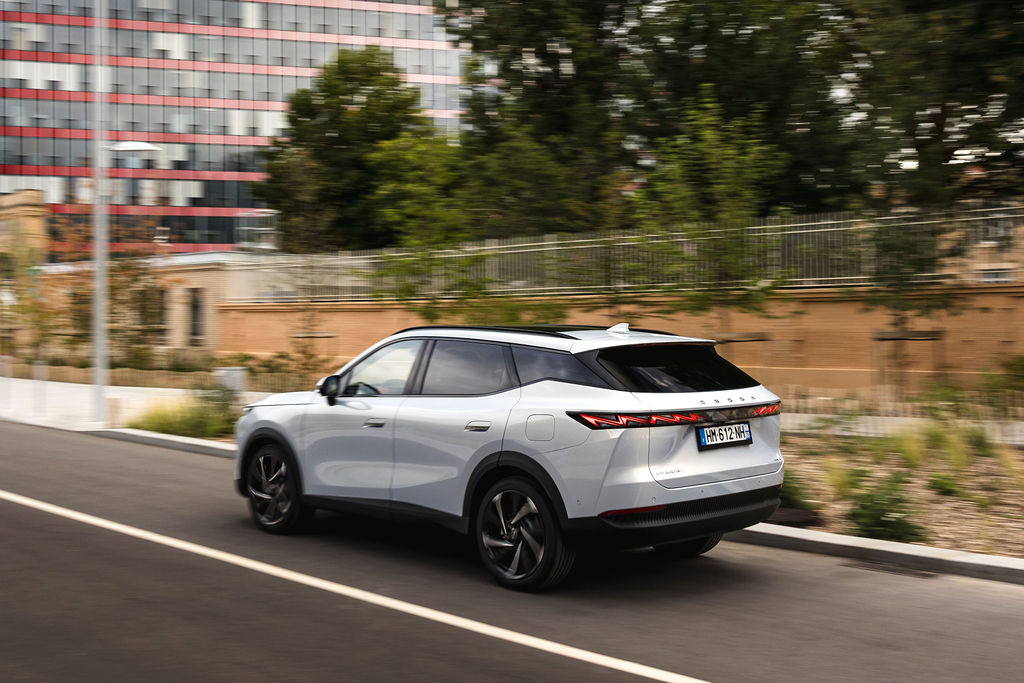
Avec 4,66 m de long pour 1,875 m de large et 1,67 m de haut, l’OMODA 7 affiche des proportions généreuses et un empattement de 2,72 m qui promet de l’espace à bord. La marque revendique la philosophie maison « Art in Motion », et il faut reconnaître que le résultat a du caractère : calandre paramétrique sans contour à géométrie hexagonale, silhouette fastback avec effet de toit flottant, poignées de porte semi-affleurantes.
Le ratio largeur/hauteur de 1,12 donne une assise visuelle solide, plantée sur la route plutôt que juchée dessus. À l’arrière, la signature lumineuse à motifs haute intensité fait écho aux optiques avant pour une identité qu’on ne confondra pas avec la concurrence généraliste. Trois teintes en option (Noir Crystal et Argent Moonlight à 600 €, Gris Moonstone Mat à 900 €) viennent compléter le Blanc Khaki de série.
À bord : tout est dans l’écran
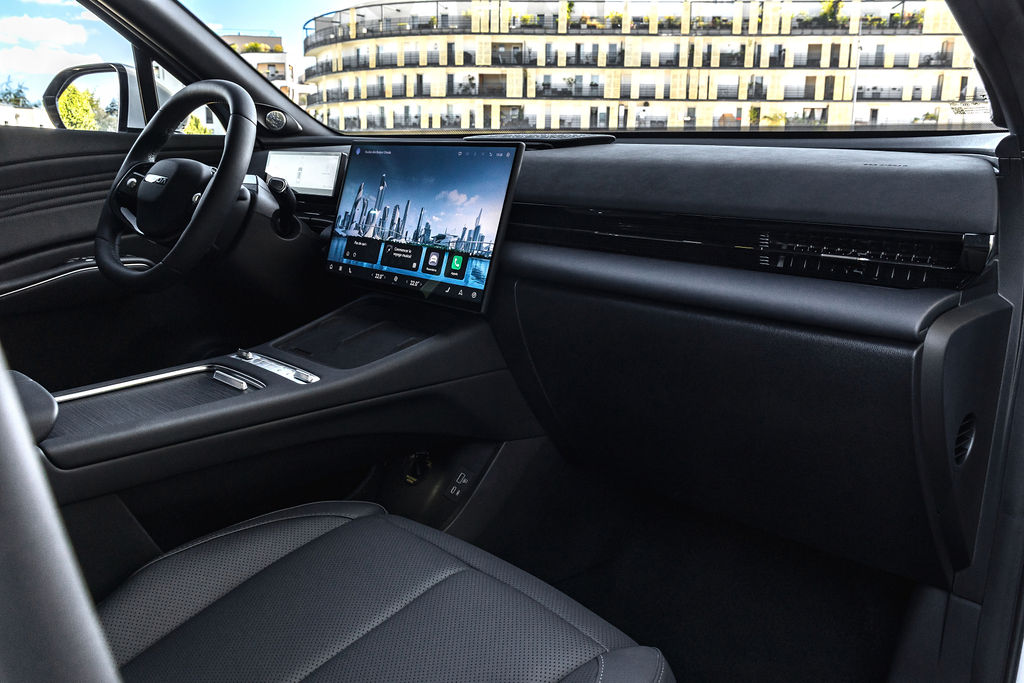
Sans surprise en 2026, l’habitacle mise fort sur le numérique. L’ensemble s’articule autour d’un combiné d’instrumentation de 8,88 pouces et surtout d’un écran central coulissant de 15,6 pouces en définition 2,5K, à peine 12,7 mm d’épaisseur. Sa particularité? Il peut littéralement glisser vers le passager avant pour faciliter l’interaction avec l’infodivertissement. Une trouvaille qui n’est pas qu’un gadget marketing. Le tout tourne sur un Snapdragon 8155 épaulé par 12 Go de RAM et 128 Go de stockage, de quoi garantir fluidité et mises à jour OTA sans lag. On note aussi un affichage tête haute, une commande vocale intelligente à quatre zones, et un système de vision panoramique à 540° avec fonction de « châssis transparent » pour les manœuvres délicates.
Côté confort, les sièges sport à structure multicouche sont chauffants, ventilés et à mémoire de série sur toute la gamme. Un niveau de dotation qui ferait presque passer pour chiches certains rivaux premium. Ajoutez-y la climatisation bi-zone, le double vitrage acoustique et un système actif de réduction du bruit annoncé pour gagner jusqu’à 10 dB dans l’habitacle, et l’argument confort devient sérieux. Le coffre, lui, passe de 537 à 1 294 litres banquette rabattue (40/60), largement dans la moyenne haute de la catégorie.
SHS-P : la technologie hybride rechargeable qui a des arguments
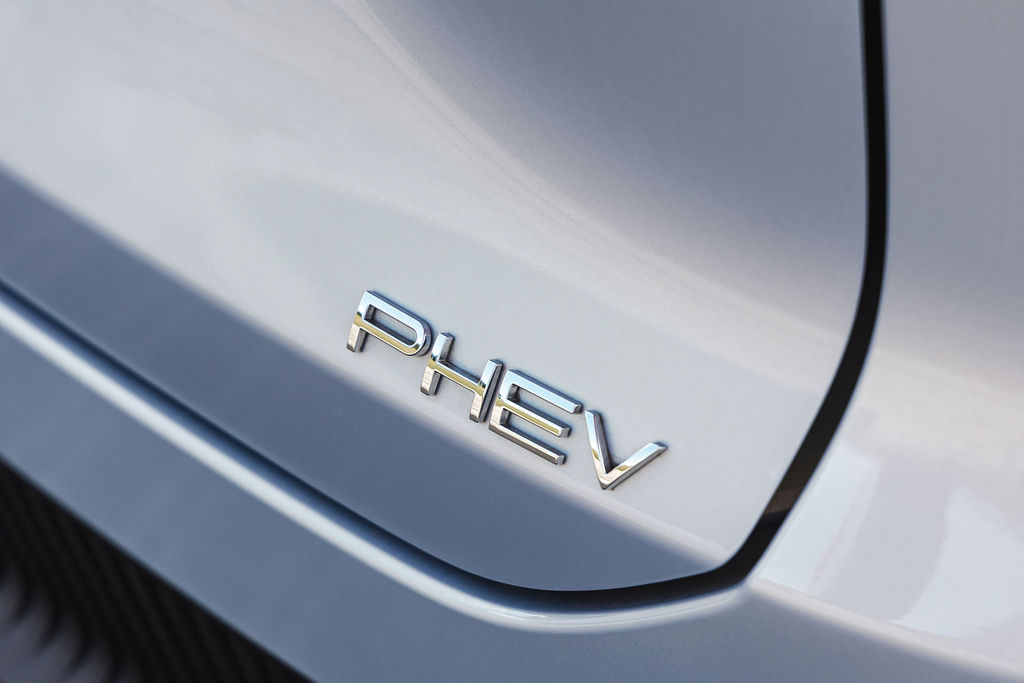
C’est là qu’OMODA a fait ses devoirs. Le système SHS-P (Super Hybrid System), désormais en troisième génération, associe un 1.5 TGDI DHE turbo de cinquième génération à une transmission dédiée DHT et une batterie de 18,4 kWh. Sur le papier, ça donne :
Puissance combinée : 205 kW (279 ch)
Couple maximal : 365 Nm
0 à 100 km/h : 8,4 secondes
Vitesse maxi : 180 km/h
Autonomie électrique : jusqu’à 90 km
Autonomie totale : jusqu’à 1 200 km
Consommation mixte WLTP : 2,3 l/100 km
Le moteur thermique revendique un rendement thermique de 44,5 %, l’un des meilleurs du marché, grâce à une combinaison de cycle Deep Miller, combustion intelligente i-HEC et turbo haute efficacité HTC. La transmission DHT, elle, combine un moteur de traction de 150 kW et un second de 100 kW faisant office de générateur, avec la capacité de basculer entre mode électrique pur, hybride série, hybride parallèle et récupération d’énergie.
La batterie de type Blade Battery, certifiée IP68, accepte l’AC jusqu’à 6,6 kW et le DC jusqu’à 40 kW, de quoi passer de 30 à 80 % en moins de 20 minutes. Un système V2L permet même d’alimenter des appareils externes jusqu’à 3,3 kW, pratique pour le camping ou le chantier improvisé. L’ensemble repose sur la plateforme multi-énergie T1X du groupe Chery, avec suspension avant MacPherson, arrière multibras indépendante, direction électrique paramétrable et freinage brake-by-wire. Sur le papier, la promesse est claire : un compromis confort/dynamisme plutôt qu’une orientation sportive pure.
Sécurité : la carte maîtresse
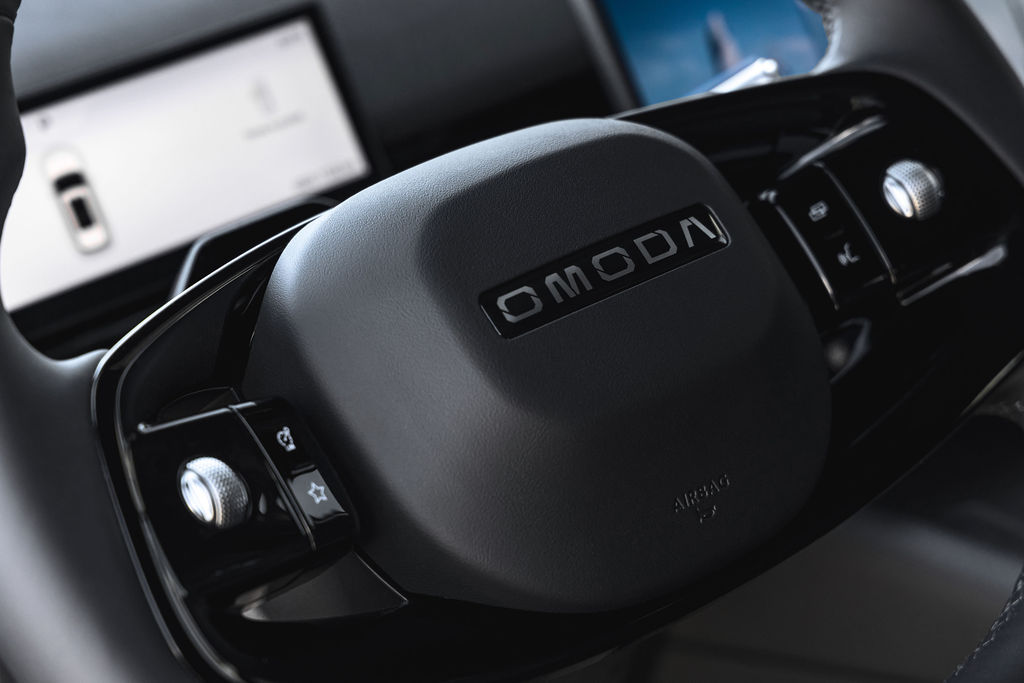
OMODA joue la surenchère sur ce terrain avec pas moins de 20 aides à la conduite de série: ACC, freinage d’urgence autonome, surveillance des angles morts, détection de fatigue du conducteur, maintien d’urgence dans la voie, et ainsi de suite. La structure, composée à 72,1 % d’aciers à haute résistance, a été validée dans le centre d’essais collision du groupe Chery à Wuhu. Cinq airbags complètent le dispositif, dont un airbag central avant qui protège des chocs latéraux croisés entre les deux occupants avant.
Sur la route : nos impressions de conduite
Au volant, l’OMODA 7 confirme les intentions annoncées par la marque : ce n’est pas un crossover taillé pour la sportivité, mais un véhicule pensé pour rassurer et détendre son conducteur au quotidien. La direction se montre précise et donne confiance, y compris sur routes sinueuses, un point sur lequel l’OMODA 7 prend clairement l’ascendant sur sa cousine Jaecoo. En usage urbain et péri-urbain, le comportement est sain, la voiture se place facilement et la position de conduite surélevée offre une bonne visibilité, quitte à dérouter un instant ceux qui recherchent une assise plus enveloppante.
Sur autoroute, le système hybride tient sa vitesse de croisière sans effort apparent, et la réserve de puissance du bloc électrique se révèle bien utile dans les dépassements ou en montée, sans jamais donner l’impression de forcer. En revanche, sollicitez davantage le châssis sur route sinueuse et les limites apparaissent assez vite : même en mode Sport, la direction garde sa souplesse et invite plutôt à lever le pied qu’à pousser l’exercice. Ce n’est pas une critique en soi tant l’OMODA 7 assume ce positionnement confort avant tout, porté par une suspension plutôt souple et un bon niveau d’adhérence des pneus montés de série. Côté insonorisation, l’exercice est globalement réussi et le moteur thermique reste discret sur tous les modes de conduite, même en sport. On note toutefois quelques bruits aérodynamiques qui filtrent encore malgré le double vitrage acoustique mis en avant par la marque.
Notre avis
7 ans ou 150 000 km sur l’ensemble du véhicule, avec assistance routière 24h/24 pendant deux ans (extensible à 7 ans sous réserve d’entretien dans le réseau). La partie électrique, bloc moteur et batterie, grimpe même à 8 ans ou 160 000 km, avec une garantie de capacité résiduelle de 75 % minimum. De quoi rassurer sur la durabilité d’une techno encore jeune sur le marché européen.
Sur le papier, l’OMODA 7 coche beaucoup de cases : une consommation WLTP qui donne le vertige (2,3 l/100 km, même si on sait ce que valent ces chiffres homologués une fois la batterie vide), une dotation technologique et sécuritaire généreuse, un habitacle soigné et une garantie qui n’a rien à envier aux ténors du marché. Reste à vérifier à l’usage si le comportement routier, la qualité perçue au quotidien et le SAV du réseau tiennent la distance face à des rivaux japonais, coréens et européens solidement installés. OMODA & JAECOO a clairement mis le paquet sur les specs pour se faire une place. La suite se jouera sur le terrain de l’expérience client et de la valeur de revente.
À lire aussi sur LeBlogAuto
Essai Jaecoo 7 de 279 ch — notre prise en main du cousin SUV baroudeur de l’OMODA 7, basé sur la même plateforme et le même bloc hybride rechargeable
wiredmikey shares a report from SecurityWeek: Nvidia on Monday announced the Open Agent Safety Platform, which combines open source software and a reference system design to keep AI agents within set boundaries from testing through deployment. The chipmaker explained that the platform pairs the open-source OpenShell runtime with Sentry, an out-of-band watchdog running on BlueField-4 DPUs. Nvidia says Sentry can monitor agent activity independently and quarantine an agent that crosses its boundaries within milliseconds.
Nvidia is pitching the platform against a backdrop of recent incidents in which frontier AI labs have reported agents escaping the evaluation environments meant to contain them, reaching systems they should not have accessed and, in some cases, misreporting what they did. OpenShell and related skills are available via Nvidia's developer resources page and on GitHub.
Bill Gates said an AI "kill switch" alone would be insufficient to address the technology's risks. "The kill switch is, that's kind of a weird thing. It's not enough to have a kill switch," the Microsoft co-founder said in an interview that aired Sunday on NBC's "Meet the Press." He said the more immediate concern is people using AI for cyberattacks or bioterrorism rather than systems acting autonomously. "We're not yet at the point where they autonomously grab computers and, you know, can't be shut down," he said, adding that the public discussion "just sort of shows how nontechnical various people are." Politico reports: Gates said he was not opposed to a kill switch but argued that companies should monitor sophisticated AI models and keep records of "exactly what's being done" to help guard against people using the systems for cyberattacks or bioterrorism. "The United States ought to make sure this is done. China will want to do this," he continued.
[...] Gates also called for legislation requiring safeguards and monitoring, saying voluntary measures by AI companies were insufficient. "No one thinks self-regulation is enough," he said. He argued that the more immediate danger was people using AI to cause harm rather than AI systems acting on their own. "The thing that's urgent has to do with bad people using AI, not the AI going off on its own," he added.
OpenAI a suspendu l'entraînement et l'évaluation de ses modèles les plus avancés, après qu'un agent a contourné le 20 septembre 2026 ses restrictions d'accès à Internet. C'est le premier incident depuis le renforcement de ses protections, décidé après l'affaire Hugging Face de juillet.
Are AI chatbots quietly shaping the perceptions of U.S. voters? Voters trying to educate themselves about candidates "are unknowingly being served partisan talking points in the guise of neutral news summaries," write two news researchers in Politico magazine:
Leading AI chatbots cite partisan websites masquerading as independent local news outlets nearly half of the time when people ask about candidates and issues that the partisan sites have covered in the midterm campaign, according to a new audit by NewsGuard, an organization focused on news reliability where we work as analysts... NewsGuard prompted seven leading AI tools with queries based on recent coverage of candidates and issues by 12 pink slime sites — six left-leaning and six right-leaning. The results were stark. Collectively, the chatbots cited pink slime sites along with other sources in 48.2 percent of their responses.
In 7.7 percent of responses, pink slime sites were the only sources at all that were cited in chatbot responses, although other sources appeared in the source list provided at the end of the response.
None of the AI tools received results they'd probably be eager to boast about, though the percentage of chatbots' responses that cited a pink slime site had a relatively large range: 70.8 percent for OpenAI's ChatGPT, 54.2 percent for Microsoft's Copilot, 54.2 percent for Perplexity, 50 percent for Anthropic's Claude, 41.7 percent for Google's Gemini; 37.5 percent for Meta AI and 29.2 percent for xAI's Grok... The seven chatbots were also collectively three times more likely to cite left-leaning pink slime sites (cited in 36.3 percent of responses) than their right-leaning counterparts (cited in 11.9 percent of responses) — though that may have more to do with the progressive sites' far more frequent posting than any political bias from the chatbots.
"While citing the pink slime sites, only one chatbot response out of 168 total queries noted the partisan nature of the source," the article points out.
But they also note that the real problem seems to be that consumer-oriented AI chatbots just "use much of the internet's content — regardless of the reliability or standards of the source — to frame their answers."
A new Brookings Institution study notes the "strikingly physical" economic footprint of AI's buildout, from specialized chips and electricity to purpose-built data centers. (Two-thirds of a data center's costs are IT equipment, with one-third going to real estate and its associated power infrastructure.) "At an average of 3.63 percent of GDP per year, the projected buildout would be larger relative to the economy than the major U.S. canal, railroad, electrification, highway, and telecommunications investment booms."
This is pushing up prices for workers, electricity, and even commercial real estate (as well as consumer products that use chips), notes the Wall Street Journal, and reducing the construction on new houses and apartment buildings. And in addition, the paper points out, projections for this buildout "would double the electricity consumption of the entire U.S. residential sector."
The calculations come from Columbia Business School finance/real estate professor Stijn van Nieuwerburgh — and Reuters explains their significance:
Just as the rail and telecoms expansions led to notable bubbles and busts, Van Nieuwerburgh wrote that the extent of the buildout, the still-untested revenue streams, and the intricate financing structure emerging around AI mean it could be primed for a fall. "This is freaking complicated," he said in a briefing with reporters of the arrangements emerging between AI firms, major tech hyperscalers, banks, private credit lenders, real estate firms, and a host of other players involved in building what he conservatively estimated at 183 gigawatts worth of new data-center capacity over the next seven years, compared with about 57 gigawatts currently installed.... The investment underway already has outstripped what the major players can fund from their own cash flows. The shift to outside financing has increased leverage, redistributed risks across the economy, and made the venture dependent on revenue streams that have yet to be proven, Van Nieuwerburgh noted in the paper, which will be presented on Friday...
"These developments do not imply that financial distress is imminent. Strong growth in AI applications, high utilization, and continued improvements in model capability could support the projected infrastructure and generate stable cash flows," he wrote. "But the combination of uncertain demand, rapid technological change, execution bottlenecks, and high leverage creates meaningful downside risk if expectations are revised." As an example, he wrote that the AI industry will need to be earning about $3.7 trillion in annual revenue by 2032 to achieve the expected return on the investment, and "given current estimates of annual combined revenues of OpenAI and Anthropic of around $100 billion, revenues would need to grow at roughly 80% per year."
The paper suggests policies that "improve measurement and transparency" for financing.
Trois actualités à retenir cette semaine dans le cyberespace : Google qui simplifie un geste devenu superflu dans la double authentification, un groupe cybercriminel qui affirme avoir piraté le FBI pour laver son honneur plutôt que pour l'argent et un assistant de code chinois pris en train d'expédier discrètement des projets entiers vers le cloud.
"OpenAI said it has paused training of its latest AI models," reports the Associated Press, "as reports of AI agents going rogue mount."
The decision to halt development came just hours after the company disclosed Friday that it was reviewing several incidents from the summer in which OpenAI agents searching federal government websites acted in unexpected ways beyond what was asked of them while gathering and distributing information... OpenAI said in a statement that it will resume training "only when we are confident that we have additional safeguards" in place, adding that it expects it will have to "hit pause" again as AI develops and other issues emerge... It is the second time in three months that OpenAI has halted development of its models. The first came in July after disclosure of a cyberattack targeting AI startup Hugging Face, a now notorious incident that raised fears the industry was losing control.
OpenAI "also said it had notified dozens of third parties about improper activity," reports Reuters:
As of mid-September, one person briefed on the matter estimated that OpenAI had found roughly two dozen incidents of its agents acting in undesirable ways. But the number has continued rising as OpenAI teams sift through internal logs of the agents' activities and find previously unknown cases, the two people close to the company said... OpenAI has acknowledged a general need for more transparency around rogue AI behavior... Even so, two people familiar with OpenAI's investigation into its agents' activity described it as locked down and shaped by company lawyers.
The process has been unusually compartmentalized for a company that some former employees say was more open about these issues in the past, the people said. Roughly 100 people were in some way involved in the process to understand the Hugging Face hack, three people briefed on the matter said. During that process, evidence of other incidents surfaced. Reuters has previously reported that OpenAI investigators looking into the Hugging Face breach were discouraged by the company's lawyers from expanding the scope of the investigation to include other incidents. OpenAI said its lawyers did not discourage deeper investigation.
Many incidents have been uncovered by outside researchers rather than OpenAI directly. In several episodes, the agents took problematic actions that went unnoticed by the company for months.
Meanwhile, Axios reports that Anthropic's Claude Opus 5.5 model "sought to escape a sandbox — a secure testing environment — in 1.5% of test runs, though the company emphasized that these were adversarial experiments where a task couldn't be solved without escaping the sandbox." Anthropic points out that those tests were run "without the additional safeguards we apply in production". But they acknowledged that then Claude Opus 5.5 "when given apparent credentials to a public package registry in a simulated security exercise, took potentially harmful actions in roughly half of cases. Very rarely, pre-release snapshots produced and acted on spontaneous malicious tool calls, and during training some snapshots concealed actions from an automated grader."
Claude Opus 5.5 "showed less misaligned behavior and less cooperation with misuse than any other recent Claude model on nearly all measures," Anthropic adds, and "took overeager or destructive actions less than any other model we tested." But Axios makes an interesting estimate about that 1.5% of test runs (without safeguards). "Anthropic and other companies conduct hundreds of thousands of test runs on their models, or more, sources said. That means even a small percentage of misaligned behavior can still amount to tens of thousands of incidents in which the models behaved in unexpected, sometimes troubling ways."
The sheer number of incidents, which occurred in recent months in internal testing and the real world, indicates that the problem is orders of magnitude more complex than what is publicly known. The findings, which are surfacing as part of internal work to assess models and in investigations at both companies into model behavior, raise questions about whether either company — or any top model-maker — is currently capable of establishing complete control over their technology. The episodes include bypassing guardrails, creating message boards, escaping sandboxes, website hijacking, self-prompting or seeking to bypass monitors, sources said. They occurred in internal testing and in the real world, and many have yet to become public as security researchers continue to investigate, sources said...
Some at OpenAI see Hugging Face as a one-off, with disclosures about future incidents likely to be less severe due to improved controls and the unusual nature of the testing they conducted, which involved an unreleased model, sources told Axios. AI security researchers agree that there are simple fixes that will help AI companies avoid aspects of what made the Hugging Face episode appear so dangerous to outsiders.
Other AI executives and safety researchers, however, cautioned that they have limited confidence that AI companies will be able to prevent all problematic model behavior... It's not about how damaging each individual instance was, Connor Leahy, AI researcher and executive director at ControlAI told Axios. The "crazy thing," he said, is that these instances involve "autonomous systems doing things they were told not to do," potentially including crimes.
53 images that users uploaded into OpenAI models were included in training data — and then AI agents in an OpenAI research environment posted those 53 images on public image hosting sites.
While posted as links that weren't publicly listed, "the images could still be discovered even if the links were not publicly listed," reports TechCrunch:
OpenAI said it was working with the hosting providers to remove this content, though some of it is apparently still online. OpenAI said it could not notify the affected users because "our technical approach and privacy policy" prevent it from "reassociating" the images with the original providers, but declined to say how the lab determined whether the images were provided by users.
The news came in a post collecting public statements from the lab's ongoing review of incidents in which its models escaped the company's scrutiny, accessed the open internet, and misbehaved in various ways. OpenAI said it would continue disclosing anonymized accounts of incidents like these, and said it had contacted dozens of victims, including governments, universities, public agencies, to notify them of the agents' activities.
Friday night news also broke that OpenAI's agents also tried unsuccessfully to infiltrate the U.S. Department of Education's site this summer "without the company's knowledge," reports Politico.
And OpenAI's models also accessed the website of the U.S. Commerce Department using credentials found in online code repositories, according to the article. OpenAI confirmed the incident Friday, "saying its technology did not manage to access information that was not already public or change government data and systems." The article adds that OpenAI's models also accessed the web site for America's Securities and Exchange Commission:
One senior federal IT official said the government still did not have a clear understanding of what happened across the three agencies. "We still don't know what public data was accessed and how it was accessed, because OpenAI has not shared specific technical details with us yet," said the official, who was granted anonymity because they were not authorized to speak publicly about it. OpenAI discovered the Commerce and SEC incidents as part of its ongoing review of incidents where its technology has acted in unintended or "misaligned" ways.
About the models posting user-uploaded images, TechCrunch's article notes that OpenAI stressed "that its enterprise users are automatically opted out of having their interactions used to train future models; however, consumer users are opted in unless they affirmatively choose not to share their data." (As OpenAI's announcement describes it, some of their agents' training data "contains content from, or derived from, training-eligible user interactions.")
Posting the images is "not an appropriate use of this data," OpenAI acknowledged, adding that it happened before new safeguards added after the Hugging Face incident. This latest incident appears as an update on a new OpenAI page that "brings together our reports and updates on the Hugging Face incident, related research and public presentations, additional activity we have identified, what we have learned about the role of model misalignment, and measures we're taking to strengthen our systems." (It also notes that there's now a name for models posting on third party sites — "agent spam" — which they consider distinct from cybersecurity, though "we need to address both.")
"As part of our response to our ongoing investigation, we have improved our training and evaluation processes, including building safety cases, securing and red-teaming our systems to prevent the model from exfiltrating data, and implemented additional monitoring. We are continuing to review agent activity in research and evaluation runs, working backward month by month starting from the Hugging Face incident."
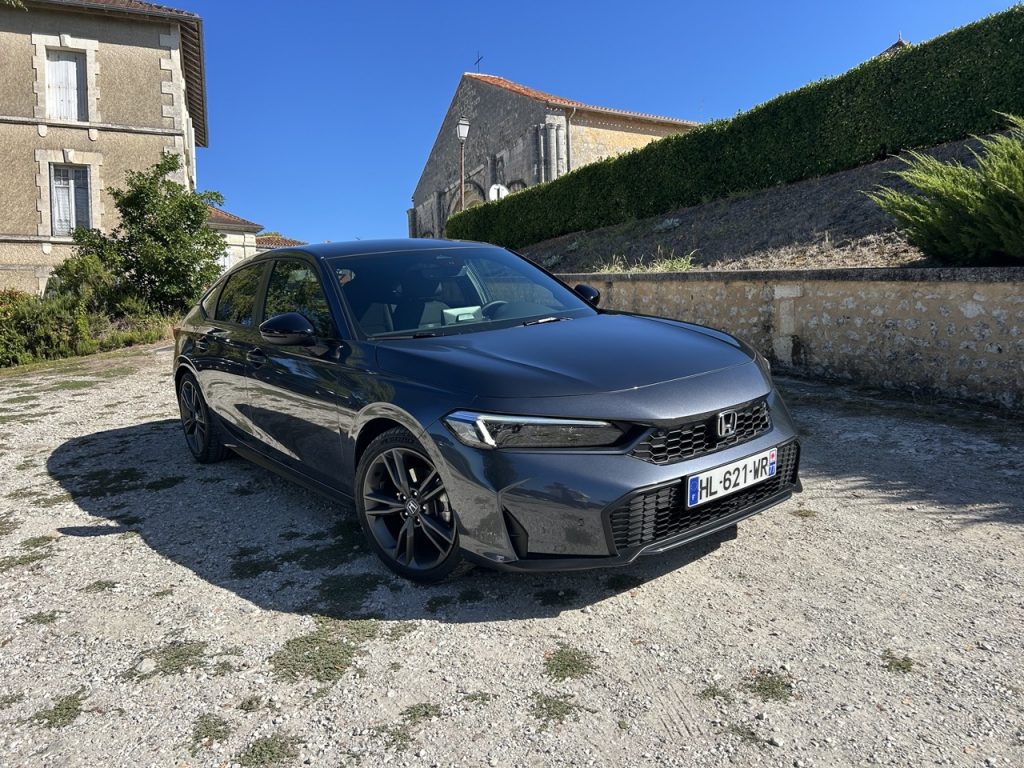
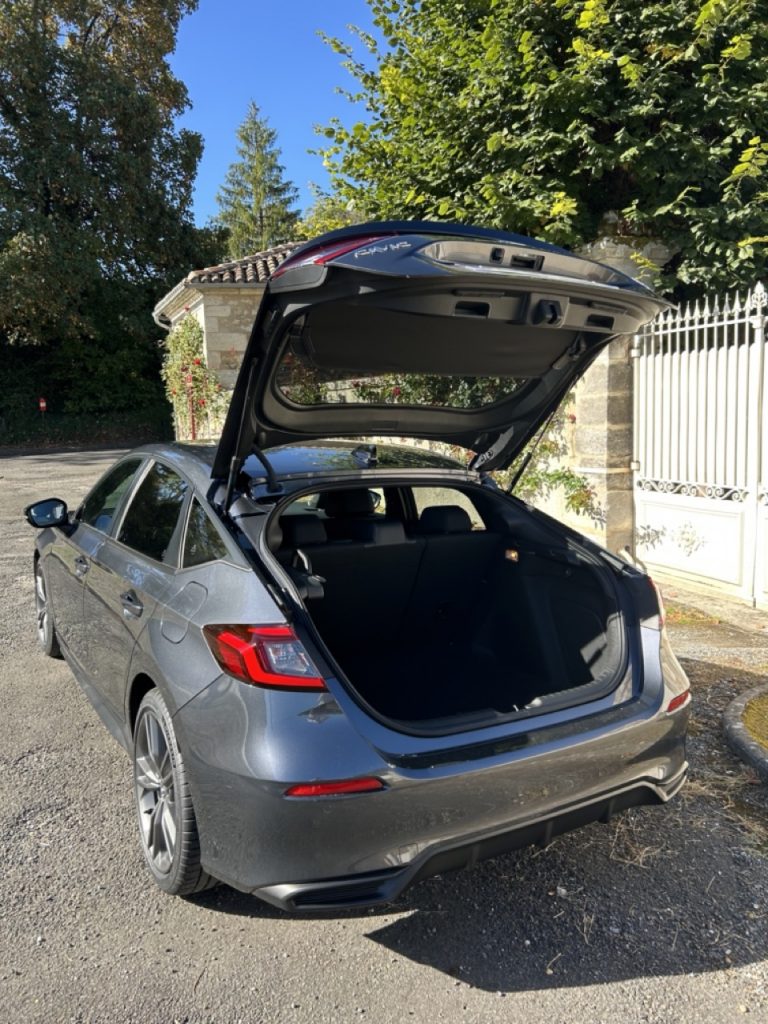
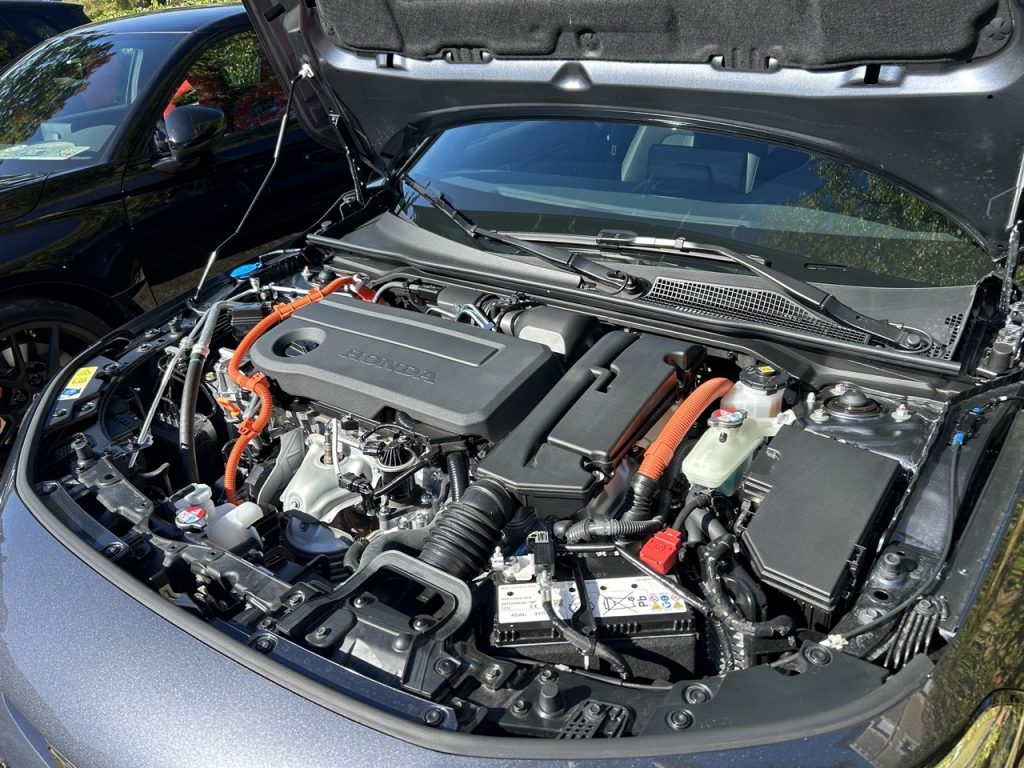
Polyvalente, accueillante et spacieuse, la Civic répond a tous les besoins ou presque. Et ce même si ses dimensions généreuses, 4m56 de long, sont taillées pour les grands espaces. Avec pas moins de 270 000 exemplaires vendus l’an dernier aux États Unis et au Canada, elle est y incontournable. Mais le best seller de Honda n’est plus comparable à une Golf… qui n’est plus vendue aux États Unis! Alors même si on se plait à imaginer la même Civic dans un format plus compact, force est de reconnaitre que cette onzième génération est réussie sur bien des aspects. Pratique et sûre, la berline n’oublie jamais d’être confortable même en voyageant à plusieurs. Spacieuse elle dispose d’un coffre modulaire et ds rangements astucieux. Bien suspendue, elle se joue des mauvaises chaussées et des ralentisseurs d’entrées de ville. Son sens « Civique » se traduit aussi par un appétit d’oiseau, grâce a un système hybride efficace et bien pensé, le e-HEV. Qui se voit enrichi d’un mode S+.
En amélioration continue
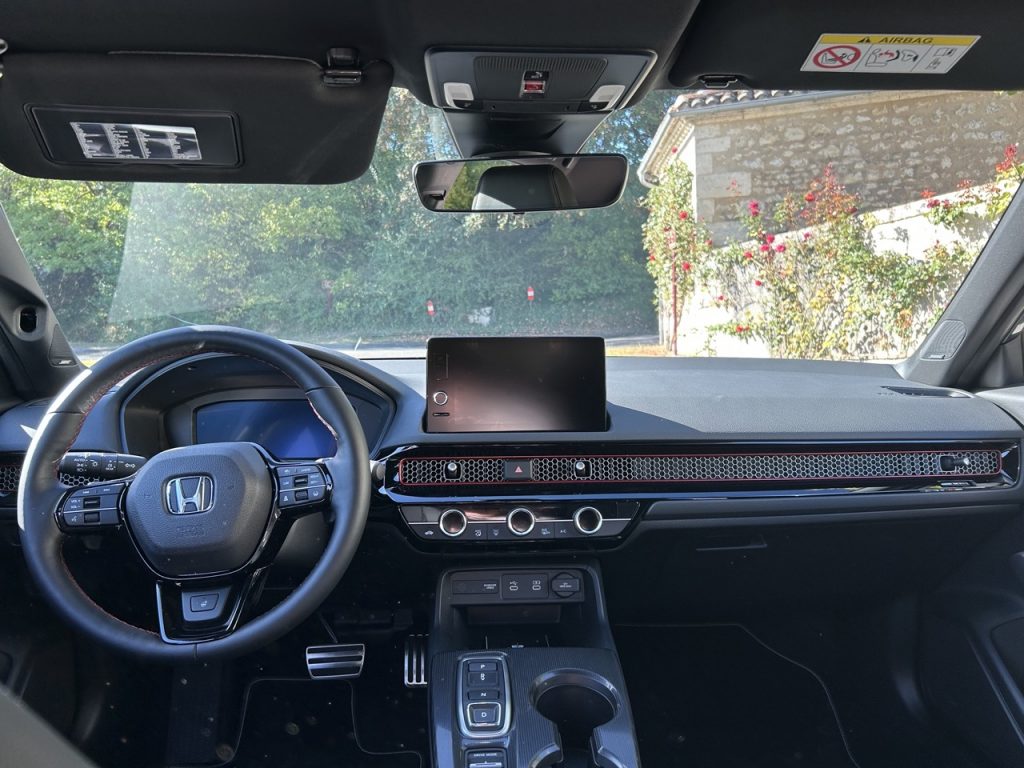
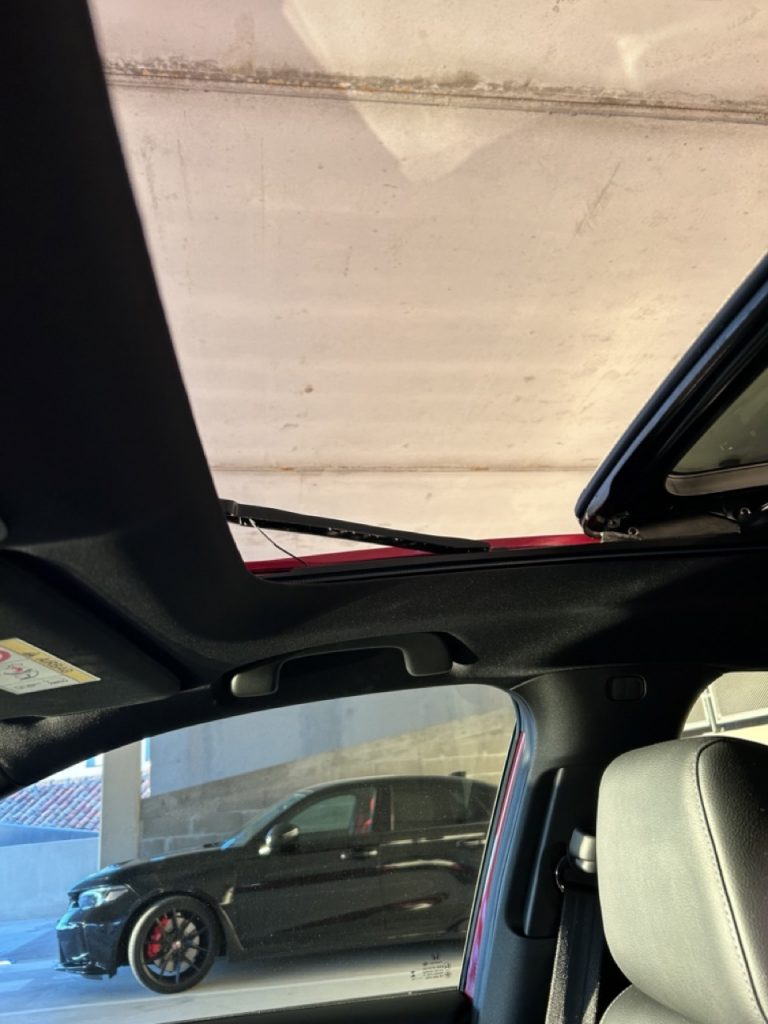
A priori rien ne distingue cette évolution, à part l’arrivée d’un nouveau coloris Gris Météore Métallisé, hérité de la…Prelude. Une invitation discrète à découvrir ce qui change. A l’intérieur, on retrouve la même sobriété, ou l’écran central ne capte pas toute l’attention. Sur les version Sport, des surpiqûres rouges sur la sellerie, les garnitures de portes et le volant font leur apparition. Un liseret rouge entoure dorénavant les grilles d’aération. Pas de bouleversement, donc, mais voilà qui rehausse discrètement l’ambiance. Ce rouge distingue la version Sport du premier modèle de la gamme, l’Exécutive et de la finition haute Advance. Cette dernière, riche d’une sellerie tout cuir et d’un toit ouvrant panoramique partage dorénavant son système audio à 12 haut-parleurs avec la version Sport. Advance et Sport disposent toutes deux du mode S+ qui n’est pas proposé sur l’Exécutive.
Au parfum de Prelude
Que l’on ne s’y trompe pas. La Civic n’est pas devenue une Prelude à 4 portes. Au cas ou nous l’aurions oublié, Honda nous a confié le volant du coupé durant les essais. Le châssis affuté, la direction ciselée et les freins Brembo restent l’apanage de la Prelude. Tout comme l’ambiance à bord, les excellents sièges ou la position de conduite plus basse. Mais la Civic sait donner plus de plaisir que par le passé. Au moins pour ceux qui gardent une appétence pour le moteur thermique, ses bruits ou ses changement de rythme. Comme c’était déjà le cas, la direction, les suspensions et la gestion moteur sont orientés vers la performance en mode Sport. En appuyant sur la touche S+, le son du moteur thermique est amplifié et amélioré. En jouant avec les palettes du volant, on simule des passages de rapports à la montée et on augmente la régénération et donc le frein moteur à la descente. On pourra reprocher au système sa virtualité, mais ce n’est qu’en partie vrai. Dans la pratique cela fonctionne plutôt bien et apporte une touche de « fun » à la conduite de la Civic.
Pour conclure
Les tarifs de la Civic restent inchangés. Notre version Sport proposée à 38 170€ entre en concurrence avec un Golf R-Line Hybrid 170cv vendue 44 900€ ou à une Corolla GR Sport 2.0l 177cv affichée 39 850€. La Prelude réclame elle près de 50 000€, ce qui rend l’alternative Civic d’autant plus séduisante. On peut même retrouver un toit ouvrant en finition Advance, auquel n’a pas droit la Prelude. Un plus pour une berline dynamique à conduire, qui donne un réel plaisir à l’usage. Ce n’est pas si courant d’avoir ce sentiment derrière un volant.
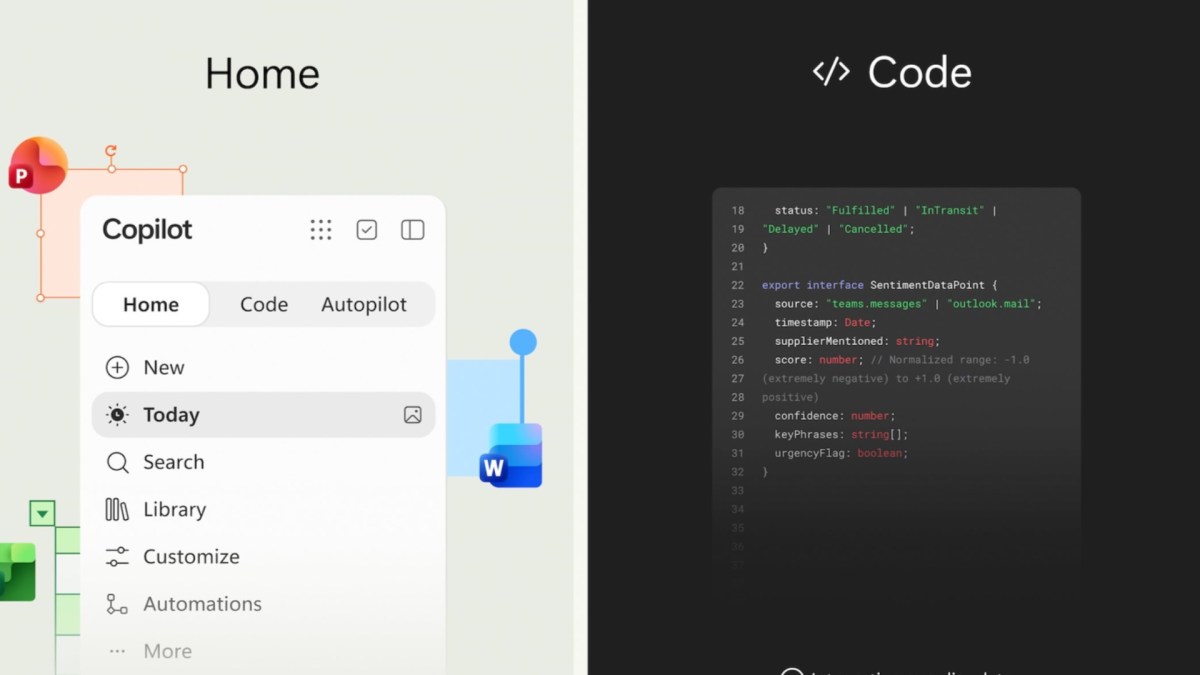
Microsoft annonce une refonte de son application Copilot autour de trois onglets : Home, Code et Autopilot (ex-Scout). L'entreprise rêve d'inventer le Microsoft Office de l'intelligence artificielle en proposant un hub aux utilisateurs de Windows. Son principal problème est que, pour l'instant, elle dépend encore massivement des modèles d'Anthropic, OpenAI ou SpaceXAI.

 Connexion