"The winner of the Nikon Small World in Motion competition is under investigation," writes the photography news site PetaPixel , "after scientists accused Dr Ning Xu of using AI in his video."
The Nikon competition is about showcasing the beauty, complexity, and artistry of the microscopic world. The entries are abstract, often baffling to laypeople. But when Dr Xu was announced as the winner last month, members of the scientific community began to cry foul. "There are many serious problems with this video," Edward Phelps, associate professor at Florida University, says on LinkedIn. Phelps points out that "purple structures pop in and out of existence" and "green cilia also appear from nowhere and do not match the known size."
Dr Xu's video is supposed to show the movement of cilia, which are hair-like structures that line part of the lungs... However, since Dr Xu won the prize, Nikon Small World updated its LinkedIn post celebrating his triumph with a note that reads: "Regarding questions raised about this year's Small World In Motion winning video, Nikon is carefully re-reviewing the information provided during the initial vetting, along with additional supporting materials from the entrant." Nikon adds that Dr Xu is "respectfully complying and has provided detailed technical documentation outlining the microscopy equipment, imaging methods, and processing techniques used to create the source video."
Worse still, Ian Donovan, an MD/PhD Student at UT Southwestern Medical Center, says he ran the video through Google Gemini, and the result came back with an invisible Google SynthID watermark that indicates at least some of the video is AI-generated. Dr Xu, an optical engineering researcher at the National University of Singapore, reportedly responded to the LinkedIn post. According to Nature, Dr Xu accepted that he had used an AI model to assist with post-processing but denied breaking the rules of the competition, which clearly state that "AI-generated videos are not permitted."
"It was applied afterwards to the reconstructed grayscale data to distinguish and color structures with similar morphology," he wrote. However, Dr Xu's messages on the LinkedIn post can't be found as of today (October 1), and his LinkedIn profile now appears to have been deleted entirely.
Meanwhile, some college students "see a double standard when colleges penalize them for outsourcing academic work to AI but allow similar use by institutional leaders," writes Entrepreneur magazine:
According to a recent report from The New York Times, Dartmouth College students are calling out a top professor for allegedly using AI to help with writing... The school's provost, Santiago Schnell, faced allegations of AI use last week from the college's student-run newspaper, which detected AI in some of his published writing. The college said it was launching an investigation into the written work. Schnell said in a statement to the student-run newspaper, The Dartmouth, that he used AI "for language refinement, copyediting, improving clarity and organization and making writing processes more efficient." The newspaper ran his statement through an AI detector, which said that Schnell had used AI to write it, too.
Researchers from Carnegie Mellon, MIT, NYU, and Stanford have built an AI called Ataraxos that finally cracked Stratego, beating four-time world champion Pim Niemeijer 15 games to one with four draws. Its key advantage was a second neural network that estimates the identities of hidden enemy pieces, letting the system search plausible game states rather than brute-force a massive hidden-information space. Ars Technica reports: Just like [DeepMind's DeepNash, introduced in 2022], Ataraxos learned by playing against itself -- 163 million games in total. In these self-play sessions, moves that led to wins were reinforced and played more often in future matches, while moves that led to losses were played less, which was the same simple training idea. The difference was in how much Ataraxos adjusted after each game, because hidden information tends to send self-play learning algorithms around in circles. The team addressed this by making big, bold changes in strategy early in training and small, careful ones later.
The even bigger innovation was something DeepNash never had: thinking ahead before each move. AIs like AlphaGo refine their general strategy with a search just before acting. DeepMind couldn't make that work in Stratego because the search space was too large, leaving it an open question whether it was worth trying. "This is one of the things that we did figure out how to do," Farina said. The solution was a second neural network, a belief model, trained to guess the opponent's hidden pieces based on how they had been moving. This way, instead of iterating through every possible arrangement, Ataraxos samples plausible ones, plays out candidate moves in each, and picks based on how they turned out. And it shows in its playstyle.
[...] DeepNash was trained for two to three months on 1,024 of Google's specialized chips, a run the Ataraxos team estimates would cost $3 million to $4.5 million at 2025 prices. Ataraxos, in contrast, needed 16 GPUs for a week, plus an additional four GPUs for four days to train the belief model. Farina and lead author Samuel Sokota achieved this efficiency by writing a simulator that runs millions of moves per second on graphics cards. "At the scale that we are in academia, we don't really have access to an entire field of GPUs," Farina said. The algorithm also learned far faster -- it played about 34 times fewer games than DeepNash, and still ended up much stronger. The findings have been published in the journal Nature.
In an op-ed for The Guardian, authors Timnit Gebru and Emily M. Bender argue that policymakers are focusing too heavily on hypothetical "superintelligence" while overlooking the more immediate danger of deploying unreliable AI in high-stakes settings. They point to an as-yet independently unverified CNN report claiming U.S. officials nearly intercepted a Chinese vessel after an AI-assisted intelligence report incorrectly said it was carrying nuclear-weapons components. From the article: While so many of us were focused on fictional superintelligent machines that we were told could hypothetically cause human extinction, however, there was a more serious story being reported. A series of events almost got us to armageddon, not caused by "rogue, superintelligent AI," but by government reliance on error-prone systems that are marketed by their manufacturers as being close to superintelligent.
A CNN report published on September 18, which hasn't been verified by other major outlets, describes how the US "almost started a war" with China, based on an intelligence report that claimed a Chinese ship was transporting components of nuclear weapons. Military personnel made plans to intercept the Chinese vessel, complete with aircraft and soldiers ready to board the ship. A military skirmish of this kind between China and the US could quickly escalate and spiral into world war three.
It was only moments before executing on the plan that American officials further investigated the intelligence report and found that it had been generated with the use of a chatbot and contained erroneous information about the vessel's contents. Unlike the terminator, "rogue AI," scenario, this incident didn't galvanize lawmakers into announcing calls for regulation so as to avoid potential human extinction. Media outlet after media outlet didn't warn the public that we almost triggered a war against a nuclear superpower because of our military's reliance on error-prone chatbots.
En décembre 2025, un mois avant la capture de Nicolás Maduro, Donald Trump a demandé à Grok, le chatbot d'Elon Musk, comment les Vénézuéliens réagiraient, d'après le magazine Time. Le président en serait ressorti convaincu que cette IA était « ingénieuse ».
En décembre 2025, un mois avant la capture de Nicolás Maduro, Donald Trump a demandé à Grok, le chatbot d'Elon Musk, comment les Vénézuéliens réagiraient, d'après le magazine Time. Le président en serait ressorti convaincu que cette IA était « ingénieuse ».
The Federal Trade Commission has opened an investigation into OpenAI, Anthropic and other AI companies over potential consumer and safety risks posed by their products, with the agency reportedly preparing requests for documents and executive testimony. CNBC reports: OpenAI stunned the industry in July when it disclosed that its agents broke out of a testing environment and hacked into open-source platform Hugging Face. [...] Earlier this month, Anthropic CEO Dario Amodei rocked the tech sector by urging AI companies to slow how quickly they improve their most advanced models and calling for stronger government oversight. He published a three-step proposal aimed at tempering the pace of development without "sacrificing commercial advantage or the United States' lead in AI."
CEO Jensen Huang, argued that individual companies should be responsible for ensuring the safety of their products. President Donald Trump convened top executives from Alphabet, Meta, SpaceX, Nvidia, Palantir, Anthropic, OpenAI and other companies on Tuesday to discuss the issue. The group signed a short voluntary, nonbinding accord, which says that "every company is responsible for developing its own technology safely and in a way that builds trust with customers and the public."
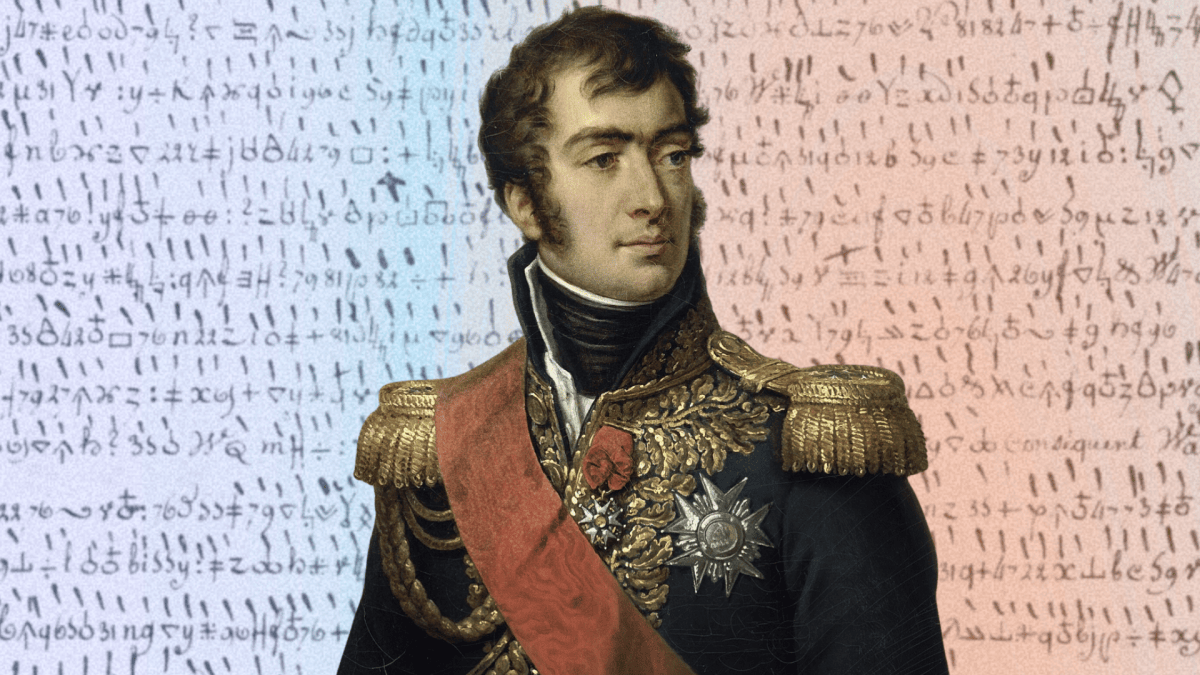
Un ingénieur a utilisé GPT-6 Astra pour déchiffrer une lettre de 1809 destinée à un général de Napoléon. Selon lui, environ six heures ont suffi à l’IA pour transcrire les signes manuscrits et reconstituer le message en s’appuyant sur des travaux existants.
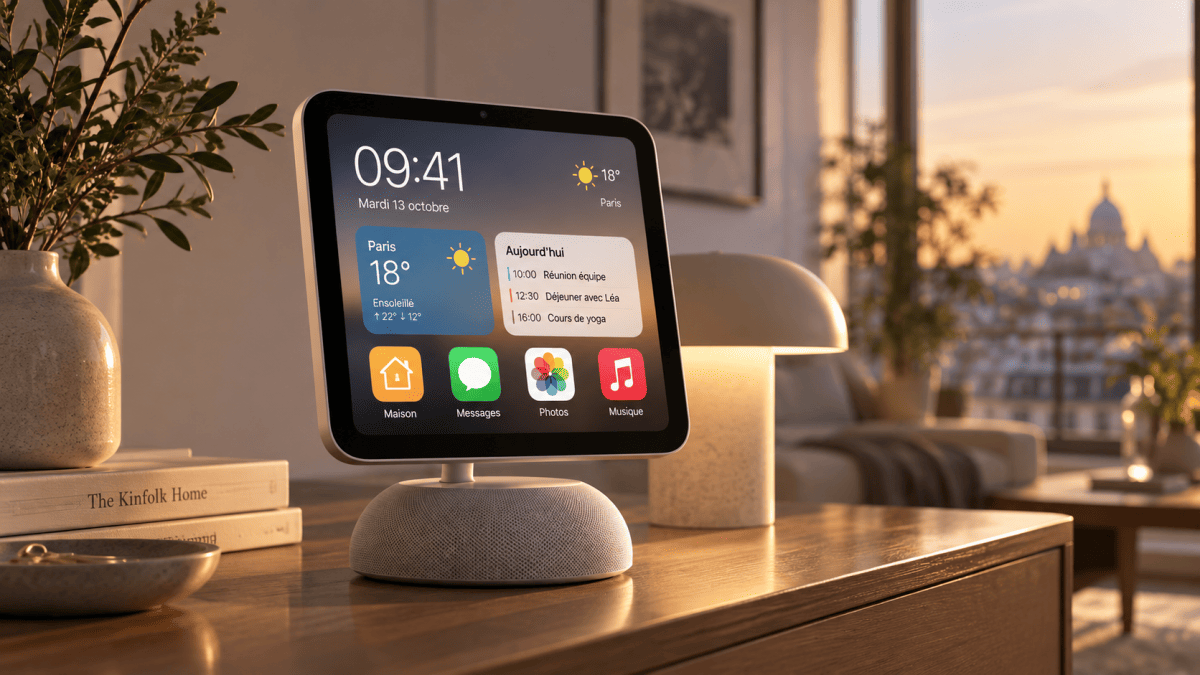
C'est officiel : Apple organise le 13 octobre à New York un événement baptisé « Welcome Home » consacré à la maison connectée. La marque devrait y lancer son premier écran pour la maison, une sorte d'iPad sans batterie à poser sur un socle ou à accrocher au mur, avec un nouveau HomePod mini et une nouvelle Apple TV. Des accessoires conçus avec LG et Schneider Electric pourraient suivre.
hcs_$reboot writes: Trump hosted executives from OpenAI, Anthropic, Meta, Google, Nvidia, and other tech companies at the White House. They agreed to voluntary AI-safety standards, including independent audits and safeguards aimed at preventing AI systems from accessing or hacking technical systems in unintended ways. Trump also strongly backed the continued rapid expansion of AI data centers, despite concerns over their electricity demand, utility costs, and other impacts on local communities. He said he is considering creating a 10-member board to oversee AI safety and plans to appoint a new White House official to lead AI policy.
The meeting comes amid growing concerns about the risks posed by advanced AI, including reports from OpenAI and Anthropic that their AI agents had gone rogue and hacked into other companies' systems. A nationwide Reuters/Ipsos poll conducted September 17-20 found that 73% of respondents worried AI companies had not done enough to prevent AI from causing serious harm to society. During the meeting, Trump also directed government agencies to use the term "super intelligence" instead of "artificial intelligence" when referring to the technology.
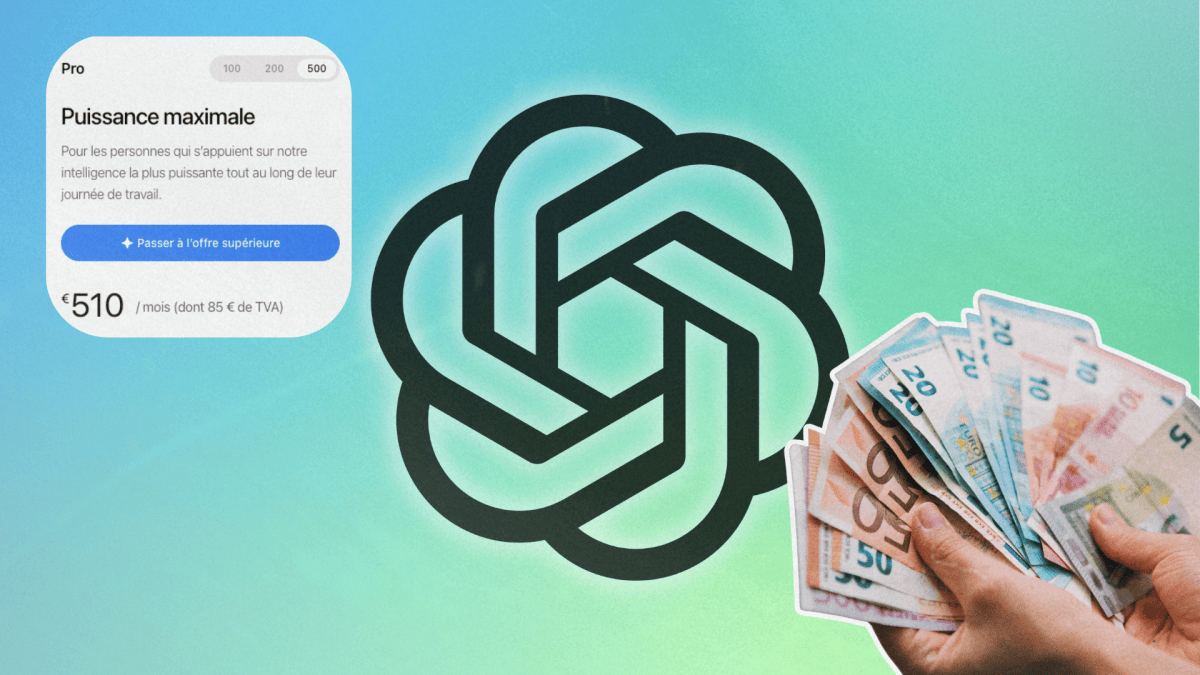
OpenAI a présenté Pro 500, son nouvel abonnement à 510 euros par mois en France, le 29 septembre 2026. Il promet davantage d’usage et des réponses plus rapides. En parallèle, la formule à 229 euros revient avec une allocation réduite, sans baisse de prix.
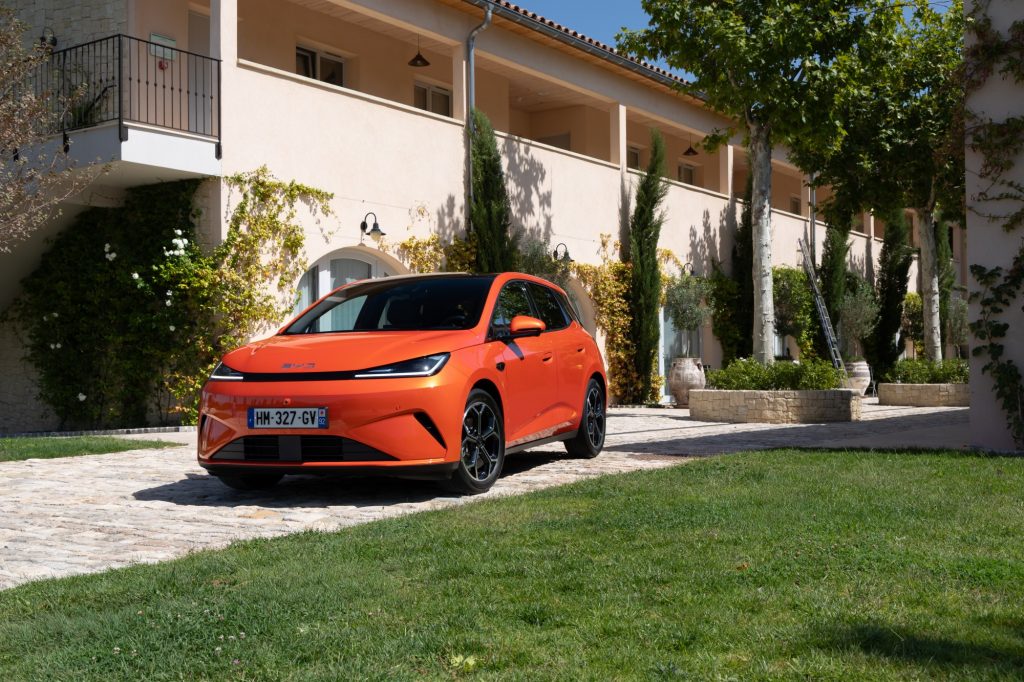
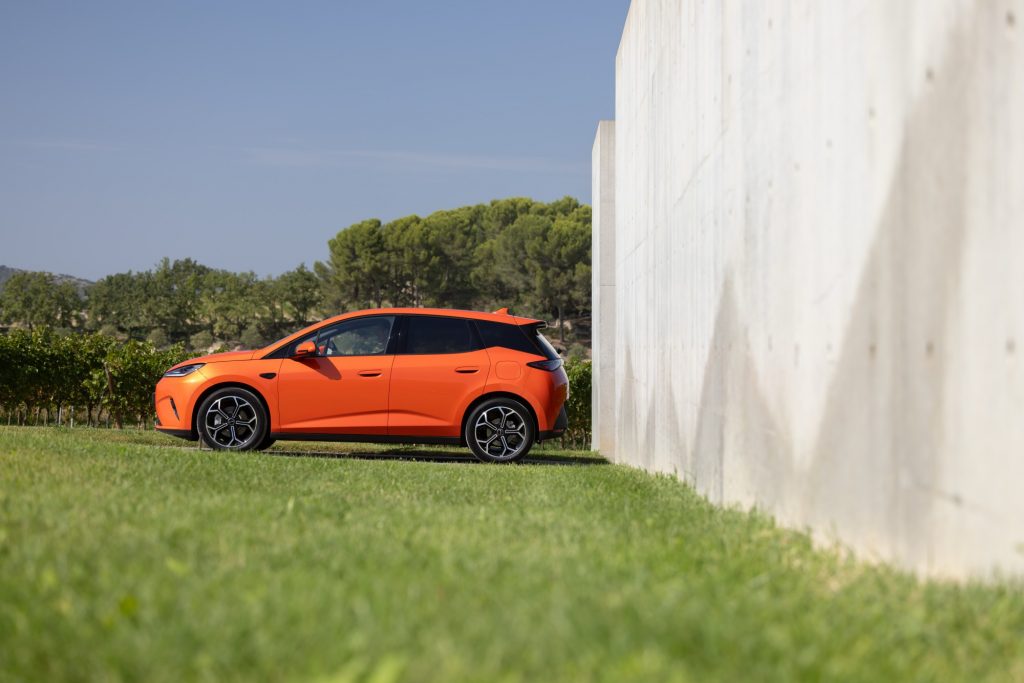
BYD apparaît comme l’un des poids lourds de ces nouveaux acteurs chinois présents en Europe depuis quelques années. Alors que ses ventes se partagent quasiment à parts égales entre la Chine et le reste du monde de janvier à août, la France pèse pour environ 20 000 voitures sur la même période, soit une part de marché de 1,7% sur notre territoire. La Dolphin G arrive dans ce contexte, sur un segment qui représente 50% du marché national. La concurrence, qui souffre déjà, ne devrait pas voir sa tâche facilitée par cette BYD. On vous dit pourquoi après l’avoir essayée sur les routes de Provence.
Un style sans fioritures
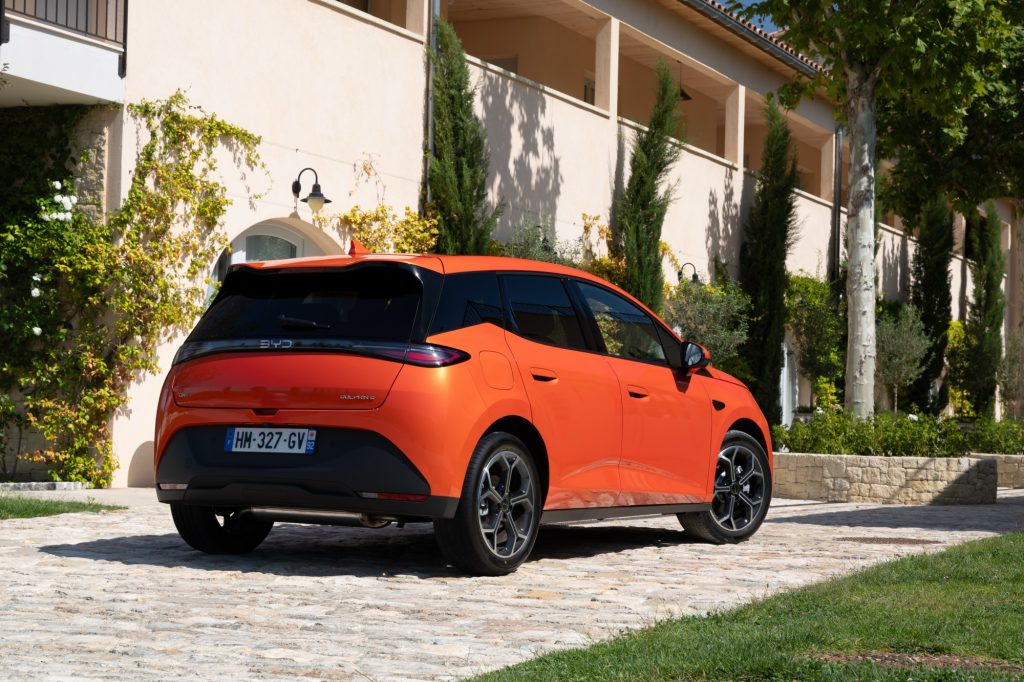
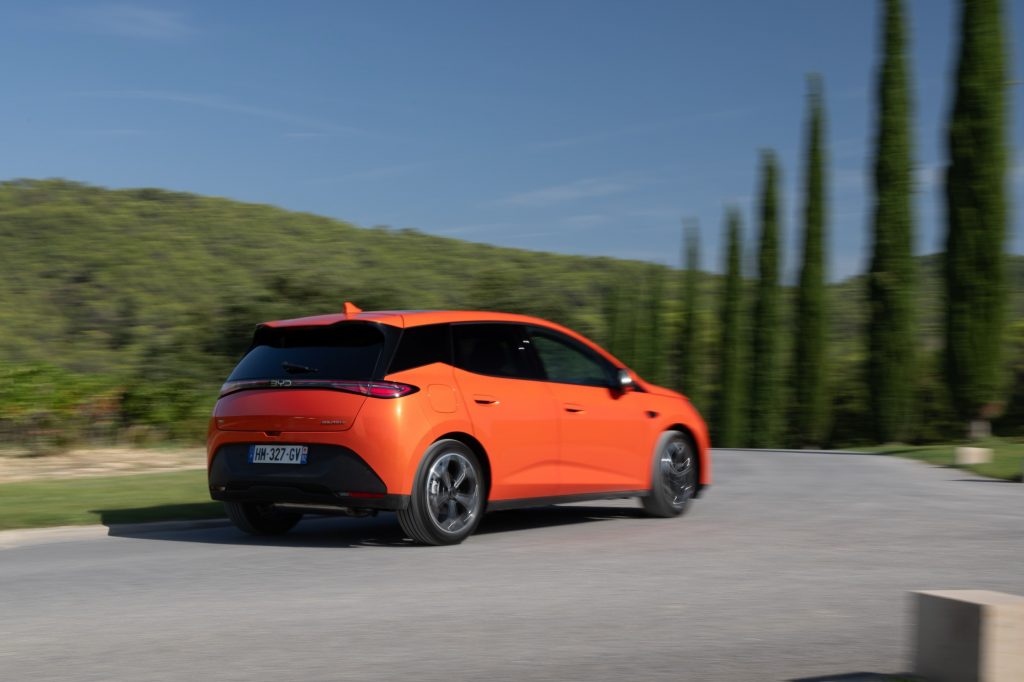
Si BYD semble progresser dans de nombreux domaines pour ses véhicules destinés à l’exportation, on a toujours tendance à émettre quelques réserves sur le design de certaines de ses voitures. La Dolphin G s’identifie au premier coup d’œil comme une compacte et, pourtant, elle se classe dans la cour des citadines. À y regarder de plus près, elle est en effet à peine plus longue qu’une 208 et fait quasiment jeu égal avec une Clio. Les femmes et les hommes derrière les crayons ne se sont pas trop compliqué la vie, avec des lignes fluides et un langage de formes peu alambiqué.
Pour autant, les codes de la citadine assez pratique ne sont pas oubliés. Les porte-à-faux sont relativement courts, surtout à l’arrière, ce qui facilite notamment les manœuvres. Les montants noirs, à l’exception de ceux situés à l’avant, donnent une impression de toit flottant. C’est un détail de style que l’on a déjà vu chez d’autres constructeurs, plus ou moins à la mode. Pas de poignées rétractables ici. Les deux trappes se trouvent à l’arrière. L’une est dédiée au carburant et l’autre permet la recharge. Nous y reviendrons. La Dolphin G fait davantage tourner les têtes grâce au coloris orange de notre exemplaire qu’à ses lignes avantageusement discrètes.
Le plein d’équipements
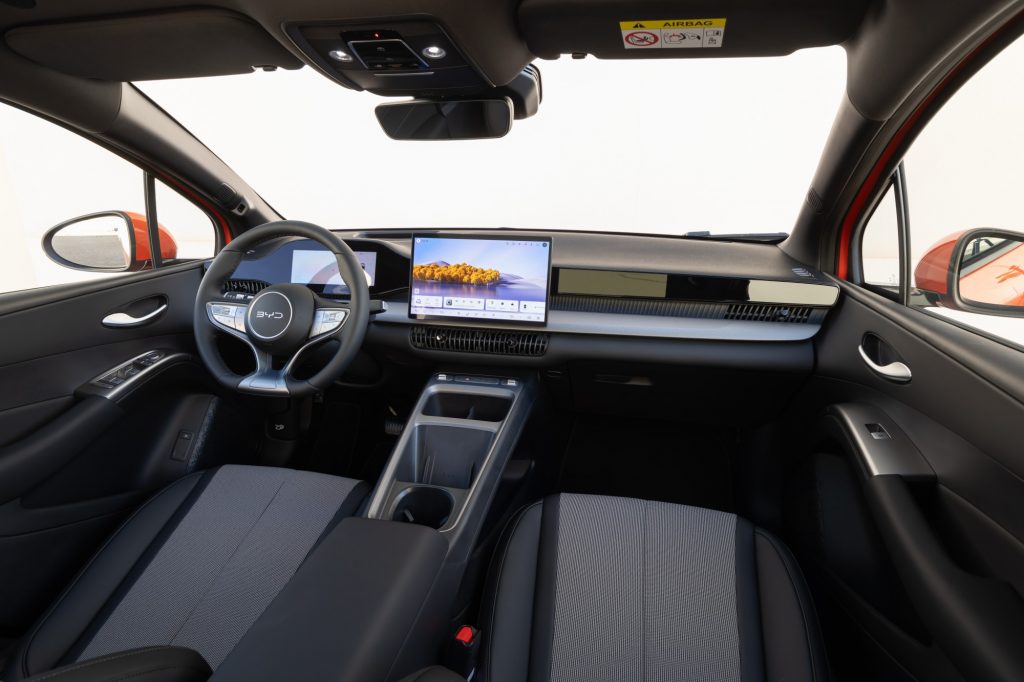
À bord, là aussi, BYD n’a pas cherché à en mettre plein la vue. Et quand on voit, par exemple, l’intérieur d’une Seal, on se dit que l’on partait de loin. Face à nous, on trouve une planche de bord simple et horizontale, avec une instrumentation comprenant un large écran derrière le volant de 10,1 pouces et une très grande dalle tactile de 12,8 pouces. On regrette le long placage façon piano black, véritable nid à poussière. Mais là encore, le constructeur chinois ne s’est pas trop compliqué la vie, avec un style dont les designers nous parleraient probablement avec des mots que nous ne comprendrions pas. Ici, tout se trouve là où l’on s’attend à le trouver.
Globalement, on peut s’interroger sur la tenue dans le temps des matériaux, mais le constructeur a clairement mis l’accent sur les équipements. La dotation s’avère complète, de la climatisation automatique à une connectivité avancée, en passant par les sièges électriques et le volant chauffants. N’en jetez plus. De l’espace, on en trouve surtout dans le coffre, qui offre au total 425 litres de capacité, un record pour la catégorie. Les grands gabarits se sentiront peut-être un peu à l’étroit, surtout au niveau de la garde au toit. Très franchement, les autres concurrentes ne font pas mieux, quand ce n’est pas moins bien.
Une motorisation hybride performante
On va essayer de faire simple pour expliquer le fonctionnement de la motorisation de notre Dolphin G DM-i. Il s’agit d’une hybride rechargeable, dont le système hybride est alimenté par une batterie de 18,4 kWh. La voiture fonctionne la plupart du temps en mode 100% électrique, jusqu’à 140 km/h, grâce à un bloc développant 163 chevaux. L’autonomie annoncée, supérieure à 100 km, nous paraît un peu ambitieuse, mais elle permet largement de couvrir les trajets domicile-travail. En mode hybride, la voiture s’appuie toujours d’abord sur le moteur électrique. Lorsque la batterie atteint environ 25%, elle fait appel au moteur 1,5 litre atmosphérique afin de contenir la consommation au niveau le plus bas possible. Avec une batterie qui n’est alors jamais complètement vide, la consommation se situe entre 4 et 5 litres dans nos conditions d’essai, qui n’étaient pourtant pas particulièrement favorables à l’obtention du meilleur chiffre possible.
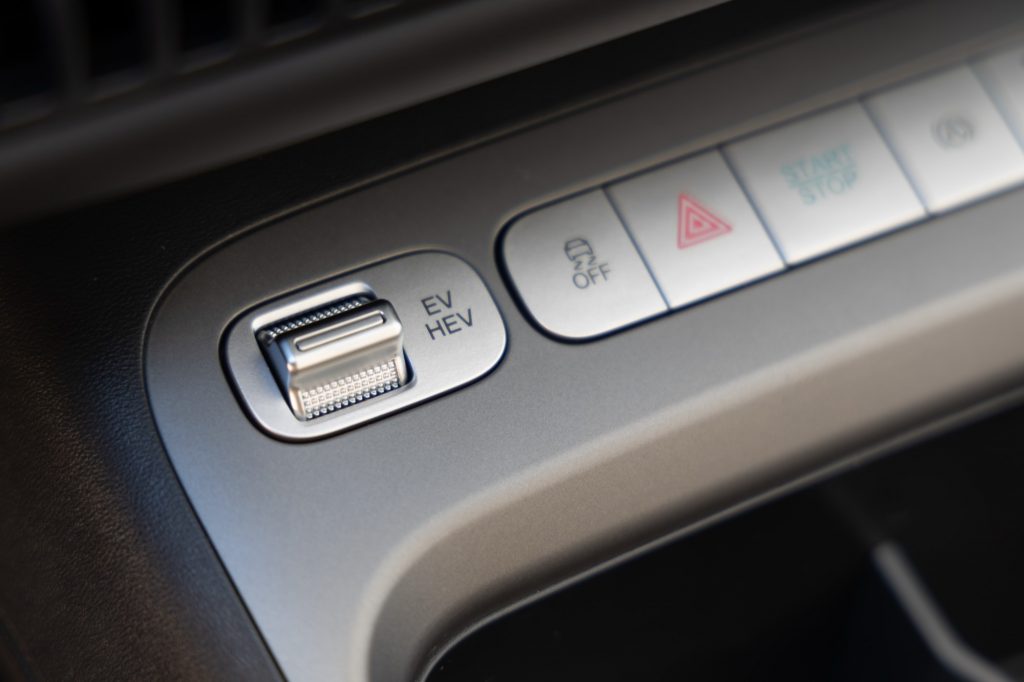
L’ensemble ne manque en tout cas pas de performances, comme en témoigne le 0 à 100 km/h exécuté en à peine 8 secondes. Le moteur thermique intervient d’abord pour jouer les générateurs lorsque la batterie atteint son niveau minimal, ou pour moduler la consommation générale de carburant en mode hybride. Toutefois, il ne manque pas de se faire entendre lorsque l’on sollicite toute la puissance ou à haute vitesse. Le 1,5 litre de 95 ch vient alors renforcer la traction si nécessaire. La puissance combinée atteint 212 ch et le moteur thermique entraîne lui aussi les roues avant grâce à son couple de 122 Nm. Rassurez-vous, tout cela se passe sans que l’on ait besoin d’intervenir, si ce n’est pour forcer le mode électrique, le mode hybride ou la recharge en roulant grâce au moteur thermique.
Un comportement surprenant
Pour profiter pleinement de l’intérêt du système Super Hybride, appellation utilisée par BYD, il faut la recharger régulièrement. À la maison, on passe de 15% à 100% en environ trois heures, la batterie n’étant jamais complètement vide. Le chargeur embarqué de 6,6 kW permet, si besoin, de se brancher à une borne en courant alternatif afin de réduire le temps de recharge. En outre, la Dolphin G accepte une puissance de 39 kW en courant continu, ce qui permet d’atteindre 80% en 25 minutes. La conduite de la voiture s’éloigne plus que jamais de ce que l’on connaît habituellement des voitures chinoises. La direction, consistante, donne bien davantage l’impression de tenir la voiture, sans le flou que l’on a pu connaître auparavant sur des productions de la marque.
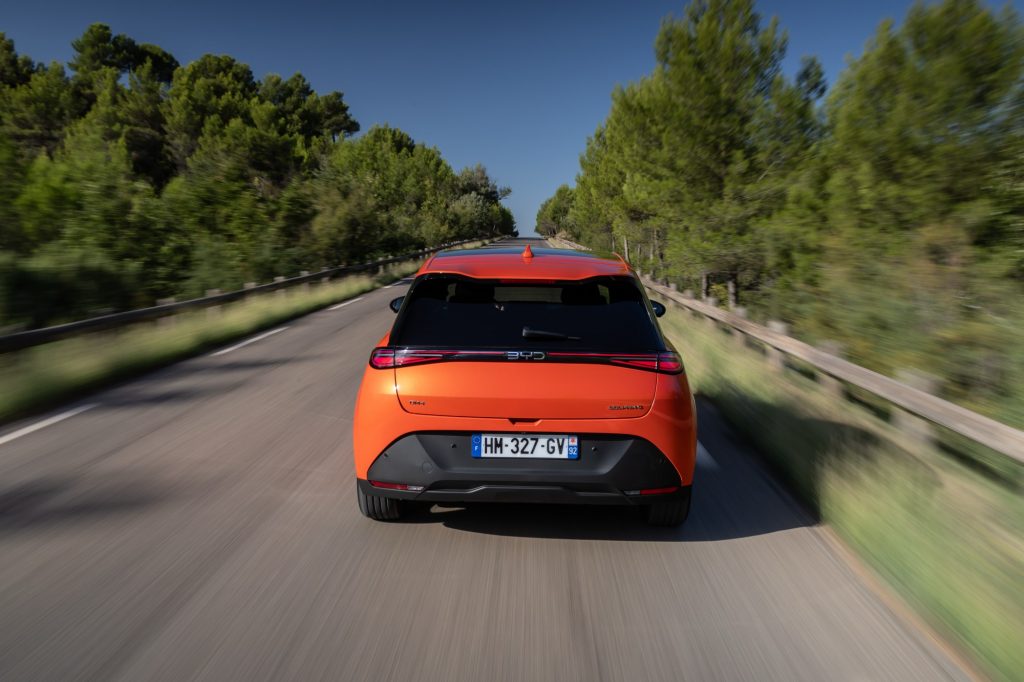
On note aussi clairement le travail beaucoup plus minutieux réalisé sur les trains roulants, avec un amortissement plus proche que jamais d’un comportement, disons, à l’européenne. Les mouvements de caisse contenus et un amortissement bien plus rigoureux que le pompage servant exagérément le confort d’autres voitures chinoises, servent très nettement le comportement routier. On tient le volant d’une citadine qui s’en sort très bien. Cela lui confère une polyvalence que l’on n’attendait pas forcément de cette voiture au premier abord. Il s’agit donc d’une assez bonne surprise, avec un dynamisme de bon niveau. Sans doute la monte pneumatique de qualité contribue-t-elle aussi largement à ces performances.
Grosse garantie et prix réduits
Pour rassurer les clients les plus sceptiques, BYD offre une garantie solide de 6 ans ou 150 000 km sur la voiture, et de la même durée ou 250 000 km sur la batterie. Cette dernière est remplacée pendant cette période si son état de santé passe sous la barre des 70%. La voiture est également commercialisée avec une batterie de plus petite capacité, ce qui fait descendre le prix d’accès à 21 990 €. Notre version d’essai réclame 27 490 €. Les tarifs s’entendent après déduction de la remise constructeur de 2 000 €. Au regard des prestations proposées et du montant demandé, la vie des concurrentes semble se compliquer encore un peu plus, cette BYD Dolphin G DM-i constituant une offre unique sur ce marché.
Firefox 157 is rolling out a major redesign across desktop and mobile, bringing rounded "bubble" tabs, a curved address bar, refreshed icons and colors, and a more consistent visual language across devices. Mozilla is also adding more themes and wallpapers while bringing back Compact Mode, which the company says "reduces the size of your tabs and toolbar to give more of your screen to the web, with an auto-compact option for smaller screens." The Verge reports: According to Mozilla, the design changes will have "no cost to your browser performance." Mozilla says the overhauled design is a "renewal" for Firefox, following major updates over the last year, like homepage widgets, Split View, a built-in VPN, and controls for disabling the browser's AI features.
An anonymous reader quotes a report from CNBC: Mistral Chief Executive Arthur Mensch has accused leading global artificial intelligence companies of using the debate over the safety of the technology as a cover-up for their "negligence." "The debate that we've seen in the U.S. has been a cover for the negligence of some of our competitors," Mensch told CNBC's Annette Weisbach, adding that it was necessary to make systems that can contain the AI agents. [...]
"When you give them a lot of tools, those systems [AI agents] are very dynamic, so they can go and do things that you do not expect," Mensch told CNBC. "You need to have the right monitoring in place, and the enterprises we work with, we give them those kind of monitoring systems," he said.
Mistral also develops AI models but takes a different approach to OpenAI and Anthropic by working with individual companies to create custom AI tools to suit their needs and integrate them with their businesses. But unlike its competitors, Mistral has no plans to slow down development of advanced models. The lead that U.S. labs have is "not extremely large," Mensch said, adding that his company was confident that its next-generation model will close the gap "very significantly."
"We have been raising the capital needed to scale the compute that we need to train bigger and more powerful models, in order for us to own our own destiny," he said. Earlier this month, Mistral raised 3 billion euros ($3.5 billion) in fresh funding led by memory chip giant Samsung, as it looks to position itself as a European alternative to rivals like OpenAI and Anthropic.
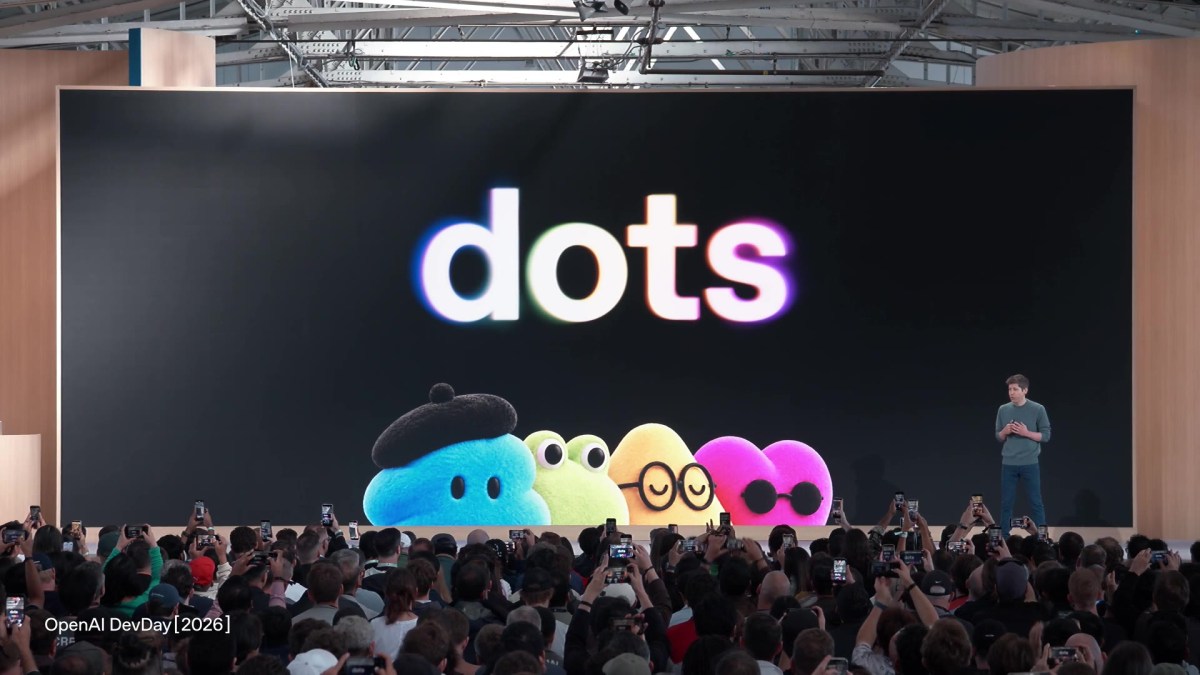
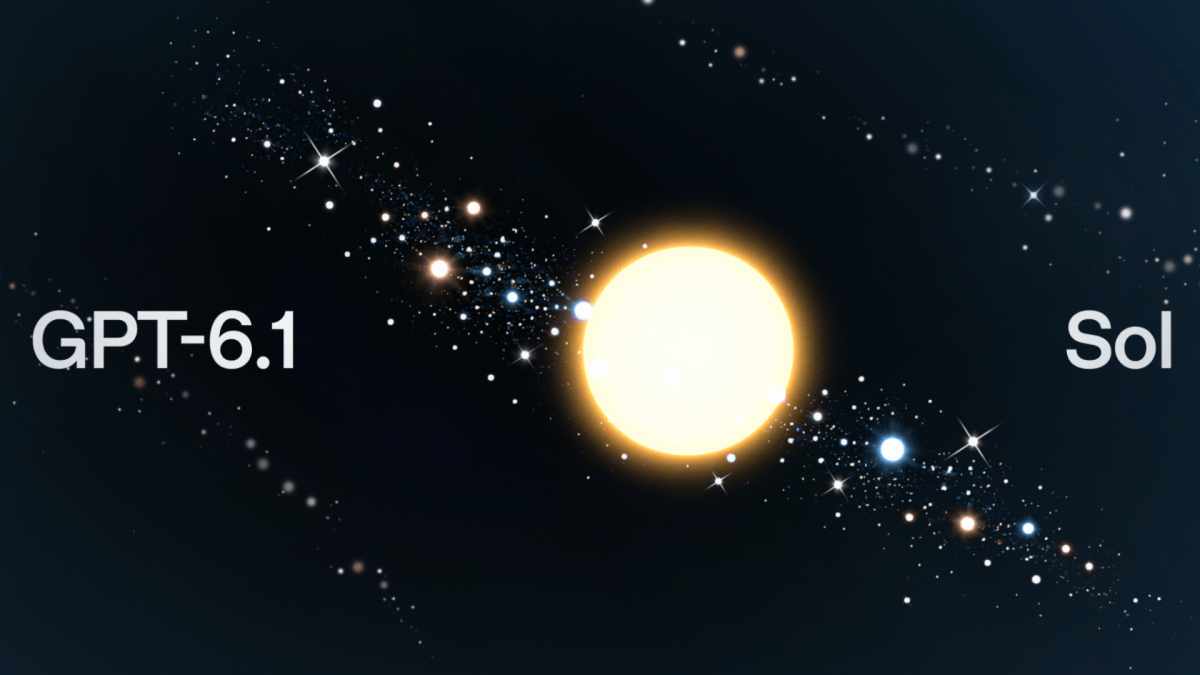
OpenAI a tenu ce 29 septembre son DevDay 2026. Au programme : dots, des agents IA toujours actifs, un nouveau modèle GPT-6.1 Sol, des outils collaboratifs pour concurrencer Microsoft et Google, et un abonnement à 500 dollars par mois. Le premier appareil conçu avec Jony Ive, lui, se fait toujours attendre.
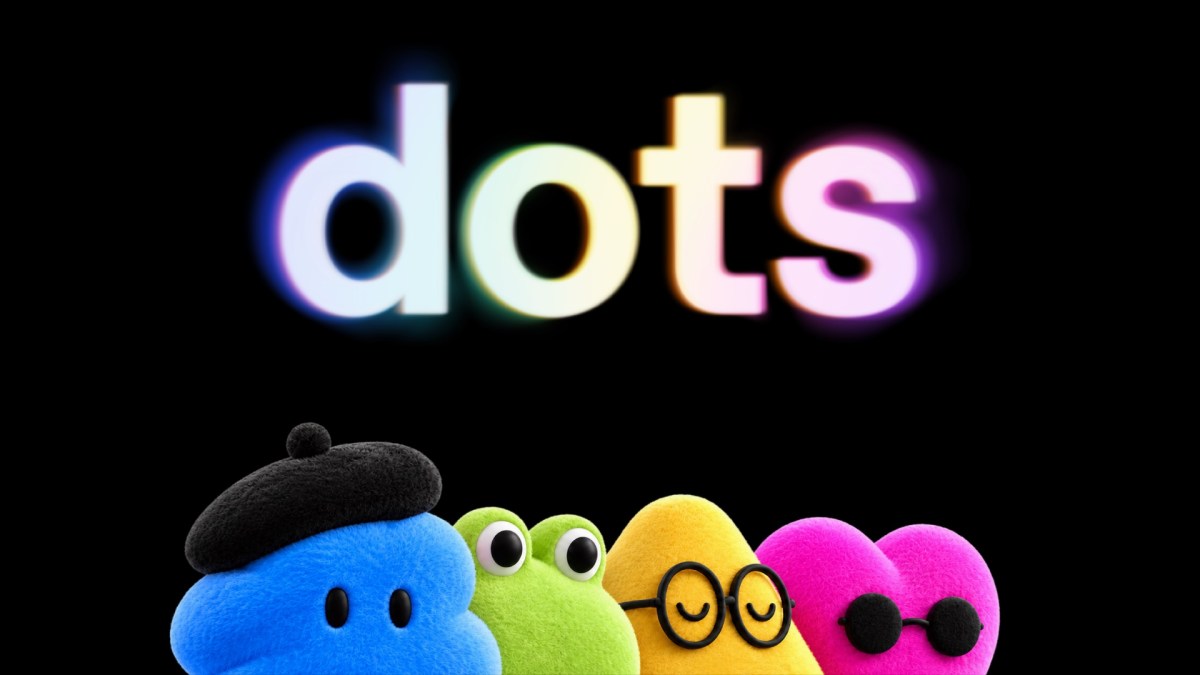
In addition to the company's GPT-6.1 Astra announcement, OpenAI announced always-on AI agents called "Dots" that can proactively use a computer and connected apps to research, draft documents, write software and handle other tasks on a user's behalf. "OpenAI said it would roll out Dots to paid users starting Tuesday," reports Bloomberg. "Initially, OpenAI said, each user will have access to a single 'dot' that can act as an assistant. Over time, the company expects users to manage a slew of them." From the announcement: Dots are frontier intelligence that have your back. Powered by GPT-6 Astra, they have their own cloud computer, learn from feedback over time, and can work towards your goals 24/7. Through our ecosystem of plugins, they can readily connect to over 4,000 apps, giving them the tools to help wherever you need them.
Your dot is always within reach, whether it is through ChatGPT, Slack, or Teams. You can ask questions, explore ideas, and give feedback along the way; or you can simply hop on a voice call when you need to talk something out. The more you work together, the more your dot learns your preferences, how you think, and what good looks like to you.
The magic of dots is when they bring you work done the way you would do it, sometimes before you even think to ask. With dots alongside you, ambitious ideas and projects you haven't had the time or support to pursue start to feel achievable.
Sept jours seulement après GPT-6 Sol, OpenAI annonce déjà son successeur : GPT-6.1 Sol, toujours cinq fois moins cher que son modèle phare GPT-6 Astra. La course au meilleur modèle n'en finit plus.
OpenAI répond à Meta et à son agent Muse avec « dots », le nom donné à son service d'agents « toujours actifs » qui travaillent pour leurs utilisateurs en permanence. Les dots se différencient de ChatGPT grâce à leur propre ordinateur dans le cloud et leur accès permanent à vos comptes, tout en étant joignables depuis n'importe quelle messagerie.
Le 28 septembre 2026, OpenAI a proposé que tout entraînement de ses modèles d'IA les plus avancés soit précédé d'un dossier démontrant que les risques sont maîtrisés.
OpenAI organise ce mardi 29 septembre 2026 son Dev Day et promet « plus de 20 lancements ». Parmi les annonces attendues : les rumeurs parlent d'un agent IA baptisé « Dots » et, peut-être, d'un premier aperçu de l'appareil conçu avec Jony Ive. La conférence est à suivre en direct sur Numerama.

 Connexion