 Connexion

Test du Rog Xbox Ally X20 avec écran OLED : l’aboutissement
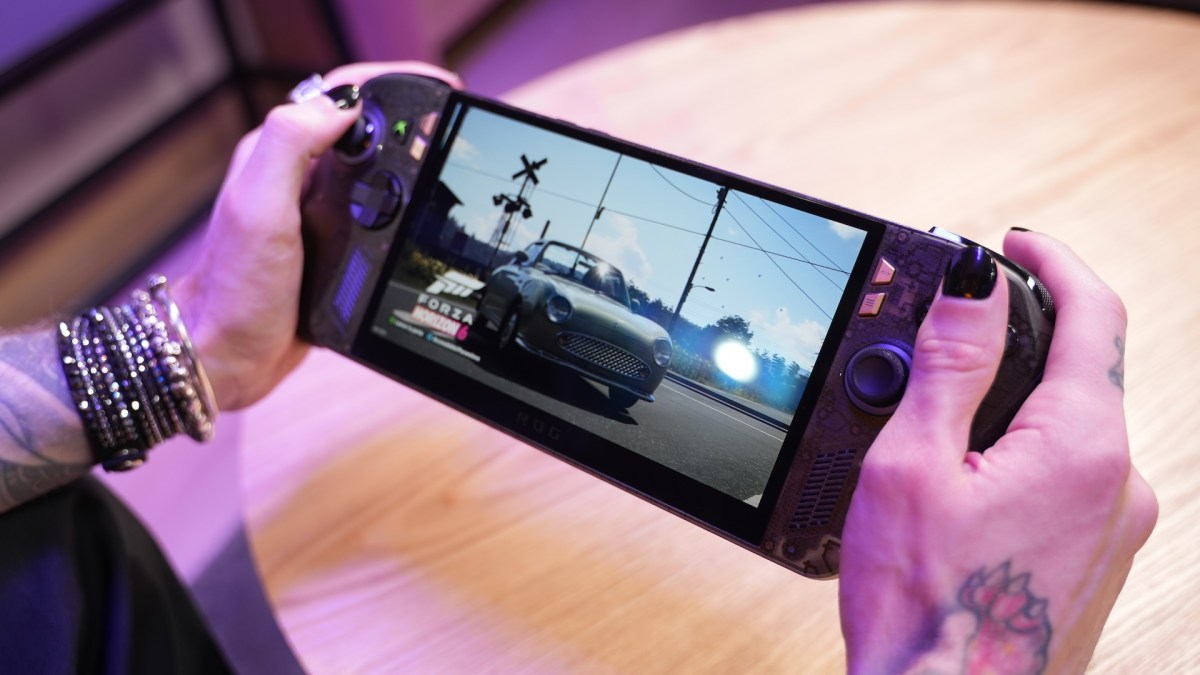
Asus lance enfin un modèle de son PC portable déguisé en console avec un écran OLED. La dalle tant attendue est là, et elle fait grimper la facture à 1 400 €.

Asus lance enfin un modèle de son PC portable déguisé en console avec un écran OLED. La dalle tant attendue est là, et elle fait grimper la facture à 1 400 €.
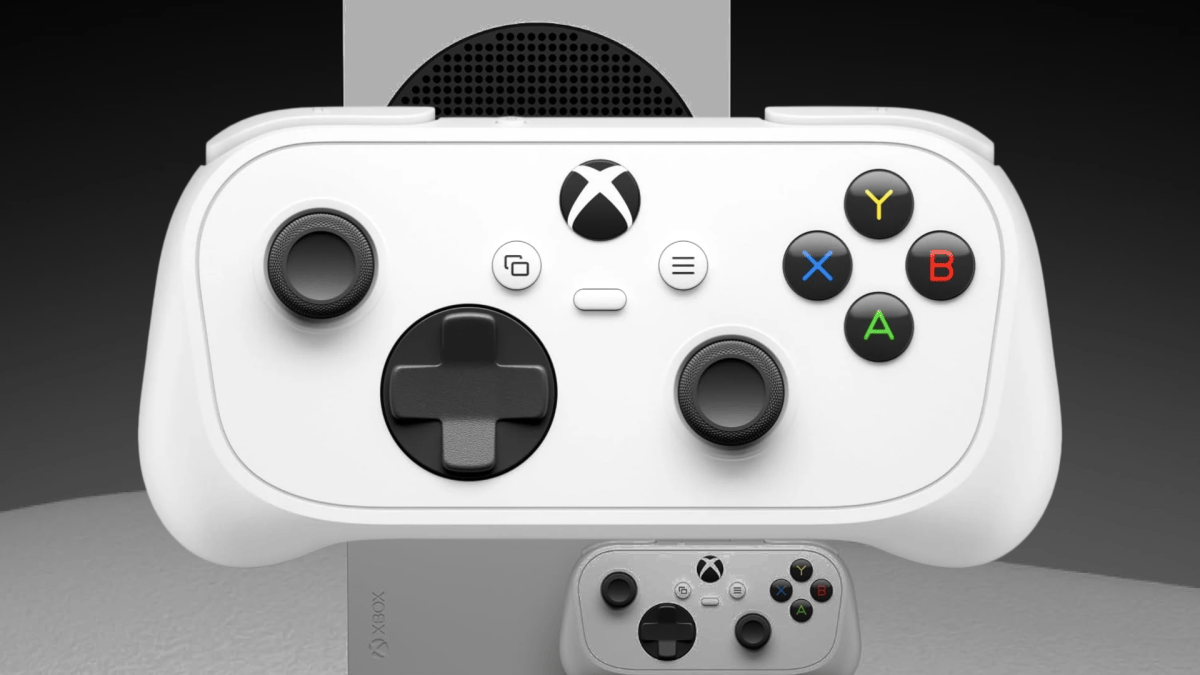
[Précommande] Microsoft vient de dévoiler la Xbox Nano, une nouvelle manette sans fil miniature pensée pour les petites mains et les joueurs nomades, et proposée à 49,99 €. Voici où précommander votre exemplaire.
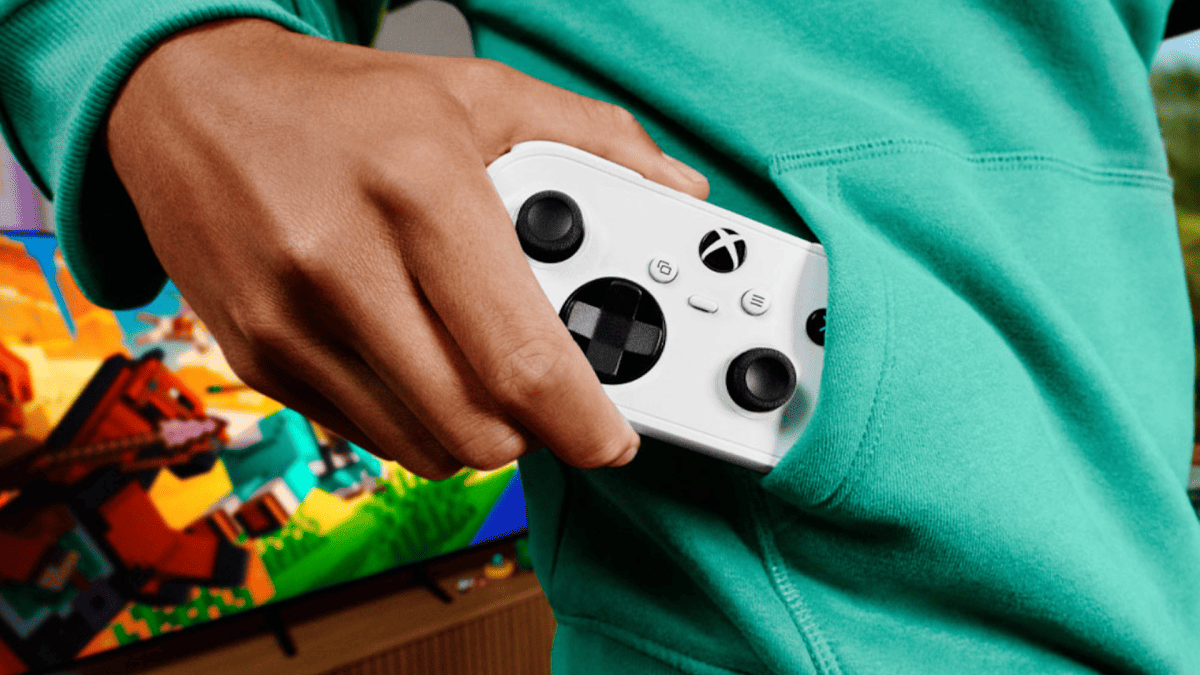
Alors que les rumeurs annoncent une nouvelle manette Elite haut de gamme, Microsoft dévoile d'abord un pad Xbox aux mensurations minuscules. Son nom ? La Nano, attendue pour le 4 novembre au prix de 50 €.


Read more of this story at Slashdot.
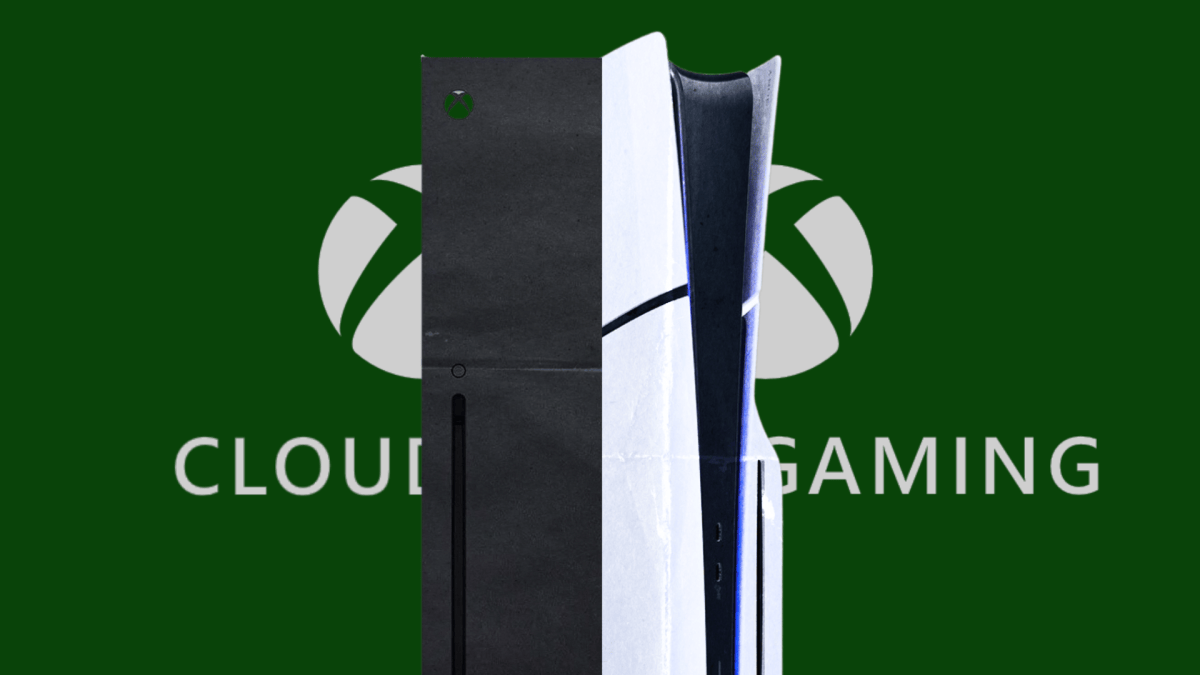
Une PS5 jailbreakée peut désormais lancer des jeux Xbox en streaming. Un développeur brésilien a créé PSBox Cloud Gaming, une application qui donne accès au Xbox Cloud Gaming sur la console de Sony. Il l’a développée en partie avec l’aide de Claude.
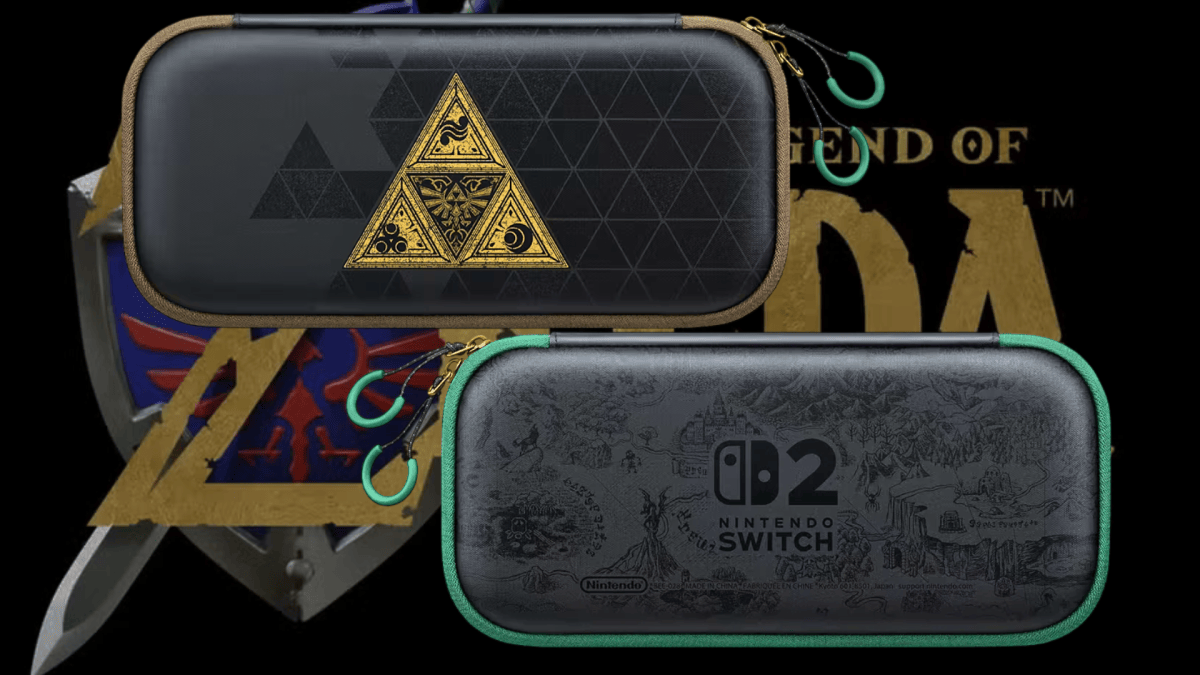
[Précommande] La pochette de transport officielle de la Nintendo Switch 2 aux couleurs des 40 ans de The Legend of Zelda est de nouveau disponible en précommande chez Cultura. Elle est affichée à 39,99 € et sort le 29 octobre 2026.
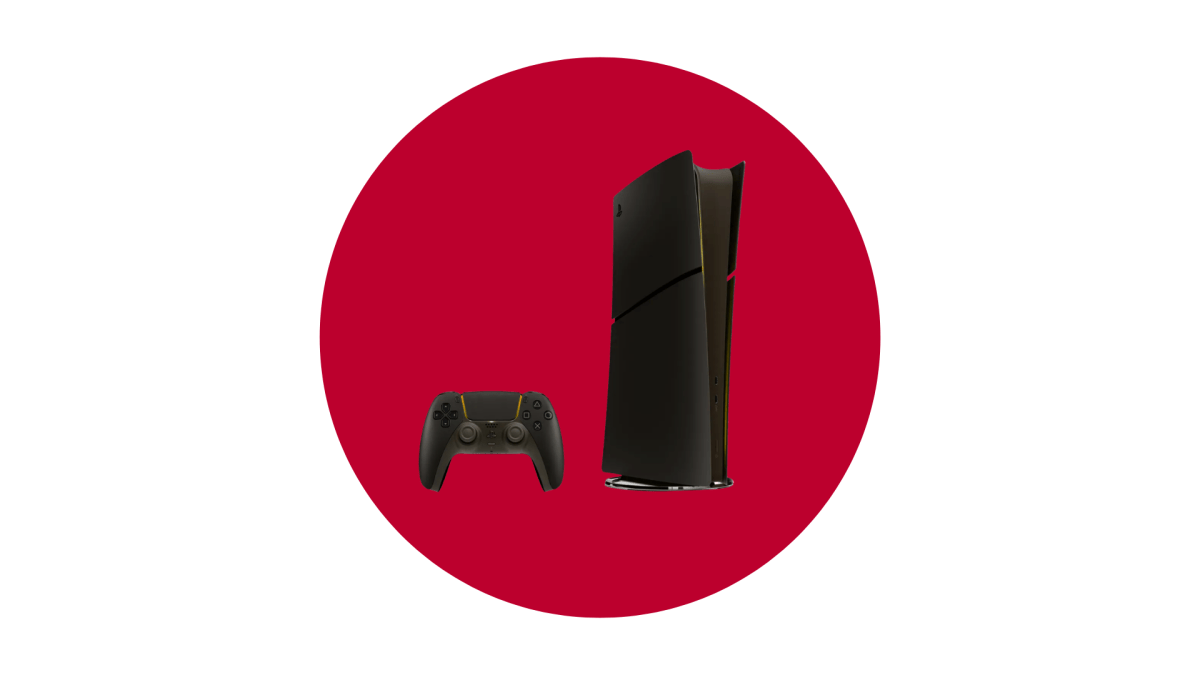
La branche japonaise de PlayStation lance un nouveau modèle de PS5. Pour 55 000 yens, soit environ 310 €, les joueurs japonais pourront s'offrir cette PS5 le 19 novembre, le jour de la sortie de GTA 6.
3D Pinball Space Cadet Talking est un fork développé par Creatiel à partir de SpaceCadetPinball, le projet de rétro-ingénierie et de portage d’Andrey Muzychenko et de ses contributeurs. Il conserve la table et le principe du flipper classique tout en ajoutant des annonces vocales, un panneau d’affichage remanié et une prise en charge élargie des manettes.
Le projet propose également plusieurs réglages de jeu et des améliorations du rendu multilingue. La version 3.0.32 pour Windows corrige un bogue audio hérité du projet d’origine : diminuer le volume de la musique pouvait aussi réduire celui des voix et des bruitages. Des téléchargements pour Windows et Ubuntu 24.04 sont disponibles, ainsi qu’une archive complète des sources 3.0.32 accompagnée des instructions de compilation.
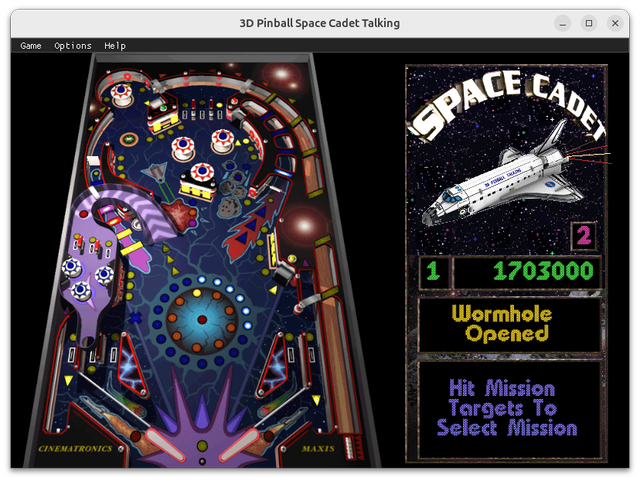
Space Cadet a été développé à l’origine par Cinematronics et publié par Maxis. Andrey Muzychenko et les contributeurs de SpaceCadetPinball ont ensuite réalisé un travail de rétro-ingénierie permettant de porter le jeu sur des systèmes modernes.
Je suis Gérard Esperinas, à l’origine du fork 3D Pinball Space Cadet Talking, développé sous le nom Creatiel depuis 2026. Le projet s’appuie sur la version 2.1.0 de SpaceCadetPinball. L’objectif est de conserver le plaisir de jeu de la table originale tout en enrichissant ses indications sonores, son affichage et ses possibilités de réglage.
Le code est écrit en C++ et utilise SDL2 et SDL_mixer. Les marques historiques présentes sur la table ont été conservées.
Les annonces vocales accompagnent plusieurs événements : accueil, bille supplémentaire, premier service, gros bonus, activation du poteau central, Multiball et fin de partie. Des applaudissements saluent également les scores qui entrent au classement.
Le panneau latéral a été redessiné avec des effets visuels animés. Le numéro de bille clignote brièvement lorsqu’il change, les réserves de billes supplémentaires disposent d’indicateurs et le tableau des meilleurs scores comporte huit entrées.
D’autres évolutions concernent les commandes et les réglages :
Les tests de la version Windows ont révélé un comportement gênant pour une édition fondée sur les annonces vocales : baisser le volume de la musique MIDI faisait également descendre le volume de toute l’application dans le mélangeur Windows.
Le code de la version 2.1.0 contenait déjà un commentaire signalant cet effet. Le lecteur MIDI natif employait un réglage de volume qui, sur le PC de test, affectait aussi les voix et les bruitages.
La version 3.0.32 désactive cette lecture native sous Windows et utilise la synthèse logicielle TiMidity intégrée à SDL_mixer, avec des instruments Freepats fournis. Le volume de la musique peut ainsi être réglé indépendamment des autres sons, sans modifier le niveau choisi dans le mélangeur Windows. Cette correction a été validée sur le poste de test Windows 11.
La configuration audio Linux reste inchangée.
La page officielle propose :
.deb 3.0.31 révision 2 pour Ubuntu 24.04, 64 bits, intégrant la correction des chemins des polices ;La différence de version entre les paquets Windows et Ubuntu vient du correctif MIDI propre à Windows. Les versions distribuées ont été testées sur Windows 11 et Ubuntu 24.04. Aucun paquet macOS validé n’est proposé pour le moment.
Sous Ubuntu 24.04, la compilation utilise les dépendances suivantes :
sudo apt install build-essential cmake libsdl2-dev libsdl2-mixer-dev timidity fluid-soundfont-gm
cmake -S . -B build
cmake --build build -j2
Le guide inclus dans l’archive décrit également la compilation Windows et la disposition des ressources nécessaires à l’exécution.
La licence MIT du code d’origine est conservée avec ses mentions de copyright. Les polices Unifont et les instruments Freepats disposent de leurs propres notices.
Les données historiques de la table, la musique MIDI d’origine et les bruitages historiques sont exclus de l’archive source. Ils doivent être fournis séparément, depuis une copie que l’utilisateur est autorisé à utiliser, pour lancer le jeu compilé. La licence du code ne doit donc pas être confondue avec les droits sur ces ressources.
Les retours sur l’équilibre sonore, les manettes, les traductions et le comportement sur d’autres configurations sont les bienvenus. La page officielle rassemble les téléchargements, les sources et l’historique des modifications :
https://creatiel.info/logiciels/3d-pinball-space-cadet-talking/
Projet communautaire d’origine :
Commentaires : voir le flux Atom ouvrir dans le navigateur
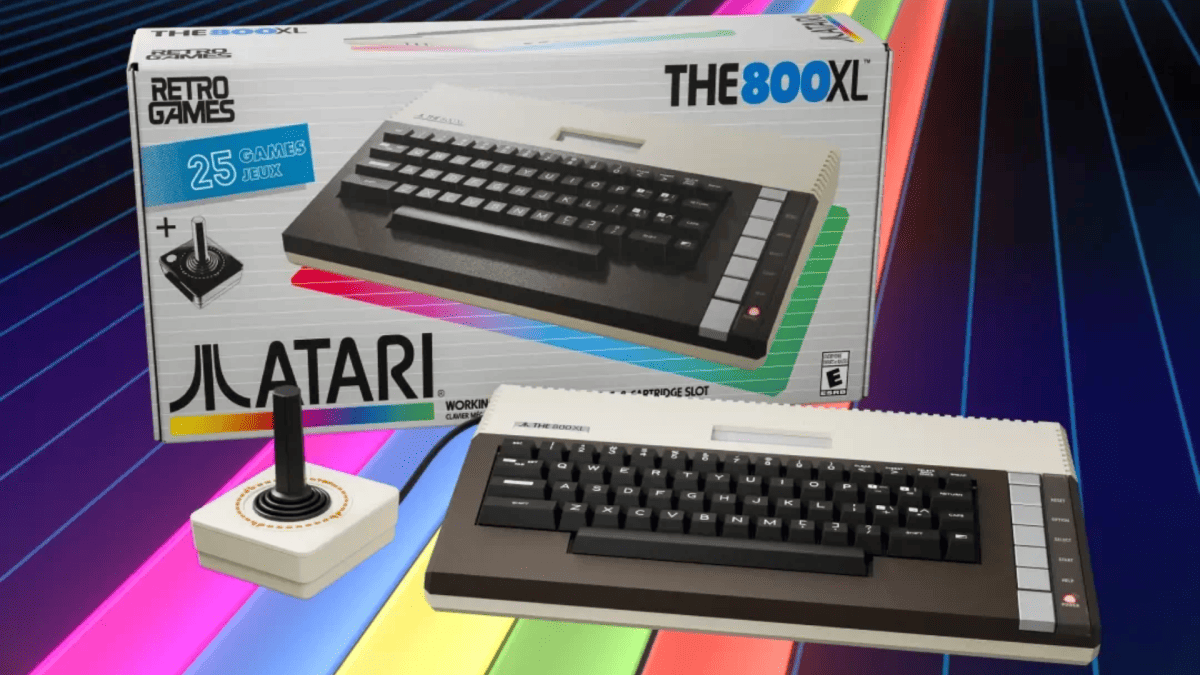
[Précommande] Annoncé le 8 octobre par Atari et Retro Games Ltd, THE 800XL, une recréation grandeur nature de l'ordinateur 8 bits de 1983, est déjà en précommande sur Amazon à 219,99 €, pour une sortie le 23 avril 2027.
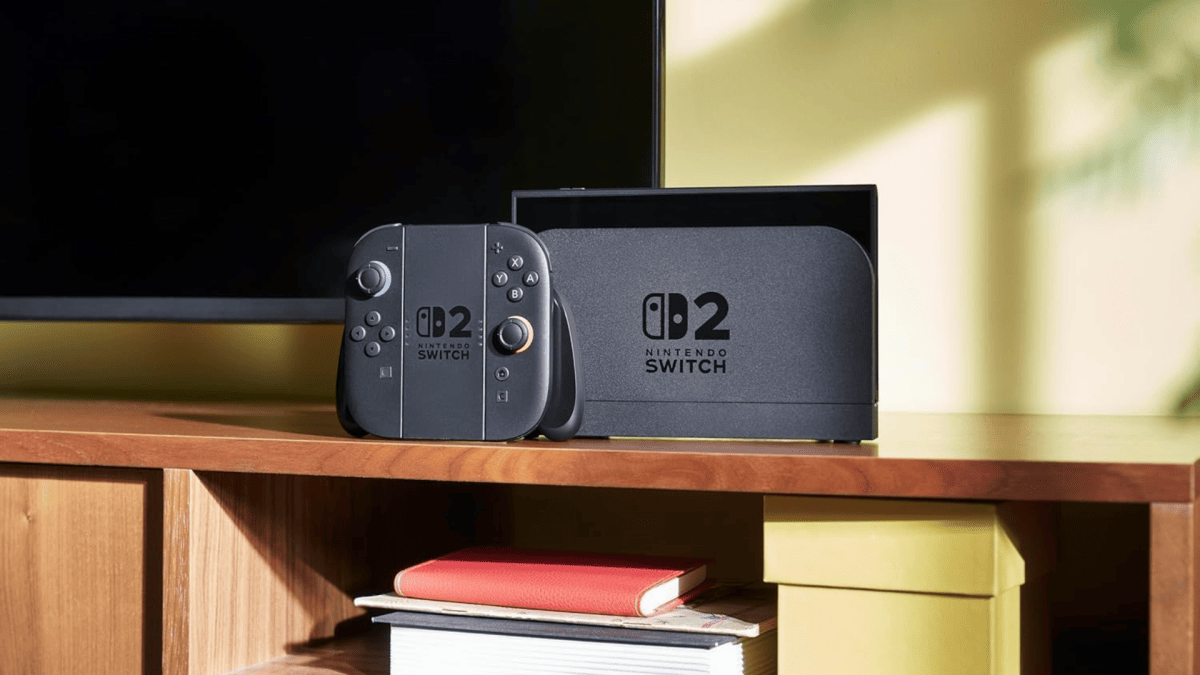
[Deal du jour] La version européenne de la Switch 2, dont vous pouvez remplacer la batterie vous-même, est en rayon depuis septembre. Amazon la propose déjà à 449,99 € au lieu de 499,99 €.
Le jailbreak de la PS5 franchit une nouvelle étape avec l'émulation de jeux PS3. De quoi rapprocher la console de Sony d’un rêve de longue date : celui d’une machine capable de lancer presque tous les jeux PlayStation.
Xbox veut désormais faire vivre ses franchises bien au-delà des jeux vidéo. La firme annonce la création de XP, une nouvelle division chargée de développer les adaptations au cinéma et à la télévision, mais aussi les produits dérivés. Une manière pour Microsoft de transformer ses licences en véritables univers de divertissement.
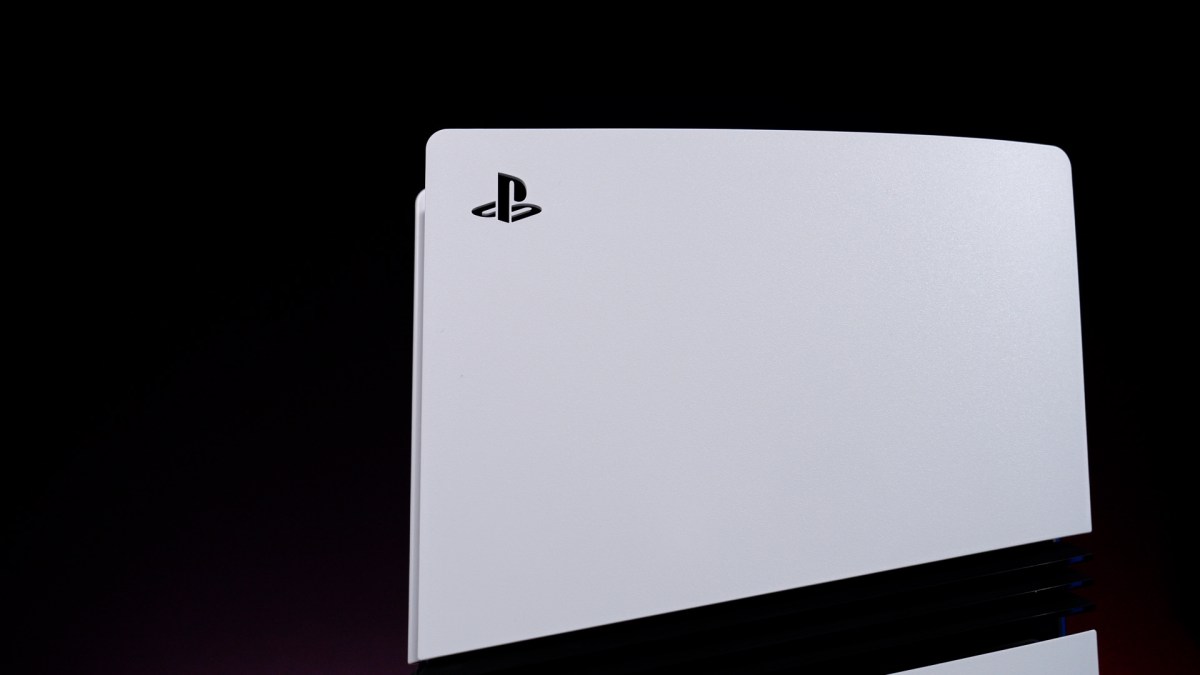
[Deal du jour] Trouver une PS5 Pro à son prix conseillé est devenu compliqué. La console revient chez Fnac à 899,99 €, alors que certains vendeurs tiers en demandent près du double.
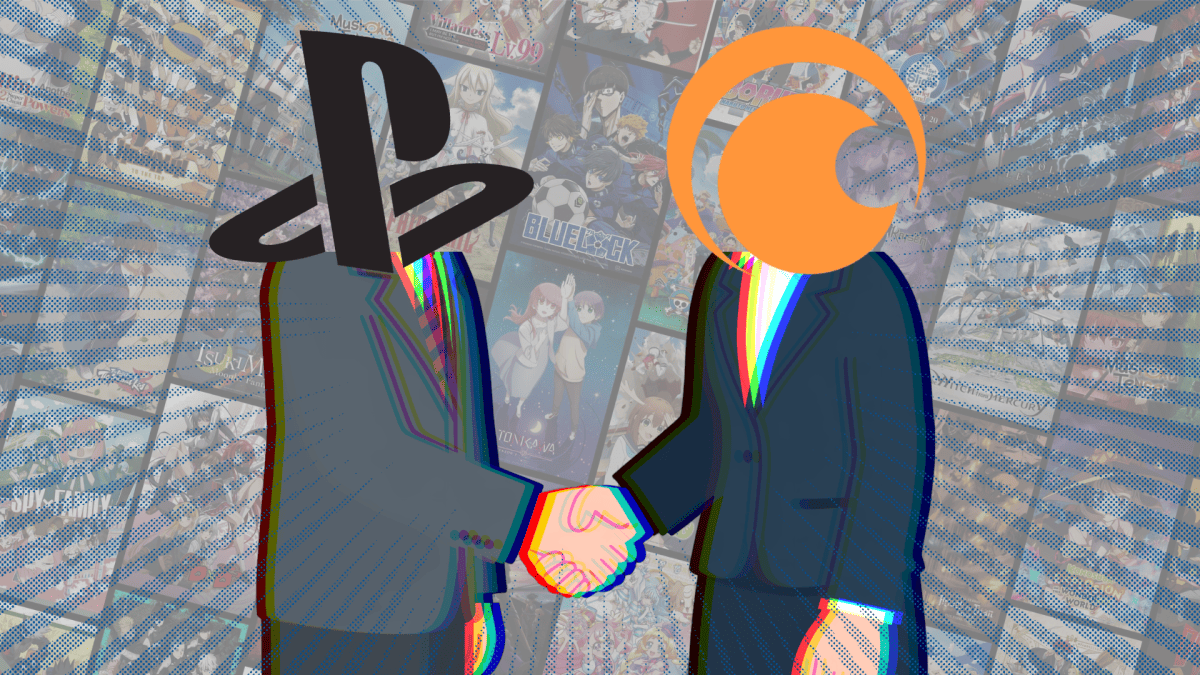
Sony compte bien faire de sa PlayStation 5 plus qu’une simple plateforme de jeux vidéo. Au printemps 2027, la PS5 accueillera un nouvel espace entièrement dédié aux animes, avec un service bien connu des amateurs d’animation japonaise : Crunchyroll.

GTA VI sortira le 19 novembre sur PS5 et Xbox Series X|S, mais toujours pas sur PC. Présenté comme la parade idéale à cette absence, le cloud gaming Xbox aurait pu permettre aux joueuses et aux joueurs PC de découvrir le jeu dès son lancement, sans posséder de console. Microsoft a finalement démenti cette possibilité.
Read more of this story at Slashdot.
Read more of this story at Slashdot.
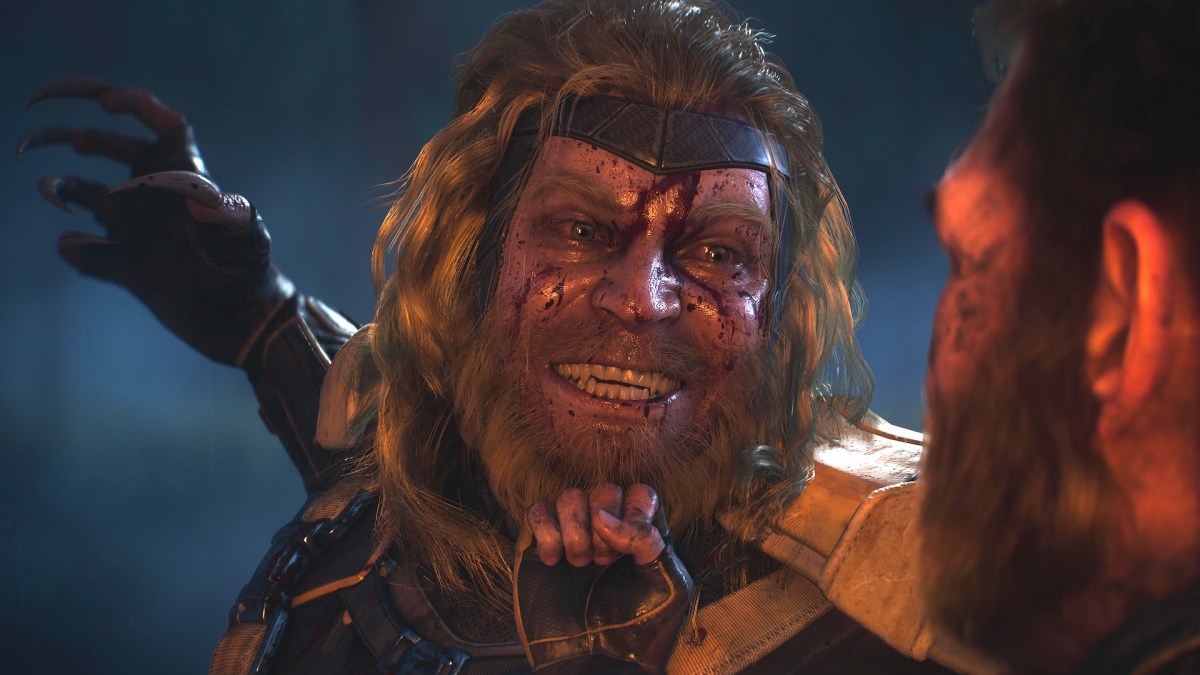
Sony a déployé le QSSR (Quick Spectral Super Resolution), une refonte modeste du PSSR de la PS5 Pro, afin d'améliorer la qualité d'image de la PS5 standard. Deux jeux sont compatibles pour le moment, Marvel's Wolverine et Ghost of Yotei.
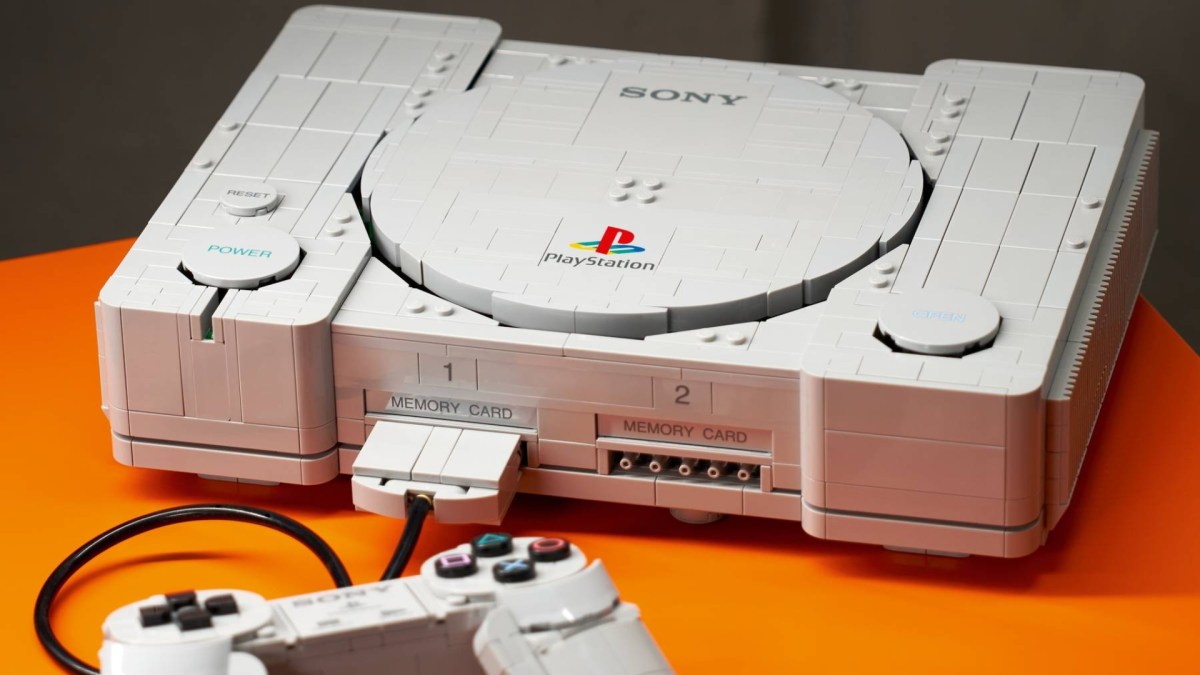
La première PlayStation revient en pièces détachées : 1 911 pièces Lego à monter soi-même. Le set Lego est disponible dès ce jeudi 1ᵉʳ octobre à 159,99 €, avec une figurine Astro Bot offerte pour son lancement. Voici où le commander et comment profiter du cadeau.
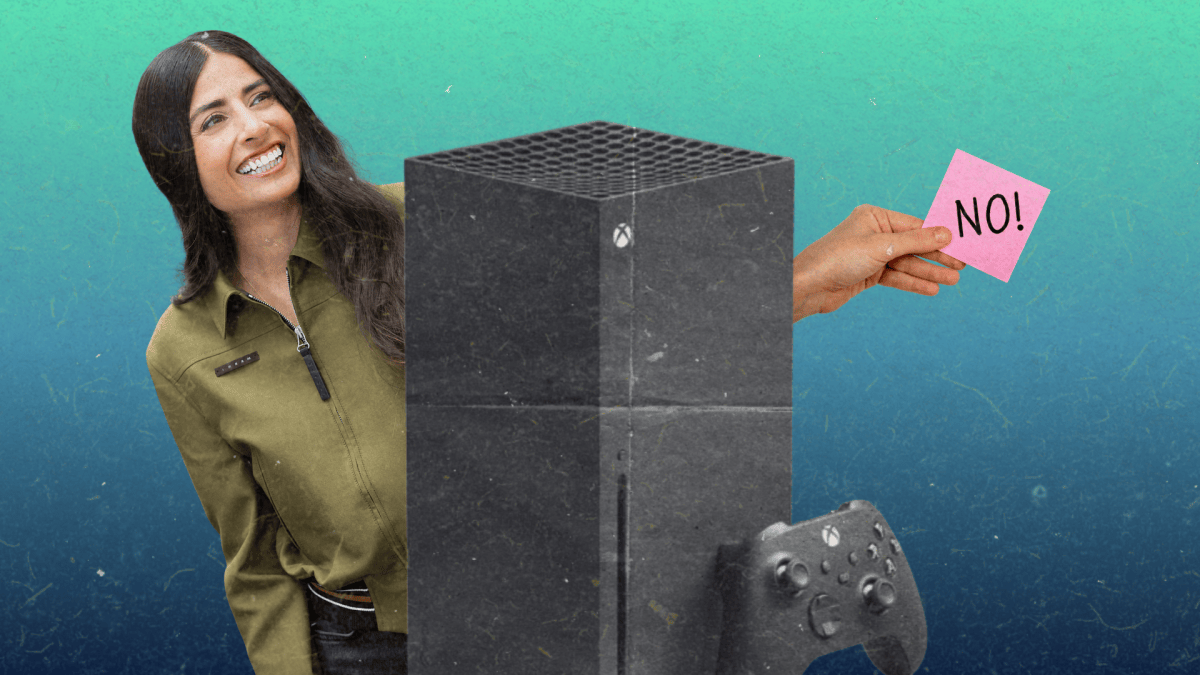
Les rumeurs d’une vente de Xbox circulent depuis des mois, et la patronne de la division vient de les démentir : non, Xbox n’est pas à vendre. Malgré les licenciements massifs et les importantes restructurations qui secouent la division jeux vidéo de Microsoft, Asha Sharma, CEO de Xbox, l’a affirmé au New York Times.
