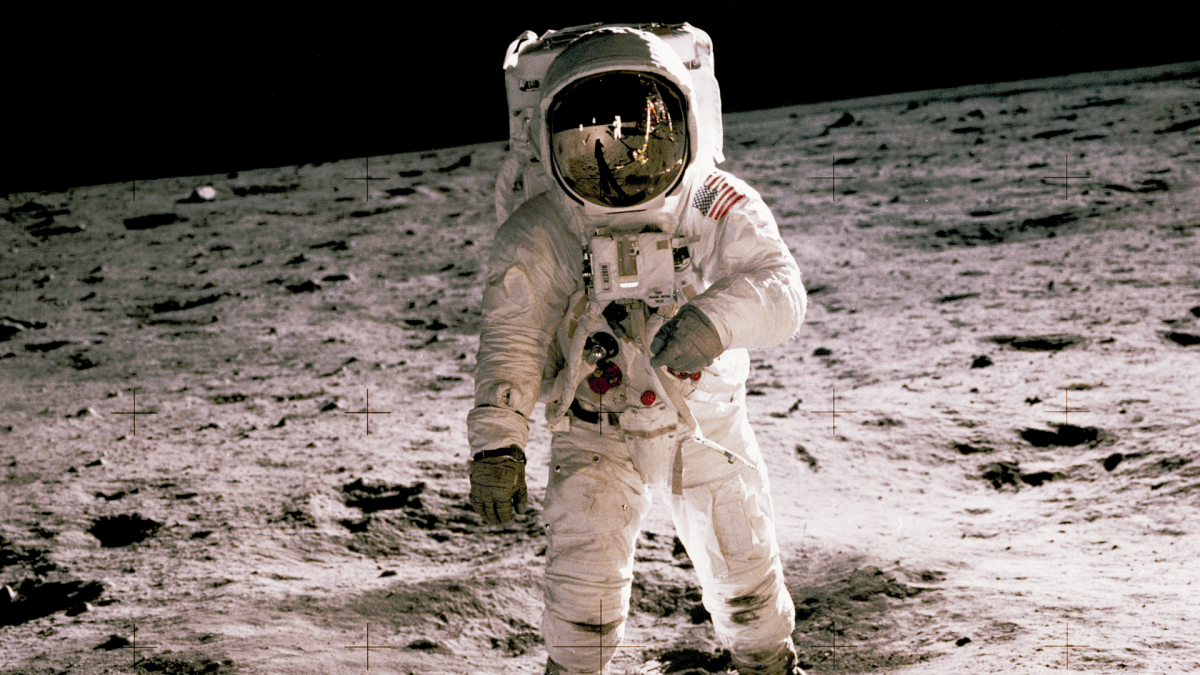
"Margaret Hamilton, the groundbreaking researcher who helped create the field of software engineering and whose code helped land NASA's Apollo astronauts on the moon to win the 20th century space race, has died," writes longtime Slashdot reader Veeru. "She was 90." MIT News reports: A computing pioneer who authored over 130 publications, Hamilton helped to establish software engineering as a dedicated discipline. She worked at MIT from 1959 until the mid-1970s, after which she became a successful computing entrepreneur and CEO. Her life's work was recognized with many awards and honors, including the 2016 Presidential Medal of Freedom from President Barack Obama, whose citation noted: "Hamilton defined new forms of software engineering and helped launch an industry that would forever change human history. Her software architecture led to giant leaps for humankind, writing the code that helped America set foot on the moon." "To say Margaret Hamilton was a pioneer -- to say she was ahead of her time -- would be a dramatic understatement. She was a software engineer at a time when that field was in its infancy, and she not only developed advanced code herself but also led a team in using that nascent technology to develop one of the most complex systems humanity had ever achieved," says Olivier de Weck, the Apollo Program Professor and interim head of the MIT Department Aeronautics and Astronautics.
"The Apollo program still stands as one of our greatest testaments to the power of collaboration, ingenuity, and engineering, and Margaret Hamilton was a fundamental contributor to that program's success. And for her that was just the beginning! She went on to become an entrepreneur and remained on the cutting edge of systems software throughout an extraordinary career, while acting as an advocate, mentor, and inspiration to millions."


Read more of this story at Slashdot.

 Connexion