"In a few weeks, KDE will turn 30 years old," writes core contributor Kevin Ottens, celebrating with some special KDE community data analytics (including a 30-year graph of the number of contributors):
It peaks around 180 on average (and sometimes reaches towards around 200 people) then shrinks again hitting bottom around 110 persons on average in 2017... Since then, we had two major events happening. First, 2018 is the year where we had the first set of KDE Goals being picked by the community, one being "Streamlined onboarding of new contributors". Second, we had the transition to GitLab which was fully delivered early in the second quarter of 2020...
Now it seems like the team size is around 140 people on average, so closer to the all time high of 2010 but we didn't fully close the gap yet. Interestingly though, the commit count is much closer to the one we had in 2010, with a bit less people. We even had an all time high commit count in 2023 which surpassed any other week since the creation of the project. And to make things even brighter, the trends at the end of the plot point upwards. Looks like 2026 will be a very good year. Hopefully the growth will stay stable this time and then the community will be the biggest it's ever been...
[For the KDE Plasma desktop] We find the 2010 dip but it's much less dramatic than in all the other plots. It stabilized much quicker and managed to stay with an almost identical team size. We also find the increase leading up to 2020. And clearly it's one of the projects which benefitted the most of the GitLab transition. It's average team size almost doubled during the transition! Earlier I asked where the increase we could see on KDE as a whole but not on applications was coming from? Well, this is probably it. Like the rest of KDE, 2026 will be a very good year for Plasma as well. I wonder... will it double in size again next year compared to 2020?
"I'm rather happy that KDE as a whole seems very healthy..." the post concludes. "It looks like in almost 30 years KDE built a great community and many awesome products..."
"Kudos to all the people involved for the past 30 years! Even if you're not involved any more you helped contribute something beautiful and precious to the world. We're the living proof that large commons can be created and made sustainable thanks to passionate people."
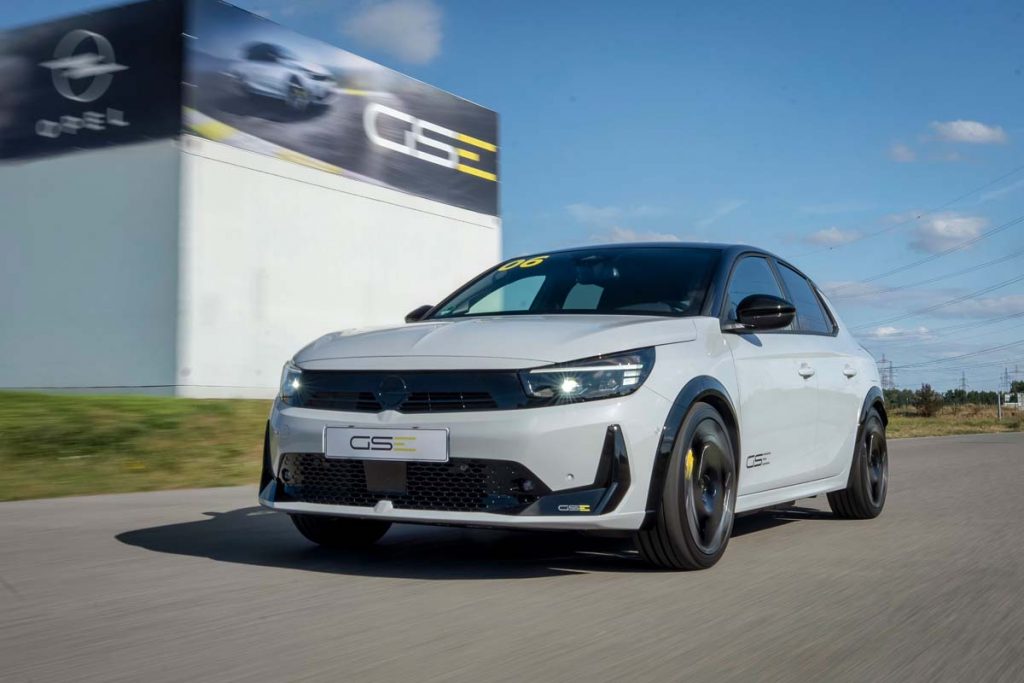
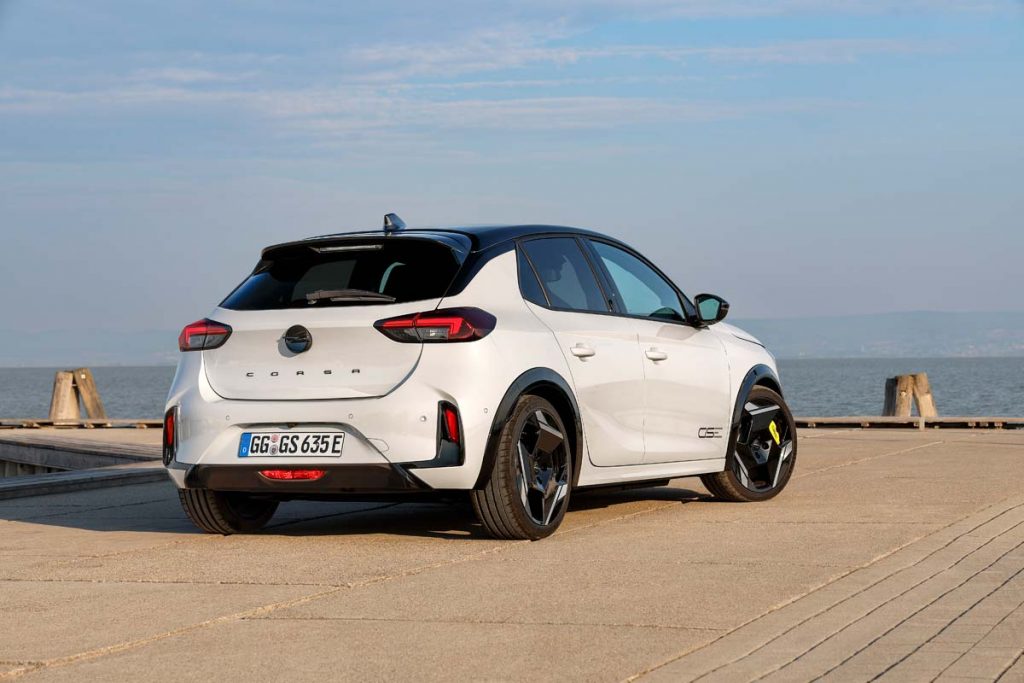
Dix ans après l’arrêt de la Corsa OPC, Opel ressuscite sa citadine sportive, et le fait avec un badge inédit : GSE, pour Grand Sport Electric. Après le Mokka GSE l’an dernier, c’est au tour de la Corsa de recevoir le traitement haute performance version zéro émission. Présentée en mai dernier et dévoilée aux médias en août, elle fera sa première apparition publique au Mondial de l’Automobile de Paris en octobre, avec des commandes ouvertes dès septembre.
Une citadine qui joue des coudes
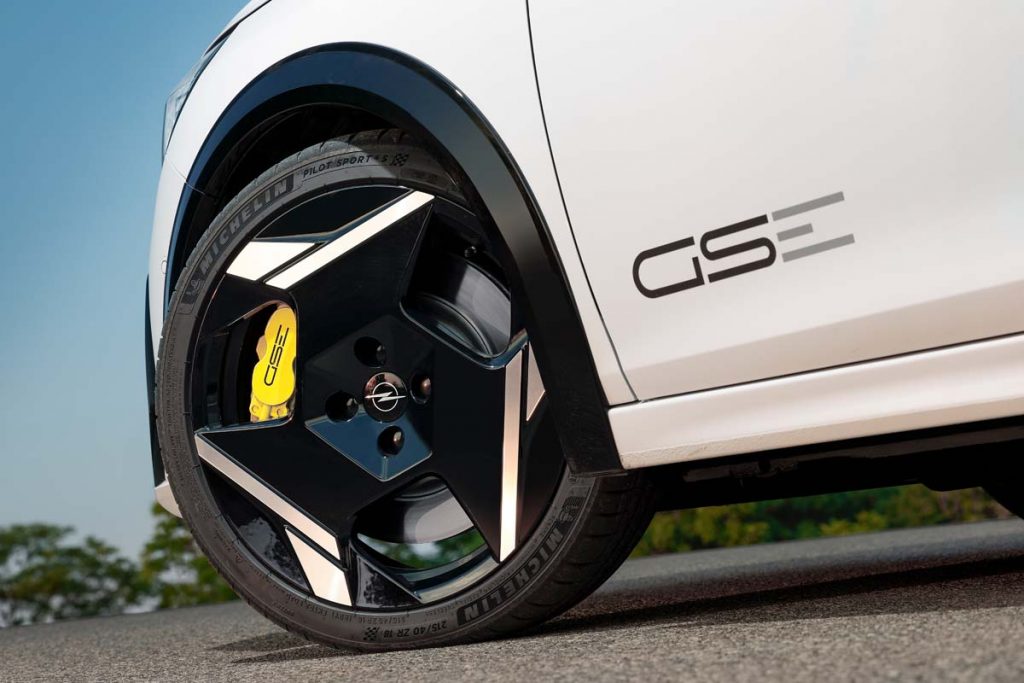
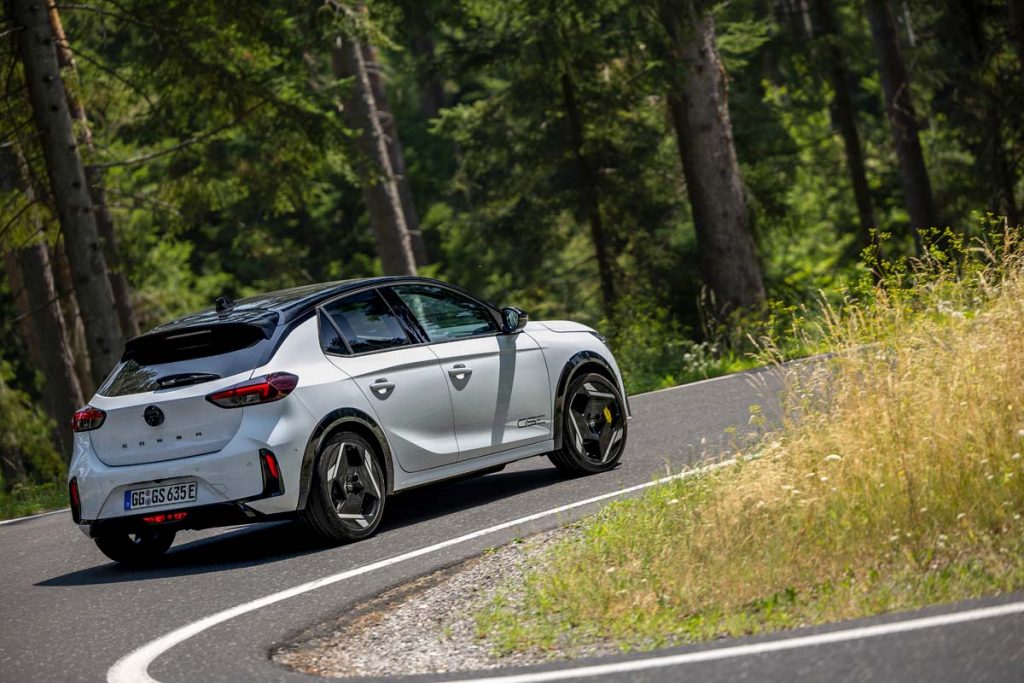
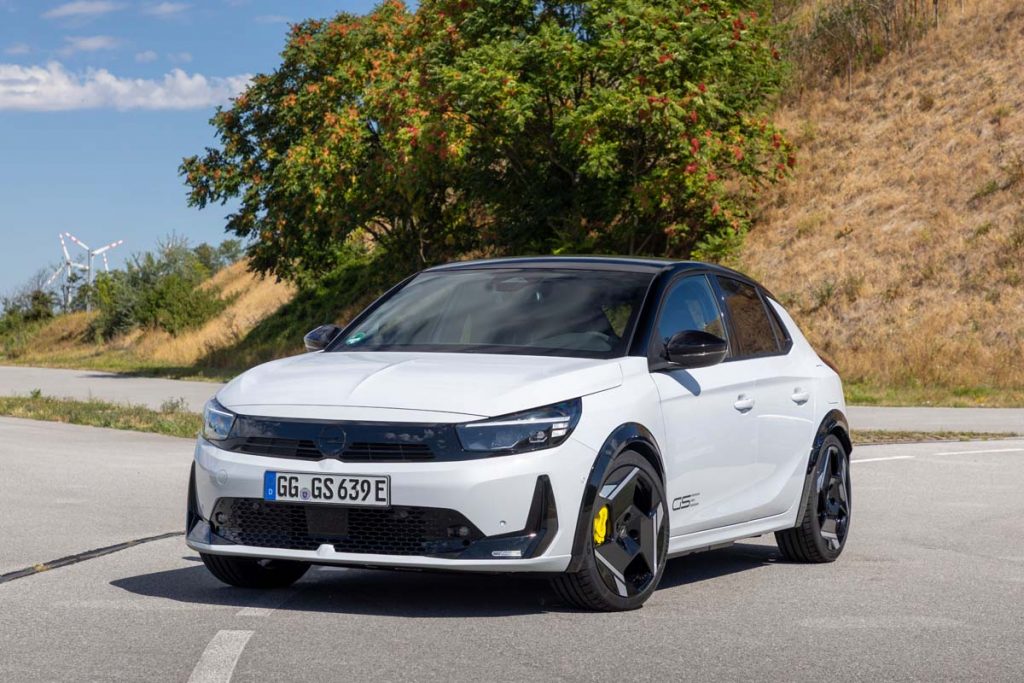
Difficile de confondre cette Corsa avec une version de base. Le bouclier avant spécifique GSE attire immédiatement le regard, tandis que l’arrière adopte un traitement tout aussi affirmé, avec des inserts noirs qui courent sur le bas de caisse et autour des passages de roues élargis. Le toit et le spoiler arrière passent au noir, en contraste marqué avec la carrosserie, et les jantes de 18 pouces à trois branches, chaussées de Michelin Pilot Sport 4S en 215/40, laissent entrevoir des étriers de frein Alcon peints en jaune et floqués du logo GSE. Une signature visuelle qui ne cache rien de ses ambitions.
Un habitacle qui rend hommage à la Corsa GSi
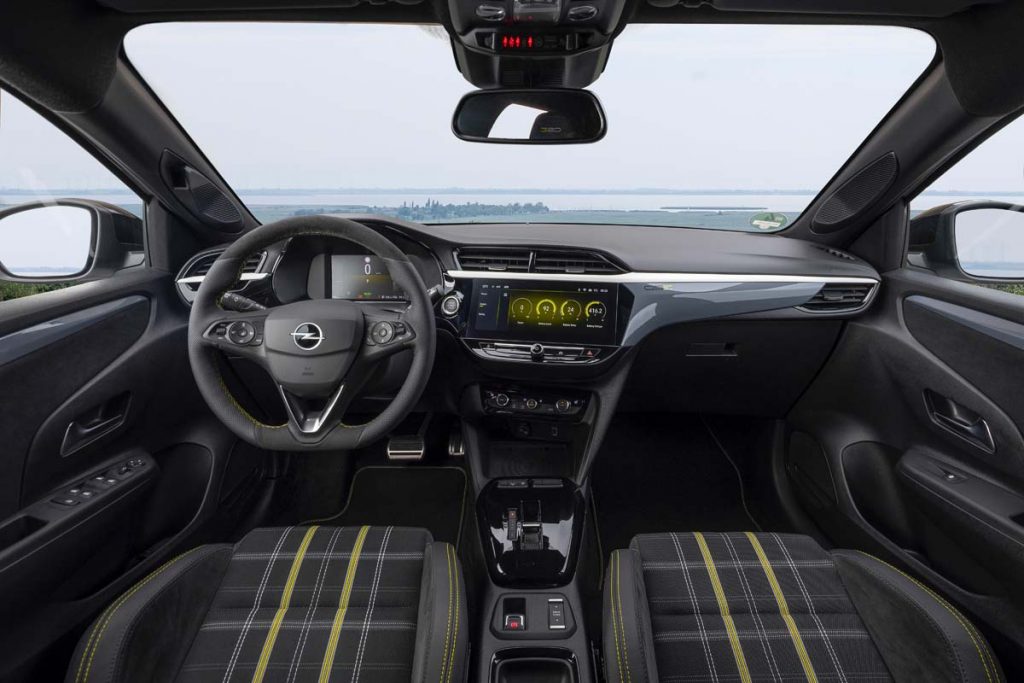
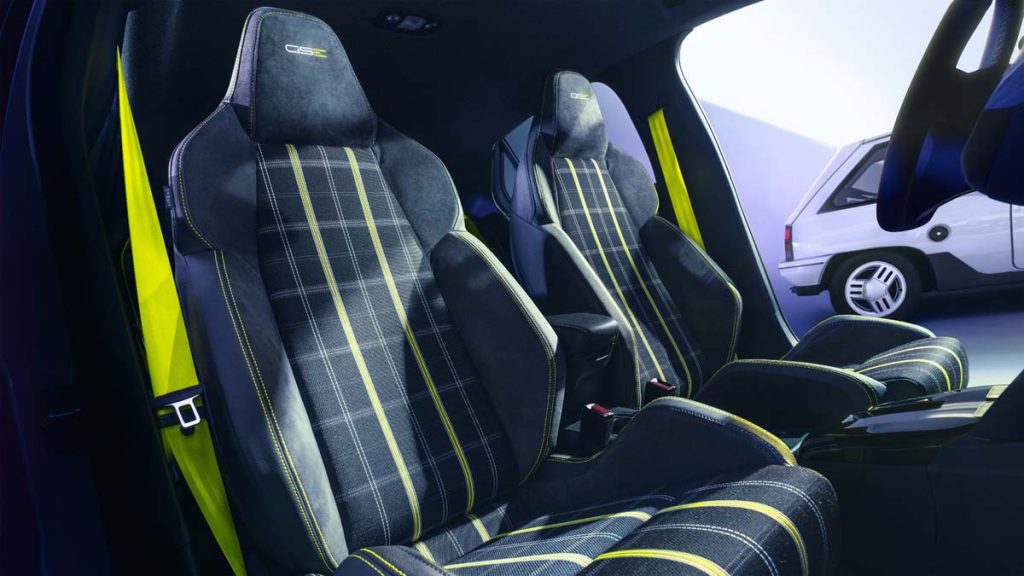
À bord, Opel a soigné les clins d’œil aux Corsa sportives des années 80 et 90. Les sièges Performance, garnis d’Alcantara et floqués du logo GSE, reprennent un revêtement à damier noir, gris et jaune directement inspiré des anciennes GSi, tandis que les ceintures de sécurité jaune vif viennent trancher avec le reste de l’habitacle. Le volant est lui aussi gainé d’Alcantara, les pédales passent à l’aluminium, et la planche de bord arbore fièrement son logo GSE sur fond gris argenté. Niveau technologie, l’écran tactile central de 10 pouces embarque un mode dédié aux données de performance : forces G, valeurs d’accélération et gestion de la batterie s’affichent en direct, avec une instrumentation numérique entièrement personnalisable en face du conducteur.
280 chevaux et trois modes de conduite
Sous le capot, ou plutôt sous le plancher, la Corsa GSE reprend le bloc électrique du Mokka GSE et de son pendant compétition, le Mokka GSE Rally. Le moteur synchrone délivre 207 kW, soit 280 chevaux, et 345 Nm de couple, pour un 0 à 100 km/h abattu en 5,5 secondes et une vitesse de pointe de 180 km/h. De quoi faire de cette Corsa l’Opel de série la plus rapide à l’accélération, tout simplement.
Trois modes de conduite permettent de moduler ces performances. Le mode Sport libère l’intégralité de la puissance avec une calibration pensée pour le circuit, le mode Normal ramène la donne à 170 kW (231 ch) tout en conservant un tempérament sportif, et le mode Eco limite la casse à 140 kW (190 ch) et 300 Nm, avec une vitesse maximale abaissée à 150 km/h pour préserver l’autonomie. Cette dernière est annoncée jusqu’à 336 km en cycle WLTP, pour une batterie lithium-ion de 54 kWh, dont 51 kWh utiles, dotée d’une gestion thermique spécifiquement adaptée aux sollicitations intensives.
Un châssis pensé pour l’exercice
Opel n’a pas fait les choses à moitié côté mécanique. La transmission aux roues avant s’accompagne d’un différentiel autobloquant Torsen, épaulé par un châssis sport surbaissé, avec essieux, barres antiroulis et butées hydrauliques spécifiquement développés pour l’exercice. La direction et les réglages des pédales ont été revus pour l’occasion, et le freinage est confié à des étriers haute performance à quatre pistons.
Dernier détail qui ne manquera pas de faire parler : Opel a développé à Rüsselsheim un son sport actif exclusif à la Corsa GSE, qui adapte sa signature sonore à l’accélération et à la vitesse, façon voiture thermique. Côté équipement, la Corsa GSE ne se prive de rien : sièges et volant chauffants, navigation, caméra de recul à 180 degrés, régulateur de vitesse adaptatif, accès et démarrage sans clé, et même un chargeur bidirectionnel V2L capable d’alimenter un vélo électrique ou un barbecue directement depuis la batterie de la voiture.
Sur circuit et sur route : nos premières impressions
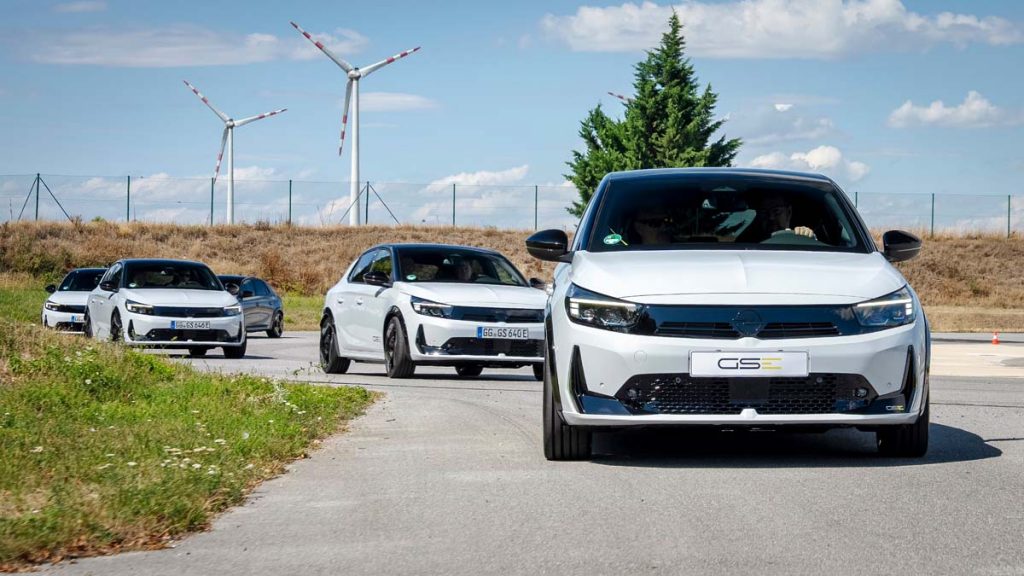
Les premiers essais menés en Autriche, sur un petit circuit fermé puis sur route ouverte, confirment que la Corsa GSE ne se contente pas d’un beau discours marketing. Sur le tracé sinueux, chaussée en Michelin Pilot Sport 4S, l’avant plonge franchement à la corde et se resserre encore lorsqu’on surbraque, tandis que le différentiel autobloquant Torsen fait parfaitement son travail à la réaccélération, à condition de bien débrayer l’angle de braquage pour l’aider. Seul bémol relevé: la direction manque un peu d’informations sur le niveau d’adhérence, même lorsque le mode Sport en réduit l’assistance. Ce mode Sport, seul à libérer l’intégralité des 281 chevaux, retarde également l’intervention de l’ESP, non débrayable, et coupe toute récupération d’énergie au freinage pour offrir une pédale plus cohérente entre la phase de régénération et la phase purement mécanique. En ligne droite, la puissance monte de façon progressive afin d’éviter tout patinage des roues avant, y compris sous la pluie, mais les sensations restent en retrait, et le son artificiel censé recréer une ambiance sportive peine à convaincre.
Sur route ouverte, en usage quotidien, la Corsa GSE ne fait pas semblant : les bruits de roulement se font sentir sur revêtement granuleux, les sièges très enveloppants deviennent fermes sur les dos-d’âne, et la suspension se montre nettement plus remuante que sur une simple Corsa Electric. On est clairement plus proche de l’esprit GTI que d’une GT reposante, dans la droite lignée des anciennes Corsa OPC. Côté consommation, l’autonomie WLTP homologuée plafonne à 354 km grâce à la batterie CATL de 51 kWh utiles, une valeur qu’il faudra confirmer sur un protocole de test plus posé. Car sur un rythme soutenu et une route sinueuse, la consommation relevée lors de cet essai a grimpé jusqu’à 30 kWh/100 km, ramenant l’autonomie réelle à seulement 170 km environ. De quoi rappeler qu’une citadine sportive électrique, aussi joueuse soit-elle, impose encore un vrai compromis entre plaisir de conduite et rayon d’action.
Prix et disponibilité
La nouvelle Corsa GSE s’affiche à 39 990 €, un tarif qui la positionne clairement en dessous de ses rivales directes : la Peugeot e-208 GTi, avec laquelle elle partage l’intégralité de sa fiche technique, réclame 2 910 € de plus, et l’Alpine A290, moins puissante, ne fait pas mieux. Avec le bonus écologique déduit, la facture peut redescendre à 35 290 €. De quoi rappeler qu’une sportive électrique n’est pas forcément réservée aux plus grosses bourses. Les commandes sont ouvertes depuis septembre, en attendant la présentation officielle au public lors du Mondial de l’Automobile de Paris en octobre. Opel confirme au passage que les performances électriques n’ont plus besoin d’un badge premium pour convaincre.
Le 12 mai 2026, Google officialisait une nouvelle catégorie d'ordinateurs portables centrée autour de son IA Gemini : les Googlebooks. Embarquant le nouveau système d'exploitation de la firme, baptisé sobrement Googlebook OS, il a pour vocation de créer une véritable passerelle entre votre smartphon...
There's at least 15 author-driven lawsuits underway against AI companies, while publishers have filed roughly 10 more coordinated suits of their own, notes Publisher's Weekly.
Yet "While the lawsuits play out, some publishers are building bridges."
Google recently announced a partnership with Bloomsbury, De Gruyter Brill, Johns Hopkins University Press, Macmillan, O'Reilly Media, and Penguin Random House to enhance e-books from its Google Play store with AI, allowing readers to interact with the text of the books directly, ask questions and get answers, and develop tools such as quizzes and slideshows... [The CEO of the Author's Guild called the partnership "a positive step forward in the legitimized use of books in the AI ecosystem to the benefit of readers, publishers, and authors alike."]
Of even more significance is the growing number of licensing deals publishers are striking with AI companies. In 2024, HarperCollins became the first of the Big Five to publicly reveal that it had signed a deal to license its content for AI training. The three-year agreement paid $5,000 per participating title, split equally between HarperCollins and the authors. Wiley announced its first AI licensing deal in 2024 and has since made several more. For fiscal year 2026, it reported earning $49 million in revenue from the deals. The company also has a number of strategic collaborations with companies including Amazon Web Services, Microsoft, Anthropic, Perplexity, IQVIA, OpenEvidence, and others.
And publishers are even building in-house AI tools for producing royalty statements, proofreading, and providing customer service:
In its 2025 Salary and Jobs Report, Publisher's Weekly reported that 63% of industry professionals surveyed said their organizations were using AI... Keith Riegert, president of the Stable Book Group and CEO of Perfect Bound, has been a vocal advocate for the use of AI in publishing — despite calling himself a "hardcore techno-pessimist." He tells PW, "I do this because you use AI or you die at this point...." Like many in the industry, he maintains any use of AI must "start with a human and end with a human," and he draws a clear line, avoiding AI for core creative work, such as selecting titles, designing covers, or creating illustrations — reserving it for developmental editing, formatting, and admin instead... What is known is that each of the Big Five is developing proprietary AI systems for internal use, as proven by the numerous AI-related job openings the companies have posted... [And the parent company of Penguin Random House said in 2025 they used AI for marketing and to forecast demand.]
There've been a few high-profile controversies about prominent authors accused of using AI. But Princeton University Press CEO Christie Henry "is less concerned about authors secretly using AI to write than about the time spent policing the situation."
"It pulls us away from having focused time to think," she says. Princeton University Press is currently vetting companies that promise to be able to certify that a given book was written by a human, including Created by Humans, Human Authored, and Verify My Writing. Henry adds that the proliferation of plagiarized, copycat, and pirated books online, now supercharged by AI agents mass producing and reproducing content, is further draining resources, as it demands constant vigilance and takedown requests sent to Amazon, YouTube, and others.
Les prix de la RAM et des SSD sont au plus haut, et à en croire certains comme le PDG d'Acer, ces prix pourraient encore augmenter en cette fin d'année 2026, voire début 2027. Guetter les meilleurs tarifs possibles pour s'équiper et donc plus important que jamais, et nous vous proposons aujourd'hui...
"Australia is considering barring the use of camera-equipped smart glasses in government workplaces..." reports Reuters, "in what it said could be the first ban of its kind."
But meanwhile "more than 70 people who bought, used or were recorded with Meta's smart glasses have sued the social media giant," reports the Los Angeles Times, "claiming their intimate and sensitive images were exposed to workers abroad who are paid to review and label photos and videos."
The contractors in Kenya work for companies that help train Meta's artificial intelligence, according to a proposed class-action lawsuit amended in late August. The smart glasses users, some in California, allege the gadget captured footage of themselves and family members undressing, going to the bathroom, having sex and entering passwords. In some cases, the people said they weren't aware the camera-equipped glasses were recording. One California user, referred to as PL18 in the lawsuit, alleges his glasses were unknowingly recording after he placed the smart glasses on the bathroom counter. "He noticed that at times photos of his family members using the bathroom and bathing began appearing in his gallery — footage no one in his household intended to take," the lawsuit said....
The 230-page lawsuit, filed in a federal court in Northern California, accuses Meta of fraud and false advertising, along with violating other consumer protection laws in various states. Tina Wolfson, one of the lawyers representing the plaintiffs, said the case also centers on Meta's surveillance of people's lives without their consent and the exploitation of their image and likeness. "People who bought these glasses and thought that they were cool gadgets weren't aware that every time they activated AI, video was sent to train Meta's AI," said Wolfson, a principal at law firm Ahdoot & Wolfson in Burbank. Meta disagrees with the allegations and intends to fight them.
"If you use Meta AI, we may review that data to help improve our products and people's experiences — this works the same way as many other companies. We take steps to filter this data to help remove identifying information and to protect people's privacy," a Meta spokesperson said in a statement...
The lawsuit alleges people wearing the smart glasses were unwittingly transmitting data to Meta whenever they used Meta AI by saying "Hey Meta," or sometimes accidentally when adjusting the glasses. "Every activation of the AI features, intentional or accidental, captures video and audio that is transmitted to Meta's servers, routed overseas, and reviewed by low-paid human workers who watch, label, and embed these moments into Meta's AI models," the lawsuit said...
The lawsuit also seeks to block Meta from deploying biometric tools through its glasses. The company has been exploring a controversial feature called "NameTag" that would allow people to identify others... A separate lawsuit, filed in September in a federal court in Illinois, alleges Meta has been using images of people's faces uploaded to their public Facebook and Instagram accounts to train AI that powers NameTag and other AI tools.
Le samedi 19 septembre 2026, les médias taïwanais Economic Daily News (UDN) et Harvard Business Review Taiwan (HBR) ont organisé à Taipei un évènement baptisé "Wangdao 50 : Wangdao Management & AI International Forum". Le principe était de célébrer les 50 ans de la marque Acer, mais aussi de met...
"I would like to verify your technical abilities, so please download the specified file and complete the assigned task..."
Fake job listings aimed at software developers and IT professionals led to 30,000 infected devices in over 100 countries — and 7,000 compromised cryptocurrency wallets, leading to over $10 million (USD) transferred to North Korea. Inc. reports:
The hacks occurred from December 2025 through July 2026, according to a joint cybersecurity advisory issued Friday by Japanese, Australian, German, and U.S. authorities, including the Federal Bureau of Investigation and the Defense Department's Cyber Crime Center... The group reportedly has been active since 2023, carrying out both financially motivated attacks and cyberespionage...
The hackers lure job seekers through social media, online job platforms, gig-work sites and freelance marketplaces. WaterPlum asks responders to take part in virtual technical interviews or complete coding assignments. The attackers then instruct targets to download and run malicious files, sometimes under the guise of completing an assignment or troubleshooting a problem with videoconferencing software. Once the group gains access to a device or network, it uses malware to steal information, including browser passwords, screenshots, files, and cryptocurrency-wallet data. An infected computer can also provide an avenue into the network of the target's employer, opening the door to intellectual-property theft and espionage, authorities said.
The operation overlaps with a separate scheme in which North Korean nationals conceal their identities and locations to obtain remote IT work with companies abroad, officials said.
The malicious files are "hosted on multiple online collaboration software developer platforms and code repositories," the advisory points out, and includes malicious Node Package Manager (NPM) packages.."
Stolen ID images can also be used by North Korean IT workers to impersonate victims to obtain contracts and receive payment in foreign currency, but "The actors can also use stolen sensitive information for extortion." In one case, a North Korean IT worker "extorted a company over payment and published its proprietary source code online. In another case, an IT Worker hired for website maintenance defaced the hiring company's website and rendered the site inaccessible."
The advisory provides clues for employers. It warns these malicious IT workers "tend to favor payment in cryptocurrency, and they may request that remuneration be sent to an account in another person's name." During interviews they'd sometimes used Al face-swapping software, then claimed network issues and disabled their video. And "On holidays celebrated in North Korea, the actors played games and watched soccer videos instead of conducting their usual malicious activities."
Tom's Hardware reports:
Four plaintiffs subscribed to ChatGPT, Claude, Grok, or Gemini filed a proposed class-action lawsuit alleging that the developers of these AI models violated antitrust laws when they agreed to slow AI development. According to the Associated Press, the lawsuit argues that this agreement would "reduce the value consumers get for paid AI subscriptions" and that this coordination started in July 2026 after the leading AI labs signed a statement admitting there is "intense competitive pressure not to unilaterally slow" development.
The plaintiffs recognize the need for AI development to slow for the sake of safety, but they say that Anthropic founder Dario Amodei's cooperation proposal is a "shortcut" that "substitutes collective restraint for individual accountability." Attorney Nick Rowley, the lead counsel for the plaintiffs, says, "AI will quickly spin out of human control and could kill us all if we allow AI safety and protocol ... to be controlled by private self-serving agreements between the world's most powerful 'for profit' technology companies."
"Representatives for Anthropic, OpenAI, Google and SpaceXAI did not immediately respond..."
reports the Associated Press:
The coordination largely took place on Sept. 12, the lawsuit argues, when Anthropic CEO Dario Amodei published an essay urging for industrywide cooperation on decelerating advancements in favor of enhanced safety measures. That same day, OpenAI CEO Sam Altman, SpaceXAI CEO Elon Musk and Google DeepMind's co-founder and chair Demis Hassabis each publicly responded to Amodei's proposals in agreement. But the lawsuit also alleges that the coordination began to take shape months earlier. It points to a statement from July 2026 that high-ranking employees from several of the leading AI labs signed that acknowledged the "intense competitive pressure not to unilaterally slow" development. That statement called on the government to support a global effort to slow automated AI development.
Sam Altman even specificially said "we do not believe we need to wait for an antitrust exemption or legislation to begin the work of providing this confidence," notes Tom's Hardware.
However, the Trump administration shot down this idea... Chinese state media also criticized this announcement, saying that the call to put the brakes on AI development is nothing but a response to Chinese competition, especially as Amodei's essay explicitly mentioned the desire to slow China's progress and widen the U.S.'s gap over Beijing

 Connexion


 Le 12 mai 2026, Google officialisait une nouvelle catégorie d'ordinateurs portables centrée autour de son IA Gemini : les Googlebooks. Embarquant le nouveau système d'exploitation de la firme, baptisé sobrement Googlebook OS, il a pour vocation de créer une véritable passerelle entre votre smartphon...
 Les prix de la RAM et des SSD sont au plus haut, et à en croire certains comme le PDG d'Acer, ces prix pourraient encore augmenter en cette fin d'année 2026, voire début 2027. Guetter les meilleurs tarifs possibles pour s'équiper et donc plus important que jamais, et nous vous proposons aujourd'hui...
 Le samedi 19 septembre 2026, les médias taïwanais Economic Daily News (UDN) et Harvard Business Review Taiwan (HBR) ont organisé à Taipei un évènement baptisé "Wangdao 50 : Wangdao Management & AI International Forum". Le principe était de célébrer les 50 ans de la marque Acer, mais aussi de met...
