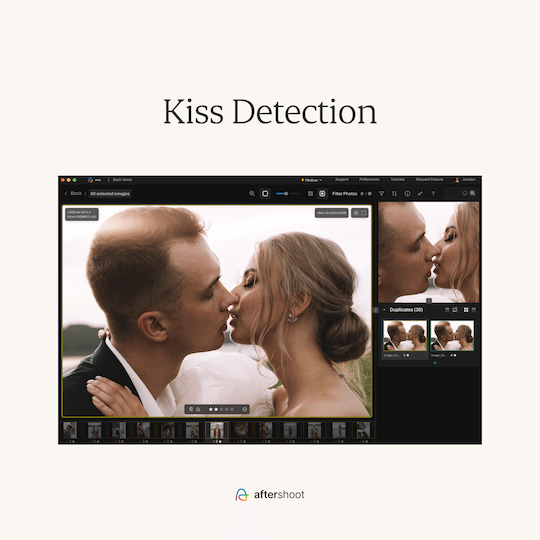
AfterShoot is an AI-Powered Photo Workflow Tool for Photographers
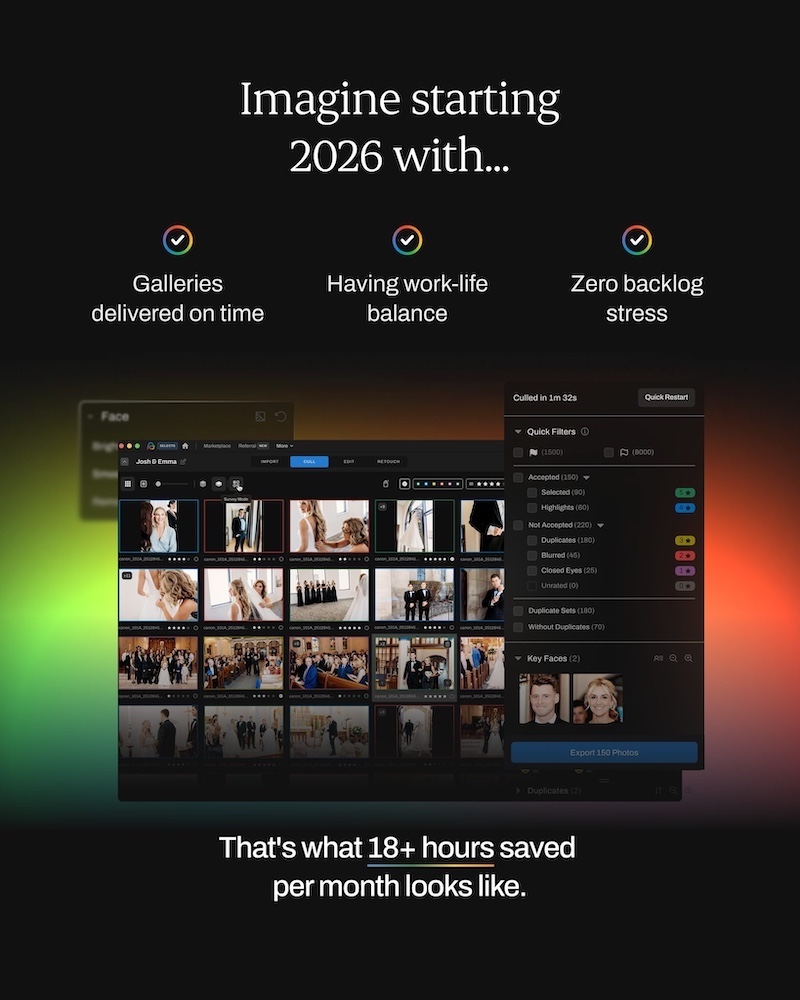
AfterShoot is an all-in-one, AI-driven software platform designed specifically for photographers to automate and accelerate the post-production process. It handles culling (selecting the best shots from a shoot), editing (applying consistent adjustments like exposure and color grading), and retouching (subtle enhancements such as skin smoothing or blemish removal), allowing users to spend more time shooting and less on tedious desk work. The tool runs entirely offline on Windows or MacOS computers (requiring at least 8GB RAM and a modern CPU), supporting RAW and JPEG files from most major cameras—no internet upload or complex setup needed.
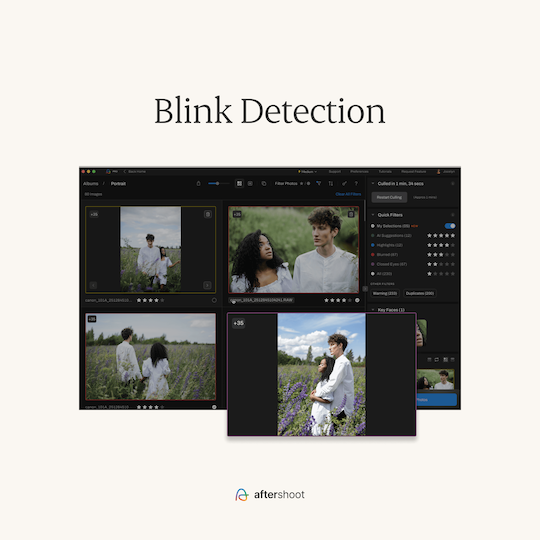
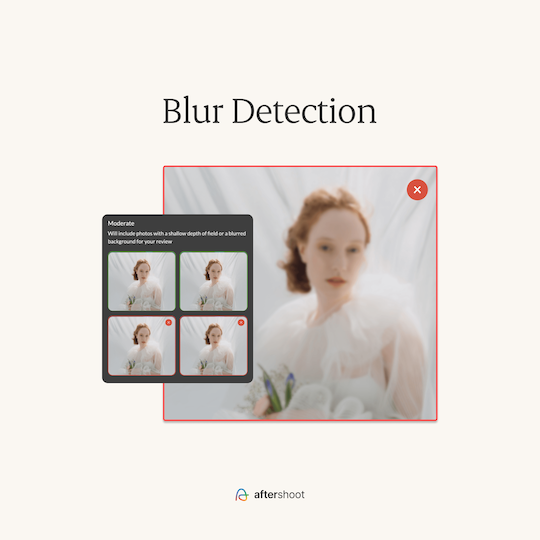
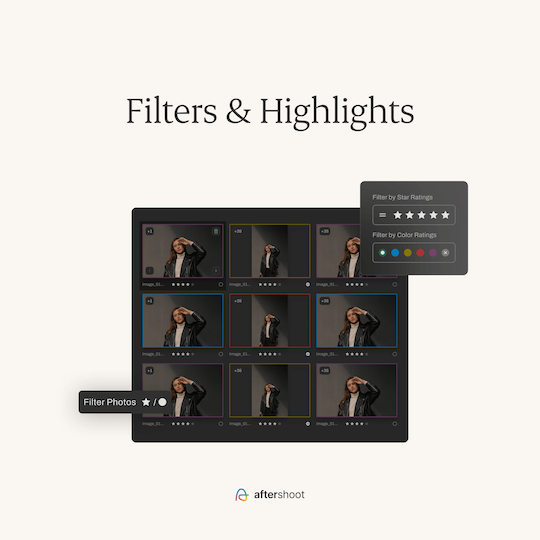
Automatically sorts and ranks photos based on sharpness, composition, and duplicates, learning from your preferences to improve accuracy over time:
AI analyzes 30+ factors to rank the best photos.
Software continuously improves with updates.
Options: manual, AI-assisted, or fully automated culling (customizable for user comfort).
AI Editing
Applies batch edits that match your style, such as white balance, lens corrections, and creative presets:
Works offline.
AI learns user style and improves with use.
Pro profiles & instant profiles available.
Lightroom + Capture One integration.
Marketplace with pre-built paid and free profiles from well-known photographers (growing library).
AI Retouching
New feature for natural-looking touch-ups, including wrinkle/blemish removal, teeth whitening, and skin enhancements that mimic professional human retouching:
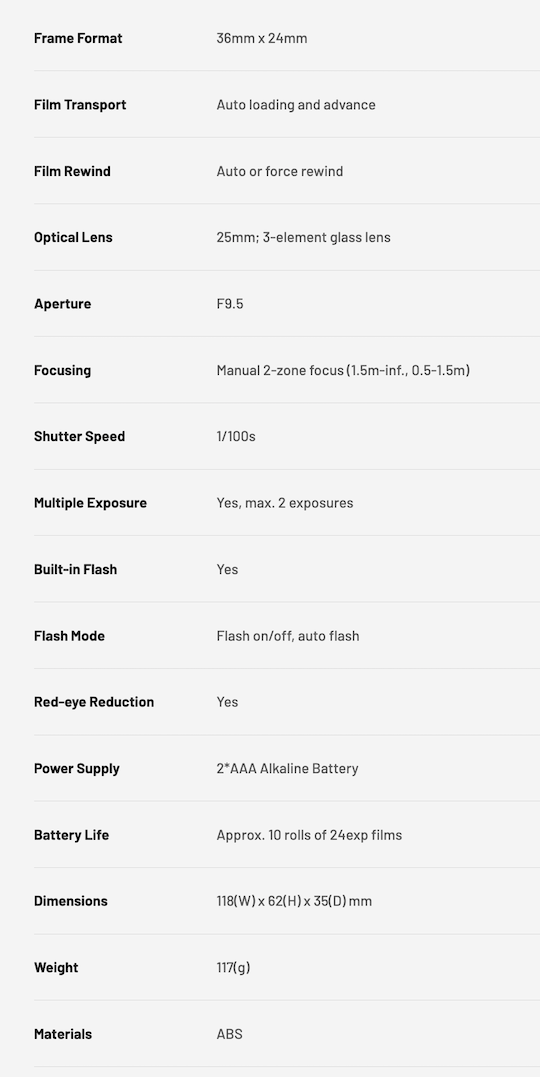
A new Kodak Snapic A1 film camera was released today with a double exposure function. You can get one for $99 at B&H Photo. Here are the details:
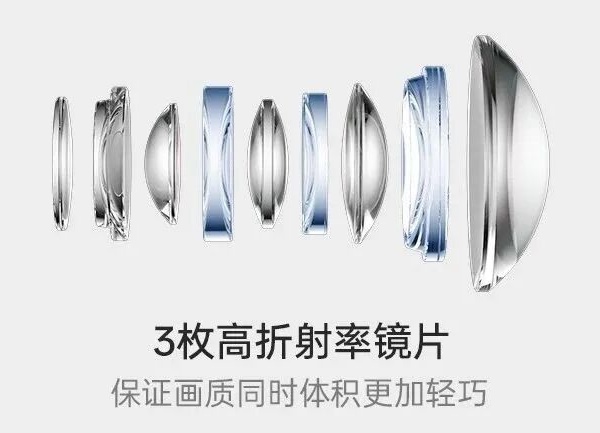
The Kodak Snapic A1 35mm film camera is a versatile full-frame film camera. Apart from the high-quality 3-element glass lens, it also features a range of automatic functions, including auto wind, rewind, and auto flash, ensuring ease of use. The 2-zone focus allows for quick adjustment between portrait and landscape shots, while the double exposure function invites creative expression by blending two images into one.
Equipping a high-quality 3-Element Glass Lens: The Snapic A1 ensures stunning clarity and detail in every shot.
Focus switching: Features 2-zone focus, allowing for a quick adjustment between landscape and close-up settings.
Built-in Auto Flash: Users can select auto-flash function with red-eye reduction.
Double Exposure: The unique double exposure function also invites creative expression by blending two scenes into one captivating image.
Designed for full-frame mirrorless cameras and also compatible with GFX/XCD medium-format systems, the Laowa 35mm f/2.8 Zero-D Tilt-Shift 0.5× Macro lens with 3-in-1 optic combines tilt, shift, and half-macro capabilities into a single, compact package (±12mm of shift on Full Frame and ±8mm on Medium Format). The Laowa 35mm f/2.8 Zero-D Tilt-Shift 0.5x Macro boasts the Zero-D (Zero Distortion) optical design, ensuring sharp, geometrically accurate images. The APO (Apochromatic) elements deliver impeccable color fidelity and edge-to-edge clarity, while a bright f/2.8 aperture excels in low-light conditions. The price is USD 1,249.
Specification:
Name
Laowa 35mm f/2.8 Zero-D Tilt-Shift 0.5x Macro
Format
Full Frame
Focal Length
35mm
Aperture Range
F2.8-22
Angle of View
87.5°
Tilt
±10°
Shift
±12mm
Mount Rotation
360°
Magnification
0.5x
In-focus driving mode
Manual Focus
Lens Structure
14 elements in 12 groups
Aperture Blades
15
Min. Focusing Distance
22.8cm
Filter Thread Size
Ø77mm
Dimension
Approx. Ø148.9mm* Ø104.9mm
Weight
1,350g (exclude front cap & rear cap )
Mounts
E/Z/RF/L*/GFX/XCD
Price
USD 1,249
*Remark: Not compatible with the following Panasonic Lumix models: S52 S1M2 S1R2 S1M2E S5M2X
Unrivaled Tilt & Shift Control
Full Frame Systems: Offers an expansive ±10° of tilt for precise plane of focus manipulation and ±12mm of shift for advanced perspective correction.
Medium Format Systems (GFX/XCD): Delivers ±10° of tilt and a robust ±8mm of shift, providing critical control without noticeable vignetting. These movements enable photographers to correct converging verticals in architecture, create stunning miniature effects, achieve extended depth of field across vast landscapes, and minimize reflections, all directly in-camera
Zero-D (Zero Distortion) Optical Design
As part of Laowa’s renowned Zero-D line, the 35mm f/2.8 ensures virtually no optical distortion, delivering perfectly straight lines crucial for architectural and interior photography. Its APO (Apochromatic) design further eliminates chromatic aberration, guaranteeing superior image quality and edge-to-edge sharpness across its broad 87.5° angle of view.
Exceptional Macro Capabilities
With an impressive 0.5x maximum magnification and a minimum focusing distance of just 22.8 cm (the closest in its class for tilt-shift lenses), this lens excels in macro photography. This close-focus ability, combined with tilt-shift movements, opens new avenues for detailed product shots, creative tabletop photography, and unique close-ups.
Versatile for Diverse Applications
The fast f/2.8 aperture provides excellent low-light performance, making it ideal for night scenes, long exposures, and indoor shooting. Its unique combination of features makes it a versatile companion for architectural, landscape, product, and fine art photographers seeking to push creative boundaries.
Seamless Photo Stitching and Panoramic Imaging
Using the shift function, panoramas can be created with ease through photo stitching.
Photographer-Centric Design
Built-in 77mm Filter Thread: Offers practical and cost-effective filter use without bulky adapters.
Adjustable Tilt-Shift Direction: Provides flexible composition adjustments with 15° clicks for precise control.
Integrated Arca-Swiss Lens Support: A detachable support allows for quick and secure mounting to tripods, crucial for precise tilt-shift work.
Frog-Eye Coating: The front element features Laowa’s water and dirt-repellent coating for easy cleaning and reliable performance in challenging environments.
When you use DPReview links to buy products, the site may earn a commission.
Image: Laowa
Venus Optics is expanding its tilt-shift lens lineup with the 35mm F2.8 Zero-D Tilt-Shift 0.5x Macro lens. The new manual focus offering is designed for full-frame cameras, with versions available for Z, E, RF and L mounts. It is also compatible with the GFX and XCD medium-format systems. As the name suggests, it offers a wide-angle perspective with tilt-shift control and macro capabilities.
Laowa's 35mm F2.8 Zero-D Tilt-Shift 0.5x Macro lens is part of its Zero-D line, which, according to the company, results in virtually no optical distortion. The lens also uses an apochromatic design to minimize chromatic aberration and provide improved edge-to-edge sharpness. The optical design comprises 14 elements in 12 groups, and it features a 15-blade aperture diaphragm.
While not a true macro lens by the standard definition (which requires 1x magnification), it offers a 0.5x maximum magnification. It can focus as close as 22.8 cm (9"), which Laowa says is the closest in its class for tilt-shift lenses. On full-frame cameras, the lens offers ±10° of tilt and ±12mm of shift, whereas on medium-format cameras, it is limited to ±8mm of shift, while maintaining the same level of tilt.
The lens also offers practical design features, such as a 77mm filter thread and integrated Arca-Swiss support. The tripod collar will be especially useful since it's by no means a lightweight lens, coming in at 1,350g (3lbs).
Laowa’s New Tilt-Shift Lens — 35mm f/2.8 Zero-D Tilt Shift 0.5x Macro — Take Control of Every Line & Perspective
Anhui, China – November 25, 2025 – Anhui ChangGeng Optical Technology Company Limited (Venus Optics), a leading innovator in camera lens design, proudly announces the launch of its groundbreaking Laowa 35mm f/2.8 Zero-D Tilt-Shift 0.5× Macro lens. This versatile new optic empowers photographers with unparalleled creative and technical control, blending wide-angle perspective, tilt-shift functionality, and macro capabilities into a single, compact tool.
Designed for full-frame mirrorless cameras and also compatible with GFX/XCD medium-format systems, the Laowa 35mm f/2.8 Zero-D Tilt-Shift 0.5× Macro redefines precision imaging. Photographers can now take command of every line and perspective, from architectural grandeur to intricate tabletop scenes at an affordable price of USD 1,249.
Unrivaled Tilt & Shift Control
Full Frame Systems: Offers an expansive ±10° of tilt for precise plane of focus manipulation and ±12mm of shift for advanced perspective correction.
Medium Format Systems (GFX/XCD): Delivers ±10° of tilt and a robust ±8mm of shift, providing critical control without noticeable vignetting. These movements enable photographers to correct converging verticals in architecture, create stunning miniature effects, achieve extended depth of field across vast landscapes, and minimize reflections, all directly in-camera.
Zero-D (Zero Distortion) Optical Design
As part of Laowa's renowned Zero-D line, the 35mm f/2.8 ensures virtually no optical distortion, delivering perfectly straight lines crucial for architectural and interior photography. Its APO (Apochromatic) design further eliminates chromatic aberration, guaranteeing superior image quality and edge-to-edge sharpness across its broad 87.5° angle of view.
Exceptional Macro Capabilities
With an impressive 0.5x maximum magnification and a minimum focusing distance of just 22.8 cm (the closest in its class for tilt-shift lenses), this lens excels in macro photography. This close-focus ability, combined with tilt-shift movements, opens new avenues for detailed product shots, creative tabletop photography, and unique close-ups.
Versatile for Diverse Applications
The fast f/2.8 aperture provides excellent low-light performance, making it ideal for night scenes, long exposures, and indoor shooting. Its unique combination of features makes it a versatile companion for architectural, landscape, product, and fine art photographers seeking to push creative boundaries
Seamless Photo Stitching and Panoramic Imaging
Using the shift function, panoramas can be created with ease through photo stitching.
Photographer-Centric Design
Built-in 77mm Filter Thread: Offers practical and cost-effective filter use without bulky adapters.
Adjustable Tilt-Shift Direction: Provides flexible composition adjustments with 15° clicks for precise control.
Integrated Arca-Swiss Lens Support: A detachable support allows for quick and secure mounting to tripods, crucial for precise tilt-shift work.
Frog-Eye Coating: The front element features Laowa's water and dirt-repellent coating for easy cleaning and reliable performance in challenging environments.
Pricing & Availability:
The Laowa 35mm f/2.8 Zero-D Tilt-Shift 0.5× Macro will be available for purchase starting November 25, 2025, through the Venus Optics official website (https://www.venuslens.net/) and authorized resellers. The U.S. retail price is USD 1,249.
Name
Laowa 35mm f/2.8 Zero-D Tilt-Shift 0.5x Macro
Format
Full Frame
Focal Length
35mm
Aperture Range
F2.8-22
Angle of View
87.5°
Tilt
±10°
Shift
±12mm
Mount Rotation
360°
Magnification
0.5x
In-focus driving mode
Manual Focus
Lens Structure
14 elements in 12 groups
Aperture Blades
15
Min. Focusing Distance
22.8cm
Filter Thread Size
Ø77mm
Dimensions
Approx. Ø148.9mm* Ø104.9mm
Weight
1,350g (exclude front cap & rear cap)
Mounts
E/Z/RF/L*/GFX/XCD
Price
USD 1,249
*Remark: Not compatible with the following Panasonic Lumix models: S52 S1M2 S1R2 S1M2E S5M2X
When you use DPReview links to buy products, the site may earn a commission.
The Canon EOS R6 III promises 33MP resolution and decently fast readout speeds from an FSI CMOS sensor.
Photo: Mitchell Clark
We've received a production standard Canon EOS R6 III and have put it through our standard studio tests. As we work on our final reviews of 2025, the Canon looks likely to be the last camera we'll be able to complete testing on.
Our test scene is designed to simulate a variety of textures, colors, and detail types you'll encounter in the real world. It also has two illumination modes, full even light and low directional light, to see the effect of different lighting conditions.
Image Comparison
This widget is not optimized for RSS feed readers. Click here to open it in a new browser window / tab.
As you might hope, the Canon captures more detail than its 24MP rivals, and comparable amounts to its 33MP Sony peer, while also matching the color response of the EOS R6 II. The slightly richer, more yellowy pinks than the Sony and Nikon suggest it'll give the skin tone response that many Canon users have come to enjoy.
The detail difference is more apparent in the processed Raws, where the Canon and Sony present the horizontal lines in the doorway in a similar manner, whereas the R6 II and Nikon Z6III can't. Interestingly, the Nikon presents a convincing but completely spurious representation of the vertical lines above the door, while the EOS R6 II represents similar thick lines horizontally: both the result of aliasing.
At mid-to-high ISO there's little to choose between any of these cameras in terms of noise. As you creep towards the very highest ISOs the gap starts to open up, but it's only in the camera's extended 102,400 setting that the difference becomes clear. Even then, this is unlikely to be the difference between the images from some of these cameras being usable and others not: they're all going to be pretty hard to salvage.
It's also worth noting that the noise that is visible appears slightly smeared, rather than as individual points, which could be indicative of noise reduction. Our scene has plenty of fine detail, much of it with low contrast, if you want to download the files and see if you think it'll have any impact when processed with your preferred workflow.
Switching to electronic shutter mode sees the camera drop to 12-bit sensor readout, which has the predictable effect of curtailing the dynamic range of the Raws (the reduction in available values to encode the shadows presents as quantization noise).
Our ISO Invariance test suggests this is a dual gain sensor that switches to its higher gain step around ISO 800. There's very little benefit to raising ISO above that point, but opportunity to keep ISO down to protect highlights.
Overall, there's no sign of any nasty surprises to undermine the R6 III's performance promises.
When you use DPReview links to buy products, the site may earn a commission.
Image: Panasonic
Panasonic has announced new firmware for its Lumix S1RII (Ver. 1.3), S1II (Ver. 1.2 ) and S1IIE (Ver. 1.2) cameras. The updated firmware promises an improved shooting experience and enhanced functionality with changes to autofocus performance, thermal control and more.
The most notable change Panasonic is bringing to its full-frame S1 series cameras is improved autofocus features. Panasonic states that the new firmware for all three models will provide enhanced autofocus tracking stability in their generic tracking modes due to algorithm improvements.
On the left is how Panasonic has handled the display for eye detection autofocus. On the right is the new option, which uses a rectangle over the eye. Screenshots: Mitchell Clark
The updates add an option to only display the autofocus frame on your selected subject, rather than on it and every other possible subject in the frame, providing a cleaner UI. Panasonic has also added an option to change how the autofocus frame is displayed when tracking a human eye, letting you choose to use a standard rectangle outline. Previously, the camera would place a square over the entire face with a target over the eye. That option is still available for those who like it, but the update makes the eye recognition AF display more similar to what other brands do.
Another important update comes from an improved thermal control algorithm. Panasonic says the update makes the camera react less to environmental factors, such as direct sunlight or a sudden swing in temperature, like you may see when moving from an indoor to an outdoor location. The company says the cameras should be able to achieve longer record times in their most demanding modes; for example, you can now expect double the record time when shooting DCI 4K in 120p, recording to a CFexpress card, and an even bigger increase when recording to an SD card.
The company has also made it so that the front-plate record button won't do anything in photo mode.
There's a healthy list of other changes, too. Panasonic added a lower-speed burst option to its electronic shutter burst mode (SH burst shooting) on the S1RII (20 fps) and S1II (30 fps). All three cameras get MP4(Lite), a low-bitrate video format that records 3:2 Open Gate at 30p or 25p with a 50 Mbps data rate. It promises to deliver files that are approximately 41% smaller than standard MP4 clips at similar settings. The company has also made it so that, by default, the front-plate record button won't do anything in photo mode, which should cut down on the number of accidental clips people take. (If you've already reassigned the button, don't worry; your setting should be preserved through the update.)
The company has also included a few new options to help manage your ISO. You can now set one of your dials to switch directly between manual and auto ISO mode, when previously you had to scroll through the entire range to get back to auto mode. If you prefer, you can also assign a button to toggle between auto and manual ISO as well. The ISO display for video mode also gets an update that makes it clear when your camera is using its sensor's low or high gain step, if you have it set to switch between them automatically.
If your ISO is in the blue region, it uses the low-gain step, and if it's in the red region, it uses the high-gain step. It's a useful indicator, given that different color modes, such as Log or Cinelike A2, will have different base ISOs.
Alongside the firmware updates, Panasonic has also released Version 1.4 of the Lumix Flow app, which is designed for creators shooting video and filmmakers. It brings changes that the company says have been requested by the app's users, including support for LUT live view within the app, the ability to carry over frame markers from the camera to the app and improved AF frame display.
All of the firmware updates are available for download as of November 25, 2025, at 8:00 pm EST / November 26, 2025, at 1:00 am UTC.
Press release:
Panasonic Announces New Updates for its LUMIX S Series Camera Firmware and LUMIX Flow App
Newark, N.J. (November 25, 2025) – Panasonic has introduced a series of new firmware updates for its full-frame mirrorless LUMIX S1RII, S1II and S1IIE, aimed at improving the hybrid shooting experience and enhancing functionality. In conjunction with the camera firmware update, an update for the app will also be released. All updates will be available from November 25, 2025, at 8:00pm EST, via the LUMIX Global Customer Support website and app stores.
User feedback has played a key role in shaping this update, such as optimized thermal management, addition of MP4(Lite) recording option, and UI improvements. With support and input from the LUMIX community, Panasonic has further refined the shooting and workflow experience. The company remains dedicated to this approach, providing ongoing firmware updates and product enhancements with a commitment to supporting creators and delivering the best possible tools for their craft.
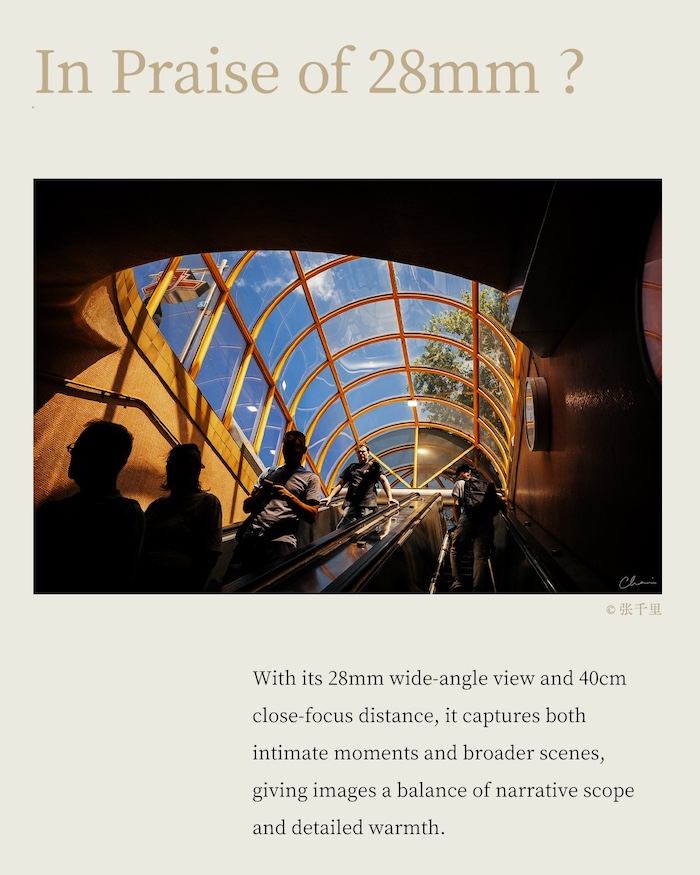
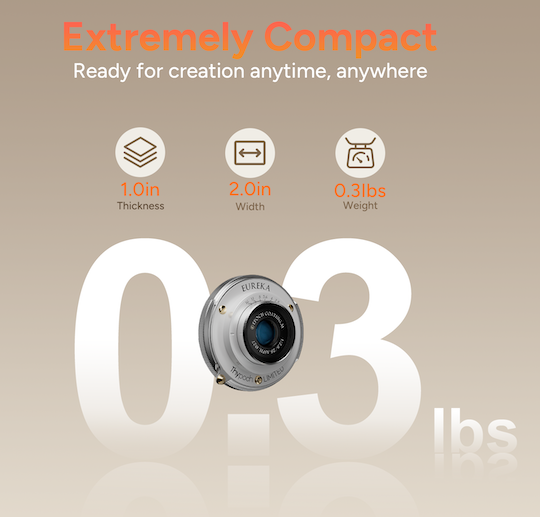
Classic and Compact: Thypoch Eureka 28mm f/2.8 ASPH. Pre-order Available Now
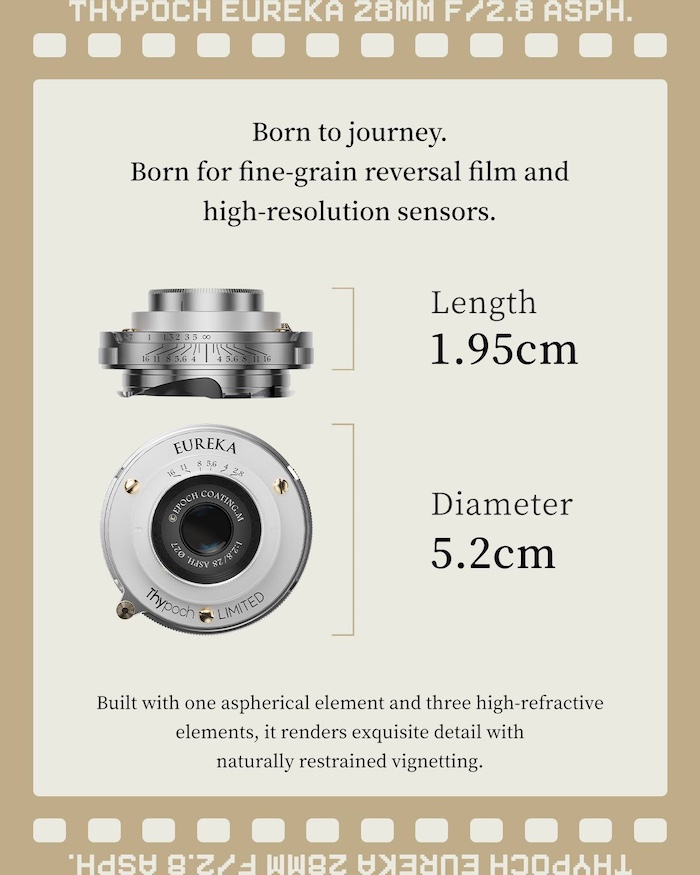
Thypoch today announcedthe pre-order of the Eureka 28mm f/2.8 ASPH, the latest addition to its vintage line of compact, high-performance pancake lenses. Following the success of the series’ inaugural 50mm lens, the new 28mm model maintains the signature blend of classic aesthetic appeal and cutting-edge optical engineering, offering photographers a wider option.
Inspired by the iconic British legend – the Dallmeyer 35mm f/3.5 Anastigmat mounted on the Ilford Advocate camera, the Eureka 28mm f/2.8 ASPH embodies a heritage design re-imagined for today. The creation of this lens was born from the Thypoch team’s passion for shooting reversal film during long-distance travels, using compact 28mm lenses. Dissatisfied with the market’s lack of options that were truly small, elegant, and exhibited minimal vignetting—a critical flaw for reversal film, where dark corners significantly impact viewing pleasure, unlike digitally adjustable files—they decided to develop their own.
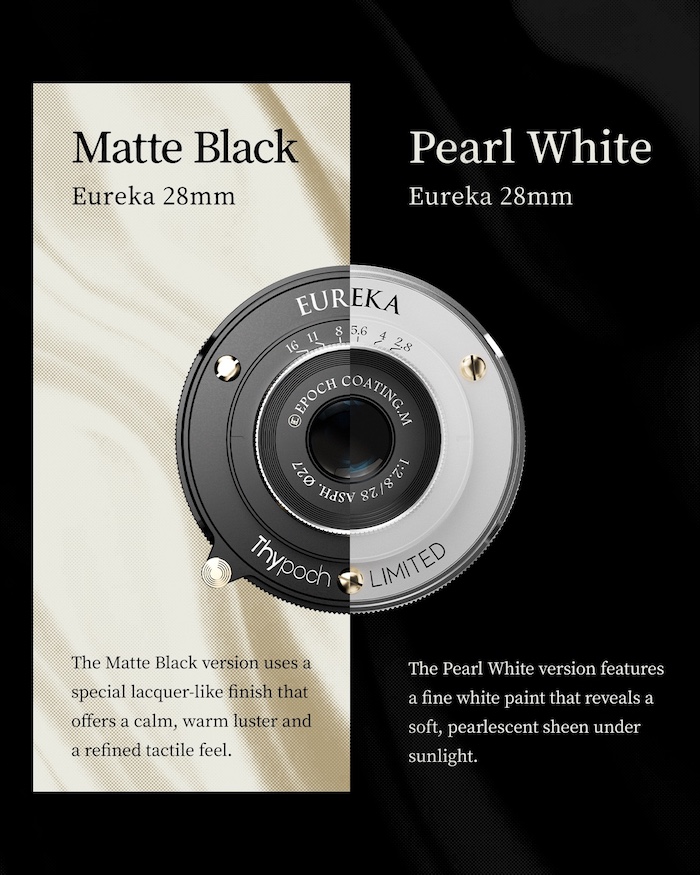
Thypoch’s optical designers iterated through three distinct versions before arriving at the optimal result seen today, achieving outstanding resolution, minimal vignetting, and low distortion—all within an exceptionally compact form to meet the demands of fine reversal film. To match this optical excellence, countless hours were dedicated to refining the fine white paint finish and perfecting the surface texture of the black version. Although the black model does not use lacquer, the team employed a special method to achieve a tactile quality as pleasing as traditional black lacquer, making the Eureka 28mm a precision instrument for the artist, and a work of art in itself.
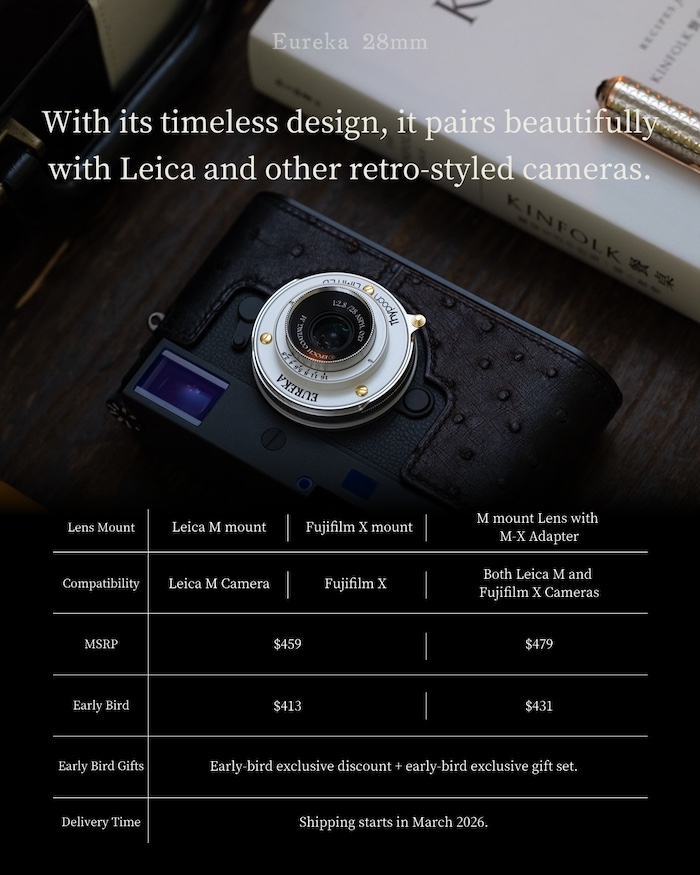
Besides the M mount version, Thypoch specially releases an X mount version and an M-X adapter to maintain the aesthetic consistency between the camera body and the lens based on the refined, vintage appearance of Eureka and the design of Fujifilm cameras. Even when adapted, its compact size remains lightweight and balanced, making it an ideal choice for those who appreciate classic aesthetics without compromising modern optical quality.
There are 3 options available for pre-order, all of them enjoy a 10% discount of the MSRP and a special gift of pre-order:
Eureka 28mm M mount (Pearl White/Matte Black), pre-sale price at $413.
Eureka 28mm X mount (Pearl White/Matte Black), pre-sale price at $413.
Eureka 28mm mount (Pearl White/Matte Black) + M-X adapter (Silver/Black), pre-sale price at $431.

 Connexion