In this week's Question of the week, members of the community said the biggest positive changes to their photography came from simplifying their gear and embracing a few smart tools and habits, rather than chasing specs alone.
Some of you pointed to big-ticket purchases, such as returning to interchangeable-lens systems after a long absence or investing in a medium-format body. In contrast, others highlighted inexpensive adapters, flashes, or AI tools that quietly transformed your workflow. A recurring theme was that anything which removed friction, such as lens changes, menu-diving, clunky tripods, or excessive retouching, freed you to focus more on composition, timing, and storytelling.
Read on for a spotlight selection of contributions, and then join our forum community to share your great photos and the stories they tell.
Several community members did point to new cameras or lenses as their standout change, but not only for the specs. What mattered most was how a body or lens made them feel: whether they were more inclined to get out to take photographs, more confident handling the camera or less distracted by constant gear decisions.
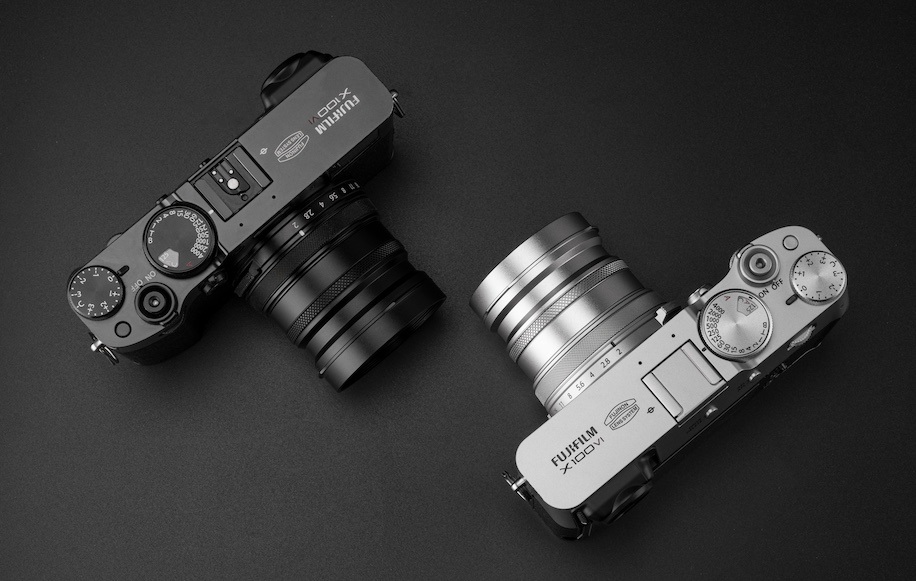
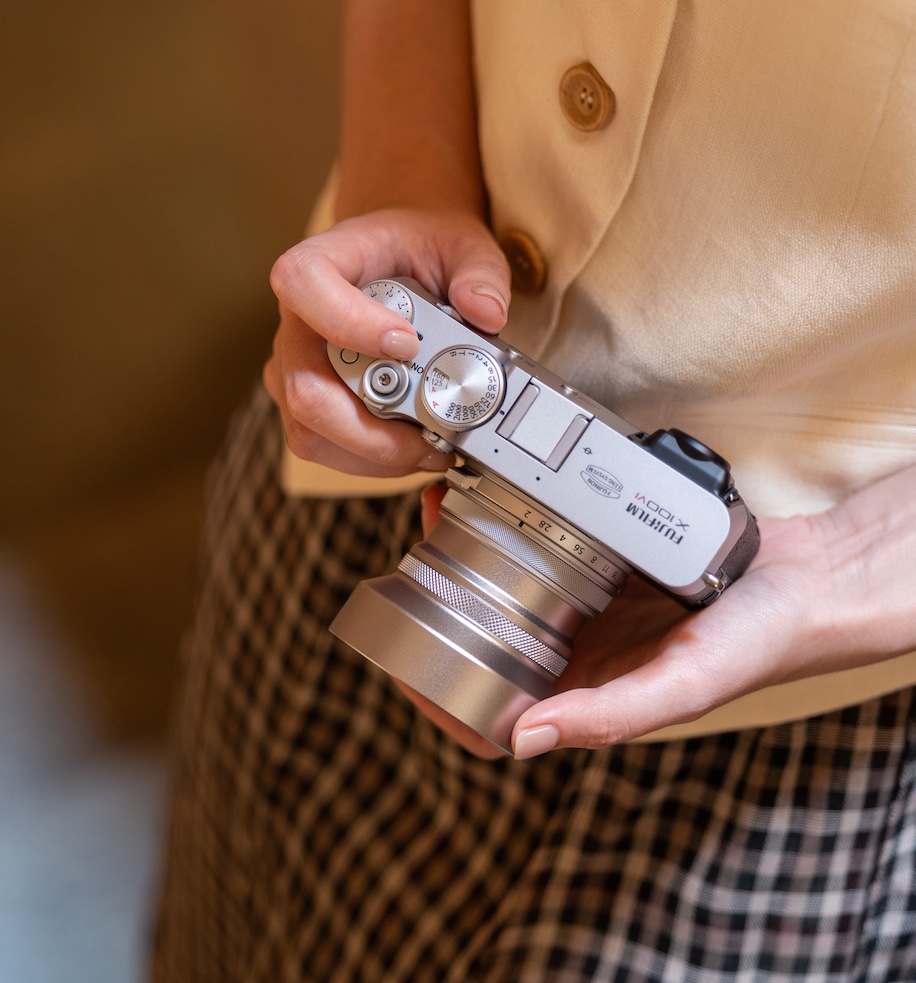
Alan Sh: I know it sounds odd, but buying the Fuji X-E5 rekindled my excitement for street photography. The camera just felt 'right' in my hand - much more so than the X100VI I had purchased over 12 months before.
barefeetDave: New gear. Pulled the trigger and picked up the Panasonic Lumix S1R2… It's a heavy kit, but the images I get are terrific. I love the tactile controls of the S1R2 - I rarely have to dig into the menus to change setup.
Poppamies: Getting my telephoto zoom for Fuji, the Sigma 100-400 DG dn os. They say gear doesn't matter, but it does, wildlife is hard with a 16-80mm zoom, haha.
tvgc: The battle of size was the most influential contributor to my photography this past year. Aging brings challenges, and I found myself looking for a camera that I could carry without significant IQ compromises, but wasn't too bulky in size. I was fortunate in that I had the opportunity to try a couple of the Internet's favorite compacts. I had owned a Sony RX1RMK2 and really enjoyed it, a few years ago I foolishly sold it when I moved to the Sony A7C models.
MyReality: In 2025, I shot a lot more video, had a lot of slides scanned, and had an 80-image book printed. I did not buy more gear because my photography is shifting more to video, and I have made no decision on cameras. 2026 will be the year I buy a much more videocentric camera.
Howard V: My photography was most influenced in 2025 by a newly purchased iPhone 16 Pro. I decided to delve more deeply into its features than previously owned models, and into phone photography as a legitimate approach. To reinforce this, I shelved all other photo equipment. At first, it felt novel, but then it became less pleasant as its shortcomings became more evident. But I mostly stuck it out until July.
For others, the biggest impact came from how they worked rather than what they bought. The community described small studio and workflow changes that paid big dividends in consistency, efficiency and enjoyment.
sirhawkeye64: For me, it was just getting out more and shooting more with what I already have. No need for newer/better gear, but just getting out, experiencing new things, and practicing is what had the biggest impact for me over this past year+. I'm at the stage where I don't need/necessarily want the newest, most expensive gear. I just want capable gear, which is what I have for what I shoot. It's not the latest or fastest, but it gets the job done. Now I'm focused more on shooting and making memories.
Sam Bennett: This one's easy - re-adopting the habit of having an 'every day carry' camera. Going to the coffee shop wasn't just about getting caffeinated; it was about getting creative. One of the biggest benefits of this is that the OM-3 has become an extension of my body - I use it so often that it is completely second nature. It has also helped me use my OM-1 differently and more efficiently - I understand that camera better now than I did before I got the OM-3.
Krummj: I’ve been printing more. But printing on the small side, 5x7. Printing is quick with the small size, and the photos look great. For shooting, I've been having fun with adapted Nikon G primes (these were made for full-frame DSLR and film Nikons). Adapted to my ZF and Z7, they work perfectly, and the images have something I like about them compared to the latest Z lenses (don't ask me what).
1) Read all books by Bryan Peterson - they helped in several aspects 2) Started to use Canon Linear profile while doing RAW processing from my Canon RP. 3) Started to use DxO PureRaw, which saved a lot of my ISO 1600+ shots. 4) Bought Canon EF 16-35 F4 IS (used a EF-S Sigma 2.8 before) in addition to my Tamron 35-150 2.8-4.0 and Canon EF 100mm f2.0. 5) Finally started to shoot much more. It improved me very much. 6) Try to shoot as best as I can directly from my camera
AI and software didn’t dominate the thread, but when they came up, readers said they quietly transformed post-processing. The focus was less on flashy effects and more on tools that removed tedious cleanup work.
Vince P: I know it's blasphemous, but the latest AI distraction, reflection removal, etc, has saved me so much time.
Maoby: The new AI features in photo editing software, such as LR, are fantastic when used intelligently and sparingly.
JaredL: Cancelling my Adobe subscription after more than a decade. I'm still getting accustomed to DxO PhotoLab, and it's been fun revisiting and re-editing photos from years ago to see the results.
icexe: Learning how to utilize Adobe Camera Raw better to do post-processing. I've learned a lot of really cool masking and lighting techniques to create just about any look I like without relying on plug-in ‘film packs’ or recipes to do it.
Community, learning, and life‑experience driven shifts
Several readers mentioned that their biggest leap occurred when they changed how they viewed and shared their images. Printing, in particular, emerged as a surprisingly powerful habit.
fotoword: Camera club membership drives me to get out of my chair and my comfort zone to enter the various themed and open competitions in my local club. I think this challenge, along with attending meetings with like-minded individuals, is what mostly gets me motivated.
Acquiring an XT50 earlier in the year and later a Canon 45 mm F1.2 for my R8 helped make those excursions even more interesting. I'm just waiting for my Godox IT32 to arrive to elevate the excitement that photography provides. Of course, it's not about the gear, but it does assist the enthusiasm.
Pavel Vishniakov: I started going to photo workshops and master classes organized by a local photo gear chain. It also pushed me to look at the world differently and capture photos that I wouldn't have thought of myself.
fatplanediaries: 2025 was when I decided to launch myself by doing well in as many photography competitions as I could. It was a humbling experience. I found out how far I still have to go.
It's now the end of 2025, and I can look back at my 2.5-year panorama odyssey with good clarity. There are many obvious lessons to get out of the way. For one, the Dunning-Kruger effect can haunt you at any stage of your creative life. For another, don't have such an ego. I've since received critiques from some really amazing photographers on my photos, and learned about aspects of photography I'd never known before.
Pedrin: Hello, everyone. This is my very first time posting on this website. I am now totally blind, with some light and form perception remaining. I was able to go forward and still photograph for the pleasure of others to see, and for the pleasure of me going back to very basic manual. I am therefore experiencing the joy of my photography as I have throughout my whole life.
Change that brings enjoyment
Across all these stories, it's clear that the most impactful change in 2025 was anything that made it easier to shoot often and enjoy the process - whether that came from a new camera, a smarter workflow or a simple habit that stuck.
Are you interested in participating in this series? Keep watch for the next Question of the week every other Wednesday, posted as an article here on the homepage and also in the forums. We can't wait to read and share your stories.
Earlier this year, Adobe made it possible to use third-party AI models in Photoshop, but now, the reverse is also true, and the company is bringing its own tools to AI chat platforms. Adobe is integrating Photoshop, Adobe Express and Adobe Acrobat with ChatGPT, allowing users to access select Adobe tools directly in the AI-powered conversational chatbot, for free.
Adobe says the integration aims to make it easier for everyone to edit photos, design invites and posters and create professional-looking documents. Users will be able to use ChatGPT’s conversational interface to request changes, instead of hunting for the correct tool themselves. The move builds on Adobe's AI Assistants and its beta Edit Suggestions feature, which it introduced at Adobe Max as its first step in testing "agentic style" editing.
Image: Adobe
To access the apps in ChatGPT, users need to type the name of the app or select it from the plus menu. Then users type a specific request describing the change they want. For example, if someone wants to change the colors in an image, they need to type something like, "Adobe Photoshop, warm up the colors in the image." After applying the adjustment, users can click on the selection and use sliders to fine-tune the edits, similar to what they might do in Photoshop (or at least a pared-down version of it).
Image: Adobe
Photoshop in ChatGPT won't offer the full suite of features found in the desktop software or mobile app. But it will allow for adjustments to a specific part of an image, provided you can define the section you want changed. It also supports changes to global image settings such as brightness, contrast and exposure, along with creative effects like Glitch and Glow. Adobe says that those who want more complete adjustments can then transfer an image from ChatGPT into its native apps and pick up where they left off.
The Adobe ChatGPT apps are available on desktop, the web and iOS. The Adobe Express ChatGPT app can be used on Android devices, and Adobe says that support for Photoshop and Acrobat is coming soon. All of the apps are free to use, and they don't require a paid ChatGPT subscription. However, some Acrobat and Adobe Express features do require users to sign in to an Adobe account.
Press release:
Adobe Makes Creativity Accessible for Everyone with Adobe Photoshop, Adobe Express and Adobe Acrobat in ChatGPT
Everyone can now edit with Photoshop in ChatGPT as Adobe’s category-defining creative app launches inside one of the world’s most popular conversational AI platforms
Adobe apps for ChatGPT combine the simplicity of conversation with the power of Adobe’s industry-leading tools to make it easy for everyone to edit photos, enhance designs and transform documents without leaving ChatGPT
The launch of Adobe apps for ChatGPT brings Adobe’s most popular creative and productivity apps – Photoshop, Adobe Express and Acrobat – to ChatGPT’s 800 million weekly users
SAN JOSE, Calif. — December 10, 2025 — Adobe (Nasdaq:ADBE) today launched Adobe Photoshop, Adobe Express and Adobe Acrobat for ChatGPT, bringing its industry-leading creative and productivity apps to the platform’s 800 million users. Adobe apps for ChatGPT build upon the company’s innovation in agentic AI, enabling everyone to easily enhance vacation photos, design event invitations and create polished, professional documents simply by describing what they want to achieve with their words. By combining the power of Adobe’s creative technology with ChatGPT’s conversational interface, Adobe apps for ChatGPT make creativity accessible for everyone.
"We’re thrilled to bring Photoshop, Adobe Express and Acrobat directly into ChatGPT, combining our creative innovations with the ease of ChatGPT to make creativity accessible for everyone," said David Wadhwani, president, digital media, Adobe. "Now hundreds of millions of people can edit with Photoshop simply by using their own words, right inside a platform that’s already part of their day-to-day."
The launch of Photoshop, Adobe Express and Acrobat for ChatGPT builds on Adobe’s ongoing innovation in conversational experiences powered by agentic AI and the Model Context Protocol (MCP). Earlier this year, Adobe launched Acrobat Studio, a destination for productivity and creativity that transforms static documents into interactive, AI-powered workspaces where people can ask questions, get insights, and easily create standout content from their PDFs. At Adobe MAX, Adobe introduced AI Assistants for Photoshop and Adobe Express that empower everyone to create using their own words and refine results using the company’s world-class tools. Adobe also previewed an upcoming AI Assistant for Adobe Firefly that will empower creators to quickly turn their ideas into finished content by working across multiple Adobe apps and beyond.
Adobe’s Top Creative and Productivity Apps Now in ChatGPT
Adobe apps for ChatGPT bring Adobe’s category-defining tools to people who may be new to its apps. The apps provide users with many popular features they need to create within the chat, where they can make conversational edits or take control using Adobe’s intuitive tools like sliders in Photoshop, to adjust image brightness or contrast.
Accessing Adobe’s apps in ChatGPT is as simple as typing the name of the app followed by an instruction. For example, to blur the background of an image with Photoshop, users can type: "Adobe Photoshop, help me blur the background of this image." ChatGPT then automatically surfaces the app and uses contextual understanding to guide the user through the action. To learn more about how to get started with Adobe apps for ChatGPT, read here.
With Adobe apps for ChatGPT, users can:
Easily edit and uplevel images with Adobe Photoshop: Adjust a specific part of an image, fine-tune image settings like brightness, contrast and exposure, and apply creative effects like Glitch and Glow – all while preserving the quality of the image.
Create and personalize designs with Adobe Express: Browse Adobe Express’ extensive library of professional designs to find the best one for any moment, fill in the text, replace images, animate designs and iterate on edits – all directly inside the chat and without needing to switch to another app – to create standout content for any occasion.
Transform and organize documents with Adobe Acrobat: Edit PDFs directly in the chat, extract text or tables, organize and merge multiple files, compress files and convert them to PDF while keeping formatting and quality intact. Acrobat for ChatGPT also enables people to easily redact sensitive details.
By delivering intuitive actions in ChatGPT, Adobe is expanding access to its most popular apps, reaching new audiences where they already work. For anyone who wants the full power and precision of Adobe’s tools, it’s seamless to move from ChatGPT into Adobe’s native apps and pick up right where they left off.
Pricing and Availability
Photoshop, Adobe Express and Acrobat for ChatGPT are free to ChatGPT users globally and available starting today on ChatGPT desktop, web and iOS. Adobe Express for ChatGPT is also available on Android, with support for Photoshop and Acrobat for ChatGPT on Android coming soon.
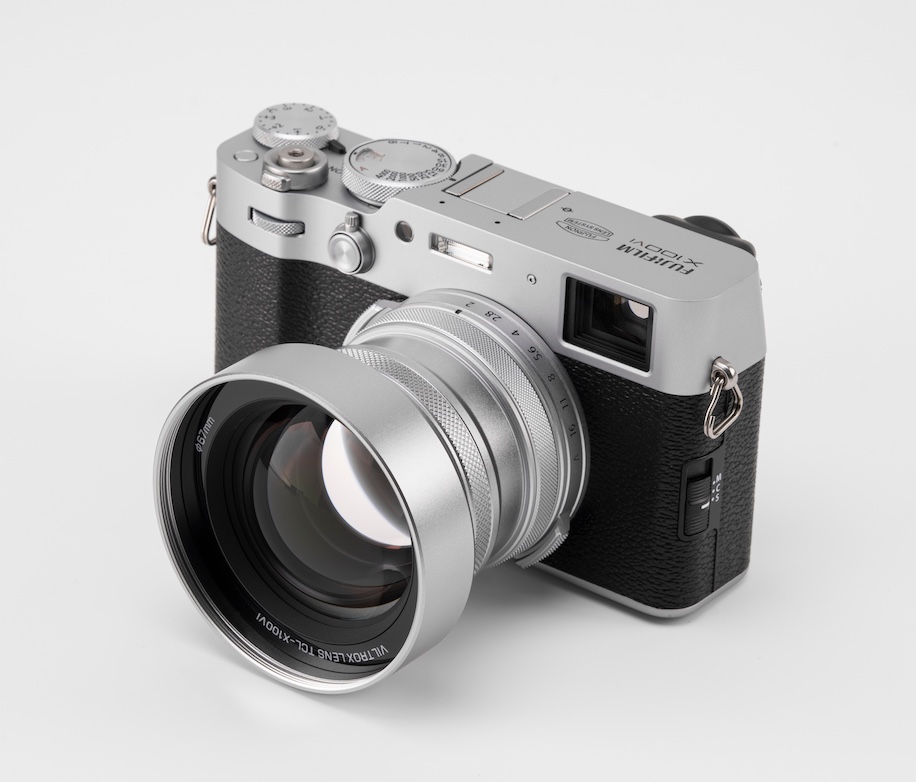
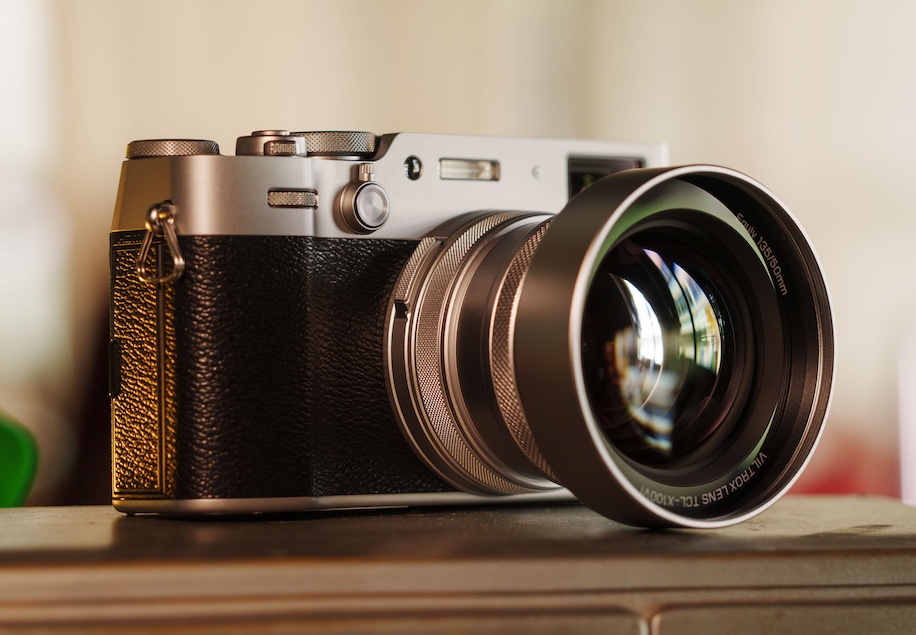
The Tele Conversion Lens (TCL) gives X100 series photographers a 50mm equivalent focal length. Image: Viltrox
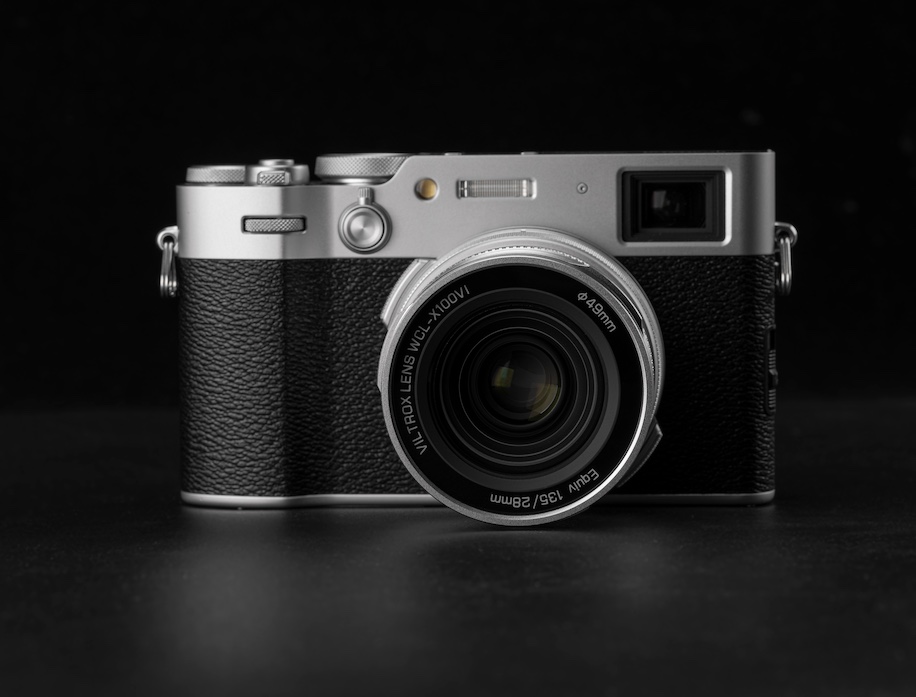
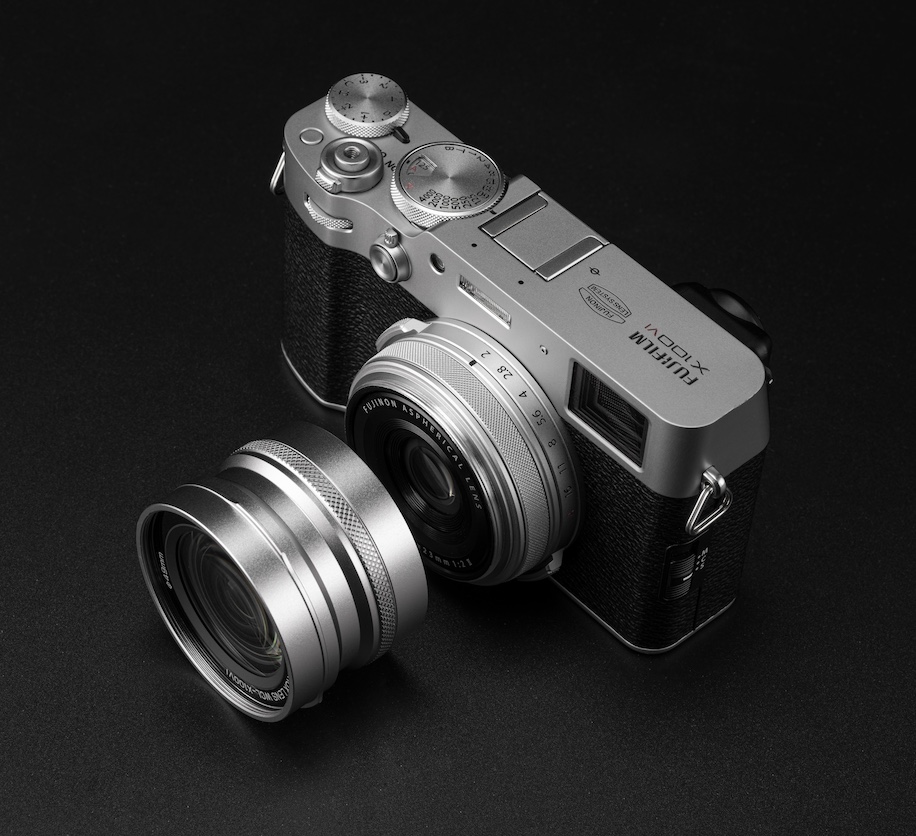
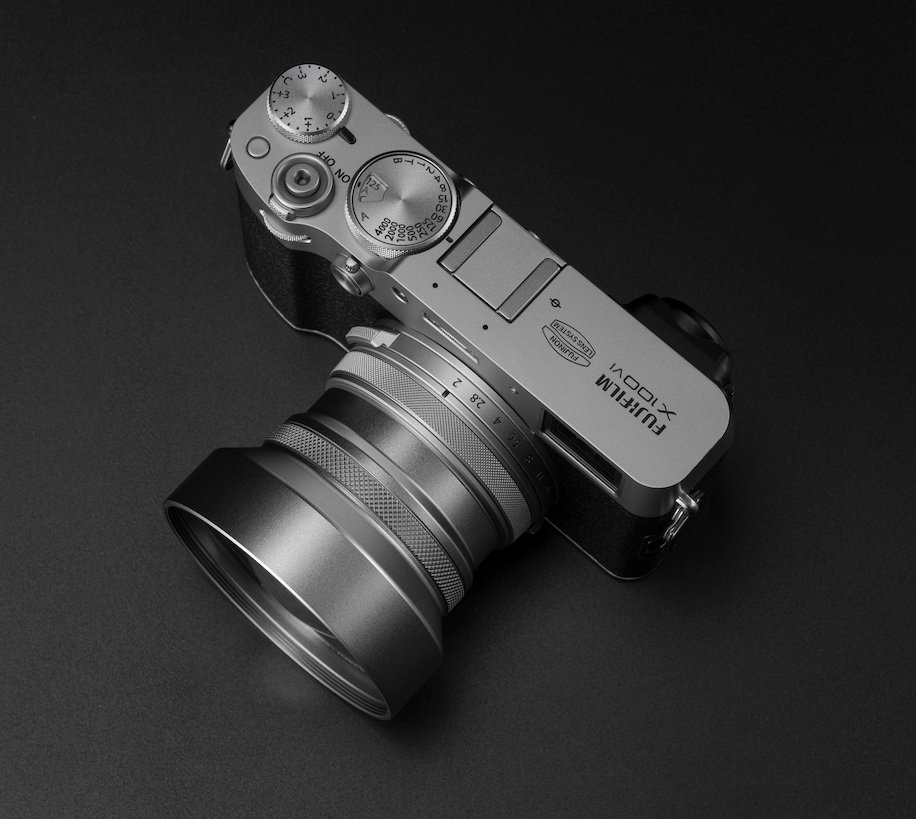
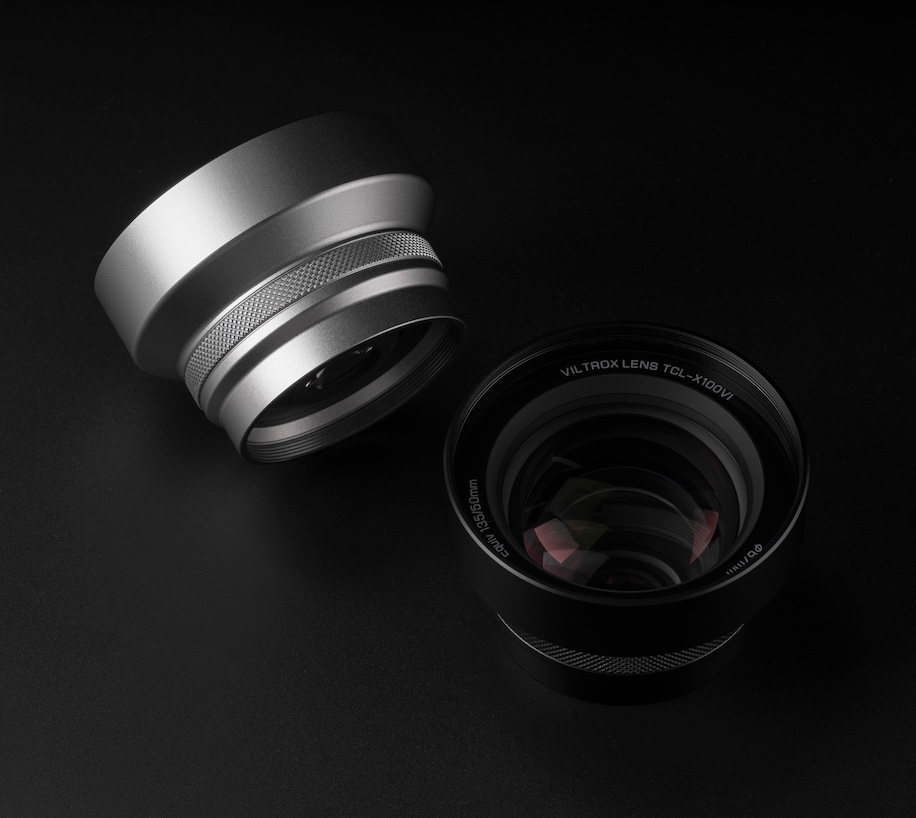
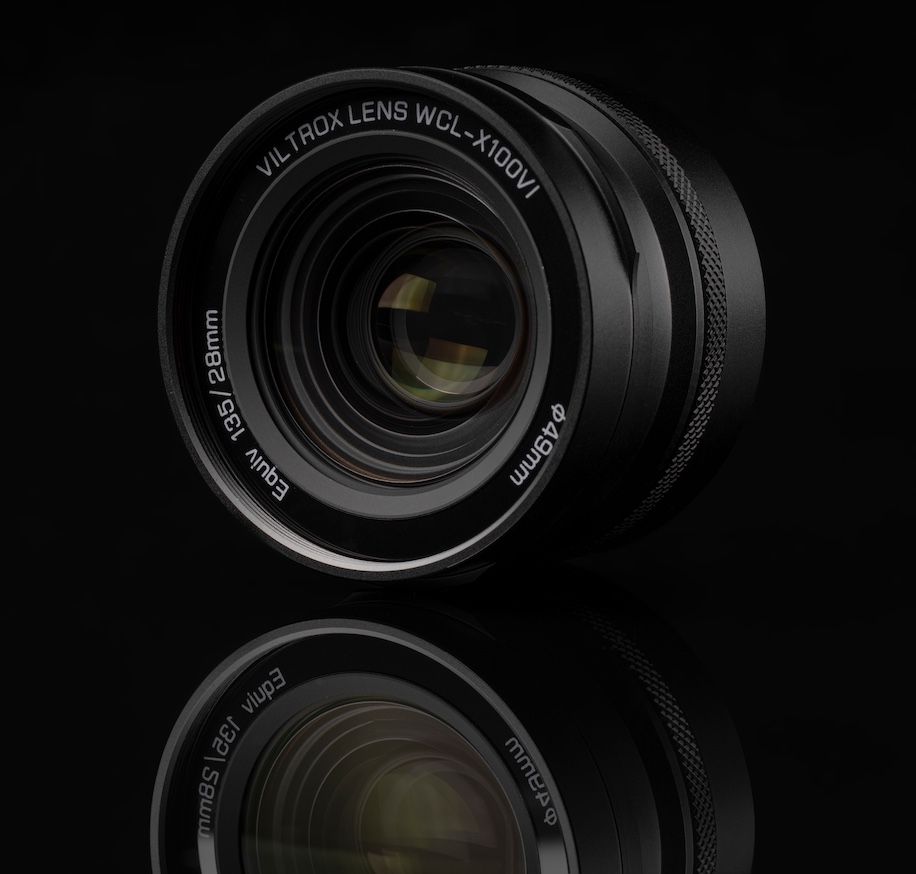
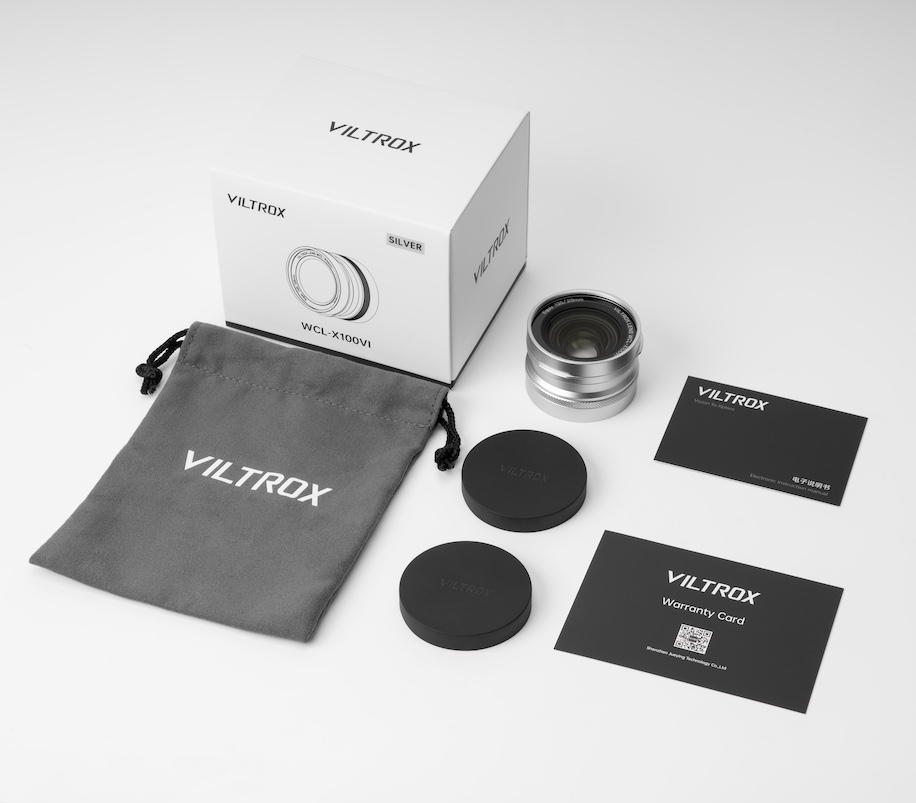
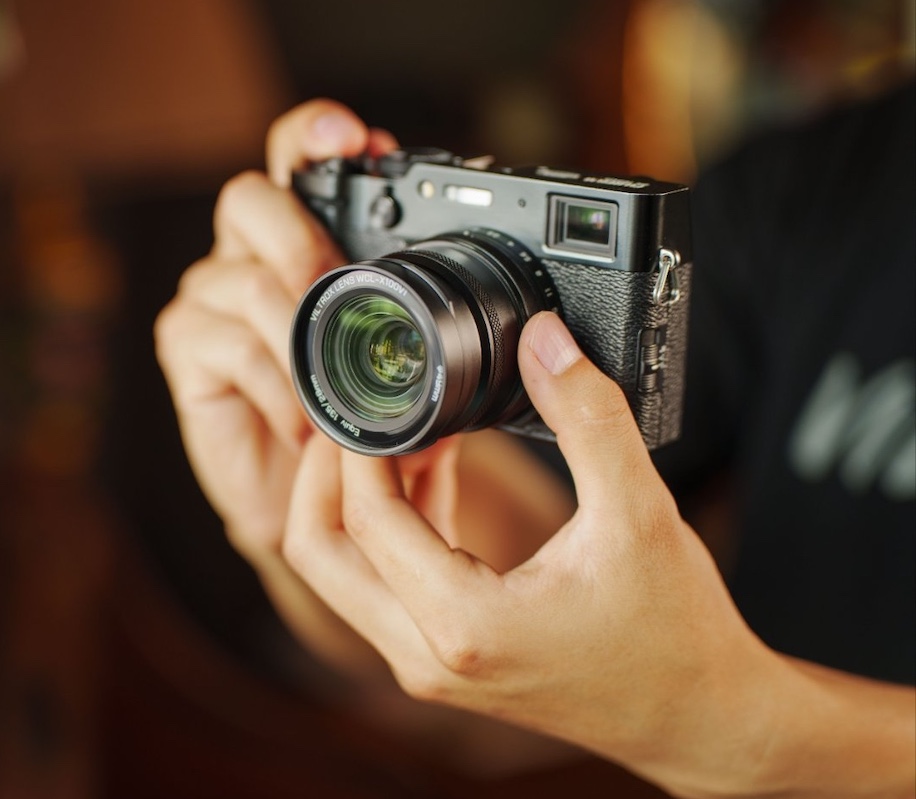
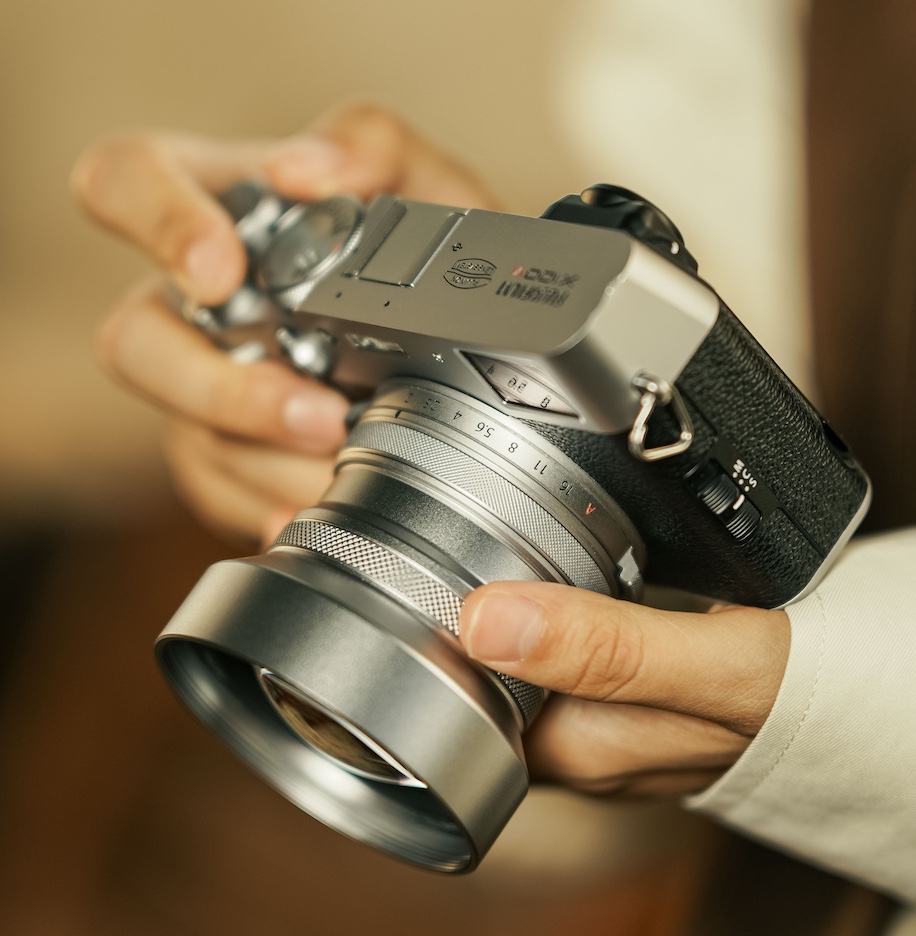
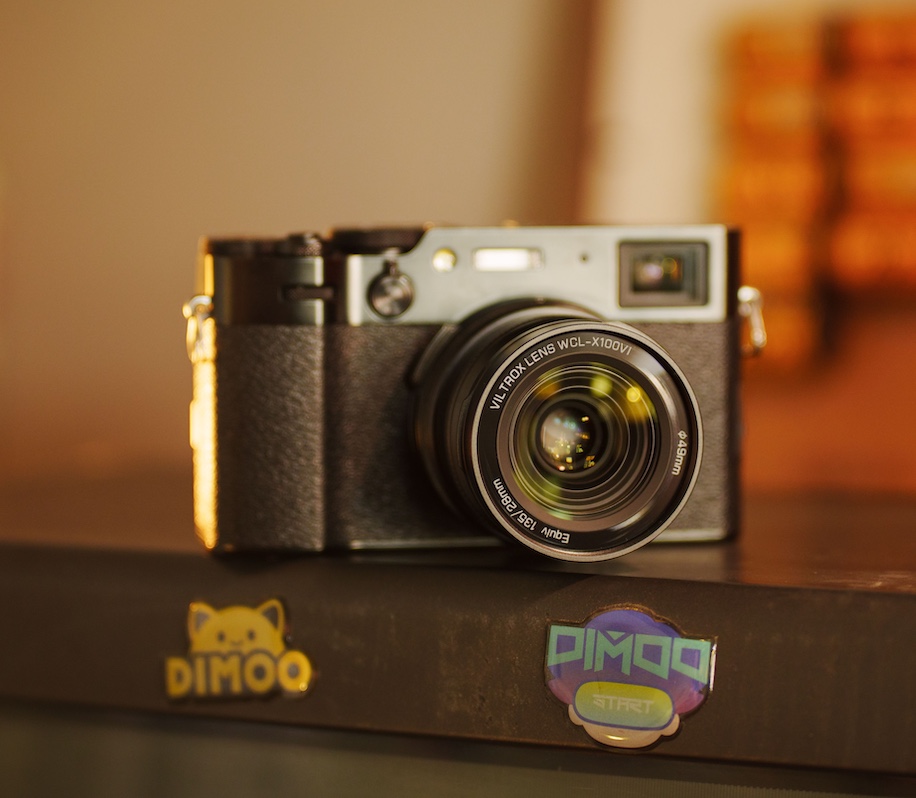
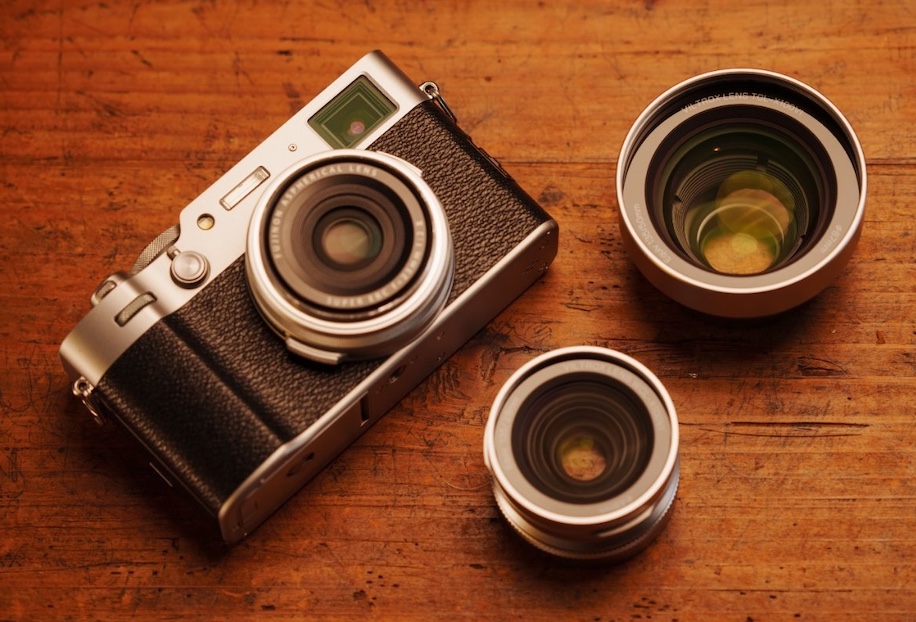
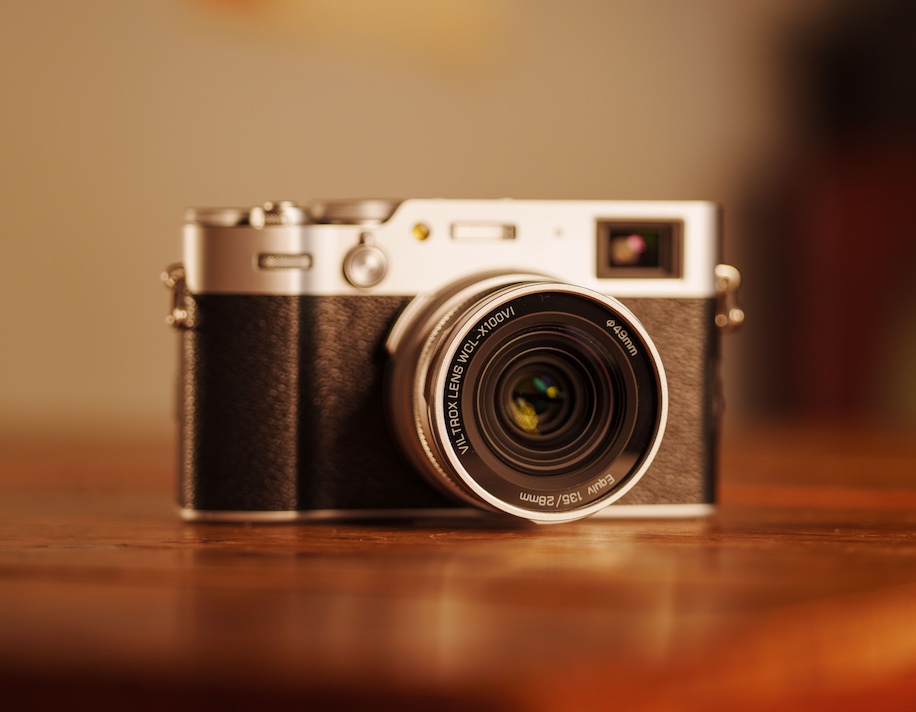
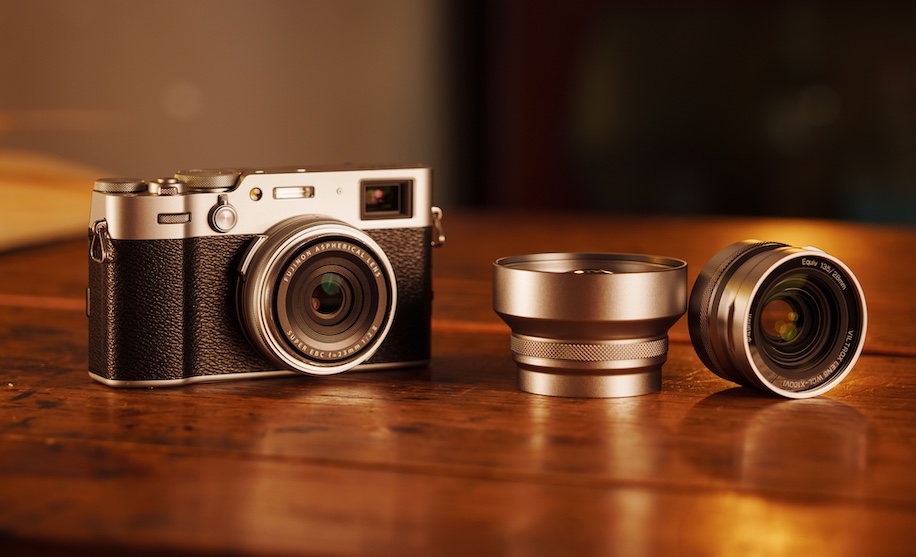
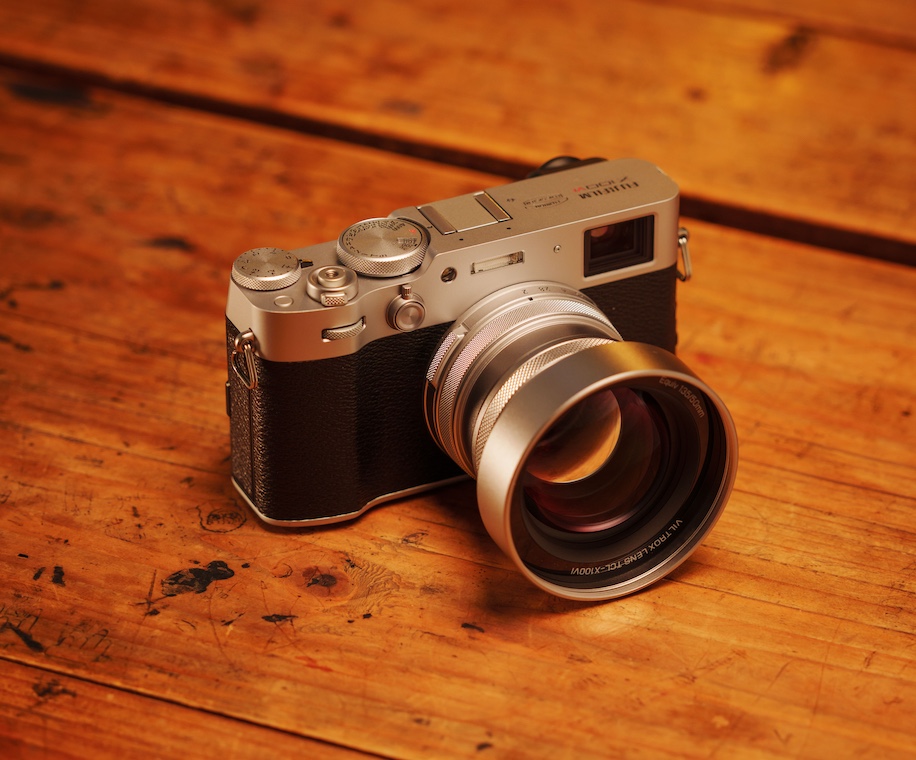
Viltrox has announced two conversion lenses for the Fujifilm X100 series of cameras. The TCL-X100VI (Tele Conversion Lens) and WCL (Wide Conversion Lens) aim to provide greater flexibility by offering two additional fields of view from the fixed-lens cameras.
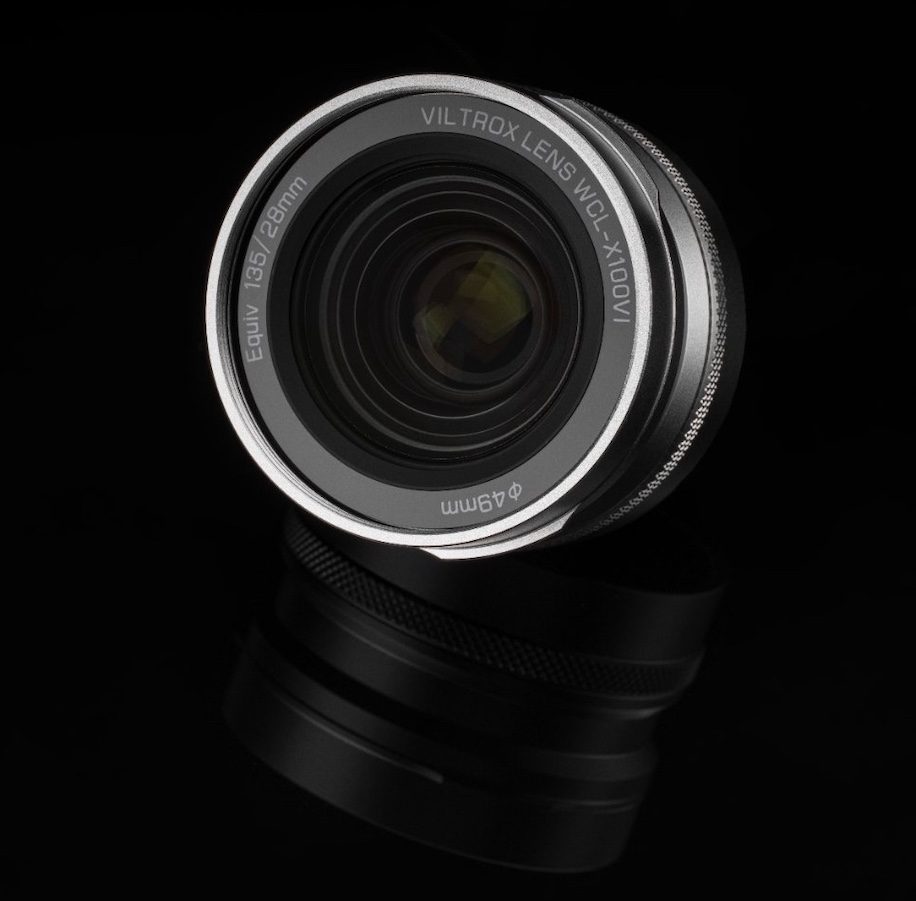
Fujifilm's X100 series cameras all feature a fixed, built-in 23mm (35mm equiv) lens. That focal length is relatively versatile, but the single option is inherently limiting. The conversion lenses give Fujifilm X100 users two additional options. The TCL results in 1.4x magnification, effectively turning the lens into a 50mm equivalent. The WCL offers a 0.8x magnification, equivalent to a 28mm lens.
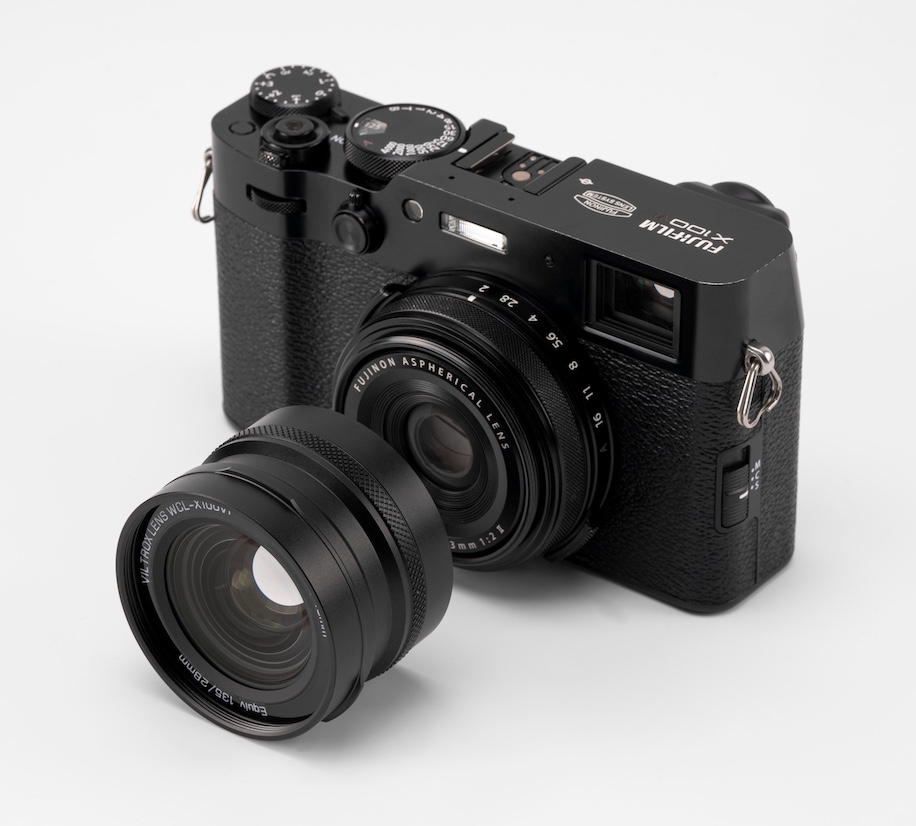
The Wide Conversion Lens (WCL) results in a 28mm equivalent focal length. Image: Viltrox
Viltrox says that both conversion lenses use professionally engineered optics to prevent any degradation in image quality or light transmission. They feature an optical design comprising five elements in four groups. The TCL benefits from two high-refractive-index elements and one extra-low-dispersion element, while the WCL offers two refractive-index elements. Both use multi-layer nano coatings to reduce vignetting. The TCL accepts filters with a 67mm filter thread, while the WCL uses 49mm filters.
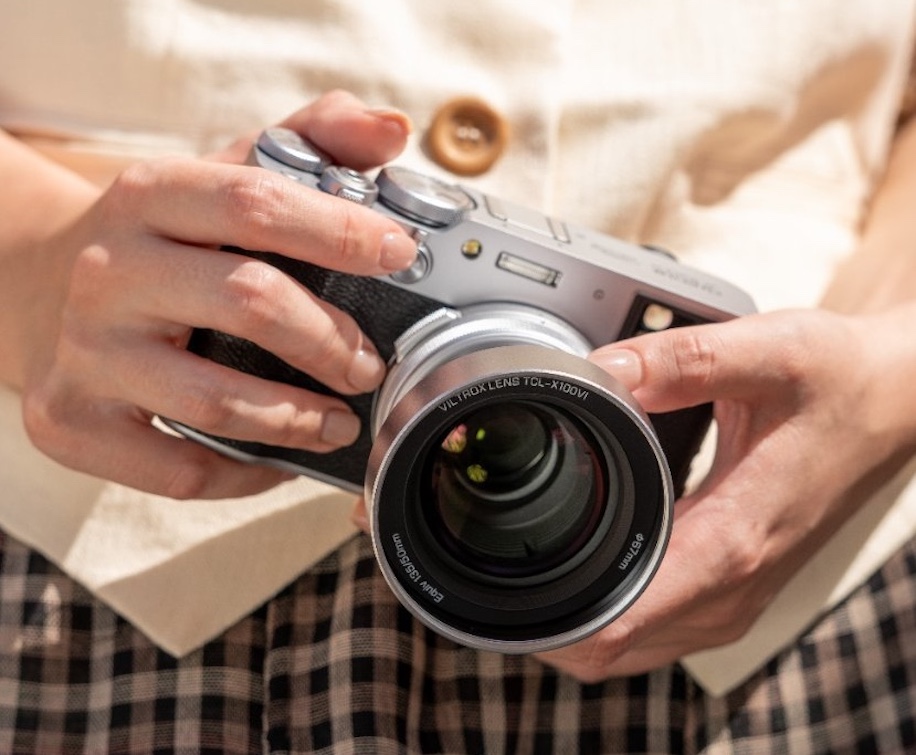
Both the WCL and TCL are available in black and silver. Image: Viltrox
The conversion lenses are easy to attach, simply screwing onto the camera's built-in lens. Viltrox explained that on fourth-generation and later devices (X100F, X100V, and X100VI), the camera will automatically detect conversion lenses and adjust the appropriate settings, including built-in distortion and vignetting correction. Both the TCL and WCL are available in black and silver and are designed to match the X100's retro look. Both are compact and lightweight, with the TCL weighing 230g (8.1oz) and the WCL 130g (4.6oz).
Fujifilm makes its own conversion lenses for the X100 series (the similarly named WCL-X100 II and TCL-X100 II), which offer the same magnification levels. They both cost $400, though. The Viltrox TCL and WCL are, in keeping with Viltrox standards, more affordable. They are available for purchase today for $189 for the TCL and $159 for the WCL.
Nikon has announced that it's bringing nine "Imaging Recipe" color profiles inspired by popular color grading looks for its Red cinema cameras. The company says it'll let users get cinematic-looking videos straight out of camera. It's Nikon's latest announcement tied to its Red cinema brand, after it released the video-focused Nikon ZR earlier this year.
Four of them – CineBias, CineBias Offset, Film Bias Bleach Bypass and Achromic – will be familiar to Nikon users, as they've been available as Lookup Table files, or LUTs, for a while. While those are relatively subtle color modes, the newly-added ones push things a little further, which you can see below.
Unlike when Nikon released a few Red-inspired LUTs for its Z-series cameras last year, this release isn't coming in the form of standard Lookup Table files. Instead, Nikon is distributing them through its Imaging Cloud service, and they'll be applied to your H.264/H.265 videos as you record them. That means you'll only be able to use them on cameras that support Imaging Cloud, a list that includes the ZR, Zf, Z6III, Z5II and Z50II, though notably not the Z8 and Z9. That's a bit awkward, given how much effort Nikon has put into making those extremely capable video cameras.
Unlike with a standard LUT, you can't apply the looks to N-Log footage you've already shot; they have to be baked in at the time of shooting. That also means you're giving up the editing latitude you'd usually get with Log footage to gain the cinematic looks.
That likely speaks to the audience that Nikon is focusing on with these looks: not professional filmmakers trying to cut video from their Nikon mirrorless cameras together with footage from Red cinema cameras, but creators who want cinematic-looking footage without having to do a lot of editing work. That's almost certainly a bigger market, and those looking to use the Red Creative LUTs can do so with footage from the ZR, but it's still a bit disappointing that Nikon isn't taking a more open approach, especially given that Fujifilm just released a bunch of its own "Film Simulations" as more broadly compatible LUTs.
The Northern Lights Photographer of the Year competition has announced its 2025 winners. Hosted by travel photography blog Capture the Atlas, this marks the 8th year of the contest and highlights 25 of the most outstanding Aurora images captured over the past year.
The selected images from this year's contest showcase stunning scenes from across the Northern and Southern Hemispheres. The top 25 photographers represent 15 nationalities, with image locations ranging from Iceland and Norway to Australia and New Zealand and more. Geomagnetic activity was exceptionally high throughout the year, allowing photographers opportunities to capture Aurora Borealis and Aurora Australis in unusual locations.
The winning images are curated by Dan Zafra, editor of Capture the Atlas, with the selection based on image quality, the story behind the shot and the inspiration the photo conveys. You can see all 25 of the winning images and find tips on photographing the Northern Lights at Capture the Atlas.
Lights & Ice
Photographer: Tori Harp
Location: Aoraki/Mt Cook National Park, New Zealand
Camera gear: Sony a7R IV, Sony 20mm F1.8 G
Technical details: Sky and ice cave: F1.8, ISO 2000, 20 sec; Abseiler shot: F2.8, ISO 1250, 1/50 sec
Caption: I originally found this ice cave, called a moulin, 8 months prior to setting up this shot in Aoraki/Mount Cook National Park. Glaciers are a very dynamic environment, so I kept going back to monitor the changes of this moulin over the 8-month period. As the opening of the cave formed, I envisioned setting up a night shot with my friend abseiling down the mouth of the cave with New Zealand’s amazing starry sky in the background.
One magical night, everything finally came together! To my surprise, the Aurora Australis also lit up the sky. I managed to capture my friend’s silhouette perfectly placed in the center of the cave’s opening, and I love how the pinky tones of the aurora contrast with the icy colors of the cave. This dream shot ended up coming out better than I had originally envisioned, and I had a great night with my friends exploring the glacier!
Essence of the Arctic Night
Photographer: Giulio Cobianchi
Location: Haukland Beach, Lofoten islands
Camera gear: Nikon Z6II (astro-modified), Nikon Nikkor Z 14-24mm F2.8 S
Technical details: Panoramic of 21 shots in 2 rows:
Sky: 10 shots, 14mm, F2.8, ISO 5000, 10 sec
Landscape: 10 shots, 14mm, F3.5, ISO 5000, f3.5, 13 sec
Myself: 1 shot, 14mm, F3,2, ISO 6400, 8 sec
Caption: Autumn in the Arctic is the best time to capture the “double arc” of the Milky Way and the Aurora Borealis. The nights have finally turned dark again after the endless summer days when the sun never sets. The summer Milky Way is already high in the sky shortly after sunset, and the Northern Lights return to dance across the sky in bands of pink, red, violet, and green.
During my last tour in September, I captured this 360° panoramic image at the border between Haukland and Vik Beach, where rugged mountains meet the wild Norwegian Sea. The intense Northern Lights and the bright moonlight softened the Milky Way, but the combination of all these elements in the Arctic sky felt absolutely magical — just as the Lofoten Islands always do.
Frozen Silence Beneath the Lights
Photographer: Nikki Born
Location: Riisitunturi National Park, Finland
Camera gear: Canon EOS R6, Sigma 14-24mm F2.8 DG HSM Art
Technical details: 14mm, F2.8, 10 sec
Caption: This night was truly unforgettable. Capturing the famous frozen trees of Riisitunturi beneath the Northern Lights had been a dream for years.
In March 2025, we set out to make it happen, but the weather challenged us with thick clouds all week. On our final night, we hiked into the park, hoping for a glimpse of the sky. The wind was biting, and we took shelter among the frozen trees, waiting in silence. After hours of nothing, we finally gave up and began the hike back to our cabin.
Then, just as we were about to call it a night, a break appeared in the clouds. We grabbed our gear and hurried back up the Riisitunturi Hill. The moment we reached the top, the sky burst into vivid shades of green. It was an explosion of light and wonder.
This night was the experience of a lifetime: the dream shot I had longed for and a moment that words can hardly describe. Photographing the Northern Lights demands patience and persistence, but when they finally appear, time stands still, and nature reminds you just how amazing our world can be.
Sueños en Eystrahorn
Photographer: Pablo Ruiz
Location: Eystrahorn, Iceland
Camera gear: Nikon D810, Nikon AF-S Nikkor 14-24mm F2.8G ED
Technical details: Panorama 2 rows of 8 photos:
Sky: F2.8, ISO 6400, 6 sec
Ground: F2.8, ISO 6400, 15 sec
Caption: Without a doubt, one of the most challenging aurora panoramas I’ve ever taken was this one at one of Iceland’s most spectacular locations.
Capturing a panorama with reflections and auroras that move so quickly is quite difficult. It was the photograph of my dreams, so I arrived in the afternoon to prepare the angles and options for the night. Clear skies and very little wind looked perfect for capturing reflections in the different pools.
Auroras were already visible in the sky during the blue hour, so I quickly headed to the spot where I had planned the composition. The wind shifted, making it difficult to capture the reflections, but the moment the sky exploded, the wind stopped, and for a few brief moments, I achieved my dream photograph. It was a great joy to witness and capture such a moment.
Twisting Turn
Photographer: Virgil Reglioni
Location: Scoresbysund, Greenland
Camera gear: Sony a7C II, Laowa 15mm F2 Zero-D
Technical details: 15mm, F2.0, ISO 2500, 1.3 sec
Caption: Behind every image lies a deliberate process — a fusion of coordination, timing, and technical precision carried out from a ship navigating some of the harshest conditions on Earth. Photographing the aurora over the ice is never about luck; it’s the result of preparation, teamwork, and experience. From the ship’s bridge to the camera deck, every movement is carefully planned to give the lights their best possible stage.
During the day, we navigated through fields of icebergs, scouting for the perfect one — a curve, a ridge, or a translucent arch to anchor the composition. Guided by how the aurora moves across the Greenlandic sky, we aligned our chosen iceberg and ship precisely, uniting earth, ice, and sky in one luminous image.
Working closely with the bridge crew, we searched for newly formed ice strong enough to hold the vessel steady. A stable platform was vital — it allowed us to capture long exposures between half a second and two seconds, every moment of stillness essential as the aurora began to dance above.
When the Northern Lights intensified, our focus shifted. We exposed for the highlights, preserving the delicate shapes of light without losing their definition. Each frame became a balance between nature’s raw power and the patience of observation.
Aurora Comet Lemmon
Photographer: Petr Horálek
Location: Skaulo, Sweden
Camera gear: Canon EOS Ra, Sigma 50mm F1.4 EX DG HSM
Technical details: F1.4, ISO 2500, 3.2 sec
Caption: The night of 24 October, 2025, was incredible. I had just moved to Sweden, where I organized an astrophotography workshop. We headed to Skaulo, where we found an incredible viewpoint over Suotojärvi Lake.
This night coincided with the C/2025 A6 (Lemmon) Comet, which was only discovered back in January 2025. The comet was so bright that we could see it with our naked eyes, even when it was very low on the horizon.
Fortunately, I had my camera with me! I photographed the comet darting through the sky beside the bright Aurora Borealis. Capturing two stunning natural phenomena in one shot was an exhilarating experience. The comet and the aurora appeared to be in a sort of dance, giving us an amazing show that I’ll remember forever.
Corona Blast Aurora Geomagnetic Storm
Photographer: Roi Levi
Location: Kirkjufell, Iceland
Camera gear: Sony a7S III (astro-modified), Sigma 14mm F1.4 DG Art
Technical details:
Caption: This image was captured during the March Equinox, as a geomagnetic storm structure brought a mesmerizing light show. A full-zenith Auroral Corona erupted overhead – powerful, bright pillars of light radiated across the sky, creating a stunning crown-light blast shape.
This rare phenomenon occurred on March 21, 2025, when a CME struck Earth, triggering a G2 geomagnetic storm. The shot is a 360° panoramic stitch of 21 frames, capturing the entire Aurora shape and a complete sky view. I used a Sigma Art fast F1.4 lens to get a fast exposure and capture the pillar structure.
Kirkjufell is one of Iceland’s most iconic mountains, and witnessing the aurora here was a one-of-a-kind experience. With the Kirkjufellsfoss waterfalls in the foreground, this image is a dynamic representation of the sweeping auroral corona.
Speechless
Photographer: Ralf Rohner
Location: Hudson Bay, Canada
Camera gear: Canon EOS R (astro-modified), Sigma 28mm F1.4 DG HSM Art
Technical details: F2, ISO 6400, 5 sec
Caption: I was flying at 35,000 feet over Hudson Bay, Canada. As a commercial pilot, night flights often test one’s patience and endurance. Confined to a narrow seat, surrounded by seemingly never-changing instruments, the pilot stares into a boundless darkness and wonders what drives him to endure such long, lonely hours. The monotony can seem endless – until suddenly, everything changes. There are rare nights when the sky rewards you for all that fatigue and isolation.
Above a silent sea of clouds, cocooned within a fragile shell of metal, the pilot witnesses something extraordinary. Curtains of light dance across the heavens, painting the darkness with vivid greens and purples. In that breathtaking moment, every struggle feels justified, and words simply fail. What I couldn’t express with words, I captured in this photograph.
The Northern Crown
Photographer: Mari Jääskeläinen
Location: Pyhäjärvi, Finland
Camera gear: Sony a7 III, Sigma 14mm F1.8 Art DG HSM
Technical details: F2, ISO 2500, 1.6 sec
Caption: I step outside and take a look at the sky above my house. It’s time. I feel the adrenaline rush in as I gather my gear and put on more warm clothes.
Just a quick drive to the lake nearby and I’m all set up for the night! During active nights, I always follow the real-time solar wind data to predict what’s yet to come. On this night, there were no significant CMEs as far as I remember. And I was perfectly fine with that, as this could be the night when I finally get the shot I’ve dreamed about for a long time.
In my mind, I imagine the Northern Lights creating a clear, bright green spiral to the northern sky, just above the trees, so the foreground would fit perfectly into the frame. I couldn’t believe my eyes when the auroral arc started taking the exact shape I had only dreamed about for so long! Perfect reminder of how beautiful these subtle auroras can be!
Neon Nightfall
Photographer: Andres Papp
Location: Türisalu, Estonia
Camera gear: Canon EOS 6D, Samyang 14mm F2.8
Technical details: F2.8, ISO 6400, 5 sec
Caption: I shot this image on a quiet, rocky beach as a strong aurora storm rolled in from the north. At first, it was just a low green arc, but it quickly erupted into vertical curtains of lime and rare magenta. To connect the sky with the foreground, I illuminated the shoreline rocks with a strong 365 nm UV light torch, which made the minerals pop and added the surreal glow you see in the image.
The challenge was balancing everything—an exposure of about 5 seconds to keep the aurora structure sharp and managing the UV spill so it didn’t look artificial. What keeps me coming back to Northern Lights photography is this mix of science and magic: you study forecasts and KP indices, but the real reward is when the sky does something unexpected, and you’re prepared to capture it in a single, colorful frame.
Gibson Steps Aurora
Photographer: Jeff Cullen
Location: Great Ocean Rd, Victoria, Australia
Camera gear: Canon EOS 5DS, Samyang 14mm F2.8
Technical details: F2.8, ISO 1000, 30 sec
Caption: I had been struggling to find the motivation to get out and shoot. The aurora was predicted, as were the clouds, but I decided to take the chance and drive the hour to this iconic destination. The cloud prediction was correct, but I still went down the 86 steps to the beach and crossed the sand to the Gog and Magog sea stacks. The clouds started to clear, and I was able to shoot some great images before the aurora died down. I packed up and had another nearby destination in mind.
Climbing back up the stairs, the beams were so big and bright in the corner of my eye! I ran back down to the beach and quickly set up my camera again. This image shows the magic that happened that night; I was absolutely amazed and astounded that such a weak aurora forecast brought me such a brilliant show.
Moral of the story: Go and shoot! There is nothing to lose, but the finest nature photos to gain.
Guardians of the Aurora
Photographer: Daniel Mickleson
Location: Taranaki, New Zealand
Camera gear: Canon EOS R5, Canon 16-35mm F2.8L II USM
Technical details: F2.8, ISO 1250, 13 sec
Caption: A rare aurora event lit the west coast of New Zealand’s North Island in vivid curtains of pink and green. In the foreground, the rock formations known as the Three Sisters stand as guardians of the shoreline, while the sacred Taranaki Maunga rises in the distance. Within Te ao Māori (the Māori worldview), such natural features are not just landscapes but ancestral presences, carrying the role of guardianship. Beneath the aurora, earth, sky, and ancestry converge in a moment both fleeting and timeless.
After capturing my first aurora during the May 2024 storm, I was hooked. Travelling several hours from my home to this special location, I hoped the forecasts would be correct. Even with a near–full moon, the powerful display shone across the sky. I could see the beams dancing overhead — a truly spectacular sight.
One Autumn Night
Photographer: Jesús Garrido
Location: Abisko, Sweden
Camera gear: Sony a1, Sony FE 14mm F1.8 GM
Technical details: F1,8, ISO 4000, 3.2 sec
Caption: The 1st of October 2025. That night, at the very moment I stepped outside my home, I somehow knew it was going to be a great one. The solar activity was looking really good, and I kept thinking that I had to find some open water to catch those reflections. Soon, the lakes would be completely frozen and covered in snow, so this felt like the right time to look for reflections before winter settled in.
I drove to a little bay of Lake Torneträsk in Abisko, a place I like because it’s usually quiet and protected from the wind. A few moments after arriving, the Northern Lights started to move slowly across the sky, and then suddenly they began to dance. Red tones rose on the southern horizon while the lake remained perfectly still, reflecting every single thing that was happening above me.
Celestial Fireworks on New Years
Photographer: Sara Aurorae
Location: The Otways, Victoria, Australia
Camera gear: Nikon Z7II, Nikon Nikkor Z 20mm F1.8 S
Technical details: Panorama: 6 Frames, F2.5, ISO 1250, 13 sec
Caption: On New Year’s Day, beneath the dark Australian sky, my friends and I were met by celestial fireworks with the Aurora Australis unfurling in a sudden, breathtaking bloom above our quiet campsite in the Otways of Victoria. Ribbons of rose, violet, and green shimmered, visible even to the naked eye, as if the universe itself had heard our resolutions for 2025 and joined in our celebration.
The spectacle arrived without warning, giving me only moments to reach for my camera. Though the foreground may be plain, I don’t mind it, as the lines of trees on the right lead your eye to the stunning light show in the sky. This photograph holds something far greater — a reminder that even in life’s simplest scenes, magic can find us when we least expect it.
Auroral Reflections
Photographer: Travis D. Amick
Location: Ketchum, Idaho, USA
Camera gear: Sony a7R IV, Sony FE 14mm F1.8 GM
Technical details: Single shot, 14mm, F1.8, ISO 2000, 8 sec
Caption: The night commenced with the eagerly anticipated arrival of a large coronal mass ejection (CME) destined to impact Earth. CMEs, a primary cause of significant aurora displays, serve as an excellent catalyst for the aurora to be observed in lower latitudes, particularly during substorms, which are brief “bursts” of heightened auroral activity.
The notification of a CME impact came ringing in much earlier than expected from SpaceWeatherLive. I was well prepared and quickly headed out to a secluded pond just north of Ketchum, Idaho. After the initial impact, time seemed to slow down, and only a faint auroral glow was present on the horizon. I was ready to throw in the towel when suddenly, there was an explosion of color and the brightest naked-eye red flares I’ve ever seen.
I ran down to the pond to get this particular shot of the vibrant red flares intertwined with the colors of the aurora reflecting off the tranquil pond. Within minutes, the substorm subsided, and the aurora once again receded to just a glow on the horizon. The aurora demands patience and meticulous planning, but it’s worth it for those fleeting moments of awe.
Hasselblad X2D II 100C | XCD 35-100mm F2.8-4 E @ 100mm | F4.0 | 1/180 sec | ISO 3200
Please download the original and view on an HDR display, where the light on the right of the subject's face is rendered more realistically. Photo: Richard Butler
Sometimes you just know. Sometimes it's in the moment you hit the shutter, but more often I find, it's the moment the review image pops up on your screen or viewfinder: you've caught exactly the moment you wanted to. Or, perhaps something even better than you anticipated.
I always struggle with choosing my photo of the year, because I think of myself primarily as a writer who's a keen photographer, rather than as a photographer (still less, a YouTuber). Like the majority of DPReview's readers, I'm a keen amateur always pushing myself to get better. And one of the core photography skills I'm still working on is the ability to select and assess my own images. But I knew, in the moment I'd taken this one, that it was the best thing I'd shoot this year.
And I'm going to fight my inner Britishness and try not to be bashful or stumble about between self-deprecation and false modesty. I got this photo because I put in the work. There was definitely an element of good fortune and serendipity to it, but I got this photo because I made it happen.
There was definitely an element of good fortune and serendipity to it, but I got this photo because I made it happen.
I say this because I took this photo in the midst of a conversation on precisely that topic. I'd flown into London earlier that afternoon and was enjoying a pint outside my favourite pub with two of my closest friends. One of them, a former DPReview colleague, was saying how impressed he'd been with some of my recent portrait photos, the other was teasing (/haranguing) me for not being able to accept the compliment.
As we chatted, another group of people arrived and stood next to us, among them a young woman in a pink top with pink and orange hair and quite striking checkerboard trousers. It was a pretty loud outfit, so quite hard to ignore but it was also, by some strange coincidence, the same shade of pink as the wall of the intentionally Instagram-friendly cake shop opposite us.
I'd say "picture the scene" but you don't have to, as I apparently included a photo of it in another article, four years ago. This story takes place where the people are standing: the pink wall is parallel with the right-hand edge of this photo. It were a copy shop/reprographics house, back in my day.
Photo: Richard Butler
Emboldened by Andy's kind words (and with no contribution from the beers I'd drunk or the fact I was nearly hallucinating with tiredness/jet-lag), I decided to ask if she'd pose for a photo. The moment I opened my mouth I remembered that, back in the UK, I don't have an accent working in my favor, but the strength of my "your outfit matches that wall" argument and the promise that it'd only take a moment, was sufficient, regardless.
Unfortunately, and for this I am blaming the timezone change, I'd not noticed how dark it had got. My subject was very game in trying to pull exaggerated poses in front of the matching wall for me, but the light was much flatter and greyer than it'd been a few moments (hours?) ago.
I was just about to give up, when I noticed that the previous shot I'd taken had a distinct orange tinge catching my subject's outline. The interior lights of the Instagramable bakery were beginning to overwhelm the fading grey light of dusk, and even in my slow-witted state, I knew what to do next.
"Could I ask you to take a step to your right, so you're more in front of this window?" I asked, repositioning myself so that I'd be shooting from the direction of the glow. Suddenly, there was something: my subject's face bathed in orange light, with the pink wall still visible behind her, each element working with her intensely dyed hair.
Once you've found some nice light, it's so hard to resist making more use of it.
Photo: Richard Butler
Still not great, but at least one of the shots, good enough. I showed them to my subject and she smiled in response. But, more importantly, she relaxed a little. I knew I was onto something, but the familiar urge to keep shooting was being tempered by my promise that it wouldn't take long, and that I'd let her get back to her friends.
"Can I do one more? More of a head-and-shoulders?" I asked. I don't know whether the response was an attempt to engage more with the camera or to try to hear what I was saying, but my subject leaned a little further toward me. Further out into the light spilling from the window, suddenly lighting up her eyes. I hit the shutter before anything could change and hoped like hell that eye detection would do its thing.
"Omg, that looks so cool"
The image appeared on the back of the camera, given stunning vibrancy by its HDR rear panel. Pinks and oranges leaping off the screen and eyes directly connecting with the viewer. "I'm not going to get a better one than that," I concluded, immediately, and thanked my subject for her time, promising a copy of the shot as soon as I could. "Omg, that looks so cool," came back the response, when I did.
I took another couple of portraits in the cake shop's high-beam glimmer that evening, including one that my friend likes of himself (which he never does), until I felt that I'd been taking the risk of waving thousands of dollars of borrowed camera around in central London long enough.
There's a bit of a story behind all the other images I considered for this piece: stories of nice light, photos their subjects have really liked, moments of serendipity. But, particularly if you download the original and view it in HDR, this one feels like it stands out. Sometimes you just know.
Richard's favorite photos of 2025
It's partly a reflection of the cameras I've reviewed this year, but I find it interesting that three of my potential shots of the year were shot in black and white, and three are HDR photos, either out-of-camera or as after-the-fact conversion.
Sample gallery
This widget is not optimized for RSS feed readers. Click here to open it in a new browser window / tab.
Our favorite pictures from this year's Editors' photo challenges
One of the secret pleasures of being Managing Editor of DPReview is that I get to run our monthly Editor's photo challenges. Each month, we challenge readers to show us their best photos that illustrate a new theme.
Don't tell the staff, but this is basically the best part of my job. We frequently share winning images from international photo competitions here on DPReview, but I'll put the photos submitted by members of our community up against any of them. DPReview readers may have a reputation for being pixel-peeping nerds, but behind that facade are some incredibly dedicated, master photographers.
On the pages that follow, you'll see two of the staff's favorite photos from each Editors' challenge over the past 12 months. To ensure a full year of fantastic photos, we're going all the way back to the winners of our December 2024 challenge (since the winners of our December 2025 challenge won't be announced until the very end of the year).
With that, we present our favorite Editors' challenge photos from 2025, presented in random order.
Photographer's description: Spectacular view of the midnight sun in Senja, Northern Norway. This region, with its mountains rising straight from the sea and the stunning midnight sun, is among my favourites for landscape photography. It took me two attempts to capture this photograph as I had imagined it, as I was caught in a thunderstorm on the first attempt.
Equipment: Nikon Z7 + Nikon Nikkor Z 14-24mm F2.8 S
Photographer's description: The genre of Adventure Photography can be quite challenging. One has to have the stamina to manage the trip while expending extra energy to carry camera gear and capture photographs. This often requires anticipating shots, running ahead and photographing as your partners move through your frame. In this photo, safety was a primary concern as we skied along a crevassed glacier with seracs hanging above us. I was in the back, waiting for my friends to create a leading line to the peak framed in the picture. Moving quickly through this section of the glacier was important, so I only had a moment to capture the frame.
Equipment: Olympus OM-D E-M1 Mark II + Olympus M.Zuiko Digital ED 12-100mm F4.0 IS Pro
Photographer's description: Mum spoke enthusiastically about the vivid colors of the tulip fields in Holland. I started to wonder what they might look like from above, from a drone. This was in 2015, and drone tech was still very new and far from something everyone had. So, my tulip-loving friend Ulf and I drove the 1,000 km down to Holland on a chilly day in April 2015 and started criss-crossing the landscape. And my god, it looked fantastic! This is probably the best shot from the trip, from outside Sassenheim. The canals are used to flood the fields after harvest, to kill off germs and parasites.
Equipment: Sony a7 + Sony FE 35mm F2.8 ZA Carl Zeiss Sonnar T* + HAB Paparazzo heavy lift drone
Photographer's description: This photograph was taken around 1:00 AM during an all-night road trip through the Highlands of Iceland. Experiencing and photographing such a remote place with no one else around was truly unforgettable.
This photo was taken from a drone, with the main challenge being to find the right composition to capture this epic location, while at the same time including my car for scale and perspective. The blue light worked beautifully with my exposure settings, allowing me to convey the mood of the moment, from the dark volcanoes to the distant blue sky.
Photographer's description: Every year, the San Francisco Low Rider Council holds the "King of the Streets" event, where lowriders cruise along Mission Street. This year I caught a skateboarder come riding by one of the entrants, between 17th and 18th Streets. We all survived the encounter.
Photographer's description: "Close Encounters of the Third Kind:" two bikers in their "spacy" vehicles meet in the middle of nowhere, and I found that the scene has something of the famous film directed by Steven Spielberg.
Equipment: Sony SLT-A55 + Tamron SP AF 17-50mm F/2.8 XR Di II LD Aspherical (IF)
Photographer's description: Taken whilst on an exploratory caving expedition in Borneo in 2013 (to find, explore and survey new cave passages). The mist and formations were a good opportunity to try out a lightweight photography setup.
Photographer's description: Often during winter, Lake Thingvallarvatn freezes. The view of the ice from below can be spectacular, especially during the thaw period; the ice has broken into flakes and then froze again. This was the case when this picture was taken. I started taking pictures without the diver but felt the scale was missing. So I got my buddy to pose for me.
Photographer's description: The boy was watching children lining up to take pictures with Santa Claus. Santa noticed the boy was watching him for quite a while. He was alone with his mom. Santa came over, peeked around the fence, and told them he would take a picture with the boy... free of charge and ahead of the queue. Happy holiday.
Equipment: Nikon Z6 II + Nikon Nikkor Z 24-70mm F4 S
Moonlight star trail over a wild tulip field, Blufi, Sicily
Photographer's description: What is happening in Holland on this “day?" Nothing except that... we are not in the daytime, and we are not in Holland!!! Strange? Absolutely yes. We are in Sicily, of course, and what you see is a real field of wild tulips growing near the village of Blufi.
Equipment: Canon EOS 6D + Canon EF 8-15mm F4L Fisheye USM
Photographer's description: A great afternoon with the kids, family and some wonderful beach fun. I was just lying around in the shallow waters and snapping away at my kids fooling around with their games. It's always more fun when the camera is waterproof.
Photographer's description: I built this jump with my friend over a week, and it turned out a little larger than we had imagined. The day we tried hitting it was a little muddy, so getting up to speed was a challenge. After a few run-ups, he pulled the trigger. Neither of us was expecting to get that much height off the lip!
Photographer's description: Taken during the alpine mountain summer at a swimming lake with views over the distant glaciers. A typical scene of young people flirting and maybe falling in love. Savoie, France.
Equipment: OM System OM-1 + Olympus M.Zuiko Digital ED 12-100mm F4.0 IS Pro
Photographer's description: In Mexico, this time of year means preparations for Day of the Dead, or Día de Los Muertos: the time when departed souls can return to visit loved ones left behind. Marigolds feature prominently, their color and scent helping to guide them.
Photographer's description: On one of the last hot days in autumn 2011, just before our southern Australian Easter swell kicked in, I had just finished a long session of surfing some pretty big, clean waves when I decided to get back in to capture some in-water shots of the rest of the crew. Most of the shots I got that morning were pretty average, except for this one of a young guy duck diving under the closed-out section of a 5-6 foot wave. It made my day!
Equipment: Canon EOS 20D + Tamron SP AF 17-50mm F/2.8 XR Di II VC LD
Photographer's description: I spent a summer with family in Europe. At the time, I only brought a prime for my camera, so I ended up using my Samsung for all other focal lengths. My camera ended up becoming my B cam, as I enjoyed smartphone photography quite a bit that vacation.
Photographer's description: Taken late in the day on our way out of White Sands National Monument. I actually stopped to take a different photo. Then saw this lone Soaptree Yucca on top of a large dune. The grain of the "sand" and ripples on top are classic White Sands.
Photographer's description: New Year's Eve at Mt Hood, Oregon, each year, if weather permits, we snow camp on New Year's Eve and watch the fireworks show at Timberline Lodge.
Equipment: Sony a7 IV + Tamron 70-180mm F2.8 Di III VXD
Photographer's description: I would never grab a photo during a performance, but when the curtain call took place, I grabbed my camera and made this quick frame at the Paris Opera House.
Photographer's description: In spring this year, I was chasing the northern lights in Iceland. When the weather was not promising, I was hitting the road for a better location. However, bad weather often gives the nicest shots. This picture was made close to Djupivogur, a small town in the east fjords, with blistering winds and between rainstorms.
Equipment: Sony a7 III + Sony FE 24-105mm F4 G OSS
Photographer's description: This photo was taken while soaring above Bagan, Myanmar. This moment was guided by a UK army veteran piloting our balloon – a tradition in Bagan where British and international pilots work alongside local crews. Ballooning here is more than a visitor’s thrill: it’s a source of pride and support for the local community, with companies employing hundreds of locals and funding projects in education, health, and heritage conservation, ensuring that the ancient temples continue to inspire and sustain those who call Bagan home.
Photographer's description: Professional snowboarder Ryland Bell on location with Warren Miller Entertainment. This was shot in the Chugach Mountains with Points North Heli-Adventures, a heli-ski operation based out of Cordova, AK. This is a seldom-ridden line as conditions have to line up just perfectly.
Photographer's description: This photo was taken from the roadside overlooking a small farm. Underneath is the Tyrifjorden lake, covered by fog. The location is at Sollihøgda (Sunny heights), just north of Oslo.
Equipment: OM System OM-1 + OM System 40-150mm F4.0 PRO
Photographer's description: While I was visiting a beautiful town in Italy, the Puglia region, I saw these works drawn on the wall. I waited for the right moment to immortalize the beauty of youth, the desire to live.
I captured this night photo of the Kiggins Theatre in Vancouver, Washington, during the annual DB Cooper conference. Adobe's Project Indigo app did a great job of rendering the photo in a way I would have expected from a DSLR or mirrorless camera.
Photo: Dale Baskin
Most years, my Gear of the Year shortlist writes itself. There are usually two or three products that clearly stand out, and the hardest part is simply narrowing it down to one.
2025 was different. We've seen some great products come through the DPReview office, and I've enjoyed using many of them, but none really inspired me in the way I expect to make the cut. In fact, I reached a point last month where I considered not even writing a Gear of the Year column this time around.
And then one day, it hit me. I picked up my iPhone to take a photo, opened Adobe's Project Indigo app, and… Shazam! I'd been racking my brain trying to think of what hardware I had enjoyed using most this year, and in a moment of mental clarity I wish I could achieve more often, the answer was staring me in the face. Literally, it was in my face as I held the phone up in front of me: the gear I enjoyed using most this year wasn't a piece of hardware, but an app.
Project Indigo is available for free (at least for now) on the iOS App Store. Adobe says it is considering an Android version as well.
We all know that smartphones can't compete with large sensor cameras when it comes to ultimate image quality or tactile experience. But they do have this sneaky ability to tag along with us wherever we go, always at the ready.
Autumn leaves cover the forest floor. Captured with Adobe's Project Indigo app.
Photo: Dale Baskin
The thing that always frustrates me about smartphone cameras isn't that they can't compete with large sensor cameras in terms of image quality – I mean, who would ever expect that they could? – but "the look." You know exactly what look I'm talking about: that over-processed, over-sharpened look with shadows pushed to within an inch of their life. It's a signature that screams "smartphone photo."
This is where Adobe's Project Indigo comes into the picture. It's a free product from Adobe Labs that promises "SLR-like" quality from your iPhone. According to Adobe, it accomplishes this using a number of techniques, including underexposing highlights more aggressively and combining more frames (up to 32) than the iPhone's native camera app. In theory, this should result in fewer blown-out highlights and less noise.
Image Comparison Slider
This widget is not optimized for RSS feed readers. Please open this article's permalink in a browser to view this content.
The above comparison shows the same scene captured with the Project Indigo app (left) and the iPhone's native camera app (right). The Project Indigo photo doesn't exhibit the extreme tone-mapping and pushed shadows present in the native app.
In practice, Project Indigo delivers. To my eye, photos taken with the app usually look more like a well-processed image from a mirrorless camera. The aggressive tone mapping is gone, replaced by images where highlights roll off naturally, and shadows actually look like shadows.
To achieve this, the app uses profiles specifically calibrated for each phone and camera module. That specificity is great, though it can also introduce friction; one of my few frustrations was waiting a few weeks for the Project Indigo team to release an update calibrated for the new iPhone 17 Pro Max I've been testing.
"To my eye, photos taken with the app usually look more like a well-processed image from a mirrorless camera."
The main downside to the Project Indigo app is that all this computational processing requires computational power. The app works on iPhone Pro models as far back as the 12 (and regular iPhones back to the 14 series), but it's not a tool for rapid-fire photography, typically taking 1 to 5 seconds to process a single image, depending on the model. It can also generate some serious heat; my older iPhone 14 Pro gets hot to the touch after just a few photos, and I can practically see the battery indicator get shorter as it works.
Image Comparison Slider
This widget is not optimized for RSS feed readers. Please open this article's permalink in a browser to view this content.
In this set of photos, captured shortly after sunset at a lake in western Montana, the Project Indigo photo does a great job of representing the scene I saw in real life. In contrast, the iPhone's native camera app has pushed the shadows to the extreme, added blue to the sky that wasn't there, and has an over-sharpened, crunchy look.
The good news is that the iPhone 17 Pro Max, with its newer processor and better thermal management, barely seems to notice the load. It's frustrating that Project Indigo struggles on older hardware, but I appreciate that this is a proof-of-concept product; Adobe is engineering for the future, not the past.
There are also plenty of tools in the app that I haven't explored yet, including its own Night Mode, multi-frame super-resolution modes when using sensor-cropped "zoom" (such as the 2x and 8x modes on the iPhone 17 Pro), and AI noise reduction derived from Adobe Camera Raw.
This photo of a snowberry bush looks pretty close to what I would expect from a typical mirrorless camera.
Photo: Dale Baskin
If it sounds like I haven't thoroughly tested Project Indigo, it's because I haven't. I've been using it for several months, not because I planned to review it, but because I genuinely love the natural-looking photos it produces.
It made me enjoy taking photos with my phone again, and that alone is enough to earn it my Gear of the Year.
Adobe says it's exploring future directions for Project Indigo, including an Android version, a high-quality portrait mode with more control and higher quality than native apps, and even video recording with computational video features. I'm excited to see where Adobe goes with this, but even if it just stays as it is – a tool that lets me take nicer, more natural photos on the device I already have in my pocket – I'm a fan.
Photo: Tristan Fewings / Stringer / Getty Images Entertainment via Getty Images
Martin Parr, a highly acclaimed British documentary photographer, passed away at the age of 73 on December 6. Parr was best known for his images that captured British life over a career spanning more than 50 years.
The Martin Parr Foundation posted a statement on its website on Sunday that he died at his home in Bristol, England. "He is survived by his wife Susie, his daughter Ellen, his sister Vivien and his grandson George. The family asks for privacy at this time," the statement added.
"I make serious photographs disguised as entertainment"
Parr, born in 1952 in Epsom, Surrey, England, was a member of Magnum Photos, an international cooperative of photojournalists. While his work was often filled with playfulness and satire, it also carried an underlying critique of contemporary life. "I make serious photographs disguised as entertainment," Parr told Architectural Review in 2020. He was known for using strong, highly saturated color, often with direct flash to exaggerate everyday scenes. His work captured ordinary people and objects, including British seaside resorts, shopping, parties, fairs and family outings.
A prolific photographer, Parr published more than 100 photobooks during his lifetime. Parr also edited 30 photobooks, including The Photobook: A History (2004–2014), a three-volume series that offered an in-depth examination of the photobook itself. His work has been featured in countless exhibitions, and he has been the recipient of numerous awards, including the Sony World Photography Award for Outstanding Contribution to Photography in 2017. In 2024, he was recognized as an inductee of The International Photography Hall of Fame.
"His humour, his clarity, and his vision shaped many discussions across the agency and within the wider photographic world."
He was also an educator and mentor, serving as Professor of Photography at The University of Wales Newport campus from 2004 to 2012. In a statement to Magnum photographers, staff and estates on Sunday, Magnum co-president, Lorenzo Meloni, wrote, "Martin played a significant role within Magnum and in our wider community. He supported younger photographers, he pushed conversations forward, and he stepped up when leadership was needed. His humour, his clarity, and his vision shaped many discussions across the agency and within the wider photographic world."
Tributes to Parr have been pouring in, with photographers of all levels sharing stories about his impact on the photographic community. On Instagram, photographer Joel Meyerowitz described Parr, his friend of 50 years, as a "legend in the world of photography," adding that "his wisdom and visual humor will be greatly missed."
Mt. Jefferson, a volcano in the Cascade Mountains, is illuminated at sunset near Sisters, Oregon, on November 18, 2025. I had my Olympus OM-1 with me when the sunset suddenly became very intense, and I managed to snap this photo in the brief time before the light faded away.
What was your top shot this year? Share one image you captured in 2025 and tell us about it. Make sure to tell us the story behind the photo in the caption and why you chose it as your photo of the year. Pick carefully – you can only submit one photo!
Click here to read the full rules and submit your top photo from 2025.
Submissions will open on Monday, December 8th, and you have until Sunday, December 14 (GMT) to submit entries. You can read the full rules on the 'Your best photo of 2025' challenge page.
Essential details: All entries must include a title and a caption that tells us the story behind the picture and why you chose it (minimum of 25 words). Please read the full rules before submitting your photo.
DPReview editors will review every photo you submit, and we'll publish our favorites in a slideshow on the DPReview homepage.
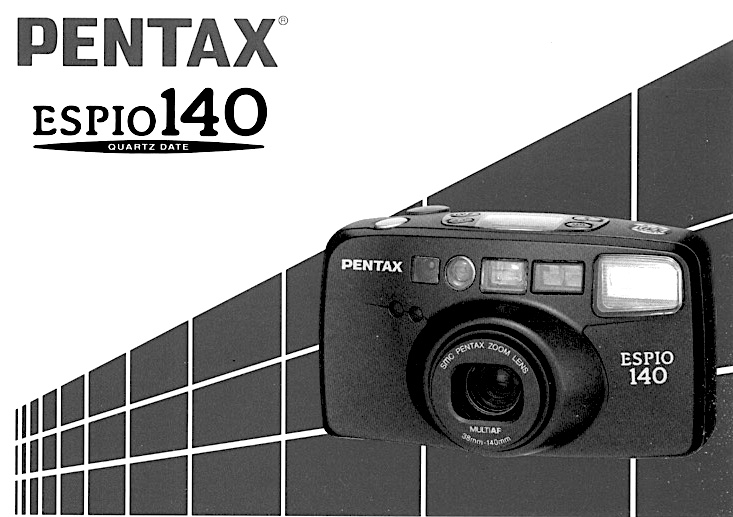
Lens: 38–140mm f/4.8–12.5 power zoom (8 elements in 7 groups)
Zoom range: Roughly 4x optical zoom, one of the longest zooms on a compact at the time
Autofocus: Active infrared autofocus (works well even in low light)
Exposure: Fully automatic program AE, with slow-shutter warning
Flash: Built-in pop-up flash with modes (auto, on, off, red-eye reduction, night portrait/slow-sync)
Macro: Can focus down to 0.6 m (about 2 ft) at any focal length
Self-timer: Yes (10 sec)
DX coding: ISO 25–3200
Power: One CR123A battery
Other quirks: Panorama switch (crops top/bottom for wide prints), remote control compatible (with optional Pentax remote), date/time imprint option on some versions
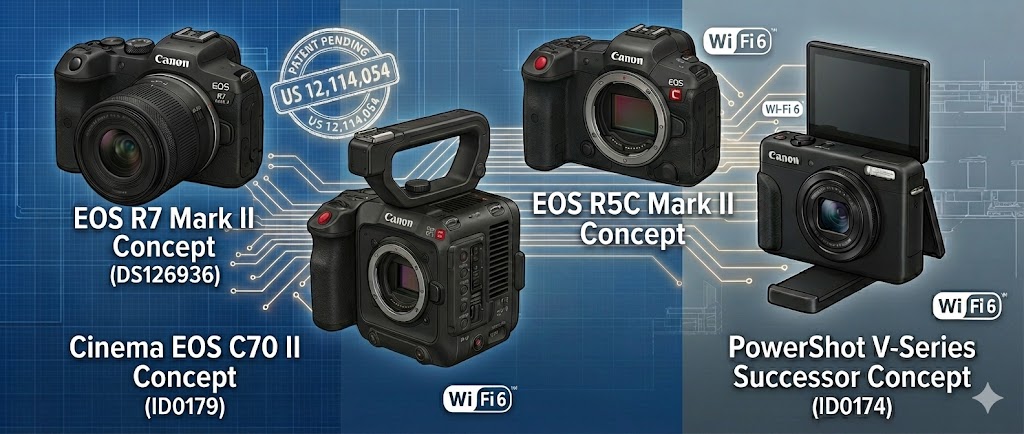
Here are the latest Canon camera registrations that are not yet officially announced, courtesy of CanonAddict:
DS126936
Wireless Spec: Wi-Fi 5 (802.11ac) + Bluetooth
What it might be:Canon EOS R7 Mark II.
Reasoning: Registered shortly after the R6 Mark III. The “DS” prefix denotes an interchangeable lens camera. Like the R6 III, it sticks to the robust but standard Wi-Fi 5 to differentiate it from the flagship R1/R5 series.
Best cameras
ID0179
Wireless Spec: Wi-Fi 5 (802.11ac)
What it might be:Canon EOS C70 Mark II or XF605 Successor.
Reasoning: The “ID” prefix is historically used for Cinema EOS or professional camcorders. This registration has been active since early 2024, suggesting a long development cycle typical of pro video gear.
ID0174
Wireless Spec: Wi-Fi 5 (802.11ac)
What it might be:PowerShot V10 Successor or VR Camera.
Reasoning: Another video-centric “ID” code. Canon is aggressively expanding the V-series for vloggers, which often use non-standard naming conventions internally.
New Wireless Patent Found US Patent 12,114,054: Communication Apparatus (Wi-Fi 6)
Description: A patent describing a camera capable of connecting to IEEE 802.11ax (Wi-Fi 6) networks. It details methods for managing power consumption while maintaining high-speed dual-band (2.4GHz/5GHz) connections.
What it might be:Canon EOS R5C Mark II or High-End Cinema EOS.
Reasoning: Since the R6 Mark III and R7 Mark II are limited to Wi-Fi 5, this patent points to a future high-bandwidth camera that requires Wi-Fi 6 for professional monitoring or massive video file transfers.
The Minolta MND35 promises 18x digital zoom and 64MP JPEGs. The manual says it has a 13MP sensor. There is no connection whatsoever between this camera and the original Minolta company.
Image: Minolta Digital
It'd been going on for months before I knew about it, but in the space of a couple of days, I received a text from my former colleague and saw a post on Reddit highlighting it. Minolta cameras had hit the shelves at Costco.
That's odd, I thought, surely Sony, which absorbed the Konica Minolta camera business, hadn't launched a budget line without telling us. And, by the same logic, presumably Konica Minolta wasn't allowed to use the Minolta name on cameras, as part of the deal with Sony. So what was going on?
The answer was stranger than I'd expected. There is, it seems, a US company that hunts around for well-known brand names that have fallen out of use. Trademark rules are designed to protect the names and brands under which products are sold, so that third-parties can't sneakily benefit from the reputation and goodwill the original seller has built up. But you can only maintain a trademark that you're using to trade. It turns out that neither Sony nor Konica Minolta had continued to use its trademark for anything camera-related, so a Californian company had stepped in and claimed it.
"You can only maintain a trademark that you're using to trade"
This company is in the business of claiming orphaned trademarks and licensing them on to other companies. The result is that New York company Elite Brands can now sell cameras in the US under the Minolta name. Elite Brands also licenses the names (former cinema camera and projector maker) Bell + Howell and owns the Rokinon brand under which it sells Samyang-made lenses.
This situation, where the name is now owned and used by companies with absolutely no connection back to the original manufacturer, is, perhaps, one of the more extreme examples of how legacy names stumble on as zombie brands. More common is that the original company collapses and the rights to its name get bought out of receivership by a company with no intention of trying to continue the original business. Other times the original brand merges with another that has a different focus, so its name gets licensed out to someone wanting to operate in the consumer industry.
But whatever the specifics of each story, the licensing process allows brand names to rise from the dead and shuffle their way onto shops' shelves and websites.
Rollei
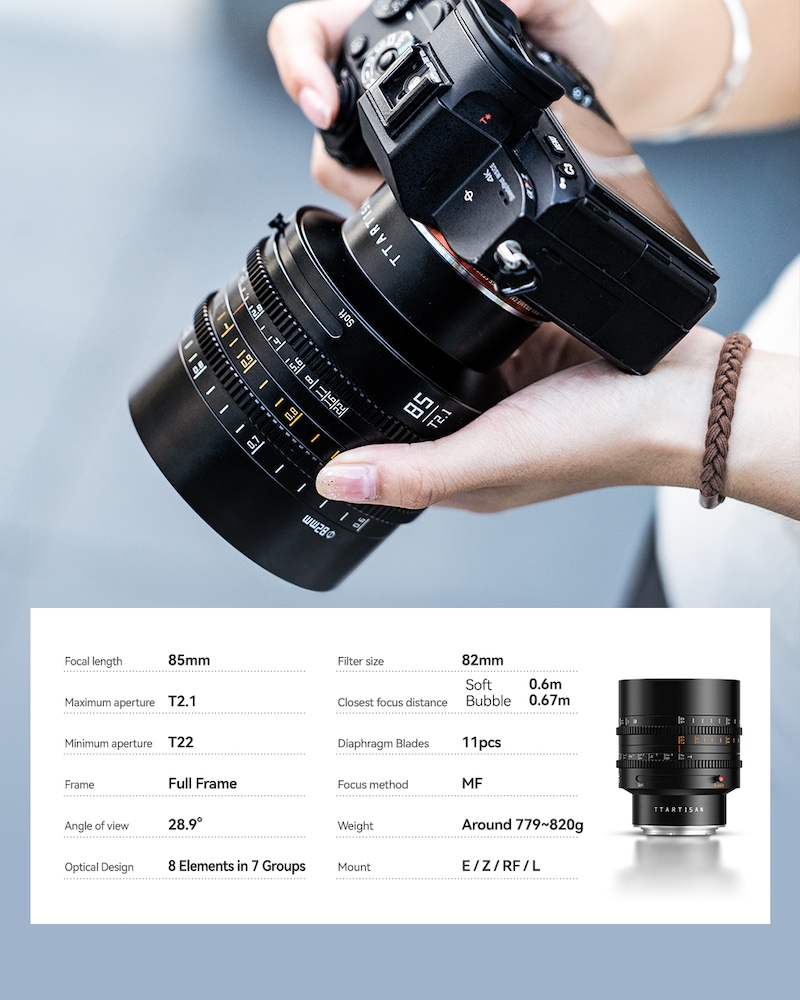
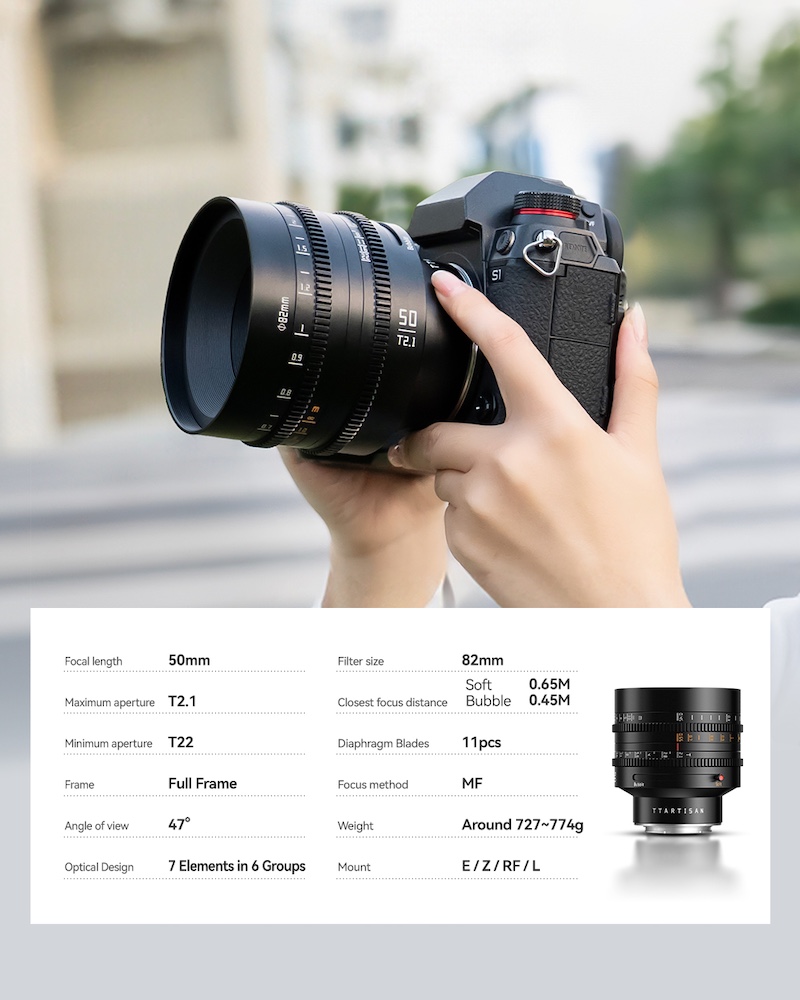
The Rollei name is used on a wide range of products, including this recently announced 85mm F1.8 that appears to share its specs with the one made by 7Artisans.
Image: Rollei
Rollei appears to be an example of the former situation. The name was bought when the original company collapsed in 2004, and it sells a wide range of products under the name, though they are all photo related, at least. It also licenses the name to a German film marketing and distribution company that sells Rollei film. In addition to this, it's also licensed the name to Hong Kong's MiNT Camera, for use on its reproduction of the Rollei 35AF film compact.
Yashica
The FX-D cameras being sold via Kickstarter are only some of the products being sold under the Yashica name.
One of the most obvious instances is Yashica. Yashica was a pretty well-respected camera maker for much of the 20th century but was eventually bought by Kyocera, which ceased production of the last Yashica products in 2005. It subsequently sold the name to a company in Hong Kong, which is responsible for the recent products being sold under the name.
We're not sure whether the Yashica / I'm Back co-branded version of the digital module ever existed, beyond this composite image.
Image: I'm Back
New owner JNC Datum Tech appears to be responsible for the SLR-shaped, tiny-sensor cameras being sold on Kickstarter. Film cameras and basic compacts are also available with the name, and a tie-up was even announced to use Yashica branding on I'm Back's somewhat clunky digital film modules and a "micro mirrorless" camera called MiMi, though it's not entirely clear how much of that came to pass.
Vivitar
Vivitar branding appears on a lot of products, some of which still relate to photography.
Image: Vivitar
Vivitar is a slightly more interesting case, because the originator of the brand was never itself a manufacturer: even at its height, it was a brand name being used to market and sell contract-manufactured products. It eventually collapsed and, the name having passed through various hands has, since 2008, been owned by a company headquartered in New Jersey, called Sakar International, of whom we'll hear more, later. The Vivitar name is now used on everything from bathroom scales and Peppa Pig-branded scooters.
Who's making these cameras?
Look closely at the cameras sold under a lot of these brands and you'll recognize than some of them look very similar to one another. There are a number of OEM camera makers that will sell you their cameras with your branding on them. Two of the biggest are Asia Optical, a Taiwanese company, and Shenzhen Soda Digital Techonolgy, a Chinese company also known by the brand name Songdian.
Asia Optical is responsible for making the Kodak PixPro cameras (which has included a Micro Four Thirds mirrorless model), and some of the Minolta-branded cameras, while Shenzhen Soda makes other Minolta Digital models and a lot of the unbranded cameras sold on online markets such as AliBaba.
As well as looking at whether a brand name is being used on original or innovative products, or items with any real relationship to the types of product on which the brand's reputation was built, I find it interesting to look at the About Us page on these legacy brands' websites, to see how much of a connection to the originating company's actions they imply they have. Rollei licensee Hans O. Mahn has the honesty to point out that it licensed the name in 2004, giving at least a hint that there's no particular connection back to the earlier events on the timelines that so often make an appearance.
Kodak
Personally I find the case of Kodak particularly fascinating, in part because of how stong people's feelings towards the brand still appear to be, despite some of the things that have been done with its name.
Kodak entered Chapter 11 bankruptcy protection in 2012, selling off many of its businesses, including its consumer film business, to settle its debts. The revived company was primarily focused on industrial print and packaging. However, recognizing how powerful a brand it had with consumers, it set out licensing its name for a wide variety of products.
The Kodak Charmera keyring camera, "inspired by the Kodak Fling" is available in seven styles, but you don't know which you'll get. It's been created by Reto Production, one of a range of licensees of the Kodak name.
Image: Reto Production
The most visible are the PixPro series of compact digital cameras, along with the multiple companies it's let use its name on clothing. Its name is also used by companies making half-frame film cameras and the Charmera keyring digital cameras with their gatchapon / lucky-dip styling that, if not quite viral, appeared moderately contagious earlier this year.
Kodak's licensing efforts appear a little more restrained than they did back in 2018, and it's worth noting that the company licenses its name to different companies in different regions. For instance, the Kodak name in Europe is licensed by GT Company, a French company that has also licensed the Agfa brand for digital cameras.
Polaroid
Sakar tried to launch a modular system, where the sensor is a lens/sensor module, under the Polaroid name in 2013.
Photo: Lars Rehm
Perhaps the most interesting example is Polaroid. As with Vivitar, the rights to its name changed hands several times following the collapse of the original company. Sakar International (which owns the Vivitar name) used the name for a while, using it to sell camera modules that connected to smartphones and attempted to launch a modular camera system (conceptually not unlike the Ricoh GXR system) where lens-like units with the sensor built into them could be attached to a camera unit. Unfortunately the styling of these was lawyer-excitingly similar to the design of Nikon's 1 system cameras and lenses, so were withdrawn.
In an unusual turn of events, a project to revive instant film manufacture, boldly called The Impossible Project, managed to take ownership of the Polaroid brand name, meaning that, just sometimes, zombie brands can be brought back to life.
The Polaroid name is back in the hands of an instant film maker based in one of the original company's last factories.
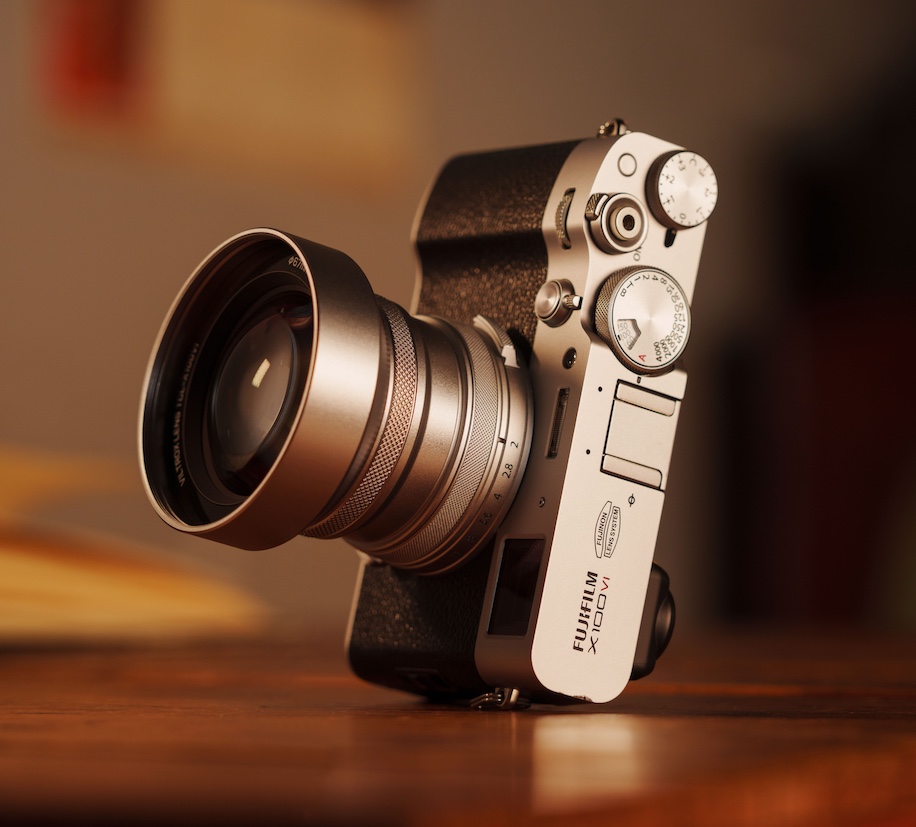
Image: Polaroid
There are the seeds of something similar at Kodak, too, which has recently regained the ability to sell its photo film to the public, after over a decade out of the consumer market. The licensing will still continue, but you can again buy products made by Eastman Kodak from the continuation of the original company.
What's the value of a brand name?
Ultimately, brand licensing is something of a high-wire act. Companies understandably want to maximize the amount of money they make by licensing the brand name they own, but if you're not selective about who and what that name is associated with, you can undermine the public perception of the brand and risk reducing its value to both yourself and your licensees.
Licensing isn't inherently a bad thing, but the quality of the products you allow to wear the name then reflects on all the others. Which becomes important if, like Kodak, you want to also sell your own products under that brand.


Image: Kodak
It's hard to imagine that many people buying a Vivitar-branded personal massager are making any connection back to the Series 1 lenses of the 1970s. Perhaps simply being a vaguely familiar name has some value in a time when dizzying number new brand names (both emerging and transient) are being plastered over the countless products being sold on sites like Amazon. But in the case of Kodak and Polaroid, there is some connection to the original products on which those names' reputations were built. Or, at least, there are for some of the products.
"It's hard to imagine people buying a Vivitar-branded personal massager are making a conscious connection back to Series 1 lenses"
The Minolta example, where there is no connection at all between the products being sold and the reputation that the name would seem to imply is an extreme case, but the closer you look at the world of brand licensing, the more it should make you question what, if anything, that brand name you have vague fond memories of, now represents.
Mt. Jefferson, a volcano in the Cascade Mountains, towers over the landscape of central Oregon. I captured this photo on an exceptionally clear day (through a spotless airplane window), and converted it to black and white using Exposure X6 software with the Ilford HP5 Plus film style.
This month, we're celebrating the art of black and white photography. Whether you're focused on the interplay between light and shadows, ethereal high-key images, or using darkness to create mood and mystery, we challenge you to show us the world in monochrome. Strip away the color and show us your best black and white images!
Photos can be submitted between Sunday, December 14, and Saturday, December 20 (GMT). The challenge is open to photos captured at any time.
Important: Images MUST include a title and a caption of at least 25 words to be eligible. We need to be able to share the story behind your photo. We will consider both photos and captions when selecting our winners, so make sure to tell us that story!
Visit the challenge page to read the full rules and to submit your photos for consideration as soon as the challenge opens.