We're quickly nearing the end of the year, and that means you may have seen a slate of articles from the DPReview staff discussing some of the equipment we enjoyed using most this year as part of our Gear of the Year series.
We're taking a moment to recognize the column, as we started writing it in 2015, which means we've officially been doing it for ten years.* Not every format we try out ends up working, and many that survive will evolve into something else over time, so it's worth celebrating the ones that have stuck around largely the same as when they debuted.
It's a format we enjoy writing, as it lets us focus on the gear that we emotionally connected with, instead of what was technically best (not that those are always entirely separate categories). It also allows us to give our thoughts on products beyond just cameras and lenses. Batteries, cloud photo management services and camera bags have all been chosen by various staff members throughout the years.
To mark the anniversary, editor Richard Butler has very kindly gone back through the archives, finding each Gear of the Year article and tagging them as such. That means you can now find them all in one place if you want to, for example, see what the DPReview staff's favorite gadgets were in 2018. We can't promise that every pick stands the test of time, but they were genuinely felt reflections when they were written. We look forward to discussing our favorite gear with you for another decade.
* Technically 2015 to 2025 inclusive is 11 years, but we skipped Gear of the Year in 2022.
We've put all of the Gear of the Year articles below, so feel free to peruse them.
Managing Editor Dale Baskin picked the Canon EOS R5 II as his Gear of the Year, but it wasn't an easy choice. Find out why he chose it and what the competition was.
You can't be a photographer without taking photos, but after the birth of his son, DPReview's newest editor, Eric Limer, gives much more thought to sharing them. And that, he explains, is why Google Photos is his choice for Gear of the Year.
The Leica Q3 is expensive, has a fixed lens and struggles with some ergonomic issues, but it's also the most fun Senior Editor Shaminder Dulai had with any camera all year. He explains why this rangefinder-style camera is his personal gear of the year.
The Sigma 14mm F1.4 Art was impressive enough to win our Best Prime Lens award for 2023. Managing Editor Dale Baskin explains why he chose it as his personal gear of the year as well, taking it to the subarctic for some aurora borealis photography.
We've already given the Nikon Z8 a Gold award and selected it as our Product of the Year, but it's the events surrounding the way we covered it that made it stand out for our Technical Editor, Richard Butler.
Chris and Jordan recently spent a delightful afternoon sharing their list of the year's best and worst camera gear. Now that their hangovers have worn off, they've prepared a more sober reflection on their choices.
It's that magical time of the year when Chris and Jordan look back on the year's best and worst releases of photo and video gear. Tradition dictates a drinking game, and this year it's a doozy...
Chris Niccolls, the host of DPReviewTV, reviews a different lens or camera every week. Look closely though, and you'll see the same piece of gear make an appearance in almost every episode. It's the Wotancraft Pilot 10L shoulder bag, and it's Chris' pick for Gear of the Year, 2021.
Senior Editor Barnaby Britton is a fan of extreme low-light imaging - something that the Nikon Z9 makes easy. Click through to learn more about why the Z9 is his favorite camera of 2021.
Of all the gear released in 2021, it was Kolari's EF-RF Variable ND Mount Adapter that proved to be News Editor Gannon Burgett's favorite piece of equipment.
Editor Dale Baskin picked the Sony 14mm F1.8 GM as his favorite gear of 2021 after using it for a week in Arches National Park. Find out why he thinks it's the Goldilocks of wide angle lenses, and see some great photos of the American southwest along the way.
Attempting a road trip in the middle of a pandemic offers plenty of opportunities for things to go awry. Good thing the Sony a9 II proved to be about as reliable as the vehicle it was traveling in.
Tamron's 70-180mm F2.8 is a high-quality telephoto lens for Sony E-mount that won't break your back or the bank. Read about why it's been one of Dan's personal favorites this year.
Dale's favorite camera this year is one of the most interesting and distinctive mirrorless ILCs on the market - the ultra-traditional, rangefinder-styled Fujifilm X-Pro 3.
Technical Editor Richard Butler's pick was the unusual lens that gave him the opportunity to try something new. The Canon RF 800mm F11's unique combination of telephoto reach, affordability and light weight will likely enable even more people to do the same.
In a year when social distancing became a way of life overnight, Senior Editor Barney Britton maintained a small sense of connection via the Fujifilm X100V.
Editor Dale Baskin chose the wide angle Laowa 15mm F2 Zero-D lens as his favorite gear of the year. In his opinion, it provides a great balance of size, price and optical performance. He's still on the hunt for the perfect photo of the northern lights.
A bring-everywhere flying smartphone camera is the best $400 you can spend on a piece of gear this year, says editor Dan Bracaglia. Which is why he's picked the DJI Mavic Mini as his gear of the year.
The compact form factor, fast and versatile lens, and pop-up viewfinder made Canon's PowerShot G5 X II an easy pick for DPReview editor Jeff Keller's favorite camera of the year.
The arrival of an EF-M version has given Technical Editor Richard Butler even more opportunities to shoot with the Sigma 56mm F1.4 DC DN. It's the fifth time he's picked an APS-C product.
After nearly a decade of using Apple phones, Managing Editor Allison Johnson jumped ship and became the happy owner of a Pixel device. But the iPhone 11 might just tempt her back.
Over months of using Sigma's 45mm F2.8 Contemporary lens, Reviews Editor Carey Rose rediscovers that there's so much more to a lens than speed and sharpness.
Senior Editor Barney Britton's first choice for Gear of the Year is a camera that he has carried with him more than any other in 2019 (not including his phone) – the Ricoh GR III.
The DJI Ronin-S may not be as instantly recognizable as some other products from 2018, but Editor Dale Baskin explains why he picked this production tool as his 2018 Gear of the Year – and why he chose it to shoot a documentary film.
DPR's Managing Editor Allison Johnson captured a trip to San Francisco the way most millennials do: on her phone. The surprising ease with which she was able to share her photos across platforms using Google Photos makes it her pick.
The Panasonic GX9 isn't the best or least expensive camera that Reviews Editor Carey Rose tested this year. But its combination of features, form factor and image quality make it an enjoyable camera to use – and his pick for this year.
Editor Dan Bracaglia's pick is the lens that he's recommended more than any other in 2018 – and the one he feels Sony's mirrorless system desperately needed.
Technical Editor Richard Butler's pick helped him capture his favorite images of the past 12 months: all 17,100 of them. Specifically, two series of 8MP images. Shot at a rate of 23.97 frames per second.
Whether it's a trip to the beach for some snorkeling or scrambling up a 10,000 ft volcano, the Olympus Tough TG-5 proved to be a great travel companion for Jeff. That's why it's his 2017 Gear of the Year.
2017 has been a pretty good year for lenses, but the one that had the biggest impact for editor Dale Baskin was the Sigma 14mm F1.8 prime, a lens that lets him capture big sky and magic light.
Even though (or perhaps because) 2017 has seen the release of some of the most impressive cameras he's ever used, Richard has ducked the difficult decisions and made an unexpected choice for his Gear of the Year. But, as always, he's going to argue his point.
Lightweight, great optics, affordable – with Sony's FE 85mm F1.8, you don't have to just pick two of those features. For Carey Rose, who's already an 85mm fan, it strikes a perfect balance.
In the first part of Barney's Gear of the Year article, he wrote about the camera he's used most in 2017 – the Leica M10. In Part 2, he's writing about a camera that he's barely even touched. Read on to find out why the D850 made his list for best gear of 2017 regardless.
They say seeing is believing, and that's exactly what happened when one DPR staffer took the Google Pixel 2 out for an afternoon shooting under challenging conditions.
As 2017 winds down (yeah, we're shocked too) it's a great time to reflect on the past year. Over the coming week's we'll revisit some personal favorite cameras and lenses that we encountered this year, and what made them stand out.
After talking herself out of buying one for years, DPR homepage editor Allison Johnson finally picked up a Fujifilm Instax mini Neo 90 this year – and it hasn't left her side since. Read more
This lens was just too good to pass up as a Gear of the Year nominee, so our resident landscape shooter Chris decided to add the Canon 16-35mm F2.8L III to his list of picks. Read more
A childhood of flying $20 RC helicopters didn't prepare DPR staffer Dan Bracaglia for the challenges of flying a drone, but that's part of the reason why the DJI Mavic Pro is his gear of the year pick. Read more
The Nikon D500 has been one of our favorite cameras since it was released earlier this year. Find out why after a challenging video shoot, the D500 made Barney's pick for Gear of the Year. Read more
The release of some supremely capable cameras left reviews editor Richard with some tough choices to make for his Gear of the Year pick. Against stiff competition, he's gone for the Fujifilm X-T2, the camera that most surprised him this year. Read more
There were plenty of amazing cameras and lenses to choose from this year, but DPR staffer Chris Williams chose the F-stop Tilopa as his gear of the year. Read more
Continuing our 'Gear of the Year' series, staffer Sam Spencer discusses a lens that has made a significant visual contribution to the site this year – the latest Tamron 90mm F2.8 Macro. Read more
DPR staffer Carey Rose didn't take to the Canon G9 X right away, but after some time using it he's learned to embrace the minimalist controls and loves the portability of Canon's handy little 1" compact. Read more
Wenmei's Gear of the Year is a lens that forces her to step outside of her comfort zone and focus (softly or not) on the creative aspect of her photography. When she's capturing a quiet moment or special connection, she finds herself reaching for the Lensbaby 56mm f/1.6 portrait lens. Read more
Allison's Gear of the Year is a camera that's been able to accompany her almost everywhere she's travelled this year, whether floating down rivers or just putting up with the rough-and-tumble of Florida's theme parks. Whether or not it's 'the best,' the Olympus Tough TG-4 ended up being the camera she had with her. Read more
Richard Butler's choice of Gear of the Year isn't a product launched this year (our choices of best products of the year were recognized in the DPReview.com Awards), instead it's the one that's prompted him to work on his photography. So what's so special about the Fujifilm 56mm F1.2 APD?
A sucker for 35mm, DPR Editor Barney Britton found himself drawn to 2013's Sony RX1 and R for all of the obvious reasons, but shooting with them left him cold. But just when he was about to give up hope on seeing an improved replacement, the RX1R II arrived. Find out why it's pick for Gear of the Year. Read more
Historically an SLR shooter who has used his fair share of mirrorless cameras, DPR editor Dale Baskin found the NX1 to be most impressive when he reviewed it. The camera may have looked like a moon at first, but over the course of his time with it the NX1 proved to indeed be a space station. Find out why it's his Gear of the Year pick, despite a recent disturbance in The Force. Read more
Continuing our 2015 series of articles highlighting staff favorites of the past year, DPR studio manager Samuel Spencer takes a look back, yet simultaneously forward, at instant photography and the Fujifilm Instax Share SP-1 instant printer, and the experiences he had with it while shooting his sister's wedding last March. Read more
DPReview's newest staff member finds surprise and delight in the Fujifilm X-A2, the least expensive model in Fuji's interchangeable-lens camera lineup. While its build quality can't compete with his X100's, the X-A2 proves itself with a large sensor, sharp kit lens and features that elevate it beyond its entry-level class. Read more
Kicking off our 2015 series of articles highlighting some staff favorites of the past year, DPR editor Dan Bracaglia writes about his experience with the Nikon D750. But this is less a story about his favorite piece of gear from the last 365 days, and more about a photographer and system owner holding out several years for the perfect camera. Read more
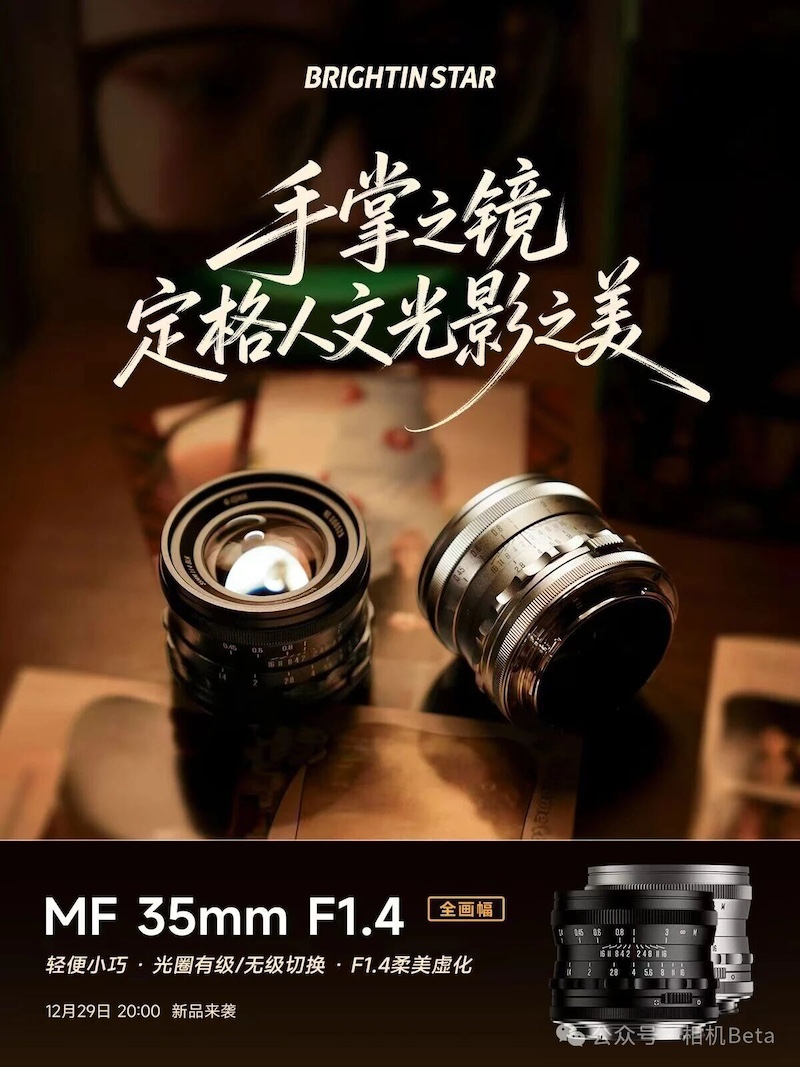
Brightin Star will announce a new 35mm f/1.4 full-frame manual-focus lens next week, featuring a retro-designed, all-metal body available in black and silver, with stepped and stepless aperture control, and a lightweight design.
Here are the details on the previously reported 7Artisans’ new line of LITE APS-C autofocus lenses
7Artisans AF 25mm f/1.8 LITE
7Artisans AF 35mm f/1.8 LITE
7Artisans AF 50mm f/1.8 LITE
The lenses will be available for Sony E and Fuji X mounts. Orders will open next week (around December 30th). Check the 7artisans website for additional information.
Season's greetings! As we approach the end of 2025, it's our tradition to wish you all a Merry Christmas, Happy Hanukkah, Happy Boxing Day, Happy Kwanzaa, Joyous Festivus, and Happy Holiday to all. As always, we're grateful that you stuck with us for another trip around the sun.
If there's one thread that weaves through everything we've done here at DPReview in 2025, it's a focus on investing in the future of the site.
Earlier this year, we expanded our editorial roster by bringing on Abby Ferguson as our full-time News Editor, providing us with more resources to cover industry news and create educational content. In addition to her writing, Abby is an artist who teaches photography at the college level. In 2026, we're going to find more ways to showcase her photography and share her unique perspectives with you.
"If there's one thread that weaves through everything we've done here at DPReview in 2025, it's a focus on investing in the future of the site."
We also made significant investments to ensure the future of our forums, some of which required tough choices. Our forums are a treasure trove of information dating back to the earliest days of digital photography, crowd-sourced by experts for over 25 years. More often than not, when I search for my own photography questions online, the answers are right here in our own forums.
To say the forums are a huge part of DPReview is a dramatic understatement. They're at the core of what we do: a place to share knowledge and make connections. To support this mission, we welcomed Mathew Anderson in July as our first-ever Community Manager. This is the first time in DPReview's history that we've had a full-time member of the editorial team dedicated to supporting our forum users, and it's long overdue.
Another critical investment was migrating our forums to a new software platform. Our previous system was a quarter-century old, and while it appeared stable on the surface, behind the scenes, it was being held together by duct tape and glue. We reached a point where it was no longer sustainable, leaving us with a tough decision: consider a future where we could no longer support the forums, or migrate them to a modern platform that would ensure their long-term viability.
"This is the first time in DPReview's history that we've had a full-time member of the editorial team dedicated to supporting our forum users."
We chose the latter solution, even if imperfect, because the alternative was unthinkable. We sincerely appreciate your patience throughout this process. The job isn't done, and we'll be making improvements in the weeks and months ahead based on your feedback..
Finally, we experimented with new media formats, such as our YouTube team discussions, as well as community-focused content like our Question of the Week series and our first full year of Editors' photo challenges. We plan to introduce even more in 2026, including feature articles about our community members and their photography.
Whether you're a regular reader, commenter, lurker or troll, thank you for being a part of the DPReview community. We're looking forward to another great year in 2026.
ON1 Photo RAW 2026.2 is now available as a free update for all Photo RAW 2026 owners with improvements that focus on workflow speed, smarter AI results, and a smoother user experience across the board. Here are the details:
Improved Face Restoration — Sharper Details, Better Accuracy
The upgraded AI Face Restoration model inside Resize AI delivers noticeably better results for:
Teeth, eyes, and glasses
Smaller or distant faces
Preserving natural texture and detail
Portrait photographers will see higher-quality outputs with fewer artifacts, especially when enhancing older images or low-resolution portraits.
New Module Tips for Faster Learning
2026.2 introduces Module Tips, short onboarding dialogs that guide first-time users through each module. This makes ON1 Photo RAW easier to get up to speed for beginners while helping experienced users discover overlooked tools that speed up editing workflows.
Faster Exports + Easier Export Presets
Exporting is now faster and more responsive, especially for large raw files or batch jobs. Export presets have also been redesigned to be easier to create, organize, and apply—saving pros and high-volume shooters valuable time.
New Camera Support
ON1 Photo RAW 2026.2 adds RAW support for:
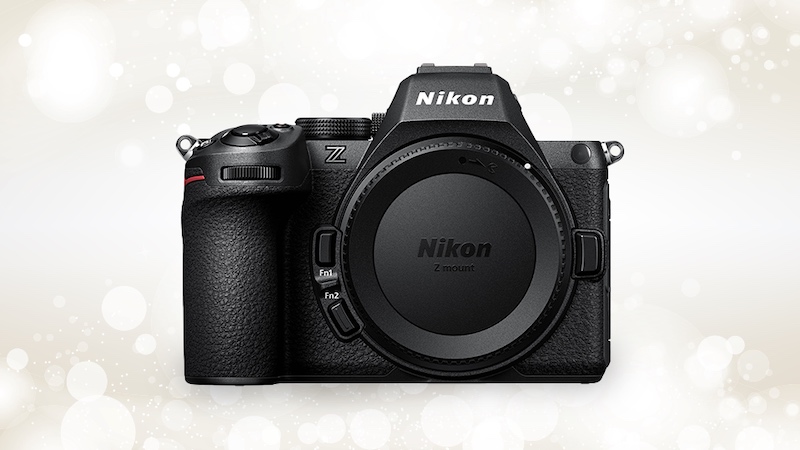
Leica M EV1
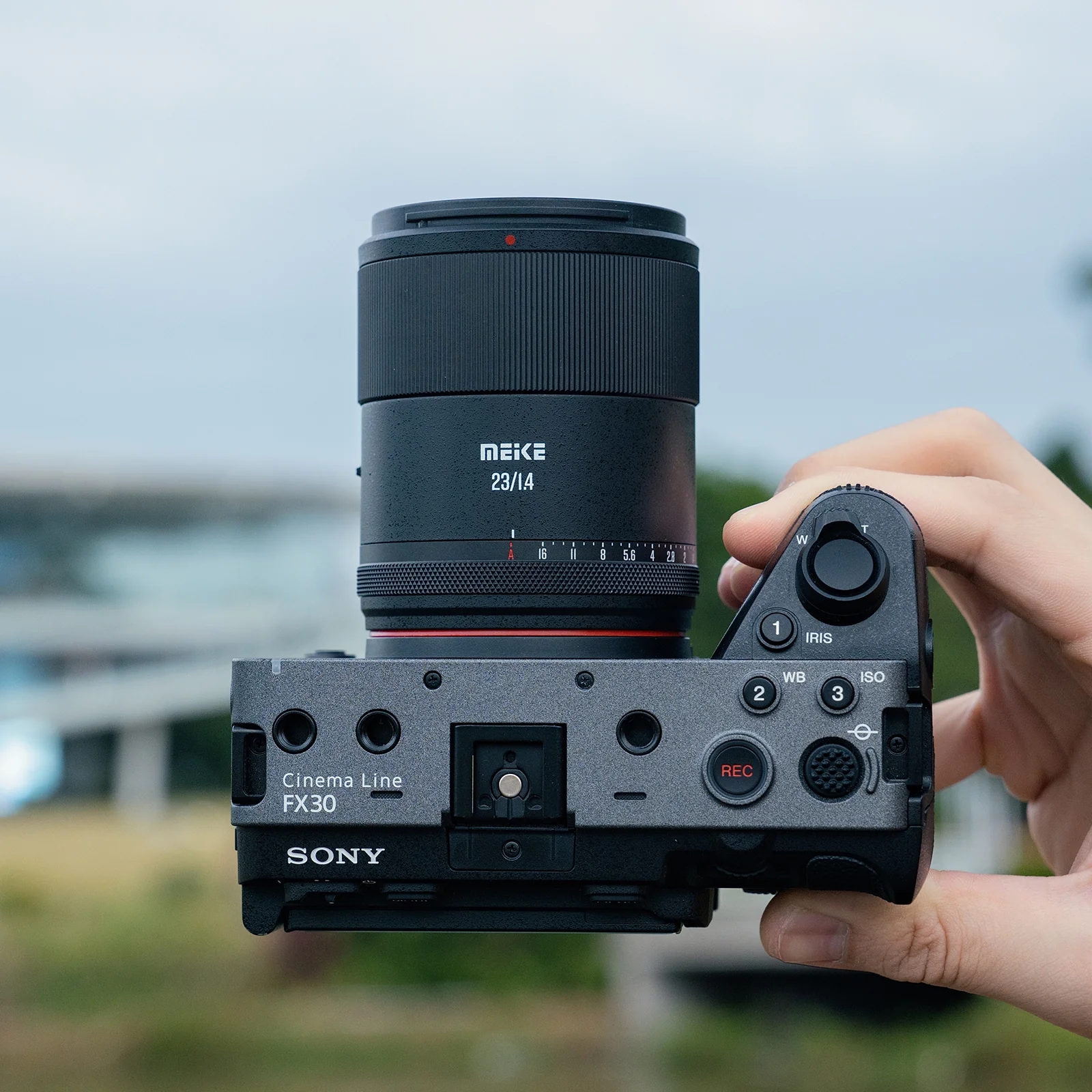
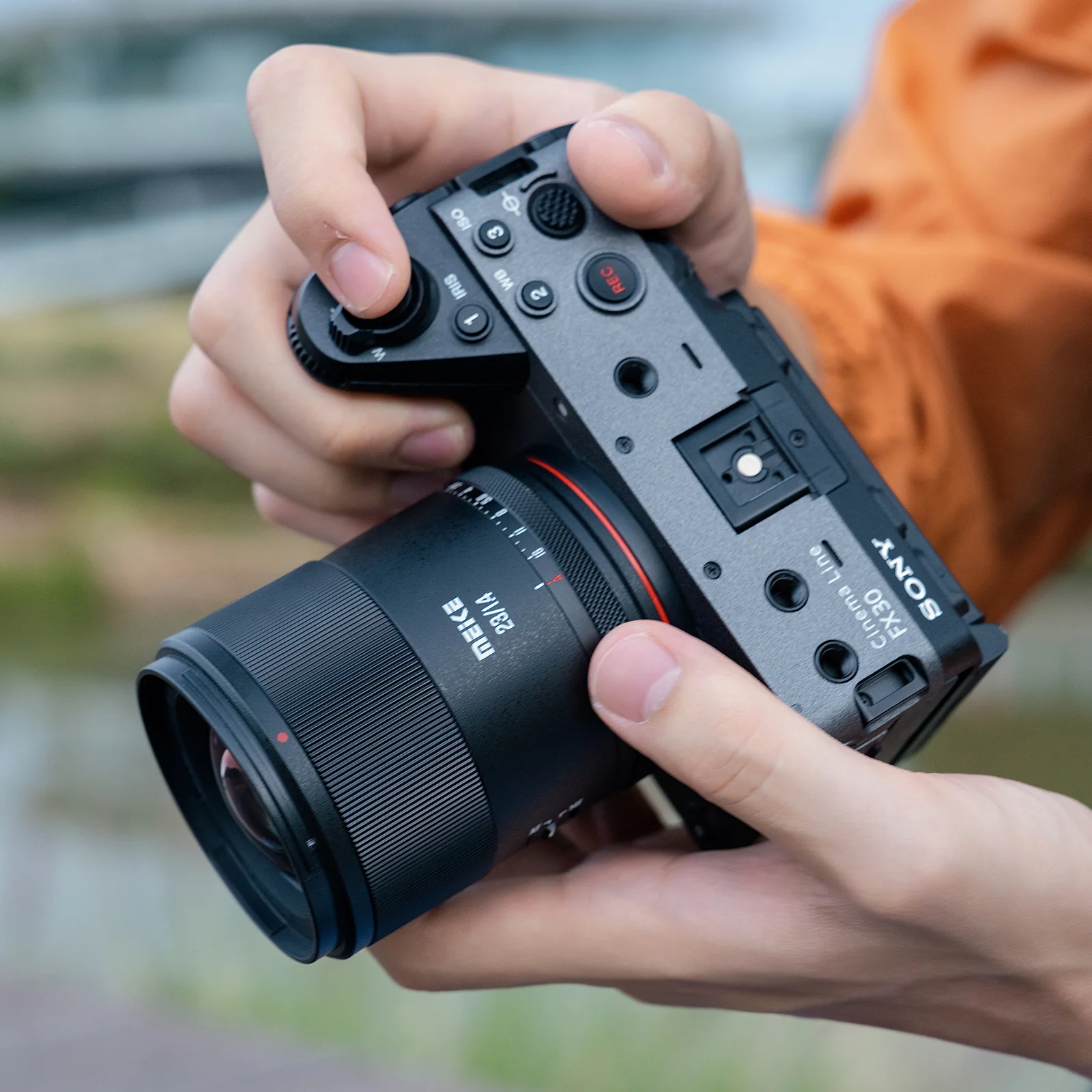
Sony FX 30
New Lens Profiles Added
Optical corrections are now available for the following lenses:
Canon:
EF 20–35mm f/3.5–4.5 USM
RF 10–20mm f/4L IS STM
Fujifilm:
XF 16–50mm F2.8–4.8 R LM WR
Mamiya/Sekor:
SX 55mm f/1.8
Minolta:
MD 24mm f/2.8
MD 45mm f/2
Nikon:
Z 70–180mm f/2.8
AF-S DX 55–200mm f/4–5.6G ED VR II
OM System:
OM 12–100mm F4.0
Pentax:
Super-Multi-Coated Takumar 400mm f/5.6
smc Pentax-M 28mm f/2.8
HD PENTAX-D FA 21mm F2.4 ED Limited DC WR
Other brands:
Auto Petri 55mm f/1.8
TTArtisan E 23mm f/1.8
Tamron AF 18–400mm f/3.5–6.3 Di II VC HLD
Viltrox 15mm f/1.7 E
Yashica ML 55mm f/4 Macro
Carl Zeiss Sonnar T* 180mm f/2.8 MMJ
Stability Improvements and General Refinements
This release continues ON1’s commitment to quality with better stability, UI polish, and bug fixes across the app. These refinements improve responsiveness and deliver a smoother experience day-to-day.
In this week's Question of the week, our community reflected on the most significant photography lessons they learned in 2025, ranging from practical gear insights to mindset shifts that changed how they approach shooting. We certainly learned a lot from reading about their experiences, thank you, community. Some lessons emerged through sheer hard work and expertise in camera technology (in some cases, decades of experience). In contrast, others developed from missed shots or chance successes in the field. The community's lessons reveal how preparation and a willingness to rethink old habits can make a difference to both results and enjoyment behind the camera.
Read on for a spotlight selection of contributions, and then join our forum community to share your great photos and the stories they tell.
Jacques Cornell: Always bring backups for every mission-critical piece of gear to every on-site job. This has been my mantra as an event shooter for decades, but I still had to learn it again when I got sloppy on the second day of a trade show job and brought only what I (wrongly) thought I'd need. SMH.
Paper Wasp: I learned the value of in-body image stabilization. Even with a camera several years old and well behind current technology, I managed to take very nice, sharp photos hand-held in situations that would have made it very difficult without it.
kcccc: If you shoot handheld in aperture mode, don't trust that the camera's auto-chosen shutter speed will always give you unblurred images. Always check the shutter speed, choose a minimum shutter speed that one can feel confident taking sharp photos (depending on zoom level, IBIS, hand stability, etc).
MTiz: To embrace shadows! Negative space is powerful.
GinoSVK: Never, ever touch ‘crop mode’ again! I accidentally engaged it while playing with the settings the day before a wildlife photoshoot. It cost me a few shots until I realized it.
Fawn in Penticton, BC
Photo: Community member Jack Simpson
Jon555: That I can use an e-shutter for a lot of shots I would have assumed it wouldn't work for, like propeller aircraft. 1/160th was enough after all... who knew. I did a whole Air Show that way, and out of 2200 images (what's worse - all in single-shot mode, no bursts), I haven't seen one where the e-shutter damaged it. An F-35 B damaged my hearing, tho... boy, are they loud when hovering.
f1point4andbethere: Every rule you create for yourself will be something you experiment with breaking one day later.
Satyaa: Small things matter as much as the big things. They are often forgotten or ignored, but can be potential pitfalls.
Winterfrost: Enjoy when you accidentally (besides photowalks specifically...) take a good picture that wasn't planned. Always look for chances, opportunities, but expect nothing - stay humble.
I have the habit of setting up my cameras the night before an event. I make sure everything is in place, double-check the settings I want to use, and that batteries are charged, etc. I focus on big things but often miss small things. The exercise of going through this setup the night before often saves me.
sirhawkeye64: Not every shot has to be a hero shot. For many years, I always went into the field thinking I had to get the "perfect" shot or the money-making shot, but later realized that that tends to lead us to disappointment many times (I mean, if you get it, great, and you feel good about it, but if you don't, it can bother you). By shifting my mindset to focus more on what I want to get out of it, and less on what others will think, I have found it helpful.
User4541379541: Stop [always] listening to 'experts.' Find your own style. Don't be a clone. Photography is a personal thing. The freedom to express and convey what you see." Since then, I saw my world in a different light, and it's beautiful!
Custom-made digital background scene
Photo: Community member Frenchfx
Frenchfx: I took a master class on still life and learned how to apply digital backgrounds properly, and the difference was amazing. My work took on a whole new look. More professional, more appealing, and just all around better.
Swerky: Not going to a photography outing with expectations in mind. I would often go out shooting by saying to myself, for example, that I wanted to do macros today. However, for some reason, I arrive on location and see that circumstances aren’t in my favor. So I either need to adapt and find something else or return home frustrated. This goes with the larger idea of not falling into habit but always pushing your boundaries.
wh1tby: Camera ergonomics really do matter. I had always assumed that if you liked the results from a camera and lens combo, you could adapt to any ergonomic issues, e.g., an over-sensitive shutter, a lack of an aperture ring on Fuji X-series lenses, exposure compensation dials that either locked or were too easy to change, etc.
When I found my bad shot rate was going up, I realised a) they do matter and b) I had to focus on the camera that is easier for you to use and not try to force yourself to ‘adapt’. Some camera and lens combinations are not suitable for you, and they will detract from the primary objective of photography: the photograph.
Research my subject to maximise my chances of getting the shots I want, but always be adaptable and able to switch to other subjects.
Take lots of shots, varying the composition and camera settings.
Always have a backup camera and lenses with me on any vital shoot. Keep spare batteries and spare cards in my pocket.
It might rain, so always have a polythene bag in my pocket.
Download and make at least two backups after each shoot and each editing session.
Don't waste money on gear that I don't genuinely need.
Across all these stories, it's clear that the most valuable lesson learned in 2025 was that the perfect shot sometimes comes about by a unique set of circumstances, and being flexible (both in terms of hardware and mentally adapting to the moment) is critical to capturing that magical shot.
Keep watch for the next Question of the week every other Wednesday to participate in this series. New questions are posted here on the homepage and in the forums. We can't wait to read and share your stories!
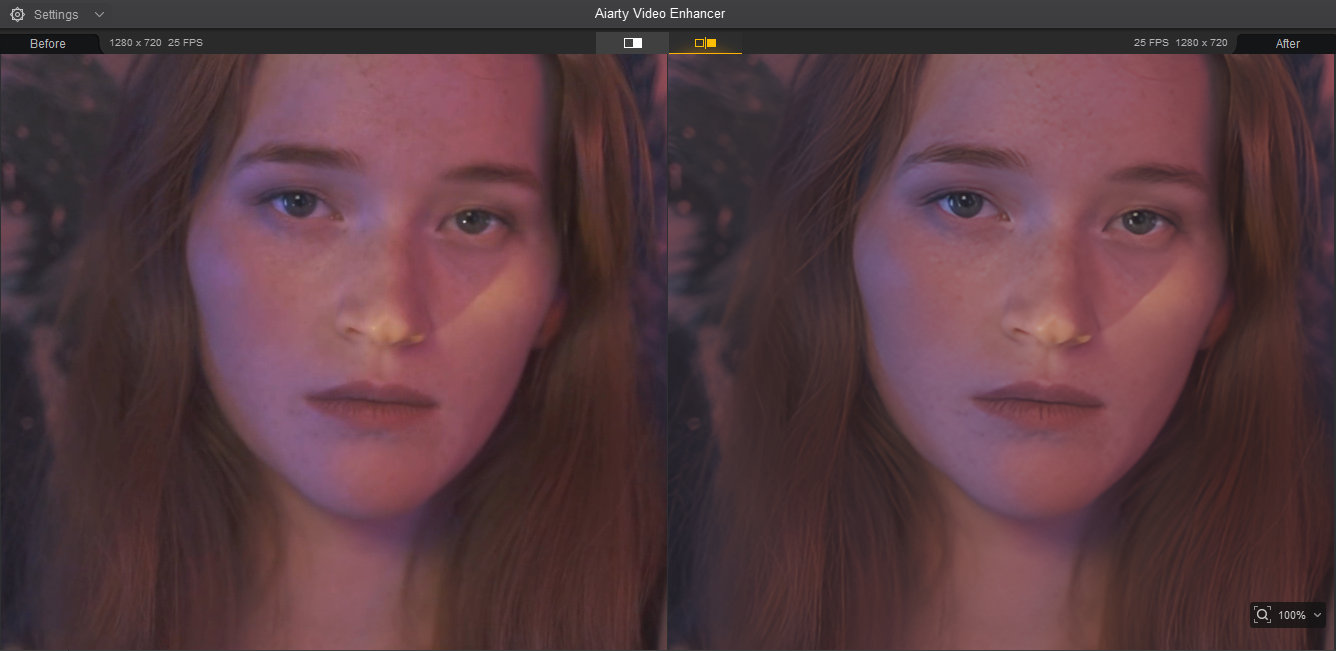
Fix Grainy, Blurry, Low-Resolution Videos Effortlessly with Aiarty Video Enhancer (Lowest Price for Christmas)
Many photographers today shoot video alongside stills, but video quality doesn’t always meet expectations. Low-light footage often suffers from visible grain, while clips from older cameras and early DSLRs can look soft and outdated on modern displays.
Improving this kind of footage traditionally means complex workflows and inconsistent results. Aiarty Video Enhancer aims to simplify that process.
Designed for photographers and editors, Aiarty Video Enhancer is an all-in-one solution for cleaning up and improving video quality. It combines intelligent upscaling, noise reduction, deblurring, restoration, color correction, and frame interpolation into a streamlined workflow, while still giving users enough control to maintain a natural, photographic look.
Christmas Deal: Aiarty Video Enhancer at the Lowest Price of the Year
To coincide with the holiday season, Aiarty is currently running a Christmas promotion that may be of interest to photographers who want to improve the quality of their videos without committing to a subscription-based tool.
What the Christmas offer includes:
36% off the regular price (lifetime license)
Extra $5 coupon: use code XMASSAVE at checkout
The full lifetime license provides full access to all features, includes lifetime free updates, and can be installed on up to 3 Windows or Mac computers.
For users who prefer a one-time purchase with no recurring fees, this seasonal offer makes Aiarty Video Enhancer a relatively low-risk option to try, especially with a 30-day money-back guarantee in place.
How Aiarty Video Enhancer Fits into Real-World Video Workflows
At its core, Aiarty Video Enhancer is built for photographers who want to improve video quality without turning their footage into something artificial or over-processed.
Instead of relying on a single “one-click” AI approach, it combines multiple optimized AI models with practical user controls, allowing creators to balance quality, speed, and visual realism based on real-world needs.
Optimized AI Models with Performance and Control in Mind
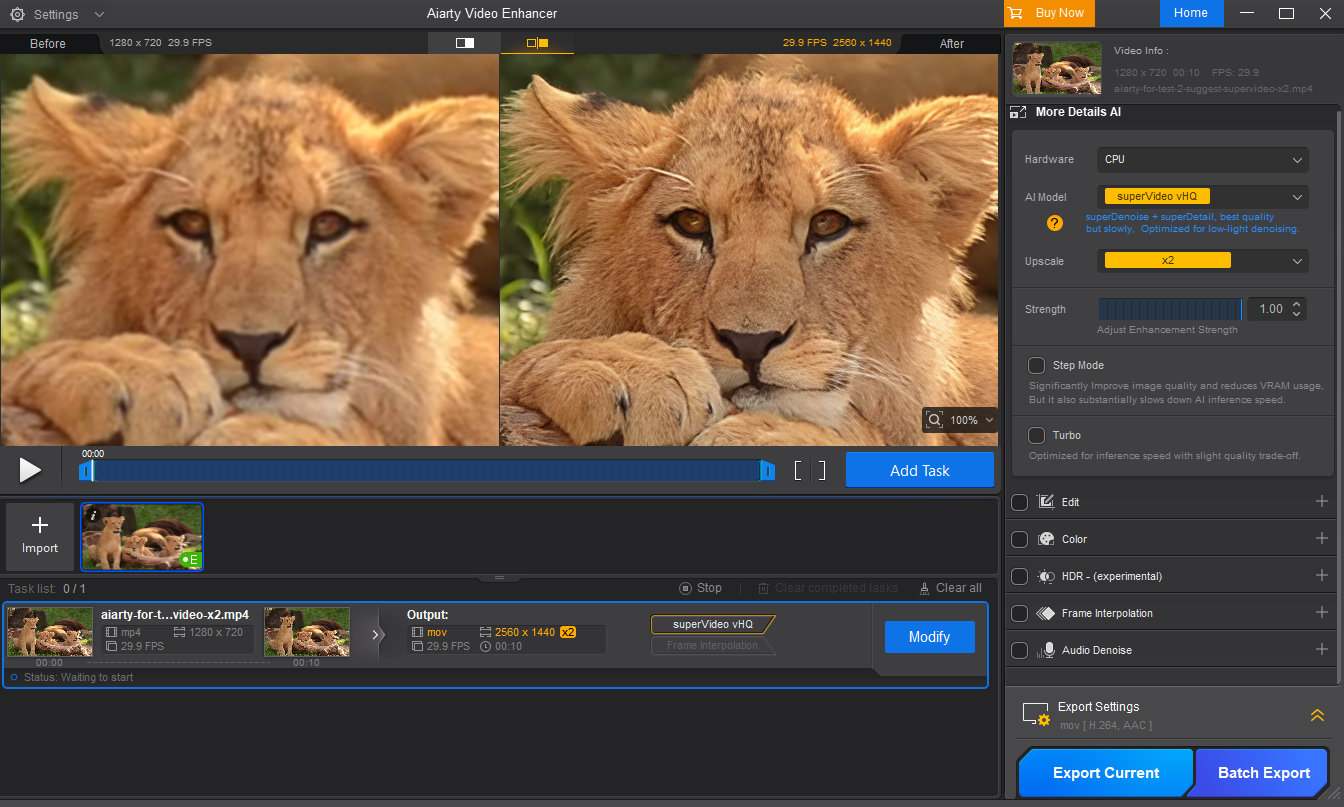
Aiarty uses three specialized AI models, each optimized for different scenarios such as fine-detail restoration and extreme low-light denoising. These models are deeply optimized for modern GPUs, pushing utilization as high as 95%, which translates into noticeably faster processing compared to many similar tools that leave much of the GPU idle.
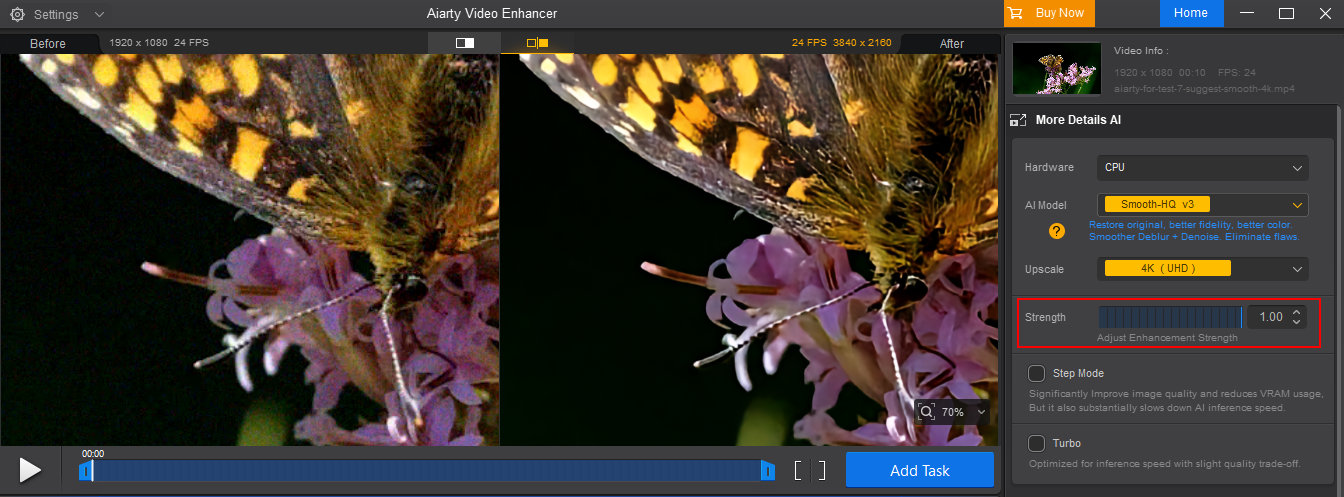
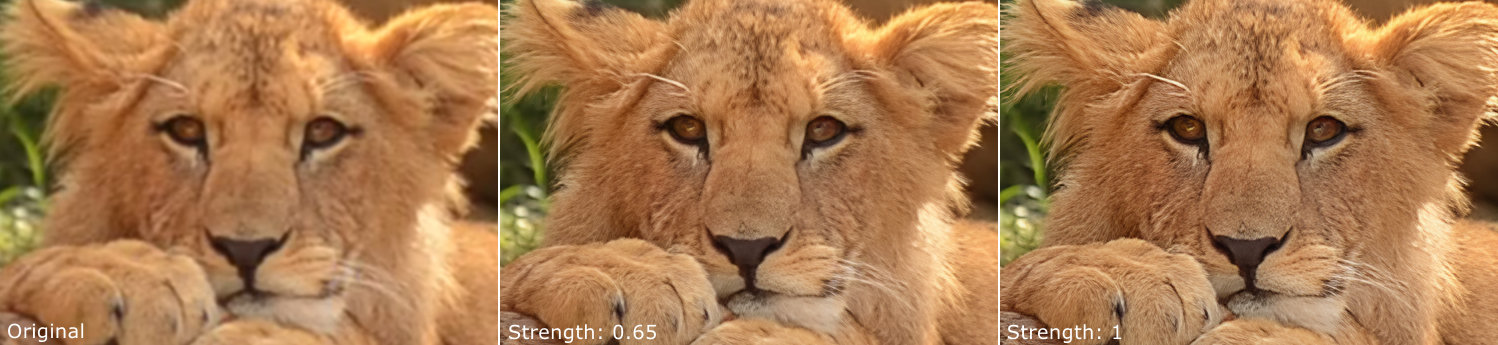
Equally important, Aiarty does not force users to fully surrender creative control to AI. Features like the Strength slider, Turbo Mode, and Step Mode give photographers the flexibility to decide whether they prioritize speed, maximum quality, or a natural, film-like result.
This balance—powerful automation with meaningful control—is what makes Aiarty particularly well-suited to photographers who occasionally work with video but still care deeply about image integrity.
All processing is done locally and offline, which means better privacy and no cloud uploads or data reuse.
Upscale: Making Camera Footage Fit Modern Workflows
Upscaling is not only about improving old videos. For photographers and editors, it often solves very practical problems in real-world workflows.
In mixed timelines, footage may come from different cameras—for example, a main 4K camera combined with 1080p clips from drones, action cameras, or older DSLRs. High-frame-rate slow-motion footage is also often limited to lower resolutions. Reframing or post-stabilization also inevitably reduces resolution.
Aiarty allows users to upscale videos using common targets such as 1080p, 2K, or 4K, as well as fixed scaling options like 2× or 4×. Instead of simply enlarging pixels, its AI models analyze edges, textures, and patterns to reconstruct missing detail, helping low-resolution clips appear cleaner and more consistent with today’s viewing standards.
Denoise: Reducing Grain in Video and Cleaning Up Audio
Noise is one of the most common problems in camera video, particularly when shooting in low light or at high ISO. Traditional noise reduction often requires adjusting multiple technical parameters and can come at the cost of lost detail.
Aiarty integrates video denoising directly into its enhancement process, automatically reducing noise while preserving edge detail and texture. If the auto enhancement removes too much grain, users can adjust the strength slider to find the optimal balance between cleaner footage and a natural, film-like look.
This approach avoids the hassle of traditional noise reduction while also preventing the overly smooth, plastic appearance that some AI tools often introduce.
In addition to video denoising, Aiarty also includes basic audio noise reduction, helping reduce background hiss or ambient noise in casual recordings and older clips. While not intended to replace dedicated audio software, it provides a practical improvement that makes clips easier to use and more presentable overall.
Deblur and Restore: Improving Clarity When Reshooting Isn’t an Option
Slight blur and softness are common in real-world video, especially with early-generation sensors or less-than-ideal shutter speeds. When reshooting is impossible, restoration becomes the only option.
Aiarty’s deblurring and restoration capabilities focus on recovering perceived clarity rather than aggressively sharpening. By reconstructing edge definition and fine detail where possible, it improves overall sharpness while avoiding halos or harsh artifacts.
The results won’t turn heavily blurred footage into perfectly sharp video, but they can noticeably improve clarity in many real-world scenarios.
Strength Slider: Why Control Matters for Photographers
One of the more important design choices in Aiarty Video Enhancer is the inclusion of a strength slider that controls how strongly the AI enhancement is applied. This may seem like a minor feature, but it plays a significant role in achieving natural-looking results.
AI enhancement is not always a case of “more is better”. Applying too much sharpening or denoising can lead to an artificial look, something photographers are particularly sensitive to. The ability to dial back the effect allows users to find a balance between improved clarity and visual realism.
Color Correction: Fine-Tuning After Enhancement
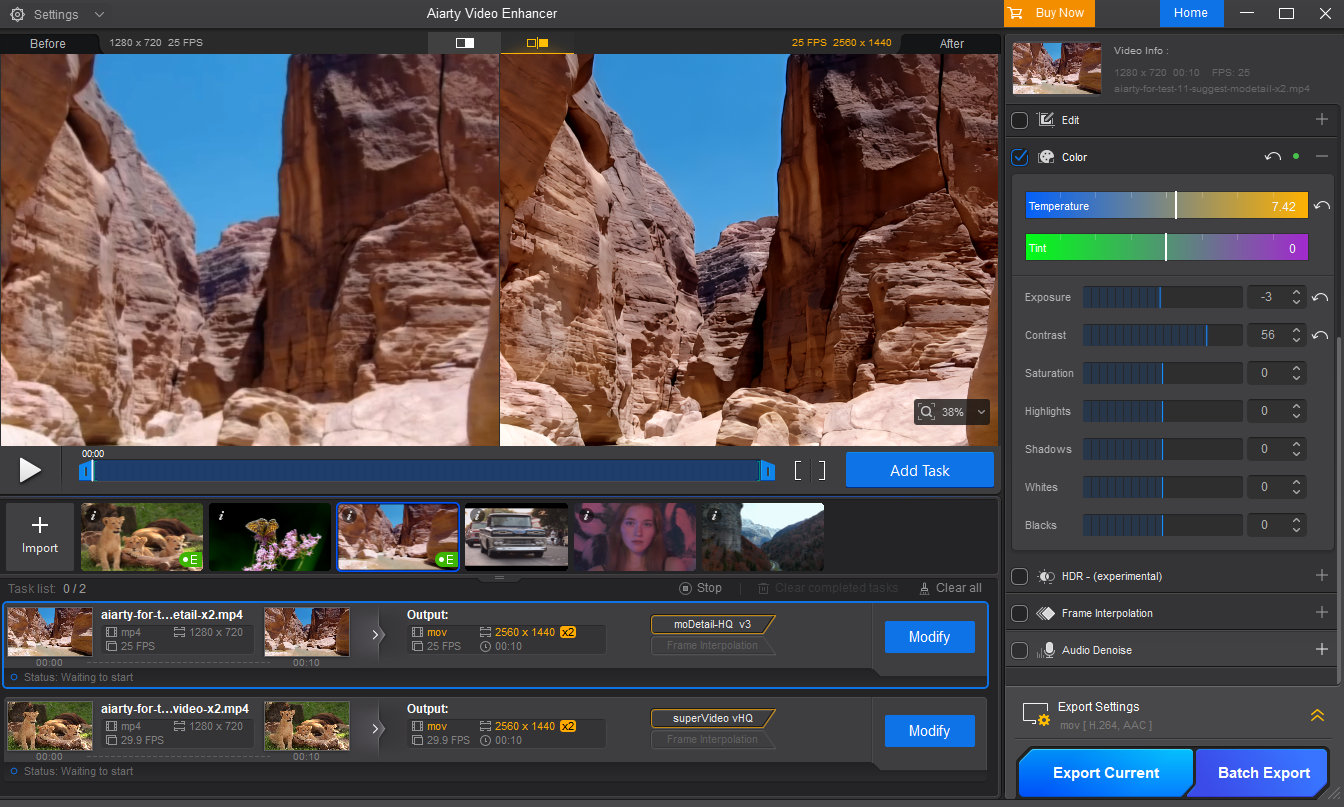
Basic color correction tools, such as controls for exposure, contrast, highlights, shadows, and color temperature, are included to help refine the final output after AI enhancement.
These tools are not meant to replace full-fledged color grading software. Instead, they allow photographers to make subtle adjustments to ensure that enhanced footage looks balanced and consistent, especially after noise reduction or restoration has altered the image slightly.
When used conservatively, these controls help maintain a natural photographic look while polishing the final result.
Frame Interpolation and Slow Motion: Smoother Motion for Creative Control
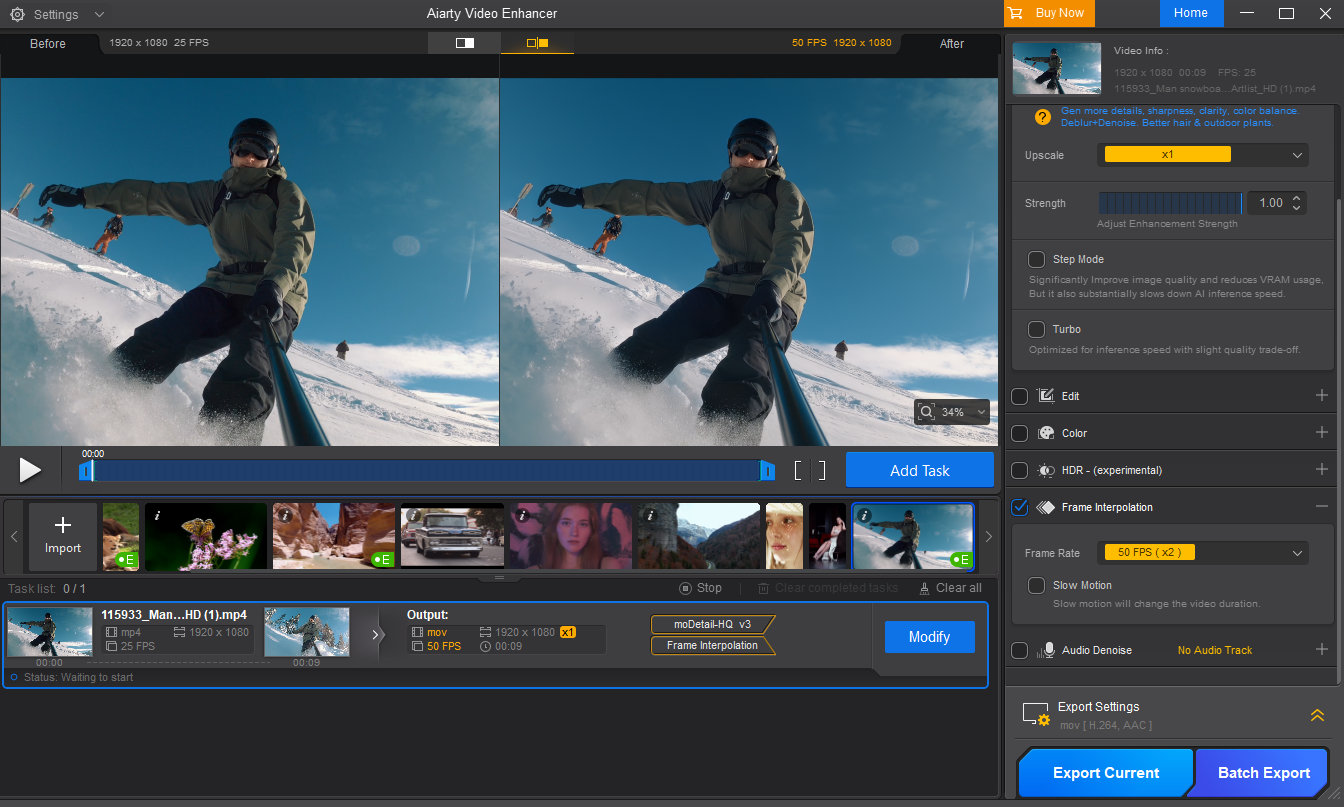
Aiarty includes frame interpolation, allowing users to increase frame rates up to 120 fps, and a slow-motion option with adjustable speeds such as 1/2 or 1/4. While not every photographer will need this daily, it can be extremely useful when working with action footage, fast-moving subjects, or older clips originally captured at low frame rates.
By smoothing motion and creating slow-motion effects, this feature gives photographers more creative flexibility, whether for short films, travel videos, or simply making casual clips look more polished and professional.
SDR to HDR: Giving Footage More Depth
For older 8-bit SDR footage, Aiarty offers an optional SDR-to-HDR conversion that outputs 10-bit HDR video. This process can improve color transitions and reduce banding, resulting in smoother gradients and a more refined visual appearance.
When combined with basic color adjustments, this feature can add depth and richness to older clips. It can noticeably enhance the viewing experience on modern HDR-capable displays.
Final Words: Get the Holiday Treat Before It Goes Away!
If you’ve been thinking about improving your video quality, it’s worth trying out Aiarty Video Enhancer to see the results for yourself.
And if you like what you see, take advantage of the Christmas offer and grab Aiarty Video Enhancer and more powerful tools at the lowest price. All licenses work on 3 computers permanently and include lifetime free updates. Act fast—this seasonal promotion is only available for a limited time.
As 2025 comes to a close, we're looking back at what happened this past year. We've already shared our favorite gear and photos, but now let's zoom out and look at the bigger picture: the numbers and stats for 2025. We think it provides a fun overview of the status of the camera industry and what happened here at DPReview over the course of the year.
Cameras released: 26
2025 brought the release of 26 stills and hybrid-focused cameras. We saw a vast range of models from the major players, from pocketable compacts like the Ricoh GR IV to the medium format Hasselblad X2D II 100C and everything in between. The count doesn't include cinema cameras like the Sony FX2. It also doesn't include action cameras, of which there were quite a few, including the GoPro Max2 and DJI Osmo Nano.
26 is only one shy of the number of releases we saw last year, though that depends in part on how you count them. Both 2024 and 2025 included models that could be considered duplicates, such as the Ricoh GR IV / GR IV HDF from this year. It's also maybe a bit generous to call the Nikon Coolpix P1100 a new release, since it was primarily updated with a USB-C port. Still, it's nice seeing the number so high after a few stagnant years, and we hope 2026 continues the trend.
Zoom lenses released: 21
2025 was a rather exciting year for zoom lenses, even if there weren't quite as many new ones as 2024. Many of the zoom lenses we saw were updates on standard, bread-and-butter focal lengths. Although that may not sound very exciting, those new offerings often came with some impressive features or innovations.
For example, Nikon's 24-70mm F2.8 S II featured a fully internal zoom design, which we hadn't seen before. Hasselblad's XCD 35-100mm F2.8-4 E offered a standard range in a surprisingly compact body for medium format cameras. We were also excited about Sigma's commitment to APS-C with the 17-40mm F1.8 DC Art, so much so that it earned it a spot on our Product of the Year shortlist.
The zoom releases didn't entirely focus on standard focal lengths, though. This year also brought the standout Sony 50-150mm F2 GM, with its wide telephoto zoom range, fast and constant aperture, excellent sharpness and reasonable size. The price may be eye-watering, but the optical engineering impressed us, earning it the honors of best zoom lens of the year in our annual awards.
Prime lenses released: 37
First, a disclaimer: this number does not include all prime lenses that came out this year. Just as we pointed out last year, prime lenses, especially manual focus ones without electrical contacts, are increasingly easier to manufacture. We would have to spend days trying to come up with a complete list if we included all of those. Instead, we've only counted lenses we covered at DPReview or added to our database.
Even with that in mind, we saw a healthy number of new prime lenses in 2025. There were plenty of rather expected offerings, but there were also some pleasant surprises, especially from Sigma. In fact, Sigma achieved a few firsts, such as the first full frame mirrorless 200mm F2 and the first full frame autofocus 135mm F1.4. 2025 also marked the return of Zeiss to the camera lens manufacturing world, with the company releasing two prime manual focus lenses for E, RF and Z mounts.
Interviews with major manufacturers: 11
Over the course of the year, DPReview staff spoke with many of the major camera and lens manufacturers. Those interviews covered a variety of topics, including the state of the camera industry, future plans, design inspiration and more. We've linked to every 2025 interview below, so you can check out what each had to say.
It was a busy year for the DPReview team in terms of taking gear out for sample gallery purposes. In total, we uploaded 5016 images to sample galleries, which is to say we took a lot of images this year. After all, that number only includes a small selection of what we actually take while testing gear.
As usual, our sample galleries were centered around cameras and lenses, with a few smartphone galleries as well. Our editors had some personal favorites in terms of images they took, including the Sigma BF and Sony RX1R III galleries for Richard, and the Sony 50-150mm F2 GM and pre-production Fujifilm GFX100RF galleries for Mitchell.
You can watch all of the existing videos on our YouTube channel. The discussion format is one we will be continuing into 2026, and we look forward to seeing where it takes us.
Number of photos submitted to Editors' photo challenges: 2939
You all answered the call each time, submitting 2939 images over the course of the year. It was a consistent reminder of just how talented our community is, and we can't wait to see what you share in 2026.
Number of forum posts: 468,425 (and counting)
Our forum community is at the heart of what makes DPReview all that it is, largely because of the wide breadth of discussions. From thought-provoking questions and problem-solving tips to providing feedback on work and more, we love seeing what is going on in our forums. And this year, you all kept busy there. At the time of writing, you've created a total of 468,425 forum posts. Of course, that number grows each day, and it's likely to exceed half a million by the end of this year.
Number of sustainable, modern forum systems transitioned to: 1
Of course, we'd be remiss if we didn't mention one of the most significant moves for DPReview this year: the new forum system. We'd been operating on a proprietary, custom-built software system since the site's inception 25 years ago. That wasn't viable anymore, so, in order to make the forums easier to maintain, improve and access on all devices, we transitioned our forums to new, modern forum platform in October of this year. To oversimplify things, it was a massive undertaking. But all legacy forum content successfully transitioned to the new platform, and new features were (and will continue to be) unlocked.
We greatly appreciate our community's patience and support during the transition and look forward to exciting improvements coming in 2026.
Issues of our newsletter: 48
Lastly, we sent 48 issues of our newsletter this year, two more than last year. If you weren't aware that we even had a newsletter, you may want to consider signing up! It highlights some of our best stories each week, so you can stay up-to-date on what's happening at the site.
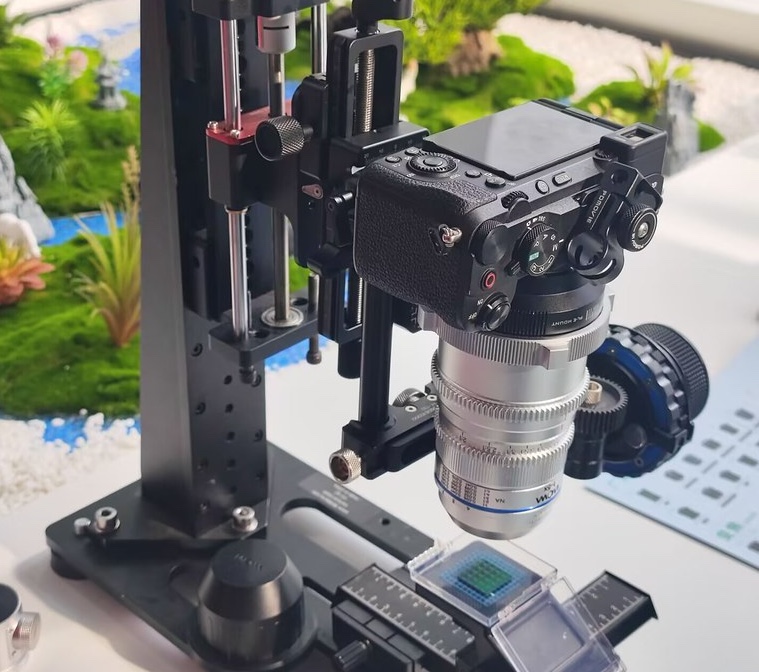
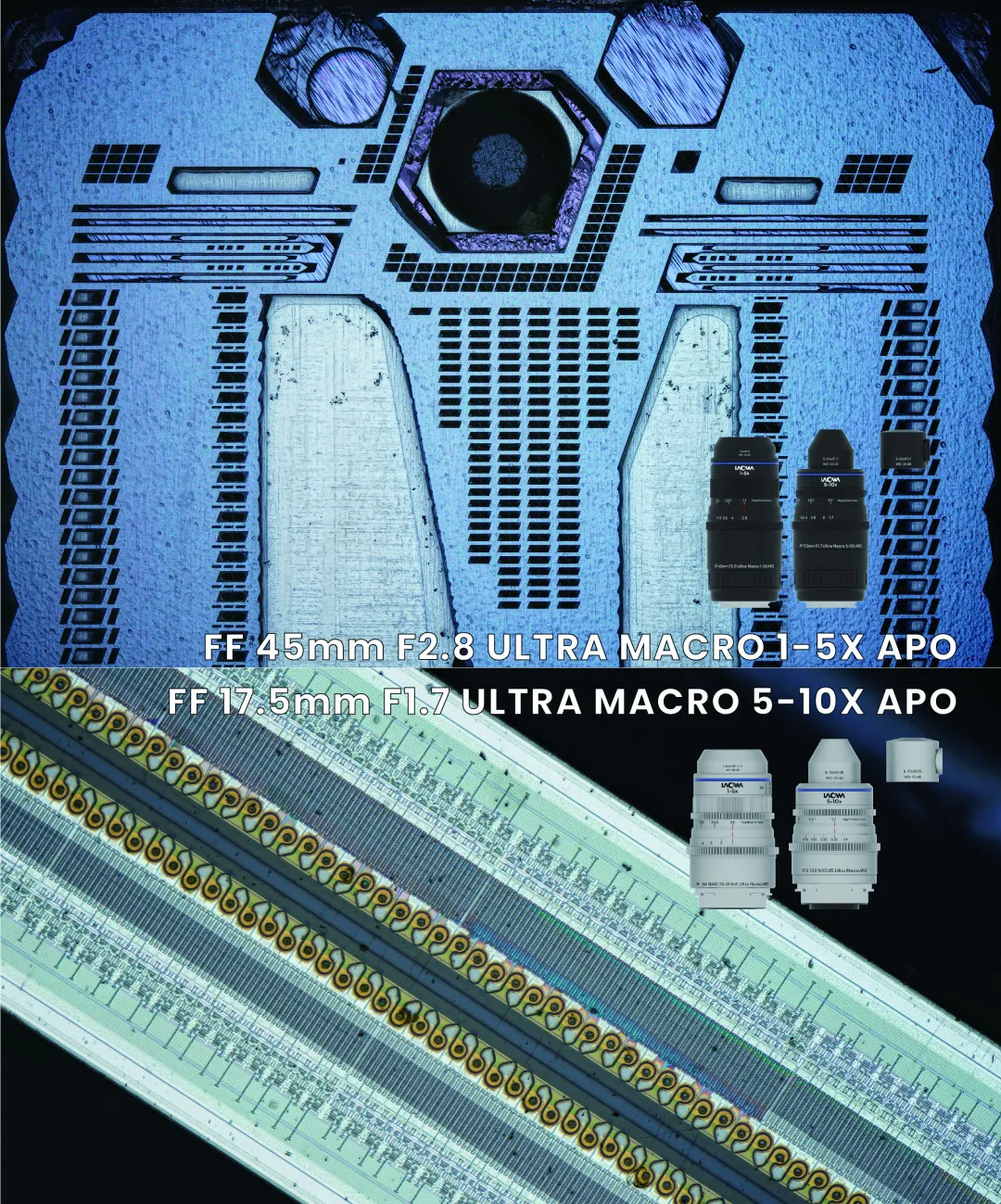
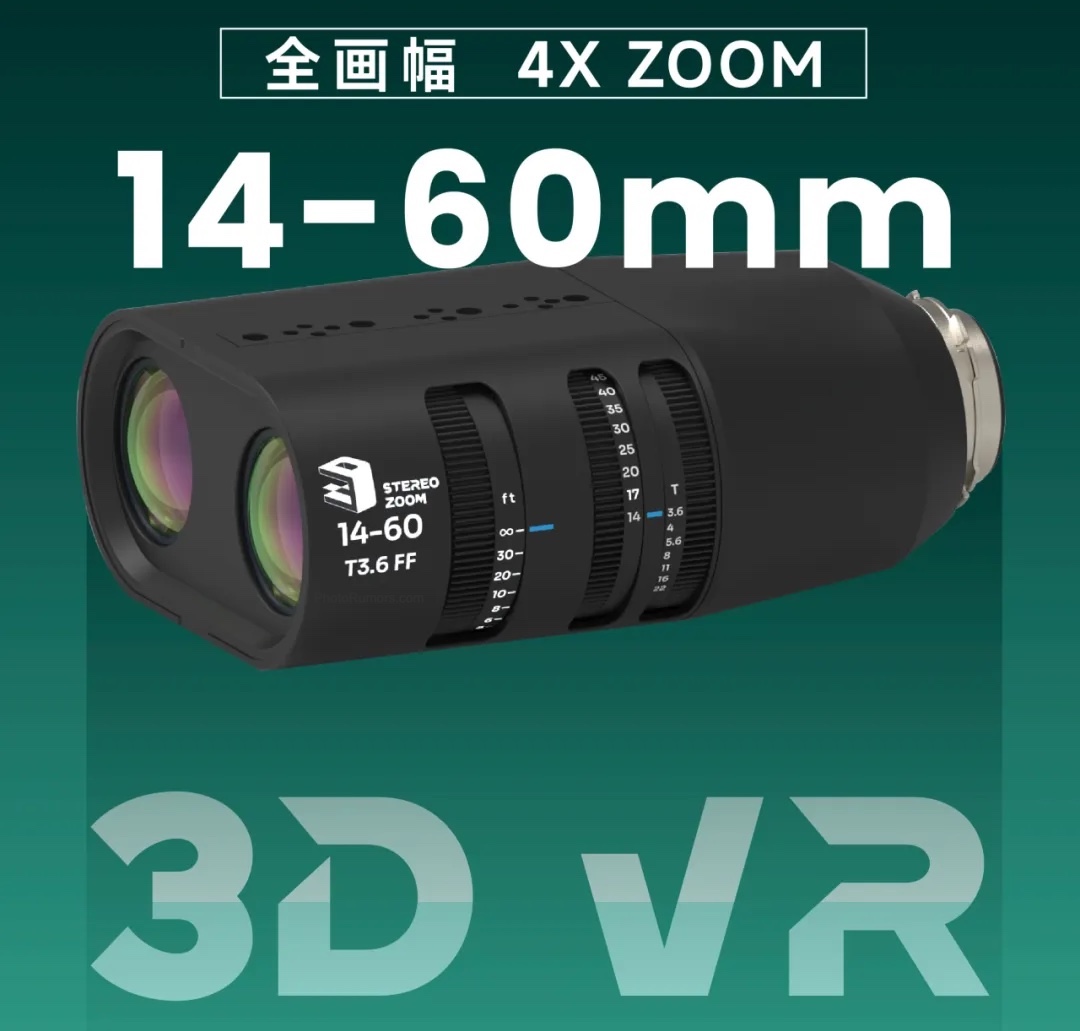
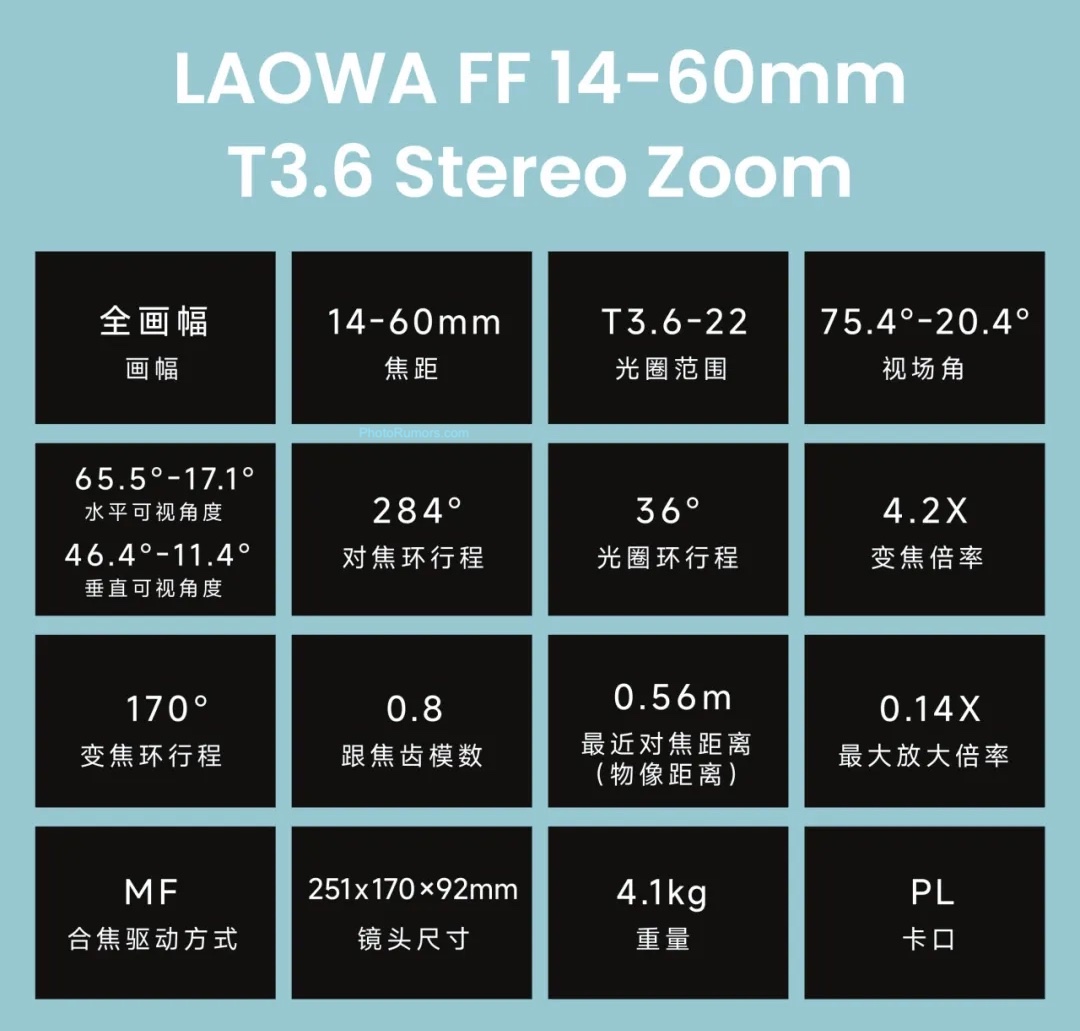
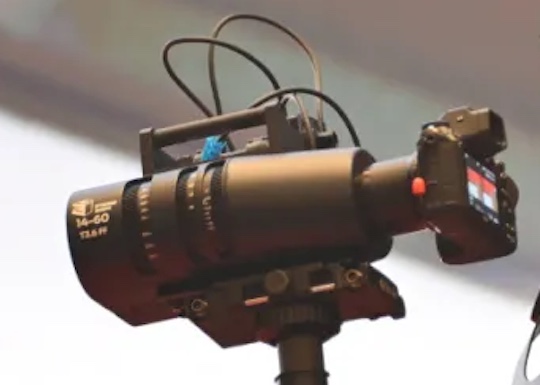
Here are some of the new Laowa lenses Venus Optics will announce next year (2026):
Laowa FF 45mm f/2.8 ultra macro full-frame 1-5X APO (11 elements in 9 groups)
Laowa FF 17.5mm f/1.7 ultra macro full-frame 5-10X APO (17 elements in 12 groups)
Specifications:
Full-range parfocal design throughout zooming (means the focus will not change as you increase magnification)
Coaxial illumination (means light goes through the lens, hits the surface, and comes back; the lens acts as a condenser and an objective – suitable for inspection)
Covers high magnification zoom from 1:1 to 10:1, filling the gap between a traditional macro lens and a microscope
Longer working distance (40.35mm/22.5mm) facilitates lighting setup
Adopts apochromatic (APO) optical design to effectively eliminate chromatic aberration, resulting in sharp images and accurate colors
Full-frame lenses compatible with multiple mounts (E/Z/L/F/RF/EF)
Meets the image needs of scientific research and commercial applications
7Artisans is teasing a new line of APS-C LITE autofocus lenses. Three different focal lengths are expected. The weight of each lens will be around 180g.
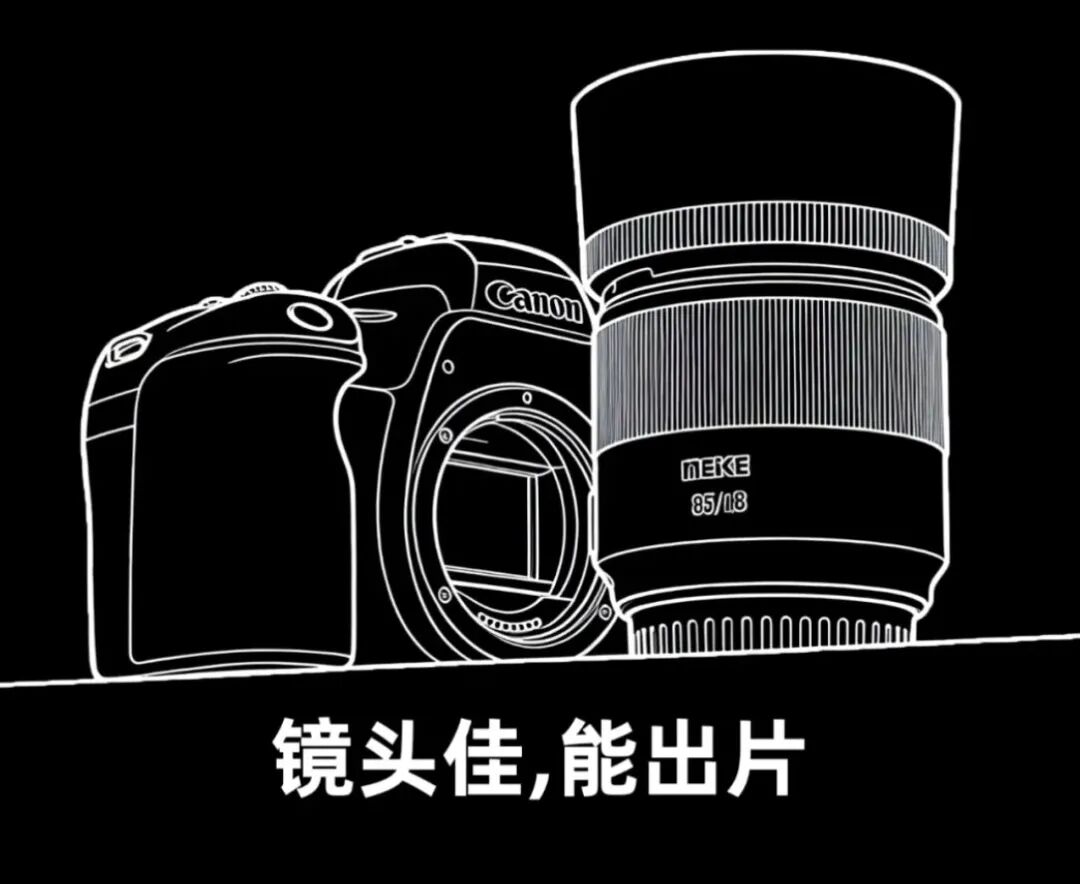
Meike is rumored to announce a new AF 85mm f/1.8 SE II lens for the Canon EF mount. This is a strange move when third-party lens manufacturers are trying really hard to get approval to produce mirrorless lenses for the Canon RF mount:
As previously reported, today the U.S. Federal Communications Commission (FCC) has implemented a rule adding foreign-made drones and critical components to its “Covered List” due to national security concerns. This effectively prevents the import and sale of new DJI drone models (and those from other foreign manufacturers like Autel) that require new FCC authorization. However, the rule is forward-looking and does not ban or ground existing drones: all previously FCC-authorized DJI drone models remain fully legal to own, fly, buy (from existing stock), sell, and use in the United States.
There are no recalls, remote disables, or restrictions on operating drones you already own or purchase from current inventory. Retailers can continue selling stock of previously approved models until it’s depleted.
Future unreleased or newly designed DJI models (or major new components) will not receive FCC approval for U.S. sale unless explicitly exempted by agencies such as the Department of Defense or Homeland Security.
This year saw the release of several extremely competent full frame hybrid cameras such as the Panasonic S1II, Canon EOS R6 III and Sony a7 V, show above. Photo: Mitchell Clark
As we come to the end of the year, it can be fun to take a trip down memory lane and look back at the year that will soon be in the rearview. What were the releases that we could've sworn happened forever ago? What were the stories that are still having an impact today? And what series are we looking forward to continuing into the new year?
January
Photo: Richard Butler
2025 started off with a bang, with the release of the Leica SL3-S – a full frame camera focused on speed, rather than resolution – and our review of the Nikon Z50II, an entry level APS-C camera designed for photo and video creators.
February was when things really picked up, and not just because that's when the camera industry gets together to hold the CP+ trade show.
OM System kicked things off with its announcement of the OM-3, a retro-styled mirrorless with a stacked Four Thirds sensor, which we were able to review by launch day. It also updated three lenses for its system. Panasonic also had a new camera; the high resolution, full frame S1RII, which aimed to be a solid offering for both stills and video shooters.
The Sigma BF is unlike any camera we've seen recently. It's also only one of the several things the company announced in February. Photo: Richard Butler
Things didn't slow down much in March, which kicked off with a ton of phone news coming out of the Mobile World Congress show. There were budget offerings from Nothing and Google, exciting concepts from RealMe and Xiaomi, and the continuation of a Leica partnership from the latter.
We also started releasing our interviews from the major manufacturers we got to talk to during CP+; OM System, Ricoh, and Fujifilm (which came in two parts).
Rounding out the month was a slate of announcements from Canon. The PowerShot V1 finally got a price and availability outside of Japan, and the company released three new products: a 20mm F1.4 prime in its full frame VCM series, the EOS R50 V, an APS-C vlogging camera, and a new wide-angle power zoom lens to act as its kit.
April
Photo: Mitchell Clark
Things calmed down a bit in April, with there being only one major camera release: Nikon's budget full frame offering, the Z5II. Which isn't necessarily a bad thing, as its price to performance ratio would end up earning it our Product of the Year award (but we're getting ahead of ourselves).
The bad news for value-oriented cameras, at least in America, was April's other big story: the US' launch of tariffs on imports from other countries. While things have (mostly) shaken out, the US government's ever-changing and arbitrary approach meant manufacturers and the market struggled to figure out how to price things for a few months, a story we tracked closely.
April also saw the release of Sony's 50-150mm F2 lens, a fast, full frame zoom offering. We also continued to cover the Sigma BF, through interviews with Sigma CEO Kazuto Yamaki, a deep dive on its UI and the potential implications for the industry, and Richard Butler's personal challenge to use it every day while on vacation holiday in the UK.
May
The Panasonic S1II may look like the rest of the company's second-gen S1 cameras, but its partially stacked sensor and the capabilities it brings make it one of the most well-rounded options out there for stills and video shooters. Photo: Richard Butler
After resting a bit in April, we and the camera industry were back in full swing in May. We finished our reviews of the Canon EOS R50 V, screen-less Camp Snap camera and the Sigma BF, with the latter including a deep-dive into its innovative (and completely unadvertised) implementation of the UltraHDR JPEG spec. We also published our final interview from CP+ 2025, where we met up with executives from Canon.
May also marked the beginning of us publishing regular educational articles, aimed towards beginners who are still figuring out the ins and outs of digital photography. We also launched a few new series:
A YouTube show where the team discusses camera and photography news
Of course, there were several launches in May, too. Panasonic came out with the S1II, a full frame hybrid camera designed to excel at both stills and video, and the S1IIE, which used the same body, but paired with a standard BSI sensor, rather than a partially stacked one. The company also released a 24-60mm F2.8 lens, to act as a budget (and back)-friendly alternative to the standard 24-70mm F2.8 zoom.
The X half remains a strange release, but it's hard to knock a company for trying something new. Photo: Richard Butler
On the other side of the photography spectrum, Fujifilm announced the X half, a compact camera with a Type 1 sensor and tons of quirky, fun features aimed at making photography fun for beginners. Ricoh also announced it was working on the GR IV, releasing a few tantalizing details for fans of its stalwart enthusiast APS-C compact.
Finally, DJI announced the fourth iteration of its Mavic Pro drone, though availability in the US was spotty, to say the least, as it wasn't supposed to officially launch in the country (a trend that would continue for the rest of the embattled company's products throughout the year).
June
The X-E5 ups the ante on the Film Simulation dial by letting you assign recipes to it, and brings the rangefinder-styled camera back upmarket with more programable command dials and milled aluminum top and bottom plates. Photo: Richard Butler
Summer is typically a relatively quiet time for the camera industry, but 2025's was arguably an exception. We saw two camera launches in June: Fujifilm's rangefinder-style X-E5, which came complete with the film simulation dial that's been making its way onto several of the company's products, and OM System's OM-5 II, a light refresh that brought updated menus and a USB-C port.
There were also a few interesting lenses released in June. Sigma released its super-fast APS-C standard zoom, the 17-40mm (26-60mm equiv.*) F1.8 DC Art, and Fujifilm released the XF 23mm F2.8 R WR, a 35mm equiv. pancake lens that emulates the one found on its still quite hard to find X100 series cameras.
The RX1R III was a bolt out of the blue. Photo: Richard Butler
July only saw one blockbuster release, but it was a big one: the Sony RX1R III, the company's full frame compact camera with a fixed 35mm F2 lens. It was released pretty much out of the blue, with very few rumors or teasers leading up to the launch.
The X2D II not only shoots HDR output files by default, but lets you preview them on a bright rear display. Photo: Richard Butler
We were hard at work on reviews in August, publishing them for the Sony RX1R III, Panasonic S1RII, and Nikon Z5II. We also covered the launches of the Ricoh GR IV, which was fully unveiled after being teased in the spring, and the Hasselblad X2D II, a medium format camera that goes all-in on HDR.
Our new community coordinator, Mathew Anderson, is here to act as a bridge between us at DPReview and our community.
We also made a big investment in our community, bringing on Mathew Anderson to act as our full time community manager. If you've spent any time in our forums at all, you'll almost certainly be familiar with him, as he's been working to make sure we keep in touch with what our readers and members need most.
* - 19mm equiv. on Canon
September
The Nikon ZR is an interesting release, but September belonged to the lenses. Photo: Mitchell Clark
An M series without a rangefinder? Is this blasphemy? Photo: Richard Butler
That lens, however, is initially only available kitted with the X-T30 III it was announced alongside, an entry-level mirrorless camera with an EVF and a film simulation dial. Leica also released a new camera: the M EV1, a camera that eschews the company's classic rangefinder mechanism for an electronic viewfinder. This prompted an excellent op-ed from Richard Butler on jargon and the semantics of "mirrorless," which we promise is more interesting than those descriptors may make it sound (or, to a certain type of person, is exactly as interesting as those descriptors promise).
As for reviews, we published our final thoughts on the OM System OM-5 II. That may make it seem like it was a quite month, but that's because we were gearing up for...
November
The EOS R6 III is a strong new entry in the very competitive midrange enthusiast marketplace. Photo: Mitchell Clark
... the Canon EOS R6 III, which was November's first big release, alongside the company's $470 45mm F1.2 lens (no, the price isn't a typo). Leica was also back this month, with the Q3 Monochrome, a – you guessed it – black and white version of its full frame compact with a 28mm F1.7 lens.
We also published our review of the Panasonic S1II, following a firmware update that brought dramatic improvements to its autofocus performance and cooling performance for video.
DPReview also got a big update in November, as we officially moved our forums onto a modern, sustainable platform. Come say hi!
December
The a7 V's faster, partially stacked sensor, brings a much-needed speed boost to Sony's mainline full frame entry. Photo: Mitchell Clark
While it's been a year full of news, reviews and buying guides, we've also been working on increasing our engagement with the community, featuring your work and thoughts on our homepage. We've done so through the monthly editors' photo challenges, and our question of the week series, as well as with events like our AMA. Look forward to even more of that coming in the new year!
While the EOS R6 III was our last review of the year, we already have our work cut out for us going into next year, with the reviews of the Sony a7 V and the Fujifilm X-T30 III. Stay tuned for those, as well as our coverage of the CP+ show in February and anything else that happens in the upcoming year.
We appreciate you reading our work in 2025, and look forward to bringing you even better coverage in 2026.
DJI's next drone likely won't be authorized for sale in the US. Image: DJI
The US government has placed a de facto ban on the import and sale of new drones and drone parts made outside of its borders, including ones from popular manufacturers like DJI. While people are still able to fly the drones they currently own and retailers can sell current models, it's a major blow to the drone market in the country.
A press release from the Federal Communications Commission, or FCC, predictably cites national security as the reason for the policy change. It acknowledges that "unmanned aircraft systems (UAS), otherwise known as drones, offer the potential to greatly enhance public safety and innovation," but goes on to say that "criminals, hostile foreign actors, and terrorists can use them to present new and serious threats to our homeland." It lists major events, like the 2026 FIFA World Cup and 2028 summer Olympics, as potential reasons to "safeguard" its airspace.
The policy isn't an outright ban on selling foreign drones
The policy isn't an outright ban on selling foreign drones. Rather, it makes it so the FCC can't authorize new drones or critical drone parts* if they're made in a foreign country. However, the end result is that any drone that doesn't currently have that authorization won't be able to be legally imported or sold in the US, without explicit approval from the Department of Defense or the Department of Homeland Security. Again, this doesn't impact drones that Americans currently own (except for, potentially, the availability of replacement parts).
This move has been a long time coming. The US government has been threatening to ban DJI's drones, which make up the vast majority of the market, in one way or another for years. Its most recent move was to require a security audit of the company's products before December 23rd, and to subsequently not carry out that audit, but the efforts have spanned all branches of the government, under multiple administrations.
A DJI spokesperson told Politico that it's "disappointed" in the new policy. The company has clearly seen the writing on the wall, though, as many of its recent products (drones or otherwise) haven't officially launched in the US. That's despite the company telling us that the Mavic 4 Pro had "all necessary approvals and clearances, including FCC certification, for sale in the United States."
Drones are obviously useful tools for photographers and videographers, but they've also become vital in other industries such as forestry, agriculture, industrial inspections and more. While the FCC's press release states that this move will "unleash American drone dominance," it's unclear what, if any, American companies are poised to take up the mantel of designing and manufacturing drones that are as affordable or easy to use as those available from DJI and its competitors.
* - Banning authorization of parts cuts off the obvious loophole of companies selling each part individually, and giving users instructions on how to assemble them
When you use DPReview links to buy products, the site may earn a commission.
Updated: December 22, 2025
These days, midrange cameras go for around $2500-3000, though in the US tariffs have made great deals in this price range a little harder to come by. For that money, you get something that's incredibly capable; our picks are high-spec options that are excellent for stills and video, and many have autofocus systems that come close to the performance of professional sports cameras.
Choosing a camera means committing to the ecosystem of lenses that are available for it, so we advise looking into the price and availability of your preferred kit. It's also worth noting that some camera manufacturers are more restrictive of what options third-party lens makers can provide, so be sure to consider that during your lens research.
Speaking of lenses, it's also worth considering that the latest lens designs for mirrorless cameras regularly outperform their older DSLR counterparts. If you have any lenses already, you may want to think about whether it's worth adapting them, or if you'd be better off selling them to help you buy modern equivalents of your most-used lenses. This option also gives you a path to switching brands, if you feel there's a compelling reason to do so.
Full suite of video recording modes and assist features
What we don't:
Overheating in ambitious video modes
Dynamic range isn't as strong as its best competitors'
Hitting buffer's limit slows camera down
The Canon EOS R6 III is a full frame enthusiast camera, with a 33MP sensor.
It earns top place on this list because it's such a complete package, with image quality, burst rates and autofocus capable of helping you tackle pretty much any subject. It's also a very capable video camera; no matter what your needs, its hard to imagine you'll find that the EOS R6 III holds you back.
It has plenty of customizable buttons and a decent range of settings for them. It's comfortable to hold, but its viewfinder and display aren't the nicest around.
The EOS R6 III has very dependable autofocus across its selection of tracking and subject recognition modes. It can shoot at bursts up to 40fps (though with reduced dynamic range), and supports pre-capture for up to 0.5 sec before you press the shutter.
The EOS R6 III isn't a "jack of all trades, master of none." It's a master of most.
Images from the EOS R6 III have very good levels of detail and pleasing colors. The camera's peak dynamic range can't match the best of its competitors, and it'll struggle a bit more in e-shutter mode, but it's good enough for most use cases.
The video quality from the camera's open gate, Raw and oversampled 4K modes is quite good at 24p, though its higher-framerate and subsampled modes suffer a bit. Its rolling shutter performance is great, and it's quite nice to use for shooting video. However, its overheating performance could limit its most ambitious modes in hot shooting environments.
The EOS R6 III is an abundantly capable camera for most kinds of stills and video shooting. It pairs great performance with excellent ergonomics and a refined user experience.
This widget is not optimized for RSS feed readers. Please open this article's permalink in a browser to view this content.
A tight race
Early 2026 is a great time to be shopping for a midrange camera, as fierce competition has lead to some strong options. Panasonic's S1II has more video features and longer record times than the EOS R6 III thanks to its built-in fan, but misses taking first place on this list because of its higher price tag and autofocus that isn't quite the best in class. Still, if you don't mind spending the extra and are enticed by the lens options available on L-mount, it's a great choice.
Sony's a7 V is also a compelling option, though we haven't fully completed our testing of it. While it doesn't offer every video option that serious videographers might want, it makes up for it with excellent thermal management and record times, as well as battery life that's head-and-shoulders above the others. Like the S1II, it uses its fast sensor readout times to achieve impressive dynamic range performance when using the mechanical shutter, which could be good news for landscape shooters.
Finally, there's the Nikon Z6III, which frequently goes on sale for around $2500, or even less. For those looking for a bargain, it's a compelling option, but at list price it has downsides – mainly slightly worse dynamic range performance and no Raw pre-burst capture option – that the competition doesn't. It's good enough that it was our pick in this category until recently.
The compact option: Sony a7C II
33MP BSI CMOS sensor | 4K/60p video with 10-bit color | Dedicated ‘AI’ processor for AF system
The Sony a7C II is a compact, full-frame mirrorless camera with a 33MP BSI CMOS sensor.
The a7C II's viewfinder is a little small and rather low resolution for this price, but it's part of what helps the camera stay so compact. Modern full-frame lenses are often so large as to make the difference in camera size fairly trivial but Sony's E-mount has the widest range of lenses available, so there are some relatively compact options.
The a7C II is impressively small for a full-frame camera. The addition of a front control dial improves handling significantly and brings it closer to its peers. A fully articulating screen anchors the back and features an extremely responsive touch interface. Unlike many cameras at this price, there’s no joystick control.
Autofocus performance on the a7C II is fantastic and is helped by having a processor dedicated to handling machine learning-derived algorithms. Subject recognition is quick, and the AF system tracks subjects tenaciously around the frame in both stills or video. 10 fps burst shooting with continuous AF results in a dependably high hit rate.
“The a7C II is a surprisingly capable camera for its size.”
The a7C II's 4K/30p video is downsampled from 7K, but with fairly high rolling shutter. There's also 4K/60p from an APS-C crop, all in 10-bit color. S-Log3 and S-Cinetone profiles provide flexibility in post, and the camera supports internal LUTs. Auto Framing mode punches in on subjects, keeping them framed and in focus. The camera includes mic and headphone jacks.
The a7C II is a surprisingly capable camera for its size. It essentially provides the same level of image quality, video capabilities, and AF performance as Sony’s a7 IV, but in a smaller package. In exchange for the small size, you make a few tradeoffs, like no AF joystick, but if compact size is a priority the a7C II will get you there with few compromises.
This widget is not optimized for RSS feed readers. Please open this article's permalink in a browser to view this content.
Should I buy the Sony a7 IV, a7 III or a7C?
The Sony a7 IV is tough to recommend in 2025, especially at its post-tariff MSRP in the US. Its viewfinder, ergonomics, and full mechanical shutter are improvements over the a7C II, but it's also larger, heavier and offers less effective image stabilization. If you're you don't care about compactness, it might be worth paying a little extra for the a7 IV's larger, higher-resolution viewfinder, but only if the price difference is small.
It's a similar story with the a7 III and a7C. These are from an older generation of products with less sophisticated autofocus, video and image stabilization. They also use an older, more awkward-to-navigate menu system, which we'd happily pay to avoid ever having to use again. The a7C lacks the version II's front control dial and features an even smaller viewfinder, so we'd strongly recommend saving up for one of the newer models.
What about APS-C?
We make most of our APS-C recommendations in our best cameras under $2000 buying guide, which covers cameras like the Fujifilm X-T5, Canon EOS R7 and Sony a6700. The latter two are the highest-end crop sensor cameras from their respective brands, but Fujifilm makes the X-H2S, which is historically one of the better video cameras on the market. However, cameras like the Z6III have arguably caught up in capabilities and framerate options, and while the X-H2S' global price is eligible for its list, in the US it's closer to $3000.
The wildlife option with reach: OM System OM-1 II
20MP Four Thirds Stacked sensor | 50fps continuous shooting w/AF, 120fps AF/AE locked | IBIS rated to 8.5EV
The OM System OM-1 Mark II is a high-speed Micro Four Thirds camera based around a 20MP Stacked CMOS sensor.
It's well-suited to wildlife photography, as the Micro Four Thirds system has several lenses that give you plenty of reach without being back (or pack) breakingly large, and its Stacked sensor gives it fast autofocus and incredible burst rates for shooting even the fastest subjects. It also has several computational modes that let it adapt to a wide variety of situations, and sports an IP53 rating for dust and water resistance, so you won't have to worry if it starts raining.
The body is quite rugged-feeling (while still being smaller than full-frame counterparts), with dials designed to be used with or without gloves, and has plenty of customizable control points. The viewfinder is relatively large and bright.
While we haven't put the OM-1 II through our full review process, we do have extensive experience with it and with the OM-3, that uses the same processor and sensor. We've found the autofocus to be reliable, though not class-leading, and it's a bit of a shame that continuous autofocus in its 50fps is limited to certain lenses. There's an image quality price to be paid for the smaller sensor, but, for Four Thirds, the OM-1 II's sensor provides good amounts of detail and the multi-shot modes can compensate for this in some circumstances.
While there are more all-round capable cameras at this price point, the OM-1 II fits into its niche quite well and is still quite solid for other kinds of photography. Its video capabilities aren't at the level that other companies provide, but if you simply want to record something, it's certainly up to the task.
This widget is not optimized for RSS feed readers. Please open this article's permalink in a browser to view this content.
Other Four Thirds cameras
The OM-1 II shares most of its DNA with the OM System OM-3, a smaller, more stylish and less expensive option that uses a smaller viewfinder to achieve its classic styling. Both are similar to the Panasonic G9II, though that's substantially larger, sharing its body with the full-frame S5II. All are Micro Four Thirds, which offers smaller camera/lens combinations at the cost of ultimate image quality. However, they can well worth considering if your photography requires the most compact kit available.
Best for vlogging: Nikon ZR
24.5MP full-frame 'partially Stacked' sensor | 7.5EV IBIS | R3D (NE) Raw video codec
The Nikon ZR is a video-focused mirrorless camera with a 24.5MP full-frame 'partially Stacked' sensor.
While its Red co-branding and three flavors of Raw shooting show its ambitions as a video production camera, the ZR has a lot of features that make it a great tool for vlogging, too. It has IBIS, Nikon's fairly effective autofocus system, and a 4", 3.07M dot display that can go up to 1000 nits, which should make previewing your image relatively easy, even if the camera is a bit far away from you.
It's also the first mirrorless camera with support for 32-bit float audio recording built-in, even on the 3.5mm input, which means you won't have to worry nearly as much about your audio gain levels when trying to capture the moment.
It can shoot compressed video at up to 5.4K/60, and is capable of 4K/120 for proper slow-motion, though going above 4K/60 will come with a 1.5x crop. In Raw, the ZR can record full-width 6K/60.
We'll be putting the ZR through its paces more in the coming weeks, but it's essentially a Z6III at heart, with a few more video features that should make it a very capable option if you want to go from vlogging to full-on production.
Why you should trust us
This buying guide is based on cameras used and tested by DPReview's editorial team. We don't select a camera until we've used it enough to be confident in recommending it, usually after our extensive review process. The selections are purely a reflection of which cameras we believe to be best: there are no financial incentives for us to select one model or brand over another.

 Connexion