Canon celebrates 23rd consecutive year of #1 share of global interchangeable-lens digital camera market:
Canon U.S.A., Inc. today announced that its parent company, Canon Inc. is celebrating that the company’s interchangeable-lens digital cameras (digital SLR and mirrorless cameras) have maintained the No. 1 shareFootnote1 of the global market for 23 consecutive years from 2003 through 2025.
Canon’s EOS series of interchangeable‑lens digital cameras is an imaging system based on the basic concept of “Speed, Comfort, and High Image Quality,” for which the company has developed proprietary key components, including CMOS image sensors, the DIGIC image processors, and interchangeable lenses.
Putting together a wide‑ranging product lineup—from high‑performance flagship models that are highly trusted by professionals to entry‑level models that allow users to enjoy full‑scale shooting with easy operation, as well as a rich selection of 113Footnote2 RF and EF lenses that enable a wealth of creative expression—Canon continues to support the diverse needs of customers.
During the dawn of digital SLR cameras, Canon introduced its breakthrough EOS Digital Rebel / EOS 300D / EOS Kiss Digital (product name varies by region) in September 2003. By launching this groundbreaking camera, which was competitively priced and featured a compact, lightweight design, Canon spurred growth in the digital SLR market, capturing the top share of the global market and heralding the age of digital SLR cameras.
Canon has since continued to introduce innovative products, including the professional model EOS-1D series, as well as the EOS 5D series, which played a leading role in popularizing video recording with digital SLR cameras.
In October 2018, the company launched the EOS R System, which further expands the boundaries of visual expression, followed by the full‑frame mirrorless EOS R5—the world’s firstFootnote3 camera to feature 8K video recording, released in July 2020, and the flagship EOS R1, released in November 2024, which combines advanced autofocus performance, high image quality, and high reliability to meet the demanding needs of professionals. Canon continues to pursue new possibilities in imaging expression.
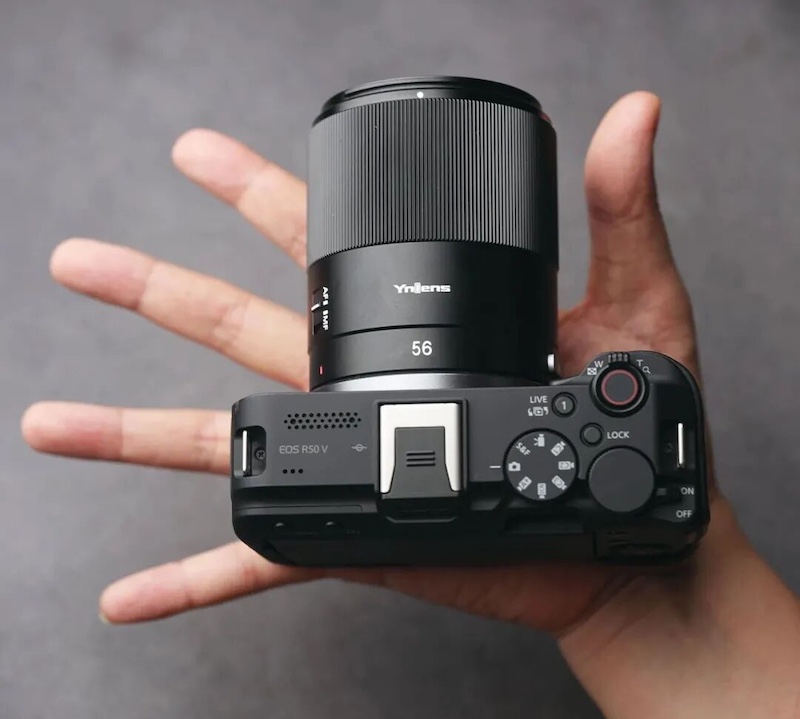
In 2025, Canon expanded the EOS R System even further by releasing the APS‑C mirrorless EOS R50 V (May 2025), the first model in the new EOS V series that offers creative video functions, along with the full‑frame mirrorless EOS R6 Mark III (November 2025), which condenses excellent shooting performance into a single camera to meet the wide‑ranging needs of advanced amateur users.
In addition, Canon released seven models of RF lensesFootnote4 in 2025. Through these continued efforts to enhance the EOS R System, Canon secured the No. 1 global market share for interchangeable‑lens digital cameras for the 23rd consecutive year since 2003Footnote1. Going forward, Canon will continue to refine its proprietary imaging technologies while bringing fulfillment and excitement to people’s daily lives as well as promoting the spread of photo and video culture by providing products, services, and solutions that meet its customers’ diverse needs.
As previously reported, Cosina will announce and display new Voigtlander lens prototypes at the 2026 CP+ show in Pacifico Yokohama starting February 26, 2026. Here is a recap of the new/upcoming lenses:
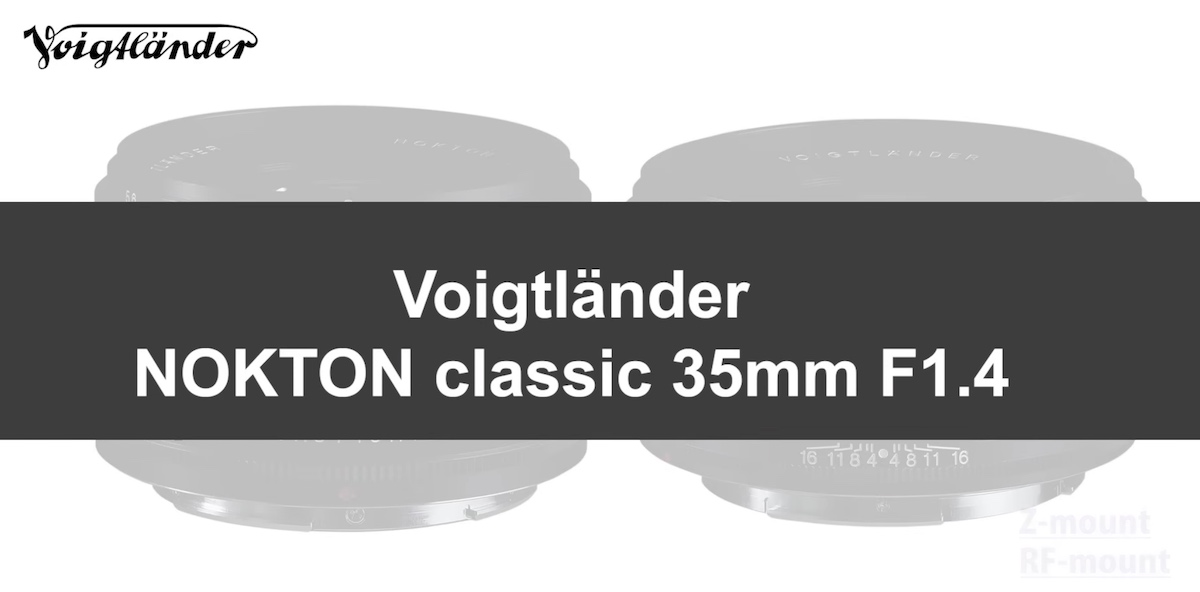
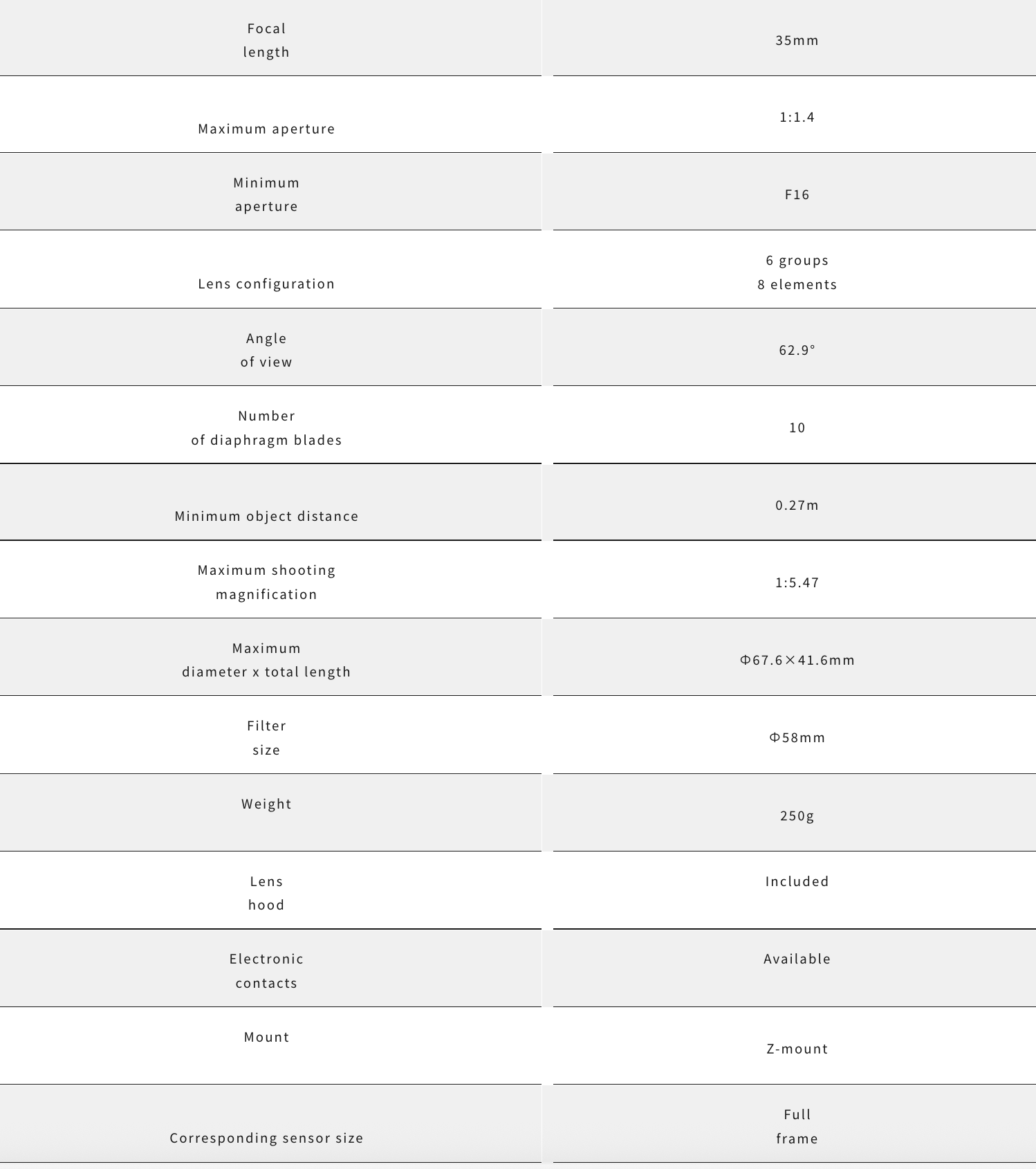
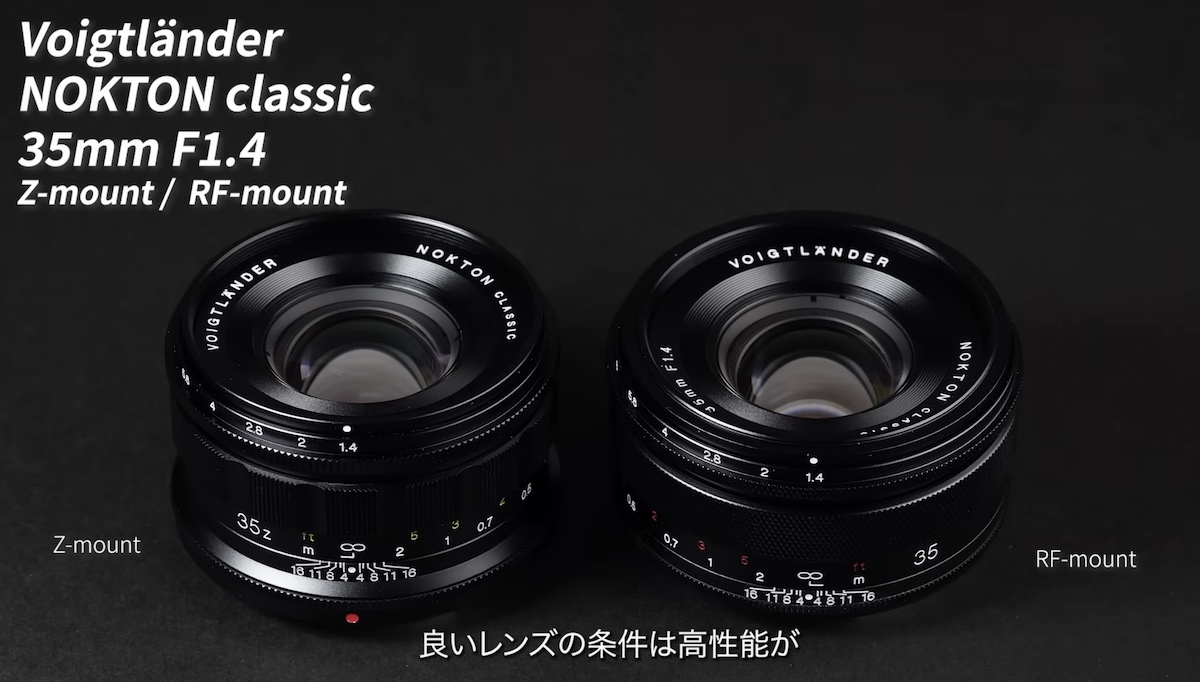
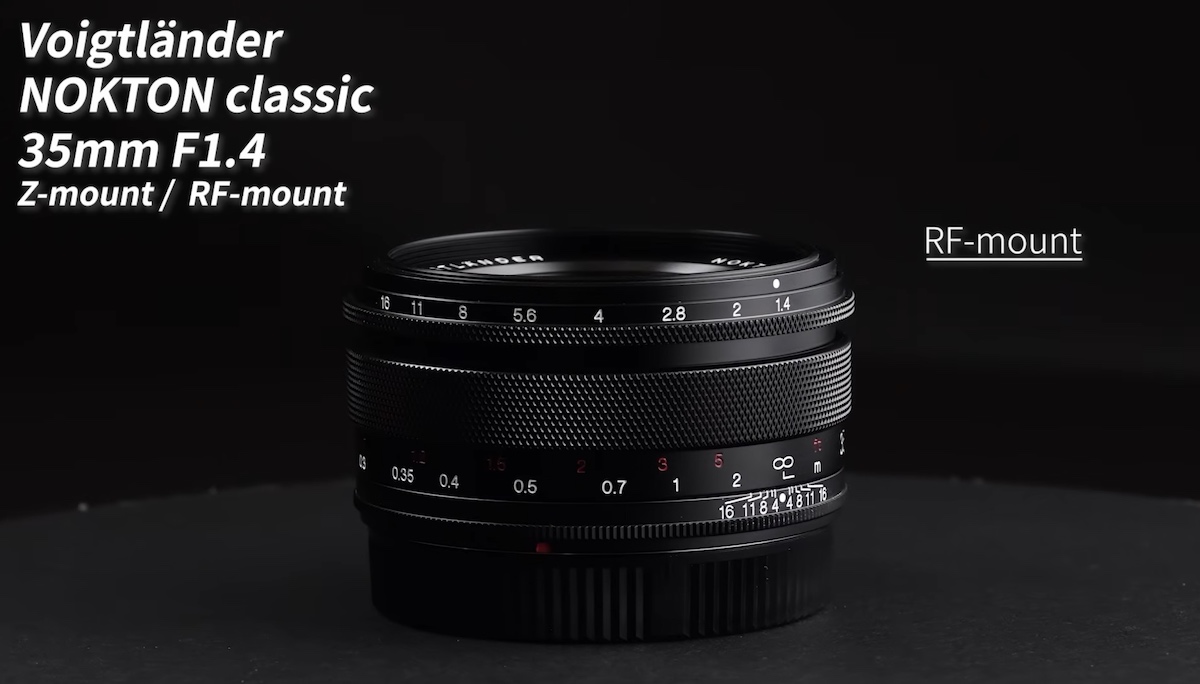
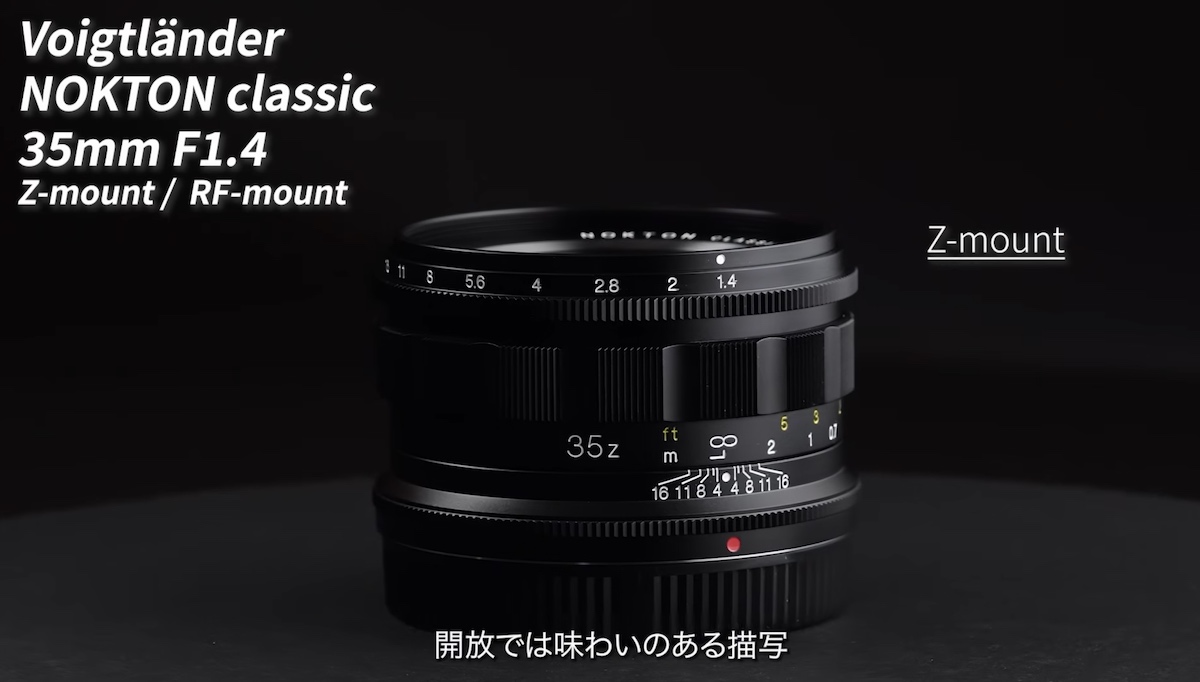
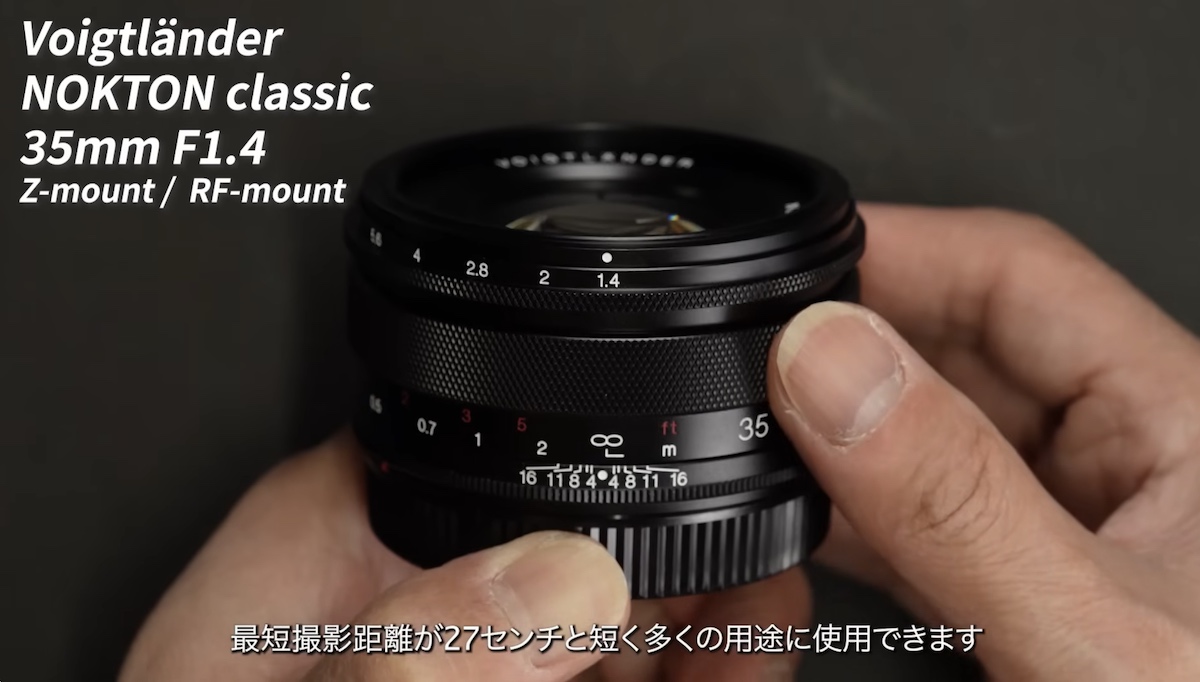
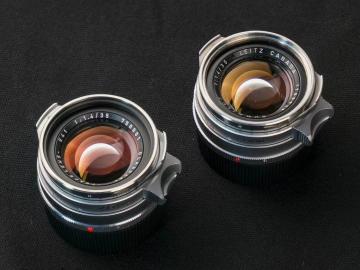
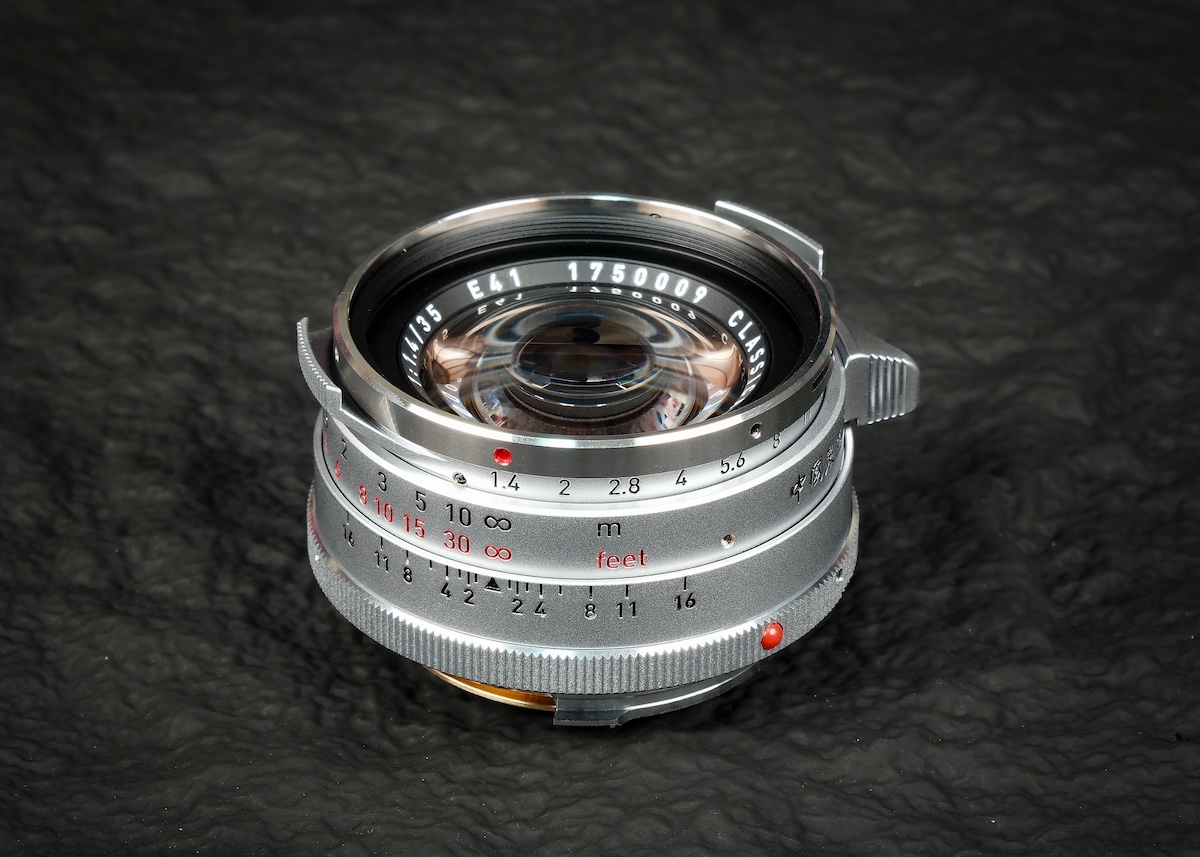
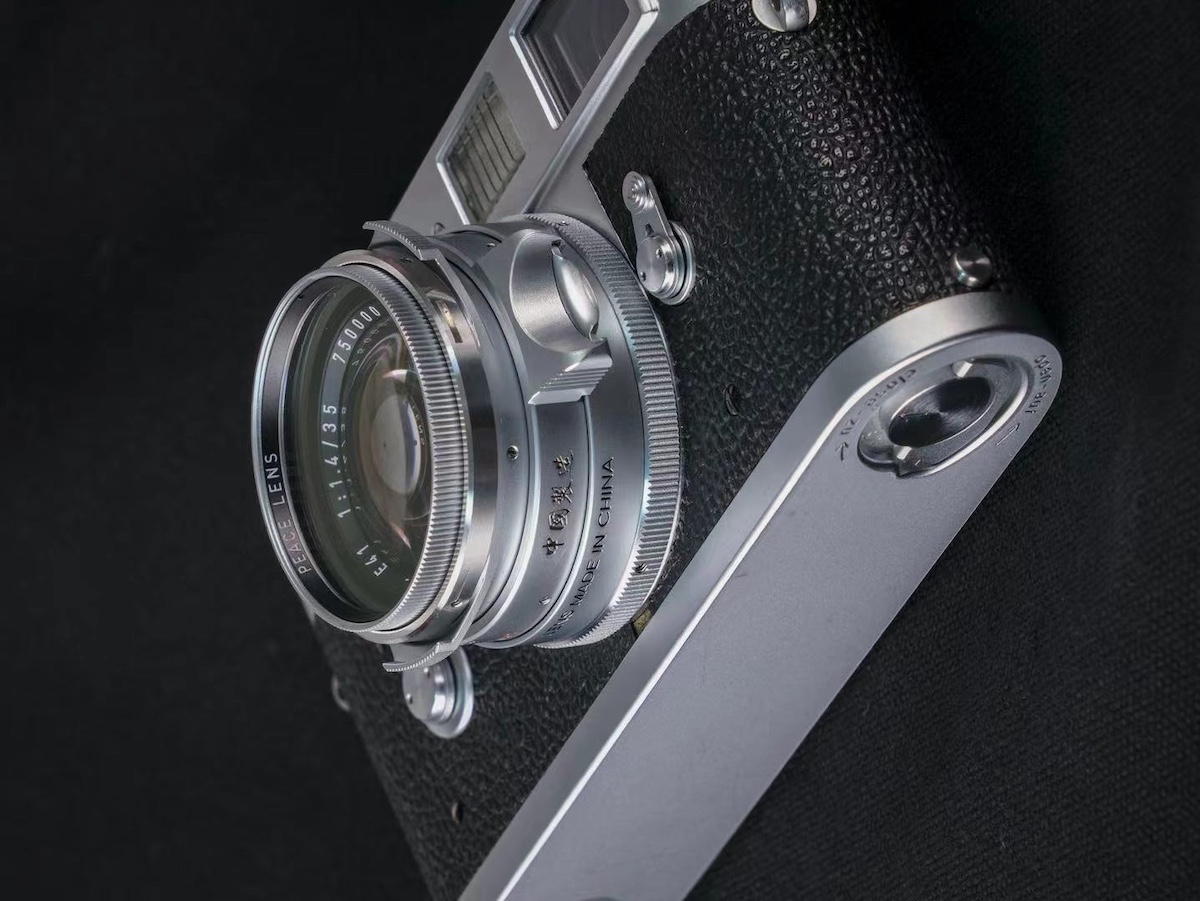
Voigtlander Nokton Classic 35mm f/1.4 lens Z/RF mount
Background: Part of the Nokton Classic series sold since 2004; previously available in VM mount and Sony E mount. These are two new variants as reference exhibits.
Design and Optics: “Octolender” style (likely “Voigtlander” or classic rendering); intentionally leaves some aberrations for a “tasteful” soft depiction at full aperture (f/1.4), transitioning to a crisp, modern look when stopped down. Creates beautiful, unique images distinct from high-performance lenses.
Focusing: Minimum focusing distance of 0.27m (27cm); suitable for a wide range of uses.
Electronics: Equipped with electronic contacts for in-camera focus assist functions, including EXIF data recording (transcribed as “childcare recording,” likely a mistranslation of metadata or focus aids).
Recommended For: Photographers seeking lenses that produce distinctive, non-standard images.
Other Notes: Prototype exhibits; hands-on available at CP+2026. Emphasizes enjoyment of dual rendering characteristics (soft wide-open, sharp stopped down).
Pictures:
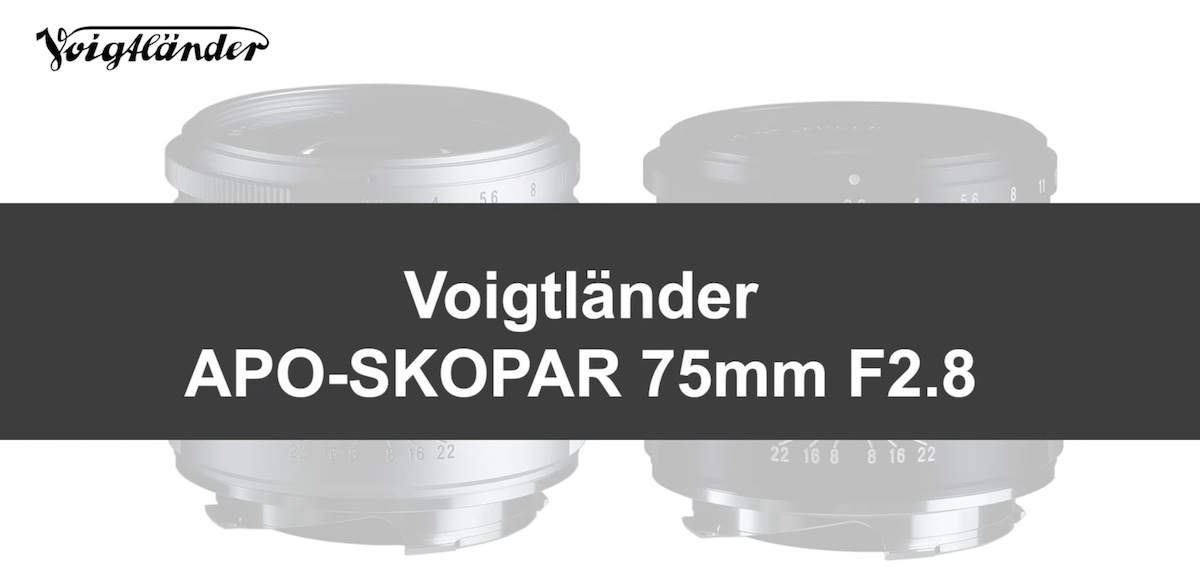
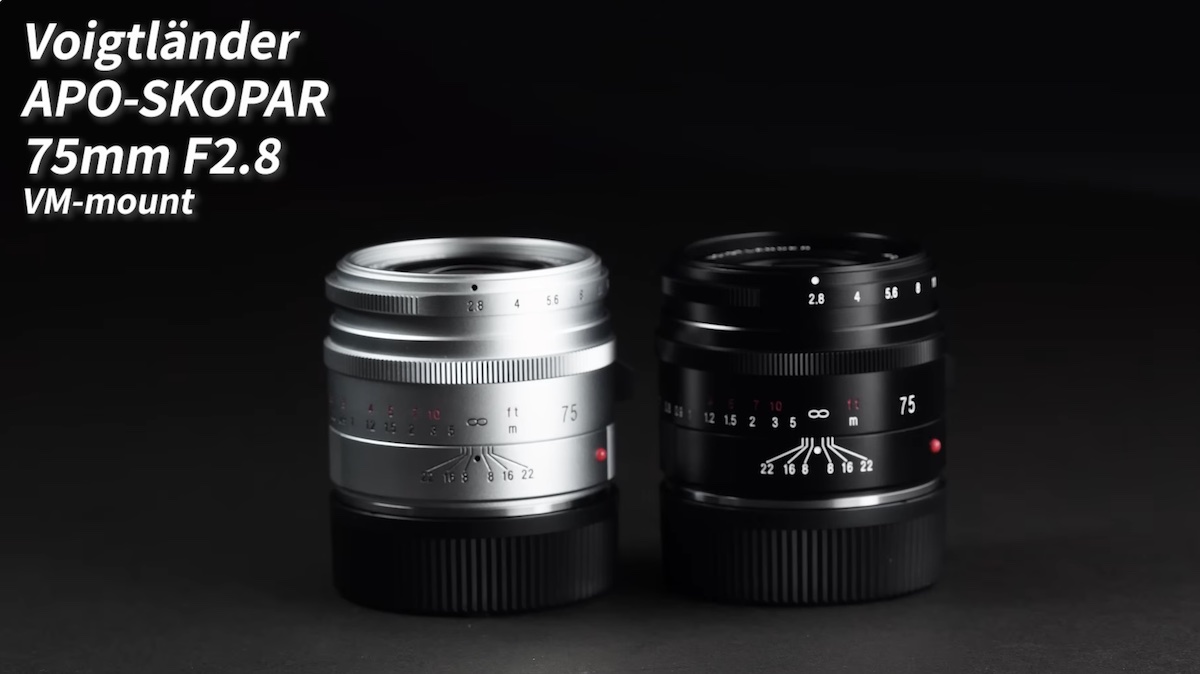
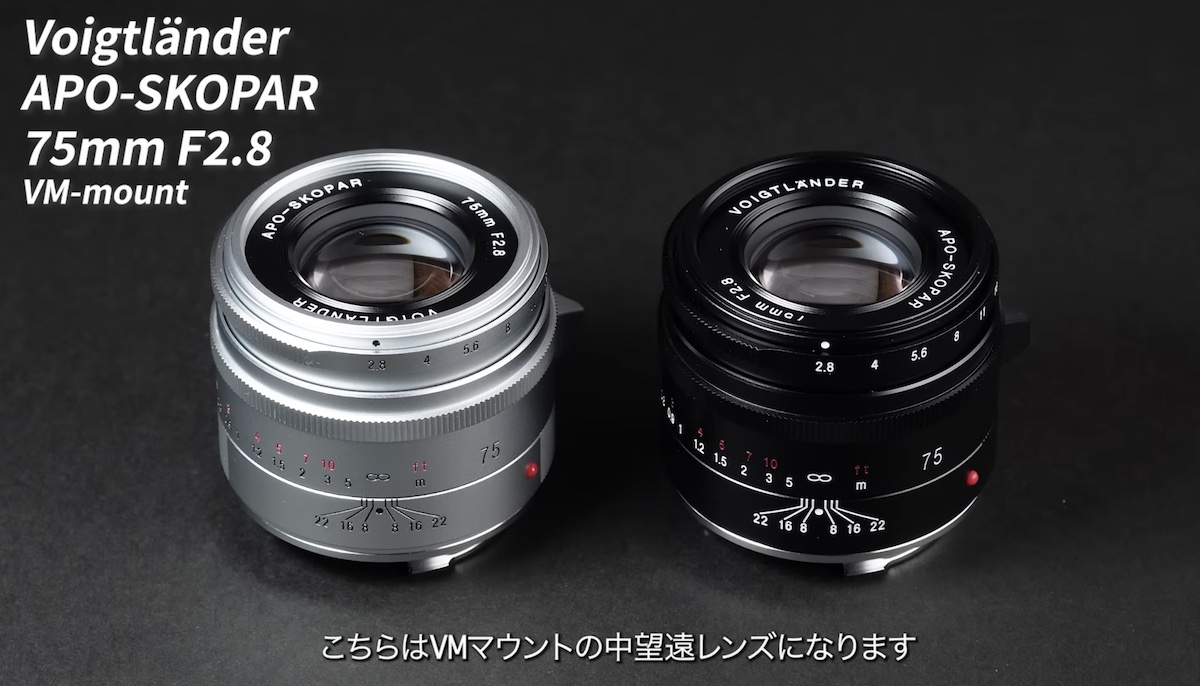
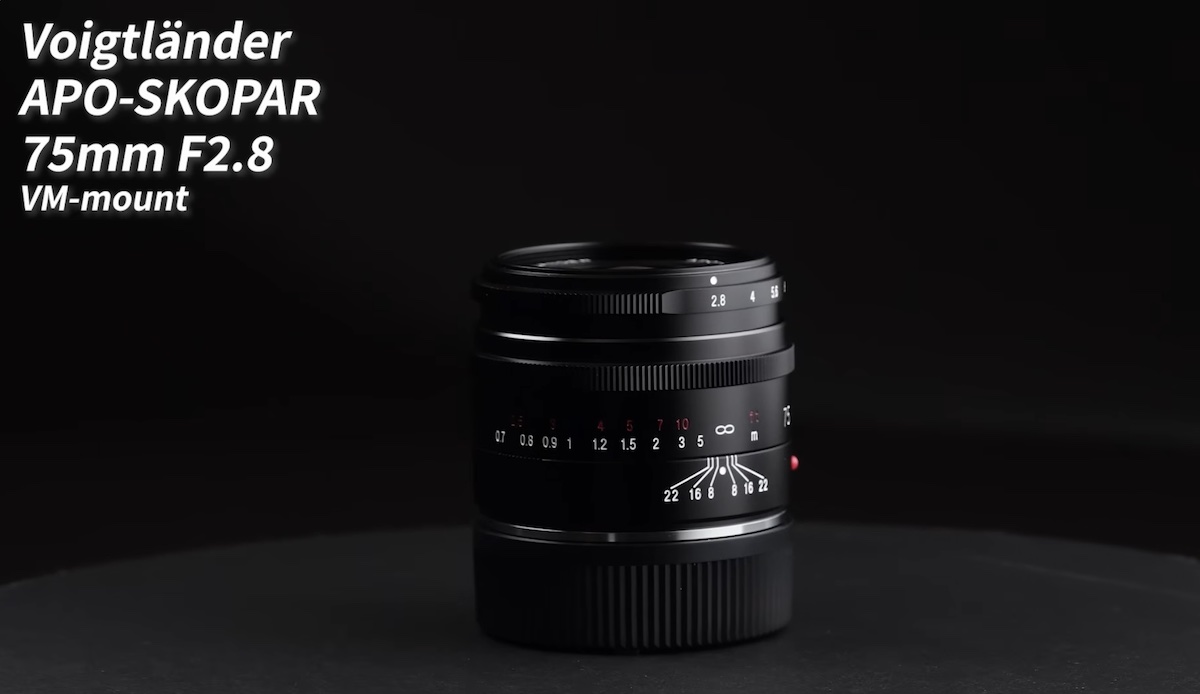
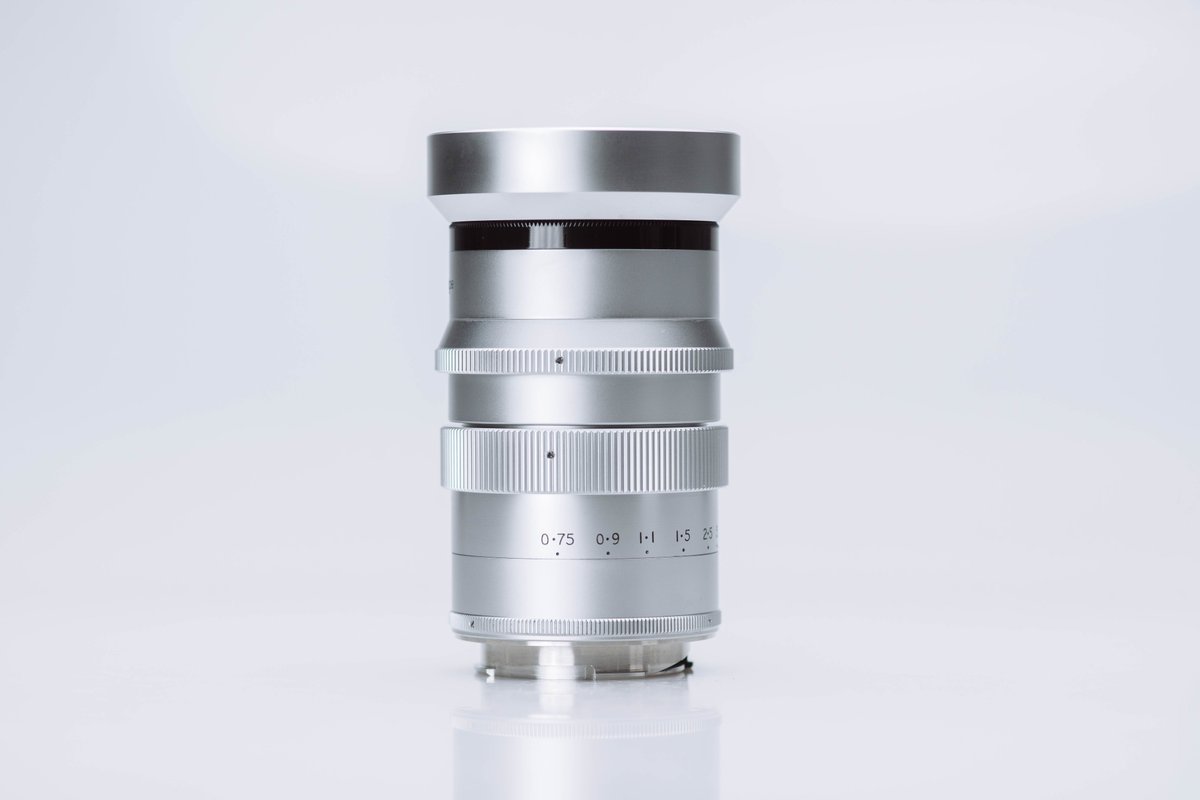
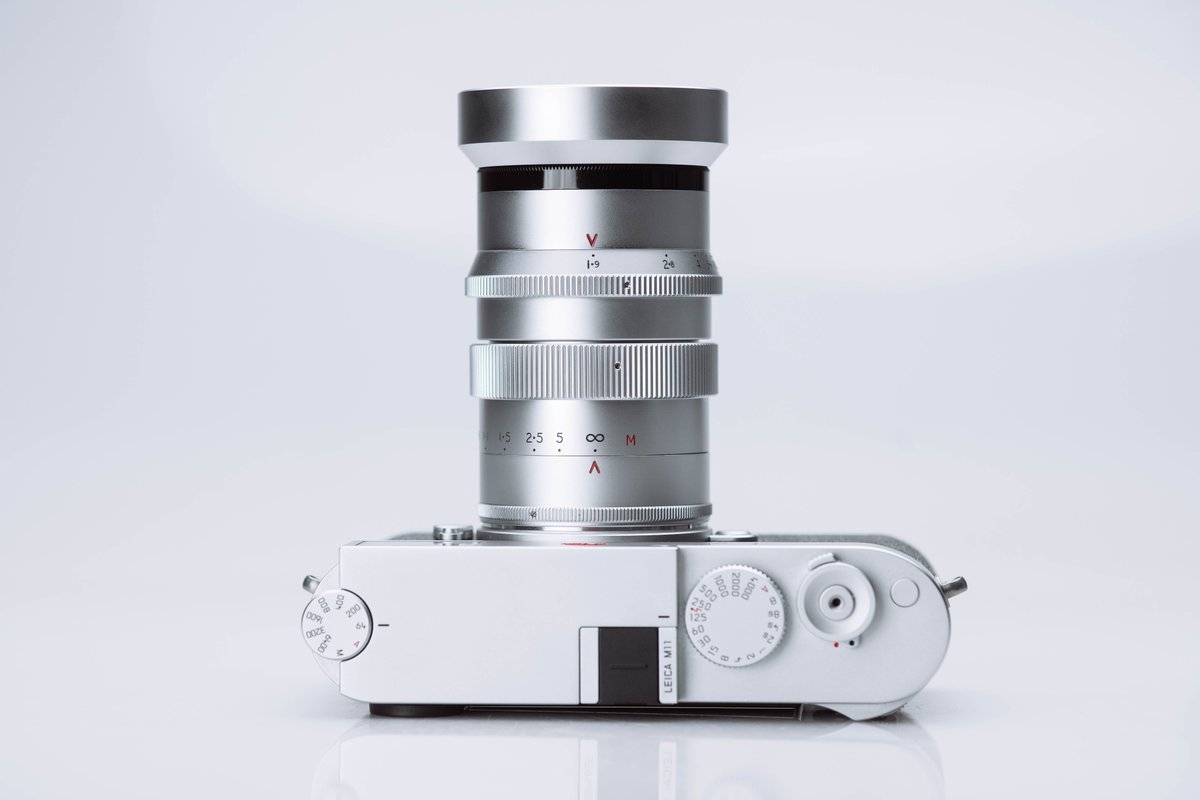
Voigtlander Apo-Skopar 75mm f/2.8 lens VM mount
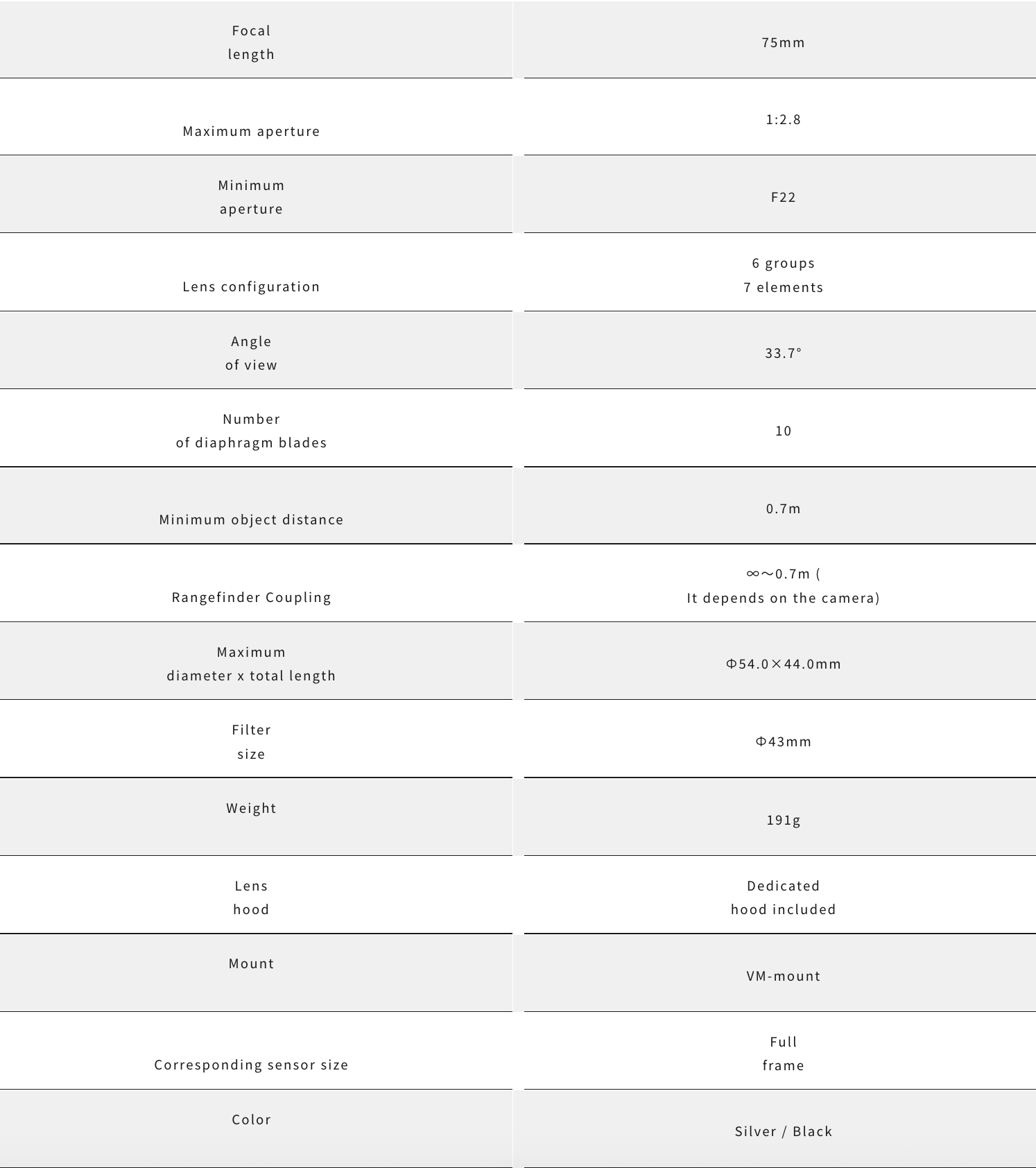
Design and Optics: Apochromatic (apo) design that reduces chromatic aberration (field color correction).
Size and Build: Compact size equivalent to a standard lens; overall length around 44mm; filter thread 43mm. Reduces viewfinder vignetting when attached to rangefinder cameras; highly portable.
Exterior: Aluminum construction, available in silver and black finishes.
Accessories: Includes a compact “Michibe-type” hood (likely a vented or bayonet hood).
Recommended For: Users seeking high-performance in a compact form factor.
Other Notes: Prototype exhibit; hands-on available at CP+2026.
Pictures:
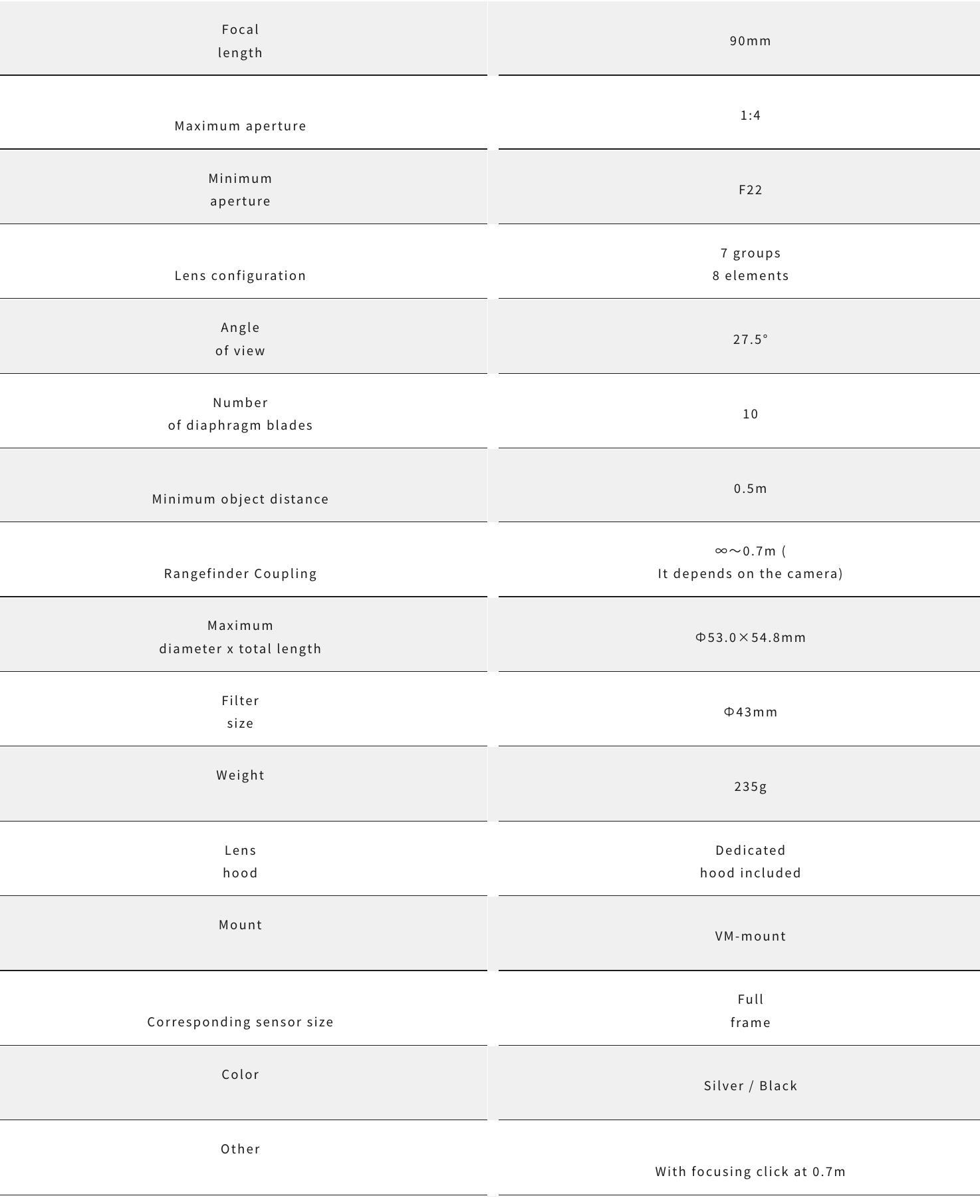
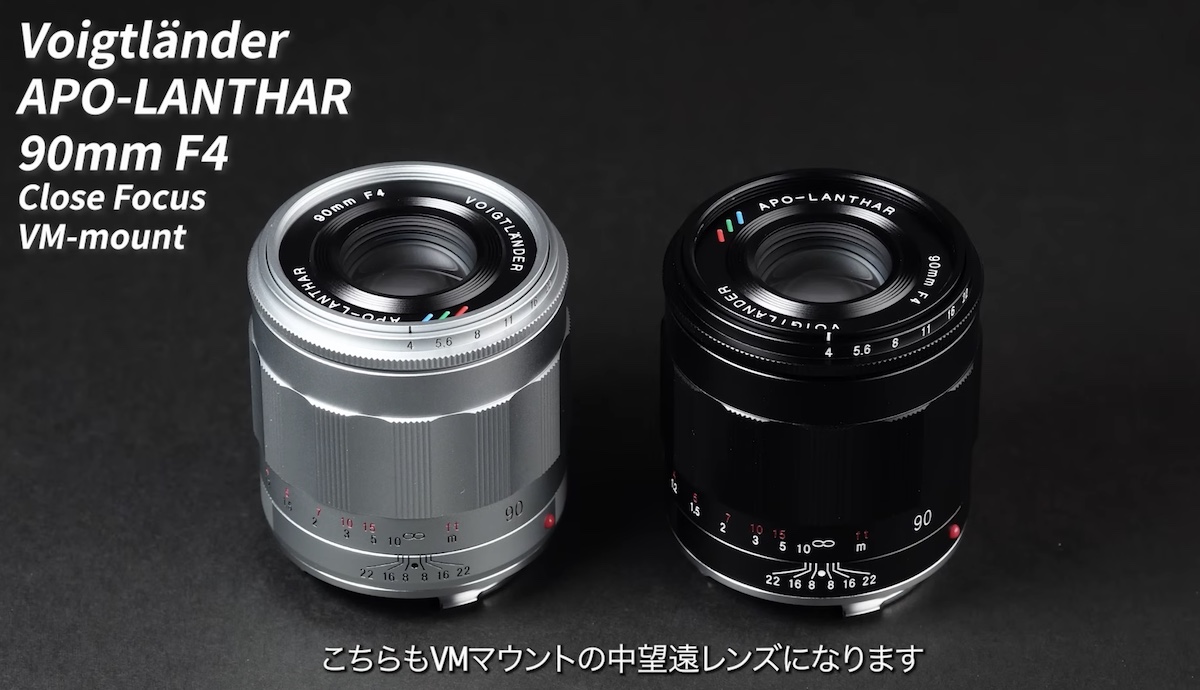
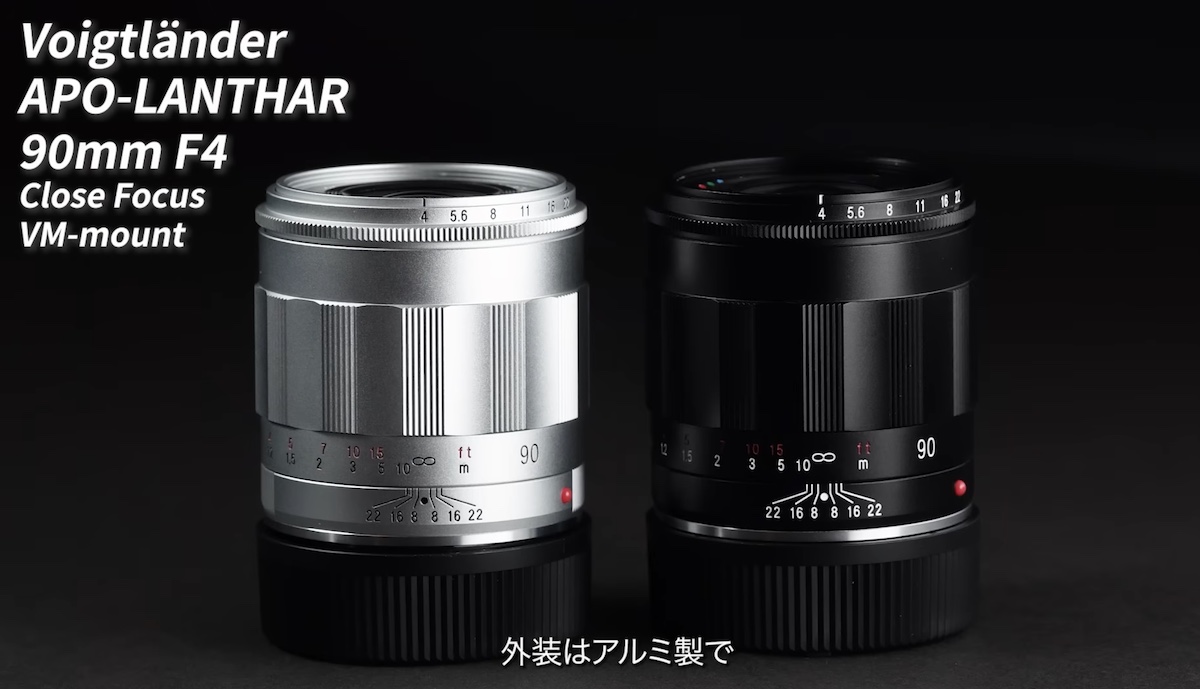
Voigtlander Apo-Lanthar 90mm f/4 close focus lens VM mount
Design and Optics: High-performance apochromatic (apo) design that reduces axial chromatic aberration (initial deviation); bears the “Apo-Lanthar” name indicating premium optical quality.
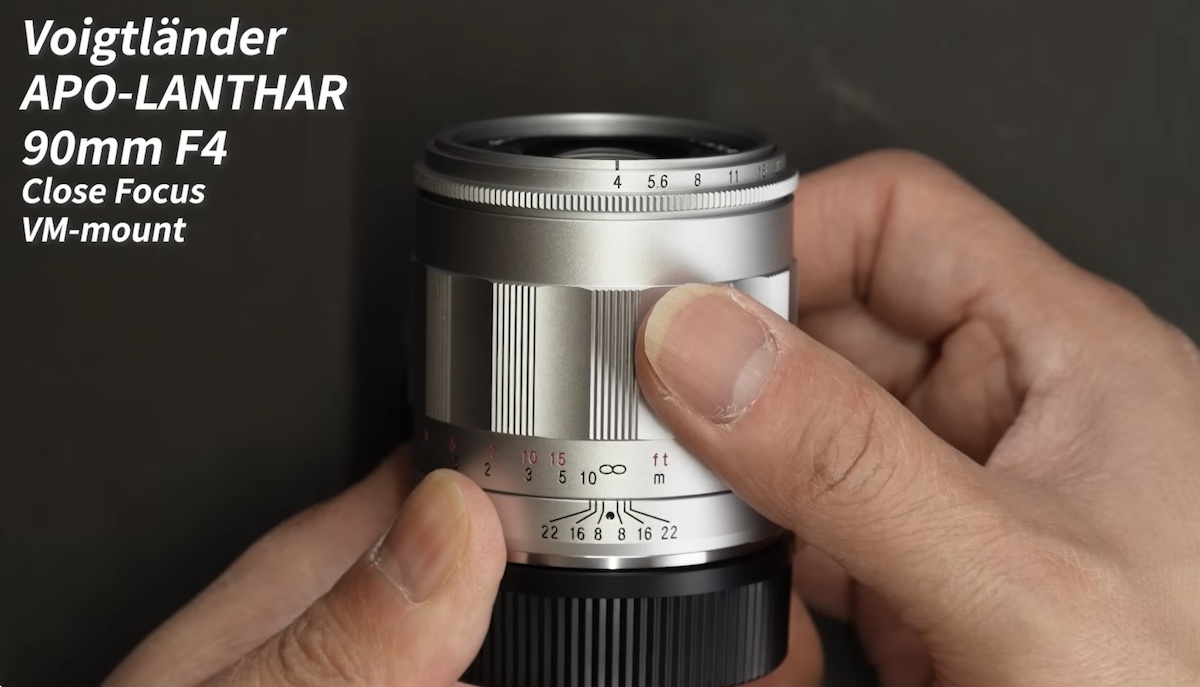
Focusing: Minimum shooting distance of 0.5m; features a tactile click at the 0.7m rangefinder linkage range for easy identification by feel.
Size and Build: Aluminum exterior, available in silver and black. Approximately 1cm longer than the Apo-Skopar 75mm but still very compact for a 90mm lens.
Accessories: Hood available (details not specified).
Recommended For: Users wanting a compact lens with Apo-Lanthar-level performance.
Other Notes: Prototype exhibit; hands-on available at CP+2026.
Pictures:
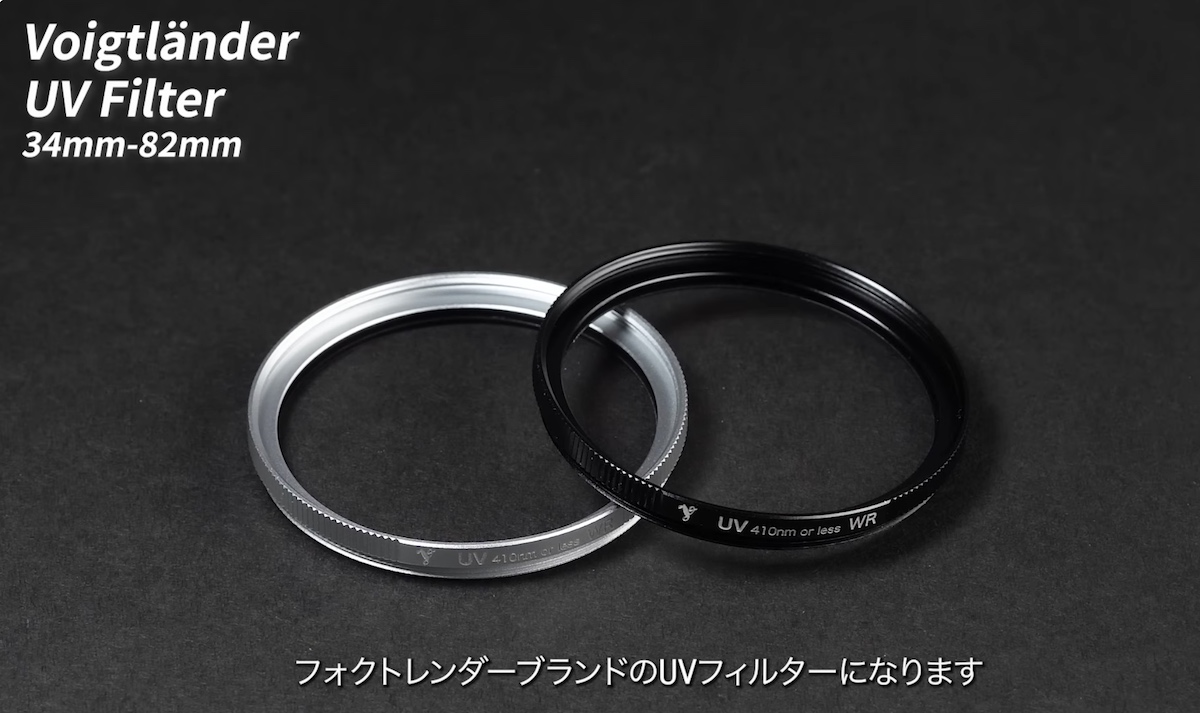
Voigtlander UV filters
Function: Absorbs UV rays below 417nm with a sharp cut-off, preventing color shifts; effective as a protective filter, especially for cameras sensitive to UV affecting color reproduction.
Build: High-quality flat-polished glass to avoid impacting lens performance; water-repellent coating for easy cleaning.
Sizes and Variants: Available in diameters from 34mm to 82mm; silver finish options from 34mm to 58mm. Knurling and finish match Voigtlander lenses for aesthetic consistency.
Other Notes: Prototype exhibit; blocks UV at the light entry point for better effect.
When you use DPReview links to buy products, the site may earn a commission.
Updated: February 24, 2026
Whether you're just sharing clips with friends or you're launching an online on-camera career, vlogging matters. And there's a point at which your smartphone may not give you the look, control, or flexibility you're after. With 180-degree selfie screens, wide-angle lenses, microphone inputs and great video quality, more and more dedicated cameras are catering to people who want to take video of themselves and post it online.
The meaning of vlogging has changed over the years, so our picks cover a variety of styles – we'll explain what makes each camera good for vlogging, and what key features each has that make taking video of yourself easier. We've also included videos shot on the cameras in question when we have them to give you an idea of what kind of performance to expect.
DJI’s Osmo Pocket 3 is a stabilized handheld vlogging camera, designed for on-the-move vlogging. It’s built around a type 1 (13.2 x 8.8mm) sensor mounted on a tiny gimbal, meaning it can deliver stabilized footage with smoother motion than any conventional camera or phone.
The small sensor means the Pocket 3 works better in well-lit situations, though a reasonably bright F2.0 lens means it's usable indoors, too.
It can shoot 4K 16:9 video or, by rotating the screen into the upright position, 3K vertical 9:16 footage. A small joystick lets you control the camera's movement, and tapping the joystick button flips between the camera pointing toward you or away from you.
Its reliance on contrast-detection autofocus means its focus can be prone to hunting, though its face-detection mode works well enough that this is rarely a problem when talking to the camera.
In addition to the smooth stability of its gimbal and its genuine pocketability, one of the Osmo's main benefits is that it's compatible with a series of Bluetooth microphones, meaning you can capture good-quality audio without the need for additional transmitters or receivers.
The video quality isn't always the highest, and the autofocus can occasionally lead to frustration, but overall the quality and convenience of the Pocket 3 as a package is really hard to beat.
The Canon PowerShot V1 is a mid-sized vlogging compact with a relatively large sensor and wide zoom lens.
It offers a competitive suite of vlogging features, a built-in ND filter and good stabilization options. It's also comfortable to hold pointing towards you, and lets you access key settings from the touchscreen. It includes microphone and headphone jacks and a fan for extended recording sessions.
AF performance is good, with reliable tracking AF and effective subject recognition. The camera is generally pretty responsive, with the zoom reacting quickly to input.
The V1's wide lens means you can crop-in for its 4K/60p mode and still maintain a wide-angle view. The full-sensor footage exhibits quite high levels of rolling shutter, so you may have to use the cropped 50/60p mode for capturing shots with lots of movement.
The V1 is a capable option with a useful zoom range, and there's a lot to be said for an all-in-one option. You do give up some flexibility for other types of filmmaking, but it should cover most of your bases when it comes to vlogging.
We also considered Sony's range of entry-level vlogging cameras with Type 1 sensors, the ZV-1, ZV-1F, and ZV-1 II. The latter is the best pick of the bunch, given its wideangle zoom lens and built-in ND, but it's hard to recommend. Its quality will be slightly better than that of a flagship phone, but if you're going to be carrying an extra gadget around anyway, it's probably best to spend a bit more for a more flexible or capable camera.
For ambitious vloggers and videographers: Sony ZV-E10 II
The Sony ZV-E10 II is focused on vlogging, with solid 4K/24p and 4K/60p shooting capabilities, and a suite of features for taking footage of yourself.
The ZV-E10 II has an excellent grip, easy-to-hit buttons and a touchscreen that lets you control the most important settings without turning the camera around. The zoom rocker is great for power zoom lenses.
Subject tracking autofocus is fast, sticky, and accurate, though it doesn't have all the modes available on other Sony cameras. Product showcase prioritizes items held up in front of your face and has lots of options. Menus are easy to learn and responsive, and battery life is good.
The ZV-E10 II pairs useful, video-focused features with excellent hardware, making it an excellent vlogging camera depending on your style.
The rolling shutter performance is good, bordering on excellent. The lack of IBIS can make handheld footage look shakey, and electronic stabilization is only useful for stable shots. The built-in microphone is good, and the camera has headphone and mic jacks.
The ZV-E10 II brings many – but not all – of the a6700's vlogging features to a more compact and less expensive body. If you can live without IBIS and built-in ND, it's a solid interchangeable lens vlogging camera.
We also considered Canon's (noticeably cheaper) EOS R50V, but chose the Sony because of its much faster sensor that provides better rolling shutter performance and requires less cropping to shoot at 4K/60. We also looked at Nikon's Z30, but its lack of headphone socket and 10-bit video means we lean towards the Sony. The Nikon Z50II has strong video specs and some of the features the Z30 lacks, such as a headphone jack, but its form factor and heavy crop in its 4K/60 mode make it not particularly well-suited to vlogging.
Best high-end vlogging camera: Nikon ZR
24.5MP full-frame 'partially Stacked' sensor | 7.5EV IBIS | R3D (NE) Raw video codec
The Nikon ZR is a video-focused camera built around a 24.5MP full-frame 'partially Stacked' CMOS sensor, with up to 7.5EV of stabilization.
Despite the Red branding, the ZR has a lot more in common with Nikon's mirrorless cameras, which is a benefit to vloggers. It has the ability to shoot 4K/60 with no crop and excellent rolling shutter in all its video modes. The ZR also supports 32-bit float audio recording, essentially eliminating the risk of clipping, which can be a real benefit when shooting run-and-gun.
The ZR features Nikon's subject detection autofocus for people, animals, vehicles and planes, and includes an "Auto" mode to switch between them. It also has a "product review mode" that will override face detection if you hold an item up to show the camera.
The ZR also makes provision for more serious productions, such as its inclusion of a choice of Raw recording formats. While vloggers and, realistically, most videographers won't need to shoot Raw often, but for those that feel they need it, it's nice to have the option. It certainly makes the ZR a versatile option.
We haven't fully finished evaluating the Nikon ZR, but have enough experience with it and the Z6III upon which it's based enough to know that it deserves a place on this list.
This buying guide is based on cameras used and tested by DPReview's editorial team. We don't select a camera until we've used it enough to be confident in recommending it, usually after our extensive review process. The selections are purely a reflection of which cameras we believe to be best: there are no financial incentives for us to select one model or brand over another.
We're in Japan for the CP+ Expo and took two of our editors, Abby and Mitchell, on their first trip to Yodobashi Camera, Tokyo's biggest camera store. See what they discovered.
When you use DPReview links to buy products, the site may earn a commission.
Photo: Zeiss
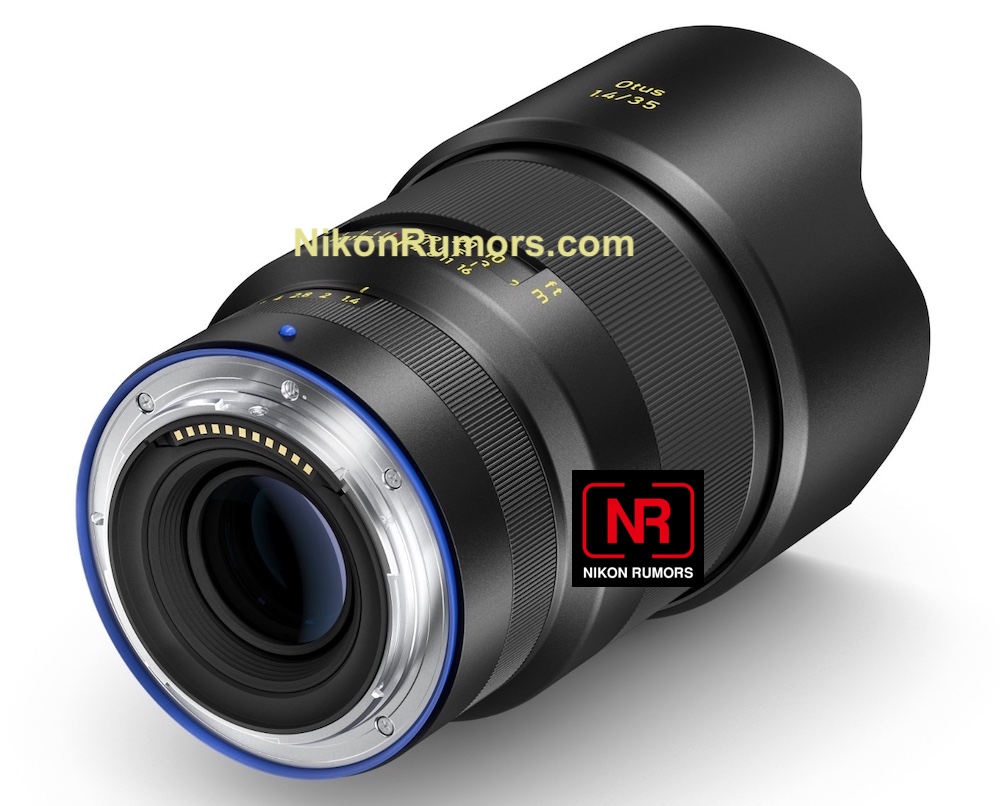
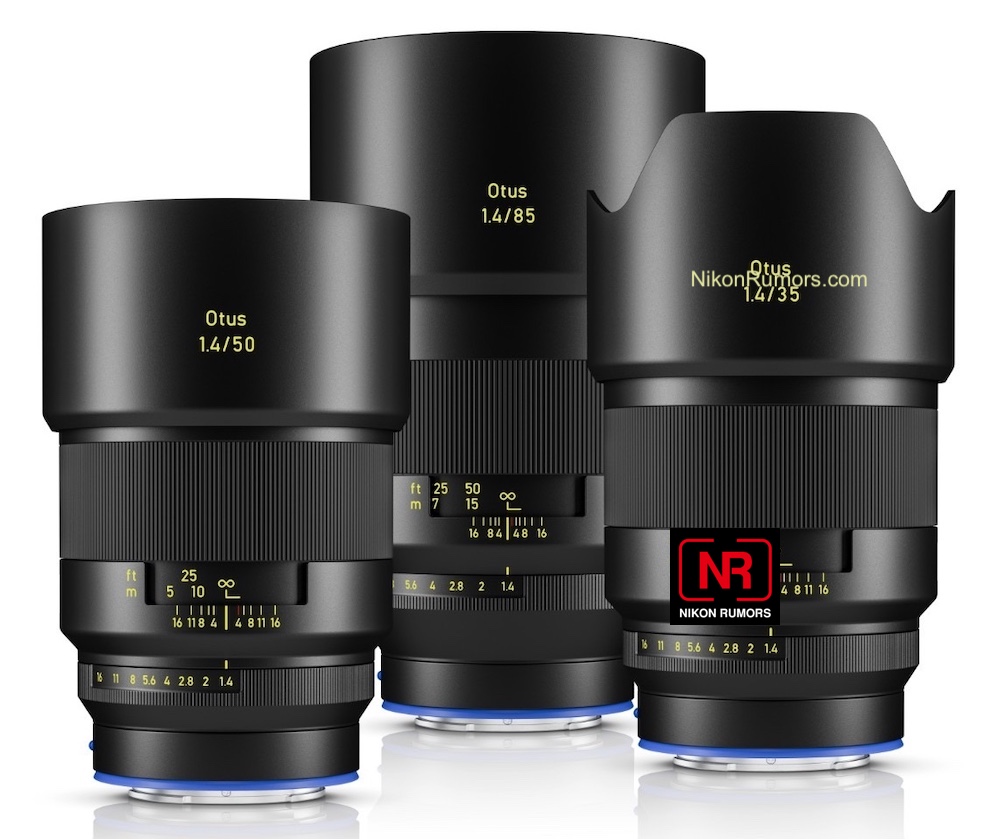
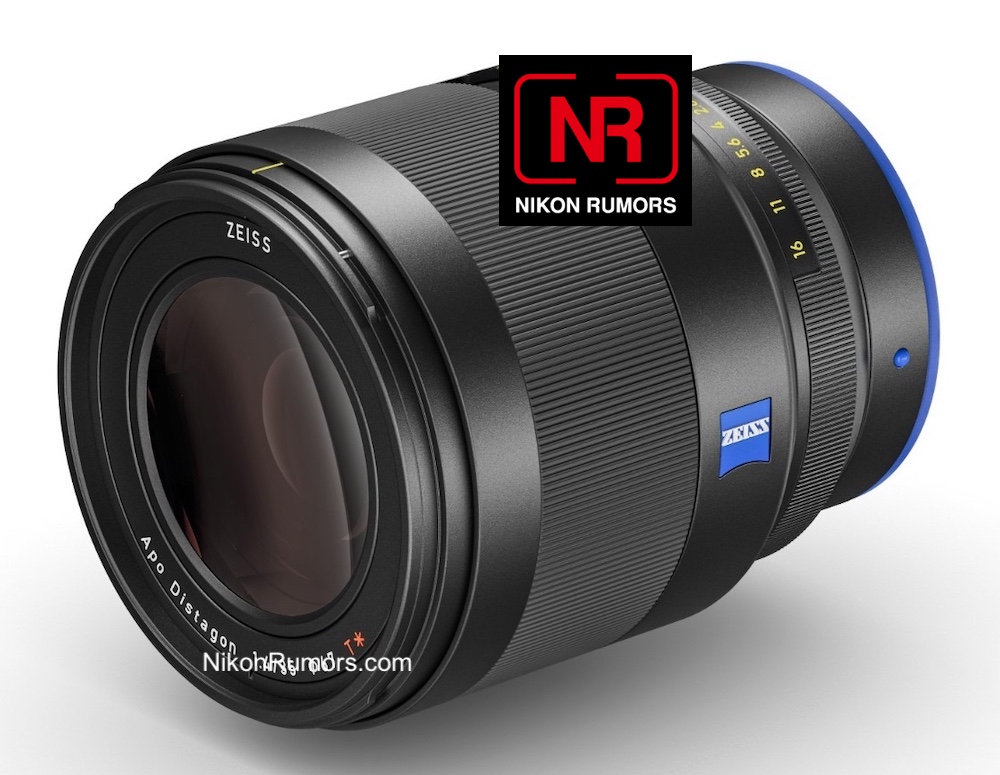
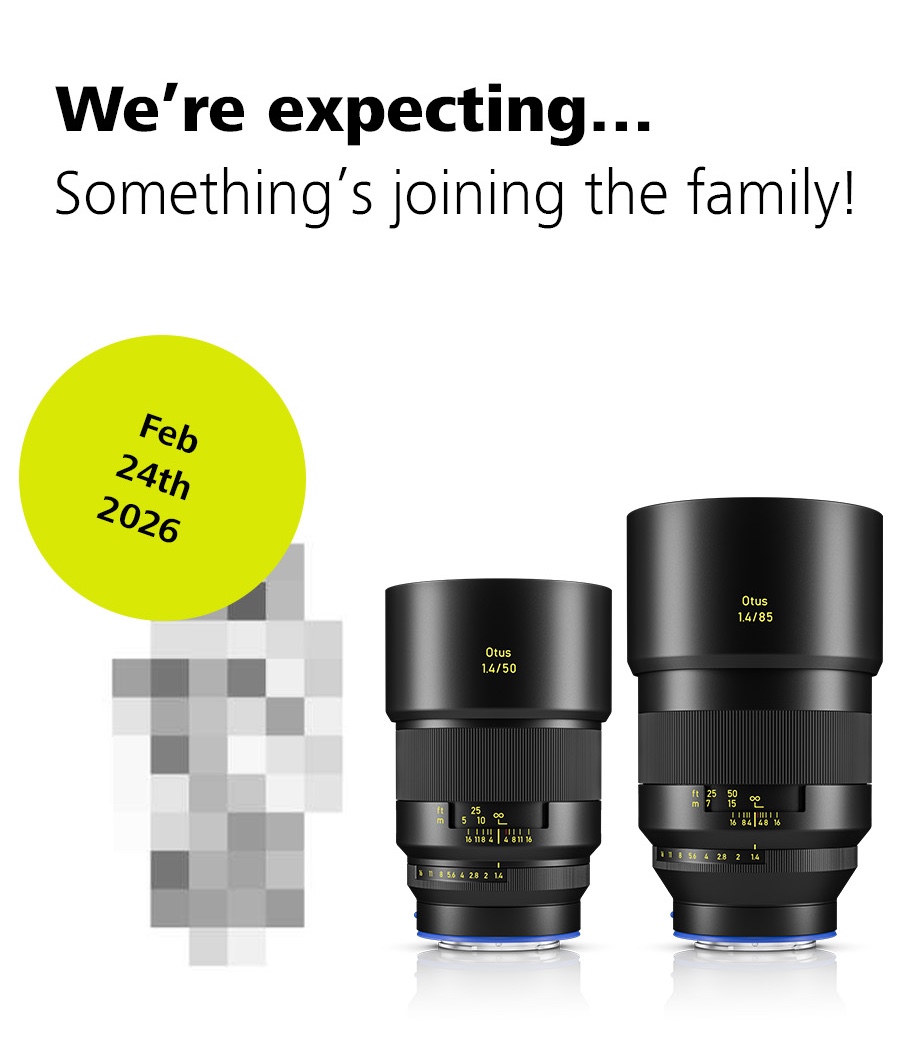
Zeiss has announced the Otus ML 1.4/35, a fast, manual focus 35mm prime for full-frame mirrorless cameras. It will be available for Canon RF, Nikon Z and Sony E mounts.
The 35mm F1.4 very closely resembles the existing 50mm F1.4 Otus ML, with the exception of having a petal-style hood befitting its wider angle of view. It shares the same metal construction and distance scale as the existing 50mm and 85mm lenses.
The lens features 15 elements arranged in 11 groups in what the company describes as an aspherical Distagon lens.
Zeiss suggests the lens is well suited to street, travel, or documentary work, with the option to de-click the aperture ring (using a small supplied tool) if you want to use the lens for video work.
The new lens has a diameter of 77mm (3.0") and is 101mm (4.0") long in E-mount form. It weighs around 698g (24.6oz), depending on the mount. It can focus down as close as 0.3m (11.8"), giving a 1:5.72 magnification ratio.
The Zeiss Otus ML 1.4/35 will be available from "Spring" 2026 at a recommended price of $2299 (exc tax) or €2399 (inc tax).
ZEISS Expands Otus ML Lineup with the New 1.4/35
A new storytelling lens for mirrorless cameras, bringing the distinctive ZEISS look to Sony1 E, Canon 2 RF and Nikon 3 Z Mount.
ZEISS is expanding its Otus ML lens family with the introduction of the new ZEISS Otus ML 1.4/35. This manual-focus lens is designed for photographers who live to tell visual stories with deliberate narratives – from street and travel to documentary work. Inspired by the legendary Otus lineage, the ML generation brings ZEISS’ renowned optical excellence and mechanical precision to the latest mirrorless systems, with mounts available for Sony1 E, Canon 2 RF and Nikon 3 Z.
The ZEISS Otus ML series continues to deliver natural color rendition, exceptional sharpness, and signatured micro contrast. A fast f/1.4 aperture provides accurate depth of field control, directing the viewer’s attention with clarity while producing a soft, elegant bokeh that separates subjects from the background. An advanced aspherical Distagon lens design minimizes distortion and chromatic aberrations, further enhancing image fidelity. Combined with the legendary ZEISS T* coating, reflections are reduced, flare is minimised, and both contrast and color accuracy are elevated.
Manual focus as a creative tool
Manual focusing with the ZEISS Otus ML series is not just a technique – it is an artistic process. Photographers can make precise adjustments that ensure each shot is captured with intention. True to the ZEISS legacy of precision optics, the Otus ML 1.4/35 features millimetre-accurate control. The tech becomes invisible, giving you more creativity to tell the stories that matter.
Building on the 1.4/50 and 1.4/85, the new ZEISS Otus ML 1.4/35 expands a compelling range of storytelling tools for photographers who create across different genres. From vibrant street scenes to immersive documentary environments, this focal length offers the perfect balance: wide enough to set the scene, yet tight enough to isolate key subjects.
Optical excellence for the finest details
Engineered for exceptional performance even at f/1.4, the ZEISS Otus ML lenses reveal remarkable detail and texture, especially in low-light environments where the human eye begins to struggle. Distortion and chromatic aberrations are effectively reduced, resulting in sharper images and cleaner color transitions.
The ZEISS T* anti-reflective coating further ensures clarity by reducing stray light and ghosting, enabling photographers to maintain full control across challenging lighting conditions.
The distinctive ZEISS Look: Vivid. Sharp. Nearly three-dimensional
Otus ML lenses deliver the unmistakable ZEISS visual language. Their combination of true color reproduction, outstanding sharpness, and unparalleled micro-contrast creates images with an almost three-dimensional character. Subjects stand out with powerful presence, separated smoothly from the background by a beautifully rendered bokeh shaped through a 10-blade aperture.
This shallow depth of field when shot on fast aperture not only enhances storytelling but guides the viewer’s eye to what truly matters.
Precision engineering, purpose-built for mirrorless systems
The ZEISS Otus ML series carries forward the craftsmanship of the legendary Otus family, known worldwide as best-in-class manual prime lenses. The new ML design features a smooth metal focus ring with helicoid mechanism, providing a precise rotation range that enhances focusing accuracy. An aperture de-click option allows seamless and quiet transitions—ideal for both photography and videography.
Built with a full-metal construction, the lenses deliver exceptional durability and a premium tactile feel. Optimized for modern mirrorless cameras, they offer a uniquely connected shooting experience. Clearly marked yellow scales ensure quick, accurate adjustments in any environment
A legacy reimagined
ZEISS’ heritage in optical design, decades of pioneering research, innovation, and precision engineering, forms the foundation of the Otus ML line. The distinctive quality of the classic Otus family has been carried to Otus ML for the needs of the modern mirrorless era, combining tradition with cutting-edge performance.
The ZEISS Otus ML trio
ZEISS Otus ML 1.4/50 – Explore your story.
A foundational tool in every photographer’s kit. Its smooth manual focus enables images with exceptional depth, emotion, and nuance—perfect for portraits, streets, and cinematic visuals.
ZEISS Otus ML 1.4/85 – Portray your story.
The portrait specialist. With its ability to isolate subjects beautifully, the 1.4/85 captures detail, character, and emotion with powerful clarity.
ZEISS Otus ML 1.4/35 – Compose your story.
A storyteller’s lens. Ideal for street, travel, or documentary work, it transforms fleeting moments into intentional compositions, bringing geometry, light, and expression together in a single frame.
Prices and availability
The new ZEISS Otus ML 1.4/35 will be available from specialist retailers from Spring 2026 at an RRP of €2,399 (incl. 19% German VAT) / $2,299.
For more information about the ZEISS Otus ML and its specifications, please visit www.zeiss.com/otus- ml.
Further product and application images are available for download here.
Product exterior with lifestyle and studio images: Click here to download (the download starts automatically).
Images shot on ZEISS Otus ML 35: Click here to download.
1 Sony is a registered trademark of Sony Corporation. 2 Canon is a trademark or registered trademark of Canon Inc. and/or other members of the Canon Group. 3 Nikon is a registered trademark of the Nikon Corporation.
When you use DPReview links to buy products, the site may earn a commission.
Image: Sigma
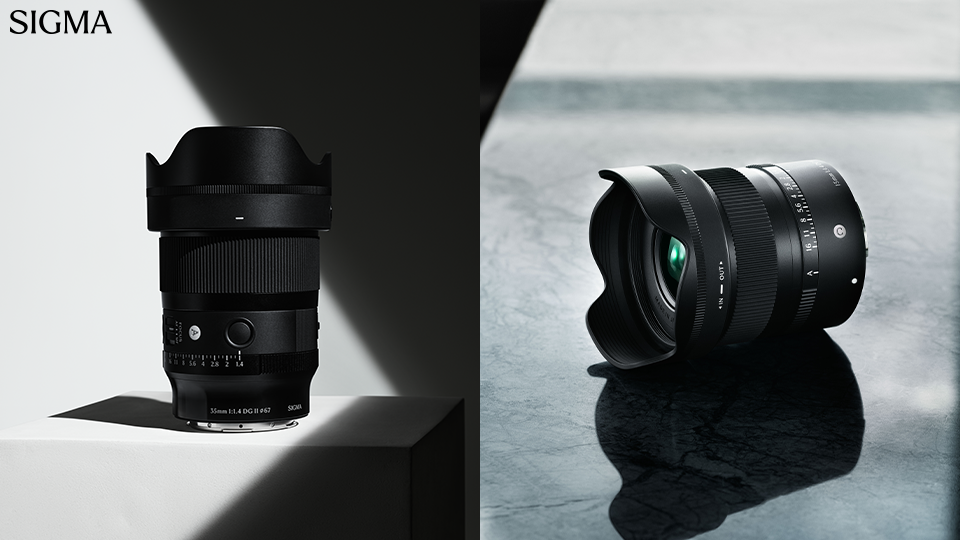
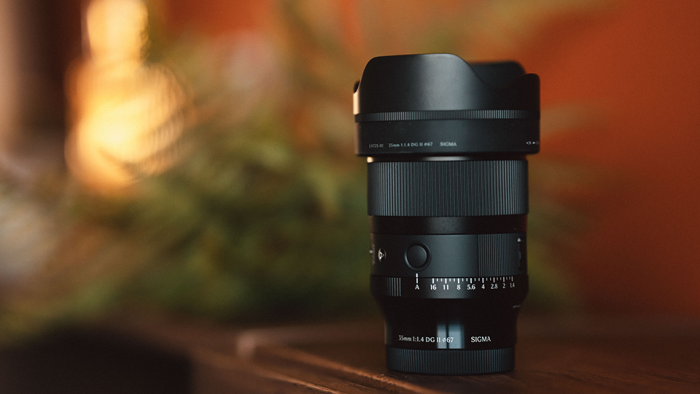
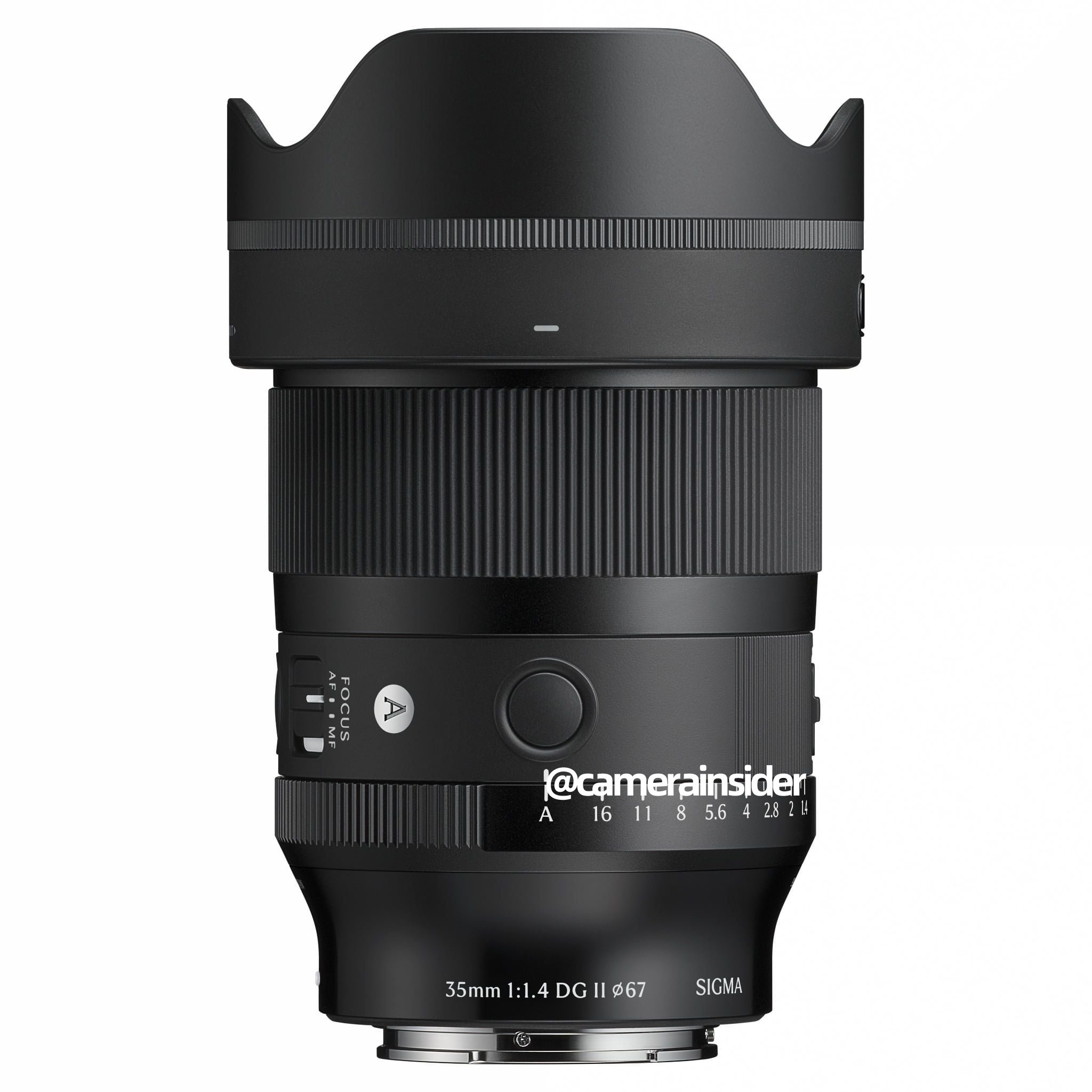
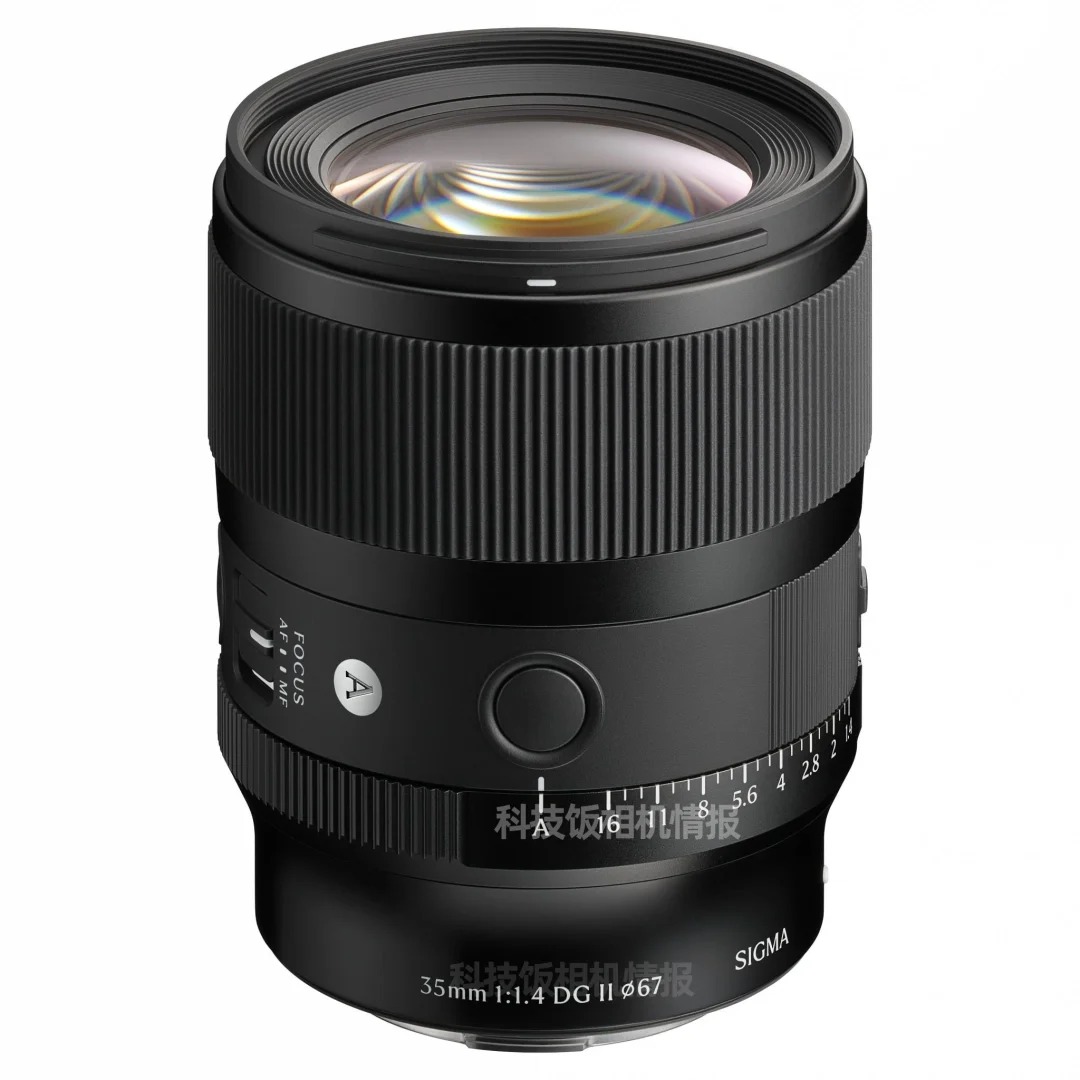
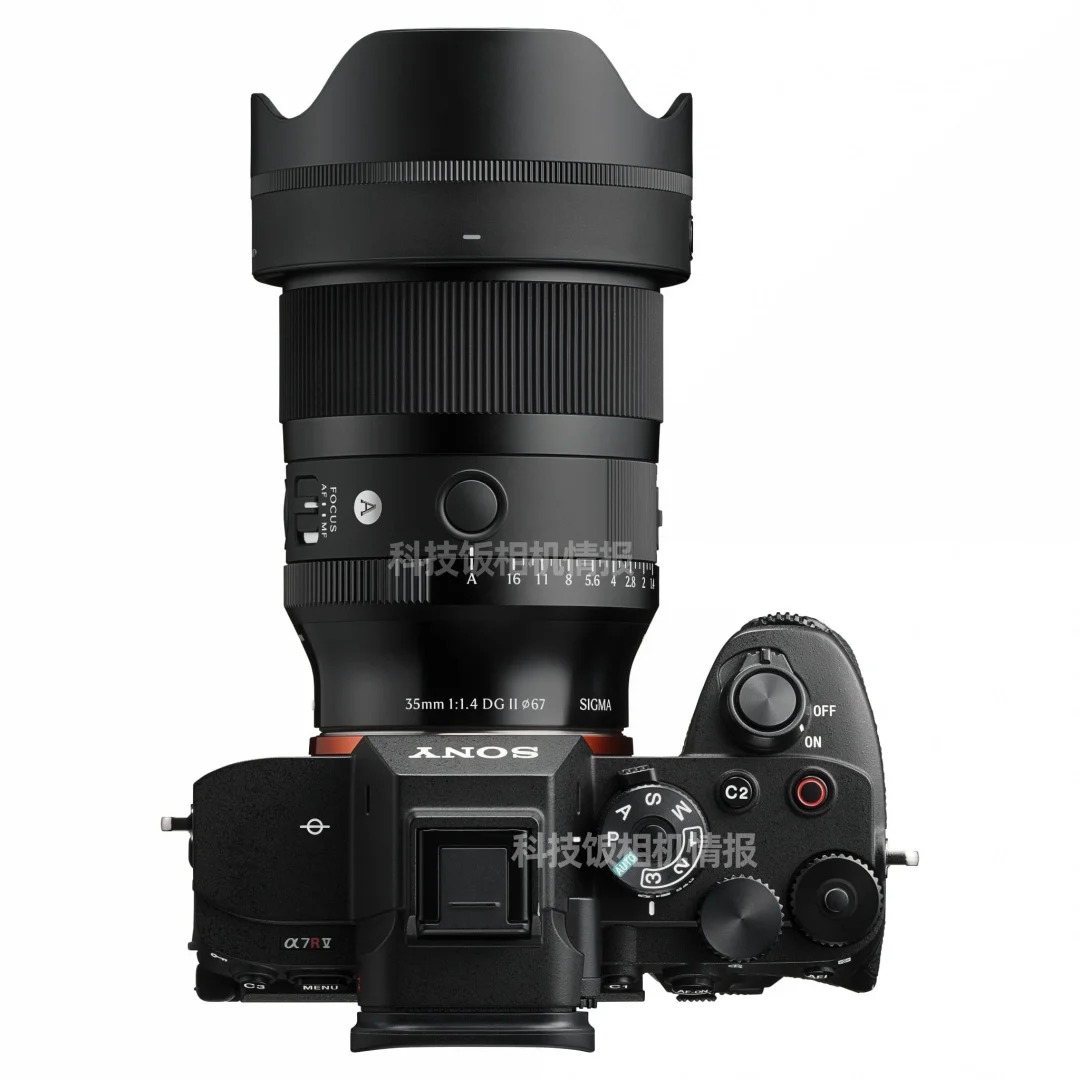
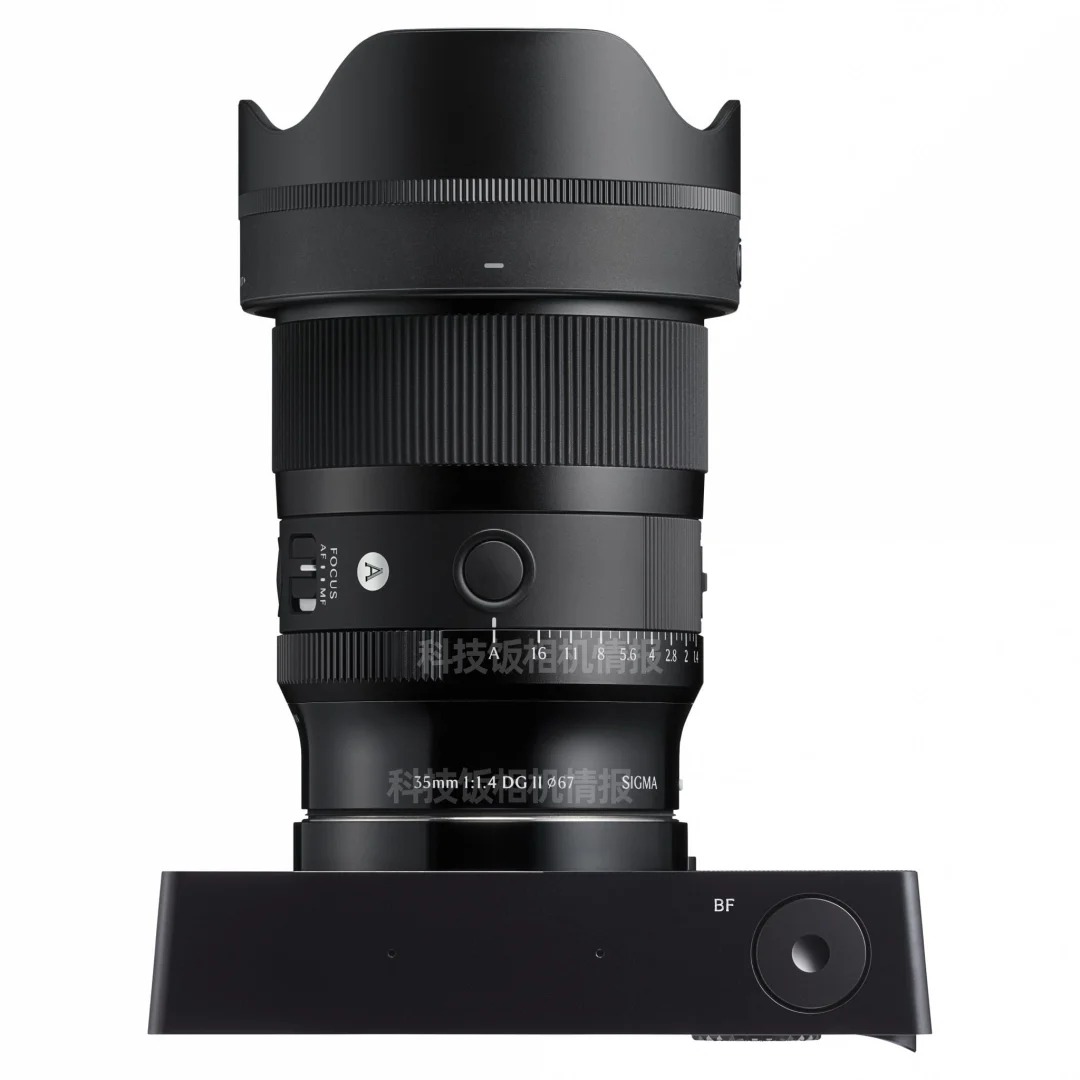
Sigma has updated one of its key prime lenses, making a 35mm F1.4 that's smaller, lighter and faster than its predecessor. It will be available for the Sony E-mount and the L-mount shared by Leica, Panasonic and Sigma.
The Sigma 35mm F1.4 DG II Art is an updated version of its designed-for-mirrorless lens, last updated in 2021. It uses the newer "Dual HLA" linear actuator motor as found in the 35mm F1.2 DG II and a completely new optical design.
The lens is around four-fifths the size and weight of the previous version, measuring 96 x 73mm (3.8 x 2.9") and weighing 530g (18.7oz). The new lens accepts the same 67mm diameter filters that the previous version did.
Like its predecessor it has a 15-element design but a completely new optical formula sees those elements arranged in 12, rather than 11 groups. The latest design includes four aspheric elements and two SLD elements, and features the company's new "Advanced Amorphous Coating" to better control ghosting and flare caused by light hitting the glass at low angles of incidence.
The body features a pair of custom function buttons, positioned so that one can be accessed from both the portrait and landscape orientation. It also has a switch that locks the aperture ring in or out of its 'A' position and another that engages and disengages the ring's click mechanism.
The lens has been designed to exhibit minimal focus breathing which, along with the de-clickable aperture control, makes it work well for video as well as stills shooting.
The lens features a dust and splash-resistant design and comes with a petal-style hood that locks into position.
The 35mm F1.4 DG II Art will be available from mid April 2026 at a recommended price of $1059, an 18% increase over the old version.
Sigma Launches 35mm F1.4 DG II | Art, a Revision of Sigma’s Original Flagship Lens
Ronkonkoma, NY, February 24, 2026 – Sigma Corporation of America, the US subsidiary of Sigma Corporation (CEO: Kazuto Yamaki. Headquarters: Asao-ku, Kawasaki-shi, Kanagawa, Japan), is pleased to announce the Sigma 35mm F1.4 DG II | Art, a large-aperture, wide-angle lens for full-frame cameras that combines outstanding resolution with a compact, lightweight design.
The 35mm F1.4 DG II | Art is the newest addition to Sigma’s Art line of lenses, as the Type II successor to the Sigma 35mm F1.4 DG DN | Art released in 2021. This lens features an even more compact and lightweight design compared to the original iteration, reducing the overall length by approximately 14% and weight by approximately 20%. In addition, optical performance is also superior to the original, making this lens a true upgrade from its predecessor.
This classic focal length prime lens is extremely versatile and ideal for any creator pursuing high-quality work across diverse genres, including portraits, street photography, landscapes, and fashion. Featuring the same Dual HLA (Hypersonic Linear Actuator) focus motor found in Sigma’s 35mm F1.2 DG II | Art, the new 35mm F1.4 DG II | Art achieves exceptionally fast and quiet autofocus with minimal focus breathing. This Dual HLA is what allows this lens to achieve a substantial reduction to its size and weight while maintaining such extremely high optical performance.
Key features expected from the Art line are present on the 35mm F1.4 DG II | Art as well, such as two AFL buttons, a focus mode switch, aperture ring click and aperture ring lock switches, and dampened focus and aperture rings for superb operational feel. Like all Sigma Art line lenses, the 35mm F1.4 DG II also features a dust- and splash-resistant structure in addition to water- and oil-repellent coatings on the front elements for peace of mind while shooting in harsh environments.
As the latest evolution of the “35mm F1.4” – the origin of the Sigma Art line, renowned for its overwhelming optical performance – this lens is the next step in flagship representation for Sigma. Scheduled for release on April 16, 2026, the 35mm F1.4 DG II | Art will be available at authorized Sigma dealers in the US for a retail price of $1059 USD.
Available mounts: L-Mount, Sony E-mount Launch: April 16, 2026
Key features
The best optical performance ever in Sigma’s 35mm F1.4 Art line
A refined compact and lightweight design
Designed for comfortable shooting of both stills and video
Exceptional resolution across the entire frame from maximum aperture
Built on Sigma’s latest optical design technology, the completely redesigned 15-element, 12-group construction delivers extraordinarily detailed rendering that surpasses previous generations of 35mm F1.4 Art line lenses. By incorporating new glass materials that were previously difficult to process, together with four high-precision aspherical elements and two SLD glass elements, the lens thoroughly suppresses aberrations, particularly axial chromatic aberration, which is often prominent in large-aperture lenses.
Sigma’s rigorous Art line standards ensure outstanding resolution across the entire frame, even at maximum aperture.
Rich and beautiful bokeh without color bleeding
By thoroughly correcting axial chromatic aberration, the lens suppresses color fringing not only in the in-focus plane but also in out-of-focus areas, producing beautifully natural bokeh. The lens features an 11-blade rounded diaphragm, which maintains a round shape even when stopping down from maximum aperture. In addition, by refining the surface accuracy of the aspherical elements to the highest level, the lens enables smooth and beautifully round bokeh.
Newly developed AAC (Advanced Amorphous Coating)
The newly developed AAC (Advanced Amorphous Coating) features a low-refractive-index amorphous layer that dramatically reduces reflections responsible for ghosting and flare, delivering exceptionally clear, high-contrast image quality.
A refined compact and lightweight design
Pursuing uncompromising compactness and lightness
By adopting a floating focus system, the lens achieves both enhanced optical performance and a more compact, lightweight design. Compared to the previous model―the Sigma 35mm F1.4 DG DN | Art, it is approximately 14% shorter and 20% lighter. The mechanical design incorporates numerous space-saving innovations down to the smallest details, ensuring truly uncompromising compactness and portability. This agility empowers photographers to pursue their creative vision.
Fast and quiet autofocusing with dual HLA system
The lens employs Sigma’s dual HLA (High-response Linear Actuator) system, which drives its large and heavy focus group with high power and speed. Even as a large-aperture lens where the focus group tends to become heavier, it delivers fast, accurate, and quiet AF for both stills and video—ensuring that the user can capture decisive moments reliably.
Designed for comfortable shooting of both stills and video
A long-lasting, reliable tool for photographic expression
By assembling high-precision parts made of aluminum, TSC*1, and other materials, the lens achieves the high level of rigidity, durability, and build quality expected of the Art line without compromising portability. As a photographic tool, it offers the reliability needed for long-term use.
Various shooting assist functions
The lens is equipped with an AFL button in two locations, which can be assigned to a range of functions via the menu on selected cameras. In addition to the aperture ring, the lens is equipped with an aperture ring lock switch*2 and a click switch to turn the click on and off.
Designed to minimize focus breathing
Optimization of the focus group arrangement and aspherical shape significantly suppresses focus breathing. The change in angle of view due to focus shift is minimized, creating a natural-looking focus shift when recording video.
Dust- and splash-resistant structure*3 and water- and oil-repellent coating
In addition to a dust- and splash-resistant structure, the frontmost surface of the lens has a water- and oil-repellent coating applied, so that the lens can be used safely even in harsh outdoor environments.
Petal-type hood with locking mechanism
The Sigma 35mm F1.4 DG II | Art comes with a dedicated petal-type hood that shields the front element from stray light to reduce the chances of unwanted flare. The hood attaches securely to the lens with a locking mechanism.
*1 TSC (Thermally Stable Composite) is a type of polycarbonate with a thermal expansion rate similar to that of aluminum. It has a high affinity to metal parts, which contributes to high quality product manufacturing.
*2 If you turn it on in position A, the aperture ring will be locked in position A. If you turn it on in a position other than A, it will be locked in the range from open to minimum aperture, and it will not be possible to turn it to position A.
*3 The product is designed to be dust- and splash-resistant but is not waterproof. When using the lens near water, etc., take care not to allow large amounts of water to splash on it. If water gets inside the lens, it may cause a major malfunction and render the lens unrepairable.
When you use DPReview links to buy products, the site may earn a commission.
Image: Sigma
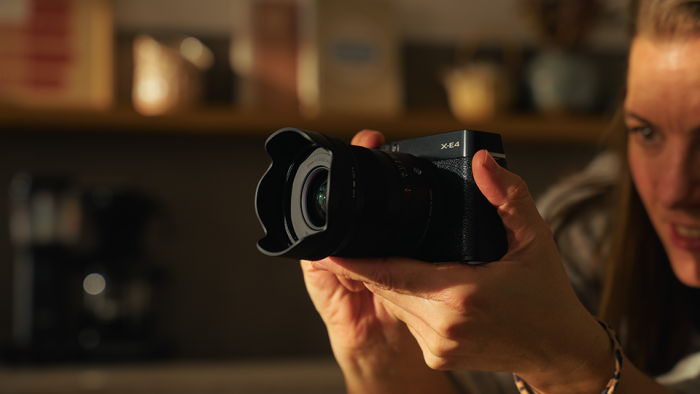
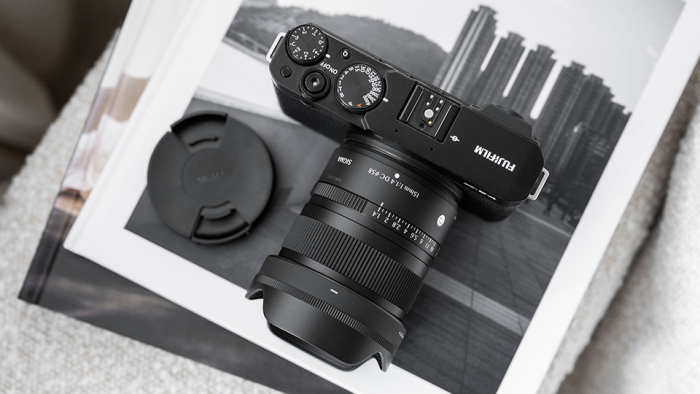
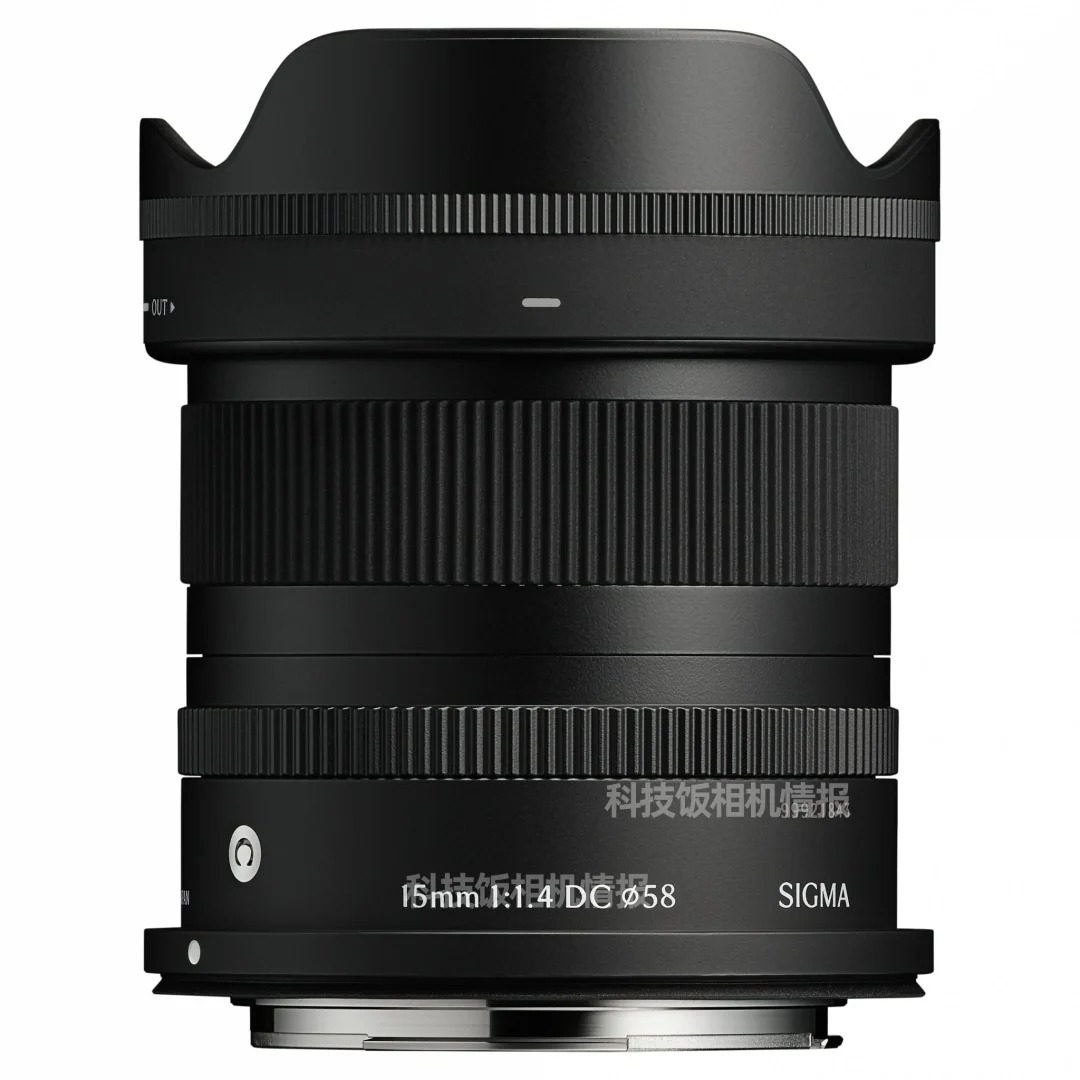
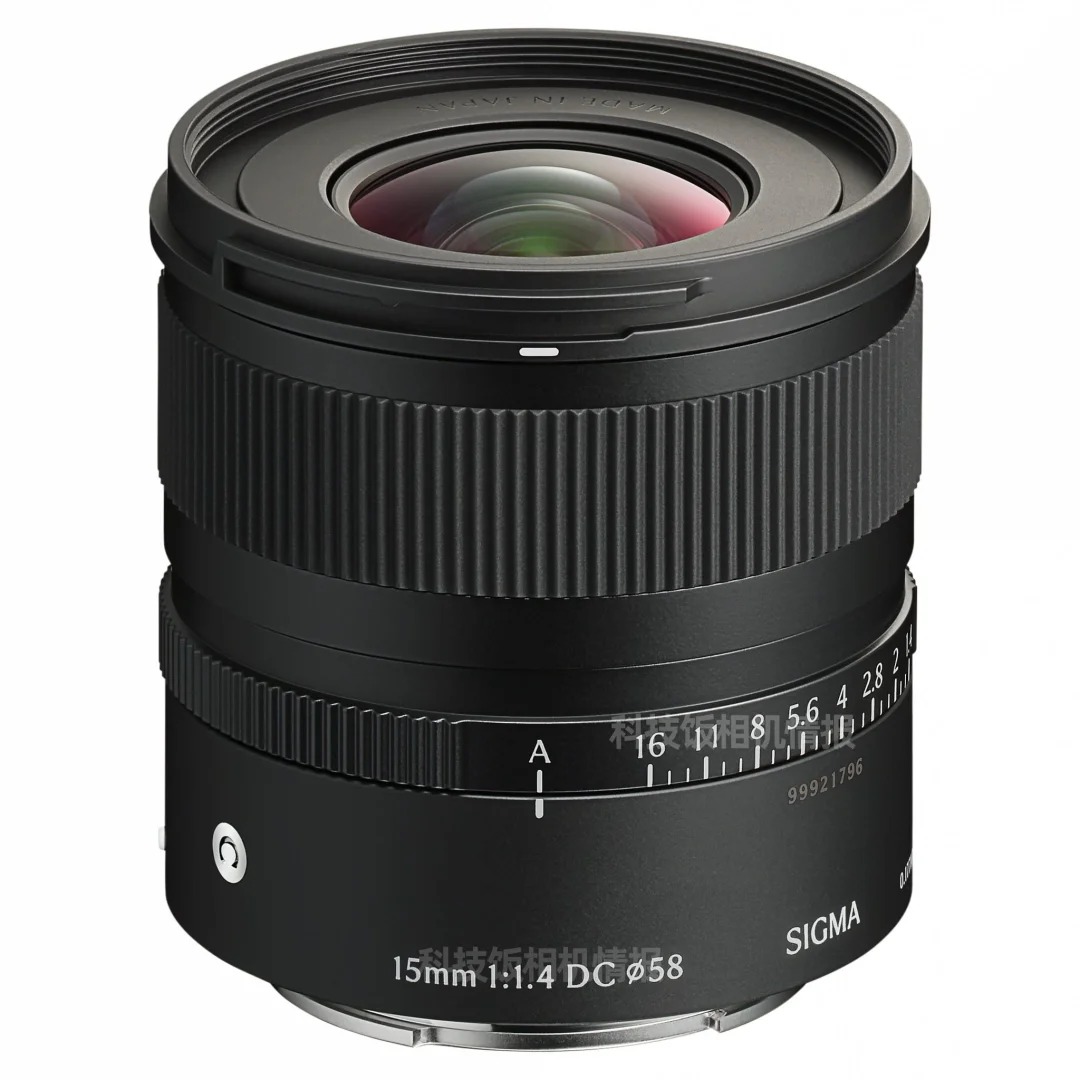
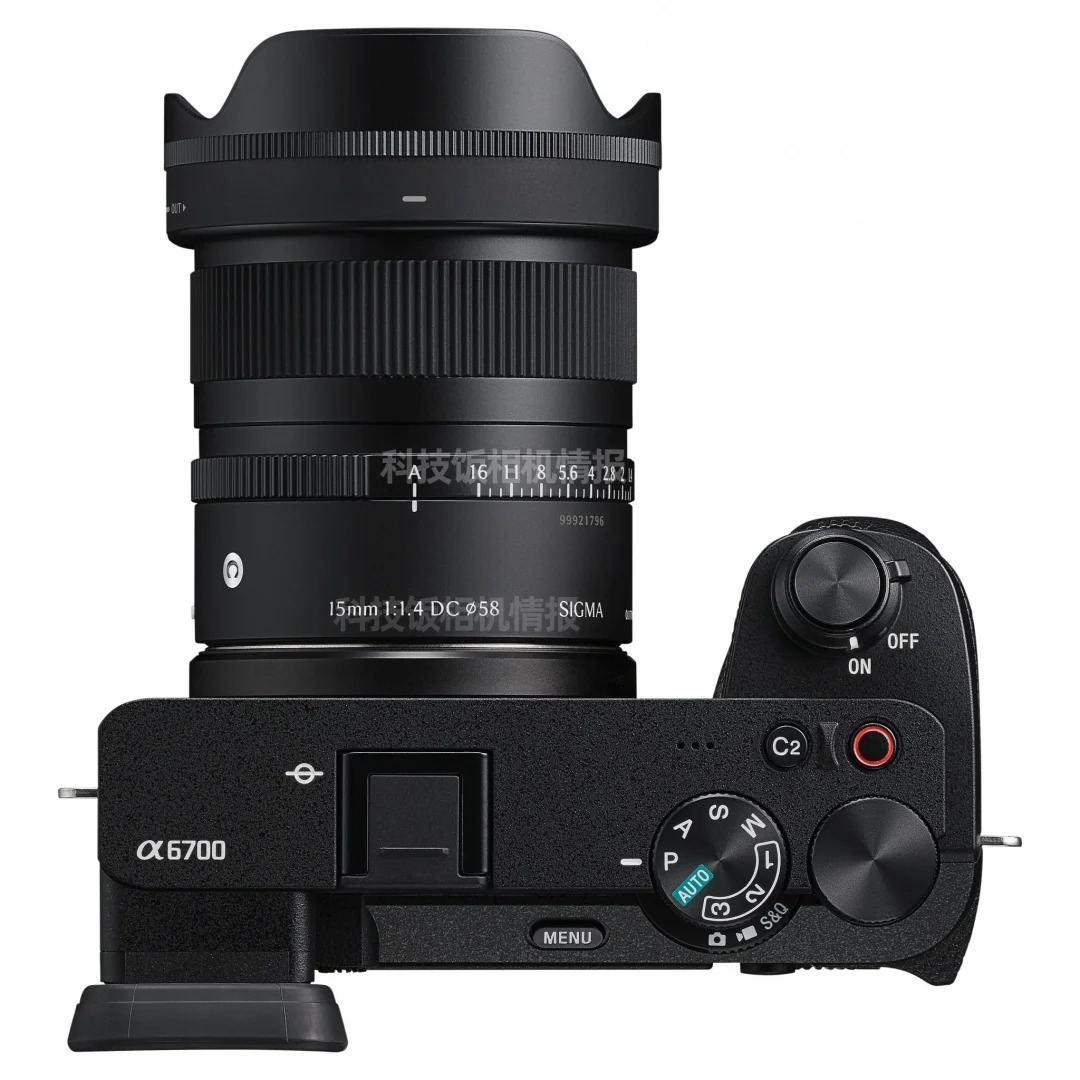
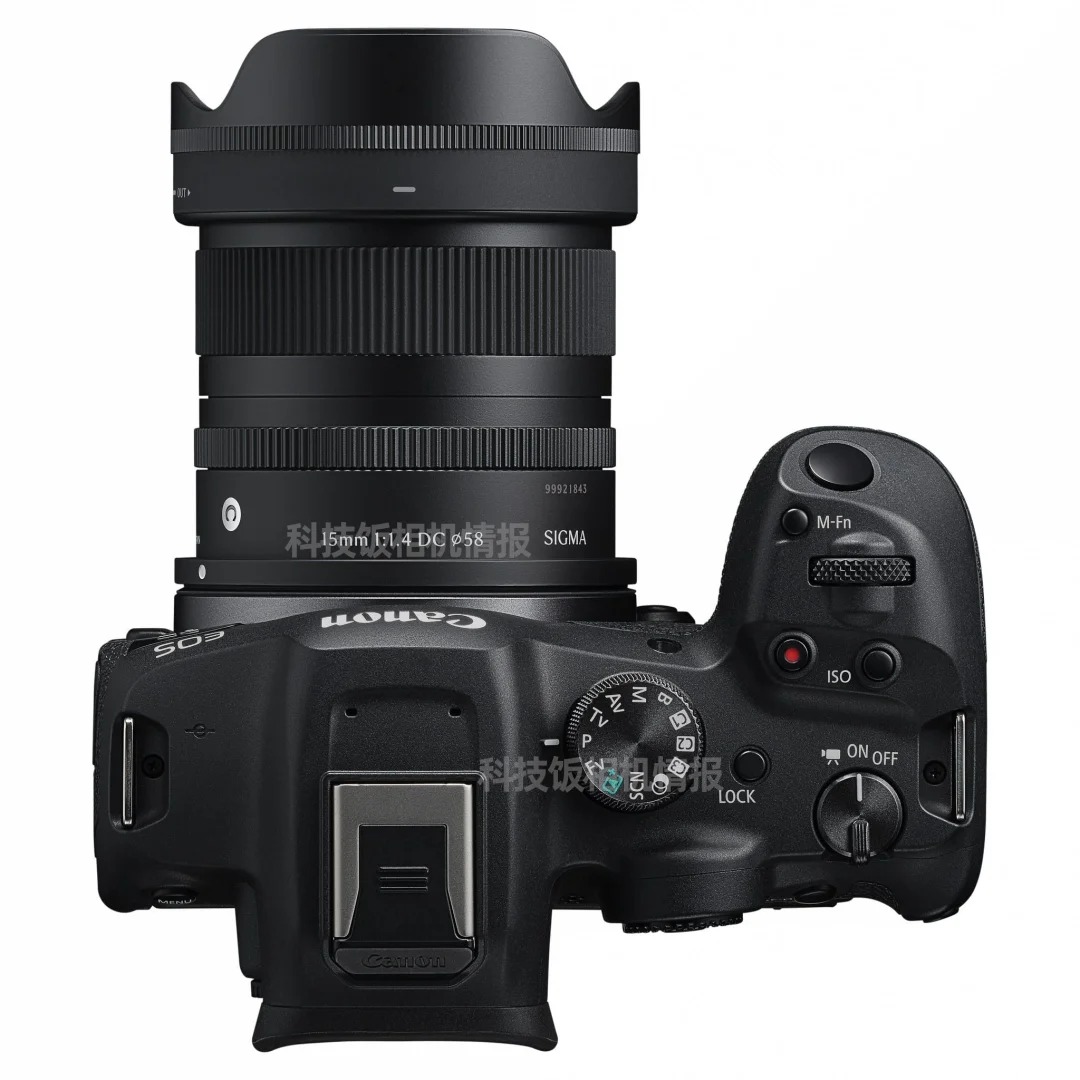
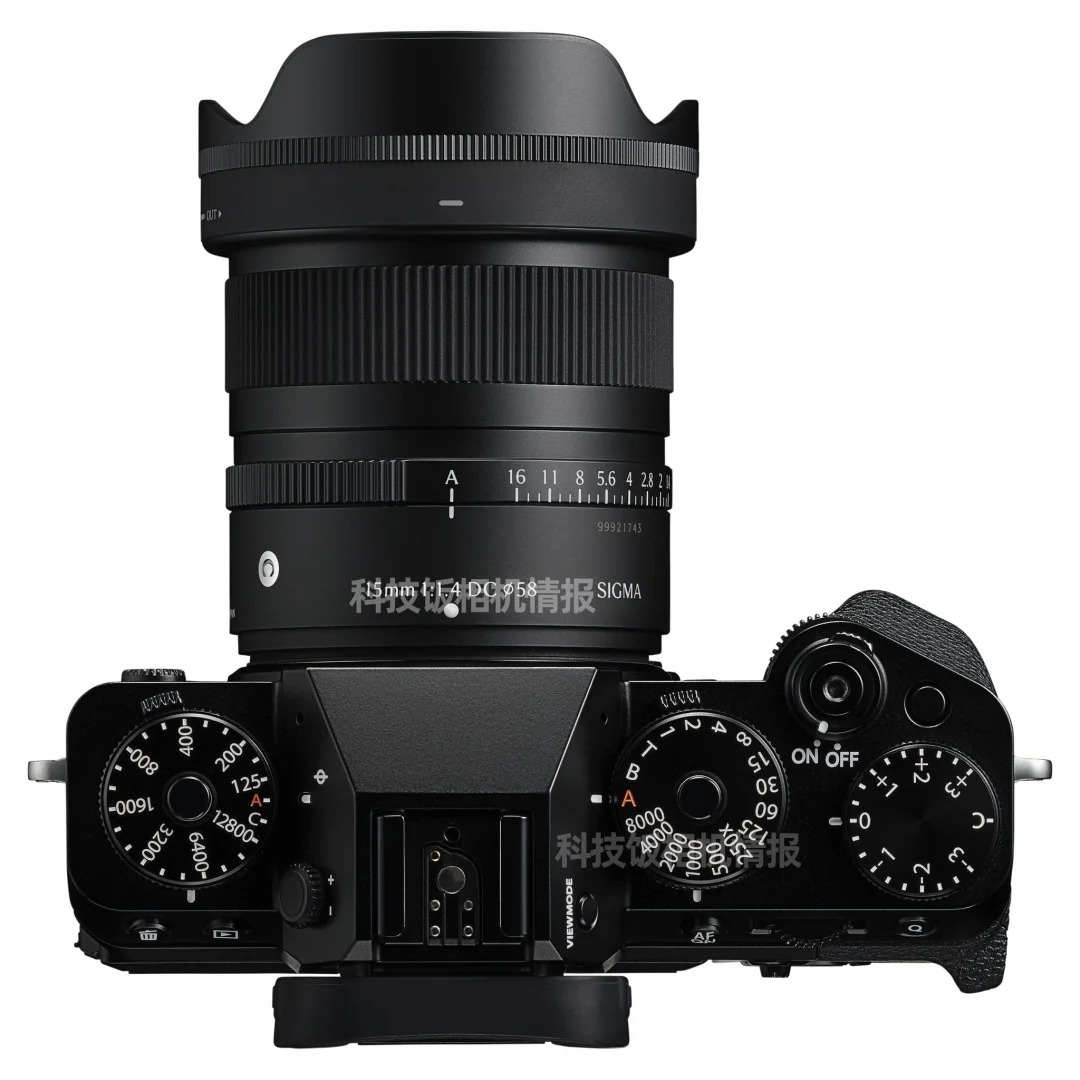
Sigma has announced the 15mm F1.4 DC APS-C prime, giving a new wide-angle option and bringing a welcome update to its affordable primes series. It will be available for Sony E, Canon RF and Fujifilm X mounts.
The lens presents a slightly wider alternative to the company's existing 16mm F1.4 DC DN, introduced back in 2017. It's part of the company's mid-priced Contemporary range, and gains the aperture ring and weather resistance that have been a feature of Sigma's recent DC lenses. The RF-mount version features a control ring, rather than the dedicated aperture ring.
The lens replaces the 16mm with an option that's wider (giving a 22.4mm equiv field of view on E and X mounts, and 24mm equiv. on Canon RF), while also being around 30% shorter and 45% lighter than the existing lens. The new lens also uses a smaller, 58mm filter, rather than the 67mm one used by its predecessor.
The lens uses three double-sided aspheric elements, three SLD and one LFD element, with the company saying it had particularly focused on delivering edge-to-edge consistency and low coma, with the aim of improving on the optical performance of the previous lens.
At 220g for the E-mount version, it's the lightest lens in the series, which Sigma says makes it ideal for applications such as travel and handheld video shooting. To this end, Sigma says the lens has been designed to exhibit minimum focus breathing.
The lens will be available from mid March 2026 at a recommended cost of $579, a 7% increase over the price of the existing lens. There's currently no word of a Nikon Z mount version, though Nikon did license Sigma to make a Z-mount version of the 16mm F1.4 DC DN.
Sigma Launches New Large-Aperture, Wide-Angle APS-C Lens: 15mm F1.4 DC | Contemporary
Ronkonkoma, NY, February 24, 2026 – Sigma Corporation of America, the US subsidiary of Sigma Corporation (CEO: Kazuto Yamaki. Headquarters: Asao-ku, Kawasaki-shi, Kanagawa, Japan), is pleased to announce the launch of the Sigma 15mm F1.4 DC | Contemporary, a new large-aperture, wide-angle lens designed for APS-C cameras.
The 15mm F1.4 DC | Contemporary lens is the newest addition to Sigma’s lineup of fast-aperture prime lenses for crop sensor mirrorless cameras, and is the second such lens to feature a dedicated aperture ring (or control ring on Canon RF Mount versions) following the 12mm F1.4 DC | Contemporary released in 2025. Compared to the popular 16mm F1.4 DC DN | Contemporary, the overall length has been reduced by approximately 30%, and the filter diameter is significantly smaller at 58mm (down from 67mm).
Weighing just 220g, it is the lightest in the F1.4 DC Contemporary series, and is ideal for handheld video shooting and travel. The combination of a lightweight focus element and a high-performance stepping motor enables high-speed and high-precision autofocus, and the optical design effectively suppresses aberration fluctuation and focus breathing. Additionally, the dust- and splash-resistant structure ensures confidence even when shooting in harsh environments.
This new model combines uncompromising optical performance with excellent portability to allow for effortless creative expression. Scheduled for release on March 12, 2026, the 15mm F1.4 DC | Contemporary will be available at authorized Sigma dealers in the US for a retail price of $579 USD.
Available mounts: Sony E-mount, FUJIFILM X Mount, Canon RF Mount Launch: March 12, 2026
Key Features:
Outstanding portability allowing for creative freedom.
Uncompromising sharpness across the entire image.
Designed for comfortable shooting of both stills and video.
Sigma F1.4DC series – Expanding creative possibilities with APS-C cameras.
Outstanding portability allowing for creative freedom
An all-round wide-angle lens with exceptional portability
This lens delivers a large F1.4 aperture and a focal length equivalent to 22.5mm on full-frame (24mm on Canon RF Mount), all in a compact, palm-sized body measuring just 64.8mm in length and weighing only 220g*1.
Whether shooting everyday street photography, portraits, travel landscapes, or cinematic video production—even for live commerce and webinars—this lens delivers high-quality performance.
Its combination of outstanding portability and image quality makes professional-level expression possible wherever you go.
Approximately 50% lighter, delivering greater flexibility
As a frequently used focal length, this lens pursues uncompromising compactness and lightweight design.
One FLD glass element, three SLD glass elements, and three double-sided aspherical lenses are effectively arranged to achieve an approximately 30% shorter length and 50% lighter weight compared to the predecessor, Sigma 16mm F1.4 DC DN | Contemporary.
As the lightest lens in the Sigma F1.4 DC series, it accelerates creative freedom by further enhancing the mobility of APS-C cameras.
Uncompromising sharpness across the entire image
Pursuing even higher optical performance
The Sigma 15mm F1.4 DC | Contemporary was developed with the goal of surpassing the highly acclaimed optical performance of its predecessor, Sigma 16mm F1.4 DC DN | Contemporary. Particular emphasis was placed on improving edge-to-edge performance while thoroughly suppressing sagittal coma flare, which is often noticeable in large-aperture wide-angle lenses.
The lens maintains uncompromising sharpness across the entire frame, even when shooting wide-open, delivering consistent performance from everyday street photography to starry landscapes.
Rich expressive power with a large F1.4 aperture
The lens delivers high optical performance even at its maximum aperture, allowing you to fully enjoy the distinctive rendering of F1.4. It excels in low-light conditions, such as dim indoor environments or nighttime street photography, while the nine-blade aperture produces beautiful circular bokeh that makes subjects stand out and adds a sense of depth, whether shooting stills or video.
Designed to minimize flare and ghosting
Using advanced simulation technology, flare and ghosting have been largely eliminated, ensuring that the lens renders clear, high-contrast results in any lighting condition.
Designed for comfortable shooting of both still and video
Ideal for high-quality video production
The Sigma 15mm F1.4 DC | Contemporary, with its combination of portability and outstanding optical performance, enables high-quality video capture in any scene. Its F1.4 aperture creates a shallow depth of field that enhances three-dimensionality, producing impressive visuals. The lens is also well-suited for gimbal-based shooting, providing flexibility even in environments that demand mobility.
Furthermore, the lens delivers stable, high image quality for business applications such as live commerce, webinars, and corporate promotions, making it ideal for creating engaging and realistic content.
Smooth, responsive autofocus powered by a stepping motor
High-speed, high-precision autofocus is achieved by driving a lightweight focus lens with a stepping motor that enables precise control. The Sigma 15mm F1.4 DC | Contemporary captures important moments without missing a beat, even in fast-moving scenes, while delivering excellent tracking performance for high-quality video production.
Minimal focus breathing
The lens is designed to minimize changes in the angle of view caused by focusing, enabling smooth, natural-looking focus pulls when recording video.
Aperture ring or control ring with various functions
Equipped with an aperture ring for intuitive control of the aperture. The Canon RF Mount version has a control ring instead of an aperture ring, allowing customizations of functions based on the user’s preferred settings.
Dust- and splash-resistant structure*2 / water- and oil-repellent coating
In addition to a dust- and splash-resistant structure*2, the frontmost surface of the lens has a water- and oil-repellent coating applied, allowing photographers to shoot without concern even in harsh outdoor environments.
Sigma F1.4 DC series – Expanding creative possibilities with APS-C cameras
A full range of F1.4 prime lenses for APS-C, covering ultra-wide to mid-telephoto
Sigma’s Contemporary line offers a wide range of F1.4 prime lenses for APS-C cameras, combining excellent resolution with compact, lightweight designs.
12mm F1.4 DC: An ultra-wide-angle lens that captures expansive landscapes
15mm F1.4 DC: A wide-angle lens ideal for everyday street photography
23mm F1.4 DC DN: A versatile lens with a natural field of view suitable for a variety of subjects
30mm F1.4 DC DN: A standard lens that naturally captures everyday scenes
56mm F1.4 DC DN: A mid-telephoto lens that emphasizes subjects with beautiful bokeh
With the addition of the Sigma 15mm F1.4 DC | Contemporary, the lineup of the Sigma F1.4 DC series has expanded further, enriching creative expression for APS-C cameras from ultra-wide-angle to mid-telephoto.
*1 The figures are for Sony E-mount
*2 The product is designed to be dust- and splash-resistant but is not waterproof. When using the lens near water, etc., take care not to allow large amounts of water to splash on it. If water gets inside the lens, it may cause a major malfunction and render the lens unrepairable.
Lightest in its class. 26% lighter than its predecessor, thanks to thinner lens elements and a reduction in the total number of elements in the optical design.
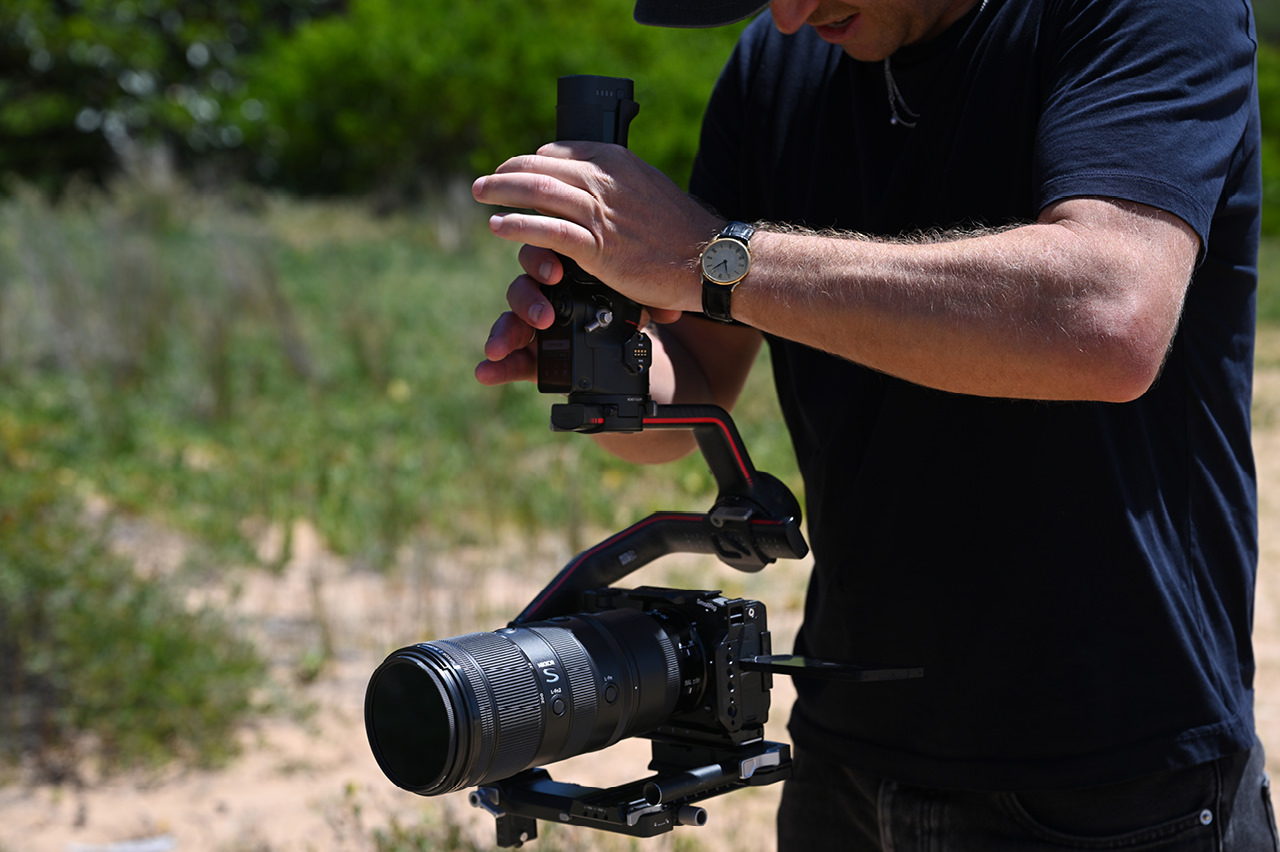
Internal zoom. Ideal for use with gimbals and matte boxes, with no change to center of gravity when zoom position is changed.
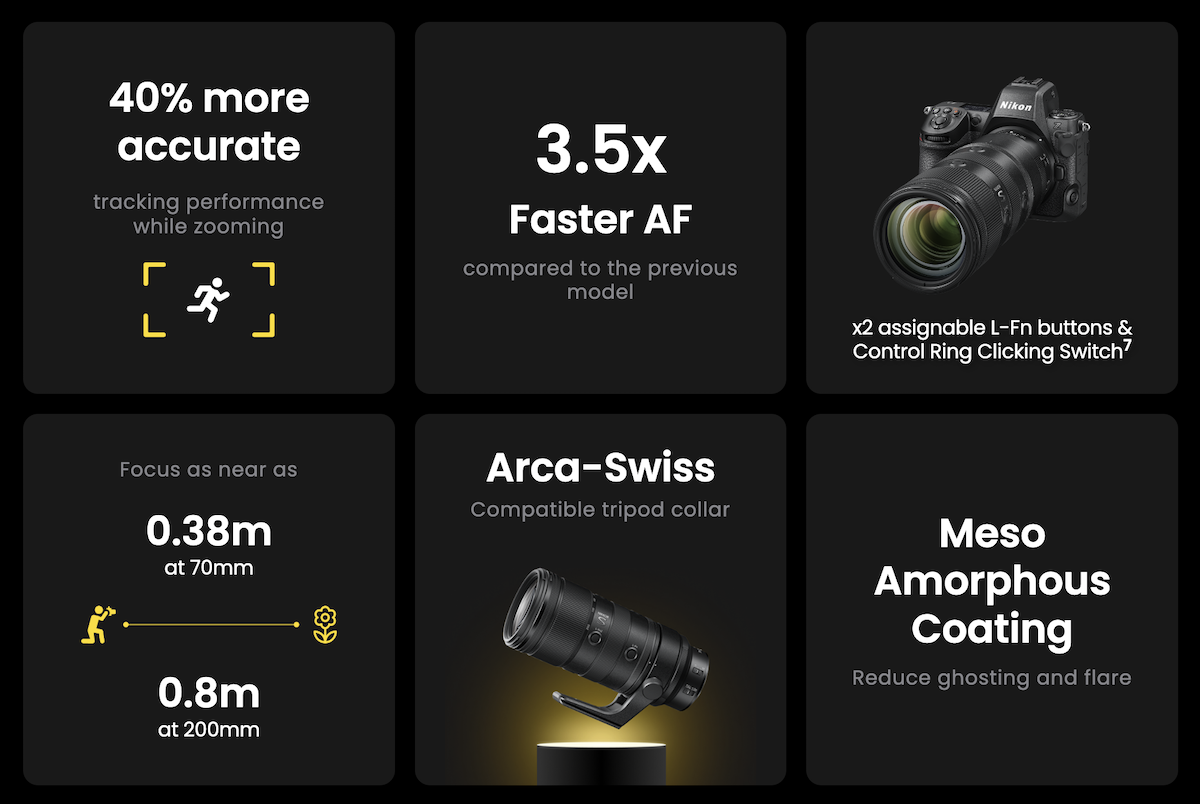
Faster, quieter, even more accurate. Multi-focus system with Silky Swift Voice Coil Motors (SSVCM) is 3.5x faster and 17.5x more precise than the previous generation.
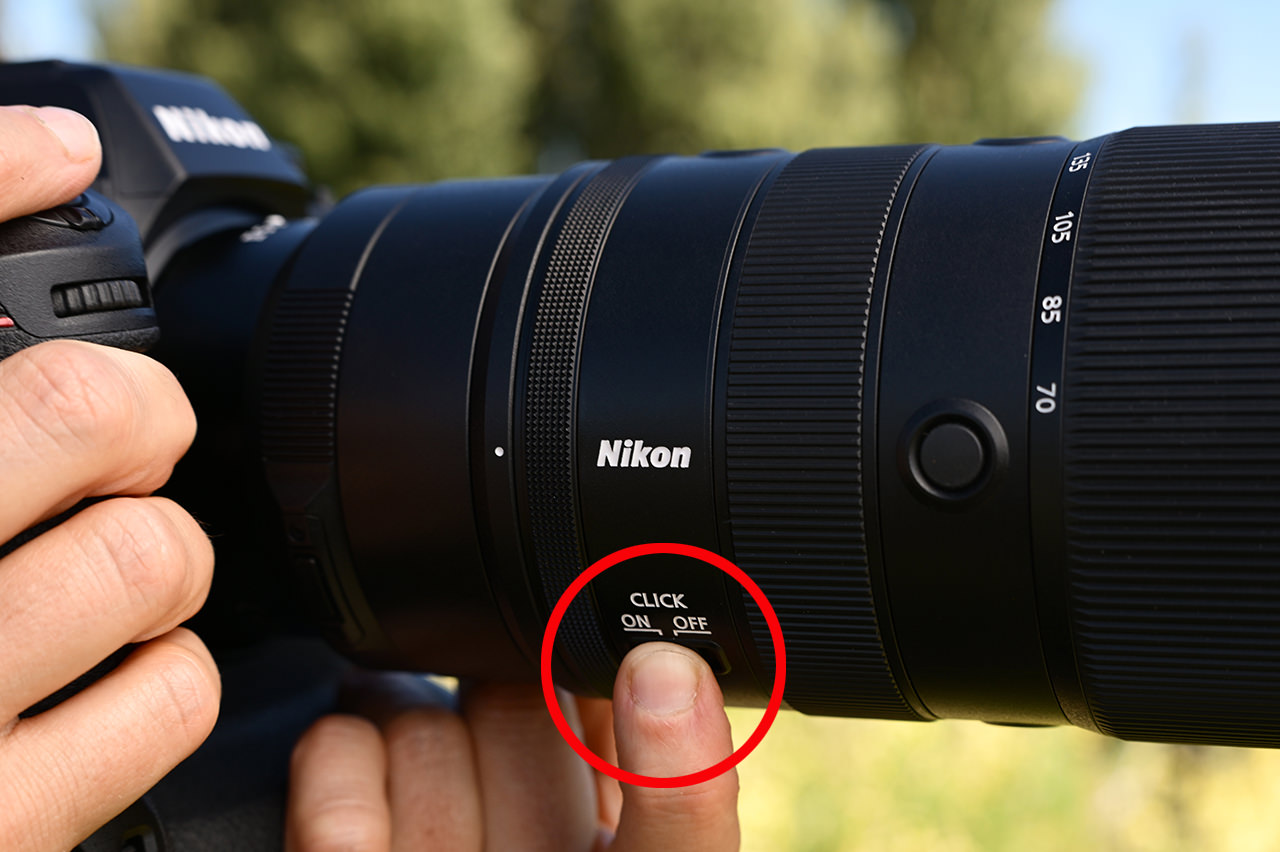
Custom control. Control ring click on/off switch lets you choose between precise, incremental click adjustments** for smooth, seamless changes.
Close focus/high magnification. Focus as close as 15 inches at 70mm, with a maximum magnification of 0.3x.
Superb sharpness at close minimum focus distance of 38cm
Balanced internal zoom mechanism allows for use on gimbals
When you use DPReview links to buy products, the site may earn a commission.
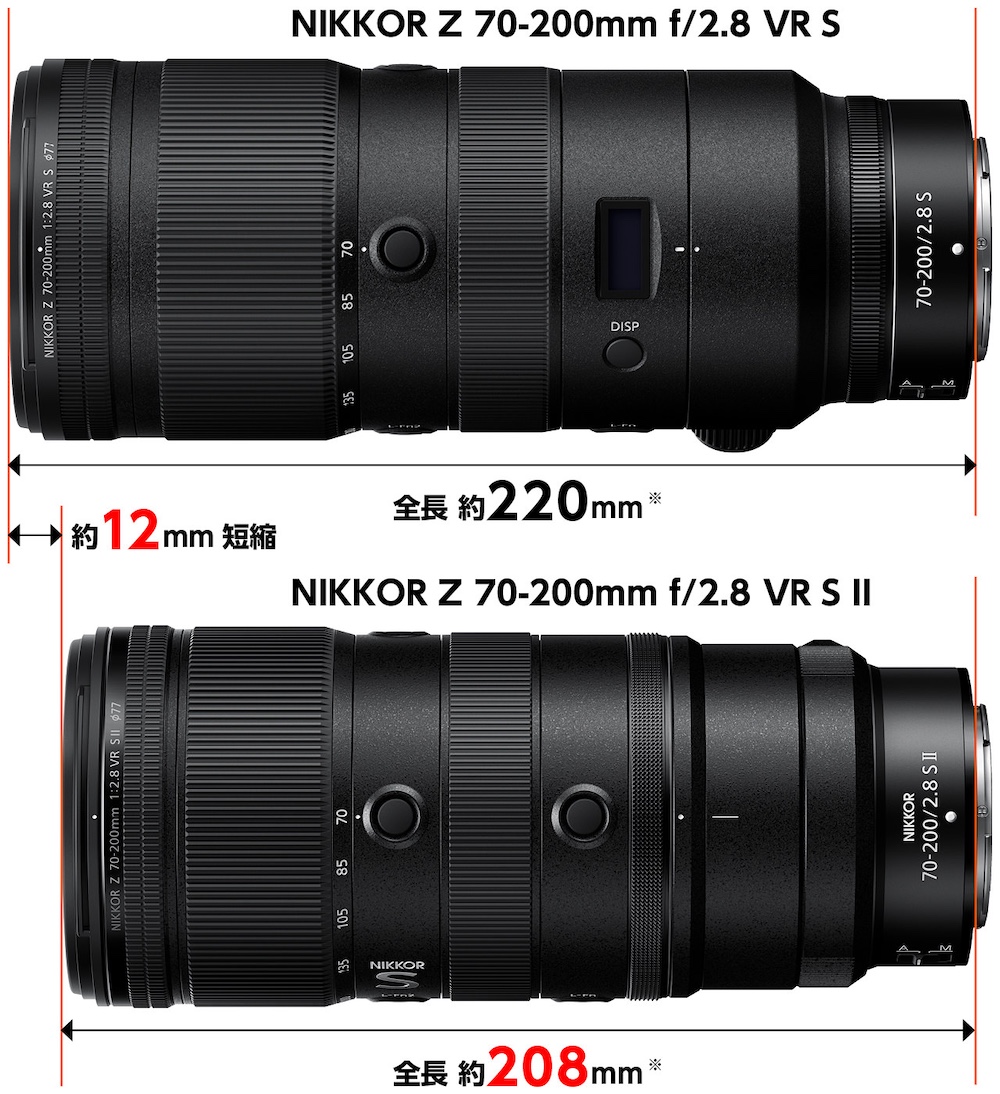
The new 70-200mm F2.8 II is 12mm (0.47") shorter than its predecessor and comes with an Arca-Swiss compatible tripod foot.
Image: Nikon
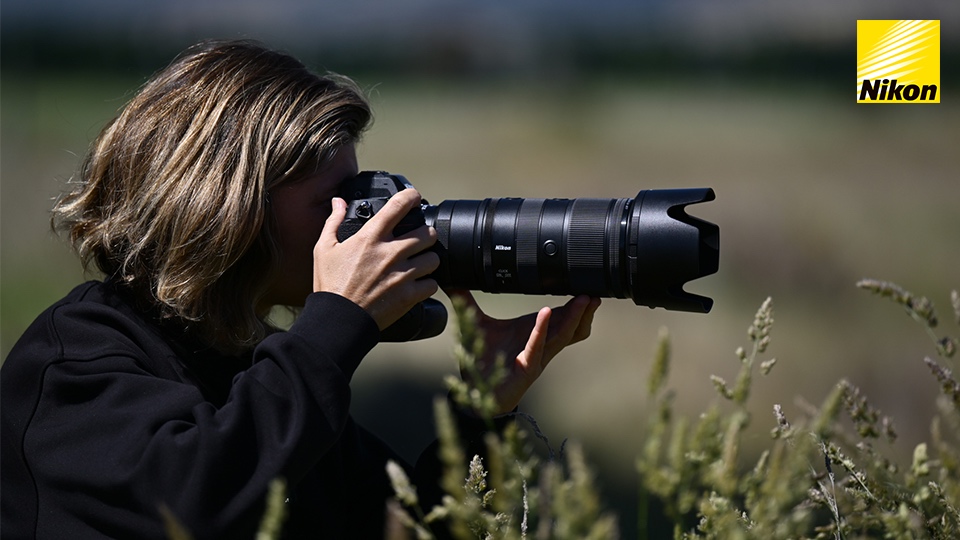
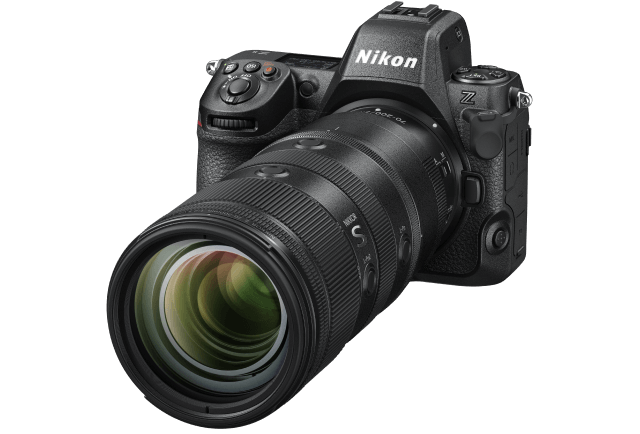
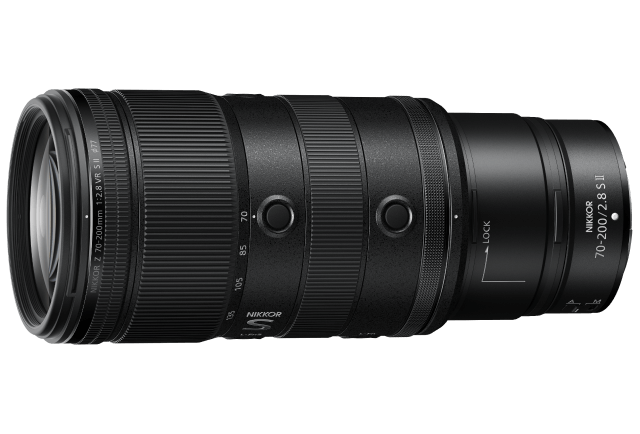
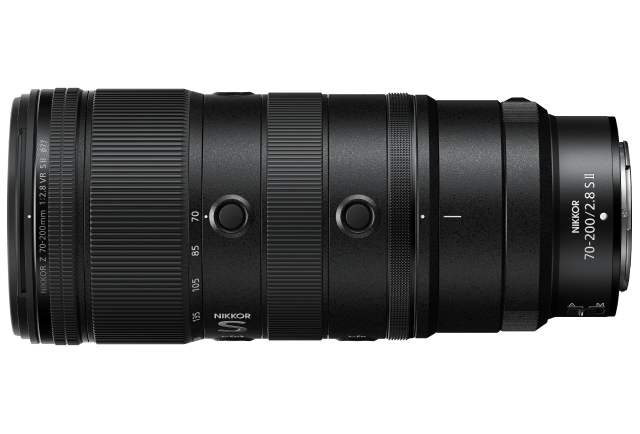
Nikon has announced the Nikkor Z 70-200mm F2.8 VR S II, an update to its workhorse telephoto zoom that's substantially lighter than its predecessor. It's the second update of one of Nikon's F2.8 trio, following the recent 24-70mm F2.8 S II.
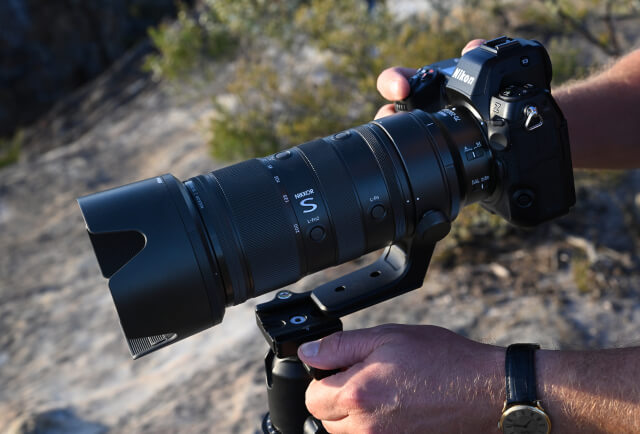
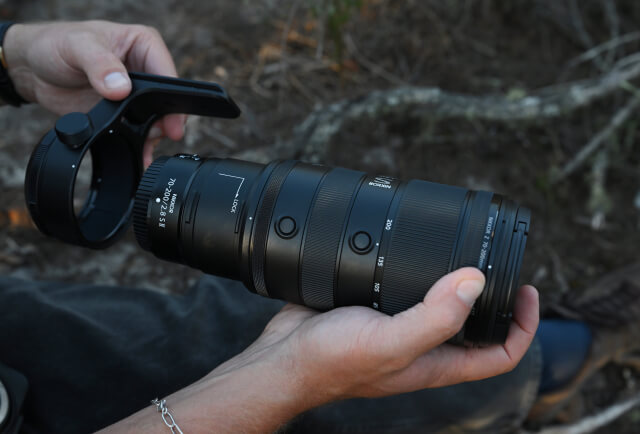
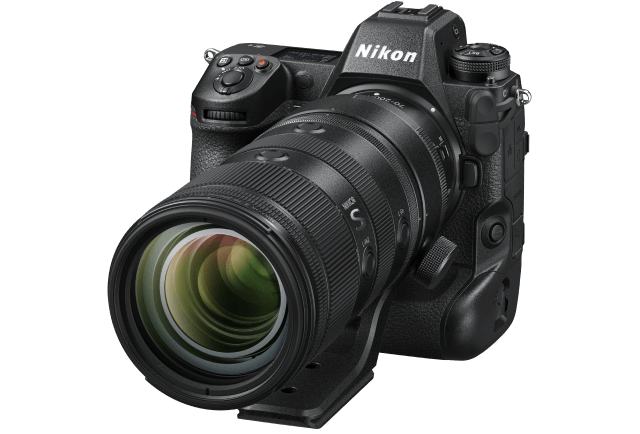
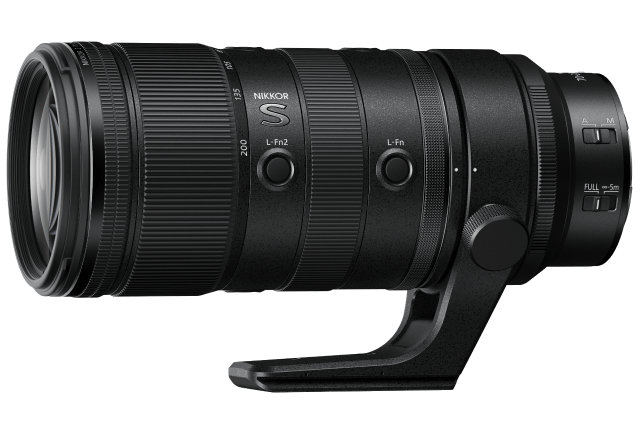
As well as being lighter, the new lens adopts a voice-coil motor to improve focus speed and gains an Arca-Swiss-compatible, removable tripod foot.
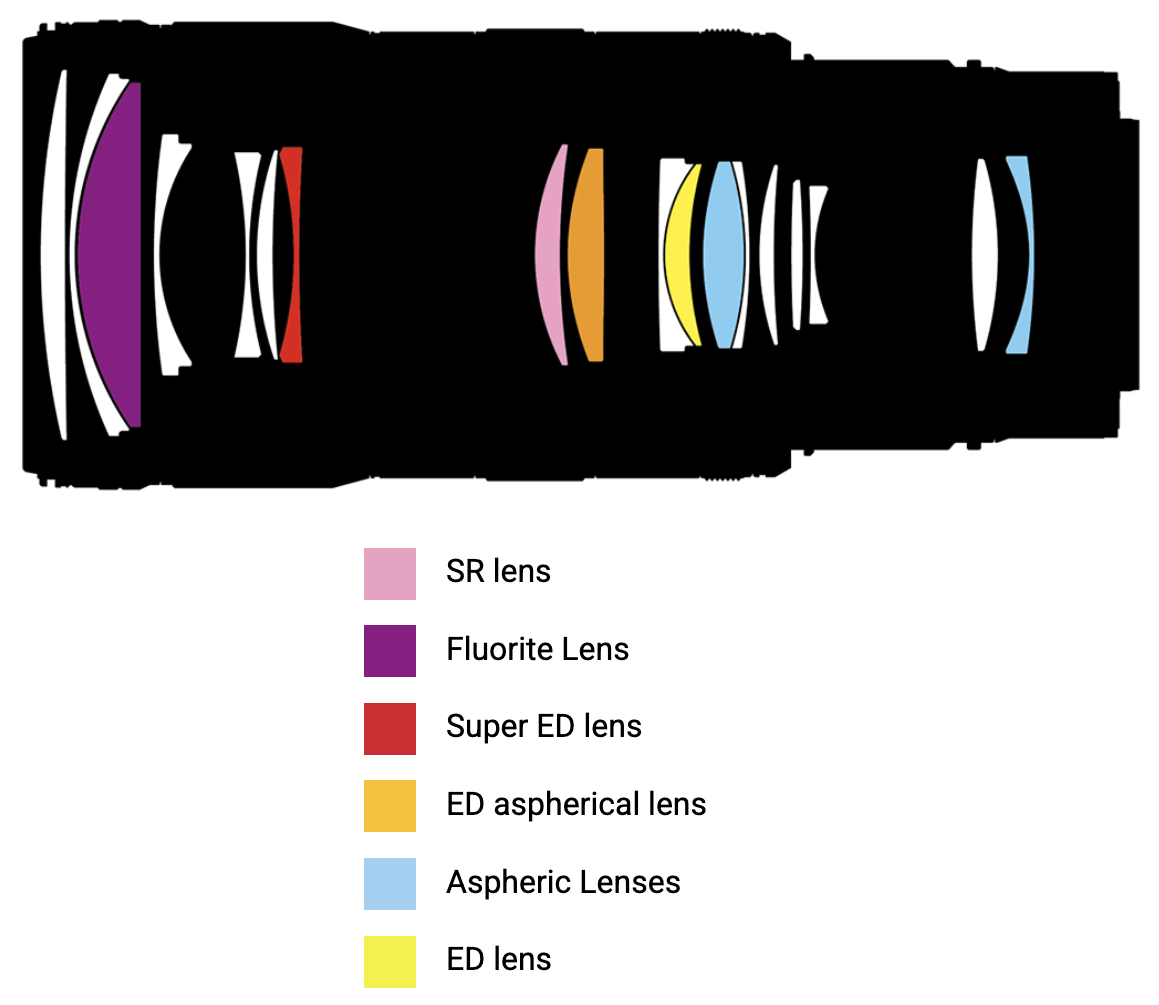
The 70-200 F2.8 VR S II has an entirely new optical formula, with 18 elements in 16 groups; 3 fewer elements than the previous model. It includes one ED glass element, one Super ED lens, two aspherical elements, one aspherical ED element, a fluorite lens and a SR lens. Unsurprisingly, Nikon has also incorporated many of its top-end coatings, including Meso Amorphous and Arneo layers to reduce flaring and ghosting and a fluorine coating on the front element to repel oils and moisture.
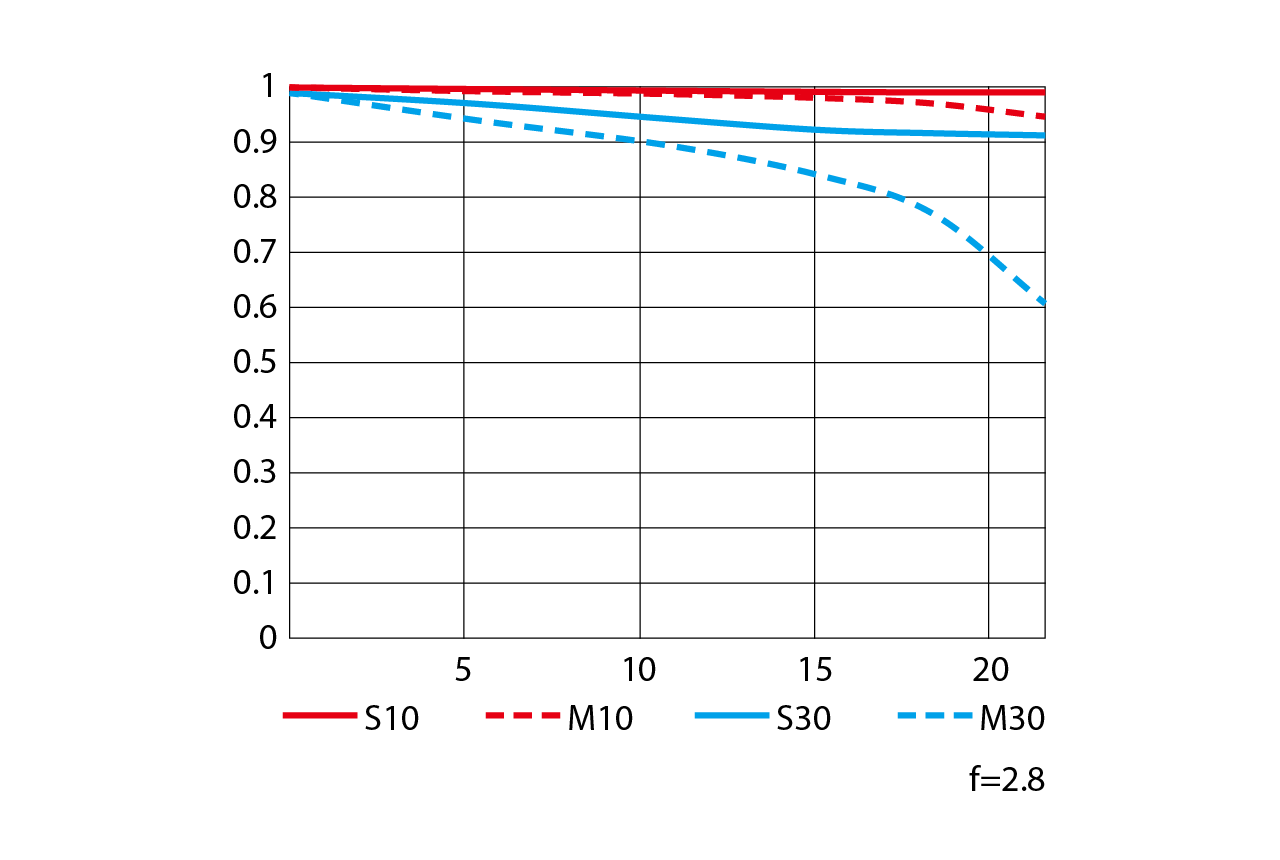
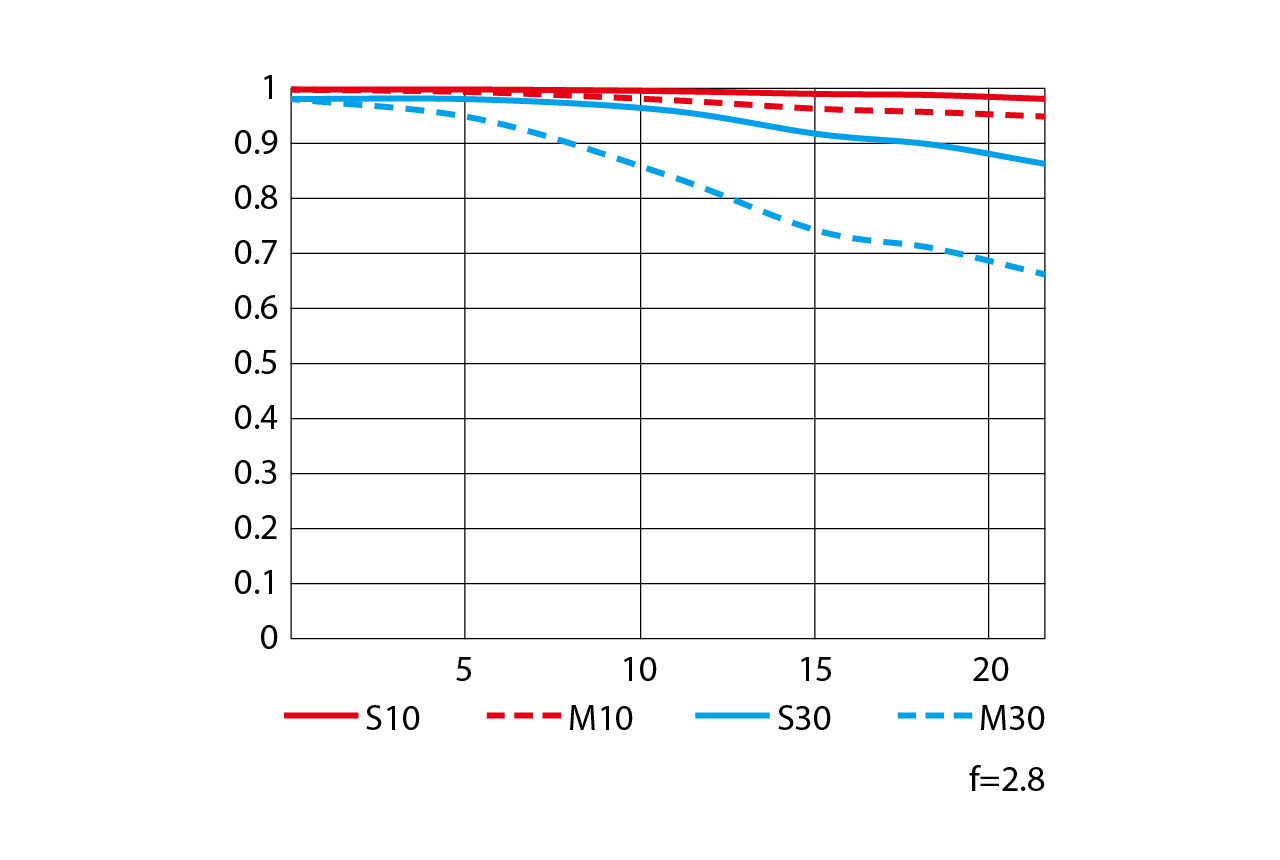
The company says the new optical formula will be sharper than the previous model, and promises circular bokeh over a greater aperture range, thanks to an 11-bladed aperture, rather than 9. It can also focus closer, with a minimum focusing distance of 0.38m (15") at 70mm, and 0.8m (31.5") at 200mm, which is good for up to 0.3x reproduction.
Shedding optical elements, making some of the existing ones thinner, and reducing the number of moving groups and the mechanisms needed to move them allowed Nikon to make the lens 26% lighter than its predecessor.
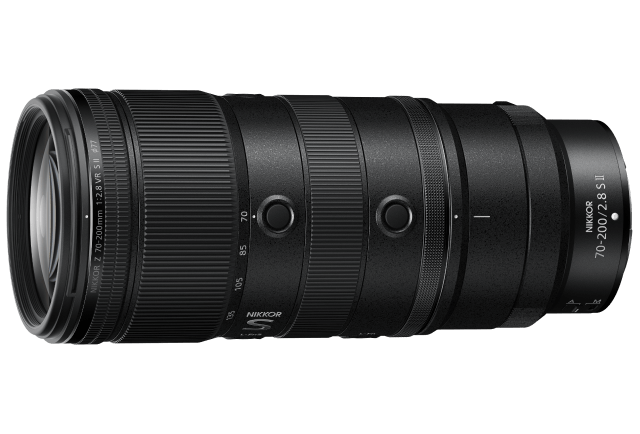
The Nikkor 70-200mm F2.8 VR S II, shown without the cosmetic bayonet cover. It's in this form that the lens delivers the 26% weight reduction, compared with the previous version.
Image: Nikon
With the (now Arca-Swiss compatible) tripod foot installed, it weighs 1180g (41.6oz). If you remove it, though, and don't install the included cosmetic sleeve to cover its mounting bayonet, you can get the weight down to 998g (35.2oz), which is 72g (2.5oz) lighter than even Canon's collapsing 70-200mm F2.8 L IS USM.
Physically, the lens has most of the bells and whistles you'd probably expect on a pro lens. It has two sets of function buttons, giving you the ability to have access to two custom functions when shooting in either portrait or landscape orientation, as well as a programmable control ring that can be set to clicking or clickless operation. The lens hood now has a window that lets you adjust variable filters mounted to its 77mm thread without having to take it off.
Here the lens is shown with the supplied bayonet cover installed. This brings the weight to 1030g (36.3oz)
Image: Nikon
The 70-200mm F2.8 VR S II also has improved image stabilization, which Nikon says is good for up to 6 stops, up from 5.5EV. It remains weather sealed and compatible with teleconverters, though, like with the 24-70mm, Nikon has dropped the top-mounted display.
While we haven't had complaints with the stepping AF motor found in the original Z 70-200mm F2.8, the company says this lens will have faster autofocus thanks to the same voice coil motor-powered "Silky Swift VCM" system that powers lenses like the second-gen 24-70mm and the 600mm F4. There's also a focus position sensor that the company says improves focus precision.
As has become standard, there's a price increase compared with the predecessor: the new 70-200 will retail for $3199 when it launches in late March, a roughly 10% increase from the $2899 sticker for the original.
FASTER, LIGHTER, MORE PRECISE: THE NEW NIKKOR Z 70-200MM F/2.8 VR S II LENS IS ENGINEERED FOR THE PROFESSIONAL IN PURSUIT OF PERFECTION
The Second Generation of Nikon’s Renowned Z 70-200mm f/2.8 is the Lightest in its Class1
MELVILLE, NY (February 23, 2026) Nikon Inc. has announced the NIKKOR Z 70-200mm f/2.8 VR S II, a premium-grade fast telephoto zoom lens for full-frame/FX format mirrorless cameras. This second-generation version of Nikon’s most popular pro-level fast telephoto zoom delivers improved optical performance, faster focusing, and a 26% lighter weight than its first-generation predecessor.
With a fast f/2.8 constant aperture and versatile focal range, the 70-200mm f/2.8 is well established as the essential lens for capturing sports, portraits, weddings, and more, with excellent low light performance and naturally beautiful bokeh. This latest S-Line lens improves upon this classic recipe – specifically created for professional photographers and videographers who will not compromise on image quality and capability.
“This lens is a true demonstration of the optical superiority and expertise that Nikon pours into NIKKOR Z S-Line optics, giving professionals ultimate confidence in performance and reliability, day in and day out,” said Fumiko Kawabata, Sr. Vice President of Marketing and Planning, Nikon Inc.
This evolved 70-200mm f/2.8 employs Nikon’s Silky Swift VCM (SSVCM)2 autofocus drive system for highly precise, smooth, and quiet autofocus (AF) control when shooting. Autofocusing is approximately 3.5× faster3, and AF tracking while zooming is approximately 40% better than its well-regarded predecessor, enabling more accurate focusing on rapidly moving subjects like athletes, animals, and vehicles. The optical formula has been thoroughly revised, with a reduction in the number of lens elements and a more optimal placement of aspherical elements. Additionally, Super Extra-low Dispersion (ED) and aspherical ED elements have been adopted for chromatic aberration correction. This formula achieves both a lightweight design and the highest level of rendering performance. What’s more, the lens is exceptionally balanced and features an internal zoom design, making it ideal for gimbal use and comfortable for handheld shooting.
Features of the NIKKOR Z 70-200mm f/2.8 VR S II lens
The NIKKOR Z 70-200mm f/2.8 VR S II has the lightest weight in its class (998 g*1), achieved by modifying the front lens group configuration and eliminating mechanical components in the moving lens groups. This makes the lens easy to carry and comfortable to use for extended shooting periods. Overall, the lens is 26% lighter and 12mm shorter than its predecessor.
The multi-focusing system now utilizes a Silky Swift VCM (SSVCM) to achieve extremely fast, precise, and quiet autofocus for both stills and video.
A revised optical formula uses six different types of lens elements – Super ED, aspherical ED, ED, aspherical, fluorite, and Short-wavelength Refractive (SR) to effectively correct lens aberrations for clearer and more natural rendering. Additionally, the lens now features 11 rounded diaphragm blades for more natural, circular bokeh.
The lens adopts a Meso Amorphous Coat, which offers the best anti-reflection performance in Nikon history4, and an ARNEO Coat which effectively suppresses ghosting and flares.
The minimum focus distance is 0.38 m (wide) and 0.8 m (tele), with a maximum reproduction ratio of 0.3× (wide) /0.25× (tele), letting users get closer to their subjects than ever before.
This is the first ever NIKKOR lens to support the use of Arca-Swiss tripod heads5, for smoother tripod mounting and dismounting. A removable tripod collar ring enables smooth switching between portrait and landscape orientation, and a protective cover is included for comfortable hand-held shooting.
The lens offers superior strength and durability for worry-free shooting. The internal zoom mechanism, which maintains a constant lens length when zooming, enables stable operation and contributes to its superior dust- and drip-resistant performance6. A fluorine coating on the front element further protects against dirt and smudges.
The control ring clicking switch7 allows users to enable or disable the tactile click for control ring operation, enabling smoother shooting.
6.0-stop8 vibration reduction (VR) performance is accessible at the center and edges of the frame when used with a camera that supports Synchro VR.
The included lens hood features a filter adjustment window that allows users to adjust circular polarizing and variable ND filters without removing the lens hood.
Compatibility with Z TELECONVERTER TC-1.4× or Z TELECONVERTER TC-2.0× enables more flexible shooting, even when capturing distant subjects.
Price and Availability
The new NIKKOR Z 70-200mm f/2.8 VR S II lens will be available in late March 2026 for a suggested retail price of $3199.95*.
For more information about the latest Nikon products, including the vast collection of NIKKOR Z lenses and the entire line of Z series cameras, please visit nikonusa.com.
1. Among 70-200mm f/2.8 interchangeable lenses for full-frame mirrorless cameras available as of February 24, 2026. Statement based on Nikon research. 2. An AF drive actuator that combines a Voice Coil Motor (VCM) and a guide mechanism developed by Nikon. The VCM is a motor in which a coil reciprocates in a strong magnetic field created by a powerful magnet. Warning: Do not use this product if you have a pacemaker or use other medical devices. The magnets in this product could cause medical devices to malfunction. 3. When used with a camera equipped with the EXPEED 7 image-processing engine. Measured in accordance with Nikon standards. 4 Among interchangeable lenses for Nikon cameras. 5. The tripod collar of this lens can be attached to Arca-Swiss screw-type quick-release clamps. However, please avoid using lever-type clamps, as they may not fix the lens firmly in place. 6. Thorough dust- and drip-resistance is not guaranteed under all conditions or in all situations. 7. The Z9, Z8, Z7II, Z6III, Z6II, ZR, Z5II, Z5, Zf, and Z50II support this function (as of February 24, 2026). Update the camera firmware to the latest version. 8. Based on CIPA 2024 Standard. Yaw/pitch/roll correction performance with the Z6III (Synchro VR enabled, telephoto end, NORMAL mode).
The Sony a7 V is an enthusiast-tier camera with a new, full frame, 33MP 'partially stacked' CMOS sensor, with a focus on high burst rates, capable autofocus and a complete suite of video features.
Key Specifications
33MP full frame 'partially stacked' sensor
IBIS rated to 7.5EV in the center
AI-derived recognition for six subject types
"Blackout-free" continuous shooting at 30fps
Configurable pre-burst capture up to 1 second
3.2" tilting/fully-articulating display
Dual USB-C ports for power and data
4K up to 60p derived from 7K capture, 4K up to 120p with 1.5x crop
AI-based auto-framing in video
Sony says the a7 V is available now with recommended retail price of $2899, body only, making it $400 more expensive than the Mark IV, back in 2021.
Like its predecessor, the a7 V features a 33MP sensor, but with extra readout circuitry to improve readout speeds (which were one of the a7 IV's weak points). We've seen this "partially stacked" technology in 24MP cameras like the Nikon Z6III and Panasonic S1II, but here it's being applied to a higher-resolution sensor.
Sony says this allows the a7 V to achieve much higher burst rates than its predecessor – 30 fps, up from 10 – and to do so with a full 14-bit readout, rather than requiring Sony's destructively lossy Raw compression. The maximum e-shutter speed has been increased to 1/16000 sec, too. The company also promises it won't have the same dynamic range reduction we saw with the Z6III, where increased read noise was evident if you pushed the shadows in post. Though we'll have to see if these claims are borne out in testing.
The IBIS system has also been upgraded, now stabilizing the sensor by 7.5EV, up from 5.5EV with the a7 IV.
New processor, new autofocus
The sensor is paired with a new "Bionz XR2" processor, bringing Sony's most up-to-date autofocus system to the a7 line. While the previous camera had human and animal recognition, the a7 V gets the autofocus system found on most of Sony's other modern cameras, with support for recognizing six subject types, as well as a configurable 'Auto' mode.
The Subject Recognition: Auto mode can be fine-tuned so that it only looks for the types of subject you expect to encounter. You can also select how specific the focus is (eg whether it looks for birds' eyes)
The Human / Face / Eye recognition is significantly upgraded from the previous camera, with the a7 V trained to recognize humans in all sorts of different positions, so that it continues to track the same person and re-finds their face faster, even if they are partially obscured.
The camera also gains a few new focus area settings, and Sony says it performs autofocus calculations 60 times per second. (It hasn't shared the a7 IV's rate, but says the a1 II does 120 calculations per second.)
The processor is an update to the one found in Sony's earlier cameras, such as the a1 II, a7R V and a6700, which paired their image processors with an "AI" coprocessor to handle autofocusing duties. Now, both functions are bundled onto one chip. Rather than providing for new features, this seems to be a play to make the system more efficient when doing the same tasks.
New Raw format
In among the new features, Sony says there's a new, 'lightweight' Raw system. We weren't given any more information than this, and there isn't any third-party support for the files, yet. The only thing we can say is that they end up being a similar size to Sony's old, damagingly lossy Raw format, but hopefully without the potential pitfalls.
AI-powered features
Apart from autofocus, the new processor allows for several other features that are based on complex algorithms created by machine learning. The first is Auto Framing: a video mode that crops in and then follows your subject around the frame. This lets you set up a wide-angle shot, then have the camera pan around the scene to make it look like you had a camera operator. The feature offers three levels of crop and includes options to show the wide shot first before punching in shortly after your subject enters the frame.
There's also a framing stabilizer option that uses the digital video stabilization to not only move a crop within the sensor to counteract shake, but also to maintain your subject's position in the frame (either centrally or in a position you've defined). In both cases, the video is then upscaled to your chosen resolution.
Pre-burst capture
The a7 V gains the pre-burst capture system that first appeared in the a9 III. This lets you capture images (in any format) for up to one second between the time you initiate AF and the time you fully press the shutter button. You get quite fine-grained control over the period of time before the full shutter press that gets retained. 1 second is the maximum, 0.03sec (i.e., 1 frame at the camera's maximum 30fps) is the minimum, so you can tune it to match your response time, rather than always capturing a full second's worth of images prior to full-press.
Despite the minimum duration being based on 30fps shooting, you can use pre-burst with any of the camera's shooting rates.
A video upgrade
The faster sensor lets the a7 V capture most of its video modes at up to twice the framerates its predecessor could deliver. It also gains the auto-framing and framing stabilizer modes discussed above.
There are a few other nice-to-haves, too, such as the option to upload your own LUTs to let you preview the scene with your intended grading. The camera can also embed the LUT alongside your footage, so that it's also available to whoever's editing the project. However, unlike the FX series cameras, there's no option to simply burn the LUT onto your video.
In context
The a7 V lands in the most competitive part of the market: between the out-and-out pro models and the somewhat pared-back entry-level models. This puts it up against some very good opposition: the recently-released Canon EOS R6 III, the recently firmware-boosted Panasonic S1II and Nikon's Z6III.
We don't have room to compare all four here, so we're going to include the more expensive Panasonic S1II, as it's built around a similar sensor to the Nikon Z6III but gets a bit more out of it, in terms of image quality, video and speed. We'll include more about the Nikon in a follow-up article, soon.
The table works as a striking illustration of just how far behind the latest generation of cameras the a7 IV was, a situation the a7 V has mostly rectified. Sony's E-mount also remains a leader in terms of openness and the availability of a wide range of first and third-party lenses, though it's worth noting that several big players have recently promised to start producing options for L-mount. Sony also only allows third-party lenses to continuously autofocus at 15fps and below, a limitation that wasn't a factor on the a7 IV, but that a7 V users may bump up against.
Other companies are also offering more video options than Sony; both the Canon EOS R6 III and Panasonic S1II have modes for open-gate recording, DCI 4K and internal Raw video, all of which the a7 V lacks. Sony also hasn't implemented exposure assistance tools such as a waveform monitor or false color overlay, though it has AI tricks that Canon and Panasonic don't offer.
Body and handling
The a7 V uses an updated version of the body from the a7 IV. This means it has two main command dials, a toggle-lockable exposure comp dial on its shoulder and a third, fiddly command dial on its rear plate. However you wish to shoot, the a7 V can be set up to put the parameters you care about at your fingertips.
The front grip has been redesigned to make it feel more comfortable, though it doesn't gain the tilted-forward shutter button design that the company's pro-grade a9 III and a1 II benefit from.
We're still not great fans of the new grip: it's large enough, but the two of us shooting with the camera both found it dug into our fingers a little. This isn't helped by the unyielding grip texture on the camera that does nothing to cushion the hand.
Menus
The a7 V uses Sony's latest generation menus, which are certainly an improvement on the ones used in earlier models. They definitely have their foibles still, though.
The a7 V uses Sony's newer menu system, which represented a big step forward from the a7 III. It's been updated slightly from the previous model through the addition of a Home/Status Panel screen at the top of the menu. We're not fans, as it's easy to navigate away from by mistake (not ideal for quick settings changes), and it can get in the way of reaching the actual menus. The ability to minimize it as you navigate to the left-hand tabs serves no obvious purpose, beyond reinforcing the sense that it's a potentially good idea shoehorned into a context where it doesn't quite fit.
As with any menu system, you can learn it in time, or use the My Menu system and Fn menu to circumvent the need. But the a7 V's very high level of customization comes with the price of a long, complex menu frequently featuring an odly trunctd nmng systm.
EVF / rear screen
The a7 V uses the same 3.69M dot viewfinder as its predecessor, with the optics giving 0.78x magnification. By default the viewfinder doesn't use a feed that uses the full 1280 x 960px resolution of this panel. Depending on your requirements, you can either push the panel into a higher speed or a higher resolution mode (though not both). Either option will have an impact on the battery life.
It gains a tilting cradle on which its slightly larger, fully articulated rear screen is mounted. This means it can be tilted up or down, close to the back of the camera for waist-level or overhead stills shooting as well as flipping out to the side for videos or selfies. The added movement also lets you move the screen away from the camera, reducing the risk of the screen fouling your cables when you flip it out. The new panel has around 2.1M dots, giving around a 1024 x 682px resolution.
Flipping the screen out over-rides the viewfinder's eye sensor by default, so the rear screen won't black-out if you bring the camera too close to your body when working at waist level. We had occasional issues getting the finder to work when the screen was re-stowed, though (closing the screen seems to put the camera to sleep).
USB ports
The a7 V becomes the second camera we've encountered to have two USB-C ports: one for high-speed data transfer, one for charging, using the USB-PD standard. It's worth remembering which is which: the upper port can transfer files at up to 10Gbps, the lower one is around one twentieth of this speed.
It's perhaps noteworthy that many recent Sony cameras had retained a USB Micro B socket alongside their USB-C data port, to maintain compatibility with the company's "Multi Terminal" accessories. The second slot on the a7 V appears to essentially be a continuation of this USB 2.0 socket in a new shape.
Battery
The a7 V uses the same NP-FZ100 battery that the a7 series has used for several generations, now. It's a fairly substantial 16.4Wh unit that powers the camera to a rating of 750 shots per charge if you rely on the rear screen and 630 shots per charge if you use the viewfinder.
These are both impressive figures for a camera in this class, especially given that the CIPA-defined tests tend to significantly underestimate the number of shots most people find they actually get. Everyone's usage differs, of course, but so long as you don't spend lots of your time reviewing the images you just shot, it's not unusual to get double the rated number of shots.
Image quality
Our test scene is designed to simulate a variety of textures, colors, and detail types you'll encounter in the real world. It also has two illumination modes, full even light and low directional light, to see the effect of different lighting conditions.
Image Comparison
This widget is not optimized for RSS feed readers. Click here to open it in a new browser window / tab.
Comparing processed Raws at base ISO, the a7 V's 33MP sensor provides a similar level of detail to cameras with similar resolutions, such as its predecessor and Canon's EOS R6 III, while offering a bump up from its 24MP competitors. It appears Sony has slightly tweaked the formula for the camera's color response compared to the a7 IV, and we've liked the JPEG results we've got.
At high ISOs, the a7 V's Raws show a touch more noise than those of its competition, a trend that continues as you push your ISO higher, but its JPEG engine does a decent job of reducing noise while still retaining details. Its ISO range extends a stop higher than the Canon EOS R6 III's, but in most circumstances, this simply means you have a wider range of settings that provide an unusable image.
Overall, the a7 V's images are very similar to the a7 IV's, but its partially stacked sensor brings better low-ISO dynamic range and burst rates without any noticeable impact on image quality. Though these two benefits aren't delivered simultaneously: maximum DR can't be achieved in the camera's fastest modes, which use electronic shutter.
Dynamic range
The a7 V gets a significant boost in its dynamic range, compared with its predecessor, thanks to sensor that's able to combine the output of both its dual conversion gain readout modes, meaning you get the same highlight performance as before but with less noise in the shadows. Specifically, it gets a boost in its lower ISO settings, where dynamic range is highest and where you're most likely to want to use it.
All the benefit appears in the deep shadows: the relationship between the sensor's clipping point and the camera's metering (and JPEG middle gray) is the same as on the a7 IV, so there's the same amount of highlight headroom as before. Increased DR means there are darker tones that remain usable in this camera's Raw files than the ones that have been overwhelmed on cameras with lower DR. So if you aren't pushing your Raws to exploit the information in the deep shadows, you won't encounter this benefit.
This combined dual gain mode is only active in modes where the mechanical shutter is closed at the end of the exposure (ie: mechanical and electronic first curtain modes) so that there's no impact from the slower read-out in these modes.
Video
The Sony a7 V records full-width UHD 4K footage at up to 60p, downsampled from 7K capture, and also offers 4K 120p recording from an APS-C-sized region of the sensor.
The camera can also use the sensor's extra resolution to power its AI Auto Framing mode, which will recognize a human in the scene and crop in on them, like a camera operator might if they were zooming in and panning around to keep a subject in frame. You can configure how tight you want the framing to be and how quickly you want the camera to move the frame to keep up with the subject. Similarly, the highest tier of digital stabilization also has a 'Framing Stabilizer' option, which aims to keep your chosen composition locked onto a selected subject, even while the camera is moving.
There's also a slight caveat to the full-width 4K/50 and 60 modes; to actually get full-width recording, you have to turn on a mode called "4K Angle of view Priority," which Sony says turns off in-camera noise reduction.
Sony includes its S-Log3 and S-Cinetone color modes in the a7 V. The former is designed to capture as much dynamic range as possible, but will require color grading before delivery, while the latter is designed to have a subtle, movie-like appearance that's flat enough to provide a little editing latitude. You can also shoot in Hybrid Log Gamma (HLG) mode to deliver output-read HDR footage for playback on high dynanic range devices.
Recording Modes
Compared to its competitors, the a7 V actually has relatively few recording modes, since it only records compressed, 16:9 video. However, it offers a few choices of codecs and compression types, which you can choose between depending on what you're shooting and how capable your editing computer is.
Resolution
Rates
Crop
XAVC type
HS
S
S-I
UHD 4K (3840 x 2160)
23.98
1.0x
Yes
Yes
Yes
25, 30
1.0x
Yes
Yes
50, 60
1.0x / 1.17x *
Yes
Yes
Yes
100, 120
1.52 / 1.79x *
Yes
Yes
Full HD (1920 x 1080)
23.98, 25, 30, 50, 60
1.0x
Yes
Yes
100, 120
1.0x
Yes
*Depending on "4K Angle of view priority" setting.
Sony's menus for choosing your recording mode aren't the nicest to navigate, but they get the job done. You start by choosing your file format to determine your resolution and compression, and which are named using Sony's XAVC branding, decrypted as follows:
XAVC HS = 4:2:0 10-bit, H.265 Long GOP
XAVC S = 4:2:0 8-bit, H.264 Long GOP
XAVC S-I = 4:2:2 10-bit, H.264 All-I
Then, you can go into a separate menu to choose your frame rate and bit rate/depth and chroma subsampling settings.
Temperature limits
While the a7 V doesn't have a fan, it has the graphite heatsink introduced with the a7S III built into the IBIS unit for better thermal performance in the camera's more demanding video modes. At roughly room temperature (20°C, 68°F), the company says you can expect to get around 90 minutes of recording time at 4K/60. At a torturous 41°C (105°F), the company claims it should still be able to manage up to 60 minutes of 4K/60. Though it doesn't specify, we assume these figures are for indirect heat and with the overheat warnings relaxed.
Video performance
The Sony a7 IV paid a price for its move to a higher-res sensor, when it came to video. Although its detail capture level was a touch higher, it took longer to read out, so exhibited more rolling shutter. That's not a problem for the Mark V: its partially-stacked sensor read out significantly faster, which both reduces rolling shutter and allows full-width 4K/60p capture.
However, it's working at its limit to do so, though, hence the need to reduce noise reduction if you want to shoot 4K/50 or 60 and continue to use the full width of the sensor, or to use the standard APS-C region for 4K/100 and 120.
Image Comparison
This widget is not optimized for RSS feed readers. Click here to open it in a new browser window / tab.
The Sony's main 4K modes are derived from full-width, 7K output. This means they correspond to { ImageComparisonLink:6300, text="Canon's "HQ" modes" } on the EOS R6 III, rather than its standard, sub-sampled modes. Its higher res sensor makes it a little more detailed than Panasonic's S1 II.
The a7 V only captures footage in output-ready resolutions and aspect ratios (primarily UHD 4K), so you can't gain the ability to crop and reframe that other cameras offer, but most of its 4K output modes make makes use of the sensor's full resolution.
One exception is the 4K/60 mode with angle-of-view priority turned off. This uses a slightly cropped region of the sensor and captures a fraction less detail as a result (we absolutely would not expect such a minor difference to be visible when cutting to/from this footage). There's no sign of a difference in noise in this image, shot at low ISO but a single frame grab can't show differences in temporal noise reduction, applied to reduce noise difference frame-to-frame.
Crop
Rolling shutter rate
4K/24
1.00
14.5ms
4K/60 Aov Priority On
1.00
13.3ms
4K/60 Aov Priority Off
1.17
14.7ms
4K/120 Aov Priority Off
1.79
7.1ms
Another mode that doesn't use the full resolution is the 4K/120 mode. This is taken from an APS-C region of the sensor and still uses fractionally more capture pixels than the output resolution, so it remains detailed. However, the nature of using a smaller region of the sensor, plus the shorter exposures used for 120p capture means it'll be noisier. Again you'll need to use the angle of view priority option to avoid a slightly larger crop (1.79x vs 1.52).
Sony's in-body image stabilization is pretty good in video, but the better results tend to be achieved by applying at least some degree of digital correction, which comes with a crop. You have a series of choices: the basic level that tends to work pretty well if you're trying to keep the camera still and a more extreme mode, accompanied by an even great crop, if you're trying to smooth-out significant amounts of movement.
Dynamic range
Unlike the Panasonic S1II, the Sony doesn't have any DR Boost mode or equivalent that lets you trade off speed for greater dynamic range by combining the output of both its sensor's gain modes. Instead, you just get the fast mode, which is a distinct benefit over its comparatively tardy predecessor, but you don't get the DR benefits we saw in stills mode.
The Sony is missing a couple of features that rivals such as the Panasonic S1II and Canon EOS R6 III offer, most obviously the ability to capture native resolution video, Raw video and the option to output in taller aspect ratios to give you more cropping options during the edit.
These are both potentially useful features to some users but we wouldn't expect either to be essential for many people. If either is a feature you need, you should look elsewhere, but a lot of users won't need them at all, so it's worth being realistic with yourself about how you intend to use a camera.
Autofocus
The a7 V uses the latest iteration of Sony's AF system. It works very well, but having some familiarity with an existing version definitely helps.
You can narrow down the number of AF area modes available, if you find the choice of 24 at all overwhelming.
As with most cameras you get a choice of AF area modes, from a small square box up to "Wide" area, which covers the whole scene and lets the camera pick a subject. One of the first things we'd suggest doing is moving the camera from AF-A mode (where it tries to pick between single AF acquisition and continuous AF), into AF-C, because that gives you access to tracking versions of all the AF areas.
There's a menu option to limit which AF area modes are available, to bring things back to a quickly manageable selection, and we'd recommend doing this, once you have a sense for the modes you prefer to use.
The tracking tends to work very well and for a lot of photography we find we can leave the camera in AF-C with a small or medium-sized tracking box, and it'll focus on what we ask, whether the subject is static or moving and regardless of how we adjust the composition, after picking a subject.
Subject recognition
You can choose a specific target type to track or select the Auto mode that chooses between them. You can filter the list of subjects available in the menus and which subjects the Auto mode selects from.
The a7 V has a series of subject recognition modes derived from machine learning. It adds several additional subject types that the a7 IV hadn't been trained to recognize and also adds and 'Auto' subject mode that will try to hunt for multiple subject types. This Auto mode can be fine-tuned so that it only tries to look for the specific subject types you want to photograph, which should improve speed and help prevent the camera getting distracted.
Subject recognition modes will only focus onto subject under or near to your chosen AF point, so you can leave subject recognition on, without having to worry about the camera focusing off on a recognized subject, if you're trying to focus on somethign else in the scene.
You can fine-tune the behavior of each subject recognition mode to get it to precisely match your shooting style and the conditions in which you shoot. The defaults already work very well, we found.
You can fine-tune each subject type, to adjust how close to your AF area a subject has to be, before it locks onto it. So, for instance, you could limit human detection to having to be very close to your AF point, while casting a wider net in bird detection mode, to give you more leeway if you can't keep your AF point precisely over a flying bird. This setting is called "Tracking Shift Range." Several subject types can be fine-tuned to make sure the camera focuses exactly where you want it to.
The good news is that this level of per-subject fine-tuning is just that: the ability to further hone the behavior, if you have specific needs. The a7 V's default behavior is already very good.
Likewise, the camera lets you specify how it should respond if something crosses in front of the subject being focused on (which you may need to configure differently, if you're shooting certain sports), but for most shooting you can just leave it at its defaults.
Overall the autofocus works very well. Hidden behind some often rather opaque naming, there's the ability to customize it to a pretty fine degree. The good news is that for a lot of photography, it already works very well without you having to do this.
In use
By Richard Butler
The a7 V's buttons and dials are well positioned but something about the shape of the new grip really makes the camera's weight apparent when holding it for any length of time, despite it being no heavier than its peers.
We've always said the Sony user interface benefits most from a little customization: even with their improved (but already overstuffed) left-tabbed menus, you'll want to spend as little time in the main menus as possible. This process of working out which features you want to access quickly via buttons or semi-quickly via the quick menu is made all the more pressing by the a7 V's broad range of capabilities. It's very unlikely that any one photographer will use all of all the camera's features, so it makes sense to surface the features that make sense for your use.
The camera's Fn menu is completely customizable. But note that it includes the 'pre-burst' option that isn't even available by default. You'll need to change both the shutter type and drive mode before it becomes selectable.
By default, the quick menu has pre-burst shooting as one of its options. But to engage that you need to also be in e-shutter and burst shooting modes, so there's quite a lot of setting changes to access the camera's new feature. Likewise, if you encounter a scene you think would work well as a high DR image, you'll need to disengage Raw shooting, select HEIF as your output type and then select HLG photo mode, then reverse all those changes when you want to shoot Raws again.
None of this is insurmountable: you can configure the custom positions on the mode dial to engage these modes and make all the settings changes necessary, but it means more setup and configuration than we'd really like to see, or than we'd expect to have to do with its peers.
Personally, I find it rather unhelpful to have a settings panel within the main menu structure: it's too easy to navigate away from accidentally, to be useful as a settings panel so it's just clutter, the rest of the time.
I find it even more unhelpful that one of the ways you can inadvertently navigate out of it is to this intermediate page. I have no idea why this step exists between the setting page and the tabs on the left.
The differences between the mid-range cameras from the major brands become narrower and narrower, all the time. Lens selection, in terms of the specific lenses you want, at a price/performance level you're happy with (not just number of lenses available) should probably be a bigger deciding factor between brands than most slight differences between specs or feature sets.
For me, the a7 V's grip would put me off it, as would the lack of ability to re-process the Raws, in-camera, while I'm traveling. But this is the level of specific personal preference that will dictate which camera you opt for.
There are few knockout punches being thrown, so it's all in the realm of the points totals of individual judges. Ignore anyone babbling on about the lack or presence of this feature or that unless you are absolutely certain that you will use one of those specific features, because all of these cameras have almost everything most people might need.
Conclusion
By Richard Butler
Pros
Cons
Excellent image quality
Impressive stills dynamic range in modes with mechanical 2nd shutter
Powerful and effective AF system
Very detailed video with low rolling shutter
Big step up in burst rate over predecessor, plus pre-capture
Very good battery life
Good thermal control for long video recording
High level of customization
Busy menu arguably overwhelmed by level of customization available
Grip meant some users find it heavy in the hand
Viewfinder defaults to low resultion
Less extensive video options than peers
Can't shoot HLG stills and Raw
No in-camera Raw conversion
The a7 V is perhaps the best all-round camera Sony has yet made, outside its pro-grade (and priced) models, excelling at both stills and video capture. Like its immediate peers, it brings a level of performance that exceeds what professionals relied on, less than a decade ago, meaning you get a camera that will support you almost regardless of what you ask it to do.
The latest sensor has been cleverly used so that it brings a dynamic range benefit for photographers who need to really push their files, while also delivering a speed improvement over its predecessor, giving smoother, better quality footage and less rolling shutter distortion at its fastest burst rates.
The a7 V's autofocus is very good in a wide range of circumstances. You can fine-tune the behaviour and simplify things if you want. But for most people, simply engaging AF-C when they first get the camera will be the only essential setup step.
Sony 85mm F1.4 GM II | F2.2 | 1/100 sec | ISO 640 Photo: Richard Butler
Autofocus strikes a good balance between capability and tunability: there are countless options to fine-tune it to get exactly the behavior you want, but its performance out-of-the-box is so good that this is a question of achieving a final, perfect polish, rather than being a necessary step you have to overcome.
Sony's interface still isn't our favorite, and can feel cluttered and unruly at times, especially as features and interdependencies continue to grow. But it can be learned and customized easily enough that this won't be a concern, once you've got yourself up to speed. Similarly, more than one of the team found the camera's grip shape and weight made it hard to hold for long periods. Overall, ergonomics and usability are, perhaps, the closest the a7 V has to a weak-point.
If you're an existing E-mount user, the a7 V is likely to represent an appreciable upgrade
If you're an existing a7 or a7C-series user, the a7 V is likely to represent an appreciable upgrade, with the benefits being more apparent the older the model you have (for a7IV users, the benefits would mostly be felt by keen video shooters). For new buyers without any commitment to a system, the E-mount's extensive choice of lenses is another factor in its favor.
The a7 V is more camera than most of us will ever need, and it'll support you almost regardless of what you ask it to do. It's hard to see any basis for awarding it less than our highest award.
Scoring
Scoring is relative only to the other cameras in the same category. Click here to learn about what these numbers mean.
Sony a7 V
Category: Mid Range Full Frame Camera
Build quality
Ergonomics & handling
Features
Metering & focus accuracy
Image quality (raw)
Image quality (jpeg)
Low light / high ISO performance
Viewfinder / screen rating
Optics
Performance
Movie / video mode
Connectivity
Value
PoorExcellent
Conclusion
The a7 V is a spectacular all-rounder, with advanced autofocus, excellent dynamic range or fast shooting and impressive 4K video. Its interface and ergonomics count against it and some video specialists might find its feature set a little shallow. For most people it'll be more camera than they'll ever need.
Good for
A broad range of photo and video applications.
Not so good for
Certain (very) specific video applications.
91%
Overall score
Compared to its peers
The Canon EOS R6 III is the greatest challenge to Sony. It has shorter battery life and a narrower selection of lenses, but it also has a more comfortable grip and an interface that seems to struggle less with the extent of its feature set. It's this enjoyability, rather than relatively niche video features, such as Raw capture and open-gate recording, that would make us lean towards the Canon. But it should present a challenging decision, if you're not yet committed to a system, and you're unlikely to feel you've made the wrong decision, whichever way you jump.
Like the Sony, the Panasonic S1II has a "partially stacked" sensor that can combine the output of its dual gain readout modes to give improved dynamic range. Unlike the Sony it also lets you do this in video mode, letting you choose between speed and DR. It also has a broader range of video output resolutions. Its autofocus isn't quite as foolproof as the Sony's, but the difference is much smaller, with the latest firmware, and the L-mount system has an increasingly interesting range of lenses, making the S1 II probably the stronger choice if you're interested in video.
Nikon's Z6III risks being somewhat overshadowed by its more recent peers, as it can't combine the output of its dual gain modes, despite using a similar sensor to the Panasonic. It lower dynamic range won't be apparent for most photographers but landscape shooters and anyone trying to push their Raw video may start to encounter some of the Nikon's limitations. For most use it's excellent, though, with nicer ergonomics and arguably a better interface than the Sony. Though, as with the Canon, your lens choice is quite tightly controlled.
Sony has a habit of keeping its existing bodies in the lineup for some time, so it's worth comparing the a7 IV to the newer model. We much prefer the newer camera: it can shoot faster, has much improved video and upgraded autofocus. It's better in almost every regard. If you have any E-mount lenses, we think it's worth saving for the V, almost regardless of what you plan to shoot.
Please do not reproduce any of these images on a website or any newsletter/magazine without prior permission (see our copyright page). We make the originals available for private users to download to their own machines for personal examination or printing (in conjunction with this review); we do so in good faith, so please don't abuse it.
Sample gallery
This widget is not optimized for RSS feed readers. Click here to open it in a new browser window / tab.
Pre-production sample gallery
Sample gallery
This widget is not optimized for RSS feed readers. Click here to open it in a new browser window / tab.
A new Lee Works 28mm/2.8 lens for Leica M-mount is coming soon (minimum focusing distance of less than 0.4m).
New Yongnuo 18mm f/2.8 full-frame autofocus lens.
New Yongnuo YN 23mm f/1.4 R DA DSM APS-C lens (RF mount version).
New Yongnuo YN 33mm f/1.4 R DA DSM APS-C lens (RF mount version).
New Yongnuo YN 56mm f/1.4 R DA DSM APS-C lens (RF mount version).
Yongnuo to release lenses featuring its newly developed VCM motor. The new lens will be an ultra-wide-angle lens (probably 18mm). The E-mount version will be released first, with the Z-mount version following later.
When you use DPReview links to buy products, the site may earn a commission.
Crop of an image not included in the sample gallery. Click through for full image.
Sony a7 V w/ Sony FE 24-50mm F2.8 @ 27mm | F8.0 | 1/320 | ISO 100 Photo: Richard Butler
A central part of our review process is to use the camera extensively in the real world. The sample galleries we put together let you assess the camera, and provide Raw images that you can put through your own workflow. But, just as importantly, they show that we aren't making all our assessments from our test chart.
We've been using the a7 V for a while and, ahead of our full review tomorrow, here are the images we shot with it. We tried to use it in a range of circumstances and with a number of different lenses, and we hope that some of the shots will, to at least some degree, be analogous to the shots you might want to take.
The gallery includes two images processed in Adobe Camera Raw as HDR JPEGs, as this might be one of the ways users might choose to exploit the camera's impressive dynamic range. For the best results, please download these images and view them on an HDR-capable device.
Sony a7 V review sample gallery
Please do not reproduce any of these images on a website or any newsletter/magazine without prior permission (see our copyright page). We make the originals available for private users to download to their own machines for personal examination or printing; we do so in good faith, so please don't abuse it.
Sample gallery
This widget is not optimized for RSS feed readers. Click here to open it in a new browser window / tab.

 Connexion