Welcome back to our Question of the Week series! This reader-focused series aims to get our photographic community to share thoughts on all sorts of photography-related topics in our forums. We pose questions about gear, favorite camera stores, advice, problem-solving and more, and you share your thoughts and opinions.
This week, we’re leaning into the holiday spirit! The season of giving (and occasionally re-gifting) is upon us, and that means it’s time to unwrap some memories – both heartwarming and hilarious.
What are the best (and worst) photography-related gifts you've received?
What’s the best photography-related gift you’ve ever received? Maybe it was a dream lens that caused you to take on an adventure deep in the mountains, or a handmade camera strap that’s now an essential part of your kit. And what about the worst? Perhaps someone thought you needed yet another "World’s Best Photographer" mug, or that odd lens filter set that turned every photo a shade of green.
In this edition of our Question of the Week series, we want to hear your gift stories: the memorable, the useful and the truly baffling. Share your favorites (and flops) in the forum link below. Photos of the gifts (or what you created with them) are also more than welcome! We'll highlight some of your most entertaining and heartfelt responses in next week's roundup.
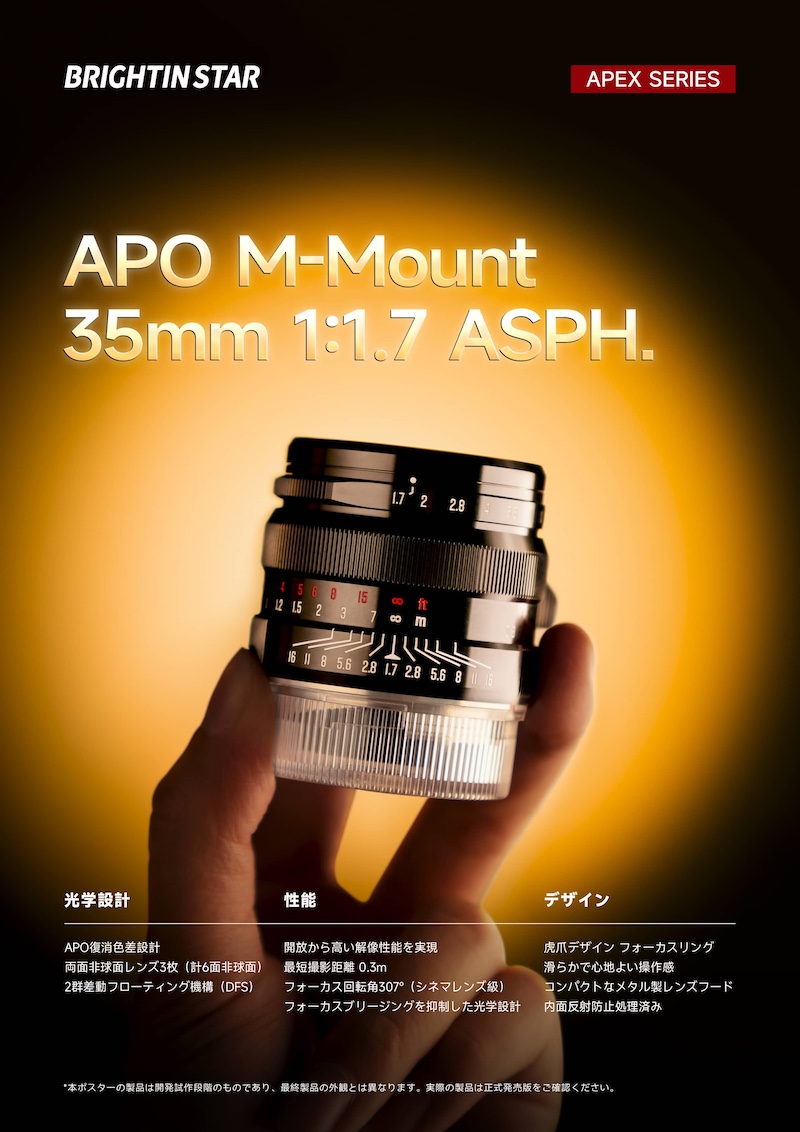
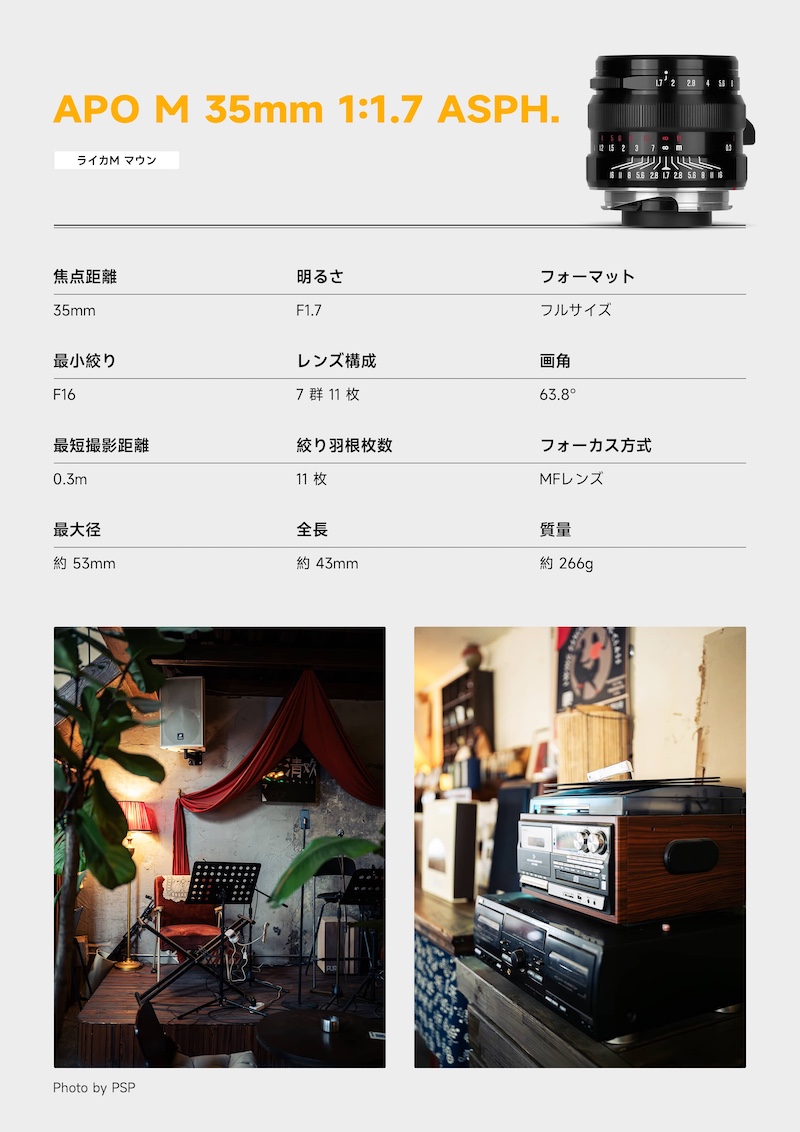
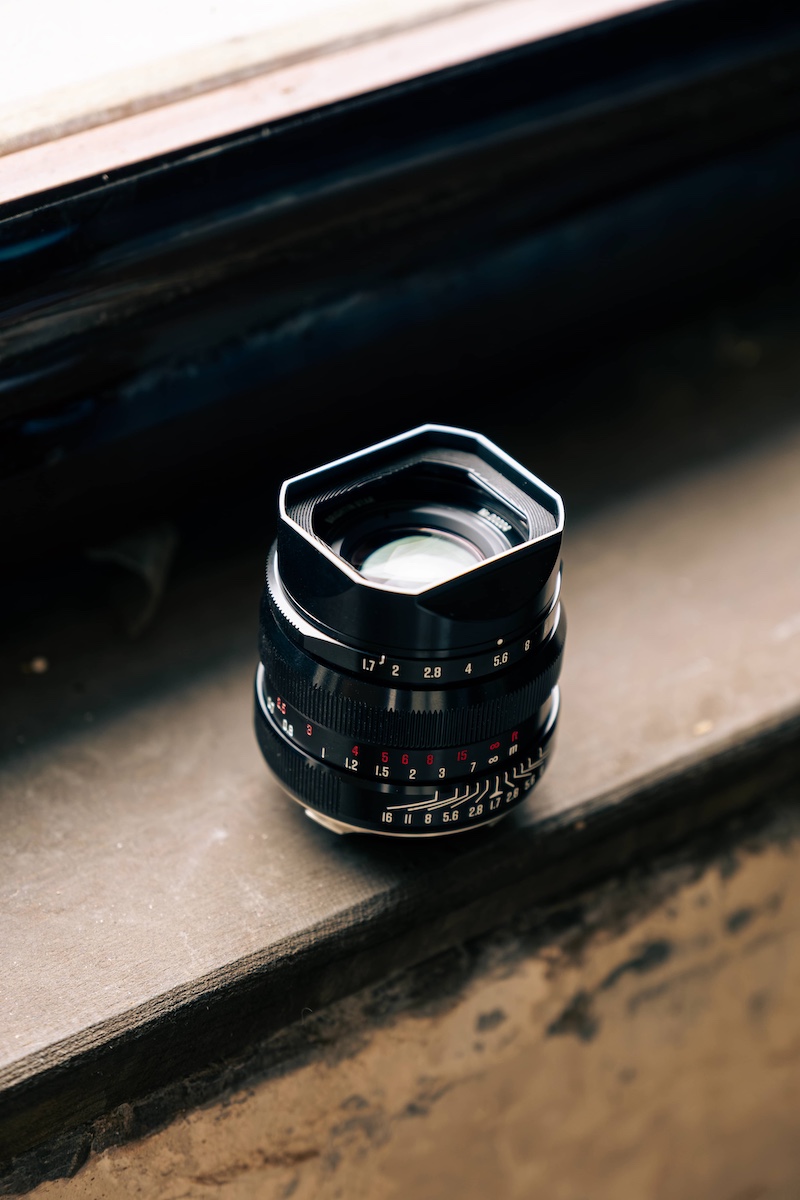
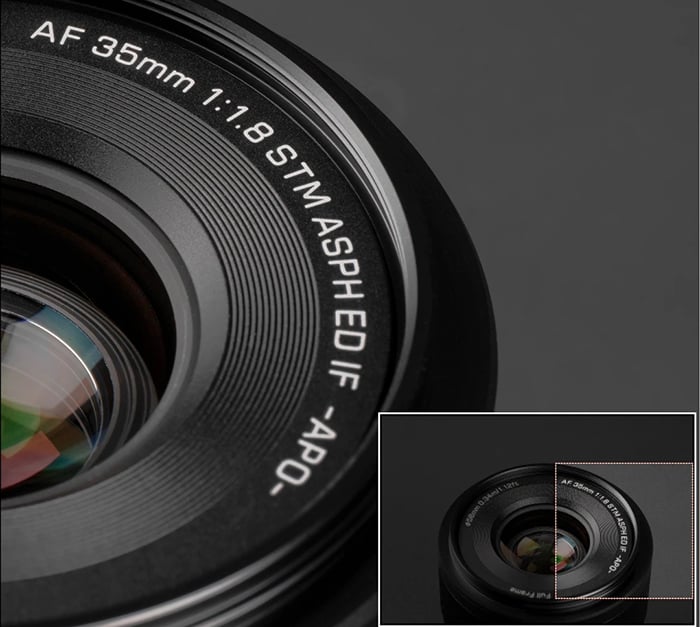
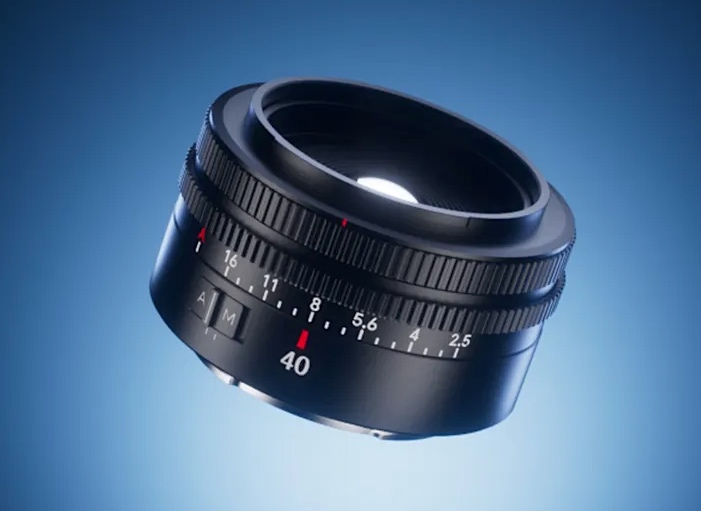
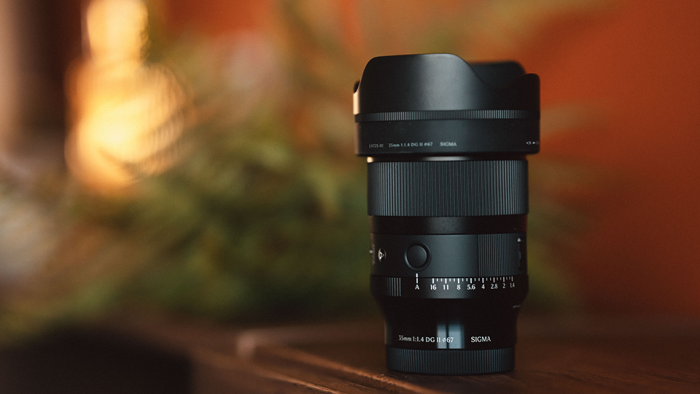
Designed for M-mount systems, this lens incorporates an advanced apochromatic (APO) optical structure combined with aspherical elements to deliver outstanding sharpness, precise color reproduction, and effectively minimized chromatic aberration. It is crafted for photographers who demand both high resolution and refined image character.
Key features:
Advanced Optical Design: APO apochromatic correction with 3 high-precision double-sided aspherical elements and dual floating groups, delivering exceptional sharpness even wide open.
Outstanding Performance: Minimum focusing distance of 0.3m and an ultra-long 307° focus throw (cinema-level precision) for accurate manual control and high-resolution results from wide aperture.
Ergonomic Design: Classic tiger-claw focus ring for smooth handling, paired with a compact metal lens hood to effectively reduce flare.
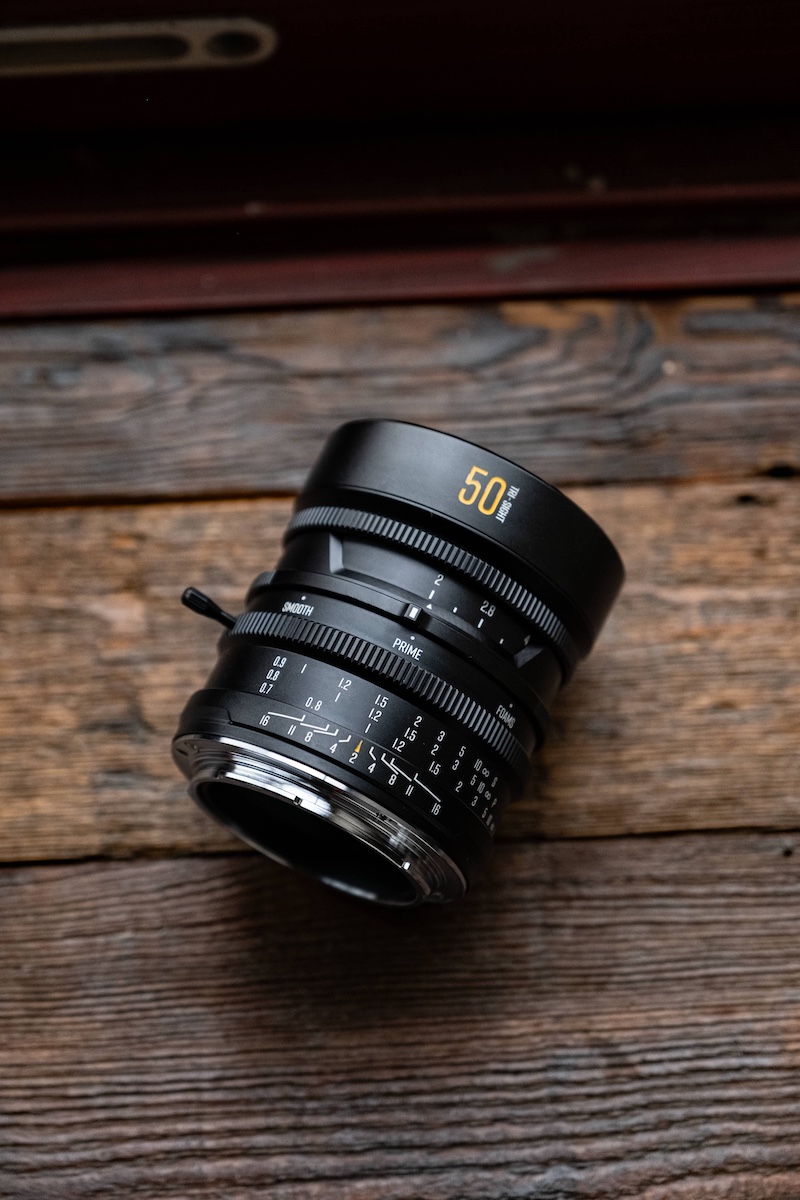
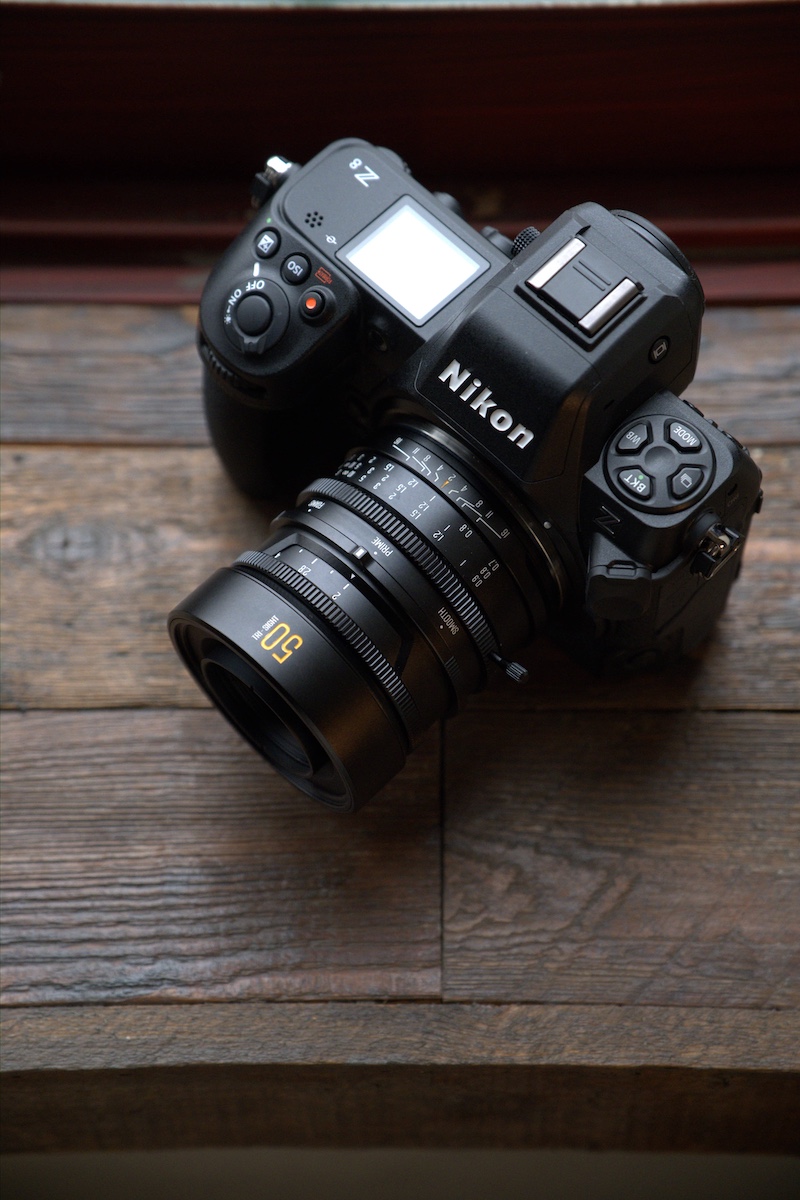
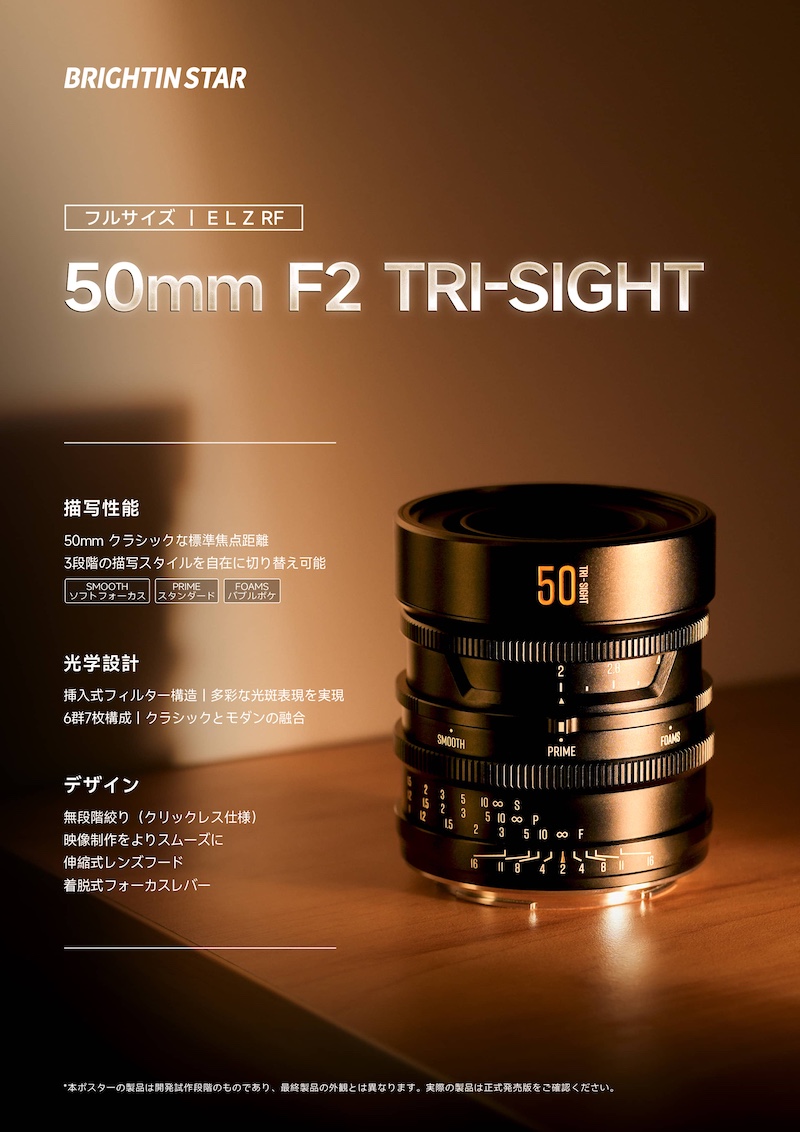
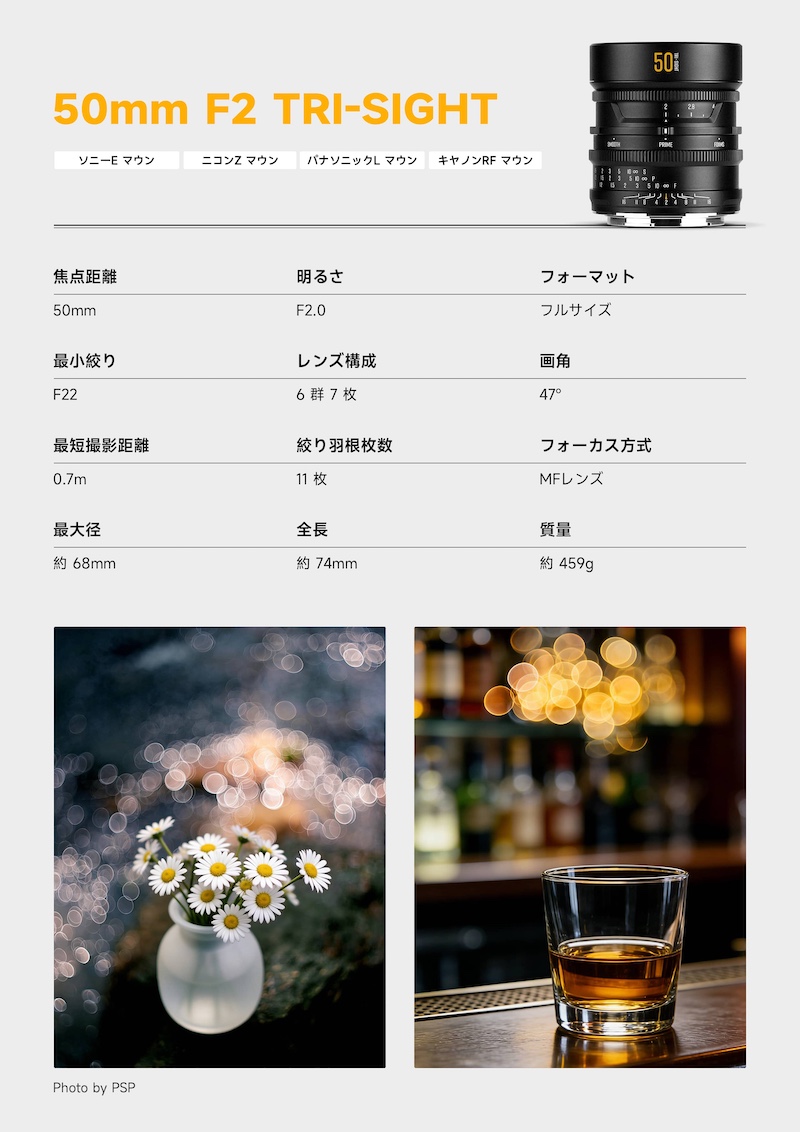
Brightin Star 50mm f/2 TRI-SIGHT lens
The 50mm F2 TRI-SIGHT Lens stands out with its switchable triple rendering modes, allowing photographers to adapt their visual style instantly. With a simple switching mechanism, users can seamlessly transition between these three distinct optical styles within a single lens, offering exceptional creative flexibility without changing equipment:
SMOOTH – Soft-focus effect for a gentle, dreamy atmosphere
PRIME – Standard rendering for natural, balanced image quality
FOAMS – Bubble bokeh effect for expressive and artistic backgrounds
Key features:
Classic 50mm focal length with three switchable focus styles: SMOOTH (soft-focus effect), PRIME (standard rendering), and FOAMS (bubble bokeh effect).
Drop-in filter system for creating distinctive and creative light spots.
Stepless aperture design with a retractable lens hood and detachable focus lever for smoother, more convenient operation.
While Abby, Dale and Mitchell are in Japan to cover CP+, it also provides an excellent opportunity to get out and test some photo gear. The evening before the show, the crew hit the streets of Yokohama's Chinatown to get some shots of the neon lights and reflections.
You're sure to see more images from the photowalk in our full sample galleries for the Viltrox 16mm F1.8 for L mount, Sigma 15mm F1.4 DC DN and Viltrox 35mm F1.2 Lab for Z mount, but for today, here are some of our favorite photos we took while out on the town.
Sample gallery
This widget is not optimized for RSS feed readers. Click here to open it in a new browser window / tab.
During our hunt to find Abby Ferguson a film camera in the used camera stores of the Shinjuku district in Tokyo, we ended up at Five Star Camera where Dale Baskin also found something worth taking home.
Panasonic has announced the DMW-DMS1, a microphone designed to attach to the digital hotshoe on recent Lumix cameras. It features support for 32-bit float recording on certain cameras and has a four-microphone array, allowing for multiple computational pickup patterns.
The microphone is small, measuring 45 x 64 x 74mm (1.8 x 2.5 x 2.9"), and weighing just 100g (3.5oz) without the included windscreen. It plugs directly into the hotshoe, without the need to run a separate cable down to the camera's microphone input jack. It has physical switches for wind reduction, noise reduction and gain, as well as a gain dial.
Image: Panasonic
On the back are six backlit buttons that control the pickup pattern. The buttons' brightness can be adjusted for indoor or outdoor working. The microphone has different modes for capturing sounds and subjects in front of and/or behind the camera, while suppressing noises from other directions.
The capsules are 10mm, which Panasonic says strikes a balance between cost, quality and dynamic range.
The company says this is possible thanks to "beamforming technology," which we suspect is similar to how other companies implement similar features on cameras with built-in multi-capsule microphones. The capsules themselves are 10mm, which Panasonic says it chose to strike a balance between cost, quality and dynamic range.
The microphone combines dual analog-to-digital converters with 32-bit float recording, which come together to capture both loud and quiet sounds separately with plenty of latitude to prevent clipping. While the microphone capsules themselves can still clip – Panasonic says this happens above 120dB, which is around the loudness of an emergency vehicle's siren – anything the microphones are physically capable of picking up can be recorded. Of course, it can also record in a more traditional 24-bit mode, too, which is where the gain dials come into play.
It also includes a wind noise canceler, which Panasonic says uses a new method that's better at isolating the wind, without adjusting or muffling the sounds you're actually trying to record. Of course, as a software solution, it can only do so much, but thankfully, the company includes a fluffy windscreen with it.
The microphone supports four-channel recording, and can use two of the channels as a backup track.
The microphone supports four-channel recording, with the option to use two of the channels as a backup track. These are primarily designed for use in 24-bit mode, and give the options to either record the results of omnidirectional pickup to two channels, one at reduced volume, or to mimic the main recording but 20dB quieter, to protect from clipping.
The microphone itself doesn't have any built-in memory, so the recordings are done in-camera. The settings for 32-bit float and backup recording are managed in-camera, a decision Panasonic says was made after consulting with audio professionals.
The capsule itself is vibration-damped as it goes into the body of the microphone, rather than the damping happening where the unit itself connects to the camera. In theory, this makes it less likely for it to pick up handling sounds if you flip a switch or press a button on the microphone.
Image: Panasonic
When it launches, the microphone will be compatible with the Panasonic S1II, S1RII, S1IIE, S5II and S5IIX, though the latter two don't support 32-bit float recording or the backup function. The cameras will require a firmware update to use it, which will be available on March 9th. Panasonic says the GH7 and G9II will gain support for the microphone at an unspecified point in the future, and told us that it'd be safe to assume that the former will have support for 32-bit float.
The DMW-DMS1 will be available in March and will retail for $399.
Press release:
Panasonic Introduces New Digital Shotgun Microphone: DMW-DMS1
Newark, N.J. (February 24, 2026) – Panasonic is pleased to introduce the new LUMIX DMW-DMS1, an all in-one microphone for any shooting scenario. The DMW DMS1 is designed for creators and professionals who want uncompromising audio quality without complexity. Whether you’re filming a travel vlog in a busy city, recording an interview in a quiet studio, or capturing the excitement of a live event, this microphone adapts to your needs so you can focus on your story. As of February 2026, the DMW-DMS1 is compatible with LUMIX S1II, S1RII, S1IIE, S5II and S5IIX. *1 Compatibility with GH7 and G9II is planned in the future.
The DMW-DMS1 features a newly developed large-diameter 10mm microphone array that delivers crisp, focused audio even in challenging environments. For run-and-gun workflows, an internal floating shock-mount minimizes vibration noise from movement, while the included windscreen reduces wind interference. The new wind noise cancellation system leverages float-recording technology, suppressing wind without compressing the intended signal, maintaining an open, natural vocal tone even in adverse weather.
To accommodate a wide range of recording situations, the DMW-DMS1 offers six directional modes, reducing the need for additional accessories and setup. It supports 32-bit float recording*2 to capture audio without distortion at sound pressure levels up to approximately 120 dB, comparable to a front-row concert or close proximity to an emergency siren — conditions that can challenge conventional microphones.
To prevent any missed takes due to accidental setting errors, or to capture ambient sound, the device offers two backup recording modes*2. When recording in 4-channel mode, channels 3 and 4 can be used as backups to reliably capture important audio.
Lightweight at approximately 100g, the compact form factor draws power and transmits digital audio via the hot shoe, eliminating cable management. Physical switches are intuitive, and directional mode buttons feature adjustable brightness for low-light environments. A dedicated pouch provides convenient storage and transport with the windscreen attached.
Main Features
1. High Sound Quality
High-precision sound captured with large-diameter 10mm mic array
Minimizes vibration noise thanks to an internal shock-mount mechanism
Minimizes wind noise using a windscreen
2. Flexible Directionality and Professional Reliability
Six directional modes for any recording situation (Forward Directionality Cardioid/ Stereo/Wide Stereo/ Forward Directionality Supercardioid/ Rearward Directionality Supercardioid/ Bidirectional Supercardioid)
32-bit float recording and backup recording mode*2
3. Easy-to-use Design
Cable-free hot shoe connection
Intuitive physical switches
Pocket-sized design (approx. 73.7 x 45 x 63.7mm, approx.100g)
*1 Firmware must be updated to the latest version which will be released on March 10th, 2026.
*2 Compatible cameras for this feature (as of February 2026): DC-S1M2, S1M2ES, and S1RM2. Firmware must be updated to the latest version.
As the team settles in and gears-up for the start of the CP+ show, Abby took the chance to explore some of the second-hand camera stores in Tokyo's Shinjuku district, to see if she could bring home a classic.
Canon celebrates 23rd consecutive year of #1 share of global interchangeable-lens digital camera market:
Canon U.S.A., Inc. today announced that its parent company, Canon Inc. is celebrating that the company’s interchangeable-lens digital cameras (digital SLR and mirrorless cameras) have maintained the No. 1 shareFootnote1 of the global market for 23 consecutive years from 2003 through 2025.
Canon’s EOS series of interchangeable‑lens digital cameras is an imaging system based on the basic concept of “Speed, Comfort, and High Image Quality,” for which the company has developed proprietary key components, including CMOS image sensors, the DIGIC image processors, and interchangeable lenses.
Putting together a wide‑ranging product lineup—from high‑performance flagship models that are highly trusted by professionals to entry‑level models that allow users to enjoy full‑scale shooting with easy operation, as well as a rich selection of 113Footnote2 RF and EF lenses that enable a wealth of creative expression—Canon continues to support the diverse needs of customers.
During the dawn of digital SLR cameras, Canon introduced its breakthrough EOS Digital Rebel / EOS 300D / EOS Kiss Digital (product name varies by region) in September 2003. By launching this groundbreaking camera, which was competitively priced and featured a compact, lightweight design, Canon spurred growth in the digital SLR market, capturing the top share of the global market and heralding the age of digital SLR cameras.
Canon has since continued to introduce innovative products, including the professional model EOS-1D series, as well as the EOS 5D series, which played a leading role in popularizing video recording with digital SLR cameras.
In October 2018, the company launched the EOS R System, which further expands the boundaries of visual expression, followed by the full‑frame mirrorless EOS R5—the world’s firstFootnote3 camera to feature 8K video recording, released in July 2020, and the flagship EOS R1, released in November 2024, which combines advanced autofocus performance, high image quality, and high reliability to meet the demanding needs of professionals. Canon continues to pursue new possibilities in imaging expression.
In 2025, Canon expanded the EOS R System even further by releasing the APS‑C mirrorless EOS R50 V (May 2025), the first model in the new EOS V series that offers creative video functions, along with the full‑frame mirrorless EOS R6 Mark III (November 2025), which condenses excellent shooting performance into a single camera to meet the wide‑ranging needs of advanced amateur users.
In addition, Canon released seven models of RF lensesFootnote4 in 2025. Through these continued efforts to enhance the EOS R System, Canon secured the No. 1 global market share for interchangeable‑lens digital cameras for the 23rd consecutive year since 2003Footnote1. Going forward, Canon will continue to refine its proprietary imaging technologies while bringing fulfillment and excitement to people’s daily lives as well as promoting the spread of photo and video culture by providing products, services, and solutions that meet its customers’ diverse needs.
As previously reported, Cosina will announce and display new Voigtlander lens prototypes at the 2026 CP+ show in Pacifico Yokohama starting February 26, 2026. Here is a recap of the new/upcoming lenses:
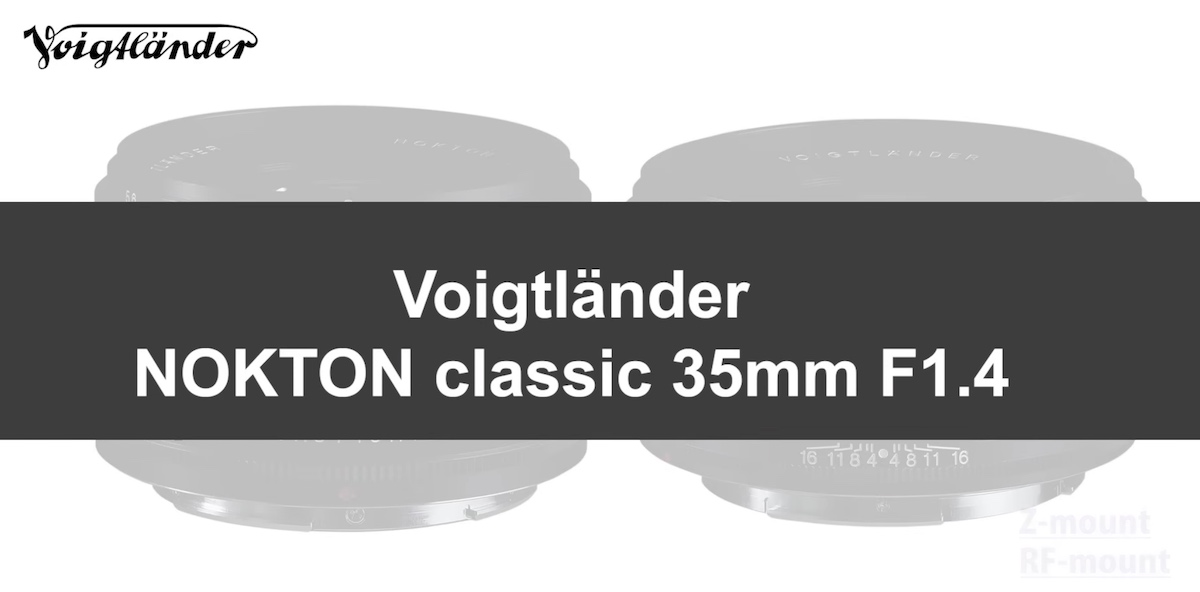
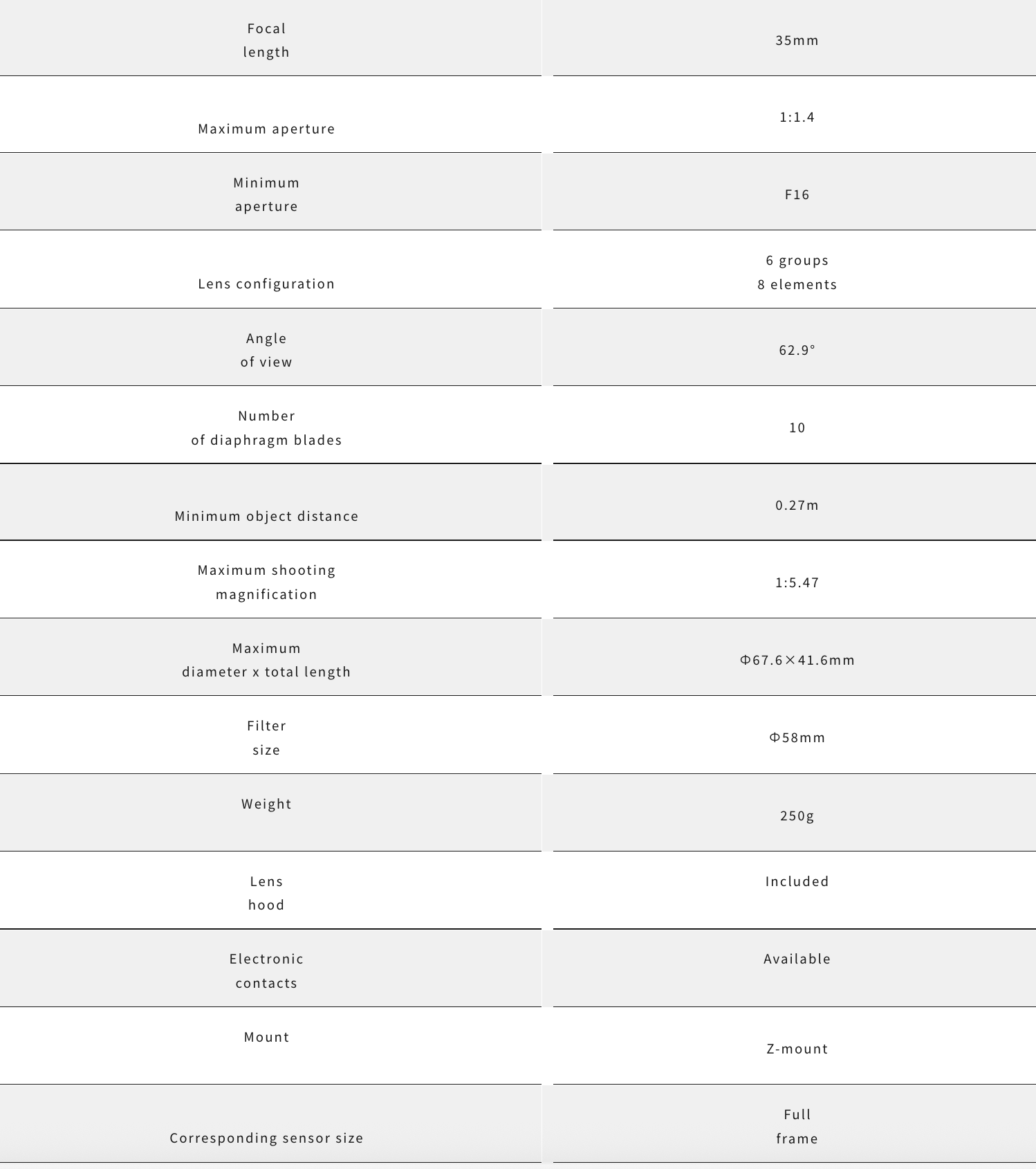
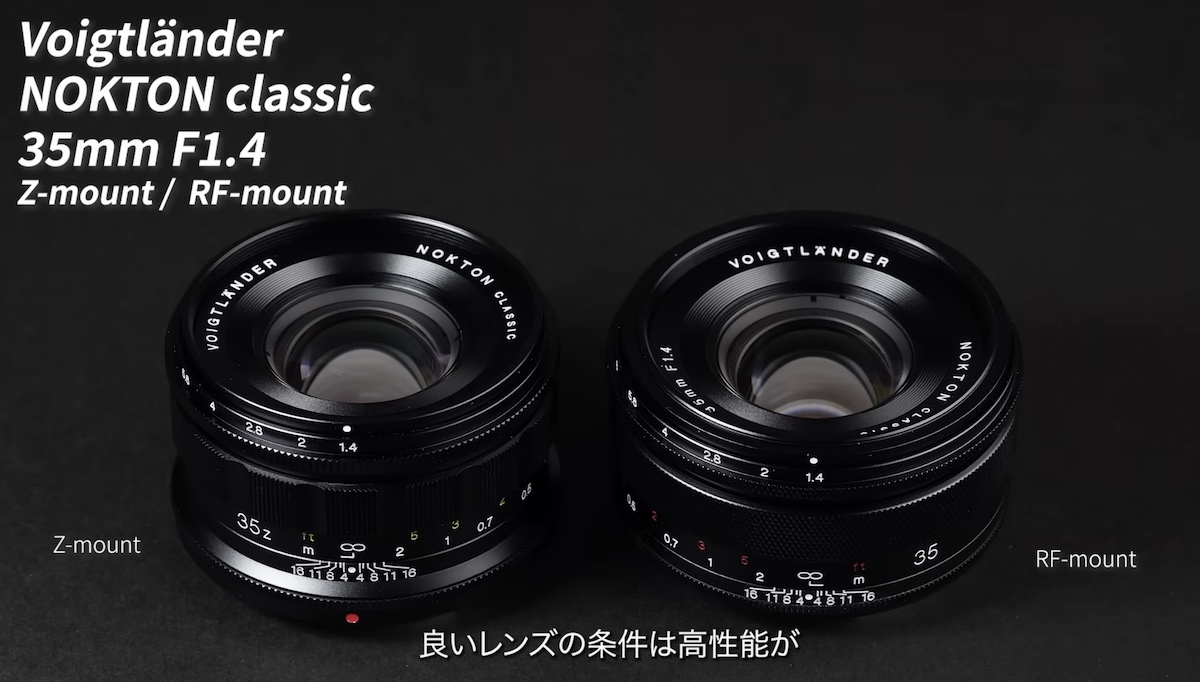
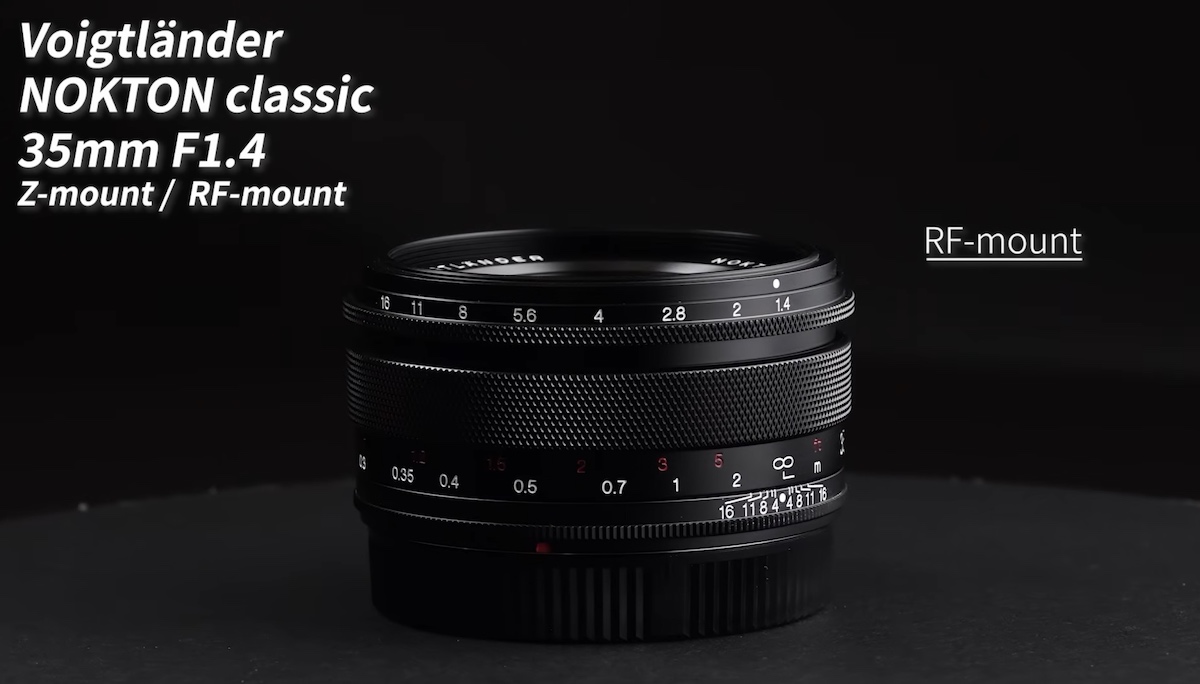
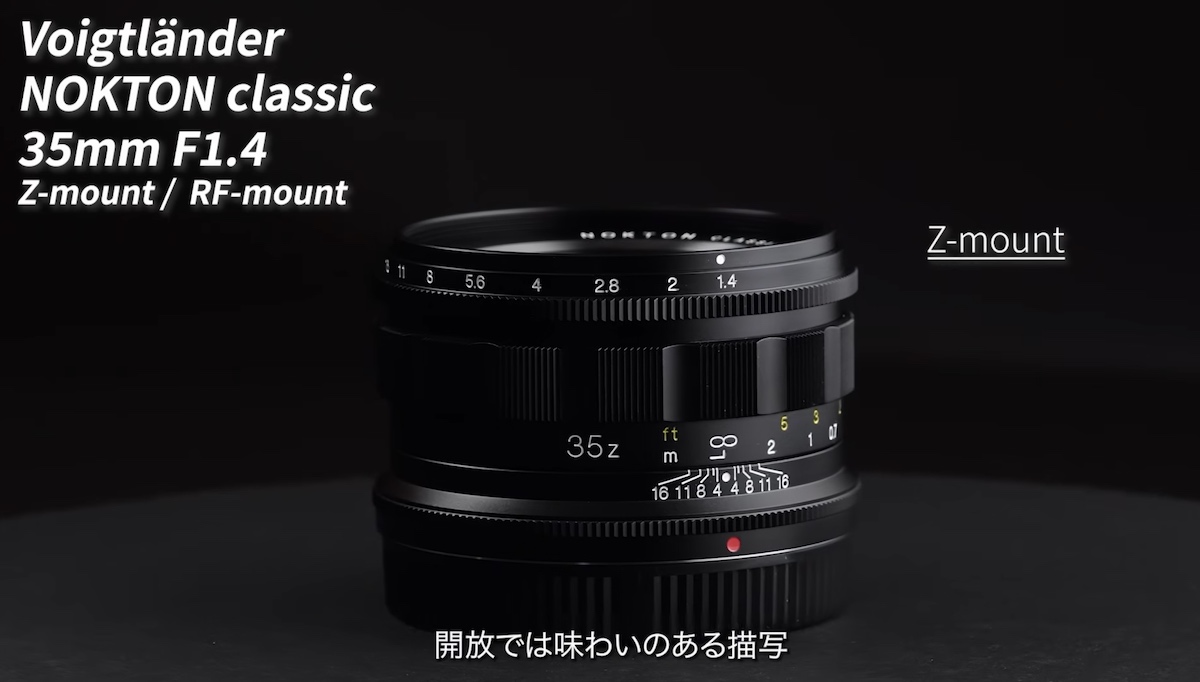
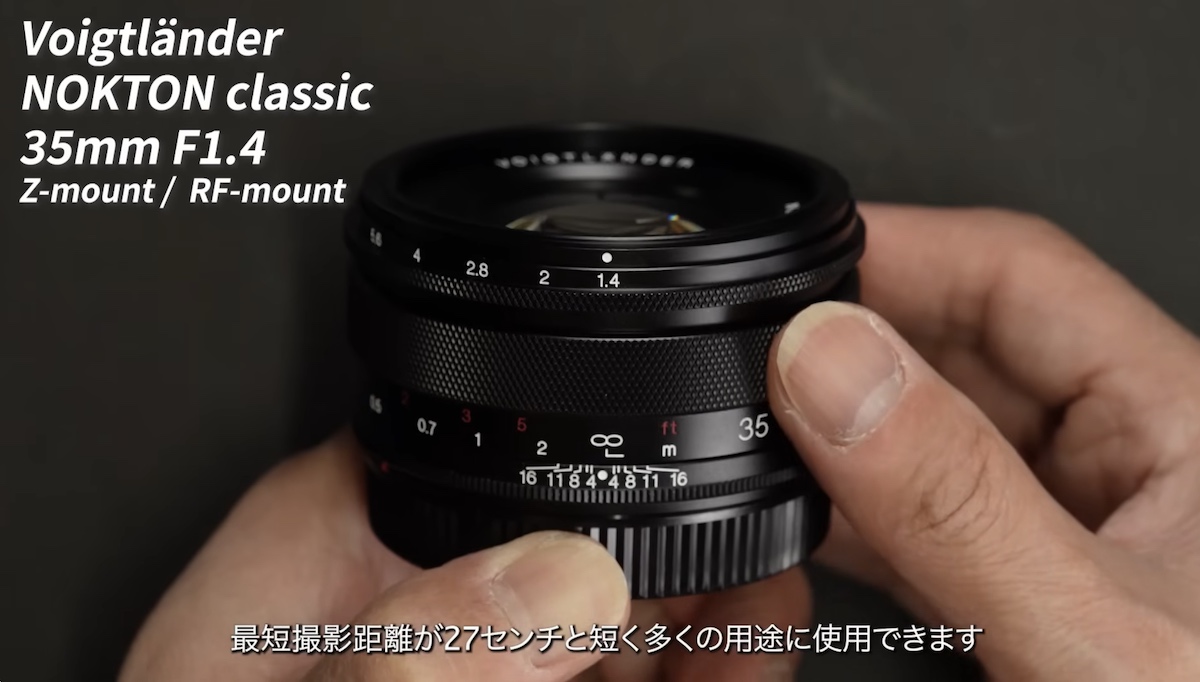
Voigtlander Nokton Classic 35mm f/1.4 lens Z/RF mount
Background: Part of the Nokton Classic series sold since 2004; previously available in VM mount and Sony E mount. These are two new variants as reference exhibits.
Design and Optics: “Octolender” style (likely “Voigtlander” or classic rendering); intentionally leaves some aberrations for a “tasteful” soft depiction at full aperture (f/1.4), transitioning to a crisp, modern look when stopped down. Creates beautiful, unique images distinct from high-performance lenses.
Focusing: Minimum focusing distance of 0.27m (27cm); suitable for a wide range of uses.
Electronics: Equipped with electronic contacts for in-camera focus assist functions, including EXIF data recording (transcribed as “childcare recording,” likely a mistranslation of metadata or focus aids).
Recommended For: Photographers seeking lenses that produce distinctive, non-standard images.
Other Notes: Prototype exhibits; hands-on available at CP+2026. Emphasizes enjoyment of dual rendering characteristics (soft wide-open, sharp stopped down).
Pictures:
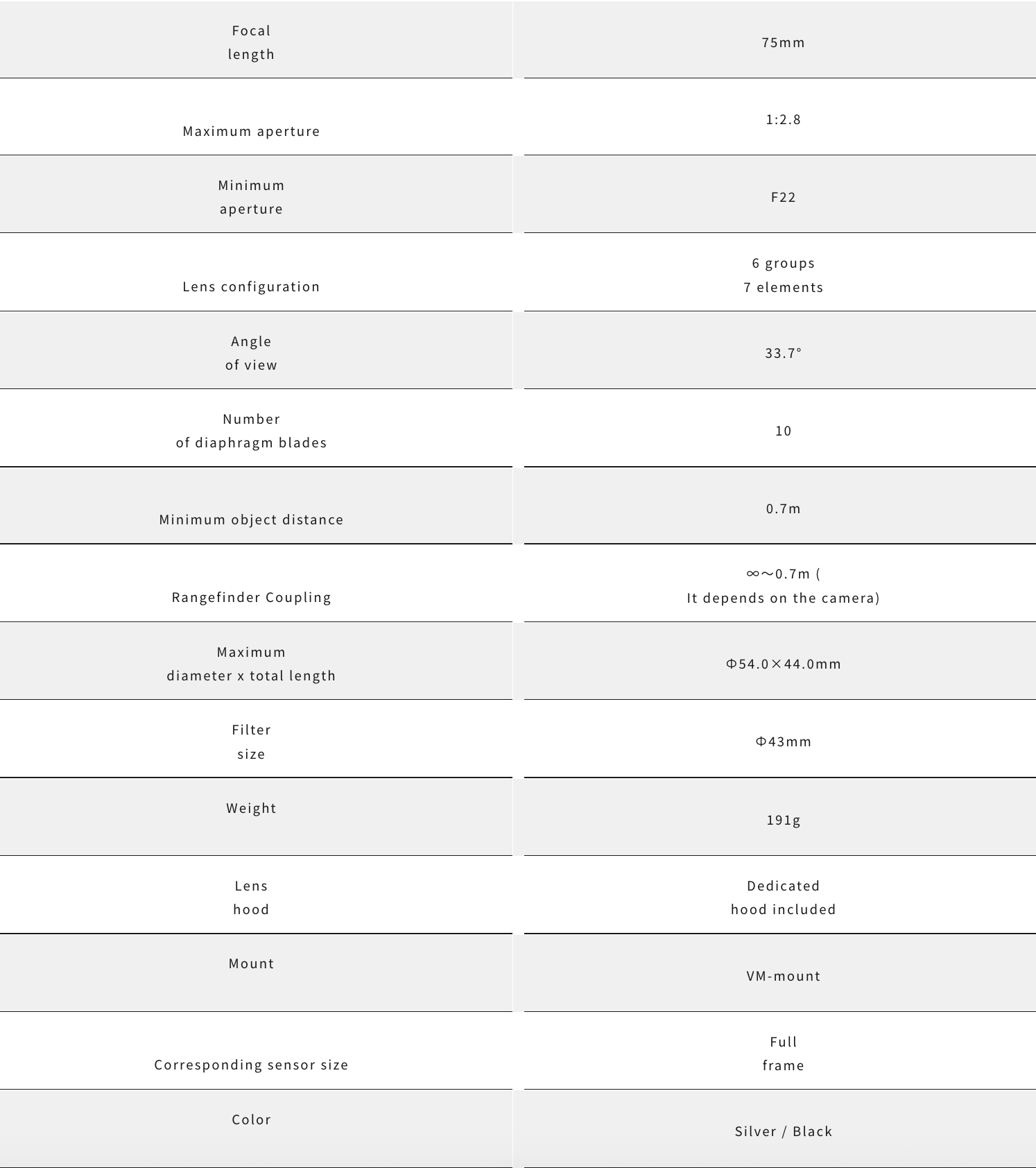
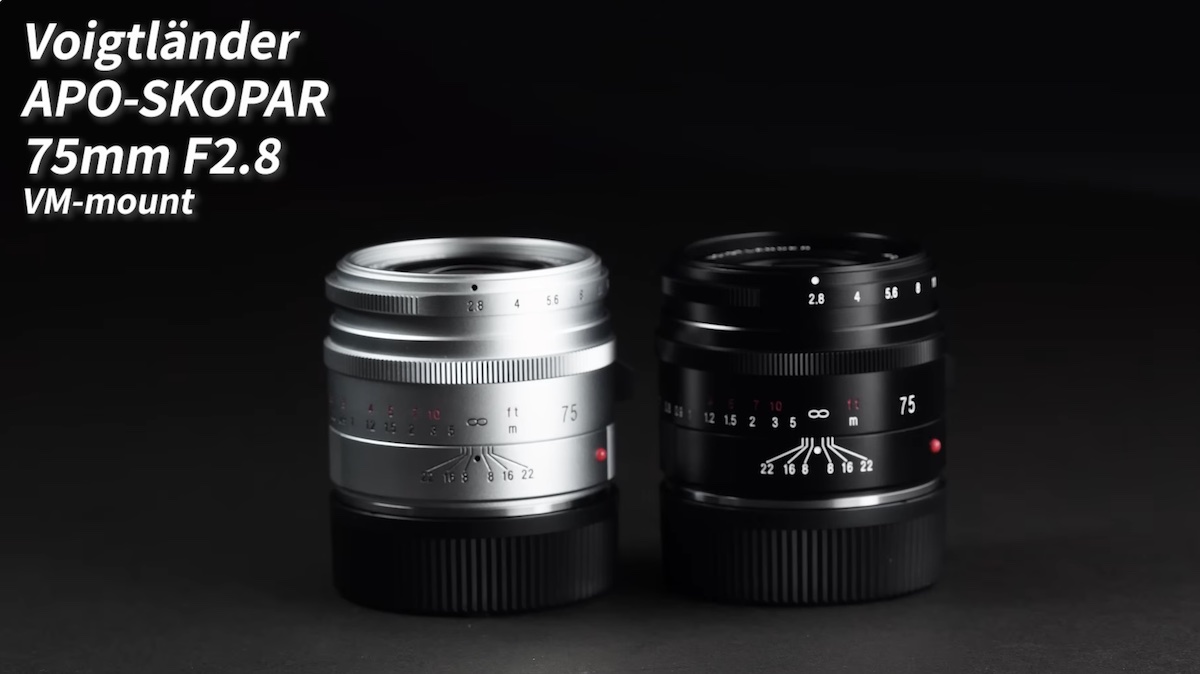
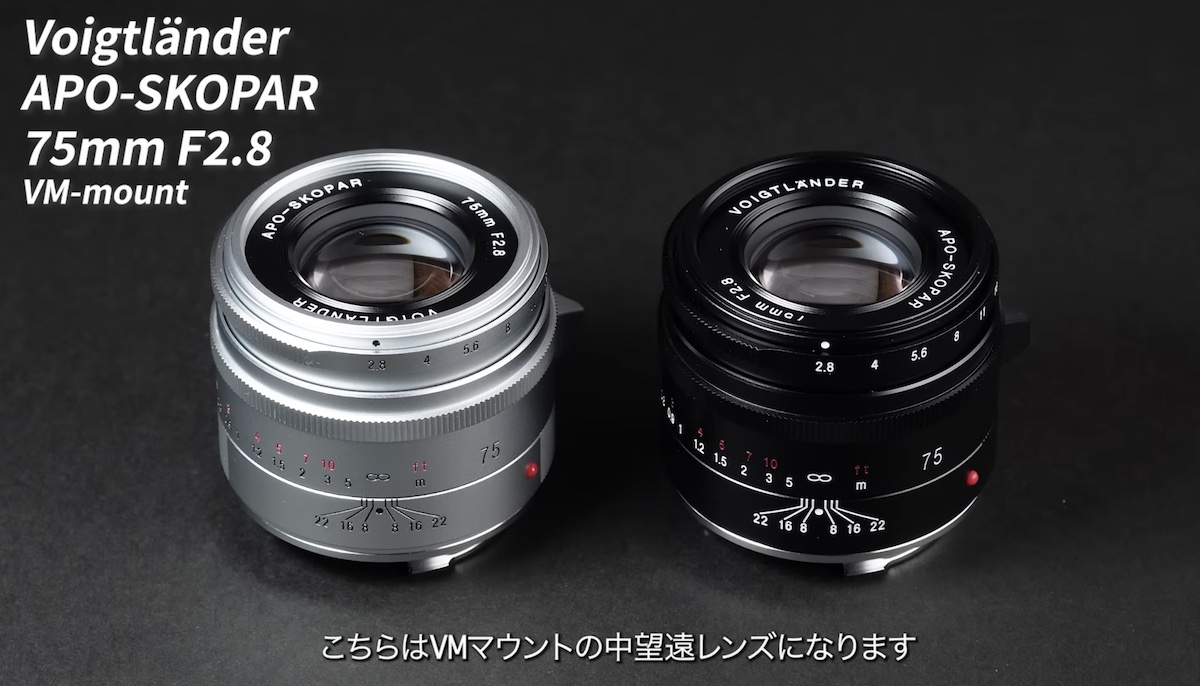
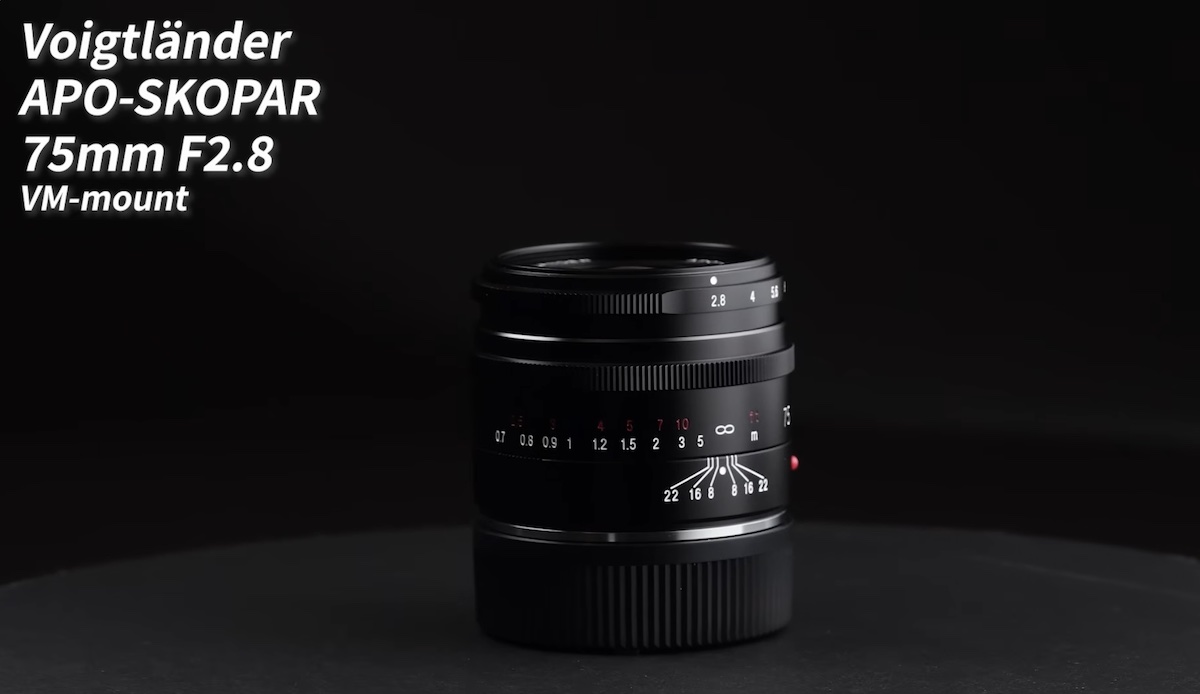
Voigtlander Apo-Skopar 75mm f/2.8 lens VM mount
Design and Optics: Apochromatic (apo) design that reduces chromatic aberration (field color correction).
Size and Build: Compact size equivalent to a standard lens; overall length around 44mm; filter thread 43mm. Reduces viewfinder vignetting when attached to rangefinder cameras; highly portable.
Exterior: Aluminum construction, available in silver and black finishes.
Accessories: Includes a compact “Michibe-type” hood (likely a vented or bayonet hood).
Recommended For: Users seeking high-performance in a compact form factor.
Other Notes: Prototype exhibit; hands-on available at CP+2026.
Pictures:
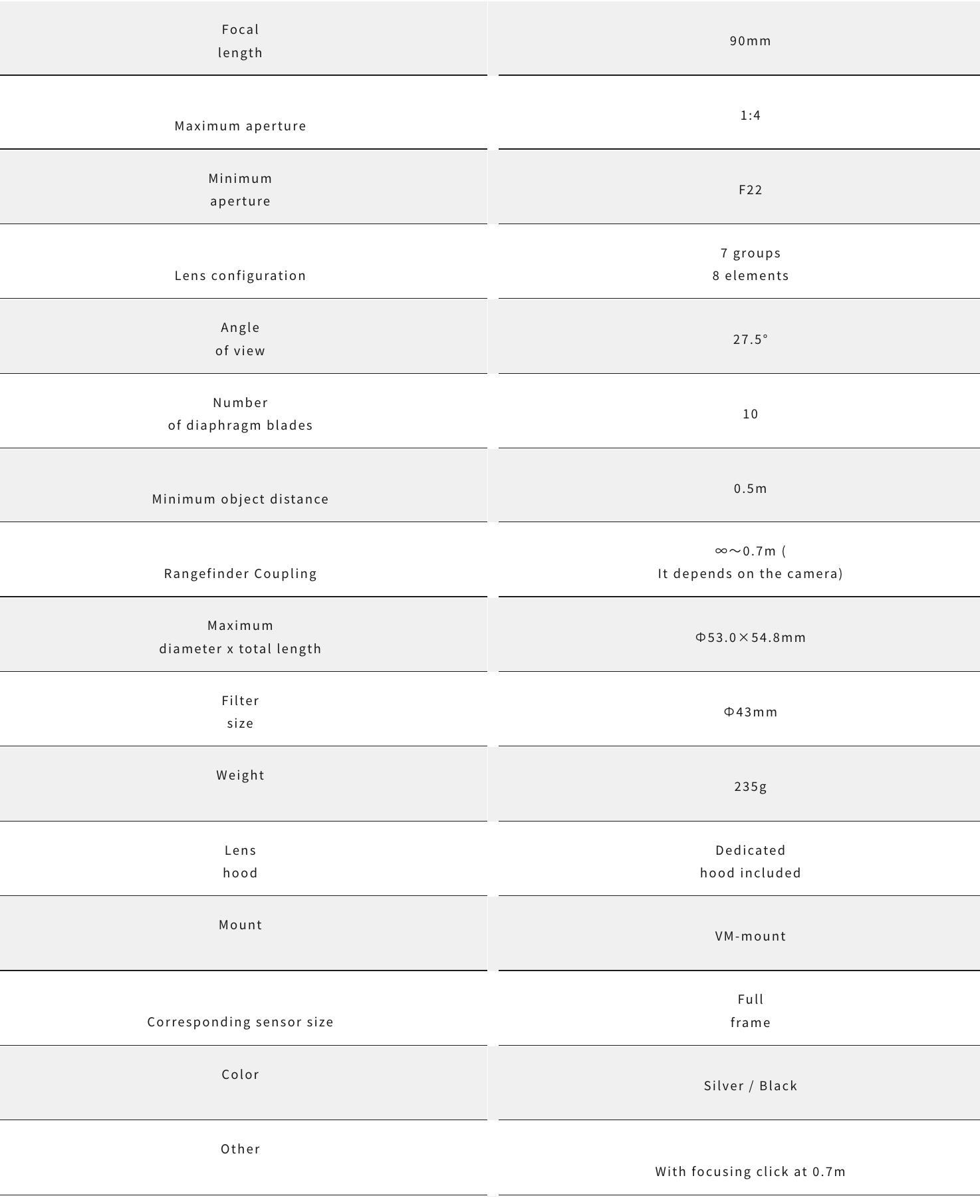
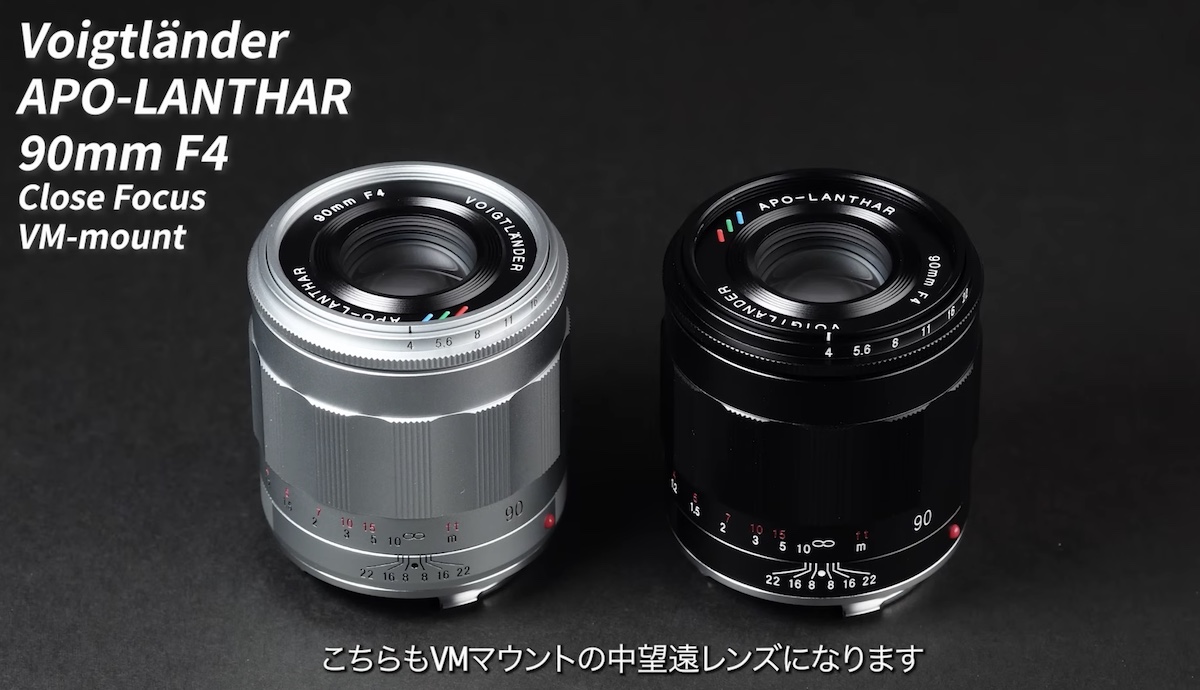
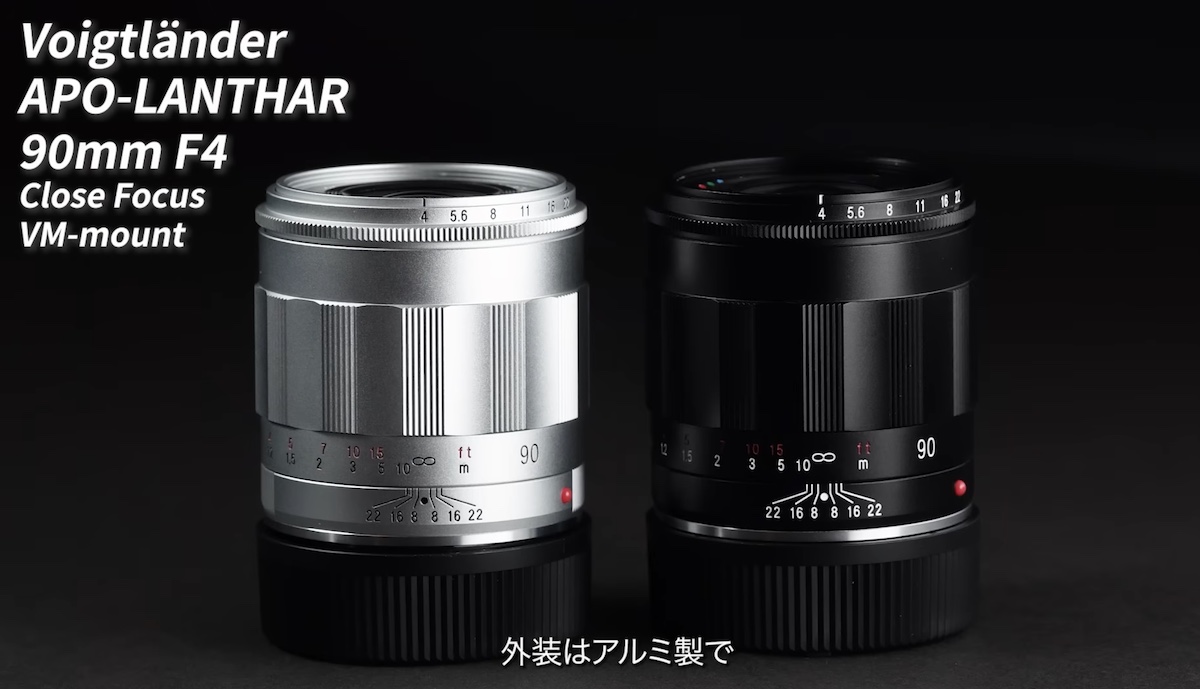
Voigtlander Apo-Lanthar 90mm f/4 close focus lens VM mount
Design and Optics: High-performance apochromatic (apo) design that reduces axial chromatic aberration (initial deviation); bears the “Apo-Lanthar” name indicating premium optical quality.
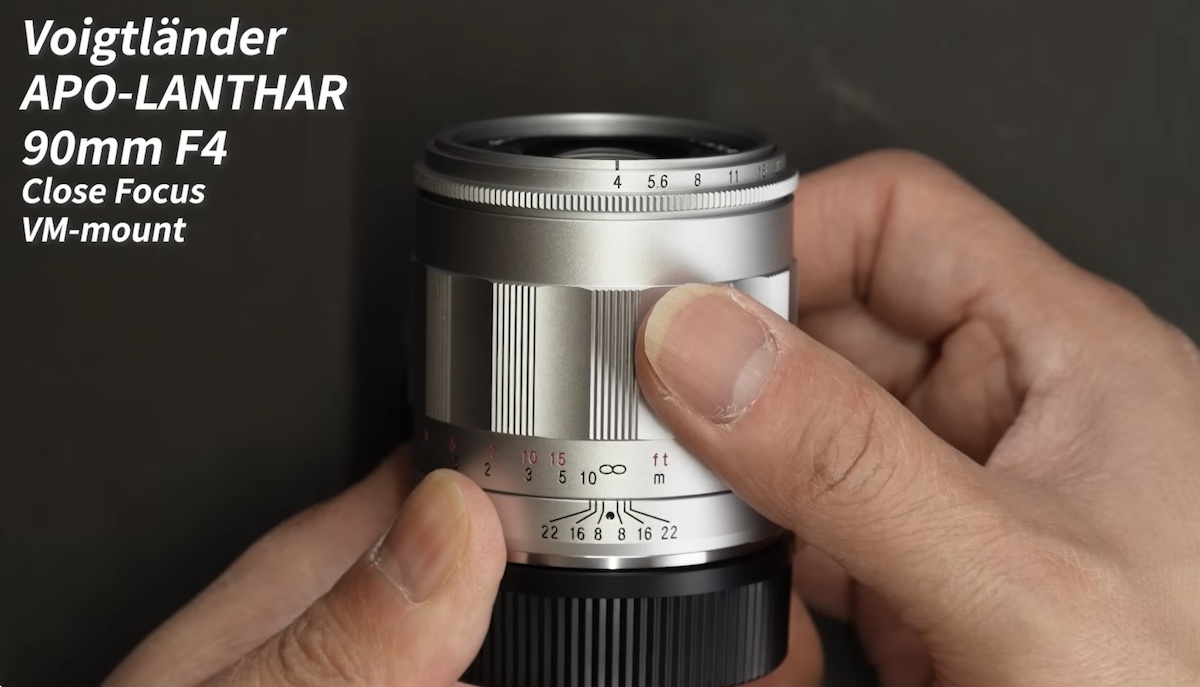
Focusing: Minimum shooting distance of 0.5m; features a tactile click at the 0.7m rangefinder linkage range for easy identification by feel.
Size and Build: Aluminum exterior, available in silver and black. Approximately 1cm longer than the Apo-Skopar 75mm but still very compact for a 90mm lens.
Accessories: Hood available (details not specified).
Recommended For: Users wanting a compact lens with Apo-Lanthar-level performance.
Other Notes: Prototype exhibit; hands-on available at CP+2026.
Pictures:
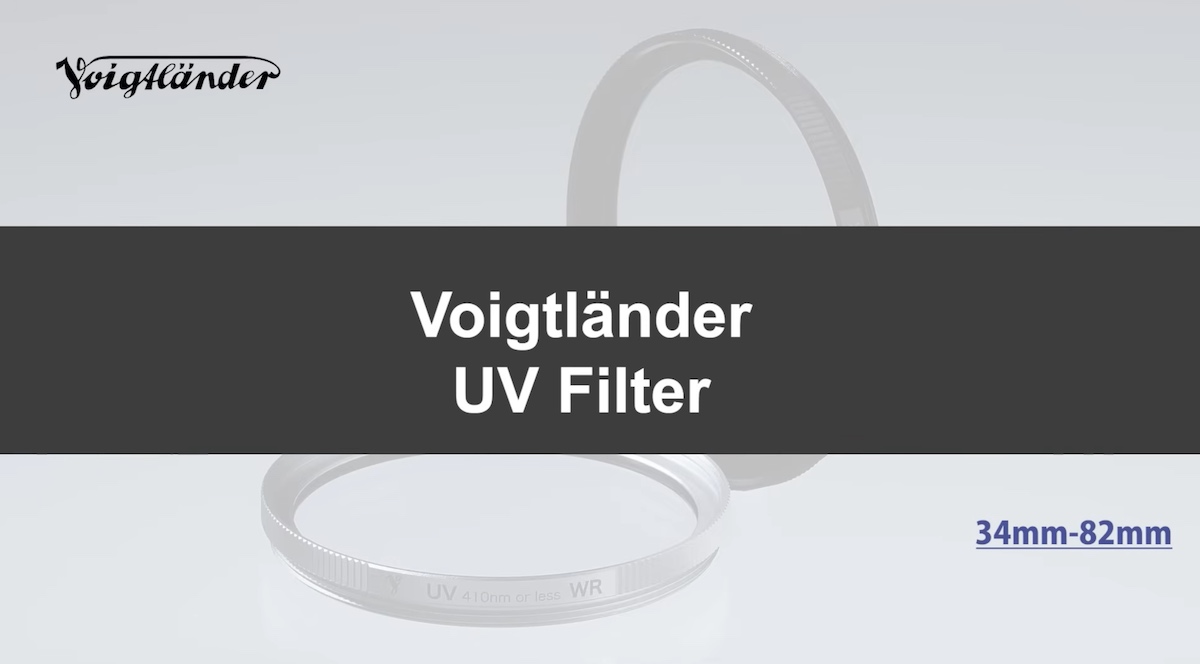
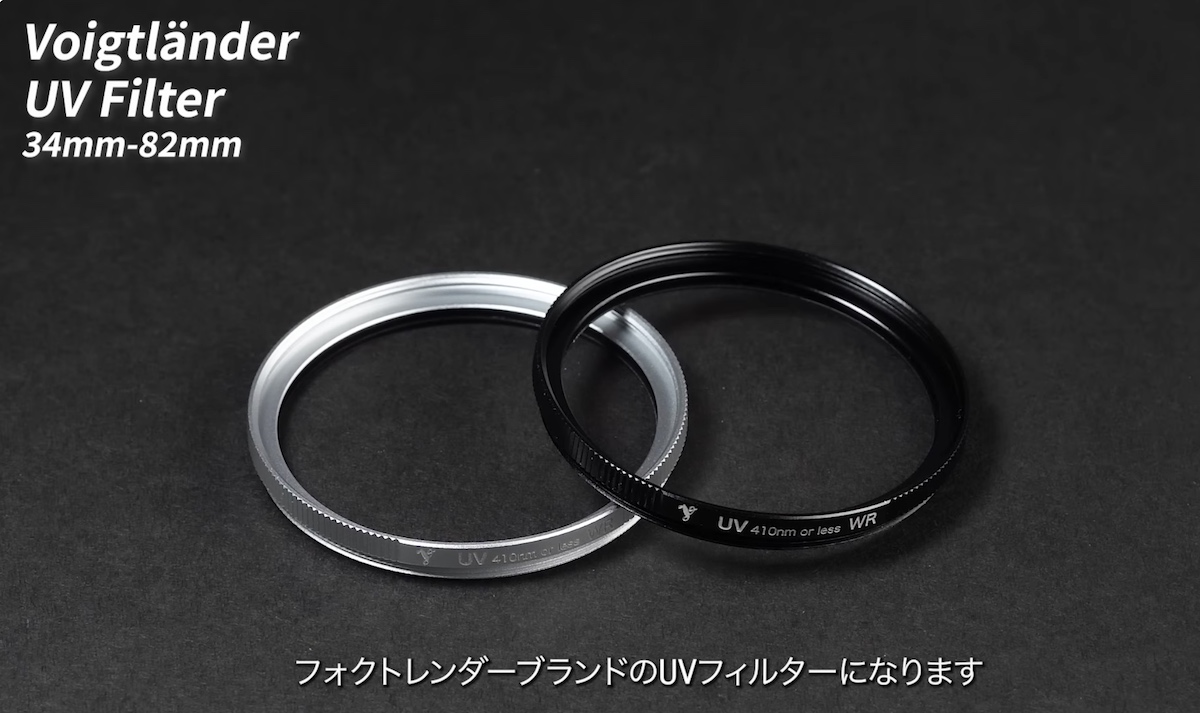
Voigtlander UV filters
Function: Absorbs UV rays below 417nm with a sharp cut-off, preventing color shifts; effective as a protective filter, especially for cameras sensitive to UV affecting color reproduction.
Build: High-quality flat-polished glass to avoid impacting lens performance; water-repellent coating for easy cleaning.
Sizes and Variants: Available in diameters from 34mm to 82mm; silver finish options from 34mm to 58mm. Knurling and finish match Voigtlander lenses for aesthetic consistency.
Other Notes: Prototype exhibit; blocks UV at the light entry point for better effect.
When you use DPReview links to buy products, the site may earn a commission.
Updated: February 24, 2026
Whether you're just sharing clips with friends or you're launching an online on-camera career, vlogging matters. And there's a point at which your smartphone may not give you the look, control, or flexibility you're after. With 180-degree selfie screens, wide-angle lenses, microphone inputs and great video quality, more and more dedicated cameras are catering to people who want to take video of themselves and post it online.
The meaning of vlogging has changed over the years, so our picks cover a variety of styles – we'll explain what makes each camera good for vlogging, and what key features each has that make taking video of yourself easier. We've also included videos shot on the cameras in question when we have them to give you an idea of what kind of performance to expect.
DJI’s Osmo Pocket 3 is a stabilized handheld vlogging camera, designed for on-the-move vlogging. It’s built around a type 1 (13.2 x 8.8mm) sensor mounted on a tiny gimbal, meaning it can deliver stabilized footage with smoother motion than any conventional camera or phone.
The small sensor means the Pocket 3 works better in well-lit situations, though a reasonably bright F2.0 lens means it's usable indoors, too.
It can shoot 4K 16:9 video or, by rotating the screen into the upright position, 3K vertical 9:16 footage. A small joystick lets you control the camera's movement, and tapping the joystick button flips between the camera pointing toward you or away from you.
Its reliance on contrast-detection autofocus means its focus can be prone to hunting, though its face-detection mode works well enough that this is rarely a problem when talking to the camera.
In addition to the smooth stability of its gimbal and its genuine pocketability, one of the Osmo's main benefits is that it's compatible with a series of Bluetooth microphones, meaning you can capture good-quality audio without the need for additional transmitters or receivers.
The video quality isn't always the highest, and the autofocus can occasionally lead to frustration, but overall the quality and convenience of the Pocket 3 as a package is really hard to beat.
The Canon PowerShot V1 is a mid-sized vlogging compact with a relatively large sensor and wide zoom lens.
It offers a competitive suite of vlogging features, a built-in ND filter and good stabilization options. It's also comfortable to hold pointing towards you, and lets you access key settings from the touchscreen. It includes microphone and headphone jacks and a fan for extended recording sessions.
AF performance is good, with reliable tracking AF and effective subject recognition. The camera is generally pretty responsive, with the zoom reacting quickly to input.
The V1's wide lens means you can crop-in for its 4K/60p mode and still maintain a wide-angle view. The full-sensor footage exhibits quite high levels of rolling shutter, so you may have to use the cropped 50/60p mode for capturing shots with lots of movement.
The V1 is a capable option with a useful zoom range, and there's a lot to be said for an all-in-one option. You do give up some flexibility for other types of filmmaking, but it should cover most of your bases when it comes to vlogging.
We also considered Sony's range of entry-level vlogging cameras with Type 1 sensors, the ZV-1, ZV-1F, and ZV-1 II. The latter is the best pick of the bunch, given its wideangle zoom lens and built-in ND, but it's hard to recommend. Its quality will be slightly better than that of a flagship phone, but if you're going to be carrying an extra gadget around anyway, it's probably best to spend a bit more for a more flexible or capable camera.
For ambitious vloggers and videographers: Sony ZV-E10 II
The Sony ZV-E10 II is focused on vlogging, with solid 4K/24p and 4K/60p shooting capabilities, and a suite of features for taking footage of yourself.
The ZV-E10 II has an excellent grip, easy-to-hit buttons and a touchscreen that lets you control the most important settings without turning the camera around. The zoom rocker is great for power zoom lenses.
Subject tracking autofocus is fast, sticky, and accurate, though it doesn't have all the modes available on other Sony cameras. Product showcase prioritizes items held up in front of your face and has lots of options. Menus are easy to learn and responsive, and battery life is good.
The ZV-E10 II pairs useful, video-focused features with excellent hardware, making it an excellent vlogging camera depending on your style.
The rolling shutter performance is good, bordering on excellent. The lack of IBIS can make handheld footage look shakey, and electronic stabilization is only useful for stable shots. The built-in microphone is good, and the camera has headphone and mic jacks.
The ZV-E10 II brings many – but not all – of the a6700's vlogging features to a more compact and less expensive body. If you can live without IBIS and built-in ND, it's a solid interchangeable lens vlogging camera.
We also considered Canon's (noticeably cheaper) EOS R50V, but chose the Sony because of its much faster sensor that provides better rolling shutter performance and requires less cropping to shoot at 4K/60. We also looked at Nikon's Z30, but its lack of headphone socket and 10-bit video means we lean towards the Sony. The Nikon Z50II has strong video specs and some of the features the Z30 lacks, such as a headphone jack, but its form factor and heavy crop in its 4K/60 mode make it not particularly well-suited to vlogging.
Best high-end vlogging camera: Nikon ZR
24.5MP full-frame 'partially Stacked' sensor | 7.5EV IBIS | R3D (NE) Raw video codec
The Nikon ZR is a video-focused camera built around a 24.5MP full-frame 'partially Stacked' CMOS sensor, with up to 7.5EV of stabilization.
Despite the Red branding, the ZR has a lot more in common with Nikon's mirrorless cameras, which is a benefit to vloggers. It has the ability to shoot 4K/60 with no crop and excellent rolling shutter in all its video modes. The ZR also supports 32-bit float audio recording, essentially eliminating the risk of clipping, which can be a real benefit when shooting run-and-gun.
The ZR features Nikon's subject detection autofocus for people, animals, vehicles and planes, and includes an "Auto" mode to switch between them. It also has a "product review mode" that will override face detection if you hold an item up to show the camera.
The ZR also makes provision for more serious productions, such as its inclusion of a choice of Raw recording formats. While vloggers and, realistically, most videographers won't need to shoot Raw often, but for those that feel they need it, it's nice to have the option. It certainly makes the ZR a versatile option.
We haven't fully finished evaluating the Nikon ZR, but have enough experience with it and the Z6III upon which it's based enough to know that it deserves a place on this list.
This buying guide is based on cameras used and tested by DPReview's editorial team. We don't select a camera until we've used it enough to be confident in recommending it, usually after our extensive review process. The selections are purely a reflection of which cameras we believe to be best: there are no financial incentives for us to select one model or brand over another.
We're in Japan for the CP+ Expo and took two of our editors, Abby and Mitchell, on their first trip to Yodobashi Camera, Tokyo's biggest camera store. See what they discovered.
When you use DPReview links to buy products, the site may earn a commission.
Photo: Zeiss
Zeiss has announced the Otus ML 1.4/35, a fast, manual focus 35mm prime for full-frame mirrorless cameras. It will be available for Canon RF, Nikon Z and Sony E mounts.
The 35mm F1.4 very closely resembles the existing 50mm F1.4 Otus ML, with the exception of having a petal-style hood befitting its wider angle of view. It shares the same metal construction and distance scale as the existing 50mm and 85mm lenses.
The lens features 15 elements arranged in 11 groups in what the company describes as an aspherical Distagon lens.
Zeiss suggests the lens is well suited to street, travel, or documentary work, with the option to de-click the aperture ring (using a small supplied tool) if you want to use the lens for video work.
The new lens has a diameter of 77mm (3.0") and is 101mm (4.0") long in E-mount form. It weighs around 698g (24.6oz), depending on the mount. It can focus down as close as 0.3m (11.8"), giving a 1:5.72 magnification ratio.
The Zeiss Otus ML 1.4/35 will be available from "Spring" 2026 at a recommended price of $2299 (exc tax) or €2399 (inc tax).
ZEISS Expands Otus ML Lineup with the New 1.4/35
A new storytelling lens for mirrorless cameras, bringing the distinctive ZEISS look to Sony1 E, Canon 2 RF and Nikon 3 Z Mount.
ZEISS is expanding its Otus ML lens family with the introduction of the new ZEISS Otus ML 1.4/35. This manual-focus lens is designed for photographers who live to tell visual stories with deliberate narratives – from street and travel to documentary work. Inspired by the legendary Otus lineage, the ML generation brings ZEISS’ renowned optical excellence and mechanical precision to the latest mirrorless systems, with mounts available for Sony1 E, Canon 2 RF and Nikon 3 Z.
The ZEISS Otus ML series continues to deliver natural color rendition, exceptional sharpness, and signatured micro contrast. A fast f/1.4 aperture provides accurate depth of field control, directing the viewer’s attention with clarity while producing a soft, elegant bokeh that separates subjects from the background. An advanced aspherical Distagon lens design minimizes distortion and chromatic aberrations, further enhancing image fidelity. Combined with the legendary ZEISS T* coating, reflections are reduced, flare is minimised, and both contrast and color accuracy are elevated.
Manual focus as a creative tool
Manual focusing with the ZEISS Otus ML series is not just a technique – it is an artistic process. Photographers can make precise adjustments that ensure each shot is captured with intention. True to the ZEISS legacy of precision optics, the Otus ML 1.4/35 features millimetre-accurate control. The tech becomes invisible, giving you more creativity to tell the stories that matter.
Building on the 1.4/50 and 1.4/85, the new ZEISS Otus ML 1.4/35 expands a compelling range of storytelling tools for photographers who create across different genres. From vibrant street scenes to immersive documentary environments, this focal length offers the perfect balance: wide enough to set the scene, yet tight enough to isolate key subjects.
Optical excellence for the finest details
Engineered for exceptional performance even at f/1.4, the ZEISS Otus ML lenses reveal remarkable detail and texture, especially in low-light environments where the human eye begins to struggle. Distortion and chromatic aberrations are effectively reduced, resulting in sharper images and cleaner color transitions.
The ZEISS T* anti-reflective coating further ensures clarity by reducing stray light and ghosting, enabling photographers to maintain full control across challenging lighting conditions.
The distinctive ZEISS Look: Vivid. Sharp. Nearly three-dimensional
Otus ML lenses deliver the unmistakable ZEISS visual language. Their combination of true color reproduction, outstanding sharpness, and unparalleled micro-contrast creates images with an almost three-dimensional character. Subjects stand out with powerful presence, separated smoothly from the background by a beautifully rendered bokeh shaped through a 10-blade aperture.
This shallow depth of field when shot on fast aperture not only enhances storytelling but guides the viewer’s eye to what truly matters.
Precision engineering, purpose-built for mirrorless systems
The ZEISS Otus ML series carries forward the craftsmanship of the legendary Otus family, known worldwide as best-in-class manual prime lenses. The new ML design features a smooth metal focus ring with helicoid mechanism, providing a precise rotation range that enhances focusing accuracy. An aperture de-click option allows seamless and quiet transitions—ideal for both photography and videography.
Built with a full-metal construction, the lenses deliver exceptional durability and a premium tactile feel. Optimized for modern mirrorless cameras, they offer a uniquely connected shooting experience. Clearly marked yellow scales ensure quick, accurate adjustments in any environment
A legacy reimagined
ZEISS’ heritage in optical design, decades of pioneering research, innovation, and precision engineering, forms the foundation of the Otus ML line. The distinctive quality of the classic Otus family has been carried to Otus ML for the needs of the modern mirrorless era, combining tradition with cutting-edge performance.
The ZEISS Otus ML trio
ZEISS Otus ML 1.4/50 – Explore your story.
A foundational tool in every photographer’s kit. Its smooth manual focus enables images with exceptional depth, emotion, and nuance—perfect for portraits, streets, and cinematic visuals.
ZEISS Otus ML 1.4/85 – Portray your story.
The portrait specialist. With its ability to isolate subjects beautifully, the 1.4/85 captures detail, character, and emotion with powerful clarity.
ZEISS Otus ML 1.4/35 – Compose your story.
A storyteller’s lens. Ideal for street, travel, or documentary work, it transforms fleeting moments into intentional compositions, bringing geometry, light, and expression together in a single frame.
Prices and availability
The new ZEISS Otus ML 1.4/35 will be available from specialist retailers from Spring 2026 at an RRP of €2,399 (incl. 19% German VAT) / $2,299.
For more information about the ZEISS Otus ML and its specifications, please visit www.zeiss.com/otus- ml.
Further product and application images are available for download here.
Product exterior with lifestyle and studio images: Click here to download (the download starts automatically).
Images shot on ZEISS Otus ML 35: Click here to download.
1 Sony is a registered trademark of Sony Corporation. 2 Canon is a trademark or registered trademark of Canon Inc. and/or other members of the Canon Group. 3 Nikon is a registered trademark of the Nikon Corporation.
When you use DPReview links to buy products, the site may earn a commission.
Image: Sigma
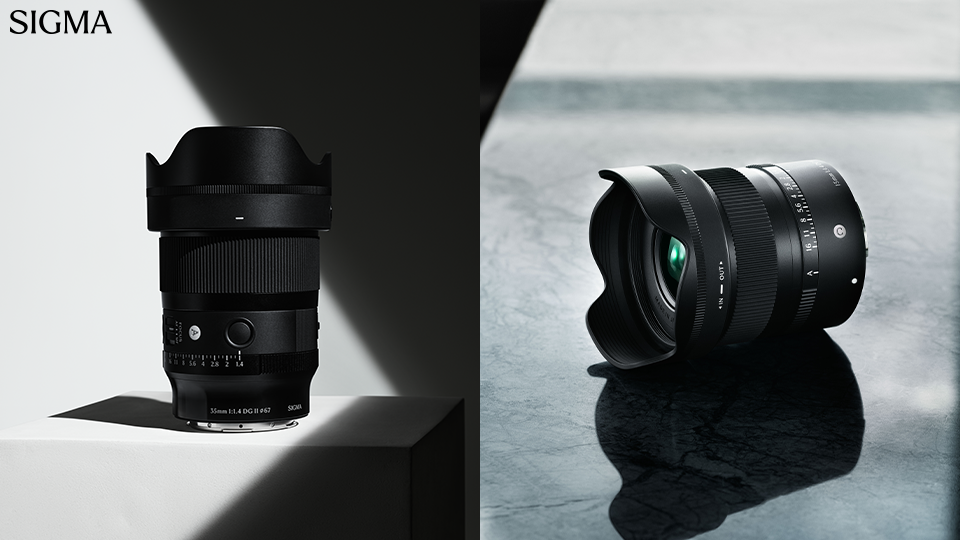
Sigma has updated one of its key prime lenses, making a 35mm F1.4 that's smaller, lighter and faster than its predecessor. It will be available for the Sony E-mount and the L-mount shared by Leica, Panasonic and Sigma.
The Sigma 35mm F1.4 DG II Art is an updated version of its designed-for-mirrorless lens, last updated in 2021. It uses the newer "Dual HLA" linear actuator motor as found in the 35mm F1.2 DG II and a completely new optical design.
The lens is around four-fifths the size and weight of the previous version, measuring 96 x 73mm (3.8 x 2.9") and weighing 530g (18.7oz). The new lens accepts the same 67mm diameter filters that the previous version did.
Like its predecessor it has a 15-element design but a completely new optical formula sees those elements arranged in 12, rather than 11 groups. The latest design includes four aspheric elements and two SLD elements, and features the company's new "Advanced Amorphous Coating" to better control ghosting and flare caused by light hitting the glass at low angles of incidence.
The body features a pair of custom function buttons, positioned so that one can be accessed from both the portrait and landscape orientation. It also has a switch that locks the aperture ring in or out of its 'A' position and another that engages and disengages the ring's click mechanism.
The lens has been designed to exhibit minimal focus breathing which, along with the de-clickable aperture control, makes it work well for video as well as stills shooting.
The lens features a dust and splash-resistant design and comes with a petal-style hood that locks into position.
The 35mm F1.4 DG II Art will be available from mid April 2026 at a recommended price of $1059, an 18% increase over the old version.
Sigma Launches 35mm F1.4 DG II | Art, a Revision of Sigma’s Original Flagship Lens
Ronkonkoma, NY, February 24, 2026 – Sigma Corporation of America, the US subsidiary of Sigma Corporation (CEO: Kazuto Yamaki. Headquarters: Asao-ku, Kawasaki-shi, Kanagawa, Japan), is pleased to announce the Sigma 35mm F1.4 DG II | Art, a large-aperture, wide-angle lens for full-frame cameras that combines outstanding resolution with a compact, lightweight design.
The 35mm F1.4 DG II | Art is the newest addition to Sigma’s Art line of lenses, as the Type II successor to the Sigma 35mm F1.4 DG DN | Art released in 2021. This lens features an even more compact and lightweight design compared to the original iteration, reducing the overall length by approximately 14% and weight by approximately 20%. In addition, optical performance is also superior to the original, making this lens a true upgrade from its predecessor.
This classic focal length prime lens is extremely versatile and ideal for any creator pursuing high-quality work across diverse genres, including portraits, street photography, landscapes, and fashion. Featuring the same Dual HLA (Hypersonic Linear Actuator) focus motor found in Sigma’s 35mm F1.2 DG II | Art, the new 35mm F1.4 DG II | Art achieves exceptionally fast and quiet autofocus with minimal focus breathing. This Dual HLA is what allows this lens to achieve a substantial reduction to its size and weight while maintaining such extremely high optical performance.
Key features expected from the Art line are present on the 35mm F1.4 DG II | Art as well, such as two AFL buttons, a focus mode switch, aperture ring click and aperture ring lock switches, and dampened focus and aperture rings for superb operational feel. Like all Sigma Art line lenses, the 35mm F1.4 DG II also features a dust- and splash-resistant structure in addition to water- and oil-repellent coatings on the front elements for peace of mind while shooting in harsh environments.
As the latest evolution of the “35mm F1.4” – the origin of the Sigma Art line, renowned for its overwhelming optical performance – this lens is the next step in flagship representation for Sigma. Scheduled for release on April 16, 2026, the 35mm F1.4 DG II | Art will be available at authorized Sigma dealers in the US for a retail price of $1059 USD.
Available mounts: L-Mount, Sony E-mount Launch: April 16, 2026
Key features
The best optical performance ever in Sigma’s 35mm F1.4 Art line
A refined compact and lightweight design
Designed for comfortable shooting of both stills and video
Exceptional resolution across the entire frame from maximum aperture
Built on Sigma’s latest optical design technology, the completely redesigned 15-element, 12-group construction delivers extraordinarily detailed rendering that surpasses previous generations of 35mm F1.4 Art line lenses. By incorporating new glass materials that were previously difficult to process, together with four high-precision aspherical elements and two SLD glass elements, the lens thoroughly suppresses aberrations, particularly axial chromatic aberration, which is often prominent in large-aperture lenses.
Sigma’s rigorous Art line standards ensure outstanding resolution across the entire frame, even at maximum aperture.
Rich and beautiful bokeh without color bleeding
By thoroughly correcting axial chromatic aberration, the lens suppresses color fringing not only in the in-focus plane but also in out-of-focus areas, producing beautifully natural bokeh. The lens features an 11-blade rounded diaphragm, which maintains a round shape even when stopping down from maximum aperture. In addition, by refining the surface accuracy of the aspherical elements to the highest level, the lens enables smooth and beautifully round bokeh.
Newly developed AAC (Advanced Amorphous Coating)
The newly developed AAC (Advanced Amorphous Coating) features a low-refractive-index amorphous layer that dramatically reduces reflections responsible for ghosting and flare, delivering exceptionally clear, high-contrast image quality.
A refined compact and lightweight design
Pursuing uncompromising compactness and lightness
By adopting a floating focus system, the lens achieves both enhanced optical performance and a more compact, lightweight design. Compared to the previous model―the Sigma 35mm F1.4 DG DN | Art, it is approximately 14% shorter and 20% lighter. The mechanical design incorporates numerous space-saving innovations down to the smallest details, ensuring truly uncompromising compactness and portability. This agility empowers photographers to pursue their creative vision.
Fast and quiet autofocusing with dual HLA system
The lens employs Sigma’s dual HLA (High-response Linear Actuator) system, which drives its large and heavy focus group with high power and speed. Even as a large-aperture lens where the focus group tends to become heavier, it delivers fast, accurate, and quiet AF for both stills and video—ensuring that the user can capture decisive moments reliably.
Designed for comfortable shooting of both stills and video
A long-lasting, reliable tool for photographic expression
By assembling high-precision parts made of aluminum, TSC*1, and other materials, the lens achieves the high level of rigidity, durability, and build quality expected of the Art line without compromising portability. As a photographic tool, it offers the reliability needed for long-term use.
Various shooting assist functions
The lens is equipped with an AFL button in two locations, which can be assigned to a range of functions via the menu on selected cameras. In addition to the aperture ring, the lens is equipped with an aperture ring lock switch*2 and a click switch to turn the click on and off.
Designed to minimize focus breathing
Optimization of the focus group arrangement and aspherical shape significantly suppresses focus breathing. The change in angle of view due to focus shift is minimized, creating a natural-looking focus shift when recording video.
Dust- and splash-resistant structure*3 and water- and oil-repellent coating
In addition to a dust- and splash-resistant structure, the frontmost surface of the lens has a water- and oil-repellent coating applied, so that the lens can be used safely even in harsh outdoor environments.
Petal-type hood with locking mechanism
The Sigma 35mm F1.4 DG II | Art comes with a dedicated petal-type hood that shields the front element from stray light to reduce the chances of unwanted flare. The hood attaches securely to the lens with a locking mechanism.
*1 TSC (Thermally Stable Composite) is a type of polycarbonate with a thermal expansion rate similar to that of aluminum. It has a high affinity to metal parts, which contributes to high quality product manufacturing.
*2 If you turn it on in position A, the aperture ring will be locked in position A. If you turn it on in a position other than A, it will be locked in the range from open to minimum aperture, and it will not be possible to turn it to position A.
*3 The product is designed to be dust- and splash-resistant but is not waterproof. When using the lens near water, etc., take care not to allow large amounts of water to splash on it. If water gets inside the lens, it may cause a major malfunction and render the lens unrepairable.
When you use DPReview links to buy products, the site may earn a commission.
Image: Sigma
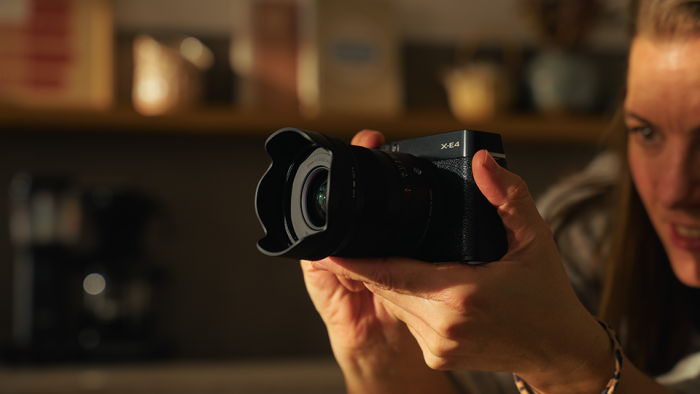
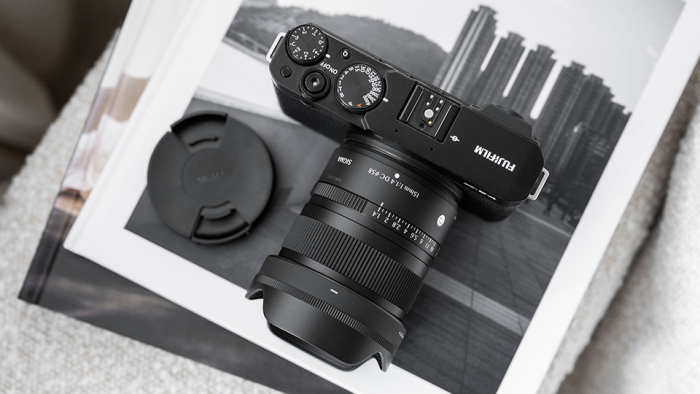
Sigma has announced the 15mm F1.4 DC APS-C prime, giving a new wide-angle option and bringing a welcome update to its affordable primes series. It will be available for Sony E, Canon RF and Fujifilm X mounts.
The lens presents a slightly wider alternative to the company's existing 16mm F1.4 DC DN, introduced back in 2017. It's part of the company's mid-priced Contemporary range, and gains the aperture ring and weather resistance that have been a feature of Sigma's recent DC lenses. The RF-mount version features a control ring, rather than the dedicated aperture ring.
The lens replaces the 16mm with an option that's wider (giving a 22.4mm equiv field of view on E and X mounts, and 24mm equiv. on Canon RF), while also being around 30% shorter and 45% lighter than the existing lens. The new lens also uses a smaller, 58mm filter, rather than the 67mm one used by its predecessor.
The lens uses three double-sided aspheric elements, three SLD and one LFD element, with the company saying it had particularly focused on delivering edge-to-edge consistency and low coma, with the aim of improving on the optical performance of the previous lens.
At 220g for the E-mount version, it's the lightest lens in the series, which Sigma says makes it ideal for applications such as travel and handheld video shooting. To this end, Sigma says the lens has been designed to exhibit minimum focus breathing.
The lens will be available from mid March 2026 at a recommended cost of $579, a 7% increase over the price of the existing lens. There's currently no word of a Nikon Z mount version, though Nikon did license Sigma to make a Z-mount version of the 16mm F1.4 DC DN.
Sigma Launches New Large-Aperture, Wide-Angle APS-C Lens: 15mm F1.4 DC | Contemporary
Ronkonkoma, NY, February 24, 2026 – Sigma Corporation of America, the US subsidiary of Sigma Corporation (CEO: Kazuto Yamaki. Headquarters: Asao-ku, Kawasaki-shi, Kanagawa, Japan), is pleased to announce the launch of the Sigma 15mm F1.4 DC | Contemporary, a new large-aperture, wide-angle lens designed for APS-C cameras.
The 15mm F1.4 DC | Contemporary lens is the newest addition to Sigma’s lineup of fast-aperture prime lenses for crop sensor mirrorless cameras, and is the second such lens to feature a dedicated aperture ring (or control ring on Canon RF Mount versions) following the 12mm F1.4 DC | Contemporary released in 2025. Compared to the popular 16mm F1.4 DC DN | Contemporary, the overall length has been reduced by approximately 30%, and the filter diameter is significantly smaller at 58mm (down from 67mm).
Weighing just 220g, it is the lightest in the F1.4 DC Contemporary series, and is ideal for handheld video shooting and travel. The combination of a lightweight focus element and a high-performance stepping motor enables high-speed and high-precision autofocus, and the optical design effectively suppresses aberration fluctuation and focus breathing. Additionally, the dust- and splash-resistant structure ensures confidence even when shooting in harsh environments.
This new model combines uncompromising optical performance with excellent portability to allow for effortless creative expression. Scheduled for release on March 12, 2026, the 15mm F1.4 DC | Contemporary will be available at authorized Sigma dealers in the US for a retail price of $579 USD.
Available mounts: Sony E-mount, FUJIFILM X Mount, Canon RF Mount Launch: March 12, 2026
Key Features:
Outstanding portability allowing for creative freedom.
Uncompromising sharpness across the entire image.
Designed for comfortable shooting of both stills and video.
Sigma F1.4DC series – Expanding creative possibilities with APS-C cameras.
Outstanding portability allowing for creative freedom
An all-round wide-angle lens with exceptional portability
This lens delivers a large F1.4 aperture and a focal length equivalent to 22.5mm on full-frame (24mm on Canon RF Mount), all in a compact, palm-sized body measuring just 64.8mm in length and weighing only 220g*1.
Whether shooting everyday street photography, portraits, travel landscapes, or cinematic video production—even for live commerce and webinars—this lens delivers high-quality performance.
Its combination of outstanding portability and image quality makes professional-level expression possible wherever you go.
Approximately 50% lighter, delivering greater flexibility
As a frequently used focal length, this lens pursues uncompromising compactness and lightweight design.
One FLD glass element, three SLD glass elements, and three double-sided aspherical lenses are effectively arranged to achieve an approximately 30% shorter length and 50% lighter weight compared to the predecessor, Sigma 16mm F1.4 DC DN | Contemporary.
As the lightest lens in the Sigma F1.4 DC series, it accelerates creative freedom by further enhancing the mobility of APS-C cameras.
Uncompromising sharpness across the entire image
Pursuing even higher optical performance
The Sigma 15mm F1.4 DC | Contemporary was developed with the goal of surpassing the highly acclaimed optical performance of its predecessor, Sigma 16mm F1.4 DC DN | Contemporary. Particular emphasis was placed on improving edge-to-edge performance while thoroughly suppressing sagittal coma flare, which is often noticeable in large-aperture wide-angle lenses.
The lens maintains uncompromising sharpness across the entire frame, even when shooting wide-open, delivering consistent performance from everyday street photography to starry landscapes.
Rich expressive power with a large F1.4 aperture
The lens delivers high optical performance even at its maximum aperture, allowing you to fully enjoy the distinctive rendering of F1.4. It excels in low-light conditions, such as dim indoor environments or nighttime street photography, while the nine-blade aperture produces beautiful circular bokeh that makes subjects stand out and adds a sense of depth, whether shooting stills or video.
Designed to minimize flare and ghosting
Using advanced simulation technology, flare and ghosting have been largely eliminated, ensuring that the lens renders clear, high-contrast results in any lighting condition.
Designed for comfortable shooting of both still and video
Ideal for high-quality video production
The Sigma 15mm F1.4 DC | Contemporary, with its combination of portability and outstanding optical performance, enables high-quality video capture in any scene. Its F1.4 aperture creates a shallow depth of field that enhances three-dimensionality, producing impressive visuals. The lens is also well-suited for gimbal-based shooting, providing flexibility even in environments that demand mobility.
Furthermore, the lens delivers stable, high image quality for business applications such as live commerce, webinars, and corporate promotions, making it ideal for creating engaging and realistic content.
Smooth, responsive autofocus powered by a stepping motor
High-speed, high-precision autofocus is achieved by driving a lightweight focus lens with a stepping motor that enables precise control. The Sigma 15mm F1.4 DC | Contemporary captures important moments without missing a beat, even in fast-moving scenes, while delivering excellent tracking performance for high-quality video production.
Minimal focus breathing
The lens is designed to minimize changes in the angle of view caused by focusing, enabling smooth, natural-looking focus pulls when recording video.
Aperture ring or control ring with various functions
Equipped with an aperture ring for intuitive control of the aperture. The Canon RF Mount version has a control ring instead of an aperture ring, allowing customizations of functions based on the user’s preferred settings.
Dust- and splash-resistant structure*2 / water- and oil-repellent coating
In addition to a dust- and splash-resistant structure*2, the frontmost surface of the lens has a water- and oil-repellent coating applied, allowing photographers to shoot without concern even in harsh outdoor environments.
Sigma F1.4 DC series – Expanding creative possibilities with APS-C cameras
A full range of F1.4 prime lenses for APS-C, covering ultra-wide to mid-telephoto
Sigma’s Contemporary line offers a wide range of F1.4 prime lenses for APS-C cameras, combining excellent resolution with compact, lightweight designs.
12mm F1.4 DC: An ultra-wide-angle lens that captures expansive landscapes
15mm F1.4 DC: A wide-angle lens ideal for everyday street photography
23mm F1.4 DC DN: A versatile lens with a natural field of view suitable for a variety of subjects
30mm F1.4 DC DN: A standard lens that naturally captures everyday scenes
56mm F1.4 DC DN: A mid-telephoto lens that emphasizes subjects with beautiful bokeh
With the addition of the Sigma 15mm F1.4 DC | Contemporary, the lineup of the Sigma F1.4 DC series has expanded further, enriching creative expression for APS-C cameras from ultra-wide-angle to mid-telephoto.
*1 The figures are for Sony E-mount
*2 The product is designed to be dust- and splash-resistant but is not waterproof. When using the lens near water, etc., take care not to allow large amounts of water to splash on it. If water gets inside the lens, it may cause a major malfunction and render the lens unrepairable.

 Connexion