The Rialto 65 sensor block will mount on Sony's Venice 2 camera, which currently offers modules based around 50MP and 24MP full-frame fully-stacked sensors.
Image: Sony
Sony has announced the Rialto 65: a large format sensor module for its Venice 2 cinema camera. The "Rialto" will be built around a 53.75 x 35.83mm sensor, making it comparable in size to the 53.4 x 40mm (essentially 645) sensors its semiconductor division makes for the likes of the Phase One IQ4.
More to the point, it's very close in size to the dimensions of the Arri Alexa 65, a rental-only cinema camera used in very high-end Hollywood productions. That has a 54.12 x 25.58mm sensor. The Rialto sensor uses a taller 3:2 aspect ratio than the Arri camera.
Sony UK says the module will be able to shoot 9.6K open-gate footage, which would imply a resolution of around 61MP, which isn't an obvious multiple of any common output formats, perhaps suggesting it could be used for applications other than just video. There's no word on technology, but it's probably safe to say it won't be the relatively slow readout designs used by Phase One and Fujifilm's smaller-sensor GFX Eterna cameras.
Sony says the sensor "block" will be available in the first half of 2027, with it being on show at the Cine Gear Expo show in Los Angeles later this week.
At present, the Venice 2 is available with stacked 35 x 24mm sensors that closely match the spec of the a1 II and a9 II photo cameras.
What is 65mm?
The Arri 65 uses a ∼54 x 26mm sensor which, like the Rialto 65, mimics the size of a vertically-fed strip of "65mm" film.
Image: Arri
As if we weren't having enough fun judging digital cameras by the dimensions of film formats over on the stills side of things, Sony is careful to point out that "65mm" refers to "a class of imaging area derived from the 65mm film format," rather than actually being a dimension of the sensor size (a footnote the camera industry might consider applying to its inch-type sensor size nomenclature).
As with "35mm" film, 65mm can be used in a variety of ways. Both Arri and Sony are mimicking the 5-perf vertical usage when they refer to 65mm.
As with "35mm" film, the 65mm format is named after the full width of the film, including the sprockets. And, as with 35mm, which can be used vertically, using four perf(erations) to give the "Super 35" movie format, that's roughly the same size as APS-C, or horizontally, using eight sprocket holes per frame to give the 36 x 24mm format we call full-frame, 65mm can be used in a number of ways.
The most common are 5-perf vertical, giving a roughly 52.6 x 23mm widescreen frame, or the vast 15-perf horizontal IMAX format that Christopher Nolan seems determined to maintain, single-handedly. This is a vast 70.4 x 52.6mm. If you know anything at all about the exponential costs of making larger sensors, you'll understand why Sony is mimicking the former.
Why Rialto?
While, for Brits at least, the world 'Rialto' may evoke crumbling former cinemas in faded seaside towns, the name actually derives from Venice's historical theatre district. And this sensor block fits into the Venice 2 camera. Clever, eh?
Sony hasn't given details of price but we'd assume it's as close to the cost of one of Venice's islands as the price of your current camera.
A recent report from Pinzuba News highlights how the resurgence of compact digital cameras in Japan is driving a massive price increase in the used market for vintage models from the 2000s and early 2010s. According to the article, demand for older compact digital cameras has exploded, leading to prices roughly quadrupling in the second-hand market.
Key Data from KOMEHYO (Major Used Goods Retailer)
Sales volume of “old compact digital cameras” has increased approximately 5 times compared to 5-6 years ago.
The average selling price has risen to about 3.5 times higher
Models that sold for 5,000-10,000 yen five or six years ago are now fetching 20,000–40,000 yen.
Quote from KOMEHYO Expert
Yasuhiro Hara, Camera Sales Floor Manager at KOMEHYO’s Nagoya main store, commented on the surge:
“Demand for old compact cameras has grown significantly compared to 5 or 6 years ago. At our store, sales volume has increased about 5 times, and the average price range has surged to about 3.5 times.”
He went on to explain the unique appeal these older models hold:
“Many compact cameras sold in the 2000s were equipped with CCD sensors. These provide warmer colors than the CMOS sensors in current cameras and smartphones, especially producing a film-like quality in still photos. These ‘old compact cameras’ have qualities that current cameras don’t have.”
Why the Comeback? CCD Sensors and Nostalgic Appeal
The boom is driven by a growing appreciation for the distinctive characteristics of CCD-equipped compact cameras. Unlike modern CMOS sensors (dominant in today’s smartphones and new cameras, which prioritize video performance and efficiency), older CCD sensors deliver warmer color rendition and a nostalgic, film-emulating look in still photography.
While new compact camera (lens-integrated) shipments in Japan are projected to increase about 30% year-over-year to roughly 2.4 million units in 2025, this remains a small fraction of the 2008 peak of 11 million units (and up from the 2023 low of 1.7 million). Limited new supply plus the irreplaceable charm of vintage CCD models has created strong demand in the used market.
This latest development continues the trend I reported on in November 2024, when prices for many old compact digital cameras had already jumped dramatically (up to 20 times in some cases):
What are your favorite weather conditions for photography?
Photo: Collage of entries for this week's Question of the week article
Last week, we asked you what your favorite weather events are for taking photographs. From stormy seas to picturesque forest hillsides, a wide range was depicted. Initially, when we said "weather events", all we thought we might get were tornadoes, floods and other disaster scenes. You surprised us with a truly wide palette to appreciate.
View the above slideshow to check out the 15 selected memorable photographs. Many more could not be included, so check them out in the forums. We'd love to see you contribute your own weather experiences, too.
"I live in the Swiss mountains, and for me, changeable cloud cover, revealing hidden mountain features, with occasional isolated bursts of sunlight, is the best."
"It doesn't happen often here where I live, but at that special night the moonlight was beautiful. And in long exposures, clouds sometimes blur very subtly."
"Several have mentioned a dislike for cloudless, blue skies. I agree - for the most part. However, a cloudless sky can help emphasize the scene being photographed."
"I really like very early mornings, regardless of the season, sometimes right after a storm, when the light is at its most gentle. Blue Hour at Meadowlark Gardens."
"Generally speaking, I like dramatic skies, either the colors or cloud shapes, to have some interest in the skies. As many in this thread, I love dramatic mountain landscapes enriched by clouds. Mountains and sunsets are a great combo, too."
The original Camp Snap camera was a surprise hit, a minimalist camera that succeeded largely because of what it lacked. Originally marketed as a low-cost, screen-free camera for kids to take to summer camp, where devices with screens are sometimes banned, it found a second audience among adults drawn to its no-frills, toy camera simplicity.
The Camp Snap 2 is built around the same basic hardware, but has a slimmer design that takes cues from classic rangefinder aesthetics, and includes several small but meaningful improvements. It's a likable little camera, though with a sensor much smaller than a typical point-and-shoot, image quality isn't the reason to buy one.
Key features
8MP, Type 1/3.2 image sensor (15.7mm²)
26mm (equivalent) F2 lens
Dual-tone LED flash (6500K cool / 3000K warm)
6 present 'Filters' for different photo looks, changeable in-camera
Screw-lockable door to access memory card and date/time settings
30.5mm filter thread
Tripod socket
4GB microSD card included
USB-C port
The Camp Snap 2 is available in nine colors, including translucent options, and costs $70. It can be ordered directly from Camp Snap.
Before diving into the camera, it's worth some context, particularly for those outside North America. Summer camp is a big tradition in the US and Canada, with kids spending anywhere from a few days to a few weeks at outdoor camps. For many kids, it's the highlight of the summer.
I have some personal perspective here: not only did I attend summer camp as a child, but I ran one for several years. Back then, if kids brought cameras, they used film and waited until they got home to see the results.
The Camp Snap 2 camera is designed for kids to take to summer camps with a screen-free policy, but it has found a second audience as a fun toy camera.
Camp Snap 2 camera | F2 | 1/1700 sec | ISO 100 Photo: Dale Baskin
Today, many camps prohibit devices with screens, including smartphones and most digital cameras. They want to keep kids engaged with each other and the outdoors rather than staring at screens or messaging friends at home. That's the scenario the Camp Snap was designed for.
What's new
If you're familiar with the original Camp Snap, here's what's changed.
The most important addition is a dedicated on/off switch. On the original, the shutter button doubled as the power switch, which was awkward and potentially confusing. The Camp Snap 2 also gains an automatic sleep mode, so a forgotten power-off won't drain the battery.
The back of the Camp Snap 2 camera is as simple as it gets. An on/off/flash switch (upper left), a tunnel-style viewfinder, a tiny LCD frame counter, and a button to change the filter style of the images (center right). There's also a speaker that emits shutter sounds when the shutter button is pressed.
Photo: Dale Baskin
Filter presets (color modes) can now be changed in-camera. The original required a computer connection to change modes, and if you wanted to change it, you had to reconnect to the computer. The Camp Snap 2 offers six: Standard, Vintage 1, Vintage 2, Vintage 3, Analog, and Black & White, cycled through using a button to the right of the frame counter. Holding it for 10 seconds locks it, useful if you'd rather your kids not fiddle with the settings.
Like the original, the Camp Snap 2 has a small screw securing the card slot door, and the new model adds a conventional slide-lock so you can remove the screw if you prefer.
Sample gallery
This widget is not optimized for RSS feed readers. Click here to open it in a new browser window / tab.
A comparison of the Camp Snap 2's six color modes.
Also new: a 30.5mm filter thread and a tripod socket. I don't anticipate many people will use this camera with screw-on filters, but Camp Snap has strongly hinted that it plans to release some. The tripod socket is of limited utility without a self-timer or a way to remotely trigger the shutter.
In use
The Camp Snap 2 is exceptionally easy to use because there's so little to control. It's the closest thing to a 'plastic fantastic' disposable camera you'll find in the digital world. The only controls are the shutter button, the power switch (which also activates the flash), and the filter button. A tiny LCD on the back displays the shot count and the active filter.
"It's the closest thing to a 'plastic fantastic' disposable camera you'll find in the digital world."
Since there's no LCD screen for composing shots, you frame photos through a simple tunnel-style viewfinder. It's not fancy, but it works, which is all it needs to do.
The camera includes a 4GB microSD card, which Camp Snap says should hold around 2,000 photos. That's plenty for a week at camp, and you can always use a larger card if needed.
The bottom of the Camp Snap 2 houses the USB-C port, tripod socket, and a screw-locked door covering the memory card slot and date/time controls. The screw discourages kids from opening it, but can be removed if you'd prefer
Photo: Dale Baskin
The card lives behind a panel that screws shut, and that's very much by design. From personal experience running a summer camp, I can tell you that kids are remarkably good at losing things. Placing a screw on that door is a meaningful deterrent between a curious kid and the only copy of their photos.
Of course, there's no guarantee they won't lose the entire camera (because: kids), but if they do, it was only $70 to start with.
Camp Snap 2 camera | F2 | 1/2500sec | ISO 100 Photo: Dale Baskin
The flash is an LED type, similar to a smartphone flash, which can produce that same washed-out look. Auto flash mode is gone this time around, which is a minor loss. That said, given the limitations of the LED unit, leaving it off unless it's absolutely needed is probably the right approach anyway.
The camera runs on an internal battery charged via USB-C, which is one less thing for kids to lose. Camp Snap rates it at around 500 shots, which seems reasonable in my experience.
Image quality
It's important to set appropriate expectations for image quality. It's an inexpensive camera that's designed mostly for kids to capture memories, with the idea that it's potentially disposable should disaster happen.
Don't expect the same level of image quality that you would get from a modern smartphone or even a retro point-and-shoot camera, though. The camera's imaging sensor is tiny. In fact, it's smaller than the ones used in most smartphone cameras, and it doesn't benefit from any of the computational photography techniques those devices use to improve image quality.
It's worth illustrating this with some real-world examples. In the table below, you can compare the Camp Snap 2's sensor and lens to other cameras that have lenses with similar focal length, including the Kodak C1, the Olympus Tough TG-5, a rugged camera introduced in 2017, and the iPhone 13, a several-year-old smartphone.
Camp Snap 2
Kodak C1
Olympus Tough TG-5
iPhone 13 (main camera)
Price
$70
$120
$450
$799
Sensor type
8MP
13MP (BSI)
12MP (BSI)
12MP (BSI)
Sensor area
15.7mm²
15.9mm²
28.1mm²
35.2mm²
Lens*
26mm F2
26mm F2
25-100mm F2-4.9
26mm F1.6
Light captured**
1x
~1x
1.8x
3.5x
*Focal lengths are 35mm equivalent. **Relative to Camp Snap 2, based on sensor area, aperture, and sensor type (BSI sensors capture more light than conventional sensors of the same size).
In general, the more light a camera gets, the better the image quality, and the numbers on the last line tell a clear story: the Camp Snap 2's sensor captures roughly half the light of the TG-5 and less than a third of what the iPhone 13 captures – and that's before the iPhone's computational wizardry kicks in. The Kodak C1's BSI sensor gives it a slight edge over the Camp Snap 2 despite their similar size, along with a flip-up LCD screen, for just $50 more.
Of course, what none of those cameras can provide is the simplicity and screen-free experience of the Camp Snap 2, and if a screen-free camera is what you need, or simply the experience you're after, it stands out.
The Camp Snap 2 is prone to clipping bright highlights, like clouds.
Camp Snap 2 camera | F2 | 1/1150sec | ISO 100 Photo: Dale Baskin
In most cases, the Camp Snap 2 does a good job of getting exposure correct, but it struggles with strongly back-lit scenes, and while the white balance is generally on target, photos can occasionally exhibit a slight color cast.
The most visible artifacts you're likely to encounter are clipped highlights on bright objects or JPEG compression artifacts, which are obvious if you pixel peep images at magnification.
Verdict
The Camp Snap 2 is a good camera to send to camp with your kids, particularly if there's a no-screens rule. It's incredibly easy to use and lets kids capture memories that last a lifetime. Older kids, or those with some photography experience under their belt, might find it too simplistic and would be better served by something with a bit more control.
However, it has a fun factor, and if you're buying it for your child to take to summer camp – or even for yourself to have some fun – it's up to the task. When I look back at photos I took at summer camp as a kid with a film camera, the image quality leaves a lot to be desired. But adult me doesn't care one bit about that. The purpose of those photos was never to be fine art. It was to capture memories of something that mattered, and they do exactly that. The Camp Snap 2 can do the same.
Winners of the 2026 World Food Photography Awards sponsored by Bimi
The winners of this year's World Food Photography Awards sponsored by Bimi have been announced, celebrating food storytelling across the world. The winners of the 27 categories were unveiled by chef and food writer Gennaro Contaldo at the Mall Galleries in London this evening.
"These Awards highlight the power of photography to tell food stories from around the world," says Dave Samuels, Brand Director of Tenderstem Bimi Broccolini and headline sponsor of the Awards. "The remarkable images remind us of the essential role food plays in communities across the globe - through growing, harvesting, cooking, eating, celebrating and surviving. Whatever changes the world goes through, food remains central to our lives."
This year's edition of the contest saw nearly 9000 entries from over 50 countries. The judging panel was chaired by David Loftus, a legendary food photographer, and included Claire Reichenbach, CEO, James Beard Foundation; Tom Athron, CEO, Fortnum & Mason; Rein Skullerud, Senior Photographer & Photo Editor, World Food Program; Jamie Oliver, Chef, Restaurateur; and Olia Hercules, Food Campaigner, Activist, Author and Chef.
An exhibition of all 203 finalists will be on view at the Mall Galleries, London, from June 3 to June 7. We've included a selection of the category winners below, but you can see all of the 2026 finalists and category winners on the contest website.
Overall Winner and Fortnum & Mason Food at the Table
Title: A Woman Eats in the Canteen of the Soviet-era Sanatorium
Photo credit: Jo Kearney / World Food Photography Awards sponsored by Bimi
Nationality: British
Description: The Khoja Obi Garm sanatorium (health hotel), Tajikistan, is a brutalist concrete monstrosity built on hot radon gas-infused springs in the mountains. During Soviet times, communist workers were given two weeks annual holiday here. Today, its low price - $28 per day including full board and treatments - attracts ordinary Tajiks plus tourists from the neighboring 'Stans' and the odd backpacker. Treatments include hot pools and steam rooms, wax wraps and tanning barrels, plus hearty, healthy meals.
Photo credit: Claudia Anton / World Food Photography Awards sponsored by Bimi
Nationality: Australian
Description: This image creates a cinematic mid-century mood with high contrast, warm tones and textures. The cake is the centerpiece with symmetrical lines and buttercream swirls glowing in the firelight. The scene is filled with hidden vintage surprises, family heirlooms and trinkets. A nod to the era and a moment in time.
Photo credit: Marco Rutten / World Food Photography Awards sponsored by Bimi
Nationality: Dutch
Description: At sunrise beneath Howrah Bridge, a small crew hauls in their nets on the Hooghly River. River fish remain everyday food and income here: catches from boats like this are sold in nearby markets and prepared that very morning in Bengali kitchens. A quiet, collective harvest beneath the city’s busiest crossing.
Technical details: Canon EOS 6D Mark II | EF 24-105mm F4L IS II USM | 35mm | F7.1 | 1/80 sec |ISO 100
Photo credit: Emma Stoner / World Food Photography Awards sponsored by Bimi
Nationality: British
Description: May 2025. Twin bridesmaids enjoy canapés of 'Proper Crisps' at Jess & Tom's wedding. They are pictured in the gardens at The Grain Store in Devon, UK.
Technical details: Canon EOS 5D Mark IV | EF 24-70mm F2.8L II USM | 35mm | F3.5 | 1/1000 sec | ISO 500
Louis Jadot Wine Photographer of the Year - Overall Winner (and People)
Title: In the Depths of the Deposit
Photo credit: Juan Miguel Ortuño Martinez / World Food Photography Awards sponsored by Bimi
Nationality: Spanish
Description: During the cleaning of the underground tanks, Pedro goes down and cleans the walls and floor of the remains of the previous wine with pressurized water. Once clean, his partner lowers a small bucket with a sponge inside to collect the remains that are left in the lower corner.
Technical details: Canon EOS R5 | EF 24mm F1.4L II USM | F1.6 | 1/125 sec | ISO 6400
Louis Jadot Wine Photographer of the Year - Places
Title: The Hidden Vineyard, Pokolbin NSW, Australia
Photo credit: Chris Elfes / World Food Photography Awards sponsored by Bimi
Description: This vineyard is just beside a main road, but you can't see it unless you stop. It is sort of hidden. This image was taken while Mount Pleasant Wines picked their Semillon grapes. I stopped to shoot the ground action, but the drone gave me a great perspective, and nature did its best to help me.
Technical details: DJI Air 2S | 22mm equiv. | F2.8 | 1/800 sec | ISO 200
Louis Jadot Wine Photographer of the Year - Produce
Title: In the Eye of the Kvevri
Photo credit: Luke Carver / World Food Photography Awards sponsored by Bimi
Nationality: British
Description: Point-of-view shot from inside a traditional kvevri during the 2025 grape harvest in Georgia.
Technical details: Canon EOS 6D | EF 16-35mm F2.8L II USM | 16mm | F2.8 | 1/800 sec | ISO 12,800
Photo credit: Daniel D Kwak / World Food Photography Awards sponsored by Bimi
Nationality: American
Description: A moment of respite from the line at Hadja Marley, an authentic Senegalese eatery in Brooklyn. This portrait captures the daily rhythm of life on Fulton Street, focusing on the steady presence of the staff and the traditional West African flavors that bring the local community together. A study of neighborhood service.
Technical details: Canon EOS 5D Mark IV | 24-70mm F2.8 | 51mm | F3.2 | 1/500 sec | ISO 3200
Photo credit: Styling: Sarah Ghijselinck | Photo: Sandra Declercq / World Food Photography Awards sponsored by Bimi
Nationality: Belgian
Description: Instead of presenting a finished dish, this image focuses on the ingredients behind the pairing. Salt, fat and vegetal bitterness are arranged in balance, illustrating how wine pairing originates in the interaction of fundamental flavors rather than the final recipe.
Technical details: Canon EOS R | EF 100mm F2.8 Macro USM | F20 | 1/125 sec | ISO 100
Photo credit: Serkan Dogus / World Food Photography Awards sponsored by Bimi
Description: Every morning, hundreds of sheep arrive in the village from the high pastures of Mount Nemrut for milking. After the milking is completed, at sunset, the sheep set out once again toward Mount Nemrut, and their dusty journey begins.
Technical details: Sony a7R III | FE 70-200mm F2.8 GM OSS | 164mm | F8 | 1/400 sec | ISO 100
Claire Aho Award for Women Photographers
Title: Granny's Welcoming Gift of Love
Photo credit: Kellie Carter / World Food Photography Awards sponsored by Bimi
Nationality: American
Description: This home affirms the true meaning of family. Where home is sustained by generosity, where love is expressed through making, sharing and showing up again and again. Where Granny's smile, fresh-baked cookies and a cold glass of milk can make even the bleakest of days bright again.
World of Drinks
Title: Campari Barmen, Milan
Photo credit: Marie-Louise Moutafchieva / World Food Photography Awards sponsored by Bimi
Nationality: Canadian/Bulgarian
Description: I happened by chance to turn my attention to the local bar on the corner of Galleria Vittorio Emanuele II, Camparino. The expression of the barman and the waiter dressed in white tuxedos instantly created a story I had to capture. It was one of those moments where I found myself in the right place at the right time.
Technical details: Sony a7 III | FE 24-70mm F4 ZA OSS | 70mm | F6.3 |1/160 sec | ISO 320
Food for the Family supported by The Felix Project
Title: The Final Touch
Photo credit: Michela Balboni and Federico Borella / World Food Photography Awards sponsored by Bimi
Nationality: Italian
Description: Little Asilbek touching the hot bread, straight out of the family tandoor. In Samarkand (Uzbekistan), the 'non' is unlike any other: round, dense, with a thick, chewy crust, and always marked in its center with black sesame seeds.
Photo credit: Indigo Larmour / World Food Photography Awards sponsored by Bimi
Nationality: Irish
Description: During Chhath Puja, food offerings are held by devotees, who stand in bodies of water as they pray to the sun god, Surya. This Puja is predominantly performed by women, and is always vibrant and colorful, particularly when observed in a rural setting, such as this in West Bengal, India.
Photo credit: Glenn Vanderbeke / World Food Photography Awards sponsored by Bimi
Description: Portrait of a female miller after processing grains into cornmeal. At Vocational Training Center Irebero, single women are trained as millers.
Technical details: Canon EOS 600D | Tokina atx-i 11-16mm F2.8 | 11mm | F3.2 | 1/40 sec | ISO 400
M&S Food Rising Star
Title: The Making of Granola Bars
Photo credit: Sarah-Vanessa Schneider / World Food Photography Awards sponsored by Bimi
Nationality: Swiss
Description: This image captures the process of making granola bars, highlighting the warm afternoon light spilling across a rustic setting dominated by browns and blues. The human element grounds the quiet mood of the scene. Sometimes a story isn't told in the finished dish, but in the act of making it.
Technical details: Canon EOS 5D Mark IV | EF 85mm F1.2L II USM | F3.5 | 1/10 sec | ISO 100
Photo credit: Kazi Mohammad Golam Quddus / World Food Photography Awards sponsored by Bimi
Nationality: Bangladeshi
Description: In Mahasthangarh, Bogra, a large vegetable market comes alive each morning. Farmers bring in their freshly harvested cabbages, usually transported by rickshaw vans, and gather for the daily cabbage market. Traders buy the produce here and supply it to Dhaka and other major cities.
Photo credit: Erik Lafontaine / World Food Photography Awards sponsored by Bimi
Nationality: Belgian
Description: A poached mackerel emerging from a deep, shadowed broth. Controlled lighting sculpts texture and surface tension. The image plays with darkness and stillness, turning humble preparation into a study of depth, contrast and restrained drama.
Technical details: Fujifilm GFX 100S II | GF 55mm F1.7 R WR | F4 | 1/125 sec | ISO 100
Photo credit: Lara Zeh / World Food Photography Awards sponsored by Bimi
Nationality: German
Description: A sophisticated, monochromatic study of heat and elegance. This deep crimson composition uses a precise spotlight to highlight the glass’s silhouette and create depth. Featuring a hand-crafted chili-sugar rim, the image focuses on geometric symmetry and rich textures, translating the cocktail’s spicy character into a bold, artistic statement.
Technical details: Canon EOS R6 Mark III | RF 24-70mm F2.8 L IS USM | 70mm | F18 | 1/250 sec | ISO 640
Photo credit: Lehóczki Balázs / World Food Photography Awards sponsored by Bimi
Nationality: Hungarian
Description: I had planned this image for six to seven years, but kept postponing it, feeling unworthy of capturing them. Now, because of their age, I couldn’t wait. Grandma went to the hairdresser, Grandpa shaved, and I filled their kitchen with studio gear. When she saw the photograph, my grandmother called me an artist.
Technical details: Fujifilm GFX 100 | GF 45mm F2.8 R WR | F4.5 | 1/125 sec | ISO 640
Photo credit: Mithail Afrige Chowdhury / World Food Photography Awards sponsored by Bimi
Nationality: Bangladeshi
Description: An open-air restaurant owner serves food to her customers. She sells at a low price so that daily laborers who work at the Gabtoli coal station can afford it. The photograph was taken in Dhaka, Bangladesh.
Technical details: iPhone 12 Pro Max | 26mm equiv. | F1.6 | 1/120 sec | ISO 50
Photo credit: Kara Baird / World Food Photography Awards sponsored by Bimi
Nationality: Australian
Description: Shot in Kyoto, Japan in September 2025, this image was taken in a split second as I moved through the packed, sweaty crowd at Nishiki Market. With barely any space to stop, I raised the camera and captured a brief, unfiltered moment of the energy and intensity of the market at its busiest.
Photo credit: Anne Mason-Hoerter / World Food Photography Awards sponsored by Bimi
Nationality: Canadian
Description: I wanted to create a unique image of candied fruit, and I have always been fascinated by the transparency of colors revealed through the process. I began by slicing a pear very thinly and boiling the slices in a mixture of sugar and water. Once the slices became transparent, I laid them out to dry on paper. The image was created using sugar water and a pear slice placed on a glass sheet, along with coloured plastic in front of a table lamp. I photographed the setup multiple times from different angles, and finally, I used Photoshop to combine the various images.
Zeniko (Godox sub-brand) launched a new RF12 M round-head mini flash with a universal hot shoe, compatible with Canon, Sony, Nikon, Fujifilm, Olympus, and Pentax cameras.
GoPro has disclosed “substantial doubt” about its ability to continue as a going concern in amended financial filings released June 1, 2026. The company and its auditor cited ongoing losses, negative cash flow, looming debt covenant breaches, and “unprecedented” spikes in memory costs – up as much as 115% — driven by AI demand.
The warning comes on top of weak Q1 2026 results: revenue fell 26% year-over-year to $99 million, while GAAP gross margin collapsed to 4.3% from 32.1% a year earlier. GoPro expects continued losses and negative cash flow in the near term.
Just three weeks earlier, the company launched its new MISSION series cameras and announced a strategic review that could lead to a sale or merger. Shares dropped sharply on the going-concern news.
Substantial Doubt About the Company’s Ability to Continue as a Going Concern
The accompanying consolidated financial statements have been prepared assuming that the Company will continue as a going concern. As discussed in Note 1 to the consolidated financial statements, the Company has incurred operating losses and negative operating cash flows, and has obligations under its financing arrangements which become due within the next twelve months if certain covenants are not met, that raise substantial doubt about its ability to continue as a going concern. Management’s plans in regard to these matters are also described in Note 1. The consolidated financial statements do not include any adjustments that might result from the outcome of this uncertainty. (source)
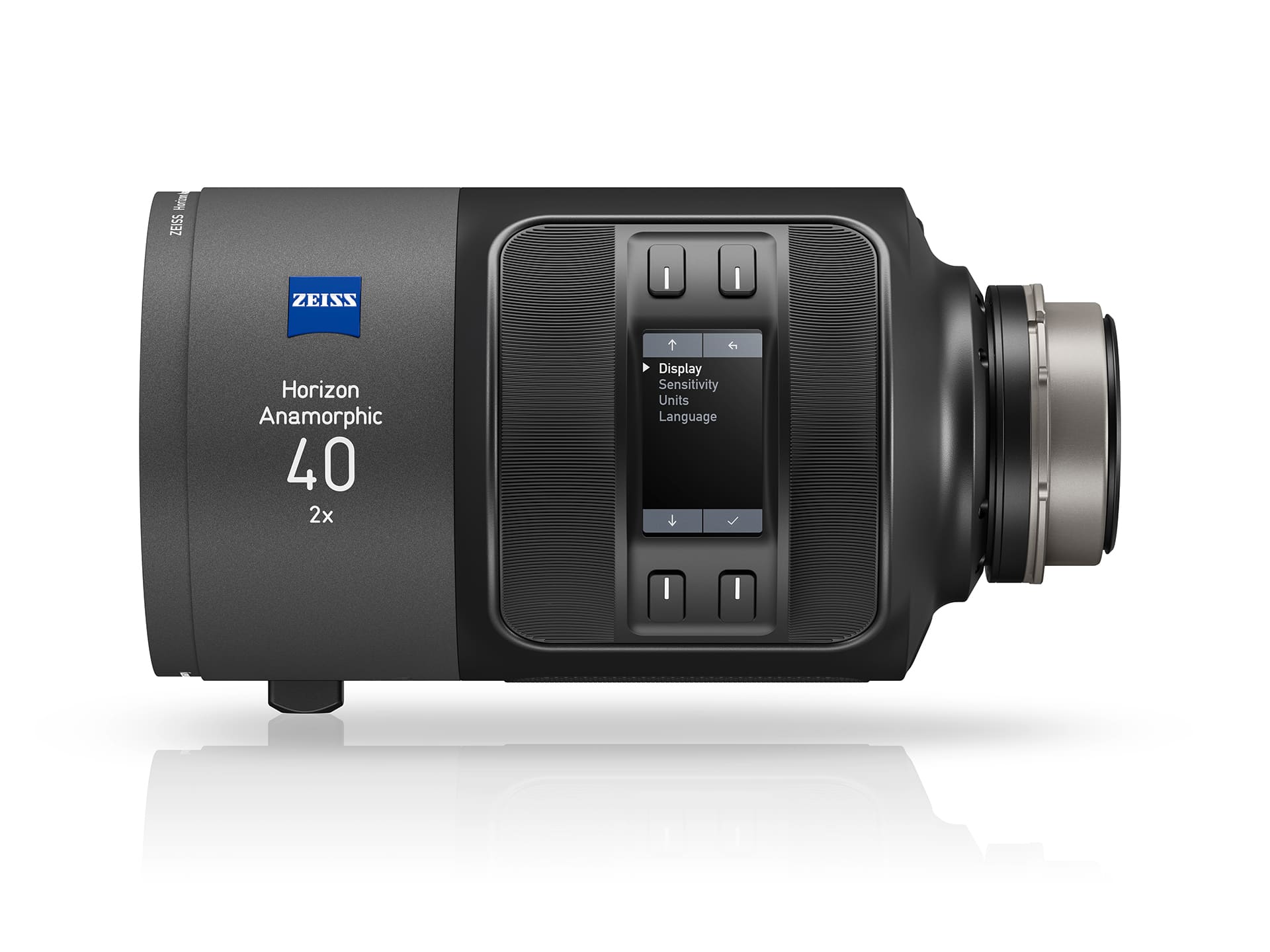
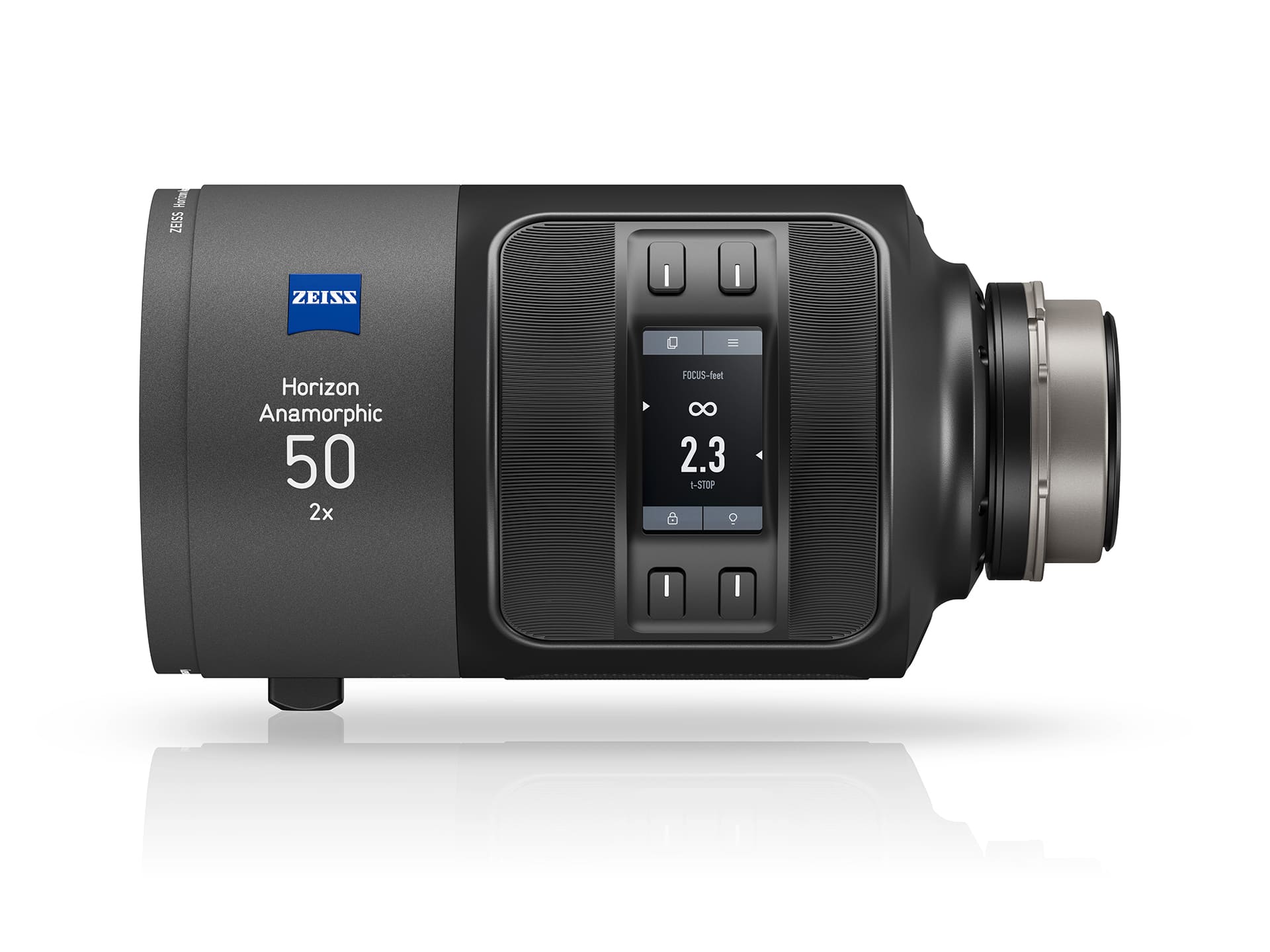
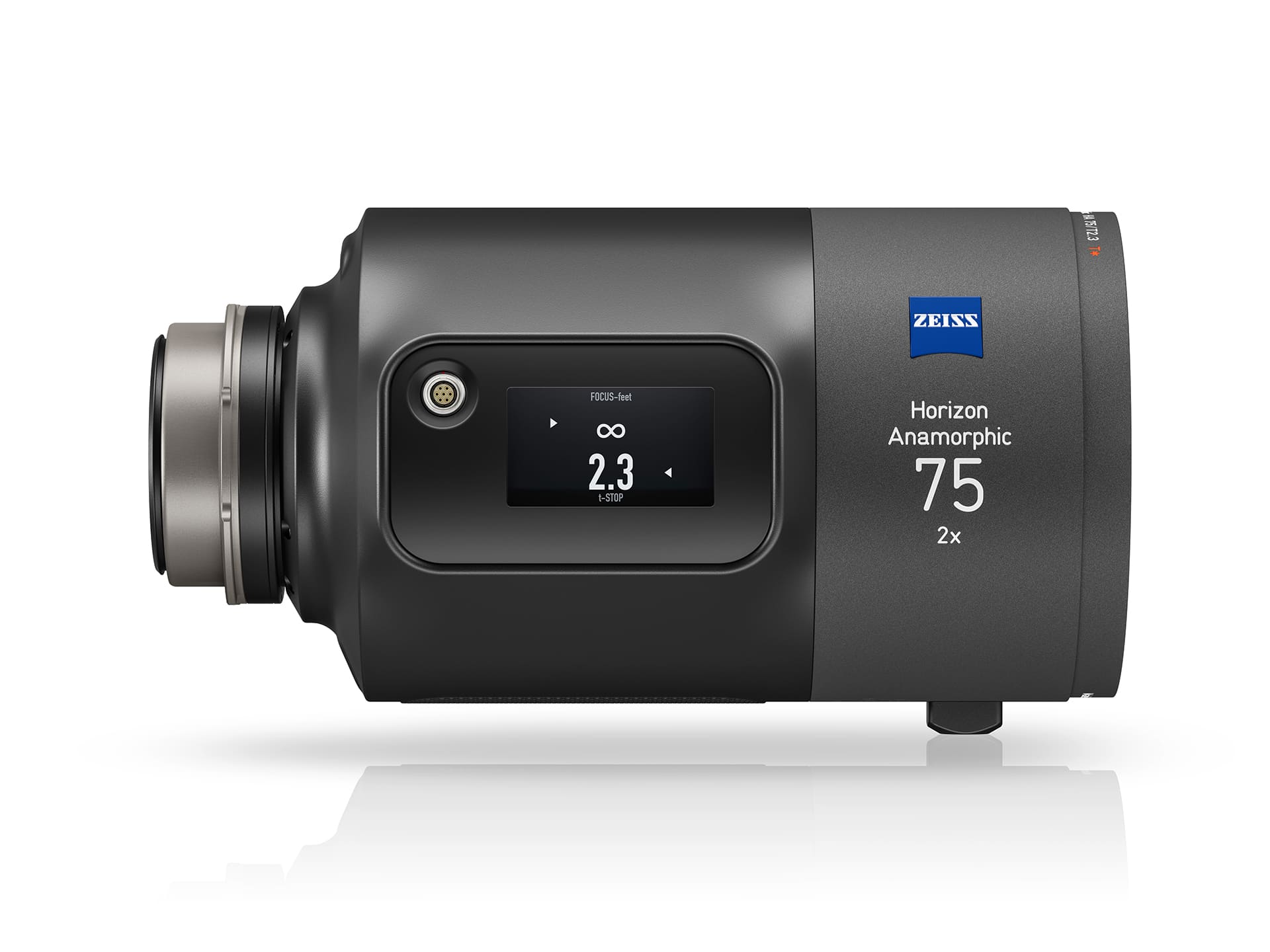
ZEISS Introduces Horizon Anamorphic: Full-Frame 2x Anamorphics with a New Lens Technology Platform
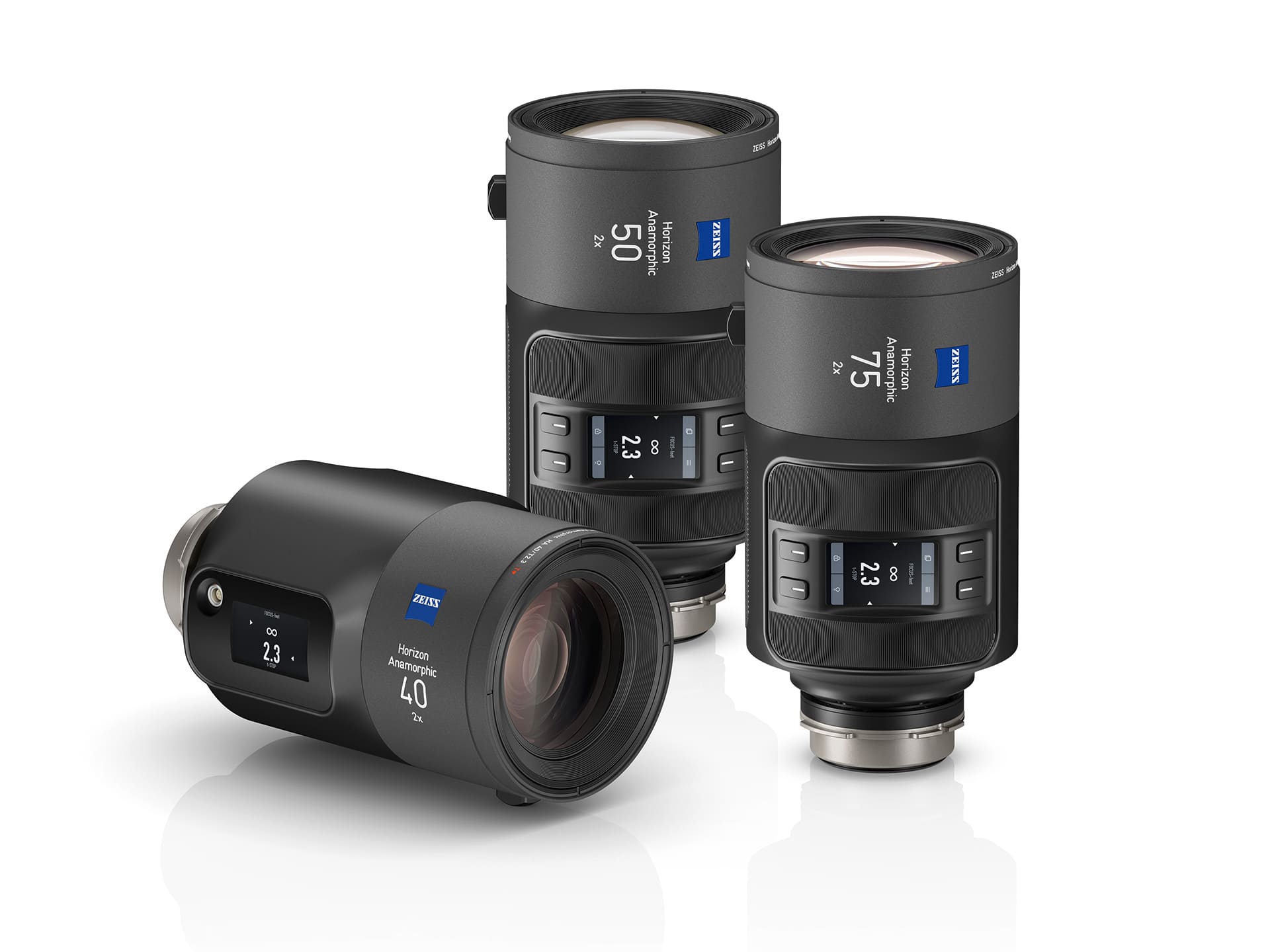
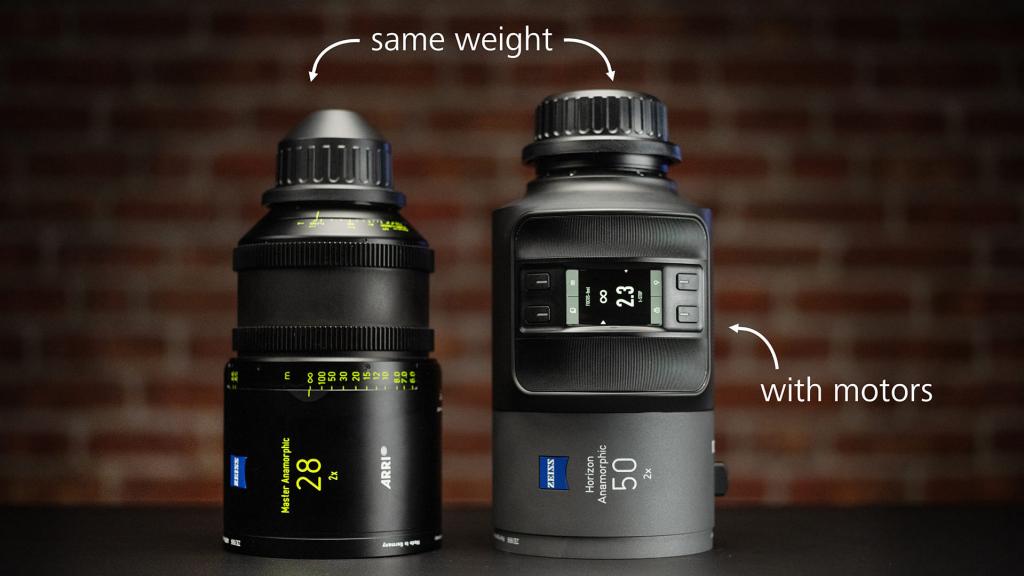
ZEISS unveils the Horizon Anamorphic series, a new lineup of full frame 2x anamorphic cinema lenses designed to deliver a distinctive cinematic look along with a new lens technology platform that brings the speed and precision demanded by contemporary production workflows. Spanning 35 mm to 200 mm across seven focal lengths, Horizon lenses combine their anamorphic look with pronounced oval bokeh and a stretched sense of spatial depth with a lightweight, fully integrated motor system that eliminates the need for external focus or iris motors.
“With Horizon Anamorphics we bring the next chapter of ZEISS cinema optics to life by combining cutting‑edge technology with a refined image that preserves the human, cinematic feel”, explains Christophe Casenave, Head of Business Unit Cinematography at ZEISS.
One lens, multiple looks
The Horizon series is engineered with a neutral baseline look designed to encourage versatility, accepting filtration, LUTs, and diverse lighting approaches without imposing a baked-in feel. Instead, ZEISS introduces an optional interchangeable look tuning back element — a proprietary optical integration that allows crew to dial-in a nuanced individual lens look. Mounted via the ZEISS Interchangeable Mount System (IMS), it alters sharpness, contrast, and overall character with a simple eight-screw swap, while preserving scale accuracy and calibration.
Seamless integration
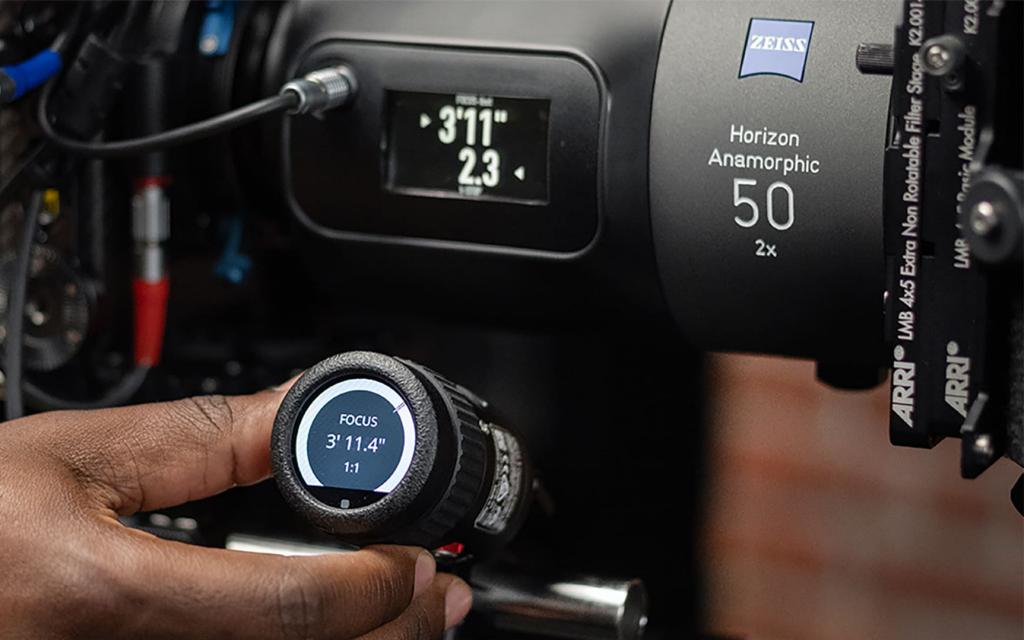
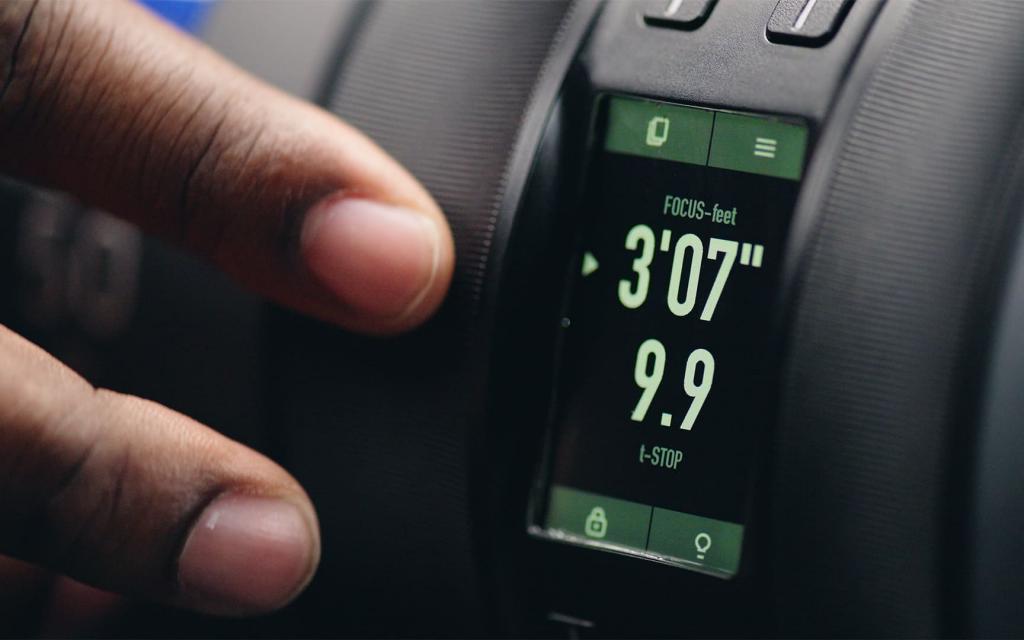
Whisper-quiet and ultra-reliable focus and iris motors are built directly into the lens body, offering compatibility with ARRI and Preston LCS systems via serial or LBUS connections. Factory-calibrated absolute encoders store all lens scales within the lens. This creates a single consistent source for metadata, eliminating the need for re-mapping scales or re-rigging motors between setups. Dual displays and touch panels directly on the lens barrel allow quick focus or iris checks.
“Horizon marks a new reference platform for us that integrates lens motors, data and ecosystem compatibility and by that enables faster, end‑to‑end production workflows,” Casenave adds.
Low distortion, stable color, and minimized aberrations make the Horizon lenses well-suited to VFX-intensive productions requiring clean keying, tracking, and CG integration. All seven lenses come with LPL mount and share a consistent 114mm front diameter to support balanced handheld, gimbal, drone, crane, and car-rig operation. A fast T2.3 stop across the full frame coverage set (T2.9 at 200 mm) provides shallow-depth-of-field anamorphic even in challenging lighting conditions. Built-in processing and on-board memory are designed to support future expansions including broader ecosystem compatibility, extended metadata capabilities, and potential autofocus integration.
Availability
The 40mm, 50mm, and 75mm Horizon Anamorphic lenses are scheduled to ship in September 2026 through authorized ZEISS cinema dealers, with 35mm, 100mm, 150mm, and 200mm focal lengths following in 2026 and 2027.
GoPro is coming off of what may be one of its most exciting product announcements in years, but its most recent communication to investors and regulators could cast a shadow over the launch. In it, the company says that new market forces "raise substantial doubt about the Company’s ability to continue as a going concern," citing "unprecedented increases and volatility in memory costs" that have seen price increases of up to 115%.
There's a fair amount of nuance and complexity to the situation, most of which is pretty deep in the financial weeds. The upshot is that the company's management is taking several steps to try and avoid defaulting on loans, including exploring a sale or merger, investigating "opportunities within the defense and aerospace sector," selling "certain non-critical assets" and negotiating with lenders. It also says that it's "reducing operating expenses through disciplined cost management," citing its recently announced layoff of 23% of its workforce.
Despite this, GoPro says that some of its plans "are dependent upon factors outside" its control, and that there are no assurances it'll be able to continue as a going concern. If it can't, the company says it "may be required to significantly reduce, restructure, cease operations, or seek protection under the Federal bankruptcy laws," though it points out that it hasn't started on any specific bankruptcy plans.
In the document, GoPro says it "expects to continue to incur operating losses and negative operating cash flows" due to lower-than-expected sale throughout the first few months of 2026. Hopefully, the company can find a way to turn things around soon, though if memory pricing is a major factor, it may be a while before things really improve.
Really Right Stuff (RRS), known for its premium camera support systems, has announced its most affordable carbon fiber tripod lineup yet. The Core Line includes two tripods to start, the Benchmark and the Benchmark Inverted, with RRS promising more in the future.
Both the Benchmark and Benchmark Inverted use the company's in-house carbon fiber technology. RRS says the entire carbon manufacturing process is now done in its facilities in Lehi, Utah, from raw fiber selection to finished tubes. It says that bringing production in-house allowed for significantly reduced costs while maintaining its high quality standards, resulting in what RRS says is a 32% lower price than the most comparable RRS substitutes.
The Benchmark Inverted features an inverted leg design that aims to make leg adjustments faster. Image: Really Right Stuff
The Benchmark Inverted is a three-section carbon fiber tripod with an inverted leg design, which allows users to extend or collapse the legs from the top without needing to reposition or bend down. It uses the company's twist lock system (Tacti-Stop), which provides tactile feedback when they are loosened enough, preventing users from twisting the locks too far. Those locks are also weather-sealed.
The inverted model offers four leg angle selections (24, 44, 64 and 84 degrees), which is up from three on previous models, making it easier to level the tripod on uneven terrain. It features magnetic pull tabs that are easy to adjust, even when wearing gloves.
The tripod weighs 1.6 kg (3.6 lbs) and has a working load capacity of 40 lb. It offers a minimum height of 11.8 cm (4.6") and a maximum height of 155.2 cm (61.1"), and measures 67.3 cm (26.5") when folded down. While it has a similar weight to some travel options, its folded size means you probably won't be able to fit it in a backpack, so you'll need to consider how to attach it to your bag.
The Benchmark is the more traditional tripod without an inverted leg design. Image: Really Right Stuff
The Benchmark is similar in most ways, though it features four-section legs instead of three, and doesn't have the inverted design. It features the same Tacti-Stop twist locks with weather sealing, four leg angles to choose from and magnetic pull tabs for easy leg angle adjustments.
Those with heavier rigs or who want a bit more reach will benefit from the non-inverted Benchmark. It offers a 34 kg (75 lb) maximum capacity, a minimum height of 10.7 cm (4.2") and tops out at 177 cm (69.7"). Of course, that comes with added bulk, too. It weighs 1.7 kg (3.8 lbs) and folds down to 60 cm (23.6"). Like the inverted model, the weight isn't out of the question for hiking and travel, but it isn't very compact when folded.
The Benchmark tripod starts at $945 without a head. It can also be bundled with RRS's Anvil-30 ARC ballhead for $1290, or with the BH-40-LR-II ballhead for $1360. The Benchmark Inverted starts at $795 for the tripod, or can be bundled with the same ballheads for $1150 and $1215, respectively.
Press release
Really Right Stuff Introduces the Core Line
Lehi, UT – May 12th, 2026 – Really Right Stuff, LLC (RRS) today announced the Core Line, an all-new series of carbon fiber tripods featuring the company’s latest in-house carbon fiber technology. Designed and manufactured entirely at RRS’s Lehi, Utah facility, the Core Line delivers true RRS performance at a more accessible price point.
Purpose
The Core Line was developed to bring premium Really Right Stuff support systems to a broader audience of photographers, videographers, and precision shooters. After years of research and development, RRS brought the entire carbon fiber manufacturing process in-house — from raw fiber selection to finished tubes.
This vertical integration has allowed RRS to significantly reduce costs while maintaining the uncompromising quality, stiffness, and durability that professionals expect from the RRS brand. Combined with a direct-to-consumer model, the Core Line offers exceptional value without sacrificing the stability and precision that define Really Right Stuff.
Target Market
The Core line is engineered for shooters and creators who demand rock-solid stability with price point in mind. Integrating the new Core line of carbon fiber within our tripods, we aim to serve the following customers:
Competition and precision rifle shooters
Hunters (including predator and big-game)
Landscape and astrophotographers
Multi-row panoramic photographers
Telephoto wildlife photographers using heavy lenses
The Core Line seamlessly integrates with RRS’s existing ecosystem of ball heads, quick-release plates, and accessories, allowing users to build a complete, high-performance system.
About the Carbon Fiber
At the heart of the Core Line is RRS’s all-new proprietary carbon fiber, developed and produced entirely in-house. This advanced material achieves an optimal balance of lightweight design, exceptional stiffness, and vibration damping while delivering meaningful cost efficiency. Every tube is manufactured under strict quality control at the Lehi facility to ensure consistent performance and long-term durability.
Availability and Pricing
The Core Line will initially launch on two new tripod models, with additional configurations planned for the future. All Core Line tripods will be available exclusively through the Really Right Stuff website and at RRS headquarters in Lehi, Utah. Introductory pricing for Core Line tripods will range from $795 to $950 USD.
Microsoft has made a few attempts to compete with the Apple Silicon-powered MacBook Pros that many photographers know and love, but its latest effort may be the most tempting option yet. It features a 15-inch mini-LED display that can achieve up to 2000 nits peak brightness in HDR mode, an SD card slot for offloading images from cameras, and a chip from a surprising partner: Nvidia.
It's called the Surface Laptop Ultra*, and, from the outside, it seems to continue a lot of Microsoft traditions. It has a hypermodern design with a rectangular metal build, a large trackpad and a 3:2 display that gives you plenty of vertical real estate. It also has a good selection of I/O, with several USB-C ports, a USB-A port for older devices, HDMI output, a headphone jack and an SD card slot, though there aren't currently any details on what speeds you can expect from any of them.
It's under the hood that things start to look a little different. Rather than using a processor from one of the usual suspects – AMD, Intel or even Snapdragon – Microsoft has partnered with Nvidia to use its new RTX Spark system on a chip. While the company is a big player in the graphics card industry and has dabbled in CPUs in the past, it's been a long time since we've seen it make something designed for a consumer PC.
According to Nvidia, the CPU portion of Spark was made in collaboration with MediaTek and features 20 cores, which use the same ARM base as Apple's custom silicon. The GPU is a more familiar affair, though both parts of the chip share a pool of memory – up to 128GB in the Surface Laptop Ultra – which can help if you're trying to render giant photo or video projects. (Of course, it's also useful for running local AI models, a use case Microsoft and Nvidia both give ample time to in their press releases.)
Adobe says it will "rearchitect" Photoshop and Premiere to deliver better performance on the chip, especially when doing tasks that can be accelerated by the graphics processor, like color correction, compositing, using "live filters," and working in HDR. That's not just relevant for people interested in the Surface Laptop Ultra, though, as Nvidia says other manufacturers like Asus, Dell, HP, Lenovo, MSI, Acer and Gigabyte will be using the Spark chips in some of their laptops, too, when it launches in the fall.
Part of Microsoft's pitch for the Surface Laptop Ultra as a tool for creatives is its ability to accelerate AI tasks like "noise reduction, intelligent masking, video upscaling, and AI-assisted code completion directly on-device." Image: Microsoft
There are only a few other details currently available about the Surface Laptop Ultra. Microsoft says it will weigh less than 2kg (4.5 lb), and features a new cooling system to help keep the Nvidia Spark running at peak performance. And, unlike Apple's laptops, it features a replaceable SSD. The company also promises "all-day" battery life.
The big question, of course, is price, especially in the age of ultra-expensive memory. It's also not clear what the base specs will be; sure, the Laptop Ultra can be optioned with 128GB of memory, but what will it start with?
The Surface Laptop Ultra will be available "later this year"
It'll also be interesting to see how the RTX Spark's performance stacks up against the options from more traditional manufacturers. While it'll likely have a leg up when it comes to AI tasks, how will it perform in everyday computing, or while editing large batches of high-resolution photos or rendering a video? We've seen other ARM chips designed for Windows computers, like the Snapdragon X Elite, compete with Apple's base-level M chips, but so far, there hasn't been any real competition for its Pro or Max chips until you get to more traditional x86 designs from AMD and Intel.
We may have to wait a bit to find out. Microsoft says the Surface Laptop Ultra will be available "later this year," and Nvidia says the RTX Spark will start arriving in systems this fall.
* - No, it's not lost on us that Apple has famously helped pioneer the use of the word "Ultra" in its branding.
MATERIALS: Outdoor-rated premium vinyl from the USA with permanent adhesive.
ORIGIN: Tax-Free for US Customers > Printed in Canada using premium US-made vinyl. As a USMCA-compliant product (Category C), all orders shipping to the USA are exempt from taxes and import duties.
SHIPPING DETAILS: No duties or tariffs for US customers. Free shipping on orders over:
$60 CAD in Canada
$60 USD in the USA
100$ CAD for Australia, Europe & Japan
USA: All orders ship duty-free. As our products are made in Canada with US materials, they are USMCA compliant, so you will not be charged any additional tariffs or customs fees. The price you see at checkout is your final price.
EU: Under 150€ (before taxes and shipping): VAT is charged at checkout. Customers are still responsible for paying any applicable duties upon arrival of the package. Over 150€ (before taxes and shipping): Taxes and duties must be paid when the package arrives.
When you use DPReview links to buy products, the site may earn a commission.
Updated June 1, 2026
Landscape photography is a demanding medium, requiring cameras with high resolution and dynamic range. When considering what cameras should make it on this list, we look at factors like weather-sealing, battery life and operability on a tripod.
We've selected cameras that are most likely to deliver the best possible image quality if you're going to spend hours hiking to the perfect location and waiting for the perfect light. For some picks, we've also considered the best image quality you can get at a certain size and weight of camera body.
The GFX 100S II uses the same sensor as the GFX 100 II, but puts it in a body with fewer features – though you do still get essentials like a tilting screen and a stabilized sensor. The result is the only camera with anywhere near this resolution that fits within the price limit of our buying guides, though do keep in mind that you'll also have to budget for medium-format lenses too, which, while excellent, don't come cheap.
The GFX 100S II has improved autofocus and burst rates compared to its predecessor, but its main strength will be landscapes or studio work where it won't have to track dynamic subjects. That makes it slightly less versatile than most of its full-frame competitors, but if you're doing purely landscape photography its image quality will be unparalleled unless you're willing to spend many thousands of dollars more.
Sample gallery
This widget is not optimized for RSS feed readers. Please open this article's permalink in a browser to view this content.
Smaller, less expensive options
While the GFX100S II's image quality is unassailable, it's also relatively large, heavy and expensive. If you mostly shoot landscapes, but don't want quite as much bulk or cost, consider Sony's a7R V and a7CR. The cameras share a 61MP full-frame sensor, are much cheaper than the GFX, and use less expensive full-frame lenses. The a7CR is smaller than the a7R V, but uses a less flexible fully-articulating screen (versus the larger camera's tilting/fully-articulating), has a smaller, lower-res viewfinder, and doesn't have a mechanical front-curtain shutter.
Best camera for landscapes and more: Sony a7R VI
66MP Stacked CMOS sensor | >30fps with e-shutter, 10fps mech | >4K/120p video
The Sony a7R VI is a high-resolution full-frame camera with a stabilized 66.8MP stacked CMOS sensor.
Like previous a7Rs, it has strong landscape credentials as the highest resolution full-frame camera on the market, with the ability to read out both of its gain steps to let you exploit the deepest shadows. It's not just limited to static scenery, though; its sensor and autofocus are fast enough that it's capable of shooting faster-moving subjects and video, too.
The a7R VI captures tons of detail and dynamic range, especially when shooting with its mechanical shutter. Its autofocus is also some of the best out there, and is heavily customizable, with the ability to fine-tune the auto subject recognition modes and more. It also offers features like pre-capture and Speed Boost, which lets you temporarily increase or decrease your burst rate, to help make sure you get the shot without filling your memory cards too quickly.
It's a landscape camera that can stretch to other uses
Its electronic shutter modes don’t have the fastest rolling shutter speeds, but they’re controlled enough that you should be able to capture all but the fastest subjects without distortion. This is true in its video modes as well, even the 8K capture, which is oversampled from an 8.2K region.
While other cameras outperform the a7R VI in things like video or action shooting, it’s one of the most capable landscape cameras we’ve seen that can also stretch to those uses without too much effort.
Slight reduction in dynamic range in extreme scenarios
Temperamental eye control
Temperature limits in heaviest video modes
Canon's EOS R5 II is the company's latest high-end, full-frame mirrorless camera, built around a 45MP Stacked CMOS sensor.
If you need a camera that can handle whatever you throw at it, including the occasional landscape photo, the EOS R5 II is the one. Its sensor isn't the highest resolution, but it makes up for it with speed, letting you shoot up to 30fps. It also has the most capable autofocus system on this list, with its dedicated 'Action Priority' modes made specifically for shooting high-speed sports.
The 45MP Raws are highly detailed, and the JPEG sharpening and noise reduction are sensible. It can't quite match higher-resolution cameras like the A7R V, but performs well in its own right.
The EOS R5 II does a vast range of things, most of them extremely well: it's impressive for action, landscapes, video, you name it.
The grip is very well-shaped and proportioned, and the controls are all well-placed and comfortable to use for extended periods. Eye Control for autofocus is excellent when it works, which isn't always
The EOS R5 II has excellent tracking and subject-tracking autofocus performance. The subject detection is effective without getting in your way. It can shoot Raws at up to an extremely rapid 30fps.
The EOS R5 II excels at almost everything it tries to do, and that's a long list. It's hard to imagine what photo or video need it won't support you in.
This widget is not optimized for RSS feed readers. Please open this article's permalink in a browser to view this content.
Also consider: the Nikon Z8
The Nikon Z8 is similalry capable to the EOS R5 II, and its 45.7MP sensor is just as able to take beautiful landscapes, while still handling anything else you throw at it. The two cameras are so evenly matched that the best way to choose between them is by comparing which lenses are available for them, figuring out which system has the ones you want at a price you want to pay, then buying the body to match.
Sensor offers some of the best image quality in its class
Lovely ergonomics
4K/60p (with a minor crop)
What we don't:
Autofocus interface a bit clunky
EVF not as high-res as competitors
Customization a bit limited
Nikon's Z7 II is a 45.7MP full-frame, image-stabilized mirrorless camera that shoots up to 10 fps bursts, 4K/60p video with a small crop, and offers some of the best ergonomics in the business.
The Z7 II is decidedly last-generation at this point, a fact you'll feel most in its autofocus system. It can still produce crisp images, though, and its age is a benefit when it comes to its price: you can routinely find it for around $2,000, a price bracket that generally contains cameras with half the resolution.
The Z7 II's image quality frequently impresses. It'll match its peers in everything except resolution and, in situations where you can use the greater exposure needed for ISO 64, it has an edge in terms of tonal quality. JPEGs are good but we got the best result from the Raw files.
To say the Z7 II is a comfortable camera to hold would be an understatement
The Z7 II provides plenty of well-placed controls and a large handgrip, despite its relatively compact body. The additional option to add a battery grip with duplicate controls is valuable. We'd like more control over what can be applied to custom buttons and we miss the AF mode control from the front of Nikon's DSLRs, though.
\The Z7 II is a capable camera that can produce superb image quality. Its autofocus performance and interface aren't quite up there with modern mid-to-high-end cameras, but overall it's a good, capable camera. The improvements over the original version help expand the range of circumstances in which it performs well.
The Fujifilm X-T5 is a classically-styled, photo-focused 40MP enthusiast mirrorless camera, based around an image-stabilized BSI sensor.
If the landscapes you're hoping to capture are far off the beaten path, the X-T5 may be worth a look. While it's marginally smaller and lighter than its full-frame and medium-format counterparts, the real weight savings will come from the lenses you can equip it with. Fujifilm's lineup of APS-C lenses is unmatched and can make for a kit light enough that you won't have to reconsider hiking an extra mile or three to get the shot.
The X-T5 produces highly detailed Raw and JPEG files, with the latter benefiting from Fujifilm's array of attractive 'Film Simulation' color modes. A 40MP APS-C sensor means relatively high pixel-level noise but results that are competitive when viewed at a common output size.
The X-T5 foregoes some of the X-H2's video features to offer a more photo-centric experience with classic styling
The X-T5 features dedicated control dials for ISO, shutter speed and exposure compensation, along with a film-era SLR-style low-profile front grip. Its rear screen tilts up and down but also hinges outward for portrait-orientation shooting.
Having the X-H2 and X-H2S available to meet the needs of videographers allows the X-T5 to fulfill photographers' desires for stills-centric handling and features. For photographers who enjoy Fujifilm's traditional dial-based controls, there's no more capable body than the X-T5.
This widget is not optimized for RSS feed readers. Please open this article's permalink in a browser to view this content.
Also consider: the Canon EOS R7
Canon's EOS R7 is a bit heavier than the X-T5, and its APS-C lens selection isn't nearly as robust, but its 32.5MP sensor will be more than capable of capturing detailed landscapes. Its faster burst rates and better autofocus tracking also give the edge over the X-T5 for when you're shooting in the city instead of the wild.
Our Buying Guides are based on extensive use and testing of the cameras included. We only recommend cameras once we know how they compare to their peers in a variety of shooting situations. All selections are made solely by our editorial and video teams and are the models we'd buy or recommend to friends and family. We gain no financial advantage from recommending one camera over another, either as individuals or as a business.
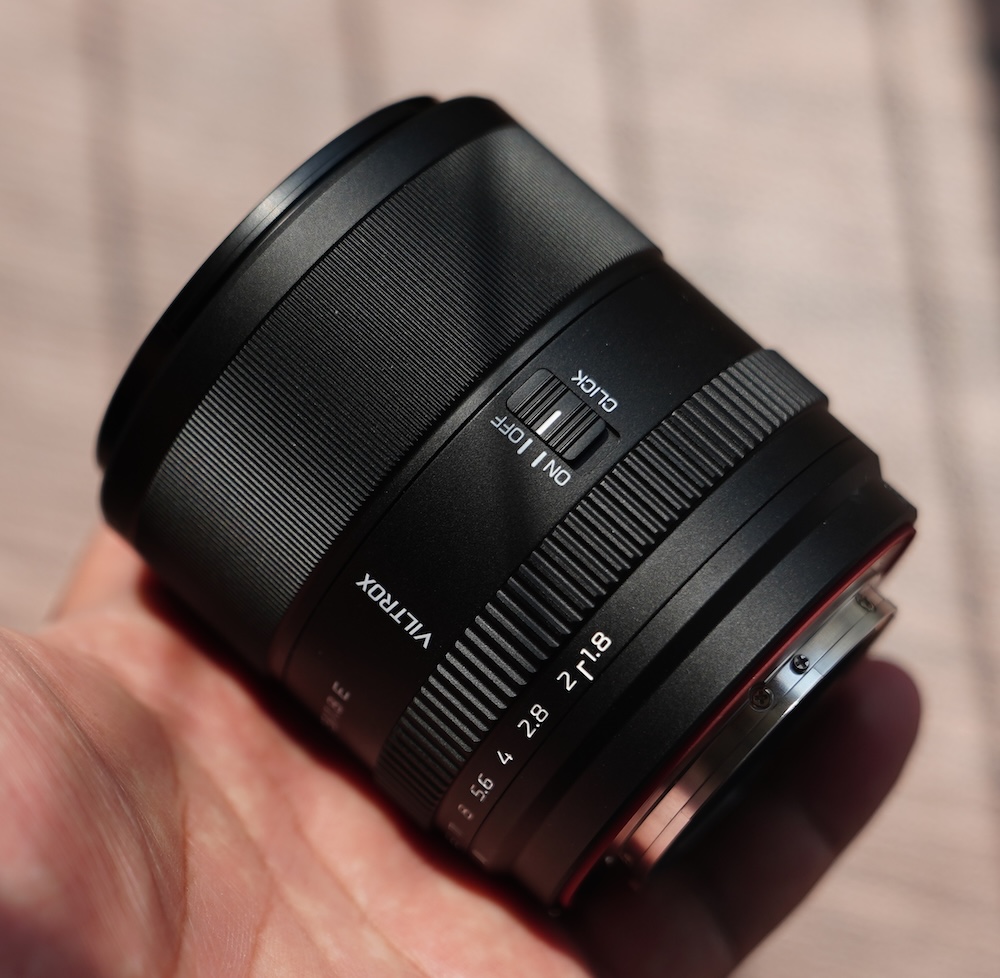
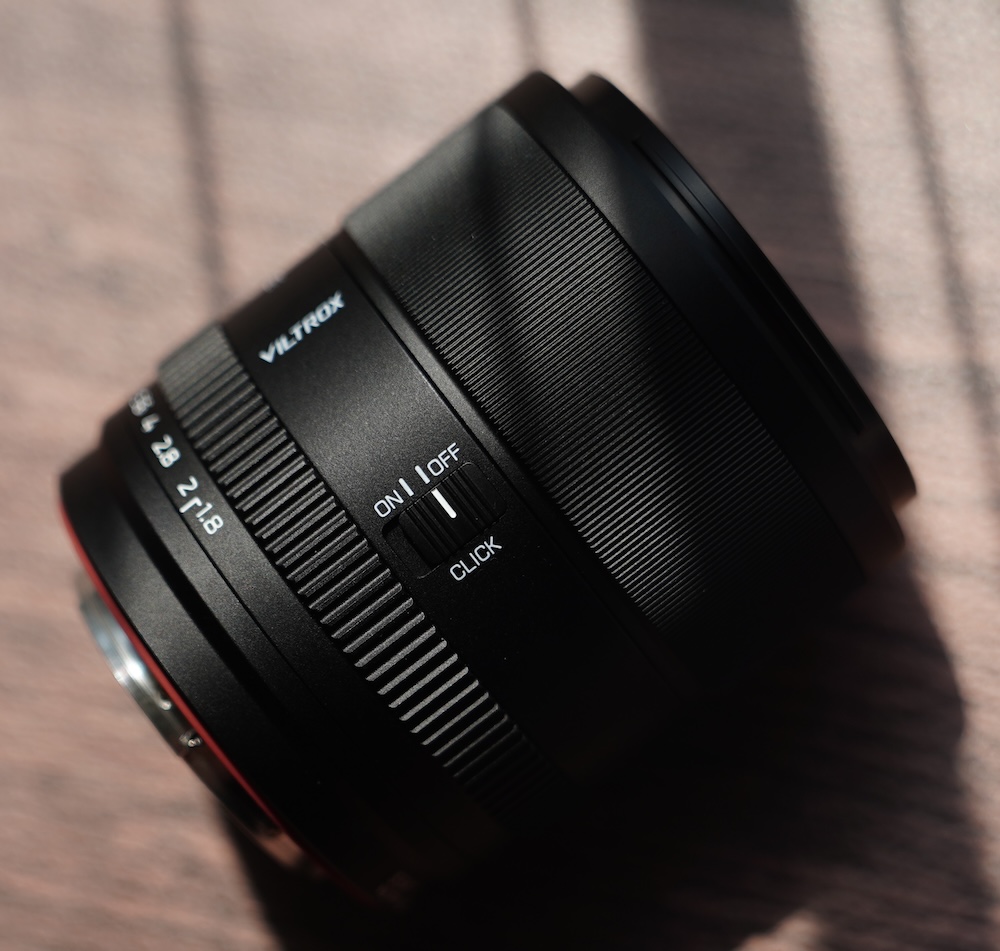
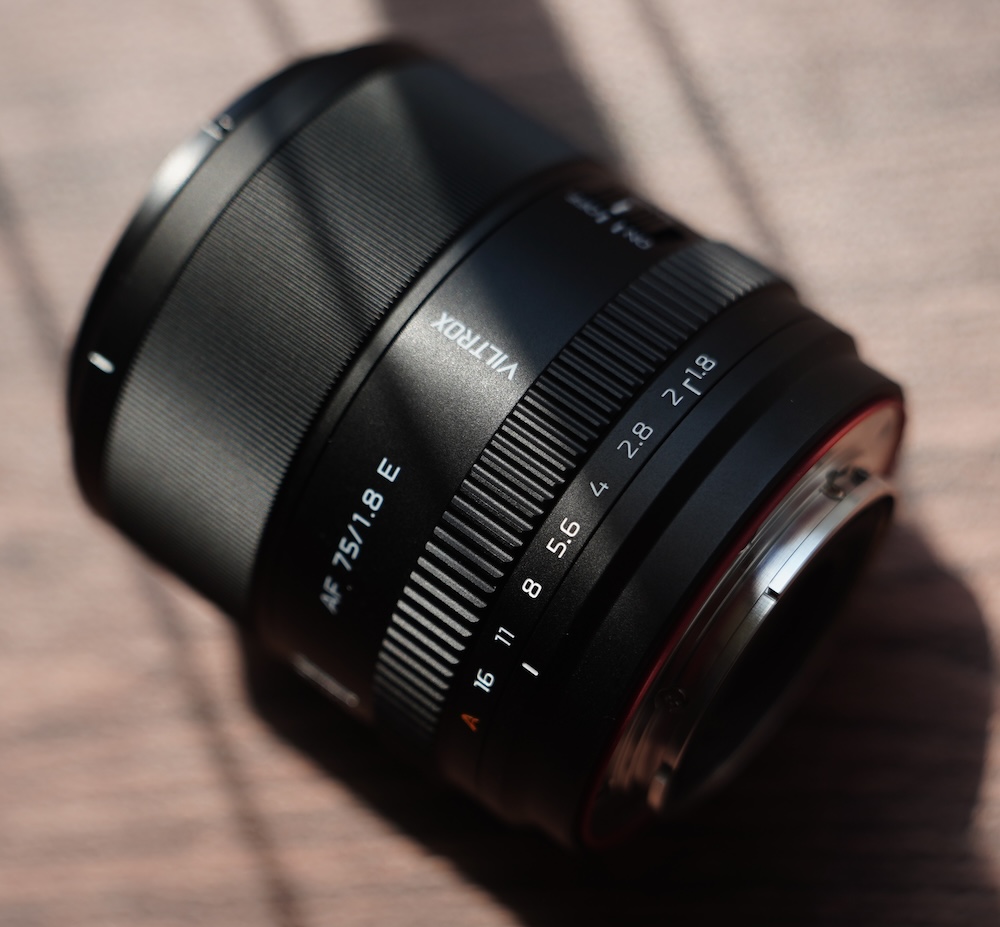
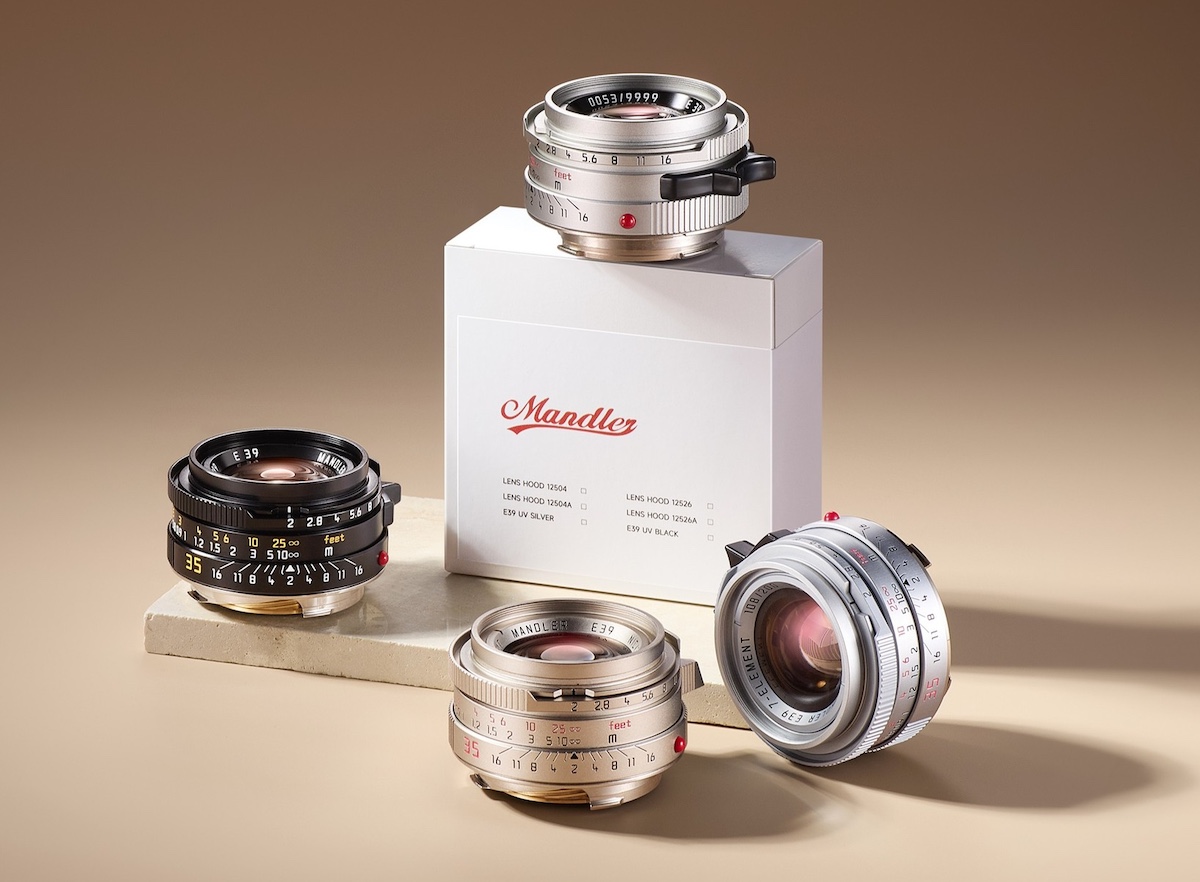
The Mandler 35mm f/2 is a complete reproduction of the original Leica Summicron 35mm f/2 seven-element optical lens formula. The name “Mandler” is a tribute to Walter Mandler, who designed many legendary Leica lenses.
There's a lot of rigging equipment in this GoPro video. Image: GoPro
GoPro has released an epic 7 minute long video to mark the launch of its next-gen Mission 1 and Mission 1 Pro action cameras, and to further tease the interchangeable lens model that's due out later this year. As you'd probably expect, it contains a lot of footage shot on the cameras, but it also has some behind the scenes shots that reveal exactly who its interchangeable lens camera is aimed at.
A quick refresher: the Mission 1 series cameras are built around a 50MP Type-1 (128mm²) sensor, and can shoot at 4K/120 open gate, and up to 960fps in FullHD. The Pro models can also shoot 8K open gate, while the standard Mission 1 is limited to 16:9 8K. While the Mission 1 and Mission 1 Pro have the integrated wide-angle lens we'd expect from an action camera, the Mission 1 Pro ILS instead has a Micro Four Thirds mount.
Back to the video. A lot of it is what you'd expect from GoPro: lots of slow-motion, people doing things that most of us would break our necks attempting, etc. And while the standard action cams are shown being used in a variety of ways, most of the Mission 1 Pro ILS' screen time is in a rig. Someone's either using it with a top handle an external monitor, flying it on a crane or wire, or holding it with a follow-focus.
There are a few fleeting shots of people using it as just a handheld camera with no accessories, but the message is pretty clear: the ILS is a camera mainly for professionals, and is designed to work on productions with a crew. It's not an action or vlogging camera, it's an inexpensive cinema tool that you can put anywhere to get decent-looking slow-mo, without being tied to the typical ultra-wide look that's been a staple of the company's previous products.
This is one of the few shots in the video where we see the Mission 1 Pro ILS being used without a ton of accessories, but it's still in the hands of a professional who seems to be shooting a commercial. Image: GoPro
Of course, it's not like companies never use pro-looking setups to market cameras to consumers. Apple famously shoots its events using iPhones (and thousands of dollars of accessories, grip and lighting equipment), and uses the fact that some directors shoot movies and TV with them in its marketing. But I don't think that's what's happening here, at least for the ILS.
For one, we've seen no indication that it'll include any sort of autofocus capability – the cameras in the video clearly don't have any pins for lens communication – which would exclude most of the audience looking to use it as a pocket cam. If that's the case, anyone seriously using it will also probably need to rig it out with at least an external monitor; try pulling focus using the built-in 2.59" display.
It was also launched at the NAB Show, an event put on by the National Association of Broadcasters that mainly focuses on pro video gear. GoPro's website also specifically calls out that the ILS is designed to provide "versatility for professionals."
It's exciting to see GoPro taking the cinema market really seriously
As a photography enthusiast, it's a bit of a disappointing message to receive. My last bits of hope about this being a workable tiny ILC for photography are pretty much dashed, though I'm sure there will still be people who will try using it for that purpose.
But as something of a videographer myself, it's exciting to see GoPro taking the cinema market really seriously. Sure, shots from its action cams have shown up in lots of movies already, but it seems like the Mission 1 Pro ILS will be much more capable for a wider variety of shots, rather than being relegated to the crash cam that captures a crucial half second of footage before being written off on the insurance.
The Mission 1 Pro ILS is due out in Q3 this year, so there's still a while to wait and see whether GoPro's bid to court professional videographers will be successful. If it is, the company may have just found a way to stay competitive in a market with an increasing number of very good options.

 Connexion