Vue normale

Partially stacked sensors quietly deliver the IQ breakthrough we've been hoping for

When you use DPReview links to buy products, the site may earn a commission.
Nikon z6iii sensor

Partially stacked sensors are essentially conventional BSI sensors with more complex readout circuitry (seen at the top and bottom of the Z6III sensor, here). This allows boosted DR modes we're seeing from the Panasonic S1II and Sony a7 V.

Image: Nikon

Dynamic range data for the Sony a7 V makes clear that the benefit of partially stacked CMOS isn't just speed: it's the ability to deliver higher dynamic range.

Bill Claff has just published his "photographic dynamic range" figures for the Sony a7 V, making an impressive showing and revealing what's going on behind the scenes, both for the Sony and the recent Panasonic Lumix S1II.

Partially stacked sensors are essentially conventional BSI chips with more complex readout circuitry around the edge (the sensor itself isn't stacked). The Nikon Z6III showed this could bring a speed advantage over existing BSI sensors but the Panasonic S1II and Sony a7 V show that there's much more they can do.

dynamic range graph for sony a7V from photos-to-photos

The dynamic range data for the Sony a7 V (black) gives a hint to how it's delivering its excellent results in mechanical shutter mode (blue).

Image: Photos to Photos

Unlike existing dual conversion gain sensors, which could use either a low gain (high capacity) setting for low ISO and a high gain (lower noise but lower capacity) mode for high ISOs, the new sensors can do both, simultaneously. So you can capture the full capacity of the low gain mode but combine the cleaner shadow data of the high gain mode.

For years, we've seen dismay that the advances in sensor tech weren't giving an IQ improvement. Well here's the step forward in IQ we've all been waiting for'

This process, which we suspect involves sample-and-hold capability in the more complex readout circuitry, takes longer than reading out just a single mode. As a result, it can only be conducted in the mechanical shutter modes, where the physical shutter stops any more light accumulating, giving you as much time as you need to read the sensor.

The publication of the e-shutter data for the Sony makes this clear: in e-shutter mode you see the now-familiar shape of a dual conversion gain sensor, but in mechanical shutter mode the low ISO DR is boosted: essentially extending the shadow benefit of the high gain mode back up into the low ISO range. Panasonic's S1II does the same thing.

dynamic range graph for panasonic s1ii and Nikon Z6III from photos-to-photos

Compare the results of the Panasonic S1II (orange) with that of the Nikon Z6III (green), which uses a similar sensor but appears to always use only either its low or high gain mode, and you see the same pattern. We strongly suspect the S1II's e-shutter data would overlap very closely with the Nikon's.

Image: Photons to Photos

For years now, we've seen dismay expressed that the advances in sensor tech were only giving a speed benefit, rather than an IQ improvement. And those speed improvements were often mischaracterised as solely benefiting video. Well here's the step forward in IQ we've all been hoping for, in addition to the speed boost we see in the single gain readout mode.

This isn't the only way of achieving something like this: Canon has it's own 'Dual Gain Output' technology used in some of its Cinema EOS cameras and there's a similar (though, we're told, not identical) approach used in the most recent Micro Four Thirds cameras from Panasonic.

What does this mean for the a7 V?

The upshot for the Sony is that dynamic range looks excellent in mechanical shutter shooting but you have to give up that DR boost when you switch to any of the fully e-shutter modes. So, while the Sony still outputs 14-bit files in these modes, there may not be the DR advantage over the Canon EOS R6 III's 12-bit output that some commenters have been (perhaps prematurely) crowing about.

The good news is that Bill had initially marked the a7 V's data as having noise reduction in it. He's now removed this designation as the signal processing he was observing appears to be the combination of the two readout modes, rather than anything murky goings on in the shadows.

Do I need all this DR?

This is certainly a step forward for the industry, and one that doesn't come with the significant costs of a fully stacked sensor design, so it's likely to come to a wider range of cameras. We'd assume a similar approach will appear in the next generation of fully stacked sensors, though it may still require the use of a mechanical shutter.

It's worth keeping in perspective, though. DR numbers do not represent image quality as a whole, and there's nothing to suggest that there's been a big boost in IQ across the whole tonal range of the images. The improvements will primarily be in the shadows, adding editing flexibility for things like daybreak and sunset landscapes.

For a lot of photographers, DR differences were worth considering when some models produced Raw files with relatively little opportunity to exploit shadow capture, beyond what was already present in the JPEGs. But once you reach a threshold of 'good enough' for your style of shooting, any further increase is nice to have but for an increasingly small number of your images, rather than an every-shot benefit.

It's definitely a step forward, though, and if more people start to utilize the capabilities of HDR screens to make their work more striking and lifelike and more often use more of their captured DR, then that will only increase the value of this breakthrough.


Thansk to Horshack, Bill Claff and Bob Newman for their work, insight and feedback on this technology.

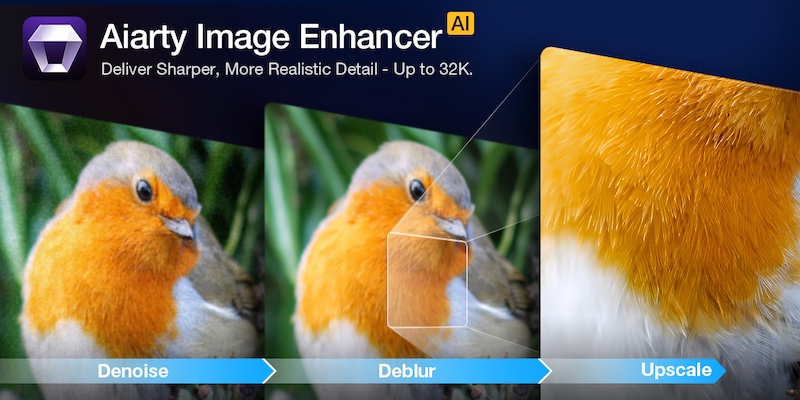
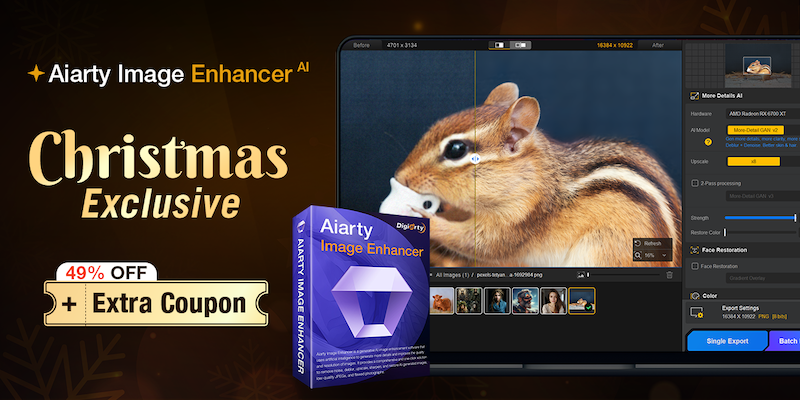
Aiarty Image Enhancer instantly fixes blurry, grainy, and low-res photos (49% off lifetime license + extra Xmas coupon)

Par : PR admin
12 décembre 2025 à 15:43

We all encounter situations where the environment fights against us: the lighting is too dim, the subject moves too fast, or the focal length just isn’t long enough. You end up with a composition you love, but the photo itself—plagued by high-ISO noise, slight motion blur, or low pixel count from cropping—becomes a headache to process.

Manually correcting these fundamental image quality issues in traditional photo editors often requires tedious fine-tuning to perfectly balance sharpness and natural texture.

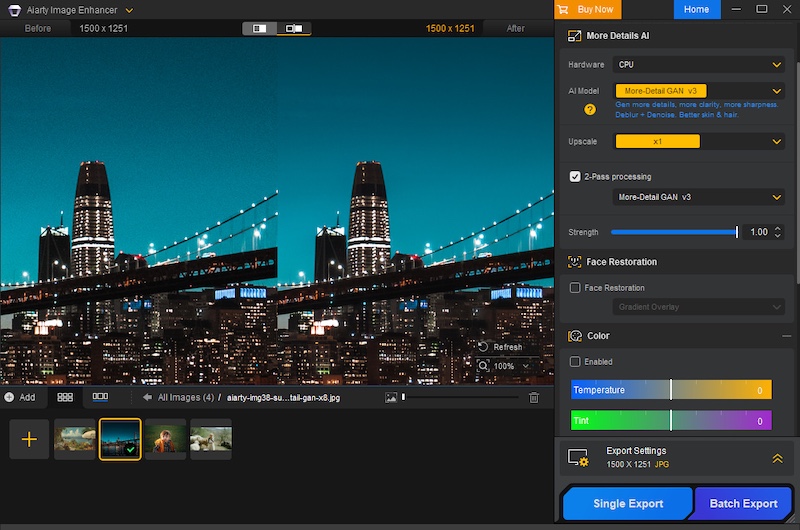
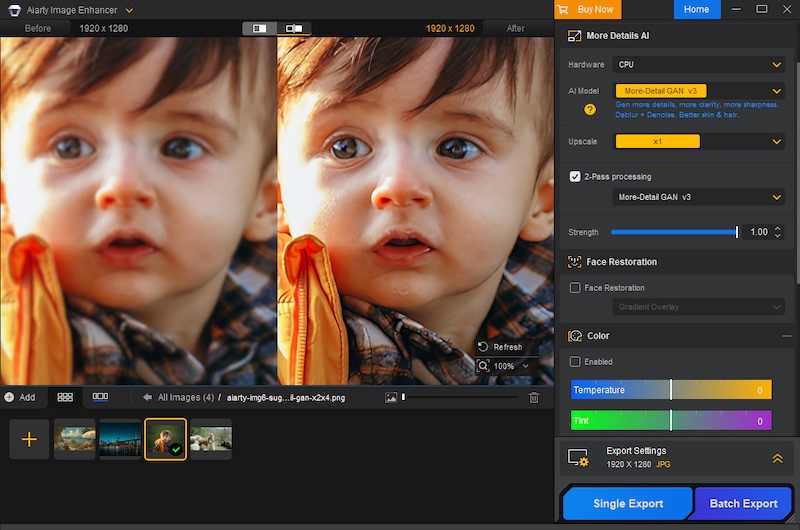
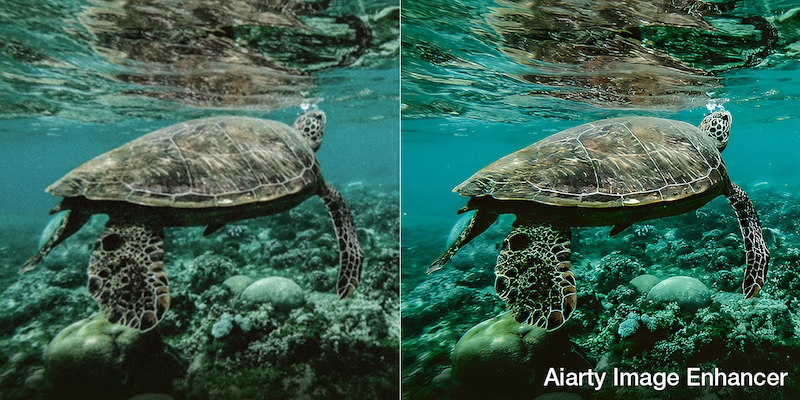
Aiarty Image Enhancer is designed to simplify this crucial post-processing step. It acts as an efficient specialist tool that quickly and automatically uses AI to denoise, deblur, sharpen, and upscale your photos. This approach hands you a clean, high-fidelity foundation, allowing you to spend less time fighting pixels and more time on the final artistic grade.

Christmas Special Offer: 49% off Lifetime License + extra $5 coupon

If you are tired of monthly subscriptions piling up, this offer is specifically for you. In celebration of Christmas, Aiarty is offering 49% off Aiarty Image Enhancer Lifetime License. And that’s not all! You can also use the limited-time coupon “XMASSAVE” to save an extra $5. Originally priced at $155, now you can grab it for just $74 – the lowest-ever price!

With your purchase, you’ll enjoy:

  • Full access to all features and lifetime free updates
  • Installation on up to 3 Windows or Mac computers
  • 30-day money back guarantee
  • One-time payment, no subscriptions or hidden fees

This is arguably one of the best value propositions in photo enhancement software this year. But is the software worth it? Let’s break down the performance.

Deep Dive: Why Aiarty Image Enhancer Belongs in Your Workflow

1. AI Denoise: The High-ISO Savior

Noise is the enemy of detail. Whether you are shooting indoor events, astrophotography, or wildlife at dawn, pushing your ISO is often necessary. Traditional noise reduction software works by blurring the image to hide the grain, which often results in the dreaded “waxy skin” effect or loss of fine textures like fabric or fur.
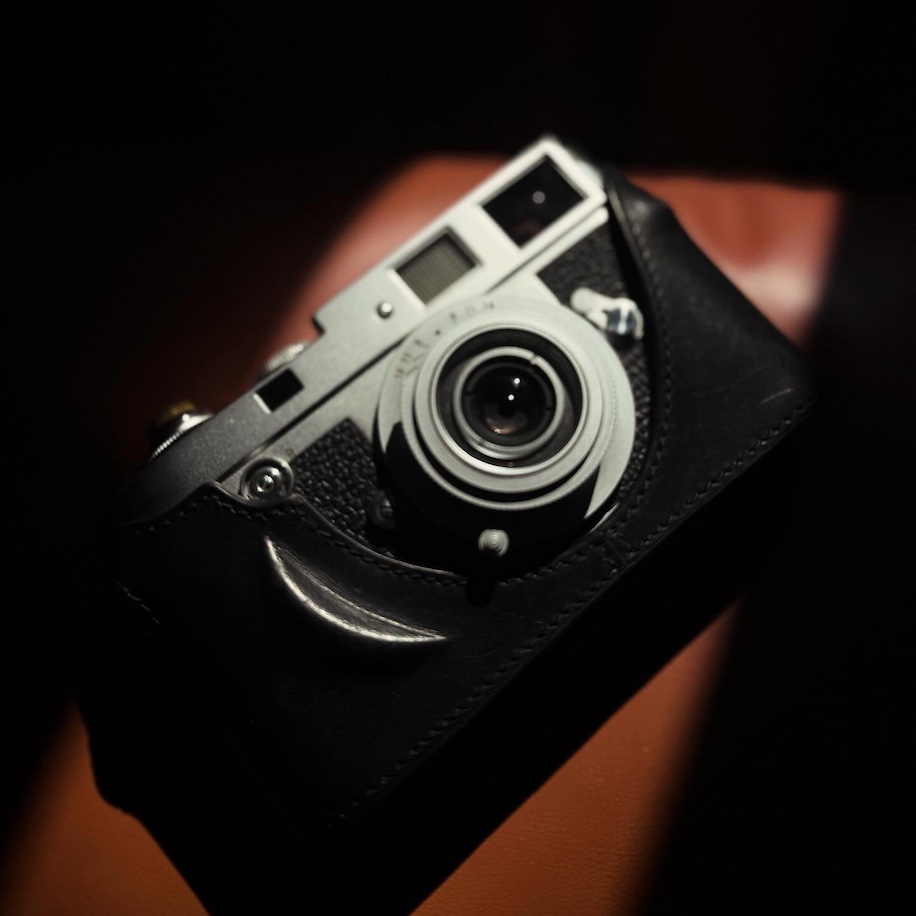
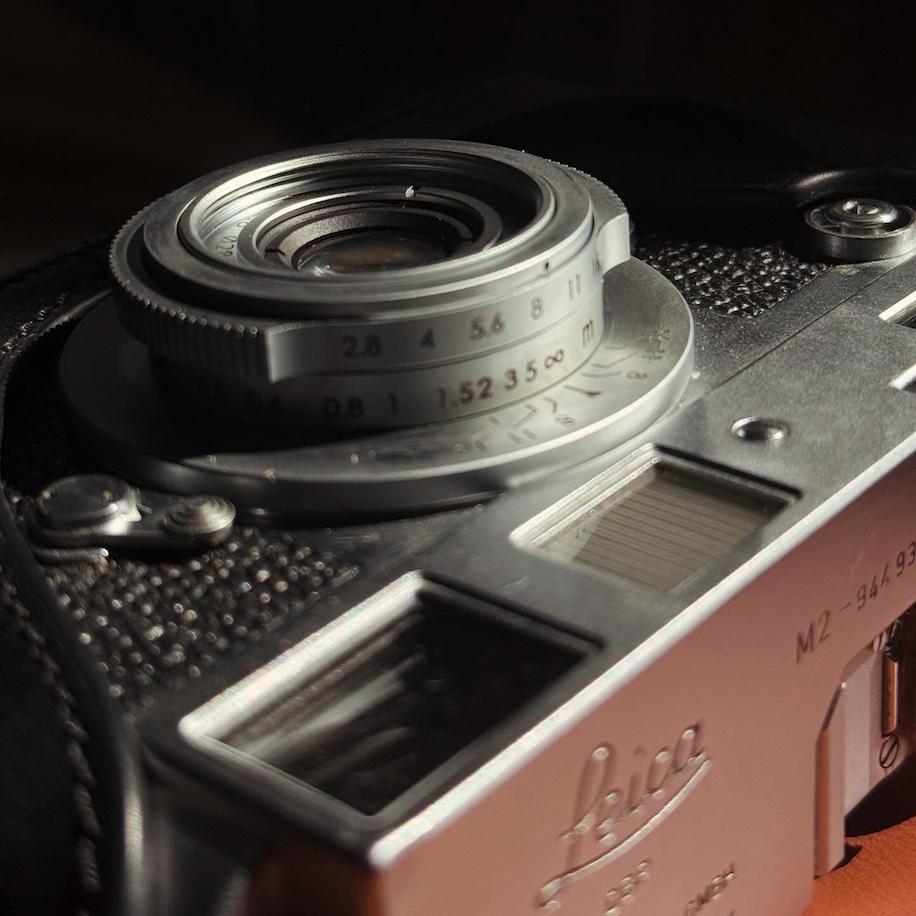
Aiarty uses advanced AI denoise technology to intelligently analyze the image. It distinguishes between luminance noise, chroma noise, and actual image detail. It allows you to remove noise from images without sacrificing the sharpness that your expensive lenses provide.

2. De-blur & Sharpening: Fixing the “Almost Perfect” Shot

Blur comes in many forms, and Aiarty tackles them all.

  • Camera Shake: Even with IBIS (In-Body Image Stabilization), handheld shots at slow shutter speeds can suffer from micro-jitters.
  • Motion Blur: Subjects don’t always stay still. A moving child, a running pet, or a swaying branch can ruin a shot.
  • Lens Softness: We all love vintage lenses or wide-open apertures, but they often lack sharpness at the edges.

Aiarty doesn’t just apply a “sharpening mask” which increases contrast at edges. Instead, it hallucinates (in a good way) the missing pixel data to reverse the blur. It restores edge definition and clarity without introducing the artificial white halos or “crunchy” look associated with over-sharpening.

3. The Upscaling Powerhouse: From Crop to Print

The freedom to crop is a luxury. Sometimes, your 200mm lens isn’t long enough, and you have to crop 50% or more of the frame to get the composition you want. In the past, such heavy cropping drastically reduced pixel density, rendering images unsuitable for large-format printing.

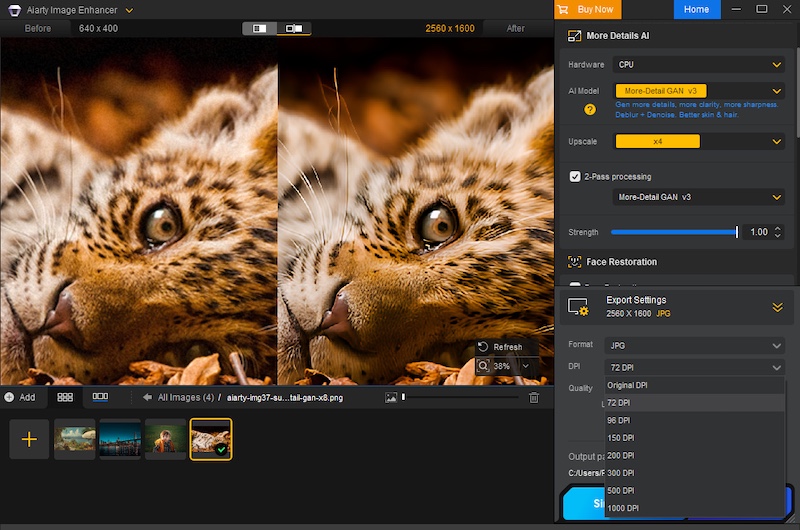
Aiarty excels in AI upscaling. Leveraging deep learning algorithms, it can enhance image resolution to 4K, 8K, 16K, and even up to 32K. Crucially, it generates new, realistic details and textures—like feathers, individual strands of hair, or intricate fabric patterns—rather than simply stretching pixels. This means you can crop without fear, transforming what would have been small, social media-only images into print-ready, large-format works with every pixel looking sharp and natural.

Furthermore, Aiarty allows for precise control over your output, enabling you to set custom DPI values directly within the software, a critical feature for professional printing workflows.

4. One-Stop Color & Tone Correction

While most professionals stick to Lightroom for grading, Aiarty includes a surprisingly robust set of adjustment tools. This is particularly useful for a “One-Stop” workflow. If you are rescuing an old, faded family photo or a poorly exposed JPEG where the RAW data isn’t available, you don’t need to open another app.

You can adjust temperature, tint, exposure, contrast, highlights, and shadows directly within the interface. It is perfect for quickly reviving the dynamic range and color vibrancy of an image immediately after denoising or upscaling.

Professional Workflow Features

  1. Extensive Format Support (Including RAW)

It doesn’t just handle JPEGs. It supports a vast array of input formats including HEIC, TIFF, PNG, and crucially, RAW files. It works seamlessly with .CR3 (Canon), .ARW (Sony), .NEF (Nikon), .RAF (Fujifilm), .DNG, and virtually every other proprietary RAW format from Leica, Panasonic, Olympus, and Hasselblad. This means you can integrate it right at the start of your editing pipeline.

  1. Hardware Acceleration

Processing AI models is demanding. Aiarty is optimized for GPU acceleration (NVIDIA, AMD, Intel), dramatically cutting down processing time and ensuring a much smoother workflow, particularly when dealing with large-format files or applying complex enhancements across batches.

  1. Batch Processing

Have a folder of 500 shots from a wedding that were shot at ISO 3200? You don’t need to edit them one by one. You can batch process thousands of images.

  1. Granular Control
  • Flexible Scaling: Many AI enhancement tools restrict control to fixed ratios (e.g., only 2x upscaling). Aiarty provides flexibility. It allows users to freely select the enlargement multiplier or directly set the final target resolution.
  • Strength Slider: The software offers an intensity slider to manually adjust the strength of the AI enhancement and sharpening. This ensures you can achieve the optimal balance between maximum quality improvement and preserving the image’s natural, artifact-free look.

Verdict: Don’t Miss This Deal

In the world of photography, “saving” a photo used to mean spending hours cloning and masking in Photoshop. Aiarty Image Enhancer turns that into a simple, automated process. It is the perfect companion to your existing RAW editor, stepping in when you need to go beyond the limits of your sensor.

With the Christmas Lifetime Deal, you aren’t just buying software; you are buying an insurance policy for your images. No monthly fees, just permanent access to better image quality.

Get the Aiarty Image Enhancer Lifetime License for just $74! Grab it before this limited-time holiday deal ends!

Enhance your photos effortlessly this season and make your memories shine like never before!

The post Aiarty Image Enhancer instantly fixes blurry, grainy, and low-res photos (49% off lifetime license + extra Xmas coupon) appeared first on Photo Rumors.

Between art and work: reflections on purpose and identity as a photographer

a person falls backwards with a peaceful look while in a vast prairie with a single trail
A self-portrait I created during grad school.
Photo: Abby Ferguson

Confession: this year has been a complicated one for me and my relationship with photography. It's been a year of conflicting emotions and unanswered questions about how to move forward with the medium. While I've already shared my reflections on some of my favorite photos taken this year, the end of the year also seems like a good opportunity for broader reflection about my place in the photographic world.

This year, I've been more involved in photography than ever before. On top of working at DPReview (for nearly a year now), I'm also teaching my second semester of photography at a local community college and I've joined local photography groups with regular meetups (a first for me). Photography has seeped into just about every aspect of my life and is part of every single day. It's become an all-consuming activity and topic. And yet, more than ever, I've also grappled with what this photography thing is to me at this point in my life. This year has challenged me to consider what kind of photographer I am and whether I'm creating work that I even want to make.

a line of square artworks are on a white wall next to a closeup of one of the images
My thesis body of work from graduate school consisted of digital multiple exposures printed on transparency film and mounted to plexiglass. The work centered around the impact of failing memory, specifically visuospatial working memory. The image on the left is a very small segment of my thesis installation, with a close-up of one of the pieces on the right.
Photos: Abby Ferguson

To understand why I've been grappling with this medium, some background may be helpful. I went to school for photography for seven and a half years. My undergraduate degree was a dual major in photography and art education, and I subsequently earned my Master of Fine Arts in the medium. Both my undergraduate and graduate programs were very conceptual, fine-art focused. I loved that side of photography, and it resulted in work that I am incredibly proud of to this day.

small images printed-on transparency film hang from red string next to empty red strings hanging in front of a window
There was an interactive component of my thesis show as well. Visitors were invited to take one of the small images hanging from red string (a reference to an old memory trick), which left empty red strings by the end of the show (the image on the right).
Photos: Abby Ferguson

Since graduating from graduate school, I have held a variety of photography-related jobs, all of which have been focused on the commercial or general industry side of the field. Being busy with a full-time job (and trying to make money) meant that the art side of my photography was largely pushed aside. I've made the classic excuses, including not having time and not having a dedicated space to create like I did in grad school.

I've continued to dip my toe in the art photography waters from time to time over the past decade, but not with any serious focus. There have been some conceptual self-portraits and a few series that I’ve started and stopped, but I haven't put forth the time or energy to develop anything in earnest or to get my work out there beyond my computer or the occasional Instagram post.

a broken yellow flower pot is hold together with red string with strong light casting shadows
This is one of my more recent conceptual images, though it was taken in 2020. The red string has remained a consistent theme (or thread, if you will) in my work.
Photo: Abby Ferguson

I'd already been struggling with missing the art component for some time, which has resulted in something of an existential crisis. I've been questioning whether I still like and am proud of my work since it isn't conceptually based. I've also been thinking a lot about the why. Why do I take photos? And why do I take photos of the things I do?

For a period of time, those questions resulted in my rarely taking photographs. Luckily, this year, I at least got over that hump and started shooting regularly again, largely thanks to the photo clubs. But those groups also brought all of my doubts and confusion into full view, partly because with these new people, I am frequently asked what type of photography I do. Quite frankly, I struggle to answer that question.

sunshine pours into an alley with a blue brck river surrounded by red bricks and yellow walls
Film photography and photo walks with local groups (which this image is from) have brought the fun back to photography for me, though they have also brought some of my dilemmas to the forefront.
Photo: Abby Ferguson

To a certain extent, it's always been that way, as I never narrowed down into one small niche as some do (and as I was constantly told to do). But it's been amplified lately. I always feel like I need some long, convoluted reply, or to have an asterisk at the end of it. Am I still a conceptual photographer at this point? I make lots of non-conceptual work, but is any of it any good? And how would I describe that work in a word or two? I can confidently say that I don't consider myself a landscape or wildlife photographer, but what type of photographer am I?

I wish I could say that as we wrap up this year, I've found my answer and can confidently say that I am a [fill in the blank] photographer or that I am in love with my photographs. Unfortunately, that's very far from the truth. While I created images I'm proud of, the big picture is something I am still wrestling with, and likely will continue to. For the time being, I'll just keep making work and perhaps find a renewed urge to put that work out there for others to see.

Updated list of latest/upcoming/rumored Chinese lenses

Par : PR admin
12 décembre 2025 à 02:12


Here is an updated list of the latest/upcoming/rumored Chinese lenses:

  • New Yongnuo YN 33mm f/1.4 R DA DSM lens with a lock button.
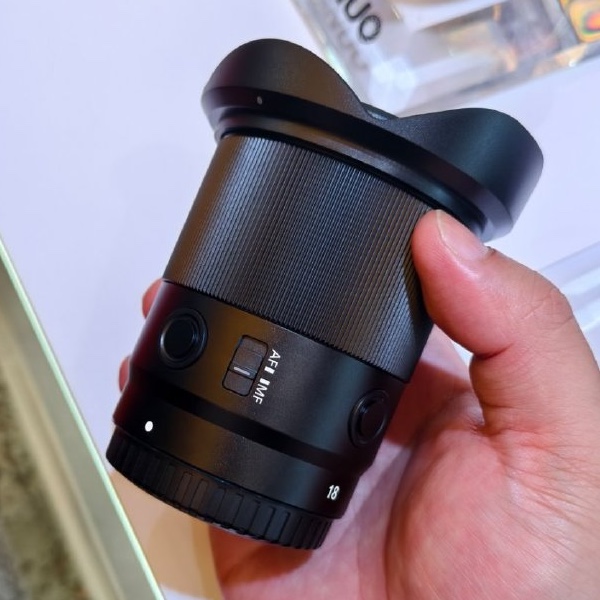
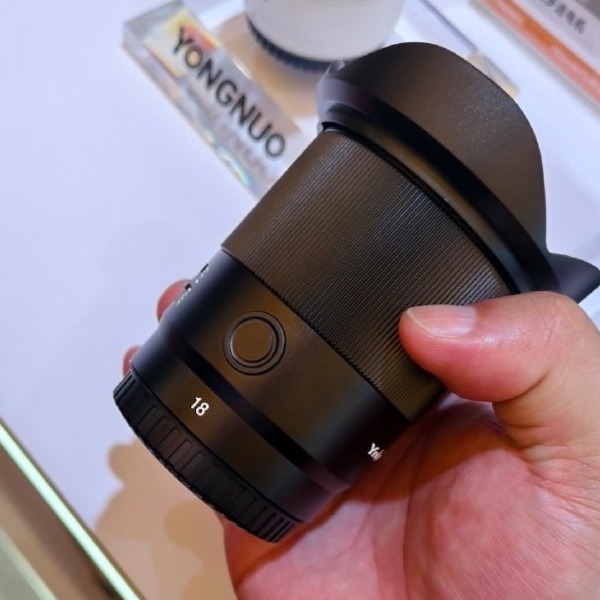
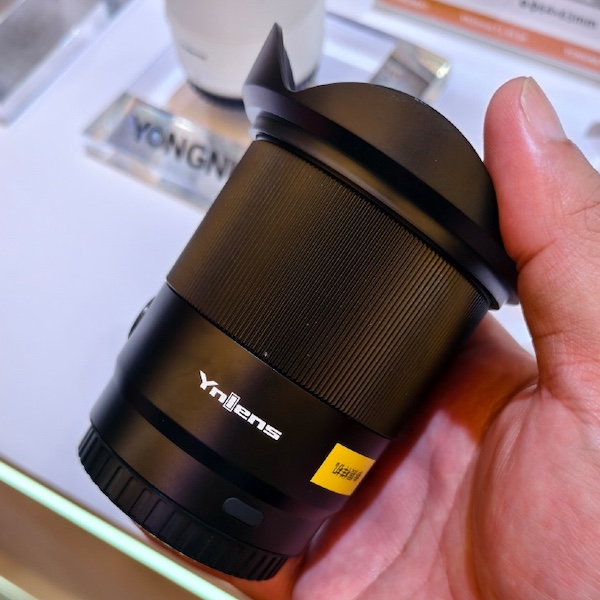
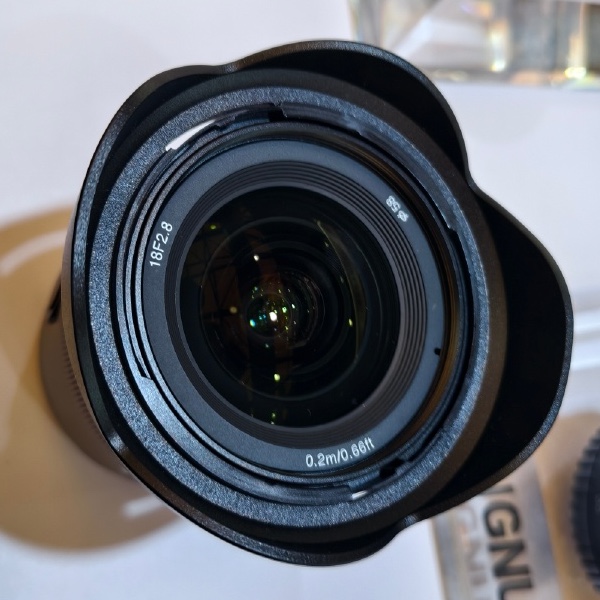
Yongnuo 18mm f/2.8 full-frame autofocus lens Yongnuo 18mm f/2.8 full-frame autofocus lens Yongnuo 18mm f/2.8 full-frame autofocus lens Yongnuo 18mm f/2.8 full-frame autofocus lens
  • New Yongnuo 18mm f/2.8 full-frame autofocus lens.
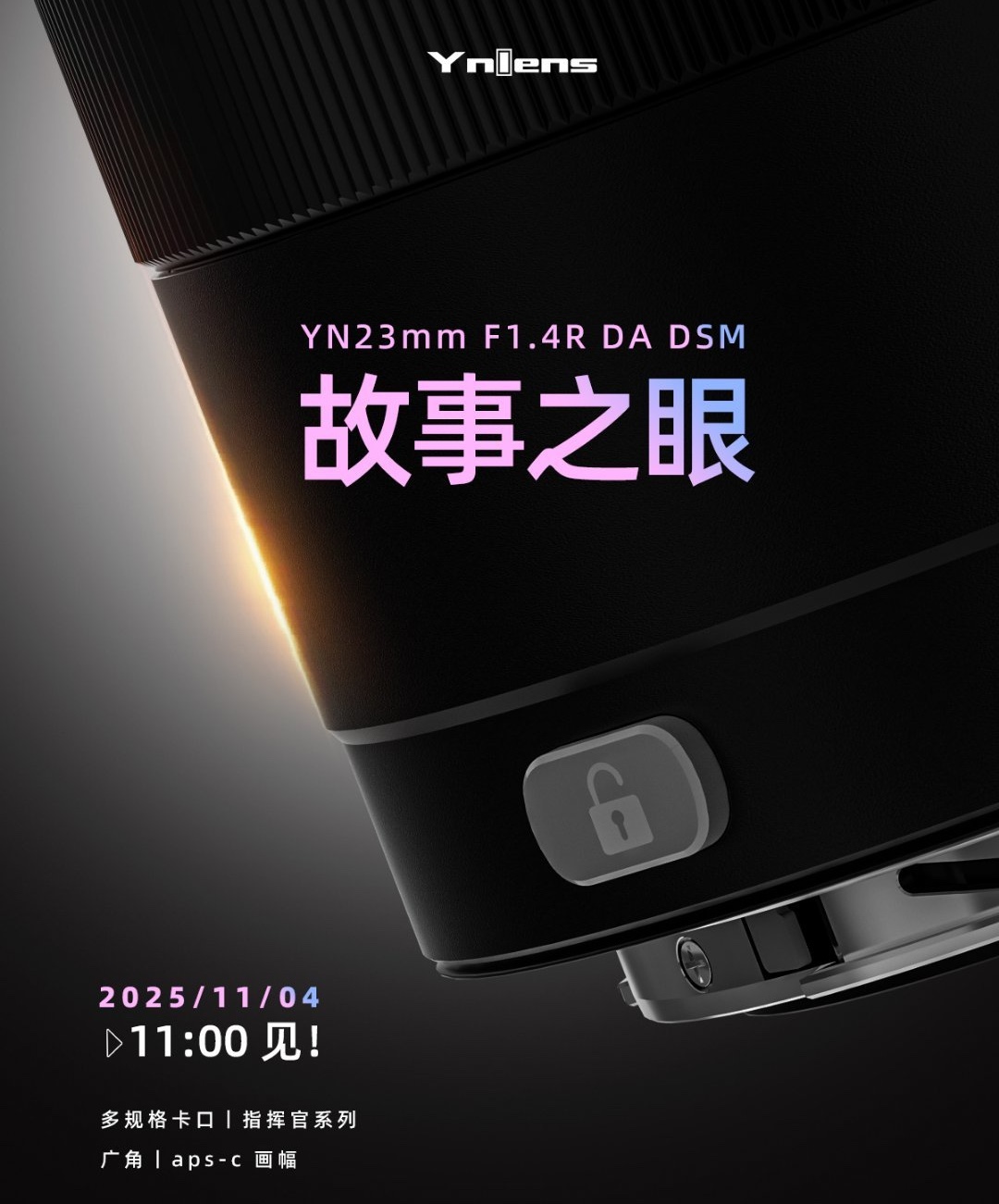
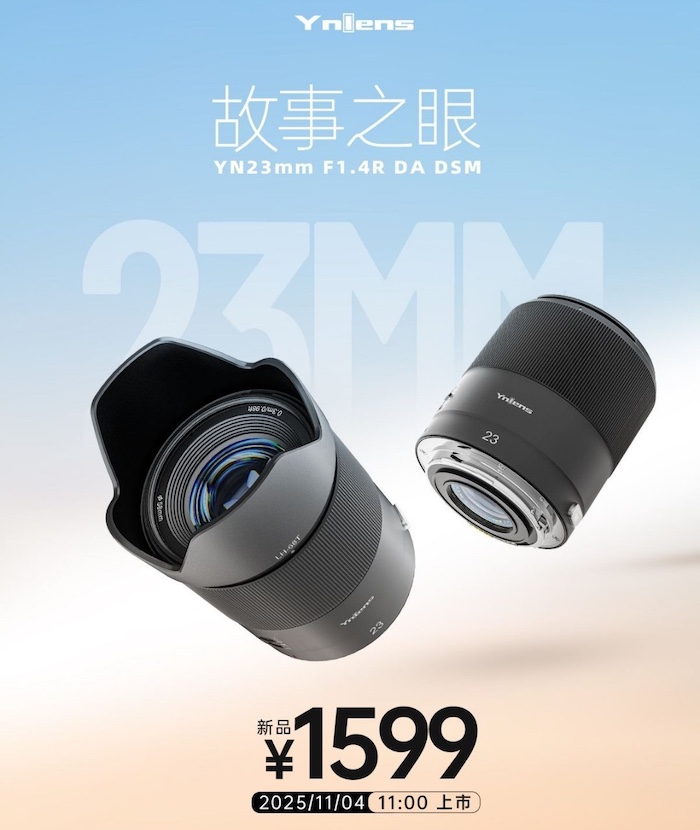
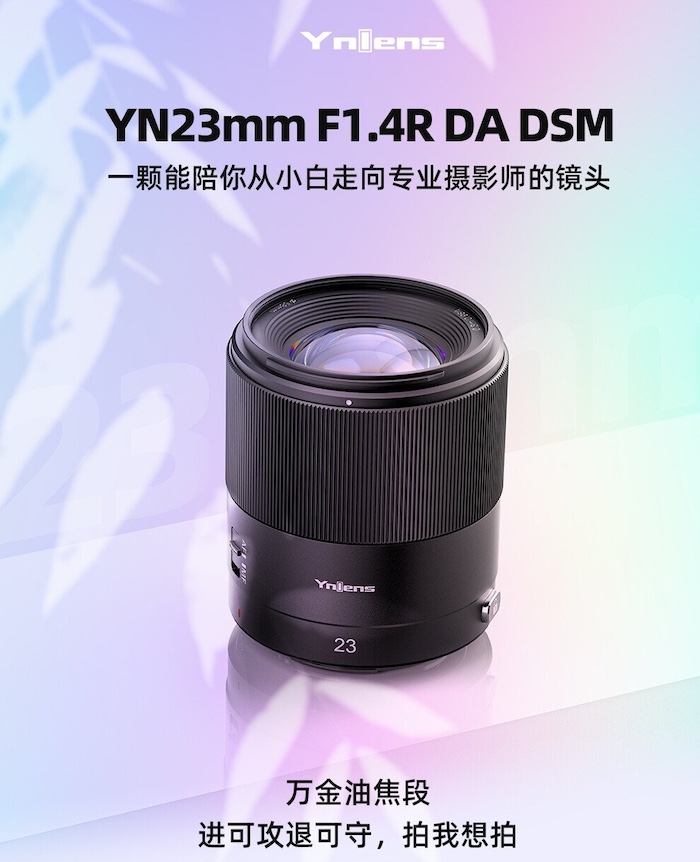
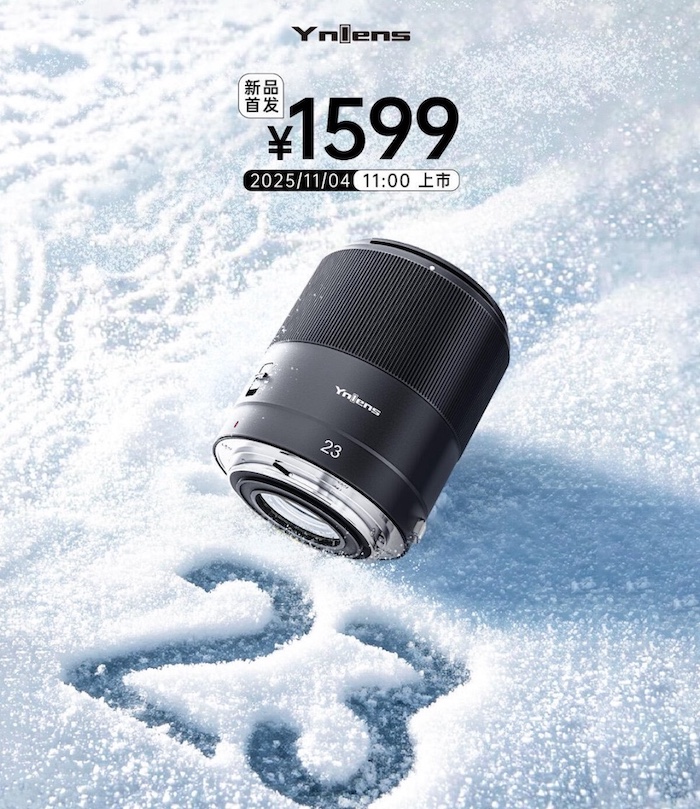
  • New Yongnuo YN23mm f/1.4R APS-C lens.
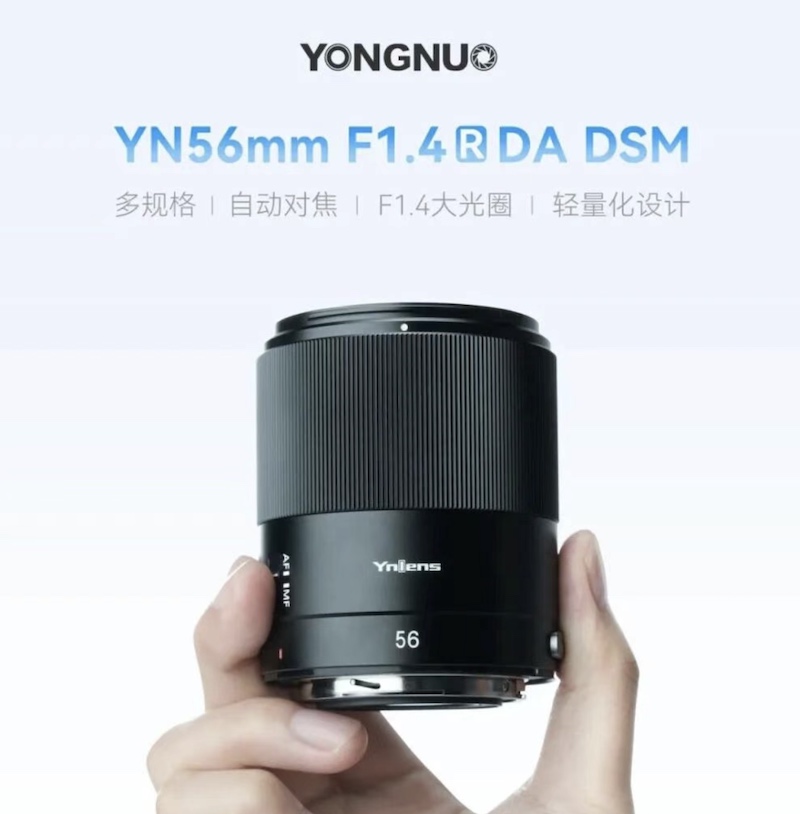
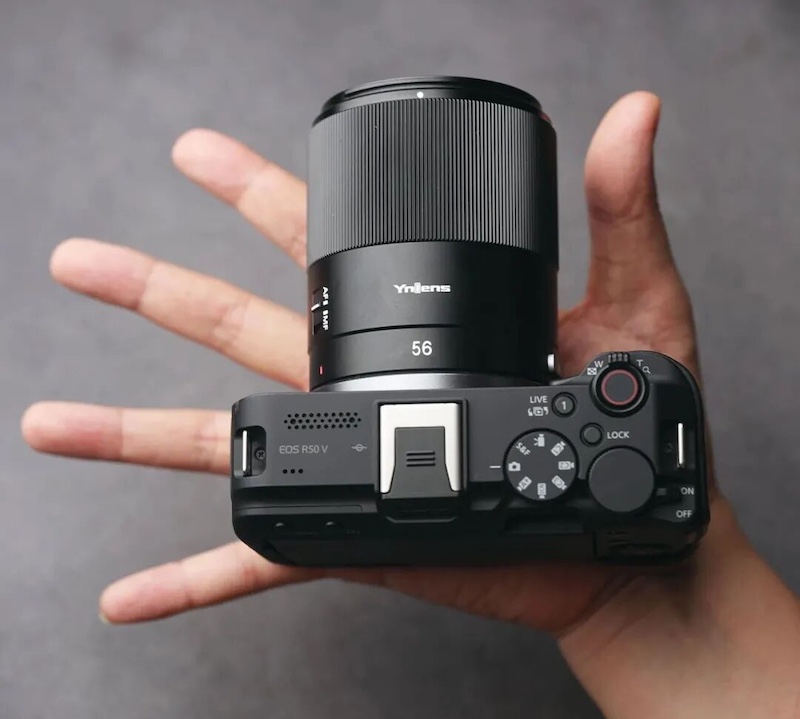
  • New Yongnuo YN 56mm f/1.4 R DA DSM lens (RF mount version).
  • New Yongnuo 50mm f/1.8 Z DF full-frame autofocus lens for Nikon Z mount.
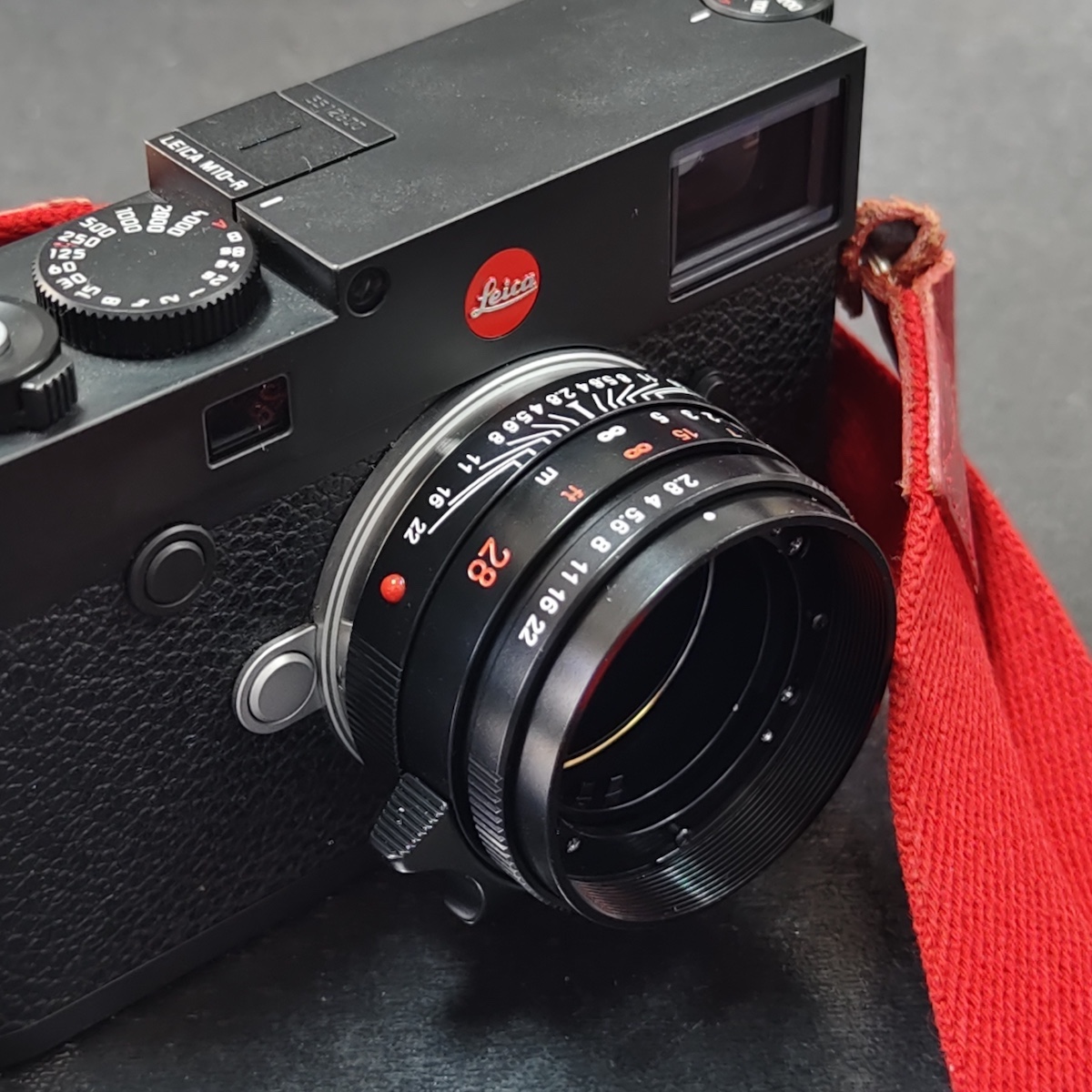
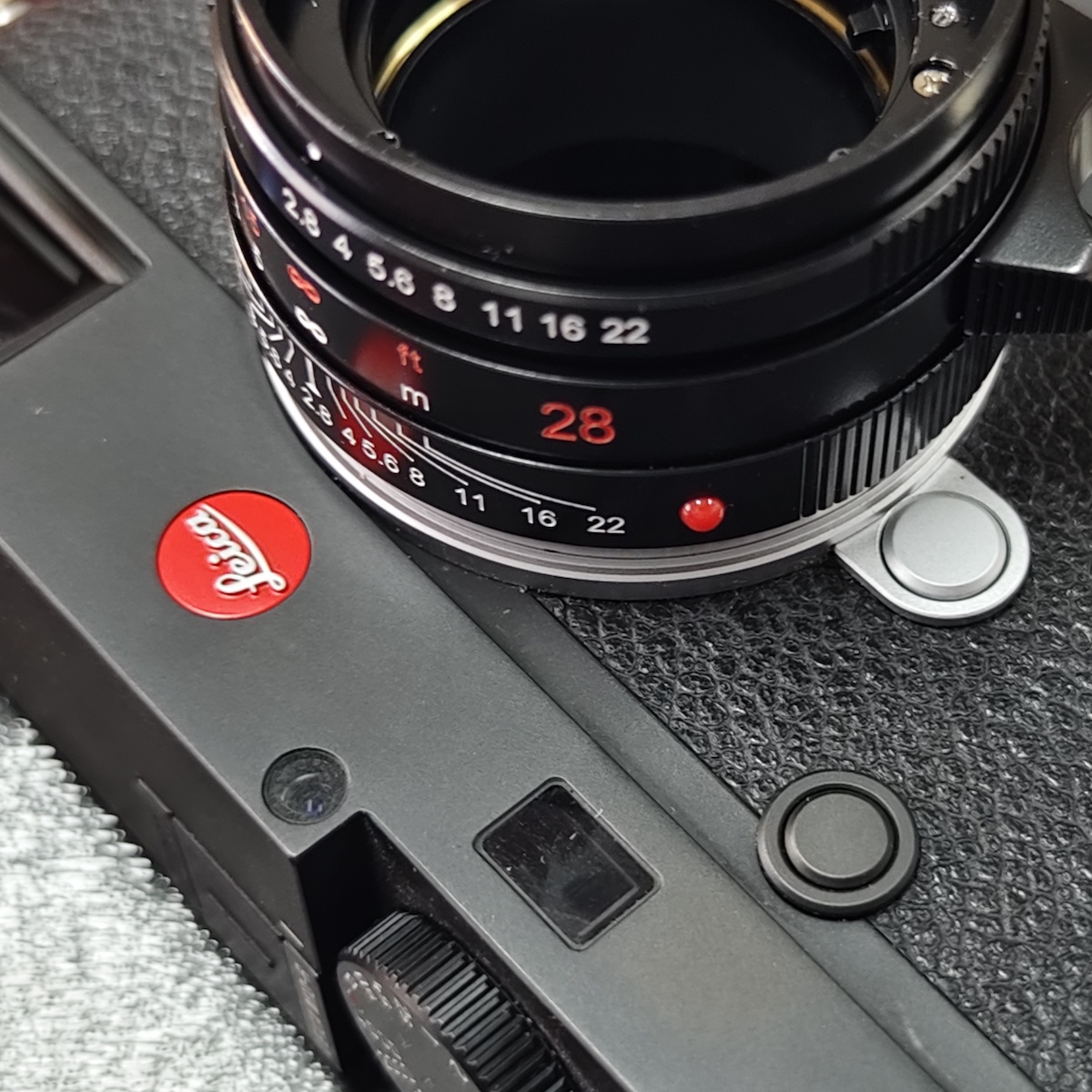
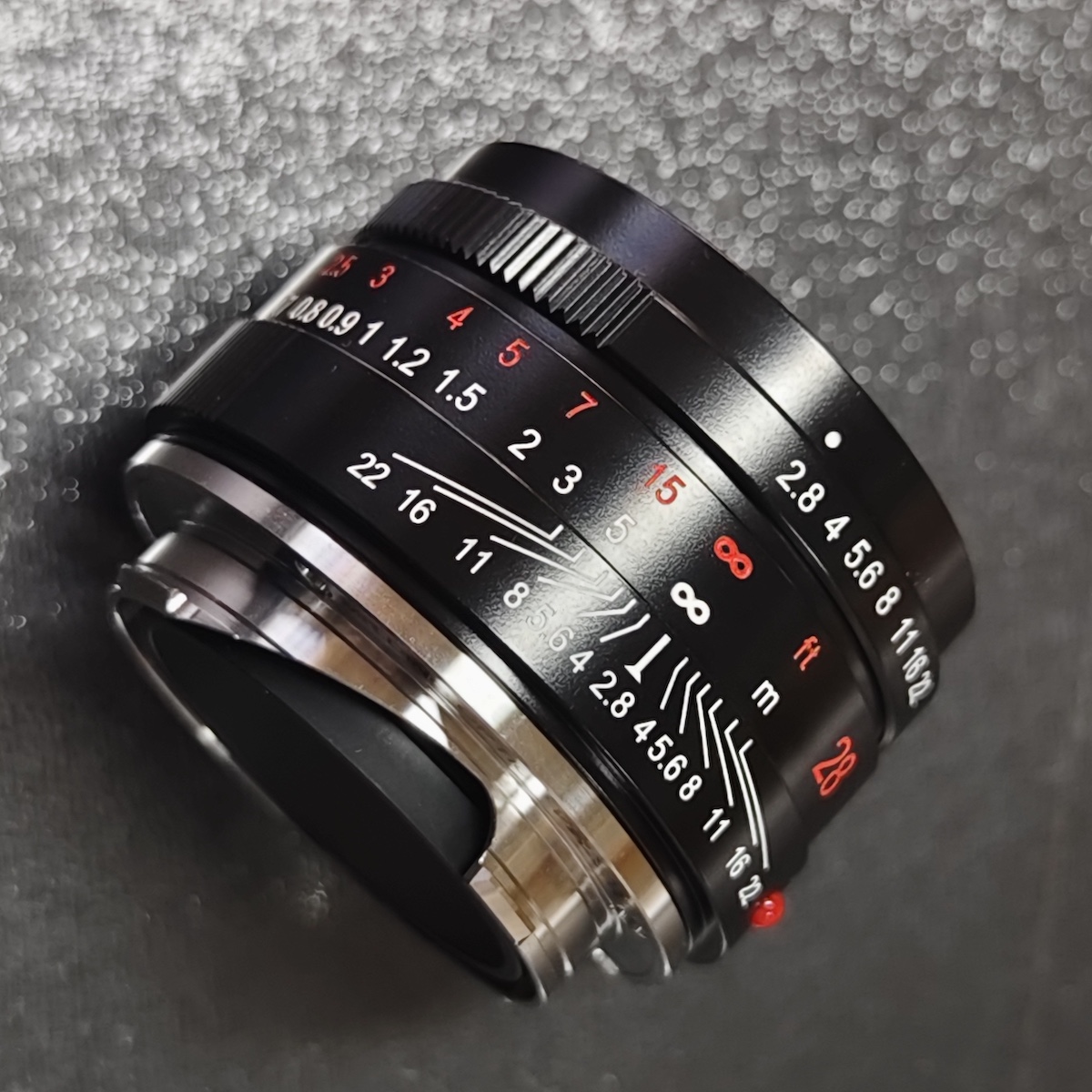
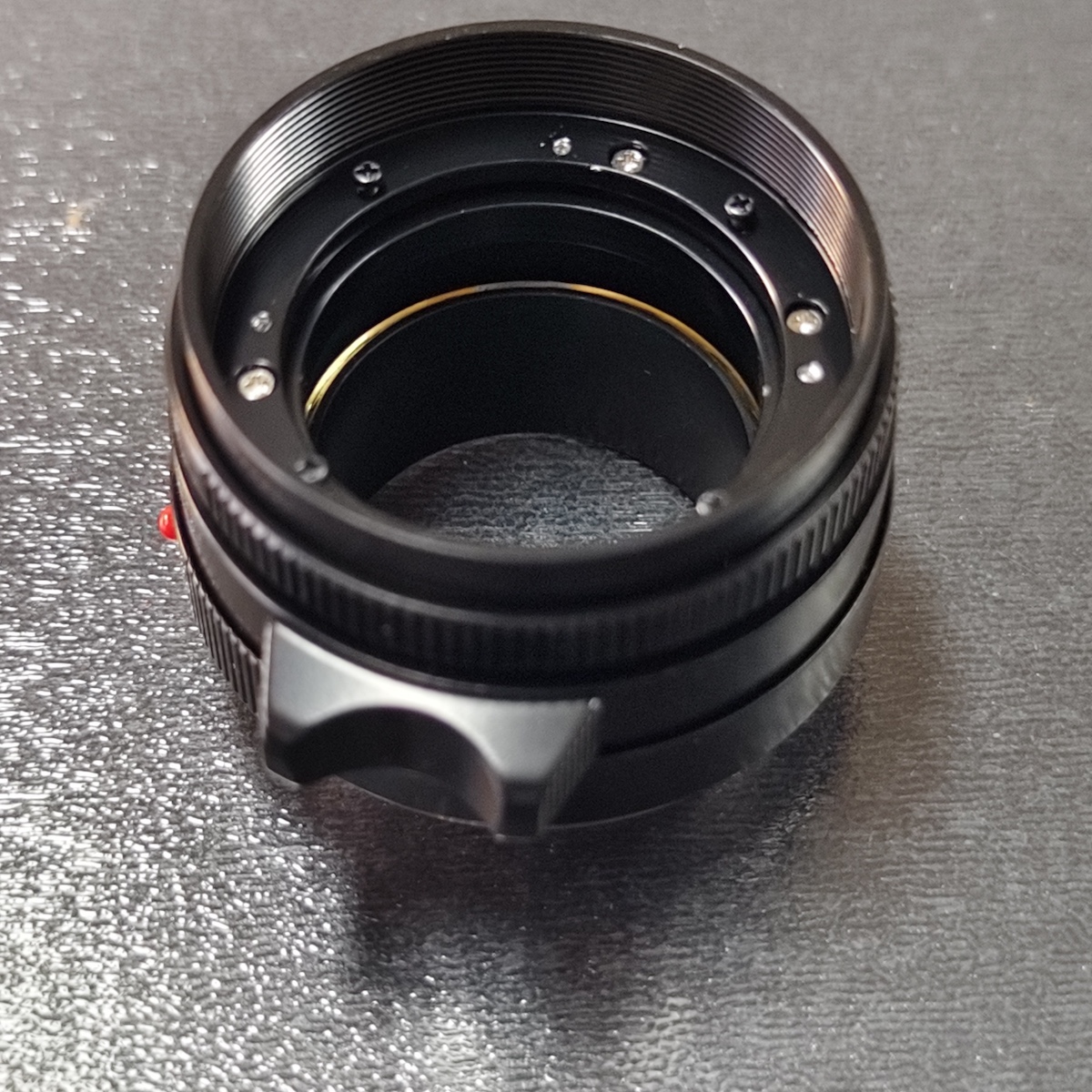
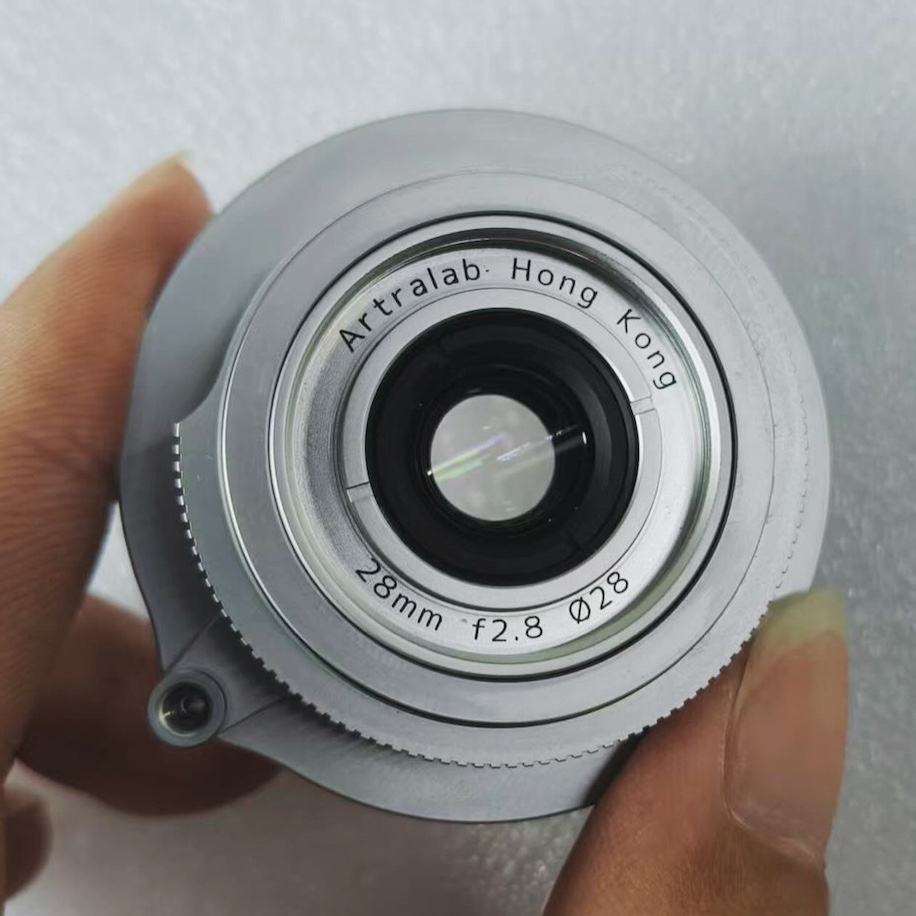
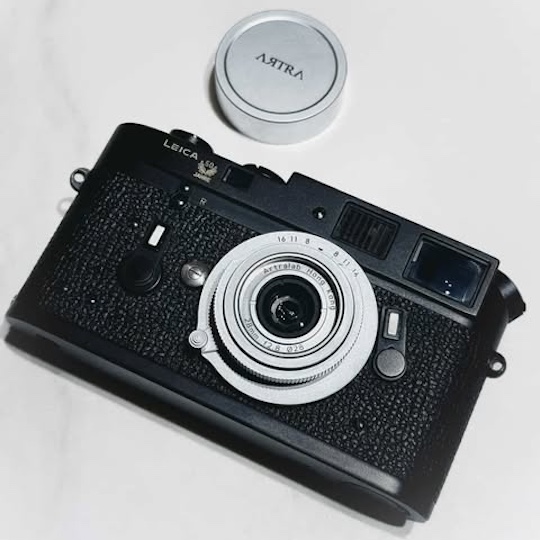
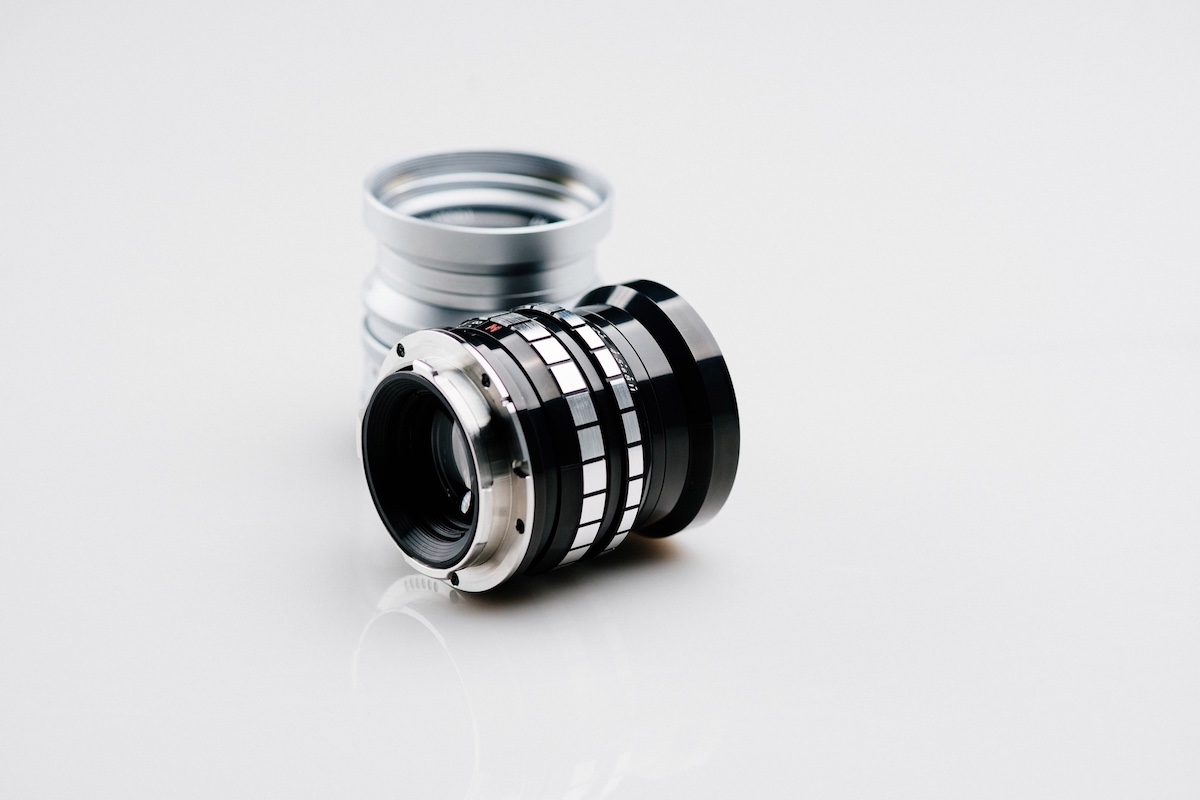
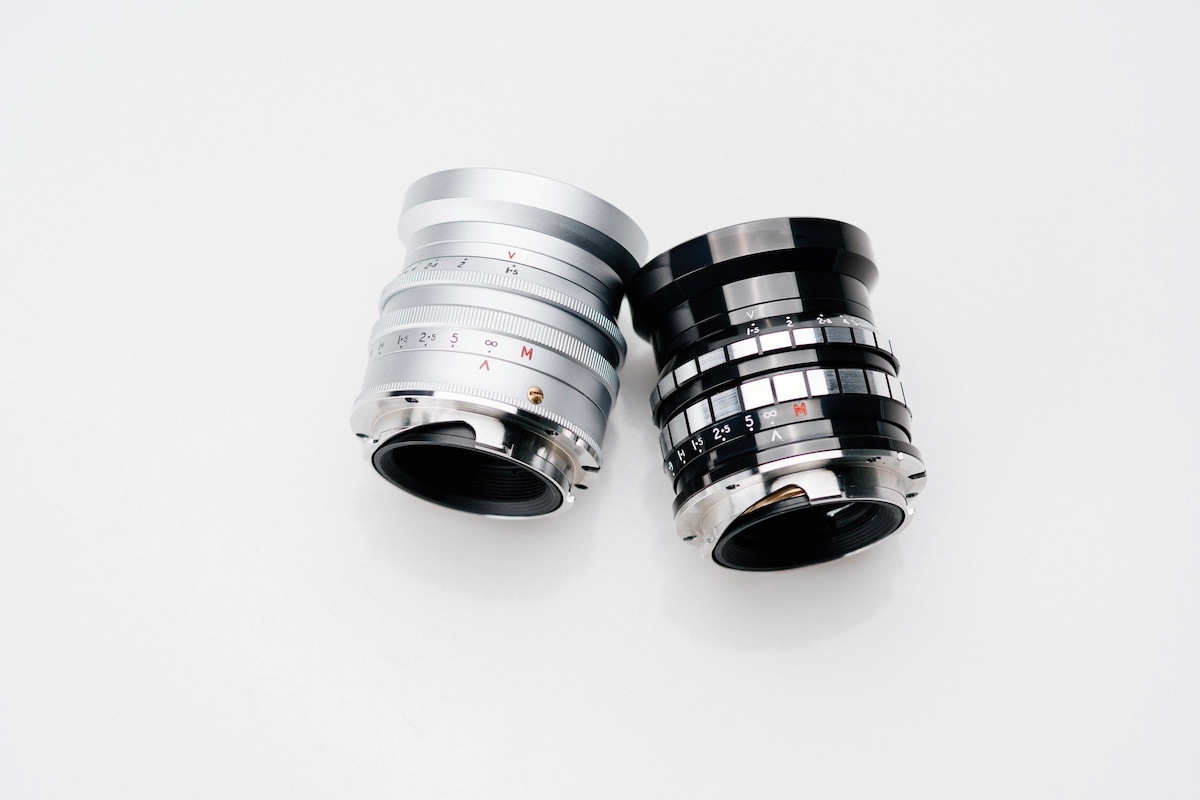
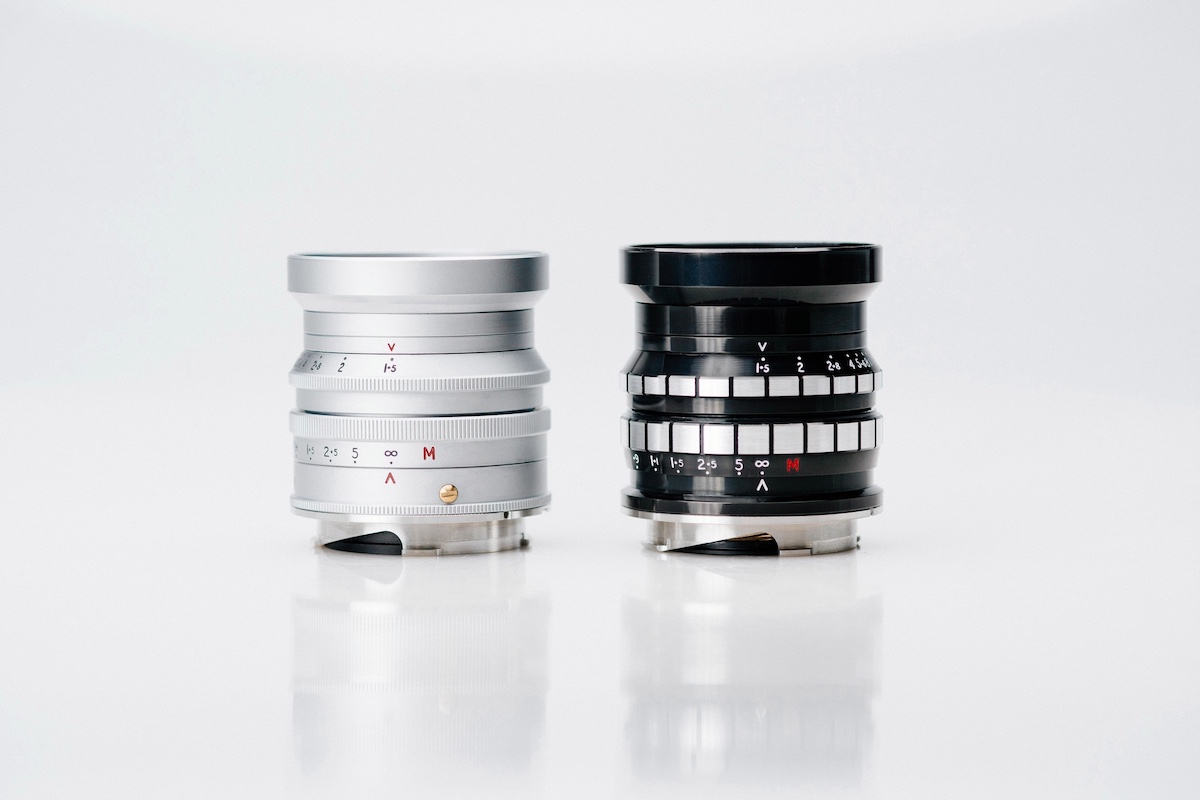
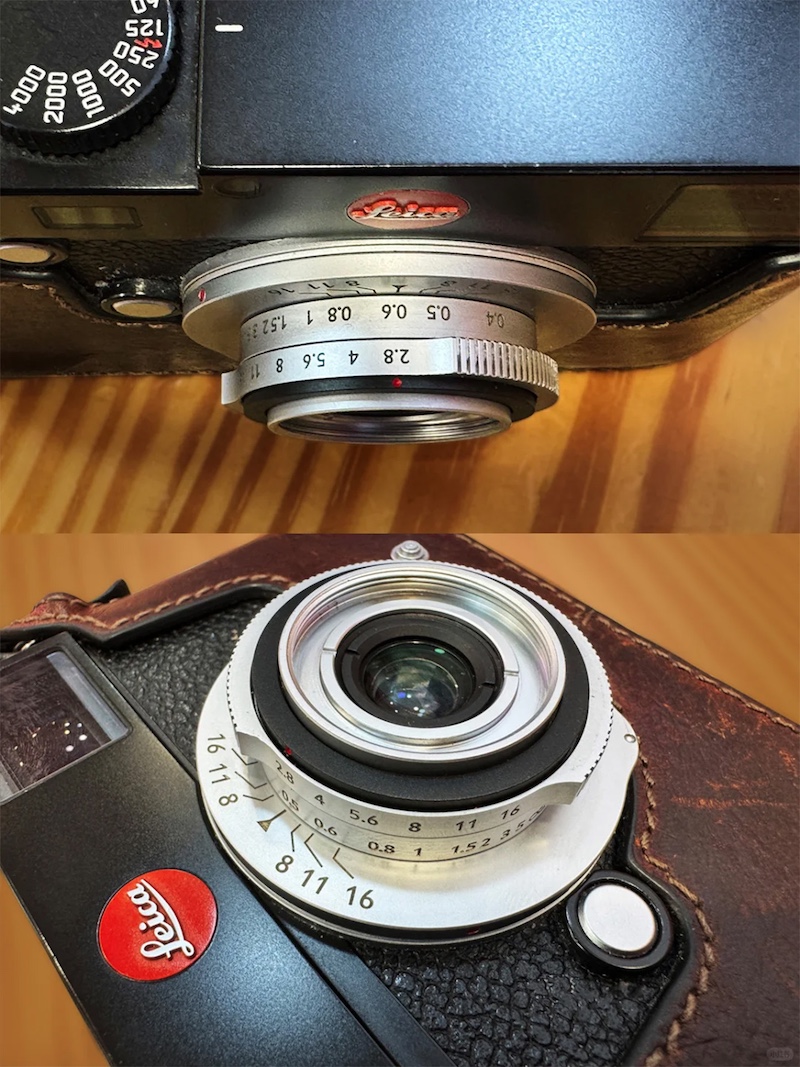
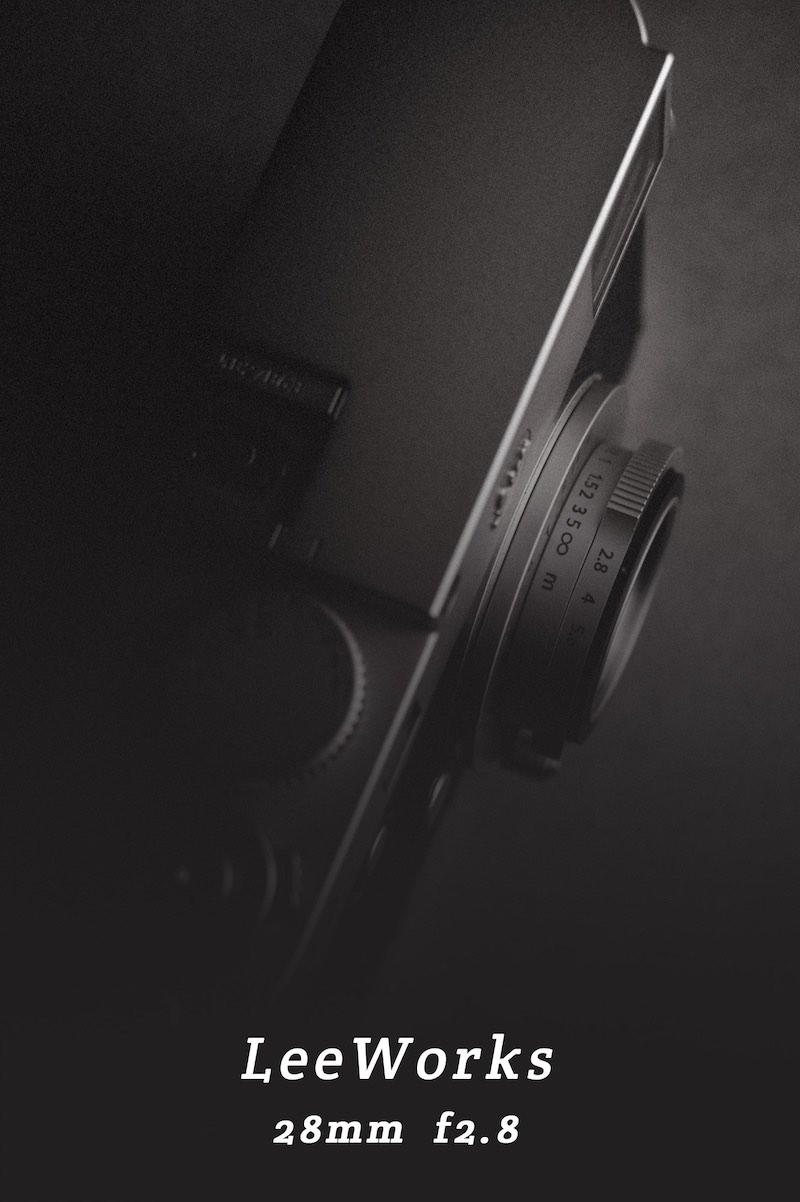
  • A new Lee Works 28mm/2.8 lens for Leica M-mount is coming soon (minimum focusing distance of less than 0.4m).

Here is an updated list of photo gear promo codes you can use during this holiday shopping season

The post Updated list of latest/upcoming/rumored Chinese lenses appeared first on Photo Rumors.

❌