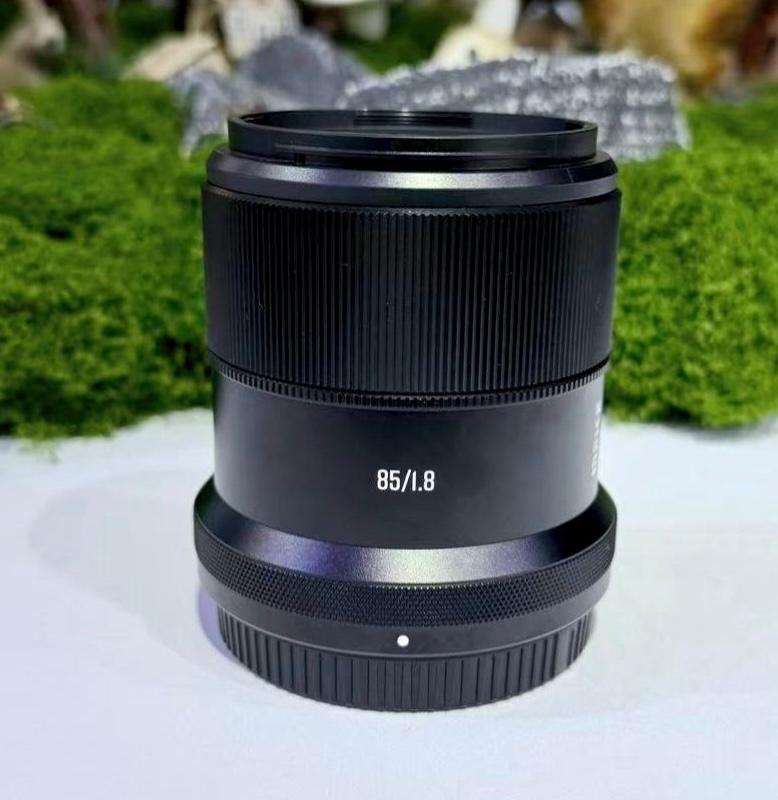
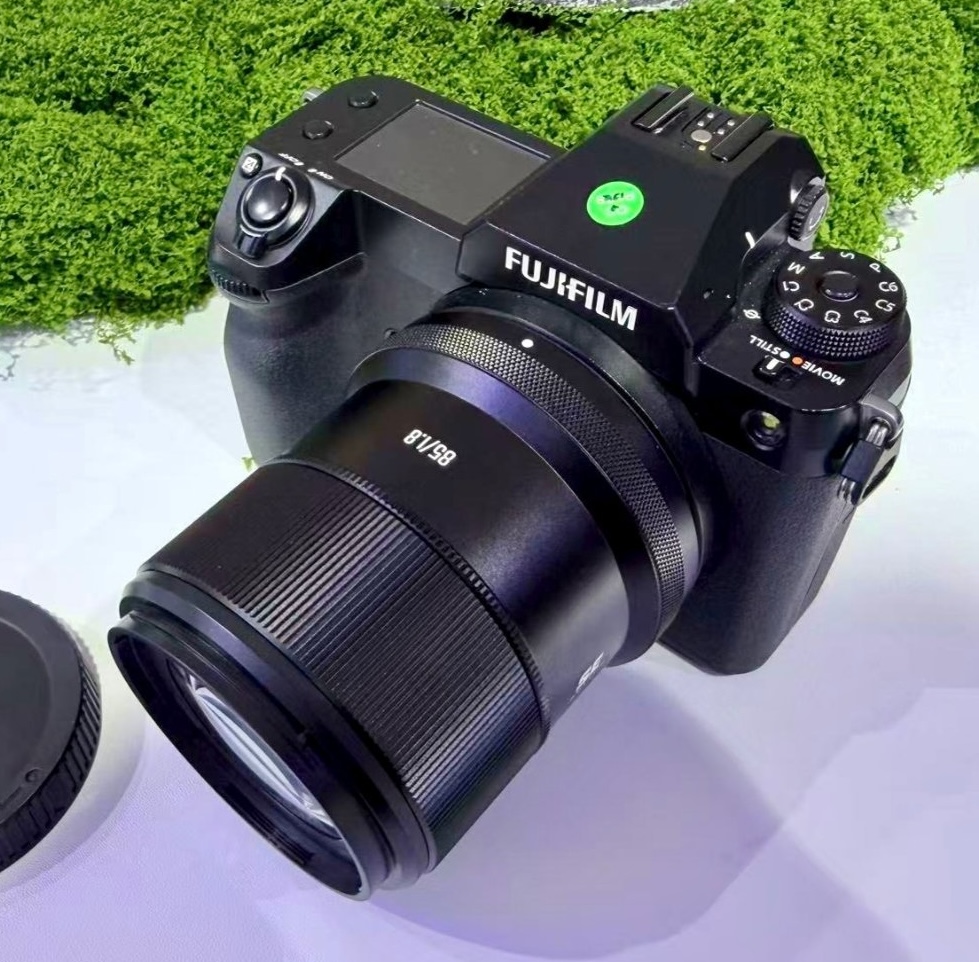
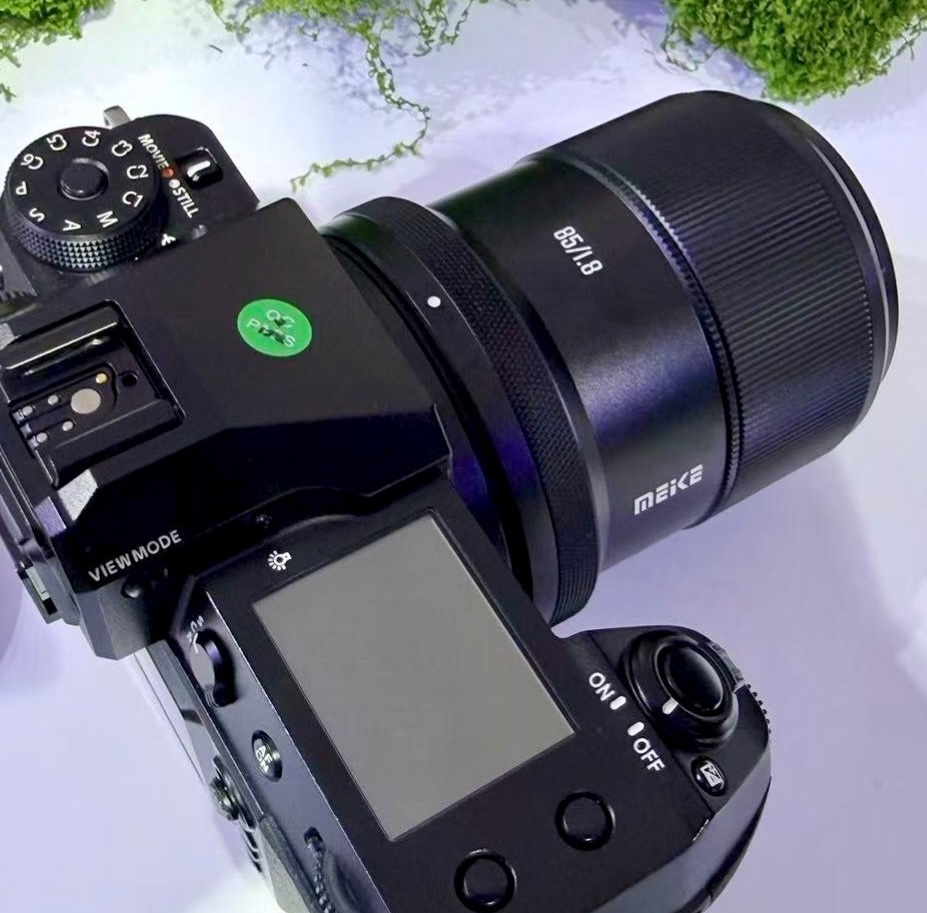
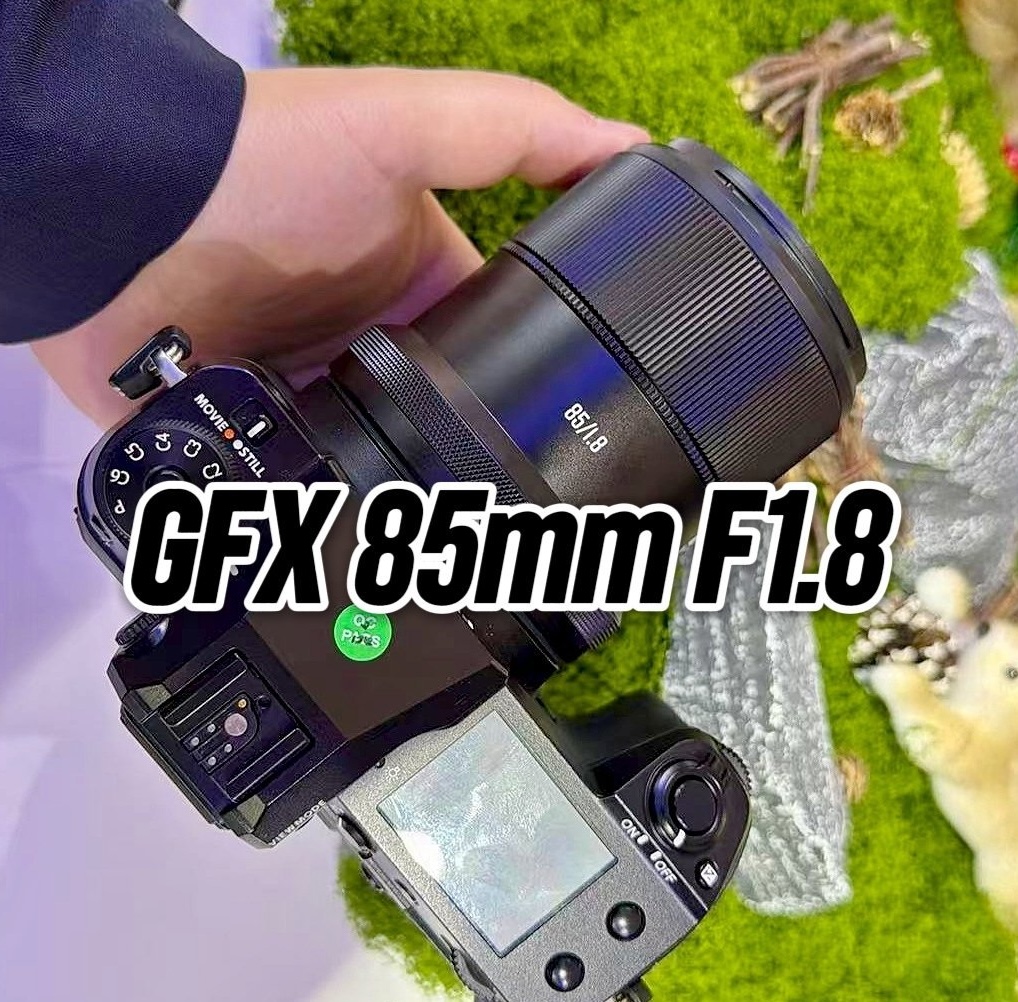
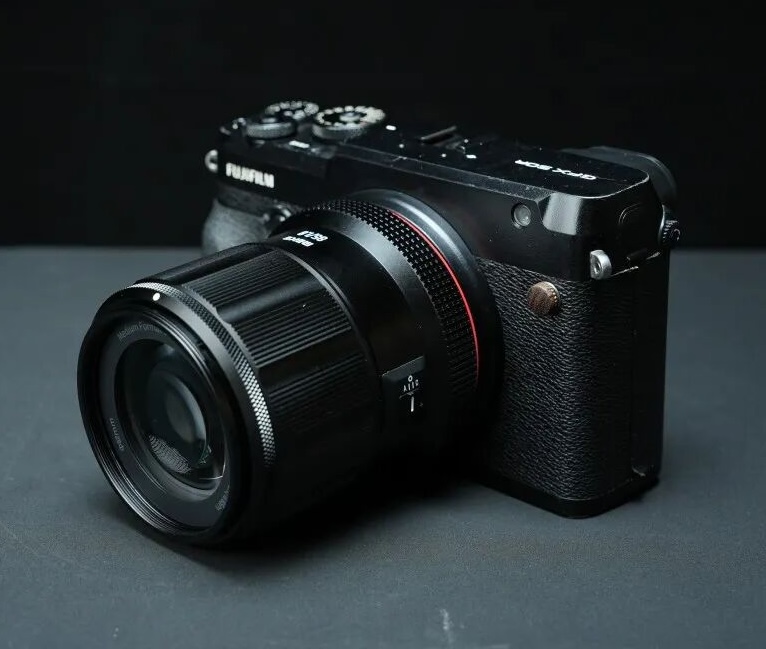
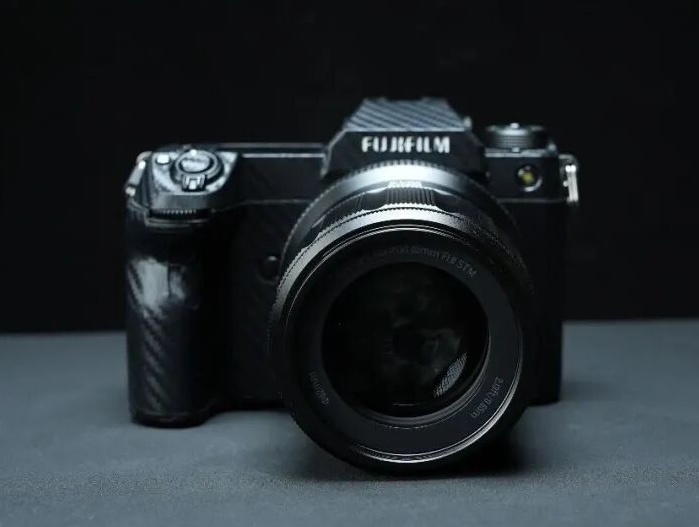
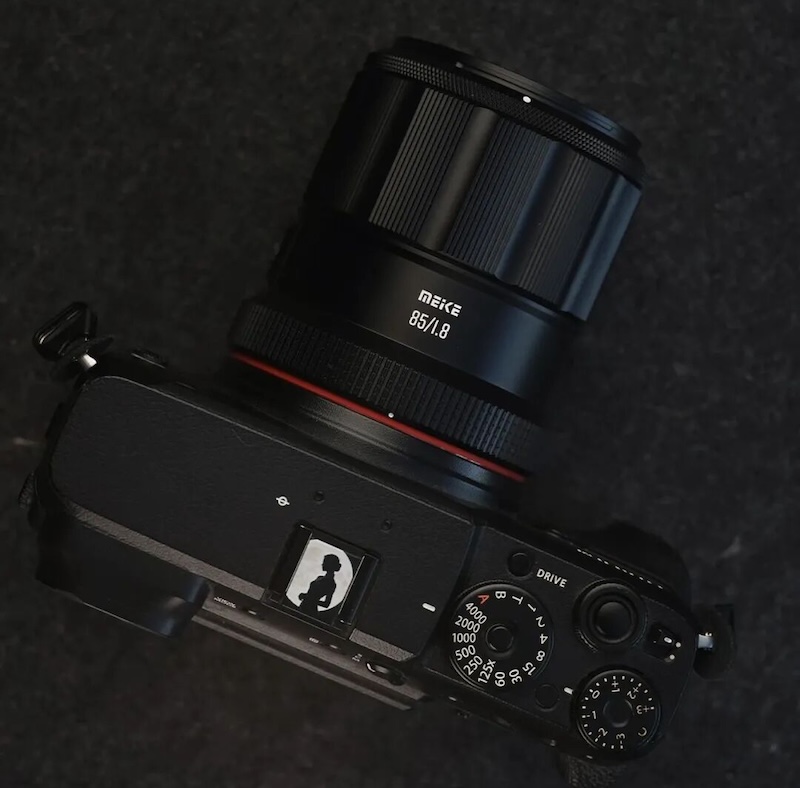
The world’s first Megadap M2RF autofocus lens adapter for using Leica M lenses on Canon RF cameras (previously reported here) is now available to order at:
Sony has released a teaser for a new product announcement in its cinema line. As always, the video is very short on details, showing just the silhouette of a camera, tally lights blazing and a top handle attached, and the tagline “lighting the way forward.”
The company is no stranger to posting teaser videos, but, unlike with the one for what turned out to be the RX10 V, it isn’t giving a lot of time for hype to build. The video says the announcement is coming on July 22nd at 7 AM PT (15:00 BST), which is just around 24 hours after the video was published. Whatever the camera is, it seems we won’t have to wait long to get more details.
About the Author: Mitchell started taking pictures at 10 and hasn’t stopped since. It’s been a wide-ranging adventure, spanning a wide variety of genres and locales, and occasionally dipping into fascinations with video and filmmaking. They honed their technical knowledge doing documentation, programing and QA, writing for The Verge, and just generally messing around on the computer to see what breaks.
Want to stay up to date on the latest product news and releases? Add DPReview as a preferred source to ensure our independent journalism makes it to the top of your Google search results.
ACR has a new feature that lets you see where your camera’s focus point was set to
Adobe
The latest version of Adobe Camera Raw, 18.4.1, started rolling out a few weeks ago, but it quietly introduces a feature that I’ve personally wanted for years: the ability to see where your camera’s focus point was set to. This makes it much easier to tell whether it was your camera’s autofocus system that messed up, or if you simply put the focus point in the incorrect place (which is especially important when, say, you review cameras for a living).
The way it works is relatively simple (if a bit of a finger workout): you open up a Raw in ACR, and press Ctrl + Alt + Shift + O on Windows, or Command + Option + Shift + O on Mac. You can also right click on the image and select the “Show Autofocus Points” option. After you do, ACR will draw a red box around the camera’s selected focus point or area.
Screenshot: Mitchell Clark
While the feature isn’t a fool-proof way of assigning blame for an out-of-focus image – if the box is in the wrong place, it could either mean that you put it there in error, or that your camera’s tracking failed – it’s still very nice to have access to this information without having to view it on your camera’s screen, or in camera makers’ own software. Sometimes it’s just nice to be able to check where you were trying to focus, or, to pick a random example, to see where the photographers from your favorite camera review site were focusing in the images they uploaded to their sample galleries.
Currently, the feature is available for Raw files from Canon, Sony and Nikon cameras. We confirmed that we weren’t able to see autofocus points from the most recent cameras from any other manufacturer, so hopefully Adobe will expand the models it’s available to in the future. We’d also hope that this feature, which is currently only available in Photoshop’s ACR module, makes its way to Lightroom and Lightroom Classic, too.
ACR 18.4.1 also adds a “presentation” mode that shows the photo you’re editing full-screen with a customizable matte around it, and which lets you use the arrow keys to move through the photos you currently have open within the tool. It also lets you use the company’s AI-powered “Generative Expand” feature to fill transparent edges, and improves bidirectional gradient masks, adding support for feathering and giving you more precise control over them. You can download the update through the Creative Cloud app, or via the standalone installer.
About the Author: Mitchell started taking pictures at 10 and hasn’t stopped since. It’s been a wide-ranging adventure, spanning a wide variety of genres and locales, and occasionally dipping into fascinations with video and filmmaking. They honed their technical knowledge doing documentation, programing and QA, writing for The Verge, and just generally messing around on the computer to see what breaks.
Want to stay up to date on the latest product news and releases? Add DPReview as a preferred source to ensure our independent journalism makes it to the top of your Google search results.
Peak Design introduced a new modular field L-bracket system for Sony, Nikon, Canon, Fuji, and Leica cameras (with an AirTag pocket) and is currently crowdfunding the project on Kickstarter. In just the first few hours, they already raised over $200k:
In addition to the new FX camera, Sony will also announce a new FE 100-400mm f/5.6-8 OSS lens that will have an integrated focus limiter switch (∞-3m) into the lens’s AF/MF switch (according to camerainsider).
A new enforcement push goes after suspected DJI clones and leans on the FCC’s recently expanded power to shut off previously‑approved gear.
Xtra
The U.S. Federal Communications Commission (FCC) is proposing a retroactive ban on suspected DJI‑linked drones and cameras, affecting products sold under brands like Xtra and Skyrover. The move escalates last week’s announcement of proposed $25,000 fines against eight companies that allegedly ignored FCC inquiries about DJI‑related gear marketed in the U.S., penalties that were technically for non‑response rather than the hardware itself.
In the past, the FCC’s decisions generally couldn’t touch products that were already approved, but a recent rule adjustment changed that. As The Verge reported, in late 2025, the Commission amended its equipment‑authorization rules so it can now restrict the import and sale of previously approved devices from companies on its national‑security “Covered List,” without formally revoking those original approvals or disabling gear that’s already in users’ hands.
DJI itself was added to the Covered List in late 2025 after a national‑security review under the Secure and Trusted Communications Networks Act, a designation that already blocks new DJI radio‑equipped products from receiving FCC approval in the U.S.
Skyrover’s X1 drone has drawn scrutiny for its close resemblance to DJI’s Mini‑series designs and its ties to SZ Knowact, a manufacturer named in the FCC’s DJI‑linked enforcement action.Skyrover
This could be the first time the FCC uses its new power, with potential bans on products from Cogito, Fikaxo, Lyno Dynamics, Skyhigh Tech, Spatial Hover, SZ Knowact, WaveGo, Xtra and XAG. The Commission says those products “pose an unacceptable risk” to U.S. national security because they are suspected of containing DJI‑designed radio components under different brand names.
Those who already own products from the at-risk companies won’t be impacted by the FCC’s decision and can continue using them. However, affected drones and cameras are expected to disappear from major online retailers and from the brands’ own sites if the order is finalized, and unsold inventory in the U.S. could need to be written off.
The FCC is accepting public comments for 30 days, so the ban won’t take effect immediately. The Commission says it will consider “specific evidence” that might show the products are compliant, though, as The Verge points out, the organization doesn’t have a great track record of listening to public sentiment. If you would still like to voice your opinion, you can do so via the FCC’s Electronic Comment Filing System on the FCC website.
Want to stay up to date on the latest product news and releases? Add DPReview as a preferred source to ensure our independent journalism makes it to the top of your Google search results.
It only takes one step, but there’s more you should know
DPReview
It’s been about two weeks since we launched the new DPReview website, and our team is still hard at work. Along with fixing some critical behind-the-scenes bugs, we’ve been collecting your feedback and have already made some fixes where we could act quickly, with much more to come.
In the whirlwind since launch, however, there’s one new feature we haven’t talked about much: it’s now possible to see fewer ads on DPReview.
Ads were a source of frustration on the legacy site, and the new site gives you an easy way to cut down on them.
How to see fewer ads
It’s simple: use DPReview while logged in. That’s it. Logged-in readers see fewer ads, particularly the most disruptive kinds, like motion-heavy and video ads.
To be clear, this isn’t an ad-free experience; you’ll still see ads, just fewer of them. Consider it our way of thanking logged-in readers for your support as we continue to improve the ad experience for everyone.
Don’t have a DPReview account? Now’s a great time to create one. Just click the Register link to get started.
The Sign In link appears in the upper-right corner of the website (L) or in the mobile menu (R). You can also register to create a new account.
We know nobody loves ads. Believe me, we don’t either, but they’re a necessity to keep the site running. It costs real money to operate DPReview, and advertising is an important part of how we cover those costs. It’s not our only source of revenue, but it’s one of the things that lets us offer all of our content for free, whether you visit every day or once in a blue moon.
We also get why people use ad blockers. The reasons aren’t lost on us. We just ask you to keep one thing in mind: when you block ads, you’re not only preventing us from earning revenue, you’re actively costing us money. A photography-rich site uses a lot of bandwidth, and that’s a big part of our expenses. Every time you load our content without ads, we lose money, which makes it harder to do things like pay our writers and maintain our servers.
So if you’ve been browsing with an ad blocker, we ask that you try the new site without it (while logged in). We think you’ll find the ads less intrusive than they were on the legacy site, and you’ll be helping us stay on the internet.
In case you missed it
If you haven’t seen our earlier coverage about the new website, a few links are worth your time:
Gear Patrol founder and CEO Eric Yang – a DPReview user for over two decades – wrote about why we needed to rebuild the site from the ground up, including some helpful historical perspective.
Finally, thank you for bearing with us as we improve the site. We know some things aren’t working as expected and that there’s plenty left to fix and improve. We appreciate your patience while our team works overtime to address those issues so we can remove the beta logo from the site.
About the Author: Dale Baskin is a professional photographer, writer, and filmmaker based in the Pacific Northwest. He is the Managing Editor of DPReview.com.
Want to stay up to date on the latest product news and releases? Add DPReview as a preferred source to ensure our independent journalism makes it to the top of your Google search results.
The Peak Design Field Bracket is designed as a modular system with optional accessories for greater versatility.
Peak Design
Peak Design’s latest product is much more than just a standard L-bracket.
After becoming a go-to brand for tripods and various ways to carry your camera around, Peak Design is tackling the next piece of the puzzle: the L-bracket. As is its usual style, the company isn’t content with simply making a piece of hardware that makes it easy to switch between portrait and landscape shooting. Instead, it has built the Field Bracket as a modular system, launching it alongside additional accessories that aim to solve multiple issues.
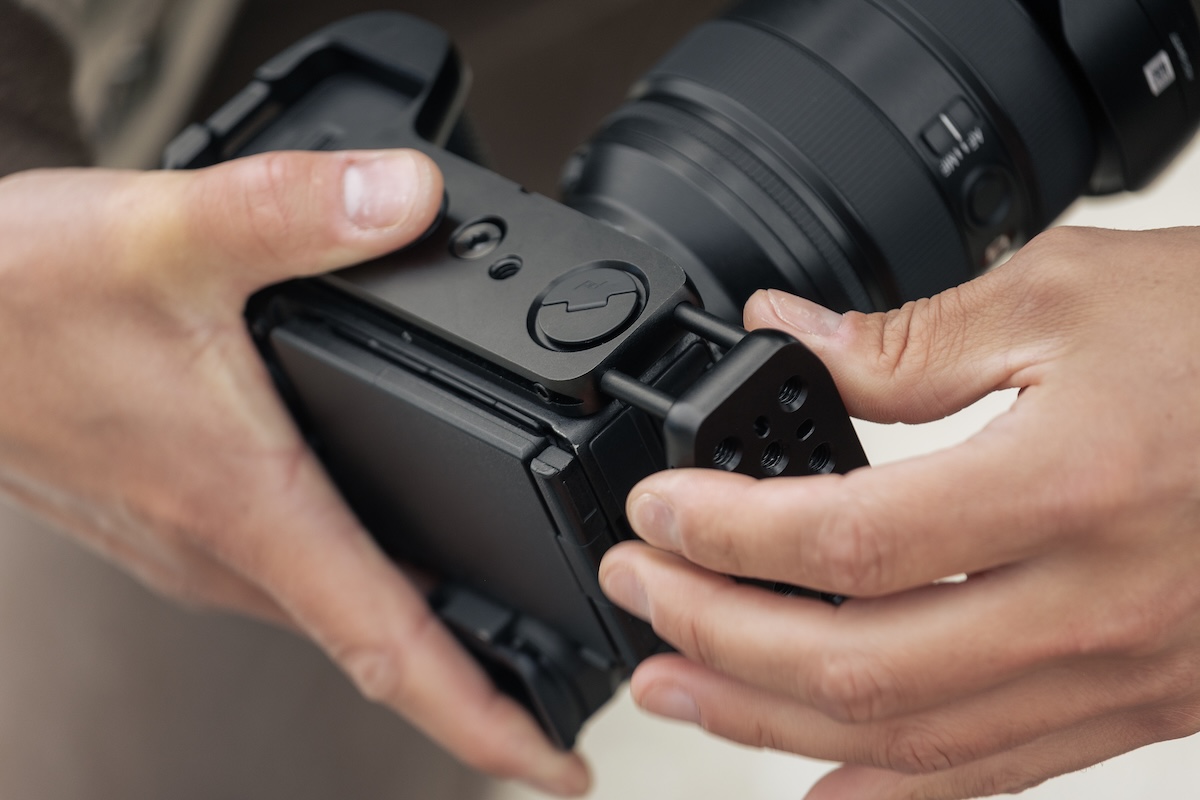
The Field Bracket takes design cues from the “Field” tripod plate the company released last year. Like the Field Plate, the L-bracket doesn’t require a tool for installation. Instead, it uses the company’s “Field Latch” mechanism, which features a tab that pops up with the press of a button, turning into a thumb-drive handle. That means no more relying on having a hex tool on hand at all times.
The bracket is modular, so it can be used as a low-profile base plate as well. It’s designed to fit into Arca-style tripod heads without a separate plate.Peak Design
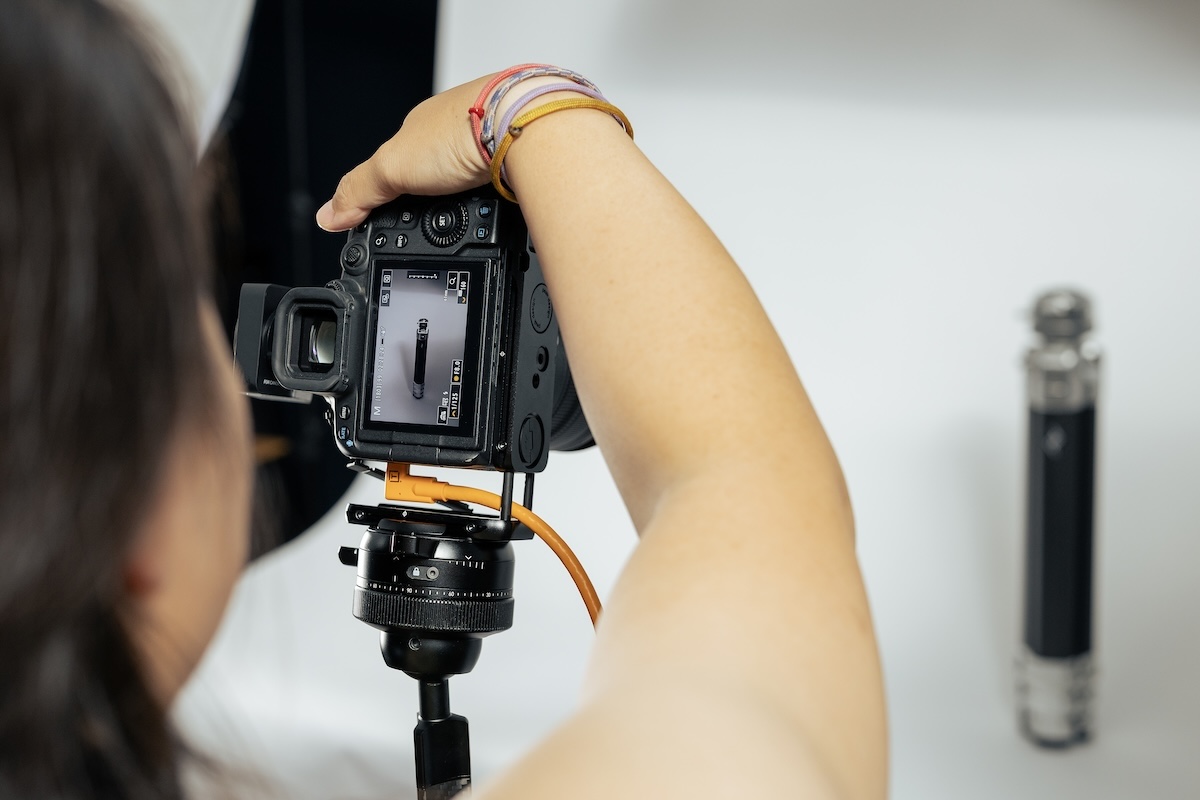
The tool‑free design makes it quick and easy to attach the part of the bracket that goes up the side of the camera, transforming from a simple base plate into a full L‑bracket for shooting in portrait orientation on a tripod. Users can also adjust the upright position to provide room for tethering cables, making it easier to use in a studio setup. The Field Bracket is camera-specific, with versions for select Sony, Canon, Nikon, Fujifilm and Leica camera systems.
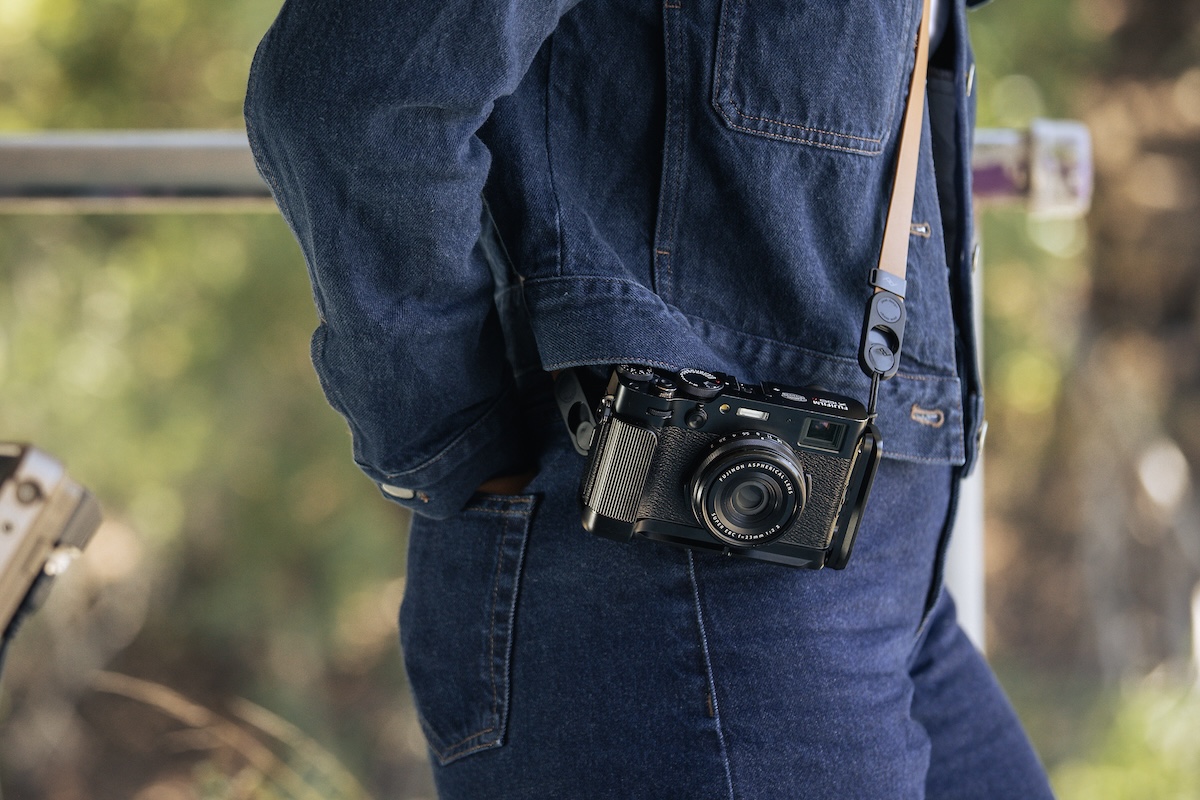
Peak Design says that the Field Bracket is the base of a modular system of accessories. In that spirit, it’s also launching the Beacon Finder Tag, a smaller version of its card-sized tracker that it released with its wallet system and which ties in with Apple’s Find My ecosystem. Peak Design says the tag is the first tracker specifically designed to fit in Arca-compatible camera plates, offering a discreet way to keep track of camera gear.
The Cheese Plate, Hand Strap and Beacon Finder Tag are all optional accessories sold separately. Peak Design
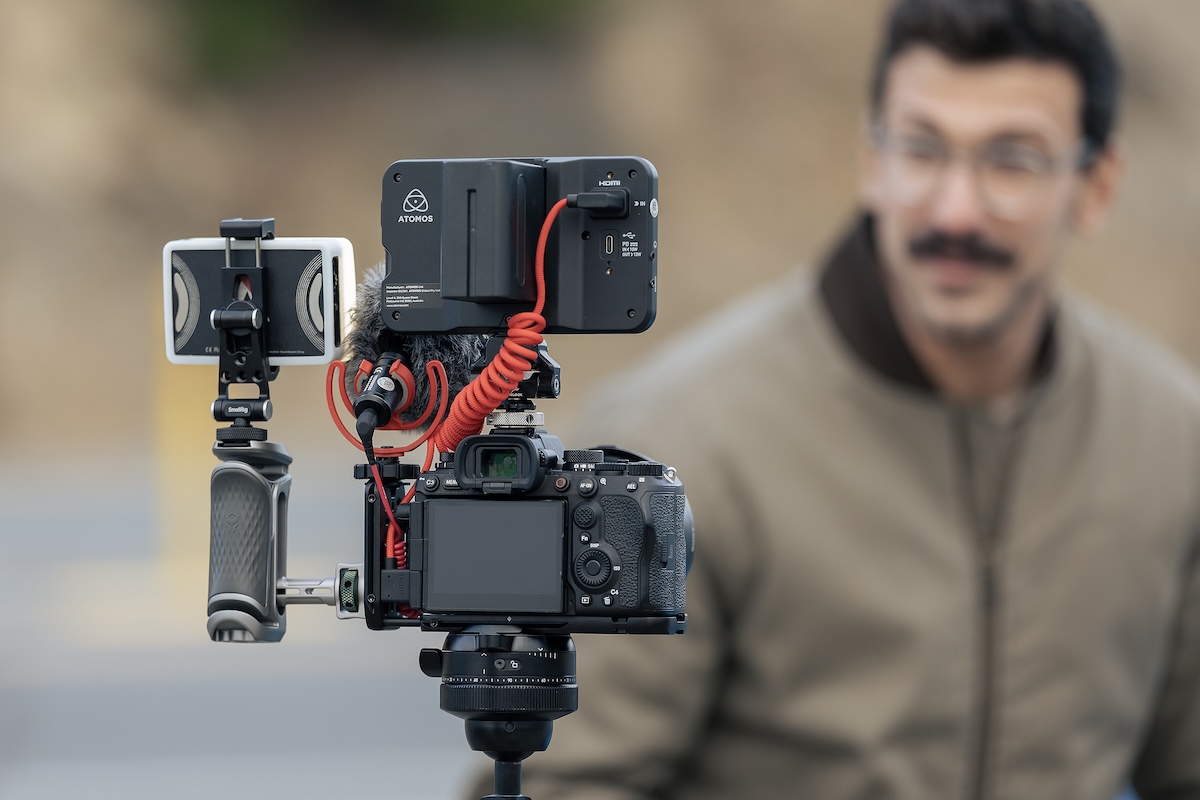
The company has also created a few additional new accessories for the Field Bracket. Its Cheese Plate adds 1/4″-20, 3/8″-16 and cold shoe mounting points for adding accessories like lights, mics, monitors and more. There’s also a hand strap, making it easier to work handheld with it attached to your camera. No matter which accessories are attached, Peak Design says all your camera’s ports and controls will remain easily accessible. It also allows full integration with existing Peak Design accessories, such as its camera straps and Capture Clip.
As is typical for Peak Design product launches, the new gear will first be available via Kickstarter (its 17th such launch). The Kickstarter campaign will allow users to purchase the system at a discount before the retail release. The camera-specific Field Brackets have an MSRP of $150, while the Cheese Plate, Hand Strap and Beacon Finder tag will be sold separately, starting at $40.
Press release:
Peak Design Rethinks the Traditional L-Bracket with New Field Bracket System
A tool-free, modular L-bracket system that gives photographers flexibility on and off their tripod
San Francisco, CA (July 21st, 2026) – Peak Design, Peak Design, a global leader in camera accessories and everyday carry solutions, is proud to announce Field Bracket™, a modular L-bracket system that eliminates many of the compromises of traditional L-brackets. While L-brackets have become indispensable for quickly switching between portrait and landscape tripod shooting, they’ve remained largely unchanged, fixed in form, and often at odds with the rest of a photographer’s kit. Peak Design’s Field Bracket rethinks this accessory category with a modular design that adapts as photographers’ needs change.
At the heart of Field Bracket is a camera-specific baseplate precision-machined from recycled aluminum to hug the contours of each supported camera body. Using Peak Design’s custom Field Latch™ mechanism, photographers can attach or remove Field Bracket’s upright in seconds without tools, transforming the system from a low-profile baseplate into a full L-bracket for portrait tripod shooting. The upright can also be repositioned to provide clearance for tethering and other connected cables, allowing photographers to keep their camera mounted on a tripod without disrupting their workflow.
Field Bracket serves as the foundation for an expandable system. The optional Beacon Finder Tag is the first tracker specifically designed to fit inside an Arca-compatible camera plate, offering a discreet way to help locate and secure camera gear without the bulk of conventional tracking solutions. For added versatility, photographers can replace Field Bracket’s upright with the optional Cheese Plate, creating a lightweight rig with 1/4″-20, 3/8″-16, and cold shoe mounting points for lights, microphones, monitors, and other accessories. For handheld shooting, users can also add the optional Hand Strap, which integrates directly with Field Bracket to provide greater comfort and security. Across the system, Field Bracket preserves access to camera ports and controls while cleanly integrating with Peak Design Capture, Peak Design camera straps, and a wide range of third-party accessories.
“The best camera accessories disappear into your workflow until you need them. That idea shaped every decision we made with Field Bracket,” commented Peak Design Founder and CEO, Peter Dering. “Instead of asking photographers to permanently attach functionality they only use some of the time, we built a system that can transform in seconds while remaining just as rigid and dependable as a traditional L-bracket.”
Field Bracket will launch on Kickstarter as part of Peak Design’s 17th crowdfunding campaign beginning July 21. Customers will have an opportunity to pre-order the system at a limited-time discount before its retail release. Camera-specific Field Brackets will be available for select Sony, Canon, Nikon, Fujifilm, and Leica camera systems. The optional Cheese Plate, Hand Strap, and Beacon Finder Tag will be sold separately, allowing photographers to configure the system around their individual needs. Field Bracket carries an MSRP of $149.95, with optional accessories beginning at $39.95.
About the Author: Abby Ferguson holds an MFA in photography and blends a fine-art background with extensive editorial and commercial experience. She built and led an in-house imaging program for a large vacation rental company and has served as an associate editor at Popular Photography. She also teaches at a local community college and serves on its Photographic Technology Program Advisory Board, sharing her knowledge and enthusiasm for the medium.
Want to stay up to date on the latest product news and releases? Add DPReview as a preferred source to ensure our independent journalism makes it to the top of your Google search results.
You can clearly see how the big Japanese brands are behind on the trend – Kodak has four cheap mediocre cameras in the top 10 list.
The BCN Ranking is a POS database that collects and aggregates daily sales data of digital cameras from major consumer electronics retailers and online shops covering approximately 40% of the Japanese retail market.
The official announcement is rumored to be on July 22nd – here is what to expect from the new FX model that will be positioned between the FX3/FX3A and the FX6:

 Connexion