The photo John Abernathy took, showing his point of view as he was being surrounded by ICE officers, right before he threw his camera to another photographer. Photo: John Abernathy | Instagram: @john_abernathy_
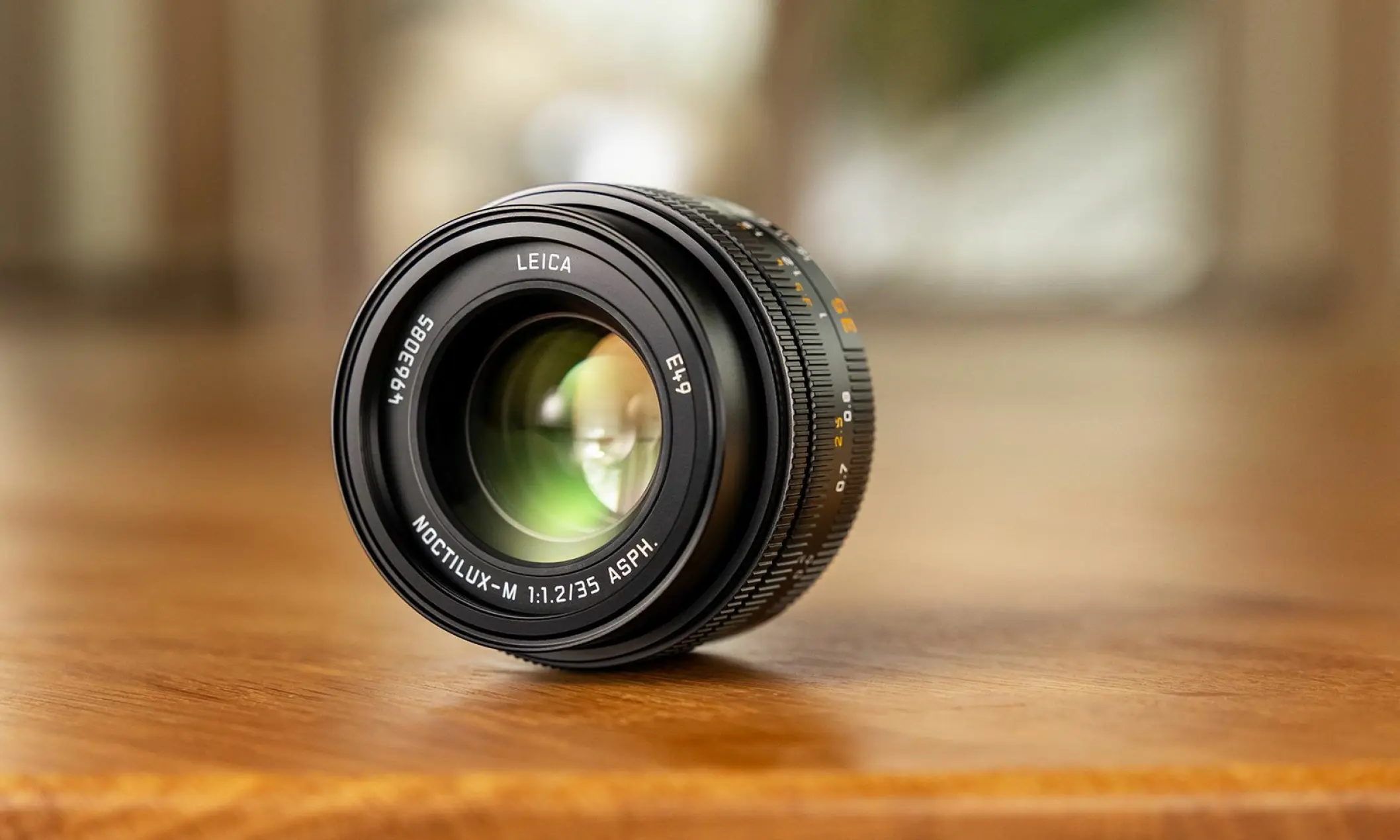
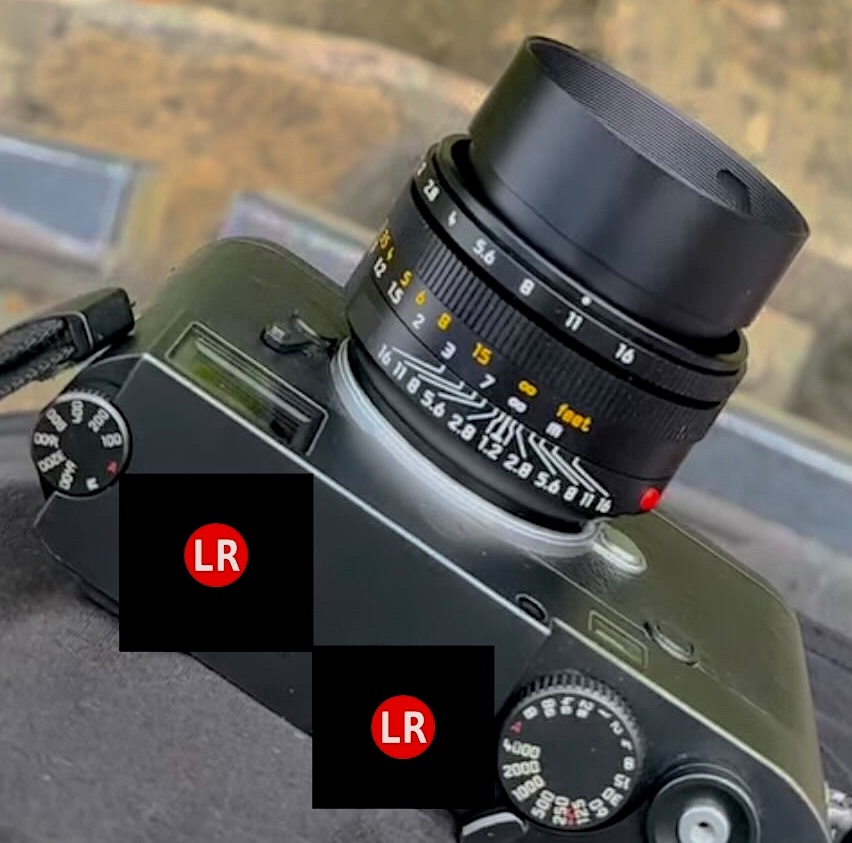
By now, you've probably seen the viral photo of John Abernathy, an independent photographer, throwing his Leica M10-R to another photographer after being pinned to the ground by officers of the US Immigration and Customs Enforcement (ICE) agency. It's from a striking sequence of images taken by freelance photographer Pierre Lavie, which show Abernathy being tackled, locking eyes with Lavie – then a stranger – and tossing his camera and phone to him in an attempt to keep them from being confiscated.
We caught up with both photographers to get the story behind the photos they took that day, see how they've dealt with suddenly having their work presented on a global stage, and talk about how this incident, and others like it, have affected how they cover protests and other similar events.
If you haven't seen the photos or aren't familiar with the backstory, this is what happened: Abernathy and Lavie were photographing a protest against ICE around the Whipple Federal Building in Minneapolis, MN. Both photographers say that, throughout the event, police forces would gather to press into the crowd. Abernathy says that, while photographing protesters and counter-protesters, he lost his situational awareness for a moment as he was trying to simultaneously live-stream with his phone and take photos. That's when he was tackled from behind and wrestled to the ground by several ICE officers, who then pepper-sprayed him.
Lavie, who was shooting nearby, saw this happening and turned to photograph it. That's when the now-famous moment was captured. Abernathy, concerned that the police might delete photos from his camera, locked eyes with Lavie and tossed his Leica M10-R and phone to the other photographer.
"It was instinctual at that moment"
"It was instinctual at that moment," Abernathy says, adding that he believes an ICE agent was trying to grab his phone out of his hand. "I didn't know what would happen to me after that, so in a split second I decided: 'I gotta throw it.'" Lavie, who was crouching down to photograph what was happening, says it was all very quick. "It's not more than a handful of seconds that he went from being tackled to being on the ground, tossing his camera and his phone, and then being pulled back in and detained."
Lavie admits he briefly hesitated before going for the camera and phone. "In my head, I was like, 'Do I grab this? Do I not? If I do, am I gonna get pulled into this thing?" But then he told himself, "Okay, screw it. I'm doing it."
After Abernathy was released, he says he looked around for his camera, asking someone with a bullhorn to ask if anyone had seen it, but nobody had. "After they let me go, I was in an absolute panic to know where my camera was," he says. "I was like, fuck, maybe I made the wrong decision. I shouldn't have done that, why did I do that?" Eventually, though, he and a friend were able to track his phone, letting him meet up with Lavie and retrieve his camera and the images on it, some of which he's posted to Instagram.
One of the last photos Abernathy took before he was tackled. Photo: John Abernathy | Instagram: @john_abernathy_
"When I finally got back to the images that I shot during the protest, there are some very aggressive shots of agents coming down on protesters," Abernathy says. "So in hindsight, throwing my camera was the right thing to do, for multiple reasons. One, bringing attention to this entire issue we're having. And two, the images show the aggression that they're coming down on for no apparent reason."
The photos Abernathy took while being detained, and the photos Lavie took during the event, have received a lot of attention both in national outlets and on several social media platforms, something neither photographer expected.
"I'm actually getting chills right now," Abernathy says when asked whether he was surprised at people's reactions. "I did not obviously expect literally any of this attention. If it wasn't for Pierre's photo, I literally don't think any of it would have happened. There were a lot of other photographers there, and they got some good shots as well, but his shot is literally epic. It shows so much. It's more than a photo of me. It shows the struggle against this... unidentified ominous power."
"It's resonating with everybody for a reason"
Lavie calls the response "surreal" and says he's thankful, flattered and humbled by the outpouring of support. "It's resonating with everybody for a reason. And I don't think it's a good reason. As much as I would love it to be some miraculous picture of a butterfly or something like that, unfortunately, this is the situation, and that's where we are right now. Hopefully it's gonna work its way through the system in a healthy way."
Abernathy also understands why the photos have resonated so much. "I'm most grateful that it's become a focal point to bring attention to not only this area but what's happening in the whole United States," he says. "It speaks to freedom of the press. A lot of people are picking up on that for obvious reasons, but it speaks way beyond my personal experience. It's freedom of the press, and it's individual people trying to struggle against that massive power. Both his shot and my last shot show only legs in power positions. And they're dominating, and there's weapons, and it really represents a lot more."
"it is always shocking"
The incident is just part of a recent wave of police and ICE officers tackling, pepper-spraying and arresting photographers and journalists as the agency gains an unprecedented level of power, budget and legal immunity. "I've seen it quite a few times now, unfortunately. But it is always shocking," says Lavie. "It's a fine line that journalists of all types walk out there to make sure that they can be there and not be involved, and yet still do their job to record."
It's a job both men plan to continue doing, though Abernathy says he'll make sure to have more personal protective equipment the next time he covers a protest, including vapor-tight goggles. He also says he's considering getting a ballistic helmet and bulletproof vest, both things Lavie tells me he already wears when covering similar events.
When we spoke, Abernathy said he was still recovering from the incident, with some serious bruising from the pepper spray balls and being thrown to the ground, and occasional shivers. But despite knowing that he'll need to take more precautions in the future, he still sees the need for photographers like him to document these kinds of events. "I think that's more important than probably most people realize," he says. "The amount of things that are going on – I don't know what's going on in other parts of the country except for what's been in the news, and I don't even see all of that. I know that people are seeing bad things, but they're not seeing all of it; they're not seeing the volume of it and the random moments."
Abernathy was out shooting a protest a few days afterwards, with the same camera he threw.
The event has reminded both photographers of the importance of community. Abernathy says he's received messages from all over the world expressing horror at what's happening in the US, and gratitude for those documenting it. He also spoke about how other protests he's covered in Minnesota were moments of bonding for the community, citing how, at the end of a protest over the death of Renee Good, a Somali woman and her husband showed up to feed protesters and give them tea. Lavie spoke of the camaraderie he's seen between photographers and advised people looking to document events like this to be friendly and ask questions to folks who look like they've been doing it a long time.
Finally, there's the camera. While Abernathy initially thought his Leica had come away unscathed, besides a few new scratches, he said he later discovered that its rangefinder patch had stopped working, forcing him to focus based on his finger's position on the focusing ring (a task made slightly easier by the fact that he shoots at F11 on a 28mm lens). When we spoke, it was working again, but he was unsure whether the critical focus had shifted. He also says his phone survived the ordeal, despite having been stomped on.
Still, that didn't stop him from going out and shooting another protest with it, which Lavie was also at. "I'm glad John wasn't hurt badly," Lavie says. "He was out that following Saturday taking pictures again. I saw him walk by me. I was like, 'Oh, dude, you're out here.'"
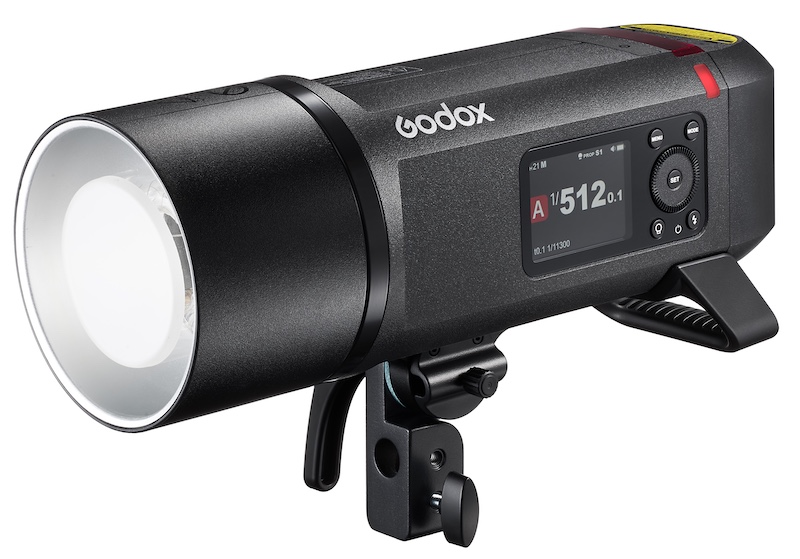
With 800 Ws of output, the AD800Pro delivers decisive main-light performance that overcomes bright sunlight. It yields up to 300 full-power flashes per charge and a fast recycle time of 0.01–1.5 s, keeping pace with demanding on-location shoots.
Precision Power Control
Power is adjustable across a 10-stop range (1/512–1/1) with 0.1-stop increments, enabling extremely fine exposure control. This level of precision makes the AD800Pro ideal for product and still-life work, layered multi-light setups, and any situation that demands subtle highlight and shadow placement.
Advanced Pro Modes
The AD800Pro includes pro-grade modes — Freeze, Stable Color-Temperature, HSS, Multi, and more — so photographers can reliably handle fast-action, product and color-critical work.
Freeze Mode: Ultra-short flash duration down to 1/35,710 s (t0.1) for razor-sharp captures of splashes, jumps and other fast motion.
Stable Color-Temperature Mode: Minimizes color drift as power changes (typical drift ≤ 100 K), ensuring consistent color across the output range.
Supports HSS (up to 1/8000s), Multi flash, and first- and second-curtain sync—covering everything from bright outdoor portraits to motion trails and creative strobe effects.
Triggering Versatility
Built around Godox’s 2.4 GHz X wireless system, the AD800Pro delivers robust, long-range wireless control — including one-tap pairing with X3Pro/X3 and full compatibility with other X-series transmitters. It also supports wired sync via a 3.5 mm PC jack and external 433 MHz receivers via USB-C, giving photographers multiple reliable triggering options for on-location and remote shoots.
Flexible Power Solutions
To keep you shooting without compromise, the AD800Pro supports multiple power options. The optional AC26 adapter enables direct AC operation for continuous power, while the optional UC-46 fast charger reduces battery charging time to about 1.5 hours.
Creative Accessory Ecosystem
Native Bowens Mount — Compatible with a wide range of light-shaping tools (softboxes, beauty dishes, grids, snoots, etc.), giving photographers instant access to an extensive professional modifier system.
When you use DPReview links to buy products, the site may earn a commission.
We're back with the first episode of the DPReview team discussions show of the new year, and just in time. The first few weeks of the year have been relatively busy, with Ricoh bringing out a new variant of the GR IV, this time with a completely monochrome sensor, and Fujifilm bringing video to its Instax line.
The team got together to discuss these cameras and the community's reactions to them. Be sure to let us know what you think in the comments below, and over on our forums.
Sony is rumored to announce a new 180MP medium format sensor that will most likely be used in future Fujifilm GFX cameras. It is not clear when this new sensor will be officially released, and the rumor could, of course, be wrong, as many other Sony rumors are. Here is a recap:
Status: Development is confirmed by multiple sources.
Potential Capabilities: The sensor might be a partially stacked, allowing for faster readout speeds and better performance, potentially bringing A7V-like technology to the medium-format realm.
Impact on Resolution: This sensor nearly triples the resolution of the current 61MP full-frame flagship (A7R V) and significantly upgrades the existing 100MP medium-format sensors.
Implications for Gear: This development may trigger a new “resolution war,” likely to be featured in future high-end, high-resolution cameras for studio, landscape, and/or advertising photography.
Technical Considerations: With a pixel pitch around 2.83 um, diffraction may become a factor, requiring specialized lenses to fully utilize the 180MP resolution.
There is another new watch for photographers: the custom-made Casio M-Edition, inspired by Leica M cameras, is sold exclusively by PPPcameras. Here are the details:
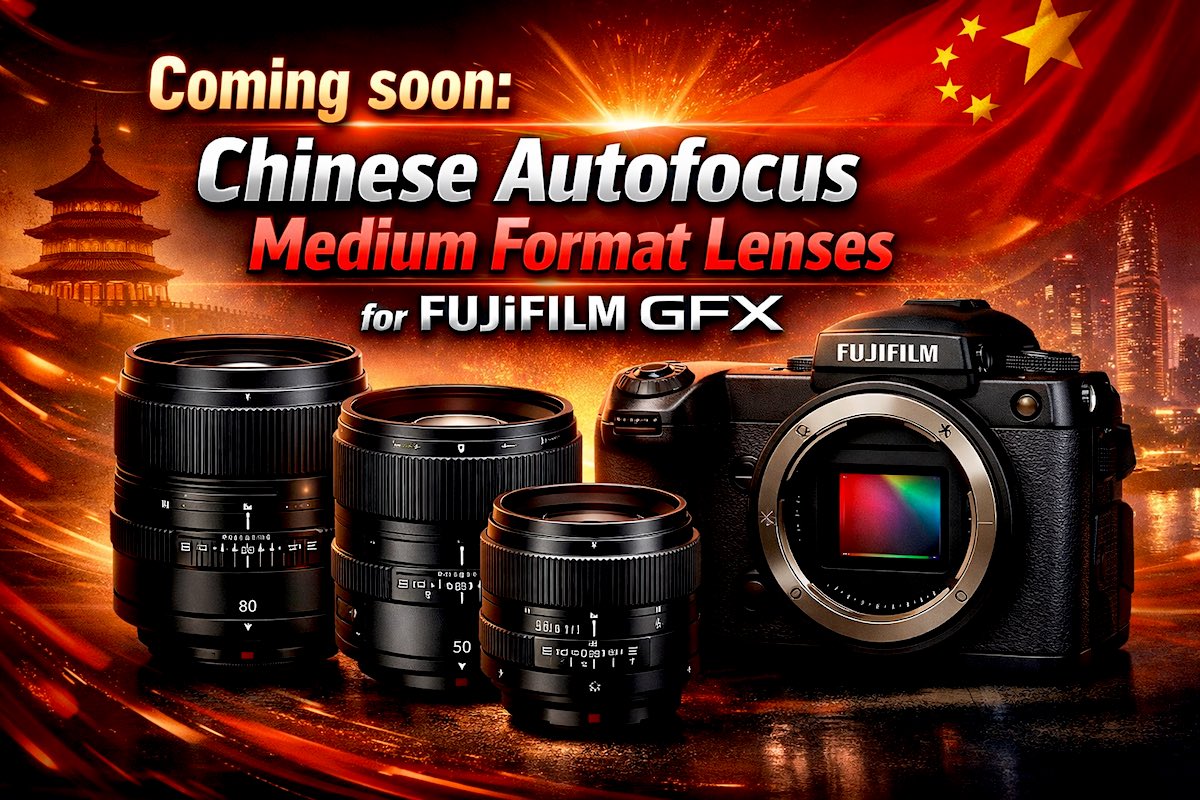
FujiAddict reports that at least three Chinese manufacturers are working on autofocus medium format lenses for the Fujifilm GFX mount. One of the lenses will most likely be the Venus Optics Laowa 200mm f/2 (the second manufacturer could be Viltrox):
When you use DPReview links to buy products, the site may earn a commission.
Photo: Mitchell Clark
We recently got the opportunity to get a Leica M11-P (which is, at its heart, the same as the M11, M11-D and M EV1) in front of our studio scene. While we've attempted to shoot the scene with the standard M11 before, we weren't able to get hold of an optimal lens to do so. Leica has this time been able to lend us the APO-Summicron-M 90mm f/2 ASPH, which has given us a much better representation of the camera's performance.
Our test scene is designed to simulate a variety of textures, colors, and detail types you'll encounter in the real world. It also has two illumination modes, full even light and low directional light, to see the effect of different lighting conditions.
Image Comparison
This widget is not optimized for RSS feed readers. Click here to open it in a new browser window / tab.
With its base ISO of 64, the Leica M11-P's processed Raws start out cleaner than most (though not all) of its full-frame, color-filter-bearing competitors and are roughly similar to the noise levels we see from cameras like the Nikon Z7 II, which also has a sub-100 base ISO. Unsurprisingly, it captures lots of detail, on par with what we expect from other cameras using Sony's 61MP sensor. At mid and high ISOs, its Raws are on par with other modern full-frame cameras.
The M11-P's JPEG engine produces pleasing colors, but isn't quite as successful at revealing the full extent of the detail captured by the Raws, even at base ISO. This becomes more evident at higher ISOs, with the camera doing a decent, but not class-leading, job of retaining details despite its noise reduction. That noise reduction also doesn't appear to be as sophisticated as what Canon, Nikon and Sony are using, leaving more chroma and luma noise in the JPEG.
We noticed the effects of shutter shock in images shot with lower speeds using the mechanical shutter, and have used electronic shutter shots for some of the samples to provide the sharpest results possible. While it's a characteristic worth being aware of when shooting with a tripod, for shooting handheld, your ability to focus the camera and hold it steady, combined with its unstabilized sensor, would more likely be the limiting factor on sharpness.
In terms of dynamic range, the M11-P performs as well as we'd expect given the excellent results we often see from this sensor, giving you plenty of latitude to pull shadows up in post or to shoot to preserve highlights.
The M11-P is capable of excellent image quality under studio conditions, even if, realistically, that's not where the camera and its rangefinder focusing mechanism are most at home. Still, it's good to know that whatever you're trying to accomplish with it, the sensor is more than able to deliver the image quality you need.
When you use DPReview links to buy products, the site may earn a commission.
Sample gallery
This widget is not optimized for RSS feed readers. Please open this article's permalink in a browser to view this content.
Product photos: Richard Butler
Ricoh has released a monochrome version of its GR IV enthusiast compact camera. The GR IV Monochrome features the same 26MP BSI CMOS sensor and 28mm equiv F2.8 lens as the color version, but is black-and-white only.
Key specifications
26MP BSI CMOS sensor with no color filter array
On-sensor phase detection
ISO 160-409,600
In-lens shutter allows flash sync to 1/4000th sec
E-shutter allows use of F2.8 at up to 1/16,000 sec
Built-in red filter, giving punchier blues.
53GB of internal memory
250 shot-per-charge battery rating
UHS-I Micro SD memory card slot
The GR IV Monochrome will sell for a recommended price of $2199. This is a 46% premium over the list price of the standard GR IV, suggesting Ricoh feels that the mono version will have a smaller audience to foot the development costs. The MSRP in the UK is £1599, which is only a 33% mark-up over the standard version's original list price.
As the name implies, the Ricoh GR IV Monochrome is a black-and-white only variant of the GR IV.
You get all the usual benefits and costs of a mono-only sensor: a higher base ISO, because less light is being lost to a color filter array (a 2/3 of a stop increase, in this instance), and much sharper detail, as there's no demosaicing taking place.
You also get better noise performance at any given ISO: again because there's no color filter sapping any light, but with that advantage disappearing if the color version can use its lower base ISO.
However, with only a single color channel, there's a lot less flexibility to the Raw files: once the image appears to be clipped, there's no way to approximate highlight data from unclipped channels.
The electronic shutter can deliver exposures down as low as 1/16,000 sec, letting you use the maximum aperture even in good light
To prevent overexposure when shooting at F2.8, the GR IV Monochrome lets you switch from its in-lens shutter to an e-shutter. The electronic shutter can deliver exposures down as low as 1/16,000 sec, letting you use the maximum aperture, even in good light, despite the camera not having an built-in ND filter. As with the regular GR IV, the mechanical shutter has an upper limit of 1/2500 sec at F2.8: you need to stop down to F5.6 to achieve the 1/4000 sec maximum.
Interestingly, Ricoh says the GR IV Monochrome's autofocus is the same as that on the GR IV, which means it has on-sensor phase detection. This would mean that, unlike the Leica Q3 Monochrom, it has to do some degree of interpolation during processing, to hide any impact of those phase-detection pixels. We've not seen any negative impact from this in our preliminary shooting, even when trying to induce flare to highlight any issues.
The company also says that the sensor is not the same one used in the K-3 III, though it wasn't specific about how the two differ.
Red Filter
Other than the lack of color filter array, the other difference is that the GR IV Monochrome has a slot-in red filter, rather than the neutral density filter in the color version. This selectively lowers the impact of blue and green light on the sensor, which gives more dramatic skies and higher contrast, generally.
The filter in the GR IV Monochrome reduces the overall light to the camera by around 3 stops, for a neutral subject (it's around a 4 stop cut for blues, 3.5 for greens and closer to a single stop for reds).
Body and handling
As you might expect, the GR IV Monochrome looks and handles exactly like the regular GR IV: it's a tiny camera for one with such a big sensor and yet it manages to put a lot of control at your fingertips without seeming too cramped.
The finish of the camera is also a little different, with a less textured matte black finish. The shutter button is also black and the GR logo on the front is a very dark grey, rather than white. The green LED ring around the power button is also white, to keep with the monochrome theme. Sadly, Ricoh has not borrowed the beautiful 'Monochrome' typography from its Pentax K-3 III Monochrome DSLR.
The control logic is well worked through, as you'd expect for the eighth generation of a design (prior to 2013's GR, with its APS-C sensor, were four iterations of GR Digital, which used a much smaller Type 1/1.7 sensor in a very similar body).
Despite its size, the GR IV's magnesium alloy body makes it feel very solid, without being overly weighty. And, unlike almost all modern cameras, it will sensibly fit in a pocket.
Ricoh says the GR IV's lens was specifically designed to reduce the risk of dust ingress, but that they had to make the choice between the small form factor that a retractable lens makes possible and complete weather sealing, so there are no promises around the level of sealing.
Ricoh was kind enough to lend us a pre-production GR IV Monochrome, to let us get a feel for the handling, but we were asked not to make measurements or publish images from it, as it's not necessarily representative of final production performance.
But, even in the limited time we've spent with the camera, its appeal shines through: it forces on you that same way of looking at light and shade that Leica's monochrome cameras bring. And I maintain that using a camera that can only capture black and white is a completely different experience to using a normal camera in mono mode. Knowing that you can't switch, no matter how appealing the colors are in your scene means you solely focus on light, shadow and contrast.
The inclusion of a built-in, switchable red filter is a brilliant idea, letting you add that punch to your images at the touch of a button, without having to add a filter ring adapter or carry filters round with you. I'm sure there'll be people who would have preferred a different color, but red seems like a sensible option since they had to choose one. And the option to engage electronic shutter, so that you can still shoot wide-open in bright conditions feels like a reasonable work-around.
Even more so than the standard GR IV, the Monochrome version is going to be a niche proposition. Some people will immediately know they want one, while I suspect a great many people will be baffled at the idea that a regular GR IV in mono mode wouldn't be similar enough. And cheaper.
The price of adopting a decidedly niche camera is that there are fewer people to share the development costs with. The Ricoh is just over a quarter of the price of the other dedicated mono compact on the market – though the Leica Q3 mono has a sensor more than twice the size and a maximum aperture that's over a stop brighter, so can capture more than four times as much light – but there's still something inherently counter-intuitive about having to spend more, for less.
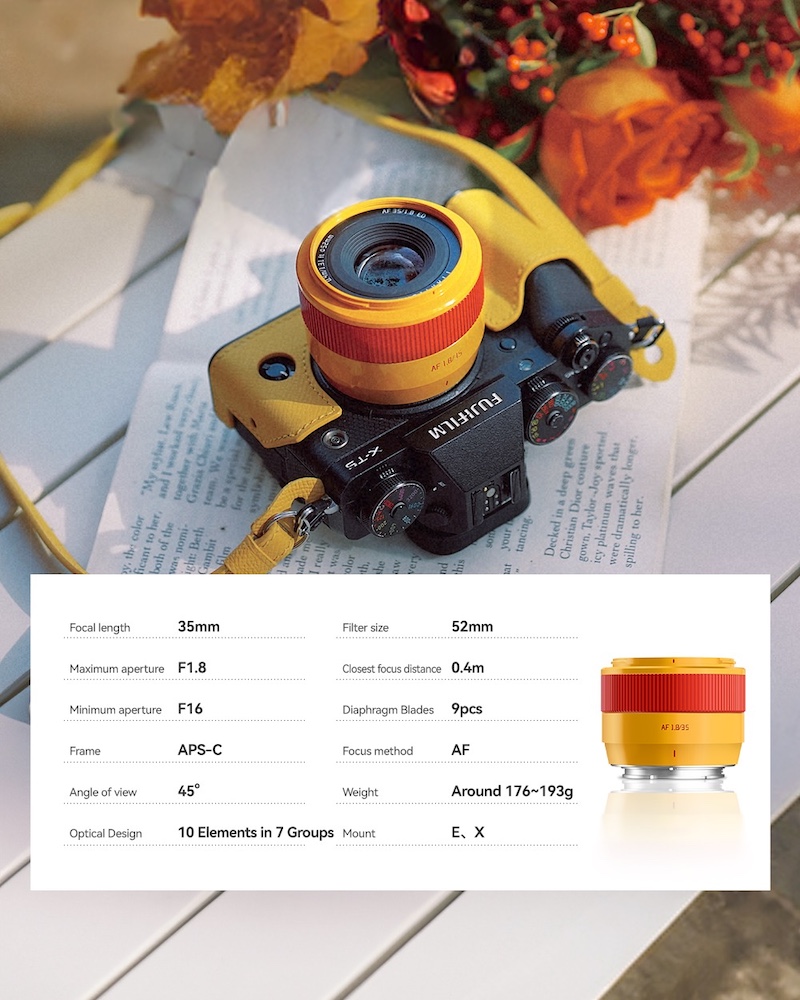
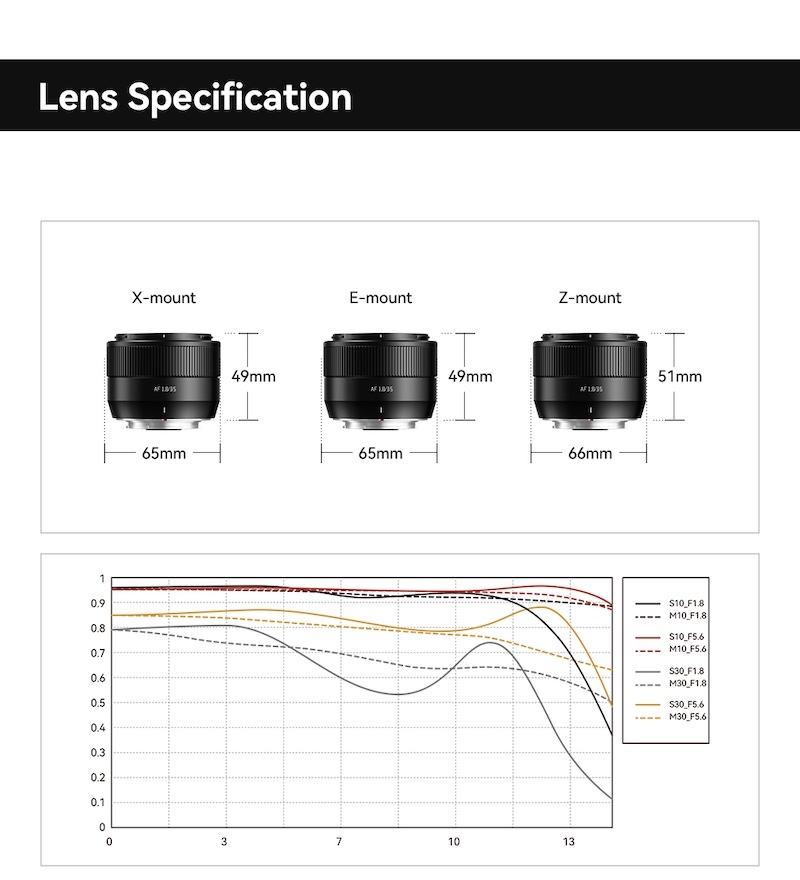
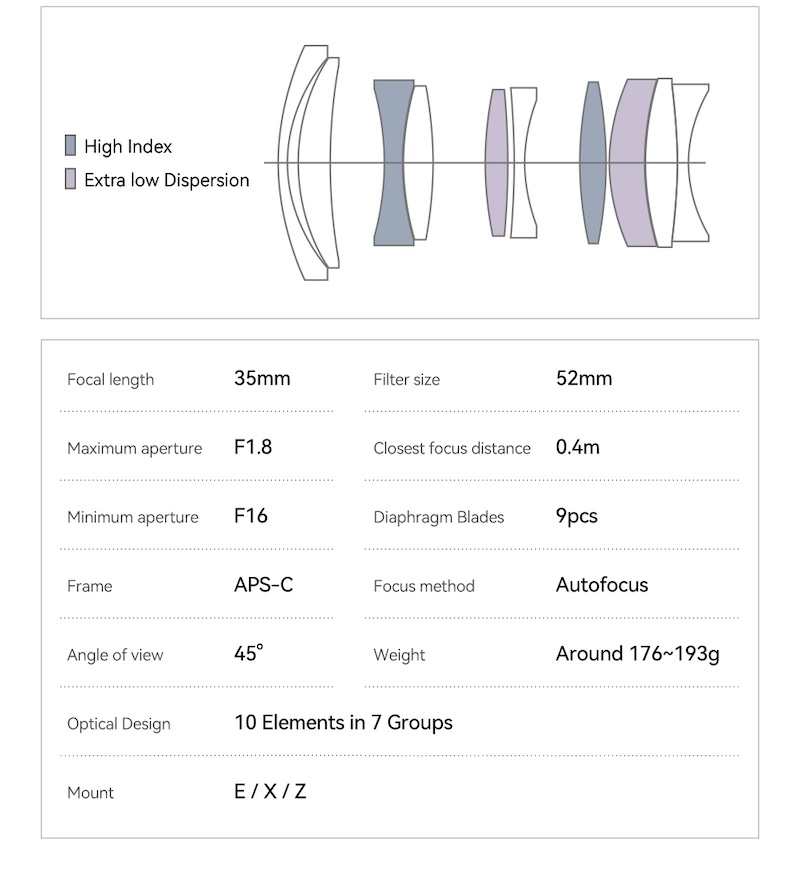
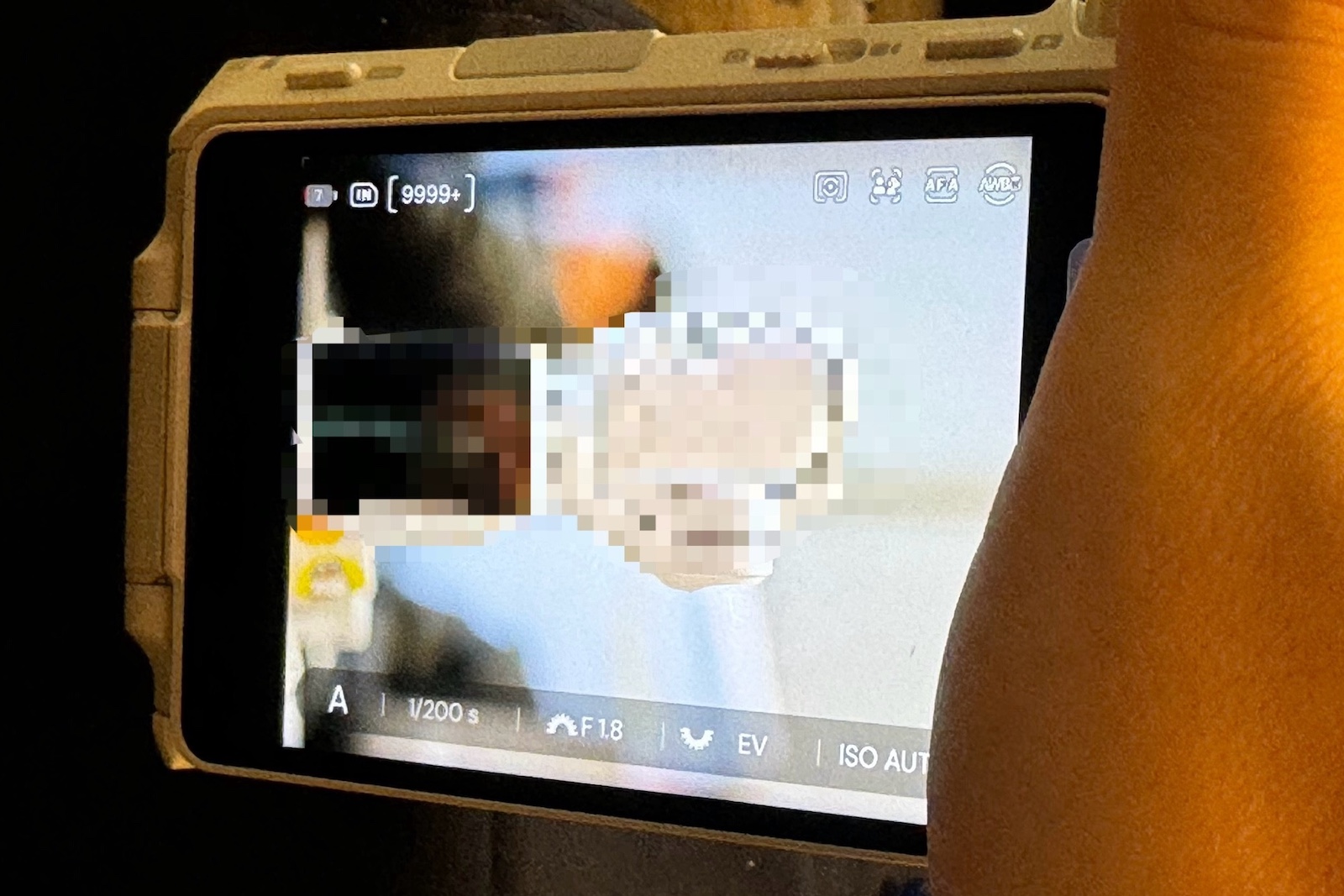
The CEO of Insta360 posted the above photo on Chinese social media, along with the words 向新的焦段进发, which translates to “Venture into new focal lengths.” The camera appears to be APS-C mirrorless (in white) based on the size relative to the hand. The mounted lens is f/1.8. Some of the buttons are:
For our most recent Question of the Week, we asked about a topic that's near and dear to my heart: photography projects. We wondered what projects you are taking on to spark creativity and move your photography forward. We also invited you to share ones that have made a difference for you in the past, even if you're not currently working on one.
You all had some wonderful responses (and photos), sharing about long-term projects, the constraints you put on yourself to help you see things anew and the regular challenges that keep you picking up your camera.
Constraints to drive creativity
This image is from Maoby's project, which involves photographing the same subject at different times of year and with different cameras. Photo: Community member Maoby
Many of you mentioned projects that may not be based on a specific period of time, but instead are more focused on applying narrow constraints on what or how you take photos. That could be taking images of the same subject or location repeatedly, or only using certain types of gear. The important thing was working on one specific thing over and over again.
Maoby: As already mentioned in your article of January 11, with a mini statuette, an approach which I have just taken up again. Another (fairly classic) example is to photograph the same subjects at different times of the year and with different cameras. Or recently, photographing with old M42 Helios lenses M42 Helios 44-2 & 44M 58mm F2.
This image of a violet-green swallow is part of Faunagraphy's project to photograph swallows and swifts right as they splash on the water. Photo: Community member Faunagraphy
Faunagraphy: The last major project that I assigned to myself was to photograph swallows and swifts as they splash on water...Despite (or because of) the challenges, I learned so much from this project. I experimented with different wetsuit thicknesses and designs, making the most of less-than-ideal light, how to use my gear to squeeze the most juice out of it, but above all, I learned so much about my subjects!
gary_mak: My new project for 2026 is learning – and mastering – taking wide-angle landscapes with short telephoto lenses - and then pan stitching into a single "wide angle" image. I recently attended a session by Dennis Hammon at Imaging USA 2026. After seeing his magnificent landscapes and hearing his presentation about the reasons for not using a wide-angle lens, it made a lot of sense to me, so I decided that would be a good "technical improvement" project for 2026 for me: Learn how to do landscapes with short telephoto lenses and master pan stitching.
Sirhawkeye: Another project I might also do is a prime lens project (possibly with different focal lengths, but probably will start with 50mm as this is a common focal length). While these types of projects have been done to death by the photo community, they can be a good exercise in learning how to see, and how to approach a scene, especially considering you have one focal length to work with.
Time-based projects
An image from SpiderJacek's photo-a-week project. Photo: Community member SpiderJacek
In my post, I shared that I have completed many projects that involve taking a photo a day for a year, or a photo every week for a year. There were a handful of you who are tackling (or have in the past) something similar, focused on projects that have at least a rough endpoint.
JJack: I did many kinds of projects with the main purpose to either advance my skills or to overcome a creativity block, but none had such a profound effect as joining the Monthly Scavenger Hunt, which required me to shoot 20 differently-themed photos each month. (Actually, it allowed for some slack about using older photos as well – but new ones were much preferred.) Themes varied quite wildly – some simple, some bordering on impossible (at a given time and place). That caused me to keep the list of them in my pocket wherever I went (along with a camera, of course). And since photos were all rated at the end of the month, it was a bit of competition among the participants as well. Very friendly and good-natured, of course, but it provided that bit of extra oomph that kept me doing it for a few years.
It made me really look differently at the world around me. Every little thing became a potential motif – and a speculation about what future hunting themes might bring, so my shooting rate skyrocketed. And to this day, I still tend to shoot everything that's even a bit out of the ordinary, which has provided me with quite diverse themes for photo exhibitions as well during the years.
Jaberg: In December of 2023, I began what was intended to be a "one-year" (thirteen-issue) project, publishing a monthly minizine. Mostly of my vernacular photography, though some event and special project work was included. Limited to 25 copies, distributed to close friends, mostly fellow photographers and artists.
Unfortunately, my father’s health took a turn and, as his primary caregiver, I lost the thread of the project and stopped publishing after seven issues. I don’t beat myself up for this failure. In fact, I don’t look at it as such. I’ve said elsewhere here that I consider process to be more important than product. I got value and learned much from the work that I did. I will return to publishing soon, though possibly switching to a quarterly production schedule.
Long-term projects
NiVoak is working on a long-term project photographing Romanesque Architecture. Photo: Community member NiVoak
The most common responses were projects that are long-term and still ongoing. Many of these focus on specific subjects, but have been years in the making.
Vidja: One other project is to photograph the old doors and windows in old barns and farms around the region before they are gone. This started after an accidental photo of a barn door in my hometown. I now have a collection of more than 200 barn doors and old windows within walking distance of my house.
NiVoak: My Romanesque Architecture is a huge ongoing project. I was fascinated by some Romanesque column capitals in a small country church in the mountains. I have ended up photographing this architecture all over Northern Italy. The subjects range from small county churches, through to the big cathedrals.
I have put together a series of shift lenses. I love this slow photography, and I have developed a lot of new skills. I enjoy playing with perspective effects. I use a tripod when I can and use HDR as standard. I have accumulated a small library of books on the subject, as understanding what you are photographing helps enormously. So photography has been a positive cultural advancement.
Cherry_F likes to photograph plastic and junk as a challenge to find interesting images, even of the mundane. Photo: Cherry_F
Cherry_F: I have various projects that I keep going on in parallel, but my favorite themes are plastic and junk. I believe my creativity most increased when photography prompted me to take a closer look at my environment. Especially about things we find so mundane, we don't even bother about.
Challenge yourself
The common thread between all of these projects is that they are designed to challenge you in some capacity. Whether it's learning a new skill or mastering your gear, gaining a better understanding of a specific subject or forcing yourself to see things in new, fresh ways, your projects aim to push you in some way. If you're feeling stuck in your photography, maybe some of these responses can help you find ideas to source new inspiration or motivation.
Stay tuned for next week's edition of our Question of the Week series. You can also still participate in this question via the link below.
We put the USB 3.2 Gen 2 Samsung T7 Shield, USB4 SanDisk Extreme Pro and Thunderbolt 5 OWC Envoy Ultra head-to-head. Photo: Mitchell Clark
These days, there are an overwhelming number of options when it comes to buying an external SSD to expand your computer's storage (an increasingly important ability as Raw sizes and video bitrates balloon). The highest-end options use protocols like Thunderbolt 5 or USB4 to achieve blistering speeds, but this raises the question: do photographers need all that performance?
We tested several SSDs across a range of price points to see if each one had more to offer for photographers, or if the returns quickly diminished.
What we tested and how we tested them
For this article, we used a 1TB Samsung T7 Shield as our sample for USB 3.2 Gen 2, a 2TB SanDisk Extreme Pro to represent USB4 and a Thunderbolt 5 2TB OWC Envoy Ultra. The tests were carried out on a 2024 MacBook Pro with an M4 Pro processor, which supports Thunderbolt 5, and we tested each SSD one at a time, using the cable it came with.
While this isn't meant to act as a review for the specific SSDs we used for our testing, the results can't necessarily be universally applied to each product in their class. For example, the USB4 SanDisk SSD is using the faster 40Gbps version of the spec, but another USB4 SSD may only be able to reach 20Gbps speeds. We may also see faster USB 4 and Thunderbolt 5 drives as the market around those specifications matures, but, as of early 2026, the drives we've tested are some of the best in their respective classes.
How do the drives stack up?
USB 3.2 Gen 2
The magic of USB-C: it can be used for almost anything. The downside of USB-C: it can run at almost any speed.
Starting with our standard-bearer for USB 3.2 Gen 2, the Samsung T7 Shield handled a number of photography-related tasks with aplomb. We didn't notice any hiccups scrolling through a Lightroom Classic library with over 3600 images, and it wasn't meaningfully slower than the competition when we were copying hundreds of Raw/JPEG pairs to it from a CFExpress or SD card. However, it did take noticeably longer to import and build previews for that Lightroom library, and copying files to the drive from the computer (and vice versa) could take several times longer than on our faster drives.
For the photographers who occasionally stumble into the land of video, we also found that the slower SSD struggled a bit more when editing footage off of it. Adobe Premiere would frequently drop frames during playback, and more complex sequences could slow it to a crawl. Final Cut fared a bit better and was surprisingly usable, though there were still occasional hitches.
USB4
Despite the USB 3.2 Gen 2 drive's general competence, there were definitely times when the USB4 drive made it obvious that it was using a next-generation interface capable of real-world read and write speeds anywhere from 2.5 to 6.4 times faster than those of the Samsung model. Moving files back and forth between it and the computer was very quick, and most of the playback issues in our video editing suites disappeared or were substantially less noticeable. And, of course, it handled all our photo editing and organization tasks with the same ease as the lower-end model.
Thunderbolt 5
The point of the Thunderbolt spec is to be an assurance of performance; USB4 may just be Thunderbolt 4 in a trenchcoat, but until you do some digging, you won't know exactly what speeds a piece of USB4 gear can deliver. That's not the case with Thunderbolt.
Unsurprisingly, the Thunderbolt 5 drive easily handled everything we threw at it, and it never felt like it was a performance bottleneck. However, there also weren't any scenarios we ran into where it was noticeably faster than the USB4 drive, outside of our synthetic benchmarks*. While there are probably some users who'd be able to push it to its limits, we suspect most photographers and video editors wouldn't see a ton of benefit over a good USB4 drive.
* - And even there, the gains weren't nearly as large a jump as the one from USB 3.2 Gen 2 to USB4; our Thunderbolt 5 drive ran around 1.2 to 1.8 times faster than our USB4 one, not quite realizing the theoretical 2x improvement that the standard would allow for.
What's in a name?
No discussion of external SSDs would be complete without a rant on just how confusing things have become when it comes to USB ratings and speeds. What was once relatively simple (USB 2 = slow, USB 3 = fast) has become incredibly complex, with the version of USB that your device supports actually telling you very little about what speeds it supports. For example, a device labeled "USB 3.2" may only run at 5Gbps, or it could rival earlier versions of Thunderbolt, supporting up to 20Gbps. USB4 has the same issue, with potential speeds ranging from 10Gbps to 120Gbps.
Wikipedia has an excellent chart showing all the permutations of the USB specification and the speeds they provide. Which explains a bit why the standard is such a nightmare for those who care about performance. Graphic: Wikipedia
While external SSDs usually come with maximum speed ratings that tell you what they should be capable of (even the fastest SSDs won't be capable of fully saturating USB4's top speeds), it's more of a concern when it comes to the port on your computer and the cable you use to connect the two. While the USB Implementers Forum has been leaning on people to label equipment with their speed and power delivery ratings, not everyone will, so you'll want to make sure you're familiar with which ports on your computer are the fastest, and that you're using a high-quality cable that's capable of providing the speeds your SSD needs. If you have a random USB-C to C cable laying around your house that came with some device, assume it runs at USB 2 speeds, and shouldn't be used for transferring data.
The cable that comes with the SanDisk is, thankfully, labeled with the speeds and power delivery that it's capable of, but this is currently far from the norm. Photo: Mitchell Clark
Thankfully, the story is simpler with Thunderbolt, as each generation has only a single speed. If you have a Thunderbolt 4 cable, you know it should run at 40 Gbps. Of course, this is part of the reason why the price floor for Thunderbolt devices and accessories is so much higher than it is for their USB counterparts. It's also worth noting that Thunderbolt is cross-compatible with USB; if you plug a Thunderbolt drive into a 20Gbps USB-C port on your computer, it will still work, albeit at the lower speeds allowed by the connection.
Summary
This isn't a review of the OWC Envoy Ultra, but it's been a very enjoyable drive to use. The attached cable may be a bit of a mixed bag in terms of repairability but means you can never accidentally leave it at home.
For most photography tasks, you can get away with a relatively standard USB 3.2 SSD with a port and cable rated for 10Gbps speeds. If you frequently move around large chunks of data, edit complex videos, or are just generally impatient, though, it may be worth upgrading to a faster USB4 one, with the greatest gains to be had by going with a model that supports a 40Gbps connection. Most photographers and videographers will be able to stop there; unless you just enjoy having the best version of a thing possible, or need a specific feature, capacity or form factor only offered by a Thunderbolt drive,

 Connexion