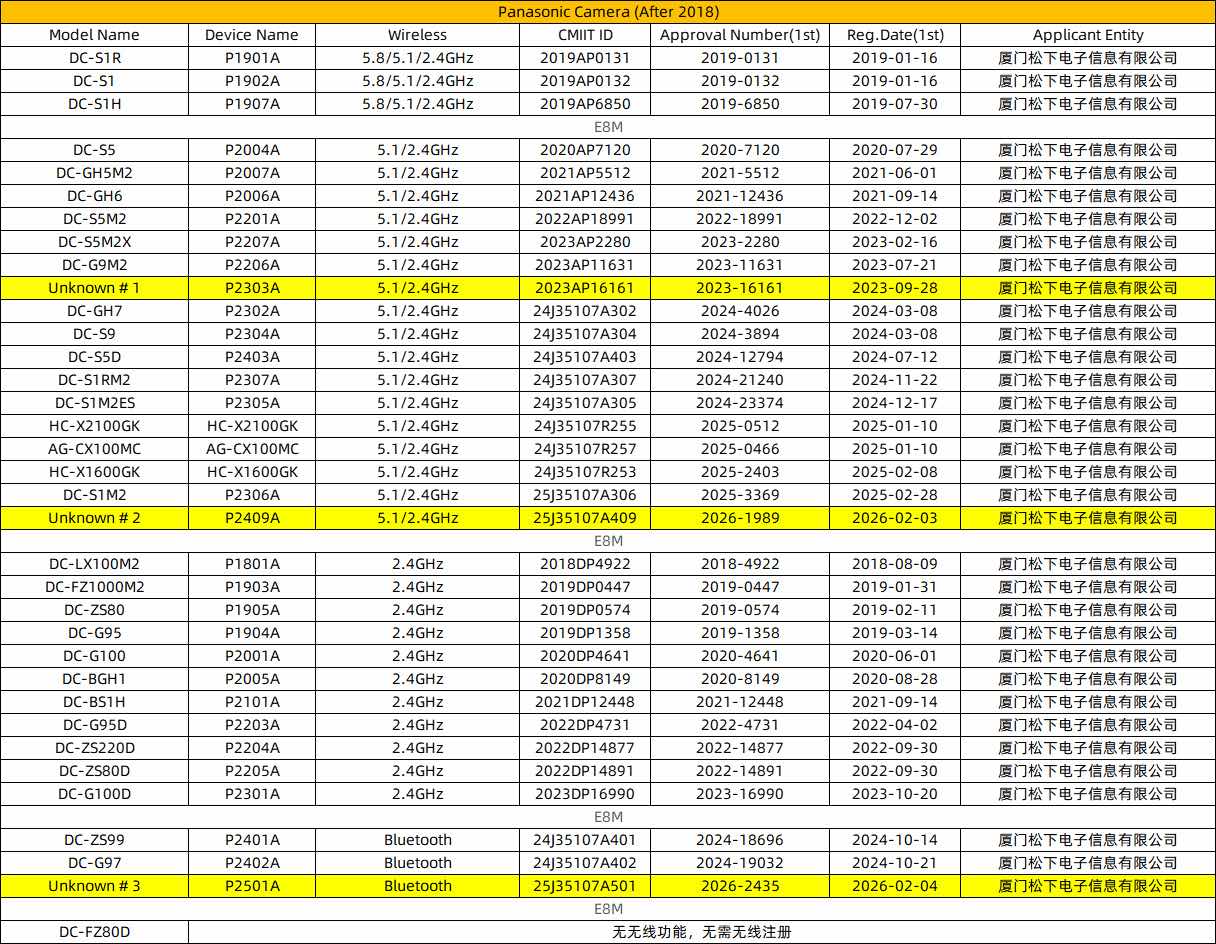
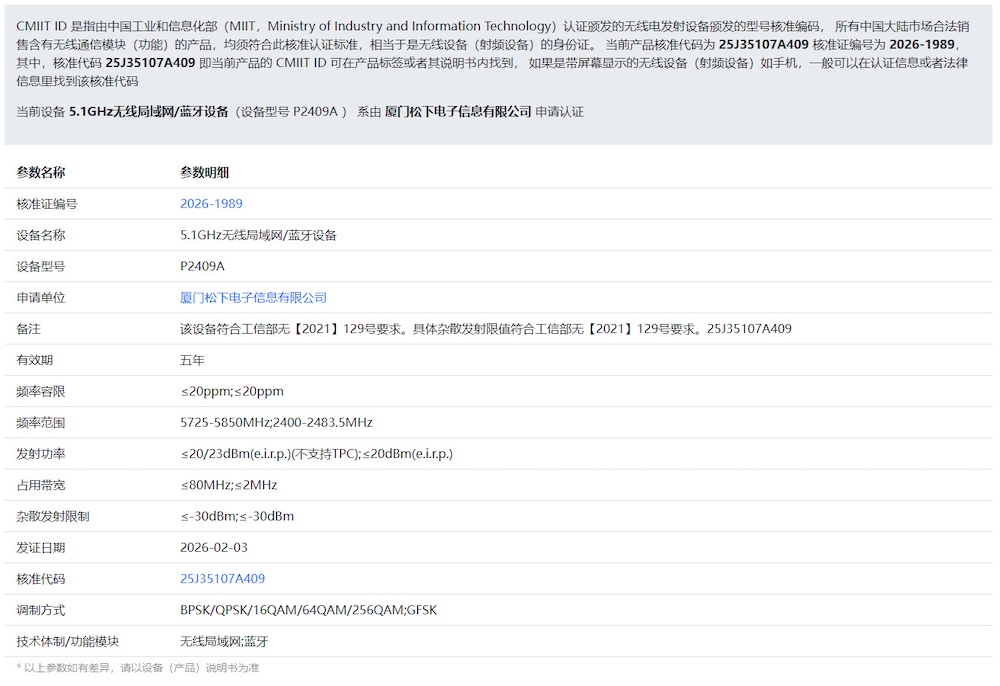
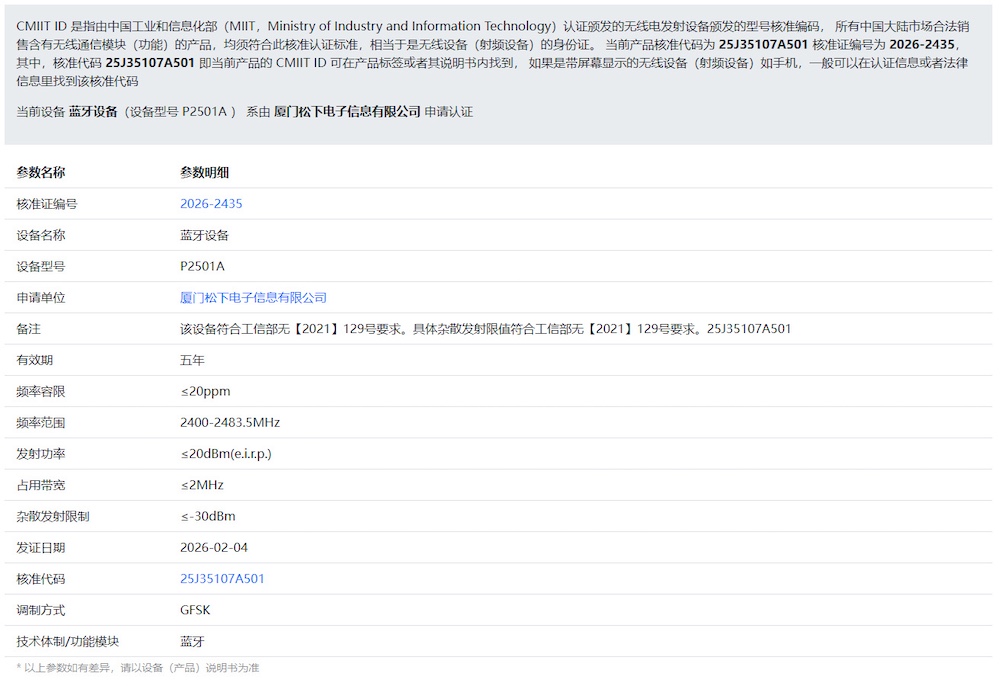
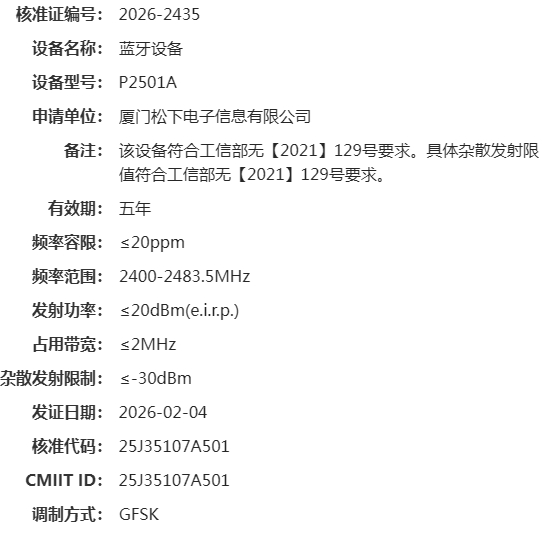
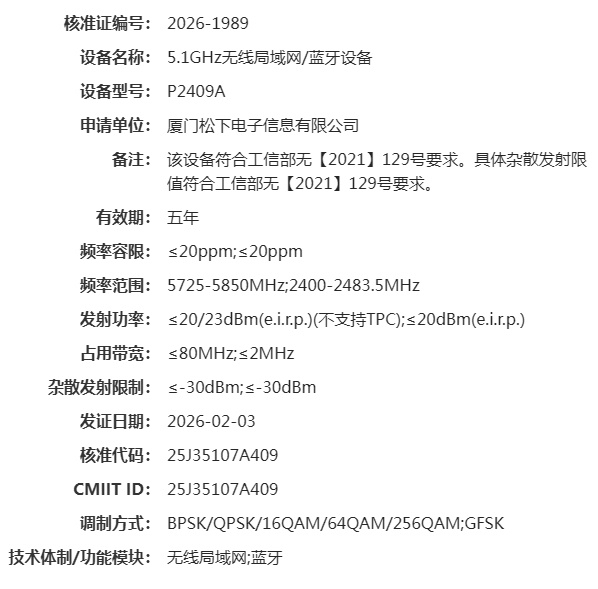
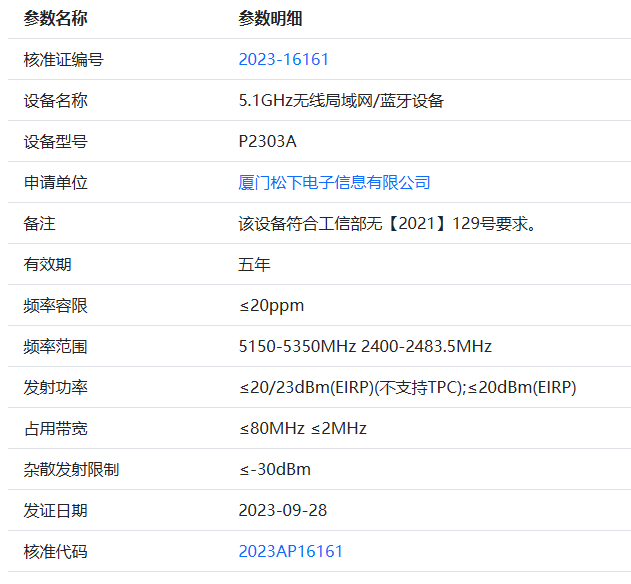
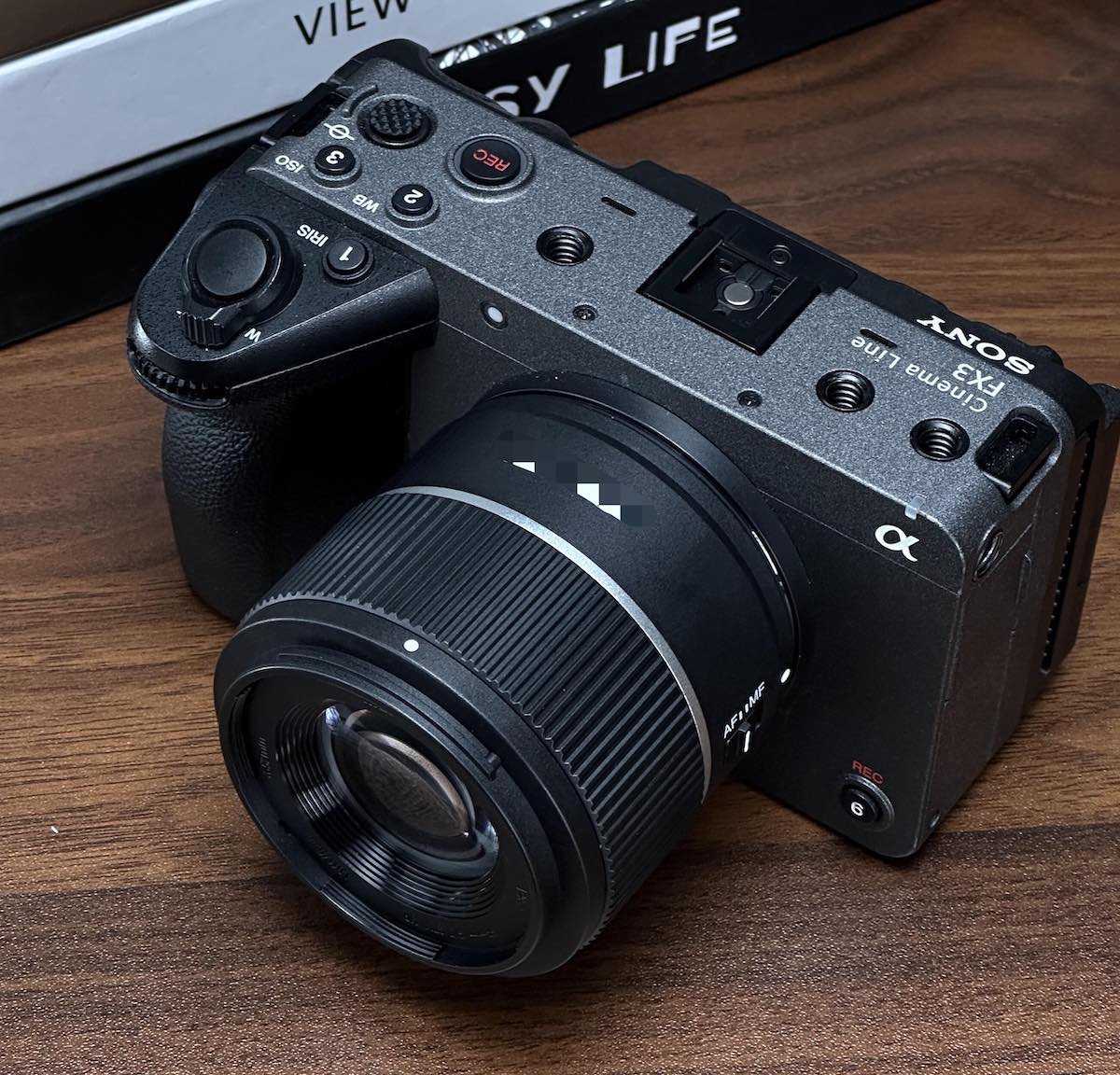
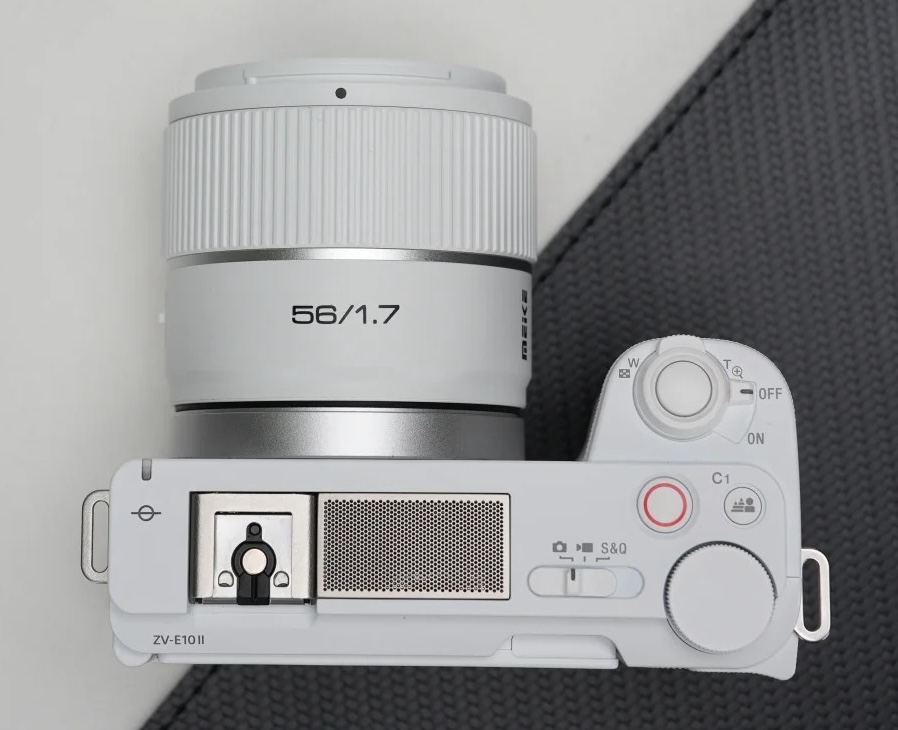
Sony registered a new WW847606 camera overseas – maybe it is the rumored Sony a7R VI or the Sony FX8? The new model supports a 160MHz bandwidth, it uses the WiFi 6 BIONZ XR2 processor, and it will be made in Japan:
Sometimes, the availability of even a single lens could be the deciding factor on whether to invest in a particular mount. Photo: Mitchell Clark
If you've spent any time in the comments sections of articles about cameras, you've probably come across the idea that which camera body you choose barely matters: the lenses are the most important thing to consider. While this can read as people being dismissive of new tech, or even as sour grapes from people who don't want to admit that something new is, in fact, better than what they have, I have to begrudgingly admit that the killjoys have a point. They're correct when they say that you're likely to keep your lenses longer than any particular body.
Because of that, your lenses become (a sometimes very substantial) lock-in to a particular mount, which is something of a walled garden. With seemingly every company on its A-game when it comes to designing cameras, it's possible that the most important part of choosing which system to go with is making sure that you'll be comfortable in that garden. The most capable body in the world won't do anything for you if the lenses you want aren't available at a price you're willing to pay.
Canon RF 50mm F1.8 STM - $240
Canon RF 50mm F1.4 L VCM - $1550
Canon RF 50mm F1.2 L USM - $2600
Nikon Z 50mm F1.4 - $600
Nikon Z 50mm F1.8 S - $670
Nikon Z 50mm F1.2 S - $2250
Most manufacturers have a variety of options when it comes to the most popular focal lengths, but the rungs on the pricing ladders can be quite far apart without third-party options to fill in the gaps. Images: Canon, Nikon
It'd be impossible to go through every combination of lenses that someone might want and rank how each system stacks up, but that's sort of the point. Only you know your exact wants and needs, and everyone's will be different, which is why it's not safe to assume that each mount will have all the options you're looking for. When choosing which garden you'll spend the next ten to twenty years in, you'll want to consider what lenses are currently available, and whether the manufacturer's capabilities and R&D budget will be enough to fill in any gaps.
Conversely, if a system you like already has the lenses you want, that may be enough. There's no benefit to you in knowing that some other system has umpteen more lenses available if they're lenses you can't imagine yourself ever using. Similarly, one mount offering a choice of eight 50mm lenses won't tip the scales in its favor if all the others have one that matches your price and performance criteria.
It's worth noting that the exercise of checking lens availability becomes even more important if you have niche or unusual requirements. Sure, companies have been building out their lineups with more experimental lenses, but if you're looking for something truly weird, there's a good chance the more restrictive mounts may not get what you want in an amount of time you're willing to wait. Canon currently doesn't allow any third-party full-frame autofocus lenses for RF mount, and while Nikon allows Tamron and Sigma to produce Z-mount lenses, there's a question mark over the future of lenses from makers that don't have a license.
If you're factoring in third-party lenses into your choice of mount, keep in mind what level of legal gray zone they're operating in
Panasonic, Leica and Sigma, meanwhile, have a bit of a bigger tent with the L mount, with each making lenses that work on each other's cameras, and allowing other companies like Samyang, Siuri, Viltrox, and many others to join the alliance and do the same. Then there's Sony, which hasn't made any overt attempts to control what lenses are made for its E mount, though it does appear to arbitrarily restrict shooting faster than 15fps to its own-brand lenses (which could be a disappointment if you're excited by the amazing sports lenses Sigma has been making).
The point is that if you're factoring in lenses from third parties into your choice of mount, it's worth keeping in mind what level of legal gray zone they're operating in, and whether you'd still be happy with your decision if some of the lenses you were planning on picking up suddenly become unavailable, or if they don't work as expected in all cases. It's also up to you to decide whether your personal moral convictions about companies' right to defend their intellectual property have any bearing on your decision.
It's easy to get overwhelmed trying to compare lens ecosystems. While there may only be a handful of cameras you're interested in, you'll probably have to parse several more lens offerings if you choose to make those your main consideration. And that's not even mentioning the idea that some manufacturers might make something that you never would've even thought about, but you'd really like to try.
Choosing a lens mount is a commitment
Still, we think it's a worthwhile part of the buying process; perhaps even the most important part. Choosing a lens mount is a commitment, and it's worth the extra work up front so you don't find yourself peering over the garden wall after realizing that your system just doesn't have the specific option you'd like (or, at least, not for a price you're willing to pay).
Back in the days when DPReview was part of Amazon, I took photos at an event called "Barktoberfest," where people brought their pets to work in Halloween costumes. At one such event, I came across this French Bulldog, dressed in a Mexican poncho and sombrero, who had a look on his face that said, "I can't believe my person is making me do this."
This month, our Editor's challenge has gone to the dogs. Literally. We want to see your most impressive dog photography. Whether you've captured a soulful portrait, an action shot of a pup in flight, or your furry sidekick in an embarrassingly bad Halloween costume, we want to see it. Our favorites will be featured in an article on the DPReview homepage.
Photos can be submitted between Sunday, February 15, and Saturday, February 21 (GMT). The challenge is open to photos captured at any time.
Important: Images MUST include a title and a caption of at least 25 words to be eligible. We need to be able to share the story behind your photo. We will consider both photos and captions when selecting our winners, so make sure to tell us that story!
Visit the challenge page to read the full rules and to submit your photos for consideration as soon as the challenge opens.
When you use DPReview links to buy products, the site may earn a commission.
Sample gallery
This widget is not optimized for RSS feed readers. Click here to open it in a new browser window / tab.
Please do not reproduce any of these images on a website or any newsletter/magazine without prior permission (see our copyright page). We make the originals available for private users to download to their own machines for personal examination or printing; we do so in good faith, so please don't abuse it.
In addition to its ultra-wide prime, Canon announced a rather exotic lens this week: the RF 7-14mm F2.8-3.5 L Fisheye STM, which, at its widest setting, has a 190° field of view, meaning it can actually see behind itself. We got to spend a bit of time with it prior to its launch to get an idea of what shooting with this kind of focal length is like. (The experience gave us a renewed awareness of where our fingers and the feet of our tripods are.)
We hope to spend a bit more time with this lens to capture a few more kinds of subjects with it, such as architecture in good weather and, if we can find one, a skateboarder. We'll be sure to keep you updated when we add those images, but for now, enjoy the gallery.
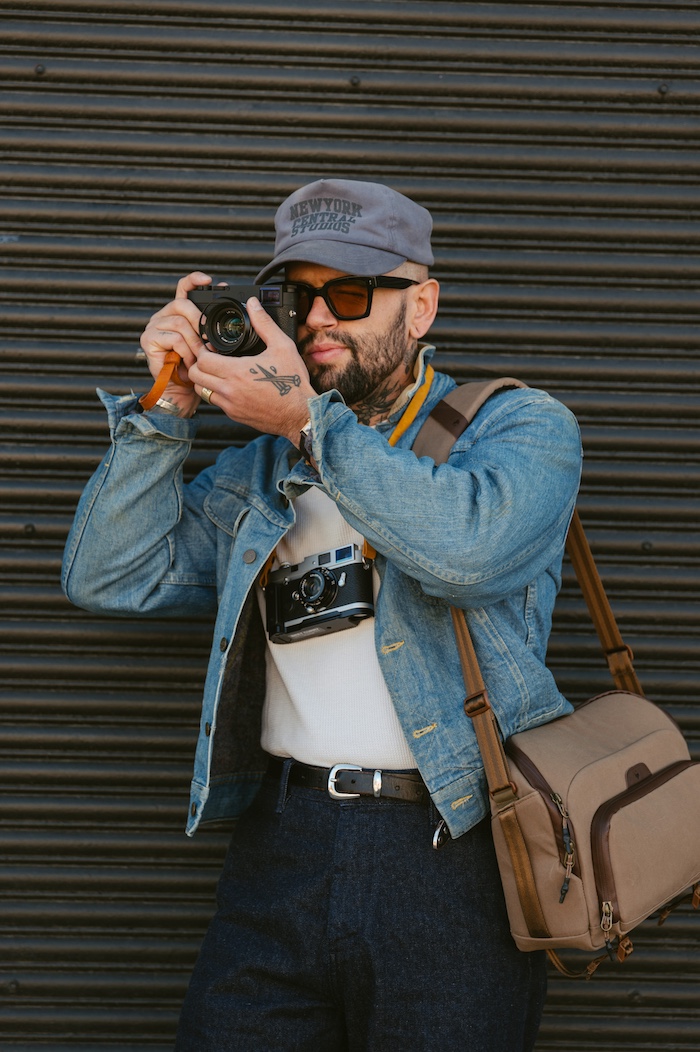
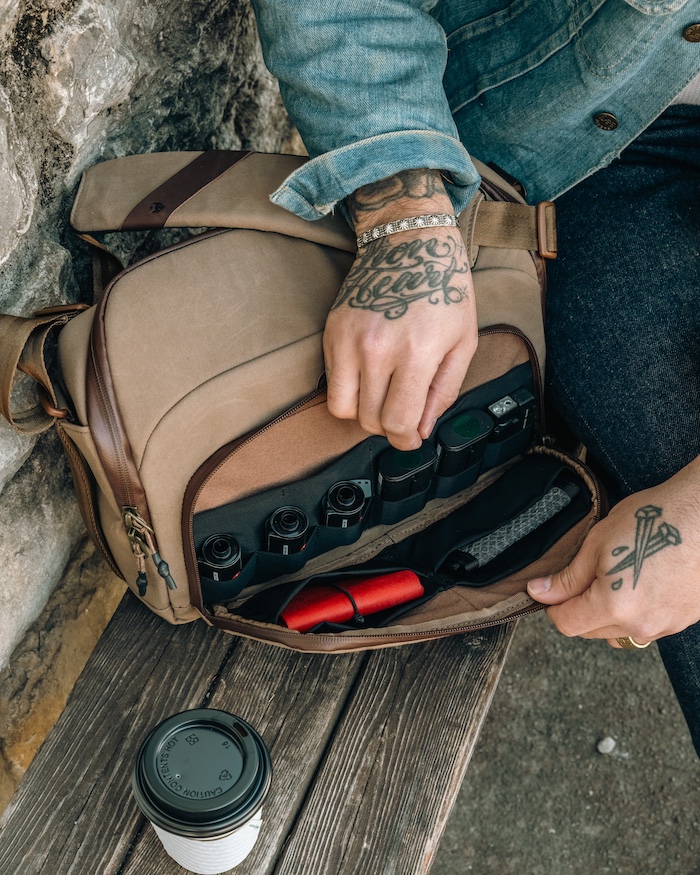
The new Camera Sling v2.0 is the next iteration of the bag originally launched for photographers who wanted to carry light, move freely, and keep their camera close at all times. The new v2.0 retains the same compact 6L size, but with refined details based on real-world use and photographer feedback over the past couple of years. Updates include improved internal organization, an external accessory pouch, bottom cinch straps for extra carry, a hidden AirTag pocket, and a longer, pivoting shoulder strap.
When you use DPReview links to buy products, the site may earn a commission.
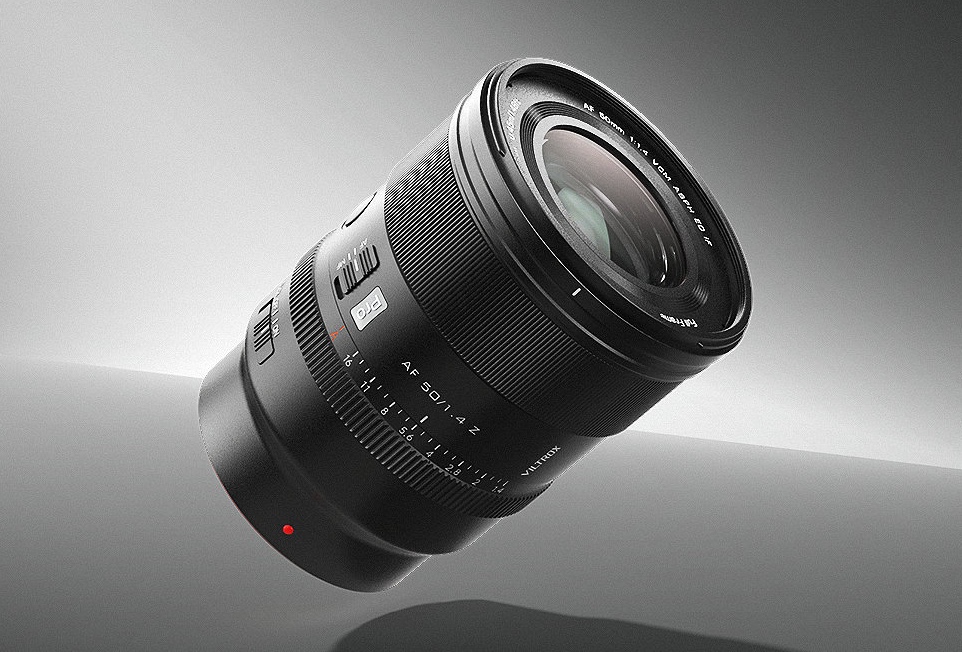
There have been several rounds of lens news recently, with Canon introducing two new ultrawide options for RF mount, Leica releasing its first wide-angle Noctilux and Viltrox finally announcing its first lens for L mount. Some of DPReview's editors sat down to discuss these new options and to talk about what impact they might have for photographers.
Let us know what you think of the new lenses in the comments or on our forums!
When you use DPReview links to buy products, the site may earn a commission.
Sample gallery
This widget is not optimized for RSS feed readers. Click here to open it in a new browser window / tab.
Please do not reproduce any of these images on a website or any newsletter/magazine without prior permission (see our copyright page). We make the originals available for private users to download to their own machines for personal examination or printing; we do so in good faith, so please don't abuse it.
This week, Canon announced its widest non-VR prime lens for full-frame RF cameras, the 14mm F1.4 L VCM. We were lucky enough to get the chance to shoot some samples with it to get a feel for how it performs.
Of course, one of the most exciting uses for this kind of lens is astrophotography. Thanks to a combination of shipping delays and almost exclusively overcast weather, we weren't able to get any shots of the stars in time for this launch, but we'll be making sure our resident astro enthusiast, Dale Baskin, gets a chance to take some samples with it. Look forward to an update with those in the near future (assuming the skies cooperate, of course).
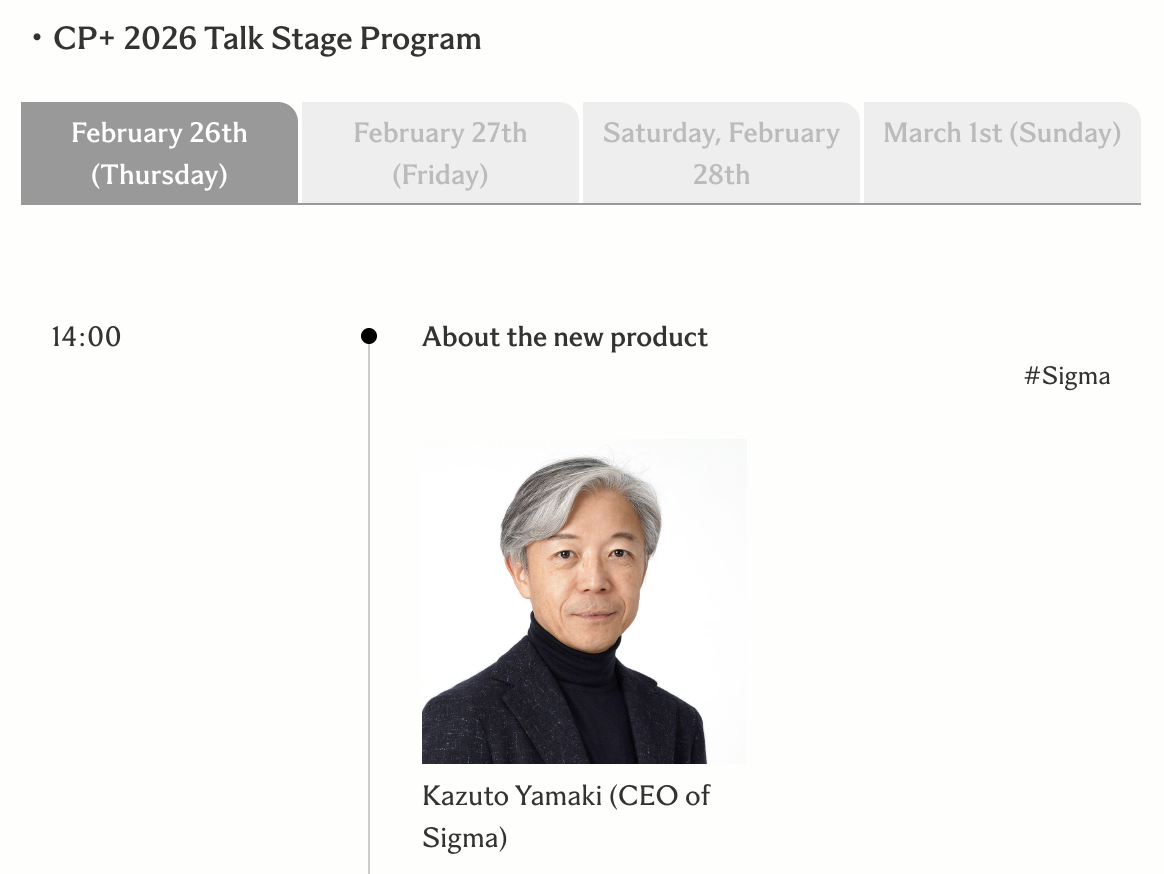
Sigma is rumored to announce at least two new lenses on February 26th for the 2026 CP+ show in Yokohama, Japan:
The Sigma 35mm f/1.4 DG DN | Art lenshas already been discontinued in Japan, and we may see a new version II. Hopefully, we will also get some updates on the latest Foveon sensor developments. Stay tuned for updates and live coverage. The 2026 CP+ show dates are February 26 – March 1, 2026. Previous coverage of the CP+ show is available here.
The winners of the seventh edition of the Close-up Photography of the Year (CUPOTY) contest have been announced. This year's competition drew more than 12,000 entries from 63 countries, with images revealing wonders of the world through macro, micro and close-up photography.
A jury of 22 expert photographers, naturalists and editors selected the winners. They collectively spent more than 20 hours on Zoom calls to make the winner selections and choose the Top 100 images. The contest includes 11 categories: Animals, Insects, Butterflies & Dragonflies, Arachnids, Invertebrate Portrait, Underwater, Plants, Fungi & Slime Moulds, Intimate Landscape, Studio Art, and Young Close-up Photographer of the Year (for entrants aged 17 or under).
"This was the toughest competition yet," says CUPOTY co-founder Tracy Calder. "The winning image embodies everything close-up photography can achieve – it shows us a perspective we've never seen before and reveals hidden beauty in a familiar subject. The judges were captivated."
You can see all of the winning and finalist images at the CUPOTY website.
Picture details: The inside of a cauliflower soft coral in Lembeh Strait, Indonesia.
Caption: Named for its characteristic cauliflower-like appearance, this coral has numerous small, rounded, bump-like polyps that give it a puffy texture. This unique perspective was made possible by the Nauticam EMWL (Extended Macro Wide Lens), an underwater version of the probe or insect eye lens. Due to its long length, small diameter, close focus, and wide field of view, this lens allows for perspectives impossible with conventional lenses. I decided to experiment with the EMWL on the soft coral to capture a different view of a common life form. I carefully threaded the end of the EMWL through the branches of the soft coral so as not to damage them, creating an image looking from the inside out.
Technical information:
Camera: Sony A7R IV
Lens: Sony FE 90mm F2.8 Macro G OSS
ISO: 400
Aperture: F9
Shutter speed: 1/100 sec
Accessories: Nauticam EMWL with 160º objective lens and 2x Retra Pro flashes
Post processing: DXO Pure Raw, Adobe Lightroom, Topaz Photo AI and Adobe Photoshop
Picture details: A Malagasy frog (Guibemantis sp.) egg clutch hangs on a small trunk next to a pond in Maromizaha rainforest, Madagascar.
Caption: Conducting fieldwork during cyclone season gave me the opportunity to witness a wonderful natural spectacle: Malagasy frogs' mass reproduction. The Maromizaha rainforest, where I spent six months collecting data for my PhD thesis, hosts an outstanding richness of amphibians, with at least 74 endemic species. For many Malagasy frogs, reproduction peaks correspond with winter months, a period characterised by higher temperatures and intense rainfall. During my nocturnal explorations, I was deeply impressed by the variability in shapes, colours, and sizes of the numerous egg clutches deposited on leaves, branches, and trunks. In this shot, I documented a large egg clutch (20–30cm) hanging on a small trunk. Inside this egg aggregation, several tadpoles were swimming peacefully through the gelatinous substance. Using an external remote-controlled flash, I lit the subject from behind, enhancing the shapes of the converging tadpoles and the colourful mixture within the gelatine, which suggested a cosmic appearance.
Technical information:
Camera: Canon EOS R7
Lens: Canon EF100mm F2.8L Macro IS USM
ISO: 800
Aperture: F11
Shutter speed: 1/200 sec
Accessories: Remote-controlled flash (Canon Speedlight 430) with softbox
Picture details: A lynx spider (Oxyopes sp.) feeds on a few termites in Hong Kong.
Caption: Lynx spiders are ambush predators that actively hunt prey by sight. Though they produce and use silk, they do not build webs to capture prey. I came across this one during a moth survey on a particularly memorable night. It had been a very hot spring with little rain, but that evening it suddenly started raining, prompting thousands of termites to begin their mating dance and swarm in the air. This provided an excellent opportunity for the lynx spider to make its catch of the night. The main difficulty in capturing the picture was the thousands of termites flying in my face, attracted by the camera's flash. In the end, the spider managed to catch two or three termites at once, creating this striking scene.
Picture details: A Camberwell beauty (Nymphalis antiopa) flashes its wings to defend its feeding spot on a birch tree trunk in Follo, Norway.
Caption: The butterfly was sitting on a birch tree trunk, drawn by the leaking sap caused by an attack of goat moth (Cossus cossus) larvae. Some red admiral butterflies and wasps were also attracted to the sweet sap. When the wasps approached, the Camberwell beauty did not fly off, but instead defended the spot by suddenly flashing its wings several times. The other insects kept their distance, allowing it to spend sufficient time feeding undisturbed.
Picture details: Danube mayflies (Ephoron virgo) swarm in Szentendre, Hungary.
Caption: After a few decades, the spectacular endangered Danube mayfly has returned to the river Danube, probably due to increasing water quality after disappearing from the rivers of Middle Europe owing to water pollution. The summer of 2024 was memorable for fans of these mayflies, as the season — likely extended by dry, hot days and persistently low water levels — lasted nearly a month. On 25 occasions, we waded deep into the strong currents, surrounded and overwhelmed by the mayflies. A massive swarm numbering in the millions is approaching the illuminated city of Szentendre. The lights lure the mayflies out due to their positive phototaxis. During the late August festival, dense clouds of mayflies engulfed the restaurants, vendors, wine bars, and concerts, becoming an unmissable and alarming spectacle. The mayflies circled around the lights for a long time, unable to break free, and sadly perished on the asphalt. Such an evening can result in ecological damage worth billions, as mayflies writhing and drying on pavements, roads, and ledges perish along with the egg clusters that represent their offspring.
Picture details: A tree covered with rime ice in Nagano Prefecture, Japan.
Caption: I took this photograph when frost-covered trees stood before a mist that turned pink in the morning sunlight. The composition relies on soft, pale tones, anchored by the dark, intricate shape of the tree trunk and its distorted form. I intentionally excluded the base of the tree to highlight the complexity of its trunk. I also wanted to emphasise the special conditions of frost and mist, so I waited for the moment when the background turned pink. Although the scene depicts the freezing cold of winter, the warm colour tones give it a gentle sense of warmth rather than loneliness.
Picture details: A moth (Bombycidae sp.) in Tinamaste, Costa Rica.
Caption: A favourite quarry of many macro photographers, it is always a lovely opportunity to spend time with members of the Bombycid family. Incredibly photogenic, the large eyes and antenna positions of these moths, especially the males, always lend their portraits a somewhat melancholy feeling. They are a lesson in beautiful subtlety and a reminder to always give even the simplest arthropods and small creatures a second, closer look.
Picture details: Decaying lotus leaves and floating fern (Salvinia natans) in Xishuangbanna Tropical Botanical Garden, China.
Caption: In a pond outside the tropical rainforest in Xishuangbanna, I found these decaying lotus leaves floating on the dark water, their skeletal veins creating a delicate lacework of purple and green. Amongst them, bright clusters of floating fern had taken hold. Floating fern thrives only in warm, clean waters, so finding it here amongst these skeletal leaves felt like the rebirth of hope and a symbol of the continuation of life.
Picture details: A copper plate distressed and oxidised by everyday household materials. Caption: Three years ago, at the age of 71 and after 35 years in rural/coastal tranquillity, my wife and I moved back into the centre of a big city. For 50 years, my work had been concentrated on creating visionary landscapes, constructed from insignificant scraps from the shoreline. My new environment conjured up memories of my upbringing in the post-Industrial Revolution Lowry-esque landscape of inner-city Salford. Over three years, a new body of work has emerged, but the fragments of flotsam and jetsam that formed the source of my medium have been replaced with the chemical fragments of common household materials — bleach, cleaners, gardening products, bathroom products. This image is made on a glass plate and captured with a scanner.
Picture details: Stingless bee (likely Tetragonula sp.) nest in Mezhathur, Kerala, India. Caption: During my summer holiday in Kerala, India, I encountered a nest of stingless bees, likely from the Tetragonula family. Fascinated by the tiny wonders of nature, I make it a point to explore and learn more about the natural world whenever I visit India. These small yet remarkable bees had carefully built their home using wax, resin, and mud, creating a unique tube-shaped entrance to safeguard their colony. The guard bees at the entrance remained alert, ensuring the safety of their hive from potential threats. No bait or attractants were used whilst capturing this moment, allowing their natural behaviour to remain undisturbed. This image serves as a reminder of the vital role these tiny creatures play in maintaining ecological balance.
If you've recently picked up a new Nikon camera, you might be a bit overwhelmed about where to start setting it up. After all, camera menus can be hard to navigate, and the sheer number of settings options can be dizzying.
Some settings are universal, no matter your camera brand or preferred shooting style. We've already covered those in a separate article, so you may want to start there. This guide walks you through some of the Nikon‑specific settings worth changing on day one. The suggestions below are aimed at addressing the needs of most photographers; if you have a specific shooting style or preferred genre, there may be additional considerations. But below you'll find a good starting point for setting up your camera.
Basic Nikon behaviors
If you're new to Nikon, there is a key quirk you might want to be aware of: that nothing is selected until you've pressed the OK button. It's very easy to navigate to a menu parameter, think you've selected the option you want, and then hit Menu or half-press the shutter to exit, only to discover that nothing's changed. Get into the habit of assertive confirmation.
This option won't be in the same exact position on every Nikon model, but it should be located in the purple Controls section.
Another behavior that may be unfamiliar, if you've come from other brands, is that you need to hold buttons such as WB or Exposure Comp down while you turn the command dial. If you want to just press once, rather than having to hold the button down, you need to change the "Release Button to Use Dial' option in section 'f' of the Custom Settings menu.
Engaging and controlling Auto ISO
Auto ISO is typically On by default on most Nikon Z-mount cameras. However, there are points worth being aware of. If your camera has a dedicated ISO button, or you've defined a custom button to control ISO, you can hold that button down and turn one of the command dials to toggle Auto ISO on and off.
However, be aware that the other dial will define the minimum ISO that the camera will use, which risks limiting the maximum image quality available. If you are finding that the Auto ISO system isn't using as fast a shutter speed as you'd like, it's better to go into the Photo Shooting menu and adjust the "Minimum Shutter Speed" setting under "ISO sensitivity settings."
Easy Exposure Compensation
Easy Exposure Comp makes one of your command dials act as exposure comp without having to press a button. If you ever shoot in A or S mode, you should set this to 'On.'
Screengrab: Mitchell Clark
Nikon cameras offer an "Easy Exposure Compensation" setting that lets you customize how you dial in exposure compensation (EC).
By default, this is set to off, which means that you have to hold the ± button while turning a command dial to change EC. However, when you use P, S and A modes, you’ll have a command dial that isn’t being used. By changing to "On (auto reset)" or just "On," you'll be able to use the free dial to quickly change the EC setting without pressing a button at the same time. The auto reset option simply means that the camera will reset the EC to zero when you power off or the standby timer times out.
Choosing a Raw mode
In our article on general settings to change on any camera, we suggested enabling Raw files for greater flexibility when editing your images. But with Nikon cameras, you’re also asked to choose a type of Raw file (NEFs on Nikon cameras), which can get confusing.
On the first two generations of Z-mount camera, you'll have the option to choose 12‑bit or 14‑bit Raw. Full-frame models also let you chose a compression method: Uncompressed, Lossless Compressed or Compressed (often referred to as lossy compressed). Without getting too deep into the technical details, Lossless Compressed uses reversible compression. You get the benefit of smaller files, but you can restore the image for full editing capability. 12-bit mode makes the files still smaller and lets you capture more images during burst shooting, with very little impact unless you're shooting at low ISOs and really pushing the Raws.
Cameras that with Expeed 7 branded processing offer the newer TicoRaw-based HE* and HE
On cameras newer than the Z9 (those using Expeed 7 generation processing), you instead get the choice of Lossless Compression, High Efficiency* or High Efficiency (HE) compression. You no longer have to decide the bit-depth the camera uses. The Lossless compression is the same as on the older cameras, whereas the two HE options use a more modern, more effective compression system.
If you have one of the older cameras, we'd generally suggest shooting 12-bit Raw with Lossless Compression, if you're given the choice. The only exception would be if you're shooting ISO 64 on a Z7 or Z7 II and really pushing the Raws to make full use of their dynamic range.
We've been impressed with our experiences with HE* compression on the newer cameras.
Engaging Raw shooting
Don't forget to tell your camera to actually shoot in Raw after choosing your Raw settings; it's easy to do.
While both older and newer Nikon cameras have menu options to define what type of Raw file they capture, it's important to recognize that they don't actually make use of this setting until you select Raw or Raw+ from the "Image Quality" setting, further up the Photo Shooting menu.
Sensor shield
The Z9 and Z8, which always use electronic shutter mode, have a carbon "sensor shield" that can be used to keep dust off the sensor, without having to worry so much about damaging delicate, fragile shutter blades.
Photo: DPReview
The Nikon Z8 and Z9 both offer an option to enable a "sensor shield" when the camera is powered off. It helps reduce the amount of dust and debris that can land directly on the sensor during lens changes. We'd suggest setting "Sensor Shield Behavior at Power Off" to "Sensor shield closes." In the setup menus.
This option is not available in other Nikon cameras because they do not have carbon blades that can be used to prevent dust ingress. Instead, they have mechanical shutter blades which are much easier to damage than the sensor is.
We'd suggest being wary of dust with most Nikon cameras and being careful not to touch the sensor shield if you have a Z8 or Z9.
Shutter angle
If you have a higher-end camera, you'll be able to change the Shutter Mode in the Video ('g') Custom Settings menu.
This setting only affects video shooting and is currently only available on the ZR, Z6III, Z8 and Z9.
AF-F
One Nikon-specific quirk to be aware of is that the mode that continuously refocuses during video capture is called AF-F (fulltime AF) on Nikon cameras, rather than some variety of continuous autofocus, as is more commonly the case. This is because Nikon also has an AF-C mode that acts like the same mode in stills shooting: only re-focusing when you're pressing a button to tell the camera to do so.
Specifying different settings for video
By default, certain settings such as White Balance and Picture Control will carry over from stills to video mode. However, you can choose different settings by going into the "Video Shooting" menu and changing the setting to something other than "Same as Photo Setting." This makes it easier to switch back and forth between stills and video shooting without accidentally carrying your settings across.
Customize your camera for your needs
Depending on your camera model, several buttons and button/dial combinations can be separately configured for stills shooting, video and playback modes.
If you want to go beyond these basics, you can configure custom buttons the the "Custom Controls" option(s) the 'f' section of the Custom Settings menu. You can customize buttons for video use in "Custom Controls" in section 'g.'
The i menu can be configured to give you semi-fast access to the settings you regularly change, and can be configured separately for stills and video
It's a similar story if you wish to change which options appear in the i quick menu, these are also configured at the top of section 'f' for photo mode and section 'g' for video mode.
The above options are Nikon-specific items that apply to most users, regardless of their specific niche. However, it's also not an exhaustive list. If you have other settings that you change as soon as you purchase a new (or new to you) Nikon camera, share them in the comments.
Limited Edition PowerShot G7 X Mark III Camera Available
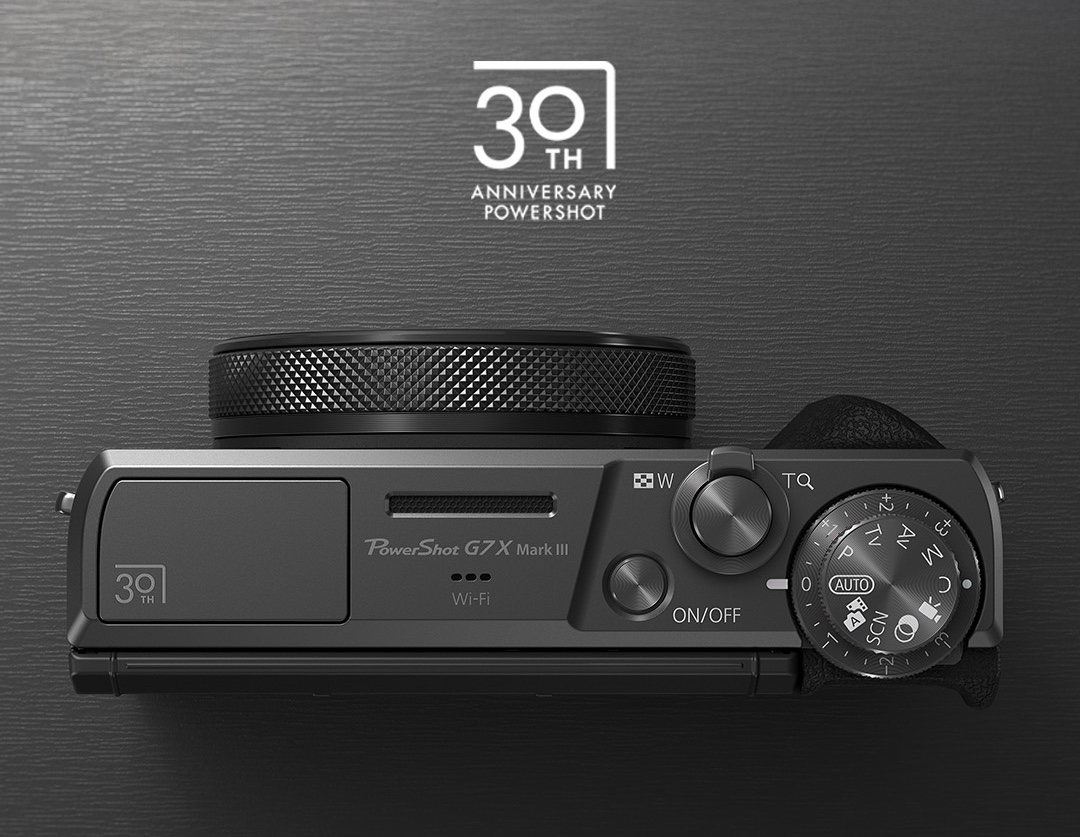
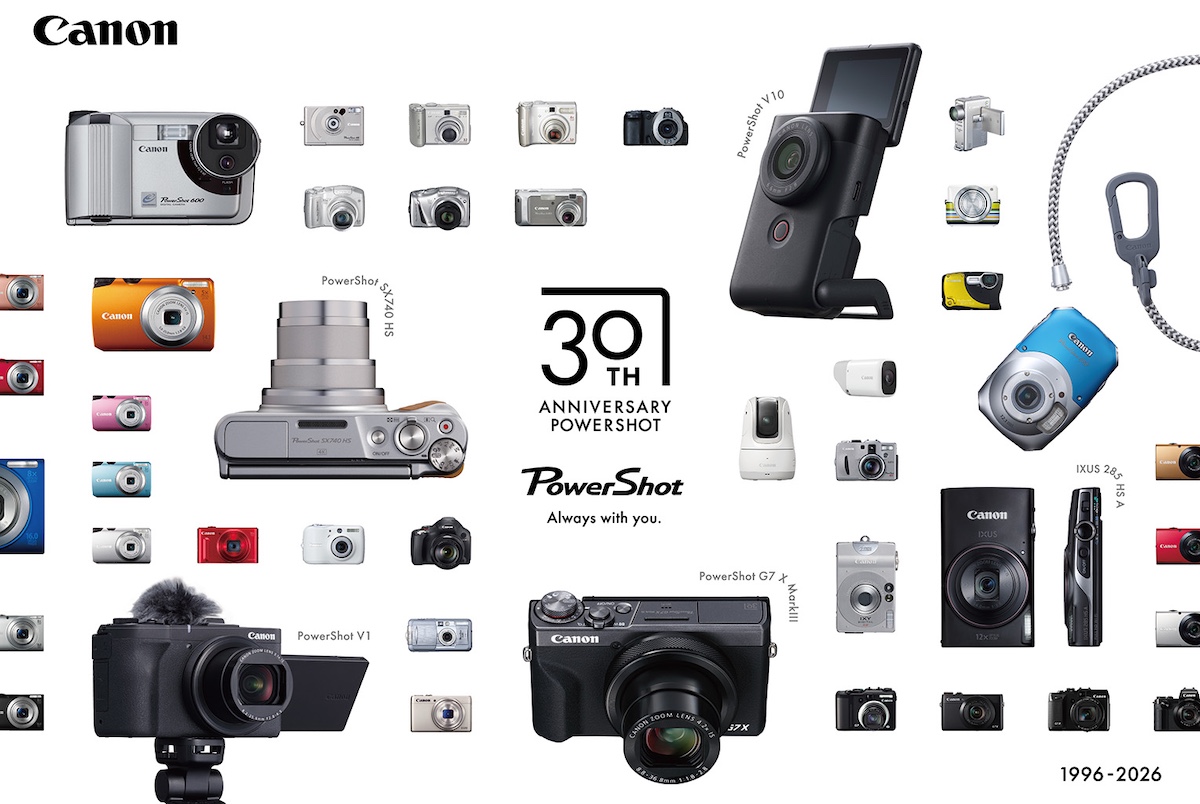
MELVILLE, N.Y., February 4, 2026 – Canon U.S.A., Inc., a leader in digital imaging solutions, today announced that its parent company, Canon Inc. celebrates that 2026 marks the 30 year anniversary of Canon’s PowerShot compact digital camera. To commemorate this anniversary, a limited edition PowerShot G7 X Mark III camera with a limited color body design and 30 year anniversary logo is currently scheduled to be released in April 2026.
Since the launch of the original PowerShot 600 in July 1996, PowerShot has expanded its lineup to meet the diverse needs of its users. The PowerShot line, which was developed with the aim of making it easy for users to enjoy high-quality still images and video, is popular among a wide range of users, from camera beginners to amateurs, and as of February 2026 over 200 PowerShot cameras in the Americas have been released.
Currently, Canon offers a wide range of products tailored to each user’s lifestyle, including the G Series, which combines a compact, lightweight body with high image quality and multiple functions, the V Series, which allows users to enjoy full-fledged video recording with ease, and the SX Series, which offers high-magnification zoom.
Canon will continue to contribute to the further development of photographic and imaging culture by pursuing advanced technologies and high expressivity in response to user needs within the PowerShot line.
PowerShot 30 Anniversary Edition Available
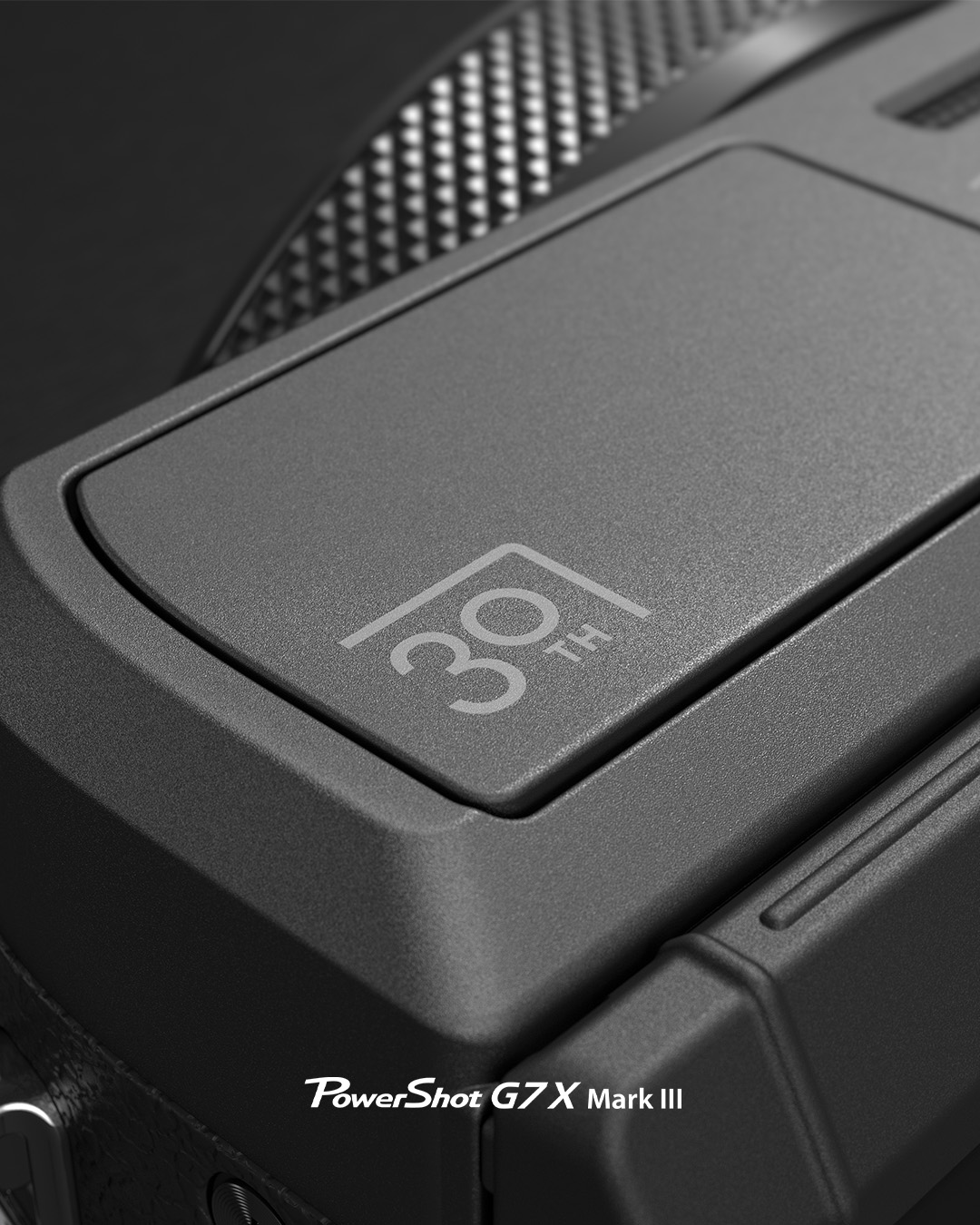
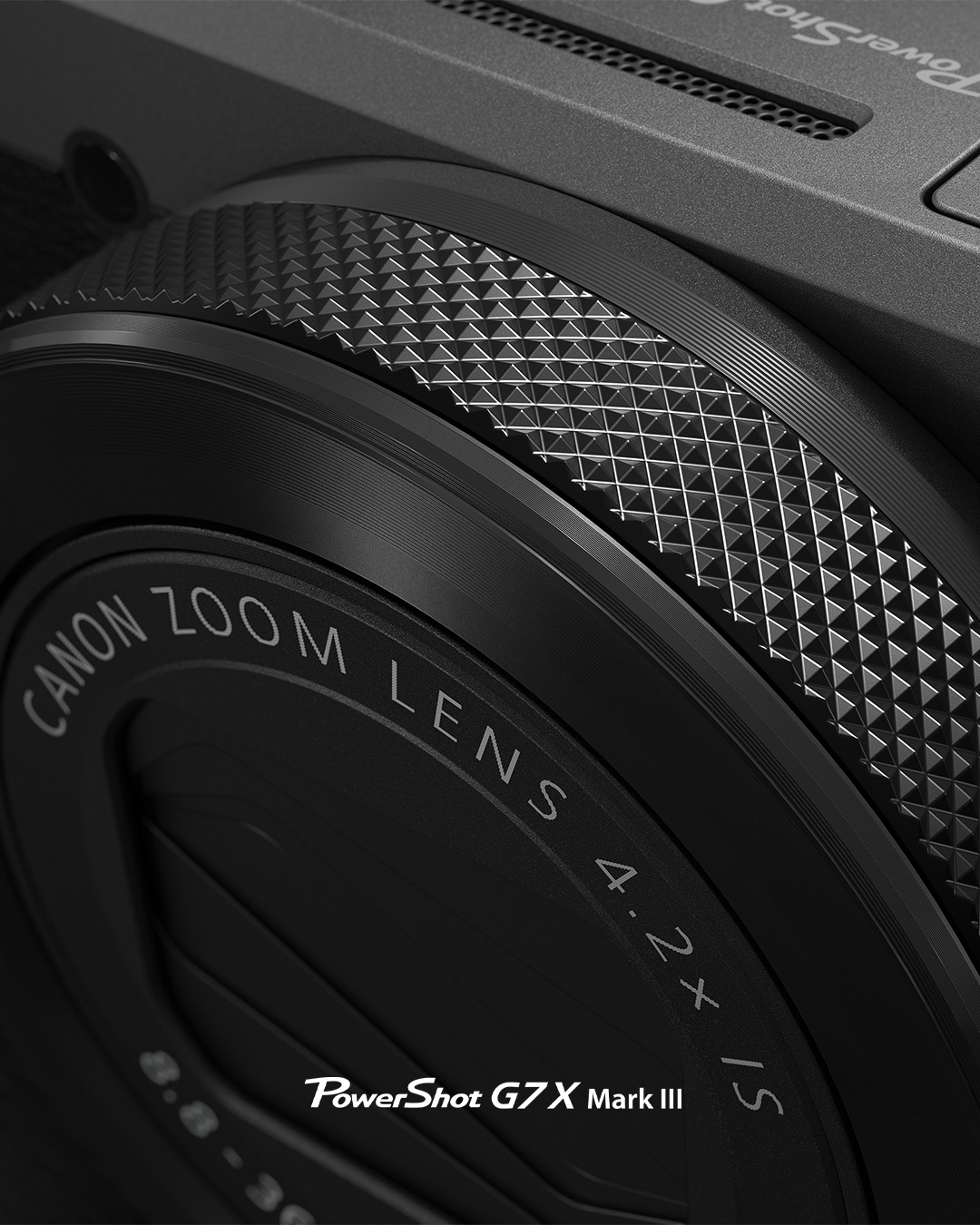
To celebrate 30 years of PowerShot cameras, a limited edition version of the PowerShot G7 X Mark III camera is scheduled to be available later this year. The 1.0 inch PowerShot G7 X Mark III is a compact digital camera featuring a stacked CMOS sensor with approximately 20.1 million effective pixels and a large aperture and bright 4.2 x optical zoom lens for versatile video expression. In addition to still image capture, the “Video Blog” mode, which is specialized for Vlog shooting, enables comfortable video capture. This limited edition model uses a unique color “graphite” for the camera body and the front ring has a diamond knurling to create a design that combines luxury and quality. In addition, the 30 year anniversary logo is printed on the body to create a special feeling suitable for limited edition models.
Availability
The PowerShot G7 X Mark III Graphite Kit – PowerShot 30th Anniversary Limited Edition Camera, which will be available with a Limited Edition Peak Design Cuff Wrist Strap and a 32GB SD card, is currently scheduled to be available in April 2026 for an estimated retail price of $1,299.00.

 Connexion