The previously rumored DJI Osmo Pocket 4 camera is now officially announced with a 1″ sensor, 4k/240fps video, and 14 stops of dynamic range. The new model will not be available in the US for now. In Europe, you can get one at Foto Erhardt and at WEX Photo.
Here are the main specifications:
Sensor & Gimbal: 1-inch CMOS sensor mounted on a 3-axis mechanical gimbal in a single-lens configuration.
Video Resolution & Framerate: Up to 4K resolution at 240fps, allowing for high-quality slow-motion capture.
Dynamic Range: 14 stops of dynamic range for enhanced detail in high-contrast lighting situations.
Color Profile: 10-bit D-Log, providing greater flexibility for cinematic HDR color grading in post-production.
Zoom: 2x lossless zoom utilizing a sensor crop, controlled via a new dedicated physical zoom button on the handle for single-handed operation.
Autofocus & Tracking: Upgraded to ActiveTrack 7.0 with intelligent autofocus to lock onto and track moving subjects more reliably.
Internal Storage: 107GB of high-speed built-in storage with 800MB/s transfer speeds.The standard model eliminates the need for an external microSD card.
Audio: Built-in quad-channel (OsmoAudio) system capable of capturing immersive, 360-degree sound.
Display: Retains the signature rotatable touchscreen interface.
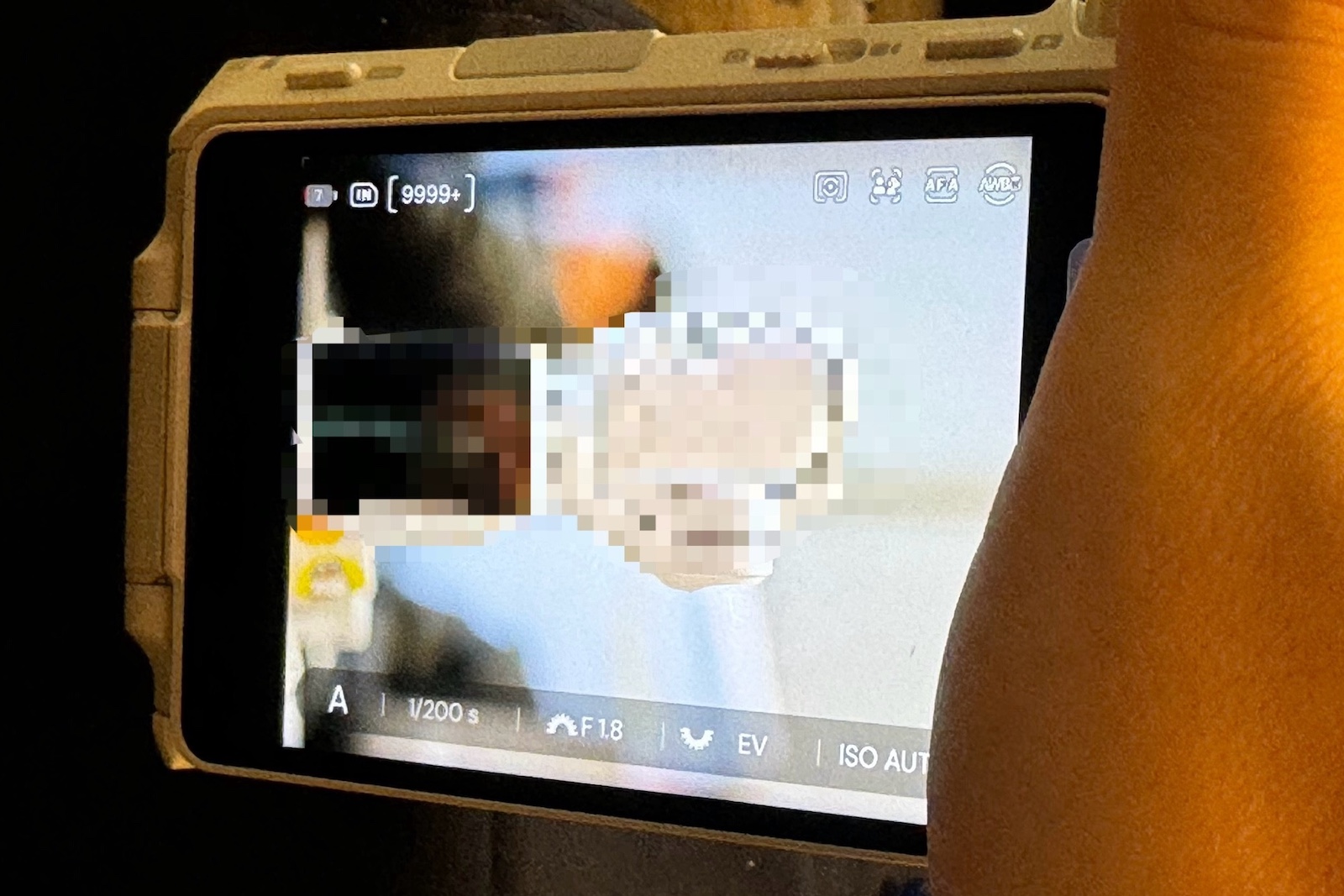
The previously rumored Insta360 mirrorless interchangeable-lens camera will have an MFT mount. This was revealed by the latest leaked pictures from China (now removed) – the camera has an Olympus 14-42mm lens attached:
Here is what we know so far about the Insta360 mirrorless interchangeable-lens camera with MFT mount (check the official Insta360 website for updates):
20MP Four Thirds sensor (Sony IMX472) with native resolution of 5280 × 3956 pixels (same sensor used in OM System OM-1 II / OM-3).
No EVF
Fully articulating/flip-up touchscreen LCD
Physical dials/wheels for aperture and exposure compensation (a first for Insta360), a dedicated photo/video switch, and a play button (top left), on-screen UI appears similar to that of the Insta360 Ace Pro series
Face/animal detection autofocus; sample photos leaked showing the 20MP resolution
Here is a sample picture (5280 × 3956) taken with the new camera and some mockups:
"English Village in the Cotswolds. No EXIF data due to Photoshop processing."
Photo: Stephen Felce
Photography has been a lifelong pursuit for DPReview reader Stephen Felce, known in the forums as keepreal. Over more than seven decades, he has developed a passion for street scenes and beautiful landscapes, moving from black-and-white to color film, and then to digital and mirrorless systems.
"I started photographing at the age of nine, learning to print my own film with guidance from my father. My passion for capturing the world around me has never waned. Photography isn't just a hobby, it's a way of seeing and experiencing life more fully."
Stephen works to bring out the beauty of places like the lochs of the Scottish Highlands and the deserts of the American Southwest, highlighting their unique natural lighting. His approach to post-processing has enabled him to turn complex scenes into images that are quite evocative.
This story is part of our What's in your bag? community spotlight series. The series showcases the diverse gear and photography of our community, and shares their stories of how that gear helped them to capture the perfect shot.
"Piazza in Arezzo, Tuscany, Italy. This is a panorama shot with extensive Photoshop processing to cope with the dynamic range. No EXIF data due to Photoshop processing."
Photo: Stephen Felce
Meet Stephen Felce (keepreal)
Home base: Greater London, UK
Favorite camera and lens: Olympus OM-D E-M5 II with Laowa 6mm and 10mm Zero-D lenses. Stephen likes this setup specifically for landscapes and street shots because it delivers the best detail and edge sharpness. The wide-angle lenses let him capture expansive vistas and architectural subtleties with minimal distortion.
Camera bags: He relies on three Crumpler bags – two for camera bodies and lenses, and one for panorama brackets and accessories. For his longest lenses, such as the 75-300mm, he uses a dedicated Nikon lens case.
Stephen's camera bag
Photo: Stephen Felce
Any other interesting gear you take with you?
"I kept two Nikon SB-26 Speedlights from my Nikon days, which I can fire wirelessly from the small Olympus FL-LM3 flash to get balanced lighting like studio lights. I mostly use a lightweight Hama Traveller Mini Pro Tripod now, though I also have a full-size Velbon Ultra REXi L for heavier setups."
"I even built my own panorama head from hardwood with sections for horizontal and vertical shots, using Manfrotto quick-release adapters for fast and precise alignment. For printing, I use an Epson Stylus Professional 3880 for prints up to A2 and an Expression Photo XP-8605 for everyday use, both with pigment inks for long-lasting color."
"This is a picture of the River Thames in London, England, that I took when I was twelve years old. My father lent me his Leica IIIa, and I took this shot with the 9cm Elmar, processed and printed myself, toning it sepia. A framed copy hangs in my bedroom."
Photo: Stephen Felce
How has your photography changed since you started?
"When I did my own monochrome photography, I settled upon Kodak Panatomic X and Ilford Pan F exposed at about half the nominal ISO. I also developed in the Beutler formula from raw chemicals to give a long scale with beautiful highlights."
"I have always gone for pictures from high-dynamic-range scenes, usually against the light. I rarely consciously decide on contre jour; it just happens, being in my element when those lighting conditions present themselves in brilliant sunshine. You cannot get those Beutler tones on digital, possibly because there is no shoulder to the highlights in a digital image, as the slope there is far too high."
"Still, when I switched to digital, my photography really took off, and somehow I found getting good colors easy, whereas with film I never felt my results were very good."
"When I switched to digital, my photography really took off, and somehow I found getting good colors easy."
How do you post-process a less-than-ideal scene?
"One of my picturesque street scenes, Gold Hill in Shaftesbury, Dorset, is familiar to most Brits because of a famous 1973 Hovis Bread advert. I took my picture there on negative color film and processed it myself. Early on in digital, I used to scan my negatives and got a superior result with Gold Hill, partly because of the light in the shot and partly because of the skills I developed with Photoshop Elements 2."
"Gold Hill in Shaftesbury, Dorset. No EXIF data due to Photoshop processing."
Photo: Stephen Felce
"There was a street sign ruining the picture, weeds growing in the gutters of a nearby dwelling and more distractions spoiling the overall effect. I cloned out the distractions, straightened a wall and changed the creamy cottage to blue as the original looked sad against the white cottage two doors down. Next, I filled in the bald sky and sharpened the out-of-focus wall on the left."
"After two years of digital manipulation and printing, I finally get good results. The photo won me a copy of Photoshop CS2, which I had wanted but cost far too much for my liking."
Have you taken any particularly memorable trips?
"My best holiday ever was to the Southwestern USA in 2011... from San Francisco to LA, 3,000 miles through Utah and Arizona.
"My best holiday ever was to the Southwestern USA in 2011, driving for three weeks from San Francisco to LA, 3,000 miles through Utah and Arizona, as well as in California. I estimated the distance for my route before I went, and amazingly, it was only a mile out."
"I loved Zion National Park, where, unusually, you get different kinds of rock, different textures and colors adjacent to one another, creating a remarkable effect. I loved Zion so much that I had to include it again in a 2018 trip of a similar distance from LA to Denver to see other must-see places like Arches National Park, but I actually preferred Dead Horse Point State Park overall."
"Near the entrance to Zion National Park, Utah. I was lucky with the light, which, though extremely weak, was better than in other images I have seen of this. My favorite self-took picture, so I made an A2 framed print for my living room. No EXIF data due to extensive Photoshop processing."
Photo: Stephen Felce
"Spectacular Rocks in Zion National Park, Utah. Unusual to see such variety in adjacent rocks. No EXIF data due to Photoshop processing."
Photo: Stephen Felce
When capturing that perfect shot, what are your preferred techniques?
"I always take a spot reading for exposure on the brightest part of the image, more often than not, the sky, and set exposure adjustment to +3 stops. That way, highlights are never blown out, and it works in every natural-light situation. If the dynamic range demands it, I use bracketed exposures."
"On the E-M5 II, it is brilliant because I can set the gaps two or three stops apart and simultaneously use exposure adjustment to increase exposure for the deepest shadows, without having to resort to shorter exposures, which is not necessary."
For eager photographers to capture it all, what would you suggest?
"Most camera buffs feel obliged to take pictures. I don't, as I take very few even in the best of places. I can quite literally return from a trip with nothing, enjoying the outing no less for that. Some scenes are beautiful, but do not lend themselves to the camera. Instead, they can be quite an experience in real life if you are able and willing to see with insight."
"Ennerdale Water. Lovely clouds making a beautiful scene in the Lake District, northern England. No EXIF data due to Photoshop processing."
Photo: Stephen Felce
Stephen really enjoyed writing the content for this spotlight article and would be grateful for you to join him in discussion in the forums. Thanks, Stephen, for being featured!
If you'd like to share your photography, tell us about your main camera, lens choices, key settings and strategies. Your photos and story could be featured in the next article!
Editor's note: This article continues a series, 'What's in your bag?', highlighting DPReview community members, their photography and the gear they depend on. Would you like to be featured in a future installment? Tell us a bit about yourself and your photography by filling out this form. If you're selected for a feature, we'll be in touch with next steps.
Meike AF 85mm f/1.4 II full-frame lens (2nd generation)
As an iteration of the classic portrait focal length, the 85mm F1.4 II achieves a comprehensive leap in performance
Upgraded high-speed autofocus system for precise capture of portrait moments, adapting to dynamic shooting needs.
Optimized optical structure delivers delicate and clear image quality and ultimate bokeh effect.
The lightweight body design significantly improves handheld shooting comfort.
Available in black and white, this lens combines professional performance with aesthetics, setting a new benchmark for high-performance full-frame portrait lenses.
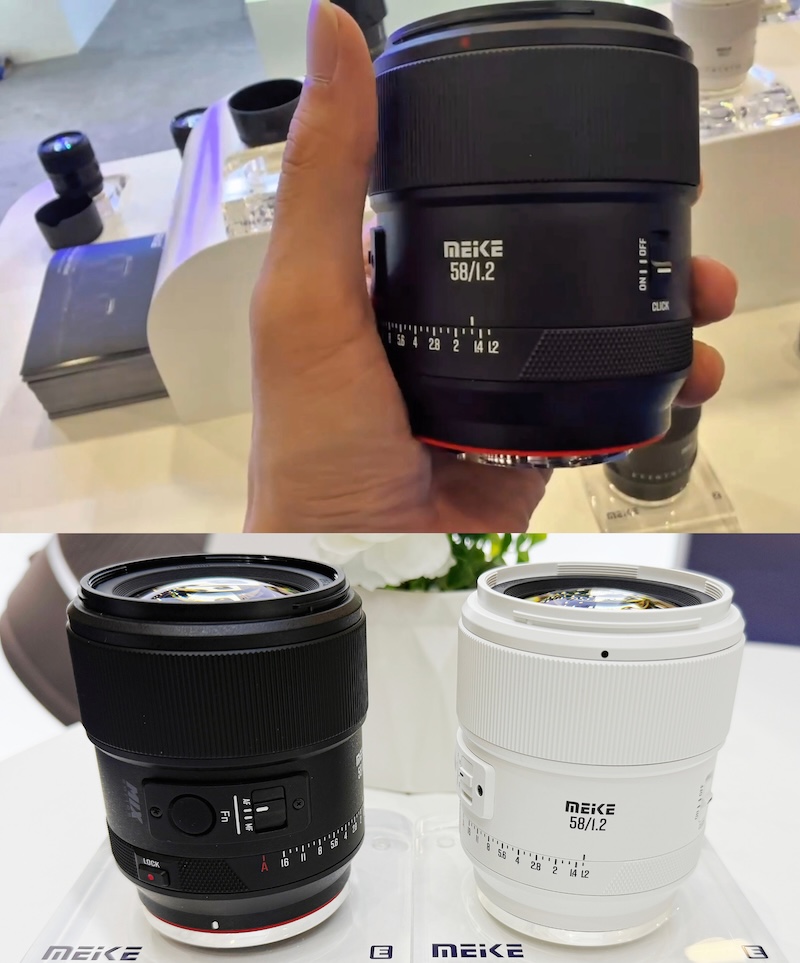
Meike AF 58mm f/1.2 APS-C flagship autofocus lens:
A flagship prime lens designed specifically for APS-C format creators:
The F1.2 ultra-large aperture delivers exceptional bokeh and low-light shooting capabilities, empowering creative portrait and documentary works.
A 58mm focal length is equivalent to approximately 87mm on an APS-C sensor, perfectly covering the classic golden focal length for portrait photography.
Its compact and lightweight design, combined with the portability of APS-C mirrorless cameras, makes it easy to handle everyday creative tasks.
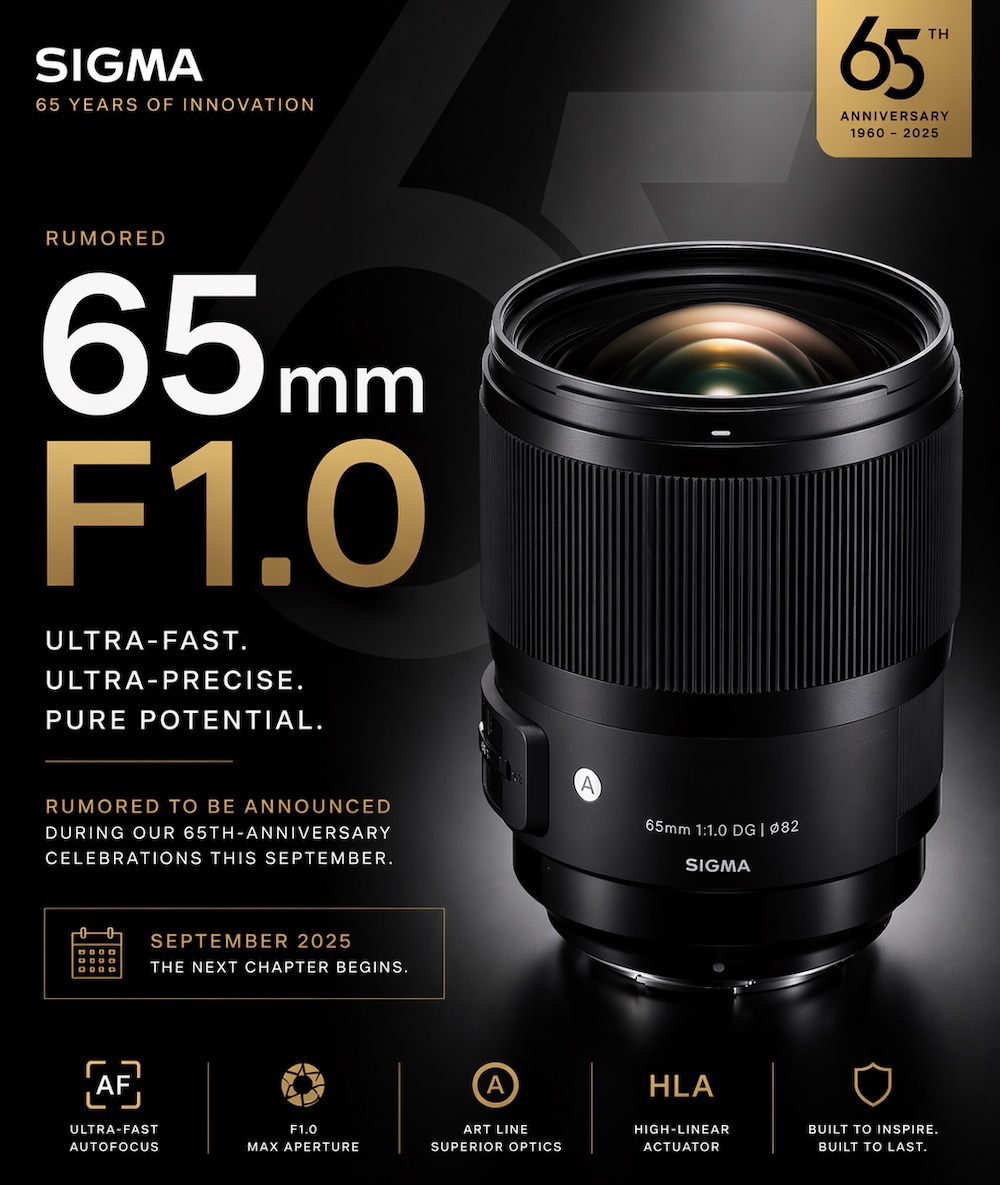
Sigma is rumored to release a new 65mm ultra-fast aperture autofocus lens in September. The lens is supposed to be faster than f/1.2, according to camerainsider, who has provided valid information in the past. My guess is it will be a new 65mm f/1.0 or 65mm f/1.1.
The lens will be announced during the company’s 65th-anniversary celebrations in September.
DJI has announced the latest iteration of its compact gimbal camera, the Osmo Pocket 4. The new generation brings more subtle changes than the last update, with integrated storage, a bump in frame rate, new controls and the promise of better low-light shooting.
Like the Osmo Pocket 3, the fourth-gen camera uses a Type 1 CMOS sensor and an integrated 20mm equiv. lens with an F2 aperture. Unlike the 3, which topped out at 4K/120, the Osmo Pocket 4 doubles its maximum framerate to 4K/240. It also uses 10-bit D-Log instead of the D-Log M found on the previous model, trading a more contrasty image that took less grading work for one with a bit more latitude. DJI promises the Pocket 4 can achieve 14 stops of dynamic range.
DJI says the new pocket camera will perform better in low light, delivering truer-to-life colors and better-looking skin tones. It also says that it will provide better results in high-contrast scenes as well. Given that the sensor hasn't changed, both changes are almost certainly thanks to improvements in processing.
When the screen is in landscape orientation, users have access to two additional buttons.
Image: DJI
The Osmo Pocket 4 keeps the rotating screen that DJI added to the 3, though it adds two additional buttons that are revealed when the screen is in landscape orientation. One button is dedicated to cropping in, allowing users to digitally zoom to 2x or 4x. The second button is customizable, giving users a shortcut to their most-used settings. DJI also says the 5D joystick is new, though it isn't clear what new functions it unlocks compared to the previous iteration.
DJI added 107GB of integrated storage to its latest gimbal camera, compared to the Osmo Pocket 3's full reliance on microSD cards. It's still compatible with 1TB microSD cards as well. It also promises an additional 14 minutes of battery life, for a total of 3 hours of recording at full resolution, or 4 hours at 1080p.
Like many DJI products, the Osmo Pocket 4 supports gesture control and offers multiple subject tracking options to keep subjects sharp and centered in the frame. It relies on DJI's ActiveTrack 7, which it debuted on the Osmo Mobile 7 smartphone gimbal and promises smoother, more natural tracking, better subject reacquisition and the ability to recognize multiple subjects.
The Osmo Pocket 4 is compatible with DJI's vlogging accessories, such as its mic system.
Image: DJI
The Osmo Pocket 4 is priced at £445, which is cheaper than the Pocket 3's launch price of £489. That's especially impressive given that the new model gains 107GB of internal storage at a time when that isn't coming cheap.
The camera will be available for immediate sale in the Chinese market on April 16 and for pre-order in all other regions. Official sales will begin on April 22. The standard combo costs £445 and includes the camera, USB-C cable, gimbal clamp, wrist strap, handle, and carrying pouch. DJI is also offering the Creator Combo for £549, and it includes the addition of the Osmo Pocket 3 Wide-Angle Lens, DJI Mic 3 kit, a fill light and a mini tripod.
As expected, the one exception in terms of availability is the US. DJI says the authorization application is still pending in the US, so it will not be available for purchase.
Press release:
DJI Delivers Next-Generation Imaging Capabilities with Osmo Pocket 4
Powered by a 1-inch CMOS sensor, DJI's new pocket gimbal camera captures stunning 4K/240fps footage and clear low-light shots.
April 16, 2026 - DJI, the global leader in civilian drones and creative camera technology, today announces the Osmo Pocket 4. Building on the worldwide success of its predecessor, DJI has enhanced the imaging capabilities of its popular 1-inch CMOS pocket gimbal camera. It can now capture stunning 4K/240fps1 footage and clearer low-light shots while delivering cinematic depth via 14 stops of dynamic range1 and 10-bit D-Log1. With the Osmo Pocket 4's new intelligent tracking capabilities, creators can keep their subjects in focus and in frame as they move and mingle in a crowd.
Clearer Low-Light Shots and Sharper Views
Osmo Pocket 4's 1-inch CMOS sensor and f/2.0 aperture ensure natural, clear portraits even in low light. The 14 stops of dynamic range1 and 10-bit D-Log1 color profile bring out rich tones and true-to-life colors, whether at dusk, by the seaside, or in other low-light environments. With this improved straight-out-of-camera quality, portrait shots deliver healthier and more refined skin tones. It also achieves superior performance when capturing images in high-contrast lighting conditions. With a dedicated Zoom button, creators can switch between 1x and 2x lossless zoom1 with one tap. Ultra HD slow-motion footage can also be recorded in 4K/240fps1.
Smart Capture, Standout Shots
Osmo Pocket 4's three-axis stabilization enables creators to film steady, high-quality vlogs and livestreams while walking. It features multiple gimbal modes for even smoother, silkier camera movements. With ActiveTrack 7.01, subjects can be tracked even at 4x zoom. Tracking modes, such as Spotlight Follow and Dynamic Framing, make capturing cinematic single-handed shots effortless.
Intelligent AutoFocus keeps subjects sharp. When "Subject Lock Tracking"1 is enabled, the camera automatically locks onto and tracks a selected subject. A new subject can be swapped with a simple tap on the screen. Alternatively, the "Registered Subject Priority"1 can be used to prioritize focusing on a pre-registered subject. Quick Shots can also be captured via gesture control1. For example, showing your palm (Palm Gesture) toggles ActiveTrack1, while flashing a peace sign ("V" Gesture) takes a photo or starts and stops recording.
More Intuitive and User-Friendly
The Osmo Pocket 4 enhances the user experience with several new intuitive features designed to streamline the creative process. To start recording, creators can simply rotate the screen. Below the screen are two new buttons. One is a dedicated Zoom button that can switch between 1x to 2x zoom1, or jump to 4x zoom. The other is a custom preset button that can be customized with the creator's preferred settings. The new 5D joystick allows creators to move the camera backwards, recenter the gimbal, and flip the camera. With 107GB of built-in storage, creators can shoot more footage and easily transfer up to 800MB/s1 of footage without a memory card.
More ways to create with the Osmo Pocket 4 include:
Slow Shutter Video: In Video mode, shutter speeds can be adjusted to create motion blur, capturing movement trails and the passage of time for a unique visual experience.
Film Tone1: Choose from a range of film tones to easily recreate classic styles and capture master-grade tones.
In-Camera Beautify1: Fine-tune skin smoothness, brightness, and tone for a natural look in both selfies and group shots.
Attachable Fill Light1: Adds natural, soft lighting to enhance low-light or backlit scenes, with three brightness and temperature settings.
Extended Runtime & Fast Charging: Recharge from 0 to 80% in just 18 minutes1 for up to three hours of shooting. When fully charged, it can record up to 240 minutes of 1080p/24fps footage1.
Compatible with OsmoAudio Ecosystem
The Osmo Pocket 4 captures clear vocals while recording ambient sounds through its built-in microphone array. It also supports direct connection to DJI Mic transmitters, enabling a 4-channel audio recording. Supported DJI Mic transmitters include Mic 2, Mic 3, and Mic Mini (each sold separately or included in select combos).
1 Only supported by certain camera modes. All data was tested in controlled conditions. For more details, please refer to the official DJI website.
Sigma is now farming rice in Aizu, Japan, where the company's factory is located. According to CEO Kazuto Yamaki, it's an effort to support its own neighbors while maintaining an important Japanese tradition. Photo: Sigma
For Sigma, "Made in Japan" isn't just a marketing ethos; it signifies a commitment to the company's home country, and to the region surrounding the city of Aizu, where its factory is located.
In an industry where most companies manage global manufacturing and supply chains, Sigma CEO Kazuto Yamaki takes pride in anchoring his company not only in its geography but in its culture. In fact, when Sigma introduced its new logo last year, it also doubled down on this regional connection, making "Made in Aizu, Japan" a core part of its brand identity.
Which explains why we find ourselves in Japan talking to Mr. Yamaki about rice. As we wrap up our interview at CP+, he casually mentions, "Actually, I'm not sure if you know it, but we decided to start growing rice."
Sigma products and packaging proudly emphasize the company's roots in Aizu, Japan. Photo: Richard Butler
Sigma announced its rice-growing ambitions a few days before our meeting, and while we saw the same press materials as everyone else, it was fascinating to hear the story behind the project, and what inspired it, in Mr. Yamaki's own words.
It's about history and ecology
"Aizu is known for many things," he tells us. "But one reason it's well known is for being a good production site for rice. There are many rice fields in Aizu, and they produce top-quality rice. But these days, as you know, Japan is a rapidly aging country. Also, the kids don't want to take over the farmers' business. So the farmers are losing their successors. Actually, this is nothing new. This already started in the 90s or late 80s. But thanks to the tractor and combine, we don't need many people."
"Aizu is known for many things, but one reason it's well known is for being a good production site for rice."
According to Yamaki, this represents an important economic and cultural shift from the past.
"Before World War II, we had many big landowners, but after World War II, property was shared by the farmers thanks to the American government, which occupied Japan at the time. So in Japan, there are many small farmers. Until now, some farmers asked neighboring farmers to take care of their fields because, thanks to tractors and combines, they could grow rice through the neighbors."
The Sigma factory in Aizu, Japan. Under Mr. Yamaki's leadership, the company has leaned into its roots in Japan, focusing on the use of Japanese suppliers and working with local partners. Photo: Dale Baskin
But it's not just a matter of changing demographics. As Mr. Yamaki observes, the disappearance of the small farmer is having a lasting physical impact on the land itself.
"But what is happening today is these kinds of farmers are aging, and they are losing successors. I started seeing many abandoned rice fields or paddy fields in the Aizu area. This creates a lot of problems. Paddy fields contain water, right? There's a particular ecosystem there, so we lose that ecosystem."
"The disappearance of the small farmer is having a lasting physical impact on the land itself."
"Once the land loses its ability to absorb water, it creates floods and also mudslides. And the abandoned fields have unexpected, undesirable plants. It invites bugs and harmful animals from the forest. So it creates a lot of problems. And also, the look of the landscape – I mean the traditional Japanese landscape, including the paddy fields – we are losing. So our aim, our purpose, is to keep the traditional Japanese landscape as it is. We are not going to grow the agricultural business, but our purpose is to preserve the paddy fields as they are."
A view from the train
For Mr. Yamaki, the decision to farm was a deeply personal one, rooted in a final request from his father.
"My father [Sigma founder Michihiro Yamaki] passed away 14 years ago. He had liver cancer. At the very last stage, maybe two or three months before he died, he asked me to take him to Aizu several times."
Kazuto Yamaki's father, Sigma founder Michihiro Yamaki (far right), poses with supporting members of the Sigma Research Institute Co., Ltd, around 1961. Photo: Sigma
"Because of his illness, at first I drove him to Aizu. But at some point, he told me he wanted to go by train. The local train in Aizu runs through the paddy fields. And he was looking at the paddy fields. And I realized why he wanted to go to Aizu by train. He was just looking at the rice fields, and since then, I really like looking at the paddy fields."
"But these days," he explains, "I feel very sad looking at an abandoned paddy field. So I was interested in starting agriculture about three years ago, and finally, we can start this year."
Leveraging the experience already inside Sigma
At the Sigma factory, the line between technician and tradition is closer than one might expect; some of the same hands that craft many of Sigma's world-class lenses are now being tasked with a much older form of craftsmanship: maintaining Aizu's rice paddies.
"Many of our factory workers are farmers. They know how to make rice, and they have machines. So, we can ask people over age 60 or 65, "Could you work at the rice paddy rather than the factory?" And if we rent out their tractor, we can pay. If we rent their tractor for a week, it can be revenue for them. So we already have the resources to make it."
Some of the same hands that craft many of Sigma's world-class lenses are now being tasked with a much older form of craftsmanship: maintaining Aizu's rice paddies. Photo: Dale Baskin
However, don't expect to see Sigma brand rice on store shelves anytime soon. Yamaki has a pragmatic plan for what to do with all that rice: keep it within his own family of employees.
"We consume it ourselves, because we have a cafeteria in the factory and we have one at the headquarters. If we sell to wholesalers, we have to sell it very cheaply. But we can sell it directly to the company that runs the cafeterias. So we may not lose much money. So it's a kind of win‑win situation."
For Mr. Yamaki, Sigma's foray into agriculture is an opportunity to lead by example.
"For Mr. Yamaki, Sigma's foray into agriculture is an opportunity to lead by example."
"It's really important to commit to the local community," he states emphatically.
"Well, of course, as a company, making a profit is the most important responsibility. But in today's society, companies play many important roles in society and have many social responsibilities. I think the contribution to the local community is one of the important responsibilities a company has. So we are just doing what we can do."
"Of course, we cannot save the Earth. We cannot save the whole region. But I like the phrase, "Think globally, act locally." By announcing this kind of activity, it may influence others, and if such activity spreads to the world, people may be able to help the Earth."
Welcome back to our Question of the Week series! This reader-focused series aims to get our photographic community to share thoughts on all sorts of photography-related topics in our forums. We pose questions about gear, favorite camera stores, advice, problem-solving and more, and you share your thoughts and opinions.
This week, we’re leaning into the holiday spirit! The season of giving (and occasionally re-gifting) is upon us, and that means it’s time to unwrap some memories – both heartwarming and hilarious.
What are the best (and worst) photography-related gifts you've received?
What’s the best photography-related gift you’ve ever received? Maybe it was a dream lens that caused you to take on an adventure deep in the mountains, or a handmade camera strap that’s now an essential part of your kit. And what about the worst? Perhaps someone thought you needed yet another "World’s Best Photographer" mug, or that odd lens filter set that turned every photo a shade of green.
In this edition of our Question of the Week series, we want to hear your gift stories: the memorable, the useful and the truly baffling. Share your favorites (and flops) in the forum link below. Photos of the gifts (or what you created with them) are also more than welcome! We'll highlight some of your most entertaining and heartfelt responses in next week's roundup.
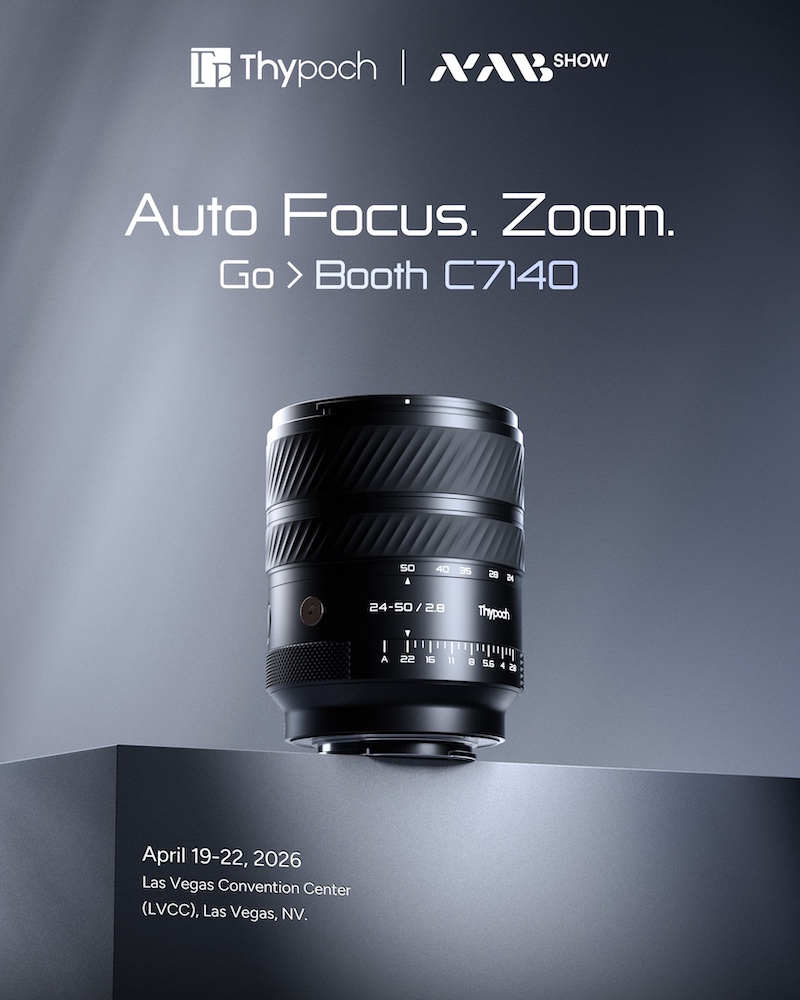
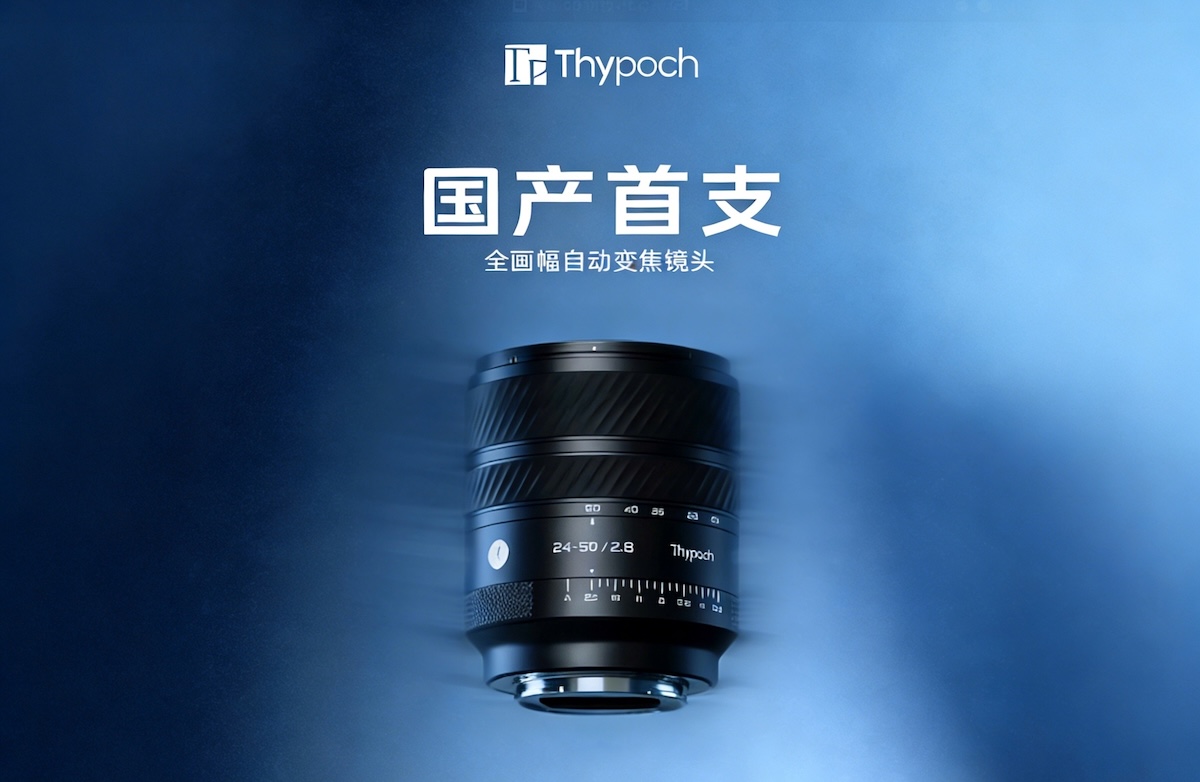
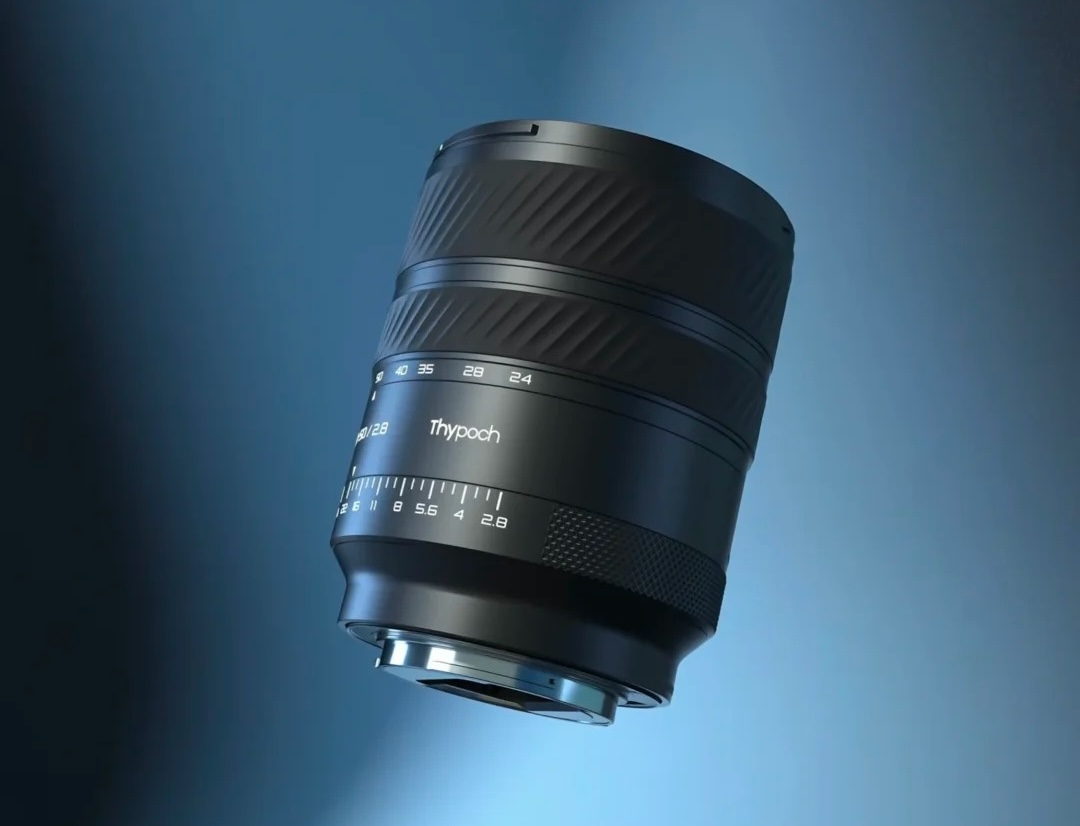
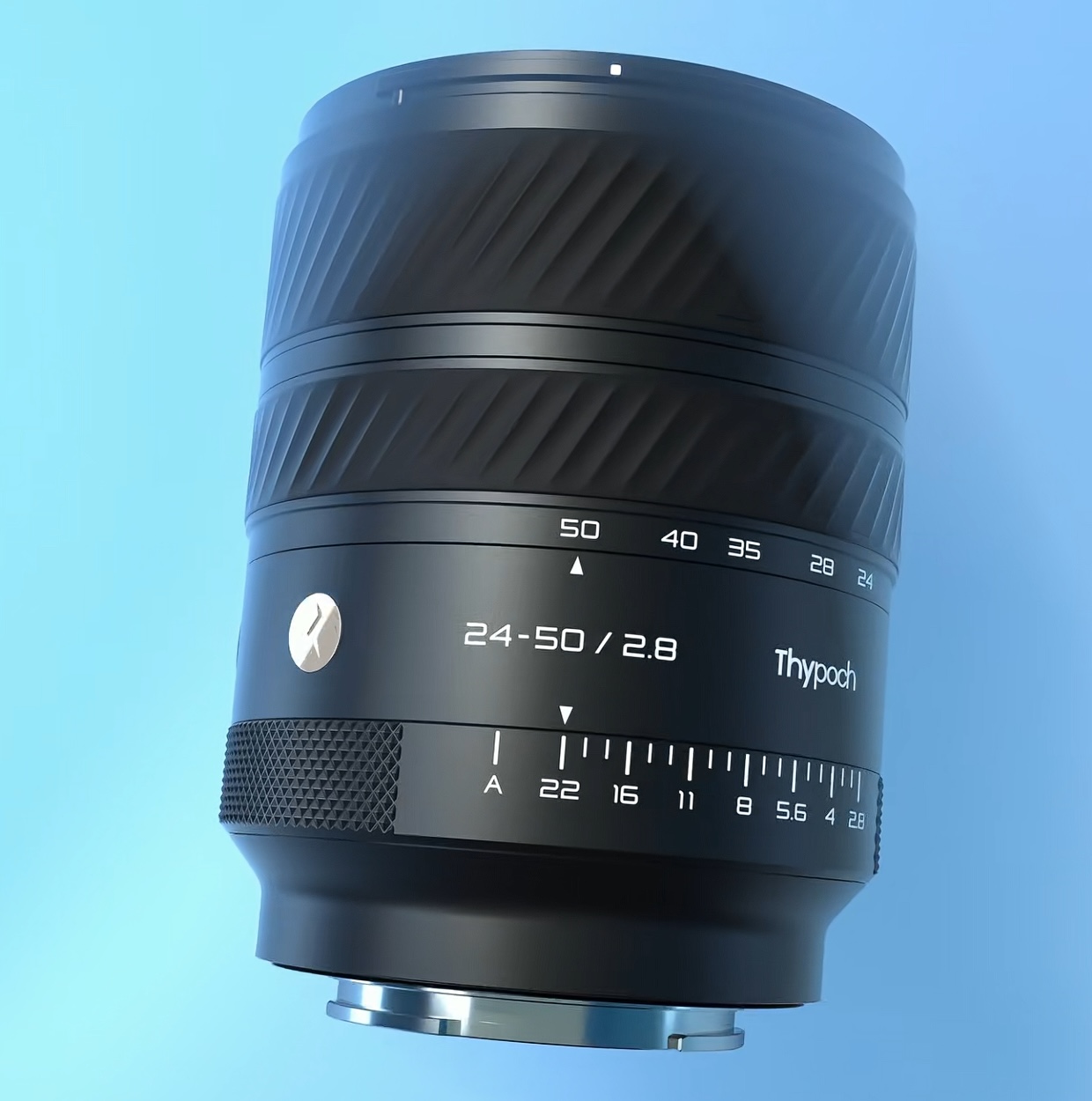
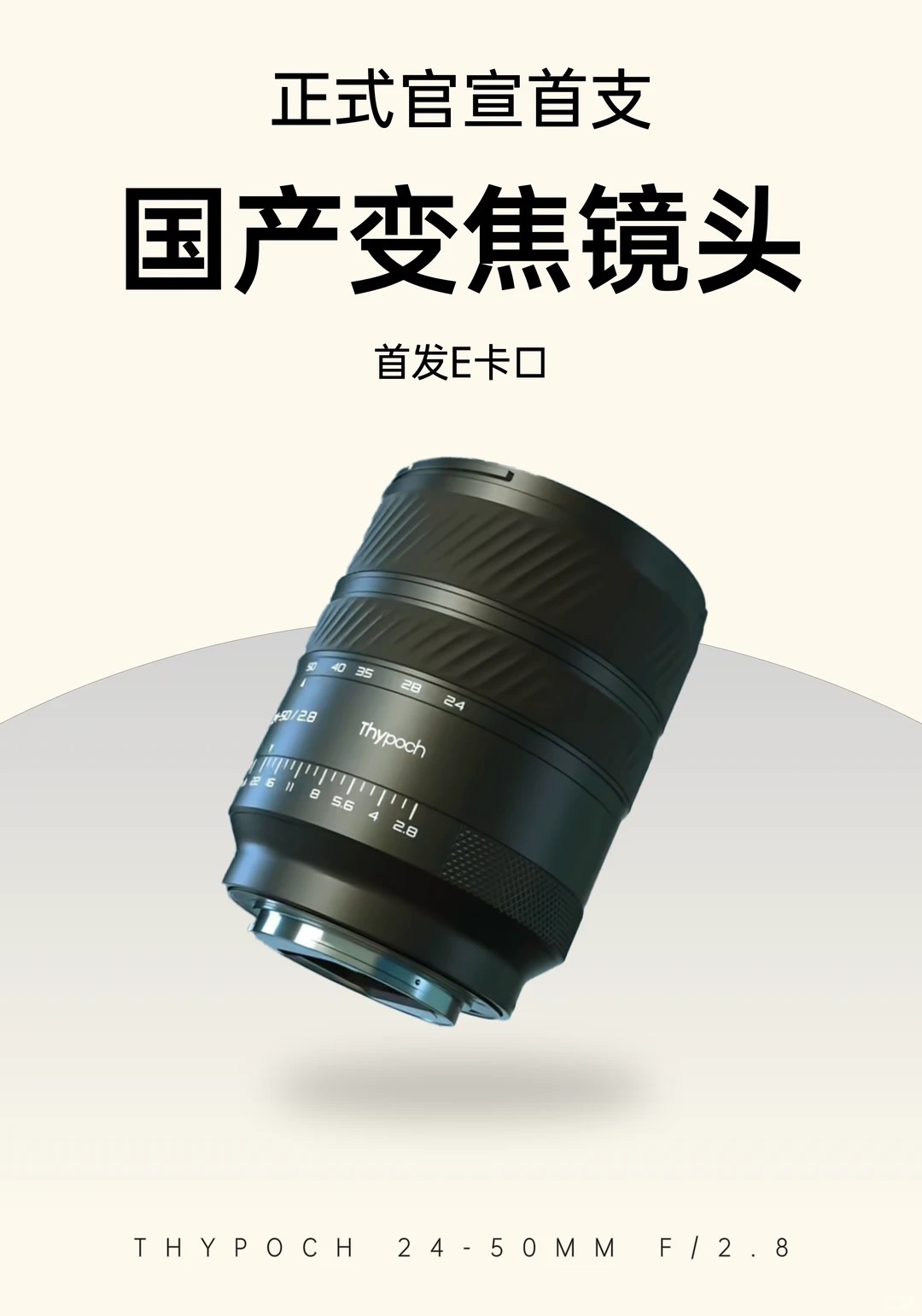
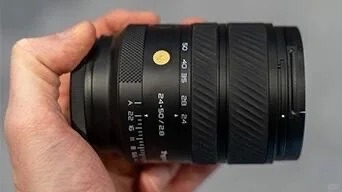
Thypoch will officially release/display their new 24-50mm f/2.8 lens at the 2026 NAB show (the first Chinese full-frame autofocus constant-aperture zoom lens).
Adobe is continuing the flow of video news from the National Association of Broadcasters (NAB) show with its announcement of a new "Color Mode" for Premiere. The company says it's a "first-of-its-kind color-grading experience," designed to be approachable for video editors, rather than professional colorists.
The mode will live as its own tab in Premiere, alongside Import, Edit and Export. Activating it brings up a new interface with a large preview window and several tools for adjusting things like color temperature, saturation, contrast and more. You can apply your adjustment, or multiple adjustments, to a single clip or to all (or most) clips in your sequence, and use masks to apply adjustments only to certain parts of your video. Color mode will also pre-select the most prominent hues in your image, so you can quickly and easily adjust them.
Image: Adobe
The tool will include several pre-made "Style Presets," which have their own adjustable parameters. You'll also be able to save your customized version of a style as its own preset, so you can easily apply it to other footage later. You can use the tools to build those presets on their own, to go beyond basic color grading as well.
Adobe is pitching the mode as an exercise in simplicity; something designed for editors, rather than professional colorists. Rather than tweaking numerical parameters, drawing custom curves on graphs or sitting at a physical piece of hardware with an ocean of knobs and dials, it seems like you mostly control the tools through a simple mouse-based interface that lets you drag controls until you get the look you're going for.
Color mode's simple interface doesn't preclude more advanced edits, like masking. Each tool also includes a "heads up display" window that pops up to show you how your edit is changing the color. Image: Adobe
However, the company also says the system "grows with your ambition," letting you do more complex grades if necessary. Still, it seems the main appeal is its ease-of-use, with Adobe's press release calling it an alternative to unnamed other apps that "pull you out of your edit entirely and force you to study out-of-reach pro-colorist tools that were never designed for you."
In the same vein of making things easier for editors, Adobe has also released a new program called Frame.io Drive, which lets you "mount" your projects stored on the cloud as storage media on your computer. From there, you can access and clips or files directly from your computer's file manager, without having to manually download or sync them.
Color Mode is available in the beta version of Premiere starting today, while Frame.io Drive will "roll out in phases," starting with enterprise users.
The Canon MS-510 surveillance camera is the second to use its SPAD sensor.
Image: Canon
Canon has announced its second camera based around a 'single photon avalanche diode' (SPAD) sensor. It's a completely different sensor technology to the CMOS sensors we typically encounter, based on a completely different physical phenomenon, and able to measure the arrival of individual photons.
The MS510 is a box camera, designed for applications such as nighttime border surveillance and maritime monitoring over long distances. The MS510 has a 3.2MP Type 1 (∼131mm²) sensor, from which it derives 1920 x 1080 video footage, Canon says it has greater sensitivity to near-IR light than the previous model.
In conventional CMOS designs, a charge is accumulated as arriving photons of light trigger the release of electrons via the photoelectric effect. This charge builds up during the exposure and the magnitude of the accumulated charge is read out at the end of the exposure.
In a SPAD sensor, the photoelectrons that are released are then accelerated by a powerful electrical field. The energy of their impact triggers an avalanche of electrons to be released within the semiconductor. This allows sensors to detect down to the sensitivity of individual photons.
Such sensors don't need to accumulate charge before they're read out, so individual photon arrivals can be detected as they arrive: continuously sampling, rather than capturing separate, discrete exposures.
And, because each avalanche of electrons is so distinct from any coincidental electronic noise, it's possible to essentially factor-out all read noise from the system. However, the nature of light means that photon shot noise (the randomness of light) would still be unavoidably present in any photograph.
Nestling behind some magnifying optics is a Type 1 SPAD sensor, capturing 1920 x 1080 footage from its 3.2MP resolution.
Image: Canon
These characteristics lend themselves very well to video capture in extreme low light. Canon has previously show its SPAD sensor visualizing a single pulse of laser light as it moves. The MS510 is geared towards slightly less rapid movement, and has a movable infrared filter, allowing it to capture some light just outside the visible spectrum, for even better performance in extreme low light.
Like its predecessor, the MS510 accepted broadcast lenses designed for Type 2/3 sensors, and features magnifying optics in front of the sensor to make full use of the sensor area.
However, while some of these properties sound like they would be useful for photography, and Canon has previously talked about the SPAD sensor matching the performance of a sensor 10 times its size, you shouldn't expect to see a SPAD sensor in an EOS camera any time soon.
Also, it's woth noting that the quantum efficiency (proportion of the incoming light that it successfully measures) isn't significantly different to that of current CMOS sensors, so the benefits primarily exist in ultra-low light, where read noise plays a significant role, rather than daytime photography where photon shot noise has the most impact.
The electrical field required to accelerate photons as they arrive in the sensor uses much more power than the CMOS sensors we're used to. We only have the figures for the MS510 camera as a whole, which includes powering its controllers and fan but, for reference, Canon's other MS cameras with Super35 and full-frame CMOS sensors consume between 8 and 12W, whereas the MS510 consumes 24W. This suggests both battery life and thermal management would be challenging to produce a photographer's camera. And, for now, at least, resolution.
Spring is synonymous with growth, and it might just be the best time to upgrade your photography kit. That's why we've teamed up with MPB, the leading platform for buying, selling, and trading camera equipment, to give away a $1,000 gift card.
Because MPB has everything from lenses and bodies to bags and tripods, one lucky winner will be able to customize their ultimate shopping spree to precisely their needs. Enter below by April 29 for your chance to win.
Terms: No purchase necessary. Enter from April 15, 2026-April 29, 2026 for your chance to win. Sweepstakes is open to residents of the United States and the District of Columbia who are lawful U.S. residents, and are 18 years of age or older, as of the start date of the sweepstakes. Void where prohibited by law. Sponsor: Gear Patrol. See official rules for details and Sponsor’s privacy policy.
Thomas Riedel, founder and owner of Riedel Communications and the Riedel Group, has acquired ARRI, the Munich-based premium manufacturer of camera and lighting technology for motion picture and live entertainment. The entrepreneur from Wuppertal was chosen in a competitive international process with his concept for a new home for ARRI, marking the largest acquisition of his career to date.
The Riedel Group is a globally recognized specialist in advanced audio, video, and data technology, delivering infrastructure solutions for many of the world’s most demanding broadcast, live event, and sports productions. Through the acquisition of ARRI, Thomas Riedel establishes a close strategic alignment between ARRI and the Riedel Group, expanding its expertise across the entire production chain — from camera optics to distribution. ARRI’s ecosystem of camera, lighting, and systems technology perfectly complements the Riedel Group’s existing portfolio and opens up new technological and strategic market opportunities for both companies.
Founded in 1917, ARRI has been family-owned ever since and is regarded as a global leader in professional film technology, having been recognized with 20 scientific and technical awards from the Academy of Motion Picture Arts and Sciences. “For more than a century, ARRI has stood for engineering excellence, innovation, and the highest quality. This success story will now continue and remain in German ownership,” said Dr. Walter Stahl, Managing Director of ARRI GmbH and member of the founding family.
Through close collaboration, ARRI and Riedel aim to unlock new areas of growth, especially in live entertainment and sports. By combining their respective technologies, the companies plan to develop integrated solutions that open new creative and technical possibilities for customers. As the first joint milestone of this collaboration, ARRI will debut its camera technology at the Eurovision Song Contest, where Riedel serves as the technology provider and NEP oversees production.
Under the new ownership of Thomas Riedel, ARRI’s existing management team will continue to lead the company and further advance its ongoing transformation. The company will retain independent operations and remain headquartered in Munich.
Skylum released a new Luminar Neo version 1.27 that expands its cross-device ecosystem with new AI portrait tools and bokeh AI:
Skylum has released Luminar Neo 1.27, further strengthening its cross-device editing ecosystem across Windows, macOS, iOS, Android, and ChromeOS. The update focuses on expanding AI-powered portrait capabilities while improving creative depth control, helping photographers move seamlessly from capture to final edit on any device.
The new release enhances Luminar’s portrait toolkit with AI-driven tools, including Dark Circles Removal, Blemish Removal, Shine Removal, and Skin Smoothing. These additions allow photographers to achieve natural-looking portrait retouching quickly and without complex workflows. Improvements to masking and feathering also help deliver more realistic results, especially when refining faces and skin.
Luminar Neo 1.27 also introduces an upgraded Bokeh AI tool that goes beyond traditional portrait blur. The new version allows users to apply realistic background blur not only to people, but also to objects and animals, offering greater creative flexibility and more control over depth and focus.
With these updates, Luminar Neo continues to position itself as an accessible AI-powered editor for hobbyist and semi-professional photographers. The combination of fast portrait retouching, creative depth tools, and seamless cross-device editing supports modern workflows—starting edits on mobile and finishing with full control on desktop.
This update introduces new models designed to improve both speed and output quality across animation, generative, and live action content.
Gaia 2 (available to all users): 2x upscaling model built specifically for animation workflows like stop motion and motion graphics.
Starlight Fast 2 Local (Pro Only): Local, speed-focused video upscaling model delivering high quality results up to 5x faster, with improved face detail and motion stability.
Starlight HQ Local (Pro Only): Local video upscaling model built for mid-to-high-quality content with a good balance of detail and sharpness while keeping the intent of the original video source.
Starlight 2.5 (SLP-2.5): Groundbreaking video upscaling model built to enhance realism and reduce plastic, artificial-looking artifacts while upscaling clips from the latest GenAI models to 4K.
Enhances AI-generated content into cleaner, more realistic 4K.
Improves soft or overly processed visuals, especially in face-heavy shots.
Performs well on archival footage from the 2000s onward when the source is relatively clean.
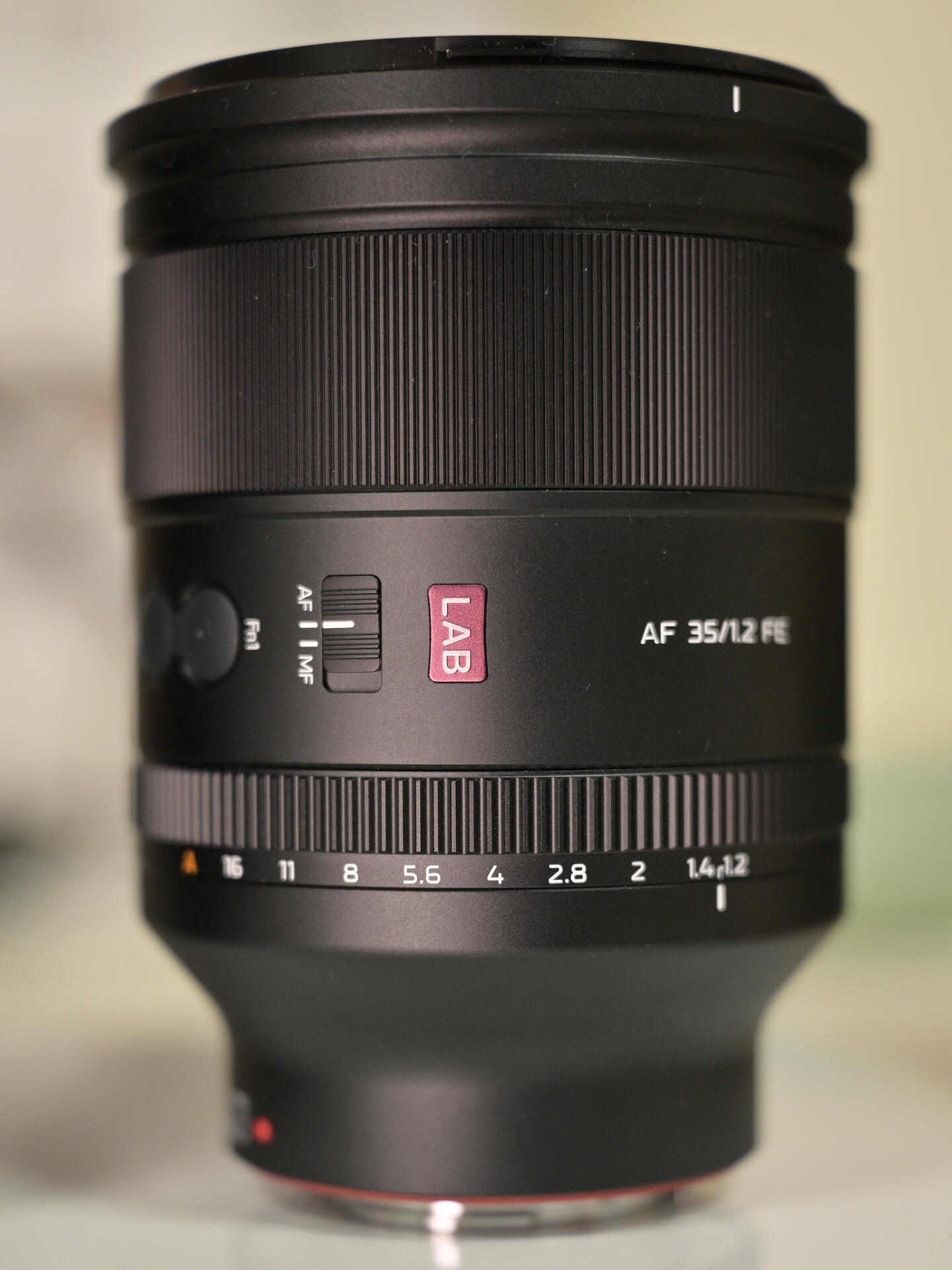
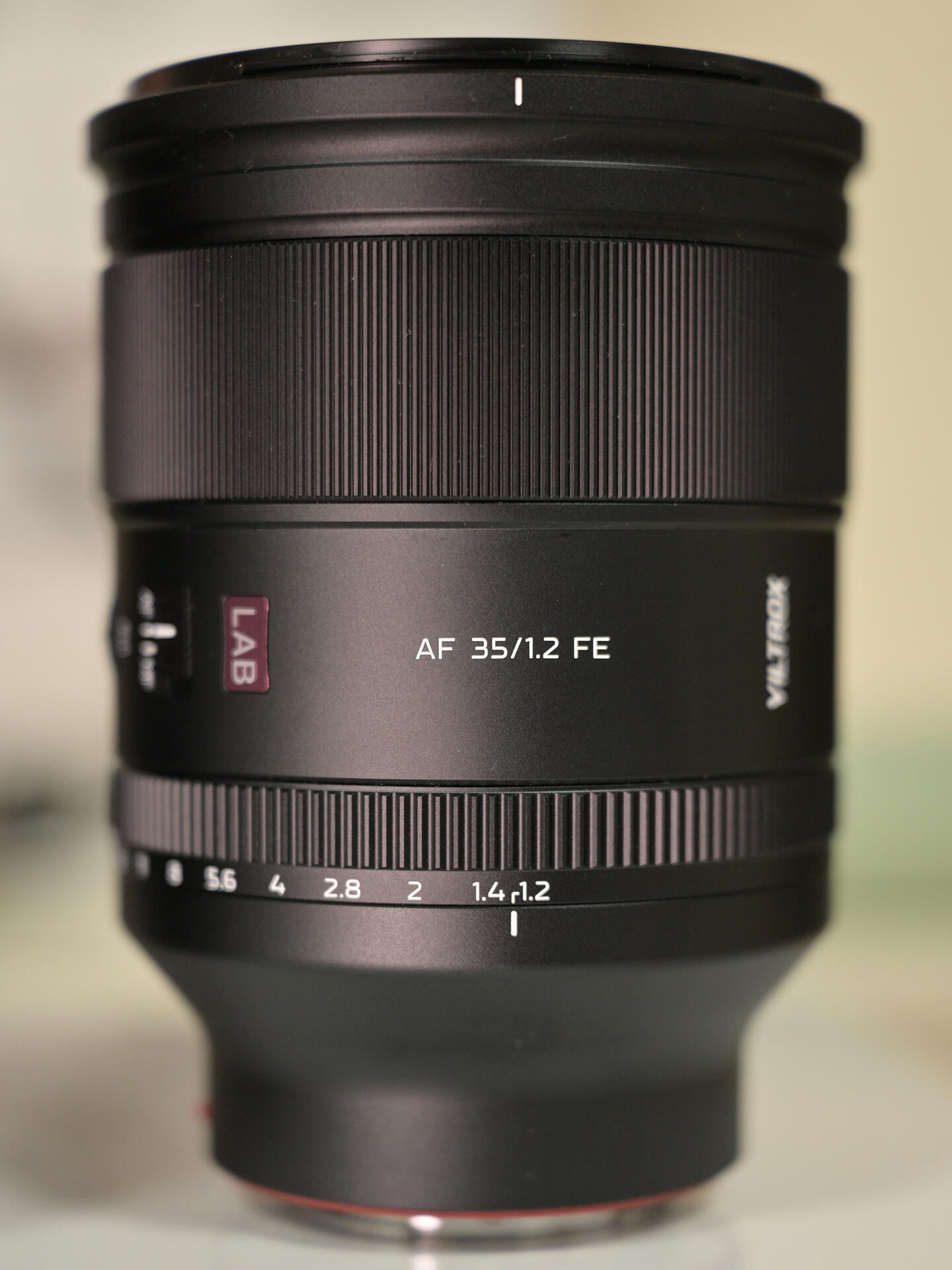
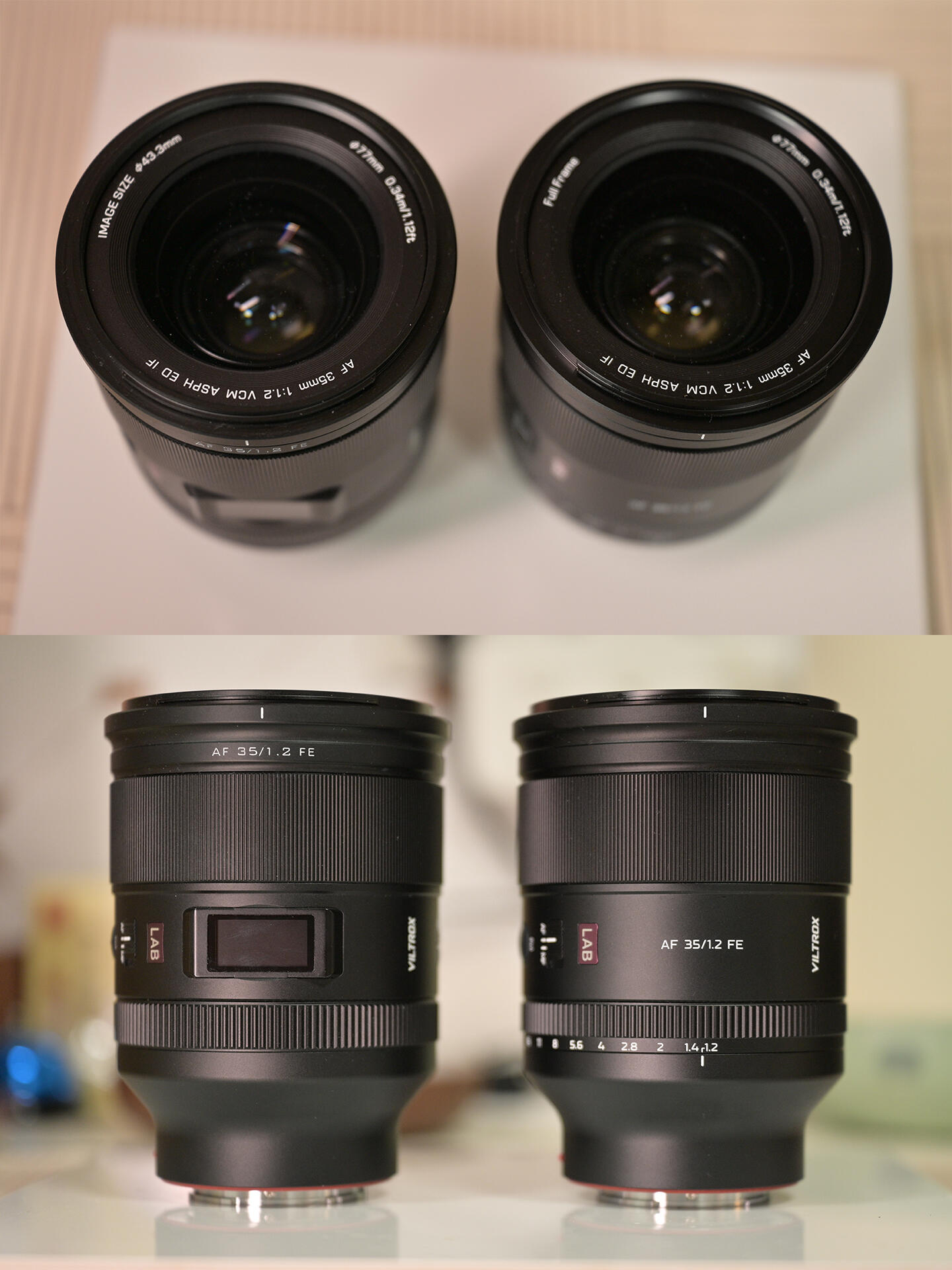
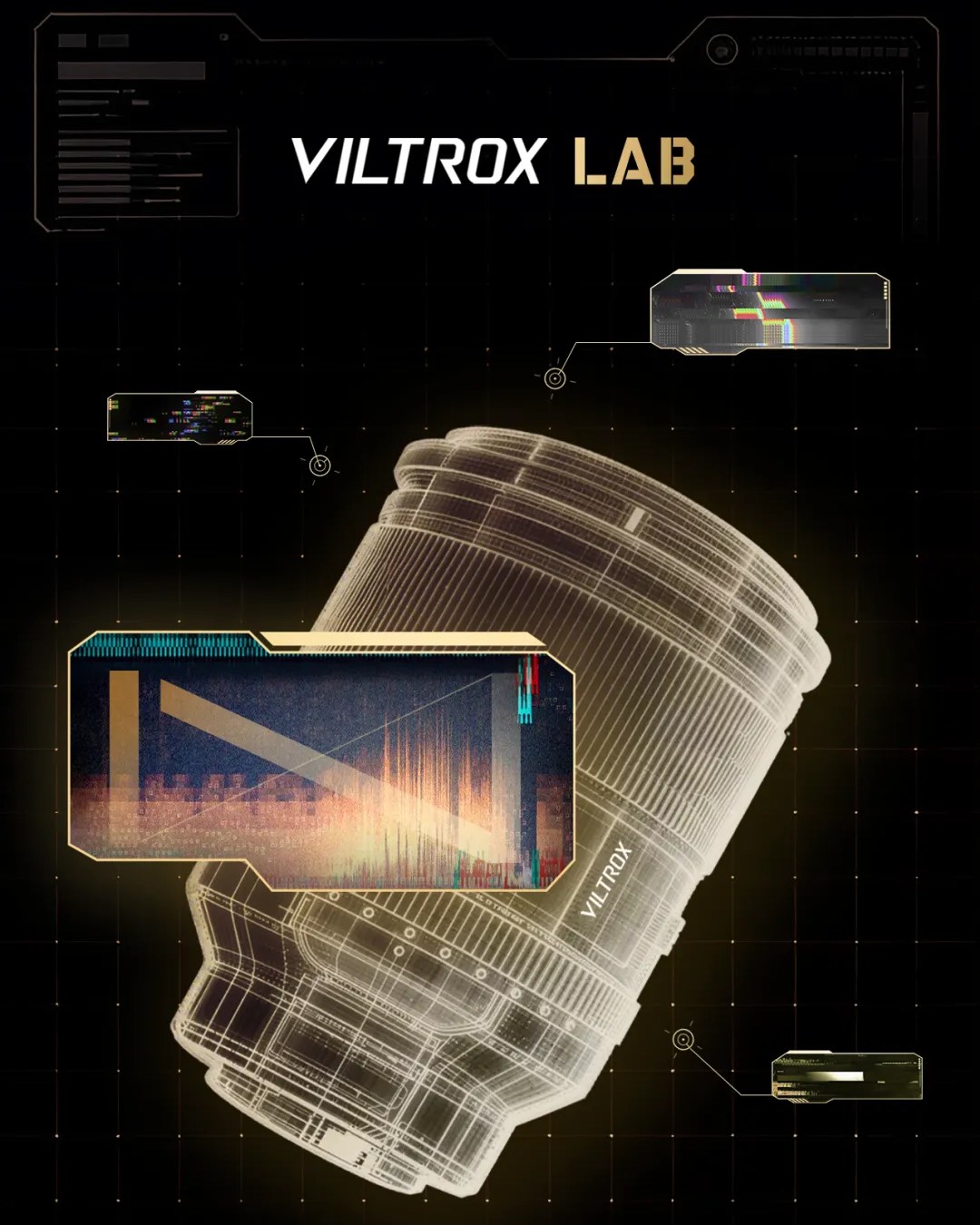
A quick update on my previous post – on April 17th, Viltrox will announce a new LAB 35mm f/1.2 lens without an LCD screen (see the current Viltrox AF 35mm f/1.2 LAB for E/Z mount). Here are the first leaked pictures:
Leica is opening a new retail store and, as we've come to expect, that means it's also releasing a limited edition camera to commemorate the occasion. It's called the Chicago Edition 17 (no points for guessing where the store's located), and it's an M11-P wrapped in a "boysenberry leatherette."
Special-edition Leicas are nothing new, and the company has a long list of limited releases and collaborations, including the city-specific models it released as part of its 100th anniversary celebrations last year. To my eye, though, this one looks especially nice, and the special edition tax is surprisingly low. The Chicago Edition 17 will retail for $10,900, around $500 over the price of a standard M11-P.
Image: Leica
As the name implies, there are 17 of the limited-edition cameras, and they're only being sold at the Chicago store. The company says the store is "soft opening" today, but that it will be holding a grand opening ceremony on the 30th, which will include an exhibition of work by Leica photographer Craig Semetko in the location's gallery space. The company also says the store will feature work from other artists, too, such as Alana Tsui and Dr. Romanelli. That's also when the camera will be available for sale.
Leica Camera Unveils Chicago Flagship: A Destination for Photography and Design
Celebrating 50 years of Leica’s Galleries, Leica Adds a New Cultural Hub to Its Global Network
TEANECK, N.J. [April 14, 2026] Leica Camera, the renowned German camera and optics company, is proud to announce its new store and opening in Chicago on April 30, 2026. Located in the heart of Chicago’s Gold Coast, one of the city’s most storied cultural and architectural districts, the new store draws on Chicago’s creative spirit, offering a dynamic space where visitors can experience rotating gallery exhibitions, participate in workshops through the Leica Akademie, connect with fellow creatives, and discover the latest innovations in imaging technology. Situated on Michigan Avenue, Chicago’s premier commercial corridor, the store further solidifies Leica’s presence among the world’s leading cultural capitals.
This opening coincides with the 20th anniversary of Leica retail, which began with the brand’s first store in Japan. Since that inaugural opening, Leica spaces have created an ecosystem designed not only to showcase precision-engineered tools, but to foster a thriving, connected photographic community. The Chicago flagship is the culmination of this 20-year legacy and adds to a network of around 120 Leica Stores worldwide.
This milestone is further marked by the 50th anniversary of the Leica Galleries, a global program that shares a common vision with its retail spaces: presenting photography as an art form, a historical record, and a social voice that can be experienced by people around the globe. With approximately 150 exhibitions taking place annually, they balance contemporary photography by displaying iconic works from both the present day and the past. This new flagship destination reflects the brand’s continued cultural expansion and demonstrates a deep commitment to visual storytelling.
“Chicago has one of the most dynamic and layered cultural histories in the world, shaped by artists and storytellers who are not afraid to challenge perspectives,” said Karin Rehn-Kaufmann, Art Director & Chief Representative of Leica Galleries International. “Photography is one of the most powerful cultural forces of our time; it influences how we see, how we remember, and how we understand one another. We’re excited to become a part of Chicago’s vibrant, creative community and contribute to its ongoing cultural conversation.”
“For our Leica customers, a camera is not a one-time purchase. It is the beginning of a lifelong journey; and these experiential spaces are essential to cultivating and sustaining that relationship,” added Mike Giannattasio, President of Leica Camera North America. “As we open our doors here, our commitment is not only to present extraordinary innovation and photography, but to foster a creative community that brings people together to create lasting emotional impact.”
Chicago’s architectural heritage forms the foundation of the new Leica Store and Gallery. Its restored Arts & Crafts façade echoes the geometric clarity and meticulous detailing championed by Frank Lloyd Wright, and Louis Sullivan, whose influence helped shape the city’s early modern identity. These attributes come to life through Art Deco inspiration, warm materials, clean lines, and Leica’s design ethos which mirrors the precision of its beloved camera.
Inside, the 5,000-square foot space spread over two floors unfolds like a dialogue between Chicago’s architectural past and the evolving art of photography. The new location serves not only as a destination gallery and communal creative space but also an immersive retail environment where customers can explore and purchase Leica's full range of products, including cameras, watches, home cinema, sport optics, and accessories.
Leica Launches Special Chicago Edition 17 Camera
Named after “The Atelier” Commemoration: 1917, Leica introduces the Chicago Edition 17, a limited-edition black Leica M11-P with boysenberry leatherette created exclusively for Leica Store Chicago. This special edition pays tribute to the year the historic Perkins, Fellows & Hamilton studio building was constructed, the architectural landmark that now houses Leica’s flagship Chicago store and gallery. The camera is an ode to the enduring spirit of creation that continues to shape Leica’s house of craftsmanship and design today. The Chicago Edition 17 will release on April 30 and will be available exclusively at Leica Store Chicago.
Leica Store & Gallery Chicago Programming
To honor Chicago’s vibrant artistic spirit, Leica Store Chicago will open with a series of events celebrating the city. Installations by renowned artists, Alana Tsui and Dr. Romanelli will debut during the grand opening weekend, highlighting custom and bespoke works of art showcased throughout the store.
The grand opening will also culminate in the inaugural gallery exhibition, Life Unposed, by celebrated Leica photographer Craig Semetko, whose work captures the humor, humanity, and spontaneity of the world around us. Craig will join the opening on April 30 followed by a special artist discussion in conversation with Leica’s Chicago Gallerist, Lucas Zenk.
Throughout the season, Leica’s exhibitions will showcase work by local Chicago artists, offering a portrait of the city through the eyes of those who know it best. Leica Akademie will host hands-on classes and workshops, inviting creators of all levels to deepen their craft, explore new techniques, and connect with one another in a space designed for learning and discovery. Together, these programs establish the Chicago flagship not only as a retail destination, but as a vibrant cultural hub where community, creativity, and storytelling converge.
Leica Store & Gallery Chicago
800 N. Michigan Ave
Chicago, IL 60611, USA
Tel: +1 312 705 3670
Email: leicastore.chicago@leica-camera.com
Store & Gallery Hours
Monday–Saturday: 10:00am – 6:00pm
Sunday: 12:00pm – 5:00pm
Exhibition Dates
April 30 – July 5, 2026
Opening Reception
April 30, 6:00pm – 8:00pm
May 1, 2026
Artist talk and book signing for America Unposed with Craig Semetko
Panel with Chicago artists
Beers and Cameras event
Additional community programming throughout the opening weekend
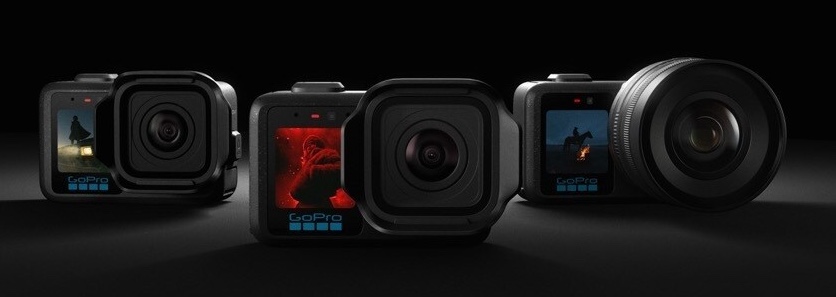
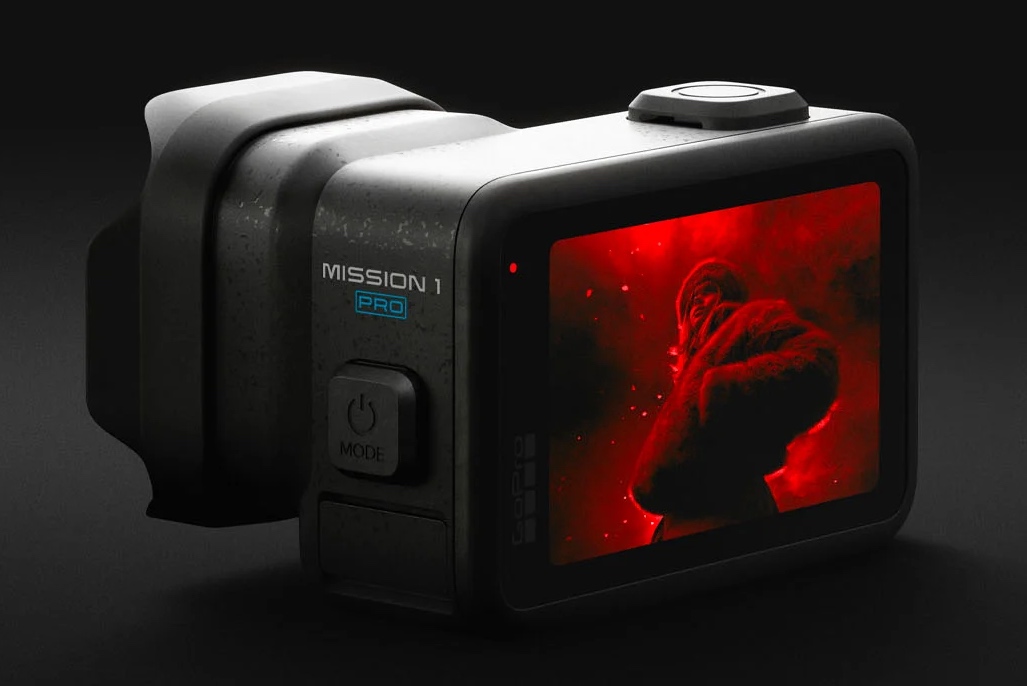
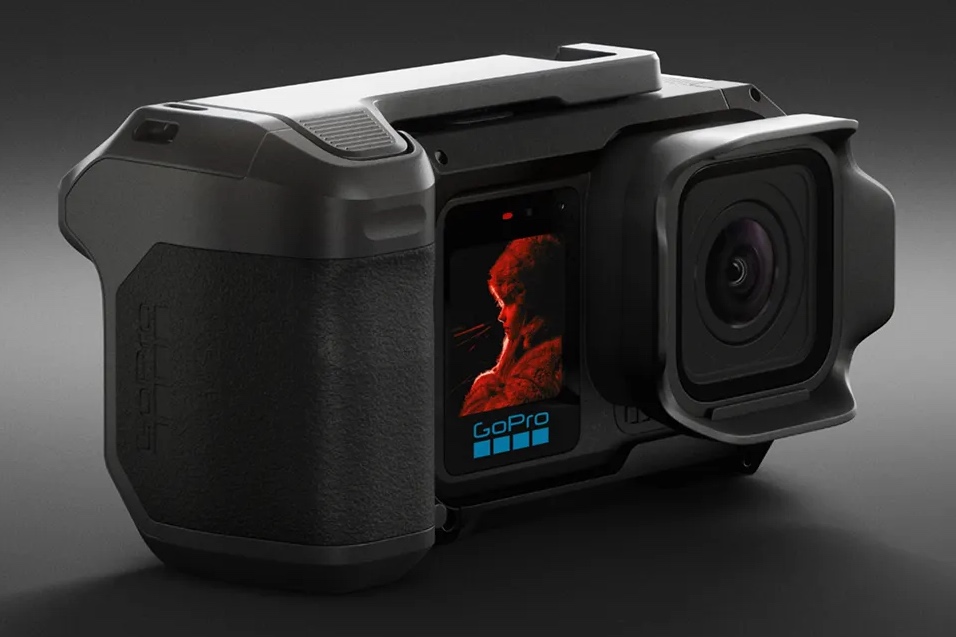
The GoPro Mission 1 Series of cameras are the world’s smallest and lightest 8K and 4K Open Gate cinema cameras. Featuring a new 50MP 1″ sensor and GoPro’s new, ultra-efficient GP3 processor. The new series includes three camera models, and one of them features an interchangeable Micro Four Thirds lens system:
GoPro Mission 1 PRO— Featuring a Cutting-Edge 50MP 1″ Sensor; Incredible Low-Light Performance; 8K60, 4K240, and 1080p960 Ultra-High Frame Rates; 8K30 and 4K120 Open Gate Video Capture; and New GP3 Processor Delivering Category-Leading Image Quality, Battery Runtime, and Thermal Performance for Extreme Use Cases
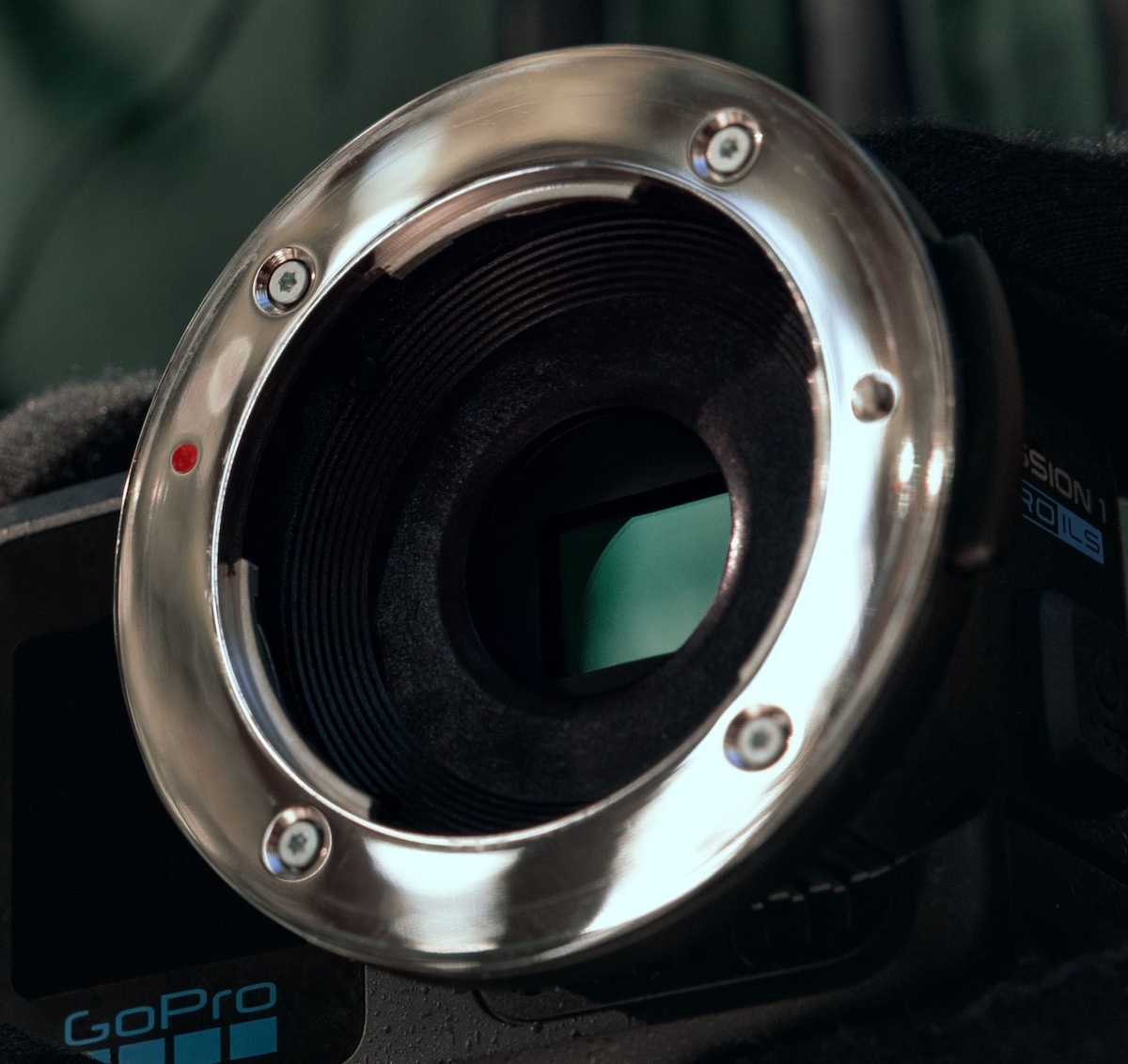
GoPro Mission 1 PRO ILS— A New Class of Ultra-Compact Mirrorless Cinema Camera with the Same GP3 Processor and 1″ Sensor as MISSION 1 PRO, Compatible with Micro Four Thirds (MFT) Lenses for Expanded Cinematic Versatility
GoPro Mission 1— Same as MISSION 1 PRO, but with 8K30 Video Capture; 4K120 Open Gate; 4K120 and 1080p240 Slo-Mo Frame Rates
GoPro Mission 1 Accessory Ecosystem Includes New Wireless Mic System; Point-and-Shoot Grip and Powered Grip; Higher-Capacity Enduro 2 Battery; I/O Expansion Media Mod and More
New 50MP 1″ Sensor features a larger surface area and larger native 1.6µm pixels and massive 3.2µm fused pixels—capturing more light for professional low-light performance, up to 14 stops of dynamic range at the sensor, and professional-grade image quality when paired with GoPro’s new GP3 processor and its image processing capabilities.
New GP3 Processor features an ultra-power-efficient 5nm design, enabling category-leading battery runtimes and thermal performance along with best-in-class resolutions, frame rates and image quality. An AI Neural Processor Unit (NPU) enables next-generation video pixel processing and stunning low-light image performance.
Incredible Low-Light Performance and Dynamic Range is made possible by the combination of the new 50MP 1″ sensor and the new GP3 processor with its advanced image processing. Capable of up to 14 stops of dynamic range at the sensor and giant 3.2µm fused pixels in Quad Bayer mode, the MISSION 1 Series’ imaging pipeline preserves exceptional detail in the darkest of shadows while protecting highlight details, resulting in beautifully balanced, true-to-life images.
Category-Leading 16:9 Video Resolutions, Frame Rates and Slow Motion are possible with MISSION 1 PRO and MISSION 1 PRO ILS, including professional-grade 8K 16:9 video at up to 60 frames per second (2X Slo-Mo), ultra-smooth 4K 16:9 at up to 240 frames per second (8X Slo-Mo), and up to 10-second burst 960 frames per second in 1080p 16:9 for shockingly smooth 32X Slo-Mo. You can also capture non-burst 1080p 16:9 (and 1440p 4:3) at 480 frames per second (16X Slo-Mo). These are the highest frame rates and slowest Slo-Mo rates in category, rivaling the capabilities of cameras costing tens of thousands of dollars. MISSION 1 enables 8K30, 4K120, and 1080p240 16:9 capture along with 4K120 and 1440p240 4:3 video.
Industry-Leading 8K30 and 4K120 Open Gate Video is supported in MISSION 1 PRO and MISSION 1 PRO ILS, enabling full sensor 4:3 captures for added flexibility for reframing, editing, and exporting content in multiple aspect ratios for different viewing platforms. The Series’ base model, MISSION 1, supports 4K120 Open Gate video capture.
Category-Leading Runtimes and Thermal Performance are made possible by the new ultra-power-efficient GP3 processor, advanced hardware optimizations, and the higher-capacity, fast-charging Enduro 2 Battery. The MISSION 1 Series of cameras deliver 5+ hours of recording at 1080p301 and 3+ hours of recording at 4K30 on a single charge. The Enduro 2 battery is also compatible with HERO13 Black cameras and likewise the MISSION 1 Series cameras can work with the older HERO13 Black Enduro battery, albeit with shorter runtimes2. The MISSION 1 Series has been designed from the ground up to deliver reliable, mission-critical performance in the most demanding use cases and environments.
13 Capture Modes Enable Convenient Pro-Capture: Each mode is tuned for specific environments or use-cases, using advanced machine learning and scene detection to deliver optimal image quality across a broad range of environments. From activity-specific underwater color science and tuned-stabilization in Dive Mode to face-aware framing and tone mapping in Vlog Mode, the MISSION 1 Series can simplify image-optimization for many common capture scenarios. Or you can choose to capture video with your own custom settings, bypassing all automated settings for complete control.
Category-Leading Bitrates, Color Depth and Control for Professionals: Dial up the bitrate to a stunning 240Mbps and capture HLG-HDR, 10-Bit Color with GP-Log2, and Timecode Sync for multi-camera shoots, or maximize quality while minimizing file size with GP3’s new advanced encoder.
Category-Leading Pro-Level Audio: 4 microphones deliver improved stereo recording and wind noise reduction while 32-Bit Float audio recording helps prevent clipping. And Bluetooth® 5.3 audio lets you wirelessly connect to compatible devices utilizing the Hands-Free Profile (HFP) v1.9 with Super Wideband (SWB) Speech, for high-fidelity wireless audio.
Category-Leading 50 Megapixel Photo Resolution and Image Quality thanks to the combination of the new 50MP 1″ sensor and new GP3 processor’s combined capabilities. Capture in RAW or leverage advanced scene detection and machine learning for category-leading HDR photos in the convenient SuperPhoto mode. With up to 14 stops of dynamic range at the sensor and GP3’s next-gen image processing—including the ability to burst capture at up to 60 photos per second—the MISSION 1 Series pushes the boundaries of compact camera photo capture in the same manner it does video.
Updated Design Increases Waterproofness to 66ft (20m): MISSION 1 and MISSION 1 PRO are waterproof to 66ft (20m) right out of the box without the need for housing, making them the best imaging solution for divers.
New Lens Design, Bigger Rear Display and Redesigned Buttons make the MISSION 1 Series easier to use in all use cases. Design improvements include an updated lens design with a category-widest 159° native field of view (FOV); a new OLED rear display which is 14% larger than previous flagship GoPro cameras; taller, chunkier raised buttons for easier use with gloves on; and a removable lens hood to reduce glare and lens flare for clearer images.
GoPro Labs Compatibility: Extend the capability of your MISSION 1 Series camera with over 1,000 custom features, settings and controls tailored for advanced users looking for maximum control. Learn more about GoPro Labs at GoPro.com.
MISSION 1 Series Lineup
MISSION 1 PRO: The flagship. Featuring a new, cutting-edge 50MP 1″ sensor, incredible low-light performance, 8K60 / 4K240 / 1080p960 16:9 video capture, 8K30 and 4K120 Open Gate 4:3 video capture, 50MP RAW photo capture, all powered by a new, ultra-power-efficient GP3 processor that enables category-leading image quality, battery life and thermal performance for mission-critical reliability in extreme use cases.
MISSION 1 PRO Grip Edition: The flagship camera bundled with an innovative versatile grip that transforms the camera into an even more rugged, ultra-capable feeling point-and-shoot camera designed for run-and-gun style capture. The grip functions as a 2-in-1 solution—as a lightweight, ergonomic grip for easy, one-handed on-the-move shots, or as a rugged, mountable metal cage for added protection with the option to mount vertically. Added features include cold shoe mounts, 1/4-20, magnetic latch mounting, and mounting fingers. Perfect for street photography, cinematography, travel and everyday convenience.
MISSION 1 PRO Creator Edition: The flagship camera bundled with the new MISSION 1 Series Media Mod for I/O port expansion and built-in microphone, the new Volta 2 Battery Grip for all-day power, and the new Wireless Mic Complete Kit for professional wireless audio. Perfect for vloggers and creators who want an ultra-capable and complete professional camera system that’s ready for any mission.
MISSION 1 PRO Ultimate Creator Edition: For creators looking for the best of everything and maximum flexibility, this is the flagship camera bundled with GoPro’s Fluid Pro AI gimbal for advanced stabilization in even the lowest light conditions as well as AI-driven subject tracking, the new Wireless Mic Complete Kit for a comprehensive professional audio solution, Light Mod 2 for compact, ultra-portable lighting and the new MISSION 1 Series Media Mod for I/O port expansion, enabling the addition of displays, microphones, headphones, lighting, batteries, and more.
MISSION 1 PRO ILS: The same 50MP 1″ Sensor and GP3 processor as MISSION 1 PRO, but in a mirrorless form with an interchangeable lens mount that supports compatibility with the vast universe of Micro Four Thirds (MFT) lenses and adapters that allows a virtually limitless range of lenses to be paired with the camera. MISSION 1 PRO ILS also supports in-camera HyperSmooth video stabilization with any rectilinear, prime focal length lens. This versatility, combined with its video stabilization, weatherproof design and trademark GoPro durability, makes MISSION 1 PRO ILS the world’s smallest, most rugged and versatile high-speed cinema camera at a fraction of the cost (and size) of comparable cameras. With more creative options than ever before—including telephoto, zoom, macro, and more—the possibilities are limitless, whatever your mission.
MISSION 1: The same as the flagship in every way but limited to 4K120 Open Gate video capture and 8K30, 4K120, 1080p240 16:9 video capture. 50MP photo capture is the same as in the flagship model. MISSION 1 is perfect for the creator who doesn’t require the higher Open Gate resolutions and category-leading frame rates of the flagship model but still wants the outstanding low-light and image quality benefits of the new 50MP 1″ sensor and ultra-power-efficient GP3 processor.
The MISSION 1 Series Accessory Ecosystem
Wireless Mic System: Capture crisp, professional sound anywhere with the Wireless Mic System. Designed for easy pairing with the MISSION 1 Series, GoPro HERO Black cameras, 3rd party DSLRs and phones, this compact, professional wireless audio system delivers crystal-clear 24-bit/48kHz audio and Dynamic Noise Reduction, keeping voices front-and-center in any setting. The ultra-small and light 10g transmitters are magnetic and can be clipped to clothes or objects. Adjustable gain and a Safety Track mode (recording a backup track at -6dB) ensure balanced, reliable sound no matter how dynamic your shoot gets. With 6.5 hours of runtime per mic plus a charging case offering two additional full charges, and up to 150 meters of wireless range, you’re ready for any creative mission.
Media Mod for MISSION 1 Series: The new Media Mod for the MISSION 1 Series has been redesigned from the ground up with a built-in multi-pattern mic and expanded I/O capability of your camera for production. Match the width of your stereo audio capture to the FOV of your video with eight different pickup pattern options. Three 3.5mm ports include an external microphone port, a line-in port for timecode sync, and a headset port for live audio level monitoring. A micro-HDMI port enables up to 4K60 video output for use with external monitors, video recorders, or live output for broadcasting. The Media Mod also features its own mounting system, so you can quickly insert or remove the camera when desired.
Point-and-Shoot Grip: Transform your GoPro into an ultra-capable point-and-shoot camera with this ergonomic, lightweight grip. Perfect for street, travel, and urban shooting, the grip’s versatile design features cold shoe mounts for lights and mics, a 1/4-20 thread for tripods, vertical mounting and pass-through access to the camera’s integrated fingers and magnetic mounting system. For added flexibility, the grip converts into a rugged metal cage for your camera, providing added durability and vertical mounting versatility.
Enduro 2 Battery: The 2150mAh Enduro 2 Battery delivers longer runtimes, fast-charging and a wider range of thermal performance compared to previous GoPro batteries. It’s also compatible with HERO13 Black. The MISSION 1 Series cameras can also work with the older HERO13 Black Enduro battery (albeit for shorter runtimes).
M-Series ND Filters: The ND Filter 4-pack (ND8, ND16, ND32, ND64) delivers cinematic motion blur and exposure control for MISSION 1 PRO and MISSION 1. The MISSION Series cameras auto-detect which filter you’re using and auto-adjust the shutter speed for the desired blur and exposure effect. You can also manually control motion blur and exposure.
Protective Housing: When your mission calls for it, the protective housing will keep your MISSION 1 or MISSION 1 PRO camera waterproof down to 196ft (60m). The built-in mounting fingers allow you to capture content both horizontally and vertically. MISSION 1 and MISSION 1 PRO are waterproof to 66ft (20m) without a housing, while MISSION 1 PRO ILS is weatherproof.
Volta 2: The premium Volta 2 powered battery grip, tripod, and remote features a built-in 5800mAh battery, integrated camera control, and ¼-20 mounting for up to 9 hours of 4K30 recording time3.
Light Mod 2: Add compact yet powerful LED lighting to your adventure or studio setup with Light Mod 2’s 200 lumen brightness, 33% increased battery capacity, and up to 100% longer runtimes4. Light Mod 2 includes an optimized diffuser design and versatile mounting for cold-shoe integration on Media Mod and Point-and-Shoot Grip or standalone light use.
Dual Battery Charger for Enduro 2: The fastest way to charge your MISSION 1 Series Enduro 2 camera batteries. Charge two batteries at once and easily check battery levels and charging status, even when the charger is unplugged. Comes with a high-performance Enduro 2 battery and is compatible with HERO13 Black Enduro Batteries.
Vertical Mount Adapter: Use this adapter to easily capture social media-friendly footage with three convenient vertical mounting options: built-in mounting fingers, ¼-20 mounting threads, and Magnetic Latch Mount compatibility.
The entire suite of MISSION 1 Series accessories will be available on a rolling basis beginning May 2026 through Q3 2026. GoPro will announce on-shelf availability as each accessory becomes available.
GoPro has announced a new line of cameras, dubbed the Mission 1 series, which includes something entirely new for the action-cam company: an interchangeable lens camera with a Micro Four Thirds mount.
There are three cameras in the series: the Mission 1, Mission 1 Pro, and Mission 1 Pro ILS. The latter has the headline-grabbing mount, while the standard models have an integrated lens that the company says provides a 159° field of view.
Image: GoPro
All three cameras are powered by a 50MP Type-1 (128mm²) sensor with a Quad Bayer design, allowing for 8K 16:9 video capture across all of the models. All three can shoot in open gate mode, using their whole 4:3 sensor, though this is where they start to diverge in capability.
The difference between the base and Pro models largely comes down to framerates, with GoPro saying that the standard Mission 1 is designed for someone who doesn't need high-resolution open gate recording, or super fast frame rates for slow motion. The Pro versions' specs seem to match those of the recently announced Sony IMX06A.
Mission 1
Mission 1 Pro / Pro ILS
8K open gate
—
30p
8K 16:9
30p
60p
4K open gate
120p
120p
4K 16:9
120p
240p
FullHD
240p
960p (10-second burst) 480p (continuous)
While the cameras can be used as standard action cameras, GoPro is also clearly targeting them at more professional users, too. They support HLG-HDR recording, as well as GoPro's GP-Log2 10-bit mode, as well as 32-bit float audio, which can help prevent clipping. The company is also making a version of its Media Mod for it, adding a multi-pickup-pattern, three 3.5mm jacks (one for audio in, one for audio out, and one for timecode) and a microHDMI port, which can output 4K/60.
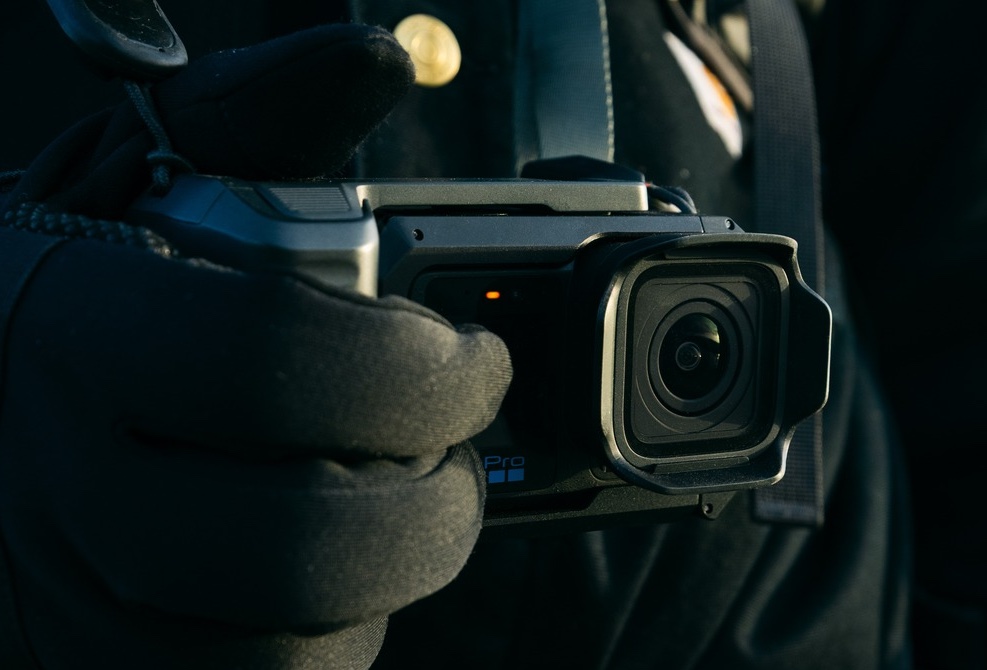
There are some physical changes compared to the Hero lineup of cameras too, with GoPro saying that the OLED display on the back is 14% larger, and the buttons are "chunkier" and more prominent, making them easier to use if you're wearing gloves.
Image: GoPro
The cameras are the first to be powered by the company's GP3 processor, which the company announced earlier this year. GoPro says that, compared to the GP2, its new chip has twice the processing power, which can help with things like noise reduction and scene recognition.
It's easy to get excited about the prospect of a small camera with a Type-1 sensor that can be used with compact Micro Four Thirds lenses, especially when GoPro seems to be leaning into the idea of using the Mission 1 for photography. It can shoot Raw, and the company is selling an add-on "Point-and-Shoot Grip" that it says is designed for "run-and-gun" handheld capture.
GoPro says the Mission 1 Pro ILS can use its "HyperSmooth" stabilization algorithm with "any rectilinear, prime focal length lens." The bigger news, though, may be what the mount doesn't appear to have in the press images: electrical contacts. Image: GoPro
However, there are still some questions about how an ILC GoPro will work, both for stills and videographers. The biggest is focus: GoPro's press release doesn't mention any sort of autofocusing system, and the company's main offerings have usually come with fixed-focus lenses. Having to manually focus on such a small display would likely end up being a dealbreaker for many potential buyers.
The smaller sensor also contributes a further 1.32x crop, relative to a Four Thirds chip, 2.64x relative to full-frame.
In some ways, the company has been building towards an interchangeable lens camera for a while. The company has been shipping accessory lenses like its Anamorphic and Macro "Mods" for a few years, and it harbored ambitions of going after professional users long before introducing those. Still, it's a very unexpected move from the company, not least because it built its brand on making the toughest cameras out there; you can't water- and shock-proof a camera with a lens mount as much as you can one with a fixed lens (though the company does say the Mission 1 ILS is "weatherproof").
Companies like Insta360 and DJI continue to make inroads into the traditional action cam market
But as companies like Insta360 and DJI continue to make inroads into the traditional action cam market, it's easy to see why GoPro is looking to expand its offerings. Just last week, the company announced it was restructuring and laying off almost a quarter of its workforce, so it clearly needs to do something big to win customers back, and it's hard to ignore a swing for the fences like this.
The company says pricing for the cameras will be announced later in the year. The Mission 1 and Mission Pro 1 will be available for preorder starting May 21st, and will hit store shelves a week after. GoPro says the Mission 1 ILS will release later, in Q3 of this year.
GoPro Announces New MISSION 1 Line of Professional 8K and 4K Open Gate, Compact Cinema Cameras for Filmmakers, Creators and Aspiring Enthusiasts
The World’s Smallest, Lightest, Most Rugged Cinema Cameras Designed for Any Mission:
MISSION 1 PRO— Featuring a Cutting-Edge 50MP 1" Sensor; Incredible Low-Light Performance; 8K60, 4K240, and 1080p960 Ultra-High Frame Rates; 8K30 and 4K120 Open Gate Video Capture; and New GP3 Processor Delivering Category-Leading Image Quality, Battery Runtime, and Thermal Performance for Extreme Use Cases
MISSION 1 PRO ILS— A New Class of Ultra-Compact Mirrorless Cinema Camera with the Same Sensor as MISSION 1 PRO, Compatible with Micro Four Thirds (MFT) Lenses for Expanded Cinematic Versatility
MISSION 1— Same as MISSION 1 PRO, but with 8K30 Video Capture; 4K120 Open Gate; 4K120 and 1080p240 Slo-Mo Frame Rates
MISSION 1 Accessory Ecosystem Includes New Wireless Mic System; Point-and-Shoot Grip and Powered Grip; Higher-Capacity Enduro 2 Battery; I/O Expansion Media Mod and More
SAN MATEO, Calif., Apr. 14, 2026 — GoPro, Inc. (NASDAQ: GPRO) today announced its new MISSION 1 Series of cameras— the world’s smallest, lightest, and most rugged 8K and 4K Open Gate cinema cameras. Featuring a new 50MP 1” sensor and GoPro’s new, ultra-efficient GP3 processor, the MISSION 1 Series cameras deliver category-leading resolutions, frame rates, runtimes and thermal performance for mission-critical reliability in even the most demanding environments. The new series is comprised of three camera models—MISSION 1 PRO, MISSION 1 and MISSION 1 PRO ILS which features an interchangeable Micro Four Thirds lens system compatible with an even broader array of lenses via adapters.
Made for the Pursuit—the MISSION 1 Series is designed from the ground up to meet the needs of today’s demanding filmmakers and creators. Whatever your mission, GoPro.
“The MISSION 1 Series is the pinnacle of performance for low-cost, compact cinema cameras,” said Nicholas Woodman, GoPro’s founder and CEO. “Our most demanding, pro-minded customers have asked us for years to make this very line of cameras, and we’ve finally delivered. The MISSION 1 Series is built to withstand the most extreme environments our customers push them into. The footage is going to look amazing.”
“With the launch of the MISSION 1 Series, GoPro is entering the premium end of the digital imaging market in a significant way," said Pablo Lema, GoPro's Senior Vice President of Product. "The combination of our new 50 megapixel 1” sensor and ultra-efficient GP3 processor sets a new performance bar for compact cinema cameras, enabling resolutions, frame rates, low-light performance, runtimes and thermal capabilities never seen before in cameras this small. We expect the MISSION 1 Series to expand the creative potential of filmmakers and creators around the world, similar to the impact GoPro made when it pioneered the category for durable, ultra-capable compact cameras.”
MISSION 1 Series Features
New 50MP 1” Sensor features a larger surface area and larger native 1.6µm pixels and massive 3.2µm fused pixels—capturing more light for professional low-light performance, up to 14 stops of dynamic range at the sensor, and professional-grade image quality when paired with GoPro’s new GP3 processor and its image processing capabilities.
New GP3 Processor features an ultra-power-efficient 5nm design, enabling category-leading battery runtimes and thermal performance along with best-in-class resolutions, frame rates and image quality. An AI Neural Processor Unit (NPU) enables next-generation video pixel processing and stunning low-light image performance.
Incredible Low-Light Performance and Dynamic Range is made possible by the combination of the new 50MP 1” sensor and the new GP3 processor with its advanced image processing. Capable of up to 14 stops of dynamic range at the sensor and giant 3.2µm fused pixels in Quad Bayer mode, the MISSION 1 Series’ imaging pipeline preserves exceptional detail in the darkest of shadows while protecting highlight details, resulting in beautifully balanced, true-to-life images.
Category-Leading 16:9 Video Resolutions, Frame Rates and Slow Motion are possible with MISSION 1 PRO and MISSION 1 PRO ILS, including professional-grade 8K 16:9 video at up to 60 frames per second (2X Slo-Mo), ultra-smooth 4K 16:9 at up to 240 frames per second (8X Slo-Mo), and up to 10-second burst 960 frames per second in 1080p 16:9 for shockingly smooth 32X Slo-Mo. You can also capture non-burst 1080p 16:9 (and 1440p 4:3) at 480 frames per second (16X Slo-Mo). These are the highest frame rates and slowest Slo-Mo rates in category, rivaling the capabilities of cameras costing tens of thousands of dollars. MISSION 1 enables 8K30, 4K120, and 1080p240 16:9 capture along with 4K120 and 1440p240 4:3 video.
Industry-Leading 8K30 and 4K120 Open Gate Video is supported in MISSION 1 PRO and MISSION 1 PRO ILS, enabling full sensor 4:3 captures for added flexibility for reframing, editing, and exporting content in multiple aspect ratios for different viewing platforms. The Series’ base model, MISSION 1, supports 4K120 Open Gate video capture.
Category-Leading Runtimes and Thermal Performance are made possible by the new ultra-power-efficient GP3 processor, advanced hardware optimizations, and the higher-capacity, fast-charging Enduro 2 Battery. The MISSION 1 Series of cameras deliver 5+ hours of recording at 1080p301 and 3+ hours of recording at 4K30 on a single charge. The Enduro 2 battery is also compatible with HERO13 Black cameras and likewise the MISSION 1 Series cameras can work with the older HERO13 Black Enduro battery, albeit with shorter runtimes2. The MISSION 1 Series has been designed from the ground up to deliver reliable, mission-critical performance in the most demanding use cases and environments.
13 Capture Modes Enable Convenient Pro-Capture: Each mode is tuned for specific environments or use-cases, using advanced machine learning and scene detection to deliver optimal image quality across a broad range of environments. From activity-specific underwater color science and tuned-stabilization in Dive Mode to face-aware framing and tone mapping in Vlog Mode, the MISSION 1 Series can simplify image-optimization for many common capture scenarios. Or you can choose to capture video with your own custom settings, bypassing all automated settings for complete control.
Category-Leading Bitrates, Color Depth and Control for Professionals: Dial up the bitrate to a stunning 240Mbps and capture HLG-HDR, 10-Bit Color with GP-Log2, and Timecode Sync for multi-camera shoots, or maximize quality while minimizing file size with GP3’s new advanced encoder.
Category-Leading Pro-Level Audio: 4 microphones deliver improved stereo recording and wind noise reduction while 32-Bit Float audio recording helps prevent clipping. And Bluetooth® 5.3 audio lets you wirelessly connect to compatible devices utilizing the Hands-Free Profile (HFP) v1.9 with Super Wideband (SWB) Speech, for high-fidelity wireless audio.
Category-Leading 50 Megapixel Photo Resolution and Image Quality thanks to the combination of the new 50MP 1” sensor and new GP3 processor’s combined capabilities. Capture in RAW or leverage advanced scene detection and machine learning for category-leading HDR photos in the convenient SuperPhoto mode. With up to 14 stops of dynamic range at the sensor and GP3’s next-gen image processing—including the ability to burst capture at up to 60 photos per second—the MISSION 1 Series pushes the boundaries of compact camera photo capture in the same manner it does video.
Updated Design Increases Waterproofness to 66ft (20m): MISSION 1 and MISSION 1 PRO are waterproof to 66ft (20m) right out of the box without the need for housing, making them the best imaging solution for divers.
New Lens Design, Bigger Rear Display and Redesigned Buttons make the MISSION 1 Series easier to use in all use cases. Design improvements include an updated lens design with a category-widest 159° native field of view (FOV); a new OLED rear display which is 14% larger than previous flagship GoPro cameras; taller, chunkier raised buttons for easier use with gloves on; and a removable lens hood to reduce glare and lens flare for clearer images.
GoPro Labs Compatibility: Extend the capability of your MISSION 1 Series camera with over 1,000 custom features, settings and controls tailored for advanced users looking for maximum control. Learn more about GoPro Labs at GoPro.com.
MISSION 1 Series Lineup
MISSION 1 PRO: The flagship. Featuring a new, cutting-edge 50MP 1” sensor, incredible low-light performance, 8K60 / 4K240 / 1080p960 16:9 video capture, 8K30 and 4K120 Open Gate 4:3 video capture, 50MP RAW photo capture, all powered by a new, ultra-power-efficient GP3 processor that enables category-leading image quality, battery life and thermal performance for mission-critical reliability in extreme use cases.
MISSION 1 PRO Grip Edition: The flagship camera bundled with an innovative versatile grip that transforms the camera into an even more rugged, ultra-capable feeling point-and-shoot camera designed for run-and-gun style capture. The grip functions as a 2-in-1 solution—as a lightweight, ergonomic grip for easy, one-handed on-the-move shots, or as a rugged, mountable metal cage for added protection with the option to mount vertically. Added features include cold shoe mounts, 1/4-20, magnetic latch mounting, and mounting fingers. Perfect for street photography, cinematography, travel and everyday convenience.
MISSION 1 PRO Creator Edition: The flagship camera bundled with the new MISSION 1 Series Media Mod for I/O port expansion and built-in microphone, the new Volta 2 Battery Grip for all-day power, and the new Wireless Mic Complete Kit for professional wireless audio. Perfect for vloggers and creators who want an ultra-capable and complete professional camera system that’s ready for any mission.
MISSION 1 PRO Ultimate Creator Edition: For creators looking for the best of everything and maximum flexibility, this is the flagship camera bundled with GoPro’s Fluid Pro AI gimbal for advanced stabilization in even the lowest light conditions as well as AI-driven subject tracking, the new Wireless Mic Complete Kit for a comprehensive professional audio solution, Light Mod 2 for compact, ultra-portable lighting and the new MISSION 1 Series Media Mod for I/O port expansion, enabling the addition of displays, microphones, headphones, lighting, batteries, and more.
MISSION 1 PRO ILS: The same 50MP 1” Sensor and GP3 processor as MISSION 1 PRO, but in a mirrorless form with an interchangeable lens mount that supports compatibility with the vast universe of Micro Four Thirds (MFT) lenses and adapters that allows a virtually limitless range of lenses to be paired with the camera. MISSION 1 PRO ILS also supports in-camera HyperSmooth video stabilization with any rectilinear, prime focal length lens. This versatility, combined with its video stabilization, weatherproof design and trademark GoPro durability, makes MISSION 1 PRO ILS the world’s smallest, most rugged and versatile high-speed cinema camera at a fraction of the cost (and size) of comparable cameras. With more creative options than ever before—including telephoto, zoom, macro, and more—the possibilities are limitless, whatever your mission.
MISSION 1: The same as the flagship in every way but limited to 4K120 Open Gate video capture and 8K30, 4K120, 1080p240 16:9 video capture. 50MP photo capture is the same as in the flagship model. MISSION 1 is perfect for the creator who doesn’t require the higher Open Gate resolutions and category-leading frame rates of the flagship model but still wants the outstanding low-light and image quality benefits of the new 50MP 1” sensor and ultra-power-efficient GP3 processor.
The MISSION 1 Series Accessory Ecosystem
Wireless Mic System: Capture crisp, professional sound anywhere with the Wireless Mic System. Designed for easy pairing with the MISSION 1 Series, GoPro HERO Black cameras, 3rd party DSLRs and phones, this compact, professional wireless audio system delivers crystal-clear 24-bit/48kHz audio and Dynamic Noise Reduction, keeping voices front-and-center in any setting. The ultra-small and light 10g transmitters are magnetic and can be clipped to clothes or objects. Adjustable gain and a Safety Track mode (recording a backup track at -6dB) ensure balanced, reliable sound no matter how dynamic your shoot gets. With 6.5 hours of runtime per mic plus a charging case offering two additional full charges, and up to 150 meters of wireless range, you’re ready for any creative mission.
Media Mod for MISSION 1 Series: The new Media Mod for the MISSION 1 Series has been redesigned from the ground up with a built-in multi-pattern mic and expanded I/O capability of your camera for production. Match the width of your stereo audio capture to the FOV of your video with eight different pickup pattern options. Three 3.5mm ports include an external microphone port, a line-in port for timecode sync, and a headset port for live audio level monitoring. A micro-HDMI port enables up to 4K60 video output for use with external monitors, video recorders, or live output for broadcasting. The Media Mod also features its own mounting system, so you can quickly insert or remove the camera when desired.
Point-and-Shoot Grip: Transform your GoPro into an ultra-capable point-and-shoot camera with this ergonomic, lightweight grip. Perfect for street, travel, and urban shooting, the grip’s versatile design features cold shoe mounts for lights and mics, a 1/4-20 thread for tripods, vertical mounting and pass-through access to the camera’s integrated fingers and magnetic mounting system. For added flexibility, the grip converts into a rugged metal cage for your camera, providing added durability and vertical mounting versatility.
Enduro 2 Battery: The 2150mAh Enduro 2 Battery delivers longer runtimes, fast-charging and a wider range of thermal performance compared to previous GoPro batteries. It’s also compatible with HERO13 Black. The MISSION 1 Series cameras can also work with the older HERO13 Black Enduro battery (albeit for shorter runtimes).
M-Series ND Filters: The ND Filter 4-pack (ND8, ND16, ND32, ND64) delivers cinematic motion blur and exposure control for MISSION 1 PRO and MISSION 1. The MISSION Series cameras auto-detect which filter you’re using and auto-adjust the shutter speed for the desired blur and exposure effect. You can also manually control motion blur and exposure.
Protective Housing: When your mission calls for it, the protective housing will keep your MISSION 1 or MISSION 1 PRO camera waterproof down to 196ft (60m). The built-in mounting fingers allow you to capture content both horizontally and vertically. MISSION 1 and MISSION 1 PRO are waterproof to 66ft (20m) without a housing, while MISSION 1 PRO ILS is weatherproof.
Volta 2: The premium Volta 2 powered battery grip, tripod, and remote features a built-in 5800mAh battery, integrated camera control, and ¼-20 mounting for up to 9 hours of 4K30 recording time3.
Light Mod 2: Add compact yet powerful LED lighting to your adventure or studio setup with Light Mod 2’s 200 lumen brightness, 33% increased battery capacity, and up to 100% longer runtimes4. Light Mod 2 includes an optimized diffuser design and versatile mounting for cold-shoe integration on Media Mod and Point-and-Shoot Grip or standalone light use.
Dual Battery Charger for Enduro 2: The fastest way to charge your MISSION 1 Series Enduro 2 camera batteries. Charge two batteries at once and easily check battery levels and charging status, even when the charger is unplugged. Comes with a high-performance Enduro 2 battery and is compatible with HERO13 Black Enduro Batteries.
Vertical Mount Adapter: Use this adapter to easily capture social media-friendly footage with three convenient vertical mounting options: built-in mounting fingers, ¼-20 mounting threads, and Magnetic Latch Mount compatibility.
The entire suite of MISSION 1 Series accessories will be available on a rolling basis beginning May 2026 through Q3 2026. GoPro will announce on-shelf availability as each accessory becomes available.
GoPro Quik App & GoPro Subscription
The MISSION 1 Series of cameras is compatible with the Quik app and associated GoPro Subscriber benefits:
Highlight Videos Automatically Sent to Your Phone: Available with or without a subscription, simply plug in your GoPro when connected to your home Wi-Fi. While it’s charging, your footage is automatically uploaded to the cloud and used to make a highlight video complete with beat-synced music and effects. Videos are automatically sent to your phone and ready to share.
Edit Your Shots with the Quik App: Tap into an array of easy-to-use tools that let you edit your footage like a pro. You can tweak the highlight videos created by the app or make your own videos from scratch. You can also zoom in, crop, add filters and data overlays, and more with your footage.
Easy Transferring + Unlimited Cloud Backup: Transferring photos and videos to your phone via the Quik app is a snap with wireless upload. There’s also unlimited cloud storage with hassle-free auto-upload. Just plug in your camera when connected to your home Wi-Fi and your GoPro does the rest.
GoPro customers can unlock the above with the Premium or Premium+ GoPro subscriptions, available in the Quik app or at GoPro.com.
To learn more about the new MISSION 1 Series camera lineup and ecosystem, download the GoPro Quik App or purchase a GoPro Subscription, visit GoPro.com.
MISSION 1 PRO, MISSION 1 PRO Grip Edition, and MISSION 1 will be available for preorder beginning May 21st, with global on-shelf availability starting May 28th. MISSION 1 PRO ILS, MISSION 1 PRO Creator Edition, and MISSION 1 PRO Ultimate Creator Edition will be available beginning Q3 2026. Sign up to be notified of product availability at GoPro.com.
1 In Endurance Mode
2 Though Enduro for HERO13 Black batteries are compatible with MISSION 1 PRO, they will not give you the extended runtimes and fast-charging capabilities of Enduro 2 for MISSION 1 PRO batteries. Only authentic HERO13 Black Enduro batteries are compatible.
3 Total recording time based on recording 4K footage (average of 5.97 hours total) at 30 frames per second with Bluetooth® on and using the combined power of a fully charged MISSION 1 Series camera with an Enduro 2 battery and Volta 2 battery grip at 77°F (25°C). Recording times may vary with HERO13 Black, HERO12 Black, camera settings and environmental conditions.
4 Measured in Level 3 Brightness Mode. Battery life may vary based on usage and other external conditions.
Here are some of the new lenses that will be announced at the 2026 NAB show:
Viltrox is teasing the release of its first large-aperture APO AF lens at the 2026 NAB show (9 pm, April 20). Two new lenses are expected to be announced at the same price as the 85mm f/2 EVO lens ($275). See this post for additional information. Check the official website for updates. Previous coverage of Viltrox lenses can be found here.
Update – a new Viltrox LAB lens will be announced on April 17th (most likely a new 35mm f/1.2 without a LCD screen).
TTartisan is teasing the launch of two new full-frame AF lenses: “Delivering exceptional image quality, premium optical glass construction, crafted with the spirit of a master artisan.” TTArtisan has just launched a new line called Air, and it seems they’re also planning a new lens line called Neo. Check the official website for updates. Previous coverage of TTartisan lenses can be found here.

 Connexion