The National Association of Broadcasters (NAB) Show is in full swing, and Nikon has joined in, releasing a YouTube video teasing new Z Cinema glass. The video, which is also co-branded with Red, also heralds "a new Nikkor chapter."
The lens(es?) is only shown in shadow, but behind it, videos of older Nikon lenses are projected. Notably, it seems like the footage largely depicts wide-angle lenses, including a fisheye model and a 12-24mm; whether that's a hint or a coincidence, we'll have to wait and see. The video also shows cinema-styled controls, an autofocus/manual focus switch, and a line of lenses, which could hint that what's being announced is a series, rather than a single option.
Whatever Nikon ends up announcing – currently, the video and its description contain no mention of a date – it's interesting to see that the company is working on expanding its options for pro video. It already teased late last year that it was working on cinema-focused lenses, and has released a very video-focused lens in the Z 28-135mm F4 PZ power zoom.
Thypoch is showing off a groundbreaking lens at the NAB (National Association of Broadcasters) Show this weekend: the Voyager 24-50mm F2.8, a full-frame autofocus zoom. It's not just a first for the brand; it's the first full-frame autofocus zoom lens we've seen from a Chinese manufacturer.
While this kind of lens has seemed like an inevitability for a while, as we've seen increasingly ambitious primes from the likes of Viltrox, Laowa and Sirui, it's a bit surprising that it's come from Thypoch. The company is mainly known for manual focus primes, though its sister brand, DZOFilm, does make a range of manual focus zooms focused on cinema users.
The company isn't releasing full details for the lens yet – though stay tuned – but you can tell just by looking at it that the goal was to make it relatively compact. It's around the same size as Sony's 24-50mm F2.8 G lens, though Thypoch's lens features an internally-zooming design: this is no clone. It also has a clicking aperture ring, a customizable function button and an AF/MF switch.
The Voyager 24-50mm F2.8 is relatively compact for a fast, full-frame zoom.
The brand teased this lens on Instagram a few weeks ago, but its public unveiling is exciting, as it means it's one step closer to launching. We've seen Chinese manufacturers offer very decent budget prime lenses, and even come into their own with more advanced optics, becoming a competitive force driving the traditional players to come up with interesting offerings. If the same happens for zoom lenses, 2025 may not hold the title of the most interesting year for lenses for that much longer.
We've been able to spend some time with the lens and get some sample images with it, which you can check out below. We'll go more in-depth into image quality in a future article. For now, the high-level overview is that we found it to be relatively impressive, though we noticed some softness at the edges (especially when shooting wide open) and a propensity to flare under bright lighting.
We were impressed by its build quality; the aperture ring is satisfying to turn, and the rubber coating on the zoom and focus rings makes it very easy to handle.
Sample Gallery
Please do not reproduce any of these images on a website or any newsletter/magazine without prior permission (see our copyright page). We make the originals available for private users to download to their own machines for personal examination or printing; we do so in good faith, so please don't abuse it.
Sample gallery
This widget is not optimized for RSS feed readers. Click here to open it in a new browser window / tab.
Thank you to Sony for the loan of a Sony a7R V to capture this gallery. All images were processed using our standard lens workflow in Capture One, with no vignetting correction applied.
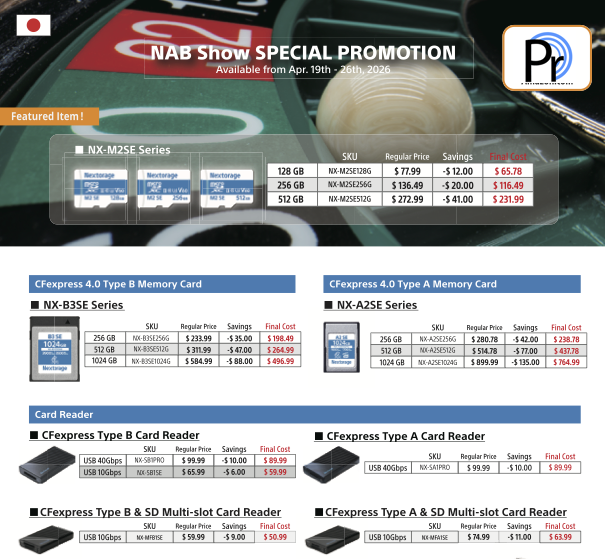
Nextorage today announced the start of its NAB Special Deals at B&H Photo and Amazon. The promotion includes significant discounts on CFexpress memory cards and card readers.
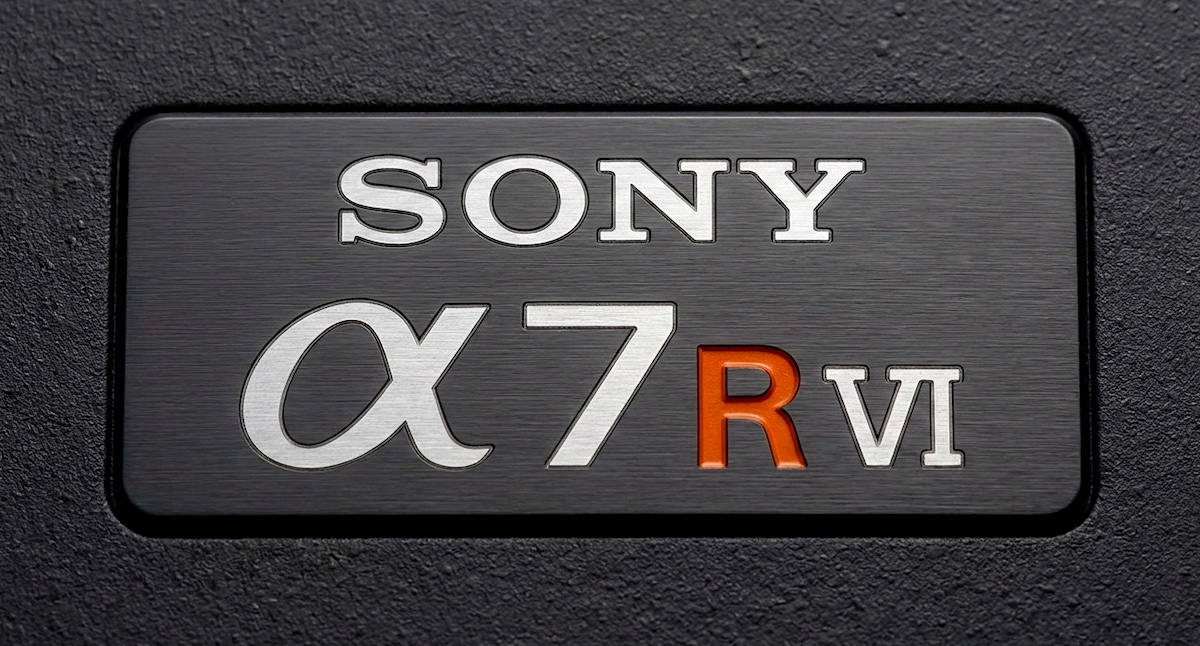
Sony is expected to announce the long-rumored a7R VI camera in May. Here are the latest rumored specifications:
Sensor resolution: approx. 67 megapixels
Body design: All-new body design
Processor and core performance: BIONZ XR2 processor + High-Bandwidth LSI; up to 8.5 stops of IBIS compensation; 30 fps continuous shooting in 14-bit RAW (electronic shutter); very fast readout (~60 fps full sensor in 14-bit ES with AE/AF).
Autofocus and dynamic range: New professional-grade AI autofocus model with significantly improved accuracy; 16 stops of dynamic range in mechanical shutter mode via Dual Conversion Gain HDR (DCG-HDR).
Video capabilities: High-end options including 10K oversampled 8K 30p (full-frame), various 4K/6.4K oversampled modes, and 4K 120p options.
Other rumored features: 9.44M-dot OLED EVF with grayscale correction and high brightness; triple-band Wi-Fi (6/5/2.4 GHz); support for importing custom stylized looks from the Creators’ App.
While video is becoming increasingly popular, and cameras' video features continue to become more sophisticated, there are still plenty of photographers who simply aren't interested in it.
And, in a time where cameras are already so good that the improvements on the photo side tend to be incremental, rather than groundbreaking, it can look like manufacturers are only interested in expanding their video capabilities.
This has, perhaps understandably, led to frustration among sections of the photography community. But it can also lead to the belief that a photo-only camera would be cheaper, which is not generally the case.
Generally, manufacturers only develop separate models if they believe there is a distinct audience to target, which is why, for instance, Nikon's ZR cinema/vlogging crossover camera is intentionally missing some features that would make it more appealing to someone that might otherwise buy a Z6III. Wheras, conversely, a stills-only version of the Z6III would compete for the same audience, leaving people to choose between a full-featured hybrid and a camera with the same components but artificially restricted.
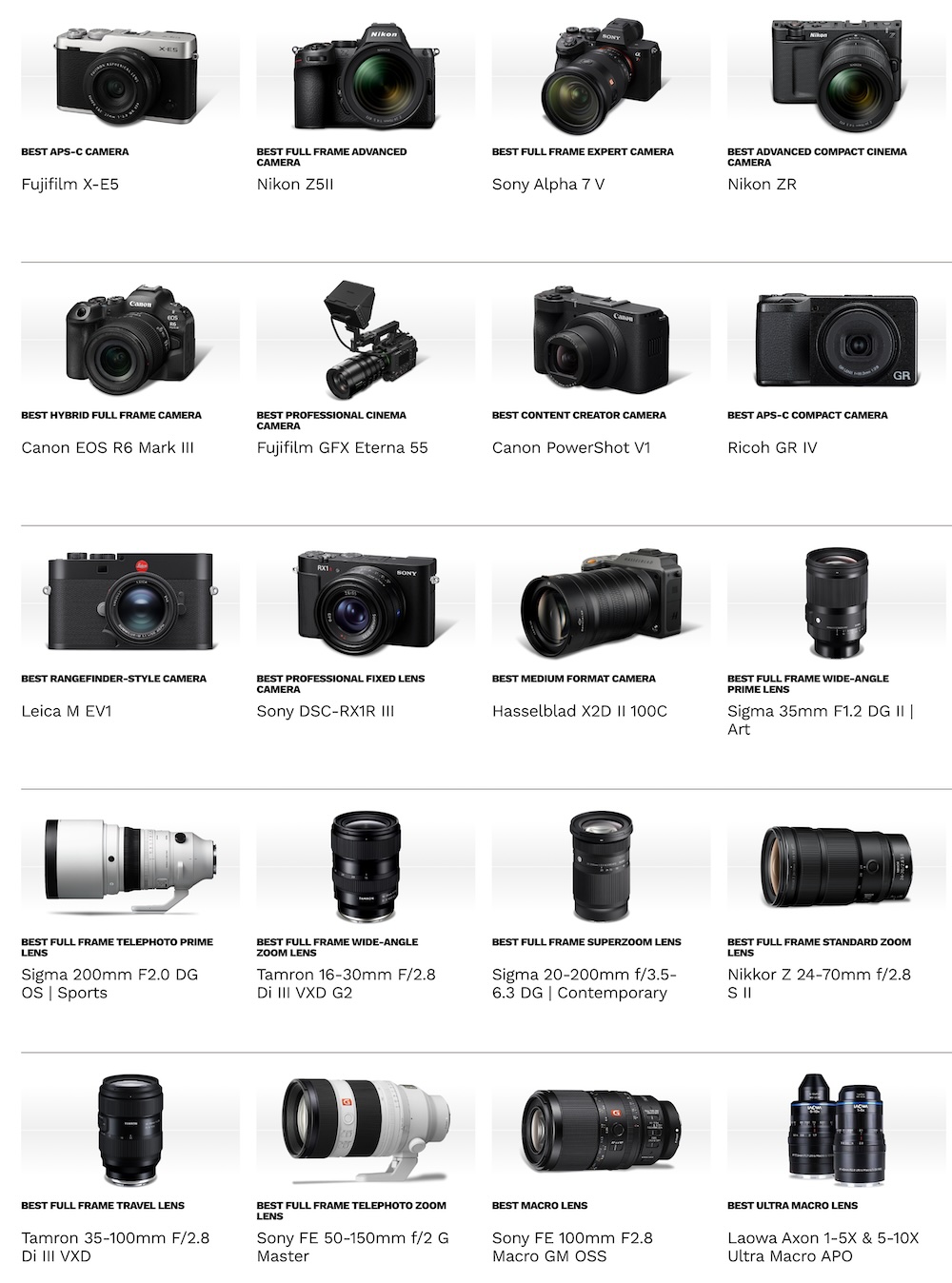
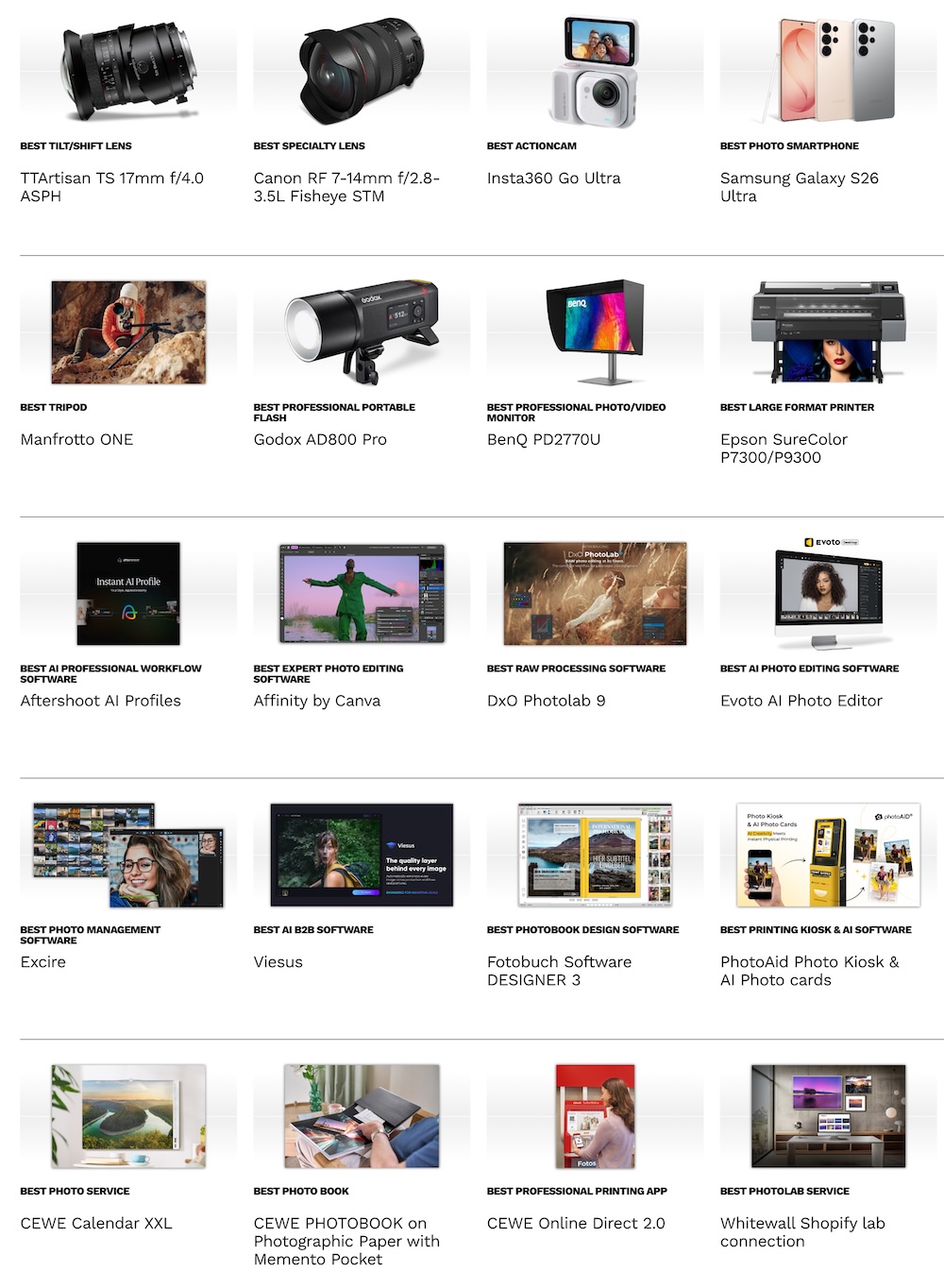
The Technical Image Press Association (TIPA) is pleased to announce the winners of the 2026 TIPA World Awards, recognizing the best photo and imaging products of the year. These internationally respected awards honor outstanding achievements in imaging technology, product design, and user experience across professional, enthusiast, and consumer markets.
The winners were selected during the annual General Assembly of TIPA members, which took place this year in Berlin (Germany). Editors and representatives from TIPA’s global network of print and online publications, spanning Europe, Asia, Australia, and North America, along with a delegate from the Japan Camera Journal Press Club, voted across 40 product categories. These categories cover a comprehensive range of imaging solutions, including cameras, lenses, software, accessories, monitors, and output systems.
The 2026 selections reflect an industry characterized by focused innovation and continuous refinement. Manufacturers are advancing their product lines through more powerful imaging pipelines, enhanced hybrid capabilities, and workflow-oriented solutions that address the evolving needs of today’s content creators. Significant progress has also been made in sensor technology, image processing, and autofocus performance. At the same time, there is a growing emphasis on design, portability, and overall user experience, appealing to a new generation of image-makers who value both functionality and lifestyle integration.
In addition to product excellence, the TIPA World Awards highlight key developments across the broader imaging ecosystem. These include advancements in media storage, optical engineering, and lighting technologies, underscoring the depth and diversity of the industry.
The Photographers’ Choice Awards will once again invite the public to participate in the selection process. Readers of TIPA member publications and online platforms will be able to vote for their preferred products in categories such as cameras, lenses, accessories, services, and technology and design. Starting May 1, voting will take place on www.tipa.com, and the results will be revealed during the official TIPA World Awards Ceremony at Imaging World, Nuernberg (Germany).
Thomas Gerwers, Chairman of TIPA, commented: “The TIPA World Awards reflect not only excellence in imaging tools, but also the dynamics and direction of an evolving market. The 2026 winners demonstrate how innovation, user-focused design, and technological performance continue to shape the future of imaging. We extend our sincere congratulations to all award recipients.”
The previously reported Viltrox AF 35mm f/1.2 LAB full-frame lens without a TFT/LCD screen was officially announced in China today (check the official website for pre-orders). Here are the details – the specs appear to be identical to the version with a TFT/LCD screen:
Available for Sony E and Nikon Z-mount
Focal length: 35mm (full-frame coverage; ~52.5mm equivalent on APS-C).
Aperture: F1.2 – F16 with an 11-blade circular diaphragm for smooth bokeh.
Optical construction: 15 elements in 10 groups (5 ED ultra-low dispersion + 3 HR high-refractive index + 2 large aspherical elements) for sharp results, reduced aberrations, and high contrast.
Minimum focus distance: 0.34 m (13.4 in) with 0.17x maximum magnification.
Filter size: 77 mm.
Dimensions & weight: ≈89.2 mm diameter × 121.8–123.5 mm length (slightly longer on Z-mount); ≈920 g (Sony) / ≈970 g (Nikon) — hefty but typical for an f/1.2 prime.
Powered by Viltrox’s Hyper VCM (Voice Coil Motor) system (multiple motors in some descriptions) for fast, quiet, and precise AF with minimal breathing. Supports advanced tracking and video use.
All-metal construction with weather sealing (dust/moisture resistant) and multi-layer nano coatings to suppress flare/ghosting.
De-clickable aperture ring (with click/de-click switch for photo/video).
Two customizable Fn buttons, AF/MF switch.
Internal focusing with dual floating elements for better close-up performance.
AI has been a hot topic on the forums for a while now. Recently, members have asked us to develop clear guidelines for the fair, well-defined use of AI tools in the forums, especially when they involve the community's photography.
We're at the early draft stage of this process. Our goal is to craft a simple policy that defines best practices and clear boundaries. As with many major community policy updates around new technologies and tools, rather than just announcing a set of guidelines out of the blue, we want to create them with our community's input and ensure your voices are heard.
If you are part of our forum community or would like an excuse to join one of the many discussions there, please visit our AI thread and tell us what you think.
Freefly, a Seattle-based company known for its high-end cameras, joined the L-Mount Alliance today as its 11th member. This also means they will announce new L-mount products at the 2026 NAB show, which starts next week. Here are the details:
Wetzlar, 17th April 2026. Freefly is the newest member of the L-Mount Alliant, making it the 11th company to join since the public announcement of the L-Mount standard in 2018. The alliance consists of founding members Leica Camera AG, SIGMA, and Panasonic, as well as Ernst Leitz Wetzlar GmbH, DJI, ASTRODESIGN, SAMYANG Optics, Blackmagic Design, SIRUI and VILTROX. This collaboration enables Freefly to develop products with the L-Mount which will present great benefits for a wide range of photo and video applications.
The L-Mount was developed by Leica Camera AG with the aim of providing customers with a future-proof, flexible, robust and precise bayonet mount that would fulfil even the most demanding photographic needs. Since its initial appearance, development of the L-Mount was continued by Leica as well as by its strategic partners. This led to significant improvements and an effectively new and more sophisticated L-Mount technology, resulting in a constantly growing portfolio of cameras and lenses from all existing and new alliance partners, currently comprising over 20 cameras and more than 134 lenses. All lenses made for the different systems within the L-Mount Alliance can be used on all cameras without adapters and without any functional limitations – illustrating one of the numerous benefits of the common bayonet.
Valentino Di Leonardo, Managing Expert Technology & Licensing at Leica Camera AG: “The L-Mount Alliance has been a central element of Leica Camera AG’s strategy from the very beginning, standing for openness, innovation, and the highest standards in imaging. With Freefly joining the alliance, we are welcoming a partner with a strong reputation in camera movement systems and aerial cinematography. Their expertise opens up new creative possibilities within the L-Mount ecosystem, particularly for professional film and high-end production workflows. Together, we continue to develop a versatile and future-proof system that meets the evolving demands of photographers and filmmakers alike.”
Tabb Firchau, CEO at Freefly Systems Inc.: “Freefly is obsessed with building the world’s fastest cameras and toughest drones, and joining the L-Mount Alliance enable us to go faster than ever. TheL-Mount allows us to interface with a wide range of beautiful lenses that are small, light, and feature advanced electronics that enable exciting electronic control options from the camera. We look forward to contributing to the Alliance and hope to put L-Mount lenses in places the world has not seen them before – from rocket launches to fighting forest fires.”
About the L-Mount Alliance
The members of the L-Mount Alliance all utilise the L-Mount Standard developed by Leica Camera AG for mirrorless camera systems. Currently, the members of the Alliance are Leica Camera AG, SIGMA, Panasonic, Ernst Leitz Wetzlar GmbH, DJI, ASTRODESIGN, SAMYANG Optics, Blackmagic Design, SIRUI, VILTROX and Freefly. The partners in the alliance utilise the L-Mount Standard for cameras and lenses that are offered under their own brand names. They market their respective products as competitors, and each with their own product and marketing strategies. The alliance works together on advancing the technology of the L-Mount Standard.
A camera companion app can unlock convenience and useful creative controls, provided it actually works well. Every major brand now offers at least one such app, promising remote camera control, wireless image transfer, GPS sharing and more, but the reality is often a mix of useful features and flaky connections.
In this piece, we're taking a closer look at Sony's latest effort – the Creators' App – to see how far things have come from the early, frustrating days of camera apps. The Creators' App supports models going back to the a7S III and is the default for newer bodies. The previous‑generation Imaging Edge Mobile app also works with many of the same cameras, but its newest supported body is the a1 II, so we will be focusing on the Creators' App here.
I used the Google Pixel 10a for all of my testing, but my colleague reports a similar experience on an iPhone 15 Pro, except where otherwise noted. Your experience and options may differ depending on your device.
Connectivity and reliability
To do most things in the app, you'll need to use a Wi-Fi connection.
Connecting a camera to the Creators' App for the first time is straightforward and very quick, so it's feasible to do even if you're in a rush. The process uses a Bluetooth connection for initial pairing, along with basic functions like camera status and firmware updates when you open the app each subsequent time.
Most features, though, require either a Wi-Fi connection or a physical USB-C tether between your phone and camera. Using a USB-C cable provides a faster, more stable connection for file importing or camera control than a wireless one, but it also defeats the app's purpose in some use cases, so I've focused on Wi-Fi for my testing. Tapping the "Remote Shooting" or "Import" options will trigger a pop-up that asks which connection type you want to use. This will pop up each time unless you tap the box to "Use Wi-Fi connection from next time."
Left: The pop-up on the left will show up every time you connect to your camera via Wi-Fi unless you disable it. Right: The connection process isn't very speedy.
When you connect via Wi-Fi for the first time on Android phones, you'll see a message from your phone's system informing you that the Creators' App wants to use a temporary Wi-Fi network. Selecting "Connect" will disconnect your phone from any other Wi-Fi networks and pair it with the camera's network.
Unfortunately, the Wi-Fi connection process takes much longer than Bluetooth pairing. Over the course of my testing, it took roughly 16 seconds to connect each time (occasionally faster or slower), which is just long enough to be annoying. The Wi-Fi connection will remain active as long as you remain in the app, or you can end the connection by tapping "Connected via Wi-Fi" just below the camera name.
You can opt to keep the camera connected to your phone even if you leave the app, saving you connection time if you are going back and forth.
If you are going to be in and out of the app during a session and don't want to wait for it to reconnect each time, you can choose to stay connected even when you close the app via the gear icon in the top right corner. Staying connected lets you access the remote control or image transfer options nearly instantly, but it also means that, as long as your camera is on, your phone won't be connected to any other Wi-Fi networks.
The connection was mostly reliable, though there were a few occasions when it dropped unexpectedly, or the camera failed to connect to my Android phone. There was one instance that happened multiple times in a row. These were rare, though, so it didn't drastically impede my use of the app.
Transfer, editing and sharing tools
If you want to transfer Raw files, you'll need to change the "Image Size for Importing" option to "Original," even if you turned Raw on for the import target option.
Many look to companion apps to make sharing photos and videos faster and easier. The Creators' App supports those tools, with options for image and video transfer, cloud syncing and sharing.
On the image transfer side of things, you can choose whether to import 'JPEG and HEIF,' Raw or Raw + JPEG / Raw + HEIF. There are a few important things to note here. First, the camera can't output HEIF and JPEG at the same time, so despite the "and," you'll only be importing one of those.
It's also important to be aware that the app has a setting called 'Image Size for Importing,' which defaults to resizing synced files to less than 2MP. At that setting, the app converts the Raw file to a resized JPEG, and downsizes JPEGs, no matter what you have your file types set to. If you don't change this to 'Original,' you're not actually getting full‑resolution or Raw files.
From left to right: the camera's main folder, images taken on one particular date and the view with one image selected.
When importing photos, the app helpfully organizes your images into folders for each date, so that you aren't looking at a massive wall of images. Once in a date, you can select individual files or select all with the checkbox at the top of the display. You can also tap on an image to see it larger and import from there, but, annoyingly, you'll still need to treat it like you are selecting it by tapping the box in the top left and 'Import' at the bottom.
Differential import will upload any images taken since your last upload without requiring you to select any files.
If you want to simplify the transfer process, the app also offers a "differential import" option, which is essentially a smart sync. With this enabled, when you tap to import files, it transfers all new files that aren't already on your phone. This will prevent you from uploading duplicates of files, and it also serves as a step towards an automatic upload, so you don't have to select individual files. Of course, if you don't want everything on your phone, I wouldn't recommend turning this on.
Photos transferred relatively quickly, even when moving a batch of 30 or so Raw files at once. It's not as fast as using a quality card reader, but it didn't keep me waiting long. I didn't transfer any long videos, but short clips transferred quickly, too. I also didn't have any issues with the connection dropping when transferring batches of images. However, if I wanted to transfer a full shoot of hundreds of images (even just JPEGs), I would likely use a USB-C connection or a card reader to avoid potential issues and speed up the process. For a handful of images here and there, though, it worked very well.
There aren't many options for video transfer settings.
There are only a few options for video imports. If you shoot with proxy recording turned on, you can choose whether to import only the proxy, only the original or both. The only other video import setting is related to Sony's Shot Mark feature, which allows you to drop in-camera markers on video clips to flag important moments. If you've used Shot Mark, you can choose to have the imported clip cut around it (with options for 15-, 30-, or 60-second clips) or not cut at all.
Within the image transfer page, you'll find limited features. You see star ratings applied in-camera and view basic EXIF information. Those same tools are all that's available in the gallery page of the Creators' App, too, but you can add star ratings here instead of only being able to see them. The only other additions are a sharing option that lets you share to apps on your phone, an upload button where you can choose to upload images to a designated folder and a delete button.
There are no editing features, so you'll need to bring your images or videos into a different app for editing if that's part of your workflow. However, there is a menu for managing Look Up Tables, or LUTs, letting you upload the color profiles to your camera from your phone. Unlike some other camera apps, however, Sony doesn't offer a marketplace of LUTs within the app, so you'll need to find those elsewhere and download them to your phone before transferring to the camera.
Remote control and live view
The remote control function gives you control over a lot of settings.
Another reason many people want a camera app is for remote camera controls, and the Sony Creators' app does indeed offer those. Its list of controls is robust, including all the basics you'd expect, like camera mode, shutter speed, aperture, ISO and exposure compensation. You can also toggle between photo and video modes and change many other settings, including focus mode, drive mode, D-Range Optimizer, metering, pre-capture flash, image size, file format, movie file format, touch functions and many more.
While there are plenty of controls for the promise of easy remote shooting, the functionality and reliability are hit-or-miss. At times, it all runs smoothly with very responsive changes. The live view image accurately reflects what the camera is pointed at, it looks natural when I adjust what's in the frame, and the focus changes rapidly when I tap on my phone's display. In short, it works just how I would hope a remote control app would work.
However, that's not always the situation. On a few occasions, live view was incredibly laggy. When that's the case, unless you're photographing still life scenes, it wouldn't be usable, and even then, it would be quite frustrating. The exposure controls can also be slow to actually adjust to your changes at times, resulting in a fair amount of waiting around.
While most of the touch functions work, the "Touch Focus" option has only worked once for me.
Oddly, I haven't been able to get the tap-to-focus feature to work again after my first attempt. It simply never changes the focus point, so that feature is completely unusable for me. Despite that, the other touch functions do seem to work as expected, including the ability to tap on the live view window to set auto exposure.
We didn't experience the same lag and slowness with the iOS version of the app, and tap-to-focus worked as intended.
GPS sharing
You can share your phone's location with your camera to attach GPS information to your images.
The Creators' App enables GPS sharing, which means you can share your phone's GPS information with the camera. That way, you can have locations attached to your images and videos, since cameras lack integrated GPS.
While the GPS sharing feature works seamlessly, it is a bit hidden. To find it, scroll down on the 'Cameras' page of the app and tap on the 'Others' menu option. From there, select 'Setup' and 'Location Information Linkage.' You will have to change some phone permissions to allow the camera to pull location info, but it's very straightforward and quick.
Firmware and maintenance features
Firmware updates are easy with the Creators' App
There are also some maintenance features available in the Creators' App. If there are firmware updates available, the app will let you download and install them via your phone. It was very fast and easy to update firmware via the app, which means I would be much more likely to keep it updated than if I had to download it to my computer and jump through the required hoops for that process.
The Creators' App also lets you save your camera's settings either to your phone or the Creators' Cloud, and then apply those settings to a camera. That way, if you need to reset your camera, you have all of your settings available and won't need to remember what you usually use for each menu item. It could be a big time- and headache-saver. Saving settings only took a matter of seconds, too, so it's very convenient. Unfortunately, you can only apply settings to the same camera model, so, for example, you wouldn't be able to transfer settings from the a7 V to the a7 IV.
Lastly, Sony sometimes offers updates and new features via licenses rather than traditional firmware updates. The app doesn't provide the ability to create those licenses, however, so you'll need to obtain or purchase them through your Sony Creators' Cloud account on the website, and then use the app's License Management menu to install and activate the license on the camera.
The L-Mount Alliance is gaining another member, with cinematography equipment maker Freefly joining the growing lineup. This addition brings the alliance to 11 members, further expanding the range of products offered to L-mount users.
Freefly built its name on the Mōvi lineup, a series of professional cinema-level gimbals. It has since expanded its offerings to high-end drones and high-speed interchangeable-lens cameras made for extreme slow motion. The company doesn't make any consumer-level products; instead, it focuses on professional cinematographers, industrial operators and scientific users.
Given that Freefly is currently focused on cameras, it seems logical that the company will be adding to the list of L-mount cameras available. We'll have to wait and see whether its first L-mount device is a brand-new product or simply a new version of its existing camera lineup with an updated mount.
Freefly's CEO, Tabb Firchau, says the company wants to put the mount in places it hasn't been before, "from rocket launches to fighting forest fires." Indeed, its current camera lineup is quite different from those of existing alliance members, so it will be interesting to see what comes next for Freefly and the L-mount.
FREEFLY SYSTEMS INC. joins the L-Mount Alliance and to utilize the L-Mount standard developed by Leica Camera AG in future product development
Wetzlar, Germany, April 16th 2026. As a new member, Freefly is the 11th company to join the L-Mount Alliance since the public announcement of the L-Mount standard in 2018. The alliance consists of founding members Leica Camera AG, SIGMA, and Panasonic, as well as Ernst Leitz Wetzlar GmbH, DJI, ASTRODESIGN, SAMYANG Optics, Blackmagic Design, SIRUI and VILTROX. This collaboration enables Freefly to develop products with the L-Mount which will present great benefits for a wide range of photo and video applications.
The L-Mount was developed by Leica Camera AG with the aim of providing customers with a future proof, flexible, robust and precise bayonet mount that would fulfil even the most demanding photographic needs. Since its initial appearance, development of the L-Mount was continued by Leica as well as by its strategic partners. This led to significant improvements and an effectively new and more sophisticated L-Mount technology, resulting in a constantly growing portfolio of cameras and lenses from all existing and new alliance partners, currently comprising over 20 cameras and more than 134 lenses. All lenses made for the different systems within the L-Mount Alliance can be used on all cameras without adapters and without any functional limitations – this illustrates one of the numerous benefits of the common bayonet.
Valentino Di Leonardo, Managing Expert Technology & Licensing at Leica Camera AG: "The L-Mount Alliance has been a central element of Leica Camera AG’s strategy from the very beginning, standing for openness, innovation, and the highest standards in imaging. With Freefly joining the alliance, we are welcoming a partner with a strong reputation in camera movement systems and aerial cinematography. Their expertise opens up new creative possibilities within the L-Mount ecosystem, particularly for professional film and high-end production workflows. Together, we continue to develop a versatile and future-proof system that meets the evolving demands of photographers and filmmakers alike."
Tabb Firchau, CEO at Freefly Systems Inc.: "Freefly is obsessed with building the world’s fastest cameras and toughest drones, and joining the L-Mount Alliance enable us to go faster than ever. The L-Mount allows us to interface with a wide range of beautiful lenses that are small, light, and feature advanced electronics that enable exciting electronic control options from the camera. We look forward to contributing to the Alliance and hope to put L-Mount lenses in places the world has not seen them before – from rocket launches to fighting forest fires."
About the L-Mount Alliance
The members of the L-Mount Alliance all utilize the L-Mount Standard developed by Leica Camera AG for mirrorless camera systems. Currently, the members of the Alliance are Leica Camera AG, SIGMA, Panasonic, Ernst Leitz Wetzlar GmbH, DJI, ASTRODESIGN, SAMYANG Optics, Blackmagic Design, SIRUI, VILTROX and Freefly. The partners in the alliance utilize the L-Mount Standard for cameras and lenses that are offered under their own brand names. They market their respective products as competitors, and each with their own product and marketing strategies. The alliance works together on advancing the technology of the L-Mount Standard.
About the L-Mount Standard
To ensure maximum product diversity, the diameter of 51.6 millimeters was chosen to make the L Mount suitable for use not only with full-frame cameras, but also on cameras with APSC sensors. The short register of only 20 millimeters enables a short distance between the lens and the sensor, which in turn allows for a considerably more compact construction – which is particularly helpful for developments in the wide-angle lens segment. To ensure resistance to even the most extreme conditions and guarantee maximum reliability for many years of intensive use, the camera bayonets are manufactured from wear-resistant stainless steel, with four flange segments that prevent canting and ensure a secure and precisely positioned lens attachment. The standardized L-Mount contact strip facilitates trouble-free communication between the electronic components of the lens and the camera – including the possibility of installing future firmware updates for lenses to react to technological advances and exploit their full performance potentials of the lenses.
Further information can be found under: www.l-mount.com.
Here is what we know so far about the upcoming DJI Osmo Pocket 4P:
Dual-lens Pro design leaked: The Pocket 4P features a dual-camera setup with a main wide-angle lens paired with a telephoto (and possibly ultrawide) lens for optical zoom. Leaked images clearly show two distinct camera modules on the front, unlike the single-lens standard Pocket 4.
Optical zoom upgrade: Rumored 3x–4x optical zoom via the secondary telephoto lens (surpassing the standard model’s 2x lossless/in-sensor zoom). This is positioned as a key Pro differentiator for vlogging and creative work.
Staggered launch timeline: Expected announcement and release in June 2026 (or possibly late May/early summer). This follows the standard Osmo Pocket 4’s global reveal on April 16, 2026, reportedly to avoid sales overlap. Early review units have already been distributed.
Rumored pricing: Base model expected to start around $700 (premium positioning over the standard ~$499 Pocket 4).
Shared core features with standard model (with Pro enhancements): Likely retains the 1-inch CMOS sensor, 3-axis gimbal stabilization, rotatable touchscreen, ActiveTrack 7.0, 10-bit D-Log, and high dynamic range, but with superior zoom and possibly 6K/ higher-end video options in some speculative reports.
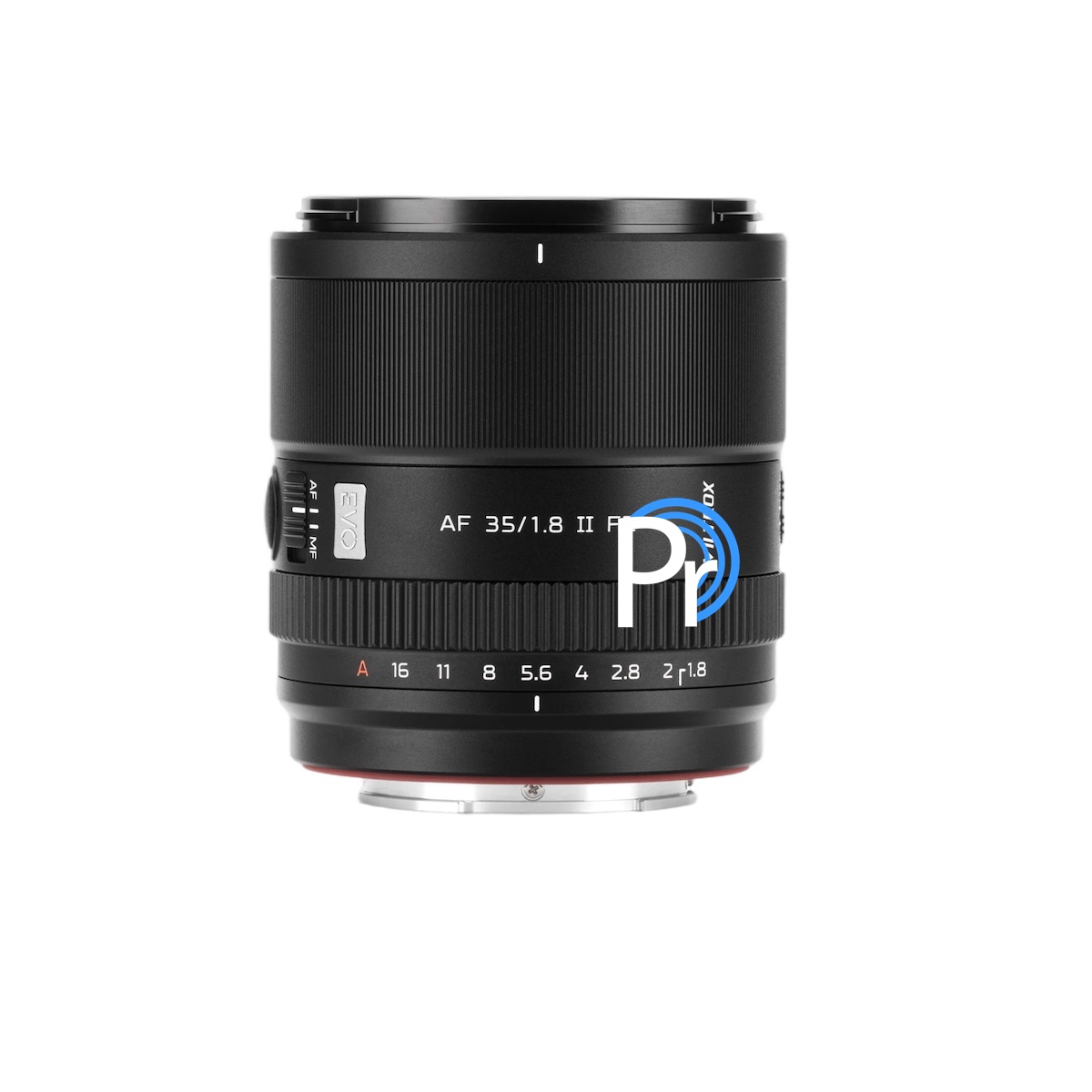
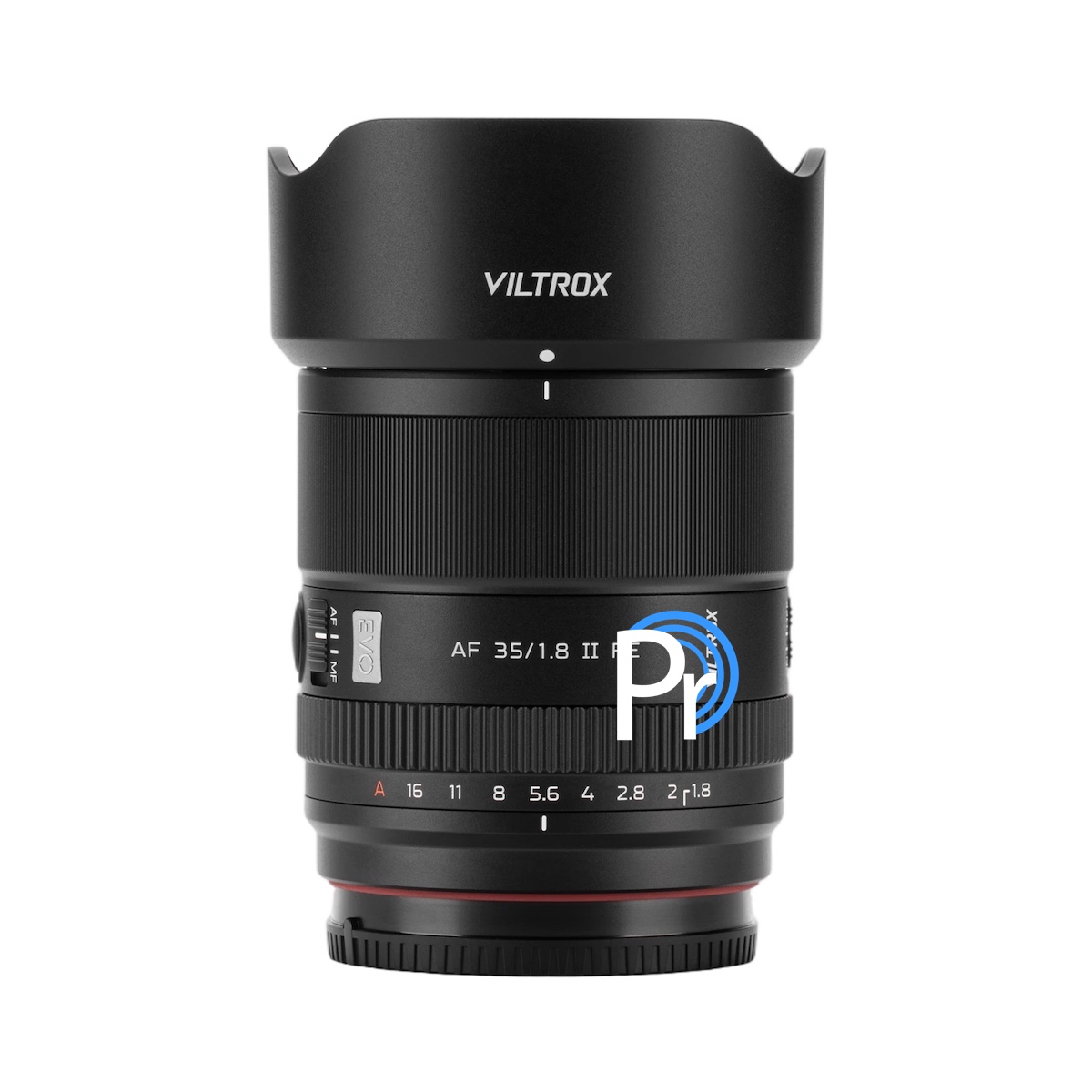
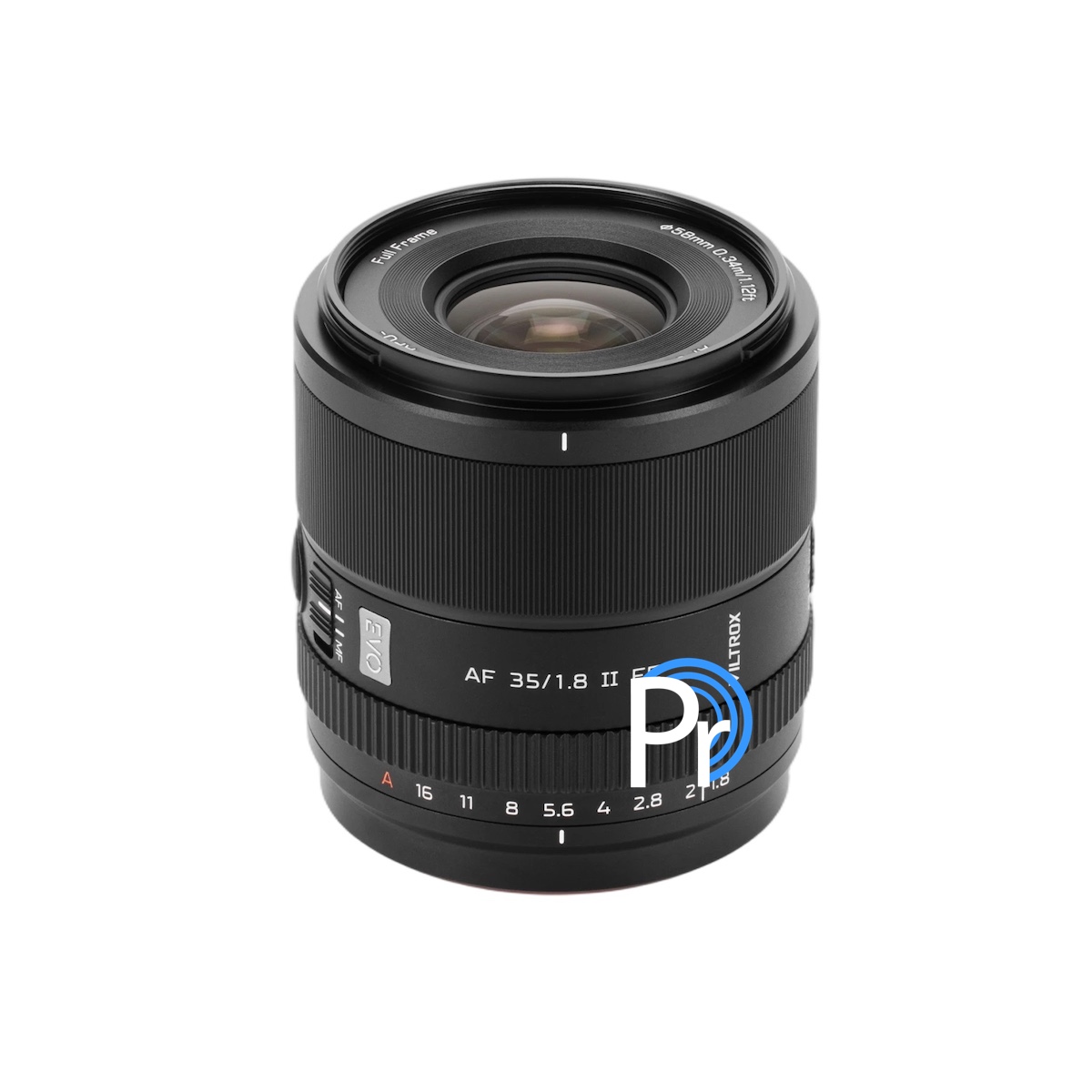
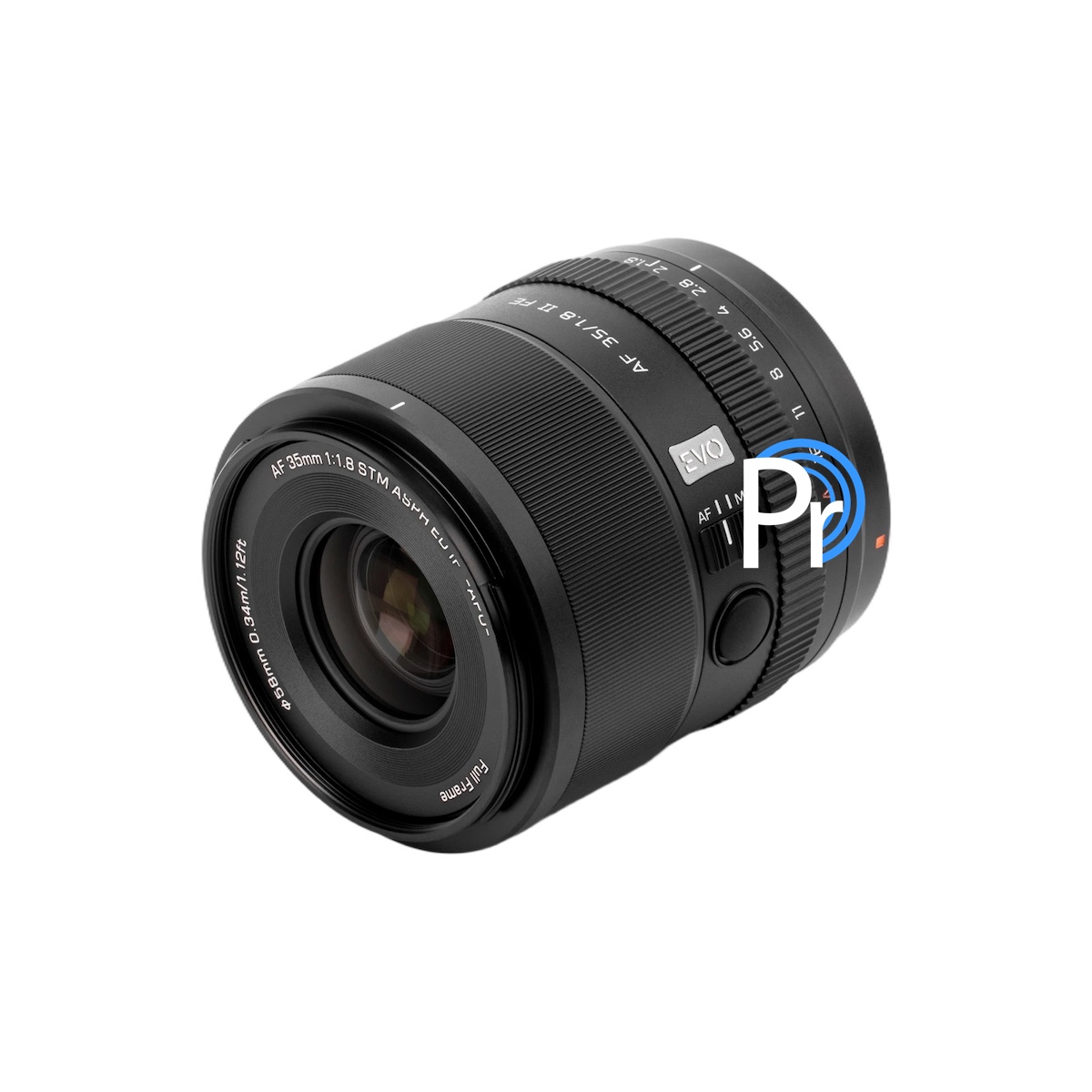
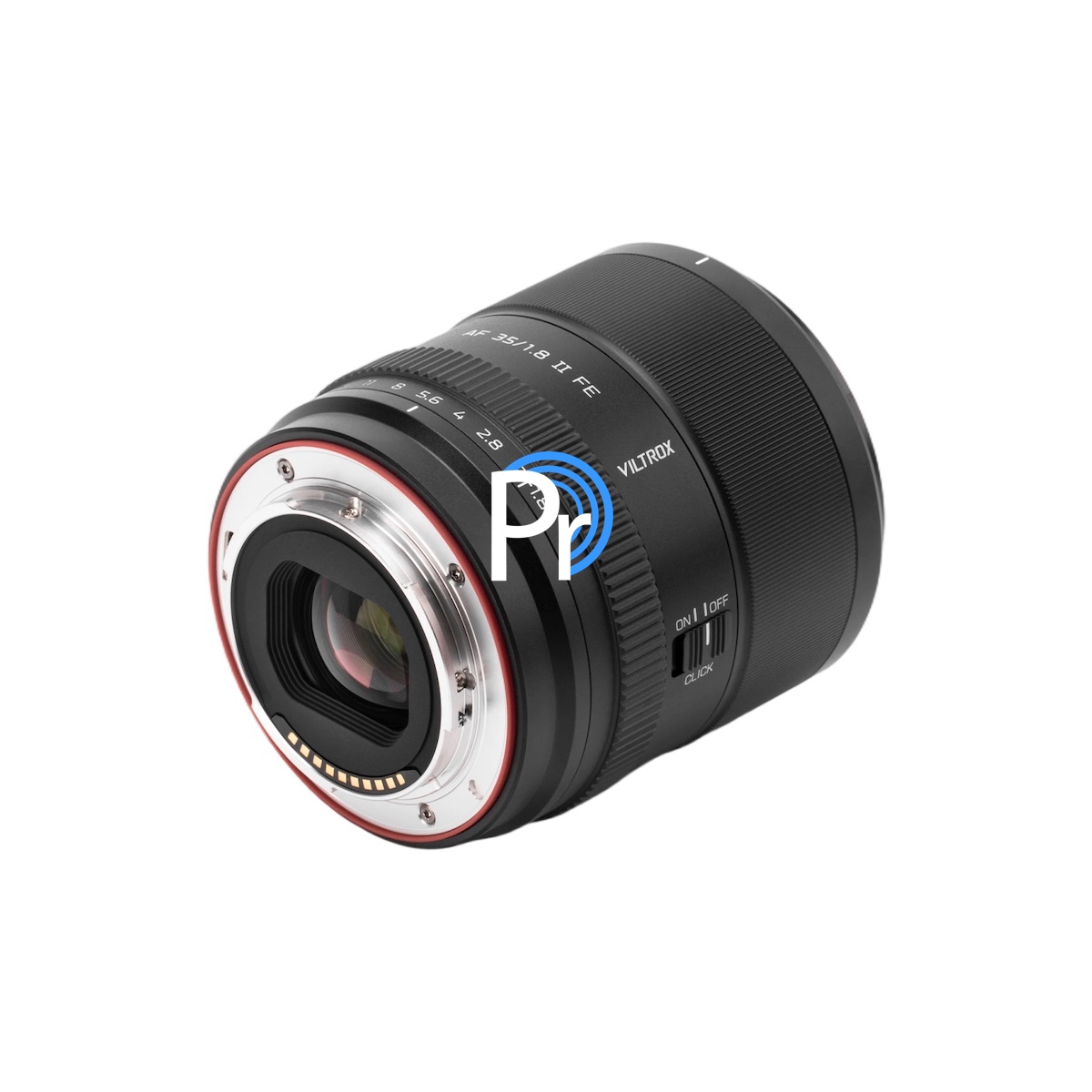
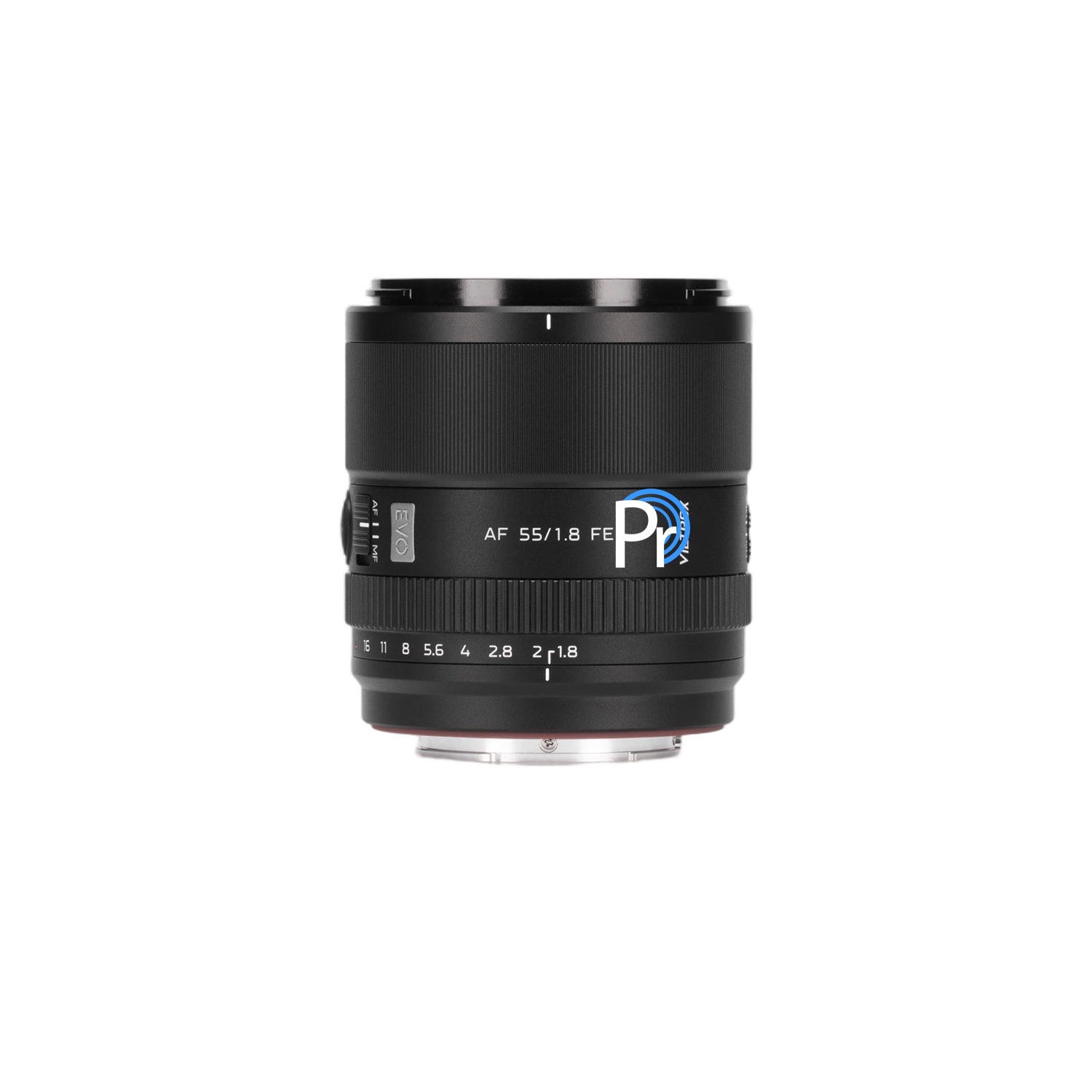
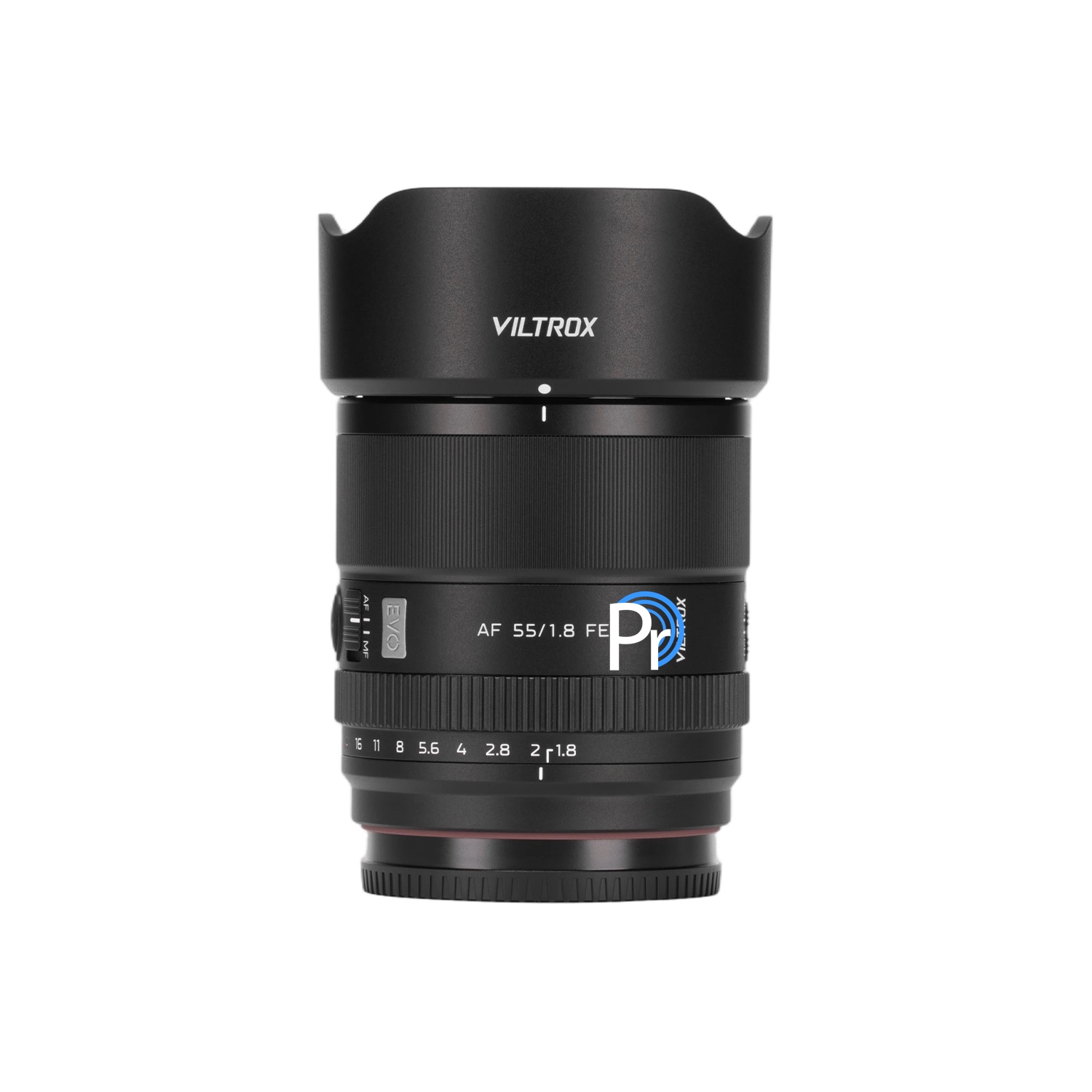
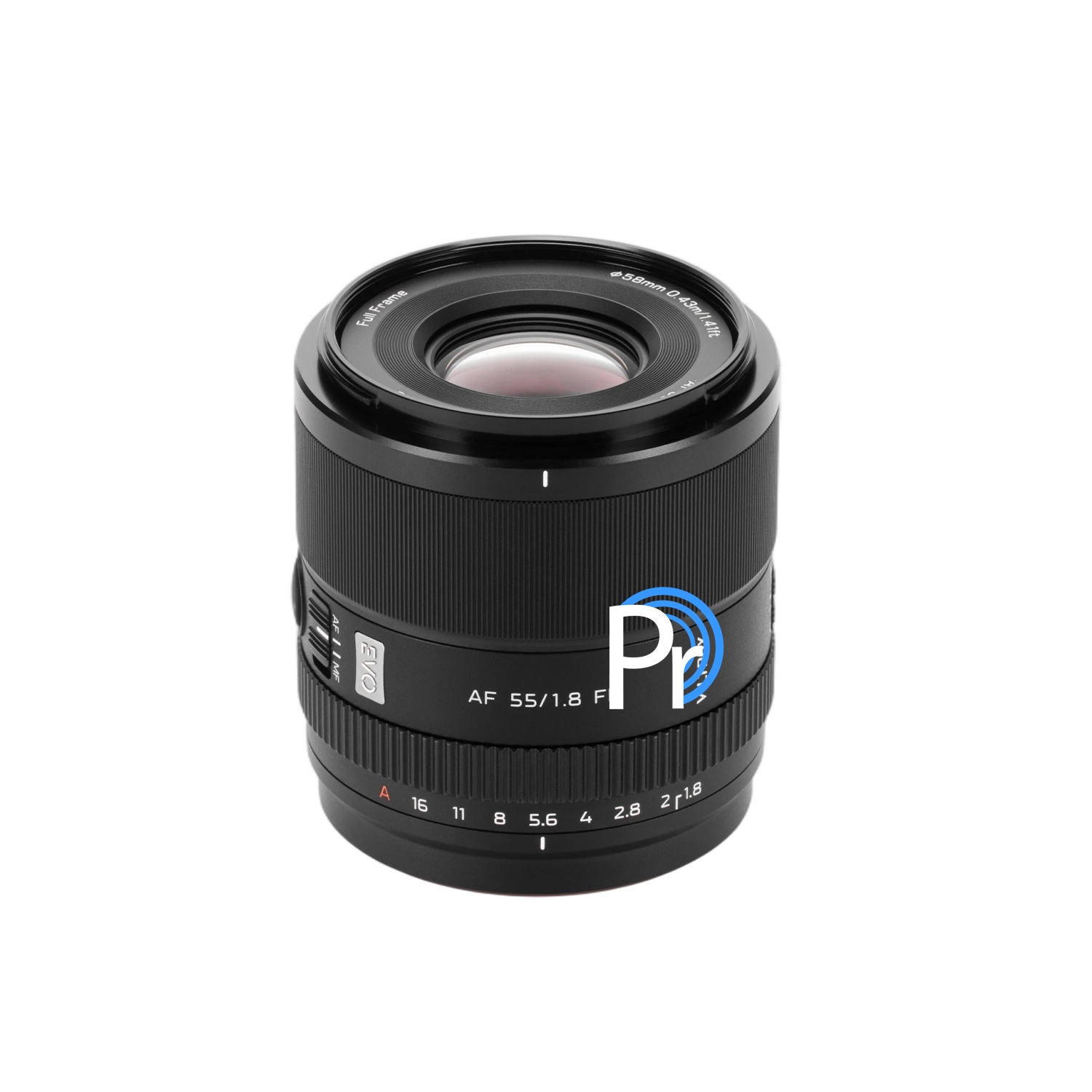
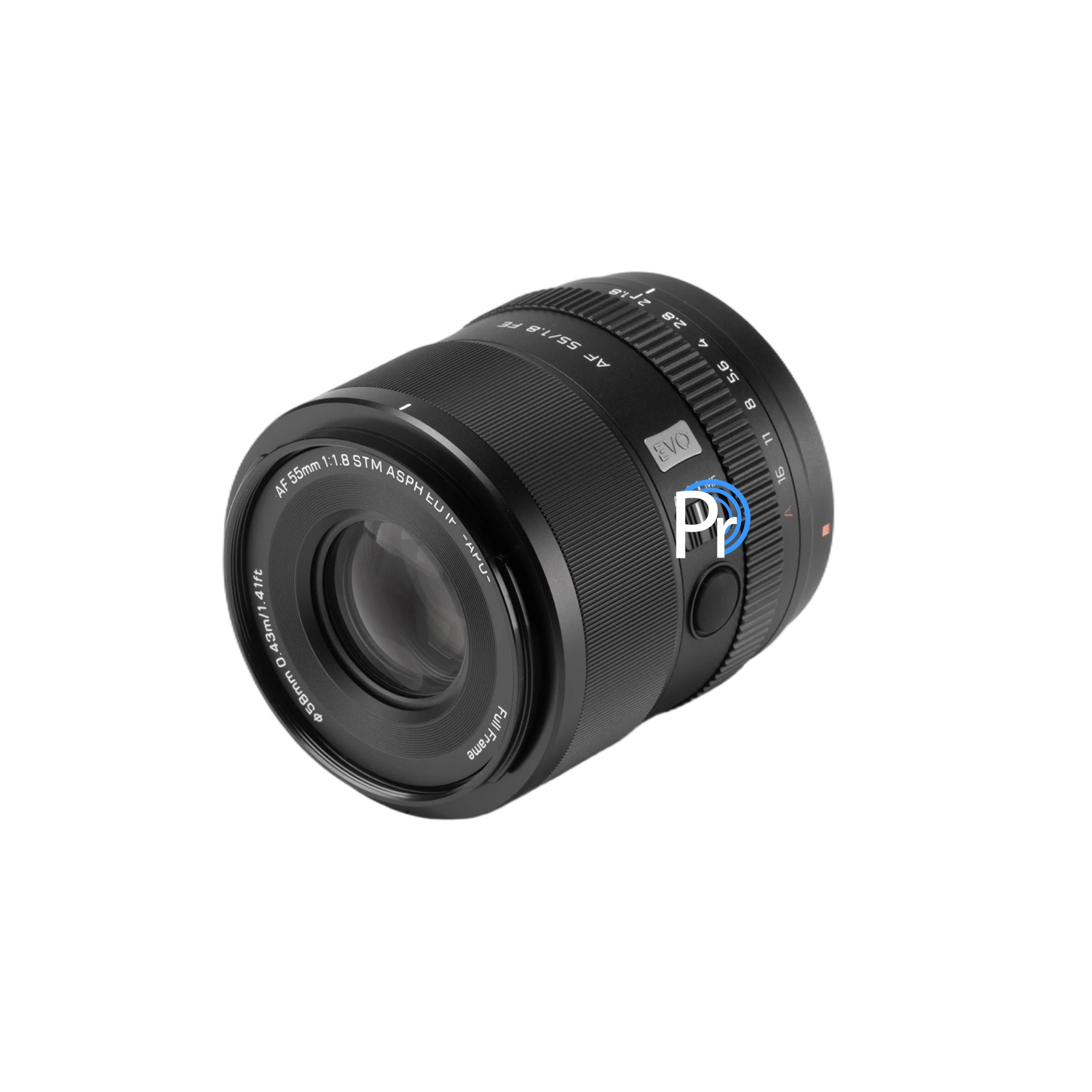
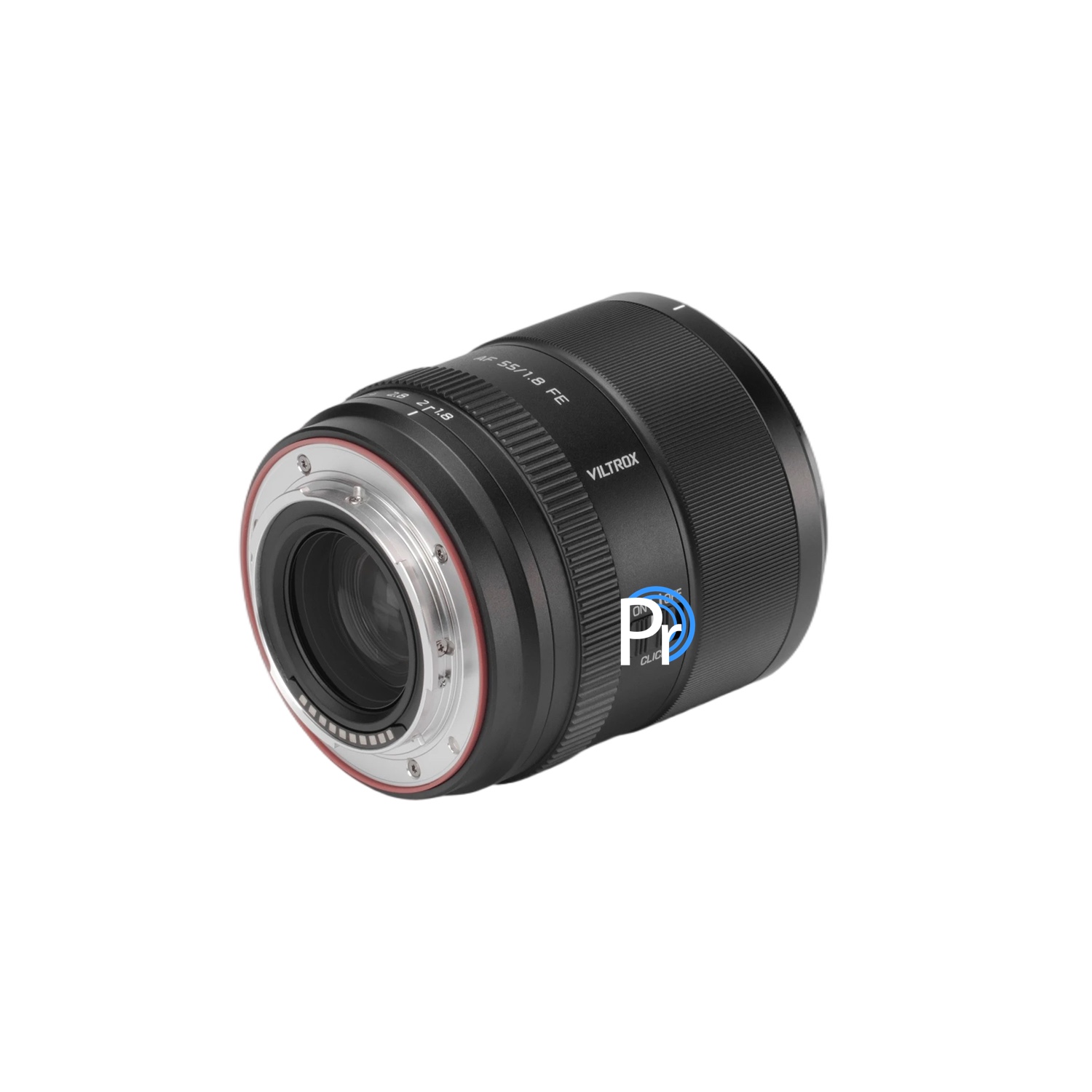
Next week at the 2026 NAB show, Viltrox will introduce the following two EVO APO full-frame lenses for Sony E and Nikon Z mount (you can already pre-order them at Foto Erhardt):
Viltrox AF 35mm f/1.8 EVO APO full-frame lens (Z/E):
The previously rumored DJI Osmo Pocket 4 camera is now officially announced with a 1″ sensor, 4k/240fps video, and 14 stops of dynamic range. The new model will not be available in the US for now. In Europe, you can get one at Foto Erhardt and at WEX Photo.
Here are the main specifications:
Sensor & Gimbal: 1-inch CMOS sensor mounted on a 3-axis mechanical gimbal in a single-lens configuration.
Video Resolution & Framerate: Up to 4K resolution at 240fps, allowing for high-quality slow-motion capture.
Dynamic Range: 14 stops of dynamic range for enhanced detail in high-contrast lighting situations.
Color Profile: 10-bit D-Log, providing greater flexibility for cinematic HDR color grading in post-production.
Zoom: 2x lossless zoom utilizing a sensor crop, controlled via a new dedicated physical zoom button on the handle for single-handed operation.
Autofocus & Tracking: Upgraded to ActiveTrack 7.0 with intelligent autofocus to lock onto and track moving subjects more reliably.
Internal Storage: 107GB of high-speed built-in storage with 800MB/s transfer speeds.The standard model eliminates the need for an external microSD card.
Audio: Built-in quad-channel (OsmoAudio) system capable of capturing immersive, 360-degree sound.
Display: Retains the signature rotatable touchscreen interface.

 Connexion