Vue normale

Terra Flamma: meet the photographer using wildfire as light

a large plume of red smoke fills the sky above mountains

From the Airport Fire in the Santa Ana Mountains in Southern California in September, 2024.

Fujifilm GFX100 II | GF 20-35mm F4 R WR | 25mm equiv. | F5/0 | 1/20 sec | ISO 800
Photo: Stuart Palley

When Stuart Palley began photographing California wildfires in 2013, the data already pointed toward more serious wildfire problems ahead. Over the next 13 years and nearly 200 fires, he watched that prediction come true. Fire seasons grew longer, fires burned faster and more aggressively, and January 2025 brought an inferno to the hills of Los Angeles at a time of year that usually felt like a safe time.

Through all of it, Palley has been there with a camera, building a visual record of the American West's fire crisis. I had the opportunity to chat with him about his journey capturing wildfires, the toll it takes and Terra Flamma, his current ongoing series dedicated to a fresh perspective.

Fire as light

flames from a fire glow in the distance over mountain ridges with a sky glowing orange

From the Dragon Bravo Fire on the North Rim of the Grand Canyon in July 2025.

Nikon Z8 | Nikkor Z 70-200mm F2.8 VR S | 70mm | F2.8 | 30 sec | ISO 6400
Photo: Stuart Palley

While Palley is still very focused on the journalistic side of his photography, his Terra Flamma series blends the boundaries between documentary and fine art. The project involves using long exposures to photograph fires at night, and Palley was drawn to making these images in part because of the colors they allow.

Palley explained that he frequently thinks about a quote from Vincent van Gogh, who said, "I often think that the night is more alive and more richly colored than the day." Van Gogh's paintings, like "The Starry Night," were direct inspiration for Palley's fire-lit nightscapes. "That use of color and night scenes just always stuck with me from growing up, and I just loved access to the color palette that wasn't otherwise available," he said.

MateoFire
Fujifilm GFX100 II | GF 500mm F5.6 R LM OIS WR | F5.6 | 60 sec | ISCO 1600
Photo: Stuart Palley

The images grasp onto that idea, showcasing landscapes in a manner we don't often see. "Fire is its own light source, and it bathes everything in this warm light," Palley explained. "When you add in smoke and other geographic features, it can either be an enormous warm softbox, or it can paint everything in orange and red, and then contrast it against a more blue or purple night sky. So it creates this incredible color palette that is only available when the fires are happening."

Terra Flamma isn't just about color, though. The long exposures give you a different look at the fire's behavior, too. "You see what it's doing, you see where the smoke's going, and it sort of illuminates the scene," said Palley. The long exposures also showcase the landscape, providing a bigger view of the situation. "Ultimately, the goal of Terra Flamma is to take these landscape photos of fire and put them in the context of where they are," he said. "Is this happening in the mountains in the middle of nowhere? Is it happening near downtown LA?"

cars line a freeway that leads to a smoke covered cityscape

Palley doesn't only photograph wildfires. This was taken at the Lineage Logistics warehouse fire in Los Angeles, California, at the end of June 2026. He's also starting to capture drone footage (video and photo), which you can see on his YouTube channel.
Photo: Stuart Palley

Palley has also expanded the series to include stories beyond the fire itself, including firefighters, crews, communities, air quality, forestry management and more. "The fire has become part of a broader ecosystem when it comes to storytelling about climate and natural disasters here in the American West," he told me.

While Terra Flamma occupies the fine art end of his work, it represents only part of what Palley does at a fire. During the day, he's working as a photojournalist documenting firefighters, crews and affected communities with the same immediacy as any news photographer. The long-exposure landscapes come when the sun dips down.

Putting gear in the line of fire

sparks fly from burning palm trees around a mcdonalds sign at night

Palley's longer exposures are typically shot from a safe distance from the fires, but sometimes, he's right in the mix. This image was handheld, so he could move more freely.

This image is from the Eaton fire in Altadena, California, in January 2025. You can see a video of the scene here.

Fujifilm GFX100 II | GF 55mm F1.7 R WR | F1.7 | 1/35 sec | ISO 3200
Photo: Stuart Palley

Of course, long exposures create logistical challenges that daytime images don't. Fires are dynamic and can change rapidly, and setting up for a long exposure requires time. Thankfully, most of his long exposures give him the benefit of distance as a safety buffer. "A lot of times when I'm doing these longer landscape exposures, it's from further back, looking at the fire in context across a canyon or down a hill," he said. "So, I typically have some space built in that gives me both geographic safety and the time to make these images."

That's not always the case, though. Palley remembered one image in particular where he was much closer to the fire, with a 30-second exposure capturing embers swirling around him. "I had to stand there holding my camera in the wind, getting pelted by embers," Palley said. "I've got like a hood, a helmet, goggles and all this stuff. So, I was fine. But I decided at that point that it was worth making that picture because it showed the ember cast in such a wild way that it was worth sitting there for the 30-second exposure."

flames engulf a structure with smoke filling the night sky

From the Eaton fire in Altadena, California, in January 2025.

Fujifilm GFX100 II | GF 80mm F1.7 R WR | F7.1 | 1/160 sec | ISO 800
Photo: Stuart Palley

Thankfully, fires haven't been the direct cause of damage to Palley's gear. "I've certainly damaged and destroyed multiple cameras at these fires, but it's not necessarily from negligence," he said. He recalled one time in 2015 when he dropped his camera after getting attacked by a displaced beehive because they were attracted to his yellow Nomex suit. Another time, he melted a lens hood because it fell into burning grass.

The most common issue, he says, is smoke. "The cameras smell like ashtrays," he said. "You get smoke and ashes on it, but you get alcohol wipes, and you wipe the cameras down every day to reduce smoke exposure and things like that." He also sends them off yearly for a cleaning to maintain his gear. "But ultimately, it's a tool and tools used in challenging conditions just often need more maintenance," he explained.

Training is key

firefighters stand watching as a plane drops red fire retardant over a forest with smoke behind it
A Cal Fire Boeing 747 air tanker drops flame retardant to slow the El Dorado fire in California in 2020.
Photo: Stuart Palley

While Palley, of course, wants to create incredible photographs, he draws a clear line. "The key thing here is no photo is worth me getting hurt or getting in the way of firefighters," he said. He's always putting his safety and the job of firefighters first.

That focus on safety has only increased over the years, too, as fires have become more intense. "I've always been safety oriented, but I'm very, very conservative now on how I approach these fires because the fire behavior is so extreme," he said. "From having been at almost 200 wildfires at this point, the fire behavior continues to surprise me with how aggressive and rapid it is."

a Firefighter stands spraying a hose in a burned forest
A Cal Fire engine crew member sprays hotspots at the Tenaja Fire in Murrieta, California, in 2019.
Photo: Stuart Palley

Palley's safety record is no accident. Since early on in his career, he has devoted a lot of time to making sure he is well-trained, knowledgeable about fires and has the right gear. "When I first started photographing fires, I had basic Nomex PPE, but the boots didn't quite fit right. I didn't have the right fire shelter," he told me. "So within the first year, I went to a private wildland fire school for a week to get my general wildland firefighter training."

"When I'm at fires, I want to be there to tell the story, not become part of it"

He's also careful to continually update his gear so that it meets current standards. For example, he recently purchased a $3000 radio because many agencies have updated their radios, and he needs an easy way to listen to what's going on to stay safe and out of firefighters' way. "When I'm at fires, I want to be there to tell the story, not become part of it," he said.

red fire retardant covers the road and houses in a suburban neighborhood
A home covered in fire retardant after an aircraft drop was a few hundred feet off at the Tenaja Fire in Riverside County, CA, in 2019.
Photo: Stuart Palley

Palley has also started sharing his knowledge with others. He recently led a two-day wildfire media safety course for 20 Reuters staffers and freelancers. "It's a blend of some very general wildland fire behavior and training that's standardized for firefighters, but it's sort of customized in a curriculum I just developed to teach journalists," he explained. That information can then help other journalists stay safe, while producing informative coverage of these events.

That directness extends to how he talks about irresponsible coverage more broadly. Palley is a genuine believer in the democratization of media and is all for more people covering these events. But he has little patience for journalists or creators who treat dangerous situations carelessly. "When I've seen so many extreme fires, fatality fires, homes burn down, I don't have time to sugarcoat these explanations," he said. "Sometimes you have to just be direct and tell people to get their shit together. This is serious stuff happening. It needs to be taken seriously."

Building trust and the ethics of wildfire photojournalism

two people stand in an embrace looking out at a large fire engulfing a hillside with houses

From the Woolsey Fire in Los Angeles and Ventura Counties in California, in November 2018.
Photo: Stuart Palley

Trust is also a factor when photographing these fires. Palley is often working in the vicinity of firefighters, and they need to know that he's not a liability and that they can trust him to be responsible and safe. "If you're a journalist there, to a wildland firefighter, you're the X-factor," he said. "Trust is one of the biggest things, and that's the reason why I'm big on having the right gear and the training and knowing how to use it."

Trust extends beyond wildland firefighters and safety crews, too. Palley often photographs communities when people return to their homes after fires, a traumatic and emotional experience. "When you're photographing people on the worst day of their lives or the most stressful day of their lives, sometimes they don't want that to be photographed," he described.

"I want to respect the dignity that people deserve in these situations."

"I want to respect the dignity that people deserve in these situations and build that trust," Palley said. Because of that, he gives people space when requested, moving on to other areas and photographs. "To me, that's more important than making that picture," he told me.

The cost of the work

boats line a river in two neat rows with smoke filling the valley behind them
Smoke from the Dixie Fire in August 2024 fills the sky over the drought-impacted Lake Oroville in northern California.
Photo: Stuart Palley

Palley considered conflict photography early in his career before deciding against it, in part because of the mental health toll he knew it could take. The irony is that wildfire photography has its own cost.

"Journalists deal with vicarious trauma, and if it's not treated, it essentially develops into PTSD," he said. He's clear about what the work actually demands. "When these fires happen, you're working 16, 18-hour days on assignment. It's just very intense," he said. "The human body and mind are not designed for that level of stimulation for that amount of time."

There's been a growing movement in both journalism and the firefighting world to acknowledge this, and Palley learned it firsthand. In 2023, he was feeling the burnout and stepped back from photographing fires for about a year.

a person wearing a respirator helmet and nomex hacjet kneels down holding a camera amidst charred vehicles and smoke
Palley documenting the Palisades fire in Los Angeles County, California, in January 2025.
Photo: Chiara Dollak

Recovery, for him, has meant therapy, stepping away from social media during intense fire periods and making space to decompress. "When it's been a really intense fire reporting period, just kind of be present, literally touch grass, rest, get away from the digital screen," he said.

The cost of this work is real, but so is Palley's commitment to it. He returned to the fire line when the LA fires broke out in January 2025 and hasn't stepped back since. For those looking to stay informed, he recommends Watch Duty, a free nonprofit app he volunteers for that sends real-time alerts about fires and evacuations across the United States.

His parting advice, after 13 years and nearly 200 fires, is straightforward: "If you're worried about a fire and you haven't gotten an evacuation order, you don't have to wait for an evacuation order to leave. You can always leave."

You can follow along with Palley's work on his Instagram, YouTube channel and website.

Opinion: is the age of mechanical wonders over?

nikon-d850-sensor

Mirrorless cameras have largely taken over from DSLRs. That transition has lead to a different kind of engineering taking the lead role.

Photo: DPReview

I have an admission: there's just something I don't love about shooting with the Nikon Z8. Pressing the shutter and hearing the speaker go "click" just isn't the same experience as hearing and, more importantly, feeling, a mechanical shutter fly open and slam closed at 1/200th of a second.

There are absolutely benefits to this approach: the e-shutter won't wear out, no matter how many times it's used, you don't have to worry about shutter shock* and the sensor never being blocked means the EVF has a constant feed of what's happening in front of the lens. Were the Z8 the only camera I shot with, I'm certain I'd grow used to it and, in time, probably come to love the experience of an e-shutter-only life.

I think, though, that this mild dissatisfaction has less to do with the Z8 specifically, and a... let's not call it an issue, but perhaps a quirk of mirrorless cameras in general and how they interact with my specific experience. They are, unquestionably, technological marvels, better in almost every way than what came before. But they aren't mechanical wonders.

nikon z8 sensor

None of this is meant to pick on the Z8 specifically, I've just been shooting with it a lot. While most other mirrorless cameras still have a mechanical shutter, their most ambitious modes don't use it, and they're still mechanically much more simple than even basic DSLRs.

Photo: Richard Butler

I'm approaching 30 years old, which means my entire life has taken place after the digital revolution, both in cameras and the world at large. There is no Before Computers for me; some of my earliest memories are messing around with the settings of the family desktop when I was four.

As I grew older, I turned that interest into a job, building and fixing computers and, eventually, programming them and writing about technology. As a result, I understand how they work at a pretty fundamental level. While I might describe a mirrorless camera's autofocusing and subject recognition capabilities as "magical," I know they're not. I'm familiar with how machine learning works, and could explain it in excruciating detail. I can recognize great software engineering, but I'm not astounded by it.

This isn't the case for DSLRs. While I have a decent understanding of how they do what they do, I still find it incredible that it's all possible at all. What do you mean you can use a system of mirrors, optical splitters and custom-made line sensors to let you look through the lens and autofocus at the same time? And the mirror and shutter coordinate to flip up and fire at precisely the right time to expose the sensor? 10 times a second? And they figured this out in the 90s?

Canon EOS 5D II AF sensor assembly
A diagram of the autofocus sensor assembly for the Canon EOS 5D II. If you want to get an idea of how mechanically complex that camera is, go check out all the technical diagrams in our review.
Image: Canon

It's even truer for film, where you have a similar level of SLR complexity, but the computer part – the stuff I understand – is replaced by a strip of chemicals that physically change when exposed to light. Again, I have some knowledge of what's actually going on. I've done the reading. But every time I pull developed film out of the tank and look at the negative, it just feels like witchcraft. How could pressing a button on a mirrorless camera and kicking off the take picture function in its computer ever compare?

Until you look at the pictures and realize that the Z8 can track a subject from the very edge of the frame, and have it in focus the entire time. And that it can capture it at 20fps, with no viewfinder blackout. And sync with flash at 1/250 of a second, without a mechanical shutter. It's old news today, but versus any (D)SLR, it's revolutionary.

Watch Movement

SLRs and their digital counterparts are like mechanical watches, full of complex moving parts. Mirrorless cameras are like a smartwatch; still a feat of engineering, but of a completely different kind.

Photo: Richard Butler

This effect extends beyond cameras, too, in our increasingly computerized world. I've pretty much exclusively worn digital watches of some form, but my coworker Richard says the obvious point of comparison is intricately made and fully mechanical watches versus computer-powered smartwatches. The silicon models are simpler, easier to understand, and more accurate than a mechanical model could ever be. But where's the soul?

For me, the more obvious point of comparison is one more familiar to me (but no less clichéd): internal combustion engine vehicles versus electric ones.** Like with mirrorless systems, I understand at a fundamental level how EVs work. And no matter how many truly excellent explainers I watch, and even how often I work on my own cars, I still can't really wrap my mind around how a combustion engine does what it does. (You expect me to believe all these precise operations can be synchronized by a belt or a chain?) But like with cameras, that complexity, beautiful as it is, comes with a cost: I know some prefer the traditional experience, but driving an EV, it's hard not to see it as the future.

I still can't really wrap my mind around how a combustion engine does what it does

With all this said, there are still mechanical wonders around; both the kinds you'd expect, and ones that are a bit easier to overlook. As an example of the former, take Leica's M-series cameras; the rangefinder mechanisms are intricate and precise, the kind of thing an unskilled technician could take apart, but not put back together. And while the company was, at one point, only producing a few hundred of its film rangefinders a year, they've seen a surge in popularity again, indicating a demand for that mechanical, analog experience.

There's plenty of complex physical engineering to be found in the mirrorless world, too. Stabilization systems, both in-camera and in-lens, are an impressive dance between gyroscopic sensors, software and actuation mechanisms, and become even more so when coordinating together. And gimbals take this to an even higher level; seeing one in action can be so mesmerizing that you'd be forgiven for forgetting that the device that you're watching corrects for the movement it's detecting in real-time and moving a who-knows-how-heavy camera setup to match only costs $300.

I also fully realize that there will be those for whom the wonder is flipped; a mechanical engineer might be more awestruck by complex algorithms than mechanical linkages, no matter how delicate or ingenious. And some folks may be completely flummoxed by cameras new and old, alike. But whichever makes most sense with your brain, it's worth stopping to remember that cameras aren't just technology. They are, of course, impressive pieces of tech. But they're also doing something special, whether we understand how it's happening or not.

* - Which becomes an increasing concern as sensor resolution increases; there's a reason the Sony a7R series use electronic front curtain, which avoids shutter shock, by default.

** - Apologies for choosing three particularly contentious examples.

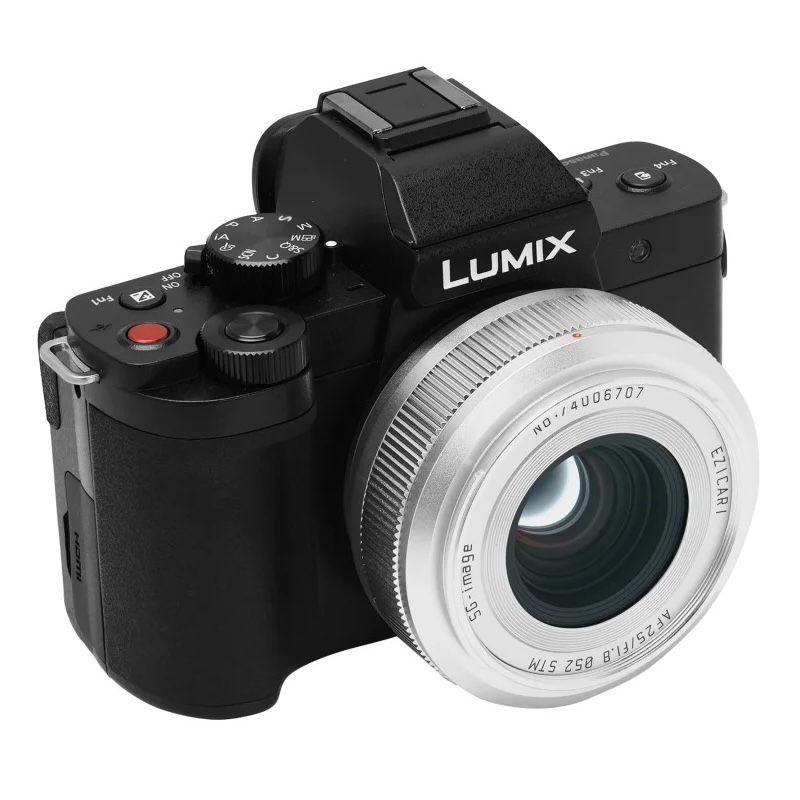
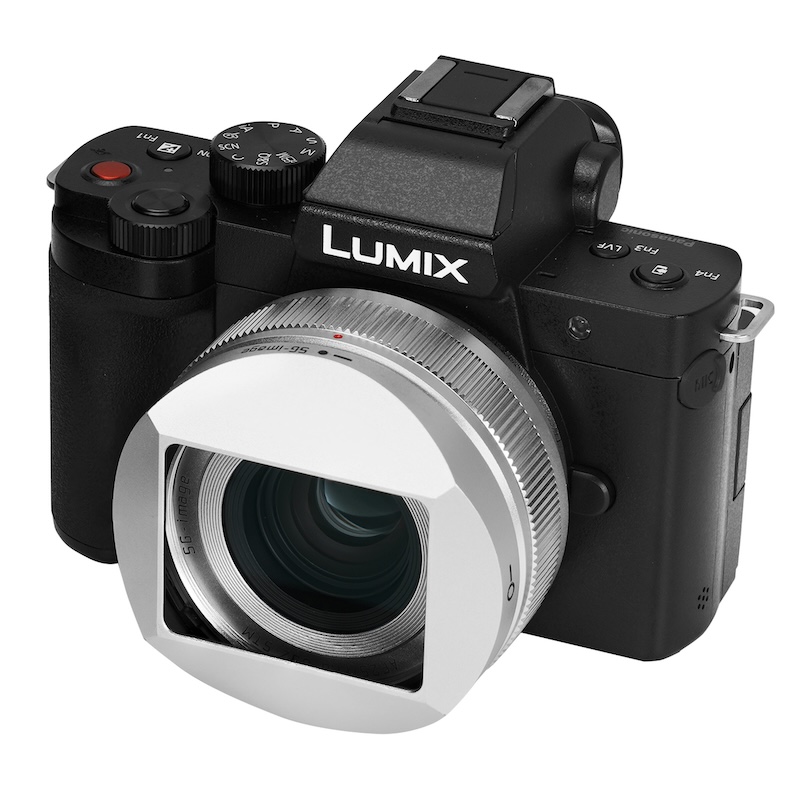
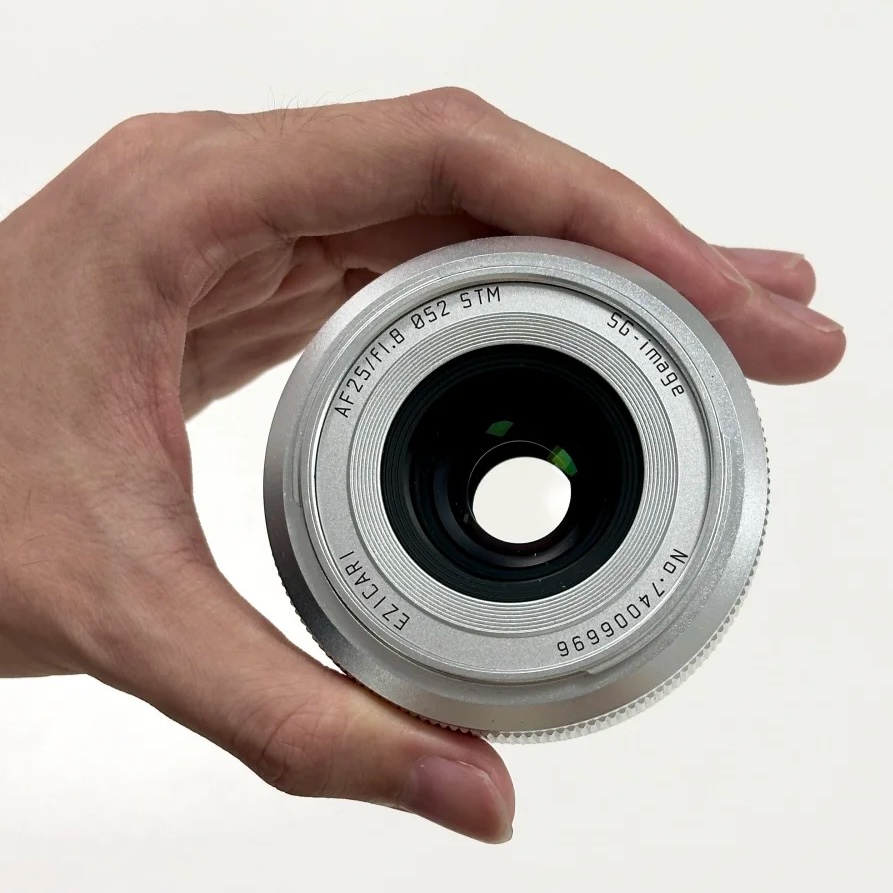
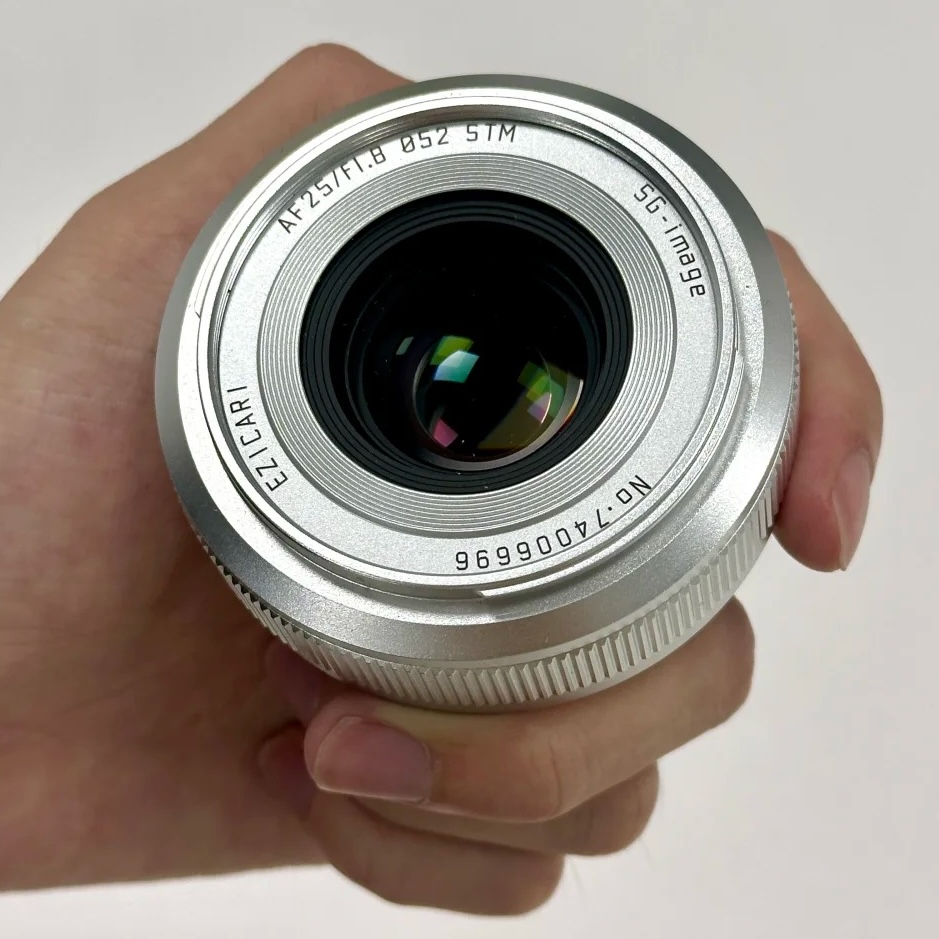
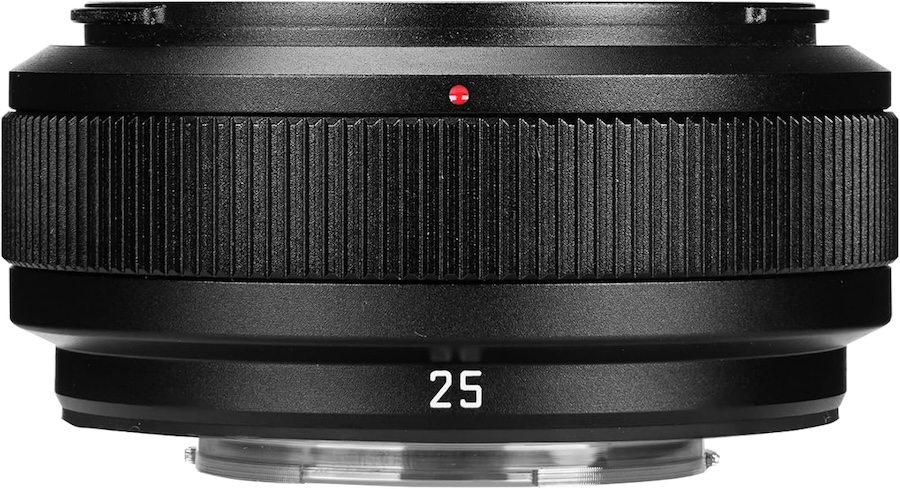
SG-Image AF 25mm f/1.8 lens for MFT officially announced and available for order

Par : PR admin
4 juillet 2026 à 00:59


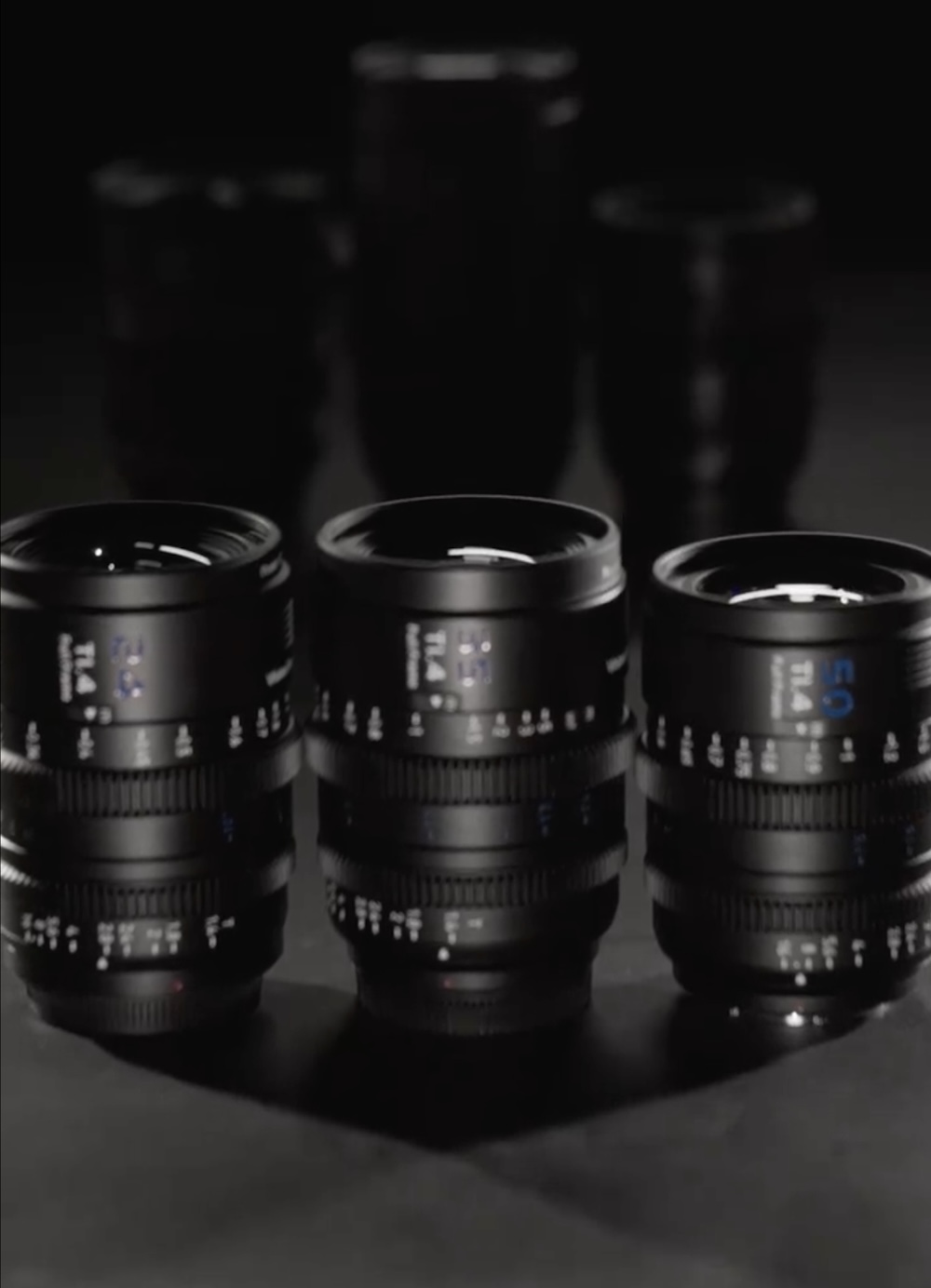
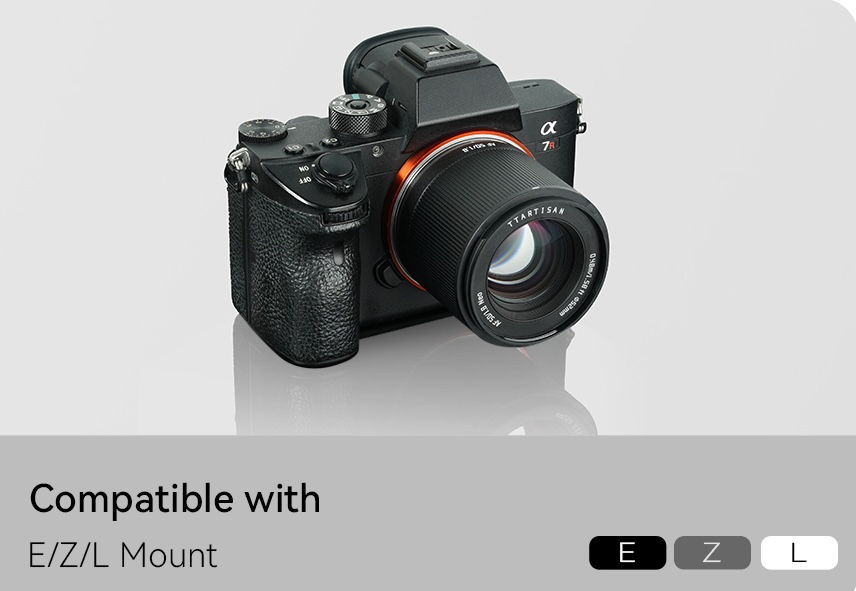
The previously reported SG-Image AF 25mm f/1.8 lens for MFT has now been officially announced and is available for order on Amazon (check also the official SG-Image online store, eBayAliExpress, and Amazon Japan).

Additional information on the new lens:

  • 7-element in 5-group optical design (including 3 high-refractive-index elements)
  • 9-blade aperture
  • Aperture range: f/1.8 – f/16
  • Minimum focusing distance: 0.3 meters
  • 52mm filter size
  • Weight 145 grams
  • Dimensions: Φ67mm × 31mm
  • Available in black and silver
  • Additional pictures:

New SG-Image AF 25mm f/1.8 lens for MFT to be announced next week

SG-image AF 25mm f/1.8 lens officially released (E/X)

New: SG-Image 25mm f/1.8 lens

The post SG-Image AF 25mm f/1.8 lens for MFT officially announced and available for order appeared first on Photo Rumors.

Sony to announce a new RX10 V super-zoom camera next week

Par : PR admin
3 juillet 2026 à 18:45


Sony will announce a new RX10 super-zoom camera next week (July 9th). The new model will be a replacement for the Sony CyberShot RX10 IV that was announced back in 2017:

Surprise: Sony RX10 IV camera announced

Here is what to expect from the new Sony RX10 V super-zoom camera:

  • Zeiss 24-600mm f/2.4-4 25x optical zoom lens
  • 20.1MP stacked 1-inch Exmor RS sensor
  • Same overall bridge camera form factor, build quality, EVF, and tilting screen
  • New image processor (likely BIONZ XR or similar)
  • NP-FZ100 battery
  • Modern connectivity (USB-C charging/port and updated Wi-Fi/Bluetooth)
  • Better overall performance
  • Price in the $1,899–$1,999 range

The post Sony to announce a new RX10 V super-zoom camera next week appeared first on Photo Rumors.

A new Sony RX10 is coming

View this post on Instagram

A post shared by Sony | Alpha (@sonyalpha)

Sony is set to announce a new model of its RX10 enthusiast long zoom compact next week, according to a teaser video. Captioned "The wait is over. A new RX10 is coming 7/9/2026," it shows off a silhouette of what appears to be the camera's lens and body.

The reference to a wait is apt. The RX10 IV, which featured a 20MP Type 1 sensor (116mm²) and a 24–600mm equiv. lens, was released in late 2017, and hasn't been available to buy new for a while now. That absence has been felt even stronger because of the lack of other cameras in this class. Panasonic's FZ1000 II was one of its closest competitors, but is also now unavailable.

Other bridge cameras, like the Nikon P1100 or Panasonic ZS300, fill similar roles of offering a ton of zoom range, but with different sets of trade-offs. The P1100 offers a massive 24–3000 mm zoom range, but uses a Type 1/2.3 (28mm²) sensor that makes even the RX10 IV's look massive by comparison. And while the ZS300 also uses a Type 1 sensor, its 24–360mm is decidedly less ambitious with an aperture range of F3.3–6.4, compared to the RX10 IV's F2.4-4 (equivalent to F9-17.4 and F6.5-10.9, respectively).

Sony's teaser has essentially no other information on what upgrades it has made to the RX10 IV's formula in the near decade since it launched, but we don't have long before we find out. According to the video, the announcement will be at 07:00 Pacific / 15:00 BST on July 9th.

Photographing fireworks? Here's the four things you need to know

IMG 8503
Canon EOS 5D | F8 | 3 sec | ISO 250
Photo: Rishi Sanyal

This weekend, people and cities across the US will be celebrating the Fourth of July with the traditional large firework displays. If you're trying to capture those, there are a few things you'll want to keep in mind if you want to get pictures that truly sparkle.

We've outlined the most important ones in a video, which you can watch below:

If you're looking for a more in-depth look at how to shoot fireworks, including tips from someone who's done it professionally, we have a few articles you can dive into, too. Stay safe, have fun, and get some great shots!

Read: a tutorial from the official photographer for the London New Year fireworks

PS: not American? These tips will work just as well on November 5th, December 31st or any other day with big fireworks displays. It's never too early to start planning!

Slideshow: Fireworks 101

Fujifilm's trying something new after 40 years of disposable QuickSnap cameras

a colorful plastic Camera sits in sand next to sunglasses towel fringe and a woven bag
Photo: Fujifilm

Fujifilm is celebrating the 40th birthday of the QuickSnap series of single-use 35mm film cameras. To mark the occasion, the company has announced two new additions: the QuickSnap Black and White and Active.

The QuickSnap Black and White is Fujifilm's first one-time-use camera that uses monochrome film. That perhaps isn't too surprising; while Fujifilm has produced black and white film under its Neopan brand since 1952, the line has been whittled down over the years to just a single stock, Neopan 100 Acros II.

packaging and black camera sit on a white background
The simply named QuickSnap Black and White is the company's first monochrome single-use film camera in the lineup.
Image: Fujifilm

The new disposable camera uses 400 speed film, but Fujifilm hasn't specified an emulsion. Given that Fujifilm's only black and white film in production right now is 100 speed, it isn't that. But it isn't clear if this is a proprietary emulsion made for the camera, or if it's sourced from a third party like Ilford. Either way, Fujifilm says the film stock is "designed to capture rich contrasts, tones and textured grains."

The black and white camera uses a 1/140 sec shutter speed and a plastic, 32mm lens with fixed focus and F10 aperture, as is typical on single-use film cameras. It features a built-in flash with a range of roughly 3 meters (10'), and a switch to turn the flash on and off. It offers 27 exposures and can be developed with C-41 chemistry.

a hand holds a colorful plastic camera in front of a white background
The QuickSnap Active replaces the QuickSnap Waterproof, though it is functionally the exact same.
Image: Fujifilm

The QuickSnap Active replaces the previous waterproof QuickSnap. It's designed to withstand rain and underwater adventures up to 10 meters (33'), thanks to an integrated waterproof housing. It also uses a 32mm plastic lens with F10 aperture and fixed focus, though a slightly slower 1/125 sec shutter speed.

The Active uses an 800 speed color negative film. The previous waterproof camera likely used Superia X-TRA 800, but it isn't clear yet if that continues in the new Active. Unlike the black and white offering, the Active does not feature a flash. It is capable of 27 exposures and can be developed with C-41 chemistry.

The Fujifilm QuickSnap Active and Black and White will be available for purchase in early September for $25 and $23, respectively.

Press release:

FUJIFILM QuickSnap™ One-Time Use Cameras Celebrate 40 years with New Product Announcements

New Black and White Variety and an Updated Waterproof Camera Introduced

VALHALLA, N.Y., June 30, 2026 — FUJIFILM North America Corporation, Imaging Division, is celebrating the 40th anniversary of the introduction of its QuickSnap™ one-time use camera line with the introduction of two new varieties of its popular portable camera lineup – QuickSnap Black and White™, and QuickSnap Active™, which replaces the current waterproof QuickSnap™ camera.

"For 40 years, FUJIFILM QuickSnap™ cameras have been trusted companions for people making images on the go," said Bing Liem, division president, Imaging Division, FUJIFILM North America Corporation. "In the age of endless smartphone imagery, one-time use cameras have always offered something unique – intentionality. A dedicated device in your hand solely used for image-making – a departure from the constant beeping, buzzing, or alerts from our electronic devices. QuickSnap™ reminds us to take a breath, be authentic, and capture a raw moment, filter-free. These latest new varieties take that intentionality a step further, bringing users the artistic flair of black and white photography, or the go-anywhere capability of a durable all weather camera."

Key features of QuickSnap Black and White™:

  • Designed to capture rich contrasts, tones, and textured grains with its integrated ISO 400 135 Black and White negative film
  • Built-in flash with a range of approximately 10 feet
  • Switch for flash
  • 27 exposures
  • 35mm film (film processing not included)
  • Developed with C-41 chemistry for easy developing

Key features of QuickSnap Active™:

  • Designed for unpredictable, all-weather, all-terrain adventures with a protective housing and wrist strap
  • ISO 800 135 Color negative film
  • No flash
  • 27 exposures
  • 35mm film (film processing not included)
  • Developed with C-41 chemistry for easy developing
  • Waterproof up to 35 feet

Pricing and Availability

FUJIFILM QuickSnap Black and White™ is expected to be available early September 2026 at a Manufacturer’s Suggested Retail Price of $22.90 USD and $34.99 CAD. FUJIFILM QuickSnap Active™ is expected to be available early September 2026 at a Manufacturer’s Suggested Retail Price of $24.75 USD and $36.99 CAD.

For more information on FUJIFILM QuickSnap Black and White™, please visit https://quicksnap.fujifilm.com/en/lineup/black-white/.

For more information on FUJIFILM QuickSnap Active™, please visit https://quicksnap.fujifilm.com/en/lineup/active/.

Insta360 upcoming products: hints from the CEO’s computer

Par : PR admin
3 juillet 2026 à 00:38


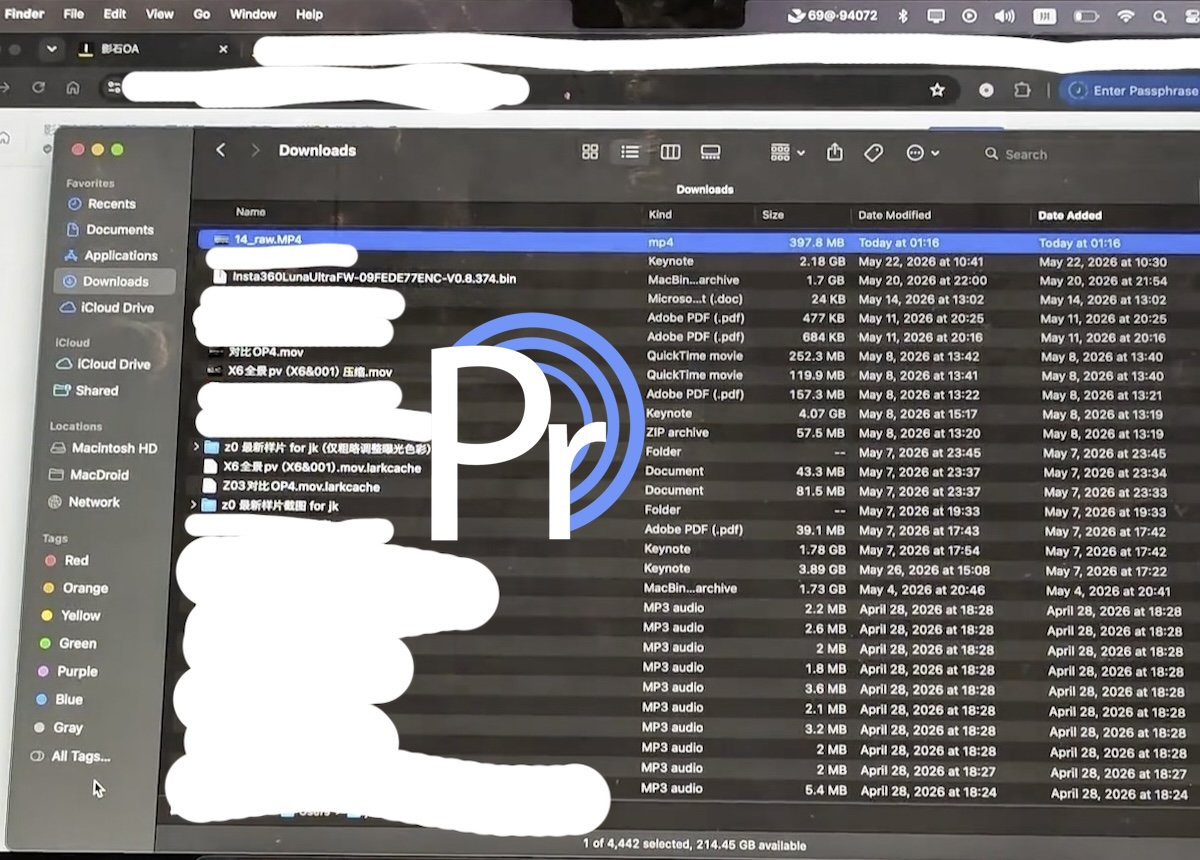
The above screenshot of the Insta360 CEO’s computer was taken from a publicly available video post on Chinese social media and contains some hints on upcoming Insta360 products (check also the ongoing Insta360 sale):

  • From the top, the first item is a Luna Ultra firmware
  • Next is “compared OP4.mov”: OP4 here is most likely a comparison with the OSMO Pocket 4
  • Next is “X6 360 pv (X6&001) compressed.mov”: clearly referring to a new X6 product (the next 360 camera model?)
  • Next is a folder named “z0 latest sample for jk (only roughly adjusted exposure and color)”: the rumored mirrorless camera from Insta360 is called Z0 (this is probably a code name, not a final product name)
  • Next is “X6 360 pv (X6&001) .mov.larkcache”, again the X6 (the next 360 camera model)
  • “z03 compared OP4.mov.larkcache”: this seems to be a new product labeled as Z03
  • The last folder is “z0 latest sample for jk” –  z0 again, the rumored Insta360 mirrorless camera

Update – the Insta360 X6 camera is already registered with the FCC:

The rumored Insta360 mirrorless interchangeable-lens camera will have an MFT mount

Is Insta360 coming up with a new mirrorless camera?


Patent wars: GoPro, Insta360, and DJI – the latest updates

The post Insta360 upcoming products: hints from the CEO’s computer appeared first on Photo Rumors.

The countdown begins: DPReview's new website goes live next week

Back in April, we shared some big news: for the first time since DPReview went live in 1998, we've been rebuilding the entire site from the ground up. This isn't just a cosmetic update or a new coat of paint, but a rebuilding of the entire codebase and migration to a modern web platform we can support for years to come.

After months of work, we're ready to make the switch. This has been a massive undertaking. Beyond building everything that's new, we've had to migrate more than 25 years of content, product databases, widgets, and more to an entirely new system.

It took a little longer to wrap up than we expected, and that was deliberate: we wanted certain things working properly out of the gate rather than rushed. A good example is our Image Comparison Tool, the widget that lets you compare studio scene images between cameras. We haven't just rewritten it for the new site; we've redesigned it to work well on phones and tablets, too.

Here's what to expect over the next few days, and how the change might affect your use of the site.

What to expect

The migration begins tomorrow, Friday, July 3. You can keep using the site as usual during this period, with a couple of limitations:

  • Comments on articles will be frozen so we can migrate them to the new system.
  • Creation of new DPReview accounts (including forum accounts) will be temporarily unavailable.

On Wednesday, July 8, we plan to flip the switch and turn on the new site. From that point, you'll see the new DPReview website in place of the current one.

The forums will not be directly impacted by the migration. If you're already a registered forum user, you can carry on as normal.

Once the new site goes live

Launch day is the start, not the finish line. As with any project of this scale, some things will take some additional time to wrap up. We'll make sure to share a list of work still in progress, along with FAQs covering the new site and how to get support.

We will also set up a dedicated forum thread to log known issues and provide a place to report bugs and ask questions. Some bugs will inevitably slip through, and we appreciate your patience as we track them down and fix them.

In the meantime, we're re-sharing the FAQ we published a few weeks ago, in case anything comes up before launch. Once the new site is live, we'll add more FAQs to cover additional questions we know you'll have.

None of this would have been possible without you. Your feedback over the years – including all comments, direct messages, emails, and the occasional rant – helped shape the new site. We're looking forward to sharing the results and building the next phase of DPReview alongside you.


FAQs

Is the current site broken? If not, why change?

Not broken, but overdue. The site has been running on the same aging codebase for over 25 years, and maintaining it has become increasingly costly and limiting. Moving DPReview onto a modern shared platform with our sister site Gear Patrol means we can invest in new features and improvements far more efficiently than we could on legacy infrastructure while keeping DPReview's editorial identity fully intact. The old system was a ceiling. This removes it.

Will this affect DPReview's editorial content?

Our editorial mandate isn't changing. We'll continue to bring you the same authoritative, unbiased coverage of cameras and photography you've come to depend on, written by the same people.

When can I see what the new site looks like?

We hope to share some sneak peeks in the weeks leading up to launch. You'll be able to see the full site on launch day.

Will the new site be faster?

Yes, the new site will be faster and more reliable for most things. That said, some functions are limited by factors outside our control. Downloading a large sample image, for example, still depends on your connection speed. We can make the site faster, but we can't speed up the entire internet :)

Will the review archive and the camera and lens databases be available at launch?

Yes. We are migrating all our existing content, including articles, reviews and the camera and lens databases.

Will the site still be optimized for desktop users with large monitors?

Absolutely. While mobile is an important part of the new design, we have no intention of short-changing desktop users. We love big, beautiful photos, and if you're on a large monitor, we want you to get the full benefit of that experience.

Will my saved bookmarks still work?

Yes, existing bookmarks will continue to work.

Why do you need to freeze the Challenges system?

The current Challenges system will not be carried over to the new site – we're building a new one that will launch after the site goes live. To avoid any challenges starting under the old system that can't be completed during the transition, we're freezing new challenge creation on April 25th. Any challenges already underway will complete normally before the switchover.

Will this affect the forums?

The new website will not change how our forums work. There may be minor cosmetic updates to align with the new site design, but the forum experience will remain fundamentally the same.

Will the new site have ads?

Yes. Advertising is one of the ways we fund DPReview's operations, and that won't change with the new site.

Will my account and post history be preserved?

Yes. Your account, comments, forum posts, and history will all carry over to the new site.

Will there be further updates after launch?

This is the beginning, not the end. We'll continue to make improvements after launch, and the new codebase will make it significantly easier to introduce new tools and features going forward.

How can I provide feedback?

You can leave a comment below or reach us at community@dpreview.com. Once the new site is live, we'll have a dedicated area of our forums where you can ask questions, discuss the changes, and share feedback.

Meet the bird photographer whose go-to camera is the Nikon P950

When you use DPReview links to buy products, the site may earn a commission.
DSCN1911 - Kathie Thomas

Rainbow Lorikeet eating a fig

Nikon Coolpix P950 | 714mm (2000mm equiv.) | F6.5 | 1/400 sec | ISO 450
Photo: Kathie Thomas

Community member, Kathie Thomas, loves birds. She greatly enjoys getting that shot that shows off a bird's unique color palette and physique, and fortunately lives in an area with hundreds of beautiful bird species.

"Birds are my #1 genre – I just love them. I'm always trying to get that better shot, and when I get a really good one, it's not long before I'm trying to do even better. I am blessed to live in a region with many bird species year-round. Some live here, some are seasonal and some are just passing through. I keep a daily eBird record of the birds I've seen and heard, and of course, a photo with it."

This story is part of our What's in your bag? community spotlight series. The series showcases the diverse gear and photography of our community, and shares their stories of how that gear helped them to capture the perfect shot.

Have your photography featured on the DPReview homepage! Find out how.

DSC 7979 - Kathie Thomas

Male Zebra Finch

Nikon D7100 | AF-S Nikkor 200-500mm F5.6E ED VR @ 500mm | F5.6 | 1/1250 sec | ISO 320
Photo: Kathie Thomas

Meet Kathie Thomas

Home base: Dandenong Ranges, Victoria, Australia

"My uncle was a wedding and portrait photographer and often shared with me what he'd been doing when I was in my early teens. My parents bought me my first camera for my 14th birthday. It's been a journey ever since! My uncle is long gone now, but my aunt tells me that he always wanted to do the type of photography I do, which is nature photography – he never got around to it, sadly."

What's in Kathie's bag

kathie backpack and camera
Kathie's camera bag

Photo: Kathie Thomas

Favorite camera: "Nikon is the brand I've been using for over 20 years now. In fact, my husband gave me my first digital camera in the early 2000s, a Nikon, of course. I later upgraded to a D90, which I wore out after about 6 years, having taken almost 100,000 images with it. I've been a Nikon girl a long time now! I currently have a Nikon D7000, D7100, Coolpix P950 and a variety of lenses. The P950 is my favorite – it's lightweight, and I get excellent bird shots with it."

  • Support gear: Kathie typically carries spare batteries for her P950, as its battery life can be limited during long birding sessions, along with a water bottle and a few snacks for time spent out in the bush or along the coast.
  • Camera bags: "I use a simple, colorful backpack with a zippered compartment against my back, so no one can open it while I'm wearing it. It's big enough to carry my camera, although that's usually hanging at my hip on a shoulder strap."
DSC 4739 - Kathie Thomas

Barking Owl in flight

Nikon D7100 | AF-S DX Nikkor 18-300mm F3.5-6.3G ED VR @ 300mm | F8 | 1/2000 sec | ISO 800
Photo: Kathie Thomas

How has your photography changed since you started?

"It's improved heaps – I understand so much more about it now. I chose to do a Diploma of Photography Course back in 2014, just for the sake of doing it, so I could learn more. But it's the regular usage and learning from other photographers that have really helped me improve. I also belong to a local photography club."

"I learned from a professional nature photographer some years ago, that when tracking a bird, don't look it in the eye, look around elsewhere, move slowly towards it, take a shot now and then, and keep moving slowly without eye contact. It often has helped to get the shots I've wanted – especially before I got my P950."

What trip memories come to mind where you discovered a new bird?

"Many! Before we retired, we used to take overseas trips by plane and by cruise ship, visiting many places. But since retiring, my husband and I have invested in a campervan (motorhome) and have begun traveling around our own country, Australia, and exploring a bit more consistently. My goal is to record as many different species of birds as I can."

Australasian-Darter

Australasian Darter

Nikon D7100 | AF-S DX Nikkor 18-300mm F3.5-6.3G ED VR @ 268mm | F6.3 | 1/1600 sec | ISO 500
Photo: Kathie Thomas

"Don't underestimate your abilities and work at surprising yourself. Move out of your comfort zone and try different things. A friend thought she wasn't very good, but she recently got a Highly Commended in our photography club exhibition. I could tell she was really choked up about it and thrilled. I told her I always thought she did well."

Kathie really enjoyed participating in this spotlight article and would be grateful if you could join her in the forums.

Kathie's work

You can check out her other work on Instagram. Thanks, Kathie, for being featured!

If you'd like to share your photography, tell us about your main camera, lens choices, key settings and strategies. Your photos and story could be featured in the next article!


Editor's note: This article continues a series, 'What's in your bag?', highlighting DPReview community members, their photography and the gear they depend on. Would you like to be featured in a future installment? Tell us a bit about yourself and your photography by filling out this form. If you're selected for a feature, we'll be in touch with next steps.

Submit your photos and story to be featured in 'What's in your bag?'

Two industry titans have buried the hatchet

a camera sits next to a laptop with editing software on the display on a wood table white text is on top of the image
Image: Capture One / Hasselblad

Capture One and Hasselblad are partnering up: a new update is adding support for editing Raw files from some of the camera-maker's medium format models.

At launch, Capture One will support Raw files from the X2D II 100C, the X2D 100C and the CFV 100C digital back. Support for tethering is coming later in 2026 as well.

Capture One long declined to support Hasselblad Raw files, and the company was fairly candid about why. The roots of the tension trace back to Capture One's origins as part of Phase One, a direct Hasselblad competitor in the medium format space, before the two were split into separate companies by private equity firm Axcel in 2019.

In an official support article, CEO Rafael Orta said that the decision came down to both technical considerations and "the nature of our relationship with the manufacturer." He went on to say that "the relationship between Phase One and Hasselblad was notoriously antagonistic, and as I’m sure you’ll know from life experience, it takes a second to blow up a bridge and a very long time to rebuild it."

Capture One Marketing Asset V2
Image: Capture One / Hasselblad

It seems that the bridge has now been rebuilt, and the relationship is strong enough for a partnership. While the tension between the two companies may have eased since Capture One became its own entity, it wasn't a simple step to add support for Hasselblad Raw files. In an interview with Orta ahead of the partnership announcement, he told DPReview that it "takes quite a bit of work to support super-capable cameras, especially the latest generations."

Orta explained that Capture One only adds support for cameras after the team has had a chance to use them and create thousands of images. He said they work to develop a deep understanding of how individual image sensors, file formats, and each brand's color science work.

The process involves very close collaboration with the partner companies, and adding support for Hasselblad Raw files was no different. "Every camera and every manufacturer is special," said Orta. "Each one has its own take on color science and how they process sensor data inside its cameras. We're very dedicated to making sure that when you open that file, you're seeing colors that are true to our standards."

CaptureOnexHasselblad 2
Photo: Capture One / Hasselblad

"The way we see it, it's a labor of love, to be honest," Orta said. "We give each individual device the same process, but we also understand that each device has its own technology."

"Tomorrow is the start line, and we're excited to see where photographers take this"

The new Raw support and upcoming tethering won't be the extent of Capture One's partnership with Hasselblad, according to Orta. "Tomorrow is the start line, and we're excited to see where photographers take this," he said.

Raw support for the X2D II 100C, the X2D 100C and the CFV 100C digital back is available starting today. Users will need version 16.8.3 of the desktop app and version 3.3.4 for the mobile app. A free seven-day trial is available from the Capture One website.

Press release:

HASSELBLAD AND CAPTURE ONE PARTNER TO BRING NATIVE HASSELBLAD RAW SUPPORT

Photographers can now develop their Hasselblad medium format RAW files natively in Capture One. Tethered capture support follows later in 2026.

GOTHENBURG, Sweden, and COPENHAGEN, Denmark — July 2, 2026 — Hasselblad and Capture One today announced a partnership that brings native support for Hasselblad medium format cameras to Capture One. Photographers can now import, organize, and develop their Hasselblad RAW files (.3FR) directly in Capture One, with the full toolset of layers, masks, color editing, and precision adjustments. Support spans three of Hasselblad’s 100-megapixel models from day one: the X2D II 100C, the X2D 100C, and the CFV 100C digital back.

Tethered capture will follow later in 2026.

A native workflow, years in the asking

Native Hasselblad support has been one of the most frequently requested additions to Capture One for years, raised by photographers across community forums, feature-request boards, and social channels.

Until now, bringing those files into Capture One meant conversions and workarounds that cost photographers color fidelity and editing latitude. That step is gone – Hasselblad images now open natively, ready to develop with the same tools photographers use for the rest of their work.

"Since the beginning, Hasselblad has been driven by a passion for photography and a commitment to giving photographers the tools they need to realize their creative vision. We are excited to make Hasselblad technology accessible to a wider audience. Together, we are empowering more creatives with best-in-class tools to bring their vision to life and create exceptional photography."

Bronius Rudnickas, Global Marketing Manager, Hasselblad

Built specifically for Hasselblad

Hasselblad cameras are known for their image quality, and the integration is built to preserve it.

The support is bespoke, not generic: dedicated color profiles were created for each model, so Hasselblad files render with the same true-to-life color Capture One users know and love, while dedicated lens profiles for Hasselblad XCD lenses correct distortion, chromatic
aberration, and light falloff.

"Photographers have asked us to bring Hasselblad’s image quality into Capture One’s platform for years. This partnership delivers exactly that, empowering even more photographers with everything they need, from initial inspiration to final image. It’s a collaboration the photography community has wanted for a long time, and we’re glad it’s finally here."

Rafael Orta, CEO, Capture One

Tethered capture to follow later in 2026

At launch, the partnership covers native RAW file support, so photographers can develop both existing and new Hasselblad images in Capture One. Tethered capture, which connects a Hasselblad camera directly to Capture One for live, on-set shooting, is planned
for later in 2026. [Exact timing to be confirmed.]

A step for both companies

For Capture One, the partnership continues a long commitment to supporting the professional camera systems photographers rely on, now welcoming Hasselblad alongside the many brands already supported in the software. It reflects a shared priority: giving photographers the freedom to pair the cameras they love with the software they trust.

Availability

Native support for Hasselblad RAW files is available today in Capture One from version 16.8.3 and Mobile version 3.3.4. for the three supported models. Tethered capture is planned for later in 2026. A free 7-day trial of Capture One is available here.

We retested the Panasonic L10, just to be sure

When you use DPReview links to buy products, the site may earn a commission.
Panasonic L10 in front of the DPR studio scene
Photo: Richard Butler

When we wrote our review of the Panasonic L10, we tried to make sure we put the studio comparison into context. For mirrorless cameras and DSLRs we use good prime lenses, stopped-down to the point that their performance is reliably excellent: zoom lenses and, in particular, the downsized, retractable zoom lenses in compact cameras, can't match up to this standard. As a result, compacts don't look quite as impressive.

Our test scene lets you compare images in incredibly fine detail, revealing differences that you wouldn't see in most real-world situations: they exist but that doesn't mean they matter. That's exactly why we also post a gallery of real-world sample images so that you can relate the things you see in the studio scene to their photographic impact.

We'd gone through our usual processes for compact cameras: carefully align, shoot a series of images, compare to cameras we'd expect to perform similarly, then do it again at a different focal length, to make sure we were representing the camera fairly.

However, we still saw some concerns expressed that we were testing a "faulty" or sub-standard copy. Just to be certain, we requested another L10, to see whether we'd get a significantly different result.

Test and retest

Image Comparison
This widget is not optimized for RSS feed readers. Click here to open it in a new browser window / tab.

It didn't. With the first copy, we found that the 75mm setting looked better than the 50mm we'd used on the LX100 cameras. The difference was much smaller on the second copy. Both copies could be a touch sharper at the center at 75mm whereas 50mm equiv was less sharp at the center, more consistent out to the corners, which is presumably why we chose it for the LX100s.

Multiple focus attempts, using both manual focus and autofocus, appear to suggest that a lot of the softness in the corners is a result of curvature of field: a non-flat focus field, meaning it's not possible to get the whole of the chart in focus at the same time. The images with the sharpest center focus had worse looking corners than the images with slightly miss-focused center.

Ultimately we were able to shoot some images that are sharper at the center than the ones displayed in our image comparison tool, but they have visibly less sharp corners. The second copy of the camera also appears less consistent, with what appears to be slight decentering sometimes affecting the top left corner.

The images between the two cameras are similar enough (decentering aside) that we don't think we can get consistently better images from the second copy than the ones already in the scene. Those images already exhibit aliasing – a sign that the lens is resolving detail beyond the level the sensor's resolution can accurately capture – suggesting the lens is doing a good job. You just need to consider the context of how finely you're scrutinizing them and how impossibly the high the standards set by good, prime lenses are.

Was it worth the effort?

We re-tested the L10 because we want to make sure our image comparison tool shows all the cameras in it in as fair a light as possible. And if that means re-doing some of the work and re-checking our assumptions to ensure our standards are maintained, then it's worth doing.

See how the L10 looks in the real world

What you missed in the DPReview community: June 2026

Cameras

Photo from a Question of the week entry that didn't make it into the original article. This is a photo of community member, Blufftonian's memorable camera collection.

Photo: Blufftonian

A ton of great content and related photography is created by the DPReview community in our forums: lively discussions, sharing of gear and photography in spotlight articles, collaborative photo events and more. In this "What you missed" roundup for June, we highlight community forum activity from the past month, including some of the photography that didn't make it into articles.

Scroll down to the section of interest as previewed in this list:

  • Article of the month: Joining a local photography group
  • 'What's in your bag?' community member spotlights
  • Question of the week
  • Join our collaborative photo chain
  • Discussion of the month: Why is it so difficult to buy a first camera today?

Article of the month: Joining a local photography group

abby-ferguson-a small group of people gather on a beach

"A group shot (excluding me) of that first meetup that I attended."

Photo: Abby Ferguson

DPReview's Features Editor, Abby Ferguson, wrote a great piece about the benefits of joining local photography groups. As a community manager, I naturally found this article fascinating and the kind of advice I feel all of you would find a great insight into photographers outside our forums. After reading her article, I even took it upon myself to look up some photography groups in my local corner of Texas, United States.

"Despite my reluctance, I knew meeting other photographers would only be a good thing. Plus, as this is a place my husband and I will be for the long term, I wanted to set down some roots and finally make some connections here. And so, last fall, I finally put aside my reservations and attended a meetup." - Abby

What's in your bag? A community member spotlight

Every week, we spotlight a community member's unique photographs and gear in our 'What's in your bag?' series. The series highlights a reader's favorite camera gear and how they use it. You'll also get tips and tricks on capturing your own photography.

EOA2026  8 of 8  - Mark Lamb

"Soot-blackened steam traction engine driver – the youngest in the country. Seen at the Pickering
traction engine rally in the north of England."

Photo: Mark Lamb

Mark Lamb shared his portrait photography in celebration of our week of portrait-themed community content. Below is an interesting excerpt from Mark's story about his fondness for portrait photography in Britain. The photo above is a new one he provided us that we couldn't fit into the article.

"In recent years, my work has become centered on a long-term project called One Thousand Contemporary Portraits, an attempt to create a broad and inclusive portrait archive of contemporary Britain. The project has taken me from fishing communities and military veterans to Goths, performers, campaigners, artists and ordinary people whose stories might otherwise go unrecorded."

Check out this month's other reader spotlights:

See all 'What's in your bag?' spotlights

Question of the week: we ask, you tell

Every other week, we ask the community a question about their photography, usually on a specific topic, with the results spotlighted on DPReview's front page and in the forums the following week. There are often many great photos submitted that we don't get a chance to spotlight them all in a single article.

Here is a newly revealed reader's photo and excerpt of their story from the latest question.

What camera is your most memorable?

thorstenwulff-nikon-tmax-400-titel 3k
57thstreet 3k
Photo: thorstenwulff

Featured quote: "My first love was the F3. In the summer of 1987, she went to New York with me and a box of T-Max 400. Paired with a 24mm F2.8 lens, it was my perfect combo for street photography, even if you had to get a bit closer. The other lens was the 105mm F2.5. In early May this year, I took them back to Manhattan, but was put off a bit by the flood of gimbal-toting influencers everywhere Instagram deems worthy of a shot. This couple is one of my favorite pictures from 39 years ago. I love the tenderness between them." - thorstenwulff

See what other questions we ask

Participate in community-led photo initiatives

Seattle Boat Parade

Seattle boat parade

Photo: Dale Baskin

Every week, new community-created photo discussions and mini-challenges pop up across the forums. Usually, these start as a discussion about a particular camera brand or type of photography. For the month of June, we wanted to highlight Alan WF's invitation to take fresh photos with your adapted lens cameras.

Visit our Community photo threads index for the latest opportunities to share a photo from your collection. We would also love for you to participate in DPReview's own initiatives: Weekly photo exhibitions and the new Collaborative photo chain.

Discussion of the month: Why is it so difficult to buy a first camera today?

FrancoD-canon
Photo: FrancoD

Community member, BernardoSC, asked a great question in the forums that has gained quite a bit of traction. He asked everyone, "Why is it so difficult to buy a first camera today?" This is an excellent question, BernardoSC! I have asked this question of myself recently about various purchase interests, from cameras to computer equipment.

Here is a peek at what others had to say:

JT26: It's hard as there are so many options now. New cameras and new versions of the above are using new tech and are not sold in millions like they used to be, so they are naturally more expensive.

ahaslett: The optical viewfinder is what limits your choice. Apart from retro designs, cameras these days are nearly all mirrorless. There isn’t much between a phone and a camera for £1,000, given how fast phones have improved.

Plankowner110: In the 1960s, you simply adjusted aperture, shutter speed, and focus ring, and it didn't matter if you were using an inexpensive Sears Tower (camera) or a rugged pro-body Nikon F. The major variable was selecting which film to use. Cameras all operated basically the same way, and one could easily pick up any brand of camera and begin shooting. We didn't have to peruse a myriad of menu settings or press tiny re-programmable buttons all over the camera body.

Discuss buying a first camera today

What community content did you enjoy reading, and what more would you like to see in these regular updates? Let us know in the comments below.

For even more content directly from our readers, join the discussion forums and share your camera gear and photography curiosities!


Editor's note: Future editions of this article may include camera use and photo-taking tips and tricks, additional quotes from community members in various discussions and more. If you are interested in seeing community content presented this way, please let me know.

From coral reefs to abandoned theaters: meet the 2026 Hasselblad Masters

Hasselblad Masters 2026 winners

ARCHITECTURE- Kevin Boyle II
Photo: Kevin Boyle

Hasselblad has announced the winners of the Hasselblad Masters 2026 photography competition. The contest awarded 7 photographers from 70 finalists, chosen from more than 108,000 submissions across 160 countries.

Winners were selected across seven categories: Landscape, Architecture, Portrait, Art, Street, Wildlife, and Project//21. The winning photographers were selected by the Hasselblad Masters Grand Jury, which included representatives from National Geographic, Magnum Photos, Aperture Magazine, Getty Images, Foam, The Metropolitan Museum of Art and the Three Shadows Photography Art Centre. Images were chosen based on their conceptual strength, originality, creativity and technical excellence.

The competition drew some attention earlier this year when Hasselblad confirmed it had disqualified one shortlisted photographer for including AI-generated elements in violation of competition rules, replacing them with a new finalist. It's worth noting that the finalists were selected through an internal selection process at Hasselblad, not by the acclaimed photographers on the Grand Jury. A representative has confirmed that all of the winning images were "thoroughly vetted, and EXIF data was confirmed," and that they are all authentic photographs.

Each winner receives the title of Hasselblad Master, a Hasselblad medium format camera, two XCD lenses, and a €5,000 creative fund. Their work will also be featured in the commemorative Hasselblad Masters book.

We're showing one image per winner below, but you can view all three selected images for each photographer on the Hasselblad Masters website. Traditional captions and EXIF data were not available, and the descriptions and jury quotes accompanying each image are taken directly from Hasselblad's competition materials.

Art winner: Yudha Kusuma Putera

ART  Yudha Kusuma Putera

Yudha Kusuma Putera | Waste Colonialism (Sapi-Sapi Piyungan) | Indonesia

Rooted in everyday life and inspired by its complexity, Yudha Kusuma Putera turns a keen eye toward the social issues that hide in plain sight, exploring the tensions between humans, nature, and the systems we build around us.

The winning images are part of a project examining how developed nations export their waste to developing countries, where labor and costs are lower. This logic repeats on a smaller scale too: within cities, landfills are built on the outskirts, kept out of sight and out of mind. At Yogyakarta's Piyungan landfill, a city's waste is sorted by scavengers and consumed by cows, quietly piling up into a second hill.

He photographed the backs of these cows stacked together, with their forms mirroring the landscape of trash around them. The work does not seek to assign blame, but to invite collective reflection on the waste we produce, and the futures we are building from it.

"On the surface, the images appear direct and unambiguous, and yet they consistently resist easy reading, generating a sense of visual uncertainty that keeps the viewer engaged and questioning. The images do not announce themselves loudly, but reward sustained attention with a slow-building sense of strangeness that is both intellectually stimulating and visually striking," says Kalle Sanner, Executive Director at the Hasselblad Foundation.

Architecture winner: Kevin Boyle

ARCHITECTURE- Kevin Boyle

Kevin Boyle | DaySleeper | Movieland | Canada

Kevin Boyle was shaped by the open skies and close-knit communities of the Canadian prairies. After the loss of his father, he returned home, only to find the places he once knew hollowed out and silent, their gathering spaces boarded up and left to disappear. For over ten years, his photographic journey has been a profound tribute to the abandoned architecture of North America's local communities.

The winning series is comprised of photographic montages, with each part of the building lit with flashlights and blended in post-production to create an ethereal 'portrait' of once important gathering places. Through his lens, these forgotten spaces become vibrant, glowing symbols of community heritage and shared human connection.

"The composition, and the fact that the images are empty of people, triggers our imaginations, taking us back to a time when these buildings would have thrived with the community meeting for evening entertainment. By making this series, the photographer invites us to consider the myriad of small venues that make up the social fabric of small communities," says Sonia Jeunet, Photography Consultant and Education at Magnum Photos.

Portrait winner: Svetlana Jovanovic

PORTRAIT-Svetlana Jovanovic II

Svetlana Jovanovic | Otherness | The Netherlands

With a psychology background, Svetlana Jovanovic's portraiture is driven by a deep curiosity about identity – how we experience the world, construct our sense of self, and see ourselves through the eyes of others. Her style brings together fine art portraiture and a commitment to visual beauty, believing that the conceptual and the aesthetic are inseparable: each gives the other meaning.

The winning images are part of Otherness, an ongoing long-term project exploring identical twins and the tension between shared identity and individual presence. While twins share so much, it is the small differences that emerge over time, the subtle ways each person's character becomes visible within the shared image, that lie at the heart of the work. Each portrait is a collaboration, shaped as much by the relationship between the twins as by the photographer's own vision, inviting viewers to reflect on how we define ourselves both apart from, and through, one another.

"Through precise use of light and composition, this portrait series explores the themes of mirroring and duality. Whether capturing two sides of the same face or the closeness of two kindred souls, the images reveal subtle layers of emotion with quiet precision," says RongRong, Co-founder and Artistic Director at The Three Shadows Photography Art Center.

Landscape winner: Rohan Reilly

LANDSCAPE Rohan Reilly II

Rohan Reilly | Ephemeral Visions | Ireland

Rooted in the discipline of a composer, Rohan Reilly's images strip away complexity to reveal the essentials, which are texture, tone, and stillness. His signature long-exposure technique transforms moving water and shifting skies into silk-like surfaces, while vast negative space and low saturation give his work a poetic, meditative quality that transcends documentation. The process is one of patience and preparation: studying weather patterns, returning season after season, and waiting for the precise conditions that cannot be engineered but only earned.

This winning series captures a row of poplar trees planted along the banks of the River Po in Italy, which are natural guardians against flooding, now standing immersed in perfectly still water beneath soft, diffused light. What was once a purely functional landscape transforms into something surreal and dreamlike. In this quietly breathtaking scene, the photographer's vision can find its fullest expression: nature distilled to its core, and time momentarily held still.

"A forest of birch trees could be a monotonous subject. But these photographs are hypnotic objects of meditation, creating something expansive through repetition and ostensible sameness," says Zack Hatfield, Managing Editor at Aperture Magazine.

Project//21 winner: Panitbhand Paribatra Na Ayudhya

PROJECT 21-Panitbhand Paribatra Na Ayudhya III.jpg

Panitbhand Paribatra Na Ayudhya | Dwellers of the Night | Thailand

Panitbhand Paribatra Na Ayudhya is a young underwater photographer and scuba diver from Thailand. His work is rooted in a quiet dedication to the ocean, documenting its life, its fragility, and the ecosystems that sustain it, in the hope that what is seen through his lens will not be forgotten.

His winning series was captured in the waters of Anilao, Philippines, where pelagic and larval marine life migrate from the depths each night to feed under the cover of darkness. Using slow shutter speeds to capture the elegant motion of his subjects, and carefully chosen coloured lighting to reveal their form and beauty, he illuminates a world rarely seen. For the ribbon eel, a diffused warm light conjures a subtle sunset behind the subject – crowning it as a master of the night. Some of these creatures spend their entire lives in the open ocean, making the pelagic ecosystem as fragile as it is extraordinary.

"I'm drawn to the quiet whimsy of these sea creatures. Set against black, the creatures feel almost otherworldly- strange, delicate, and entirely captivating. There’s a simplicity to the presentation that allows their inherent oddness to shine, reminding us how unfamiliar and compelling the natural world can be when seen without distraction," says Alex Pollack, Director of Photography at National Geographic.'

Street winner: Gosse Bouma

STREET-Gosse Bouma

Gosse Bouma | Morning Ritual | The Netherlands

Gosse Bouma is a photographer whose work is driven by a quiet pursuit: to offer moments of tranquility in a world that rarely slows down. His distinct style lies at the intersection of urban geometry and natural elements, pairing the hard lines of architecture with the soft, unpredictable textures of weather. Each photograph is infused with the intention of invoking serenity amidst the chaos of everyday life, creating visual experiences that invite stillness and reflection, even if only for a fleeting moment.

His winning series, taken across the Netherlands, turns to the street market as its subject, a space where people of all ages and backgrounds meet, exchange a few words, share warmth, and move on. In capturing these small, unhurried encounters, Bouma preserves something increasingly rare in contemporary life: a genuine sense of togetherness.

"The photographer understands atmosphere, scale and timing. The small lit kiosks within the vast blue urban emptiness create images that feel both intimate and monumental. Here, genuine photographic tension emerges. The series uses color structurally, not decoratively. Mist, artificial light and architecture form one coherent world," says Aya Musa, Senior Curator at Foam.

Wildlife winner: Alfred Minnaar

WILDLIFE Alfred Minnaar III

Alfred Minnaar | The Forest I Roam | South Africa

Alfred Minnaar's creative process often begins with observation and patience. Rather than simply documenting his subjects, he seeks to understand their behavior, environment, and relationship with the surrounding ecosystem. Over a decade of global exploration, his fine-art philosophy has evolved from a traveler's passion into a powerful voice for conservation, capturing fleeting deep-sea and wildlife narratives to inspire the preservation of our planet.

The winning images of a tiny goby living amongst coral were created to challenge our perception of scale and encourage viewers to look closer. Rather than focusing solely on the fish, the photographer wanted to use it as a point of reference within a much larger world. By placing the goby within its environment, the reef itself becomes the subject, inviting viewers to imagine its vastness from the perspective of one of its smallest inhabitants.

"The vibrancy of the palette immediately draws you in, and the way the small fish are framed against their environments creates a sense of scale that almost reads as landscape. There’s a nice balance here between detail and composition, with the micro subjects holding their own within a larger, almost abstracted environment," says Alex Pollack, Director of Photography at National Geographic.

❌