 Connexion
What else is new?
17 août 2026 à 22:56


We’re testing the new Pixel 11 Pro XL. Watch the unboxing, then tell us what questions you have.
 DPReview Staff
We recently got our hands on the new Google Pixel 11 Pro XL smartphone, and it’s time to do some testing.
In addition to shooting a sample gallery to test the new cameras, we’re also planning to test two new features Google rolled out alongside the Pixel 11 series: Camera Looks, which let you customize how your photos look at the moment of capture, including presets Google claims will look “less processed,” and Magic Capture, a mode that captures photo and video simultaneously and uses AI to automatically select the best shots and a highlight clip once you’re done.
But before we dive in too far, we wanted to know what questions you have about Google’s newest Pixel Pro smartphones. Let us know in the comments, and if there’s something you’d like to see us test, let us know that too.
Want to stay up to date on the latest product news and releases? Add DPReview as a preferred source to ensure our independent journalism makes it to the top of your Google search results.
The company has been hard at work on advertising its products to people nostalgic for offline summers (and perhaps ones spent playing Pokémon).
PolaroidPolaroid is teasing something new coming tomorrow, posting a graphic on its social media page inspired by the hugely successful video game franchise Pokémon, implying that it could be some sort of collaboration. The post’s caption says “Something’s almost ready to show itself… revealed on August 18th.”
It’s always possible the company is riffing on a meme format to tease a completely new product, but if we had to guess, it seems more likely that it’ll be an existing product with a Pokémon theme. The silhouette in the image looks a lot like the existing Polaroid Go with a Pikachu tail, and we’ve seen instant cameras made to reference the franchise’s most recognizable character before. It’s also not out of the question that the announcement is about a co-branded film, rather than a camera; the company has done both, releasing cameras with Thrasher and MoMA liveries, and films with Pantone-colored frames.
Whatever it is, it’s more than likely it’ll be something camera-related. There was a time when the Polaroid name and logo appeared on a wide array of products that had very little to do with taking photos, from TVs to AA batteries, thanks to other companies licensing the brand. While this practice is still alive and well in the industry, it seems to be less common with Polaroid after it was purchased by the same person who owned the Impossible Project, leading to film and cameras once again being sold under the company’s name.
Recently, the company has been going after an audience tired of screens and phones, with its “the best summer is analog” campaign. The target audience clearly skews younger, the kind of people who would’ve grown up playing Pokémon games on their Nintendo DS or smartphone. So a collaboration between the two makes sense, tugging at people’s nostalgia for a time when the devices in their pocket were for having fun, rather than doomscrolling. Whatever it is, we won’t have to wait very long to see it fully unveiled.
Want to stay up to date on the latest product news and releases? Add DPReview as a preferred source to ensure our independent journalism makes it to the top of your Google search results.
ON1 says its 2027 release rebuilds the AI from the ground up, adding subject-aware model selection and deblurring, and keeps the one-time purchase model that separates it from subscription-based rivals.
ON1Photo editing software company ON1 has announced a new version of its standalone, AI-powered noise reduction software, NoNoise AI 2027. The company also says it’s updated the TackSharp AI deblurring models in NoNoise AI for sharper images with less noise.
One of the standout features of ON1 NoNoise AI 2027 is the addition of a model selector that matches a particular AI model to the subject of the photographs. ON1 says that it built the models for the situations when photographers are most frequently dealing with noise. That includes astrophotography, portraits and wildlife, though there’s also a general model and one made for ISOs greater than 128,000. Additionally, it offers a film scan-specific model, which presumably will maintain some natural film grain.

ON1 says that the models will remove noise while retaining texture and details such as feathers, fur and starlight, resulting in a cleaner, more natural image that doesn’t look smoothed over. While you can select the model manually, it will also automatically match the right option to your subject.
The 2027 release also brings an updated TackSharp AI, its deblurring engine that promises to make images that were slightly soft look in focus without adding noise or artifacts. As with the noise reduction, TackSharp AI provides access to the model selector. It also provides access to automatic subject and background masking to sharpen or reduce noise in specific areas, and native support for Windows PCs that use Arm-based processors. ON1 has also added expanded Raw file support for more than 30 camera models, though it didn’t specify which ones.

ON1 NoNoise AI 2027 is available for pre-order today for $70 ($50 for ON1 owners) and will be available in late September 2026. As with previous versions, it is available for Mac and Windows and can be used as a standalone app or as a plugin for Lightroom Classic, Photoshop, Capture One and more. The 2027 version is also included in the ON1 Photo Studio Subscription.
Want to stay up to date on the latest product news and releases? Add DPReview as a preferred source to ensure our independent journalism makes it to the top of your Google search results.
A recent podcast interview covers street photographer Richard Bram’s background, his philosophy on chance and intention and the specific moment he believes transforms a captured scene into something that resonates.
EyeshotAmerican street photographer Richard Bram has spent more than four decades finding small gestures and stories in public spaces. In a recent episode of the Eyeshot 50mm podcast, Bram reflects on his self-taught route into photography and his creative philosophy, resulting in a wide-ranging conversation that offers interesting insights and practical advice for anyone trying to improve their photography, particularly on the street.
One of the things that stood out to me most was Bram’s view on what takes an image from reality to fiction and how important context is. “I think when you click a shutter, it goes from reality to fiction just automatically,” he says. “Reality is four dimensions because there’s time. A rectangle is three dimensions, so it’s frozen, it’s pulled out, it’s completely out of context.”
I also found it interesting that he points photographers toward painting as a resource for understanding light. Studying how painters from different eras constructed light and shadow, he suggests, can sharpen your ability to read and use available light on the street in ways that photography tutorials rarely cover.
The conversation is aimed at street photographers, but the ideas apply to anyone interested in photography, no matter what the genre. Whether you shoot portraits, landscapes or anything in between, Bram’s perspectives are useful challenges if you’re looking to improve your photography. There are many more fascinating thoughts throughout the conversation that I didn’t cover here, making it well worth listening to.
Want to stay up to date on the latest product news and releases? Add DPReview as a preferred source to ensure our independent journalism makes it to the top of your Google search results.
Several new Chiens lenses are expected to be released at the upcoming BIRTV2026 show in Beijing, China (August 19 – 22, 2026):
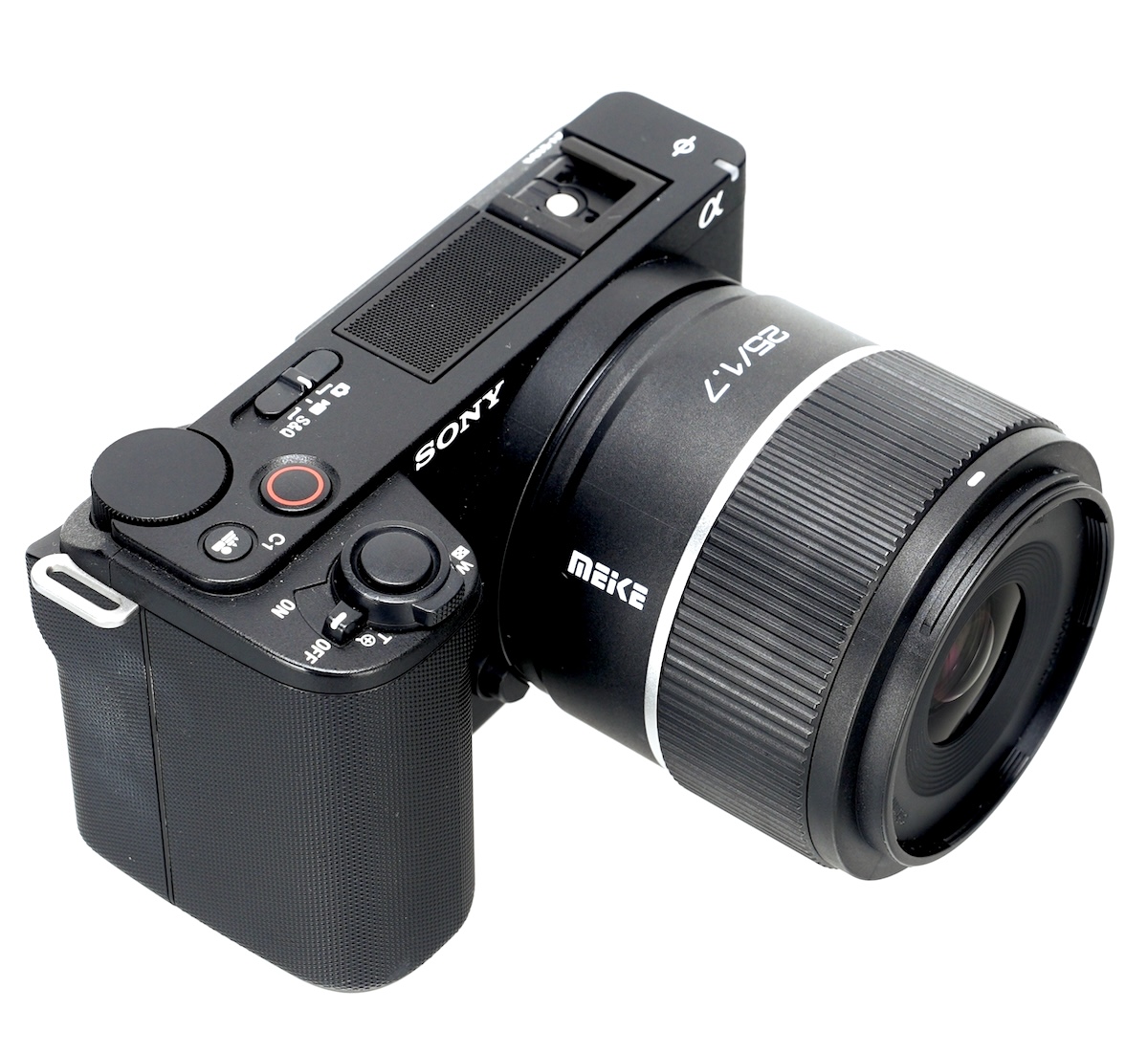
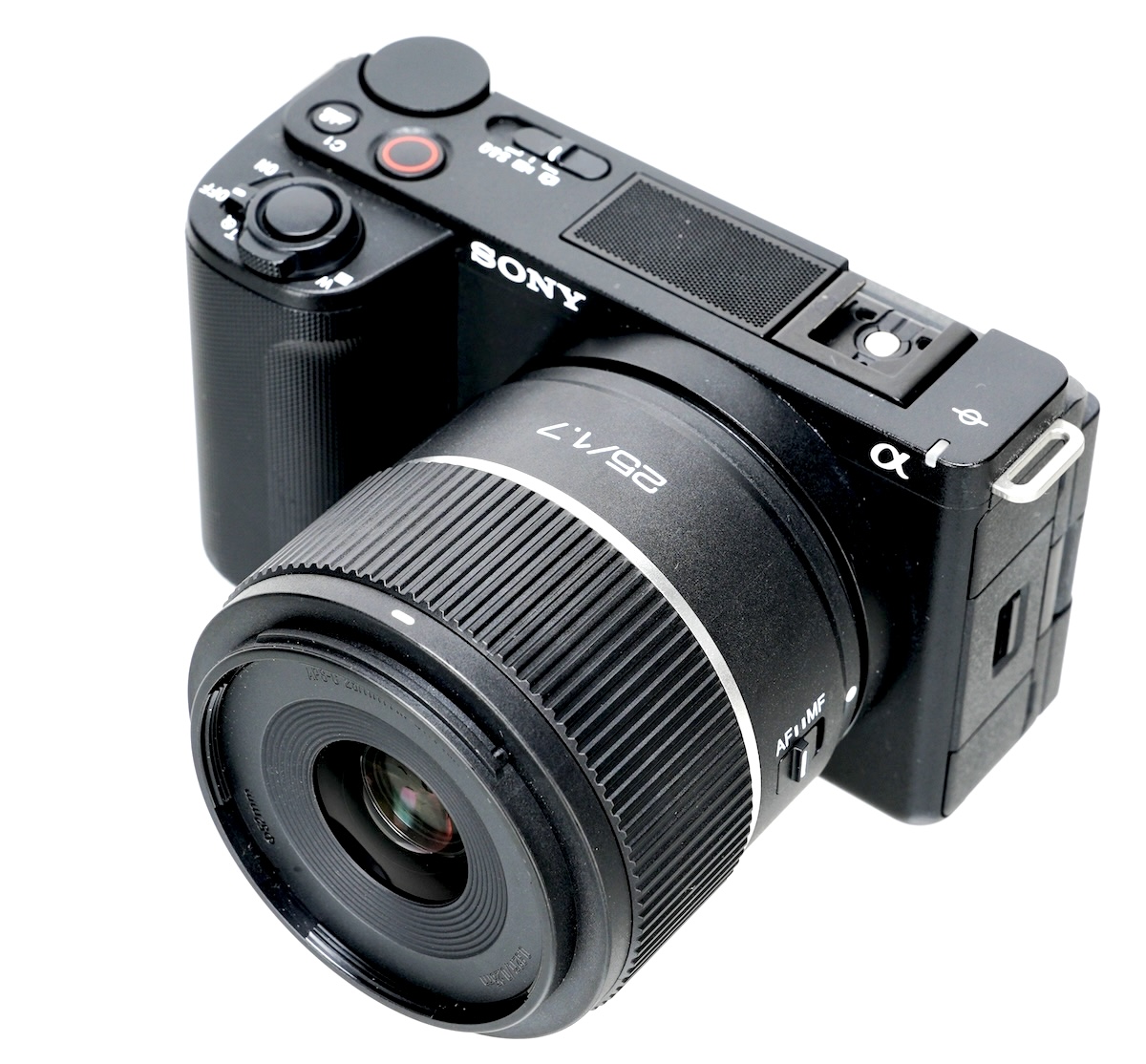

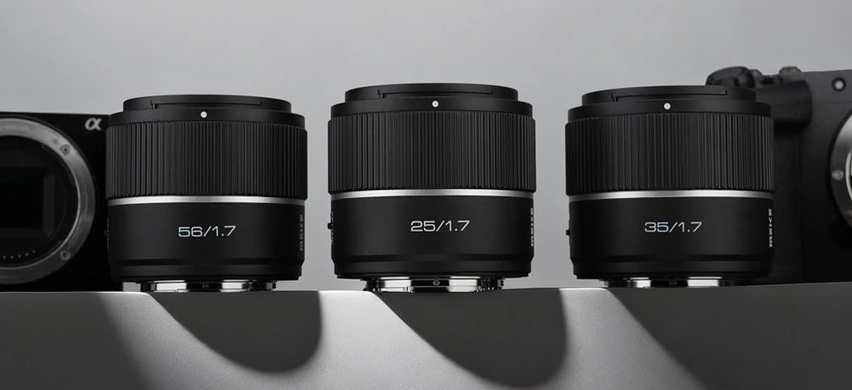
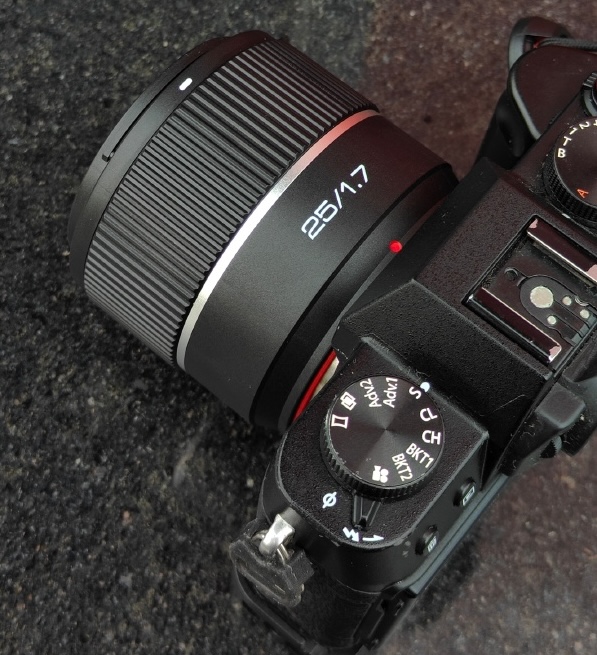
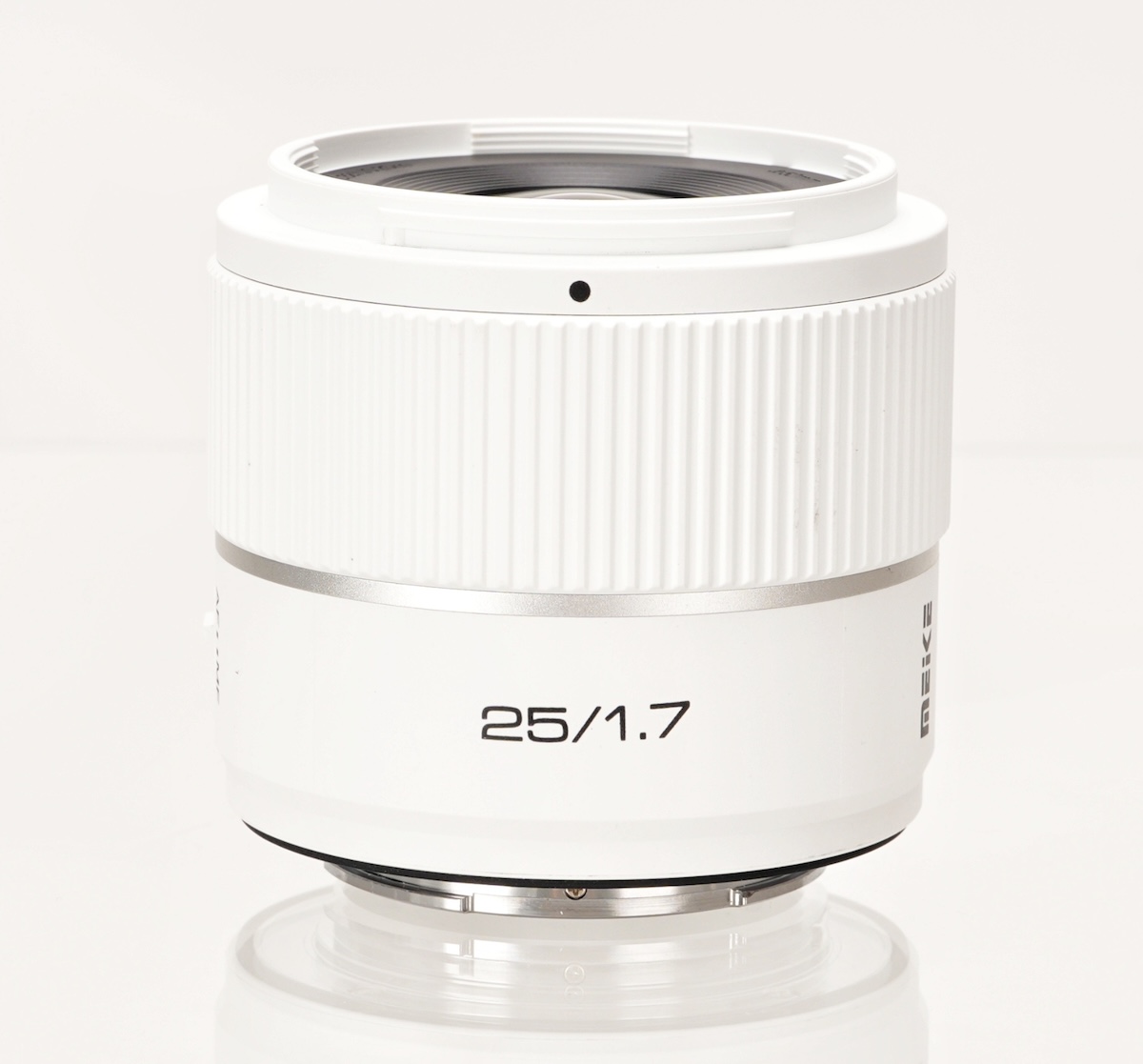
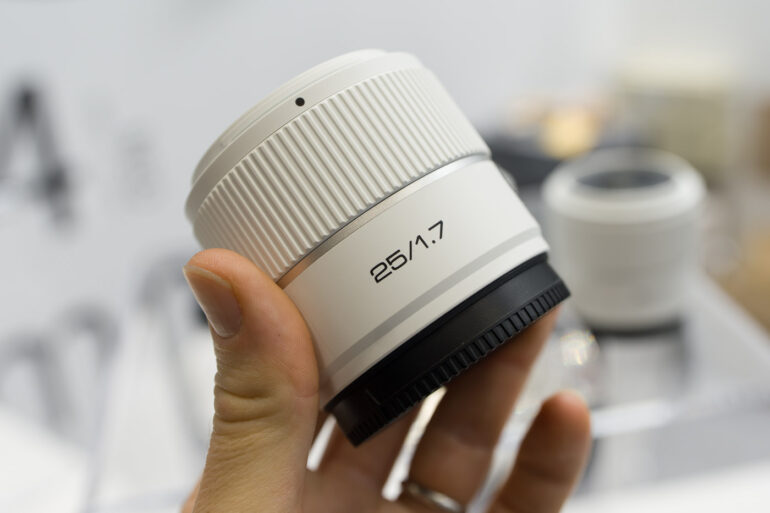
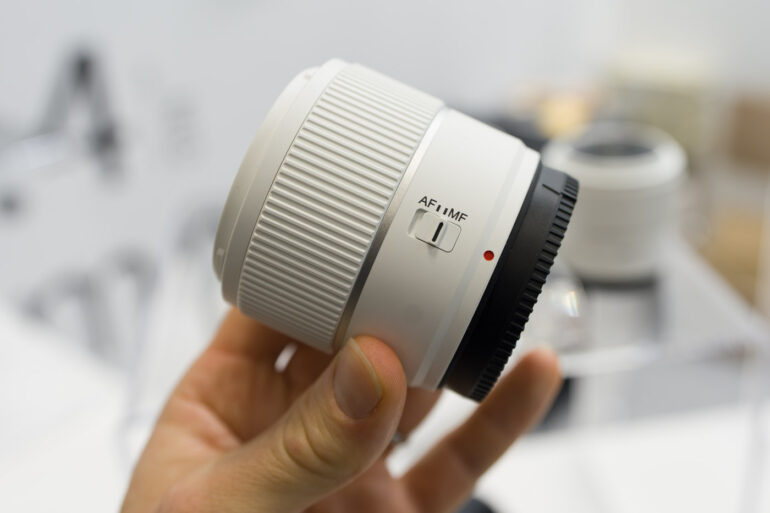
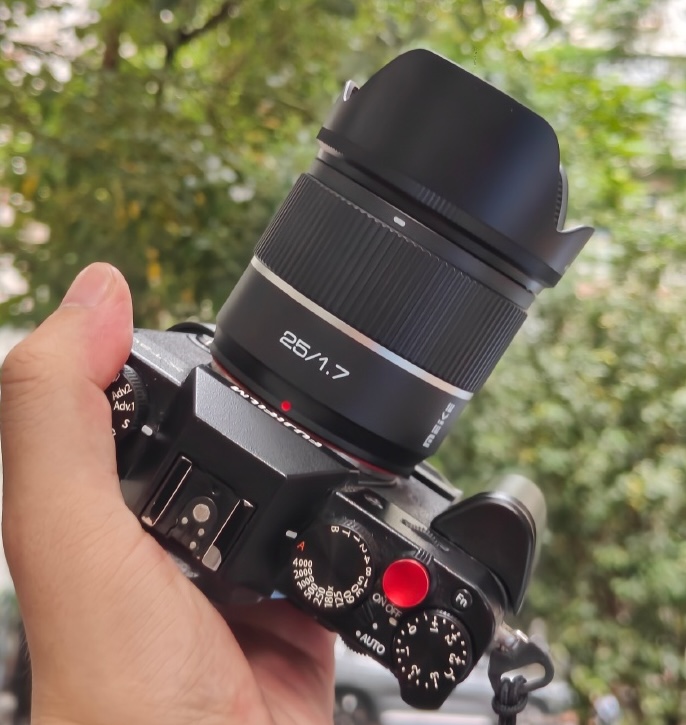
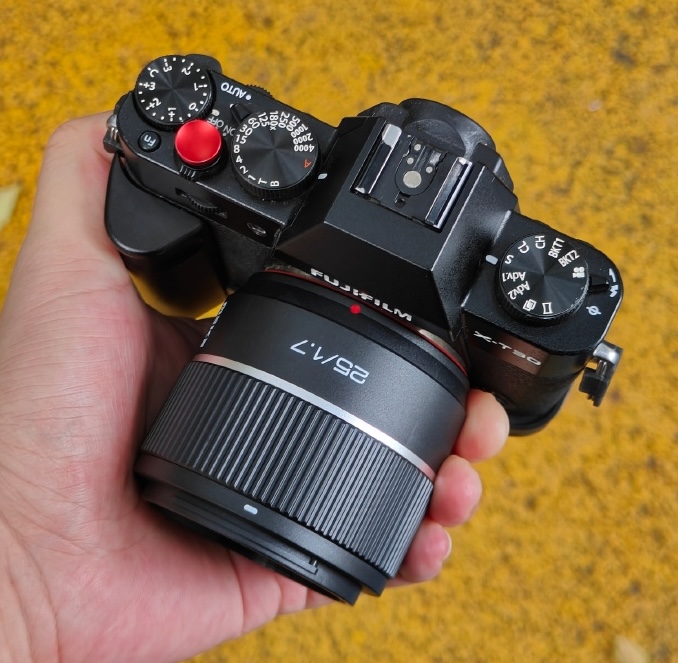
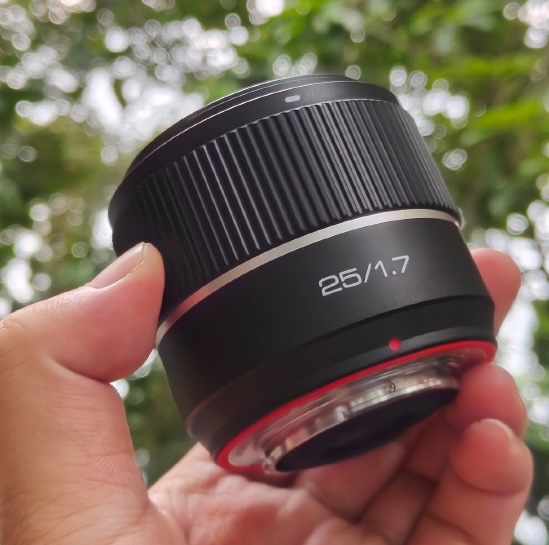
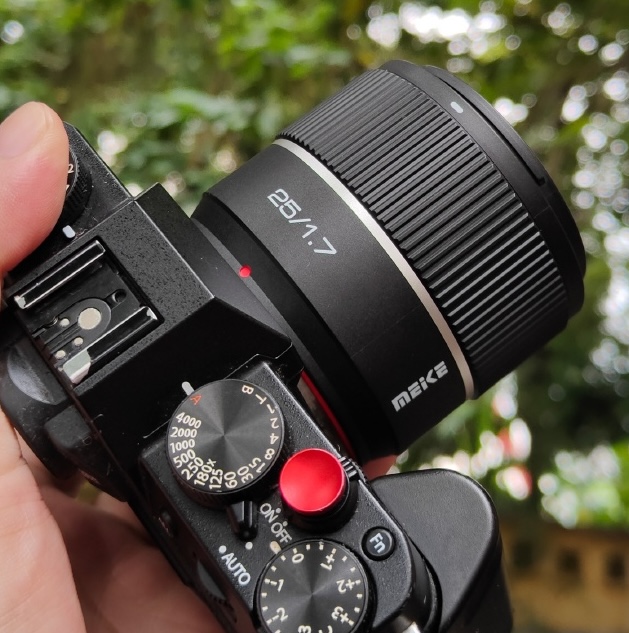
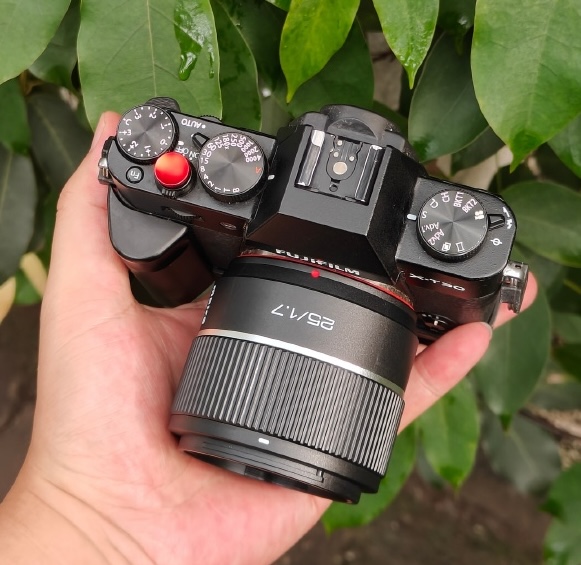
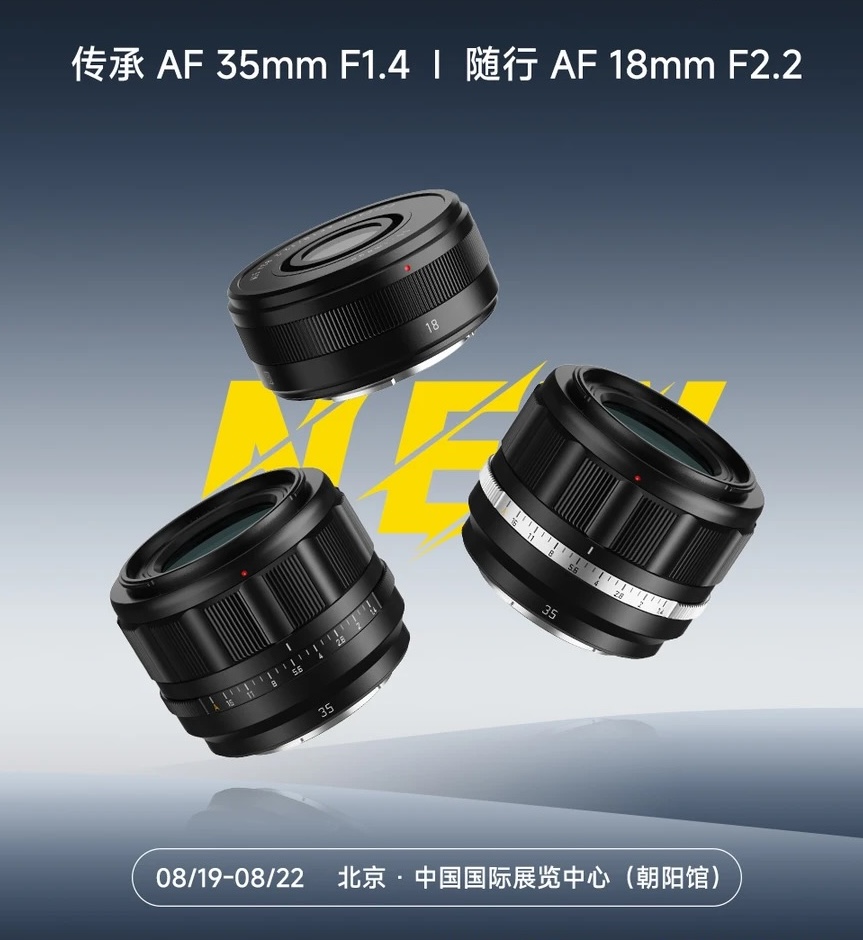
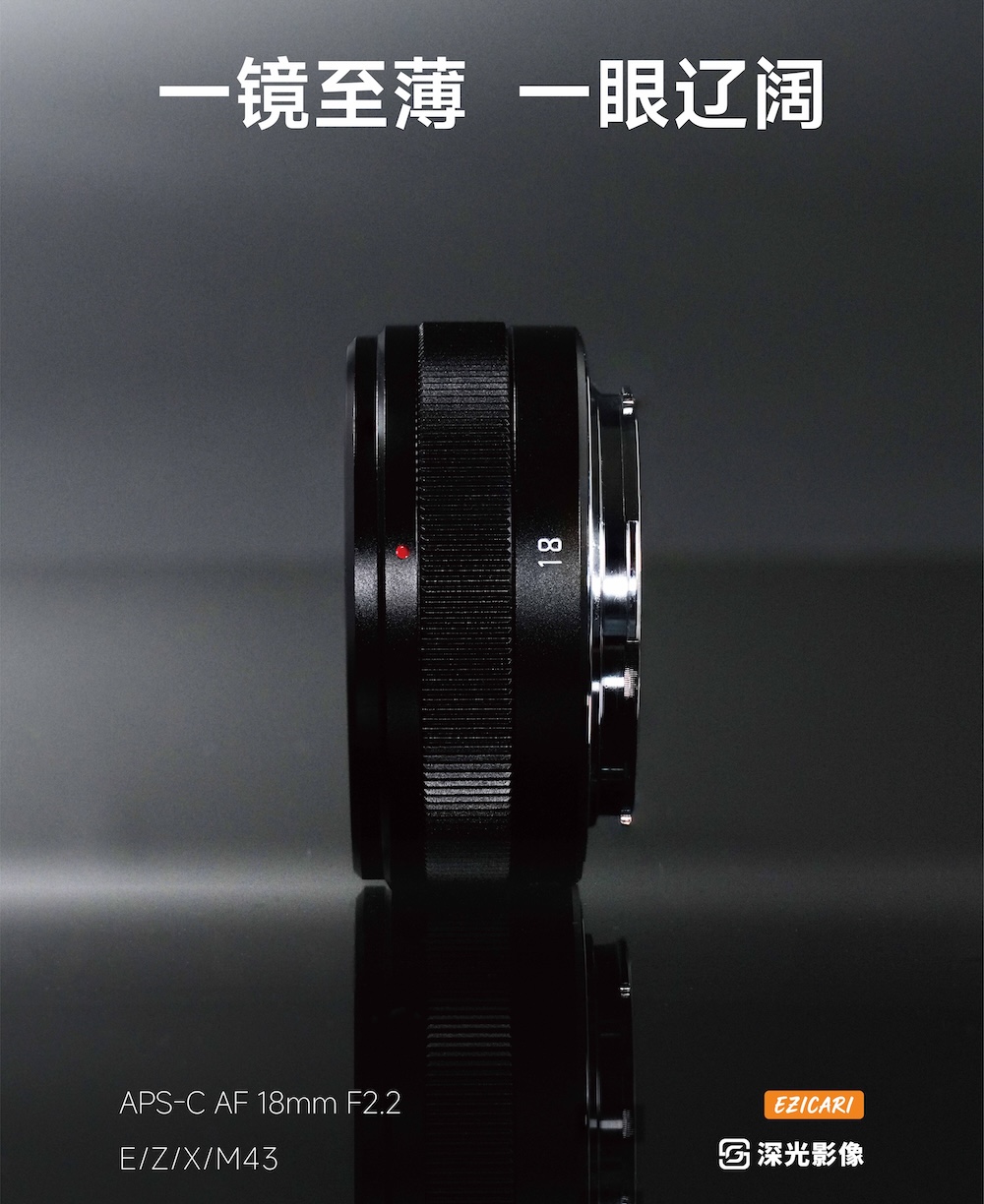
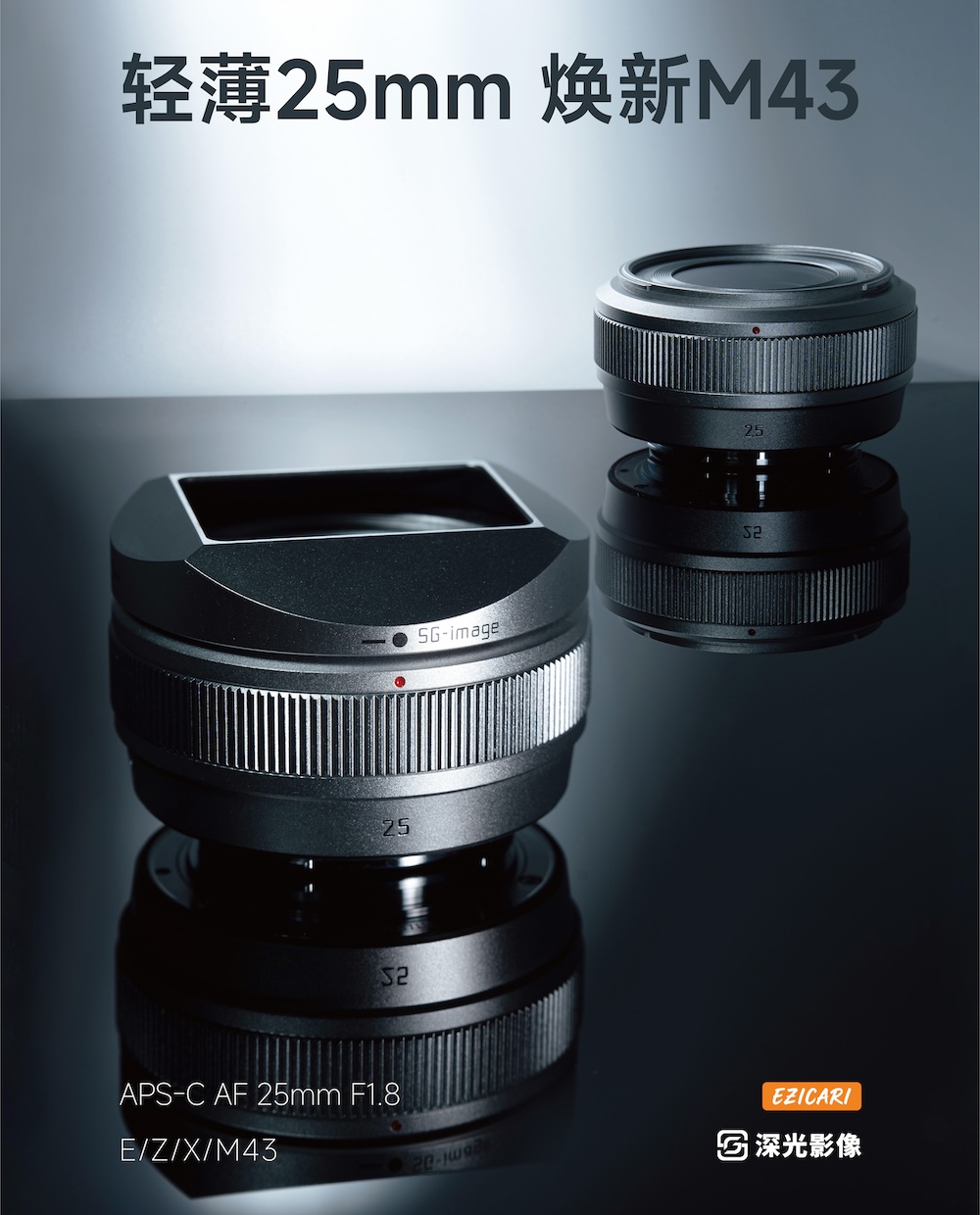
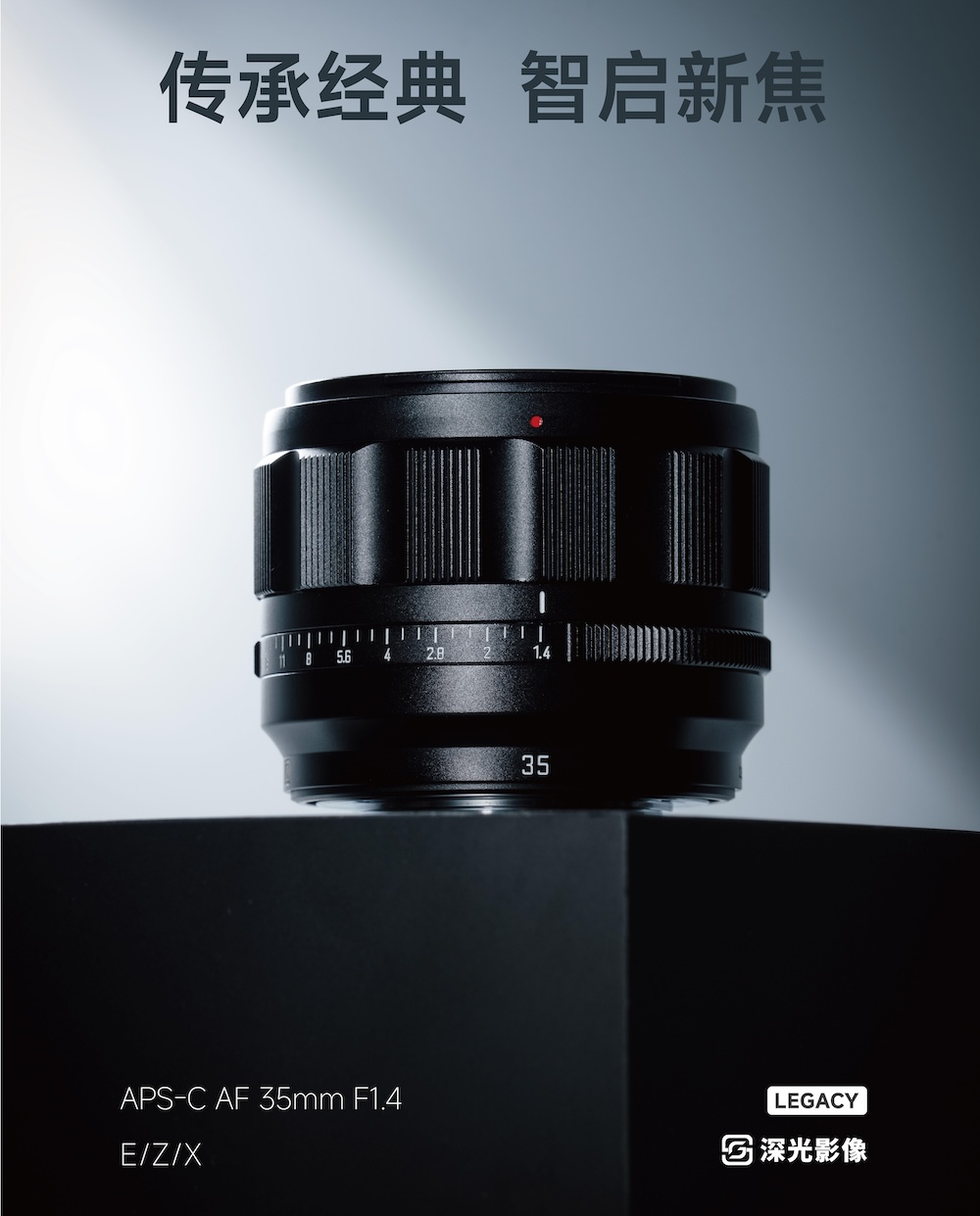
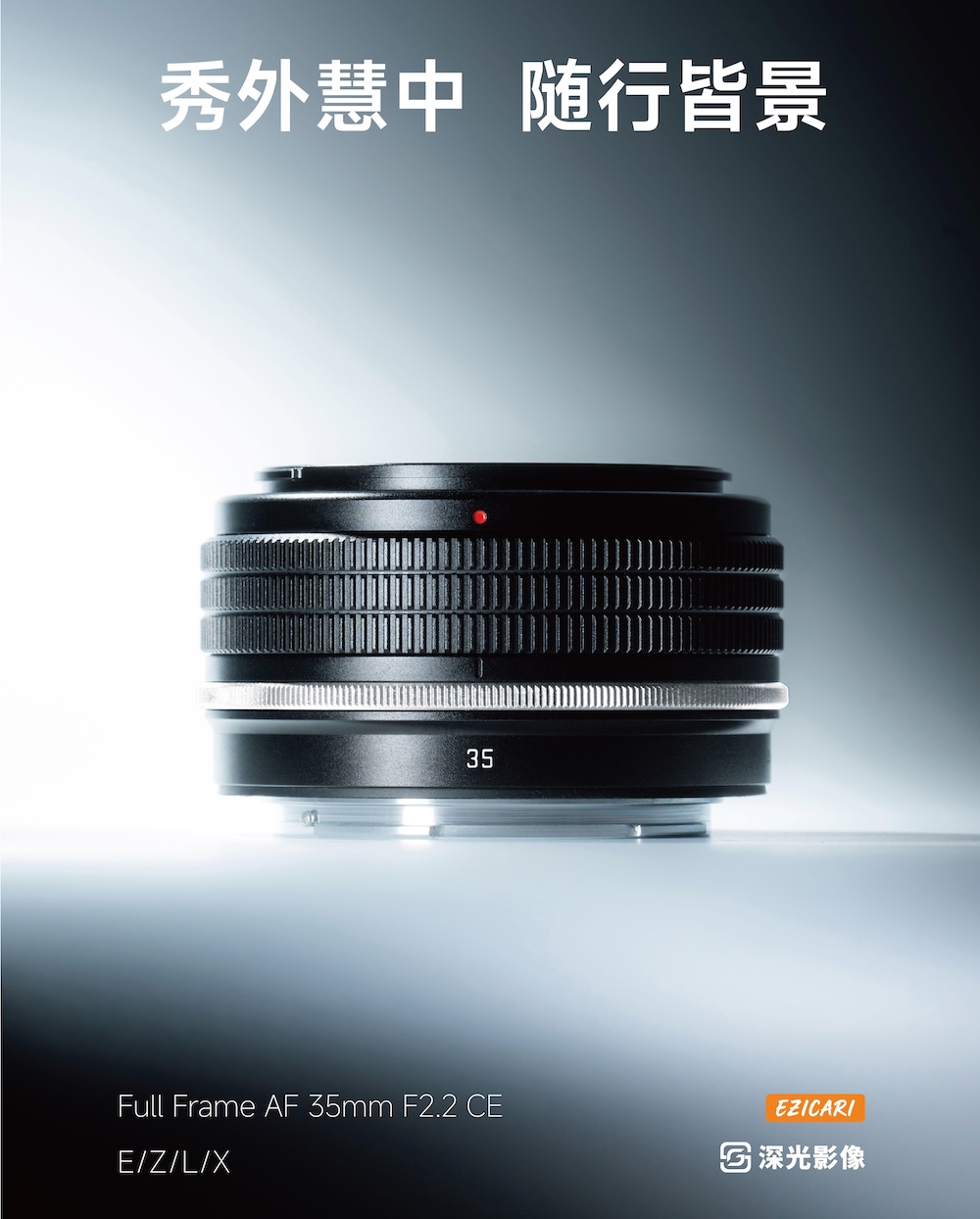
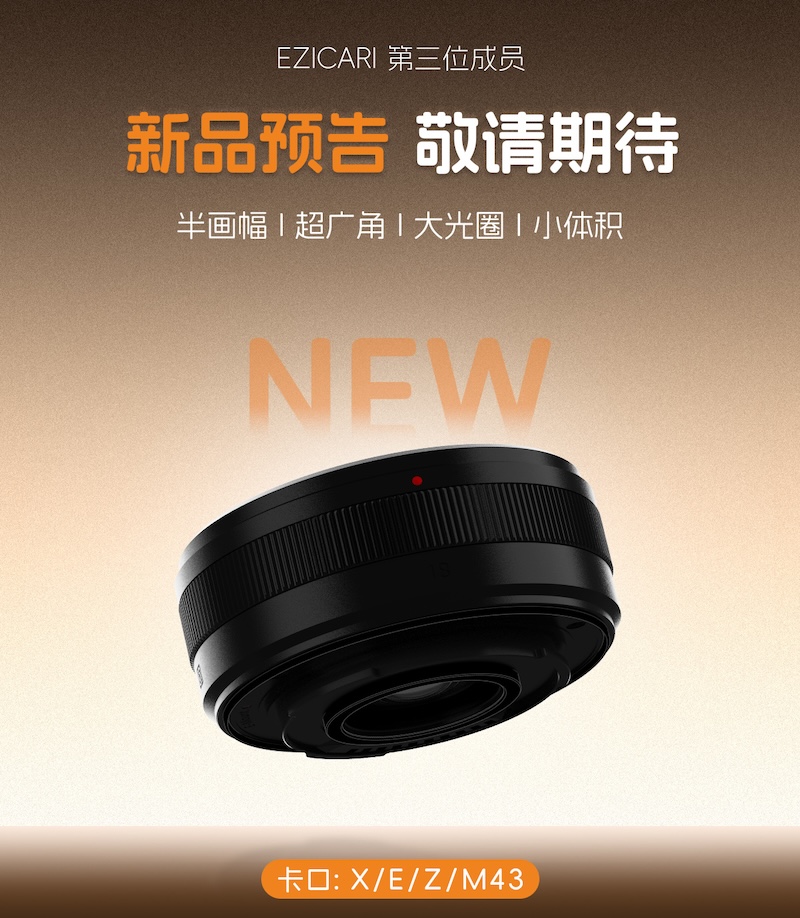

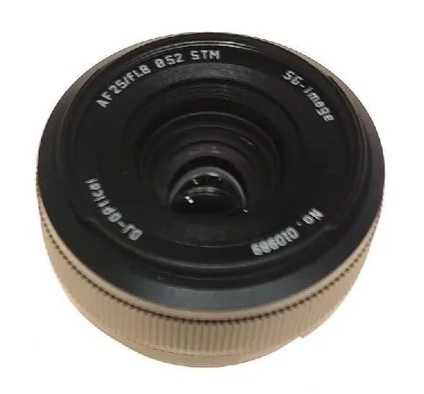
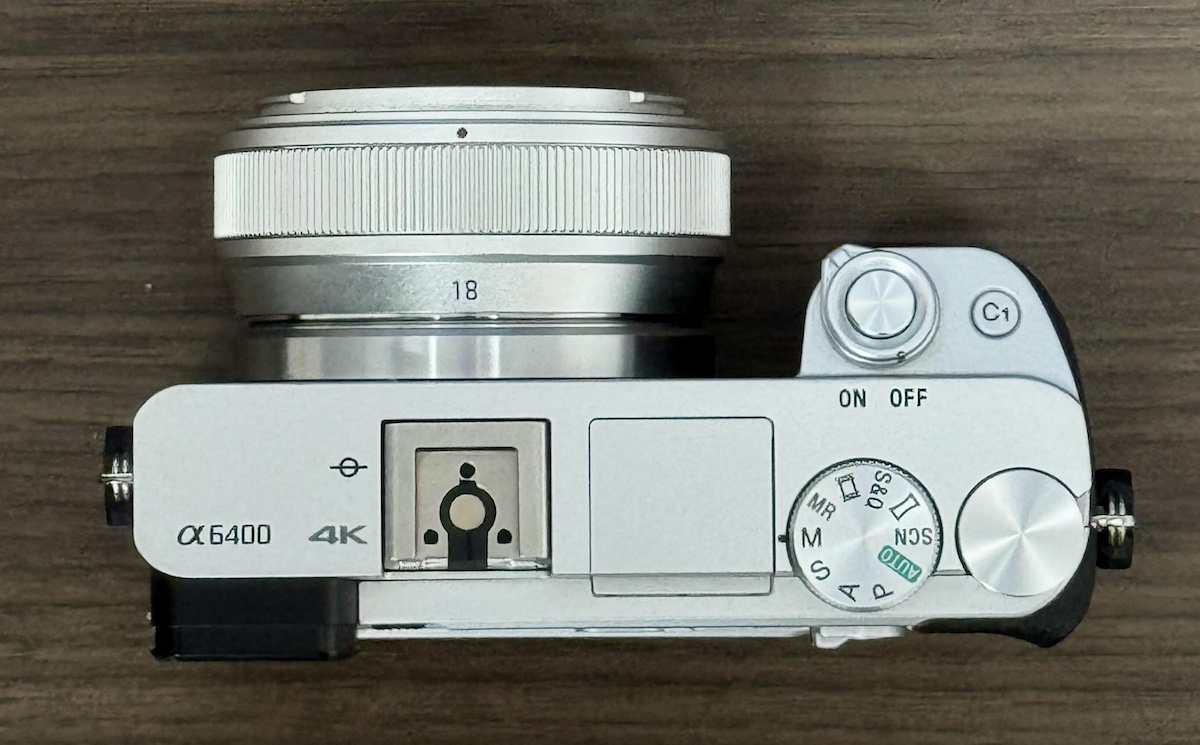
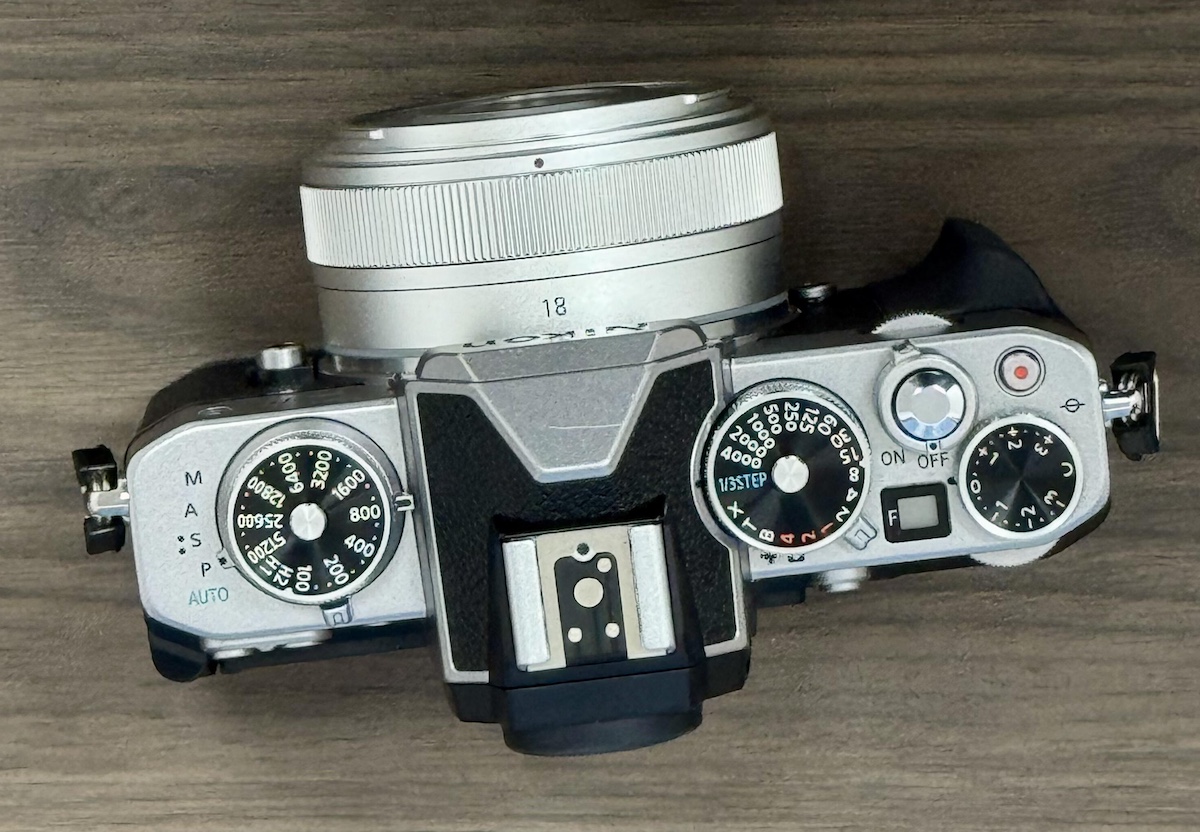
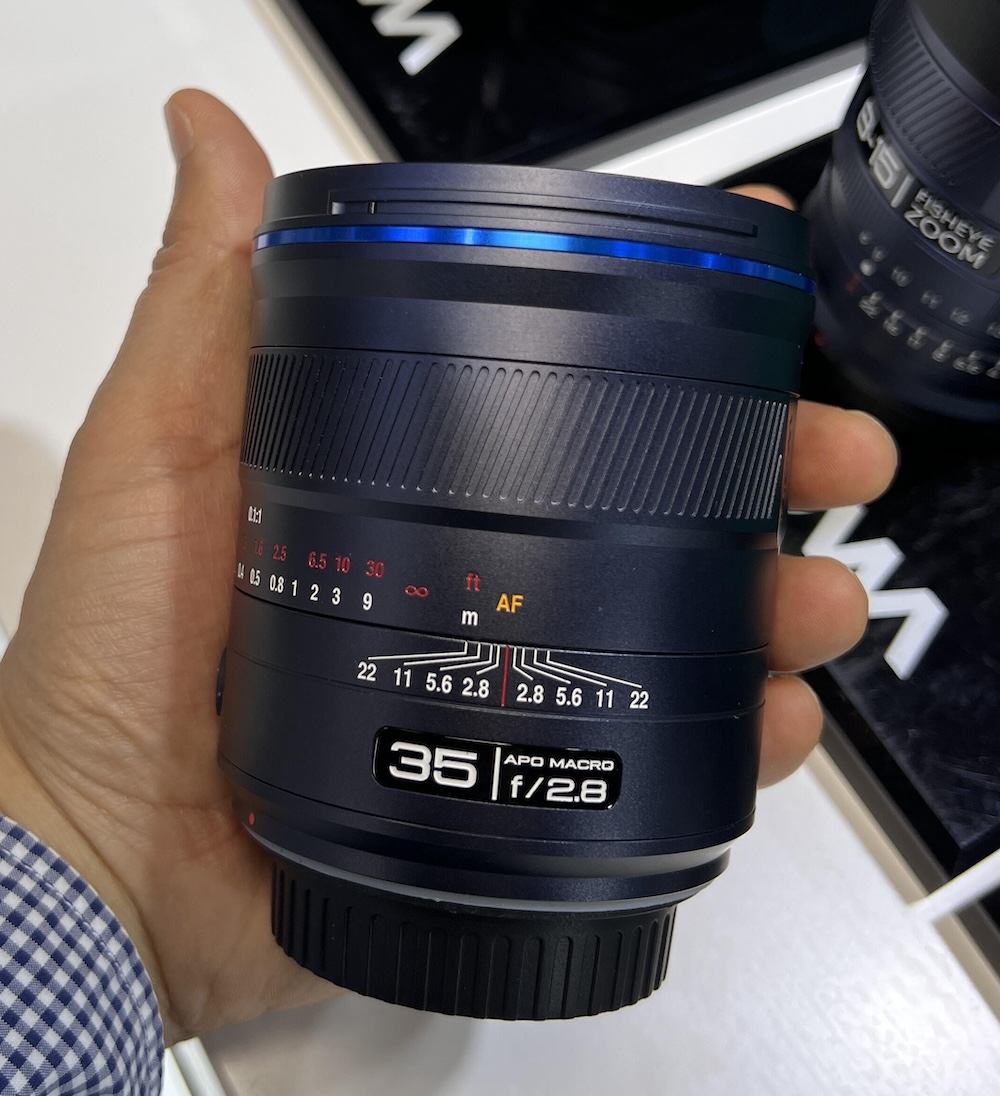

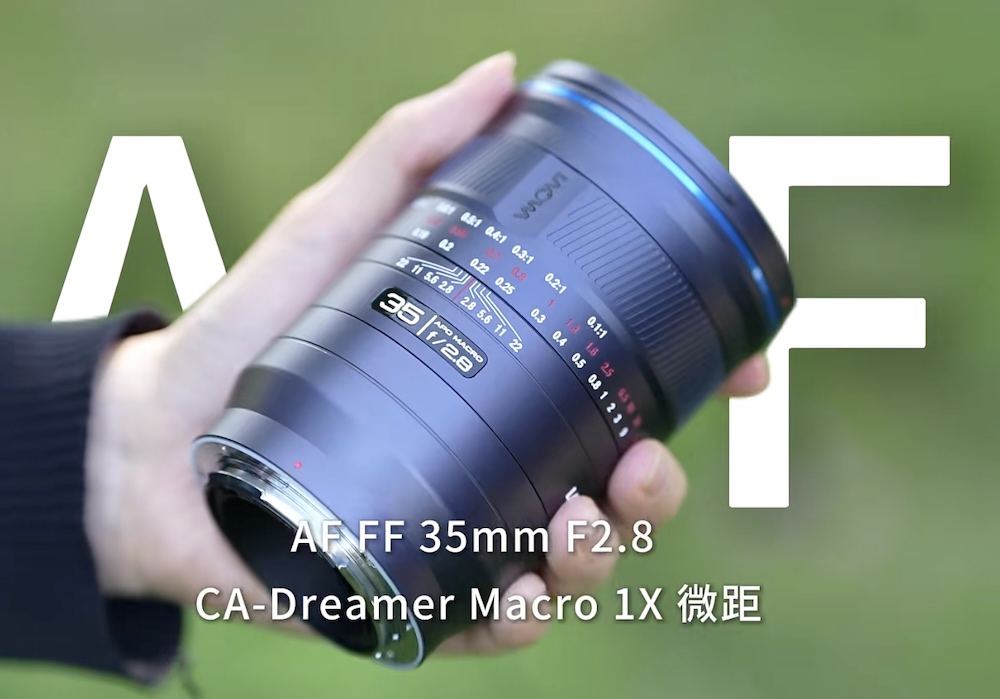
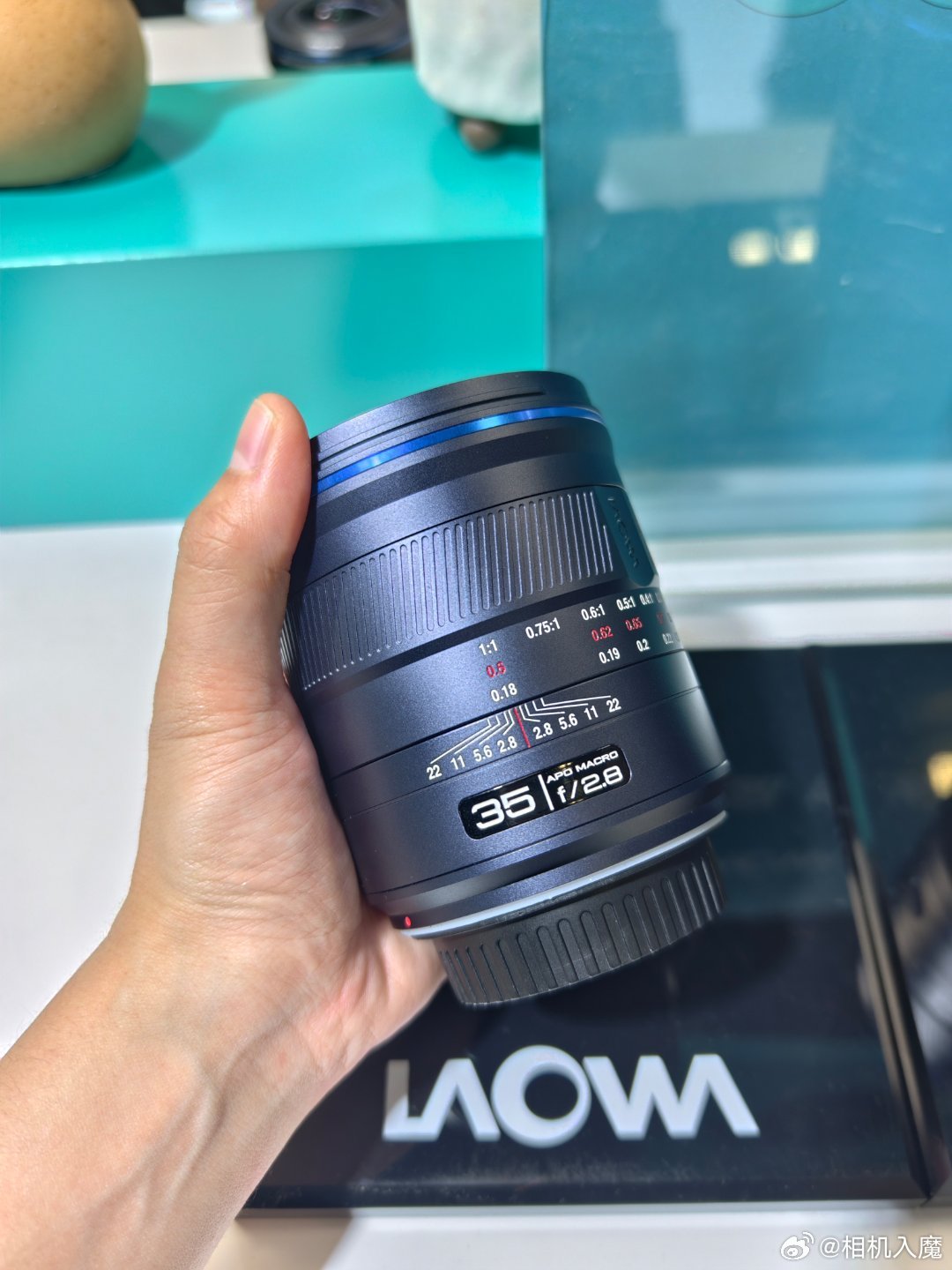
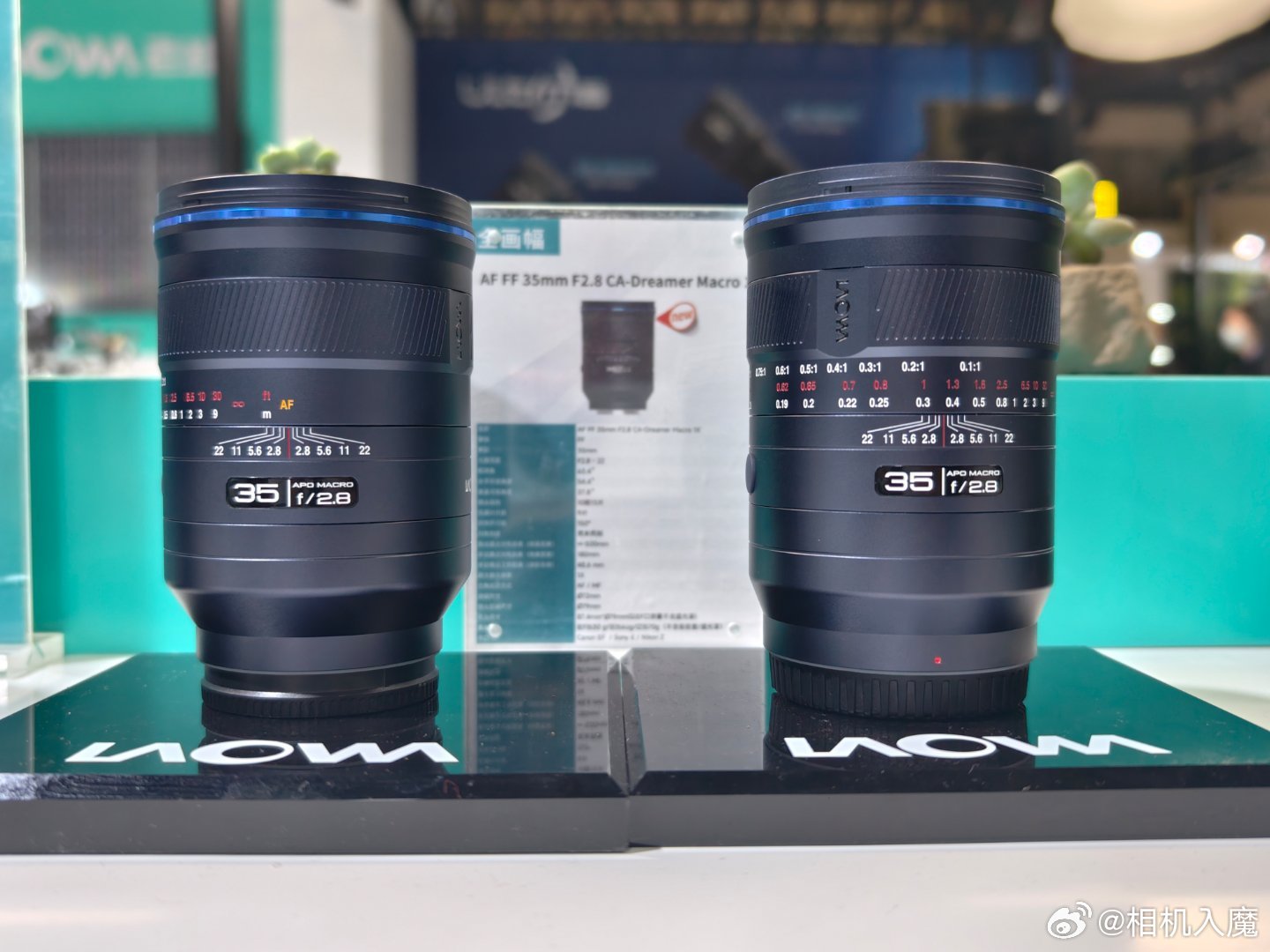
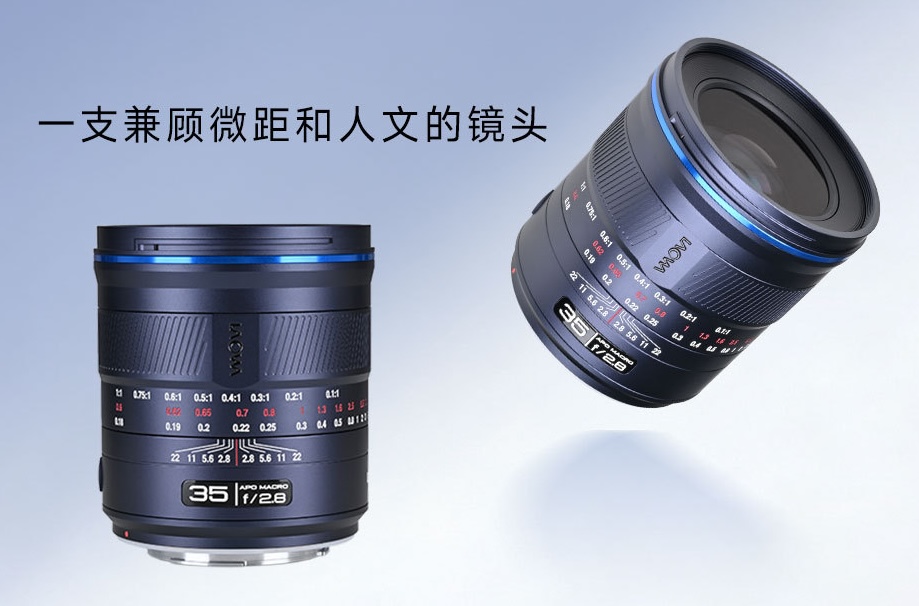
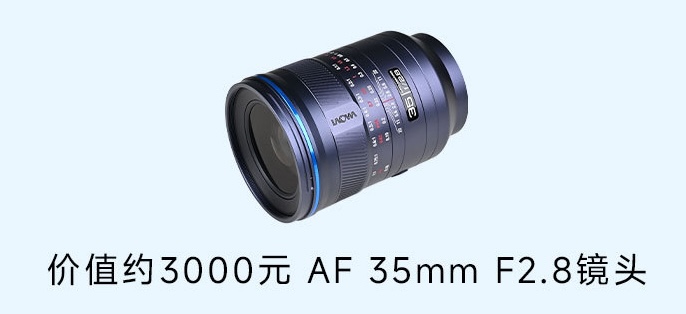

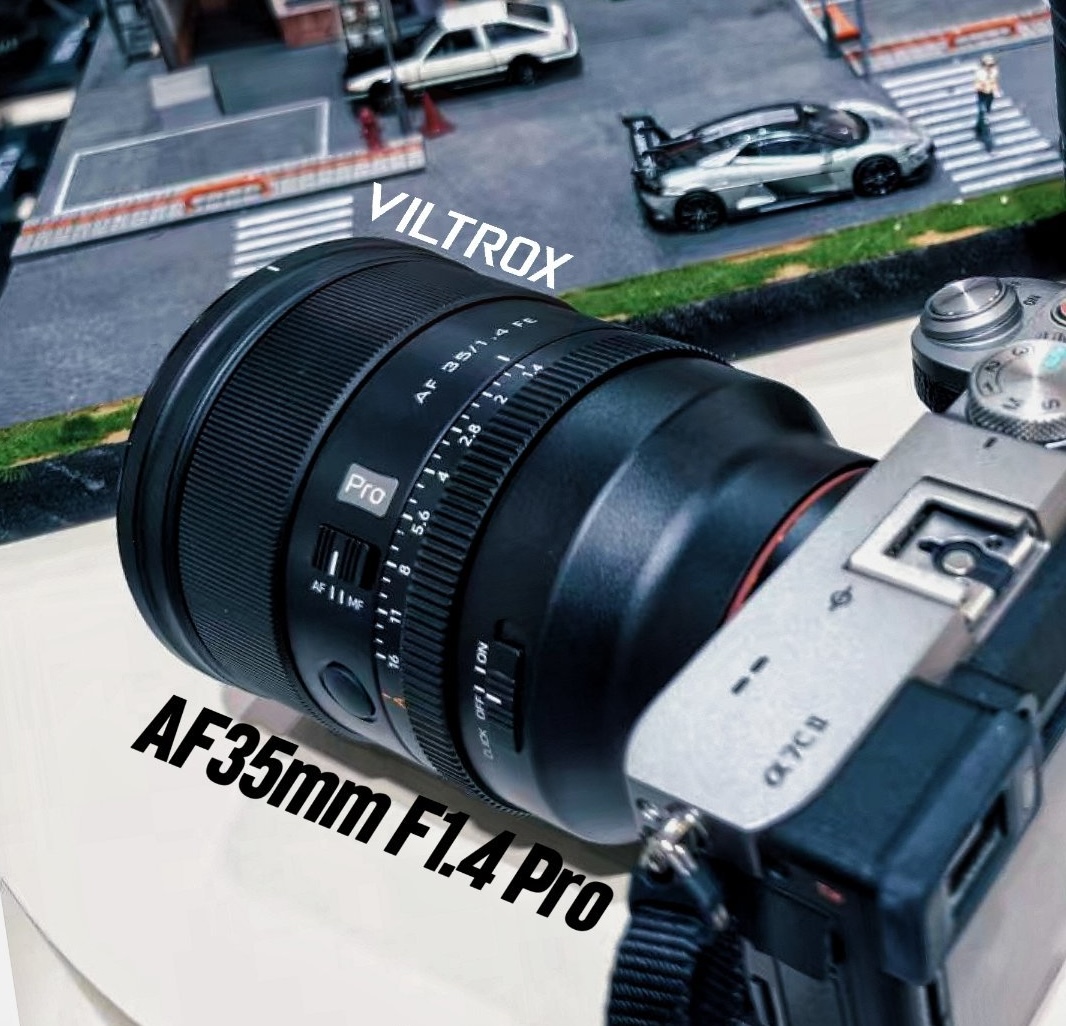
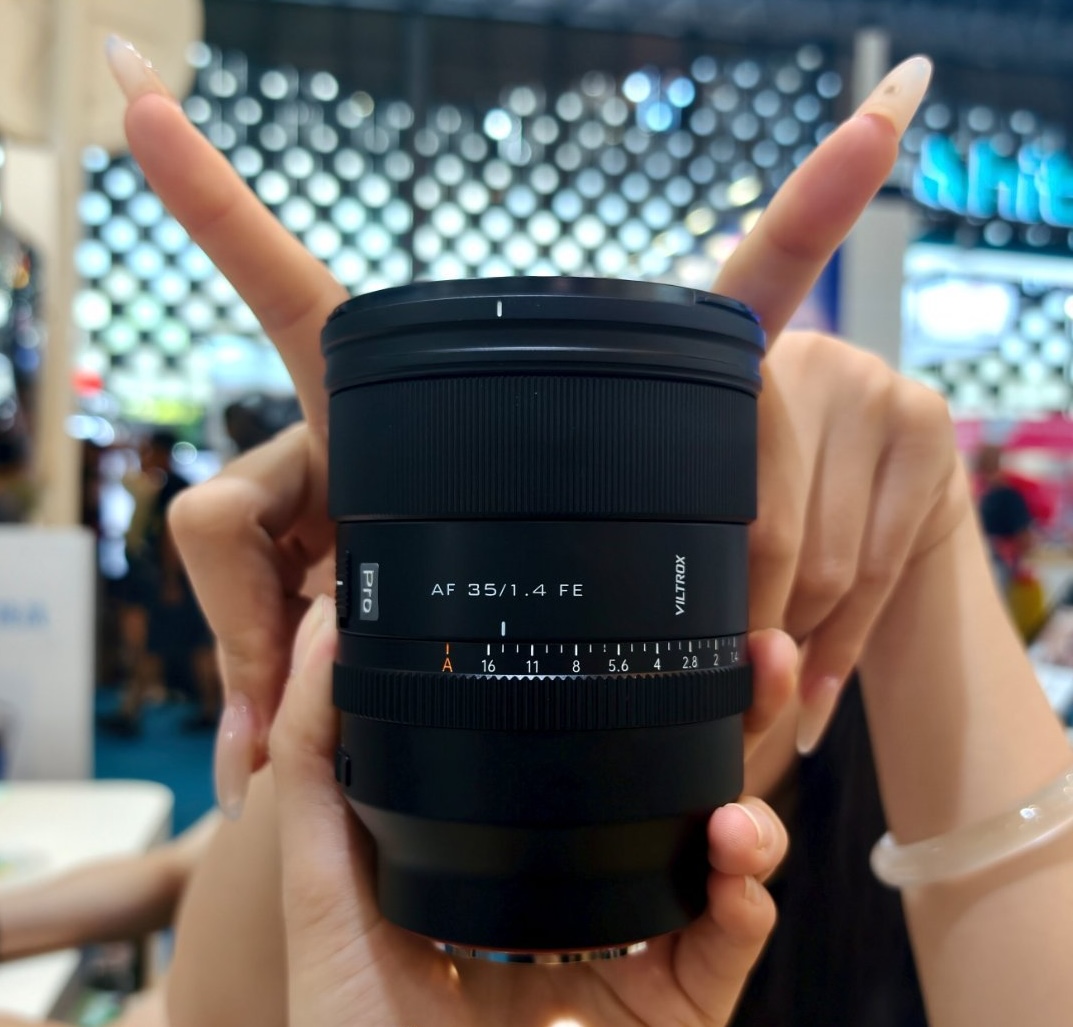
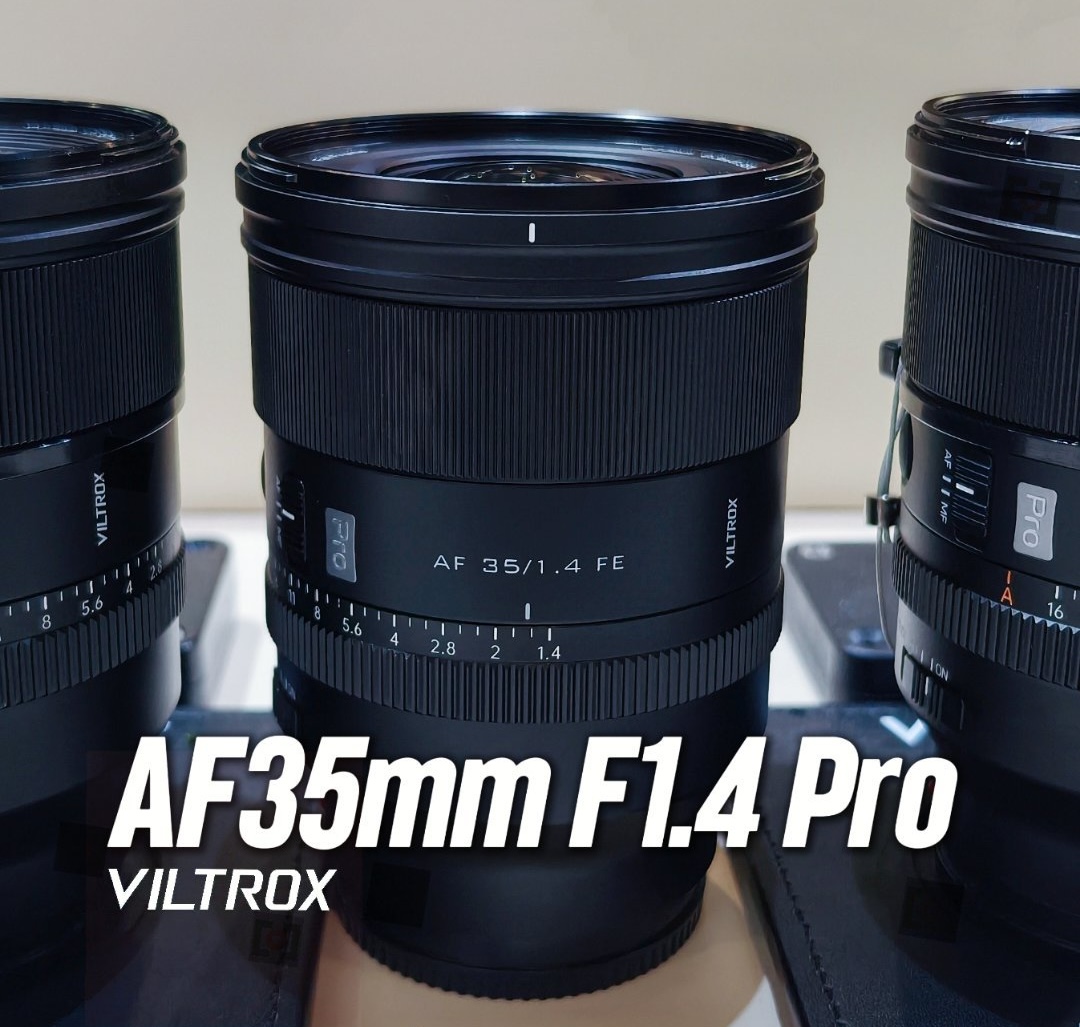
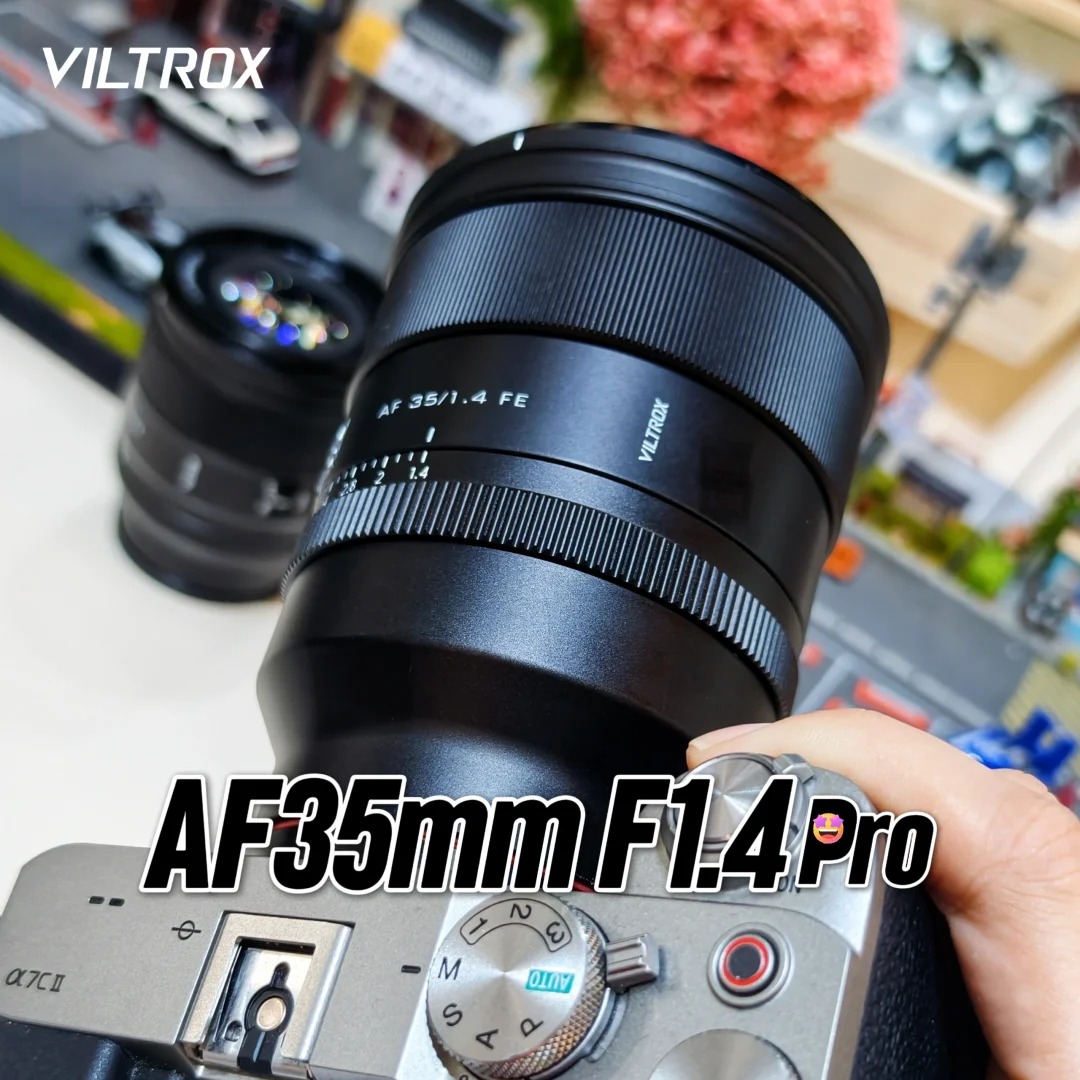
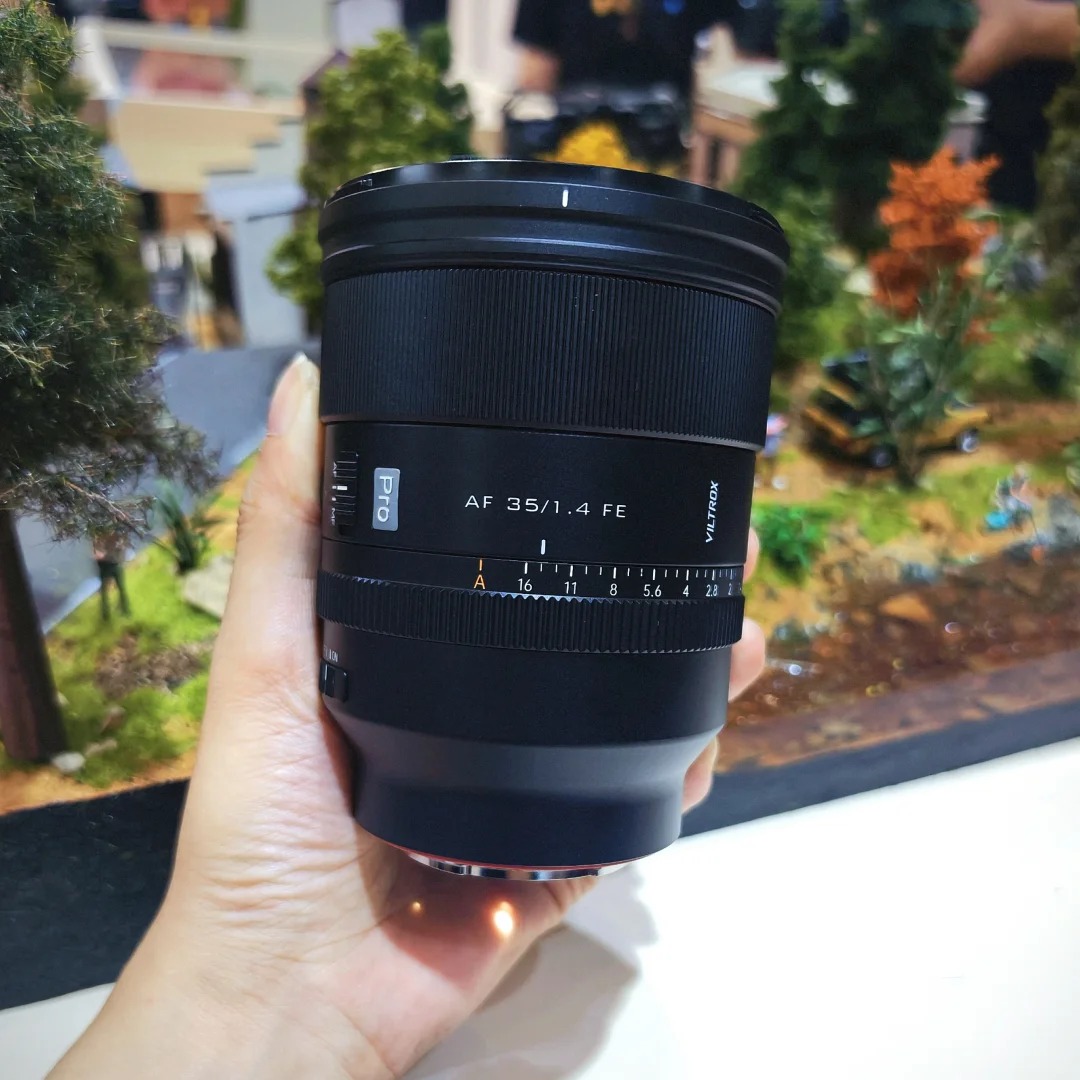
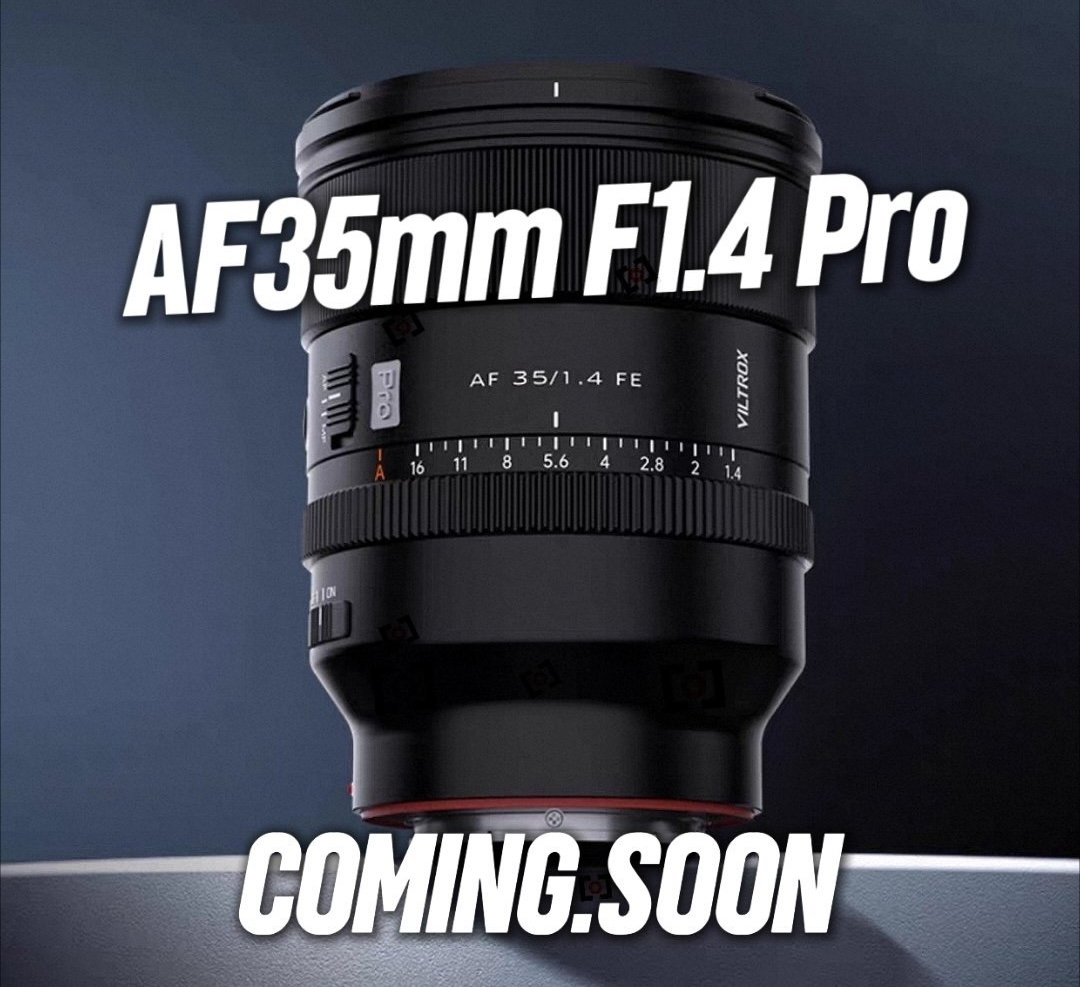
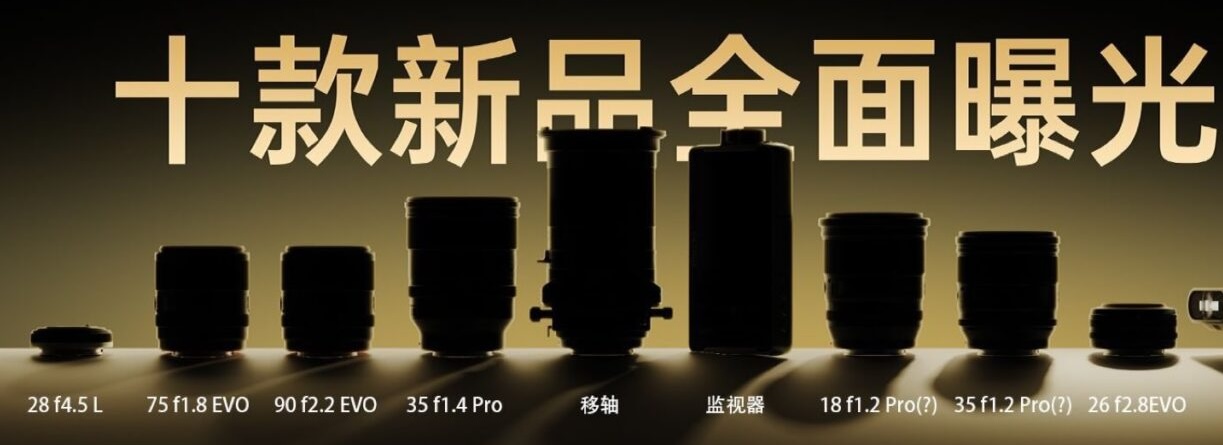
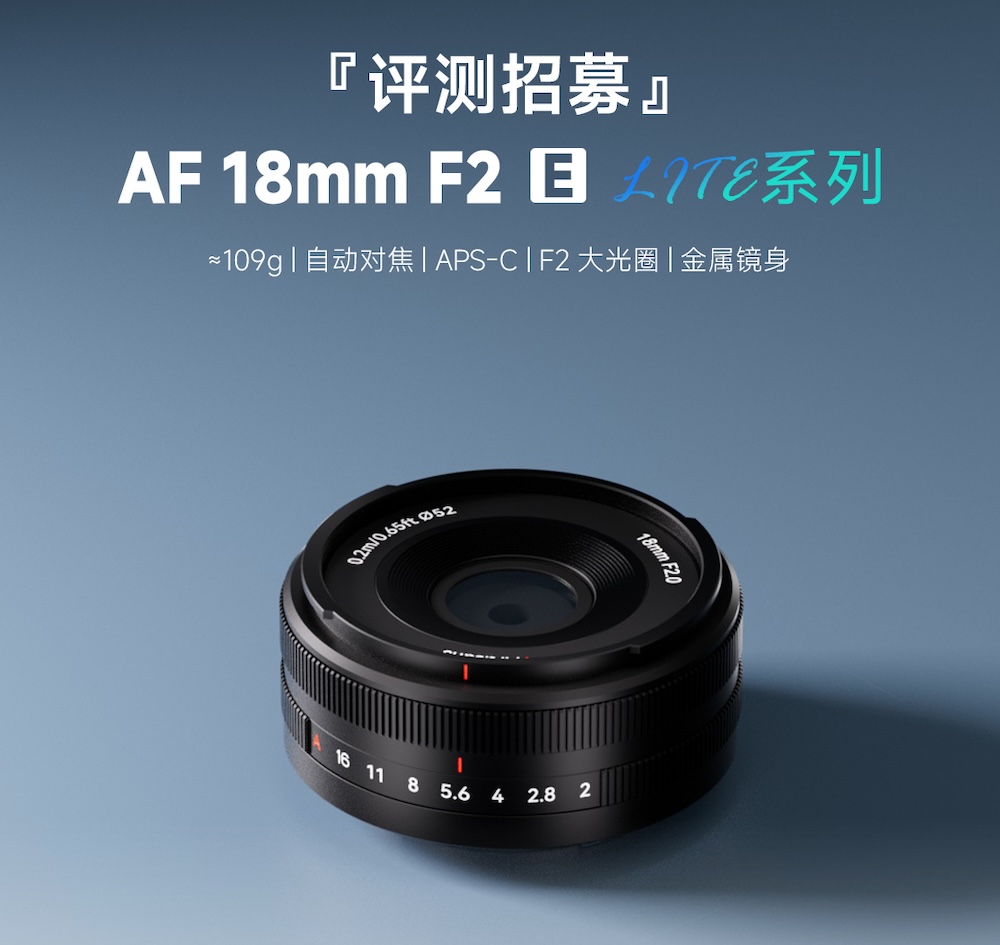
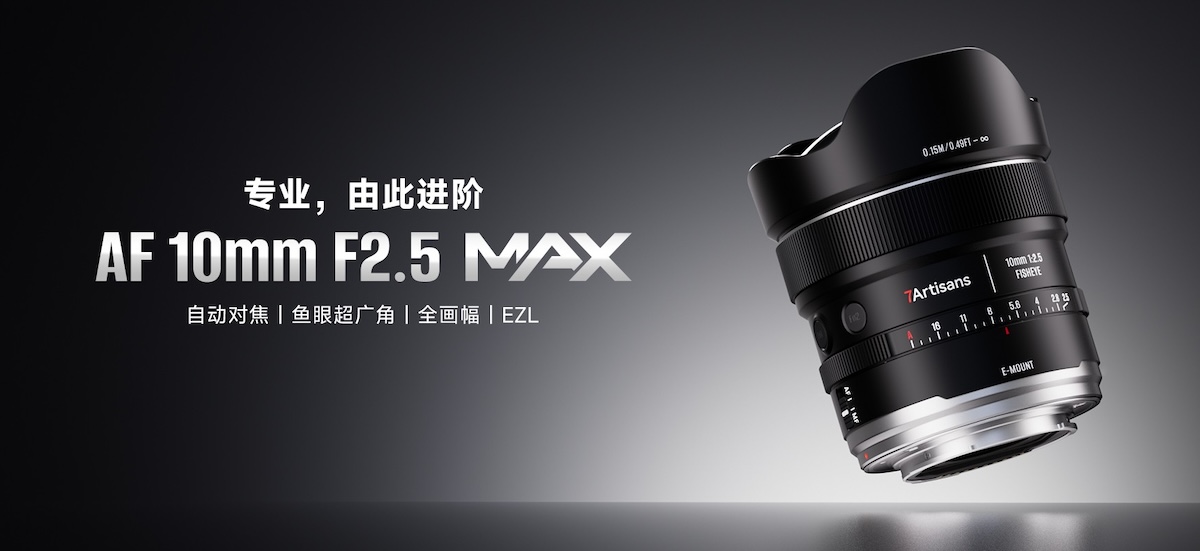
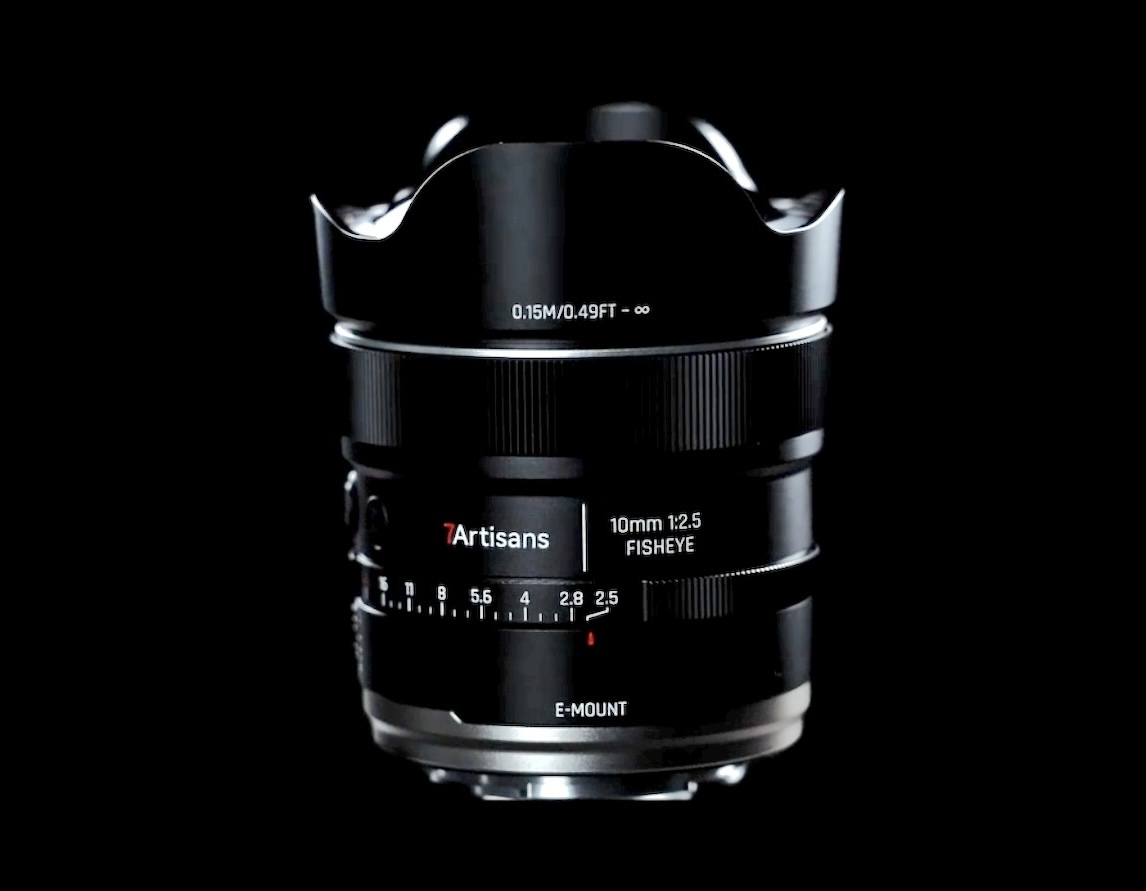
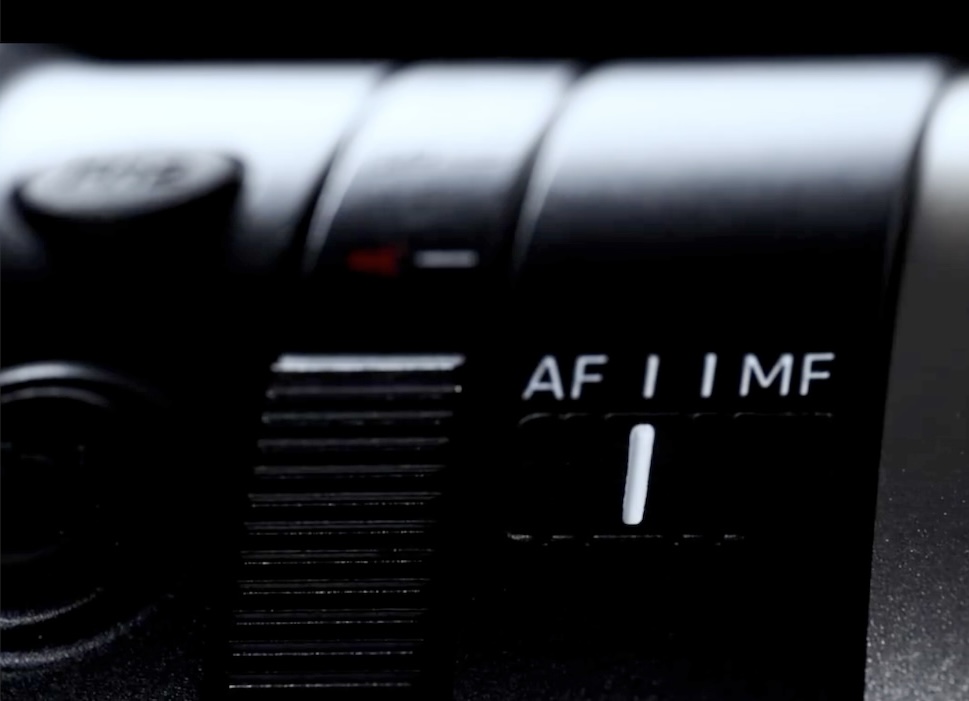
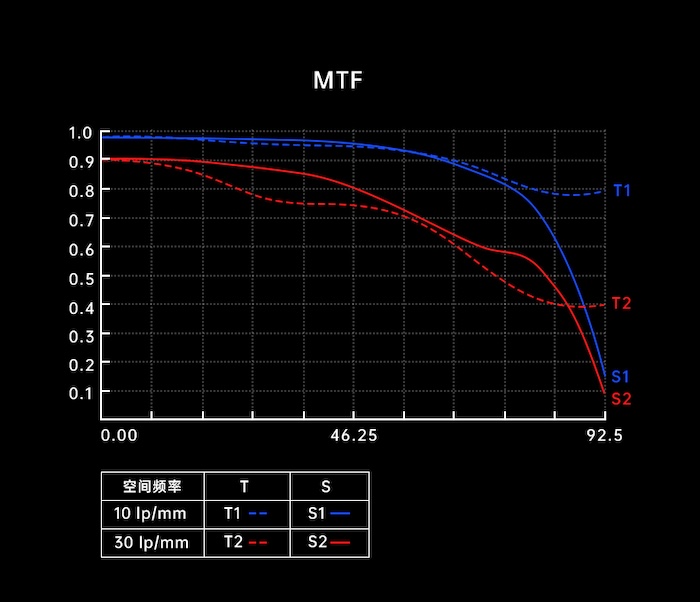

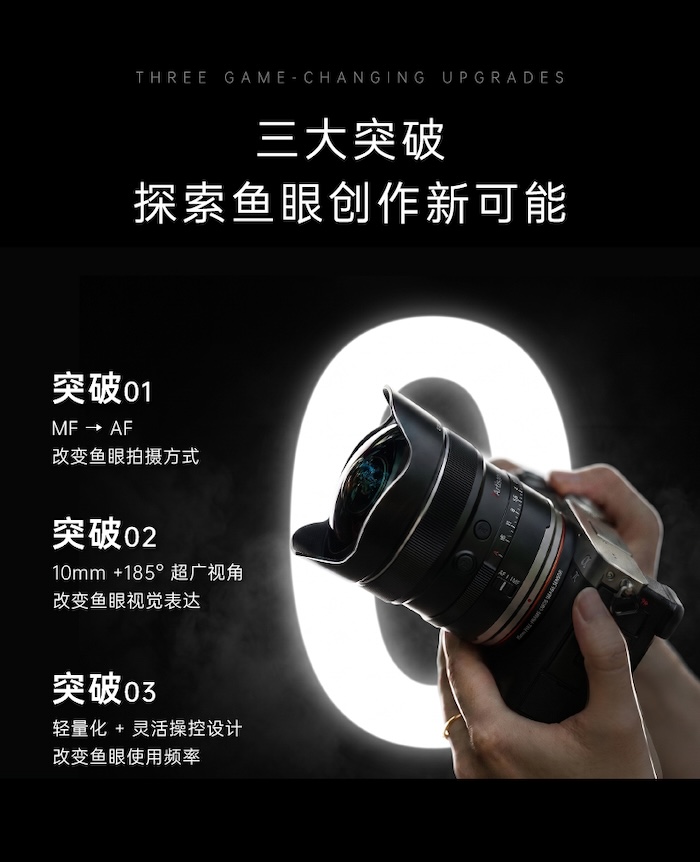
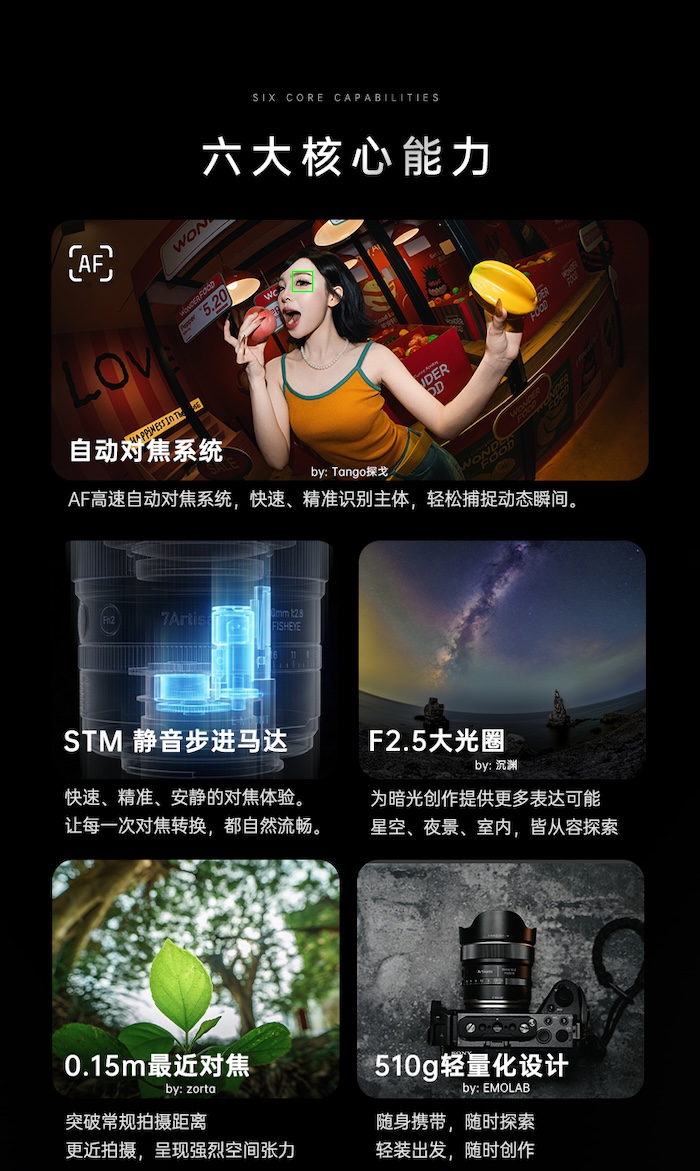
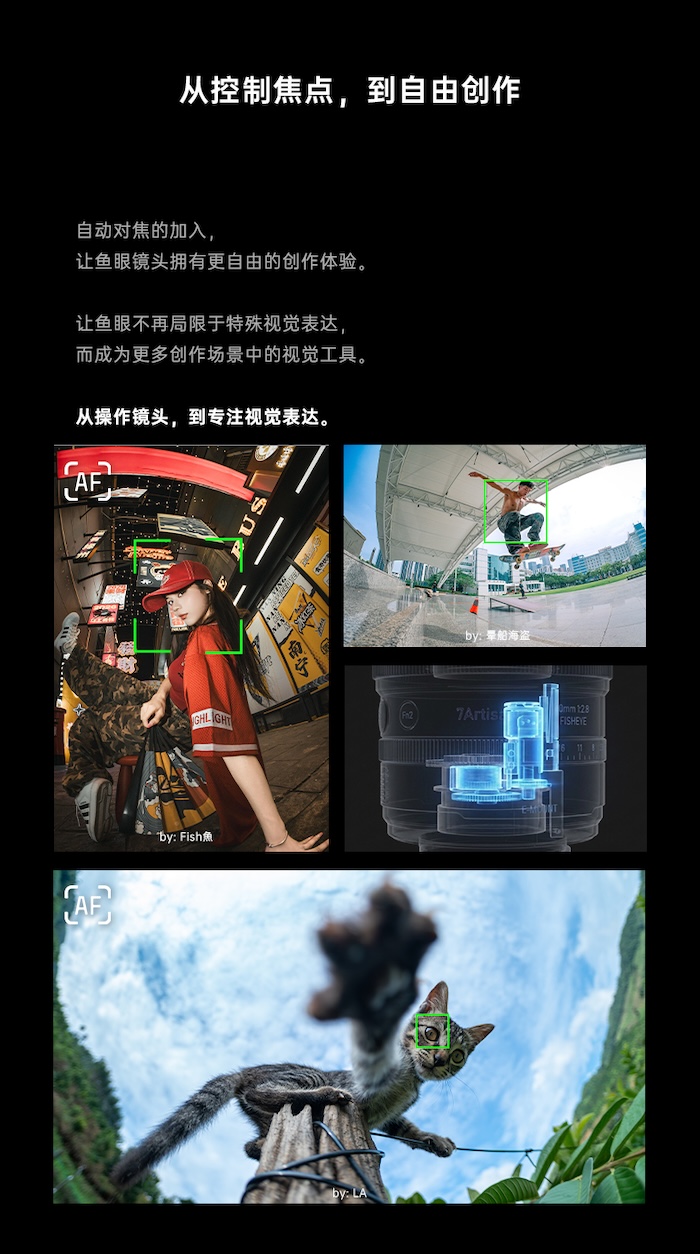
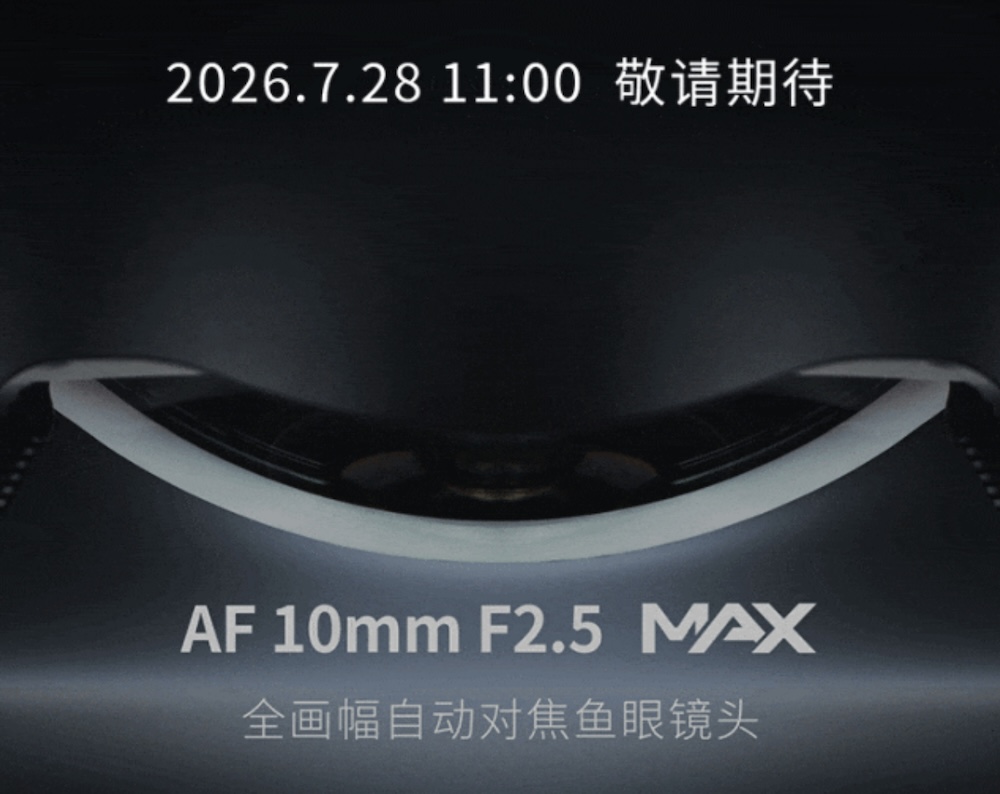
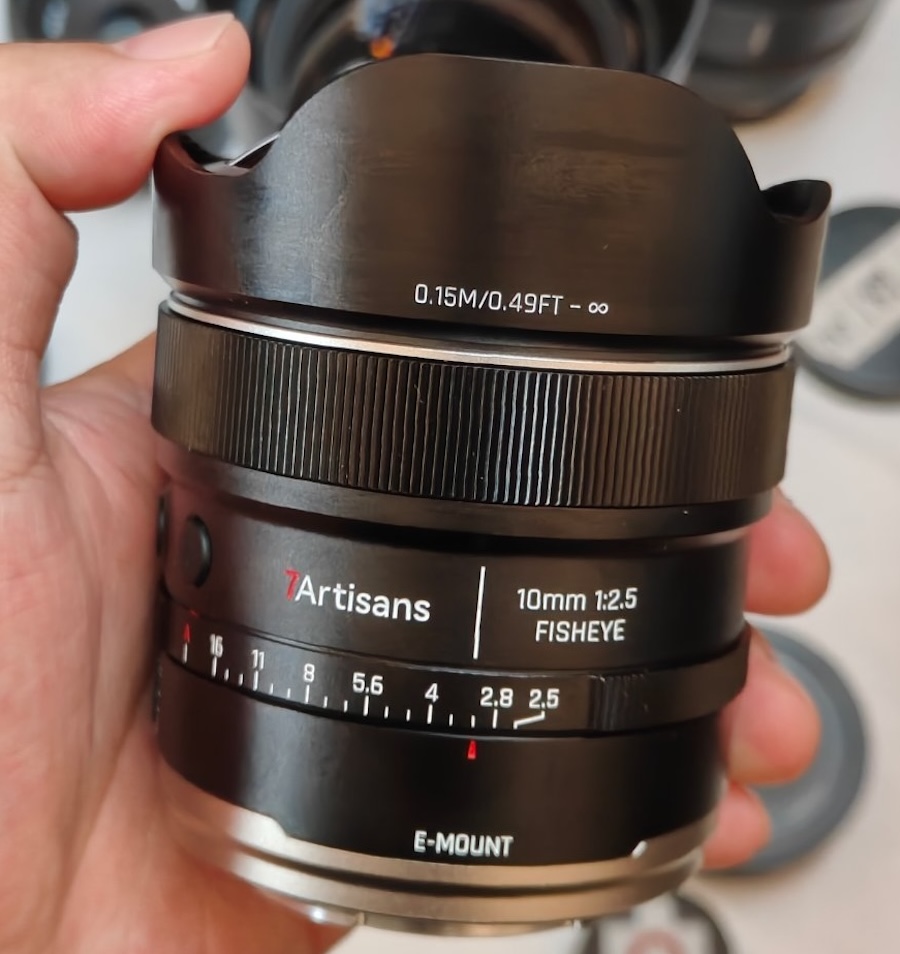
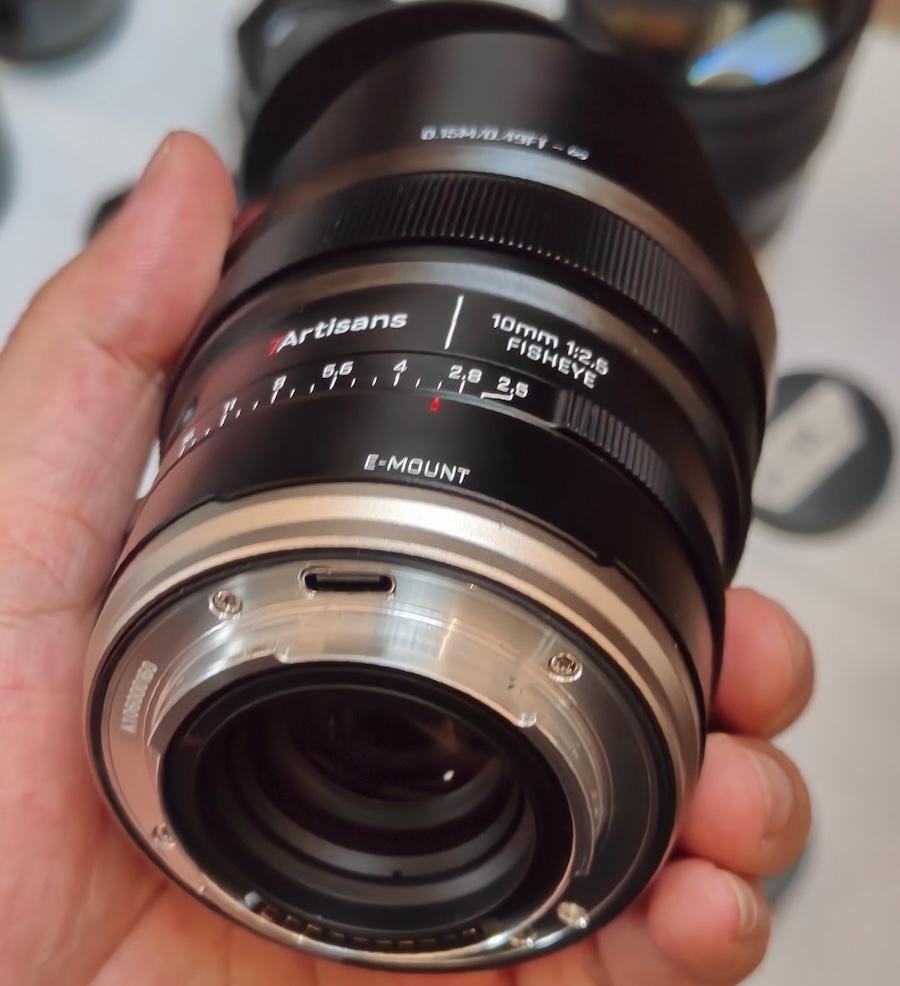
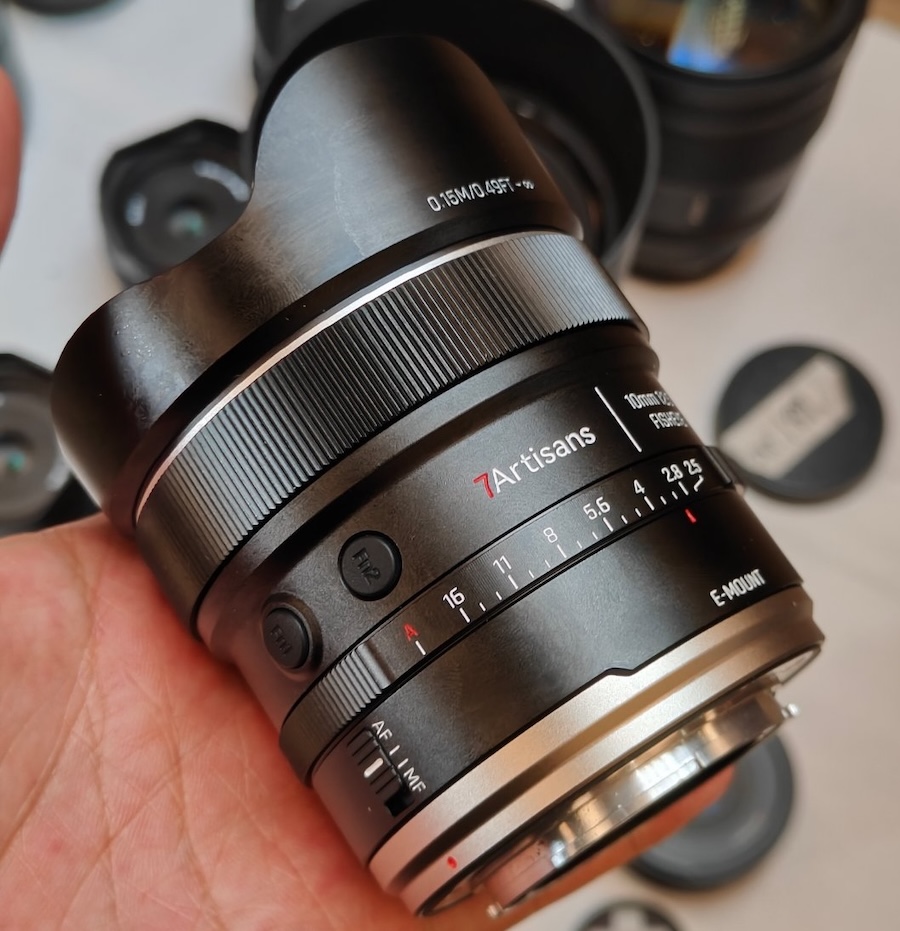


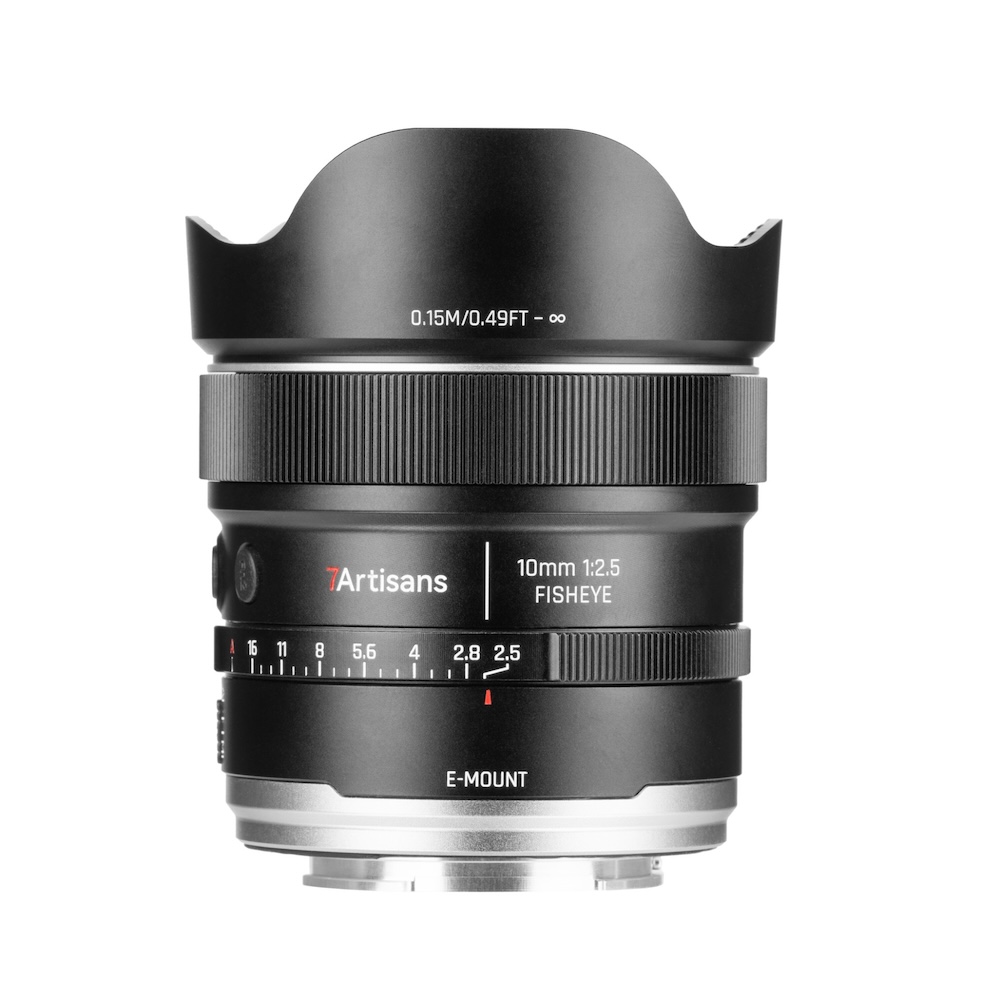
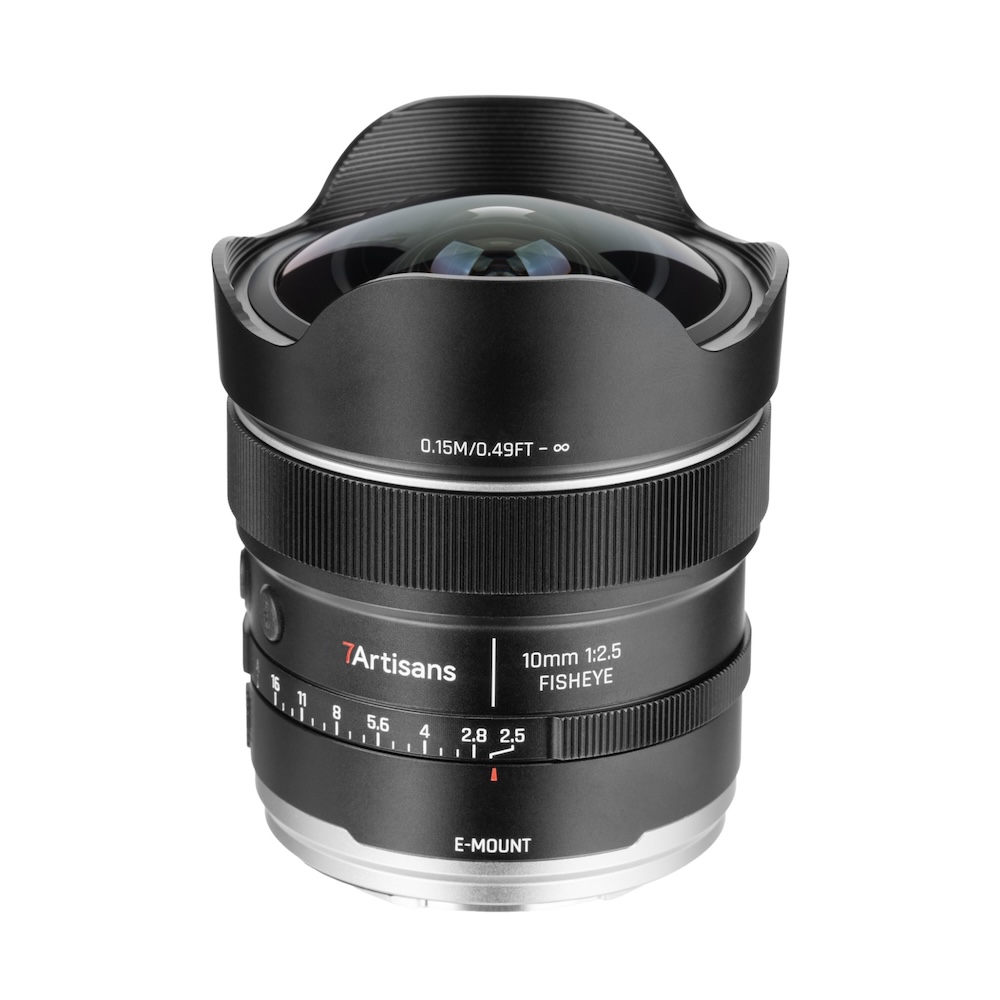
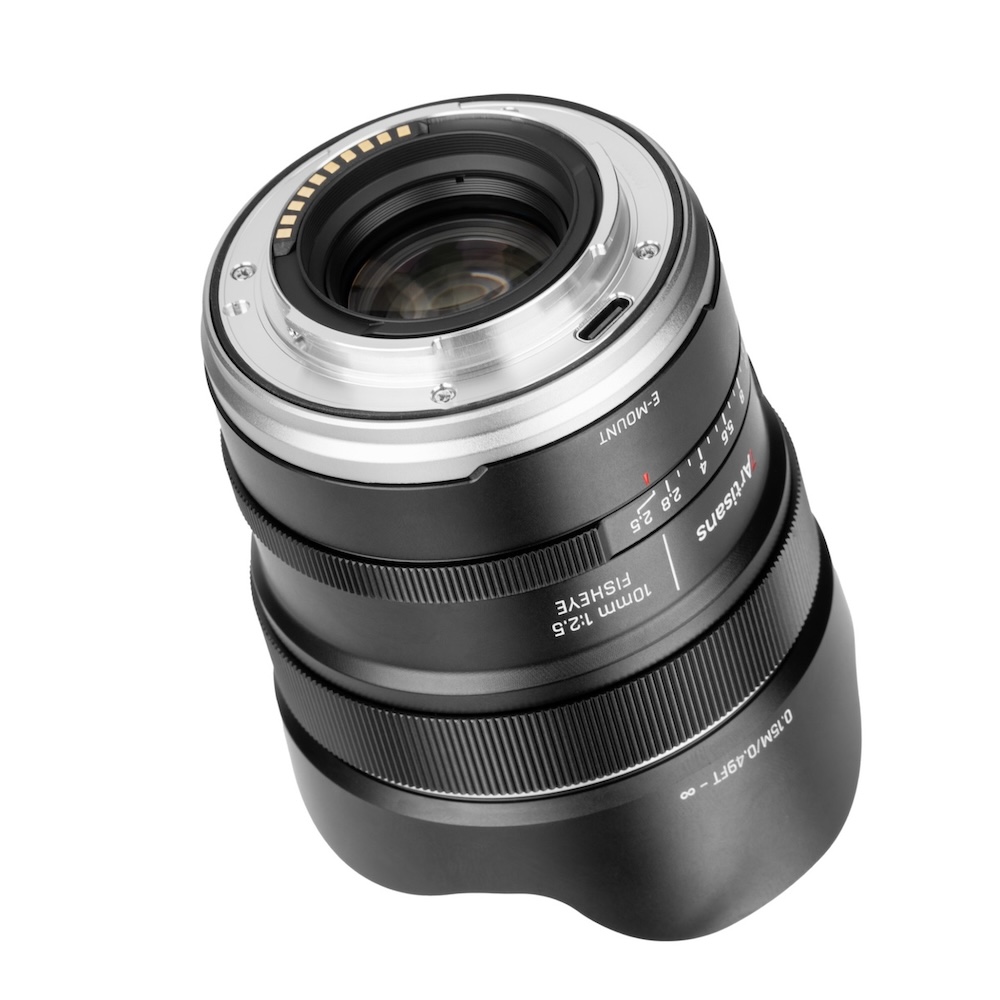
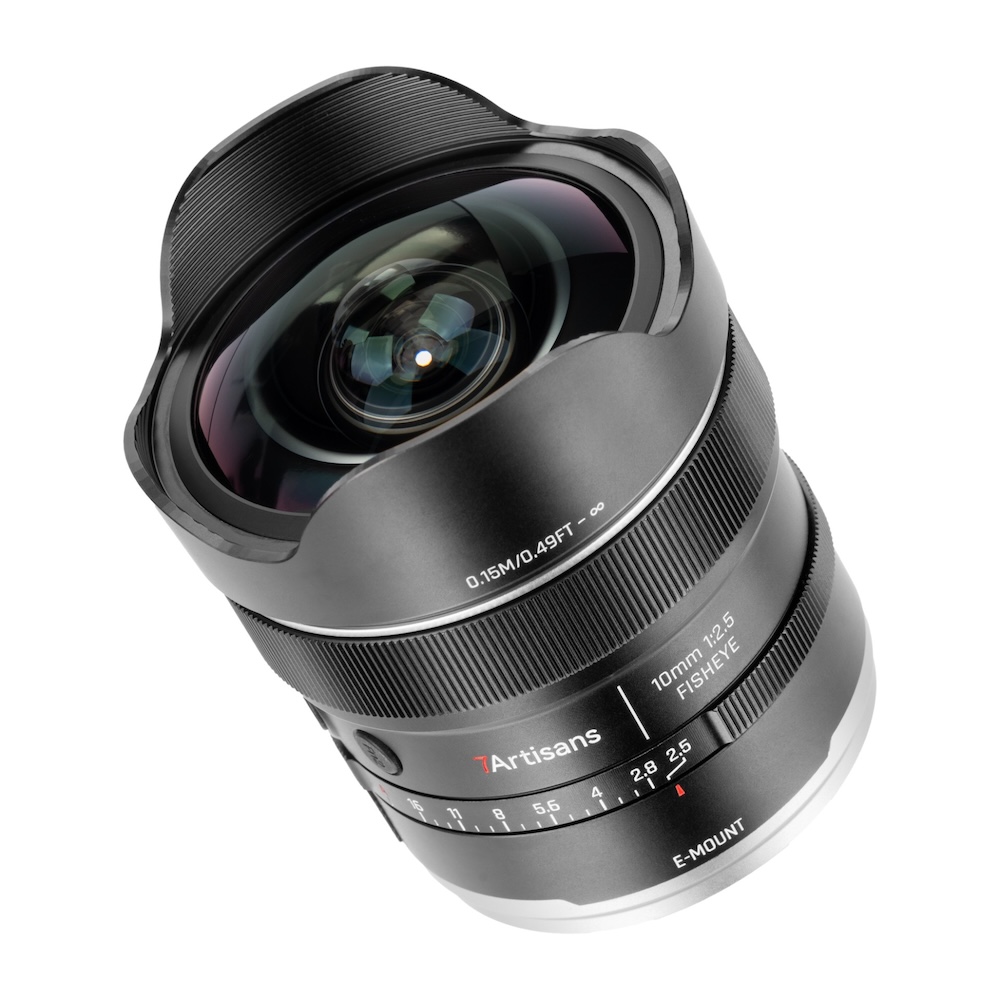
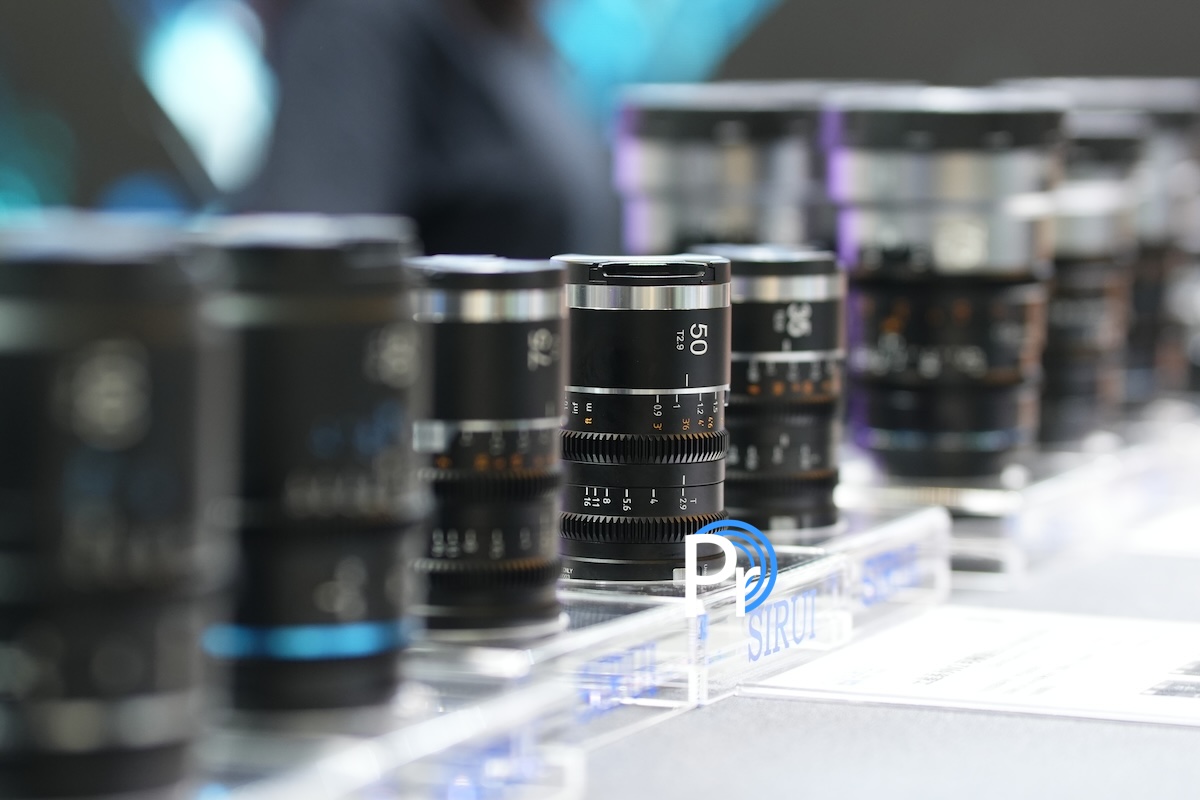
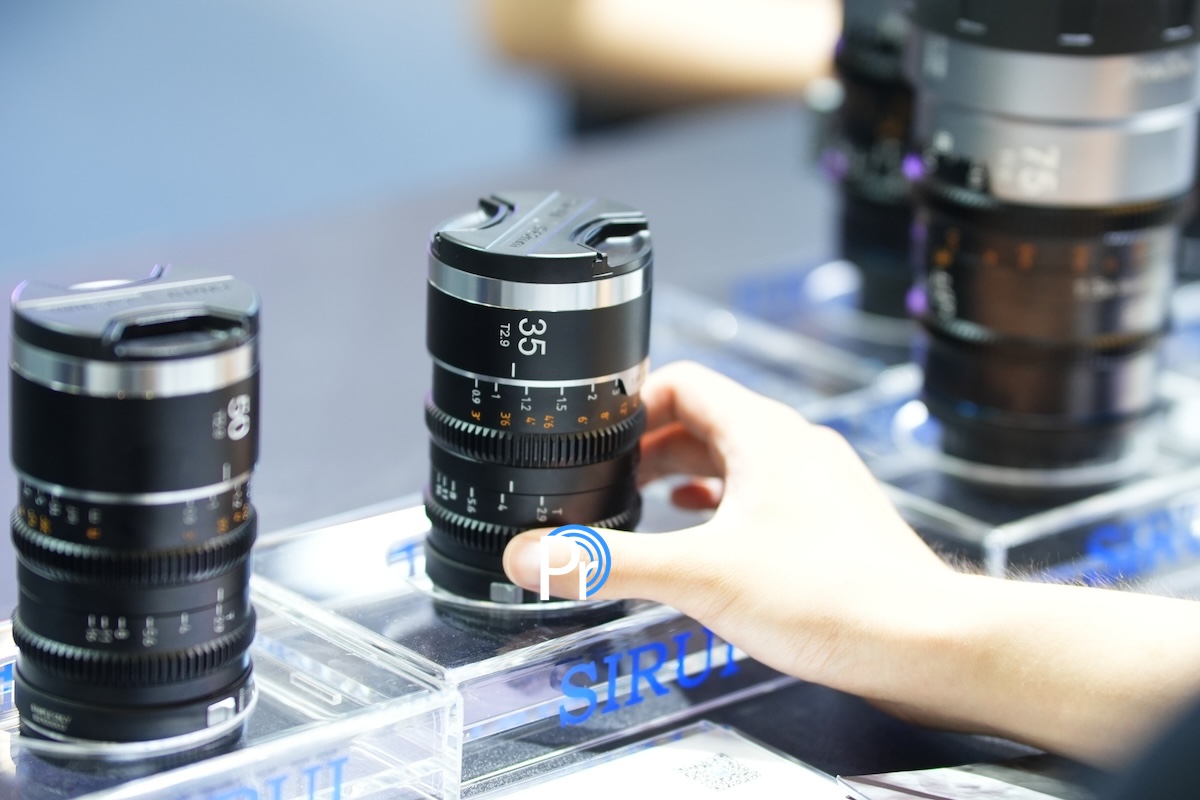
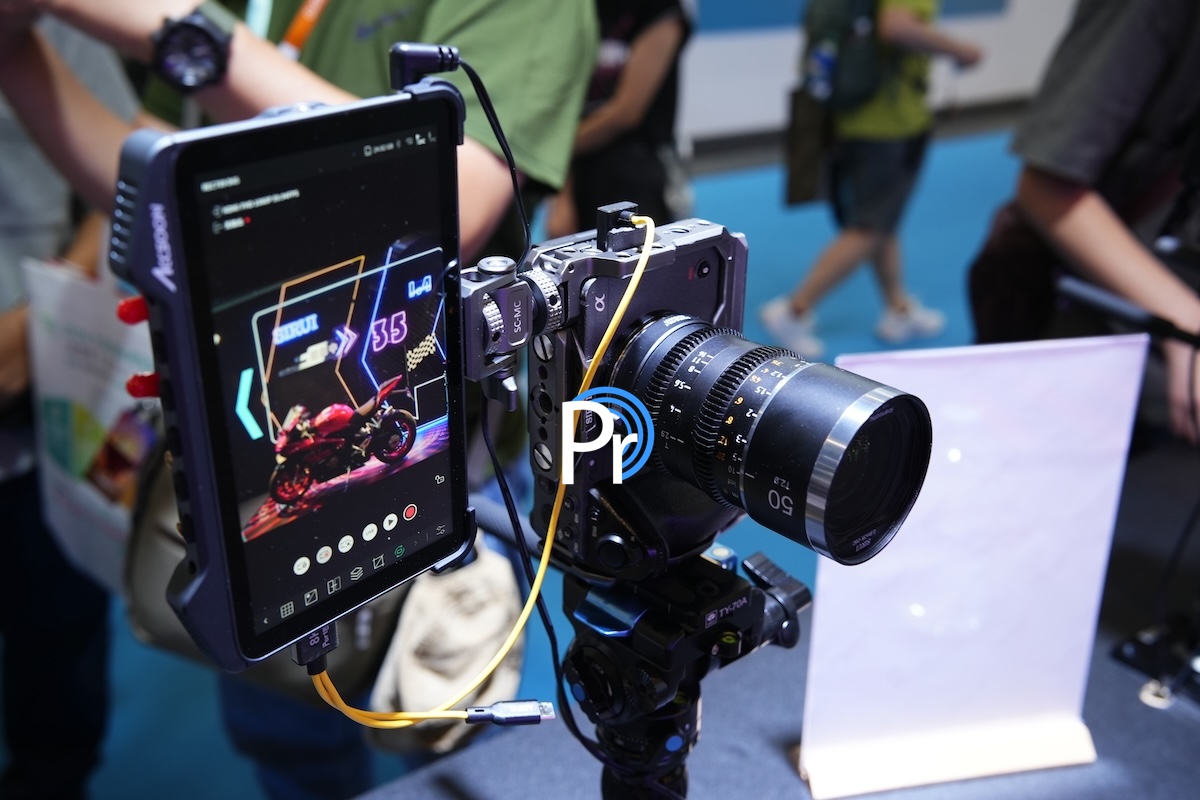
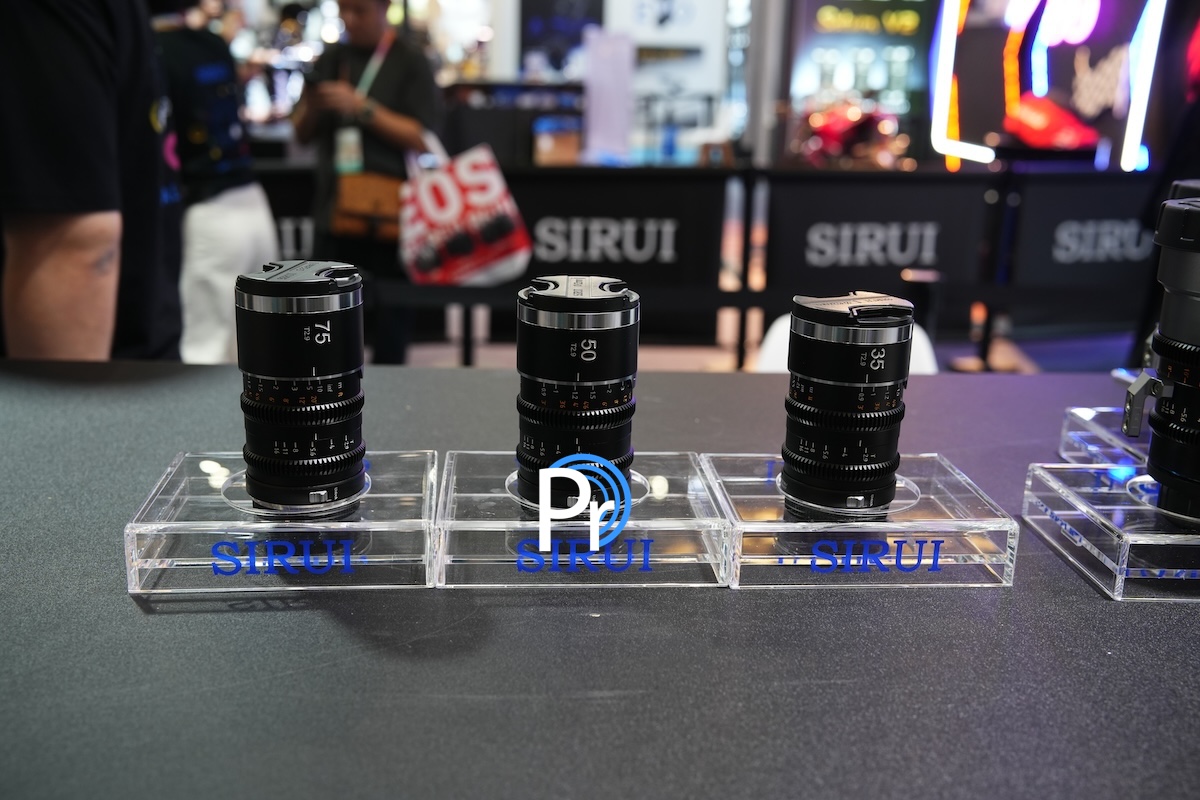
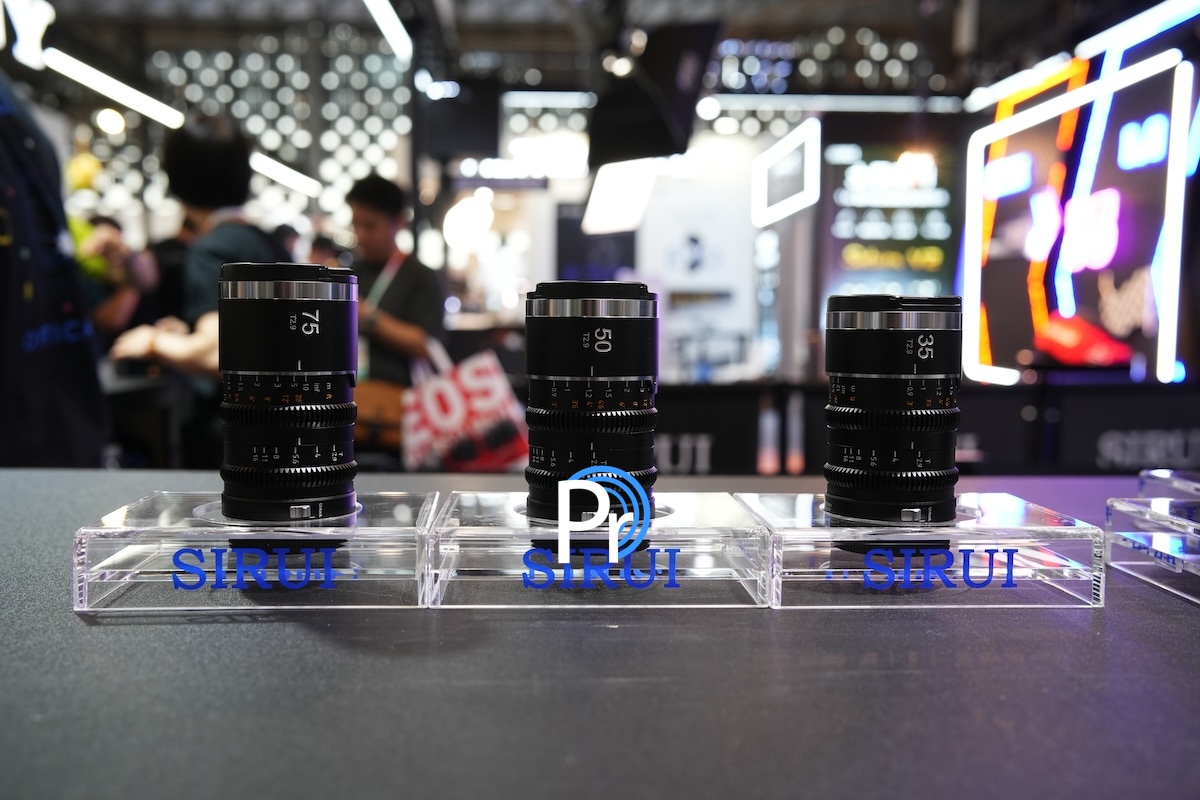
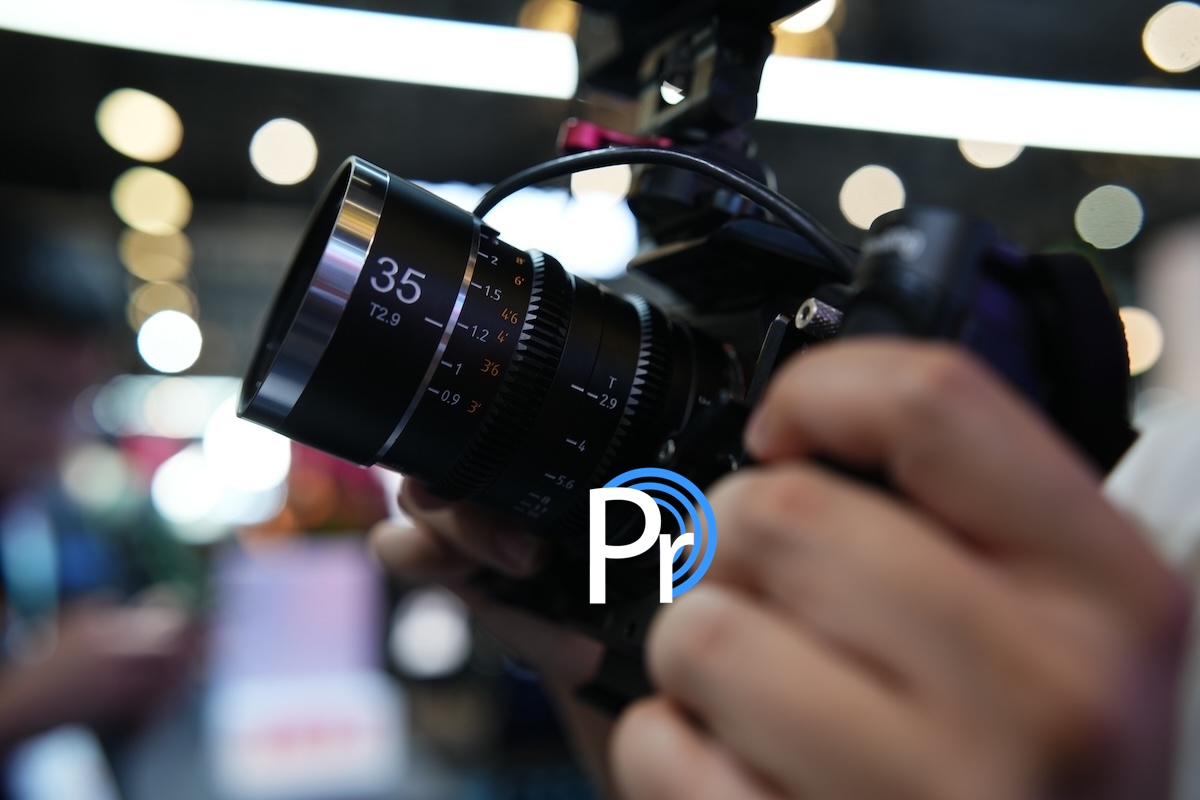
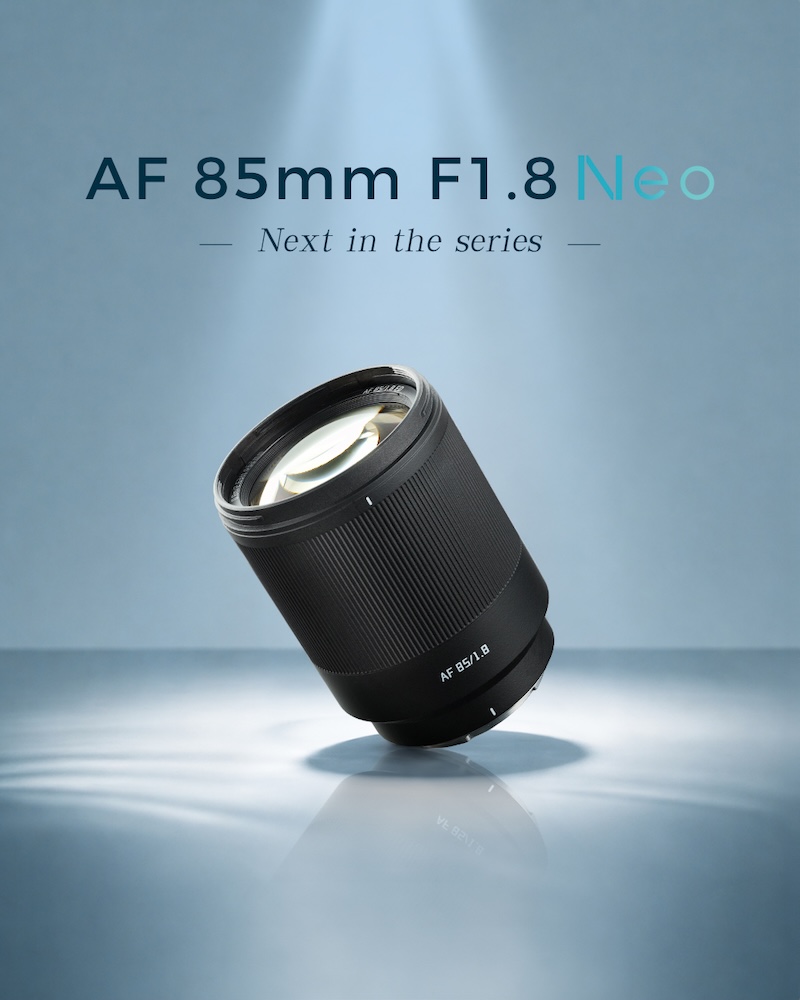
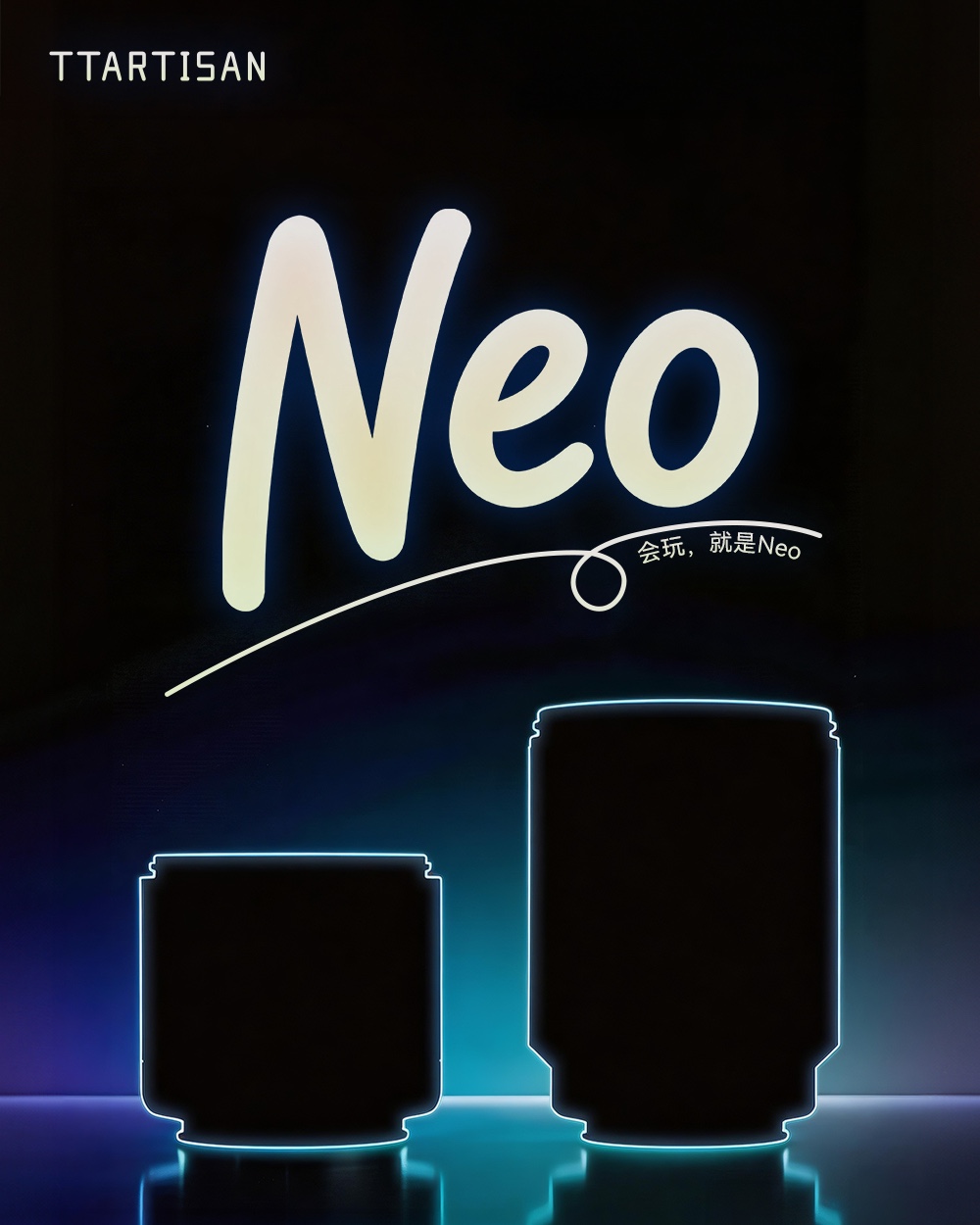
All new lenses from the 2026 China P&E Imaging Show (update #3)
The post The latest new and upcoming lenses from Meike, Viltrox, 7Artisans, TTartisan, Laowa, Sirui, and SG-image appeared first on Photo Rumors.
The latest Kickstarter updates:

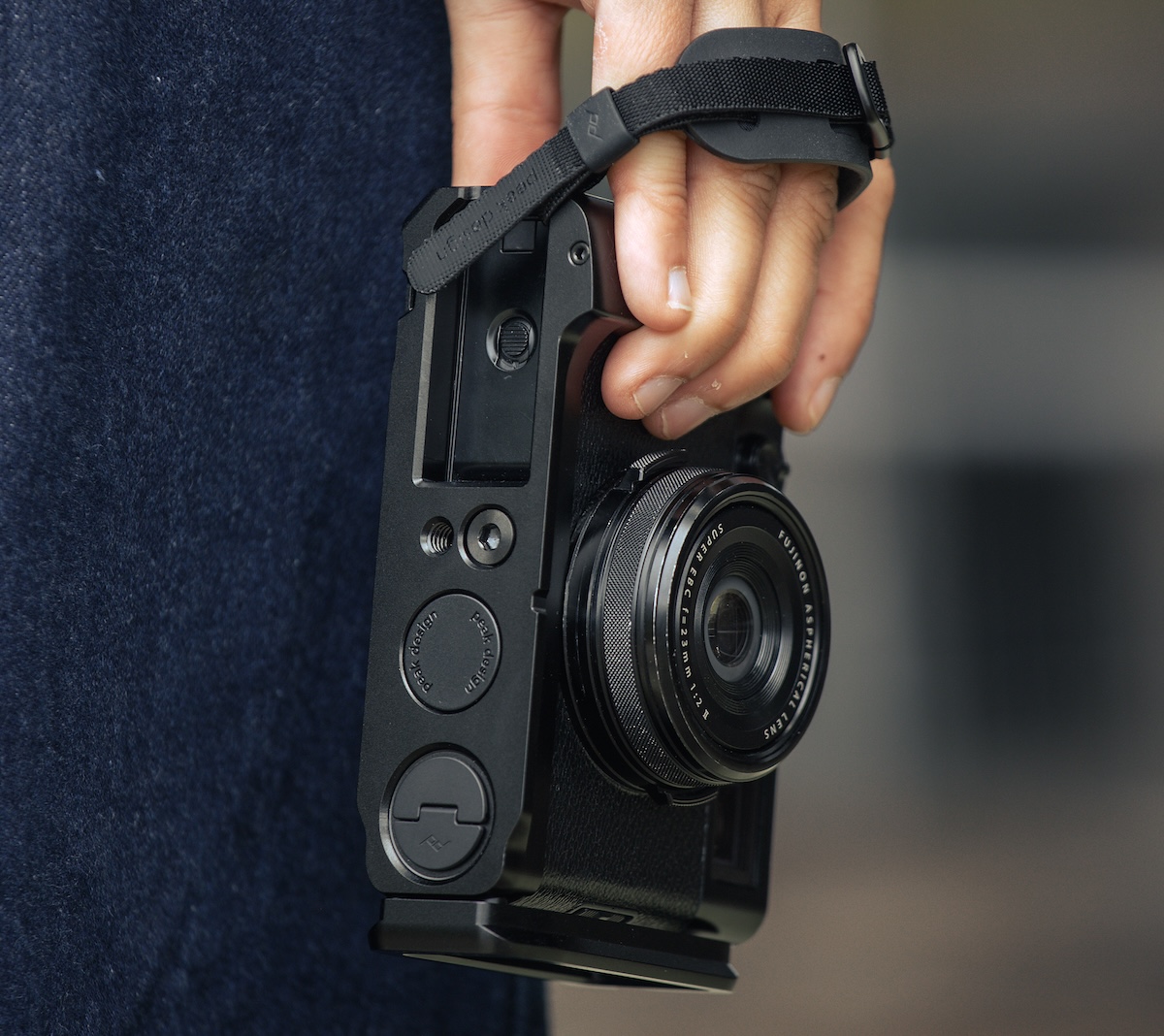
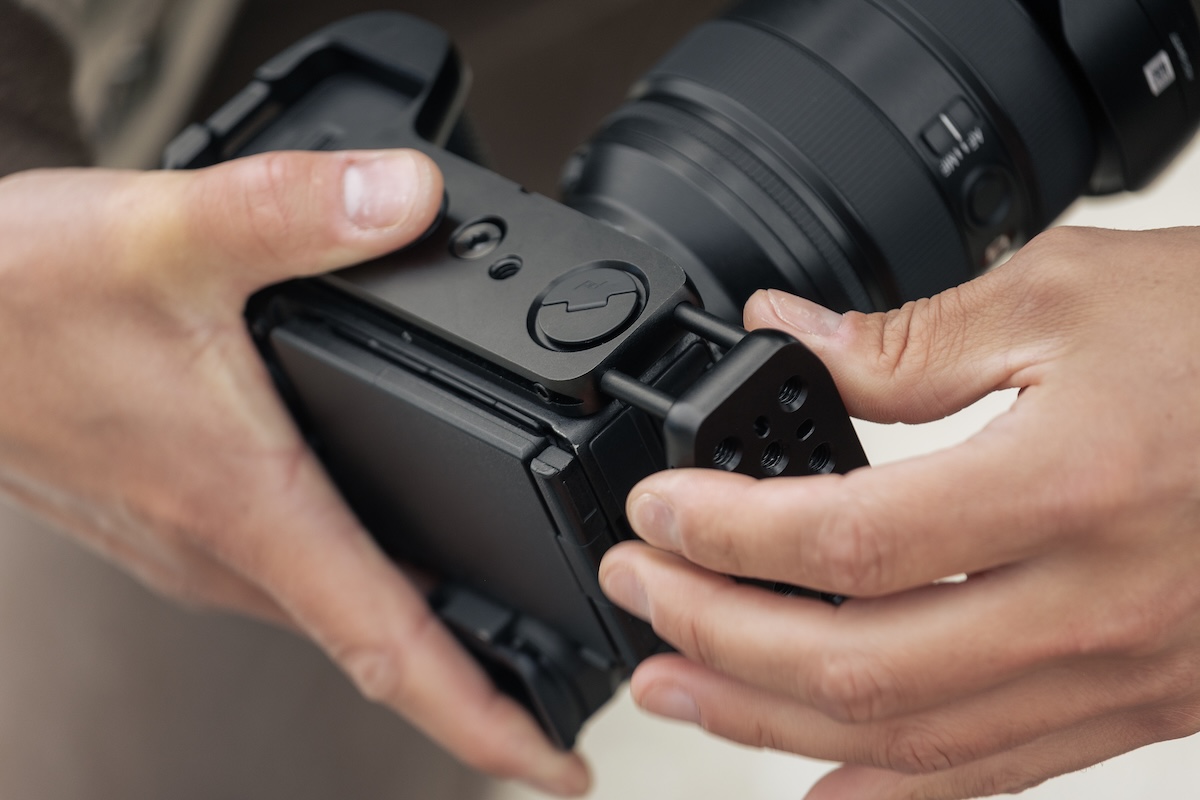
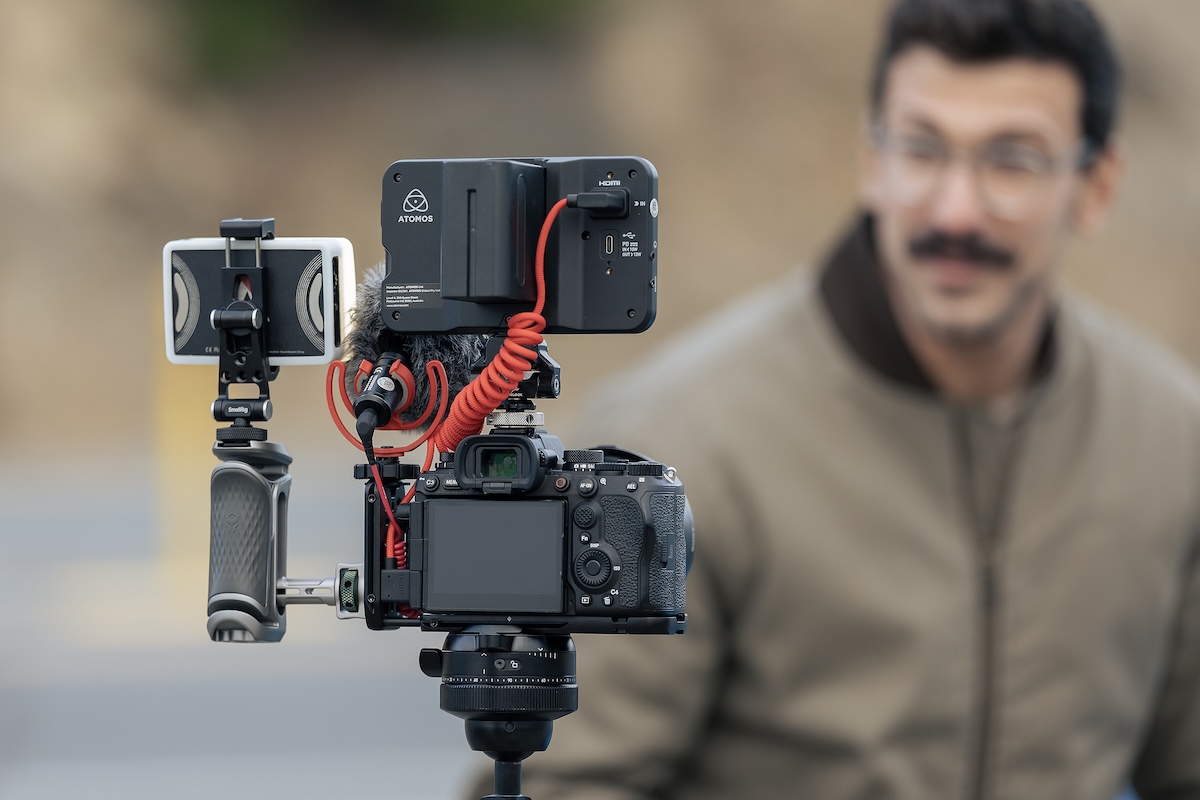
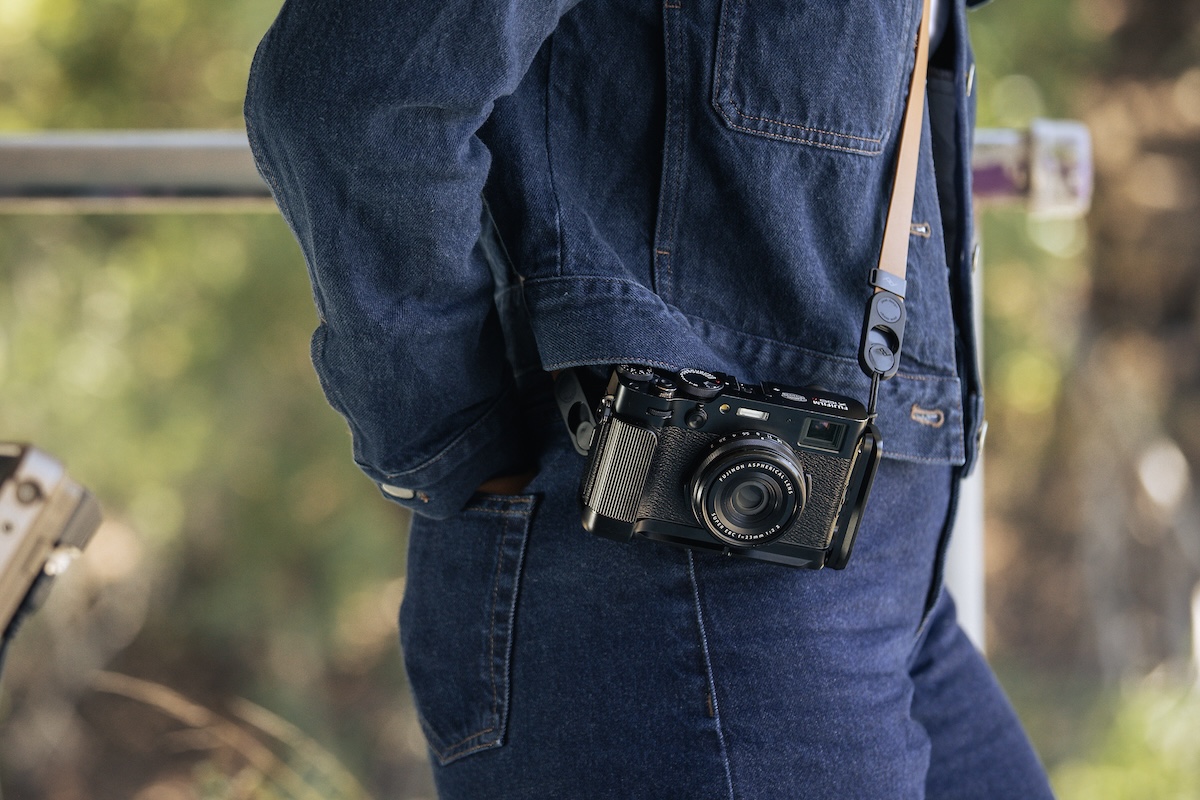
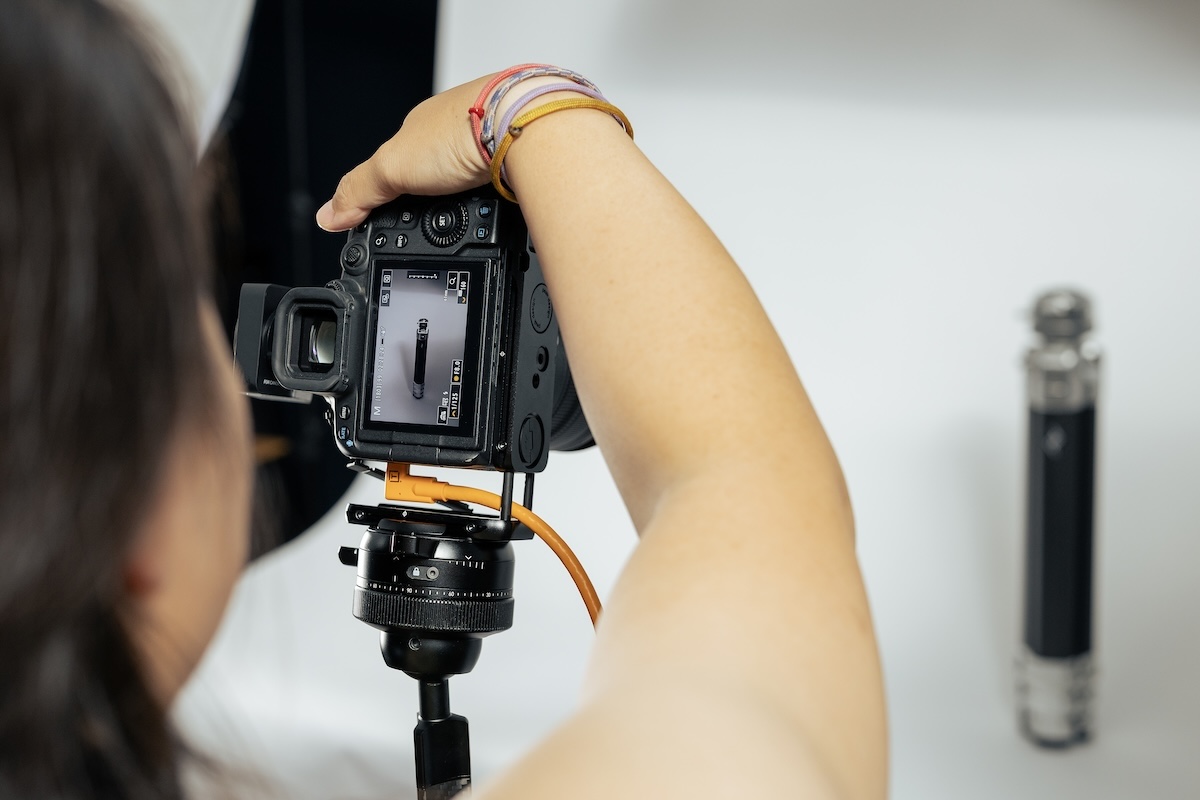
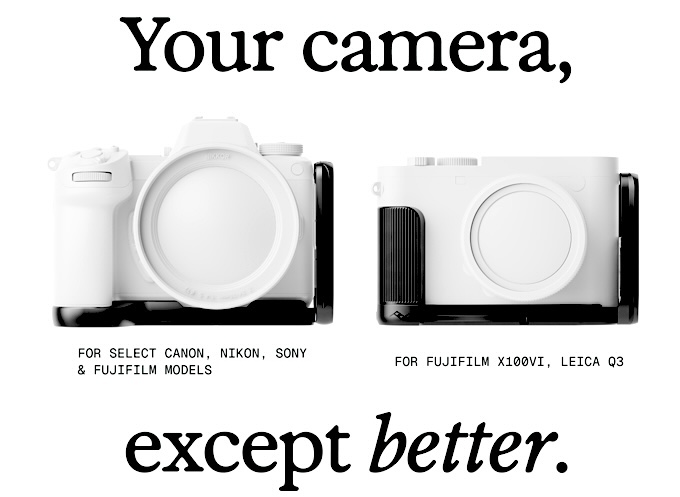

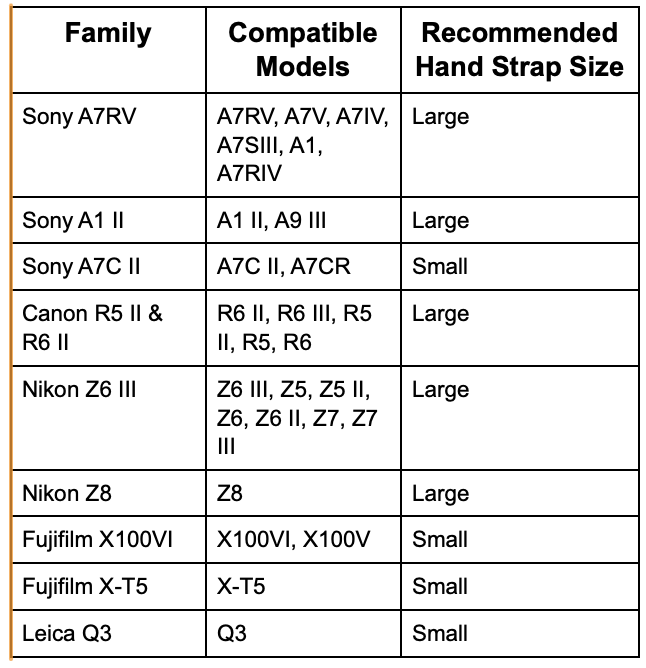
Peak Design modular field L-bracket system ending in 5 days – additional information:
Peak Design has a new modular field L-bracket system for Sony, Nikon, Canon, Fuji, and Leica cameras
New on Kickstarter: SNYP pocket camera with 2K video & retro film filters (33g Ultra-Light Design|2K Video|16MP Photos|360° Rotating Lens|CCD Filters|Instant Preview|Photo, Video & Audio Recording).
Late Kickstarter pledges are still available for:
The post The Peak Design modular field L-bracket system crowdfunding project ends in 5 days appeared first on Photo Rumors.
The Pixel 11 Pro Fold has better cameras than its predecessor, but its system isn’t even on par with a phone that’s $1000 cheaper
GoogleEarlier this week, Google announced the Pixel 11 Pro Fold, the latest entry in its lineup of folding phones. While it includes some meaningful improvements over its predecessor, Google is still asking people to pay $1900 for a phone that makes a lot of compromises, at a time when its competitors have offerings that don’t ask you to give up much.
The issue is most evident when it comes to cameras. Despite its “Pro” branding, the Pixel 11 Pro Fold’s camera setup is more similar to that of the standard Pixel 11 – a phone that costs $1000 less – than the Pixel 11 Pro. It has the same Type 1/1.56 (48mm²) main sensor and the same Type 1/3.2 (15.5mm²) telephoto camera as the Pixel 11, and its ultrawide camera is actually fractionally smaller. So yes, even compared to the Pixel 11, the Fold’s cameras are technically worse, while the Pro’s array beats it in every way.
Compare this with Samsung’s latest Galaxy Z Fold 8 Ultra. Sure, it costs $200 more than Google’s foldable (though at these prices, that only amounts to an 11% premium), and its three cameras are the same as you’d find on the top-of-the-line Galaxy S26 Ultra. Now, the Z Fold 8 Ultra lacks the periscope camera you’d get on the candybar ultra, but for most shooting situations, its cameras are comparable to those on standard flagships like the iPhone 17 Pro or Google Pixel 11 Pro.
| Google Pixel 11 Pro Fold | Pixel 11 Pro XL | Samsung Galaxy Z Fold 8 Ultra | Samsung Galaxy Z Fold 8 | |
|---|---|---|---|---|
| Main camera | 24mm equiv. F1.7 Type 1/1.56 (48mm²) 48MP | 24mm equiv. F1.68 Type 1/1.3 (72mm²) 50MP | 24mm equiv. F1.7 Type 1/1.3 (72mm²) 200MP | 23mm equiv. F1.8 Type 1/1.57 (50mm²) 50MP |
| Ultrawide camera | 9mm equiv. F2.2 Type 1/3.4 (13mm²) 10.5 MP | 13mm equiv. F1.7 Type 1/2.51 (23.5mm²) 48MP | 10mm equiv. F1.9 Type 1/2.5 (25mm²) 50MP | 10mm equiv. F1.9 Type 1/2.5 (25mm²) 50MP |
| Telephoto camera | 110mm equiv. F3.1 Type 1/3.2 (15.5mm²) 10.8MP | 106mm equiv. F2.8 Type 1/1.95 (32mm²) 48MP | 67mm equiv. F2.4 Type 1/3.94 (10mm²) 10MP | N/A |
| Inner / Outer screen size | 6.5″ / 8″ | – / 6.8″ | 6.5″ / 8″ | 5.5″ / 7.6″ |
| Peak screen brightness | 3600 nit inner/outer | 3600 nit | 3000 nit inner/outer | 3000 nit inner/outer |
| Battery size | 4806mAh | 5115mAh | 5000mAh | 4800mAh |
| Thickness (folded / unfolded) | 10.1mm / 5mm | 8.4mm | 8.9mm / 4.1mm | 9.7mm / 4.5mm |
| Weight | 239g (8.4oz) | 226g (8oz) | 215g (7.6oz) | 201g (7.1oz) |
| Price | $1900 | $1299 | $2100 | $1900 |
In fairness to Google, if you’re just comparing the cameras, the Pixel 11 Pro Fold comes out a bit ahead of Samsung’s price-competitive Galaxy Z Fold 8. That phone has a better ultrawide, but omits a telephoto option completely. However, it’s also a passport-style phone, adopting a form-factor that looks like it may be the future of foldables, if early reviews are any indication. When Samsung compromises on the cameras, you get something in return.
Still, you could potentially argue that Google is competing with Samsung on the camera front, as long as you ignore that the latter offers another model if you don’t prefer to compromise. But while cameras are obviously our primary concern here at DPReview, we recognize that most people’s phone purchasing decisions won’t hinge on the minutiae of sensor sizes (though if you’re spending almost $2000 on a phone, odds are you’re an enthusiast who wants the best whether you’ll use it to its fullest or not). Unfortunately for Google, the 11 Pro Fold is falling behind in other ways, too.

The Pixel 11 Pro Fold has a few physical changes that are genuine improvements. It has slimmer bezels, is a touch thinner and lighter and is more durable. But when you open up that interior screen, you’ll still be greeted with a noticeable crease down the middle, something Samsung has all but eliminated in its latest foldables thanks to some clever engineering. The Korean giant is also starting to adopt silicon-carbon battery tech, letting it pack more energy density into the same space. I suspect these two factors will be big points in Samsung’s favor to the typical foldable buyer – the big screen you’re paying so dearly for will be nicer to look at and your phone will likely last longer on a charge – even if they don’t care about cameras.
There’s even more competition on the horizon
As if Samsung’s foldables weren’t enough of a threat to Google’s foldable ambitions, there’s even more competition on the horizon. Apple is expected to release its first foray into the form factor soon, likely with a passport-style phone. While I’d bet that its cameras won’t be anything special (if the iPhone Air is anything to go by), Apple undoubtedly has a way of exciting consumers about technologies that its competitors have long since adopted*. Google has brought a mild refresh with compromised cameras to a hype cycle fight.
What’s more, it’s really only Americans who will be choosing between the Pixel, Galaxy and iPhone. Outside of the US, there are even more options from companies like Oppo or Huawei, and while neither company has made one that uses the massive image sensors found in their main phones, that feels more like a matter of when, not if.
None of this is to say that I think the Pixel 11 Pro Fold will be bad. This is Google’s fourth folding phone, and it’s pretty good at making them by now. I’m sure the pictures it takes will be fine for most people, and that it’ll be good enough that the Google faithful will be happy to have it as an option. But with prices for foldables being higher than ever, and such fierce competition that promises to only get more intense in the coming months, I just don’t buy that good enough is good enough.
* – I’ll own up to the fact that this works on me, too. In 2024, I wrote an opinion piece about the Pixel 9 Pro Fold entitled “I don’t want to pay $1799 for worse photos.” And yet, hypocrite that I am, there’s a very high chance that I’ll buy the foldable iPhone, which may very well have worse cameras than my current iPhone 15 Pro. At the very least, it’ll almost certainly have fewer of them. The only thing saving me from being a complete liar is the fact that there’s no way Apple will charge $1800 for its foldable. I’ll consider myself lucky if it’s under $2000.
Want to stay up to date on the latest product news and releases? Add DPReview as a preferred source to ensure our independent journalism makes it to the top of your Google search results.
The Hidden Worlds category makes its debut this year, spotlighting the ocean’s smallest inhabitants.
Andrea MicheluttiThe finalists for Ocean Photographer of the Year 2026 have been announced, featuring images that highlight the complexity and diversity of the world’s oceans. Presented by Oceanographic and Blancpain, the contest is now in its seventh year and showcases work across seven categories.
What sets this year’s iteration apart is a new category: Ocean Unseen: Hidden Worlds, which is dedicated to the ocean’s smallest inhabitants. Other categories include Adventure, Wildlife, Fine Art, Conservation Impact, Conservation Hope and Human Connection. The 2026 shortlist is among the most geographically and thematically varied the competition has fielded.
As the pressures on our ocean grow, so does the importance of the artists who bear witness to them.
Will Harrison, Ocean Photographer of the Year founder and director
Will Harrison, the competition’s founder and director, said: “These photographs don’t just capture what’s beneath the surface; they surface the stories our planet most needs us to hear. As the pressures on our ocean grow, so does the importance of the artists who bear witness to them. This year’s finalists have produced work of extraordinary depth and courage, and we’re proud that Ocean Photographer of the Year continues to be the platform where those stories reach the world.”
Below is a small selection of the finalists. The full set of finalists across all seven categories is available on the Ocean Photographer of the Year winners gallery. Category winners and the overall Ocean Photographer of the Year 2026 will be announced in September 2026.
 Mitsuna Kawai
Photographer: Mitsuna Kawai
Caption: A ribbonfish rises vertically through the dark waters of Osezaki, Japan. Its long, silver body and delicate fins are adapted for life in the open ocean. This image was captured during a winter blackwater dive. Around the ribbonfish, a swarm of salps – small, jelly-like animals that feed on tiny particles in the ocean – creates a glimpse of life moving through the deep sea.
Technical details: Canon EOS R10 | Canon RF-S 18-150mm F3.5-6.3 IS STM @ 18mm | F9 | 1/160 sec | ISO 200
 Steven Lopez
Photographer: Steven Lopez
Caption: A close view of a giant black sea bass reveals tiny parasitic copepods clustered around its eye in a Catalina Island kelp forest. Once misidentified on other hosts, these copepods are now known to have a specific relationship with this threatened fish. In the late 1970s and early 1980s, the giant black sea bass was nearly extinct in Southern California but is now recovering through protection efforts. This image highlights how even a giant predator can support a hidden community of much smaller organisms
Technical details: Not available
 Rafael Fernandez Caballero
Photographer: Matty Smith
Caption: In the Pacific waters of Mexico, this photograph captures the aftermath of a successful orca hunt. Nearly an hour after a pod separated a humpback whale calf from its mother, the orcas resurfaced carrying their prey between them. The event reveals the cooperative hunting strategies of orcas, where multiple individuals work together to isolate and subdue large prey. What the image doesn’t show is that after the kill, other scavengers, including silky sharks, were drawn to the remains, showing how one event can influence an entire marine food web.
Technical details: Nikon Z9 | Nikon AF-S Fisheye 8-15mm F3.5-4.5E ED @ 14mm | F9 |1/320 | ISO 800
 Yuta Shigeno
Photographer: Yuta Shigeno
Caption: This photograph captures a male cardinalfish releasing the larvae he has been brooding inside his mouth. Although this species is common in Japanese waters, the image reveals a rarely noticed stage of its life cycle. The male carries and protects the developing eggs for around a week, eating little or nothing during this period. The larvae are released over several events, with the first release containing the largest number.
Technical details: Nikon Z8 | Nikon Nikkor Z MC 105mm F2.8 VR S | F18 | 1/200 sec | ISO 500
 Celia Kujala
Photographer: Celia Kujala
Caption: A California sea lion has plastic netting tightly wrapped around her neck. This is a stark reminder of the lasting impacts of marine plastic pollution. The wound had already cut deep into her skin, yet rescuing her was impossible because of her location within a crowded colony. Images like this reveal the hidden cost of discarded waste and give a face to an often-unseen crisis. The catchlight in her eye creates an intimate connection that is difficult to ignore.
Technical details: Nikon D500 | Nikon AF-S NIKKOR 500mm f/5.6E PF ED VR | F9 | 1/500 sec | ISO 500
 Daniel Taylor
Photographer: Daniel Taylor
Caption: A silky shark circles helplessly after taking bait from an illegal longline, its fate sealed by a steel hook and heavy line designed to prevent escape. Photographed less than 48 hours after Baja California’s seasonal shark fishing ban ended, the image reveals a hidden reality unfolding far from shore. A small group of pilot fish remains beside the shark, highlighting how the loss of one animal can ripple through an entire ecosystem.
Technical details: Not available
 Francesca Page
Photographer: Francesca Page
Caption: Thousands of juvenile European lobsters are raised at the National Lobster Hatchery in Padstow, Cornwall, UK, before being released into the wild. By protecting the young lobsters during their most vulnerable stage, the Hatchery greatly improves their chances of survival. Here, these baby lobsters are being transferred into the space-efficient AquaHive system, an innovative hatchery design where each unit holds around 4,000 juveniles, safely separated across individual trays to prevent cannibalism.
Technical details: Sony a7 IV | Sony E 70-180mm F2.8 @ 111mm | F13 | 1/250 sec | ISO 400
 Daniel Edmond Sullivan Jr.
Photographer: Daniel Edmond Sullivan Jr.
Caption: Thirty days after the 2023 Lahaina wildfire claimed 102 lives, thousands gathered off West Maui for a traditional Hawaiian paddle-out ceremony. Surfers and families formed a circle on the ocean, linking hands and releasing leis in memory of those lost. Photographed from above, the image captures a community transforming grief into a shared expression of love, remembrance and connection to the sea.
Technical details: Hasselblad L2D-20c | 24mm equiv | F2.8 | 1/640 sec | ISO 200
 Rui Duarte
Photographer: Rui Duarte
Caption: Volunteers, surfers, lifeguards and conservation groups work together to refloat stranded short-finned pilot whales. While many animals initially returned to the sea, the pod stranded again further along the coast, highlighting the complexity of mass strandings. The image captures compassion in action, but it also reflects how wildlife rescue continues to evolve. In the months that followed, international experts trained the local community in safer, science-based stranding response techniques, strengthening future rescue efforts.
Technical details: Canon EOS 5D IV | Canon EF 16-35mm F2.8L III USM @ 26mm | F6.3 | 1/640 sec | ISO 400
 Qingsheng Sun
Photographer: Qingsheng Sun
Caption: Thousands of fish-farming cages stretch across the sea, connected by floating walkways and small wooden huts to form a vast floating community. Extending for kilometers, this carefully organized aquaculture network supports local livelihoods while transforming the coastal landscape.
Technical details: Not available
 Ben Thouard
Photographer: Ben Thouard
Caption: A surfer races through the barrel of Teahupoʻo, French Polynesia, photographed from beneath the wave using a slow shutter speed. Rather than freezing the action, the technique blurs the rushing water while keeping the surfer as the focal point, conveying the incredible speed inside the wave. Teahupoʻo is a busy surf spot, yet the photographer has managed to capture an isolated surfer at this iconic location.
Technical details: Canon EOS R5 | Canon EF 85mm F1.4L IS USM | F12 | 1/10 sec | ISO 50
 Daan Verhoeven
Photographer: Daan Verhoeven
Caption: Freediver Arnaud Jerald descends into Dean’s Blue Hole in the Bahamas during a successful world record attempt at the Vertical Blue competition. Photographed from more than 30 meters below, the image captures the scale of one of the world’s deepest marine sinkholes. Crystal-clear water, sunlight and drifting sand combined to create a rare view of this remarkable moment.
Technical details: Canon EOS R5 | Canon EF 11-24mm F4L USM @ 11mm | F5/6 1/250 sec | ISO 100
 Chelsea Mayer
Photographer: Chelsea Mayer
Caption: A pod of short-beaked common dolphins swims beneath the bow of a ship off the coast of southern California. Dolphins are known to ride the pressure wave created by moving vessels, using it to travel with little effort in a behavior known as bow riding. Calm seas and exceptional water clarity reveal the dolphins’ markings, while the reflection of the white, yellow and blue paint from the National Geographic Venture creates a psychedelic, abstract image.
Technical details: Not available
 John Kowitz
Photographer: John Kowitz
Caption: Five-spotted eagle rays glide above the sandy seabed, their dark bodies and white markings contrasting against the pale background. These rays often travel together while searching for prey, using electroreceptors to detect hidden mollusks and crustaceans beneath the sand. Photographed during a dive in search of manta rays, this formation appeared during the journey back to shore.
Technical details: Sony a1 | Sony FE 16-35mm F2.8 GM @ 16mm | F5.6 | 1/160 sec | ISO 125
Want to stay up to date on the latest product news and releases? Add DPReview as a preferred source to ensure our independent journalism makes it to the top of your Google search results.


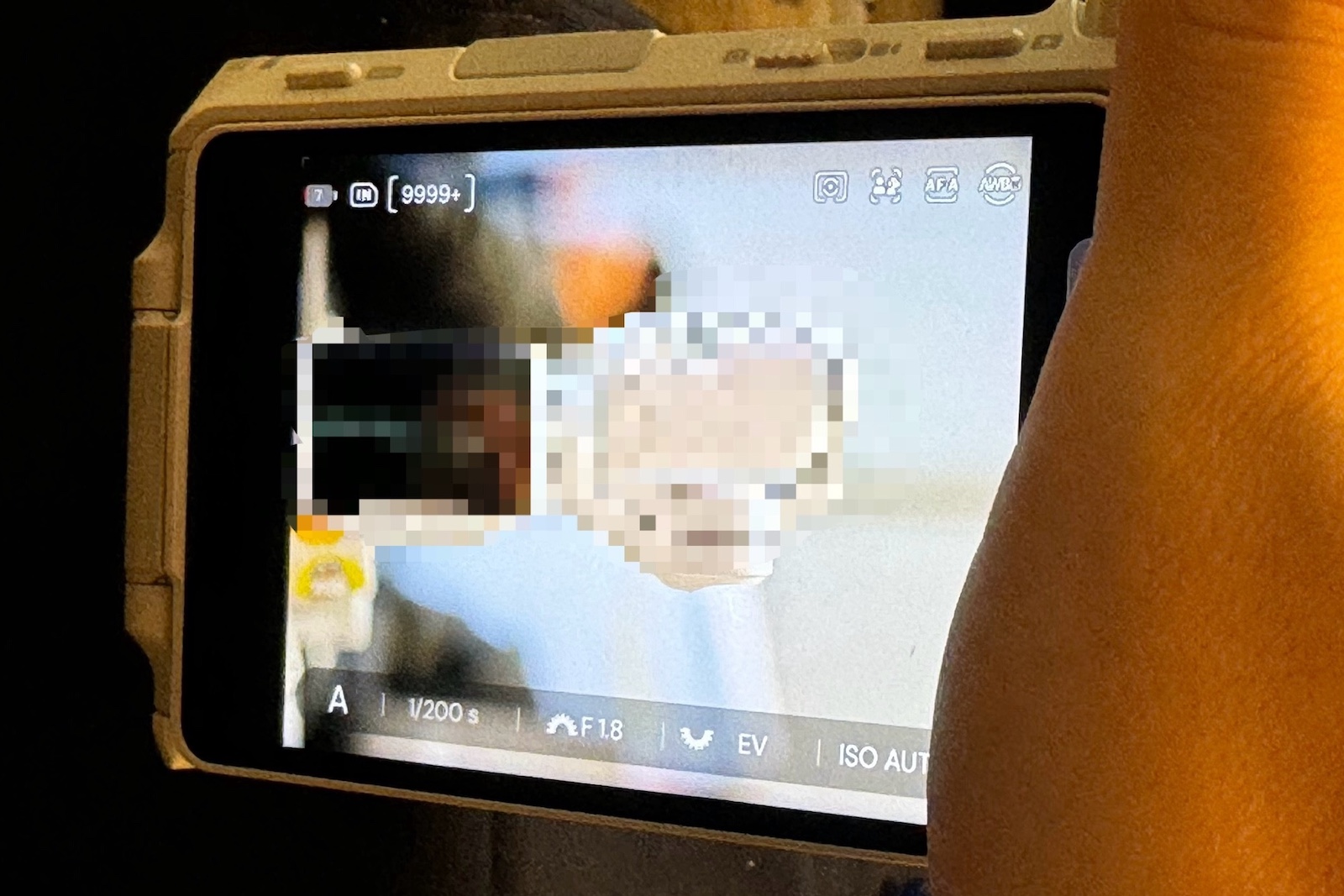

In a recent interview, Insta360 founder and CEO JK Liu confirmed that they are developing two new camera models with completely different characteristics, and one of them will have a shape that “you have never thought of before”:
For the mirrorless camera that has been rumored to be on the market on social media , they explicitly stated that “development is currently underway.” Moreover, they are developing two models with completely different characteristics. One of them will have a shape that “you have never thought of before,” and it may be a camera that will change the way people take pictures with cameras, which has traditionally involved “framing, focusing, and pressing the shutter button.” They said that “we may be able to show a prototype at CP+ in 2027 ,” suggesting that the camera industry will be much more interesting next year. (via mynavi.jp)
See the current Insta360 deals at Amazon and B&H Photo:
Previous coverage of the Insta360 mirrorless camera rumors can be found here:
The rumored Insta360 mirrorless interchangeable-lens camera will have an MFT mount
The post Insta360 CEO confirms two new mirrorless cameras: “It will be a shape no one has ever thought of before” appeared first on Photo Rumors.
We’re celebrating ahead of World Photography Day by capturing local landscape scenes. Join us and show off your area!
 Getty Images
Attention photographers: Wednesday, August 19th, is World Photography Day!
World Photography Day is a global celebration that honors Louis Daguerre‘s invention of the daguerreotype.
In 1884, George Eastman of Rochester, NY, helped advance photography by developing a practical, flexible roll film, building on earlier photographic processes. Rather than relying on heavy glass or metal plates, Eastman’s approach used a light-sensitive gelatin emulsion on a paper backing – an early flexible film, though not yet the transparent film we know today.
Just a few years later, in 1888, Eastman introduced the Kodak camera, helping make photography accessible to a much wider audience.
If you want to learn more about the origins of the World Photography Day, check out our article from last year’s mini-challenge.
We’ve decided to celebrate World Photography Day by taking pictures, and we’re challenging you to do the same. But this time, have the photo represent your local landscapes.
That’s it! We’ll pick our favorites and publish them in an exclusive album on the DPReview homepage next week, along with similar photos taken by DPReview’s staff. The article will also be mentioned in an upcoming newsletter.
You can use any camera or technique, but if you manage to shoot a daguerreotype between now and then, we can pretty much guarantee your submission will be selected.
Bring on the photos!
Want to stay up to date on the latest product news and releases? Add DPReview as a preferred source to ensure our independent journalism makes it to the top of your Google search results.
New models were already effectively banned, but the ones that are still available will be more expensive
DJITariffs are back in the US, and this time they’re targeted at drones. According to a statement posted by The White House on Thursday, there will be a 25% tariff on drones smaller than 25kg (55lb) and components for them. This comes as the drone market in the US has already suffered a major blow when the FCC said it would no longer approve new drones from foreign companies for sale, effectively making it so none of the major drone makers (read: DJI) could launch their new products in the country.
The White House positions the tariffs as a way to “address the national security threat posed by imports of drones and their components,” though the statement specifically calls out that the smaller drones being tariffed at 25% “lack certain capabilities that particularly implicate national security.” The tariffs come down much harder on heavier industrial and agricultural models, or drones that have thermal imaging capabilities; those are being taxed at 100%.
This is the latest move from the US government aimed at curtailing the popularity of foreign-made drones. Last year, it made it so companies couldn’t get regulatory approval to sell new drones in the country, but allowed existing models to remain on store shelves. That hasn’t changed, but with the addition of tariffs, it seems certain that those drones will now be more expensive, leaving Americans to pay more for now-outdated models.
The tariffs on drones will take effect 21 days from when the proclamation was signed
The tariffs on drones will take effect 21 days from when the proclamation was signed, while the ones on some components may take a while longer to go into effect. In case it wasn’t clear that the administration was largely targeting drones made in China, the proclamation also contains a carveout on drones and components made in the EU, Japan, Liechtenstein, Republic of Korea, Switzerland, Taiwan, and the UK, as long as “substantially all hardware, software, and technology originates from within these countries and the United States.” If they meet that bar, they’ll only be tariffed at 15% (or 10% for the UK).

This isn’t the current US administration’s first attempt at tariffs. Last year it announced wide-ranging import tariffs on goods from virtually every other country, sparking trade wars, which saw threats of tariffs as high as 25% on goods from Japan, and up to 145% on Chinese imports. While they were in effect, nearly every camera company raised its prices on most or all of their products. While the reciprocal tariffs were deemed illegal by the Supreme Court earlier this year, we’ve yet to see a wholesale softening of those prices.
As for whether these new tariffs will meet the same fate, it’s impossible to say. But if you’re an American considering a drone, it may be worth getting it sooner, rather than later.
Want to stay up to date on the latest product news and releases? Add DPReview as a preferred source to ensure our independent journalism makes it to the top of your Google search results.
Our community has been posting incredible eclipse pictures, from Spain and elsewhere.
TheDispossessedIn the lead-up to the total solar eclipse on August 12th, we asked our community members who would be in its path to share the best photos they took of it. It ended up being a very special event, too; typically, you need a solar filter to shoot the sun in any form, making it the only thing you can see in the frame. But because this eclipse happened when the sun was so low on the horizon, it allowed people to capture it like they would a typical sunset photo, with the landscape visible in front of it.
Despite the brief window of time and relatively limited area it was visible from, our community absolutely delivered on the opportunity, capturing and sharing some incredible shots. Here are a few (but not all) of our favorites.
The main event of a solar eclipse – what gets people to spend hours or even days traveling to a surely crowded area – is the moment of totality, where the sun is completely blocked by the moon. And while it’s easy for most pictures of this moment to turn out very similar, some of our readers found interesting ways to capture it, putting it in context.

User Abenjaldun captured this image in Cerceda, Spain, where the totality lasted around 35″.
 ml6
ml6This photo from user ml6 was one of several they posted showing the moment of totality. While others in the gallery show it in more detail, this one captures the feeling of the moment, of being surrounded by people all experiencing – and trying to capture – the same thing as you.

This image captured by user ARSPR shows a solar flare erupting from the sun at the moment of eclipse. ARSPR says they shot the image planning to use the ISO invariance of the Sony a6700’s sensor to brighten it later, though this particular photo is an out-of-camera JPEG.
While pictures of the total eclipse are striking, partial eclipses are visible in more places, so more people have a chance to photograph them. And, because there’s more light, it’s easier to capture the scene around it, while still producing a beautiful image.

User Jonathan Mac managed to get several great photos from the eclipse, despite saying that this was their first time photographing (or even experiencing) one. Jonathan began researching what gear and techniques would be required to capture it back in December, and says it’s their “longest and most complicated photography project” to date. That work, and the fact that the eclipse combined with a sunset, paid off, resulting in a frame that looks straight out of a classic sci-fi movie.

Normally, clouds rolling in would ruin the chance to take pictures of celestial events, but user TheDispossessed was able to capture a moment where they heightened the experience, instead of detracting from it. The photo was taken in Durham, and TheDispossessed says it was just in the nick of time; the sun apparently disappeared right after they pressed the shutter.
 RFB97
RFB97Speaking of clouds and sci-fi, user RFB97 says they left their telephoto lens at home, but were able to improvise with their dad’s Nikon P1000 to get a close-up of the partial eclipse as seen from Algeria. RFB97 missed seeing the full eclipse because it happened as the sun was setting, and seems disappointed in the photo they captured because of the heat waves and lack of detail, but we think the image turned out really well.

User cbf_si took this photo near Slovenia’s highest mountain, resulting in a landscape shot so beautiful, you might be forgiven for missing the fact that an eclipse is happening during it.

Didier_Fr chose to visit the Saint-Mathieu lighthouse in the west of France to capture the eclipse, which seems like an inspired choice. I’m personally a sucker for images of light sources with the sun behind them, and the cool-factor of it is substantially higher when the light is coming from the partially-obscured sun.
Finally, two of our users, t_3, in Germany and Eric_., in Cambridge, UK, took a crack at the timelapse format that’s always popular with eclipses.

 Eric_.
One of the most interesting effects of a solar eclipse is that it turns everyday objects into cameras obscura – anything with a hole in it that’s the correct size will project an image of the event onto the surface behind it, resulting in bizarre and lovely patterns of light and shade. A few of our users captured this effect in some truly stunning pictures.

User Daneland says this photo shows the sunlight filtering through a tree’s leaves, projecting dozens of tiny eclipses onto the face of a Chinese restaurant.

User BratPix says they were just outside of Paris, watching the eclipse on TV, when they noticed that the eclipse was being projected into their kitchen.
This article highlights only a few of the wide selection of great photos that our users have sent in, and we expect we’ll see more throughout the day as people continue to edit and post their work. It’s well worth taking a look through the entire thread, as there’s a lot of really good stuff in there that we just didn’t have room to fit into this article. And if you took any photos of the eclipse, be sure to drop them in!
Want to stay up to date on the latest product news and releases? Add DPReview as a preferred source to ensure our independent journalism makes it to the top of your Google search results.
The Sigma 85mm f/1.2 DG Art lens for Sony E and Leica L mount is coming soon (check for pre-orders here) – Adobe has already added it to the list of supported lenses:
The latest Adobe CC subscription plan rates can be found here. The different Adobe Creative Cloud options are described here. Additional information on Photoshop and Lightroom is available on this page. Adobe Creative Cloud subscription can be purchased directly from B&H Photo or Amazon.
You can now save $350.89 on the Adobe Creative Cloud Pro (12-month subscription):
Previous coverage of the Sigma 85mm f/1.2 DG Art lens:
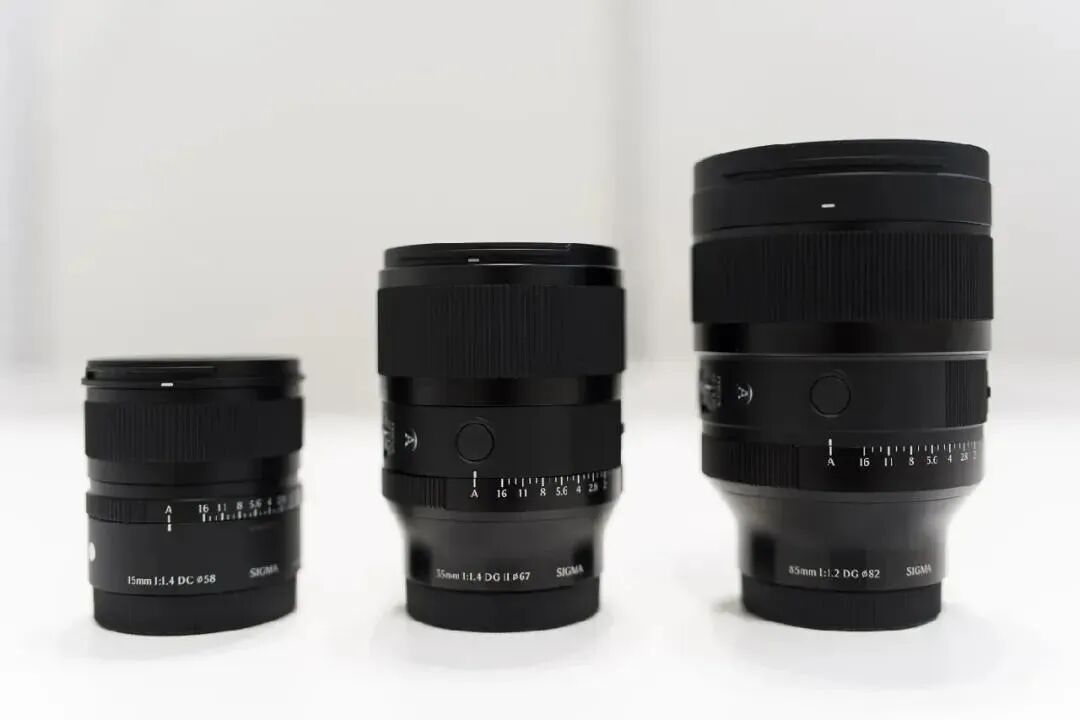
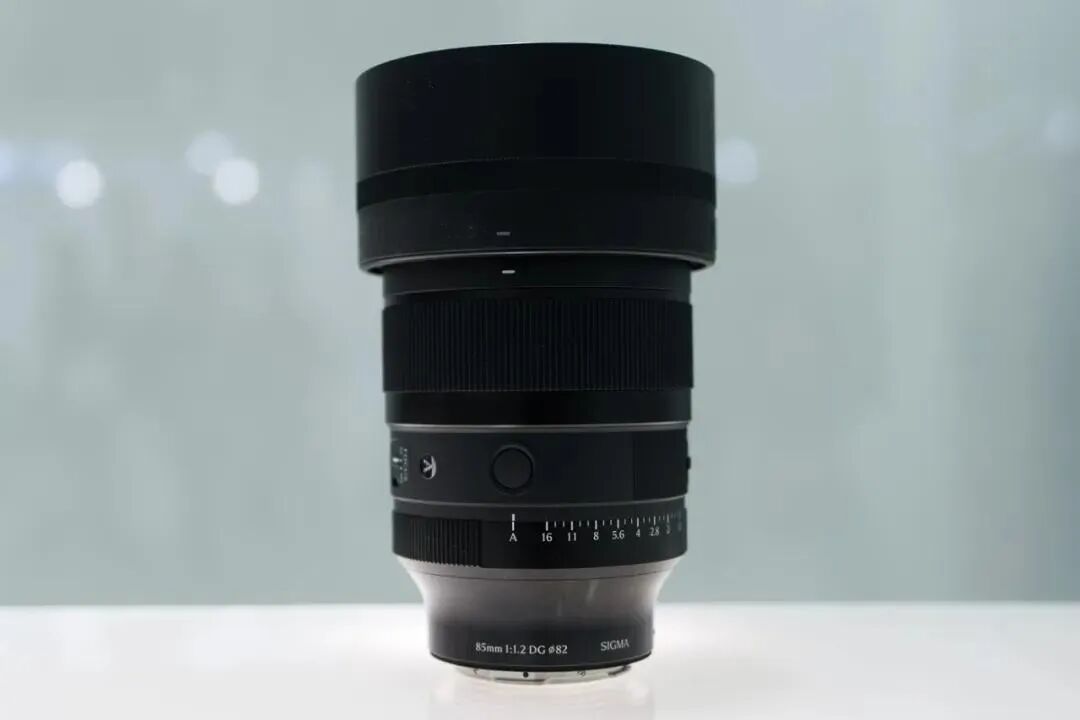
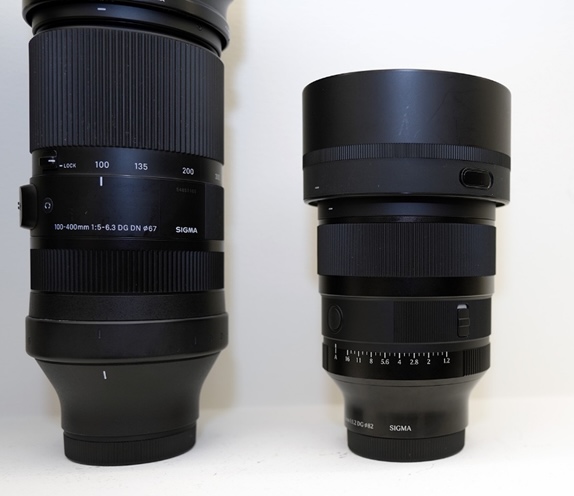
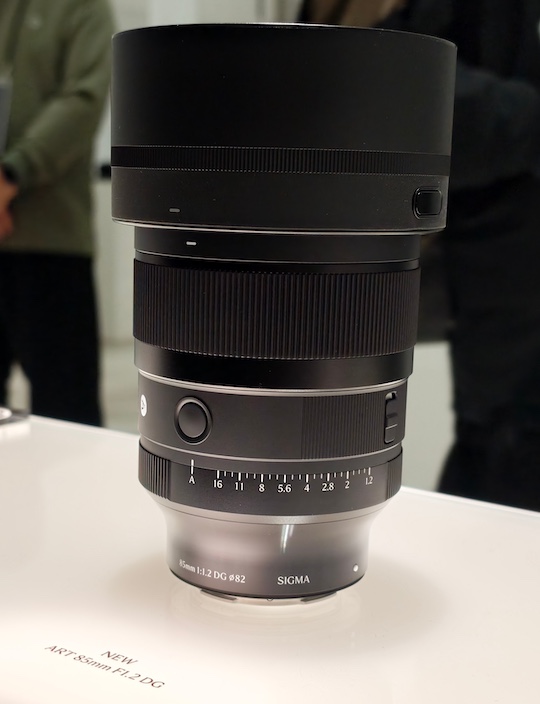


Pictures of the upcoming Sigma 85mm f/1.2 DG | Art lens (L/E)
Sigma 85mm f/1.2 DG | Art lens development announcement (L/E)
The post The Sigma 85mm f/1.2 DG Art lens (E/L) is coming soon appeared first on Photo Rumors.
The SL3-P is Leica’s fastest ever camera is also perhaps its most capable. It’s lovely to use but you need to really buy into the brand for the cost to make sense.
The Leica SL3-P is a high-speed, high-resolution L-mount full-frame camera built around a 44MP BSI CMOS sensor. It’s the latest in the company’s SL range and perhaps the most polished and all-round capable camera in the series so far.
The Leica SL3-P will be available immediately at a recommended price of $6695 excluding tax in the USA, or €5990, including sales tax.
|
Loading gallery…
Product photos: Mitchell Clark

Thus far, Leica has produced high-resolution SL models and high-speed SL-S versions. The SL-P appears to be something of an attempt to merge the two lines, offering both high speed and high resolution.
The result is something akin to Sony’s recent a7R VI or, perhaps more pertinently, the Panasonic S1RII: not an out-and-out sports camera but more a studio and landscape camera that’s happy to venture further afield. That Panasonic comparison is unavoidable as the 44MP, 40fps headline spec is shared between both cameras, as are their processors, even if the branding of them differs.
However, our experience of the SL3-P and the S1RII reminded us of how different you can make two cameras, even if you start with many of the same components and have similar destinations in mind.
Leica talks a good game about building cameras that last, and that’s immediately apparent in the feel and heft of the SL3-P. But what’s really striking is how few control points the Leica seems to have. That minimalism, honing the camera down to its core functions and little more extends to the menus and interface, meaning it gives a very different experience to the Panasonic. Or, indeed, any other mainstream camera.
Although it offers both high speed and high resolution, the SL3-P doesn’t match the do-everything levels of capability of the Nikon Z8 and Canon EOS R5 II, with their stacked CMOS sensors. Instead it’s closer in ethos to the Sony a7R VI or, perhaps unsurprisingly, the Panasonic S1RII, essentially delivering a studio and landscape camera that isn’t scared of a little action, rather than a camera you might pick for sports work.
We’ve also compared it here to the SL3, which offers higher resolution but less speed, if absolute image quality is more important to you than the added speed.
| Leica SL3-P | Panasonic S1RII | Sony a7R VI | Leica SL3 | |
|---|---|---|---|---|
| MSRP at launch | $6690 | $3300 | $4500 | $6995 |
| Resolution | 44.2MP | 44.2MP | 66.5MP | 60.3MP |
| Sensor type | BSI CMOS | BSI CMOS | Stacked CMOS | BSI CMOS |
| Max frame rate | 7fps mech., 14-bit 25fps elec., 14-bit 40fps elec., 12-bit |
9fps mech, 14-bit 40fps elec. |
10fps mech., 14-bit 30fps elec., 14-bit* |
5fps mech., 14-bit (AF-C) 15fps e-shutter, 14-bit. (AF fixed after first frame) |
| Rolling shutter rate (14-bit still) | 37.5ms | 37.5ms | 19.6ms | 100.5ms |
| Viewfinder res/mag/eye point | 5.76M dot 0.76x 21mm |
5.76M dot 0.78x 21mm |
9.43M dot 0.9x 25mm |
5.76M dot 0.76x 21mm |
| Rear screen | 3.2″, 2.33M dot Tilting |
3.0″, 1.84M dot Tilt / Fully articulating |
3.2″, 2.1M dot Tilt / Fully articulating |
3.2″, 2.33M dot Tilting |
| AF subject recognition | Human Animal Car |
Human Animal Car Motorcycle/Bike Train Airplane |
Auto Human Animal Bird Car/Train Airplane Insect |
Human Animal |
| Video resolutions |
8K/24 open gate |
8K/24 open gate UHD/DCI 4K/120 (up to 1.17x crop) 4K/60 (up to 1.1x crop) 4K/30 full-width |
UHD 8K/30 UHD 4K/120 (1.1x crop) UHD 4K/60 full-width |
UHD/DCI 8K/30 (up to 1.24x crop) UHD/DCI 4K/60 (up to 1.24x crop) |
| Video options | ProRes 422 H.265 H.264 (All-I / L-GOP) |
ProRes Raw ProRes 422 H.265 H.264 |
H.265 H.264 (All-I / L-GOP) |
ProRes H.265 H.264 |
| Connectivity | Wi-Fi 5 1x 10Gbps USB-C HDMI Mic / Headphone jacks Flash sync |
Wi-Fi 5 |
Wi-Fi 6E 1x 10Gbps USB-C 1x USB-C PD HDMI Mic / Headphone jacks Flash sync |
Wi-Fi 5 |
| Media Type |
1x CFexpress Type B |
1x CFexpress Type B 1x UHS-II SD External SSD |
2x CFexpress Type A / UHS-II SD | 1x CFexpress Type B 1x UHS-II SD |
| Battery life (LCD / EVF) | 383 shots | 340 / 280 shots | 710 / 600 shots | 260 shots |
| Weight | 852g (30oz) | 795g (28oz) | 713g (25.1oz) | 853g (30oz) |
| Dimensions | 141 x 108 x 85mm (5.6 x 4.3 x 3.3″) |
134 x 102 x 92mm (5.3 x 4.0 x 3.6″) |
133 x 97 x 83mm (5.2 x 3.8 x 3.3″) |
141 x 108 x 85mm (5.6 x 4.3 x 3.3″) |
*Autofocus performance reduced when shooting at 30fps in 14-bit
It probably shouldn’t come as a surprise to find that the SL3-P’s specs are a very close match for those of the S1RII. The differences between the two cameras aren’t something readily captured in a specs table.
The original SL3 offers a slight boost in resolution capture but at the cost of a lot of the new camera’s flexibility. Sony’s a7R VI offers both though: higher resolution and competitively fast shooting with excellent autofocus and slightly wider dynamic range. It’s hard to imagine how two user interfaces and user experiences could be more different, for two cameras ultimately trying to do the same thing, though.

The SL3-P uses the same body as the existing SL3 models: a solid, angular block of a thing with a few large control points and a substantial grip to wrap your hand around. The Leica branding across the viewfinder hump is so beautifully proportioned that it’s easy to assume that this series (and, perhaps, a series of film cameras before it), have always looked this way. So it was a shock to see the original SL in the company’s archives and see how far the design has evolved.

There are two buttons on the front of the camera, two on the top and one on the back, none of which have marked functions. Instead they can be re-programmed with a long press. In addition there are three marked buttons on the back of the camera: Play, Fn and Menu.
Then there are the three large command dials: one towards the front of the top plate, one protruding from the rear of the right shoulder and a third on the top left of the camera (which I kept forgetting about, as it’s such an unorthodox place to find one).
Beyond this there’s a small rubber joystick on the back of the camera, and that’s about it. Relatively few control points and still fewer dedicated ones. No switches for focus mode or AF area, not even the seemingly obligatory stills/movie switch: that’s controlled by swiping left or right on the rear screen.

We’ll touch more on the user interface in the ‘In use’ section of the review, but Leica is continuing to refine the rather elegant and focused interface it introduced in the SL3. For instance, in this latest camera, the company has re-worked the way you select a video mode: letting you select the parameters that are most important to you: frame rate, resolution, codec, etc, then filtering down the available list from a seemingly unmanageable 193 down to the handful that fit your requirements. It sounds obvious once you’ve seen it done, but it’s cleaner and simpler than most cameras we use.

The SL3-P has the same viewfinder as the other SL3 models: a 5.76M dot OLED panel (1600 x 1200px) with 0.76x magnification and a 21mm eyepoint. A large circular rubber cushion makes the camera comfortable to use if you wear glasses and there’s a -4 to +2 diopter adjuster set behind that cushion.
The rear screen is a 2.33M dot (1080 x 720px) panel mounted on a tilt up/down mechanism.

The SL3-P has the same port arrangement as its sister models, with 3.5mm headphone and mic sockets and a full-sized HDMI socket under a large, rubber flap on the left flank of the camera. Below these is a USB-C socket that can be used for data transfer (10Gbps), tethering (including to an iPhone) or charging.

The camera uses the same BP-SCL6 battery as its siblings: a 15.8Wh unit that powers the camera to a rating of 383 shots per charge, when tested to the CIPA protocol. As always, this tends to significantly under-represent the actual number of shots you can expect to get, but a rating of nearly 400 shots per charge is the sort of number that should means an enthusiast photographer rarely has to worry about topping-up on a day’s shooting. It’s only intensive shooting such a weddings, or anything involving a mixture of video and stills that are likely to call for you to have a spare to hand.
One of the Leica’s most compelling aspects isn’t something you can see from product photos or interpret from the spec sheets: the user interface.
The SL3-P uses the latest iteration of the back-to-basics interface Leica has been refining over the past few years.

At its heart, it’s designed around putting the key photographic parameters at your fingertips and minimizing the extent of, and need for, menu options. For instance, holding down a customizable button or long-pressing any of the on-screen icons brings up a list of other functions you can assign to it. In fact one of the few options present in the main menu is one to filter-down which options are presented to you, when you long-press a control point to customize its function.
The result is an interface very focused on the fundamental settings of photography. It affords you the luxury of just ignoring what’s going on in the interface, much of the time, and just letting you concentrate on the settings assigned to the two big dials, and what you’re seeing in your viewfinder.

This minimalist approach extends to the body and its control points, too, with a smattering of custom buttons, a joystick and three large, solid-feeling command dials being your points of contact. It’s remarkable how few dedicated control points there are and while, for my shooting, I found myself sometimes wishing for an AF mode selector, with a little work it’s very likely that you can set the camera up in a way you find very quick and easy to work with.
Because it’s such a different way of working, the interface takes a little bit of getting used to, though. It rewards you for taking the time to adjust to its design philosophy. One aspect of which is learning to save your setup as a user profile, or risk discovering that selecting the default profile erases any customization you’ve started applying.

It’s also worth recognizing what is and isn’t included in these profiles. Exposure mode is, but specific exposure settings aren’t, so my attempt to build a profile for freezing the action and another one, with a slower shutter speed, for panning ended up being unsuccessful. Likewise, it’s worth carefully planning your profiles before saving them: I thought it would be handy to define a custom button to switch between profiles. Which was great until I pressed the button and switched to a profile with different custom buttons settings, so couldn’t get back.
Overall it works very well, though, giving a very photo-focused shooting experience where, for all the cleverness that modern cameras have brought, you end up remembering that the only things that really matter are shutter speed, aperture value, composition and where you’re going to focus.
Despite us saying that the SL3-P has a very photo-focused interface, it’s probably better to say that it’s a very exposure-focused. Swipe left on the camera’s settings panel and you get a similar but now video-centric display, with yellow, rather than red accents.

The SL3 offers an incredible range of video modes: 157 in total. These range from 8K open-gate capture, that uses the full extent of the sensor, via 8K in either 1.89:1 or 16:9 aspect ratios and on to 4K capture, again with a choice of aspect ratios. But the camera also offers a selection of other resolutions for each of these capture regions, letting you strike a balance between resolution capture and speed.
Like Panasonic’s S1RII, the SL3-P doesn’t quite have enough pixels to capture DCI 8K (8192 x 4320px) footage so instead outputs 8132 x 4288px footage. UHD 8K is no problem, though, so you can also select the more conventional 7680 x 4320 resolution, if you prefer.
As you’d expect of a modern camera, you get the choice of 10-bit Log or HLG, or 8-bit if you don’t plan to color grade, and you’re targeting SDR displays.
| Output dimensions | Frame rates | Crop | MOV | ProRes | DR Exp | |
|---|---|---|---|---|---|---|
| 1.89:1 modes | ||||||
| C8K | 8128 x 4288 | 30, 25, 24 | 1.0 | 4:2:0 | – | Yes |
| C6K | 5760 x 4030 | 30, 25, 24 | 1.0 | HQ | ||
| 60, 50, 48 | 1.04 | – | – | |||
| C4K | 4096 x 2160 | 30, 25, 24 | 1.0 | 4:2:2 | HQ | Yes |
| 60, 50 | 1.04 | – | ||||
| 30, 25, 24 | 1.52 | Yes | ||||
| 60, 50, | – | |||||
| 120, 100 | 1.09 | 4:2:2 | – | – | ||
| 16:9 Modes | ||||||
| 8K | 7680 x 4320 | 30, 25, 24 | 1.0 | 4:2:0 | – | Yes |
| 6K | 5888 x 3312 | 30, 25, 24 | 1.0 | – | Yes | |
| 60, 50, 48 | 1.11 | – | – | |||
| 4K | 3840 x 2160 | 30, 25, 24 | 1.0 | 4:2:2 | – | Yes |
| 60, 50 | 1.11 | – | – | |||
| 30, 25, 24 | 1.52 | – | Yes | |||
| 60, 50 | – | – | ||||
| 120, 100 | 1.17 | 4:2:2 | – | – | ||
| 3:2 Modes | ||||||
| 8K OG | 8064 x 5376 | 24 | 1.0 | 4:2:0 | – | Yes |
| 7.2K OG | 7200 x 4800 | 30 | 1.0 | 4:2:0 | – | – |
| 25 | – | Yes | ||||
| 6.4K OG | 6432 x 4288 | 30 | 1.0 | 4:2:0 | – | – |
| 25, 24 | – | Yes | ||||
| 4:3 Modes | ||||||
| 4.7K | 4736 x 3552 | 30, 25, 24 | 1.71 | 4:2:0 | HQ | Yes |
| 60, 50, 48 | – | – | ||||
– MOV boxes marked green offer All-I compression options
– Red boxes have a ProRes option
As with the Panasonic S1RII, the SL3-P has a Dynamic Range Expansion mode in video, which reads each exposure in both low conversion gain mode for maximum highlight capture and in high conversion gain mode, for cleaner shadows, and combines the two, to boost DR.
This is available in any resolution mode but only at frame rates up to 30p. In each case it increases the readout rate by around 33%. So, for instance, the UHD 8K/24 mode increases from 23.9ms to 31.9ms.
The SL3-P’s video options are, as you might expect, very similar to those of the Panasonic S1RII. It lacks the ProRes RAW option of that camera (though the 1.3x crop on the Panasonic’s Raw mode means it’s not the camera’s best feature). It also misses out on the waveform display option that the S1RII offers. Realistically, given its lower cost and the inclusion of a fan and more flexible rear screen, the S1RII is a better stills/video camera than the Leica. But, looked at the other way: as a primarily stills-focused camera, the SL3-P has a very broad set of very competent video features.
The Leica’s autofocus behavior is as innovative and unconventional as the rest of the UI.
The camera has three AF area modes, but offers more than three AF areas. The first is called “Spot / Field,” the second is called “Multi-Field / Zone” and the last is called Tracking.

The clue is in the forward slashes. Spot / Field lets you select a single AF point of various sizes, while Multi-Field / Zone lets you choose between an adjustable AF zone and all-area AF, where the camera selects a subject from anywhere within the frame. Once you’ve chosen an AF zone mode, you can adjust it by pressing the AF area on your rear screen or long-pressing anywhere on the live preview. This then lets you use the rear dial to adjust the focus area size.

Like Panasonic’s recent cameras, the camera will track recognized subjects when you have subject recognition turned on, but won’t track non-recognized subjects at all. So you’ll need to turn subject recognition on and off depending on what you’re trying to photograph. We’d definitely recommend configuring a button to do this.
By default, the camera’s Tracking AF mode gives you a small rectangle that resets to the center of the frame at the end of each burst. However, while you can’t change the size of the initial target, you can configure the tracking target to revert to wherever you last triggered it. So, for instance, if you want to track a car down through a series of curves, across your frame, then have the camera jump back to where the next car is likely to arrive, you can.
We were pretty impressed with the SL3-P’s autofocus performance. It doesn’t quite match the best of its peers in terms of apparent infallibility, but its subject detection is good and highly tenacious. Close examination showed that, while the camera is very quick to focus on fast-moving subjects and usually very effective at following them within the frame, it’s not always perfect at driving the focus to exactly the correct distance. We used a selection of primes and zooms with the SL3-P and got an excellent hit rate but motorsports felt like they were at the very limits of what the SL3-P can do.
Like the Panasonics, subject recognition is a separate mode from general tracking AF, so you’ll need to toggle in and out of a subject recognition mode if you want the camera to give its best performance for recognized subject types but still be willing to focus track the rest of the time. Interestingly, we didn’t encounter the failure to find focus that we saw very occasionally with the S1RII (though not the S1II, post firmware update).
It’s all a significant step forward for the SL series and helps contribute towards the sense that the SL3-P can handle pretty much anything. It’s only when compared with the very best (often pro-sports tested) systems that it falls a fraction short.

The Leica SL3-P is the fastest-shooting camera Leica has ever made and should, in principle, be the only SL model they need to persist with. It offers an awful lot of what the SL3 offers, in terms of resolution, and it outperforms the more speed-focused SL3-S.
The subject recognition AF performs impressively well: finding subjects very quickly and following them well (especially when it’s a subject the camera has been trained to recognize). Just as the user interface as a whole takes some getting used to, it’s worth digging around in the menus and familiarizing yourself with the SL3-P’s AF logic before you go out shooting. Without an instruction manual it wasn’t obvious that Leica had grouped its AF area modes, or how to switch between them, nor that you can override the camera’s default behaviour when it comes to AF tracking.
Some issues you can’t overcome, though. The sensor is fast, but it’s not as quick as the best stacked CMOS sensors. So the camera will start showing a slideshow of the images you’ve just shot, when you’re shooting at its fastest rates, making it very difficult to keep pace with the action. Similarly, we were advised to shoot Raw-only and to disengage Content Credentials, to get the best performance.

And, even with that done, the camera’s approximately 20ms (1/50 sec) readout rates in 12-bit mode mean that rolling shutter will be apparent if you’re trying to follow really fast action.
In this respect it’s a lot like the Sony a7R VI we recently reviewed: very fast for a high-res studio/landscape camera, meaning it’ll handle itself very confidently in a much broader range of circumstances than that. It’s not quite the high-res, high-speed all-rounder that Canon’s EOS R5 II and Nikon Z8 are, but it’ll still be more than enough camera for a very broad range of photographers, taking a very broad range of photos.
As always, part of the calculus comes down to: how important are those five letters to you?
The challenge, as ever with Leica, is the price. It’s a beautifully built object, constructed in Portugal and Germany, that wears the Leica name and is likely to sell in relatively small numbers, when compared to the volumes of the large Japanese manufacturers. As such, the price is high.
For that money you get the fruits of some very clever design work, in a body that feels like it’s designed to last decades. However, parts availability and the continued march of technology (we can already see that sensors and AF will continue to get faster), will make it difficult to match the sense of longevity that a Leica film camera gave you. So, as always, part of the calculus comes down to: how important are those five letters to you?
Our test scene is designed to simulate a variety of textures, colors, and detail types you’ll encounter in the real world. It also has two illumination modes, full even light and low directional light, to see the effect of different lighting conditions.
As you might expect, there’s no meaningful difference between the Leica and the Panasonic in terms of detail capture (the very slight difference shows how good the comparison tool is at highlighting the smallest of differences in focus), or for that matter, the Nikon Z8. However, the 66MP Sony a7R VI clearly captures finer detail than its rivals.
A quick check in JPEG mode shows that the default color rendering of the SL3-P is distinct from that of the Panasonic, though, with differences appearing in the blues and caucasian skintone patch, in particular.
Beyond this, there aren’t any real surprises: noise performance is solid in Raw, very closely matching the performance of its peers. JPEG noise reduction looks similar to that of the Panasonic, with what appears to be more sharpening added, by default, to pull out detail. The Auto white balance also looks to be working harder to neutralize the tungsten light used for our low-light mode.
| What we liked | Things to consider |
|---|---|
| • Excellent image quality • Good dynamic range • Simple, effective control interface • Large, solid hand grip with prominent dials • IP rated ingress protection • Large, responsive viewfinder • Competitive burst rates • In-camera multi-shot provides resolution boost for static subjects • Extensive suite of video features, codecs, and resolutions • Solid L-mount lens ecosystem | • Autofocus isn’t always as dependable as its peers • Subject tracking and generic tracking are separate modes (won’t track if no subject is recognized) • Prone to rolling shutter in e-shutter mode • User modes need careful planning • Tilting screen not the most flexible • Middling battery life • Hefty premium for the clever design and Leica name |
The SL3-P is an inherently difficult camera to review. Leica’s luxury pricing always makes its cameras hard to assess, because the concept of value has a personal component. This is made more pertinent when there are direct, like-for-like rivals at lower prices, and still more stark when some of these less-expensive rivals share significant amounts of their hardware and capabilities.
The SL3-P’s works rather differently from any other camera in its class, despite that commonality with other cameras. Its large, prominent finger and thumb command dials and comparatively small number of other control points, along with the large, relatively uncluttered viewfinder make clear that this is a camera centered on the most fundamental aspects of photography: exposure and composition. Everything beyond that is secondary.

It takes a while to get used to the SL3-P’s way of working, but once you have, and have set up user profiles for your different types of shooting, it’s really quite elegant. It means the SL3-P doesn’t have every possible bell or whistle that its rivals do, but it is refreshingly good at letting you just get on with your photography. And it’s a very capable camera: it delivers a good amount of resolution and dynamic range while also delivering Leica’s best-yet autofocus.
Unexpectedly, for a camera so focused on photography, the SL3-P has a strong video feature set. Swipe on the screen and you find a camera with 10-bit and ProRes 422 capabilities, a false color display for setting exposure and the ability to upload LUTs, either to give a corrected preview or to bake into your footage. It’s hard to tell how many SL3-P buyers will make use of the video capabilities, but those who do are unlikely to be disappointed, except, perhaps, by the battery life.

Ultimately, though, there’s no getting away from the SL3-P’s price. Those five large, bold letters along the front of its viewfinder hump mean it’s priced unlike anything else on the market. Leica is an exclusive, luxury-priced brand: you either buy into its history, its mythos and its pricing model or you don’t. As the line of cameras with the most direct mainstream competitors, comparison is unavoidable, and it’s implausible, almost to the point of impossibility, that the SL3-P could be objectively so much better than its peers as to justify the price difference on rational grounds. No SL camera could ever be good enough to win over those people that don’t buy into the Leica brand.
Which is a shame as, aside from price, it’s one of my favorite cameras in its class. It’s supremely solid feeling, does a wide range of things very well and feels like a camera designed and developed by people who’ve prioritized photography over technology. But most of us aren’t in the position to ignore the price. And, because our rewards include a consideration of value, we can’t sensibly give it an award. Some people are going to love this camera: probably the best SL camera yet, but we can’t ignore the fact that you can buy a more technically capable camera for half the price.
Scoring is relative only to the other cameras in the same category. Click here to learn about what these numbers mean.
Portait, landscape and event work, within and beyond the studio
Sports, serious video production
The Sony a7R VI is the rationalist’s choice, compared with the Leica. It has a similar stress on resolution while still offering very decent speed and video capabilities, but it does so while offering more resolution and slightly better dynamic range. It also has a higher resolution viewfinder and significantly longer battery life, it also uses the best-supported modern lens mount. However, we find it hard to imagine anyone who’s used both concluding that the Sony is better designed or nicer to use.
On paper, particularly in light of the L2 technology sharing agreement, the Panasonic Lumix S1RII and SL3-P seem to be extremely similar cameras. In practice, it’s remarkable how different they are to use. The S1R II is covered in buttons and switches and its menus are full of options, whereas the SL3-P is much more pared-back. The Leica is also a fair bit larger and more substantial in the hand. Other than lens mount, using the Panasonic is much more like using a Sony or Canon than like using the Leica. And that user interface philosophy is one of the main distinctive things the SL3-P offers, compared to its rivals. The S1R II isn’t a half-price Leica and the SL3-P isn’t a modified S1R II.
If you’re really into sports photography or video production, the Nikon Z8 or Canon EOS R5 II are probably better choices. Both have stacked CMOS sensors that read out much faster than the Leica’s, meaning less rolling shutter impact in both stills and video shooting. Both also offer Raw video capability and, at the professional end of the market, an extensive pro support network. Both cameras offer a good degree of backward compatibility with their extensive SLR-era lens mounts but also exist in manufacturer-restricted but increasingly extensive lens ranges.
In many respects, the Leica SL3 is the SL3-P’s only direct peer, because it’s the only one that also buys you a Leica. The SL3 has the higher image quality, with a fraction more resolution and dynamic range, but without the video or autofocus performance of the faster SL3-P. The SL3 is perhaps the better choice if you’re primarily a landscape, studio or portrait photographer, but the SL3-P gives you greater flexibility if your shooting is more ad hoc and less prescribed.
Please do not reproduce any of these images on a website or any newsletter/magazine without prior permission (see our copyright page ). We make the originals available for private users to download to their own machines for personal examination or printing (in conjunction with this review); we do so in good faith, so please don’t abuse it.
Loading gallery…

Want to stay up to date on the latest product news and releases? Add DPReview as a preferred source to ensure our independent journalism makes it to the top of your Google search results.
Community member Mikael Aguirre, known as Orioto in the forums, finds the motion of excitement among the youth in Paris, France, a great opportunity for some interesting photography.
Mikael AguirreHome base: Paris, France
Community member Mikael Aguirre, known as Orioto in the forums, loves hanging out among the crowds in his local area of Paris, France. The streets are where his photography comes alive. In the following chat we had with Mikael, it quickly became clear that the excitement and unpredictable nature of a crowd brings up some great opportunities for unplanned but unique photography.
“I studied cinema at university, and as I had bought a Canon EOS 550D for that filming need, I figured I would try photography one day out of curiosity. Love at first sight. I then started documenting my experiences, and soon after, fell in love with French humanist photographers and street photography. I also experiment a lot with video too.”
Our ‘What’s in your bag?’ community spotlight series features readers sharing their favorite gear and photography, including from past DPReview collaborators. See below for what Andrew has to share.

“I love to shoot in Paris, as there is a special sort of photography history there. Now I love to shoot young people being alive and messy. Seeing the motion and excitement is rejuvenating. To me, the mixed kids playing with cardboard in Robert Doisneau’s 50’s-era photography are teens and young adults being crazy in the street nowadays.
To illustrate the point, the above photo shows teens running in the middle of the road after PSG won the Champions League. I have others where teens are diving in the Canal St Martin (which is against the law).”

Favorite cameras(s): Sony A7III with a Sony FE 35mm F1.8 lens
Preferred camera bag: “I carry with me the simplest Caselogic bag available on the market. It has just enough space for the camera and barely anything more.”
Must-have accessories: “An umbrella sometimes, because the rain always seems to surprise. And of course any snacks that I can get my hands on.”
For these spotlights, we often receive long lists of cameras, lenses and all sorts of accessories. But sometimes we’re surprised by the simplicity of a photographer’s setup, reminding us that great photography doesn’t necessarily require fancy equipment.

“I love to shoot events where people get wild, and whenever Paris gets different, unique. It can be heavy rain, snow, pride or anything.
“At first, I was mimicking old black and white photos, trying to find humanist type stuff, such as cute and melancholic. I needed years and years to discover and appreciate modern street photography.
I started wanting to get closer, wider, with less blur and more colors in my photos. It isn’t just for aesthetics, but cause I realized that’s what humanism should be nowadays. Nothing artificial or dated, it should be raw and make you feel like you’re there in the scene. So, I went from a 70-300mm to an 85mm, and several other sizes. I found that 28mm is too wide for how I want to fill the frame.”

“I’m not yet an expert in the Webb-type multilayered approach, and my photography is subject-centered rather than visually driven. By that, I mean I’m not necessarily looking for visuals; I’m looking for interesting subjects or moments. Then I try to create the best visual I can with them, depending on the subject.”
The goal is to make things like figure-to-ground relationships, the rule of thirds and the golden ratio automatic enough that they appear naturally in your mind without requiring too much conscious thought.
Mikael Aguirre
“I rely quite a bit on intuition. I’ll try to frame my subject in a way that allows the surroundings to contribute to the overall effect I intend, but most of the time I shoot very quickly, so I can’t really focus on everything unless I’m in a slower situation. It’s more about optimizing on the fly and relying on quick intuition.
Also, I tend to move very quickly to find a better angle. The goal is to make things like figure-to-ground relationships, the rule of thirds and the golden ratio automatic enough that they appear naturally in your mind without requiring too much conscious thought.”

“I think street photography was born from literally documenting the streets, and it feels a little narrow when some intellectuals want to turn it into something more abstract. You can’t remove the core idea from something and then say that’s what it is now.
Street photography has become a niche bubble, but photographs that stand the test of time generally show us something. They aren’t just the product of an aesthetic challenge. As for me, I’m going to keep documenting life in Paris!”
Mikael enjoyed participating in this spotlight article and would love to hear what you think of his photography. He’s happy to answer any of your questions in the comments below.
You can check out Mikael’s other work on Instagram @oriotophotography.
Editor’s note: This article continues a series, ‘What’s in your bag?’, highlighting DPReview community members, their photography and the gear they depend on. Would you like your photography to be featured in a future installment? Tell us a bit about yourself by filling out this form.
Want to stay up to date on the latest product news and releases? Add DPReview as a preferred source to ensure our independent journalism makes it to the top of your Google search results.
It’s currently only available in China, but could be an interesting idea for the future of mobile videography
HonorWhen Honor first showed off the Robot Phone last year, it seemed like an idea that would forever live as just a concept and CGI renders. A phone with a built-in gimbal that folds into the camera bump? That’s also a collaboration with cinema camera company Arri? It all seemed a bit far fetched.
And yet today, the company actually launched it, and it’s for sale in China. At least a few members of the press have even had the opportunity to try it, and Honor teamed up with cinematographers to film some truly wild promo videos with it to show off its video capabilities.
I, personally, would not trust the AI assistant in my phone to control my spaceship.
The Robot Phone’s main camera – the one mounted on the integrated three-axis gimbal – has a 200MP Type 1/1.28 (76mm2) sensor with a 23mm equiv. F1.6 lens. It’s optically stabilized, but obviously the titanium gimbal will do most of the heavy lifting in that regard.
It’s not just for keeping the camera steady during longer exposures or video though; there’s an AI tracking mode to keep your subject centered in the frame, even as you move around, a panorama mode, a star assist feature to track stars across the sky for astrophotography and time lapses, and a rotation mode that will produce a dramatic spinning shot. There are also several different stabilization modes for the gimbal, depending on the look you’re going for.
The gimbal isn’t only relegated to camera duty, though. The phone also features an AI companion called “Yoyo,” which exists as an animated character on the screen, and which can move the gimbal to simulate making gestures. For example, if you ask Yoyo to make an excited expression, the eyes on the phone’s screen will light up, and the gimbal will rock back and forth. It can also “dance” along to music, moving the gimbal along to the beat.
It can record video at up to 4K/120 on its gimbal camera
On the opposite end of the playfulness spectrum, Honor is marketing the phone as a serious video tool, saying it allows for a “professional Arri cinematic workflow.” It can shoot in a 2.39:1 aspect ratio, and has a few color modes inspired by “Arri Image Science,” as well as support for recording 10-bit 4:2:2 video using the Arri LogC3 curve (though, thankfully, there is a Log assist view so you don’t have to look at a low-contrast preview while you’re recording). That theoretically allows you to use LUTs designed by professionals to grade your footage, and Honor specifically calls out that Davinci Resolve can grade the footage from the phone. It can record video at up to 4K/120 on its gimbal camera, though the LogC3 mode is limited to 4K/60.
The phone has two other cameras, though they’re more traditional models fixed into the camera bump. There’s a 200MP Type 1/1.4 (63mm2) sensor for the telephoto camera, which has a 62mm equiv. F2.6 optically stabilized lens, as well as a 50MP ultrawide camera with a 10mm equiv. F2 lens. Honor doesn’t specify the sensor size for the latter.

The company didn’t just make a fancy camera and call it a day, though, as the rest of the phone has top-of-the-line flagship specs. It’s powered by a Qualcomm Snapdragon 8 Elite Gen 5 system on a chip, has a silicon-carbon battery with a 7060mAh capacity (which can be charged at up to 120W wired, or 50W wirelessly), and a 6.31″ display that can reach a (literally) eye-watering 6800 nit peak brightness.
Unsurprisingly, it’s a touch thicker and heavier than other flagship phones. It weighs 248g (8.7oz) versus the iPhone 17 Pro’s 206g (7.27oz), and is 9.6mm thick versus the iPhone’s 8.75mm. The iPhone, of course, has a substantially lower-capacity battery and also doesn’t have a built-in gimbal.
Previous pop-up cameras added a lot complexity for relatively little gain
The Honor Robot phone seems to be a continuation of a trend that seemed finished: the pop-up camera. A few years ago, as phone manufacturers were fighting to shrink the bezels on their phones for a true edge-to-edge display, some companies tried to move the selfie camera from the front of the phone into a mechanized module that would pop up from the top. There were always concerns about the longevity of those solutions, and, at the end of the day, they added a lot complexity for relatively little gain (especially once phone makers figured out how to hide cameras under the screen, or realized people would accept a hole-punch or notch).
This feels different, though. If you’re into video, a gimbal is a genuinely big upgrade from standard IBIS and electronic stabilization, and having one built-into a phone is undeniably extremely convenient. Sure, there are plenty of standalone gimbals designed to work with phones, as well as portable vlogging cameras with integrated gimbals from the likes of DJI and Insta360, but always having access to that kind of stabilization without having to charge and bring along a separate device could be game-changing for certain kinds of shooters. Of course, those durability concerns still remain – when not in use the gimbal is tucked away behind a sliding window, but it’s still a complex moving part – but this time the trade-off could be worthwhile.

It’ll be very interesting to see if this phone makes its way to markets outside of China, or if it gets an update later down the line. It costs 9,999 Chinese Yuan – around $1500 – for a version with 12GB of RAM and 512GB of storage, and 3000 Yuan (~$444) more for a version with 16GB of memory and 1TB of storage.
Want to stay up to date on the latest product news and releases? Add DPReview as a preferred source to ensure our independent journalism makes it to the top of your Google search results.
The action-camera maker has confirmed it’s deep in development on two interchangeable lens cameras, promising that one will feature a shape that breaks from every existing ILC template.
Insta360Rumors and vague teasers have been suggesting for months now that Insta360 is developing a mirrorless camera. Now, the company’s CEO, Jingkang “JK” Liu, has confirmed that not one, but two mirrorless cameras are in development. Liu even added that one will apparently have a shape not considered before.
The confirmation came from an interview with Mynavi News in conjunction with Insta360’s flagship store opening in Asakusa, Japan. This isn’t the first time the company has hinted at a mirrorless camera, though. In January 2026, Liu posted on Weibo with the phrase ‘Heading towards new focal lengths,’ which started the mirrorless speculation.
In the interview, Liu gave slightly more details than that initial vague teaser. “At this point, there’s only so much we can say, but we are developing two types of mirrorless cameras,” Liu said. While he wasn’t able to provide many details, he did drop one hint that certainly seems intriguing: “One of them will have a surprising shape that you’ve never even considered before.”
“One of them will have a surprising shape that you’ve never even considered before.”
Jingkang “JK” Liu, Insta360 CEO
When asked why Insta360 decided to tackle an ILC, Liu explained that the goal is “to make it easy for people who don’t know how to use interchangeable-lens cameras to use them by introducing new technologies and AI.” Given that the company has introduced plenty of AI-based features in its app and cameras, it isn’t surprising that it’s thinking about AI for an ILC, either. We’ve seen one take on extensive use of AI in an ILC with the Caira camera, which takes a notably AI-forward approach to ILC design. Of course, we’ll have to wait and see in terms of specifics on how Insta360 plans on implementing this.

Insta360 isn’t the only action camera company eyeing the ILC market. GoPro has already announced the Mission 1 Pro ILS, its own interchangeable-lens camera. However, that camera uses a Type 1 sensor and a mount that accepts Micro Four Thirds lenses, but it can’t electronically communicate with them, limiting which models it’ll work with, and making it a manual focus-only affair. Insta360’s rumored models, by contrast, appear to target a genuine Micro Four Thirds system.
Liu didn’t share any further details about the cameras, though leaked images circulating online suggest a Micro Four Thirds mount, with details covered by both RedShark News and TechRadar. There have also been suggestions that the name of the camera will be the Z One. Given Nikon’s well-established Z system, this seems an interesting choice.
Liu shared that Insta360 may be able to show a prototype at CP+ in February 2027, so it could be a while before we learn more.
Want to stay up to date on the latest product news and releases? Add DPReview as a preferred source to ensure our independent journalism makes it to the top of your Google search results.
Luminar’s latest update brings performance gains and a redesigned UI, but Skylum’s “creative vision first” pitch sits awkwardly next to a toolset built on AI sky replacement and Body AI.
SkylumSkylum has announced an update to Luminar – its photo editing suite that became synonymous with AI sky replacement – which arrives under the pitch of protecting human talent and creative vision.
According to Skylum, the update is arriving in two phases. Phase 1 shipped on August 5 as version 1.28.0, and includes user interface and performance improvements. The Catalog and Edit modes have been merged into a single workspace, with Presets, Tools and Edits gathered into one reorganized panel on the right. Skylum claims exports are now up to 27% faster, preset previews up to 3.8 times faster, and masking uses up to 33% less memory.
The release also adds camera support for the Leica SL3-P and M11-P, the Panasonic Lumix DC-L10 and the Sony a7R VI, plus compressed Raw support for the a7 V. Additionally, the company says it has rebuilt its generative model to produce results that blend more naturally into the original photograph.

We also noticed a quiet change: “Neo” appears to be going away. Skylum’s August release notes are headed “Luminar 1.28.0” whereas June’s were headed “Luminar Neo 1.27.1,” and the press materials don’t mention the word. Skylum’s own website hasn’t caught up, and still refers to the app both ways.
Phase 2 is slated to arrive this fall and will focus more on feature improvements. The company says a revised Crop tool will evaluate an image and propose several finished compositions, weighing subject, balance, leading lines and visual weight, and the Atmosphere Fog tool is being rebuilt to respond to a scene’s light, color and depth rather than laying a flat layer over the top. An improved Enhance tool is designed to reduce the risk of overprocessing, and the AI Assistant is being updated to take a description of the look you’re after and apply a combination of Luminar tools to deliver the result you want.
Finally, Skylum says it’s introducing a new web editor to support cross-platform editing.

Skylum’s earlier marketing leaned heavily into AI as a selling point, through Luminar AI’s launch and Luminar Neo’s debut. This announcement reads a bit differently: Skylum says the update arrives as the industry grapples with fears that AI might “overshadow human talent” and bring an end to what it calls a nearly 200-year-old craft, with CEO Ivan Kutanin adding, “Creative vision comes first; technology is here only to let it shine.”
That’s an interesting position from the company that popularized one-click sky replacement, but Skylum seems to be drawing a distinction between craft and documentary photography; effects that prove convincing in a scene versus ones that look pasted in. (The fact that the software also lets you reshape a subject’s body in a portrait makes that a tougher sell.)
Luminar is available as a one-time purchase in three versions. A desktop-only version for Mac and Windows sells for $129. The All Platforms version adds support for iOS, Android and ChromeOS apps, cross-device editing and access to Luminar on the web when it arrives this fall; it retails for $259, but is on sale for $159 through August 31. The Max version adds a year of the company’s Luminar Prime service and retails for $399, but is on sale for $199 through August 31.
Want to stay up to date on the latest product news and releases? Add DPReview as a preferred source to ensure our independent journalism makes it to the top of your Google search results.
Inspiration can come from many sources. Our community shared this week who has inspired them, from parents, friends and colleagues. Who has inspired you?
JefenatorI’m a big history buff when it comes to all things civilization, so I was excited when a community member suggested we ask everyone who their biggest photography inspiration is. The question initially got me thinking about the deep history of cameras and how our use of them can shape future generations, so I took our community member’s advice last week and asked you all who inspires you.
Today, we’re sharing some of the results of that conversation, which is still ongoing in the forums. I encourage you to jump in and join the conversation with your own inspiring stories.
Inspiration can come from many sources. As was anticipated, many folks thought of their parents, or a friend or colleague.
Sergii Lakhno: When I was a kid, one of my dad’s friends was a professional photographer and worked for the news agency, who taught me a lot. Actually, he taught me everything, starting from EV choosing and ending with composition, light settings and more. Working on the big events or in the studio, I always remember his advice and follow it.
Photography’s greats were also mentioned. Topping the list was Ansel Adams, the American landscape photographer and environmentalist best known for his black-and-white photographs of the American West. Close behind was Galen Rowell, an American wilderness photographer and mountaineer. Both have helped shape our community’s perception of great photography.
sirhawkeye64: Ever since I was a kid, I liked to take pictures. When I feel like I’m not making much progress on some days, I remember something many photographers have said over and over again: not every shot has to be a hero shot, and if you’re not making mistakes, you’re not trying. My favorite quote, though, is from Ansel Adams: “Twelve significant photographs in any one year is a good crop. [“crop” meaning selection]”
Twelve significant photographs in any one year is a good crop.
Ansel Adams

Here are several other community stories that mention over a dozen famous photographers, ranging from 1950s magazine portraits to 2026 Instagram hits.
Klaus dk: My first thought was Annie Leibovitz for making the iconic picture of Whoopi Goldberg in the bath of milk, and Gregory Heisler for his magazine portraits. Then it dawned on me that the inspiration from those top-shelf photographers (and I have an even longer list) all filter down to my level through layers of professional fashion and portrait photographers that are only known in small circles.
T-Schaeffer: Henry Turner. I’ve been following his YouTube channel for several years. Henry’s photography skills, combined with his infectious enthusiasm for the art, have inspired me to improve. I appreciate his down-to-earth approach and personable live-time narrative style. It makes one feel like they’re right there with him, experiencing the realities and joys of landscape photography.
egk4260: Bill Fuller, my science teacher near retirement in the late 1960’s. As a side project, Mr. Fuller got me interested in the basics of optics and film. We even did work in his home darkroom. Imagine the teacher who dared, or the parent who allowed that in the current era! My favorite early image, a surprisingly detailed image of the house across the road, was taken with a pinhole camera, a shoebox with a pinhole in the aluminum foil aperture.
Nicolas Alexander Otto: First, I would cite Kilian Schönberger, one of my photography colleagues and friends, who pretty much influenced a whole new style during the early days of Instagram. I do not share his stylistic trades even though we work together, but simply because I think his work ethic is absolutely commendable.
RetCapt: When I started in photography, I was living on the Monterey Peninsula in Calif. Despite being brand new and limited to 35mm film, I was drawn to the works of Adams, Edward Weston and the others who were part of the F64 group. Their images had to be razor-sharp, which meant maximum depth of field. I started making my own prints, using a great old Leitz Focomat 1c enlarger. The die was cast for me then.

Dale Baskin: I’ve loved cameras my entire life. In at least half the photos from my childhood, I’m holding some type of camera. Growing up, I took photos for years and loved it – some of them were even pretty good – but beyond trying to take great photos, I never quite figured out what to do with photography.
When I got older and started reading books and magazines about photography, I instantly fell in love with Galen Rowell’s work. He wasn’t just a photographer: he was a skilled writer and a legitimate explorer, one who went on expeditions and made first ascents of Himalayan peaks. He was doing the things I dreamed of: exploring remote places, taking photos, and writing about them.
But perhaps the most important thing I learned from Rowell is that it’s not enough just to get a nice photo or visit an unexplored place. You have to tell the story. Whether it’s a photo essay, an article, or some other medium, the story is what matters and what people remember.
Do you have a favorite photographer who’s inspired you? Share your photos and story in the forums.
Want to stay up to date on the latest product news and releases? Add DPReview as a preferred source to ensure our independent journalism makes it to the top of your Google search results.
