This month, we returned to the analog roots of photography: film. DPReview photographers made every grain count, with photos ranging from the serious to the whimsical. What made this challenge even more interesting was the fantastic variety of cameras used to capture this month's images!
As always, we received many more great photos than we can feature here. Our favorites, showcasing a diverse range of vision and talent, are presented in random order.
Photographer's statement: I found a box of color slides I shot back in 2006. It was never digitized, and it was basically just an experiment as I was getting into photography. I decided to try to digitize them using a DIY method. The race was an American Le Mans race at Mosport, Canada.
The camera was a Minolta Maxxum 7, probably with a Minolta AF 300 F4 G APO. The "scanning" was done with a Sony a7 IV and a Minolta 50mm F2.8 Macro, using an LED light to backlight the slide, then post-processed in DxO PhotoLab.
Film: Fujifilm Velvia 100
Equipment: Minolta Maxxum 7 + Minolta AF 300mm F4 G APO
Photographer's statement: While traveling in the old Soviet Union with a small group, I was able to visit a small ballet school in St. Petersburg. The young dancers were very excited to perform for us.
Photographer's statement: A long exposure of city traffic on Rue de la Loi, Brussels, at blue hour. The saturation from the Kodak Ektar film makes the cool blues and vibrant reds pop. This is the heart of Brussels' European Quarter, with veins of light running to the horizon.
Shot with a medium-format Altissa Box camera made in the early 1950's that I inherited from my grandfather, with an ND filter duct-taped on. I developed the film at home.
Photographer's statement: Shooting at ringside in Roanoke, Virginia, I experienced my first and only professional wrestling match, shooting for a long-gone local magazine. I had to dodge several wrestlers flying over the ropes.
I used an on-camera flash. The negative was scanned using an iPhone 13 Pro with a homemade negative holder/camera mount.
Photographer's statement: Best concert of my life. Led Zeppelin, April 30, 1977, at the Pontiac Silverdome in Michigan. A shot of Robert Plant singing one of their iconic songs, "Stairway to Heaven." One of the frames from that photo shoot was chosen by the band and published in their only book. I was paid for the shot and given a photo credit; my name appears in the book.
Shot handheld, fully manual, I guessed on the focus and exposure since I could not see the performer due to the large crowd at the front of the stage. I made the shot by shooting overhead without looking through the viewfinder and got lucky.
Photographer's statement: Although this photo was taken only last year, I did my best to create it in the "period-correct" fashion. The location was Zagreb-Fair, with Yugoslav-era brutalist architecture, to suit the French hot hatchback from the '80s.
Photographer's statement: This was my first rodeo, both as photographer and spectator. The thing about this rodeo was the location, a purposely picturesque arena built at the Old Tucson Studios, a movie set for westerns popular in the '50 and '60s. Having played and watched sports, I knew what to expect, plus the arena was not large, meaning with the Canon EOS 300mm f2.8 lens, the events were easy to focus on. Walking around with a big white lens, everyone assumed I was a pro, which I was not, but faked it. The camera was a Canon EOS 10s.
Photographer's statement: A son of mine in the French Alps in 1992. It was difficult at that time to shoot quickly! I had someone telling me when the jumper (my son) reached the top of the small hill.
Photographer's statement: I believe this is one of the best photos I have ever taken. This was taken in 1985 in Venice, on a Pentax ME Super with, I think, a 50mm F1.7 lens. I saw these guys having a chat as I was crossing the bridge. I framed the shot, then shouted "Hey" and took the photo. Scanned on my Nikon Coolscan LS9000.
Film: Ilford XP1 400 Chromogenic B&W
Equipment: Pentax ME Super + SMC Pentax M 50mm F1.7
Photographer's statement: Film is an "antiquated," finicky, and less flexible medium when compared to digital. But as someone who enjoys photography for the process itself more than the end result, those restrictions, uncertainties, and quirks are exactly what draw me to film in the first place. This photo, which is my favorite I have shot on film to date, is a perfect example of all of the above.
Shot near Times Square, my Canon A-1 experienced a film advance fault for the first time, resulting in an unintended partial double exposure of two shots meant to be separate. The end result is far more interesting than either of the shots would have been on their own, and never would have been possible if I hadn't fallen in love with a 47-year-old camera that costs me $1 every time I press the shutter. But hey, who's counting when they sometimes turn out like this?
Photographer's statement: This waterscape was taken on a photo tour trip in 2017 to the southern region of Iceland. Our participants all shot digital, while I made it a challenge to shoot only medium format film on this trip. I went with 30 rolls of Ilford Delta 400 120 film and used a Hasselblad 501c and 80mm lens. I also used a Sekonic meter and spot metered on the highlights, mid-tones, and shadows, then calculated with a 10-stop filter attached. I don't remember the exposure time now, but it was a couple of minutes.
Photographer's statement: This black-and-white analog photograph captures the interior staircase of the Rostiger Nagel, or "Rusty Nail," a landmark viewing tower in Lauchhammer, Germany. It symbolizes the transformation of a former industrial mining region. From a low angle, the structure dissolves into an abstract interplay of lines, shadows, and geometry. The repeating steps and intersecting beams create a disorienting spatial rhythm, reminiscent of M.C. Escher's impossible architectures.
Film: Kentmere 100
Equipment: Pentax ME Super + Pentax SMC M 28mm F2.8
Photographer's statement: I was driving in Glacier National Park when I came across this scene of Jacob's Ladder over Lake Sherburne. I thought at the time that this would be the most spectacular scene that I would ever encounter. I told myself that I had to get this picture right. I think that I did. To this day, I have never come across a view that was this dramatic.
Photographer's statement: I was strolling through the old town of Annecy, France, when I spotted this spot high up. But something was missing, so I waited until this man appeared. This photo is an 11x14 print from the '70s that I have hanging on a wall. Since I couldn't scan it, I took a picture of it with my Nikon D90. At that time, I had a black Nikon F, which I was very proud of, with a micro Nikkor 55mm and a 24mm Nikon lens.
Photographer's statement: While visiting my paternal grandfather at his home in Arlington, Massachusetts, in late May of 1981, I asked to take a photograph of him. He was pleased with my request and sat in his reading chair with the portrait of his mother on the wall behind his right shoulder. She died in 1910 when the first automobile in Huntingdon, Tennessee, scared the horse that was pulling her carriage, and it bolted, throwing her to the ground. A few months after this photo was taken, he moved to a retirement home and lived until the age of 95.
I took this photo with my trusty Canon FTb and probably a Canon 50mm F1.8 lens. No flash; light from a large window to Floyd's left provided fill light. I used slide film, probably Kodachrome, speed unknown. To produce this digital file, I photographed the slide with a Sony a7R III and a Tamron 24mm F2.8 lens as a backlight. I made color balance and highlight/shadow adjustments to the file to correct for a purplish hue and to normalize contrast.
Photographer's statement: I live in the south of France. And not far from my place are a bunch of open submarine caves where you can paddle inside and ride through them. This time I carried my mostly waterproof Nikonos V with me, and my black and white film to go. It's quite dark inside, and the silhouette effect makes it look like a drawing.
Photographer's statement: For the 1986 centennial and restoration celebration of the Statue of Liberty, I set up on the roof of my apartment in Brooklyn, NY.
Shot using Bulb mode at F8. A Black card was raised and lowered while the shutter was open. About two, three or four bursts were recorded without bumping the camera.
Photographer's statement: Milkweed pods are one of my favorite subjects for still life. Shot on my back deck to allow the fluff to fly where it will. Wind helps to create an interesting and dynamic composition.
Photographer's statement: This photo was shot back in 2013, when film was out of fashion and buying a Hasselblad 500CM with an 80mm lens was quite cheap. I remember that I paid 500 Euros for the set and went out to Prague to capture the beauty of the city. I decided to use slide film because I wanted to be able to hold these colorful little 6x6 slides in my hands and look at them against the light.
Digitized with a Sony a7 IV and a Cinestill CS Light source.
Photographer's statement: Last December, I was in Florence. Crossing one of the bridges, I noticed a young woman gazing out over the river. Quietly, I stood behind her and caught this moody frame.
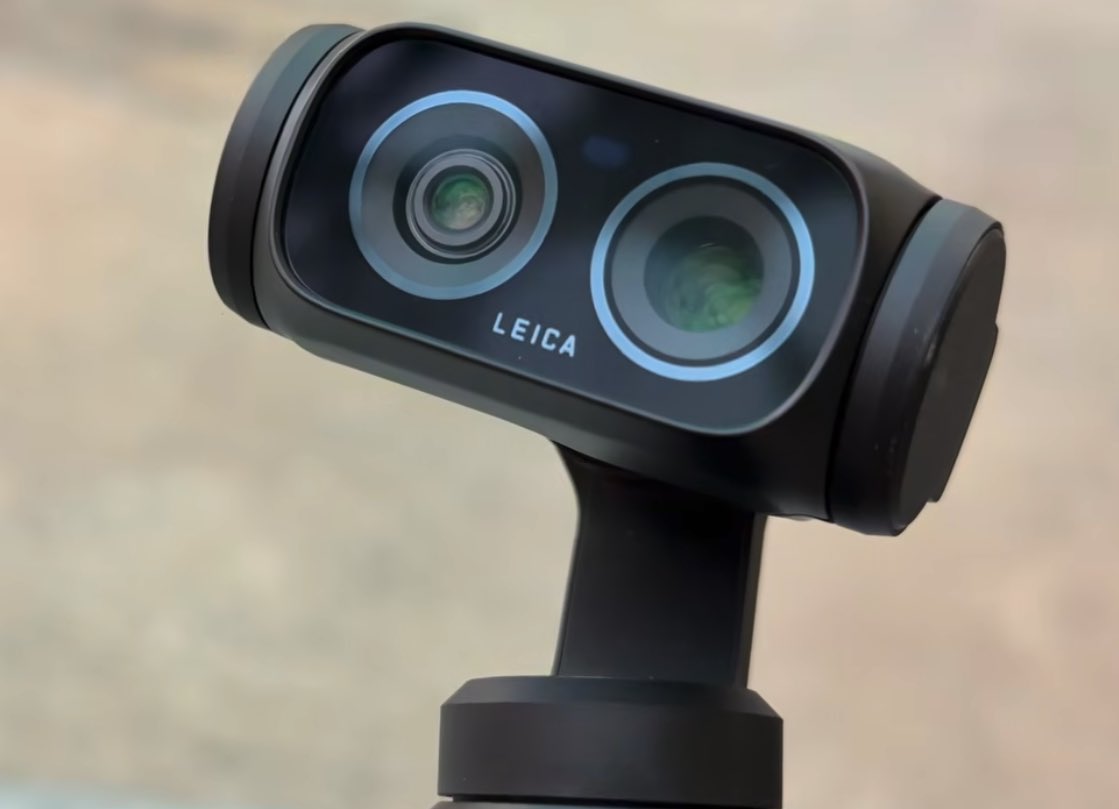
Insta360 is partnering with Leica on the development of the upcoming Luna gimbal cameras (previously reported here). Here is a recap of rumored/leaked Insta360 Luna camera specifications:
Leica co-engineering: Optics, color science, and full-chain calibration tuned by Leica for premium image quality and “Leica look.”
Sensor and lens (main/wide on both models): 1-inch CMOS sensor, f/1.8 aperture (some hands-on reports specify ~18–20mm equivalent focal length), 14 stops of dynamic range.
Luna Ultra only: Dual-lens design with a secondary telephoto lens (1/1.3-inch sensor, ~70mm equivalent, f/2.8 aperture) for enhanced zoom performance.
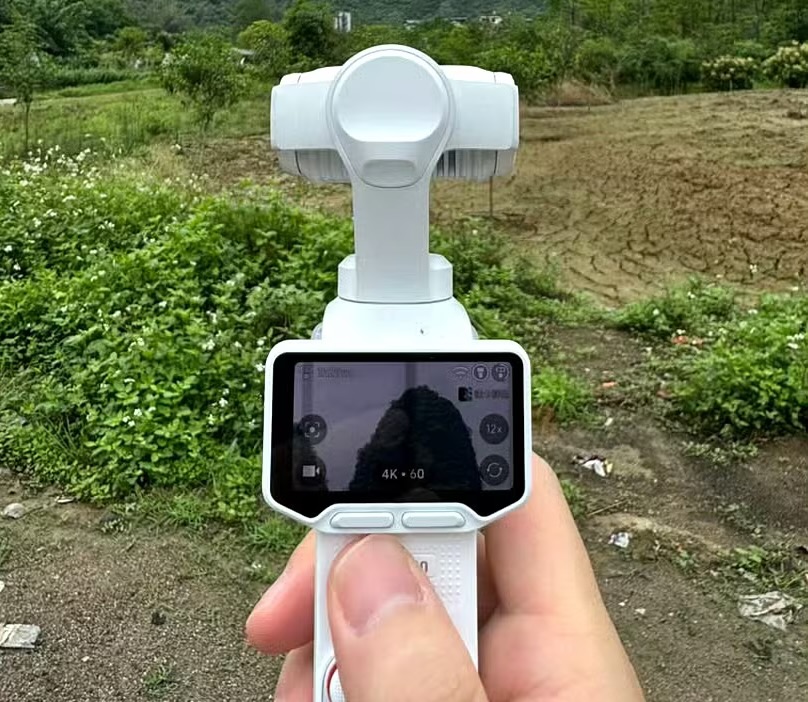
Zoom: Variable focal length with 1–6× lossless zoom (optical component reportedly up to ~3.9×); early leaked footage shows a 12× zoom toggle in use.
Video capabilities: 10-bit color (hands-on mentions 10-bit iLog), smoother transitions in highlights/shadows; rumored 4K up to 240 fps slow-motion and Dolby Vision HDR support.
Design and features: Pocket gimbal form factor (Osmo Pocket-style); possible modular/detachable gimbal head; Insta360’s AI stabilization and Deep Track 3.0 subject tracking; physical controls, flip-out/rotating touchscreen.
Colors and variants: Two distinct color options per model
Battery: reportedly around 1,550 mAh
Other: Pairs seamlessly with the new Insta360 Mic Pro
Here is the official statement from Insta 360 on the new Luna camera from the 2026 NAB show:
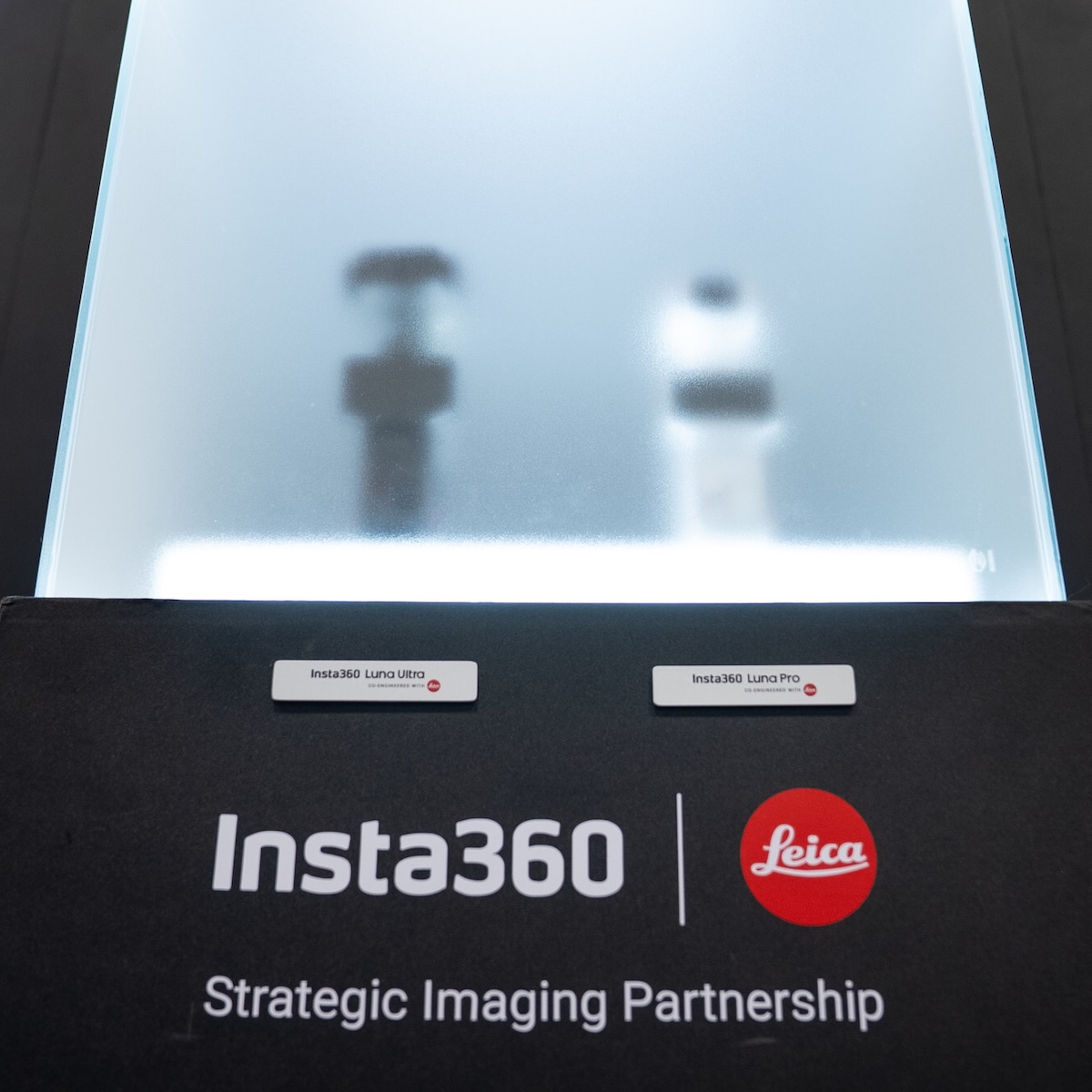
Members of the media and NAB attendees were among the first globally to preview the upcoming Insta360 Luna Series, co-engineered with Leica, which includes Luna Pro and Luna Ultra. The series features a large 1-inch sensor, a bright F1.8 aperture, a variable focal length, and support for 10-bit color for smoother, more natural transitions in light and shadow, capturing more nuanced and detailed color straight from the camera. Luna Pro features a single-lens design, while Luna Ultra features a dual-lens design and enhanced telephoto performance. Luna Ultra and Luna Pro were both being teased at the booth, and will be available in two distinct color options.
An Insta360 Luna gimbal camera sample video was posted by the CEO and can be found here. He said the following:
Previewing Luna 1-6x shooting results, highest resolution can be chosen includes 4k Dolby Vision. Of course 6x and 4k are not the end, we hope we can do more in “let users have more choices”. Repost and comment the Luna function you expect the most, May 15 will chose three people to buy the new product at 69 RMB.
Here is another Insta360 Luna Ultra sample footage:
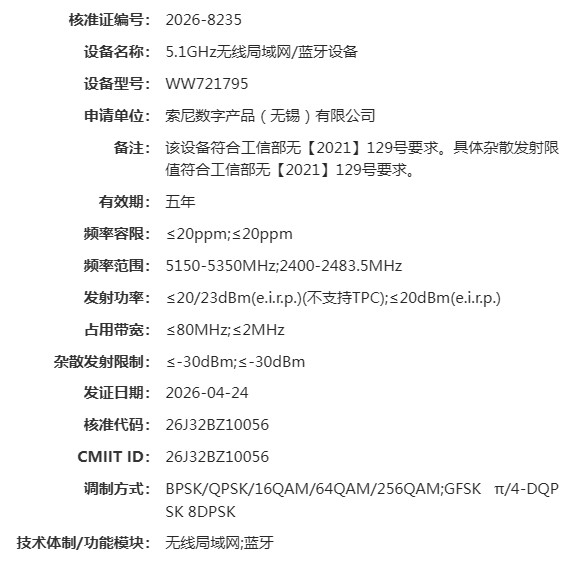
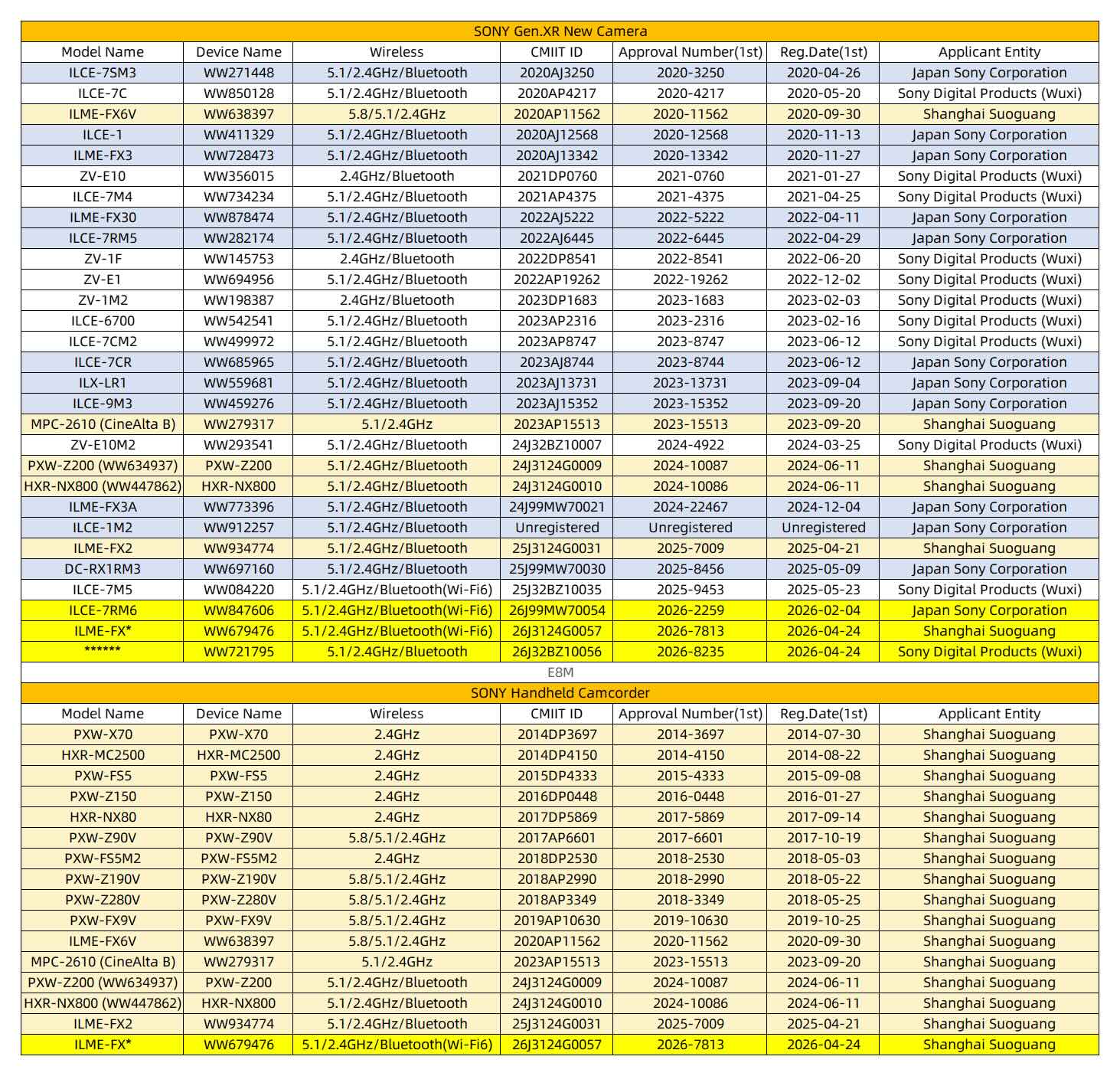
Sony has registered a new Sony WW721795 camera overseas without Wi-Fi 6, which will most likely be a new ZV model or an entry-level mirrorless camera. Sony has also registered a new Wi-Fi 6 camcorder under the code name WW679476. In total, Sony now has at least three upcoming products: a high-end flagship, a video camera, and an entry-level model. Mapping this to some of the existing rumors – this is what to expect:
I've gotten used to this camera over the last six years, but I recently learned I'm missing out on some things.
Photo: Abby Ferguson
Cameras from the last handful of years are remarkably good. Most models can produce strong images, handle challenging lighting conditions and reliably get subjects in focus. Overall, they can make it simpler to get more images you like with less work. It's easy to look at what's available today and think: what's left to improve?
That said, my job puts me in an unusual position. I regularly get the opportunity to test new cameras, which means I'm constantly comparing them against my personal reference point: a Sony a7 III, a camera I've owned for six years, and that's now an eight-year-old model. Recently, I had a few weeks with the Sony a7 V, the a7 III's successor's successor, and used it the same way I use my own camera, photographing my pets, still life setups, a baseball game and a portrait session.
What I found is that the gap I'd assumed was negligible is, in certain areas, more significant than I expected. There are things about the latest generation I didn't want to give back. Certain aspects made me aware of what my eight-year-old model lacks compared to what more recent cameras bring to the table.
Image quality
Image quality gains over the past few years are only really visible in extreme situations, such as high contrast scenes, when you look closely.
Photo: Abby Ferguson
Let's start with the most subtle and, therefore, most inconsequential change: image quality. While we may no longer be seeing giant leaps in image quality as we were at the beginning stages of digital photography, companies are still striving to bring improvements to the table. Often this takes the form of slight bumps in dynamic range, giving you a bit more flexibility when editing.
As expected, my most recent experience moving from an old mirrorless to a brand-new one wasn't a massive step up in image quality. In fact, it was very, very subtle. I had a few instances of photographing high-contrast and low-light situations where I saw a tiny bit more range, enabling me to get a little more from my files than I could have with my older device. But it was something I had to look closely for, not something that slapped me in the face with its obviousness. Will it matter in the day-to-day or for most shoots? Not really. But is it nice to have for certain situations? Sure.
Autofocus
Autofocus is one area that shows the most drastic changes when moving from an old camera to a new one. The fact that I was able to get in-focus shots in this darkroom without much frustration was huge.
Photo: Abby Ferguson
The more substantial upgrade on modern cameras is the autofocus system. This was especially evident when moving from my DSLR to mirrorless, which uses an entirely different autofocus system. And while the jump isn't as drastic when going from a relatively old mirrorless camera, like my a7 III, to a more recent one, it still was a noticeable change that will make it a disappointment to go back to the older model.
Of course, the autofocus improvement you experience when upgrading is going to depend entirely on the model you upgrade from and to, and on what sorts of things you shoot. But broadly speaking, brands have made a handful of improvements in recent years that can make a noticeable difference in real-life situations.
First and foremost, I found the autofocus to be more reliable, especially in tricky situations. I still had misses, don't get me wrong. But I was able to use the camera in less-than-ideal conditions and still get usable shots. For example, I took photographs in a makeshift darkroom lit only with a red LED light, and still got some images in focus with relative ease. My eight-year-old personal camera likely would have struggled substantially with that, and would have at the very least been hunting for focus much more.
Photo: Abby Ferguson
Another area that made a difference for me was the added subject detection modes. In my case, I went from a measly two options (human and animal) to a healthy list that includes specific types of animals and vehicles. Even more appreciated, though, is the automatic subject detection setting.
I photograph a range of subjects, with frequent switching between human portraits, my pets and still life scenes. My personal camera requires I fiddle with autofocus settings a fair amount when switching subjects in order to get reliable results. That's far from the case on the new model I used, though, and I was able to just leave it set to automatic and not think about it again. Plus, the subject detection is generally more successful at finding a subject (even with my black pets) and of sticking on them even as they move. My a7 III consistently fails at keeping a subject in focus as they move, so this is a big win for me.
Ergonomics and UI
I am going to miss the smoother exposure compensation dial greatly.
Photo: Abby Ferguson
I know some people who refuse to buy the first generation of any type of product. Their thought process is that the brand has too many kinks to work out, and the later generations will show advancements that make the product actually worth using.
Cameras aren't an exception to the rule, and as each model comes along, brands iterate on its design, attempting to make the ergonomics and user interface better each time. Ergonomics are inherently personal, so new designs won't always be a win for you in particular. But refinements in these areas are generally useful and can make the camera more pleasant to hold and use, especially for long periods of time.
In my case, it came down to simple things that I only noticed after living with the camera for a few days and then going back to my older model. For example, the a7 V's exposure compensation dial rotates with much less resistance than my a7 III, making it easier to use quickly in the middle of a shoot. Because of that, I used it far more often, helping me dial in my shots more in-camera than I did previously.
On the UI front, the menus were more logical. That meant I didn't avoid them nearly as much as I had in the past. Instead of just dealing with annoying things because I didn't want to find the setting in the menus, I confidently went and adjusted what I needed to when I needed to, even if it was in the middle of a portrait session. All-in-all, the camera got in my way less, so I could focus more on the shoot.
Rear display
Being able to change the rear display position beyond tilt is hugely appreciated for my workflow.
Photo: Mitchell Clark
Camera technology involves many parts that are also used in other devices, so improvements in those parts over the past few years have naturally made their way into cameras. Electronic displays, which we see on the rear screens and in EVFs of our cameras, are a great example of this.
I never thought I had complaints about the quality of the rear display on my personal camera, but after using something newer, it's one of the things I realized I was missing out on. It features a higher resolution and has a bit more contrast, making it easier for me to judge details and focus on the back of the camera. It's also brighter, which means I could see those things more easily when at a session in bright, open sunlight. The colors also look a bit nicer.
Simply put, it makes my images look a little better on the back of the camera. While that doesn't change the actual files at all, it is a confidence builder while in the midst of a shoot, and that's never a bad thing in my book.
A bigger upgrade for me, though, is the updated rear display form factor. Many companies have switched to articulating and fully tilting screens, which provide greater flexibility. I shoot a lot of vertical images, and I also put myself in awkward positions for photos on a regular basis. On my older camera, the tilt-only screen was useful for low shots, but that's really it. The newer rear displays allow me to adjust in just about any way I need to, making it easier for me to get the shots I want without fully contorting my body.
A new "good enough"
All of this isn't to say that all new cameras are inherently better than old ones. Or that you can't produce anything good with old cameras (I'd like to think my work shows that you can, but maybe that's my ego talking). I'm not here to tell everyone using an old camera that they need to upgrade as soon as possible.
And yet... using a recent camera made me aware of the (now apparent) shortcomings of my older model. There are improvements that don't really affect me because of my way of working (video specs, burst shooting features, etc.), but there are some that will be genuinely hard to live without now that I know how good it can be.
After more than 25 years, DPReview is getting a completely new website. Here's what you need to know.
When DPReview first lit up the internet in 1998, the tech world was bracing for Y2K, computers used CRT monitors, and early digital camera owners waited minutes to upload a photo over a 56k modem. In the quarter century since, a lot has changed.
One thing that hasn't changed quite so dramatically, though, is our website. We've occasionally added features or applied a fresh coat of paint, but the changes have been evolutionary rather than transformative. That consistency was a feature, not a bug; we've never wanted to do a major site redesign unless we were confident it could preserve the core DPReview experience.
That time has come. We're in the final stages of building a completely new DPReview from the ground up, and years of reader feedback have shaped our thinking about what the new site needs to be.
What's changing
We all love nostalgia, but just like CompactFlash cards, it's time to leave some of our best-of-the-early-2000s web interfaces behind.
"We're in the final stages of building a completely new DPReview from the ground up..."
DPReview will be getting a new look and feel built for the modern web, designed to work great on both desktop and mobile devices. If you're a desktop user, you can look forward to faster load times, easier navigation, and a more modern experience.
If you're a mobile user, you'll no longer have to revert to our desktop site to see certain pages. Additionally, we've updated some of our favorite site tools that have never worked well on mobile devices and optimized them for mobile use, including our image comparison tool, product comparison tool and sample galleries.
Under the hood, we're leaving much of our legacy infrastructure behind. In its place, we'll be moving to a modern, widely supported codebase that will make it easier to develop new features and that we can confidently invest in well into the future.
What's not changing
Our editorial mandate is not changing. That means we're not going to change what we cover or how we cover it. We're committed to giving you the same camera reviews, tech explainers, opinion pieces, and photography stories DPReview is known for, written by the same people you've come to trust.
"Our editorial mandate is not changing."
Our community forums will also remain unchanged. Many of you will recall that we had to move our forums to a new platform in 2025 to ensure their continued operation. Other than some minor cosmetic updates to align with the new site design, the core forum experience will stay the same.
When is this happening?
We plan to roll out the new site within the next several weeks. As we get closer to launch we'll share interim updates, and maybe even some sneak peeks, so you can get a sense of what to expect.
The DPReview homepage in 2012. Although the site has received some facelifts over the years, the basic format is recognizable.
In the spirit of keeping you informed, there's one near-term change worth flagging. Our Challenges system is built around a structured timeline with phases for announcements, submissions, and voting. Since we don't want to disrupt challenges that may be in progress at the moment we move to the new system, we will be temporarily freezing the ability to start new challenges beginning on April 25th; challenges already underway will complete normally. A new Challenges system is coming, and we'll share more details on timing as we get closer.
Back to the future
A lot has changed since 1998. Many of you have been part of our community for much – or even all – of that history, and have experienced that change alongside us. That kind of loyalty isn't something we take lightly, and it's a big reason why getting this right matters to us.
"We plan to roll out the new site within the next several weeks."
We also want to be realistic. This is a massive project. Not only are we building new things, we're also migrating over 25 years of history and tens of thousands of articles to a completely new system. There will be a few things that won't be ready right out of the gate, and we'll make sure to address those as quickly as possible after launch. Additionally, despite plenty of testing, there will almost certainly be some unexpected bugs when the new site goes live, and we hope you'll be patient with us as we squash them with our tripod legs.
But it's going to be worth it: a more attractive, easier to navigate, more photo-focused website, representing a huge commitment to the site's future. We're excited to launch this new chapter in DPReview's history, and we think you're going to like what's coming.
FAQs
Is the current site broken? If not, why change?
Not broken, but overdue. The site has been running on the same aging codebase for over 25 years, and maintaining it has become increasingly costly and limiting. Moving DPReview onto a modern shared platform with our sister site Gear Patrol means we can invest in new features and improvements far more efficiently than we could on legacy infrastructure while keeping DPReview's editorial identity fully intact. The old system was a ceiling. This removes it.
Will this affect DPReview's editorial content?
Our editorial mandate isn't changing. We'll continue to bring you the same authoritative, unbiased coverage of cameras and photography you've come to depend on, written by the same people.
When can I see what the new site looks like?
We hope to share some sneak peeks in the weeks leading up to launch. You'll be able to see the full site on launch day.
Will the new site be faster?
Yes, the new site will be faster and more reliable for most things. That said, some functions are limited by factors outside our control. Downloading a large sample image, for example, still depends on your connection speed. We can make the site faster, but we can't speed up the entire internet :)
Will the review archive and the camera and lens databases be available at launch?
Yes. We are migrating all our existing content, including articles, reviews and the camera and lens databases.
Will the site still be optimized for desktop users with large monitors?
Absolutely. While mobile is an important part of the new design, we have no intention of short-changing desktop users. We love big, beautiful photos, and if you're on a large monitor, we want you to get the full benefit of that experience.
Will my saved bookmarks still work?
Yes, existing bookmarks will continue to work.
Why do you need to freeze the Challenges system?
The current Challenges system will not be carried over to the new site – we're building a new one that will launch after the site goes live. To avoid any challenges starting under the old system that can't be completed during the transition, we're freezing new challenge creation on April 25th. Any challenges already underway will complete normally before the switchover.
Will this affect the forums?
The new website will not change how our forums work. There may be minor cosmetic updates to align with the new site design, but the forum experience will remain fundamentally the same.
Will the new site have ads?
Yes. Advertising is one of the ways we fund DPReview's operations, and that won't change with the new site.
Will my account and post history be preserved?
Yes. Your account, comments, forum posts, and history will all carry over to the new site.
Will there be further updates after launch?
This is the beginning, not the end. We'll continue to make improvements after launch, and the new codebase will make it significantly easier to introduce new tools and features going forward.
How can I provide feedback?
You can leave a comment below or reach us at community@dpreview.com. Once the new site is live, we'll have a dedicated area of our forums where you can ask questions, discuss the changes, and share feedback.
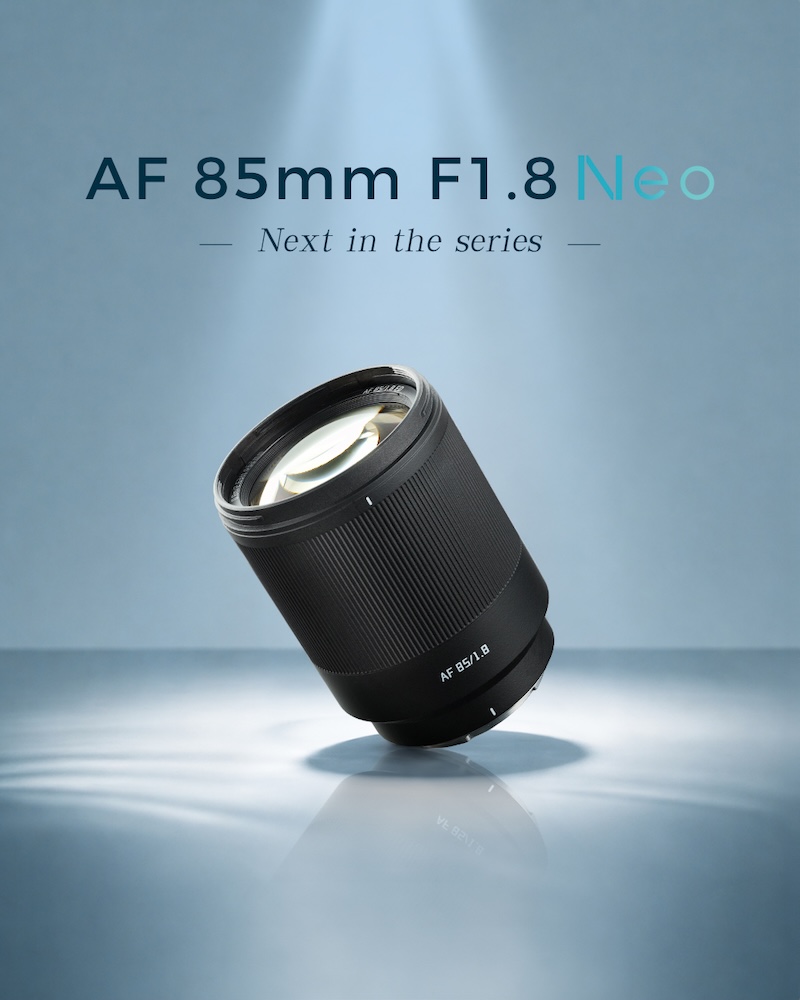
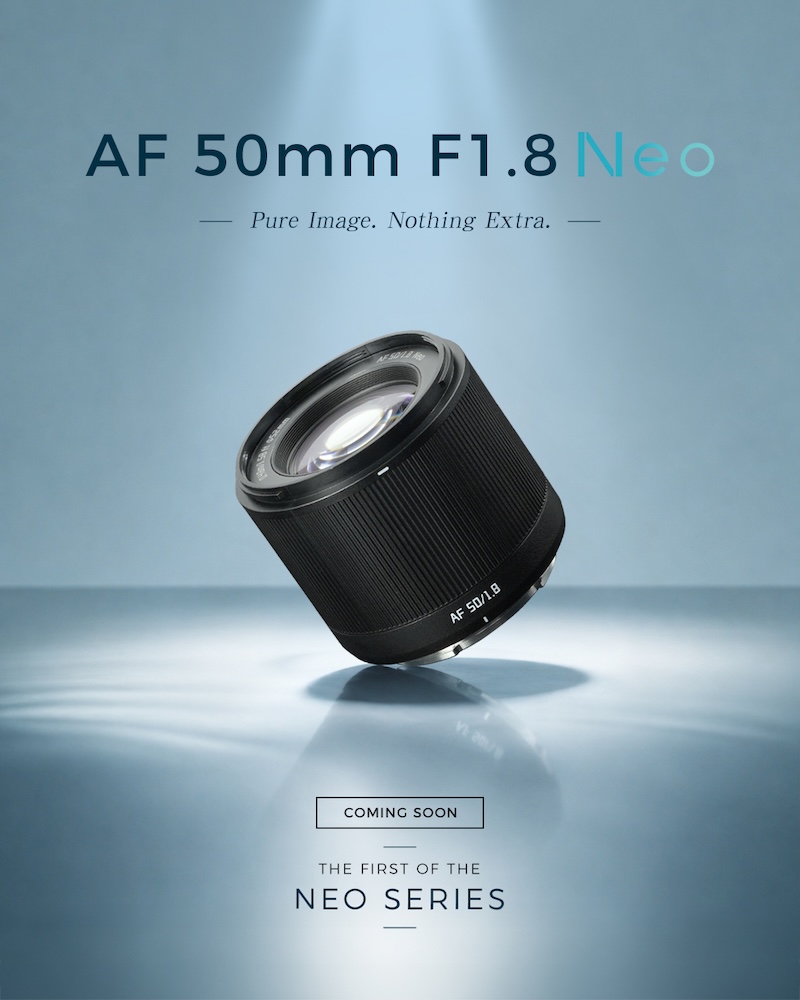
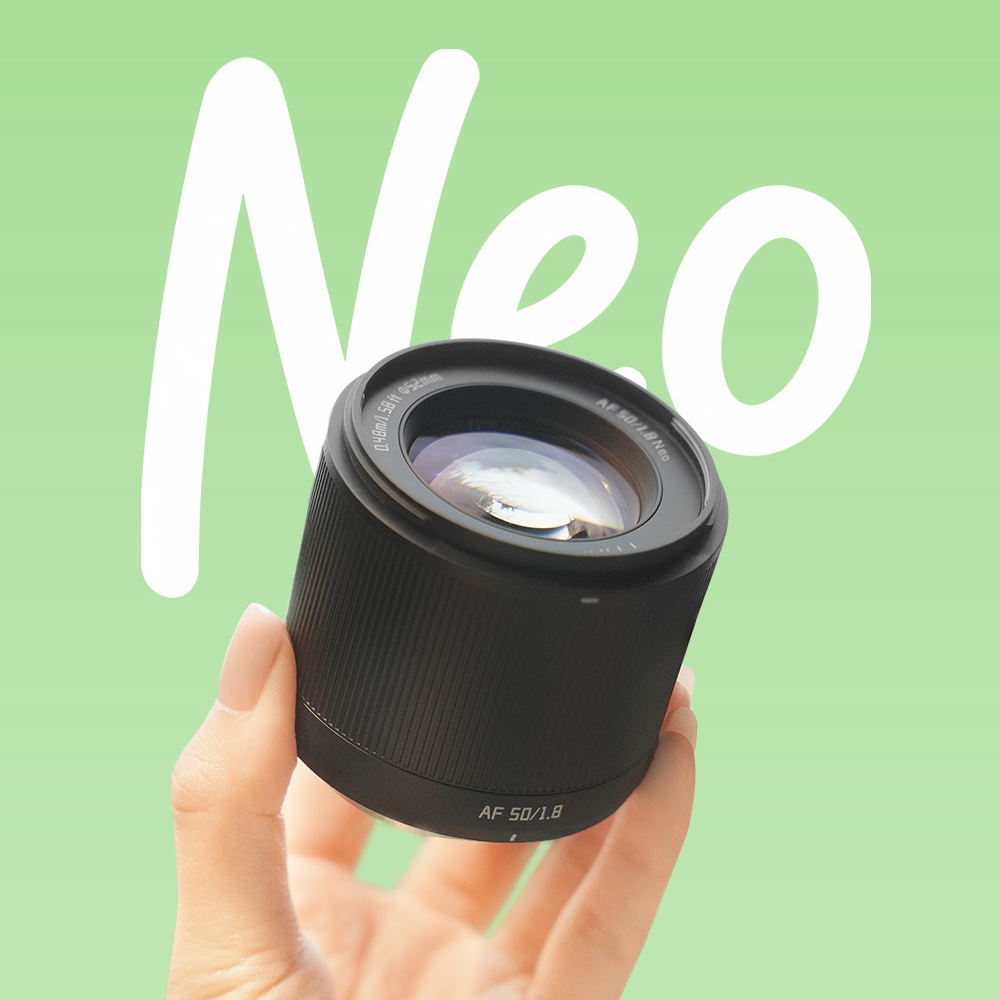
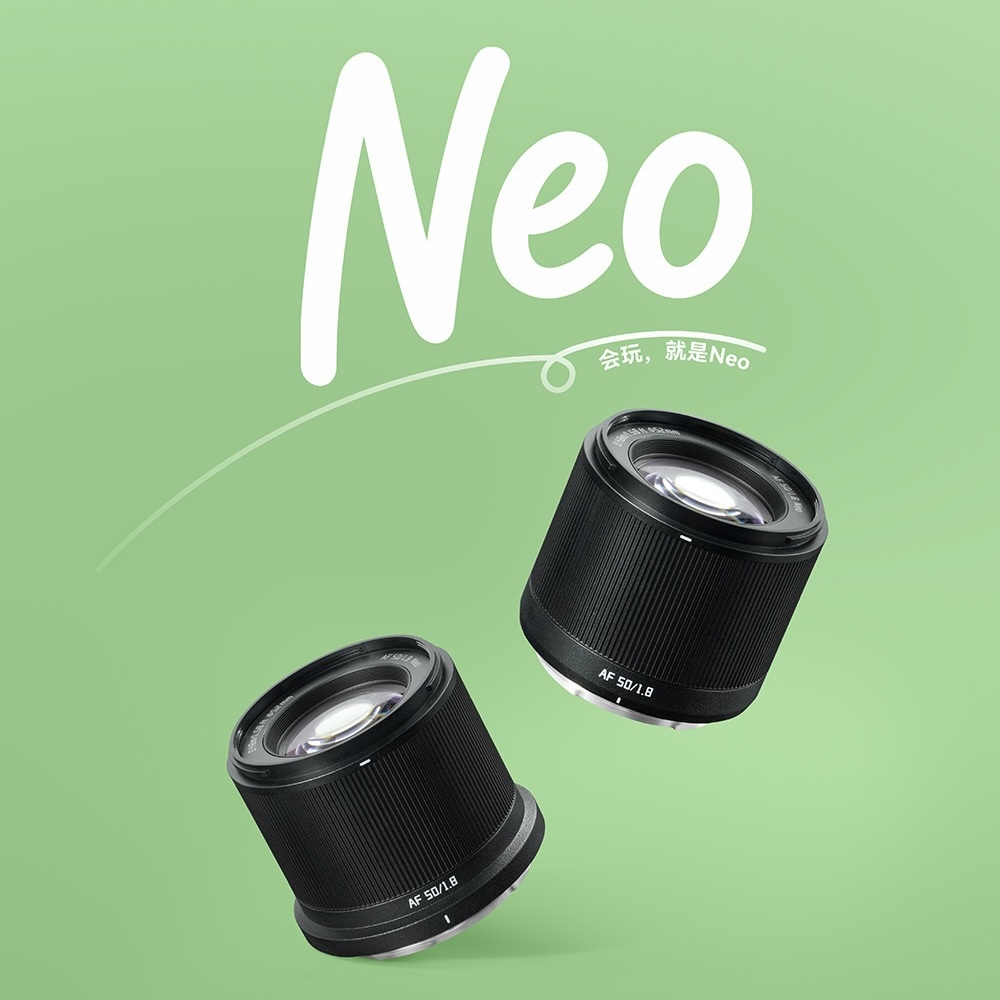
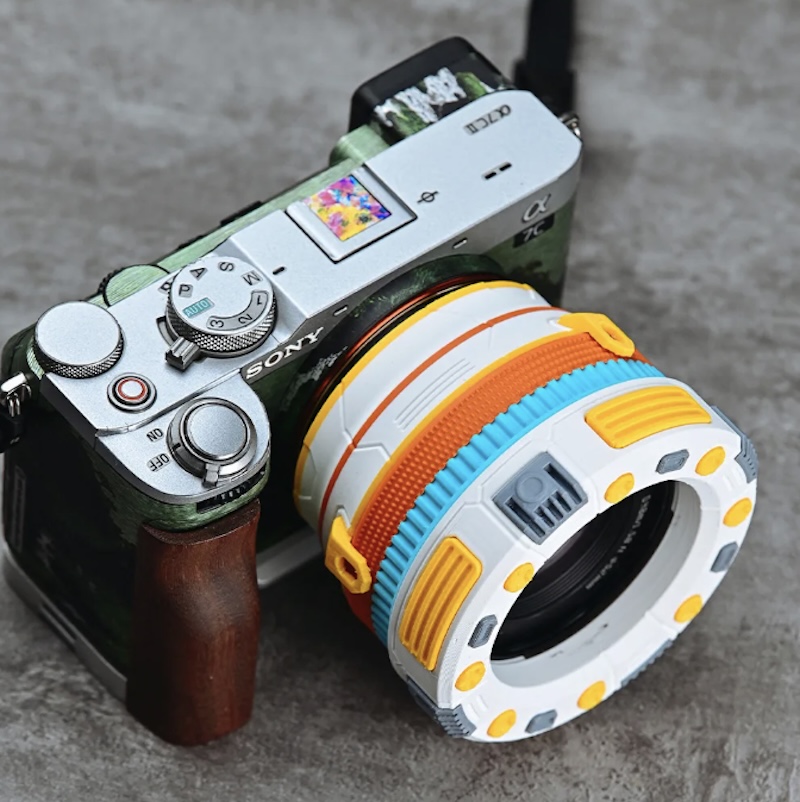
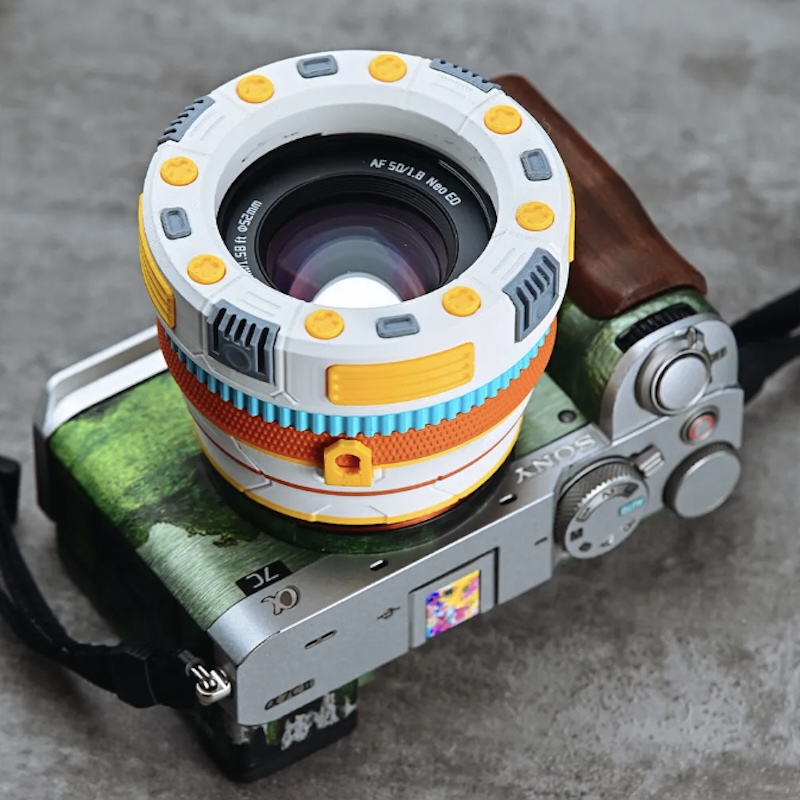
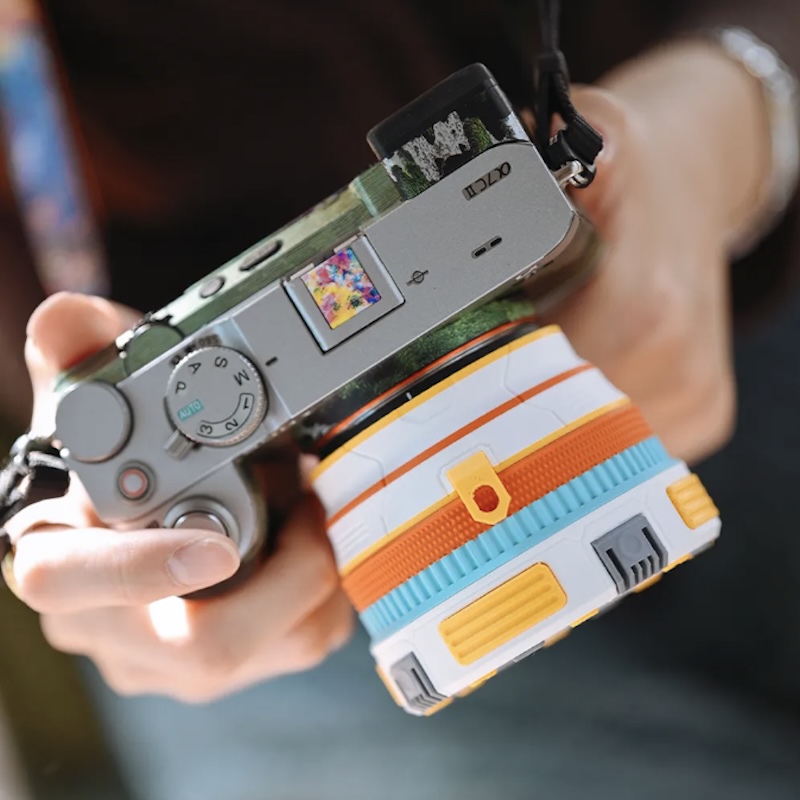
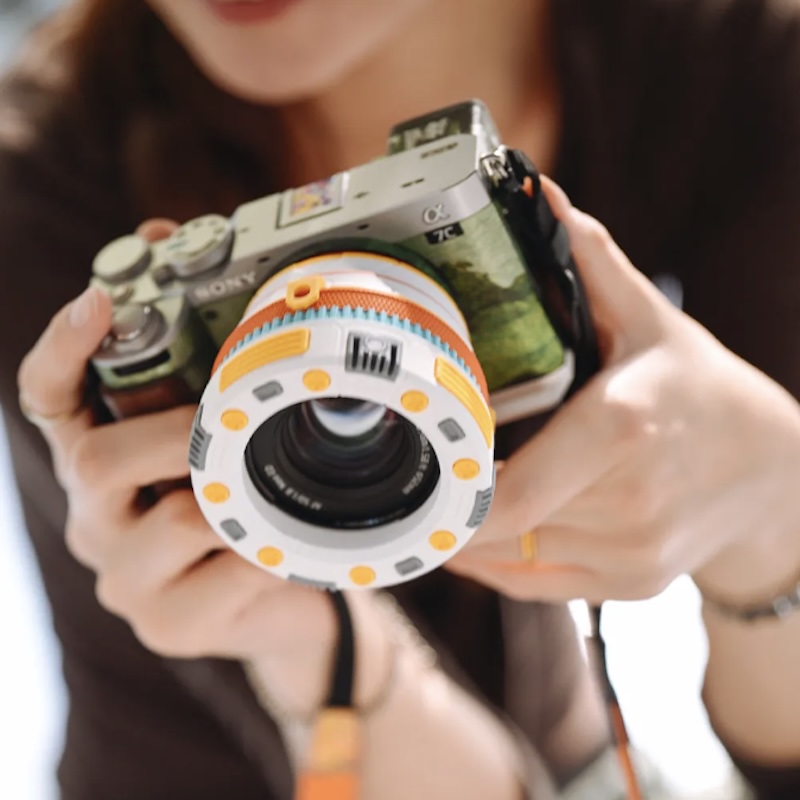
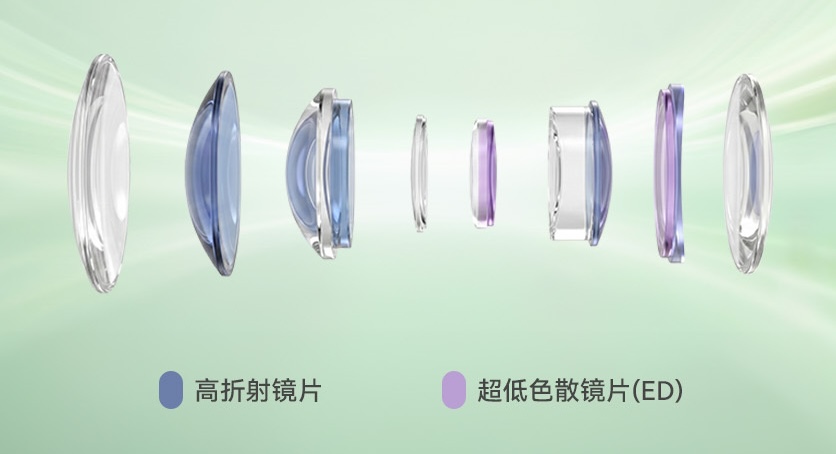
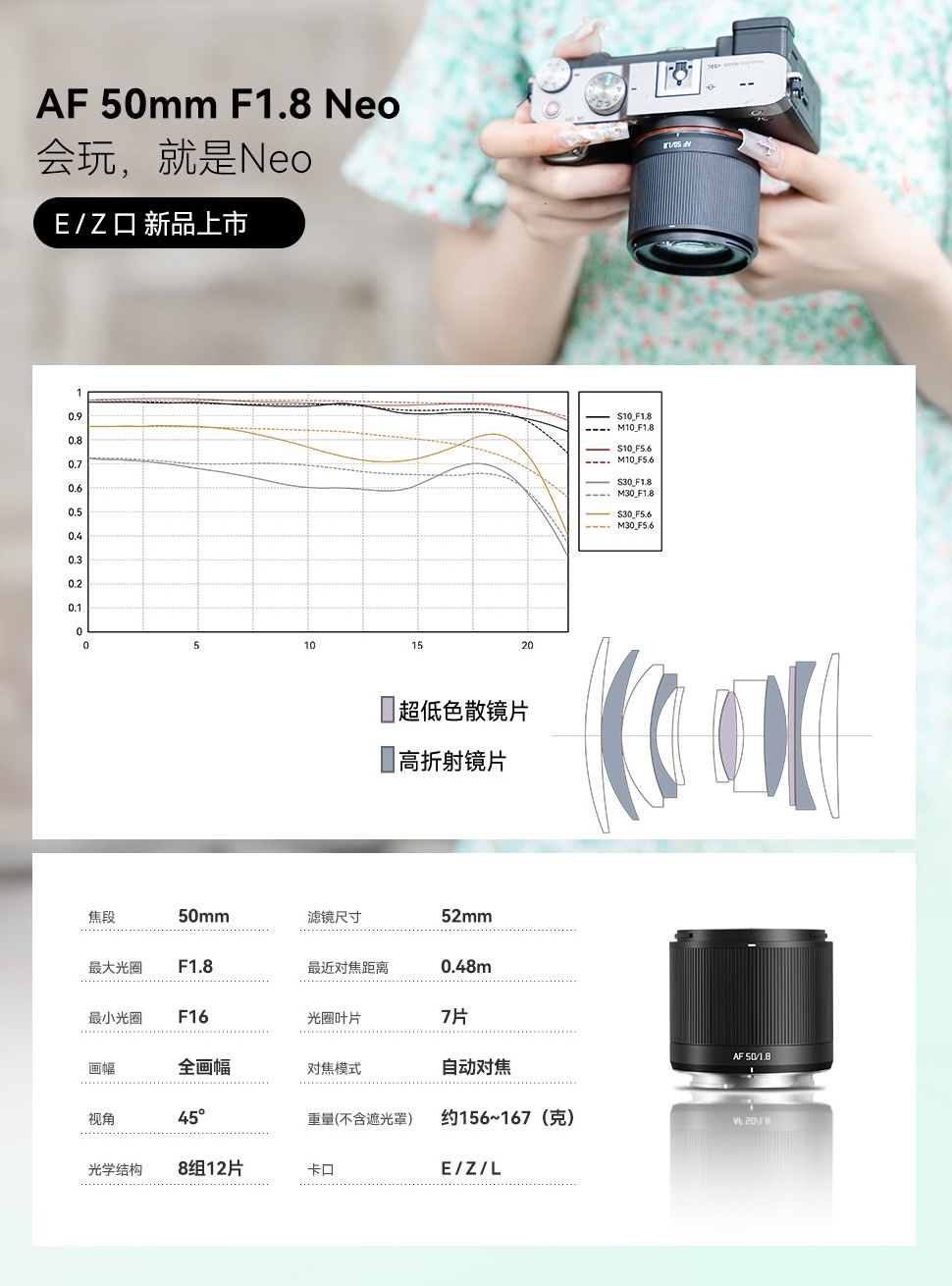
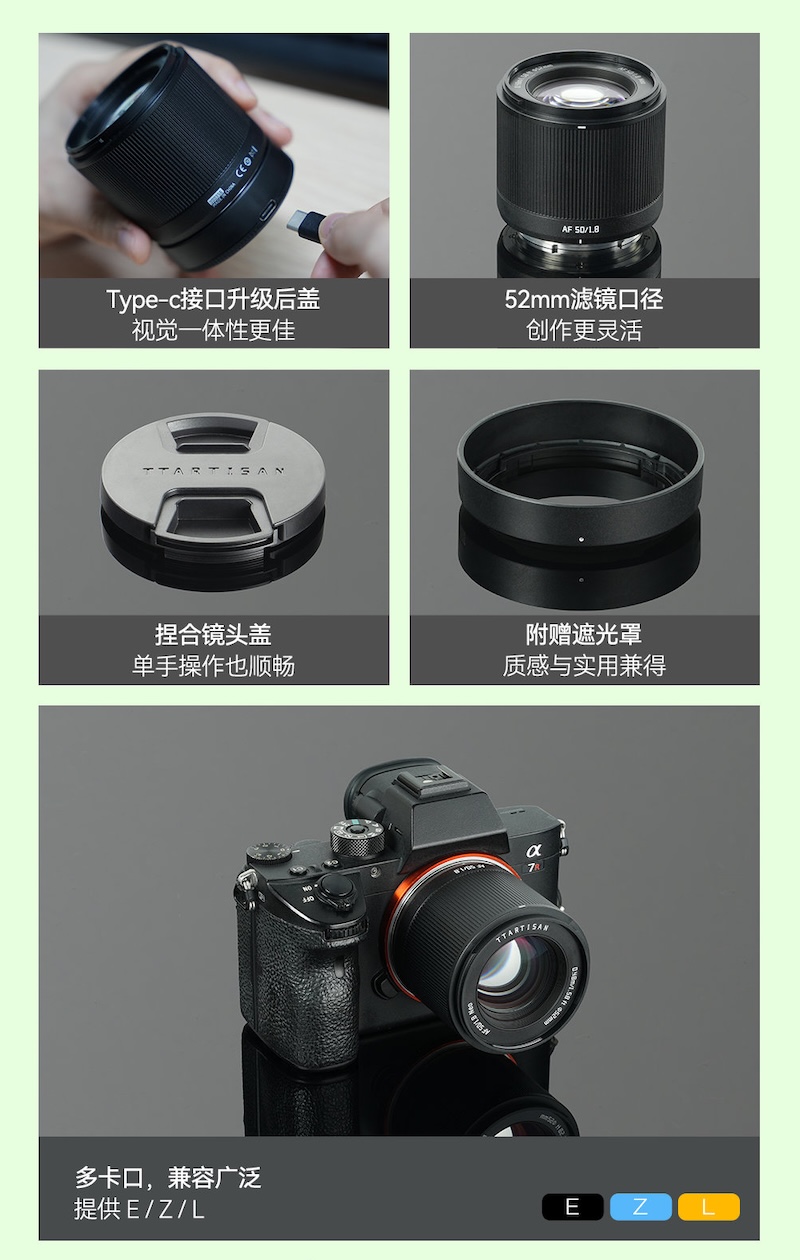
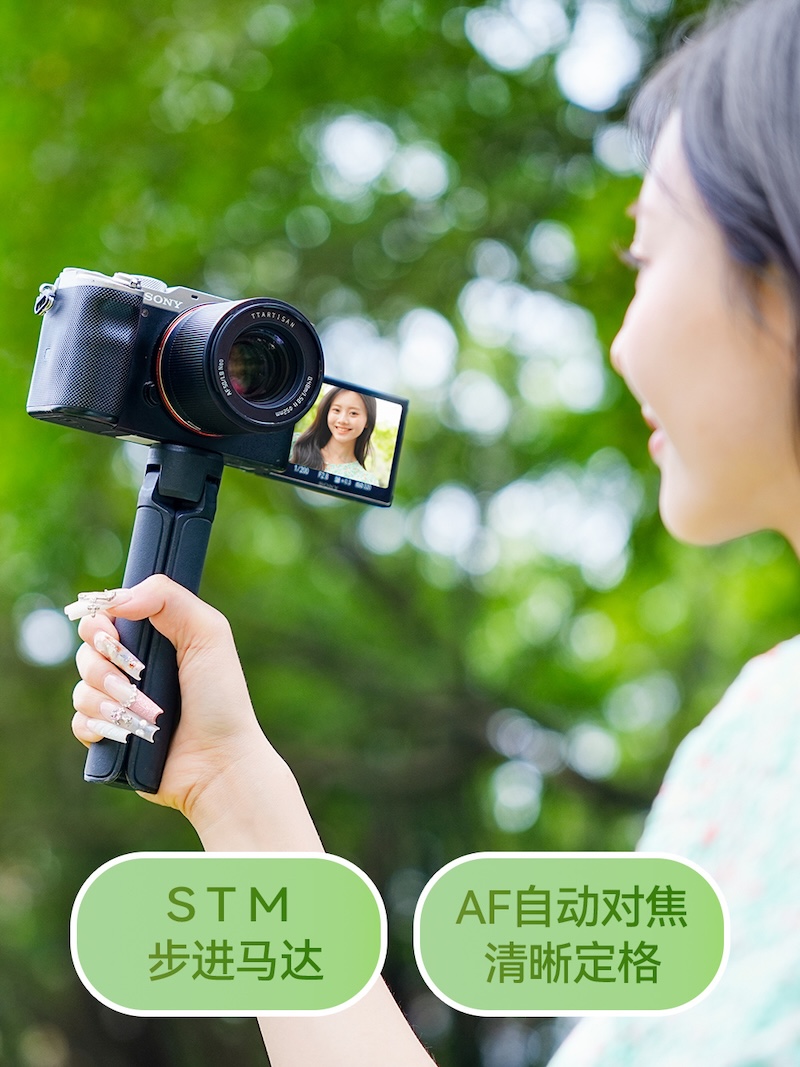
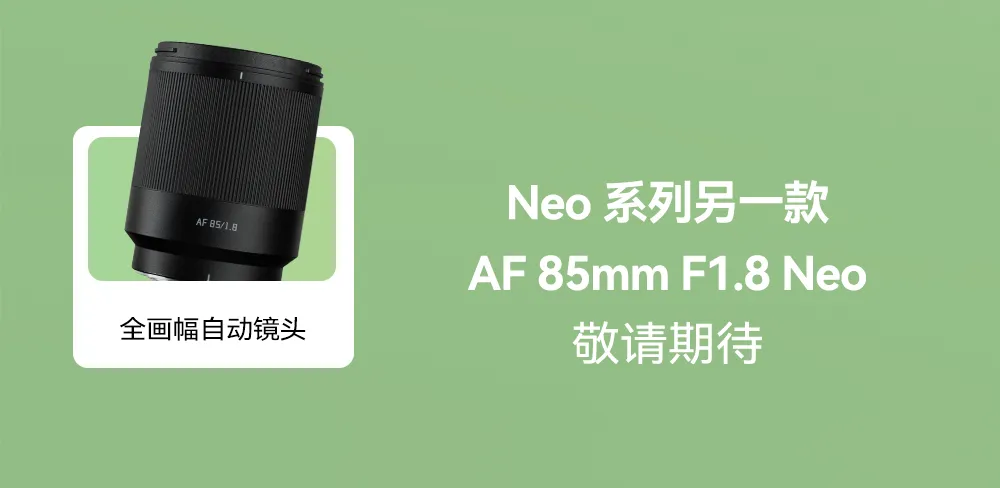
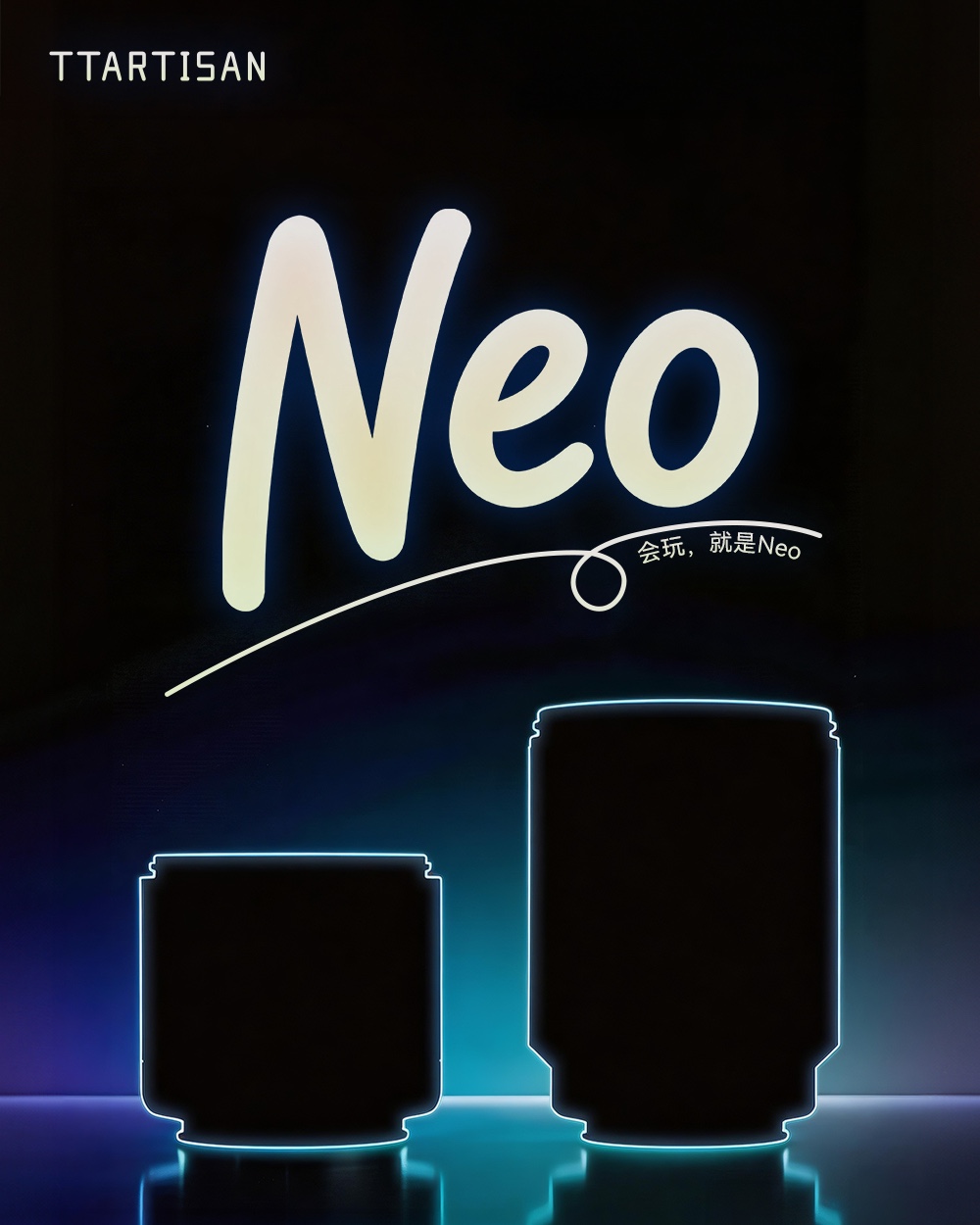
The Neo Series focuses on simplicity, with a clean and minimalistic design – no aperture ring or focus ring. The new TTartisan AF 50mm f/1.8 full-frame lens weighs only 157 grams and is available in Sony E and Nikon Z mounts (a L-mount version is coming later). The lens features an STM stepping motor, an 8-element, 12-group optical design, a 52mm filter thread, and a minimum focusing distance of 0.48 meters, and supports DIY custom armor. The price is around $90. The second TTartisan Neo lens (AF 85mm f/1.8) will be released later.
The new lenses with the third-party skins:
Here are the Tartisan Neo AF 50mm f/1.8 lens technical specifications:
Harman is a name that, for many, is synonymous with black and white film. After all, it's the company behind the staple monochrome brands Ilford and Kentmere. However, in 2023, parent company Harman Technology launched Harman Photo, a color film label, with Phoenix 200 as its first completely in-house color film.
Now, the brand has released a short documentary that walks through the process of developing a new color film and its goals moving forward. It's a really fascinating look into the R&D process for film companies, and offers a behind-the-scenes glimpse into their equipment and lab spaces. It also is neat to see (and hear from) some of the individuals behind this work.
To start, the team walks through the difficulty of color film in particular. "For a black and white film, there's a lot fewer layers, and it's very heavily silver-driven. When we are talking about color film, there's a lot more chemicals involved because we have to get the various layers of color that we need," says Giles Branthwaite, Sales & Marketing Director of Harman Technology.
Harman Photo developed these from scratch, too. "Our emulsions for color film are nothing like what we've done before. Everything that we do, every layer that we put on, every new model of film that we do is new from the ground up. There are no recipes for what we are creating. It's all coming out of the minds of R&D as we speak," says Greg Summers, Managing Director of Harman Technology.
"It's still not where we ultimately want to be."
It was also exciting to hear about the company's long-term goals, of which there are plenty. There have been two iterations of its Phoenix film, but they won't be stopping there. "It's still not where we ultimately want to be," says Branthwaite, a sentiment echoed by others featured in the video. They also specify that some tweaks weren't quite ready for Phoenix II, but will be ready soon, citing halation, sharpness, granularity and speed as some of the areas that will see improvements.
"There's some very experimental stuff coming soon. It's going to shock people."
Beyond the existing lineup, the video also teased that more films are on the way, and ones that we won't expect. "There's some very experimental stuff coming soon. It's going to shock people," says Josie Cowap, Lab Technician. Long term, they want to offer a "full range of products, full range of speeds, potentially different segments of the market," says Branthwaite. "As a brand, we want to be different. A little bit alternative, a little bit out there."
Image: Harman Photo
Greater availability could also be on the horizon. "We're anticipating our volumes will grow," says Branthwaite. The team walks through some of the investments made in the production facility, specifically the finishing line, where they spool all the film and package it. "These machines cannot be bought. We've had to design them, get them manufactured, put them together, so they really are bespoke," says Branthwaite.
So much investment in the facility is a good thing for us film fans. "This actually gives somebody hope that analog film will be around for the next 10, 20, 30 years going forward," says someone who works in the factory but wasn't named in the video. Indeed, as a film photographer, the whole story gives me hope for the film industry in the years to come.
The previously rumored DJI Lito X1 & Lito 1 entry-level drones are now officially announced, but not in the US. In Europe, the new drones can be purchased at Foto Erhard and WEX Photo. Here are the details:
DJI Lito X1
DJI’s Lito X1 is an ultra-light drone designed to capture incredible footage without any baggage. It is equipped with a 1/1.3-inch sensor and 42GB of internal storage. This is accompanied by 4K/60p video, 100fps slow motion, 2.7K vertical shooting, 48MP stills up to 8K detail, and 10-bit D-Log M. With its omnidirectional obstacle sensing, forward LiDAR and ActiveTrack, you can fly with more confidence and keep your subjects locked in the frame. Add on a 36-minute flight time, and you have plenty of room to experiment and refine your shots.
Ultra-light 249g folding body
4K/60p video footage
1/1.3-inch sensor
2.7K vertical shooting
48MP stills up to 8K detail
10-bit D-Log M
DJI Lito 1
DJI also released the Lito 1! This version differs from the Lito X1 in that it’s designed for those who want a simple yet capable aerial camera for everyday shooting. Like the X1, it can shoot 4K/60p video, 100fps slow motion, 2.7K vertical shooting, 48MP stills up to 8K detail, and features omnidirectional obstacle sensing, forward LiDAR and ActiveTrack. The Lito 1 is the perfect entry to drone photography and filmmaking.
Fujifilm GFX100S w/ Fujinon GF63mm f/2.8 R WR | F10.0 | 1/20 sec | ISO 500 Photo: Scott Pilla
Scott Pilla (known as spilla in the forums) has a love of the night. His photography journey began with a peaceful walk around his university. Over the years that followed, he came to appreciate how that time of day can make a difference in one's photography.
"I started photography in undergrad at Cornell University, where I was interested in film photography. I spent years photographing landscapes and nature with a variety of gear. However, I didn't really find my own style until I got older and became a dad. I had no time during the day or to travel, and this is when night photography and I found each other."
"It was an escape, a time when I could be calm and unhurried. Gradually, it became the basis of most of my work. I also enjoy the technical challenge of capturing very high dynamic range night scenes, and editing them so they feel natural and tactile."
This story is part of our What's in your bag? community spotlight series. The series showcases the diverse gear and photography of our community, and shares their stories of how that gear helped them to capture the perfect shot.
Fujifilm GFX100S w/ Fujinon GF45mm f/2.8 R WR | F7.1 | 1/15 sec | ISO 500 Photo: Scott Pilla
Meet Scott Pilla (spilla)
Home base: Baltimore, USA
Favorite camera and lens: Scott Pilla’s go-to setup includes the Fujifilm GFX100S camera, praised for its incredible detail and dynamic range, especially in low light. He pairs it with the Fujifilm GF45/2.8 lens, which delivers sharp, natural rendering and resists flare, making it ideal for his night photography and atmospheric shots.
Support gear: Scott uses an FLM CP30-L4 tripod with a RRS BH-55 head for most shots, though he often shoots handheld, even in low-light conditions. He’s also equipped with a range of accessories for fine-tuning composition and stability.
Camera bags: He finds the Think Tank Mindshift Photocross backpack especially useful for its comfort and side-access design, which makes it easy to grab gear quickly when shooting in dynamic conditions.
Scott's camera bag
Photo: Scott Pilla
If you had to pick one favorite item from your gear, what is it and why?
"I love my Fuji GF45/2.8 lens. It renders beautifully and cleanly and is good at resisting flares, making it the perfect night lens."
"I also always carry a tripod (FLM CP30-L4, RRS BH-55 head), but often shoot hand-held. Since I'm often out in the weather, a few microfiber cloths are a must to keep the lens dry. That, and a good pair of gloves. I use the Think Tank Mindshift Photocross backpack. It's comfortable, and I like the side access; it's helpful when you need to get the gear quickly."
The Nautilus diner in Timonium, MD, USA
Fujifilm GFX100S w/ Fujinon GF45mm f/2.8 R WR | F3.2 | 1/6 sec | ISO 500 Photo: Scott Pilla
What interesting environments and scenes do you shoot in?
"I mostly photograph the area in and around Baltimore, MD. I maintain a list of potential subjects and hit them up when the conditions are right. I also have a series of photographs from central Pennsylvania, near where my wife grew up. We often travel there to visit my wife's parents, and I am exploring that area as well. For example, I have a series from Fantasy Island, the abandoned strip club in Duncannon, PA."
"I find inspiration in mundane things, slices of life that are transformed into something unexpected. I am often out shooting in the weather – fog, snow, rain. My family knows that if it's a foggy night, I'll be home late for breakfast (but I'll bring donuts from Fenwick Bakery). I'm always looking for interesting interactions between natural atmosphere and artificial light."
National Auto
Fujifilm GFX100S w/ Fujinon GF45mm f/2.8 R WR | F8.0 | 1/10 sec | ISO 500 Photo: Scott Pilla
What's a great night scene that seems almost too simple but jumps out once it's captured on camera?
"I took a photograph of National Auto at the start of a snowstorm. The structure's color caught my eye, and then I was drawn in by the details – the empty chairs in the window, the neon sign partway through construction, the cone and chain buried in the snow. This was a business transitioning from one thing to another, getting covered up by the natural world. I went for a straight-on composition, simplifying the scene. I took the shot handheld at 1/10s to capture the falling snow through the street lights like little pen flourishes, adding texture."
For eager photographers to capture it all, what would you suggest?
"In editing, I intentionally chose not to perfectly correct the perspective, leaving the building just a little wonky, which, to me, was part of its charm. I do my main editing in Lightroom, then apply film simulations using Dehancer to emulate some of the color and feel of film photography."
World Ends Today
Fujifilm GFX100S w/ Fujinon GF45mm f/2.8 R WR | F5.0 | 1/13 sec | ISO 500 Photo: Scott Pilla
If you'd like to share your photography, tell us about your main camera, lens choices, key settings and strategies. Your photos and story could be featured in the next article!
Editor's note: This article continues a series, 'What's in your bag?', highlighting DPReview community members, their photography and the gear they depend on. Would you like to be featured in a future installment? Tell us a bit about yourself and your photography by filling out this form. If you're selected for a feature, we'll be in touch with next steps.
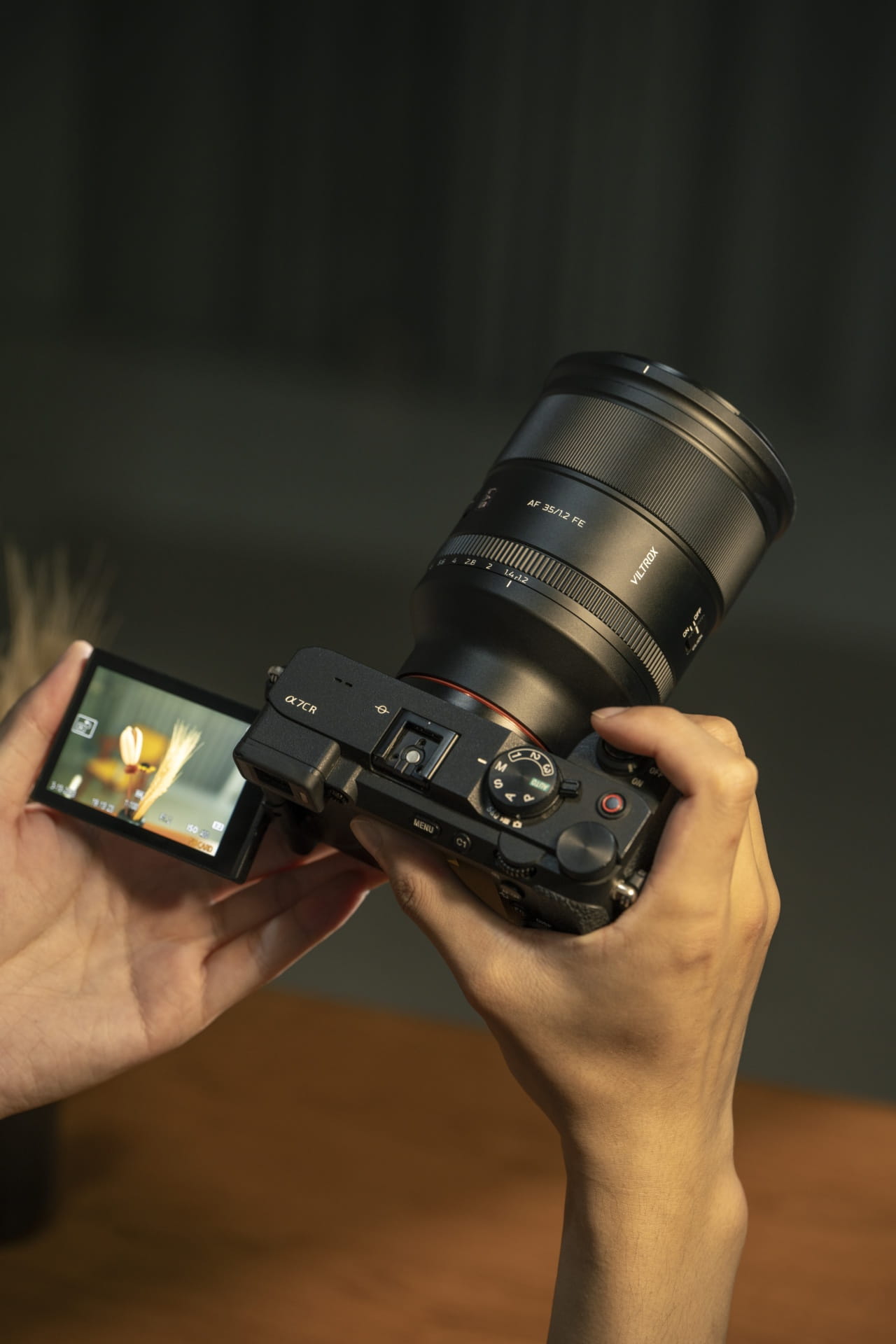
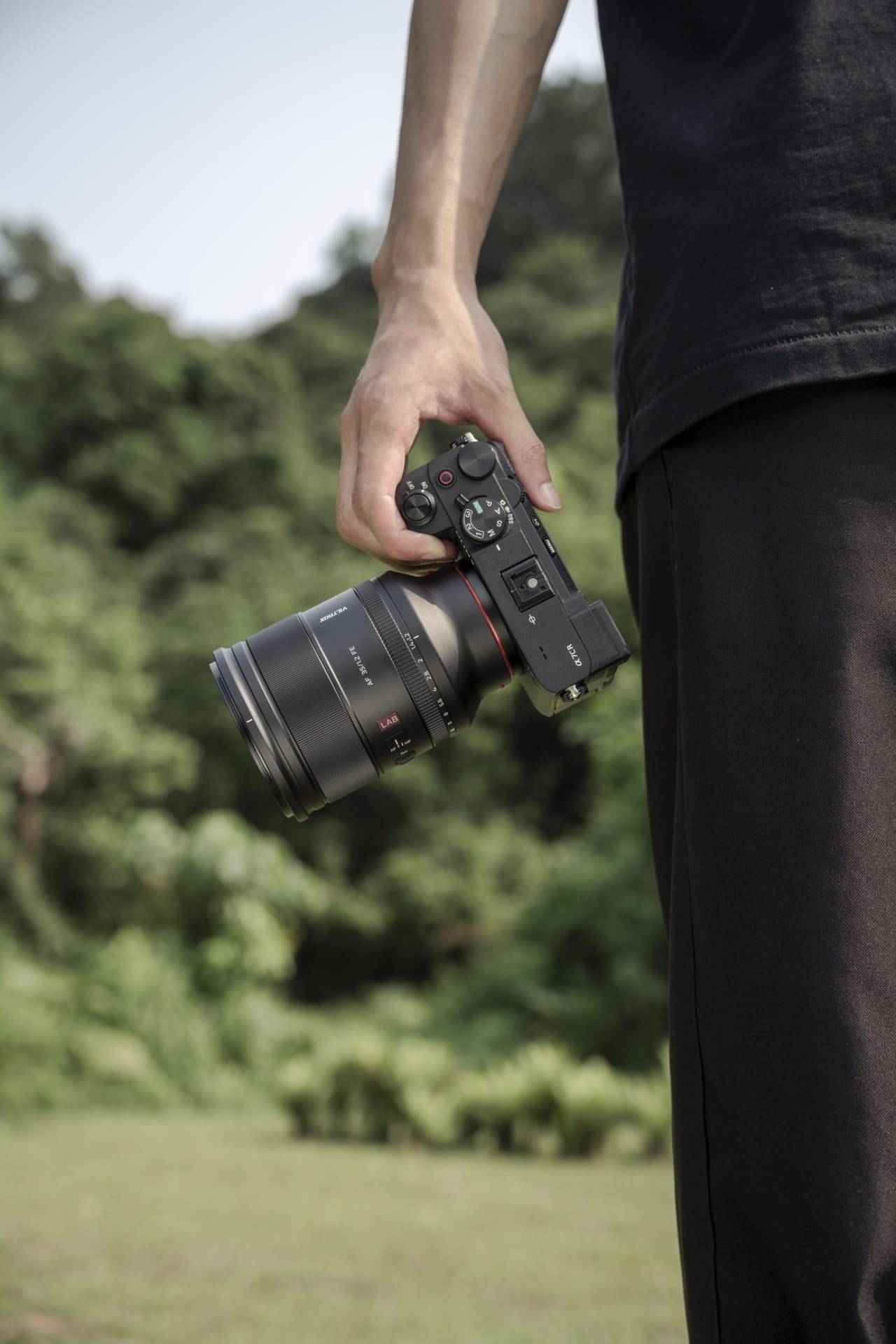
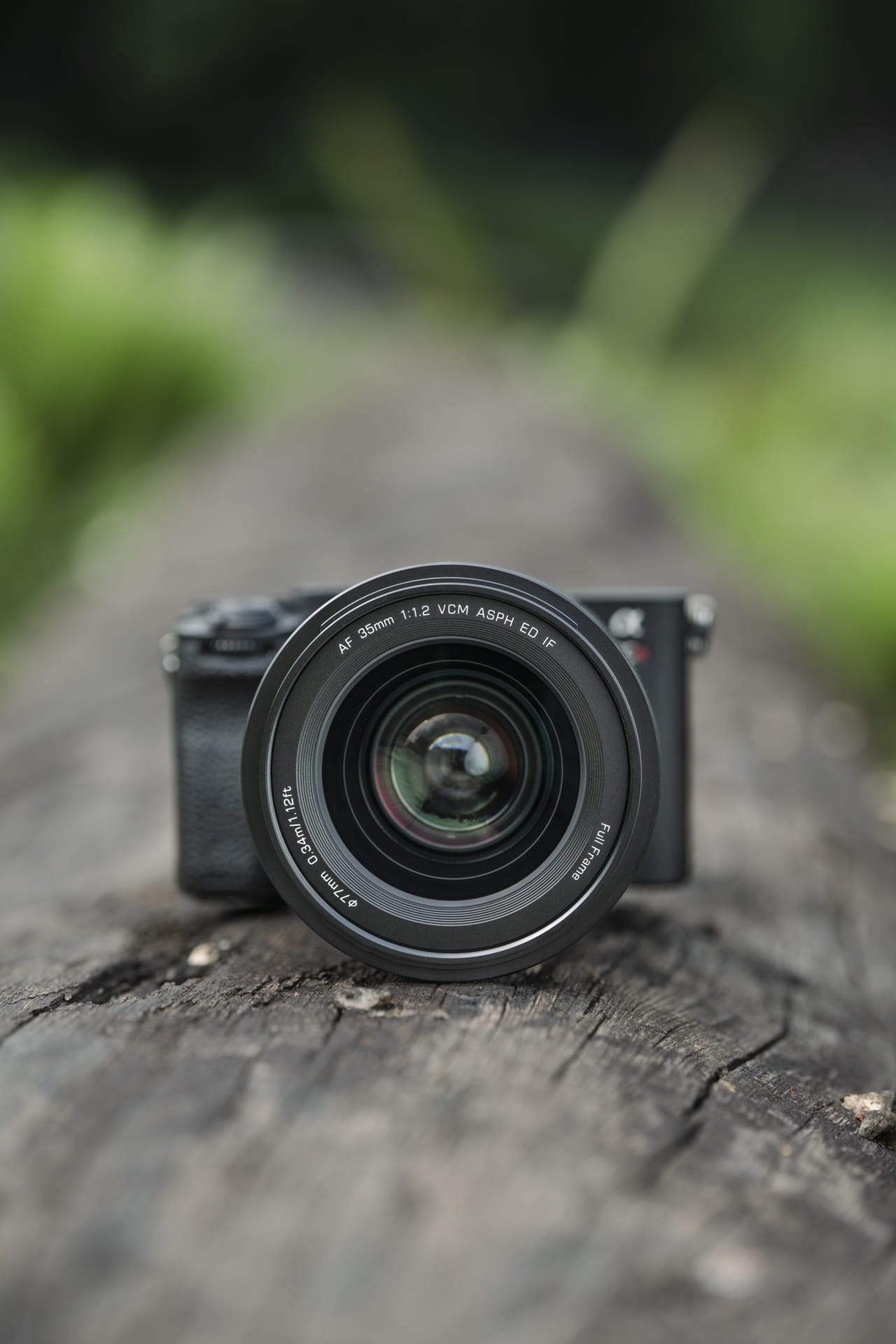
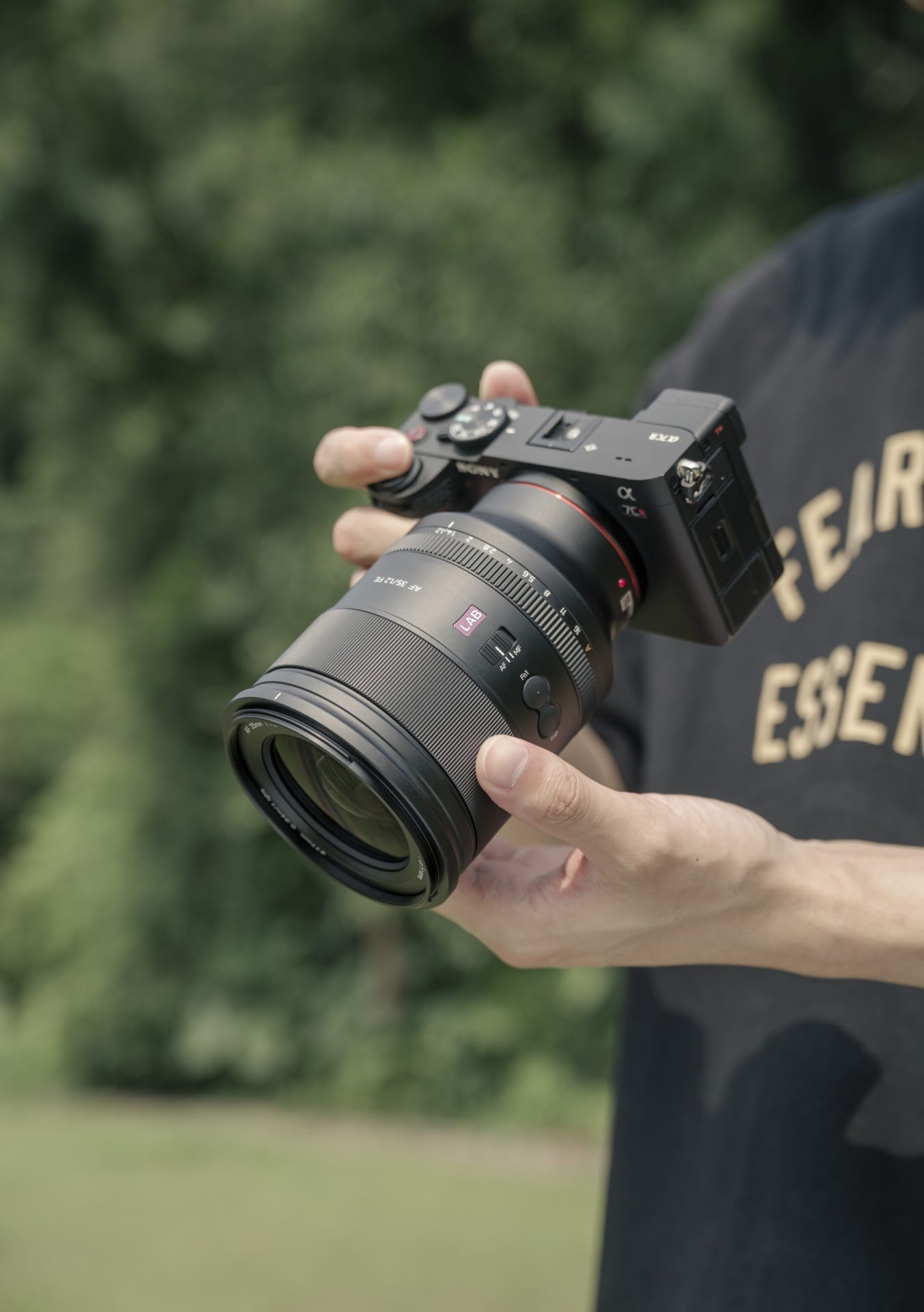
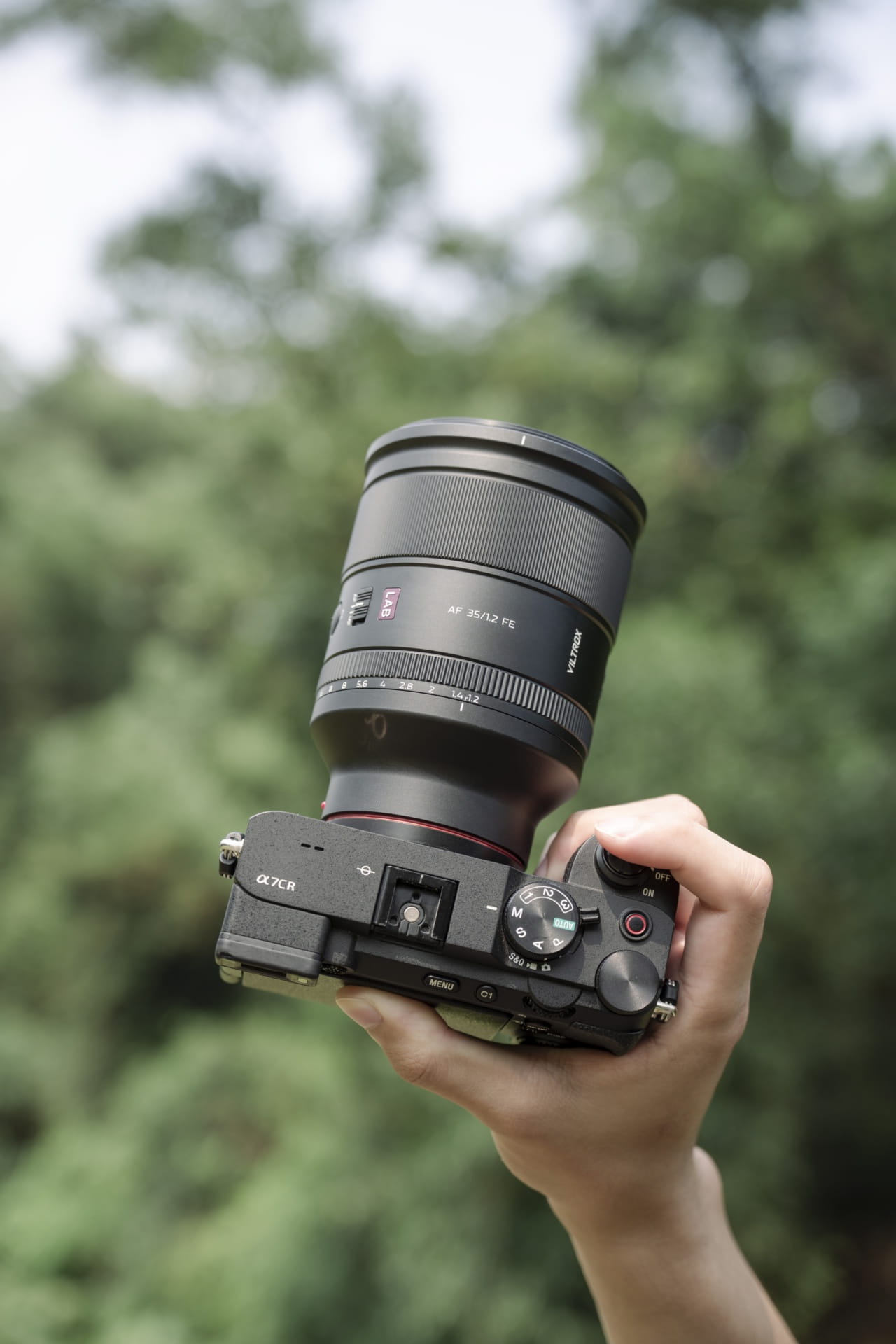
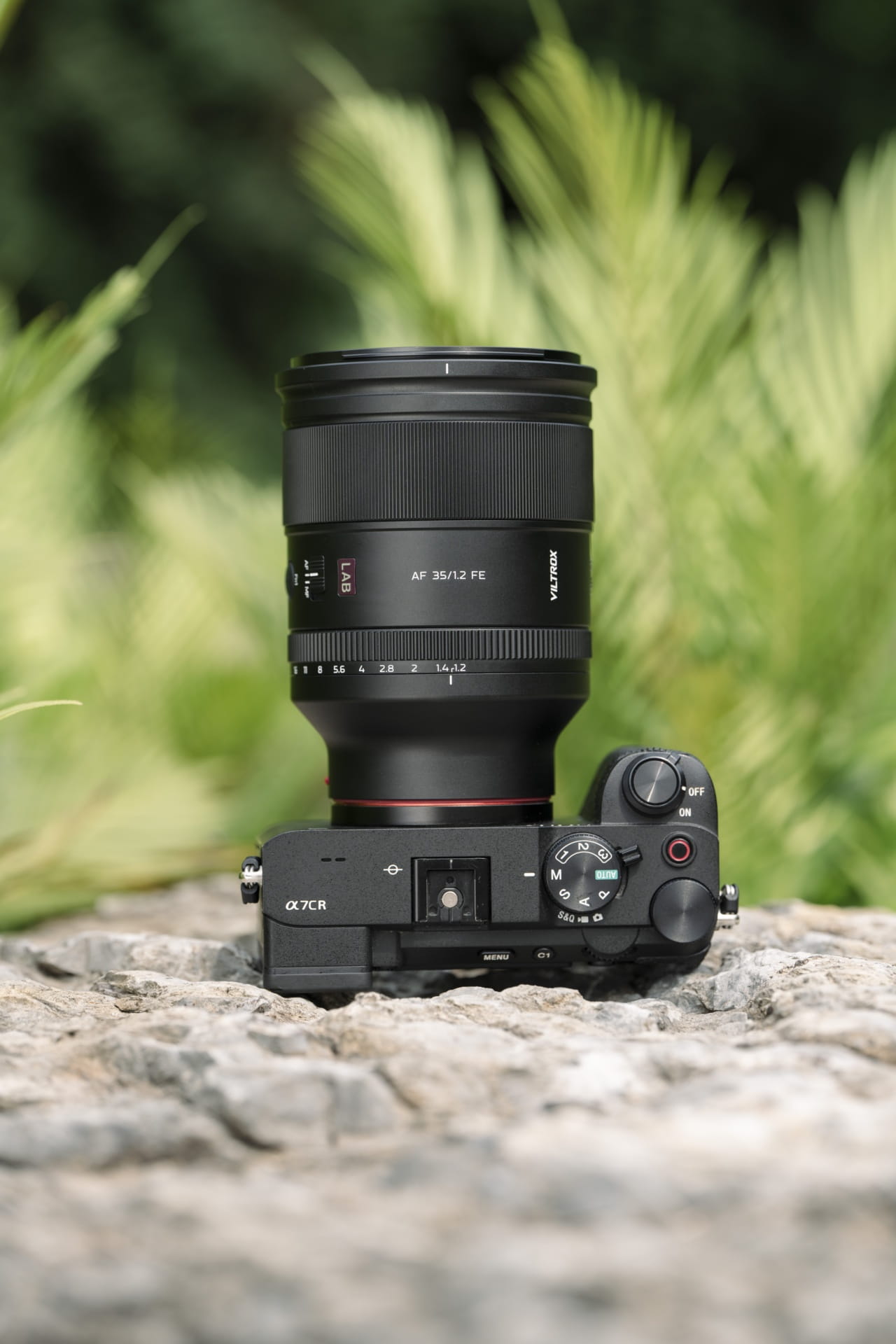
Viltrox has announced a new version of its AF 35mm F1.2 Lab lens for Sony E-mount. The AF 35mm F1.2 Lab N FE remains the same as the first-generation model, with the exception of one omission: the display.
The first iteration of the 35mm Lab lens, featured a somewhat chunky rectangular display on the top of the lens. Viltrox has used this type of display on a handful of lenses, which stick out slightly and break up the smooth lines of the lens. Ditching the display results in a cleaner, more streamlined design.
Image: viltrox
Nikon made a similar move with two of its lenses. The Nikon 24-70mm F2.8 and 70-200mm F2.8 both featured a display on the first generation, but Nikon ditched it in the second-gen versions. Nikon also made those models substantially lighter, but that isn't the case with the VIltrox lens. Viltrox shaved off roughly 10 grams (0.3 oz) by removing the screen, but that's it.
Beyond lacking a display, the lens remains exactly the same as the first version. It offers an aperture ring that can be clicked and de-clicked, AF/MF switch, and two customizable buttons. Optically, it is the same lens as the one we tested out earlier this year. If you want to get an idea of how it performs, or just want to see some cool pictures form Japan, check out this article.
The screenless AF 35mm F1.2 Lab N FE will be available alongside the original, so you can choose if you want the screen or not. It keeps the same $999 price as well, and it is available for purchase now.
Viltrox Introduces AF 35mm F1.2 LAB N FE: Flagship Performance with a Refined Control Experience
Flagship, Redefined: Full-Frame, Ultra-Large Aperture Lens with Optical and Autofocus Excellence and Enhanced Handling for Sony Cameras
Shenzhen, China — April 23, 2026 — Viltrox today announces the launch of its AF 35mm F1.2 LAB N FE, a full-frame ultra-large-aperture autofocus prime lens for Sony FE mount cameras. Designed to coexist alongside the original AF 35mm F1.2 LAB, the new version builds on its proven performance while introducing a more streamlined appearance without a display. It’s paired with a traditional aperture ring featuring marked stops that provide precise, tactile control preferred by many photographers.
Flagship Lenses & Sophisticated Optical Structure
The flagship 15-element, 10-group optical structure (including 3 HR, 5 ED, and 2 UA elements) delivers exceptional edge-to-edge sharpness, preserving fine detail even under heavy cropping, while effectively controlling chromatic aberration in high-contrast or backlit scenes.
Significantly Faster Autofocus with Quad HyperVCM
Powered by Viltrox’s Quad HyperVCM motor system, the lens delivers significantly faster autofocus performance compared to traditional STM systems. With micron-level precision, fast focus transitions, and support for face and eye detection, it ensures reliable subject tracking, which combined with its quiet operation and smooth focus transitions make it well suited for video production.
F1.2 Ultra-Large Aperture
The F1.2 aperture affords increased light intake for cleaner low-light imaging and a shallow depth of field, while the 11-blade diaphragm delivers a smooth, rounded bokeh with a natural and pleasing rendering.
Professional Handling and Workflow Efficiency
Designed for intuitive control, the aperture ring supports click and de-click switching for both photo and video use, while the AF/MF switch enables quick mode changes. Two customizable buttons provide direct access to frequently used functions, improving responsiveness during shooting.
Engineered for Durability in Demanding Environments
The lens incorporates a sealed structure to resist dust and moisture, ensuring reliable performance in challenging outdoor conditions. A water- and smudge-resistant front coating enhances usability, while the full-metal housing and precision-plated brass mount provide long-term structural strength.
Close-Up Precision and Consistent Focal Sharpness
A minimum focusing distance of 0.34m enables detailed close-up shooting, while the dual floating focus design maintains consistent sharpness and resolution across the focusing range, from close-up to infinity.
Availability
The AF 35mm F1.2 LAB N FE will be available alongside the original AF 35mm F1.2 LAB, offering photographers and filmmakers the flexibility to choose the control style that best suits their workflow.
More details and how to buy
For more information, please visit: https://viltrox.com/products/af-35mm-f1-2-fe
Amazon Store:
The US site: https://www.amazon.com/dp/B0GWJ4RP2B
The European site: https://www.amazon.de/dp/B0GWJ4RP2B
Photographing rocket launches presents distinct challenges; you get one shot at a seconds-long window, the environment is extreme and the flexibility for creativity is limited. Photographer Jared Sanders has made this his specialty, and for Artemis II, the first crewed Moon mission since Apollo 17 in 1972, the pressure was unlike anything he had experienced before.
Despite that pressure, Sanders came home with some striking images and videos of the launch, including an unplanned moment of a newly engaged couple celebrating in front of his lens. To learn about what it takes to create images worthy of the moment, we sat down with Sanders to talk about his background, gear, logistics and more.
From visual effects to the launch pad
Sanders didn't start his career photographing rockets or even using a camera at all. Instead, he went to school for visual effects in 2008 and went straight to California after graduating to work for VFX studios, where he was far from any camera work or filming. That changed when he started working for a rare end-to-end studio – one that pitched, produced and delivered its own projects – and became a visual effects supervisor.
For the first time, he was on set alongside directors and camera operators. "There was no pressure on me to be part of the production in that capacity, but I was still able to absorb all of that knowledge," he said. "Instantly, I was hooked."
"It turned out all the knowledge that I had learned over the years actually was useful"
In 2017, Sanders wanted something different and co-founded a creative marketing agency with a friend. With just two employees and clients to serve, there was no budget to hire a photographer, so Sanders handled the visuals himself. "It turned out all the knowledge that I had learned over the years actually was useful," he told me. "The skill set that I had from working in the studio of how to light things and properly pitch, how to write and direct a project, all that started coming together."
During the pandemic, a second child, a parting of ways with his business partner and a desire to get out of Los Angeles sent him back to the Florida Space Coast, where he had grown up. Starting from scratch, he looked around for what he could capture consistently without traveling far. "I grew up here, I knew about rocket launches, and during this whole time, it had started ramping up with SpaceX, especially," he said. "I was like, I really want to start shooting rocket launches."
Getting access, getting it wrong
Getting to the press site involves some logistics, including buses and a security check of gear.
Photo: Jared Sanders
With that goal in mind, Sanders reached out to local photographers to ask about getting access to NASA and how they take their shots. Those photographers pointed him toward Space Explored, a space-focused publication in the 9to5Mac network that was looking for photographers and videographers. He pitched himself, got the green light, and went through NASA's formal media credentialing process.
Access is one thing, but the harder part is getting the shots. His earliest attempts were off-site long-exposure shots from the beach, trying to capture the rocket's arc across a four-minute exposure. Keeping the camera perfectly still for that long, firing at the right moment and waiting while the screen blacks out during exposure and processing made for a steep introduction. "The rocket's gone, and you're like, did I get it?" he said. Frequently, the answer was no.
Photographing launches at night is especially difficult due to the extreme contrast, as shown in this image of the Artemis I launch.
Photo: Jared Sanders
Sanders told me that rocket photography has a few big challenges: the short duration of the event and the intensity of the plume. "Even as an experienced photographer, the thing that is really tricky with rockets that I have I've never experienced with anything else... is the speed because you only get one shot at it per attempt," he said. "You get this 30-second arc, and then it's sort of out of sight."
"It's so bright. At nighttime, especially, you're literally exposing for night and the sun at the same time."
The engine plume also complicates things. "It's so bright. At nighttime, especially, you're literally exposing for night and the sun at the same time. So you have to pick and choose your battle," he explained. "Obviously, camera technology has gotten a lot better. So you can sort of fix some of that with modern technology. But at the same time, you're going to lose something in that battle. You're going to lose either your highlights or you're going to lose your shadows. It's just what are you gonna pick?"
For photographers shooting from public sites rather than the press site, location is most of the creative work. From the press lawn, though, everyone is pointing in roughly the same direction across the same arc, three and a half miles from the pad. "It's so hard to make your stuff look different from any other photographer out there," he said. "You either get lucky and pick a spot no one else has, or you figure out a way to treat your footage and photos so they look just a little bit different."
Sanders also photographed the astronauts walking out to the rocket, using his Super 8 camera.
Photos: Jared Sanders
Most photographers at the press sites are there capturing typical news shots, which means very minimal color correction and editing. It's what press wires need, but he had the flexibility to try something else. "I edit my rocket photos the way I would edit my normal photography," he said. "The coloring just looks a little bit different. It may lean a little more toward the normal color palette I'd use for my landscape photos or whatever other photos I'd be taking in that series."
Sanders has also brought film to launches to create something different. For Artemis II, he said he was the only person at the press site recording video with Super 8 film. He put a roll of Kodak 500T through the camera, which he recently sent off and is waiting to see if it worked out. "Those are the kind of things that I try to do differently, to set myself a little bit apart from the other photographers."
Remote cameras and technical details
Sanders didn't have remote cameras for Artemis II, but he did have remote setups for the first Artemis launch.
Photos: Jared Sanders
Remote cameras come with their own logistical challenges. NASA buses credentialed photographers out to preset zones about a half mile from the pad, where cameras are left unattended until after the launch. Sanders explained that focus is locked manually, and most photographers use sound-activated triggers (Sanders and many others use Miops), which fire the camera the moment the rocket's acoustics reach them.
For a mission like Artemis, installing remote cameras means journeying to the Cape multiple days before launch. "You have to go through a whole security check with your camera gear," he told me. "Then you get on the bus. So it's like a whole day event to get out there and set the cameras up." If the mission gets scrubbed, you'll have to go back out to pick up your gear and set it up all over again at a different date.
"You're still within a half mile of the rocket. I've seen a lot of pitted lenses from like fuel or just debris."
Protecting the camera is also critical. Sanders said you have to bag the camera or have it in a box so that it doesn't get rained on, and he also uses hand warmers to keep the intense Florida humidity out. There's also a physical risk to the gear from the launch itself. "You're definitely putting your gear at risk," Sanders said. "You're still within a half mile of the rocket. I've seen a lot of pitted lenses from like fuel or just debris."
Sanders knew he would lose highlight detail on the plume, but was more concerned with balancing the exposure of the clouds and rocket.
Photo: Jared Sanders
In terms of camera settings, Sanders explained that some photographers use aperture priority and let the camera adapt to rapidly changing light. He, however, shoots full manual, preferring greater control and a more consistent sequence of exposures that he can cut together almost like a time-lapse. Choosing the exact settings comes down to the priorities of each shot. For the remote cameras, "that's where you're like, 'Okay, I really want to see detail in the engines and the flames,'" Sanders explained.
The shots from the press sites, which are farther from the launch, serve different purposes. "When you're far away, to me it's more about the story you're telling with the scenery and where you are," he said. That might mean letting the brightest parts of the engines and plume lose detail. "Even from my still shots, I think that the exhaust and the engines were a little bit blown out... The clouds were really nice that day, and I wanted to make sure you could see the clouds and the rocket contrast against the sky."
The setup for Artemis II
Sanders went into the Artemis II launch with a specific plan and an extensive kit in tow to execute. He arrived at the press site with six cameras: a Red Komodo X for a landscape-oriented video, a Nikon ZR for a portrait-oriented video, a Fujifilm GFX 100 II with a 500mm lens for stills, a 360° camera and Insta360 Ace Pro 2 for behind-the-scenes footage and the Super 8 setup on a tripod (which differed slightly from his plan laid out in the video above).
Sanders also packed two lenses for his video cameras: a 1995 parfocal broadcast lens and a Tamron 35-150mm F2-2.8 Di III VXD. He put the Tamron on his Komodo and planned to use the broadcast lens on the ZR. However, when he arrived on site, he discovered that Nikon had a tent with gear available for anyone to borrow for the launch.
He walked over just to check it out, without any intention of borrowing anything, since he already had so much gear with him. But the Nikon representative mentioned he had the 600mm F4 with him. "It's like a $16,000 lens, and I was like, well, I gotta use it because I'm not gonna buy this lens ever, and I'm not going to rent it. So, I'm going to use it," he said.
That 600mm ended up being the key to getting a clip that stood out from the rest, which you can see above (it was also what got my attention and sparked this interview). He knew he had a wide view covered with the Komodo, so he wanted something different from the ZR with the 600mm lens. "I have this prime lens. It's going to have tons of compression. I can at least get some people in the foreground," he explained. "It would be cool to see some scale of the rocket. And that was my main intention." So he set up the camera at a distance from one of the angles that people usually shoot from and chose a low-angle shot looking up.
The rest of the shot was pure serendipity. "I pointed it up, and these people walked in front, and I had no idea anybody was going to be there just yet. But when these people walk in front, they start hugging, and the rocket's right in between them," Sanders recounted. "I'm like, 'Oh, oh my gosh.' If they're there hugging when this thing goes off, that's going to be pretty cool."
Sanders has shot enough previous launches to know that people always react to the wall of sound, and said that the first Artemis launch was especially crazy. So he had high hopes for a cool reaction if they stayed in front of his camera, but it was still a wait-and-see situation. "The press site's really big, so I'm probably like a football field away from the camera where I'm actually shooting," he told me. "I run over at like six minutes to go, and I hit record, hoping I have a full battery. And I was recording at 6K Raw, so I was like 'oh my gosh, I hope it doesn't run out of memory.'"
He went back to his main spot and captured the launch with the other cameras, taking only a brief moment to look through the viewfinder to revel in the view without taking photos. When he went back to the ZR and reviewed the footage, he saw that the couple who had been hugging before the launch were jumping and cheering during the launch right in front of his camera.
"It ended up being a story within a story."
While everyone else rushed to get their clips and photos up as soon as possible, Sanders opted to go home, spend time with his family and then color grade, finally getting the video up around midnight. He assumed he missed the magical window, but the video blew up on Instagram. At some point, the woman in the video was tagged. She reached out and told him that she and her fiancé are both in the space program, and that they had just gotten engaged at the Artemis II rollout. She even asked if she could use the footage in their wedding video (to which he said yes). "It ended up being a story within a story," he said.
There's also more of that clip that he hasn't released yet: after the rocket clears the frame, the two of them standing still, hands together, staring up at the dissipating plume. "They're like two kids seeing Disney for the first time," he said. He plans to put a reel together around it eventually. For now, it's sitting on a hard drive; it's the kind of footage, he said, that makes you want to back it up in fifteen places.
Sample gallery
This widget is not optimized for RSS feed readers. Click here to open it in a new browser window / tab.
DxO released Nik Collection 9. This announcement marks a major milestone for DxO, introducing a significant update in Nik Collection’s history, with powerful AI-enhanced tools, a completely reimagined approach to color grading, and a new generation of creative effects designed to expand artistic possibilities while streamlining the editing workflow.
You can get 15% off DxO products with code RUMORS (for new customers only).
Here is a recap of all the major new features and workflow improvements introduced in DxO’s Nik Collection 9:
AI-Powered Masking Tools
The most significant upgrade in this version is the introduction of advanced, on-device AI masking, which drastically reduces the time spent on complex local selections.
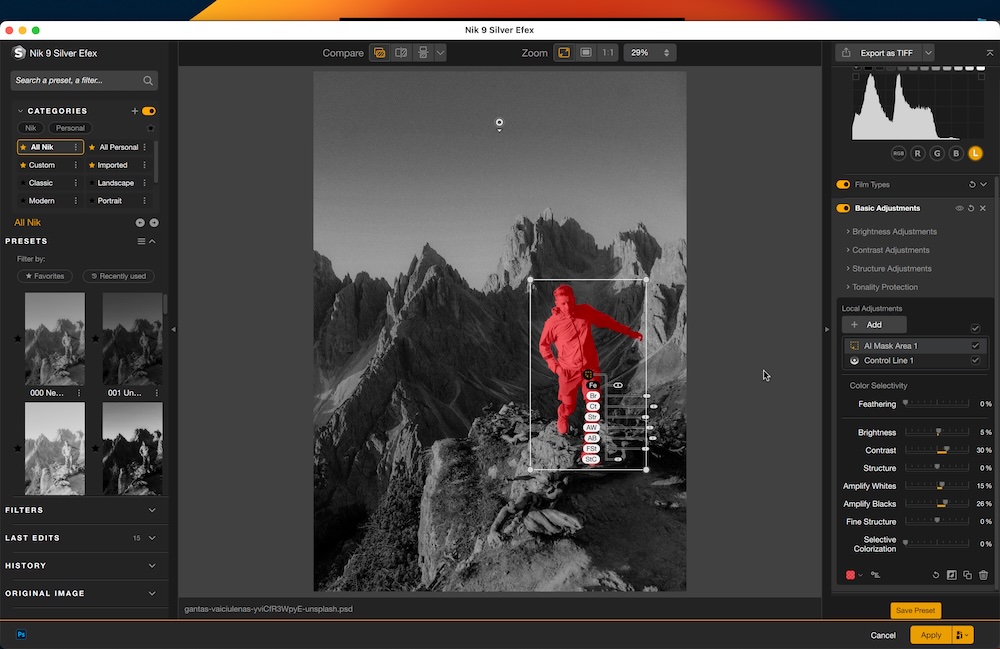
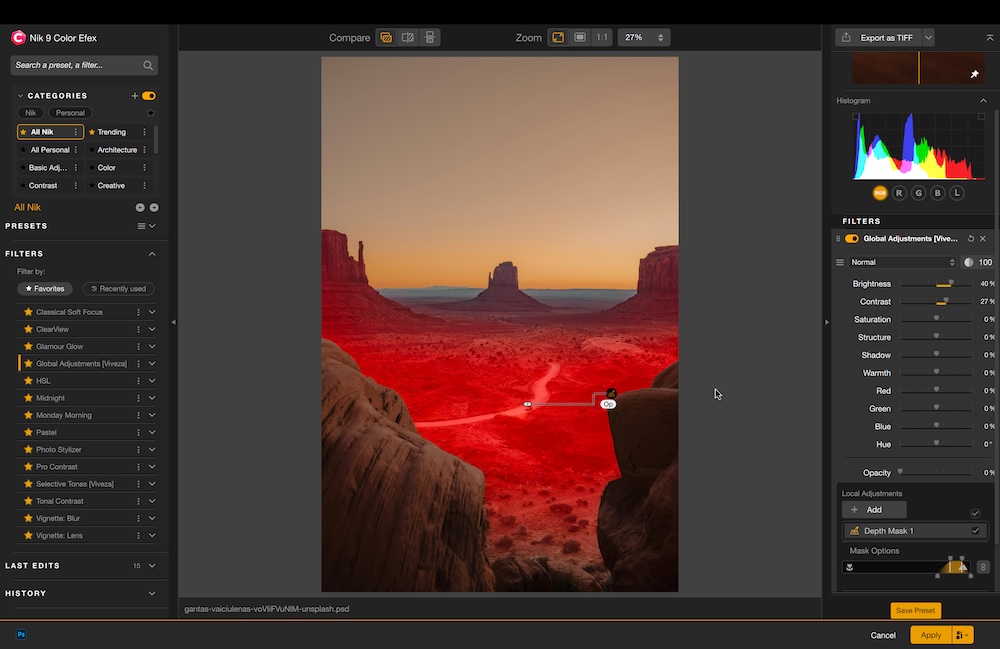
Depth Masks (AI): Available in Color Efex and Silver Efex, this tool analyzes the 2D image to generate a detailed depth map. You can make selective adjustments based entirely on distance from the camera (e.g., editing only the background or foreground), even if the image file has no embedded depth data.
Object Selection Masks: You can now instantly isolate specific subjects within a frame by simply hovering your mouse over them or drawing a rough bounding box. Both mask types include feathering and diffusion sliders to ensure natural transitions.
Streamlined Color Grading
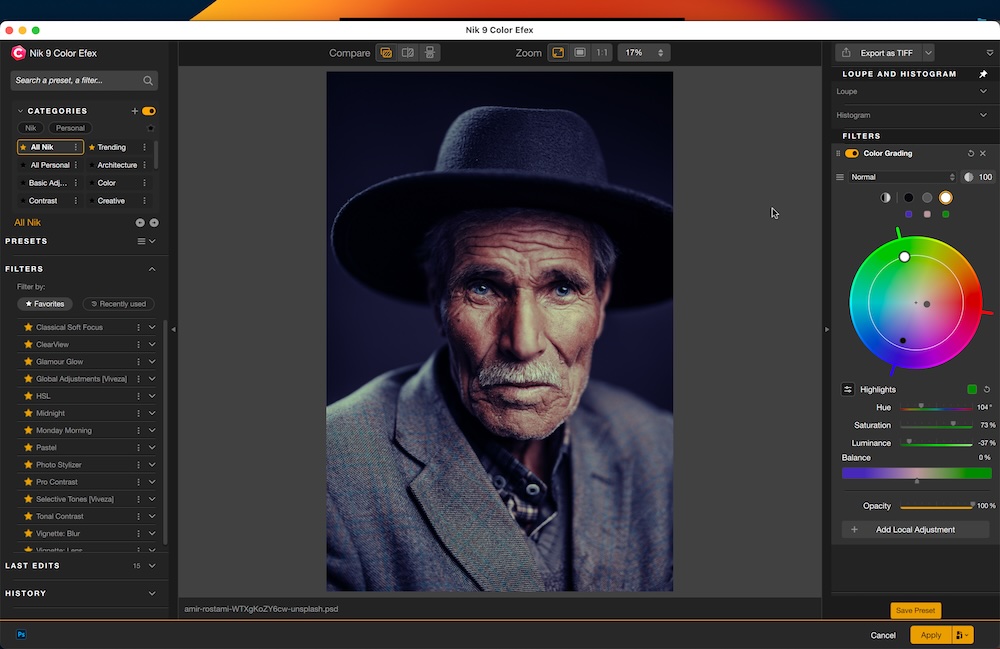
Unified Color Wheel: Nik Color Efex features an overhauled Color Grading tool. Instead of juggling separate panels, you can now plot and control shadows, midtones, and highlights on a single, unified color wheel.
Synchronized Adjustments: You can lock the shadow, midtone, and highlight points together. This allows you to rotate or shift all three simultaneously, preserving the exact relative relationship between their hues and saturations across the image.
Three New Creative Filters
DxO added three new filters to expand the suite’s analog and atmospheric effects:
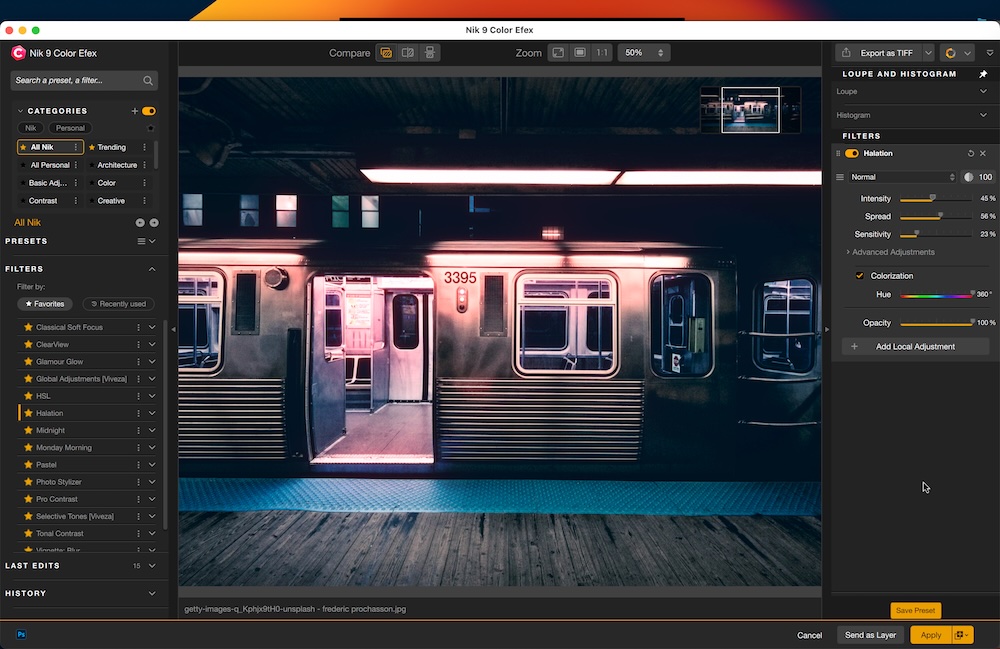
Halation (Color Efex): Recreates the cinematic glow or optical bloom typical of vintage analog film, where bright highlights bleed softly into surrounding darker areas (often creating a subtle reddish halo).
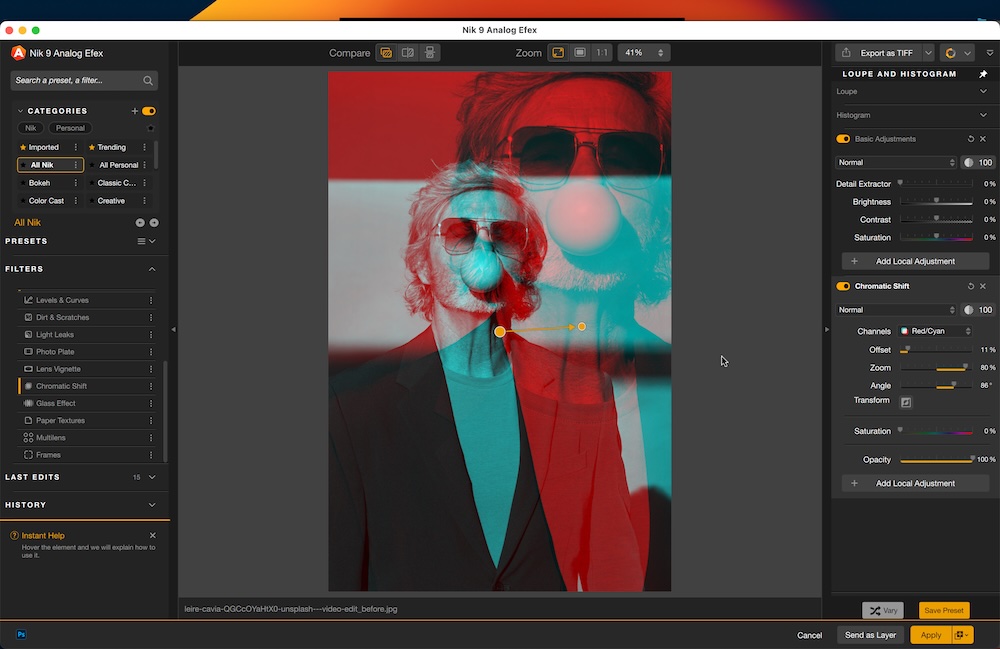
Chromatic Shift (Analog Efex): Simulates the subtle ink misalignments found in traditional offset printing. It displaces color layers (using palettes like red/cyan or yellow/blue) to create authentic vintage imperfections or bold, graphic pop-art effects.
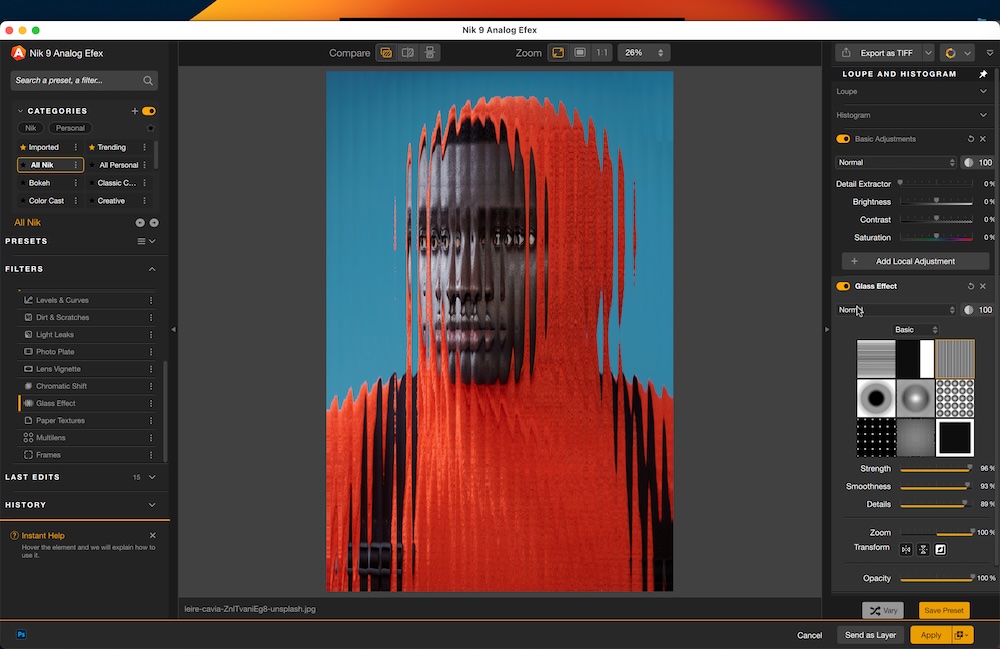
Glass Effect (Analog Efex): Offers over 50 customizable texture overlays that simulate the distortion of viewing your photograph through various patterned or textured glass surfaces.
18 New Blending Modes
Advanced Layer Control: Familiar to Photoshop users, 18 distinct blending modes are now integrated directly into almost all filters in Color Efex and Analog Efex. This gives you massive flexibility in controlling exactly how stacked filters and effects interact with the underlying image.
Workflow and UI Enhancements
Several quality-of-life improvements were introduced to speed up the editing process:
Hover Previews: You can instantly see a real-time preview of presets or past edits on your main image just by hovering over their thumbnails, completely eliminating the need to click and clutter your edit history.
Customizable Mask Overlays: Mask overlays are no longer restricted to red. You can change the overlay color to ensure high contrast and clear visibility against similarly toned areas in your photograph.
Copy & Paste Local Adjustments: You can now copy and paste masks and local adjustments between different filters using standard keyboard shortcuts, preventing you from having to rebuild complex masks from scratch.
Trending Presets: A new category featuring around 24 built-in presets designed specifically to showcase the new tools in version 9.
Preview Quality Mode: A new toggle allows you to adjust the preview rendering quality so you can manipulate sliders without the image temporarily blurring.
Featured films are not necessarily the first thing you consider when selecting a topic for a photography discussion, but we did just that last week when asking our community about their favorite photography-related shows and movies. We were blown away (a bad pun intended, related to the suggested movie, Blowup) by the wide range of results.
Our Reviews Editor, Mitchel Clark, got the jump on the community by suggesting the documentary Side By Side (2012):
"Oh boy, a chance to promote one of my favorite documentaries, 2012's Side By Side. Keanu Reeves talks to a bunch of filmmakers about how the movie industry is transitioning from film to digital, and goes into the pros and cons of each. Obviously, 14 years later, there's been a lot of progress made, especially on the digital side, but I still think it's a fascinating watch." - Mitchell
Check out the top suggestions below, and then let us know in the comments what your favorite photography-related show or movie is!
Movies
Lee (2023) film poster
Image: Brouhaha Entertainment and Juggle Films
Morris Trichon: "My favorite Photography movie is Blowup, released in 1966. Blowup had a significant effect on me, and so I wanted to minor in photography. I was majoring in Aerospace Engineering. My advisor would not sign off, telling me I would spend too much time in the darkroom and probably flunk out of engineering and become a starving photographer. In the end, I completed my engineering degree, but have been involved in photography my entire life. Thank you, Blowup."
Swerky: "Alfred Hitchcock’s Rear Window with James Stewart in his chair and his Exakta VX 35mm SLR."
AbrasiveReducer: "Pecker. The problem is, most movies about photography show the impossible, like prints developing instantly under bright red safelights (bleach & redevelop) or handheld cameras doing surveillance from a quarter mile away, which is then enlarged to show a person's name tag. Even Sony can't do that."
Progman: "The 2024 film Civil War was chilling when it first came out, and even more so when rewatched more recently, given the current political climate. Seeing war photographers putting themselves in harm’s way, and experiencing the accumulated trauma they experience, is moving."
Shows and Documentaries
Ansel Adams (2002) documentary poster
Image: Steeplechase Films and Sierra Club Productions
Tunnan: "War Photographer is an Oscar-nominated documentary following James Nachtwey shooting on location and in the darkroom. It is a fascinating film showing his approach to his life and work. I saw it in the cinema 25 years ago when I was just starting out as a press photographer, and although my career has never taken me to war, the film was a great inspiration. While researching this reply, I noticed it has been uploaded to YouTube, so I would give it a watch."
Don Sata: "Sebastiao Salgado's The Salt of the Earth. A beautiful retrospective documentary on the greatest photographer ever."
Lensmate: "Music Through the Lens is an eye-opening, six-part, thrill ride through the amazing world of music photography."
Keep ready for the next Question of the week to participate in this series. New questions are posted here on the homepage and in the forums every other week. We can't wait to read and share your stories!
This month, DxO Labs released 833 new DxO camera and lens modules for the latest gear from Canon, Fujifilm, Nikon, Sigma, and more. DxO now offers 112,308 camera and lens combinations.
You can get 15% off DxO products with code RUMORS (for new customers only).

 Connexion