Adobe has rolled out a handful of updates to Photoshop and Lightroom aimed at smoothing out common editing bottlenecks. The latest additions include tools for composite photos, organizing complex files, finding images with natural-language search and managing work from large shoots.
In Lightroom, Adobe is delivering on some features it showed off at its Adobe Max conference in October of last year. One is the improved search functionality, which allows users to search with natural language, much as they may be accustomed to in cloud-based photo management tools from the likes of Apple and Google. It was previously available in Lightroom for the Web, but is now available in the desktop version as well.
The AI Filters in the Assisted Culling tool allow users to quickly sort out images that are in focus.
Image: Adobe
Another Max-previewed feature that is now fully available is Assisted Culling, which makes it easier to sort through large quantities of images. The tool is an AI-powered filter that allows users to quickly narrow down images by sorting out those that are properly exposed and in focus. It gives users control over how picky they want to be, and still lets them select or reject images that the system would have done the opposite.
Speaking of speed, Adobe says that interactive slider performance will be five times faster in this update. It's also added support for all Sony a7 V formats, since it previously didn't support the new compressed Raw format Sony introduced with that camera. Lastly, there are new film-inspired presets for those interested in editing to create a more retro look.
The Rotate Object tool is found in the Contextual Task Bar, making it faster to access transformation tools.
In Photoshop, Adobe has made its Rotate Object tool widely available, following the feature's public beta release in March. Rotate Object makes it much easier to refine composite images, saving users from the traditional multi-step process of adjusting an object's position with separate Transform tools. It essentially turns a 2D object into a rotatable 3D image, allowing users to adjust its angle and perspective in real time to make it fit more naturally into a scene.
Adobe also added a Layer Cleanup tool to Photoshop, which can streamline and declutter files by renaming layers and automatically removing empty ones. Plus, Firefly Boards are now integrated with Photoshop, making it easier for creatives to move from concept phases to final execution.
All of the new features are available in Photoshop and Lightroom as of today.
NASA astronaut and Artemis II commander, Reid Wiseman (foreground), and CSA (Canadian Space Agency) astronaut and Artemis II mission specialist, practice lunar photography at NASA's Johnson Space Center in Houston.
Photo: NASA / Kelsey Young
The Artemis II mission came to a successful end a few weeks ago, but excitement over the historic journey remains high, thanks in part to the remarkable photographs the four-person crew captured aboard Orion. It turns out those images were successful because the astronauts were doing more than pointing a camera out the window and hoping for the best. Before launch, they received dedicated photography training to help them document the Moon, Earth and the spacecraft’s journey between them.
In an Instagram video from Reuters, NASA flight operations imagery instructor Paul Reichert explains the photography training process for astronauts. He says that when individuals are first brought on as astronauts or astronaut candidates, they receive about four to six hours of training from him and his fellow instructor, Katrina Willoughby. The goal at that point is to bring them to a basic level.
Before astronauts are assigned to a specific mission, Reichert says they may take some classes and have the opportunity to check out gear to get familiar with it. Then, once an astronaut is assigned to a mission, they have about 10 classes, which he says amounts to about 20 hours of training.
The crew practiced for the mission using an Orion mock-up and a large, inflatable moon.
Photo: NASA / James Blair
According to the Rochester Institute of Technology (RIT), Willoughby and Reichert, who are both alumni of the RIT photographic sciences program, worked with the Artemis II crew for two years to ensure they were fully prepared. Mission pilot Victor Glover said their training included on-the-ground drills that involved taking pictures inside a mock-up of the Orion capsule, according to Reuters.
"Most people can use a camera and get a photo that is good enough, but good enough isn't what we're after scientifically. We’re really teaching the astronauts how to go beyond the basics," Willoughby says in the RIT article. "Being able to understand how to use the equipment, and what the options are, gives us a lot more capability."
Artemis II Pilot Victor Glover and Mission Specialist Christina Koch gather images and observations of the lunar surface to share with the world during the lunar flyby on the sixth day of the mission. The crew spent approximately seven hours taking turns at the windows of the Orion spacecraft as they flew around the far side of the Moon.
Photo: NASA
Images taken on such missions play an important role in research, but their importance goes beyond that, too. "There are pictures we want to get, and then there are pictures that the team is depending on. The imagery is their data," says Willoughby. "If something breaks, for example, we need a picture or video to show us on the ground what's going on. Sometimes, the imagery is what is needed to move forward, so it is important that the crew can get it right the first time."
A Reuters article also details the camera gear chosen for the mission and why those particular devices were selected. We've seen lots of questions here at DPReview about why NASA opted for the Nikon D5, a decade-old camera. The answer appears to come down to what was tried and tested. "We had a lot of flight experience with it," Reichert told Reuters. "We knew it could handle radiation, at least several years of radiation dosage on the ISS, and it didn't have any problems with it."
When you use DPReview links to buy products, the site may earn a commission.
The Thypoch's first autofocus lens is an F2.8 for full-frame.
Photo: Mitchell Clark
Over the past few weeks, lens maker Thypoch has been teasing the release of its first autofocus lens. But rather than entering the world of autofocus with a prime, as many of its peers have done, it's introducing the first China-designed and developed zoom for full-frame. And it's an F2.8 zoom, at that.
How has the company gone from making M-mount manual-focus primes to an F2.8 zoom for full-frame? Quickly, says the company's Go-to-Market manager, Xavier Luo. "The project began at the end of 2024," he tells me: "and it's taken almost a whole year to make the lens ready for large-scale manufacturing."
"In China, this would be considered quite a long time," he says, when I express surprise at the short timescale.
I ask him to expand on why the company decided to jump straight to zoom lenses, and why this particular specification. "We are very good at making zoom lenses," he tells me: "we have a cinema lens background and already make dozens of [manual focus] zooms. Two times, three times, even ten times zooms for full-frame, APS-C and Micro Four Thirds, so we have a lot of experience."
"It's taken almost a whole year to make the lens ready for large-scale manufacturing"
And, there's a degree of pride at stake, too, he suggests: “There’s strong anticipation across Asian markets, with Chinese users in particular eager to gain a wider choice of lenses, because the Chinese brands’ prime lenses have become more and more competitive both in terms of price and optic performance. These people are hoping to get a some kind of zoom product in the market so that maybe people can buy a zoom lens with a prime lens price."
Why 24-50mm?
The company settled on a 24-50mm as its first product for a number of reasons, Luo tells us:
"We know it has a lot of controversial points." he says: "The core value of the zoom lens is zoom, right? So people are arguing [about] that in the Sony 24-50mm comments. But we noticed that people are getting more and more focused on a lightweight lifestyle in recent years. People are trying to get more lightweight cameras, lightweight bags and lightweight everything. A 24-50mm can cover the daily use, or for your travel."
Thypoch's, Go-To-Market Manager, Xavier Luo
Photo: Thypoch
The other critical factor was that they believed this range would let them make a better lens. "[we didn't want to be] too ambitious, and make a 24-70, that kind of zoom lens," Luo tells us.
"When making zoom lenses, the biggest difficulties is to have a well-controlled distortion and at the same time have a really good sharpness," he says: "We think making a 24-50 means we can control it really well both in terms of sharpness and other [factors, such as] spherical aberration and distortion."
Some of this comes from it taking a different approach: "If you shoot with the Sony 24-50mm original lens with in Raw you may notice that it has in-body distortion correction," he says: "Third-party zoom lenses can be limited by the body communication protocol."
"We think [Sony] has a more open attitude towards third parties"
"In-body distortion correction means you have a perfect JPEG file but you don't have that in the Raw file. So for optical designers, it gives convenience: they don't have to worry too much about distortion, and that's a big deal, because they have only focus on the sharpness side. But for us, it's totally different: our designers have to look at both factors."
Shenzhen Dongzheng Optical Technology has already made a range of manual focus cinema zooms under its DZOFilm brand name.
Image: DZOFilm
"We asked Sony, but we didn't get any official confirmation," he tells us: "we actually want to pay the protocol license fee, but we couldn't get any official reply. We think they have a more open attitude towards third parties."
Challenges
We asked what the biggest challenge was of developing an autofocus zoom for the first time: the optical design or the mechanical design. "It's the physical design," Luo tells us: " more specifically, it's the software and electronic parts because in the autofocus lens domain, the level of the electronic and software decides the maximum optic performance in the lens."
"It's totally reversed, compared with manual lenses," he says: "with manual lenses, the optic performance leads the mechanical design. But, you know, [for autofocus] it's totally different: it depends on how much weight the lens motor can drive and the precision it can deliver."
The company developed its own STM motors for the task. "I think still 90% of lenses use STM focus motor," he says. The company spent a lot of time working on making sure focus speed was competitive, and that focus is precise and doesn't hunt in video. "we tested the autofocus precision in a lot of scenarios and to make sure [it performed well] whether people are using it for photography or video."
Internal zoom
Unlike the Sony 24-50mm F2.8, Thypoch's design features internal zoom and does not requre any software distortion correction.
Photo: Mitchell Clark
As well as a design with no software distortion correction, there's another obvious difference between Sony's 24-50mm F2.8 and Thypoch's lens, despite the similar dimensions and weight: the Voyager 24-50mm is an internal zoom design.
This has a benefit beyond just retaining the lenses' compact dimensions, says Luo: "it's better for people who are trying to make vlogs or short video, when they are using the lens on gimbals or even if they are [working] handheld."
The logic of E-mount
For now, the company is focused on the E mount for two reasons, we're told: "We think Sony E-mount has the biggest user group, and [we think] this lens fits the Sony Alpha users' interests. But we are still waiting to see what's happening in this industry, but our focus is just on E-mount right now."
"Our focus is just on E-mount right now"
But also, given the recent history of other manufacturers taking non-licensees to court, "Sony has a more open mind for third-party lenses."
Thypoch hasn't revealed all the details of the 24-50mm F2.8 yet. It's already publicly teased that the lens is coming, and shown it at the NAB trade show in Las Vegas. We're hoping this means we don't have to wait too long for the rest of the details, including the price, to be made public.
"I think when we reveal the price, people will be surprised by the high quality performance ratio of this product."
Thypoch Voyager 24-50mm F2.8 Sample gallery
We've been shooting with the Thypoch 24-50mm F2.8 and have produced this gallery of sample images. As always, you can download the Raw files, to see how it performs.
Please do not reproduce any of these images on a website or any newsletter/magazine without prior permission (see our copyright page). We make the originals available for private users to download to their own machines for personal examination or printing; we do so in good faith, so please don't abuse it.
Sample gallery
This widget is not optimized for RSS feed readers. Click here to open it in a new browser window / tab.
This month, we returned to the analog roots of photography: film. DPReview photographers made every grain count, with photos ranging from the serious to the whimsical. What made this challenge even more interesting was the fantastic variety of cameras used to capture this month's images!
As always, we received many more great photos than we can feature here. Our favorites, showcasing a diverse range of vision and talent, are presented in random order.
Photographer's statement: I found a box of color slides I shot back in 2006. It was never digitized, and it was basically just an experiment as I was getting into photography. I decided to try to digitize them using a DIY method. The race was an American Le Mans race at Mosport, Canada.
The camera was a Minolta Maxxum 7, probably with a Minolta AF 300 F4 G APO. The "scanning" was done with a Sony a7 IV and a Minolta 50mm F2.8 Macro, using an LED light to backlight the slide, then post-processed in DxO PhotoLab.
Film: Fujifilm Velvia 100
Equipment: Minolta Maxxum 7 + Minolta AF 300mm F4 G APO
Photographer's statement: While traveling in the old Soviet Union with a small group, I was able to visit a small ballet school in St. Petersburg. The young dancers were very excited to perform for us.
Photographer's statement: A long exposure of city traffic on Rue de la Loi, Brussels, at blue hour. The saturation from the Kodak Ektar film makes the cool blues and vibrant reds pop. This is the heart of Brussels' European Quarter, with veins of light running to the horizon.
Shot with a medium-format Altissa Box camera made in the early 1950's that I inherited from my grandfather, with an ND filter duct-taped on. I developed the film at home.
Photographer's statement: Shooting at ringside in Roanoke, Virginia, I experienced my first and only professional wrestling match, shooting for a long-gone local magazine. I had to dodge several wrestlers flying over the ropes.
I used an on-camera flash. The negative was scanned using an iPhone 13 Pro with a homemade negative holder/camera mount.
Photographer's statement: Best concert of my life. Led Zeppelin, April 30, 1977, at the Pontiac Silverdome in Michigan. A shot of Robert Plant singing one of their iconic songs, "Stairway to Heaven." One of the frames from that photo shoot was chosen by the band and published in their only book. I was paid for the shot and given a photo credit; my name appears in the book.
Shot handheld, fully manual, I guessed on the focus and exposure since I could not see the performer due to the large crowd at the front of the stage. I made the shot by shooting overhead without looking through the viewfinder and got lucky.
Photographer's statement: Although this photo was taken only last year, I did my best to create it in the "period-correct" fashion. The location was Zagreb-Fair, with Yugoslav-era brutalist architecture, to suit the French hot hatchback from the '80s.
Photographer's statement: This was my first rodeo, both as photographer and spectator. The thing about this rodeo was the location, a purposely picturesque arena built at the Old Tucson Studios, a movie set for westerns popular in the '50 and '60s. Having played and watched sports, I knew what to expect, plus the arena was not large, meaning with the Canon EOS 300mm f2.8 lens, the events were easy to focus on. Walking around with a big white lens, everyone assumed I was a pro, which I was not, but faked it. The camera was a Canon EOS 10s.
Photographer's statement: A son of mine in the French Alps in 1992. It was difficult at that time to shoot quickly! I had someone telling me when the jumper (my son) reached the top of the small hill.
Photographer's statement: I believe this is one of the best photos I have ever taken. This was taken in 1985 in Venice, on a Pentax ME Super with, I think, a 50mm F1.7 lens. I saw these guys having a chat as I was crossing the bridge. I framed the shot, then shouted "Hey" and took the photo. Scanned on my Nikon Coolscan LS9000.
Film: Ilford XP1 400 Chromogenic B&W
Equipment: Pentax ME Super + SMC Pentax M 50mm F1.7
Photographer's statement: Film is an "antiquated," finicky, and less flexible medium when compared to digital. But as someone who enjoys photography for the process itself more than the end result, those restrictions, uncertainties, and quirks are exactly what draw me to film in the first place. This photo, which is my favorite I have shot on film to date, is a perfect example of all of the above.
Shot near Times Square, my Canon A-1 experienced a film advance fault for the first time, resulting in an unintended partial double exposure of two shots meant to be separate. The end result is far more interesting than either of the shots would have been on their own, and never would have been possible if I hadn't fallen in love with a 47-year-old camera that costs me $1 every time I press the shutter. But hey, who's counting when they sometimes turn out like this?
Photographer's statement: This waterscape was taken on a photo tour trip in 2017 to the southern region of Iceland. Our participants all shot digital, while I made it a challenge to shoot only medium format film on this trip. I went with 30 rolls of Ilford Delta 400 120 film and used a Hasselblad 501c and 80mm lens. I also used a Sekonic meter and spot metered on the highlights, mid-tones, and shadows, then calculated with a 10-stop filter attached. I don't remember the exposure time now, but it was a couple of minutes.
Photographer's statement: This black-and-white analog photograph captures the interior staircase of the Rostiger Nagel, or "Rusty Nail," a landmark viewing tower in Lauchhammer, Germany. It symbolizes the transformation of a former industrial mining region. From a low angle, the structure dissolves into an abstract interplay of lines, shadows, and geometry. The repeating steps and intersecting beams create a disorienting spatial rhythm, reminiscent of M.C. Escher's impossible architectures.
Film: Kentmere 100
Equipment: Pentax ME Super + Pentax SMC M 28mm F2.8
Photographer's statement: I was driving in Glacier National Park when I came across this scene of Jacob's Ladder over Lake Sherburne. I thought at the time that this would be the most spectacular scene that I would ever encounter. I told myself that I had to get this picture right. I think that I did. To this day, I have never come across a view that was this dramatic.
Photographer's statement: I was strolling through the old town of Annecy, France, when I spotted this spot high up. But something was missing, so I waited until this man appeared. This photo is an 11x14 print from the '70s that I have hanging on a wall. Since I couldn't scan it, I took a picture of it with my Nikon D90. At that time, I had a black Nikon F, which I was very proud of, with a micro Nikkor 55mm and a 24mm Nikon lens.
Photographer's statement: While visiting my paternal grandfather at his home in Arlington, Massachusetts, in late May of 1981, I asked to take a photograph of him. He was pleased with my request and sat in his reading chair with the portrait of his mother on the wall behind his right shoulder. She died in 1910 when the first automobile in Huntingdon, Tennessee, scared the horse that was pulling her carriage, and it bolted, throwing her to the ground. A few months after this photo was taken, he moved to a retirement home and lived until the age of 95.
I took this photo with my trusty Canon FTb and probably a Canon 50mm F1.8 lens. No flash; light from a large window to Floyd's left provided fill light. I used slide film, probably Kodachrome, speed unknown. To produce this digital file, I photographed the slide with a Sony a7R III and a Tamron 24mm F2.8 lens as a backlight. I made color balance and highlight/shadow adjustments to the file to correct for a purplish hue and to normalize contrast.
Photographer's statement: I live in the south of France. And not far from my place are a bunch of open submarine caves where you can paddle inside and ride through them. This time I carried my mostly waterproof Nikonos V with me, and my black and white film to go. It's quite dark inside, and the silhouette effect makes it look like a drawing.
Photographer's statement: For the 1986 centennial and restoration celebration of the Statue of Liberty, I set up on the roof of my apartment in Brooklyn, NY.
Shot using Bulb mode at F8. A Black card was raised and lowered while the shutter was open. About two, three or four bursts were recorded without bumping the camera.
Photographer's statement: Milkweed pods are one of my favorite subjects for still life. Shot on my back deck to allow the fluff to fly where it will. Wind helps to create an interesting and dynamic composition.
Photographer's statement: This photo was shot back in 2013, when film was out of fashion and buying a Hasselblad 500CM with an 80mm lens was quite cheap. I remember that I paid 500 Euros for the set and went out to Prague to capture the beauty of the city. I decided to use slide film because I wanted to be able to hold these colorful little 6x6 slides in my hands and look at them against the light.
Digitized with a Sony a7 IV and a Cinestill CS Light source.
Photographer's statement: Last December, I was in Florence. Crossing one of the bridges, I noticed a young woman gazing out over the river. Quietly, I stood behind her and caught this moody frame.
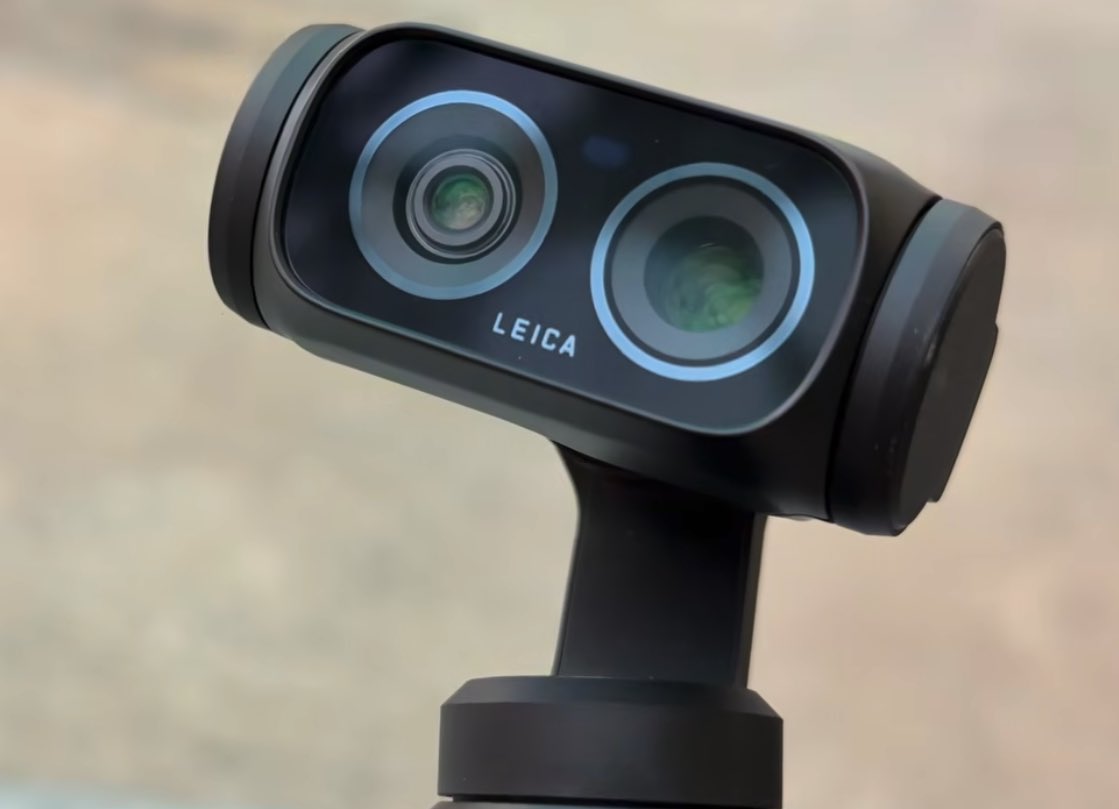
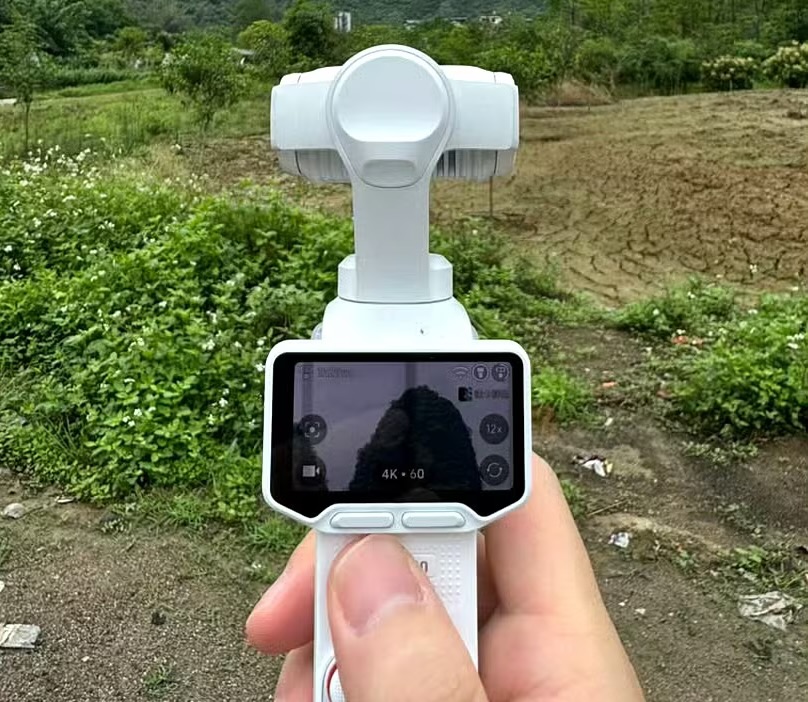
Insta360 is partnering with Leica on the development of the upcoming Luna gimbal cameras (previously reported here). Here is a recap of rumored/leaked Insta360 Luna camera specifications:
Leica co-engineering: Optics, color science, and full-chain calibration tuned by Leica for premium image quality and “Leica look.”
Sensor and lens (main/wide on both models): 1-inch CMOS sensor, f/1.8 aperture (some hands-on reports specify ~18–20mm equivalent focal length), 14 stops of dynamic range.
Luna Ultra only: Dual-lens design with a secondary telephoto lens (1/1.3-inch sensor, ~70mm equivalent, f/2.8 aperture) for enhanced zoom performance.
Zoom: Variable focal length with 1–6× lossless zoom (optical component reportedly up to ~3.9×); early leaked footage shows a 12× zoom toggle in use.
Video capabilities: 10-bit color (hands-on mentions 10-bit iLog), smoother transitions in highlights/shadows; rumored 4K up to 240 fps slow-motion and Dolby Vision HDR support.
Design and features: Pocket gimbal form factor (Osmo Pocket-style); possible modular/detachable gimbal head; Insta360’s AI stabilization and Deep Track 3.0 subject tracking; physical controls, flip-out/rotating touchscreen.
Colors and variants: Two distinct color options per model
Battery: reportedly around 1,550 mAh
Other: Pairs seamlessly with the new Insta360 Mic Pro
Here is the official statement from Insta 360 on the new Luna camera from the 2026 NAB show:
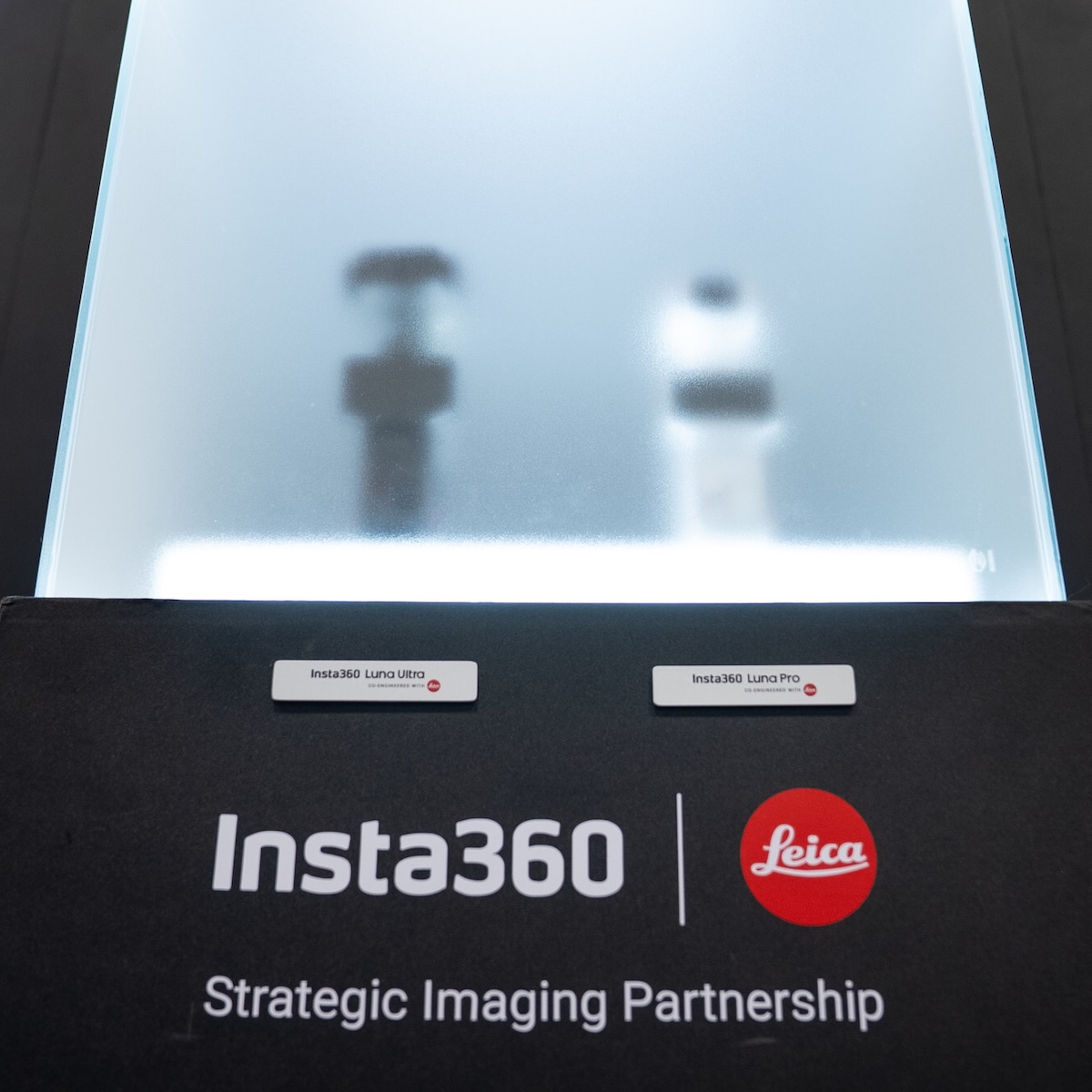
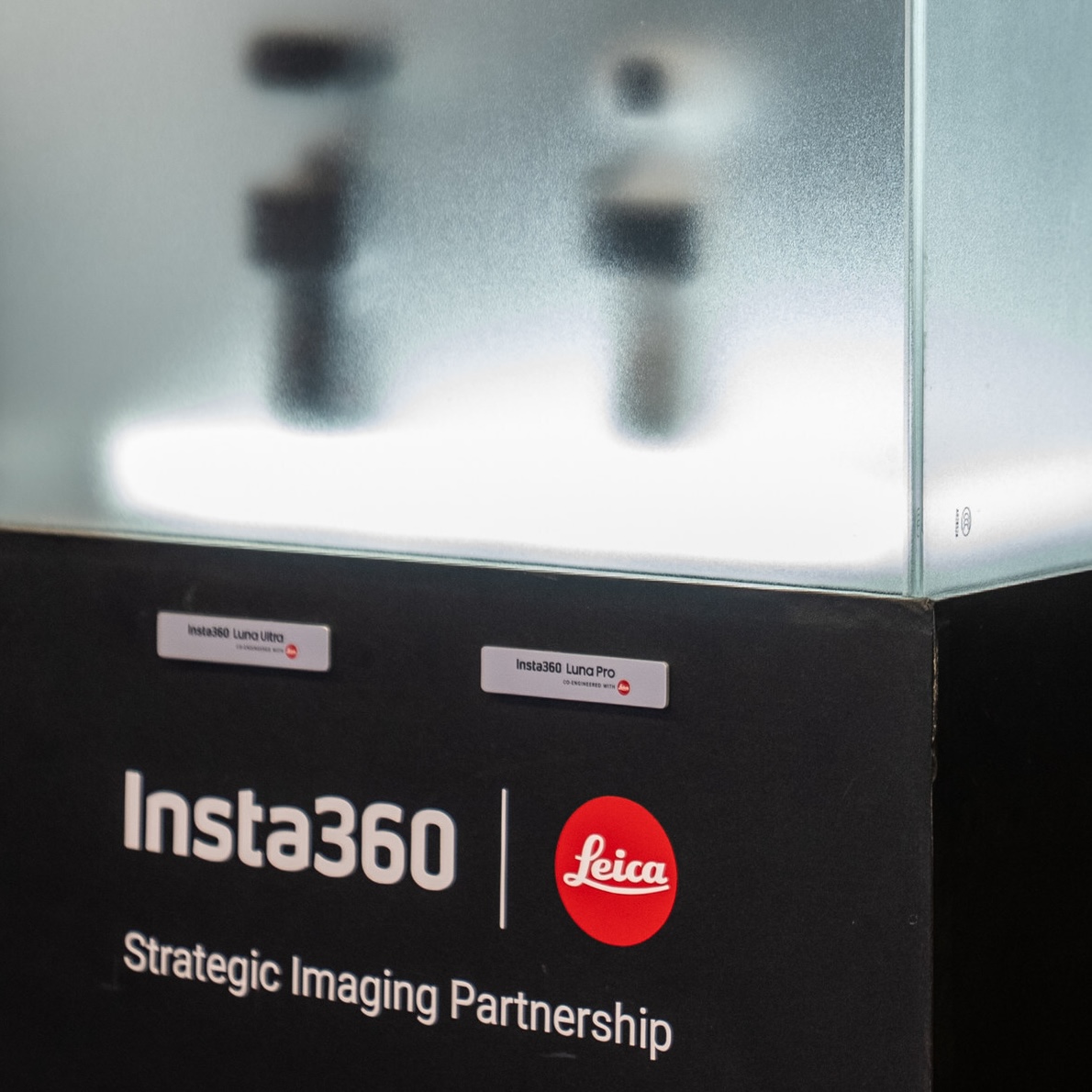
Members of the media and NAB attendees were among the first globally to preview the upcoming Insta360 Luna Series, co-engineered with Leica, which includes Luna Pro and Luna Ultra. The series features a large 1-inch sensor, a bright F1.8 aperture, a variable focal length, and support for 10-bit color for smoother, more natural transitions in light and shadow, capturing more nuanced and detailed color straight from the camera. Luna Pro features a single-lens design, while Luna Ultra features a dual-lens design and enhanced telephoto performance. Luna Ultra and Luna Pro were both being teased at the booth, and will be available in two distinct color options.
An Insta360 Luna gimbal camera sample video was posted by the CEO and can be found here. He said the following:
Previewing Luna 1-6x shooting results, highest resolution can be chosen includes 4k Dolby Vision. Of course 6x and 4k are not the end, we hope we can do more in “let users have more choices”. Repost and comment the Luna function you expect the most, May 15 will chose three people to buy the new product at 69 RMB.
Here is another Insta360 Luna Ultra sample footage:
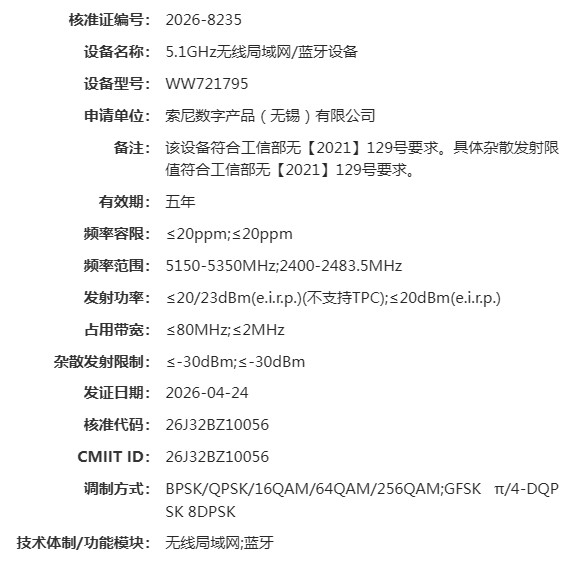
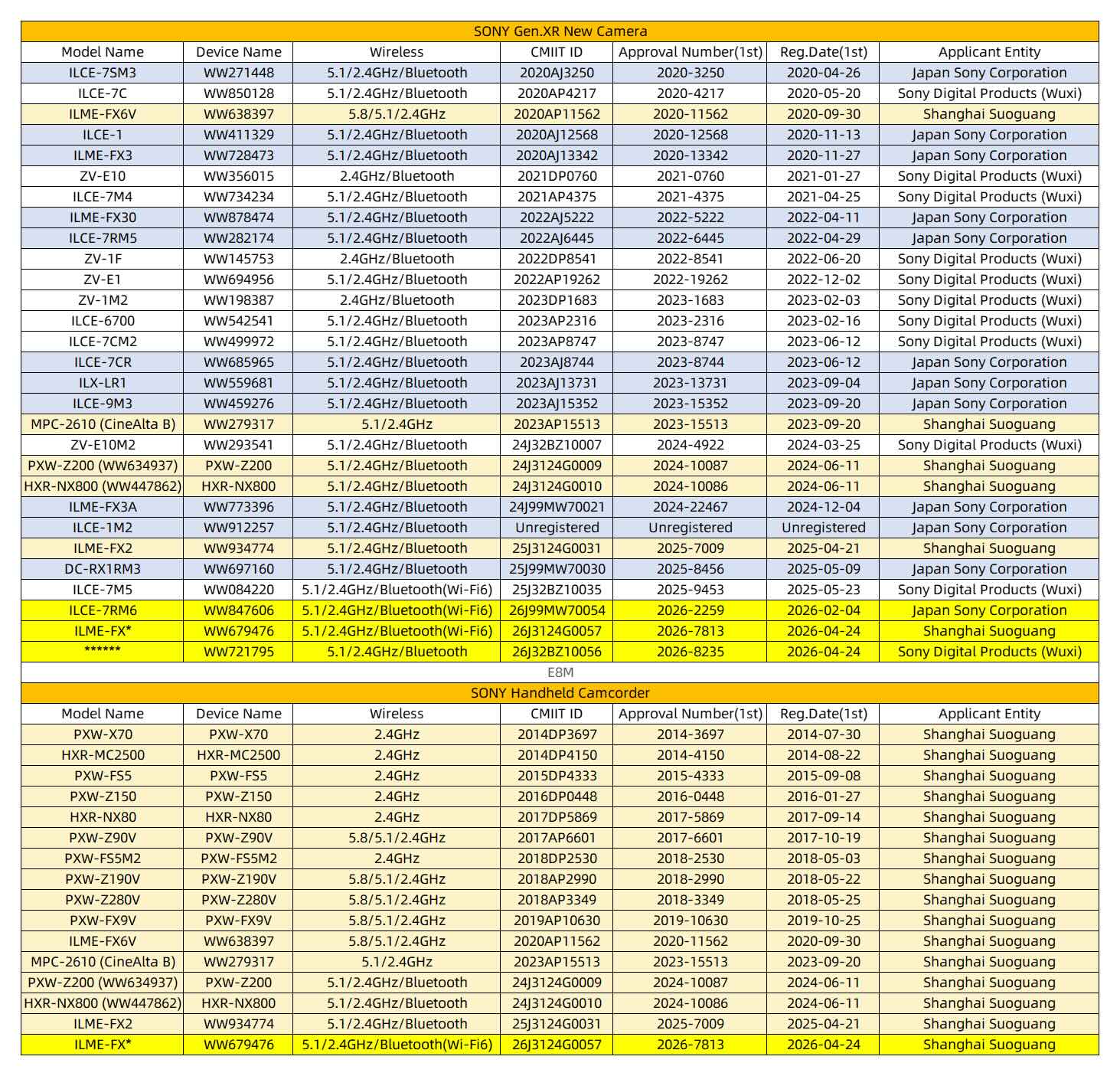
Sony has registered a new Sony WW721795 camera overseas without Wi-Fi 6, which will most likely be a new ZV model or an entry-level mirrorless camera. Sony has also registered a new Wi-Fi 6 camcorder under the code name WW679476. In total, Sony now has at least three upcoming products: a high-end flagship, a video camera, and an entry-level model. Mapping this to some of the existing rumors – this is what to expect:
I've gotten used to this camera over the last six years, but I recently learned I'm missing out on some things.
Photo: Abby Ferguson
Cameras from the last handful of years are remarkably good. Most models can produce strong images, handle challenging lighting conditions and reliably get subjects in focus. Overall, they can make it simpler to get more images you like with less work. It's easy to look at what's available today and think: what's left to improve?
That said, my job puts me in an unusual position. I regularly get the opportunity to test new cameras, which means I'm constantly comparing them against my personal reference point: a Sony a7 III, a camera I've owned for six years, and that's now an eight-year-old model. Recently, I had a few weeks with the Sony a7 V, the a7 III's successor's successor, and used it the same way I use my own camera, photographing my pets, still life setups, a baseball game and a portrait session.
What I found is that the gap I'd assumed was negligible is, in certain areas, more significant than I expected. There are things about the latest generation I didn't want to give back. Certain aspects made me aware of what my eight-year-old model lacks compared to what more recent cameras bring to the table.
Image quality
Image quality gains over the past few years are only really visible in extreme situations, such as high contrast scenes, when you look closely.
Photo: Abby Ferguson
Let's start with the most subtle and, therefore, most inconsequential change: image quality. While we may no longer be seeing giant leaps in image quality as we were at the beginning stages of digital photography, companies are still striving to bring improvements to the table. Often this takes the form of slight bumps in dynamic range, giving you a bit more flexibility when editing.
As expected, my most recent experience moving from an old mirrorless to a brand-new one wasn't a massive step up in image quality. In fact, it was very, very subtle. I had a few instances of photographing high-contrast and low-light situations where I saw a tiny bit more range, enabling me to get a little more from my files than I could have with my older device. But it was something I had to look closely for, not something that slapped me in the face with its obviousness. Will it matter in the day-to-day or for most shoots? Not really. But is it nice to have for certain situations? Sure.
Autofocus
Autofocus is one area that shows the most drastic changes when moving from an old camera to a new one. The fact that I was able to get in-focus shots in this darkroom without much frustration was huge.
Photo: Abby Ferguson
The more substantial upgrade on modern cameras is the autofocus system. This was especially evident when moving from my DSLR to mirrorless, which uses an entirely different autofocus system. And while the jump isn't as drastic when going from a relatively old mirrorless camera, like my a7 III, to a more recent one, it still was a noticeable change that will make it a disappointment to go back to the older model.
Of course, the autofocus improvement you experience when upgrading is going to depend entirely on the model you upgrade from and to, and on what sorts of things you shoot. But broadly speaking, brands have made a handful of improvements in recent years that can make a noticeable difference in real-life situations.
First and foremost, I found the autofocus to be more reliable, especially in tricky situations. I still had misses, don't get me wrong. But I was able to use the camera in less-than-ideal conditions and still get usable shots. For example, I took photographs in a makeshift darkroom lit only with a red LED light, and still got some images in focus with relative ease. My eight-year-old personal camera likely would have struggled substantially with that, and would have at the very least been hunting for focus much more.
Photo: Abby Ferguson
Another area that made a difference for me was the added subject detection modes. In my case, I went from a measly two options (human and animal) to a healthy list that includes specific types of animals and vehicles. Even more appreciated, though, is the automatic subject detection setting.
I photograph a range of subjects, with frequent switching between human portraits, my pets and still life scenes. My personal camera requires I fiddle with autofocus settings a fair amount when switching subjects in order to get reliable results. That's far from the case on the new model I used, though, and I was able to just leave it set to automatic and not think about it again. Plus, the subject detection is generally more successful at finding a subject (even with my black pets) and of sticking on them even as they move. My a7 III consistently fails at keeping a subject in focus as they move, so this is a big win for me.
Ergonomics and UI
I am going to miss the smoother exposure compensation dial greatly.
Photo: Abby Ferguson
I know some people who refuse to buy the first generation of any type of product. Their thought process is that the brand has too many kinks to work out, and the later generations will show advancements that make the product actually worth using.
Cameras aren't an exception to the rule, and as each model comes along, brands iterate on its design, attempting to make the ergonomics and user interface better each time. Ergonomics are inherently personal, so new designs won't always be a win for you in particular. But refinements in these areas are generally useful and can make the camera more pleasant to hold and use, especially for long periods of time.
In my case, it came down to simple things that I only noticed after living with the camera for a few days and then going back to my older model. For example, the a7 V's exposure compensation dial rotates with much less resistance than my a7 III, making it easier to use quickly in the middle of a shoot. Because of that, I used it far more often, helping me dial in my shots more in-camera than I did previously.
On the UI front, the menus were more logical. That meant I didn't avoid them nearly as much as I had in the past. Instead of just dealing with annoying things because I didn't want to find the setting in the menus, I confidently went and adjusted what I needed to when I needed to, even if it was in the middle of a portrait session. All-in-all, the camera got in my way less, so I could focus more on the shoot.
Rear display
Being able to change the rear display position beyond tilt is hugely appreciated for my workflow.
Photo: Mitchell Clark
Camera technology involves many parts that are also used in other devices, so improvements in those parts over the past few years have naturally made their way into cameras. Electronic displays, which we see on the rear screens and in EVFs of our cameras, are a great example of this.
I never thought I had complaints about the quality of the rear display on my personal camera, but after using something newer, it's one of the things I realized I was missing out on. It features a higher resolution and has a bit more contrast, making it easier for me to judge details and focus on the back of the camera. It's also brighter, which means I could see those things more easily when at a session in bright, open sunlight. The colors also look a bit nicer.
Simply put, it makes my images look a little better on the back of the camera. While that doesn't change the actual files at all, it is a confidence builder while in the midst of a shoot, and that's never a bad thing in my book.
A bigger upgrade for me, though, is the updated rear display form factor. Many companies have switched to articulating and fully tilting screens, which provide greater flexibility. I shoot a lot of vertical images, and I also put myself in awkward positions for photos on a regular basis. On my older camera, the tilt-only screen was useful for low shots, but that's really it. The newer rear displays allow me to adjust in just about any way I need to, making it easier for me to get the shots I want without fully contorting my body.
A new "good enough"
All of this isn't to say that all new cameras are inherently better than old ones. Or that you can't produce anything good with old cameras (I'd like to think my work shows that you can, but maybe that's my ego talking). I'm not here to tell everyone using an old camera that they need to upgrade as soon as possible.
And yet... using a recent camera made me aware of the (now apparent) shortcomings of my older model. There are improvements that don't really affect me because of my way of working (video specs, burst shooting features, etc.), but there are some that will be genuinely hard to live without now that I know how good it can be.
After more than 25 years, DPReview is getting a completely new website. Here's what you need to know.
When DPReview first lit up the internet in 1998, the tech world was bracing for Y2K, computers used CRT monitors, and early digital camera owners waited minutes to upload a photo over a 56k modem. In the quarter century since, a lot has changed.
One thing that hasn't changed quite so dramatically, though, is our website. We've occasionally added features or applied a fresh coat of paint, but the changes have been evolutionary rather than transformative. That consistency was a feature, not a bug; we've never wanted to do a major site redesign unless we were confident it could preserve the core DPReview experience.
That time has come. We're in the final stages of building a completely new DPReview from the ground up, and years of reader feedback have shaped our thinking about what the new site needs to be.
What's changing
We all love nostalgia, but just like CompactFlash cards, it's time to leave some of our best-of-the-early-2000s web interfaces behind.
"We're in the final stages of building a completely new DPReview from the ground up..."
DPReview will be getting a new look and feel built for the modern web, designed to work great on both desktop and mobile devices. If you're a desktop user, you can look forward to faster load times, easier navigation, and a more modern experience.
If you're a mobile user, you'll no longer have to revert to our desktop site to see certain pages. Additionally, we've updated some of our favorite site tools that have never worked well on mobile devices and optimized them for mobile use, including our image comparison tool, product comparison tool and sample galleries.
Under the hood, we're leaving much of our legacy infrastructure behind. In its place, we'll be moving to a modern, widely supported codebase that will make it easier to develop new features and that we can confidently invest in well into the future.
What's not changing
Our editorial mandate is not changing. That means we're not going to change what we cover or how we cover it. We're committed to giving you the same camera reviews, tech explainers, opinion pieces, and photography stories DPReview is known for, written by the same people you've come to trust.
"Our editorial mandate is not changing."
Our community forums will also remain unchanged. Many of you will recall that we had to move our forums to a new platform in 2025 to ensure their continued operation. Other than some minor cosmetic updates to align with the new site design, the core forum experience will stay the same.
When is this happening?
We plan to roll out the new site within the next several weeks. As we get closer to launch we'll share interim updates, and maybe even some sneak peeks, so you can get a sense of what to expect.
The DPReview homepage in 2012. Although the site has received some facelifts over the years, the basic format is recognizable.
In the spirit of keeping you informed, there's one near-term change worth flagging. Our Challenges system is built around a structured timeline with phases for announcements, submissions, and voting. Since we don't want to disrupt challenges that may be in progress at the moment we move to the new system, we will be temporarily freezing the ability to start new challenges beginning on April 25th; challenges already underway will complete normally. A new Challenges system is coming, and we'll share more details on timing as we get closer.
Back to the future
A lot has changed since 1998. Many of you have been part of our community for much – or even all – of that history, and have experienced that change alongside us. That kind of loyalty isn't something we take lightly, and it's a big reason why getting this right matters to us.
"We plan to roll out the new site within the next several weeks."
We also want to be realistic. This is a massive project. Not only are we building new things, we're also migrating over 25 years of history and tens of thousands of articles to a completely new system. There will be a few things that won't be ready right out of the gate, and we'll make sure to address those as quickly as possible after launch. Additionally, despite plenty of testing, there will almost certainly be some unexpected bugs when the new site goes live, and we hope you'll be patient with us as we squash them with our tripod legs.
But it's going to be worth it: a more attractive, easier to navigate, more photo-focused website, representing a huge commitment to the site's future. We're excited to launch this new chapter in DPReview's history, and we think you're going to like what's coming.
FAQs
Is the current site broken? If not, why change?
Not broken, but overdue. The site has been running on the same aging codebase for over 25 years, and maintaining it has become increasingly costly and limiting. Moving DPReview onto a modern shared platform with our sister site Gear Patrol means we can invest in new features and improvements far more efficiently than we could on legacy infrastructure while keeping DPReview's editorial identity fully intact. The old system was a ceiling. This removes it.
Will this affect DPReview's editorial content?
Our editorial mandate isn't changing. We'll continue to bring you the same authoritative, unbiased coverage of cameras and photography you've come to depend on, written by the same people.
When can I see what the new site looks like?
We hope to share some sneak peeks in the weeks leading up to launch. You'll be able to see the full site on launch day.
Will the new site be faster?
Yes, the new site will be faster and more reliable for most things. That said, some functions are limited by factors outside our control. Downloading a large sample image, for example, still depends on your connection speed. We can make the site faster, but we can't speed up the entire internet :)
Will the review archive and the camera and lens databases be available at launch?
Yes. We are migrating all our existing content, including articles, reviews and the camera and lens databases.
Will the site still be optimized for desktop users with large monitors?
Absolutely. While mobile is an important part of the new design, we have no intention of short-changing desktop users. We love big, beautiful photos, and if you're on a large monitor, we want you to get the full benefit of that experience.
Will my saved bookmarks still work?
Yes, existing bookmarks will continue to work.
Why do you need to freeze the Challenges system?
The current Challenges system will not be carried over to the new site – we're building a new one that will launch after the site goes live. To avoid any challenges starting under the old system that can't be completed during the transition, we're freezing new challenge creation on April 25th. Any challenges already underway will complete normally before the switchover.
Will this affect the forums?
The new website will not change how our forums work. There may be minor cosmetic updates to align with the new site design, but the forum experience will remain fundamentally the same.
Will the new site have ads?
Yes. Advertising is one of the ways we fund DPReview's operations, and that won't change with the new site.
Will my account and post history be preserved?
Yes. Your account, comments, forum posts, and history will all carry over to the new site.
Will there be further updates after launch?
This is the beginning, not the end. We'll continue to make improvements after launch, and the new codebase will make it significantly easier to introduce new tools and features going forward.
How can I provide feedback?
You can leave a comment below or reach us at community@dpreview.com. Once the new site is live, we'll have a dedicated area of our forums where you can ask questions, discuss the changes, and share feedback.
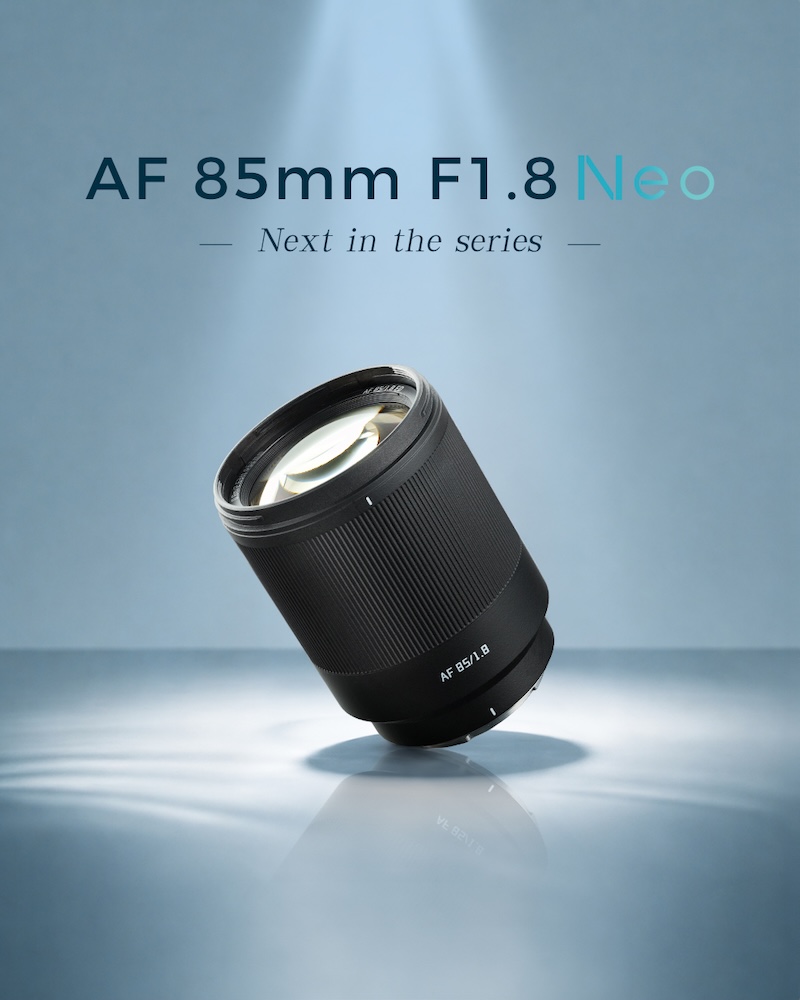
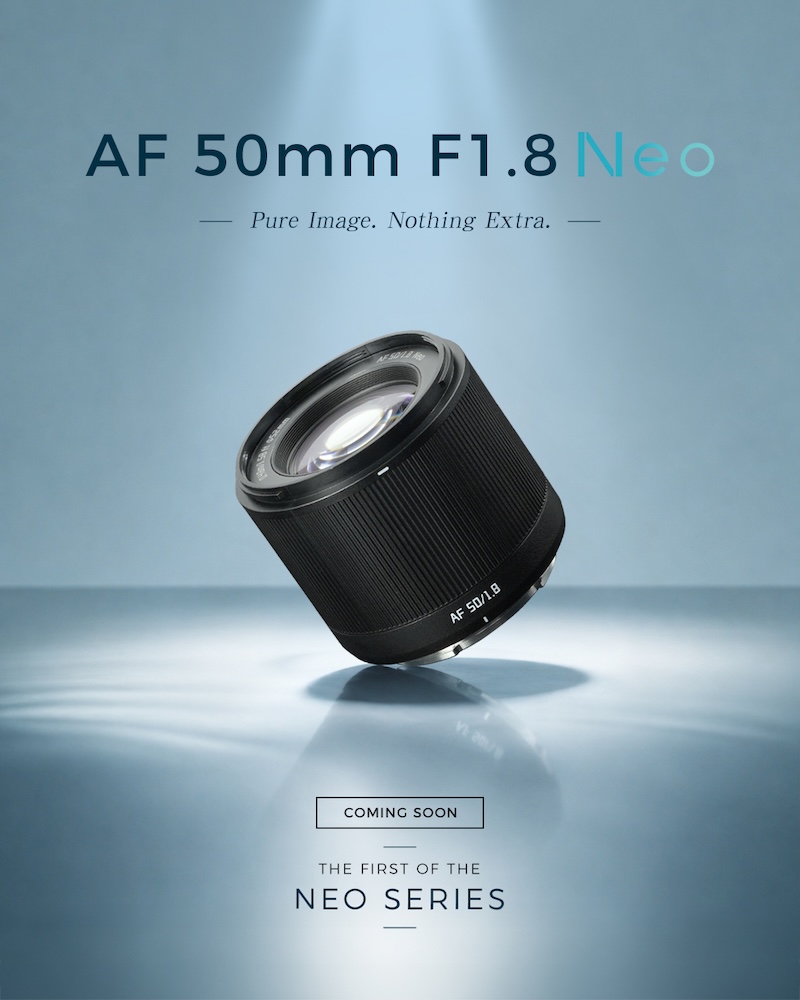
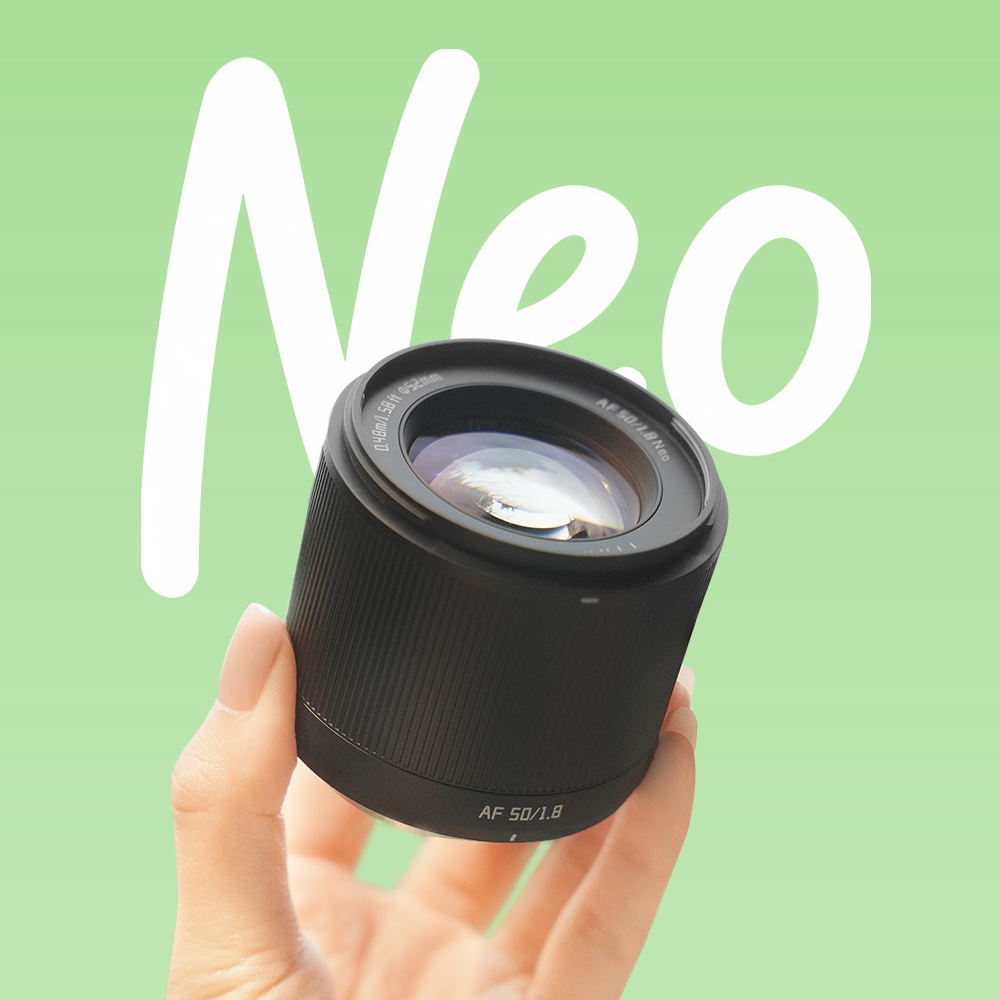
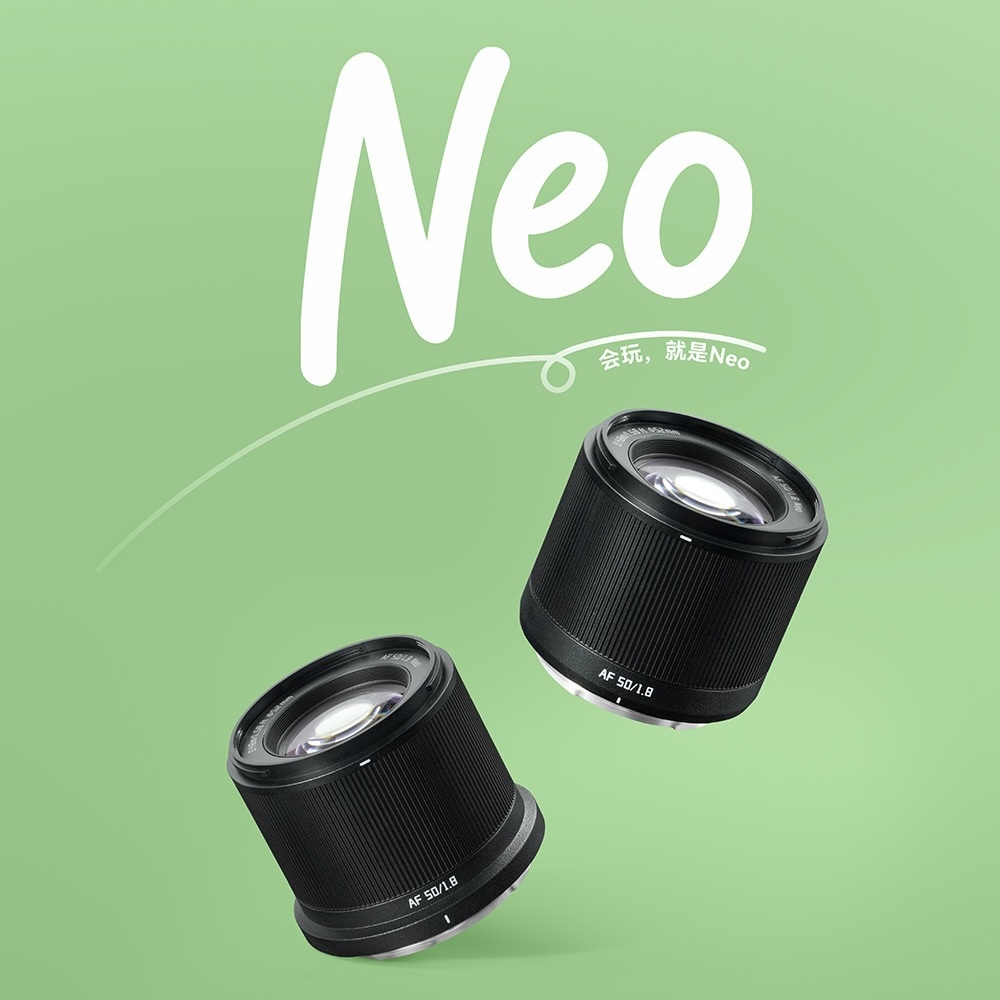
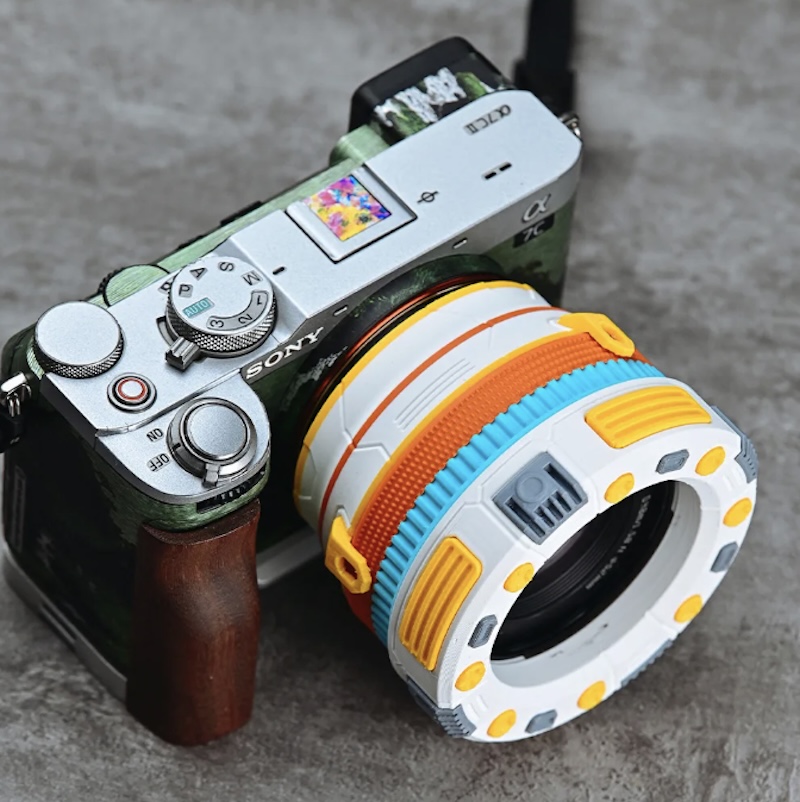
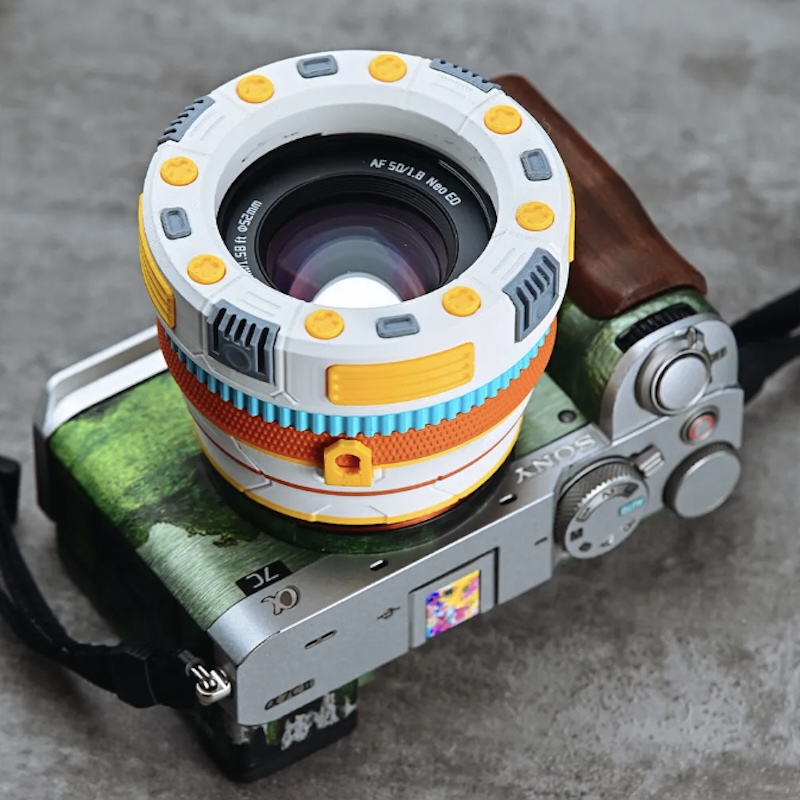
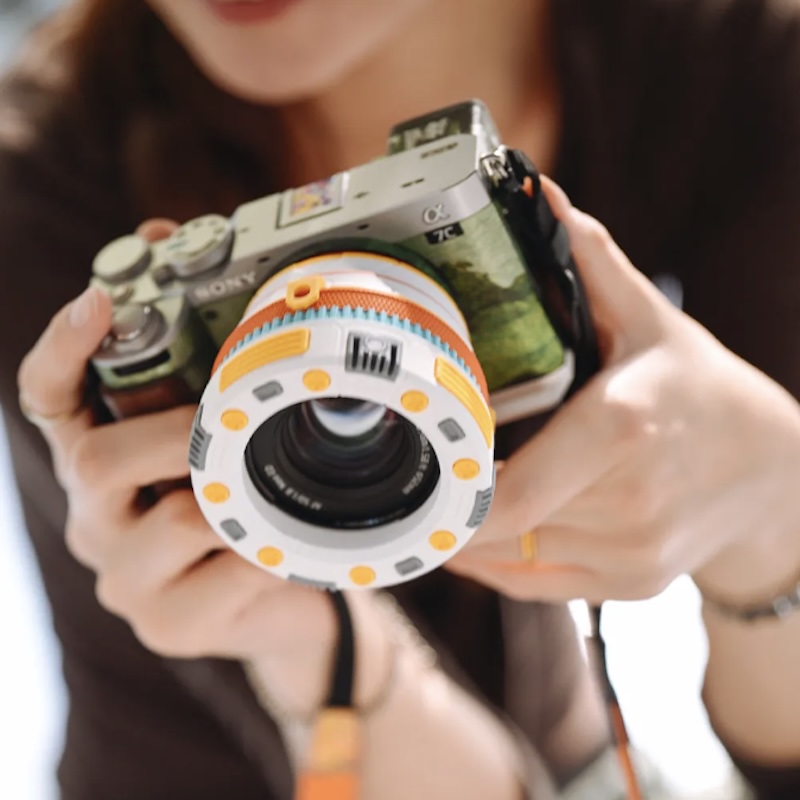
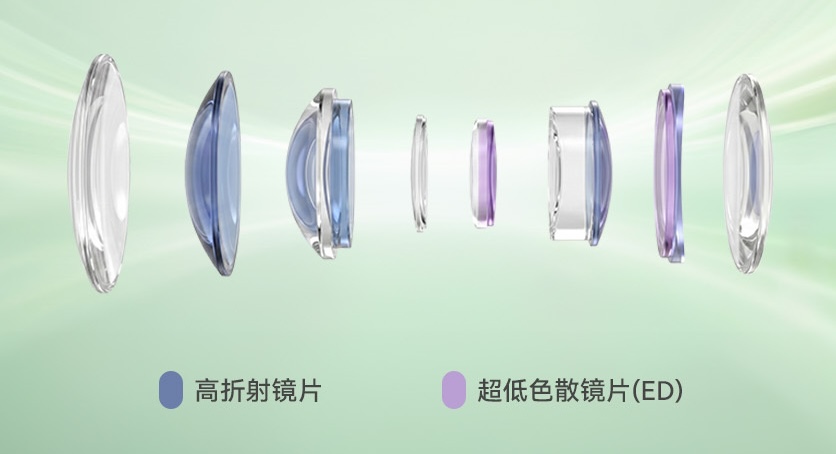
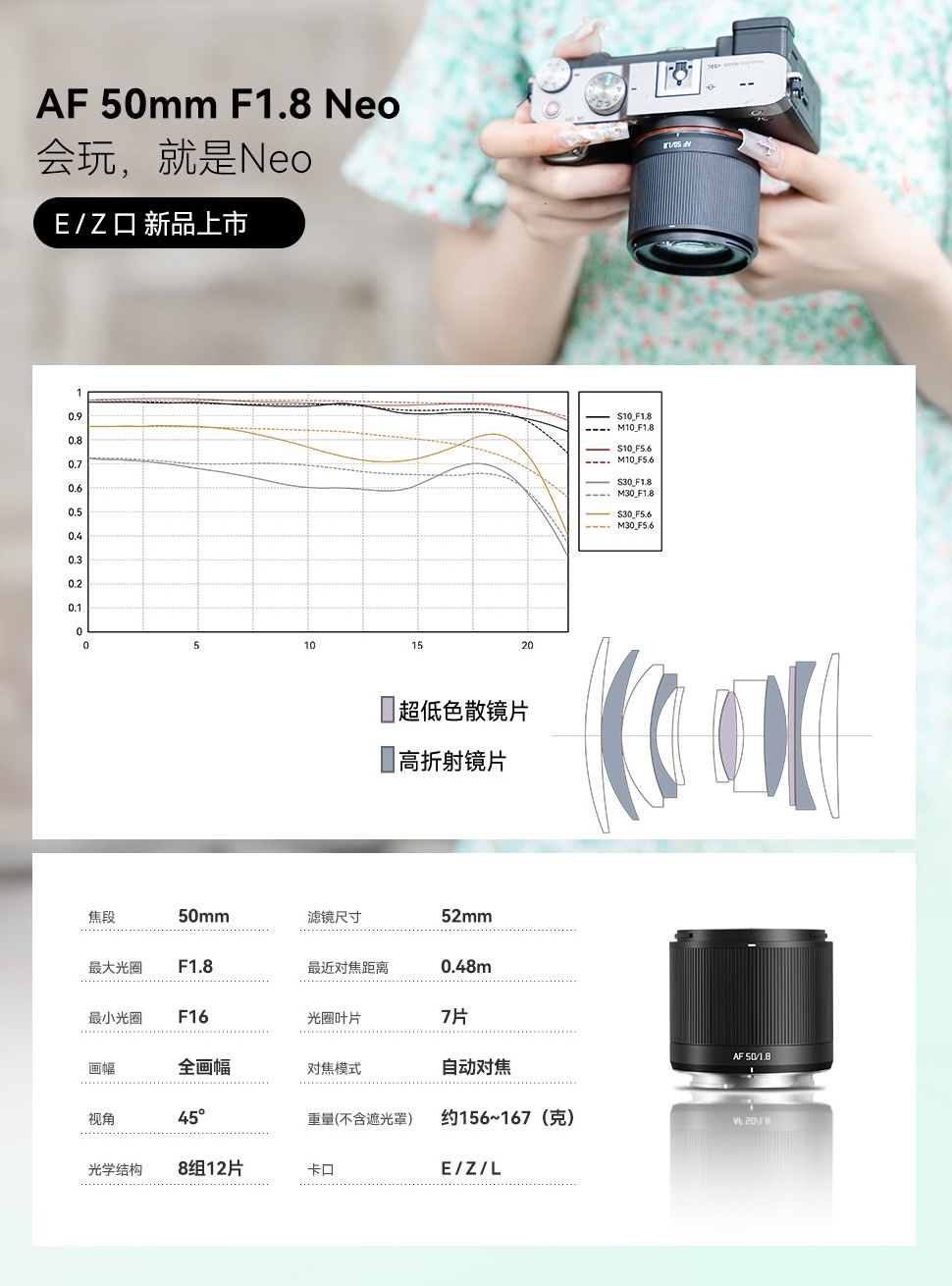
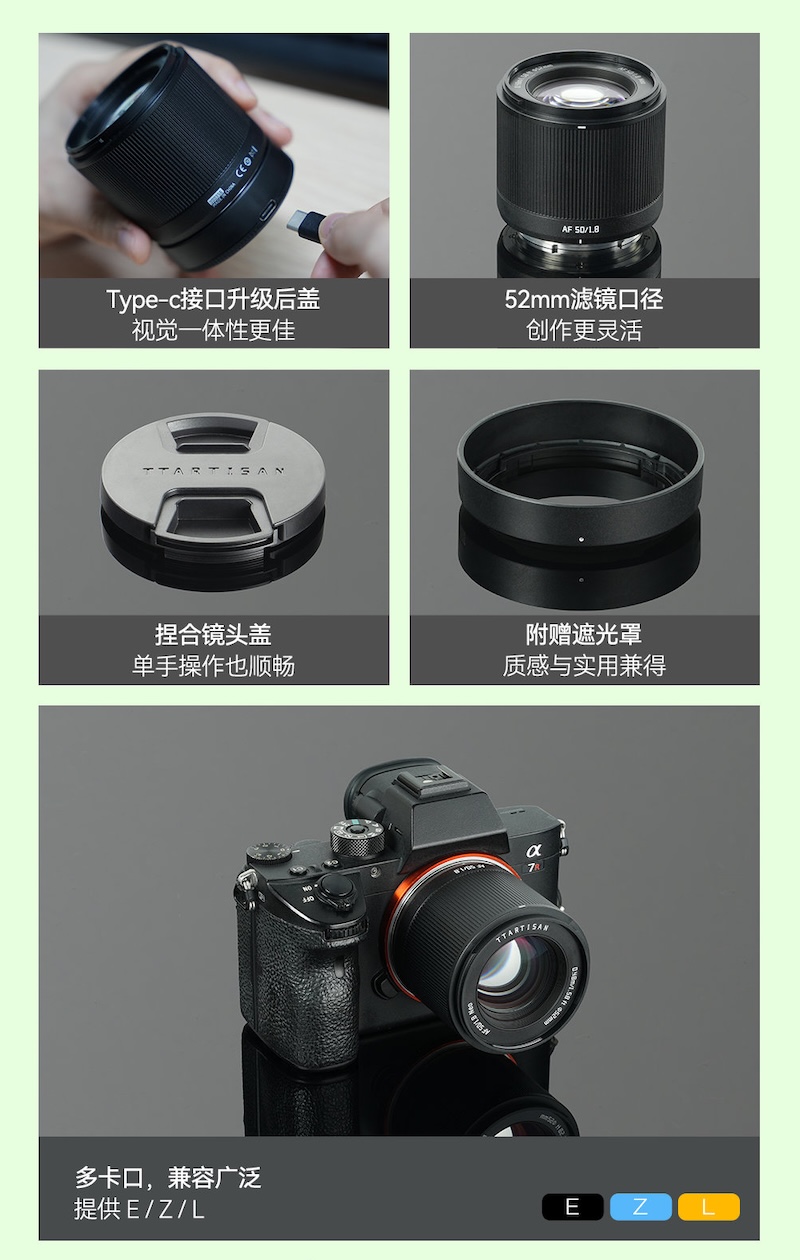
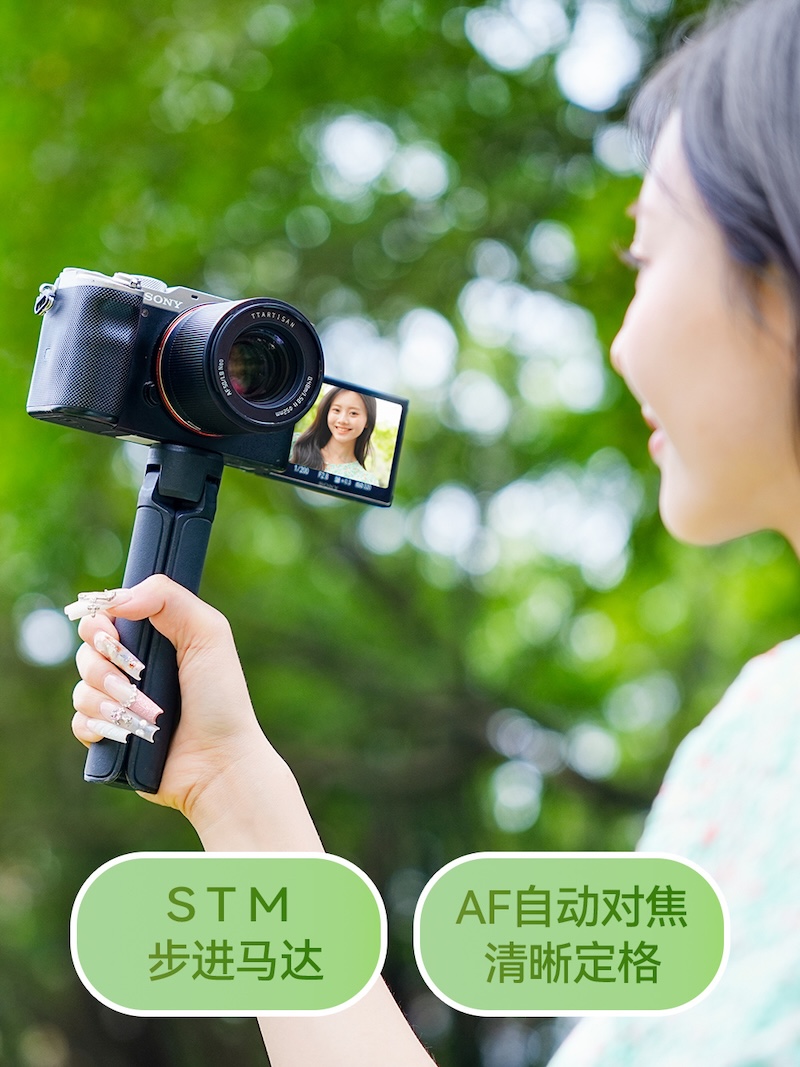
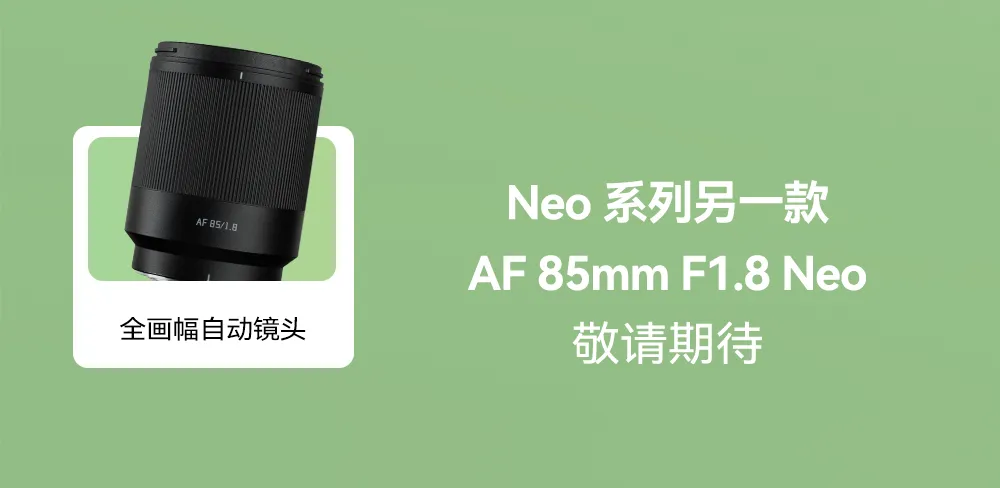
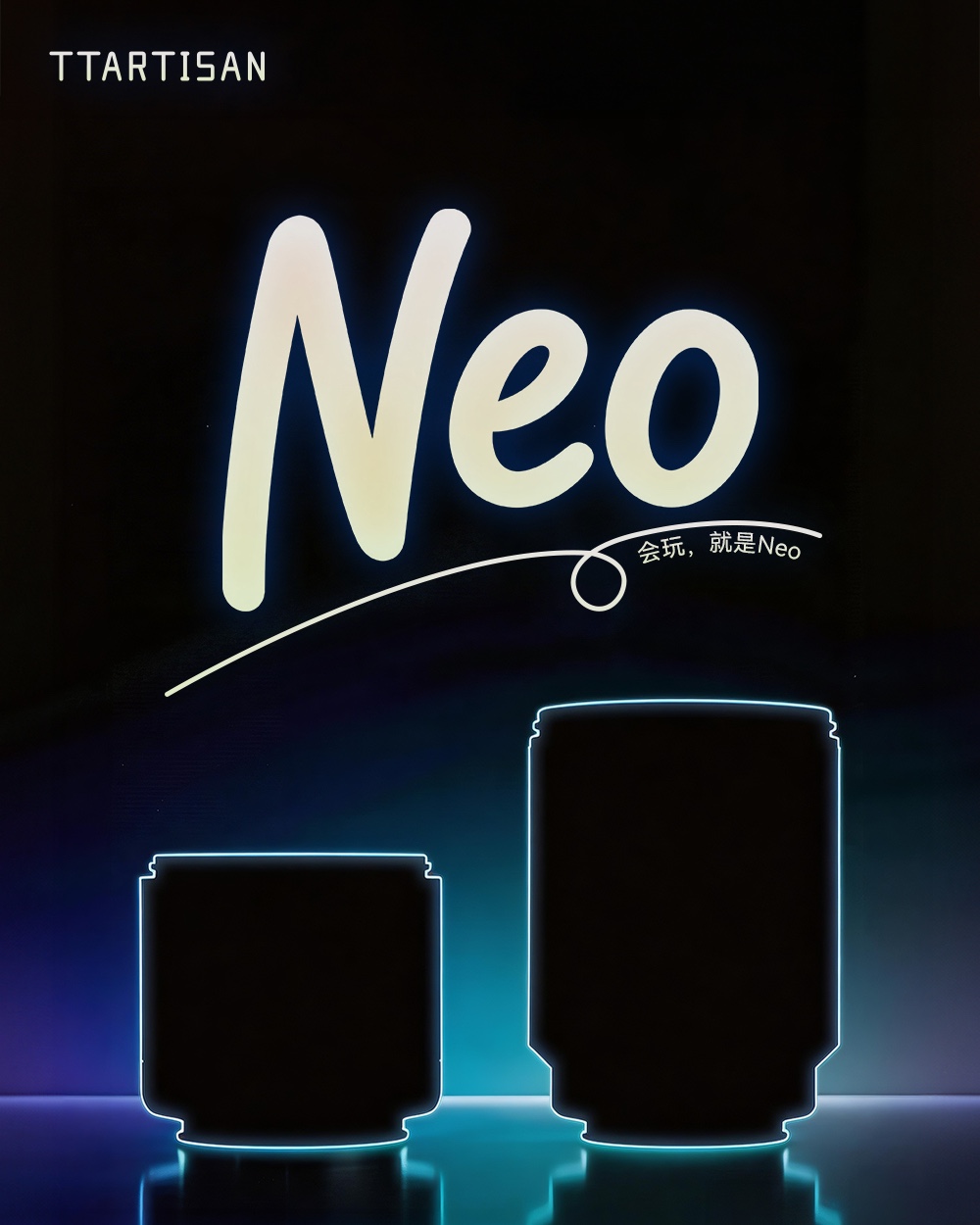
The Neo Series focuses on simplicity, with a clean and minimalistic design – no aperture ring or focus ring. The new TTartisan AF 50mm f/1.8 full-frame lens weighs only 157 grams and is available in Sony E and Nikon Z mounts (a L-mount version is coming later). The lens features an STM stepping motor, an 8-element, 12-group optical design, a 52mm filter thread, and a minimum focusing distance of 0.48 meters, and supports DIY custom armor. The price is around $90. The second TTartisan Neo lens (AF 85mm f/1.8) will be released later.
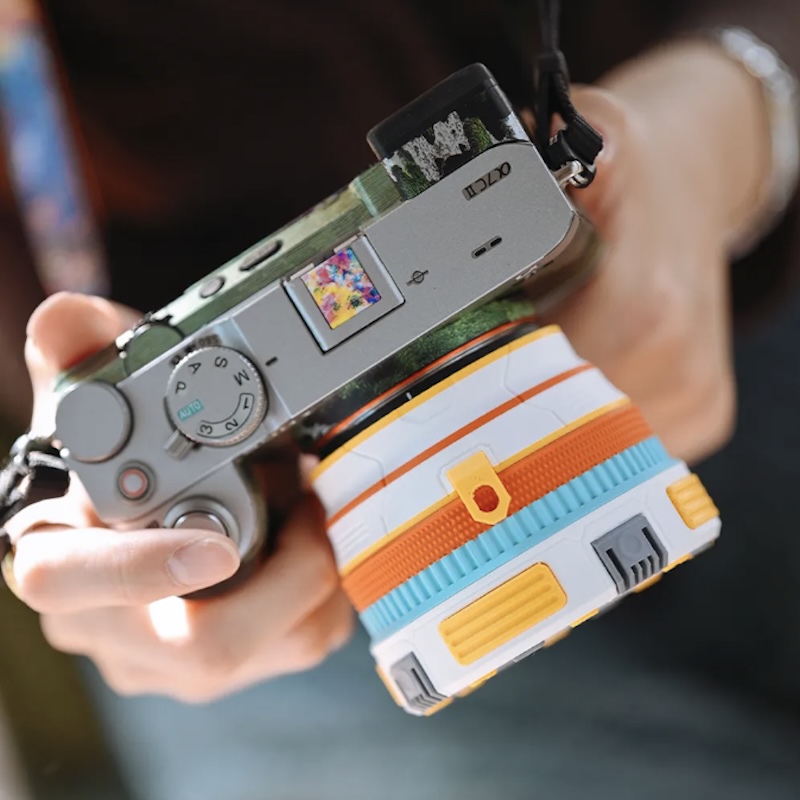
The new lenses with the third-party skins:
Here are the Tartisan Neo AF 50mm f/1.8 lens technical specifications:
Harman is a name that, for many, is synonymous with black and white film. After all, it's the company behind the staple monochrome brands Ilford and Kentmere. However, in 2023, parent company Harman Technology launched Harman Photo, a color film label, with Phoenix 200 as its first completely in-house color film.
Now, the brand has released a short documentary that walks through the process of developing a new color film and its goals moving forward. It's a really fascinating look into the R&D process for film companies, and offers a behind-the-scenes glimpse into their equipment and lab spaces. It also is neat to see (and hear from) some of the individuals behind this work.
To start, the team walks through the difficulty of color film in particular. "For a black and white film, there's a lot fewer layers, and it's very heavily silver-driven. When we are talking about color film, there's a lot more chemicals involved because we have to get the various layers of color that we need," says Giles Branthwaite, Sales & Marketing Director of Harman Technology.
Harman Photo developed these from scratch, too. "Our emulsions for color film are nothing like what we've done before. Everything that we do, every layer that we put on, every new model of film that we do is new from the ground up. There are no recipes for what we are creating. It's all coming out of the minds of R&D as we speak," says Greg Summers, Managing Director of Harman Technology.
"It's still not where we ultimately want to be."
It was also exciting to hear about the company's long-term goals, of which there are plenty. There have been two iterations of its Phoenix film, but they won't be stopping there. "It's still not where we ultimately want to be," says Branthwaite, a sentiment echoed by others featured in the video. They also specify that some tweaks weren't quite ready for Phoenix II, but will be ready soon, citing halation, sharpness, granularity and speed as some of the areas that will see improvements.
"There's some very experimental stuff coming soon. It's going to shock people."
Beyond the existing lineup, the video also teased that more films are on the way, and ones that we won't expect. "There's some very experimental stuff coming soon. It's going to shock people," says Josie Cowap, Lab Technician. Long term, they want to offer a "full range of products, full range of speeds, potentially different segments of the market," says Branthwaite. "As a brand, we want to be different. A little bit alternative, a little bit out there."
Image: Harman Photo
Greater availability could also be on the horizon. "We're anticipating our volumes will grow," says Branthwaite. The team walks through some of the investments made in the production facility, specifically the finishing line, where they spool all the film and package it. "These machines cannot be bought. We've had to design them, get them manufactured, put them together, so they really are bespoke," says Branthwaite.
So much investment in the facility is a good thing for us film fans. "This actually gives somebody hope that analog film will be around for the next 10, 20, 30 years going forward," says someone who works in the factory but wasn't named in the video. Indeed, as a film photographer, the whole story gives me hope for the film industry in the years to come.
The previously rumored DJI Lito X1 & Lito 1 entry-level drones are now officially announced, but not in the US. In Europe, the new drones can be purchased at Foto Erhard and WEX Photo. Here are the details:
DJI Lito X1
DJI’s Lito X1 is an ultra-light drone designed to capture incredible footage without any baggage. It is equipped with a 1/1.3-inch sensor and 42GB of internal storage. This is accompanied by 4K/60p video, 100fps slow motion, 2.7K vertical shooting, 48MP stills up to 8K detail, and 10-bit D-Log M. With its omnidirectional obstacle sensing, forward LiDAR and ActiveTrack, you can fly with more confidence and keep your subjects locked in the frame. Add on a 36-minute flight time, and you have plenty of room to experiment and refine your shots.
Ultra-light 249g folding body
4K/60p video footage
1/1.3-inch sensor
2.7K vertical shooting
48MP stills up to 8K detail
10-bit D-Log M
DJI Lito 1
DJI also released the Lito 1! This version differs from the Lito X1 in that it’s designed for those who want a simple yet capable aerial camera for everyday shooting. Like the X1, it can shoot 4K/60p video, 100fps slow motion, 2.7K vertical shooting, 48MP stills up to 8K detail, and features omnidirectional obstacle sensing, forward LiDAR and ActiveTrack. The Lito 1 is the perfect entry to drone photography and filmmaking.

 Connexion