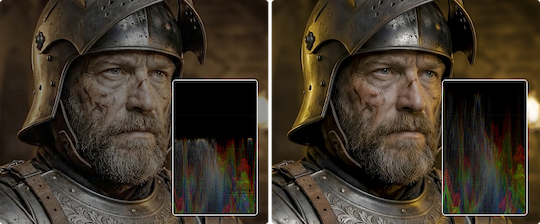
The Topaz May update is now available with a new SDR-to-HDR video upscale model, expanded access to recently released models on both desktop (Gigapixel) and web (Topaz Image Web), and a new streamlined experience for using video enhancement models in Adobe Premiere. This is the first time the latest image models, like Wonder 3 and Denoise Max, are available in a web browser via an all-new web app. Topaz also started a new sale (details at the bottom of this post).
Recently released models, now available in Gigapixel.
Three of our newest and most popular models are now fully integrated into Topaz Gigapixel:
Wonder 2
Wonder 2 is our newest image enhancement model that denoises, sharpens, and upscales in a single step, with no sliders or tuning required. It is a giant, powerful model that now runs locally thanks to our proprietary NeuroStream technology, which dramatically reduces VRAM usage and allows powerful AI to run on standard creator hardware.
Wonder 3
Wonder 3 is a powerful, one-click sharpen, upscale, and denoise model. Unlike Wonder 2—which was built for ultra-low-resolution upscaling—Wonder 3 handles both high-quality inputs and heavily degraded images with consistent results.
High Fidelity 3
Built for technical precision. Optimized for clean, noise-free upscaling of high-fidelity images where accuracy matters most—especially for RAW files.
All your favorite Topaz image models, now in the browser.
Bring the power of Topaz image enhancement directly to your browser—no download required. Upload your images, choose from workflows like Autopilot, Creative Upscale, Photo Restoration, Sharpen, and more, then process everything in just a few clicks. Batch processing and side-by-side comparison make it easy to review your results, and all of your favorite Topaz image models are available in one place for the same high-quality enhancements you know from our desktop apps.
Topaz Labs for Premiere brings Topaz Video enhancement directly into your Premiere workflow. Process footage using cloud rendering without ever leaving your timeline—no export/import round trips needed.
Hyperion 2 – SDR to HDR Model
Unlock HDR depth from SDR footage.
Hyperion 2 converts standard dynamic range video (SDR) to high dynamic range (HDR) by expanding luminance, bit depth, and contrast. It supports both PQ (cinematic/mastering) and HLG (broadcast) transfer functions, so it fits into a wide range of modern HDR pipelines. Hyperion 2 is now available in Topaz Video, and will be coming to Astra next week.
Nikon APS-C camera: most likely a new top-of-the-line/high-end DX model. The Z30 is already up for replacement – it was first announced in June 2022. There were some unconfirmed reports that this could be a mini-Nikon ZR model with some RED tech inside. The RED Komodo, for example, features a Super 35mm sensor, commonly regarded as an APS-C equivalent (it’s slightly larger than a typical APS-C sensor).
Lenses
New/cheaper 14-24mm, 14mm, or similar wide-angle lens as a companion to the new 24-105mm – to be paired with the Z5II (not a replacement for the Nikkor Z 14-24mm f/2.8 S lens).
New Nikon 16-35mm lens or a similar lens designed for vloggers.
If you've ever switched your camera from stills to video mode with Log enabled, you may have noticed that it seems you can no longer use the base ISO setting. But shooting video in Log doesn't arbitrarily force you to shoot at higher ISO, despite what the camera's settings might suggest.
In a two-part video explainer totaling less than two minutes, DPReview’s Richard Butler succinctly breaks down why ISO isn't quite what it seems in Log. In part one, which you can watch at the top of the article, Richard briefly walks through some of the very basics of ISO. Part two (the video below) gets into the details of why Log is different, and how that impacts ISO.
The videos do a great job of simplifying a complex topic, so be sure to give them both a watch. Should you want something more in-depth, you can read Richard's articles about what ISO is and what makes it so complex.
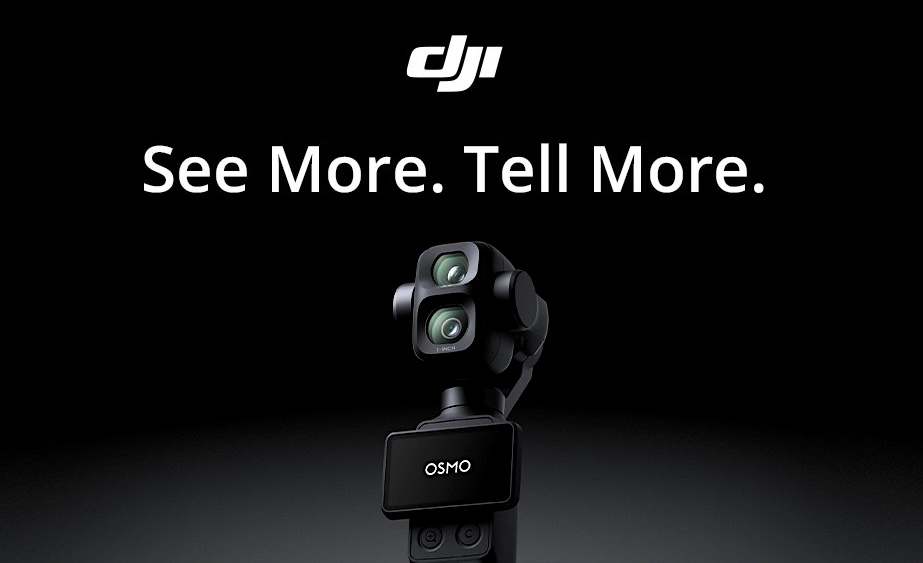
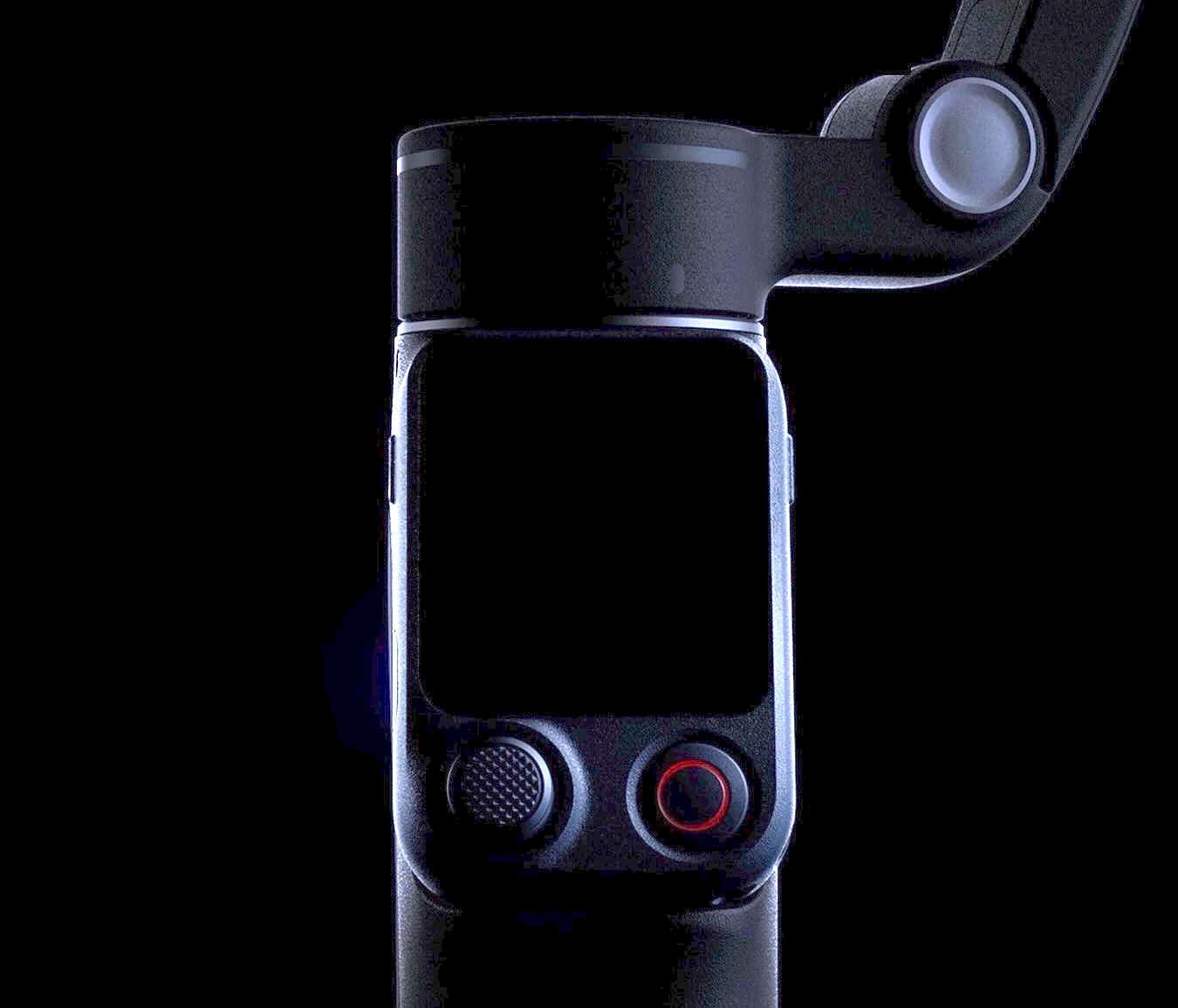
The faceplate on the DJI Osmo Pocket 4P can be removed, as on their drones.
Dual-lens design officially teased by DJI: The Pocket 4P features a vertically stacked dual-camera system (a first for the Pocket series) with a 1-inch main wide-angle sensor paired with a dedicated 3x optical telephoto lens (telephoto uses a ~1/1.5-inch CMOS sensor, roughly 60-70mm equivalent).
Zoom capabilities: 3x optical + 6x lossless (via in-sensor crop) + up to 12x digital zoom. Early review samples highlight natural face rendering and impressive background blur at telephoto settings.
Video specs: 4K/240fps slow-motion (matching or building on the standard Pocket 4), possible 6K support, 10-bit D-Log (or D-Log 2), HDR, and Hasselblad-style color tuning. Dynamic range is expected at ~14 stops on the main sensor.
Storage and build upgrades: 128GB built-in storage (vs. 107GB on the standard Pocket 4), more flexible/rotatable flip-out touchscreen, and enhanced ergonomics with a textured grip.
Stabilization and tracking: 3-axis mechanical gimbal + improved ActiveTrack 7.0 (works reliably at 3x/6x zoom). Some early hands-on notes mention slightly more micro-vibrations at telephoto and a top-heavy feel.
Other features: Better low-light performance, 4-channel audio hints in some leaks, and creator-focused tools. It’s positioned as a premium vlogging/pro option above the standard Pocket 4.
Trade-offs noted in leaks: Heavier and bulkier than the single-lens Pocket 4, potentially shorter battery life, and higher gimbal motor demands at zoom.
Pricing: Expected ~$699–$749
Many new preview videos were published on bilibili today
Left: Two IMAX film projectors. Right: Two digital IMAX projectors. Do note, this isn't the caliber of equipment you're likely to find in your local theater, even at "IMAX"-branded showings.
It's a rare thing to be able to see a full-fat IMAX film projection, but former Mythbusters star Adam Savage is letting everyone take a peek behind the curtain to see what goes into exhibiting movies using such a large format. Over the past few weeks, he's posted two videos shot at IMAX's headquarters, taking a look at the projection process in one and the film scanning and printing processes in the second.
The video on projection, which you can watch below, illustrates the scale of the machinery needed to project an image from a 70mm negative onto a 27m-tall (90') screen. The reels and projectors used are larger than a person, and the film has to travel up through the floor between the two. Watching it, it makes it seem like a miracle that the whole thing works at all.
Even more incredible is the process of scanning and printing the film, depicted in the second video. Both steps are essential for movies shot on IMAX that need VFX work (which is to say almost any contemporary movie shot with the format). In it, Savage admires what was apparently IMAX's only scanner until surprisingly recently, and which is built like a piece of fine furniture. Despite the extremely clever design, the decades-old machine has one asterisk: it apparently takes around 12 seconds to scan each frame. (The company keeps it around as a backup for its replacement, which is apparently much, much faster.)
What's harder to replace and, somehow, slower, are the film printers IMAX uses, as they utilize cathode ray tubes to expose the image onto the film. As they age, their output dims, so nowadays they take around one to one and a half minutes per frame.
The videos are full of little details like that, as Savage explores the company's headquarters and interviews some key members of its team. Both videos are well worth a watch if you're a movie buff or want to hype yourself up for upcoming IMAX movies, like Christopher Nolan's The Odyssey, which is the first feature-length blockbuster shot entirely in the format. Not that actually seeing a real IMAX showing of it will be an easy feat; they sold out a year in advance.
Canon has posted a video to its social media, which appears to tease an upcoming announcement.
The company says something is coming on May 13th at 9AM ET (6AM PT, 1PM GMT), with the caption "One camera. Endless possibilities." The post shows a person staring at a camera that is, as is often the case in these videos, cloaked in shadow, though a red tally lamp shines brightly from it. That detail, and the fact that, on Instagram, the post is a collaboration between Canon's main and Pro Video accounts, implies that we'll likely see something video-related.
This is the second teaser we've seen from a major camera company regarding an announcement on May 13th, which is, at time of writing, next Wednesday; Sony also posted a teaser for "the next R." Whatever the two companies are cooking up, it seems like the camera drought of 2026 may be coming to an end.
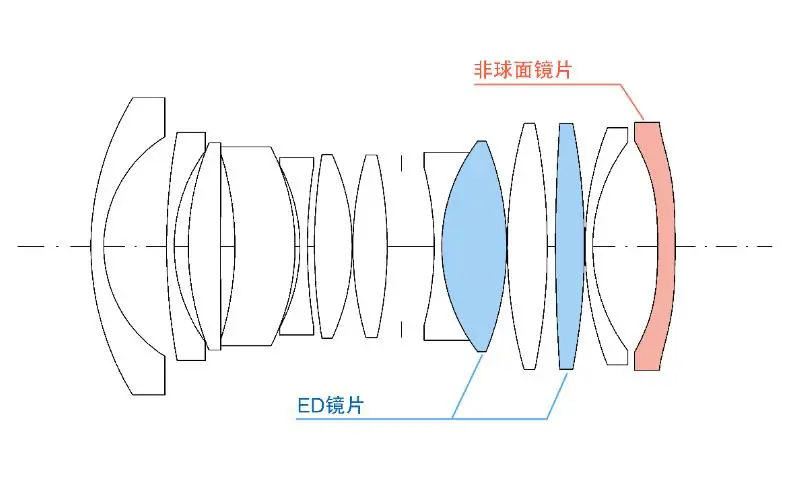
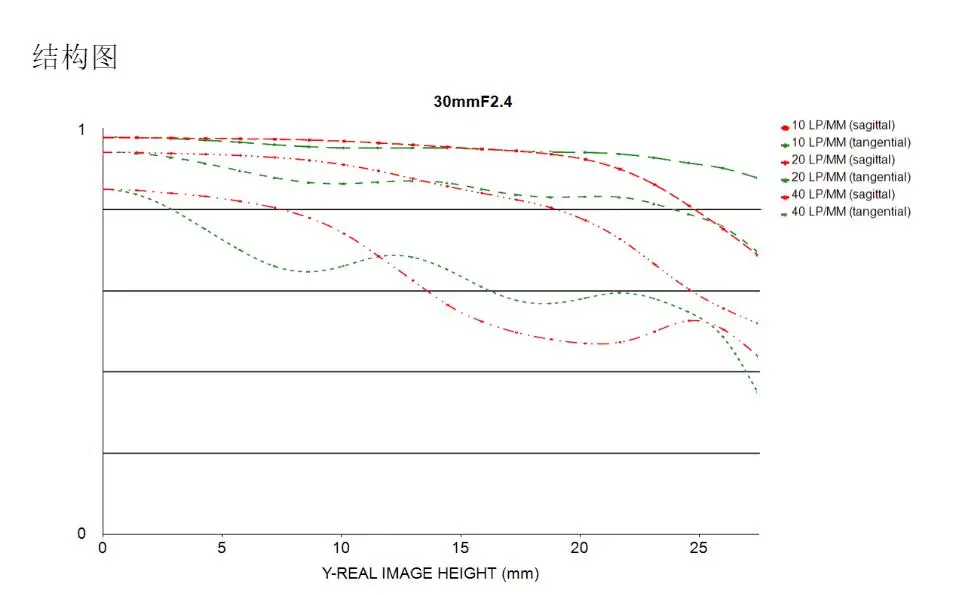
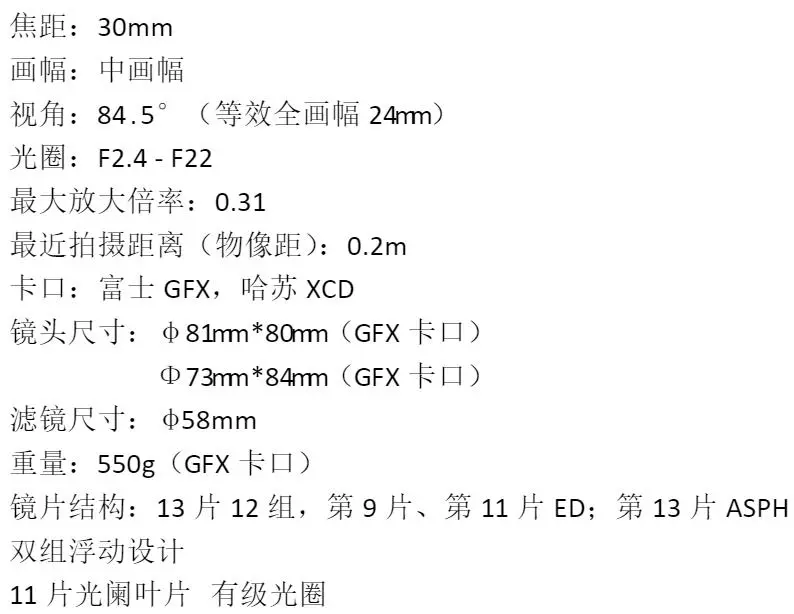
ZY Optics (Zhongyi) will release new 30mm f/2.4 and 45mm f/1.4 lenses at the Beijing P&E Imaging Show (May 15-18, 2026). Here are the details on the 30mm f/2.4 medium format lens (Zhongyi lenses are sold at B&H Photo and Amazon):
Format & Compatibility: Designed for 44×33mm (4433) medium format sensors; native mount support for Fujifilm GFX series (e.g., GFX50S) and Pentax 645 (including 645Z); also compatible with older digital backs (Mamiya, Leaf, Phase One CCD models with similar sensor size).
Focal Length & Aperture: 30mm wide-angle (provides a perspective wider than ~80° on 4433 format); bright maximum aperture of f/2.4.
Optical Design & Performance: Modern optics delivering high sharpness and resolution; rendering style combines contemporary clarity with the atmospheric “vintage” character of older lenses.
Build Quality: Full-metal construction with a substantial, premium feel and notable weight when handheld.
Series Context: Latest addition to ZHONGYI’s PITTURA series, following the 65mm F1.4 and 80mm F1.6.
Sony has announced an event for next week via its social accounts, teasing "the next R." The video and Instagram post share that the event will take place on May 13th at 9:30 EDT / 14:30 BST / 22:30 JST.
Sony isn't sharing anything beyond that there will be an event, and the date and time. Unlike many teasers, the posts don't feature a blurred-out or silhouetted camera or lens that we can try to glean details from. However, the mention of "the next R" certainly doesn't leave much up to the imagination, at least in terms of which lineup is likely to benefit from the upcoming event.
In an Instagram post a few days earlier, Sony unveiled a separate upcoming community event called Alpha in Residence, happening in New York City on May 14-15. Alpha in Residence is a two-day event that will feature photowalks, styled shooting sets in a historic mansion, gear rentals, panel discussions and more. It is free, though you do need to register for a ticket, which you can do on Sony's website.
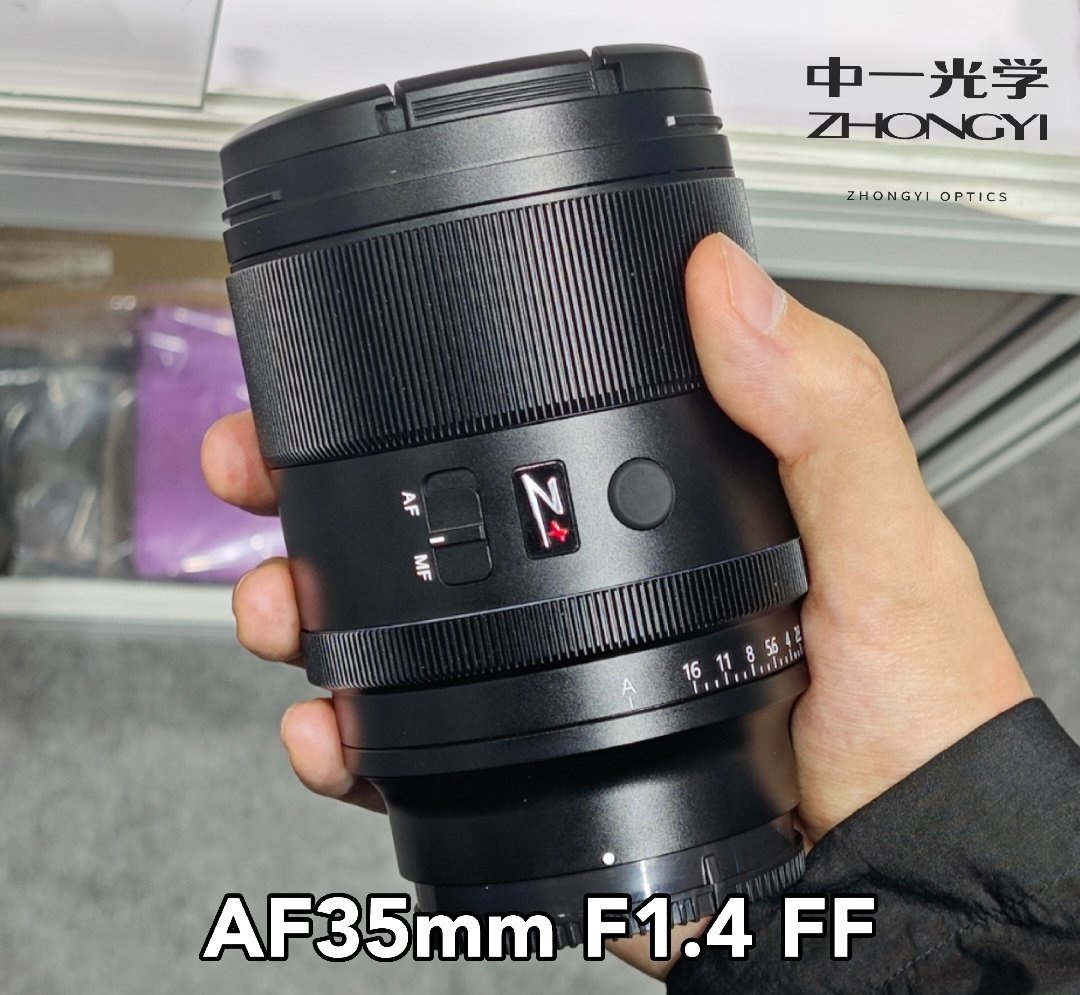
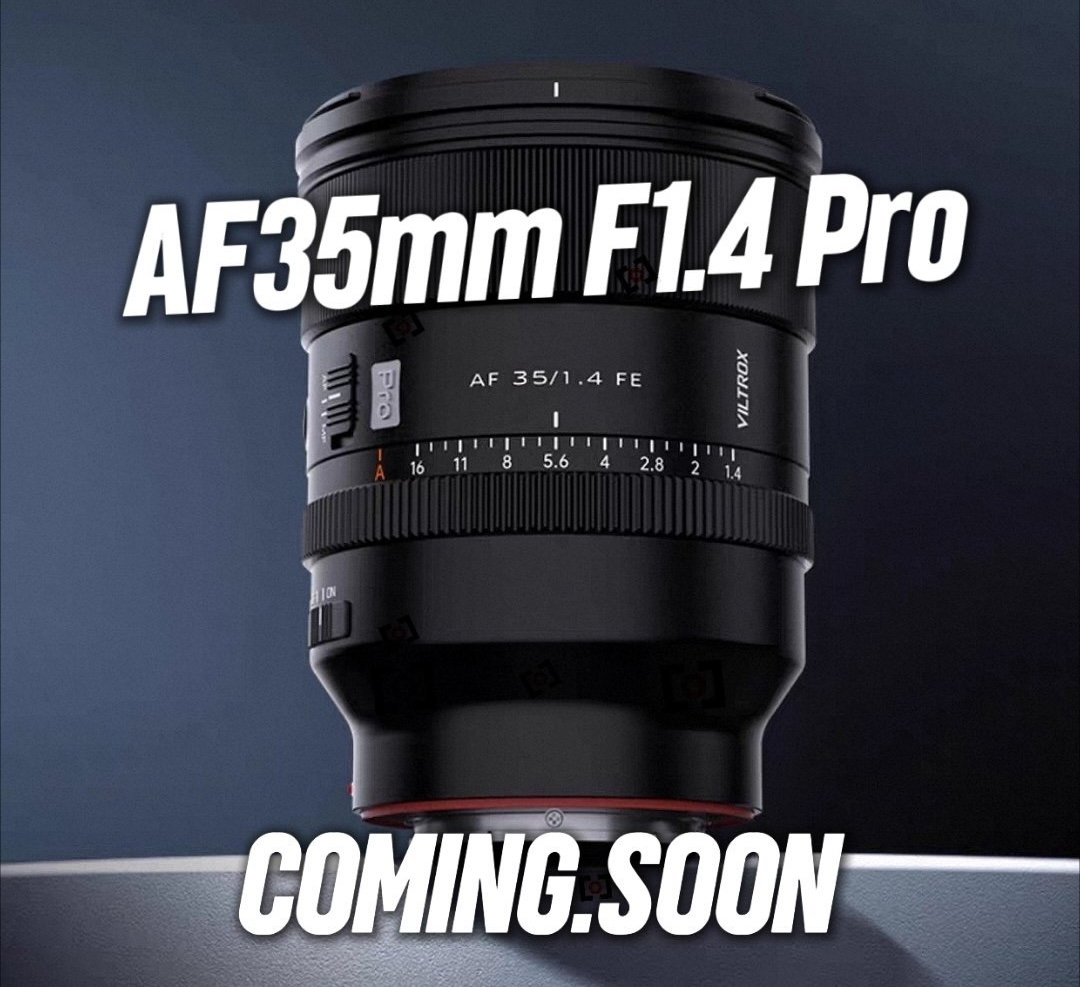
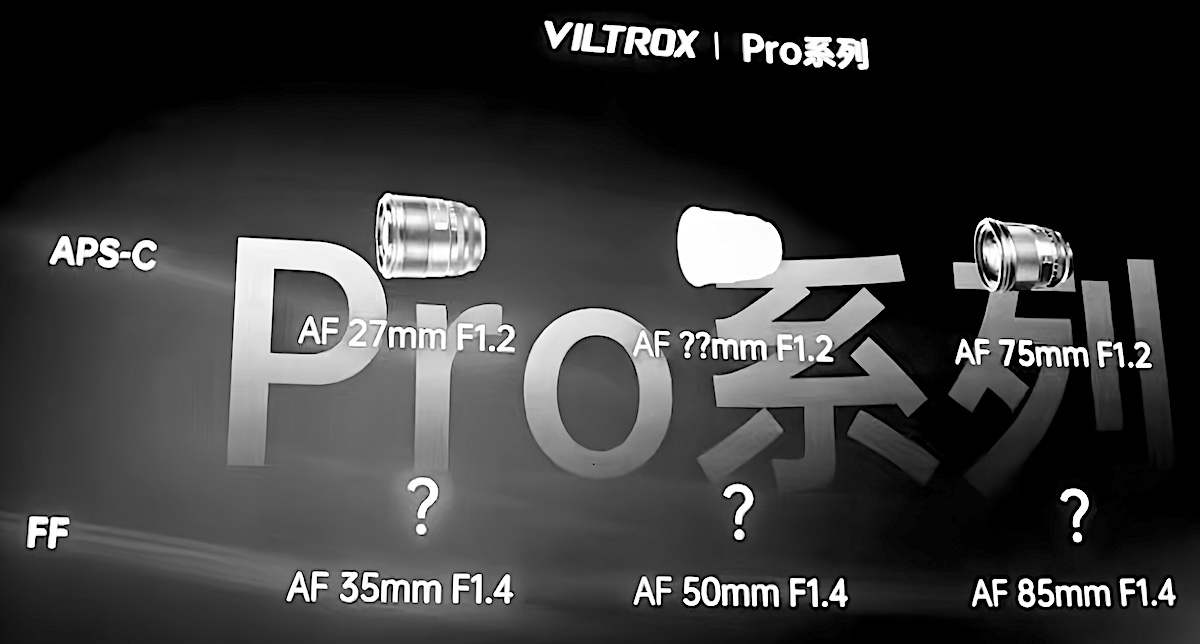
The previously reported Viltrox AF 35mm f/1.4 Pro full-frame lens will debut next week at the Beijing P&E Imaging Show (May 15-18, 2026). The Sony E-mount will be released first, with the Nikon Z-mount to follow. This will be the third Pro lens after the 50mm f/1.4 and 85mm f/1.4.
The Beijing P&E Imaging Show (May 15-18, 2026) starts next week, and we have already started seeing teasers and leaks of upcoming products. The two big ones are Sony and Canon – they will both announce new products on May 13th:
Nikon Z5 | Nikkor DX 16-50mm f/3.5-6.3 @ 16mm | F8 | 1/25 sec | ISO 125 Photo: Brian Ormerod
Brian Ormerod, who goes by the username ikon44, has a love of architecture of all types and periods across northern Europe. Over the decades, he has traveled extensively, meticulously planning trips to capture selected projects in Vienna, Barcelona, Prague, Paris, Istanbul and beyond. His work has evolved from casual holiday snapshots to carefully composed architectural studies at the School of Architecture in Nottingham, UK.
If you are interested in interior architecture that draws your attention to all the interesting angles, lighting conditions and other details, check out Brian's work below.
This story is part of our What's in your bag? community spotlight series. The series showcases the diverse gear and photography of our community, and shares their stories of how that gear helped them to capture the perfect shot.
Nikon Z5 | Nikkor DX 16-50mm f/3.5-6.3 @ 16mm | F8 | 1/25 sec | ISO 1800 Photo: Brian Ormerod
Meet Brian Ormerod (ikon44)
Home base: Milnthorpe, Cumbria, UK
Favorite camera and lens: Brian primarily uses a Nikon Z5 with a Nikkor DX 16–50mm f/3.5–6.3 VR lens for his walk-around photography. For special architectural projects, he keeps a Nikkor Z24–70 f/4 lens on hand. He values the Z5 for its manageable size and the 24MP resolution, which suits the level of detail he requires without adding unnecessary weight. His setup emphasizes practicality and comfort, allowing him to focus on composing images rather than being encumbered by heavy gear.
The Nikon Z5 is just the right size (a little lighter weight would be nice). 24MP is fine, it has the right level of controls and seems to suit my work.
Support gear: Brian uses a generic L-plate to improve handling of the Z5, along with a wrist strap to keep the camera ready. He no longer uses a tripod, preferring to keep weight to a minimum and maintain flexibility while shooting. Batteries, SD cards and cleaning cloths round out his essential kit for a day of photography.
Camera bags:LowePro Photo Active TLZ45 AW, which holds everything he needs to hand. The bag fits inside a lightweight, non-photographic backpack along with water, snacks and clothing for a full day out.
"I find the Nikon Z5 just the right size (a little lighter weight would be nice). 24MP is fine for me, it has the right level of controls and seems to suit how I work."
Brian's camera bag
Photo: Brian Ormerod
My controversial camera choice
"This might raise a few eyebrows, but I’ve settled on a Nikon Z5 with a modest Nikkor DX 16–50mm lens for most of my photography. It’s a far cry from the heavier, higher-end gear I used when I was photographing architectural projects for clients in northern England and London. Over the years, I worked with everything from Nikon D600s and D750s to two Z5s with wide and standard zooms and even a Fujifilm XT2."
"Yes, my images are effectively 10MP from this DX lens setup, but that’s perfectly fine for me. It may seem like a compromise, but for me, the joy is in taking the shot itself. I still keep a Z24–70 f/4 for special projects, and I’ve dabbled in a Viltrox 85mm f/1.8 for family portraits – though it had a slight mounting fault that needed repair (which, of course, was just outside the warranty period)."
V&A Museum - London
Nikon Z5 | Nikkor DX 16-50mm f/3.5-6.3 @ 16mm | F9 | 1/100 sec | ISO 100 Photo: Brian Ormerod
Civilizations are built on unique local architecture. What have you been impressed by?
"I’m most interested in the architecture of towns and cities across northern Europe. Since retirement, I have been traveling through parts of northern Europe, planning my trips carefully in advance to visit selected projects in Vienna, Budapest, Barcelona, Prague, Paris, Istanbul, Amsterdam, Athens, Bologna, Florence, Riola, Lisbon, Cordoba, and more, plus London, Glasgow, Oxford, Cambridge, Wells, Tewkesbury, Gloucester, Durham, Worcester and many others. In fact, I just had a day in Durham and am due to go to Helsinki for 10 days at the end of May 2026 – if my airline can find aviation fuel."
I just had a day in Durham and am due to go to Helsinki for 10 days at the end of May 2026 – if my airline can find aviation fuel.
How has your camera gear evolved alongside your photography?
"Starting from basic holiday 'snaps,' I quickly had to learn, after joining the School of Architecture in Nottingham, how to photograph streetscapes, individual buildings, sites, and architectural models, to produce photos that could stand up to serious scrutiny and criticism. I also taught myself to develop and print in makeshift darkrooms."
"My early cameras, bought second-hand on a student grant, included an English Corfield 'Periflex' Gold Star 35mm, followed by a Yashica SLR with clip-on exposure meter (which I later regretted parting with for an Olympus Pen-F). I then tried Minolta, Samsung, and Pentax film cameras before finally settling on Nikon, culminating in my current Z5."
IMO Microsurgery Hospital - Barcelona
Nikon Z5 | Nikkor DX 16-50mm f/3.5-6.3 @16mm | F9 | 1/125 sec | ISO 100 Photo: Brian Ormerod
Of all your trips, which place would you recommend most to others?
"In May 2025, I went with an architect friend to Barcelona, which I found to be an architectural wonderland. We visited and photographed works by Antoni Gaudi, of course, but by pre-planning we were also able to visit a number of other projects including the IMO Eye Hospital by Josep Llinas, The University of Pompeu Fabra Library which is a spectacular arcaded masonry structure, the Santa Caterina Market, a neo-classical building refurbished by Enrique Miralles and the Fira de Belacaire flea market with spectacular fragmented mirrored canopy."
What Nikon Z5 camera modes work best for architectural shots?
"Very occasionally, I set my camera on a firm base (if I can find a suitable area) to shoot nighttime / dark shots using modes U1 and U2, with the second delayed shutter release."
"I have the user modes set up as follows:
U1 – Serious architectural work (now much less often used) set to ISO 100, single point AF, single frame release.
U2 – General architectural work set to Auto ISO 100-6400, single point AF, single frame release.
U3 – Family portraits set to Auto ISO 100-6400, continuous AF, single frame release."
"All with matrix metering. I shoot almost exclusively hand-held now, and often in quite dark or very dark interiors, so I need auto-ISO set to max 6400."
Greek Orthodox Church - Vienna
Nikon Z5 | Nikkor DX 16-50mm f/3.5-6.3 @ 16mm | F8 | 1/50 sec | ISO 900 Photo: Brian Ormerod
What can the community take away from your experiences?
"I'm still chasing that perfect shot! Keep pressing that shutter. Don't stop because you think it's becoming more difficult, just adapt yourself and your gear to what you can do."
Brian really enjoyed writing the content for this spotlight article and would be grateful for you to join him in discussion in the forums. Thanks, Brian, for being featured!
If you'd like to share your photography, tell us about your main camera, lens choices, key settings and strategies. Your photos and story could be featured in the next article!
Editor's note: This article continues a series, 'What's in your bag?', highlighting DPReview community members, their photography and the gear they depend on. Would you like to be featured in a future installment? Tell us a bit about yourself and your photography by filling out this form. If you're selected for a feature, we'll be in touch with next steps.
Nikon has announced it is developing a 120-300mm F2.8 zoom lens with a built-in 1.4x teleconverter.
The Nikkor Z 120-300mm F2.8 TC VR S will not only offer a longer alternative to a traditional 70-200mm F2.8 but, at the flick of a switch, will turn into a 168-420mm F4, extending its reach and its flexibility.
No further details have been revealed, other than reference to the needs of professional photographers which, along with the S series designation, is likely to give an indication of a fairly substantial price tag. The announcement has been accompanied by a pretty final-looking product rendering, so we doubt we'll have to wait long to find out more.
Nikon already has an 'S-Line' 100-400mm F4.5-5.6 variable aperture zoom, which has a list price of $3000, but we suspect a more meaningful reference point is the Nikkor Z 400mm F2.8 TC VR S, which was launched for $14,700.
Anyone who's used one of Nikon's recent lenses with the built-in TC is likely to be trying not to think too much about the reassuringly damped 'thunk' as the large thumb switch on the side of the barrel slots the teleconverter into place.
Nikon is developing the NIKKOR Z 120-300mm f/2.8 TC VR S, a telephoto zoom lens with a built-in 1.4× teleconverter
MELVILLE, NY (May 7, 2026) -- Nikon is pleased to announce the development of the NIKKOR Z 120-300mm f/2.8 TC VR S, a telephoto zoom lens compatible with full-frame/FX-format mirrorless cameras.
As part of the S-Line* series of NIKKOR Z lenses, the NIKKOR Z 120-300mm f/2.8 TC VR S is a telephoto zoom lens offering a focal length range of 120mm to 420mm, enabled by a built-in teleconverter that extends its focal length by 1.4×. The superior optical performance and mobility of this lens will support professional photographers' imaging expression in genres such as sports photography and beyond.
Nikon will continue to pursue a new dimension in optical performance while meeting users' needs, contributing to the development of imaging culture, with the hope of expanding possibilities for imaging expression.
For more information about the latest Nikon products, including the vast collection of NIKKOR Z lenses and the entire line of Z series cameras, please visit nikonusa.com.
*The S-Line is a grade of NIKKOR Z lenses that demonstrate outstanding optical performance, adhering to a high standard of design principles and quality control.
A few days ago, I purchased two external LaCie hard drives from B&H Photo for a project. I received the hard drives today and realized I need a third drive. I went back to the B&H website, and I was surprised to notice that prices have gone up significantly since I placed my order just a few days ago:
Meike is teasing the release of a new autofocus lens for Fujifilm GFX medium format cameras. The new lens will be on display at the upcoming Beijing P&E Imaging Show (May 15-18, 2026):
It's no secret that NASA is careful about the technology it uses on missions, including anything camera-related. After all, space is the epitome of an extreme environment, and it's important to perform thorough testing to ensure devices can function despite those challenges. A recently surfaced NASA presentation, highlighted by Digital Camera World, provides a glimpse at that process.
The 2022 presentation, titled "Handheld Camera (HHC) Initial Test Results," is available through NASA's Technical Reports Server and evaluates the performance of the Canon EOS R5, Nikon D6 and Nikon Z7II in a vacuum chamber that could also heat and cool the cameras. The presentation includes images of the testing procedures and details how the team performed the tests. It's worth noting that the team clarifies that the Nikon Z9 was not available during the thermal-vacuum testing period.
A slide from the presentation detailing parts of the testing procedure.
Slide: Jonathan E Pryor, Marshall Space Flight Center
The headline result is that the Canon R5 and Nikon D6 both survived vacuum testing and operated across a temperature range of -30°C to +40°C (-22°F to +104°F), with NASA noting that the two cameras showed "similar operational characteristics" across that range. It's important to note, too, that these were unmodified, off-the-shelf versions of those cameras. It turns out stock cameras are tougher than you may have assumed.
Before testing, the cameras and supporting hardware were heated to 50°C (122°F) for 72 hours in a process known as a bakeout, which helps drive off volatile materials before equipment is placed in a vacuum chamber. The cameras were then placed inside a temperature-controlled enclosure within the chamber, while Wi-Fi and Bluetooth were used to control image and video capture.
The slide detailing the results of some of the testing.
Slide: Jonathan E Pryor, Marshall Space Flight Center
The cameras were tested in both stills and video modes, though the D6 didn't undergo the same full set of video tests as the R5. In the hotter video tests, the R5 recorded until it overheated and shut itself down, then was given five-minute cool-down periods before testing continued. The researchers did not perform the second and third D6 video tests out of concern that it might lose connection in the same way as the Z7II (detailed below). Even so, NASA's results suggest both the R5 and D6 were usable in the chamber, with the caveat that the D6's video performance was not explored as extensively.
The Nikon Z7II, meanwhile, did not complete the same full temperature range. The presentation says it worked at ambient temperature, but under near-vacuum conditions, it lost connection after recording video and could not reconnect. The camera didn't outright fail, but a device used in space needs to be able to be reliably controlled, especially if there are plans for remote operation.
Details of the stills performances of the R5 and D6.
Slide: Jonathan E Pryor, Marshall Space Flight Center
Another practical problem that the test highlights: remembering to turn Raw files on. The D6 was set up to capture both Raw and JPEG images, and the R5 was supposed to be the same. Unfortunately, the presentation calls out that the "setting was missed during setup process," so it only recorded JPEGs. Next time you discover after a shoot that your camera was set to JPEG only, just remind yourself that even NASA researchers do that.
In addition to camera testing, the deck also includes radiation testing of four CFexpress card brands: Lexar, SanDisk, ProGrade and Sony. SanDisk showed the best result in NASA's calculations, but the presentation strongly warns that the outcome depends on the exact test setup and amount of radiation used, and should not be treated as a buying recommendation. None of the cards completely failed; NASA says temporary radiation-related errors were resolved by power cycling the cards.
A slide from the 2024 presentation detailing camera modifications.
Slide: Parker Weide
The 2022 presentation is especially interesting in light of NASA's later work on a dedicated lunar camera. In 2024, NASA published a paper on testing a modified commercial camera for lunar environments. It concludes that the camera and its thermal protection system continued to function under most simulated conditions, but highlights issues such as LCD screen ghosting and overheating in extreme environmental conditions. NASA has since said its Handheld Universal Lunar Camera, or HULC, is based on a modified Nikon Z9 with Nikkor lenses, a protective thermal blanket, modified electronics and a custom grip designed for astronauts wearing spacesuit gloves.
For the latest Question of the week, we were curious to know what your favorite photography-related books and articles were. You took the idea a step further, not just listing titles but explaining how the works you read elevated your photography.
Some of your reasons were purely artistic, with many art-focused books suggested, while others were quite technical. Reading through your responses, it became clear that photography isn’t just about mastering a camera. Many of you shared personal stories of inspiration or creative struggles, showing that the right book or article can spark a change in vision as much as technique.
Check out the top book and article suggestions below, and then let us know in the comments what your favorite photography-related books and articles are.
Your book and article suggestions
"Mountain Light" (1987) book cover
Image: Galen A. Rowell
Ruby Rod: When I was a kid, just getting started with photography, my mom brought home a book from a library or a garage sale, "The Fun of Photography" by Mario Scacheri. It's a bit corny and not as politically correct as it is today. The book gave practical advice on the basics of composition, darkroom work, and other aspects of the photo hobby at the time. I still use much of the advice today.
Don Sata: "The Photographer's Eye" by John Szarkowski. This is an old book that is as good as the day it was published. It clearly explains something that took me years to understand, that seems to be an ineffable mystery: what exactly is the language of photography, and how to use it?
Something I also love about this book is that it doesn't discuss any technical aspects of photography, which makes it timeless.
Gayle159626: Years ago, when I was in my 20s (I am now 66), I was gifted an interesting book called "A Day in the Life of Australia" by Rick Smolan. This book is the result of one of the most unusual projects in the history of photography. On March 6, 1981, a hundred of the world's greatest photojournalists were given the unique and challenging assignment of their careers – to capture an entire nation on film in a single day.
"Day in the Life of Australia" by Rick Smolan (1982) photograph collection
Image: Arnaud de Wildenberg
On the pages of this unusual diary, you'll wake up with camel hunters in the Northern Territory, visit with prisoners inside an Adelaide jail, see Ayers Rock from outer space, travel through aboriginal missions in Arnhem Land and explore an entire community living underground at Coober Pedy.
The book features 367 stunning photographs chosen from the 96,000 shot on March 6, and includes six special photo-essays exploring a day in the life of unusual Australians. A Day in the Life of Australia is a slice of history – a moment frozen in time.
To communicate what you saw, you needed to translate the lost dimensions (depth, movement, and color) into your photograph.
Klaus dk: "Total Picture Control" by Andreas Feininger. His main message is that the photographer transforms a moving, three-dimensional world of color into a frozen, 2D (and, in the late 1950s, monochrome) picture. To communicate what you saw, you needed to translate the lost dimensions (depth, movement, and color) into your photograph.
With today's endless possibilities for manipulation, he looks like a purist, but he describes the techniques available for the creative photographer to get the message through.
paul13walnut5: As I progressed into video, the book "War Junkie" by Jon Steel really inspired me as well. Talk about calm under fire, until he wasn't... not to spoil the book. It was also a frank confessional at a time when it wasn't really all that cool to talk about mental health.
"The Photographer's Handbook" by John Hedgecoe (1982) handbook
Image: Leondard Ford and John Hedgecoe
Gato Amarillo: Like most people of a certain age in the US, I grew up on Life magazine with photo reporting, some of it very tough reporting, from all over the world. I think the book that made me aware of photographers as individuals was Edward Weston's Daybooks. That got me thinking about the people behind the cameras and looking at the names under the photos.
In the 1990's, the images in the magazine "Outdoor Photographer" drew me into 4x5 photography and gave me a perspective that I eventually applied to my own compositions.
Digital shifting and stitching became the cornerstone of my landscape and architectural photography, replacing my 4x5 film camera. I began experimenting with it in 2011 and was applying it regularly by 2013. I discovered the method online, but I don't remember where. It was probably at Photo.net, but it could have been here. It would be nice to know.
"Jungles" by Frans Lanting (2000) image portfolio
Image: Frans Lanting
Ctesiphon: "Jungles" by Frans Lanting. Before reading it (do you say "read" for a book of photos?), I thought nature photography (be it macro, wildlife, or landscape) was about capturing nature in the sharpest, cleanest, most detailed, highest-definition images possible. This book completely changed that for me: it is a masterpiece of not-so-in-focus and grainy pictures that let transpire so much more emotion, mood and atmosphere because of it. You can feel the damp air and hear the birds and insects in these images.
It gave me a new appreciation of moody images (for lack of a better word), which I often try to recreate in areas beyond nature photography. And I don't care about noise in my pictures anymore.
Photographs are like gems: the real and the synthetic are often physically indistinguishable, but there is no question as to the ultimate value.
Astro Landscapes: Despite being decades old, I am still stunned by the current relevance and creative inspiration of Galen Rowell's "Mountain Light". As an adventure landscape and nightscape photographer, one quote of his has stayed with me for almost as long as I've been into photography:
"Photographs are like gems: the real and the synthetic are often physically indistinguishable, but there is no question as to the ultimate value. A photograph that depicts a moment of real life, whether that of a human activity or of the natural world, is of a higher order than the most perfect replication created by or for the camera with luck removed from the formula." - Galen Rowell, 1986
Keep ready for the next Question of the week to participate in this series. New questions are posted here on the homepage and in the forums every other week. We can't wait to read and share your stories!

 Connexion