❌

Vue normale

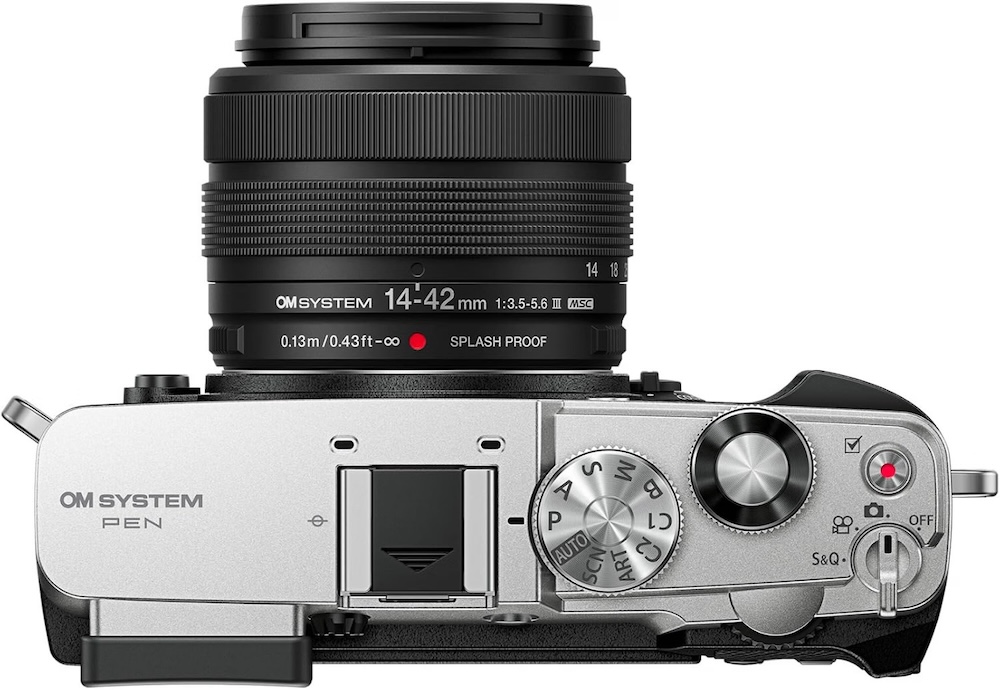
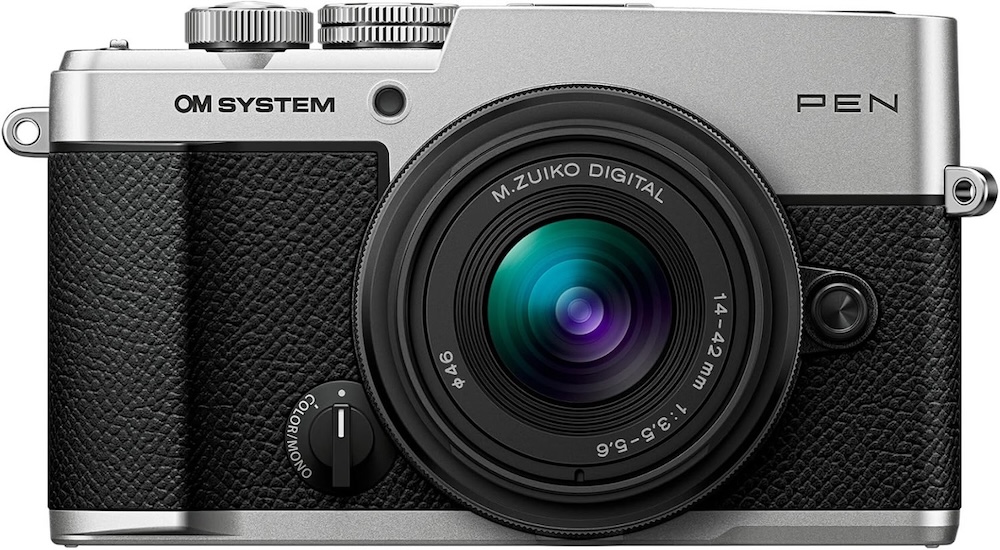
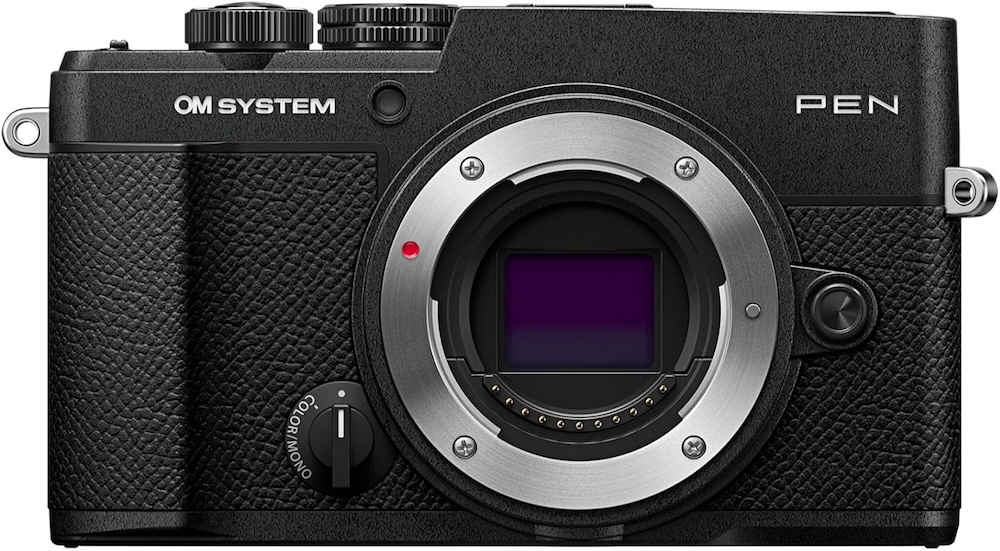
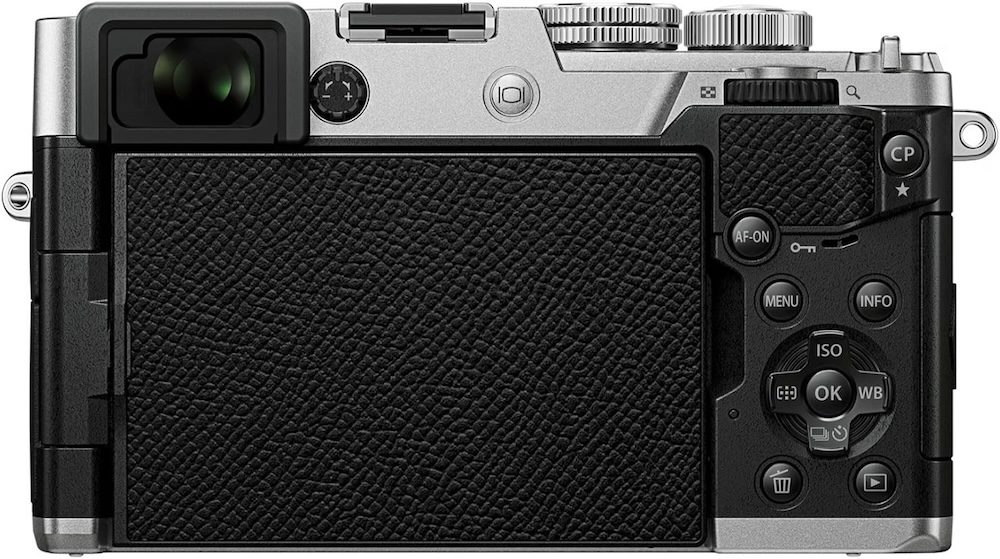
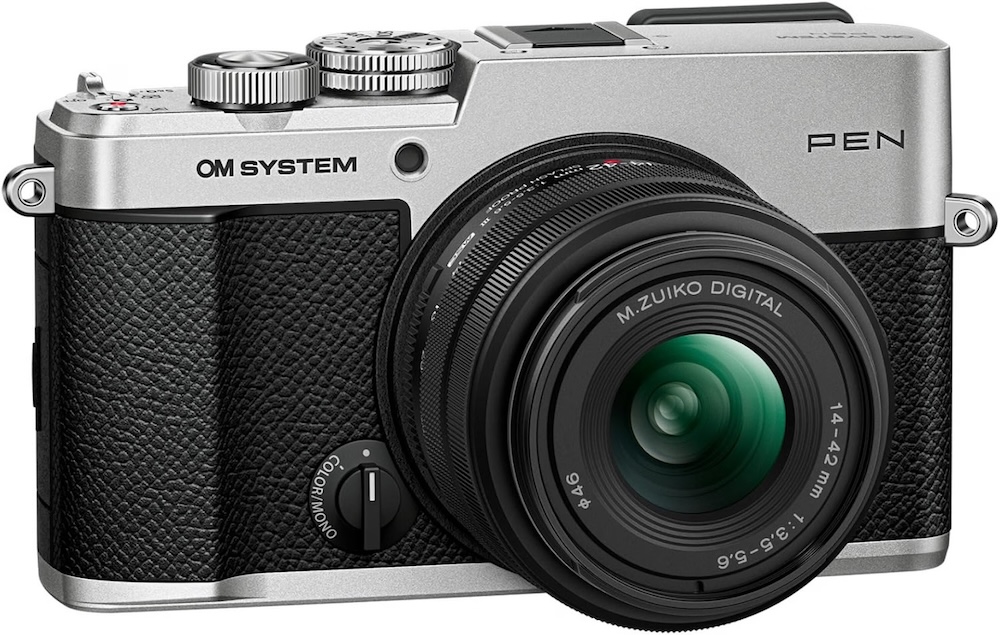
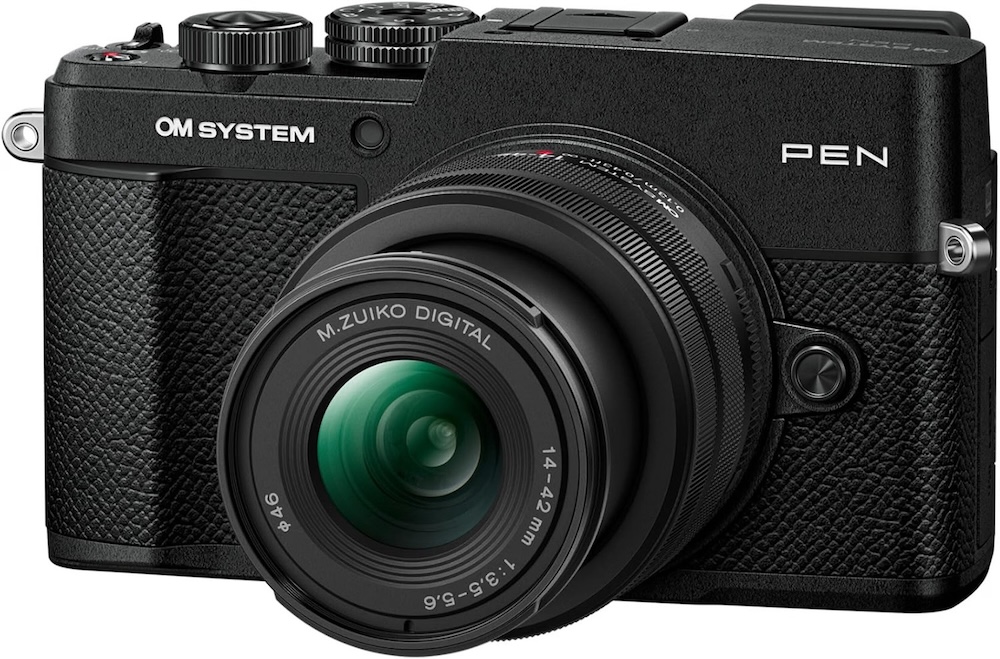
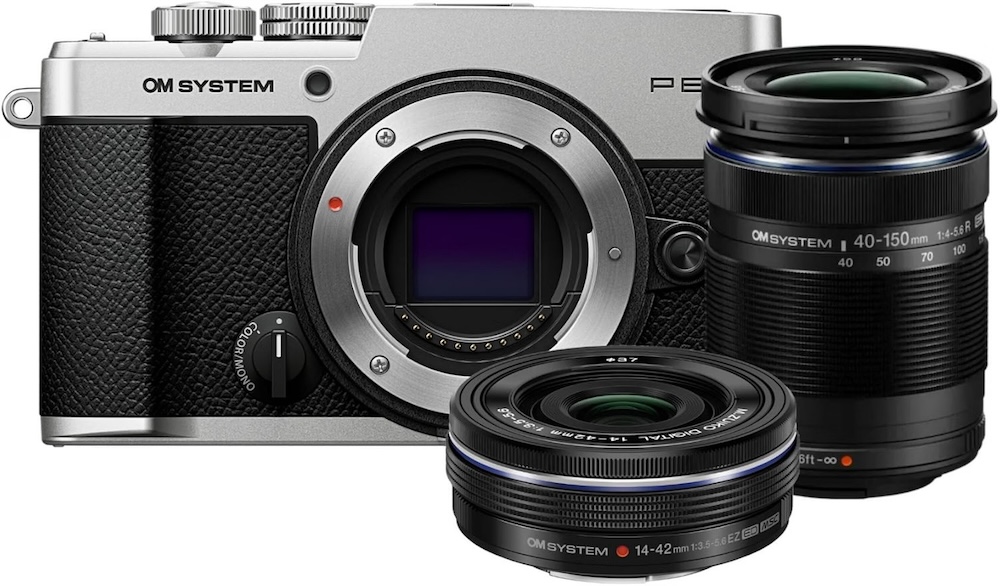
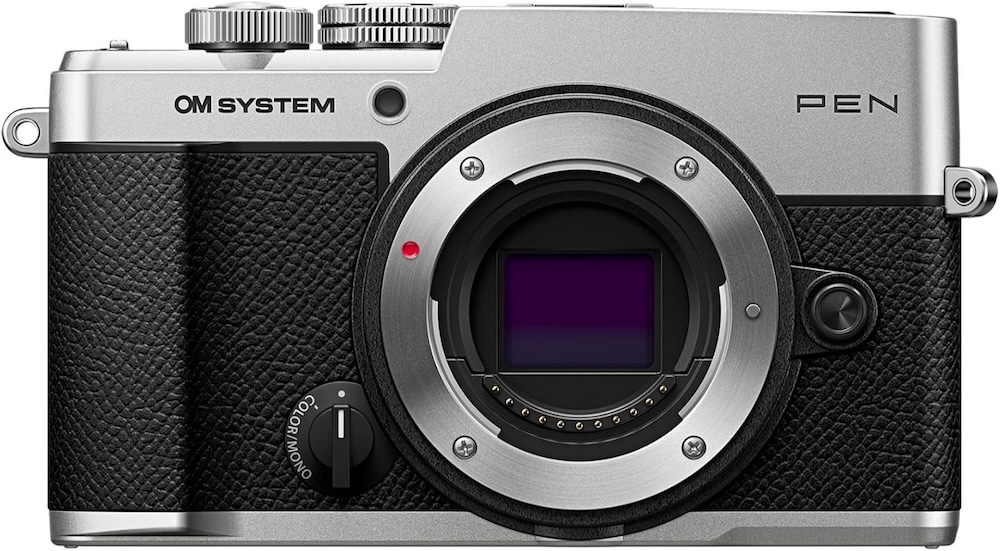
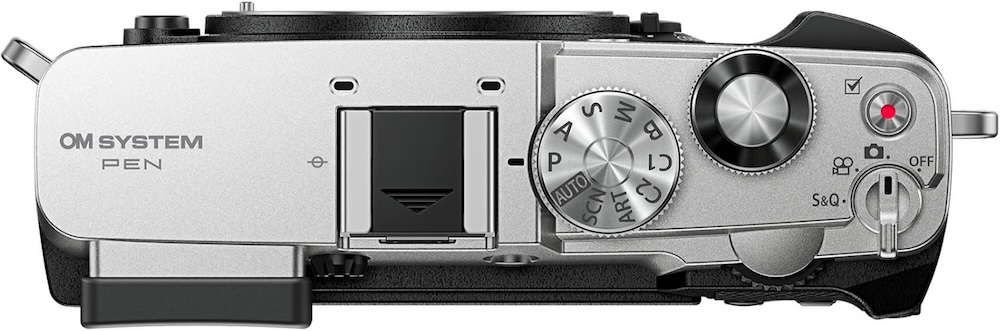
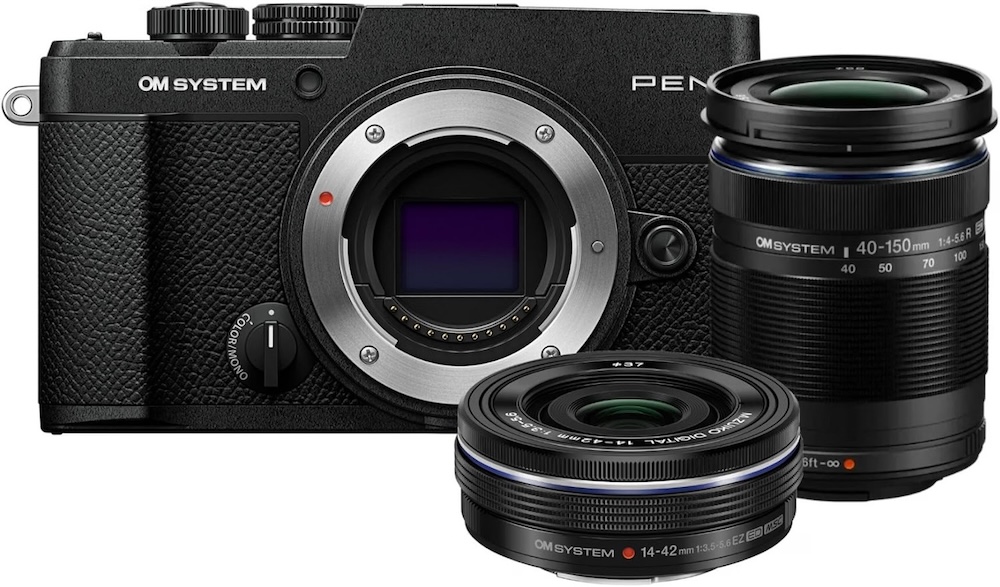
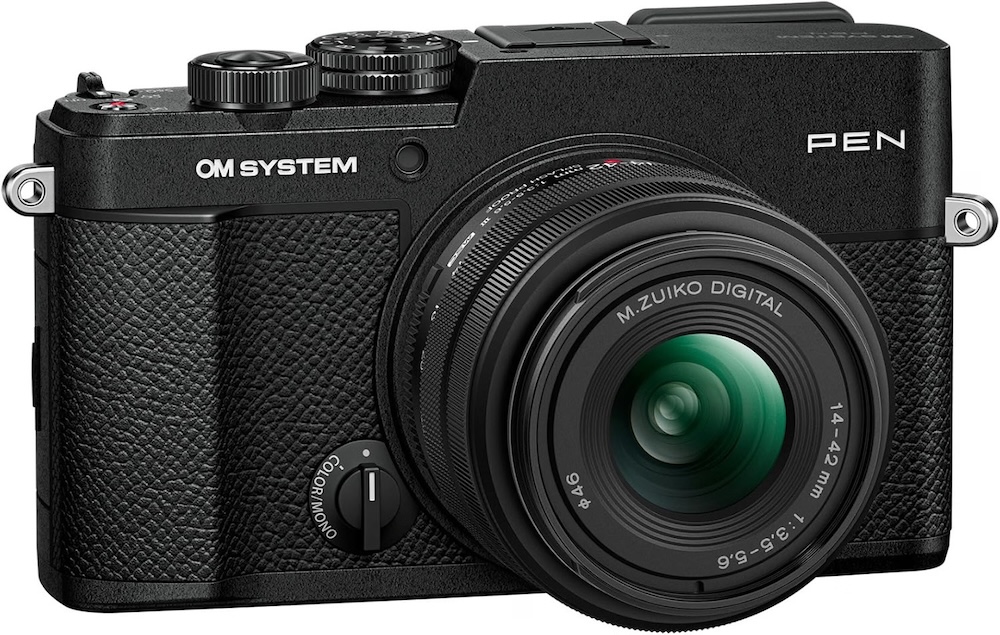
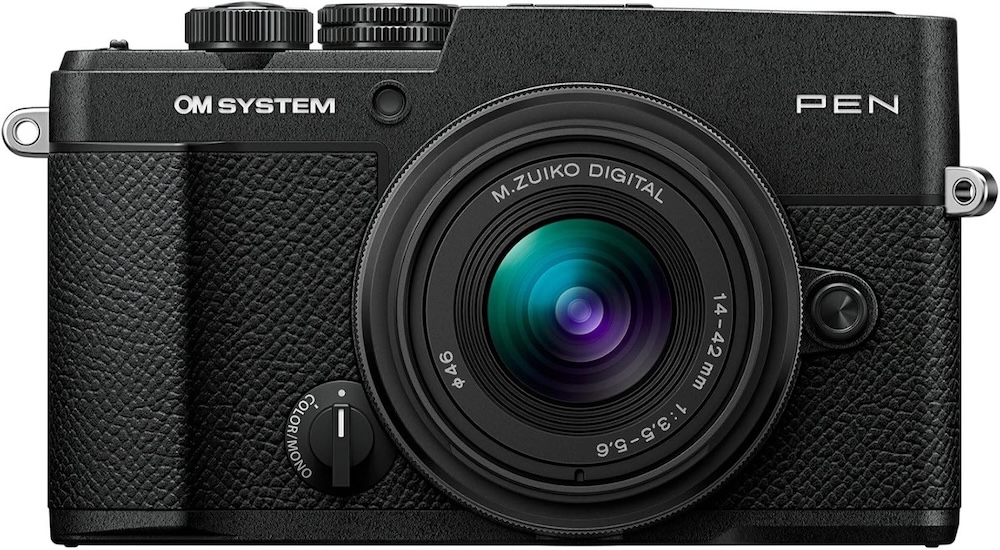
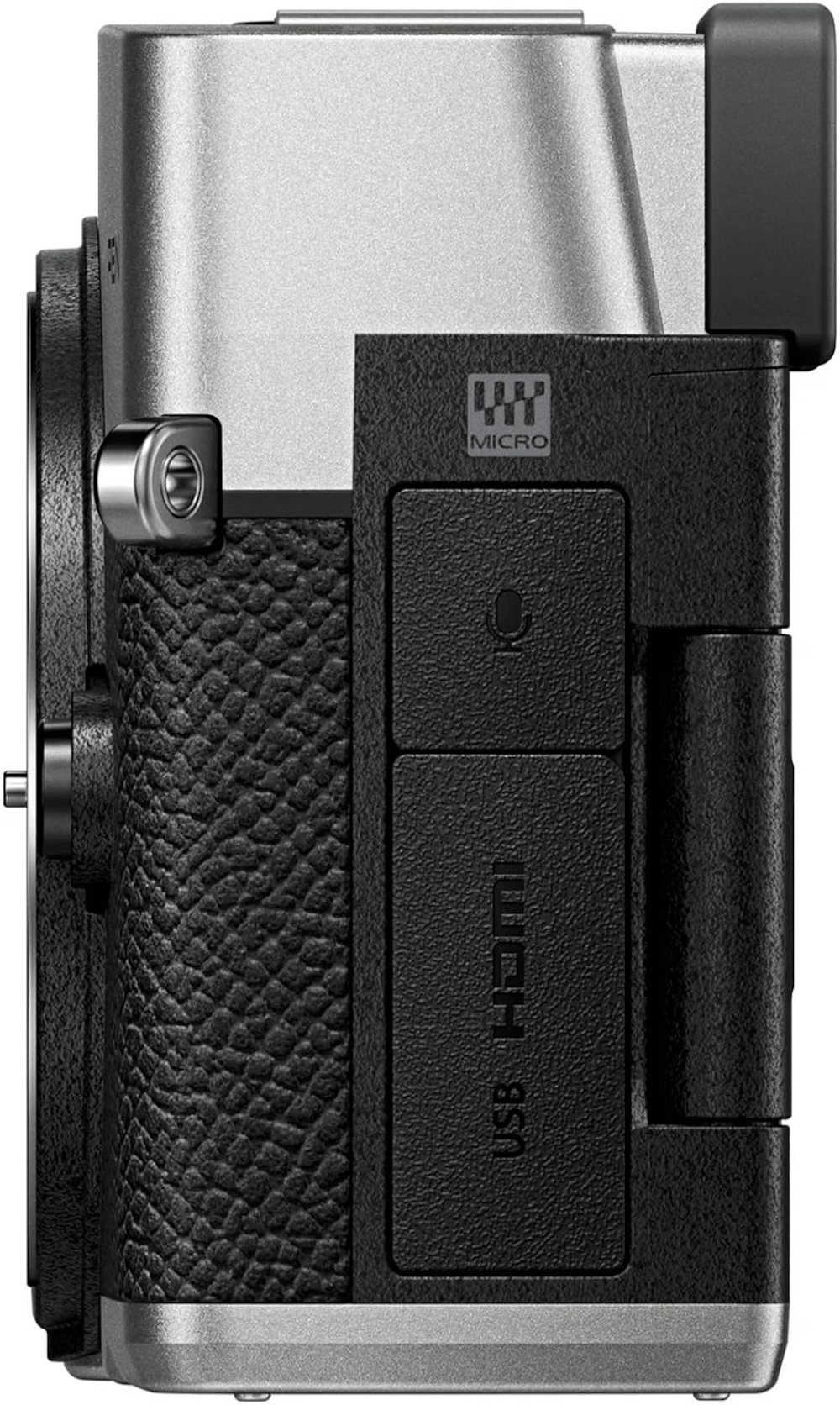
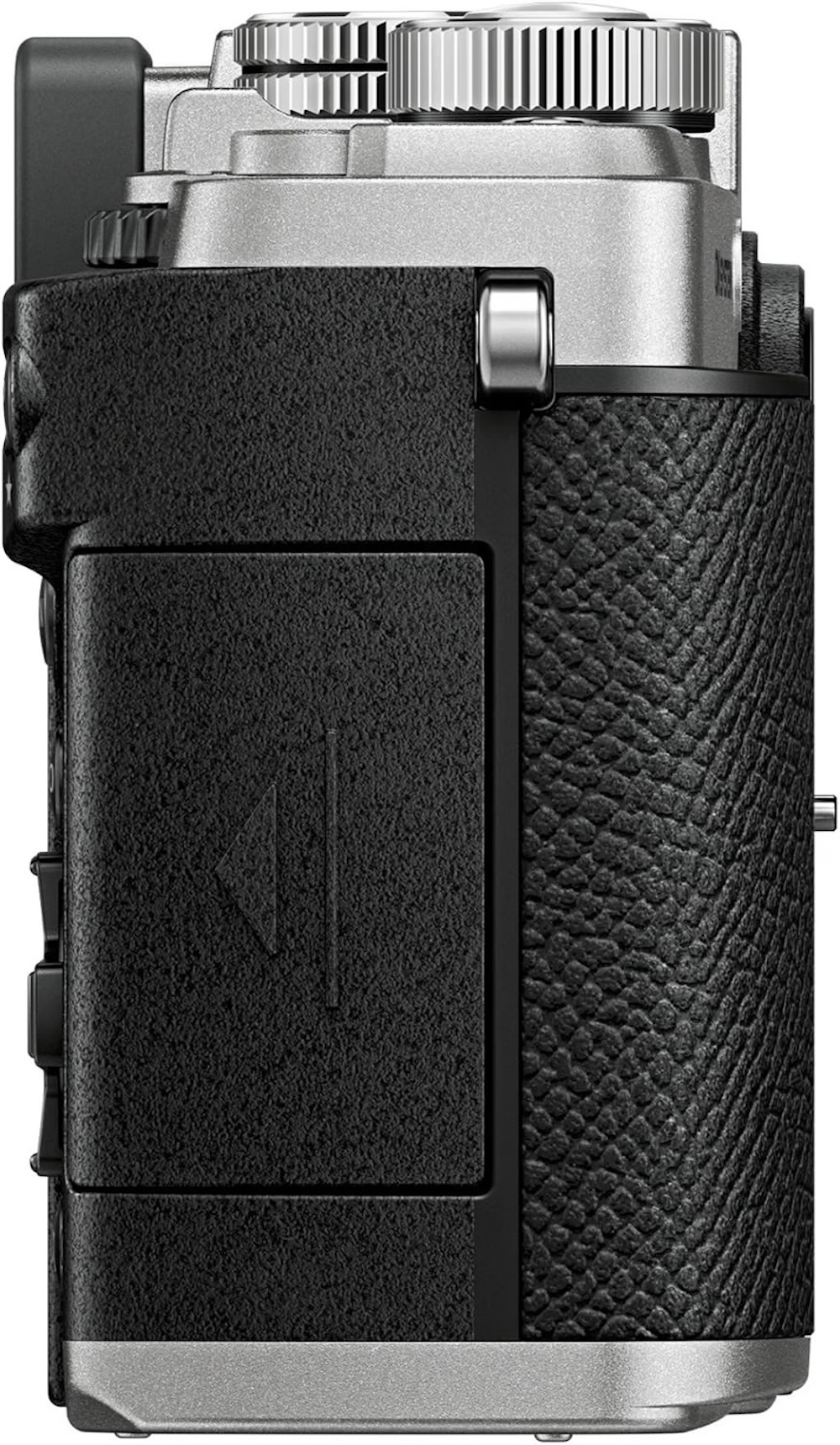
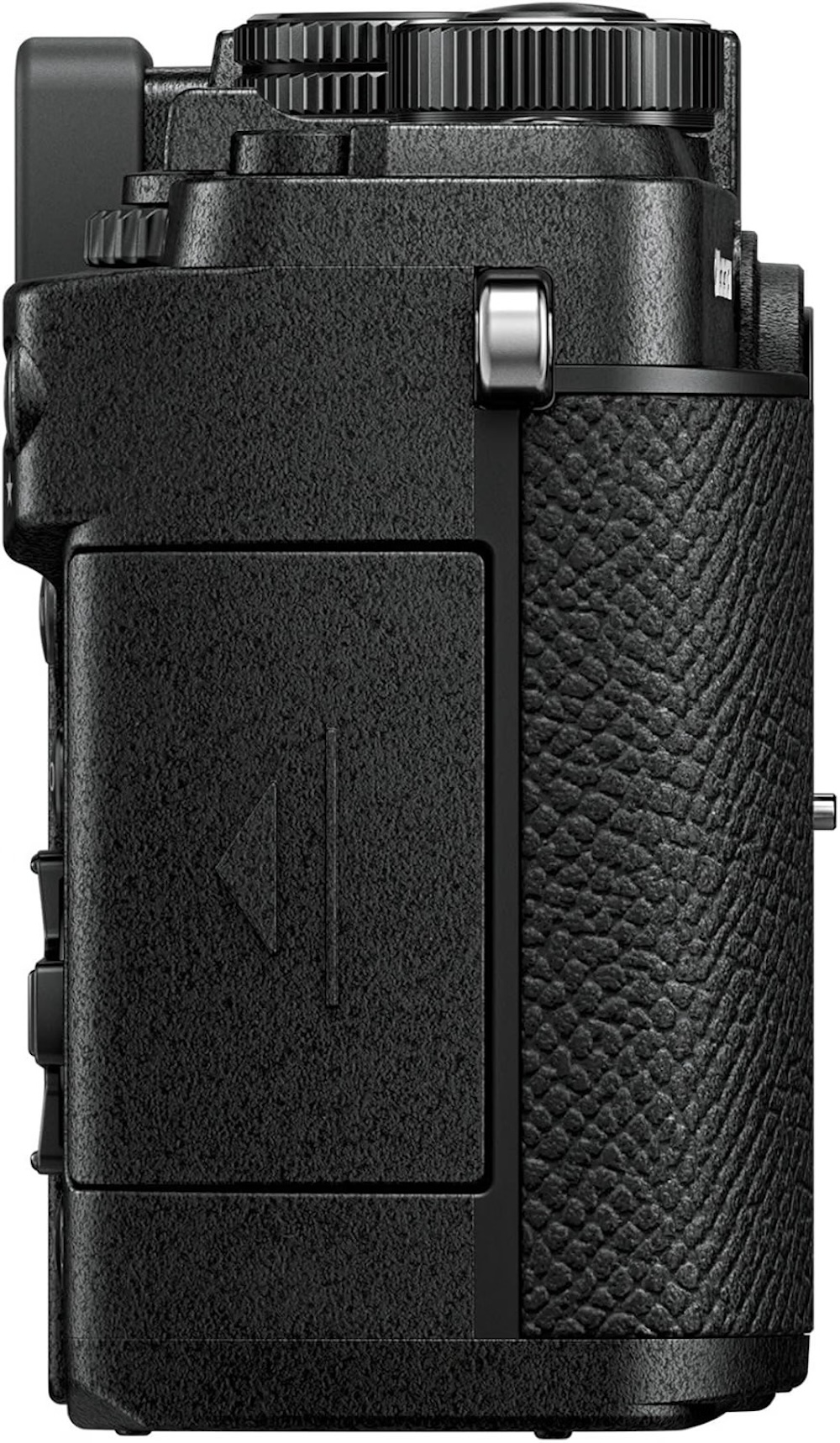
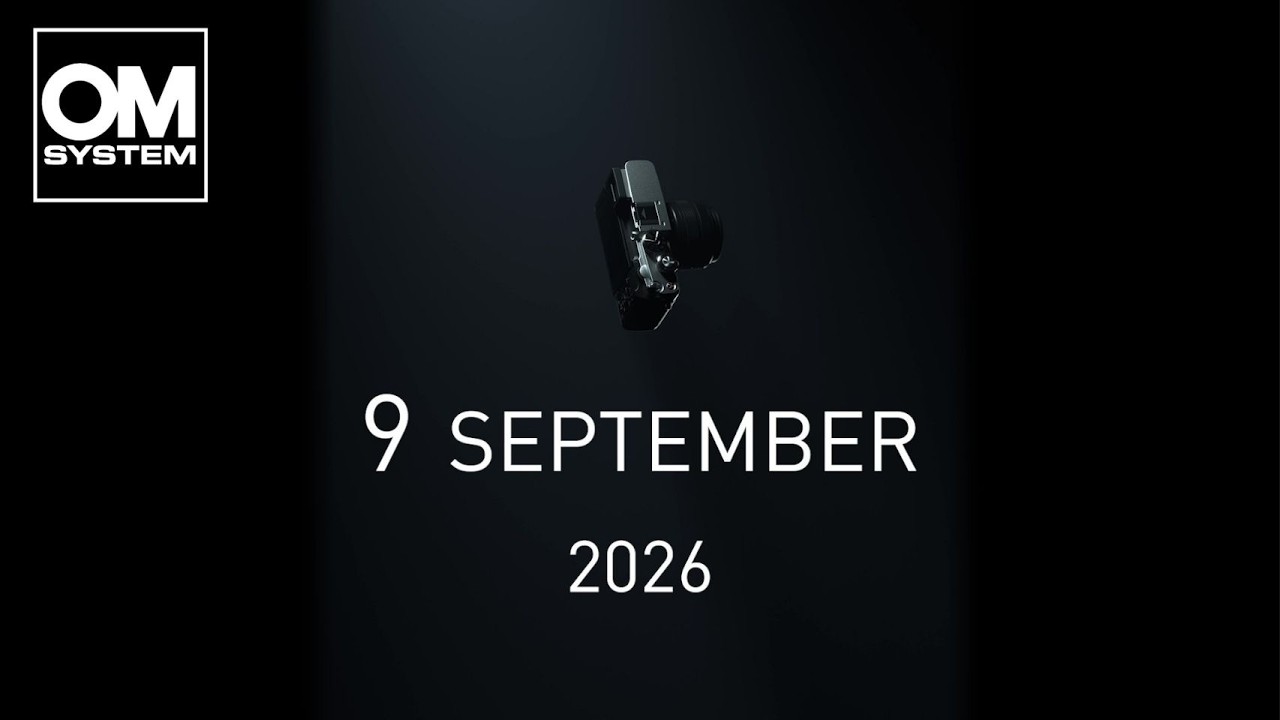
The upcoming OM SYSTEM PEN camera already listed for pre-order on Amazon

Par : PR admin
8 septembre 2026 à 17:03

The upcoming OM SYSTEM PEN camera is already listed for pre-order on Amazon:


The official announcement is tomorrow, September 9th.

Additional informtion (more available here and here):


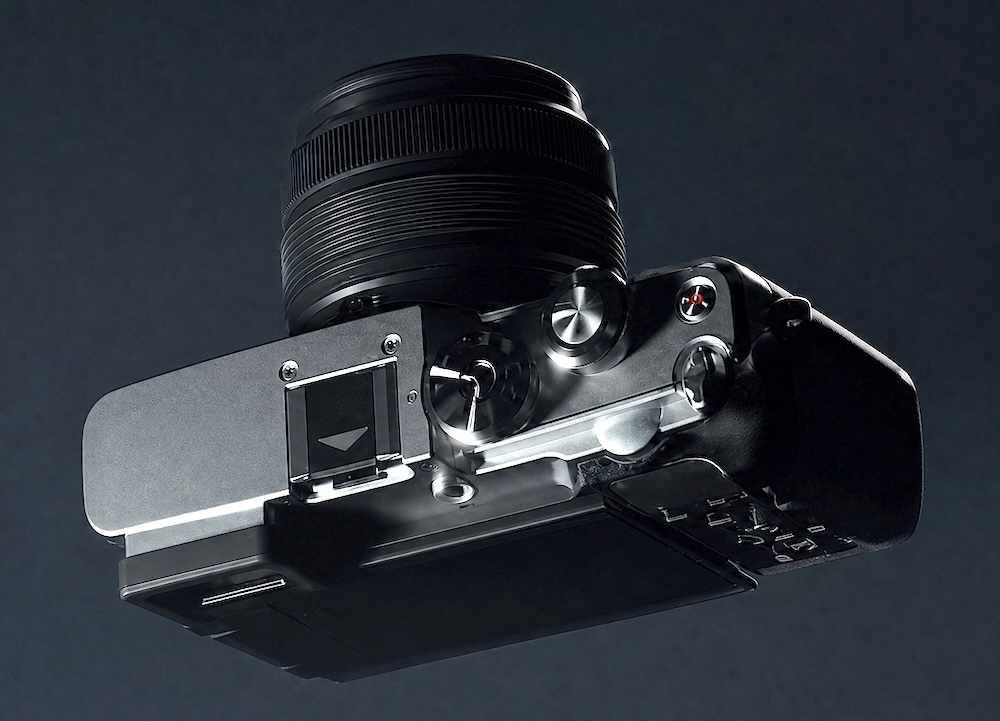
  • The compact 393g body is easy to carry for travel, everyday life and spontaneous photography.
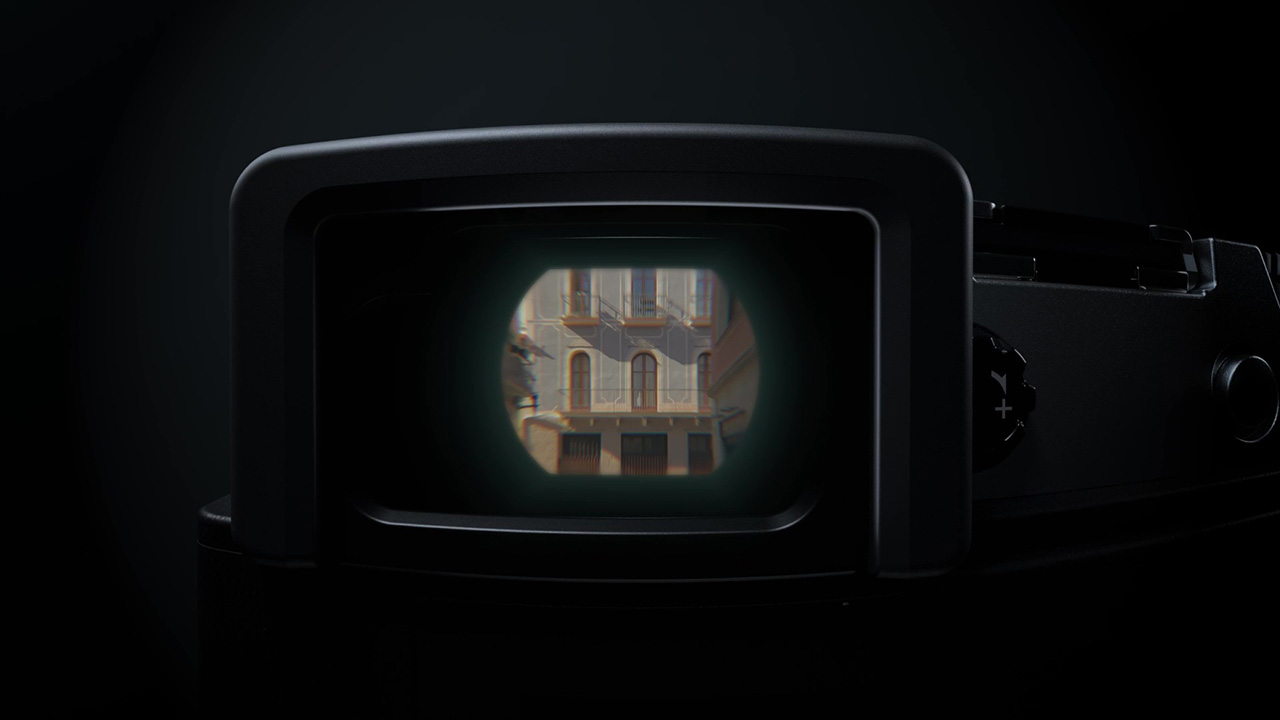
  • A viewfinder, shutter button, dial-based operation and interchangeable lenses give you a dedicated and intuitive camera shooting experience.
  • Colour, monochrome and CP-button controls make it easier to create distinctive looks in-camera.
  • Image stabilisation supports steadier handheld shooting while keeping the kit compact.
  • AI Human and Pet Detection Autofocus helps you concentrate on the moment when photographing people and pets.

OM SYSTEM PEN is a compact interchangeable-lens camera for travel and everyday photography, designed for people who want high image quality and creative flexibility without carrying a bulky kit. At just 393g, its easy-to-carry body features IPX1-rated weather sealing for added protection when shooting in rain. The double lens kit includes the compact, weather-sealed M.Zuiko 14-42mm F3.5-5.6 III zoom lens and the standard M.Zuiko 40-150mm F4.0-5.6 R Lens, creating a versatile setup for everyday shooting, travel, and distant subjects. Creative colour and monochrome profiles let you shape the look of your images, while five computational photography modes make creative effects easier to achieve — all in-camera. You can also share your profiles with others via the OI.Share app and discover new looks through the app’s Profile Library. OM SYSTEM PEN also offers 4K and vertical video. A fast 121-point all-cross phase-detection autofocus system, together with AI-powered Human and Pet Detection AF, helps keep subjects sharp and in focus. Image stabilisation providing up to 5.5 stops of compensation helps reduce camera shake for steadier handheld stills and video, especially when shooting in low light or at night.

OM SYSTEM PEN camera dedicated page and online events

OM System PEN camera leaked pictures

OM System PEN camera announcement next week – here are the rumored details

The post The upcoming OM SYSTEM PEN camera already listed for pre-order on Amazon appeared first on Photo Rumors.

Sony is finally making a fisheye zoom for E-mount shooters who love the look

The 8-14mm F3.5 can do circular fisheye, or fill the frame.

Black camera lens with visible focus and zoom markings, held in a hand against a blurred background.Sony

When you use DPReview links to buy products, the site may earn a commission.

With Sony offering over 70 E-mount lenses, it’s unusual for the company to release something that’s a first in its lineup. And yet today it’s doing so: the new FE 8-14mm F3.5 Fisheye G is the company’s first standalone fisheye lens for E-mount, one that it says is the most compact of its kind.

At 8mm, the lens creates a circular fisheye image, the kind popularized in ’90s skateboarding videos. At 14mm, the image fills the frame. Both capture a 180° field of view, but the zoom lets you choose which way you want it presented. You can also turn distortion compensation off to switch from equisolid rendering, where the center of the image is larger, with the edges being compressed, to equidistant rendering where the center looks smaller and the image looks more “even” overall. This is mostly a JPEG setting, as, if you shoot Raw, you can change whether you’re using distortion correction in post.

Person wearing a yellow outfit taking selfies on a city street lined with tall buildings, depicted through fisheye and wide-angle lenses for varying perspectives.
A sample image provided by Sony, with 8mm on the left and 14mm on the right.
Sony

The lens is made up of 16 elements in 13 groups, with three aspheric elements, four extra-low dispersion (ED) elements and one aspheric ED lens, with the company promising minimal chromatic aberration across the frame. It has a 7-blade aperture, and can focus as close as 0.15m (5.9″) throughout its focal range. Focusing is handled by a pair of linear motors, which, when paired with a high-end camera, can track subjects at 120fps.

Physically, the lens is surprisingly small for a full-frame option. It weighs 314g (11.1oz), which is substantially less than the 476g RF 7-14mm F2.8-3.5 L Fisheye STM that Canon recently released (though that is a touch faster and wider at its wide end). The Sony has a diameter of 63mm, and is 83mm (3.3″) long. It also zooms internally, meaning it’ll stay that length. Its lens hood is removable, though, depending on your focal length, you’ll have to take it off to avoid it appearing in the frame. It’s also sealed for dust and moisture resistance, and has a flourine coating on its front element to repel dirt and oil.

Despite its small size, Sony hasn’t skimped on features. The lens has an aperture ring, which can be clicked or declicked, a customizable button, zoom lock switch (which can hold the lens in circular fisheye and diagonal fisheye for both APS-C and full-frame) and a rear filter holder. It also has an AF/MF/FH switch, the latter of which locks your focus after you set it manually, which Sony says will be handy if you’re shooting astro or VR content.

Two black Sony cameras positioned side by side on a black cart, with camera cables and a power adapter nearby.Sony

Sony clearly sees this lens not just as a photography tool, but one for video and VR as well. The company says it has minimal focus breathing and that you can use a pair of them for VR capture, or a trio for recording 360° footage. When shooting flat (aka standard) video, though, there is one small downside: in 16:9, you won’t get the full circle, though you can avoid that if you have one of the few cameras Sony makes capable of shooting 3:2 open gate.

The Sony FE 8-14mm F3.5 Fisheye G will launch in October, and will retail for $1599.

Sample gallery

Editor’s note: Due to a memory card failure, this sample gallery contains fewer images than usual; most of the photos captured for it were lost before they could be transferred. We attempted data recovery without success and are working with Sony to arrange additional time with the lens to capture more samples.

Please do not reproduce any of these images on a website or any newsletter/magazine without prior permission (see our copyright page). We make the originals available for private users to download to their own machines for personal examination or printing; we do so in good faith, so please don’t abuse it. 

Loading gallery…

Sony FE 8-14mm F3.5 Fisheye G specifications

Quick Specs

Lens Type
Zoom lens
Zoom range
Wideangle
Fisheye
Yes
Perspective control
No
Macro
No
Mirror
No
Max format size
35mm FF
Minimum Focal length (W)
8 mm
Maximum Focal length (T)
14 mm
Max aperture (W)
F3.5
Max aperture (T)
F3.5
Aperture ring
Yes
No. of diaphragm blades
7
Aperture actuation
Electronic
No. of elements
16
About the Author: Mitchell started taking pictures at 10 and hasn’t stopped since. It’s been a wide-ranging adventure, spanning a wide variety of genres and locales, and occasionally dipping into fascinations with video and filmmaking. They honed their technical knowledge doing documentation, programing and QA, writing for The Verge, and just generally messing around on the computer to see what breaks.

Want to stay up to date on the latest product news and releases? Add DPReview as a preferred source to ensure our independent journalism makes it to the top of your Google search results.

Sigma’s 20-60mm F2.8-4 gives full-frame shooters who bought the kit lens a serious upgrade

Its size makes it travel- and everyday carry-friendly, and its price is approachable. What’s not to love?

A person holds a Sony camera up to their eye with the Sigma 20-60mm F2.8-4 attached.Sigma / Jack Redgate

When you use DPReview links to buy products, the site may earn a commission.

Sigma has announced the 20-60mm F2.8-4 DG Contemporary, a full-frame zoom lens that goes from quite wide to approaching telephoto. For full-frame shooters who wish their kit lens was just a bit more capable, or for anyone looking for a compact but relatively versatile option, it could be a great pick… as long as the company that makes your camera has decided to allow Sigma to use its mount.

One of the big appeals of the lens is its size. It weighs 385g (13.6oz), and is 88mm (3.5″) long at its shortest (though it will extend as you zoom in). It also takes 67mm filters, helping you keep your photography kit relatively small. Sigma says it’s dust and splash resistant, too, and that the front element has a water and oil-repellent coating. It is, however, relatively sparse on controls; you get the zoom ring and a manual focus ring: that’s pretty much it.

Three quarter view of the L-mount Sigma 20-60mm F2.8-4, showing its front element.Sigma

The lens is made up of 15 elements in 13 groups, with three aspheric lenses and three SLD elements. It can focus on objects as close as 15.8cm at 28mm, providing a maximum reproduction of 0.43x, though at the long end that goes down to a still-respectable 0.34x.

Autofocusing is handled by a linear motor, making for a responsive shooting experience even at higher framerates*.

Side view of the L-mount Sigma 20-60mm F2.8-4 extended
The lens gets a touch bigger when extended.
Sigma

Arguably, the biggest downside of this lens has nothing to do with Sigma. The 20-60mm F2.8-4 DG Contemporary will be available for L-mount and Sony E-mount, but, as we’ve come to expect, not for Nikon Z or Canon RF, despite the fact that it’d make a great pairing for budget cameras like the EOS R8 and Nikon Z5II. Of course, anyone outside of those systems now have an excellent step-up option from their relatively slow kit-lenses, one that doesn’t ask them to sacrifice size or versatility for light-gathering ability. 

First impressions:

This first thing you notice about the 20-60mm is how compact it is, to the point that I had to look for the letters ‘DG’ to confirm to myself that it was designed to cover full-frame.

Despite going significantly wider than a conventional 24-70mm, and without losing much at the long end, it’s a usefully small and light option.

As such, it probably shouldn’t be a surprise to find that the lens drops away from its F2.8 maximum aperture almost immediately. Mounted on a Panasonic body, that reports aperture value with an unusual level of precision, the lens drops to F2.9 before you’ve zoomed as far as 21mm, so it’s worth thinking of this lens as closer to being an F4 than an F2.8 zoom.

The other factor contributing to the lens’s small size is its use of digital distortion corrections as part of its design. On L-mount bodies these are typically applied automatically, but third-party lens makers can’t force E-mount bodies to Auto apply them, so it’s essential that you engage them if you’re shooting on Sony.

Aperture progression
F-numberFocal length
F2.820mm
F2.920.5mm
F3.021mm
F3.223mm
F3.529mm
F4.047mm

This is a pretty standard approach for lenses in Sigma’s more cost-sensitive ‘Contemporary’ series, and it’s worth recognizing that this lens wouldn’t be possible at this size, weight or price if geometric distortion was handled using glass elements.

In use, we’ve been pretty impressed with the results and extremely impressed with the flexibility of an ultra-wide to standard zoom. I’d be inclinded look at this lens as a replacement for the basic kit lens on any system that Sigma’s been allowed to make it for (E and L-mount, so far).

The ultrawide 20mm setting also makes the lens a handy option for video, as does its gimbal-friendly size and weight. It extends a fair amount on zooming but it’s light enough that this shift in its center of gravity shouldn’t be too much for a good gimbal to handle.

Both E and L-mounts have 20-something zooms available already, but this is smaller and more ambitious than the Panasonic 20-60mm F3.5-5.6 and much smaller and lighter than the Sony 20-70mm F4. Its extra range over the Tamron 20-40mm F2.8 is likely to be more valuable as an everyday lens than the extra stop of brightness that the Tamron offers for much of its range.

The lens will retail for $849, and will be available starting October 6.

* – Though Sony limits continuous autofocus on third party lenses to 15fps, so the motor’s responsiveness won’t help beyond that. That’s not an issue on L-mount, though.


Sigma’s 85mm F1.2 for Sony and L-mount portrait photographers is here and costs $1599

For those who need their backgrounds as blurry as possible.

A pair of hands holding the Sigma 85mm F1.2 Art attached to a Sony body.Sigma

When you use DPReview links to buy products, the site may earn a commission.

Sigma is finally releasing its 85mm F1.2 DG Art for E and L-mount, after announcing that the lens was in development early this year. This is the company’s third F1.2 prime, following 35mm and 50mm options, and provides a classic focal length for portraiture.

The lens has 17 elements in 12 groups, with two SLD elements and three aspheric lenses. It has 13 aperture blades, which is a few more than we’d typically expect. It can focus as close as 84cm (33″), for a maximum reproduction of 0.11x.

04_PPhoto_85_1.2_dg_A026_Lmt_show-front-lensSigma

Sigma says the lens is the “smallest and lightest in its class.” It weighs 905g (31.9oz), which is around 24% lighter than Canon’s 85mm F1.2 for RF, and 22% less than Nikon’s Z 85mm F1.2 S. (Of course, this lens doesn’t directly compete with those options, as it’s not available on those mounts.) The E-mount version is around 122mm long – the L-mount version is 2mm shorter – and both have an 87mm diameter. It can accept 82mm filters, and is “dust- and splash-resistant.”

Despite its focus on being relatively light, the lens still feels premium, and has all the features we’d expect of a high-end prime. It has an aperture ring, which can be clicked or declicked, a switch that locks it into or out of ‘A’ mode for aperture (which hands over control to the camera body) and a customizable button, duplicated in the portrait and landscape shooting orientations.

05_PPhoto_85_1.2_dg_A026_Lmt_switch-side
The lens has just the right number of controls and switches.
Sigma

Its autofocus is handled by dual linear motors, and the company says it’s designed to have minimal focus breathing for video shooters. 

As my colleague Richard Butler pointed out when this lens was first announced, its release means that all four major full-frame mirrorless systems now have an autofocusing 85mm F1.2 option; the lenses previously available for E and L-mount only went down to F1.4 (though relative newcomer SongRaw has announced its own 85mm F1.2 for Sony and Nikon systems, but it doesn’t seem to be widely available yet).

While Nikon and Canon’s 85mm F1.2s retail for $2999 and $3099, respectively, Sigma’s comes in at substantially less. It costs $1599, and will be available starting October 6.


The Nikon ZR is getting fixes for (some of) videographers’ most common complaints

There are still a few outstanding issues, but Nikon is already promising further updates.

The Nikon ZR with a large microphone attached to it.Mitchell Clark

When you use DPReview links to buy products, the site may earn a commission.

Nikon will be releasing a new firmware update for its video-focused ZR, which seems to correct some of the complaints videographers have had with the camera, including the more mature Log3G10 curve only being available when shooting in Raw, the relatively heavy-handed noise reduction and focus peaking not always being available. The company is also promising a big update for next year that will unlock open-gate recording, a first for its mirrorless cameras.

Nikon says firmware version 2.00 will make Log3G10 available when recording in H.265. Previously, you could use Log3G10 – a Red-developed Log curve that we found to be more sophisticated – in the R3D NE Raw format, which takes up substantially more space and requires more post-processing. You could shoot Log in H.265, but only using Nikon’s NLog. 

The company says it’s also adding an option that lets you select the level of High ISO noise reduction when recording H.265 in Log, “enabling image rendering tailored to the creator’s intent and the tone of the work.” When we reviewed the camera, we found that the ZR was clearly applying more noise reduction in the shadows than the Z6III with which it shares a sensor. This problem was also famously highlighted by YouTuber and cinematographer Philip Bloom, who cited it as a major issue with the camera. It’s good to see that Nikon’s taking that feedback and giving users more control over the effect.

Finally, the firmware will let you use focus peaking when recording in R3D NE, a feature that was bizarrely missing from the camera since its launch last year. The ZR supported focus peaking in its other Raw recording modes, just not the one that was introduced with the camera.

The company also says its goal is to add additional requested features to the ZR next year via a firmware update, including adding an open gate mode and a desqueeze assist mode for shooting with anamorphic lenses.

Many of the changes coming in V2.00 were already being promised by company representatives earlier this year, though there are still a few things they brought up that aren’t included in the upcoming updates Nikon’s announcing today. There’s no mention of a further compressed mode of R3D NE, like the one that exists for N-Raw, which uses half the bitrate. Arguably, this has become even more important since this summer, as the cost of SSDs and storage media has continued to rise thanks to AI. (It’s also a bit of an odd exclusion, given that R3D NE appears to be heavily based on N-Raw.) 

I’m also not quite sure Nikon is delivering on its promise of general improvements to H.265 recording, based on what’s in its press release. Control over noise reduction is a great first step, but there are still a few odd issues to have on such a video-focused camera, including the bitrate being substantially lower in the first few seconds of footage, and the camera not providing an accurate report of how much record time it has left.

Still, it’s great to see that Nikon is solving some of the community’s biggest issues with the ZR, and promising to make it even more powerful in the next few years. The update may be a bit overdue, but if it’s done right it’ll have been worth the wait. Nikon also says it’s updating the Red Control and Red Control Pro apps to support remotely controlling the ZR, and says it will “continue to enhance its products through firmware updates that address user needs, while also contributing to the development of imaging culture in the field of cinema.”

The firmware update is due out at some point this year.

About the Author: Mitchell started taking pictures at 10 and hasn’t stopped since. It’s been a wide-ranging adventure, spanning a wide variety of genres and locales, and occasionally dipping into fascinations with video and filmmaking. They honed their technical knowledge doing documentation, programing and QA, writing for The Verge, and just generally messing around on the computer to see what breaks.

Want to stay up to date on the latest product news and releases? Add DPReview as a preferred source to ensure our independent journalism makes it to the top of your Google search results.

Nikon formally announces the nine cinema lenses it’s been teasing for a year

But there’s still plenty of mystery left.

A Nikon-branded 50mm T1.9 cinema lens with gold accents.Nikon

Nikon is announcing a series of nine T1.9 cinema lenses, following up on a teaser from this time last year and another (slightly more detailed) one in April. The company is still keeping plenty of aspects about the line under wraps, though. There’s no word on pricing, when they’ll be available or what focal lengths will be included, with one exception.

Here’s what Nikon has said: the lenses will be branded as the “Nikkor Z Cinema T1.9 VV ” series, and one the nine lenses will be a 50mm. (While there’s no word on what the other options will be, the relatively fast T1.9 figure suggests they’ll all be primes.) The company also says it’ll be the “first Nikkor lens series to feature an image circle large enough to cover the V-Raptor [X] VV sensor,” which has a 46.3mm diagonal, versus standard full-frame’s 43mm.

The lenses will cover Red’s V-Raptor [X] VV sensor

The company also says the lenses will feature “a highly precise autofocus mechanism,” though that was hinted at in the teaser by the presence of an AF/MF switch. It also seems safe to assume they’ll be fitted with the Z-mount, given both the name and the fact that many more standard cinema mounts like PL don’t support autofocus. 

It’s hard to guess when we’ll get the next drop of information about these lenses. This is one of several cinema and video related announcements this month, which are likely tied to the International Broadcasting Convention happening in Amsterdam this week. And while there’s a National Association of Broadcasters (NAB) show happening in New York in October, the main event is scheduled for next April.

About the Author: Mitchell started taking pictures at 10 and hasn’t stopped since. It’s been a wide-ranging adventure, spanning a wide variety of genres and locales, and occasionally dipping into fascinations with video and filmmaking. They honed their technical knowledge doing documentation, programing and QA, writing for The Verge, and just generally messing around on the computer to see what breaks.

Want to stay up to date on the latest product news and releases? Add DPReview as a preferred source to ensure our independent journalism makes it to the top of your Google search results.

Canon EOS R8 Mark II camera leaked specifications

Par : PR admin
7 septembre 2026 à 21:19


Here are the leaked Canon EOS R8 Mark II camera key specifications:

  • 7.5 stops of in-body image stabilization (IBIS) capabilities
  • New LUTs and AI technology
  • 24-megapixel sensor
  • Sensor shield/shutter curtain
  • Native ISO 100-102,400
  • 40 fps continuous shooting, max 1/16000s, 20fps pre-shooting (electronic shutter, no mechanical shutter)
  • Pre-shooting support (20 fps; captures 0.5 seconds of footage prior to shutter release)
  • Video: 6K oversampled 4K, 4K/60p, 1080/180p, Canon Log 3, video pre-recording function
  • 7.5 stops of in-body image stabilization (IBIS)
  • Maximum shutter speed: 1/16,000 sec
  • Autofocus: Dual Pixel AF II + deep learning AI, adds animal AF tracking
  • Deep learning AI technology
  • Face registration support
  • LP-E17 battery
  • Single SD card slot
  • Rear joystick
  • New Feature: 2D image-to-3D video generation
  • Size and weight similar to the current R8
  • US pricing expected around $1,799
  • Announcement on September 15
  • New Speedlite EL-5 II flash and an extension grip will also be announced

Canon registered two new cameras in Asia – they now have a total of five upcoming cameras

The latest Canon rumors

New product announcements from OM System, Sigma, Sony, Canon, Fuji, Leica, and possibly Nikon

The post Canon EOS R8 Mark II camera leaked specifications appeared first on Photo Rumors.

Sigma 20-60mm f/2.8-4 DG Contemporary full-frame lens leaked online

Par : PR admin
7 septembre 2026 à 19:37


The previously reported Sigma 20-60mm F2.8-4 DG Contemporary full-frame lens leaked online (the official announcement is expected tomorrow). Here are the specifications and MTF charts:

  • Optical construction: 15 elements in 13 groups
  • Filter thread: 67mm
  • Minimum focusing distance: 20cm at the wide-angle end / 25cm at the telephoto end (can reach 15.8cm at the 28mm end)
  • Maximum magnification: 1:5.7 (wide) / 1:2.9 (tele)
  • Dimensions: 72.2 × 86 mm
  • Built-in HLA motor
  • external zoom
  • Price: $849
  • Maximum aperture by focal length:
    • 20-22mm: F2.8
    • 23-28mm: F3.2
    • 29-37mm: F3.5
    • 38-60mm: F4

Sigma rumored to announce new lenses on September 8th

New product announcements from OM System, Sigma, Sony, Canon, Fuji, Leica, and possibly Nikon

The post Sigma 20-60mm f/2.8-4 DG Contemporary full-frame lens leaked online appeared first on Photo Rumors.

How an all-women crew covered one of trail running’s toughest races

Salomon’s new film goes behind the scenes as the team navigates unpredictable weather, demanding mountain terrain, long days and rapid-turnaround decisions to document UTMB.

Misty mountain town at dusk with buildings lit up; centered white text reads “INCREDIBLY CLOSE.”Salomon

I love watching adventure stories, especially when they pull back the curtain on the work required to tell them well. Salomon’s short documentary, The Women Who Took Over UTMB, does exactly that, following an all-women photo, video, and social team as they cover UTMB, one of trail running’s largest and most demanding events.

The team is there to document 23 Salomon athletes across five races and nearly 400 kilometers of mountain terrain over six days. They’re navigating unpredictable weather, road closures, long drives around the Mont Blanc massif, patchy connectivity, tight turnaround times, and the physical effort of carrying heavy camera kits to the places where the most compelling moments might unfold.

The film covers a lot, including the logistics of capturing an event like this. It is easy to see a dramatic mountain-running image or polished race recap and forget the chain of decisions behind it: where to position a photographer, how to get a camera operator ahead of an athlete, when to stop shooting and start transmitting and how to keep creating after little sleep. The crew has to make those calls constantly, while contending with rain, snow, exhaustion and a mid-race course adjustment.

I’ve helped a runner during a far less intense ultramarathon and got a small taste of just how grueling the experience can be, even without the pressure of covering it or the burden of camera gear. Calling this assignment demanding would be an understatement, and the team did a phenomenal job producing photo, video, and social coverage throughout the event.

The fact that the content team is made up entirely of women adds a welcome dimension in a space that has been male-dominated. The film touches on why this team was assembled in the first place and on some of their experiences as women in the field. It also highlights that these are simply experienced creatives doing incredibly difficult work at a very high level, supporting one another and finding the human stories within a massive endurance event.

For anyone interested in adventure, storytelling, sports photography, filmmaking, or the often-invisible labor behind major event coverage, it’s a compelling watch.

About the Author: Abby Ferguson holds an MFA in photography and blends a fine-art background with extensive editorial and commercial experience. She built and led an in-house imaging program for a large vacation rental company and has served as an associate editor at Popular Photography. She also teaches at a local community college and serves on its Photographic Technology Program Advisory Board, sharing her knowledge and enthusiasm for the medium.

Want to stay up to date on the latest product news and releases? Add DPReview as a preferred source to ensure our independent journalism makes it to the top of your Google search results.

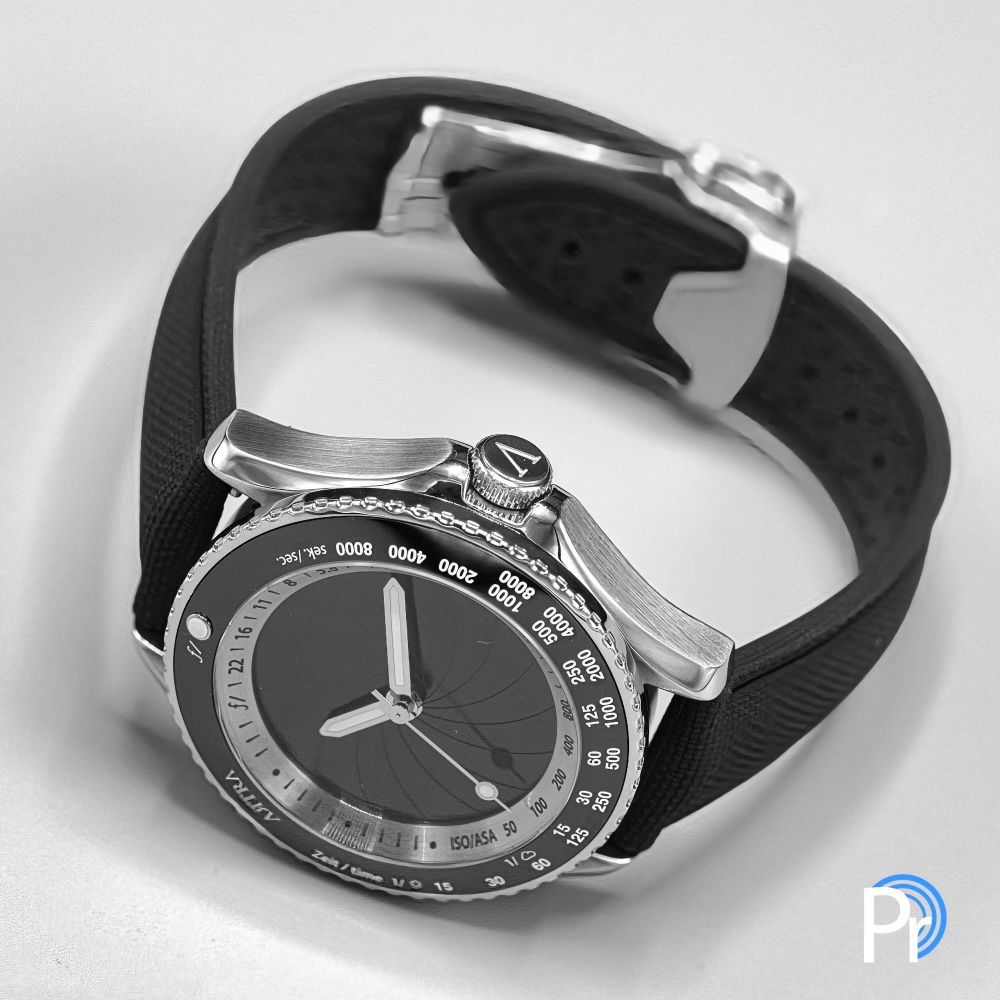
The Artra Camera One photography-inspired watch got updated with a new movement

Par : PR admin
7 septembre 2026 à 01:12


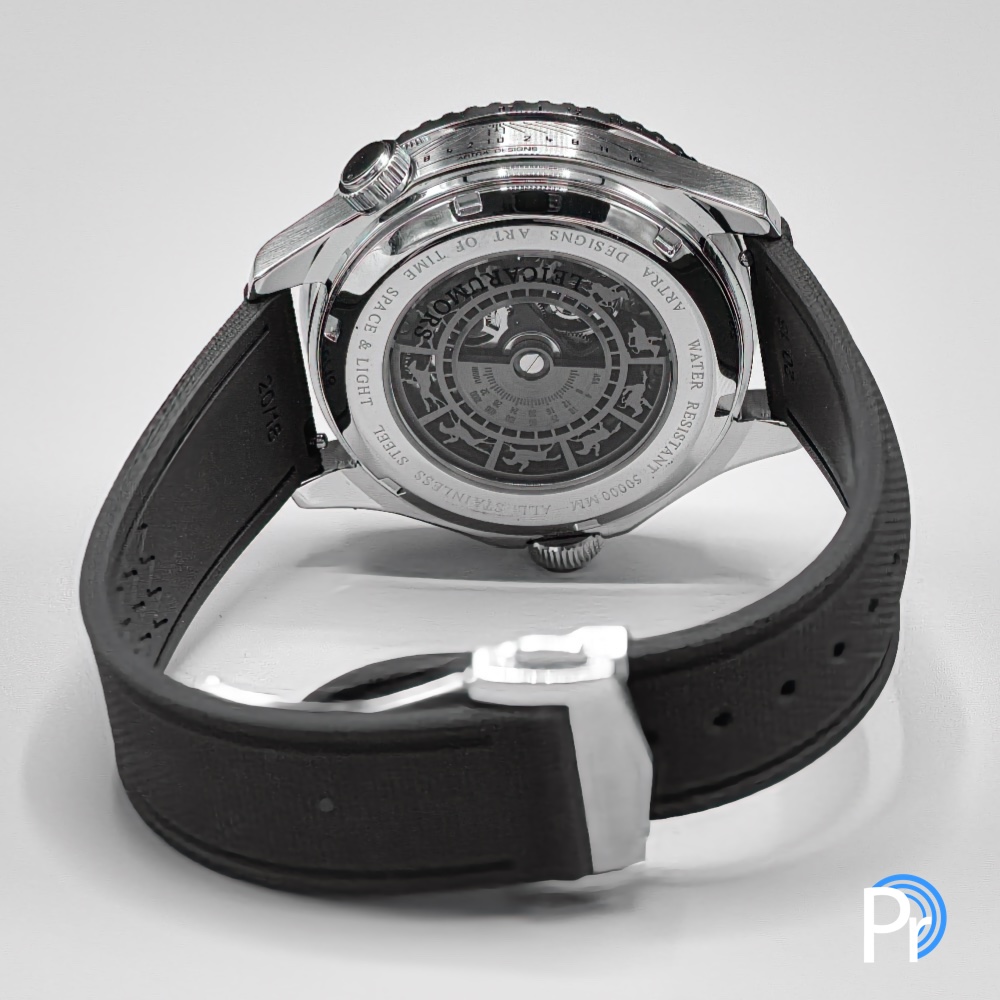
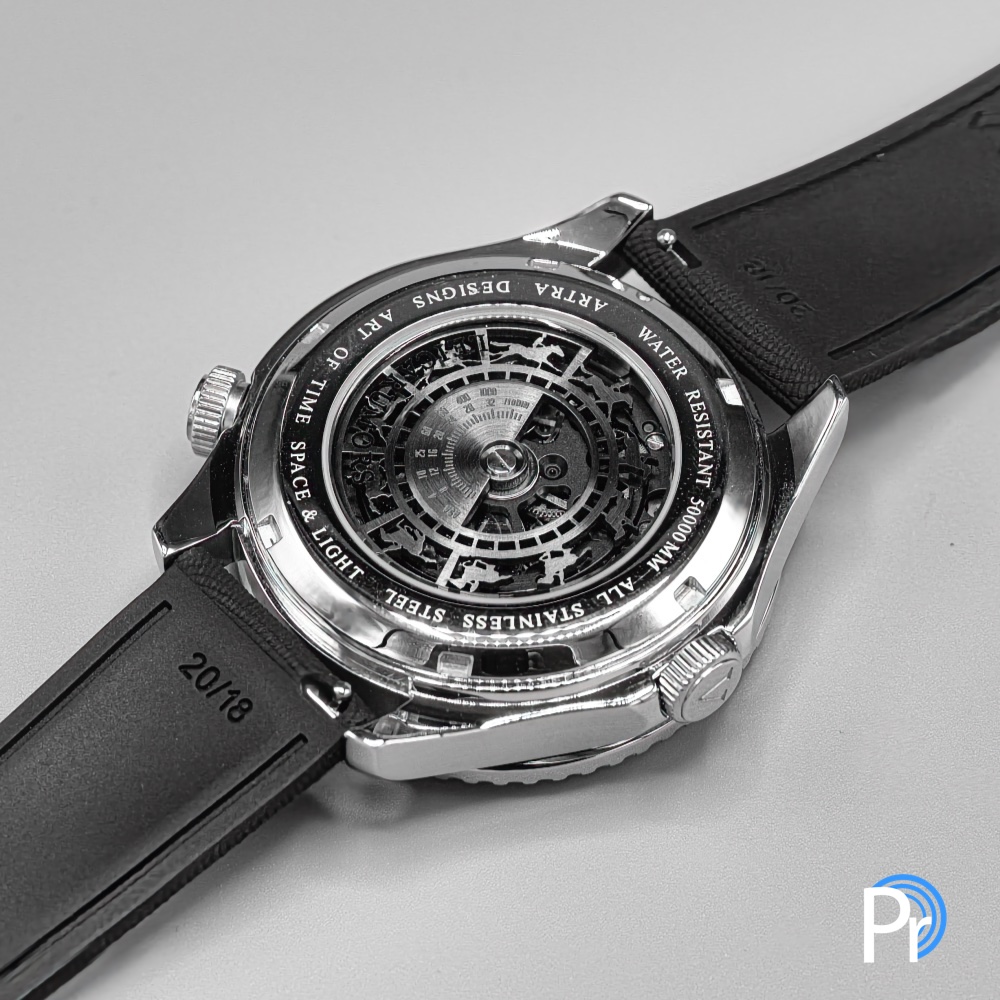
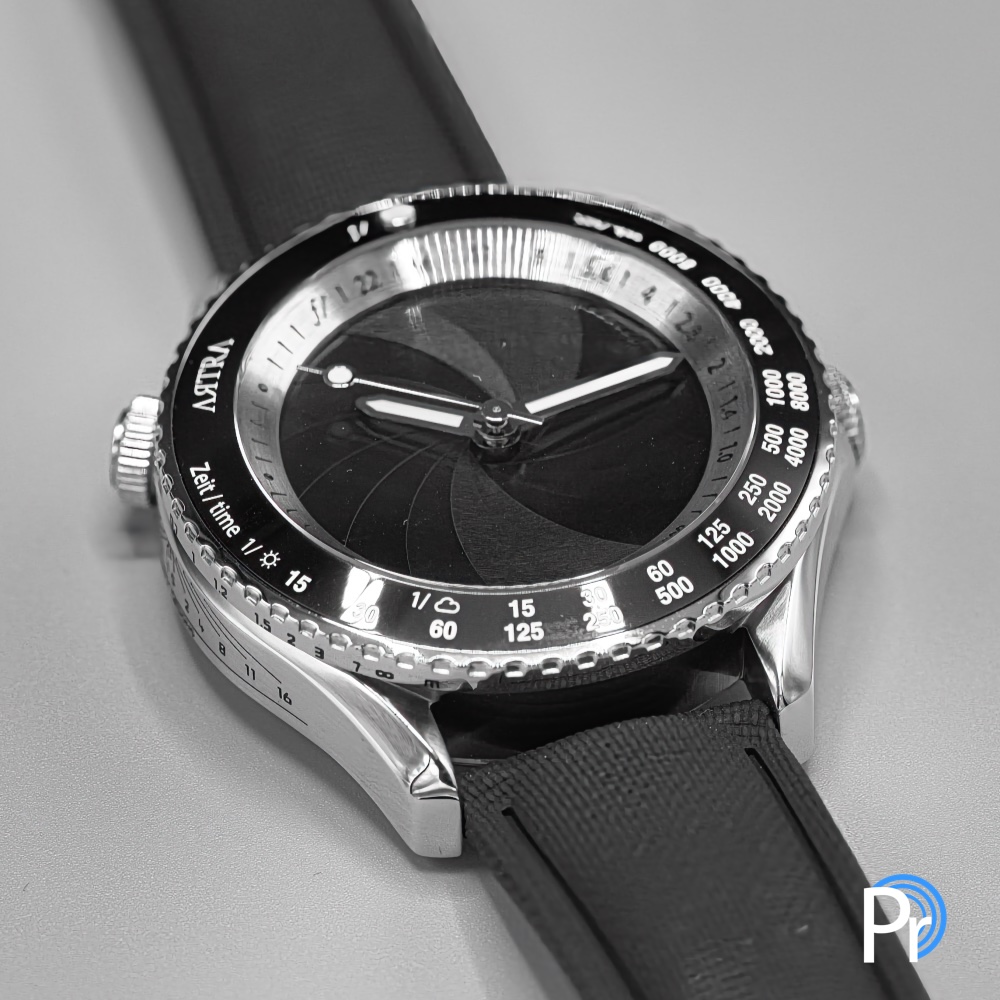
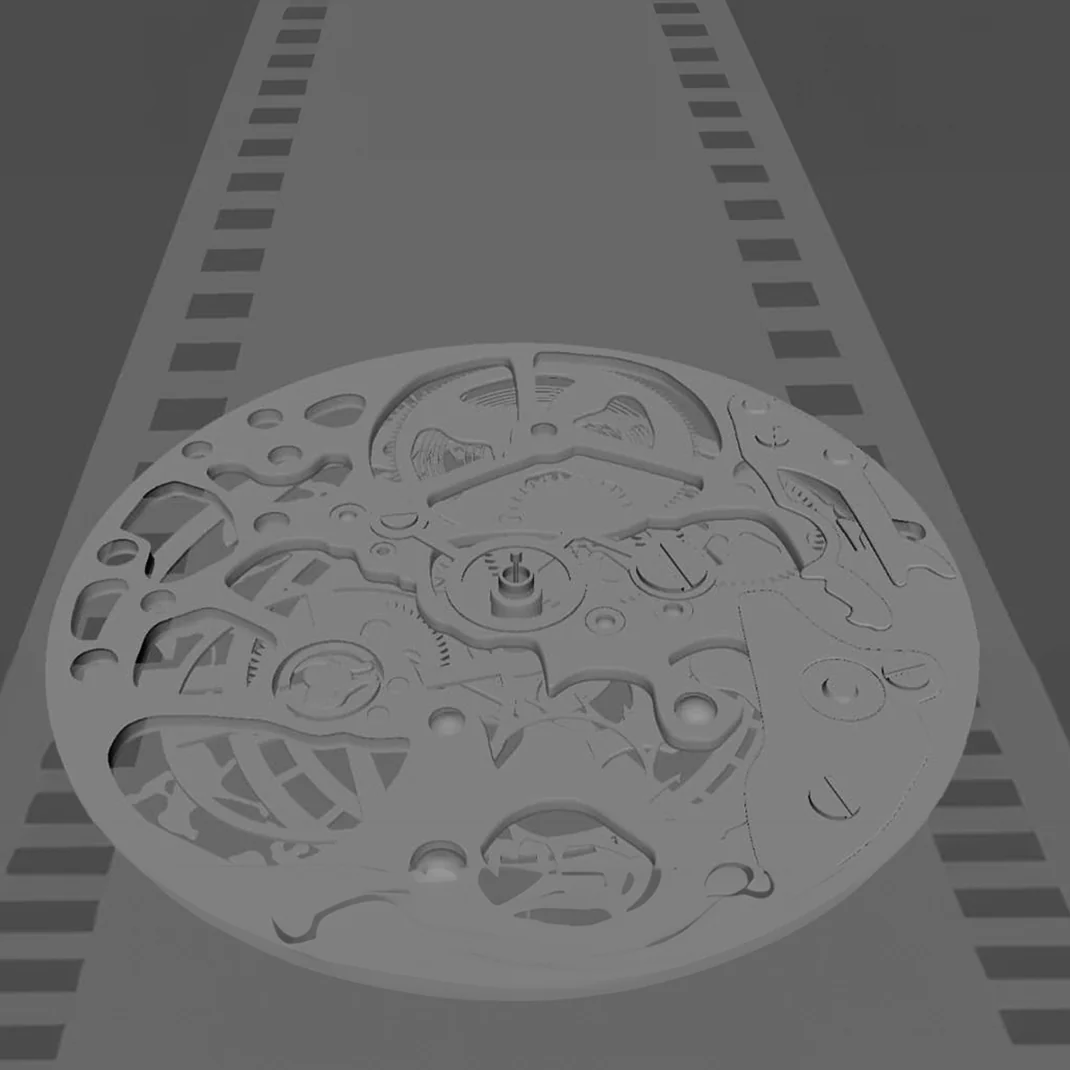
The Artra Camera One photography-inspired watch has been updated with a new movement. The three current models (two are already sold out) now come with a Miyota 8N24 – a reliable, Japanese-made automatic skeleton watch movement produced by Citizen. Customers who purchased the earlier version can upgrade the movement for $100.

Use the coupon code LEICARUMORS to get a discount on the watch if you order from their official website:


Additional information on the Artra Camera One photography-inspired watch can be found here:

Too broke for the Leica watch? This stunning new Artra “Camera One” photography inspired watch is a fraction of the price (coupon code included)

Check out this stunning new ArtraLabs “Camera One” photography-inspired watch (coupon code included) 1/4:https://t.co/xaL1dKqHDm pic.twitter.com/XPwMi8l68y

— Photo Rumors (@photorumors) December 15, 2025

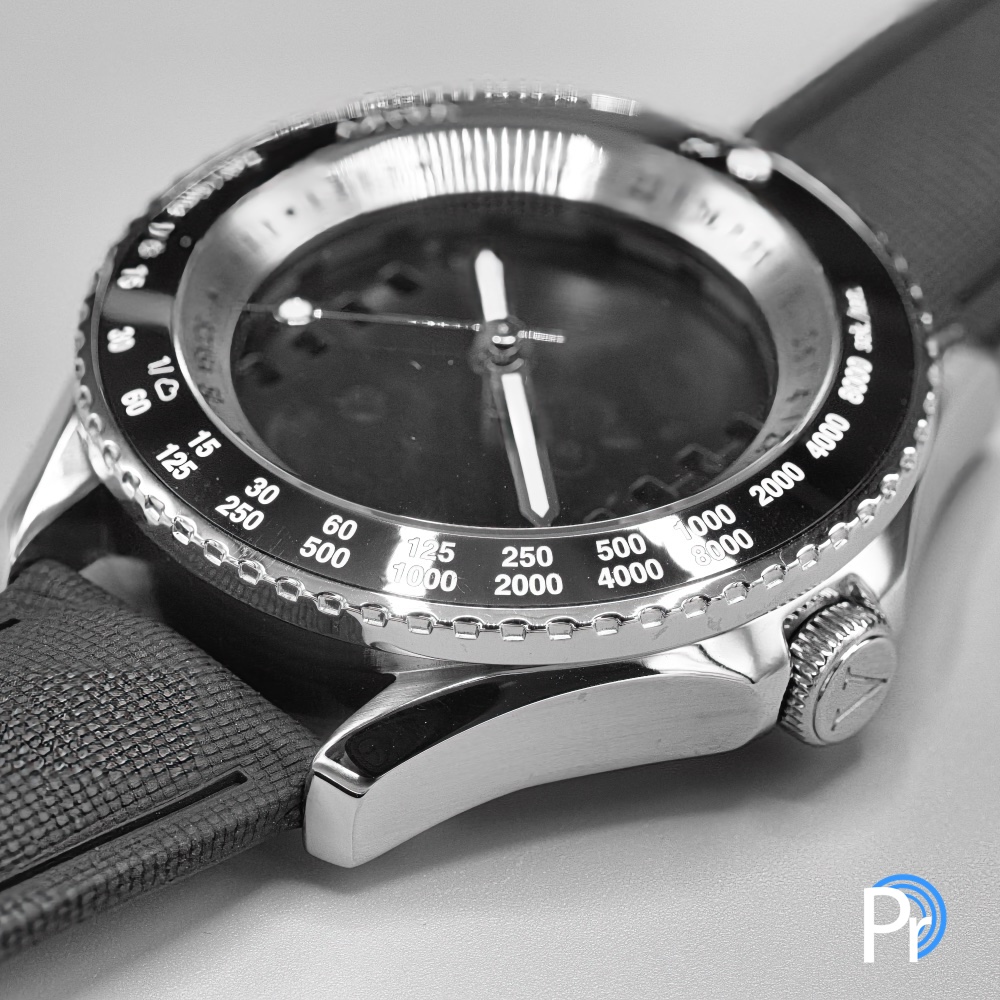
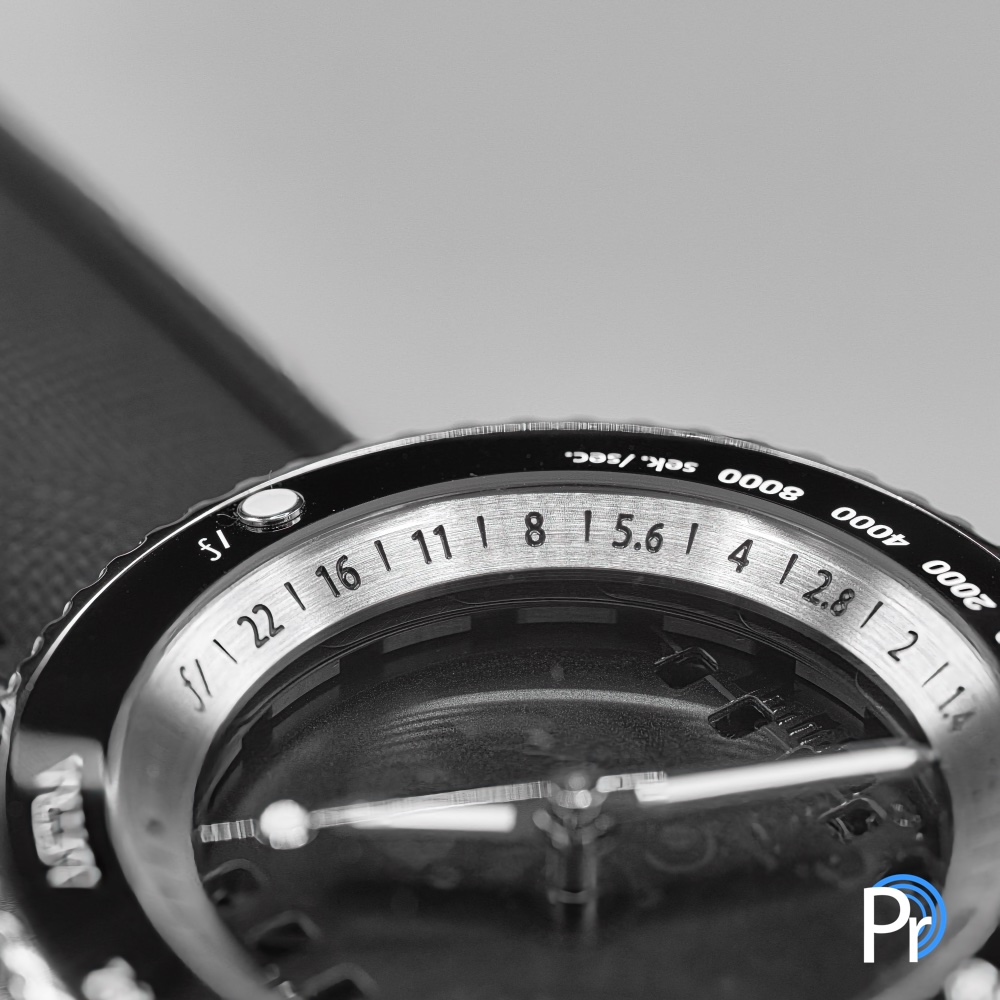
Artra Designs’ “Camera One” collection is a series of limited-edition mechanical watches rendered in premium materials with hand-finished movements visible through sapphire casebacks that pay homage to the golden age of photography, drawing inspiration from iconic cameras and lenses dating back to 1878. Each timepiece features dials and details crafted to resemble camera apertures, shutter blades, depth-of-field scales, and film advance mechanisms. The new Camera One limited edition watch comes in five different configurations (two of them are sold out already).

Inspired by the timeless art of photography, the Artra Designs Camera One shatters conventional watchmaking boundaries with two pioneering patents (ZL202530168106.1) (ZL202520671885.1), weaving the soul of film photography into every facet of its design.

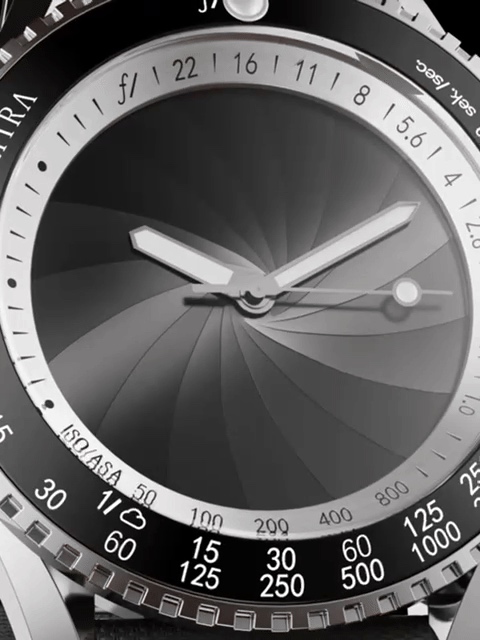
At its heart, the dial reimagines a camera’s aperture structure—turn the crown at the upper left, and the aperture blades dance open and closed, unveiling a translucent “film” beneath. As you admire this mechanical rhythm, it’s as if you’ve stepped back into the romantic golden age of film, where every frame was a deliberate, heartfelt act of creation.

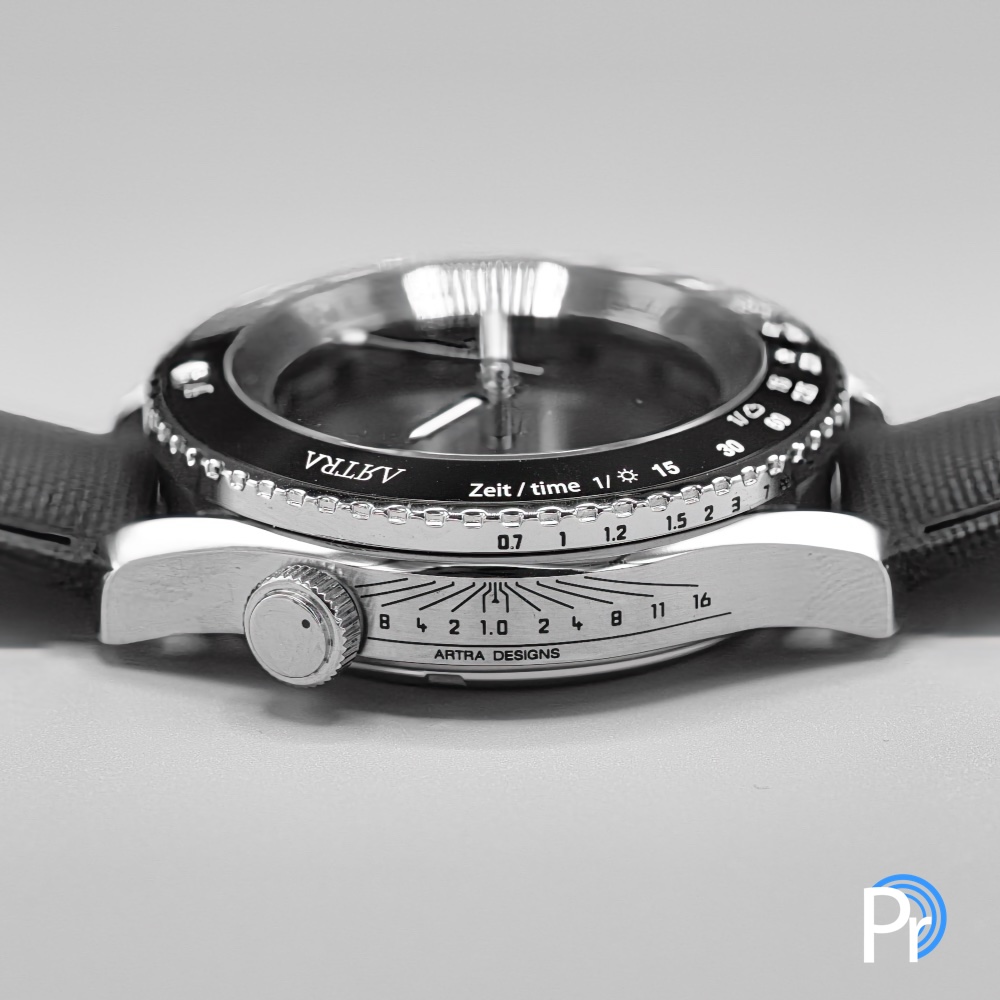
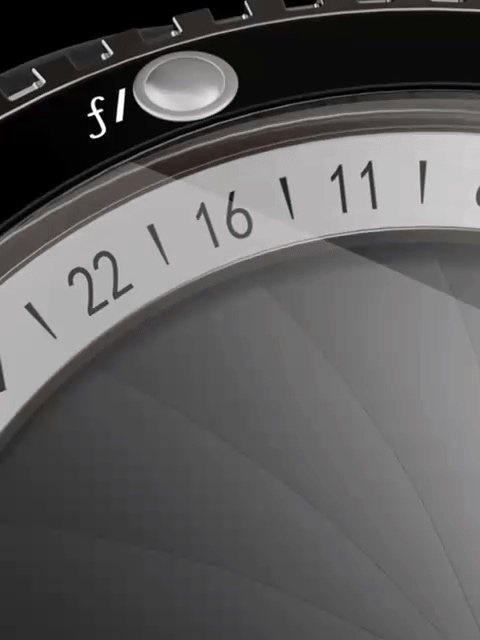
The watch crystal, meanwhile, transcends its role as a mere protector, doubling as a camera lens. Through its clear transparency, it doesn’t just guard time—it captures it, freezing moments of wear into lasting memories. Even the crown rotating ring is reborn as a zoom ring; with each turn, you’re not just adjusting a watch component, but mastering the very rhythm of light and shadow, just as a photographer does when fine-tuning their lens to craft the perfect shot.

From aperture to lens to zoom, the C1 is more than a watch—it’s a wearable love letter to photography, a piece that lets you carry the romance of film in every second that ticks by.

A Tribute to the Legend of 135 Film Format


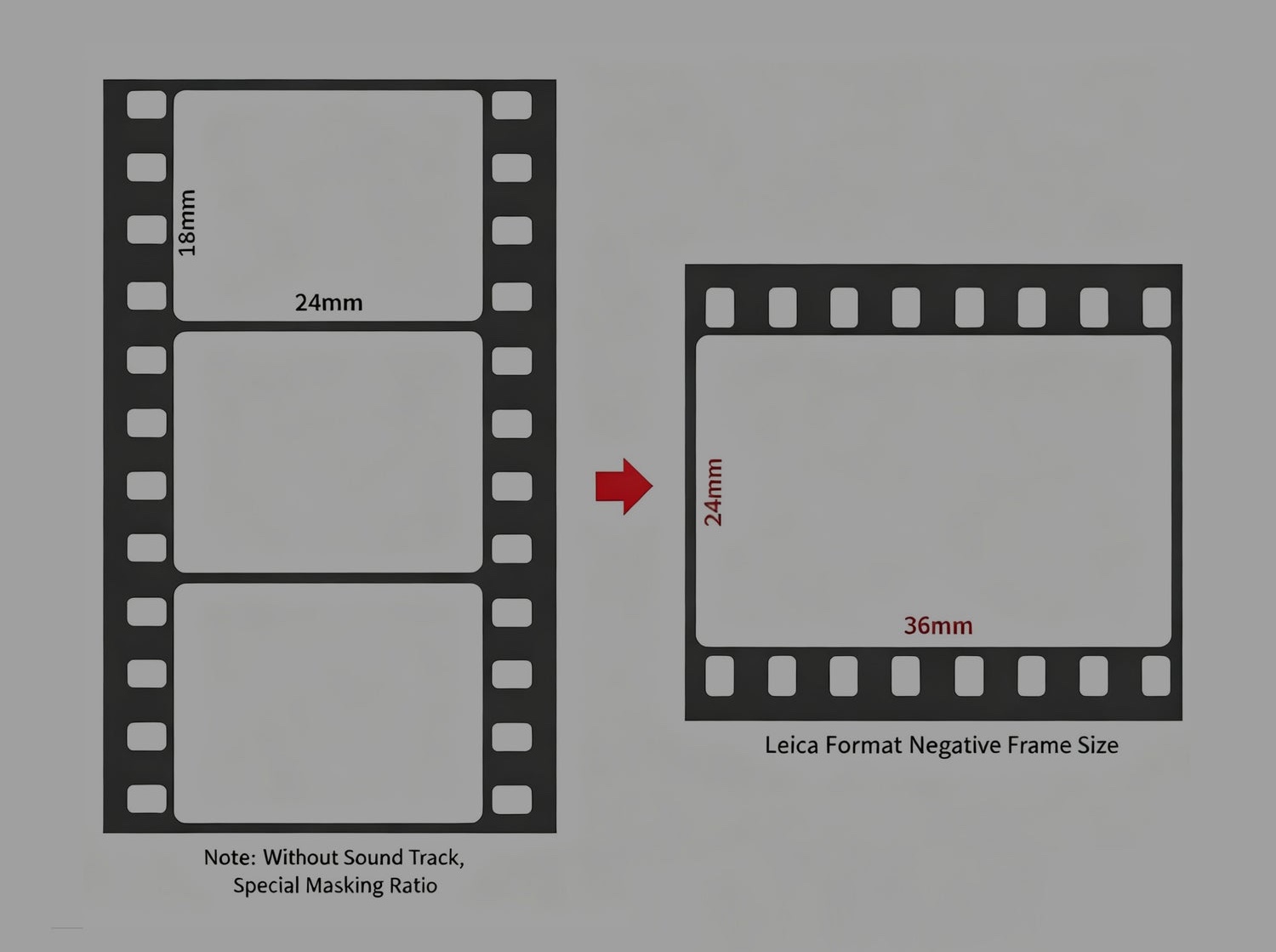
In 1925, Leica pioneered a groundbreaking idea by rotating the Super 35 film frame 90 degrees, laying the foundation for the 135 film format. Later, Kodak popularized photography among the masses by launching the Kodak Retina camera that adopted this 135 standard. A legendary chapter in imaging history was thus written. Taking time as our medium, we have integrated this legacy into watch design to create the “Light & Shadow Scale” Camera-Themed Watch, allowing the passion for imaging to flow through time.

Rekindling the love for photography

Check out this stunning new ArtraLabs “Camera One” photography-inspired watch (coupon code included) 2/4:https://t.co/xaL1dKqHDm pic.twitter.com/jG2tpKlK4V

— Photo Rumors (@photorumors) December 15, 2025

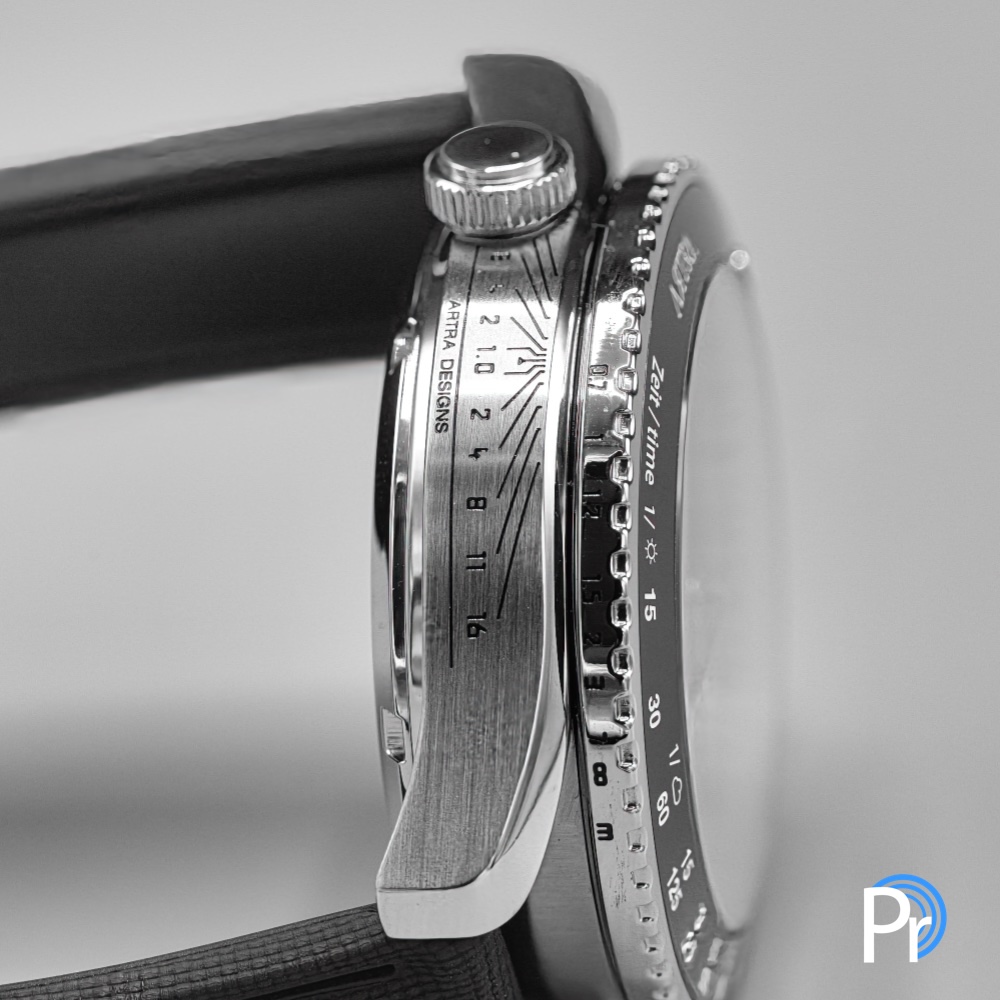
When viewed head-on, the internal “film” of the watch is arranged vertically, replicating the classic composition of traditional film frames. Every time you raise your wrist, it is a look back at the original aspiration of imaging. When the watch is rotated 90 degrees, the depth-of-field scale on the side emerges clearly, and the outline of the watch instantly aligns with the shape of a camera, like a “mini camera” that can command time, rekindling the love for photography.

Horse in Motion

Check out this stunning new ArtraLabs “Camera One” photography-inspired watch (coupon code included) 3/4:https://t.co/xaL1dKqHDm pic.twitter.com/6xxkmPPhKC

— Photo Rumors (@photorumors) December 15, 2025

The depth of field scale on the left and the rotor on the back, featuring the iconic image of “Horse in Motion,” the first moving image ever taken by Muybridge in 1878, pay tribute to the history of photography in every detail. More than just a timekeeping tool, it embodies the art of photography on the wrist—encapsulating the inspiration and essence of photography within its compact dial. Every glance at the time feels like a touch of photographic art, embarking on a journey of photographic exploration on the wrist.

Hidden Ingenious details

Check out this stunning new ArtraLabs “Camera One” photography-inspired watch (coupon code included) 4/4:https://t.co/xaL1dKqHDm pic.twitter.com/AQSXlfnvC1

— Photo Rumors (@photorumors) December 15, 2025

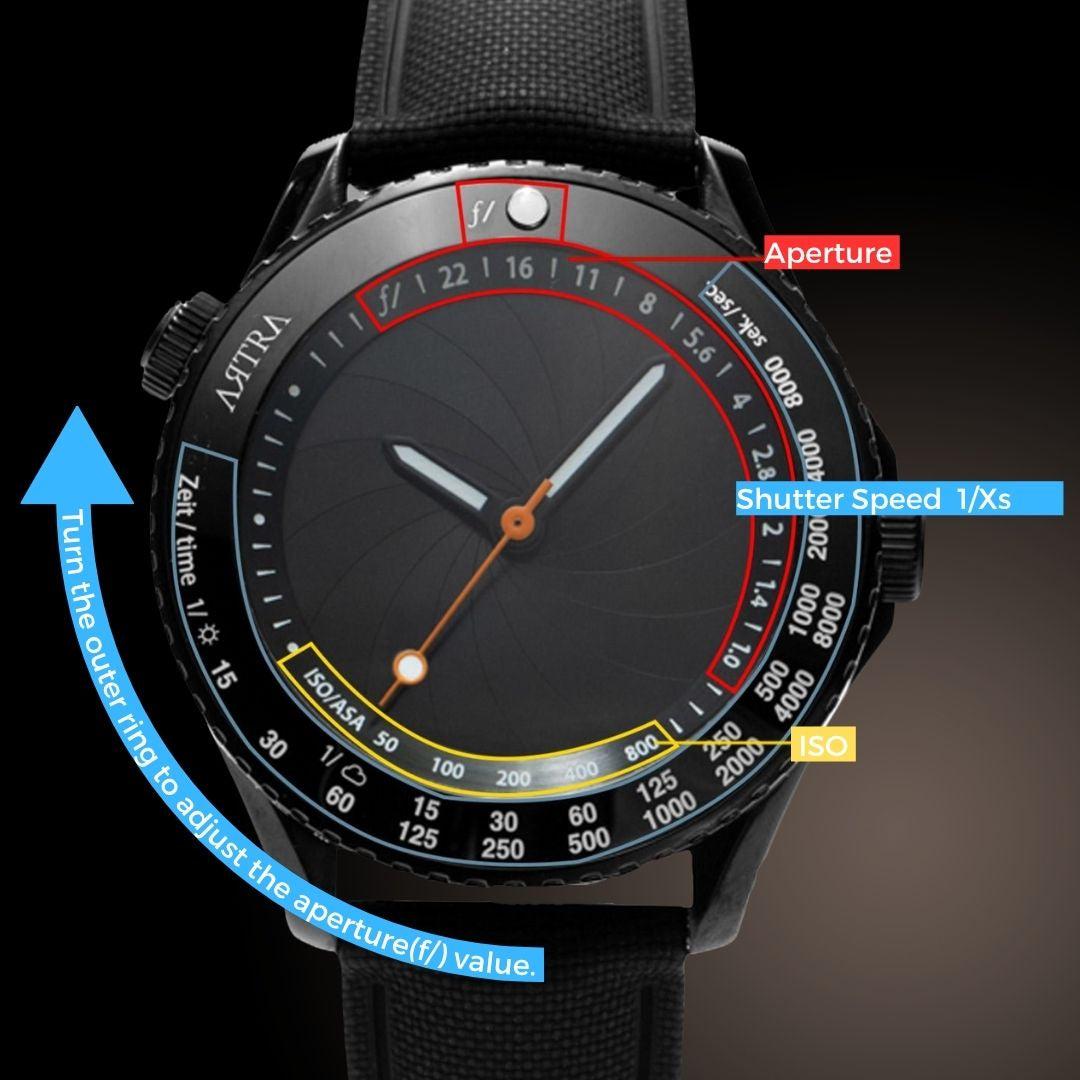
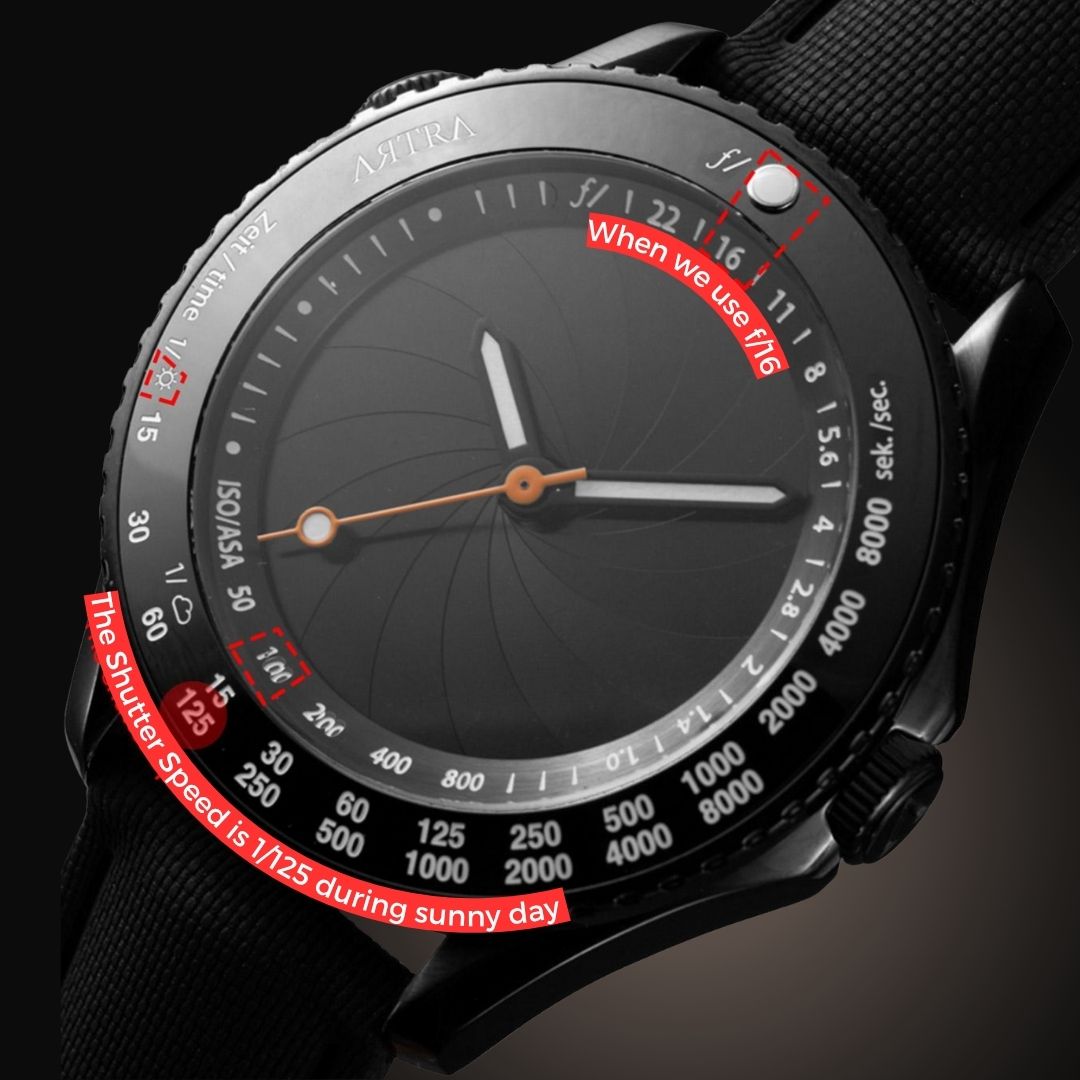
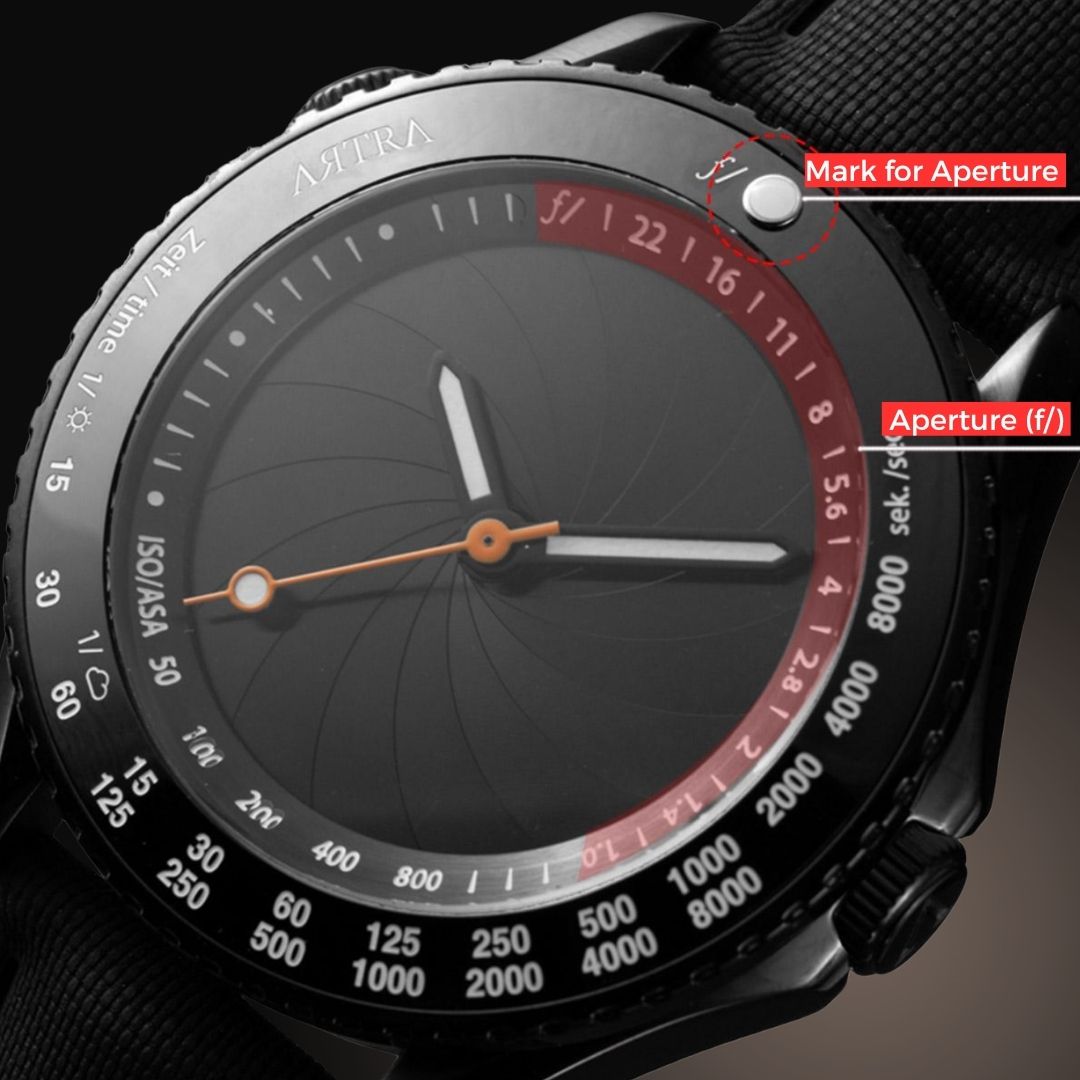
The bottom of the watch is equipped with an ISO and shutter speed display, identical to that of Leica cameras, fully replicating the core elements of a camera. Every design detail pays tribute to the legend of the 135 film format, presenting a wrist accessory that combines passion and quality for those who cherish both imaging and time.

“Sunny 16” principle


The bezel is designed based on the classic “Sunny 16” principle. The luminous pearls indicating the F-number correspond to ISO and shutter speed. This universal principle in photography allows photographers using film to align the luminous pearls with the aperture value at different film speeds, and quickly match the ISO indicated below the inner bezel to the appropriate shutter speed. This allows for simple metering, integrating photographic parameters into the time-reading process and seamlessly integrating timing with the professional logic of photography.

The post The Artra Camera One photography-inspired watch got updated with a new movement appeared first on Photo Rumors.

Enlarging a small photo for a large print without quality loss

Par : PR admin
7 septembre 2026 à 00:21

Enlarging a small photo for a large print without quality loss.

A photo can look perfectly sharp on a monitor and still look noticeably softer when printed at 20 × 30 or 24 × 36 inches. When the source file doesn’t have enough resolution for that print size, enlarging it can make fine details look softer and edges less defined.

Wildlife is a good example. A 12MP DSLR can produce a perfectly usable photograph, but if the subject occupies only a small portion of the frame, cropping can leave only a fraction of the original pixels for the final image. The same thing can happen with a modern high-resolution camera- a 45MP file sounds like plenty, but a heavy crop can quickly reduce the resolution available for a large print.

I’ve tried standard resizing, sharpening, and dedicated AI upscaling tools to deal with this problem over the years. I can get very good results with Lightroom and Photoshop, too, especially when I’m willing to spend more time fine-tuning the image. The same is true of more specialized upscaling tools—the results can be excellent, but getting there sometimes takes a fair amount of hands-on work. So I was a little skeptical when I first tested Aiarty Image Enhancer.

After trying it on a range of photos, I was pleasantly surprised by how clean and natural the results looked. In many cases, I could move the enlarged file into the rest of my editing workflow without additional cleanup. It became a useful option when a cropped or low-resolution photo didn’t have enough pixels for the print size I wanted.

How Aiarty Enlarges Photos for Large Prints

When I prepare a photo for a larger print, I first look at how far the cropped file is from the pixel dimensions I need.

This is where I usually turn to Aiarty. If the file is only slightly short, I usually start with 2× rather than pushing the image further than necessary. For a heavily cropped or very small source, I may go to 4× or 8×, depending on how the result holds up. If I already know the final print dimensions, I can also set a custom output resolution and choose a suitable DPI for the final print workflow.

When enlarging a photo for a large print, things like high-ISO noise, compression artifacts, and slight softness can become much more obvious. I used to expect some cleanup after upscaling, but with Aiarty, I often get a cleaner starting point without having to spend as much time fixing those issues manually. I can then take the enlarged file into Lightroom or Photoshop for the final adjustments.

You can try Aiarty Image Enhancer for free to see how it enlarges your own photos before committing to a larger print. A 49% off lifetime license is also currently available for 3 PCs or Macs, with no subscription fee and free lifetime updates.

Real Test #1: Enlarging Wedding and Portrait Photos

Wedding and portrait photos are a good test for large-print enlargement because they are often printed as wall portraits or framed enlargements. Once I looked closely at the enlarged file, even small flaws in facial details, hair, and skin texture became easier to spot.

For this test, I started with a 3500 × 2333-pixel wedding photo. On paper, it’s a healthy file for standard albums. But when I checked the numbers for a 20 × 30-inch wall print, it dropped the native resolution to a meager 117 PPI. At that size, the print could look noticeably softer up close. 

Alt: Original wedding photo with blurry facial details at 180% zoom

I enlarged the image 2× with Aiarty, producing a 7000 × 4666-pixel file. At the same 20 × 30-inch print size, that increases the pixel density to about 233 PPI. That gave me a much more comfortable starting point for the 20 × 30-inch print than the original file.

Alt: 2× enlarged in Aiarty, More-Detail GAN model, Face Restoration enabled

Real Test #2: Enlarging a Cropped Wildlife Photo

Wildlife photography is a revealing test for photo enlargement because the subject often occupies only a small part of the frame. A high-resolution original can lose a significant amount of its available pixels after a tight crop.

Here, the cropped image was 1728 × 2592 pixels, taken from a much larger original. At 200% on screen, I could already see some noise and softness in the feathers.

I wanted to use it for a 16 × 24-inch wildlife wall print. So I enlarge it 2x to 3456 × 5184 pixels. The feather detail was easier to see, and the noise was less distracting. The additional pixels also provided more room for larger prints without changing the original composition.

Alt: Aiarty 2× enlarged wildlife photo, More-Detail GAN model

With feathers, I was careful not to push the sharpening too far, since it is easy to turn fine texture into something hard and artificial. I noticed that the sharpening could be adjusted based on how much detail was already there. That made it easier to stop once the image looked clearer without making the fine texture look unnaturally crisp.

Alt: Original photo 100% crop vs Aiarty 2× enlarged photo 100% crop

Real Test #3: Old Family Photos and Small Scans

Some of the most meaningful photographs were never captured at high resolution in the first place. Old family photos often exist as small scans or low-quality JPEGs, with faces already looking soft before any enlargement takes place.

Alt: Source old family photo, 640 × 427 pixels, all faces are blurry in the photo

The source image was only 640 × 427 pixels. The original was quite blurry, and the facial details were difficult to make out. Because the file was so small, I knew I would need more than a simple 2× enlargement if I wanted to make a useful framed print. I went with 4×, bringing the image to 2560 × 1708 pixels. The enlarged image looked noticeably clearer overall and was suitable for the larger print I had in mind.

The faces were the area I watched most closely, as they were already soft in the original scan. This is where I found Face Restoration particularly useful. It made the facial features easier to see while keeping them looking natural, and I could adjust the strength if the enhancement started to feel too strong.

At 8 × 12 inches, the 2560 × 1708-pixel output provides about 213 PPI, compared with only about 53 PPI from the original file. For me, that made the enlarged version much more practical for a framed print while still preserving the character of the original scan.

Alt: Aiarty 4× enlarged old photo, Face Restoration enabled (80% restoration strength)

Real Test #4: Product Photos for E-Commerce and Large Displays

Product photography is another area where low resolution can really bite you. If you need to repurpose a smaller product shot into a large display or poster, any softness or pixelation instantly makes the item look cheap and unpolished to potential buyers.

For this test, I used a 1920 × 2400-pixel photo of a doughnut. Even at 100%, some fine details looked soft and weren’t as clear as I wanted. I then enlarged the image 2× with Aiarty, bringing it to 3840 × 4800 pixels.

Alt: Aiarty 2× enlarged product photo, More-Detail GAN model, 2-Pass processing enabled

The source also had some visible noise and compression artifacts, so I decided to use 2-path processing rather than simply enlarging the file in one pass. After processing, the chocolate drizzle, colorful sprinkles, and doughnut texture looked cleaner and more polished, closer to what I would expect from a professionally finished product photo.

Alt: Original vs Aiarty 2× enlarged detail comparison of the doughnut photo

My Large-Print Workflow in Aiarty Image Enhancer

1. Start with the Best Original and Final Composition

Whenever possible, I start with the RAW file or highest-quality JPEG/TIFF rather than a compressed or social-media copy. I also make sure the image has the final framing I want before enlarging it.

If the photo needs to be cropped, I crop it first. The crop determines how many pixels I actually have available for the final print. If the composition is already right, I can simply move on to enlargement.

2. Calculate the Target Dimensions

I work backward from the final print size to estimate how many pixels I need and whether the image requires 2×, 4×, or a larger enlargement.

A Nikon D90, for example, produces 4288 × 2848 pixels. At around 150–200 PPI, that can already be enough for many large prints without enlargement. The main issue comes when the image is tightly cropped and much of that original resolution is lost.

Here are the pixel requirements for common print sizes at different PPI levels:

Print Size

300 PPI

240 PPI

200 PPI

150 PPI

8 × 10 in

2400 × 3000 px

1920 × 2400 px

1600 × 2000 px

1200 × 1500 px

12 × 18 in

3600 × 5400 px

2880 × 4320 px

2400 × 3600 px

1800 × 2700 px

16 × 24 in

4800 × 7200 px

3840 × 5760 px

3200 × 4800 px

2400 × 3600 px

20 × 30 in

6000 × 9000 px

4800 × 7200 px

4000 × 6000 px

3000 × 4500 px

24 × 36 in

7200 × 10,800 px

5760 × 8640 px

4800 × 7200 px

3600 × 5400 px

These are target dimensions rather than strict quality limits. A large wall print does not always need 300 PPI, especially when viewed from several feet away. Cropping, viewing distance, and print medium all affect the practical resolution needed.

For example, a 2000 × 3000-pixel crop printed at 16 × 24 inches provides about 125 PPI. A 2× enlargement brings it to 4000 × 6000 pixels, or about 250 PPI at the same size. This is a more typical situation where AI enlargement can help bring a cropped image closer to the target resolution.

3. Upscale and Fine-Tune in Aiarty

I start with the appropriate AI model and a moderate enlargement, then adjust the Strength Slider while checking details such as feathers, skin, product edges, or fine textures. If the image needs a quick crop, size adjustment, or minor color correction, I can also handle that here instead of moving the file between different apps.

Before exporting, the output DPI can be set according to the requirements of the print workflow. For more advanced retouching, I then move the enlarged file to Lightroom or Photoshop for final color and editing.

Final Thoughts

If you are planning to print your photos at a large size, you don’t necessarily have to be limited by the megapixels of your camera. As the examples above show, the right enlargement process can give a lower-resolution or heavily cropped image enough additional resolution for larger prints while keeping important details looking natural. Aiarty Image Enhancer is one option I use when a standard resize isn’t enough.

If you’re preparing photos for large prints, Aiarty Image Enhancer is currently 49% off at $79 (originally $155) for a lifetime license covering 3 computers. There’s no subscription fee, and lifetime updates are included.

The post Enlarging a small photo for a large print without quality loss appeared first on Photo Rumors.

Should photographers always carry a standalone camera, or can a smartphone sometimes be enough?

DPReview’s Community Manager and his team reflect on when they choose a standalone camera, when a smartphone is enough, and why neither option is always the right answer.

Mathew holding camerasMathew Anderson

One evening, as sunset approached, I was on my normal walk around nearby streets. I cover pretty much the entire neighborhood on a daily basis, so everyone knows my schedule, and some even come out to say hello. I mainly walk to exercise and enjoy the outdoors, so I’m not always at the ready with a camera. Sometimes I’ll even forget to bring my phone, to my partner’s annoyance.

After several minutes of wandering around, I turned the street corner to head toward the lake. Shining back at me was the most beautiful of sunsets gracing the sky. It was gorgeous with swirling deep yellows, oranges and intense tomato reds that seemed to glow and bounce from cloud to cloud. As I approached the lake, the sunset’s reflection on the water was just as intense. We get a lot of great sunsets around here, sometimes nearly every day, but never before like this one.

And all I had was my iPhone 12 Pro.

Mathew Anderson holding a smartphone camera outdoors.
Mathew Anderson

All I had was my iPhone 12 Pro.

“All I had”… I felt ashamed as I held the phone in my hand to take a few opportunistic photos. “I work at DPReview with a community of photographers that have proper equipment they carry with them wherever they go, and here I am whipping out my phone as if I were too lazy to bother bringing along anything else, convenience be damned”, I thought to myself.

The main struggle is that I sometimes struggle to find a moment when my standalone camera is with me, unless I’ve planned the trip in advance. I’ve been thinking a lot recently about when it makes sense to grab a standalone camera. Should I always have a camera with multiple lenses ready, or is sometimes “just my phone” ok, and why do I feel like the phone is somehow deficient (even if it’s all I have at that moment)?

I’ve been thinking a lot recently about when it makes sense to grab a standalone camera.

Camera technology in phones these days is truly impressive. Sure, they have the limitations one would expect of such a compact device, but some of the photos I’ve taken are, in my opinion, as pleasant to my eyes as if I were seeing them directly (more or less). At some point, we have to ask ourselves when the technology is important enough to keep it at the ready, or when the moment, combined with our skills as photographers, outweighs the equipment.

These thoughts have been preoccupying me during my outdoor walking sessions, so I want to talk with you about them.

Mathew Anderson holding a standalone camera outdoors.
Mathew Anderson holding a standalone camera outdoors while also trying to look cool. The standalone camera admittedly helps over the smartphone scene.
Mathew Anderson

Should phones be revered as much as a full-on standalone camera with multiple lenses, but in their own useful way? Or should they be relegated to those convenient moments when one doesn’t have their normal gear setup on hand? And aside from their obvious convenience, in what situations does having a phone on hand match or even outperform a more complex setup?

I also asked these questions to my team, and here are a few interesting quotes from what they had to say.

What others at DPReview have to say

“I love dedicated photography gear, but one lesson I’ve learned over the years is that, in many cases, being discreet is more important than using the best camera or lens. In some places, carrying a camera gets you noticed. Lifting it to take a photo gets you noticed even more. People react to it, and it changes their behavior. At that point, you’re no longer capturing a candid moment because, in effect, you’ve become part of the scene. You’ve changed it.

On the other hand, smartphones are so common that you can lift one up and take a photo, and almost nobody will notice. You’re just part of the landscape. That makes phones a great tool for activities like travel photography.” – Dale Baskin

I love dedicated photography gear, but one lesson I’ve learned over the years is that, in many cases, being discreet is more important than using the best camera or lens.

“As one of our reviewers, I’m always fighting for enough time to shoot all the cameras, lenses and, yes, smartphones I have to test, so it’s rare for me to leave the house without some work-related gear. And yet there are still times when I’ll pull out my personal phone to document moments that may not make for a great picture, but that I want to remember.

With a camera, I know I’ll spend more time making sure the composition and lighting are as good as they can be, or that things or people are posed in a way that makes the moment worthy of a capital-P Photograph. And sure, I’ll sometimes take a second or two to make sure whatever picture I’m taking with my phone looks nice – I’m still a photographer, no matter how small or plastic a lens I’m behind – but I don’t feel the same sense of obligation. I know that photo will just be for me, my friends and my family.

This was essentially the same way I treated the divide between my phone and my X-T3 before I worked here; if I thought I’d run into something interesting worth photographing, I’d take my camera. Otherwise, my phone was good enough, the way a compact would’ve been back in the day.” Mitchell Clark

With a camera, I know I’ll spend more time making sure the composition and lighting are as good as they can be, or that things or people are posed in a way that makes the moment worthy of a capital-P Photograph.

“A part of the decision for me is the fact that photography is what I do for work. While I love the medium, sometimes I want to give myself a little separation and not think about photography for a bit, so I purposefully leave the camera behind (though it inevitably seeps into my brain anyway).” – Abby Ferguson

About the Author: Mathew Anderson is a proud Community Manager for the technology industry and a past visitor to DPReview.com for all his camera needs. He is currently the lead of DPReview’s community and primary communication link between the community and DPReview’s team.

Want to stay up to date on the latest product news and releases? Add DPReview as a preferred source to ensure our independent journalism makes it to the top of your Google search results.

Fujifilm XF 400mm F4.5 sample gallery: testing the new wildlife prime

Fujifilm’s latest long prime aims to make 400mm shooting more portable. Check out our sample gallery to see how it performs.

A white lens attached to a black camera sits on a worn, wooden bench.Abby Ferguson

Earlier this week, Fujifilm announced the XF 400mm F4.5 R LM OIS R, a super telephoto prime lens for its APS-C X-mount system. We had the chance to test it out ahead of its launch, putting the compact, 609mm-equivalent lens to work photographing birds and other distant subjects.

Bird photography is not a genre I have spent any time with, but the lens made the process feel approachable (and I’m not determined to get the perfect bird photo). Its autofocus moved quickly from the 2.7m (8.9′) close-focusing distance out to infinity, which was helpful when I wanted to switch from a near subject to one in the distance. It isn’t entirely silent, but the autofocus is quiet enough that I didn’t worry about its sound disturbing the wildlife I was trying to photograph, especially at the distances I was shooting from with this focal length.

Silver camera lens with visible aperture ring featuring f-stop numbers and a textured grip, resting on a wooden surface.Abby Ferguson

The XF 400mm F4.5’s manual focus ring has a relatively long throw distance, so I wasn’t able to react quickly with subject changes while on manual focus. But that proved useful for fine adjustments. It has enough resistance to make precise changes easy, and its texture feels especially good under a fingertip. The clicked aperture ring has a deliberate, satisfying action, and it can be locked into place for operation through the camera’s dial.

The XF 400mm features a maximum aperture of F4.5, which gives it a slight advantage over the company’s XF 500mm F5.6 when light is limited. It gave me some flexibility when photographing birds, but I still had to rely on fairly high ISO settings while shooting in the woods at dawn or trying to freeze fast-moving subjects. Photographers who regularly work in very dim conditions may want more light-gathering ability, but F4.5 should be plenty practical for wildlife and action in brighter conditions. It also keeps the price and size much more reasonable than they otherwise would be.

Professional digital camera with a large telephoto lens on a wooden surface; sunlight casts shadows across the scene.Abby Ferguson

At 1245g (2.7 lb), this is still a substantial lens (as all super telephoto lenses are), but it is impressively manageable for its reach. I wouldn’t shoot one-handed with it, though I was comfortable carrying the camera and lens that way while walking around. Fujifilm says the lens is weighted toward the rear for better maneuverability when panning, and it felt well matched to the X-H2 I was using.

I didn’t have enough time with the XF 400mm F4.5 for a full technical evaluation, but I came away happy with the images it produced. More importantly, it made my first more deliberate attempt at bird photography mostly enjoyable (minus the biting flies I had to deal with on one trail).

Sample gallery

Please do not reproduce any of these images on a website or any newsletter/magazine without prior permission (see our copyright page). We make the originals available for private users to download to their own machines for personal examination or printing; we do so in good faith, so please don’t abuse it. 

Loading gallery…

About the Author: Abby Ferguson holds an MFA in photography and blends a fine-art background with extensive editorial and commercial experience. She built and led an in-house imaging program for a large vacation rental company and has served as an associate editor at Popular Photography. She also teaches at a local community college and serves on its Photographic Technology Program Advisory Board, sharing her knowledge and enthusiasm for the medium.

Want to stay up to date on the latest product news and releases? Add DPReview as a preferred source to ensure our independent journalism makes it to the top of your Google search results.

OM System PEN camera rumored specifications

Par : PR admin
5 septembre 2026 à 23:47


Here are the rumored OM System PEN camera specifications:

  • Official name: OM PEN
  • Same old 20MP sensor as the OM-3 & OM-1 Mark II
  • Weather sealed
  • Creative dial
  • Fully articulating screen
  • Official announcement: September 9
  • New 14-42mm kit lens
  • Price expected around 1000 $/€

OM System PEN camera leaked pictures

Via 43addict

The post OM System PEN camera rumored specifications appeared first on Photo Rumors.

❌