Vue normale

Reçu — 30 mai 2026 Photo Rumors

Viltrox cut a lens in half and took pictures with it – here are the results

Par : PR admin
30 mai 2026 à 17:46


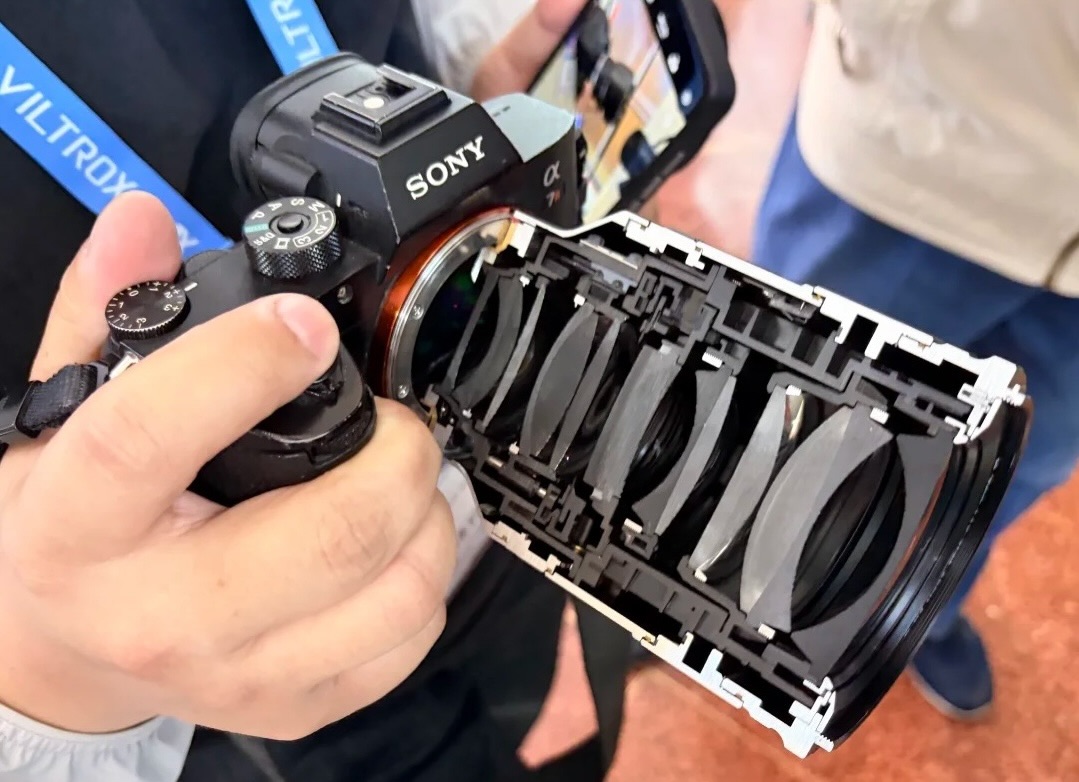
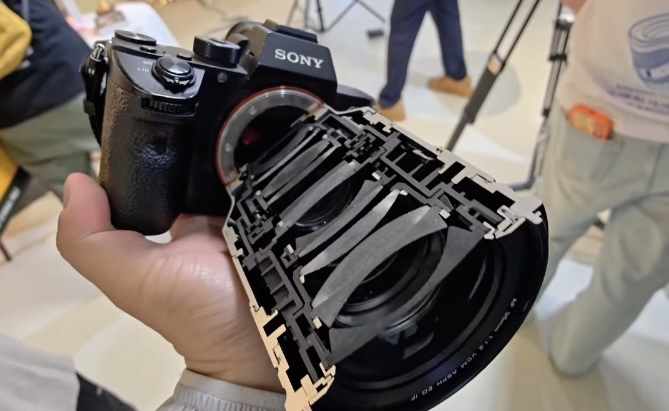
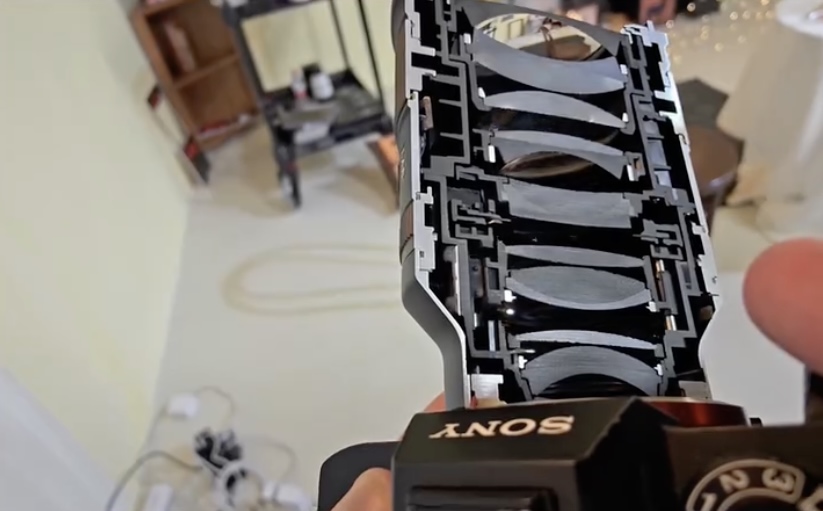
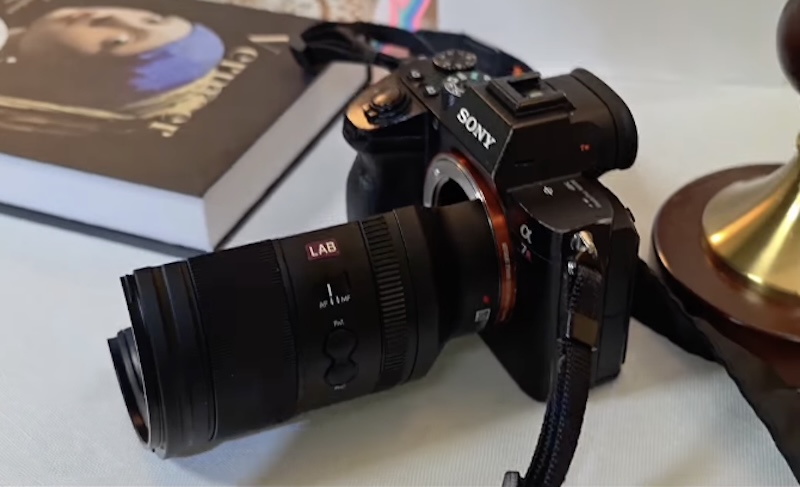
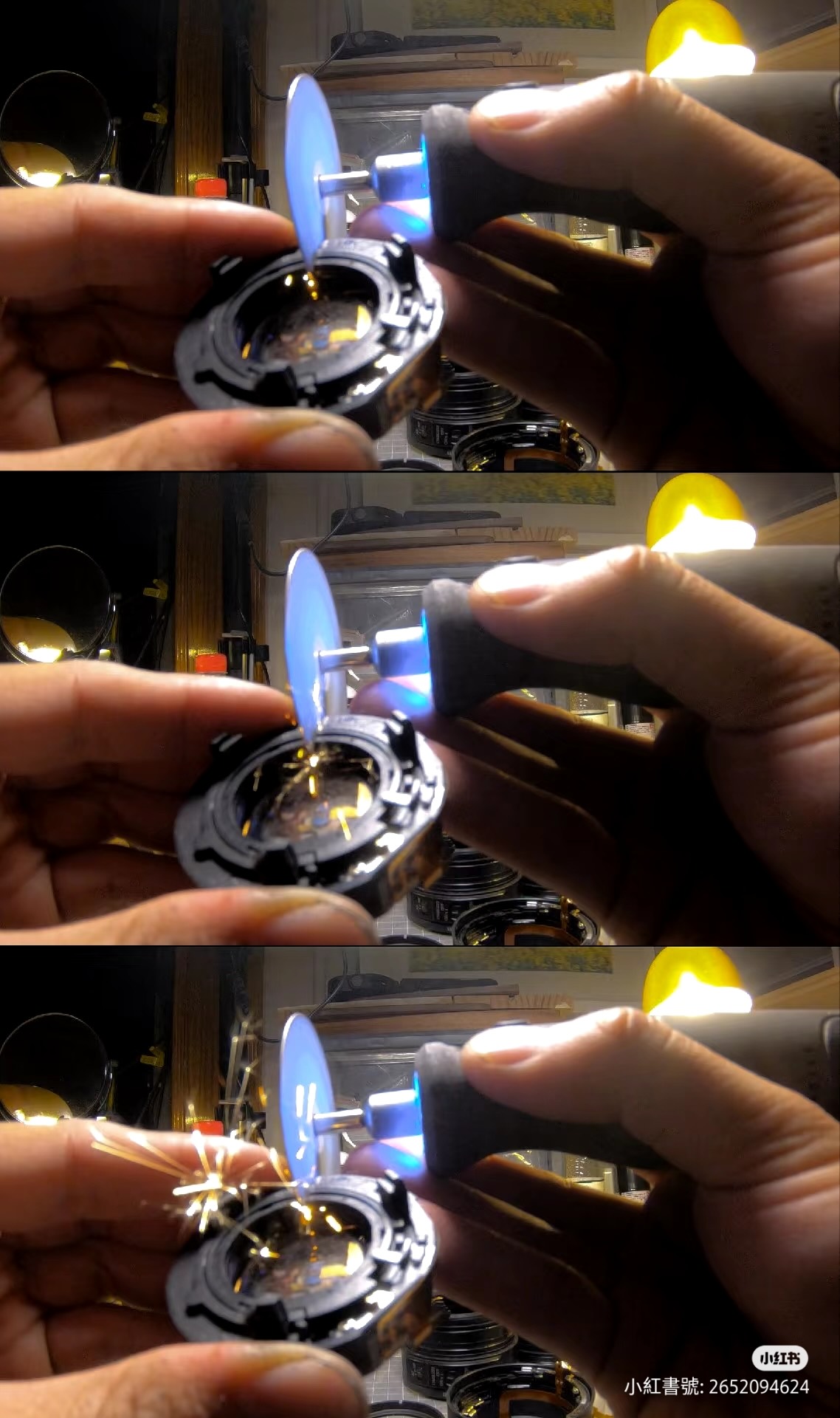
At the P&E show in China, Viltrox cut an AF 35mm F1.2 LAB FE N lens in half and took pictures with it. Unlike other cut lenses we have seen in the past from various brands, the Viltrox lens was actually functional, and the company published the pictures:


View this post on Instagram


A post shared by VILTROX (@viltrox.official)

All new lenses from the 2026 China P&E Imaging Show (update #3)

The post Viltrox cut a lens in half and took pictures with it – here are the results appeared first on Photo Rumors.

New: Owlkrown FlexGrip for Fujifilm X100VI cameras

Par : PR admin
29 mai 2026 à 23:29

Owlkrown released a new FlexGrip for Fujifilm X100VI cameras (the X100VI is still out of stock!) – here are the details:

  • The Owlkrown FlexGrip for the Fujifilm X100VI was designed to integrate naturally with the camera body, extending the original form of the X100VI into a grip that feels unified, balanced, and complete in the hand. The design follows the geometry of the camera closely, preserving the compact nature of the system while significantly improving handling and stability during everyday shooting.
  • Machined from solid aircraft grade aluminum, the FlexGrip maintains an extremely lightweight construction while delivering the rigidity and precision expected from a professionally machined component. Every surface, radius, and transition was engineered to feel seamless against the body of the camera.
  • An integrated AirTag compartment adds discreet traceability without altering the external profile of the grip. Hidden within the structure, it allows photographers to keep track of their camera system without relying on external accessories or cases.
  • The built in Arca-Swiss compatible profile allows direct tripod mounting without requiring additional plates or adapters. Two integrated 1/4”-20 threaded mounts provide additional flexibility for tripod positioning and accessory mounting depending on shooting style or setup.
  • Inside the grip, a silicone padded interface protects the camera body while creating a secure, vibration resistant fit. The side integrated lug allows attachment of wrist straps or alternative carrying configurations including portrait carry setups.

Some Owlkrown are sold at B&H Photo.

More Fujifilm X100VI accessories can be found here:

The new Viltrox conversion lenses for Fuji X100 cameras are now in stock

New: IDSworks foldable thumb grip (thumb rest) for Fujifilm X100VI cameras

Freewell launched the “Real Lens Hood” designed for Leica Q3 43, Fujifilm X100VI/GFX100RF, and RicohGRIII/x cameras

New: Fujifilm X100VI “Slim Skin” case by Akaralabs

Screen covers, dial locks, and leatherette accessories for Fujifilm cameras

Just announced: IDSworks grip for the new Fuji X100VI camera

The post New: Owlkrown FlexGrip for Fujifilm X100VI cameras appeared first on Photo Rumors.

Reçu — 29 mai 2026 Photo Rumors

No, Sony is not working on a new display technology that will noticeably improve battery life

Par : PR admin
29 mai 2026 à 21:46


Another clickbait story is circulating the Internet:

“Sony is working on a new display technology for its Alpha cameras after 2026/Q3”
“New rumor suggests upcoming Sony cameras could have noticeably better battery life”

Editors are publishing made-up stories without even doing a simple Google search. The article in question is a 2011 research paper by Korean academics and has nothing to do with Sony or any upcoming Sony cameras. Here are the details:

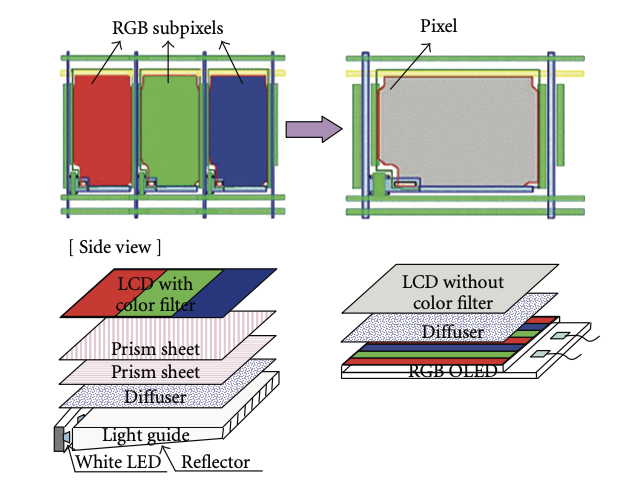
The 2011 paper (“Full-Color LCD Microdisplay System Based on OLED Backlight Unit and Field-Sequential Color Driving Method”) was written by researchers from Daegu Gyeongbuk Institute of Science and Technology (DGIST) and Catholic University of Daegu in South Korea. It describes a prototype 0.7″ FSC (field-sequential color) LCD microdisplay using a custom 0.76″ patterned RGB OLED as the backlight unit (BLU), combined with a high-temperature polysilicon (HTPS) LCD panel supplied by ILJIN Display Co., Ltd. (a Korean company).

There is no mention of Sony anywhere in the paper (including the authors, acknowledgments, references, or experimental details). The work is independent academic/industrial research from Korean institutions focused on low-cost, high-efficiency microdisplays for potential use in viewfinders, projectors, HMDs, etc.

Sony does not appear to be implementing (or planning to implement) this specific technology. Sony’s actual microdisplay approach: Sony Semiconductor Solutions develops and uses direct-emissive OLED microdisplays (OLED-on-silicon/OLEDoS) for electronic viewfinders (EVFs) in its cameras. These are self-emissive panels with high resolution, contrast, and fast response – no separate backlight or color filters in the same way as the paper’s LCD + OLED BLU design. Sony has released multiple generations of these for Alpha cameras and AR/VR applications.

In short, the paper is unrelated to Sony, and while Sony is exploring FSC-based LCD improvements for efficiency in future cameras, there is no indication that it involves the specific OLED-backlit microdisplay approach described in the 2011 paper.

You can download the original PDF research paper from 2011 here.

The post No, Sony is not working on a new display technology that will noticeably improve battery life appeared first on Photo Rumors.

Update: Panasonic still has one registered but not yet announced new camera

Par : PR admin
29 mai 2026 à 14:17


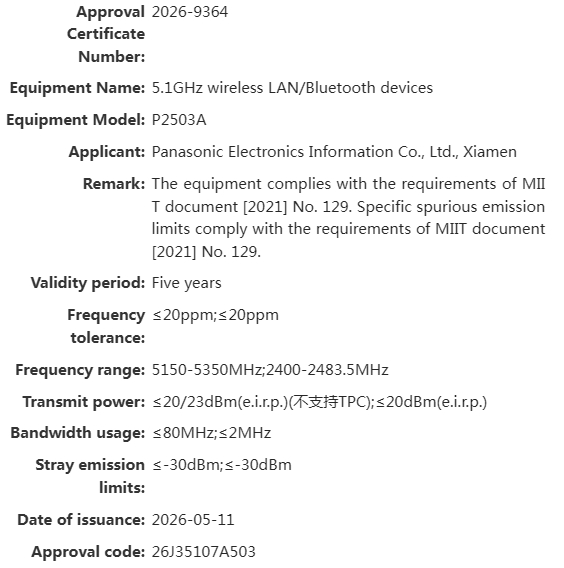
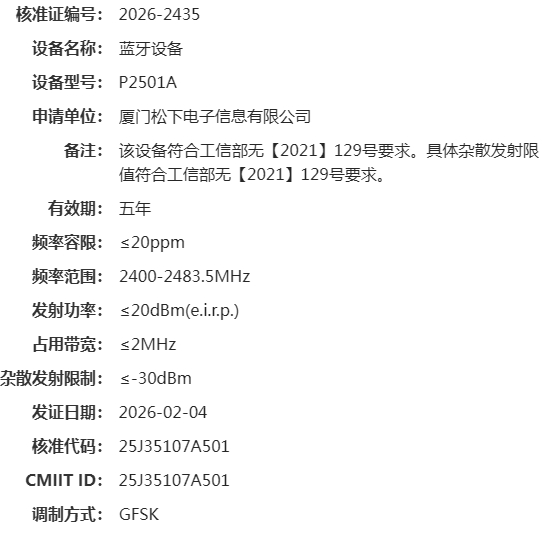
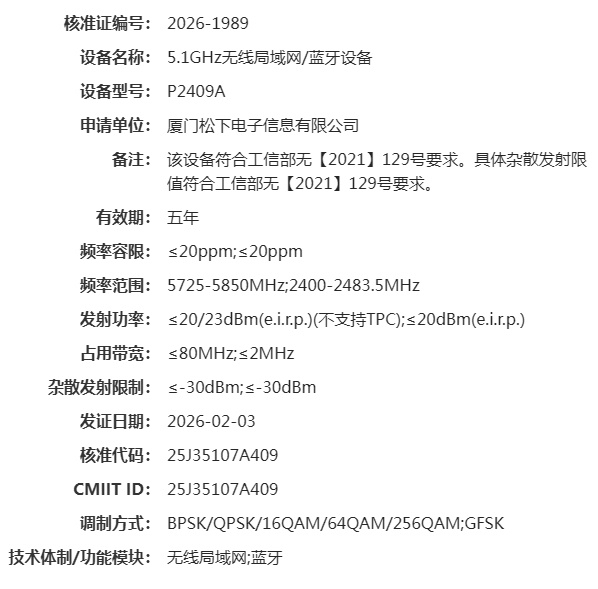
A quick update to my previous postPanasonic now has one registered but not yet announced new camera under the code name P2503A:

  • Panasonic P2409A: Wi-Fi 5 and Bluetooth. This could correspond to the new Lumix L10.
  • Panasonic P2501A: Bluetooth only, no Wi-Fi. This could correspond to the Lumix ZS300/TZ300, which was announced on March 24th.
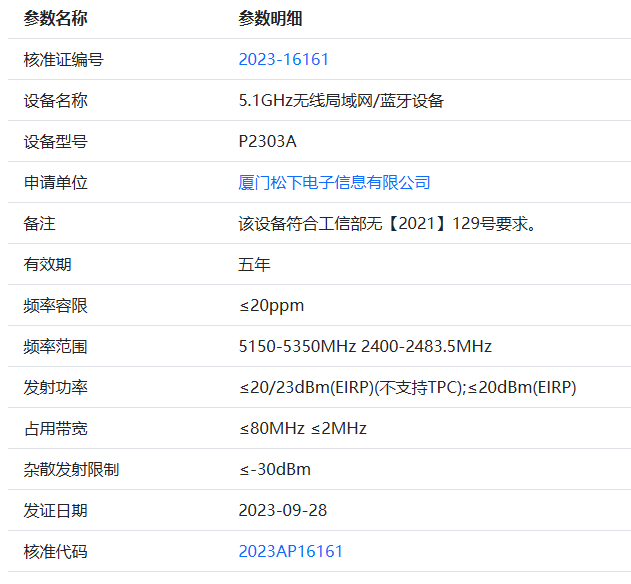
  • Panasonic P2303A: Wi-Fi 5 and Bluetooth. It was registered on September 28th, 2023, so it may correspond to an abandoned project.
  • Panasonic P2503A: Wi-Fi 5 and Bluetooth, not yet announced.


Panasonic still has four registered but not yet announced cameras

Thanks, Mistral75!

The post Update: Panasonic still has one registered but not yet announced new camera appeared first on Photo Rumors.

Reçu — 28 mai 2026 Photo Rumors
Reçu — 26 mai 2026 Photo Rumors

Godox announced a new MF-T76 macro twin flash for Nikon, Canon, and Sony cameras

Par : PR admin
26 mai 2026 à 03:35


Godox announced a new MF-T76 macro twin flash for Nikon, Canon, and Sony cameras:

Product Name Macro Twin Flash
Model MF-T76 C / MF-T76 S / MF-T76 N
Flash Power (1/1 step) 76Ws
Guide No. (1/1 step) Approx. GN22.4 (ISO100, in meters)
Flash Power Range 1/1-1/256 (with ±1/3 increment)
FEB ±3 step, with ±1/3 increment
Flash Duration (t0.1) 1/700s~1/19300s
Number of Flashes (1/1 step) Approx. 550
Recycle Time (1/1 step) Approx. 1.2s
Flash Mode TTL Flash, M (Manual) Flash
Flash Head Angle 0°~150°
Modeling Lamp Power 1W×2
Modeling Lamp CCT 4800K±300K
Wireless Transmission Distance 0-100m
CH 32 groups: 01-32
ID 99: 01-99
HSS Yes
Second Curtain Sync Yes
First Curtain Sync Yes
Lithium Battery 7.2V/2980mAh
Working Environment Temperature -10~50°C
Flash Head Dimension (excluding connecting cable) 2.97″×3.21″×1.18″
Controller Dimension (excluding connecting cable) 5.35″×2.78″×2.44″
Net Weight (excluding battery) ≈466g


A list of the latest Godox products can be found here.

Several Godox flashes are currently on sale.

The post Godox announced a new MF-T76 macro twin flash for Nikon, Canon, and Sony cameras appeared first on Photo Rumors.

Viltrox launches the Z1 Pro vintage/retro-inspired compact flash for Canon, Nikon, Sony, and Fujifilm cameras

Par : PR admin
26 mai 2026 à 01:38

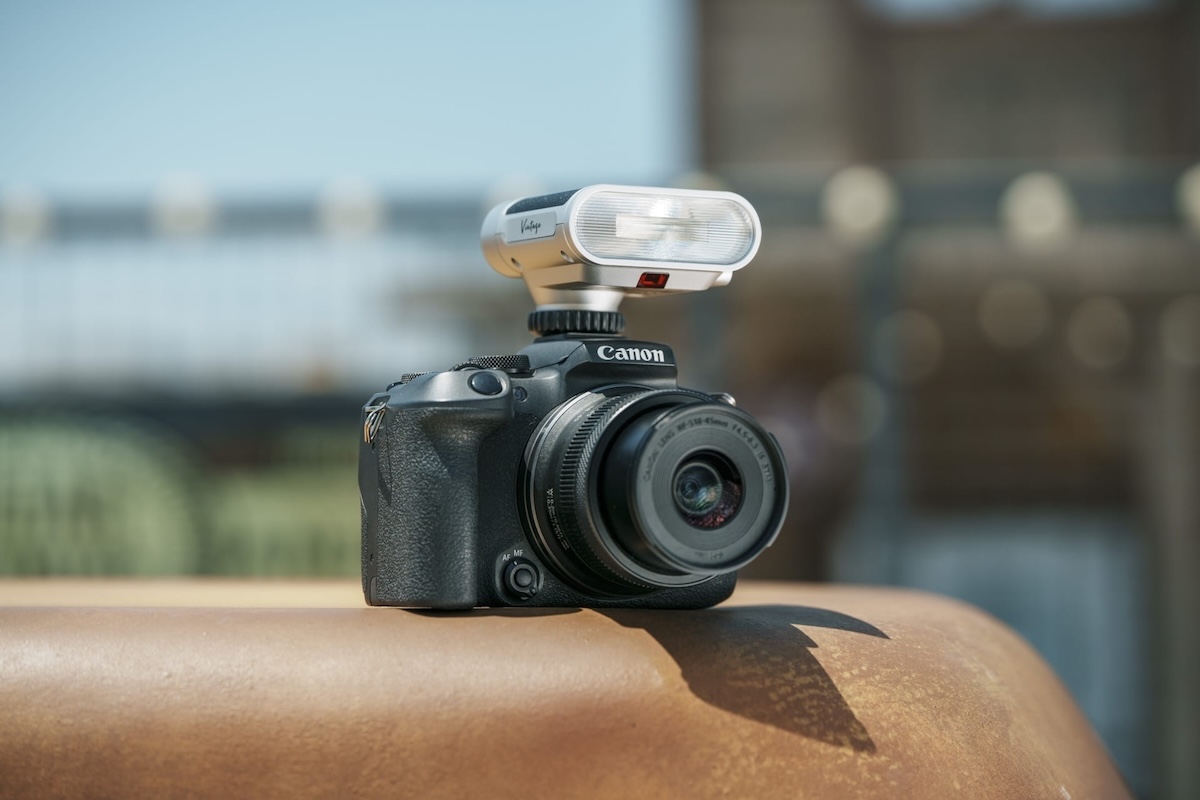
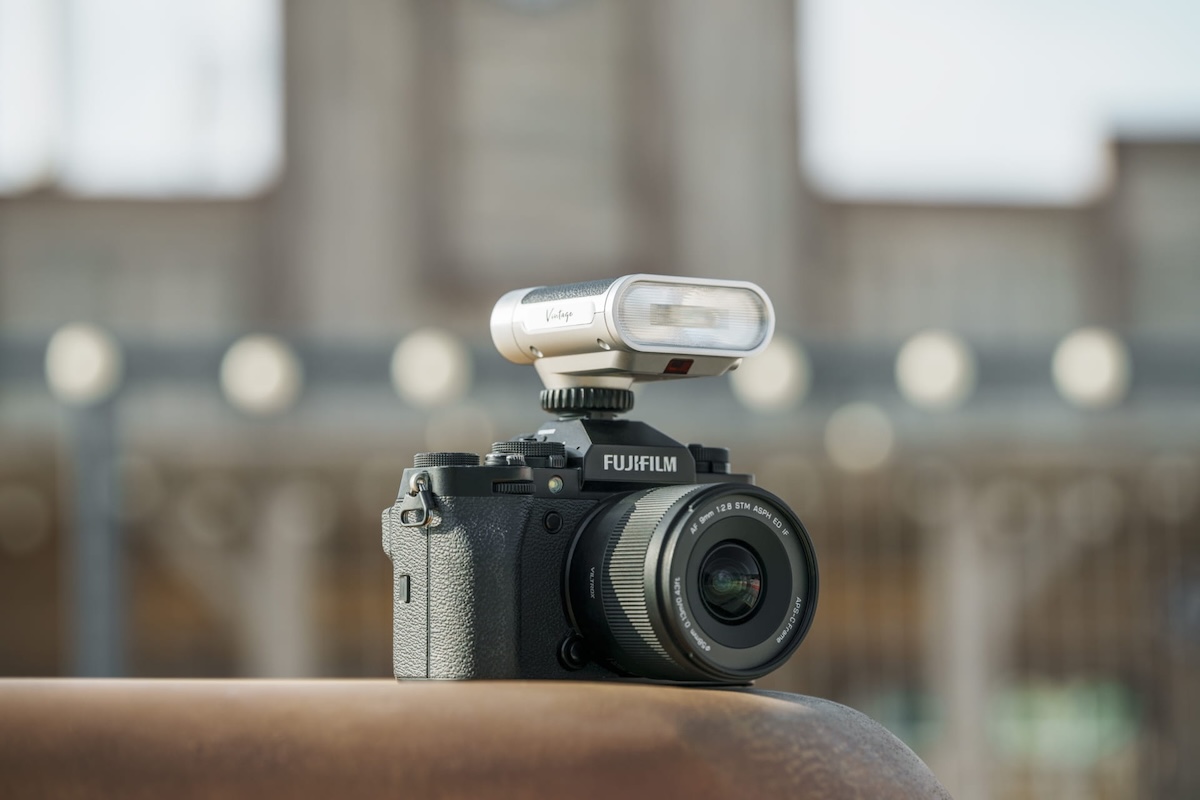
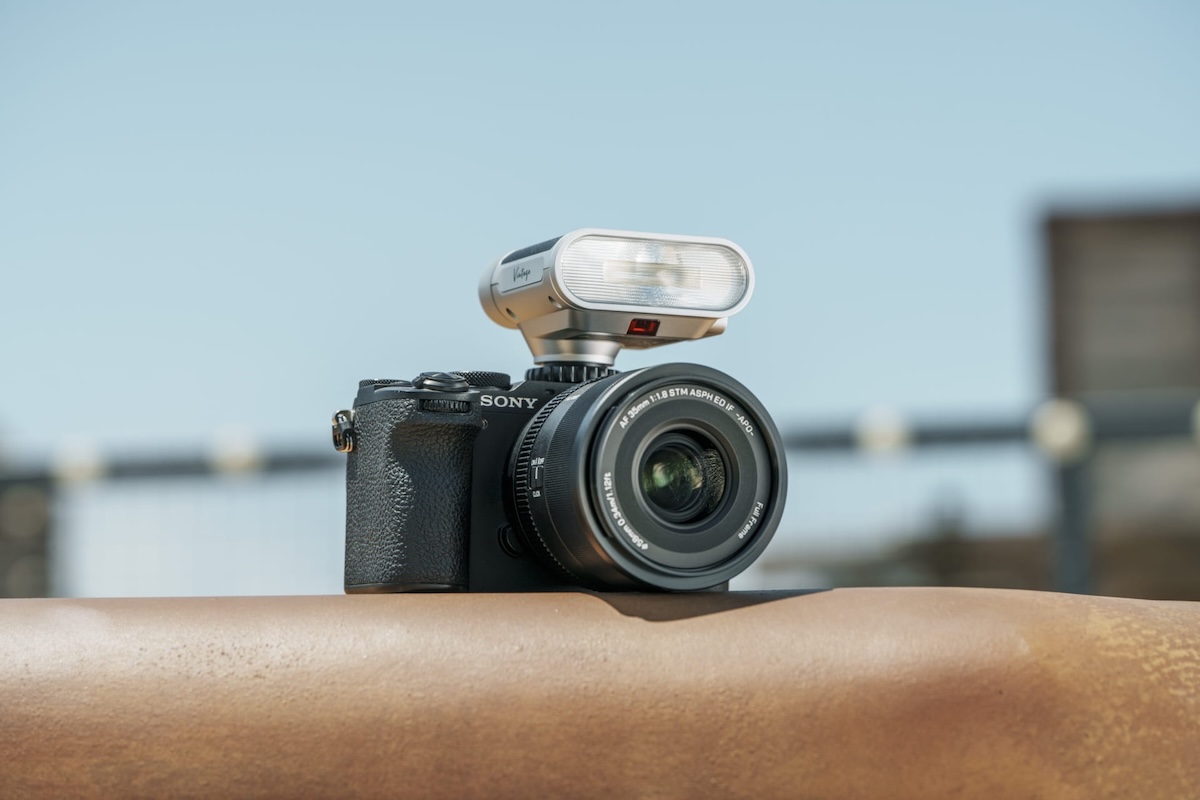
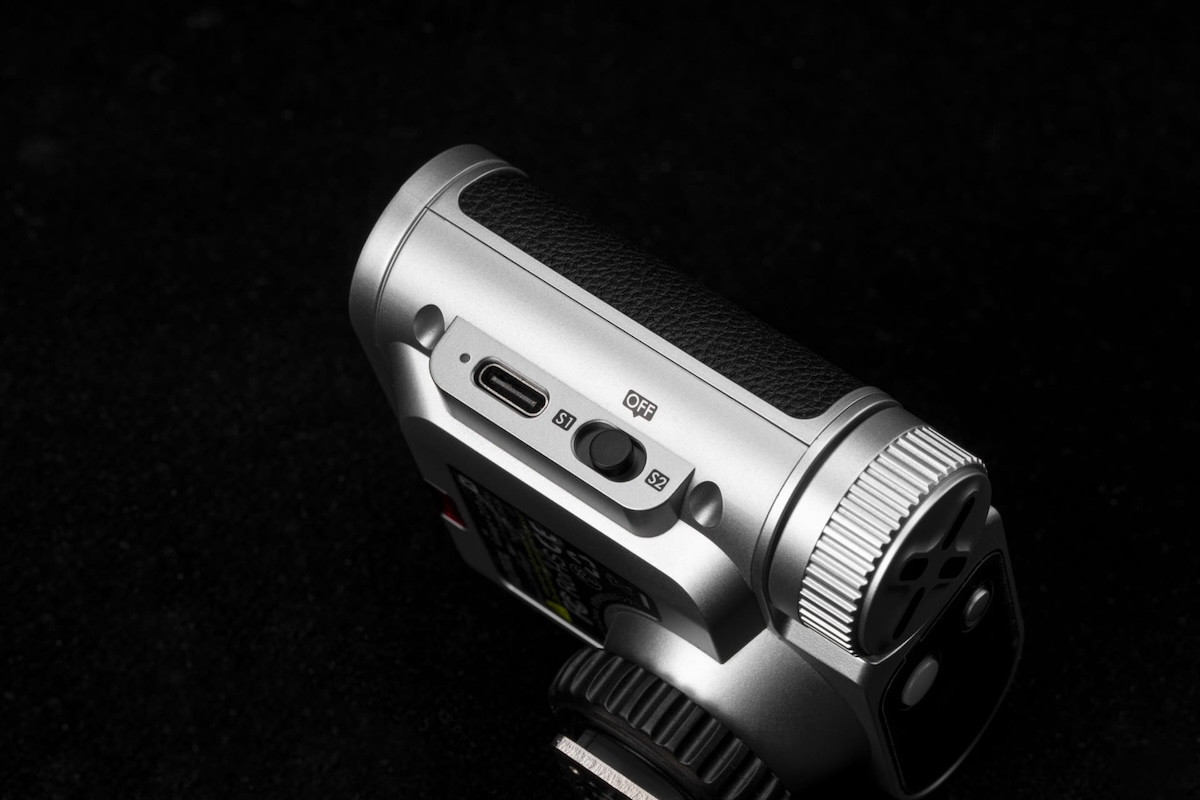
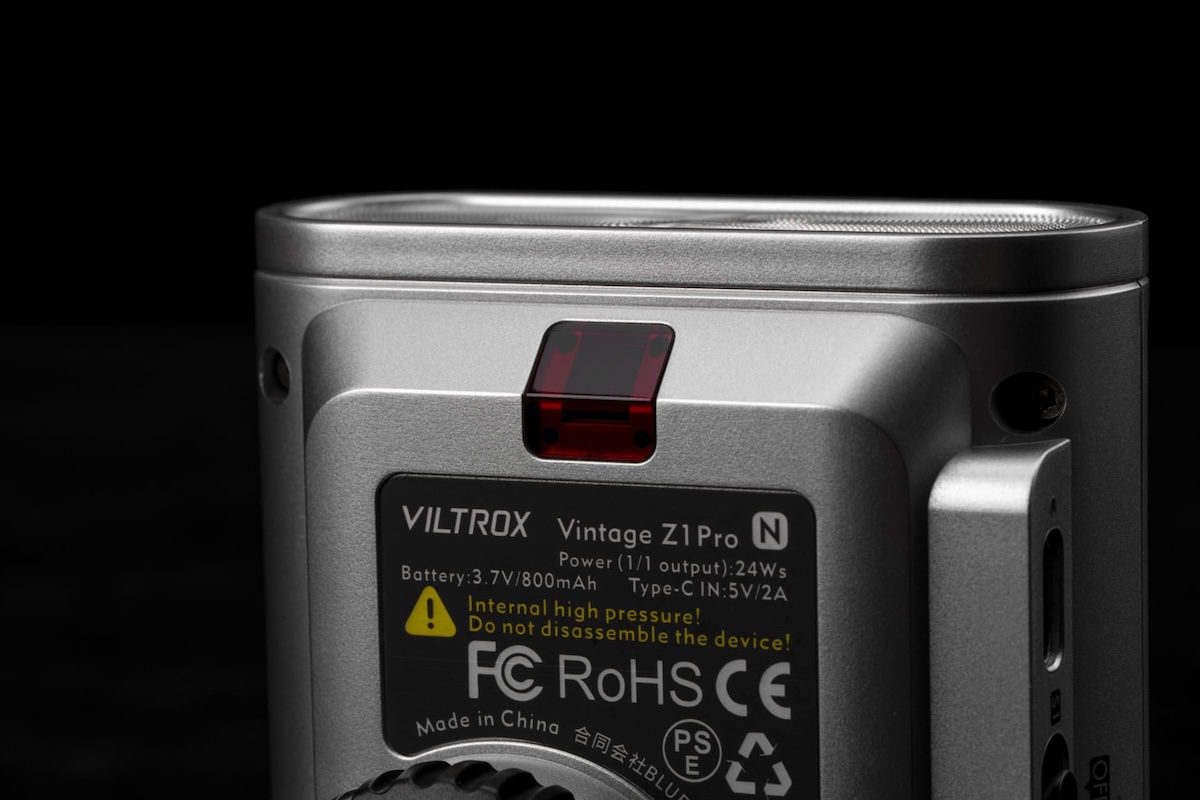
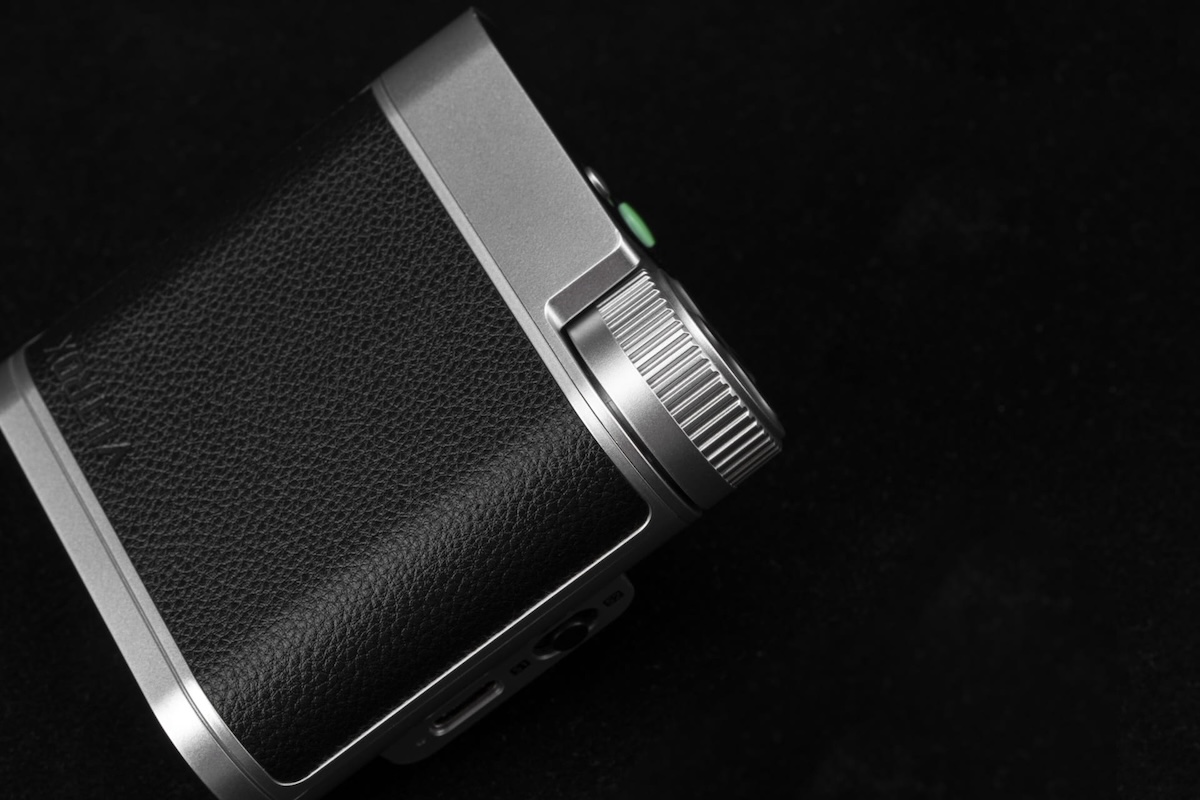
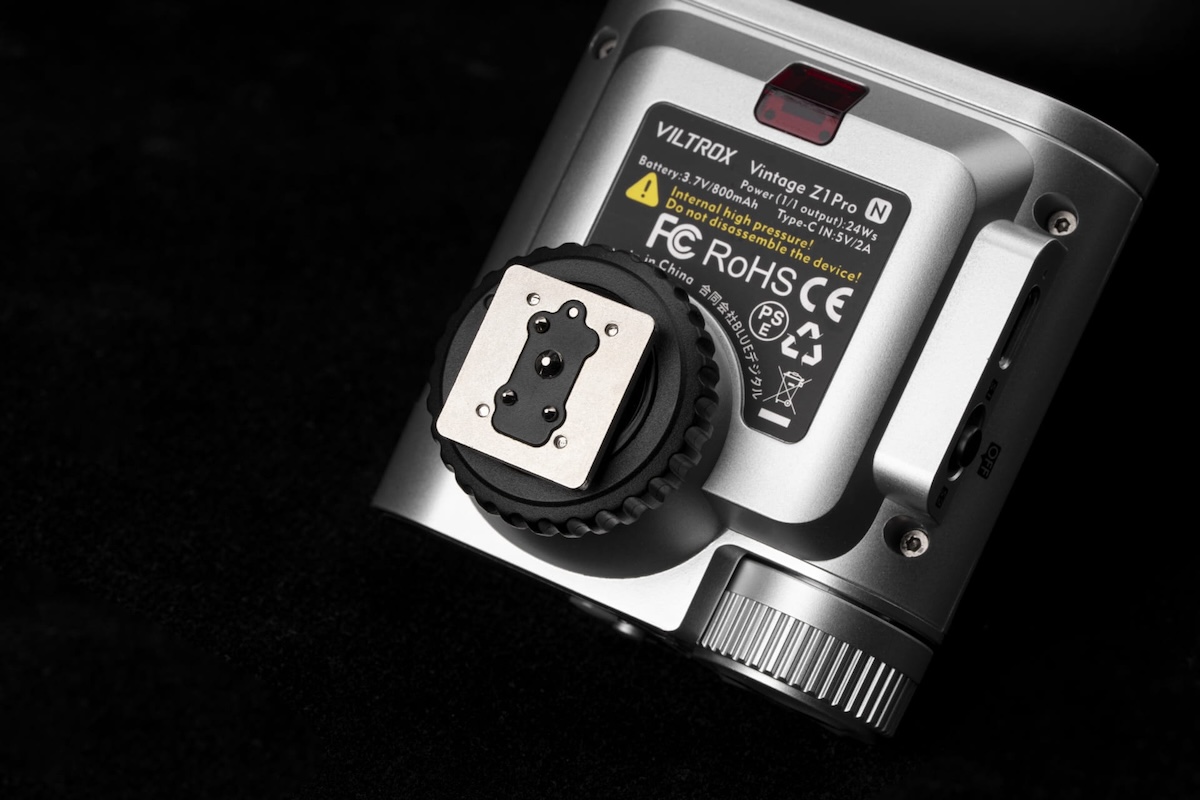
Viltrox announced a new Z1 Pro vintage/retro-inspired compact flash for Canon, Nikon, Sony, and Fujifilm cameras (the pro version of the existing Z1)

  • Pre-orders: B&H Photo | Amazon US | Amazon DE | Viltrox
  • Modern functionality with signature vintage styling
  • Great for beginners, versatile enough for professionals
  • First Vintage-series flash with High-Speed Sync (HSS)
  • TTL Automatic Flash Metering with S1/S2 modes
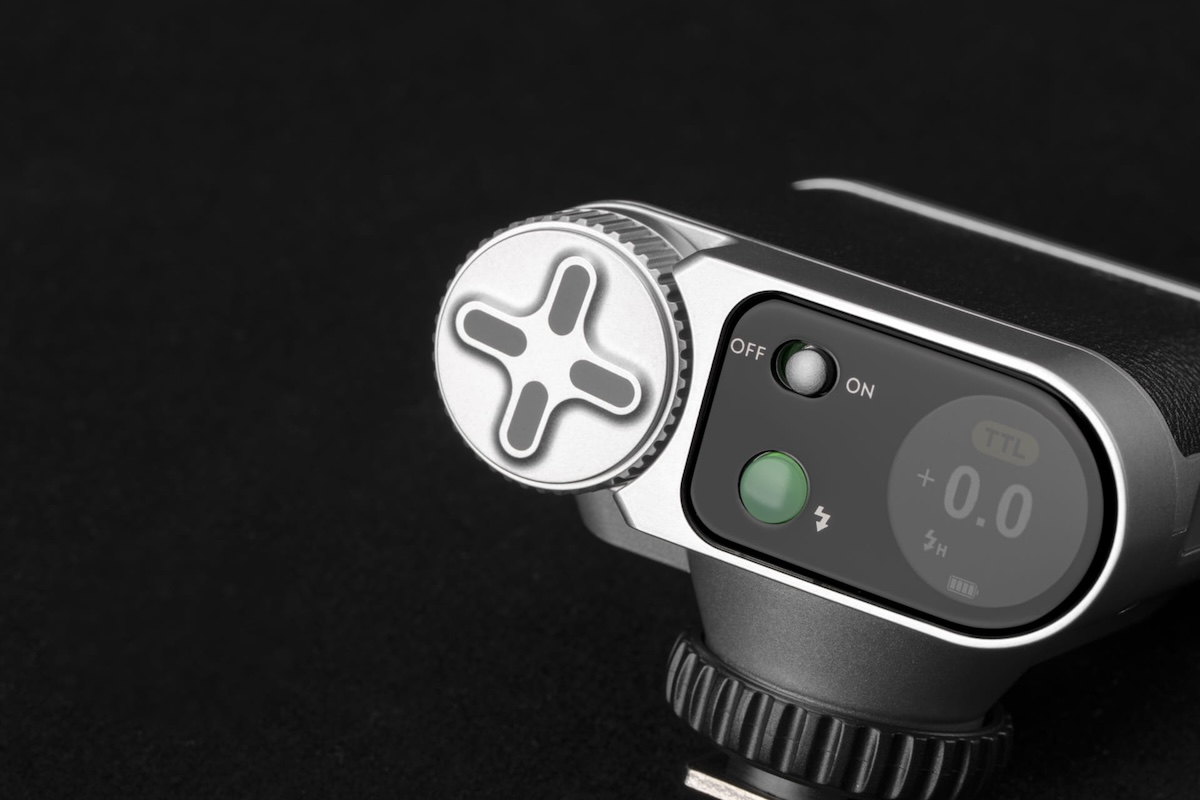
  • Circular color touchscreen control simplifies workflows
  • 24W output with 1 second recycle time
  • High-capacity battery supports 350 full-power flashes
  • Additional information:

  • Up to 1/8000s High-Speed Sync for Greater Shooting Flexibility.
  • TTL & Manual Flash Modes for Versatile Creative Control.
  • Retro-Inspired Design with Timeless Mechanical Styling.
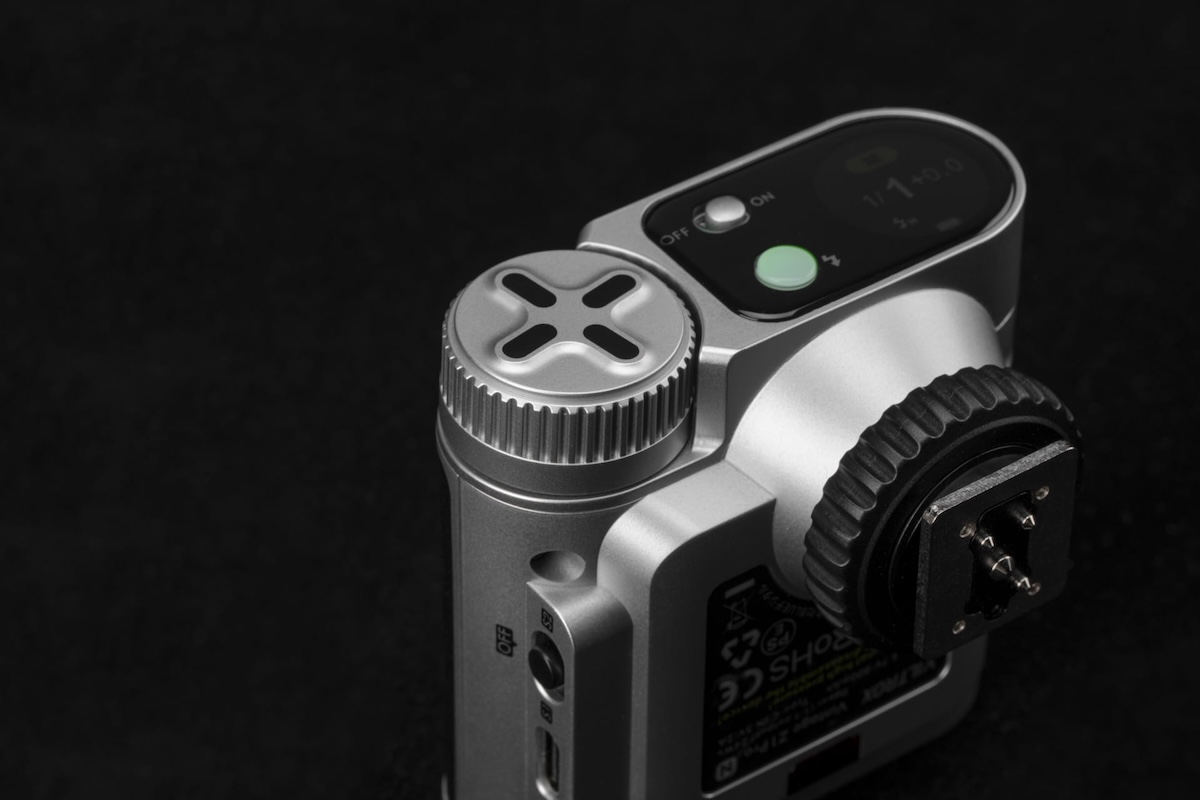
  • Touchscreen Interface with Dial Control for Intuitive Operation.
  • 24Ws Flash Power with Fast 1s Recycle Time.
  • S1/S2 Optical Trigger Modes for Multi-Flash Setups.
  • Multi-System Hot Shoe Compatibility for Broad Camera Support.
  • Up to 350 Full-Power Flashes for Extended Shooting Sessions.

TTL Automatic Flash Metering and New High-Speed Sync

The Vintage Z1 Pro is the first in the series to include High-Speed Sync (HSS) functionality up to 1/8000s, enabling photographers to shoot in bright daylight with wider apertures and capture fast-moving subjects in natural ambient conditions.

TTL flash metering automatically adjusts flash output based on ambient lighting conditions. The Vintage Z1 Pro supports two optical trigger modes: S1 mode, which triggers simultaneously when another flash burst is detected, and S2 mode, which ignores TTL pre-flashes and triggers on the primary flash burst, enabling flexible multi-light arrangements and off-camera flash setups.

Intuitive Circular Color Touchscreen

The Vintage Z1 Pro features a newly integrated circular color touchscreen UI designed to simplify workflows. The display provides clear access to flash output levels, shooting modes, battery status, and sync settings, while touch-based controls enable faster and more intuitive adjustments compared to traditional button-operated interfaces.

High-Speed, High-Performance Flash

The Vintage Z1 Pro delivers 24Ws flash output with a 1-second recycle time. The high-capacity battery supports up to 350 full-power flashes per charge, helping creators maintain a smooth shooting rhythm. Integrated USB-C charging allows the flash to fit conveniently into modern loadouts, with a full recharge taking just 70 minutes.

Broad Camera Compatibility

The Vintage Z1 Pro supports Sony, Nikon, Canon, and Fujifilm camera systems (hot shoe versions) across a wide range of mainstream cameras.

The Diversity of Style in Viltrox’s Flash Series

With the launch of the Vintage Z1 Pro, Viltrox continues to expand its flash lineup, offering creators a broader range of lighting solutions across different shooting styles, creative preferences, and performance needs.

Additional pictures:

The post Viltrox launches the Z1 Pro vintage/retro-inspired compact flash for Canon, Nikon, Sony, and Fujifilm cameras appeared first on Photo Rumors.

Reçu — 25 mai 2026 Photo Rumors

New: Lensbaby Twist 28mm f/3.5 full-frame manual-focus pancake lens for $190

Par : PR admin
25 mai 2026 à 21:25


Lensbaby recently announced a new Petzval-inspired Twist 28mm f/3.5 full-frame manual-focus pancake lens with a classic swirling character:

  • Pre-orders: B&H Photo | Amazon
  • Petzval-Inspired Swirl
  • Fixed f/3.5 Aperture
  • Lens design: 4 elements in 3 groups
  • Antireflective Multicoated Lens Element
  • Weight: 140g
  • Minimum focusing distance: 200mm (8 inches)
  • For Canon RF, Fuji X, Nikon Z, Sony E, and MFT mounts
  • Price: $190
  • Additional information:

The Twist 28 draws on 19th-century Petzval optical design, which produces a sharp center of focus with a swirling blur effect in the outer portions of the frame. At 28mm, this optical characteristic applies across a wider field of view than prior Twist lenses, which photographers have used to create layered, motion-influenced images in tighter focal lengths.

The post New: Lensbaby Twist 28mm f/3.5 full-frame manual-focus pancake lens for $190 appeared first on Photo Rumors.

Panasonic Lumix L10 camera “received significantly more pre-orders than anticipated”

Par : PR admin
25 mai 2026 à 21:02


Panasonic Japan issued a notice that the new Lumix L10 camerareceived significantly more pre-orders than anticipated” and customers who pre-order in the future may experience delays in delivery after the release date of June 18th (pre-orders: B&H Photo | WEX Photo | Foto Erhardt):

Notice Regarding Delivery of Digital Camera DC-L10

Thank you for your continued patronage of Panasonic products.

Regarding the LUMIX “DC-L10” digital camera, scheduled for release on June 18th, we have received significantly more pre-orders than anticipated. Therefore, some customers who have already pre-ordered may not receive their product on the release date. Furthermore, customers who pre-order in the future may experience delays in delivery after the release date.

We sincerely apologize for the considerable inconvenience caused to our customers who are eagerly awaiting the product, as well as to all those involved.

We will do our utmost to meet customer expectations and deliver the product as quickly as possible, and we appreciate your understanding.

Affected Products:

  • DC-L10-K/S
  • DC-L10-N (Panasonic Store Plus Model)

New Panasonic L10 camera announced for the 25th anniversary of LUMIX

Comparing the new Panasonic Lumix L10 camera with the LX100 II

Panasonic announced a new L10 camera today, is the Leica D-Lux 9 coming next?


The post Panasonic Lumix L10 camera “received significantly more pre-orders than anticipated” appeared first on Photo Rumors.

Reçu — 24 mai 2026 Photo Rumors

Memorial Day photography deals

Par : PR admin
24 mai 2026 à 03:10


Here are some of the Memorial Day photography deals and specials:

The post Memorial Day photography deals appeared first on Photo Rumors.

Reçu — 23 mai 2026 Photo Rumors

Aiarty Image Enhancer: Restore Old Photos and Recover Blurry Faces with AI (49% Lifetime License)

Par : PR admin
23 mai 2026 à 18:27

Aiarty Image Enhancer: Restore Old Photos and Recover Blurry Faces with AI (49% Lifetime License)

Restoring old photos is rarely as simple as increasing sharpness or removing visible damage. Many photographers and families are now digitizing decades-old prints, film negatives, and family albums to preserve them before physical deterioration becomes irreversible. However, scanned family photos and aging film prints often suffer from multiple issues simultaneously, including faded colors, scratches, dust, low-resolution scans, compression artifacts, and facial detail loss accumulated through years of storage, rescanning, and digital compression.

For photographers and archive enthusiasts, the challenge is restoring clarity without destroying the original texture and character of the image. Film grain is often mistaken for digital noise, facial details become overprocessed, and low-quality scans leave limited data for accurate restoration or upscaling.

Traditional workflows still rely heavily on manual Photoshop adjustments such as denoising, retouching, sharpening, scratch removal, and color correction, especially when processing larger photo archives or film scan collections.

AI-assisted restoration tools are increasingly being used to simplify repetitive cleanup tasks within a broader editing workflow. Designed around a restoration-oriented approach rather than one-click filters, Aiarty Image Enhancer combines denoising, deblurring, face recovery, scratch cleanup, upscaling, and color correction into a single workflow pipeline while maintaining more natural-looking results.

To celebrate its anniversary, the software is currently available at 49% OFF lifetime pricing, with the coupon code ANNIVERSARY providing an extra $5 off single products and $10 off bundles. The special offer runs through June 8.

The lifetime plan includes:

  • Use on up to 3 Windows or Mac computers
  • Unlimited access to all features
  • Free lifetime upgrades and priority technical support
  • 30-day money-back guarantee

How Aiarty Image Enhancer Fits Into Modern Photo Restoration Workflows

Rather than functioning as a one-click AI filter, Aiarty Image Enhancer is designed around a workflow-oriented approach for restoring old photos, film scans, and archived images while maintaining natural-looking detail.

A video demonstration showing real restoration results can be viewed below:

Its AI denoise and deblur tools help recover clarity from noisy or slightly soft scans without aggressively removing texture. A built-in Strength slider allows more controlled adjustments, which is particularly useful when working with film grain or older portraits where overprocessing can quickly create artificial-looking results.

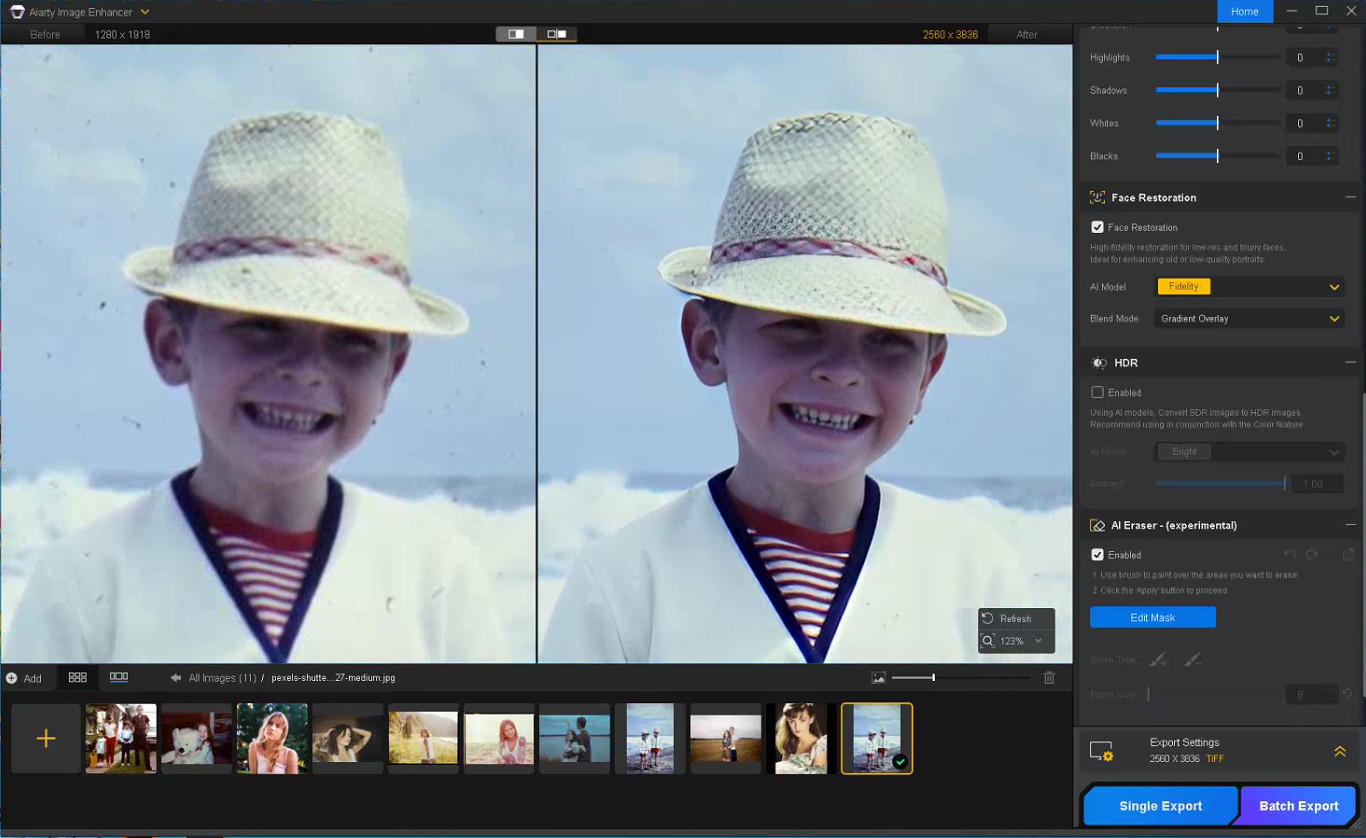
The latest Face Restoration improvements focus on rebuilding blurred facial areas while preserving realistic skin texture and facial structure. For damaged prints, the integrated AI Eraser can remove dust spots, scratches, stains, fold marks, and other small distractions commonly found in archived photographs.

The software also supports AI upscaling for printing, digital archiving, and recovering low-resolution scans. Upgraded color controls help correct faded tones and yellow aging, while TIFF/DNG export support improves compatibility with Lightroom, Photoshop, and non-destructive editing workflows. Batch processing can further simplify repetitive cleanup work across multiple images or film scans.

A Practical Workflow for Restoring Old Photos

Step 1: Scan the Original Photo Properly

The quality of the restoration process still depends heavily on the original scan. For best results, scan photos at least 300dpi or higher, use TIFF when possible, avoid repeated JPEG compression, and clean the scanner surface before digitizing older prints.

Step 2: Reduce Noise and Upscale the Photo

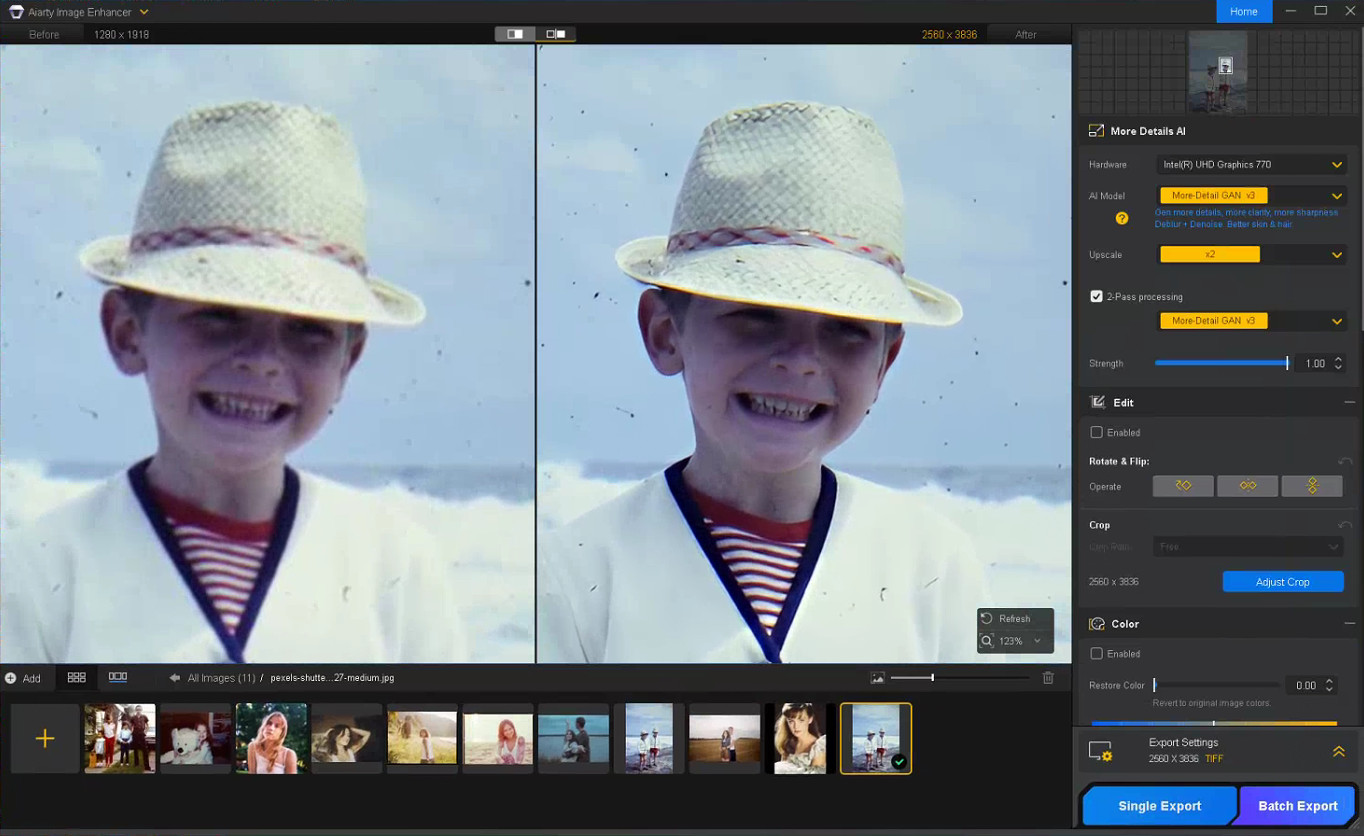
The first stage of restoring old photos usually focuses on improving image clarity while preserving the original texture of the photo. In Aiarty Image Enhancer, denoising, detail enhancement, and AI upscaling are processed together within the same AI pipeline.

Choose a suitable AI model and upscale factor depending on your old/damaged photo restoration goal. Using x1 applies denoising and enhancement only, while higher upscale settings can help AI upscale photos from low-resolution scans and prepare restored photos for printing or digital archiving without heavily over-smoothing fine details.

Step 3: Restore Facial Details Carefully

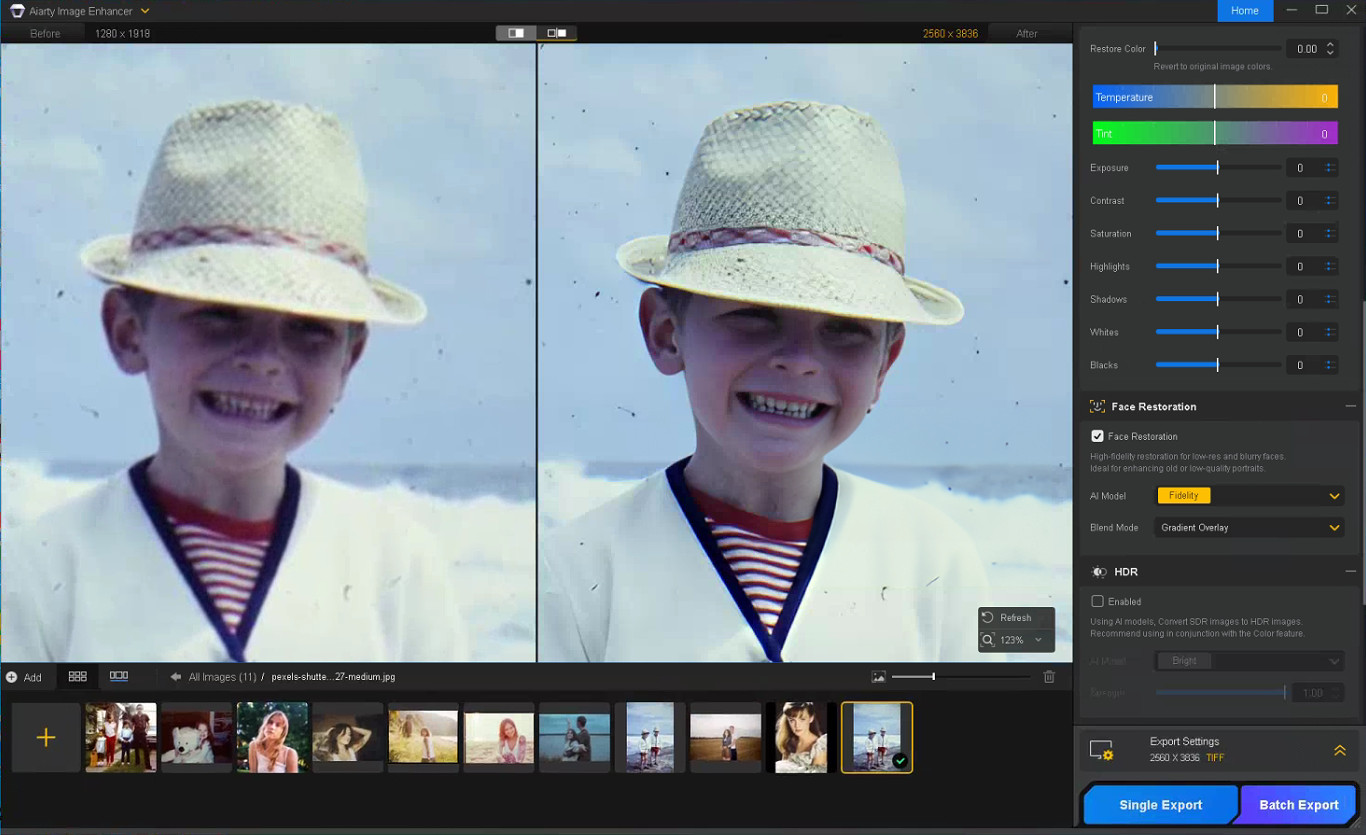
Enable Face Restoration and choose the Fidelity mode to better preserve the original facial structure and maintain more realistic-looking results. Rather than aggressively sharpening every facial feature, Aiarty’s Face Restoration focuses on recovering eye clarity, hair detail, facial edges, and natural skin texture while avoiding an over-smoothed or artificial appearance.

Step 4: Remove Scratches, Dust, and Small Damage

Enable the AI Eraser and mask scratches, stains, fold marks, or other distracting elements. Working in smaller sections with a properly adjusted brush size generally produces more natural-looking results than masking large areas at once.

Step 5: Correct Faded Colors and Improve Contrast

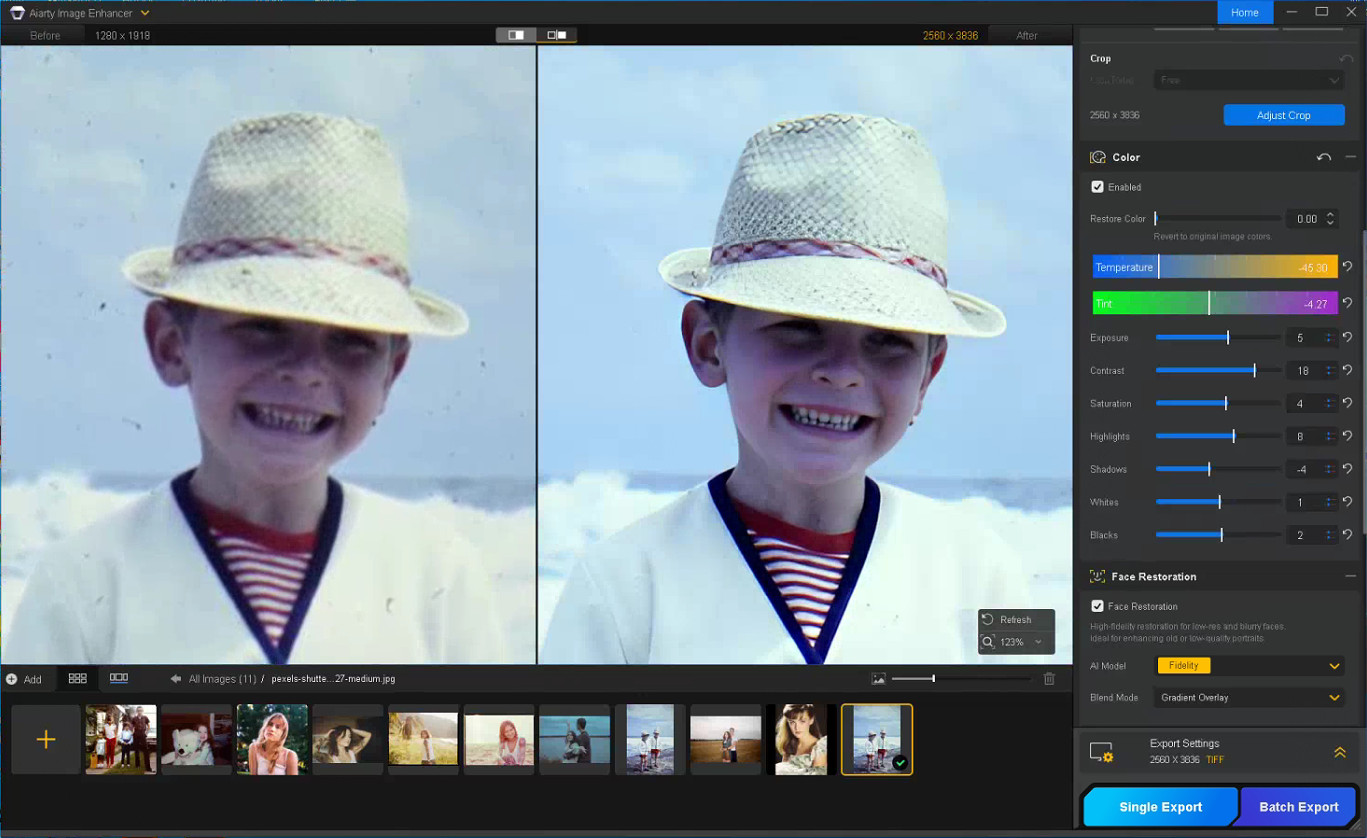
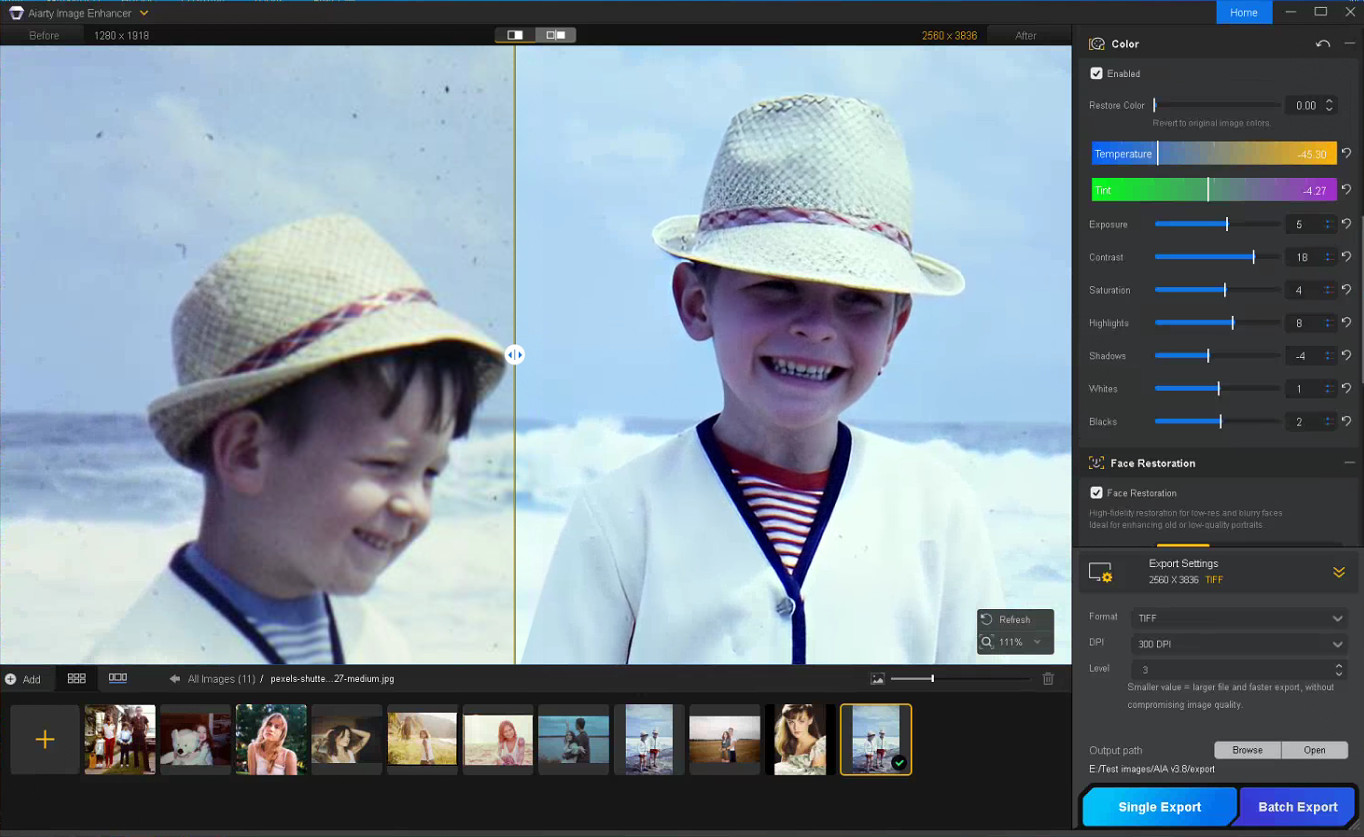
With the Color option enabled, you can fine-tune temperature, tint, contrast, exposure, shadows, and other parameters to correct yellow tint, faded contrast, washed-out shadows, and uneven color fading commonly found in older photos, helping restore depth and readability without making the image look overly processed.

Step 6: Export the Restored Photo

Once restoration is complete, choose the output format, DPI, and quality settings before exporting the final image. TIFF and DNG formats are recommended for preserving image quality and maintaining compatibility with Lightroom and Photoshop workflows.

Notes for Getting Better Restoration Results

Old photo restoration results can vary depending on the condition of the original image, so small workflow adjustments often produce better outcomes.

Trying Different AI Models

Each AI model in Aiarty Image Enhancer is optimized for different enhancement scenarios.

  • More-Detail GAN v3: Enhances detail and sharpness while reducing blur and noise
  • AIGCsmooth v3: Optimized for AI-generated images and smoother surfaces
  • Real-Photo v3: Designed for high-quality photos with more natural detail recovery

Experimenting with different AI models can help identify which one produces the most natural-looking old photo restoration for a specific image.

Adjusting the Strength Setting

If the restored image looks slightly waxy or overprocessed, lowering the Strength value can help preserve more natural texture and finer details.

Restoring Before Upscaling

For printing or digital archiving, it is generally recommended to complete denoising and face correction before applying upscaling, as cleaner base images usually produce more stable results.

In some cases, sequential upscaling (such as 2x + 2x) may also preserve detail better than applying a direct 4x upscale in a single pass.

Using Face Restoration Selectively

Face Restoration works best on photos where facial details are still partially visible but have become soft or faded over time. Fidelity mode keeps results closer to the original image, while Rebuild focuses more on reconstructing missing facial details.

Final Thoughts

The photo restoration workflow used in Aiarty Image Enhancer helps streamline the process while preserving more natural-looking detail compared to isolated manual adjustments. By combining cleanup and enhancement into a structured sequence, it reduces repetitive Photoshop work and improves consistency across different image types.

Beyond old photo recovery, the same workflow can also improve compressed social media uploads, AI-generated images, low-quality web photos, and images prepared for posters or large-format printing.

With the anniversary promotion, users can get the Aiarty Image Enhancer Lifetime License for only $74 (up to 52% OFF) with the code “ANNIVERSARY”, including lifetime access, lifetime free updates, and a 30-day money-back guarantee with no hidden fees.

The post Aiarty Image Enhancer: Restore Old Photos and Recover Blurry Faces with AI (49% Lifetime License) appeared first on Photo Rumors.

DJI currently holds a whopping 72.5% of the video camera market in Japan

Par : PR admin
23 mai 2026 à 18:06


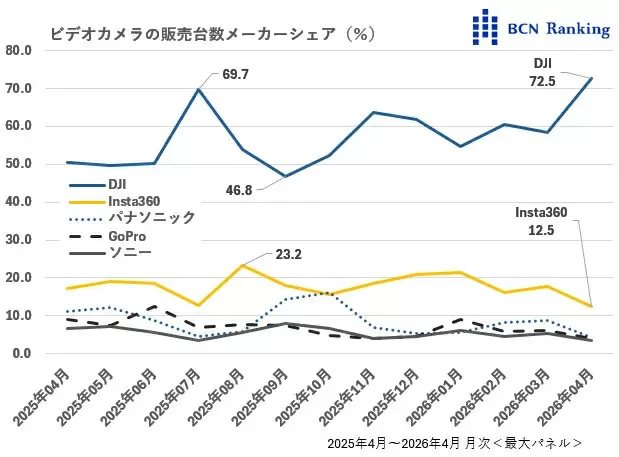
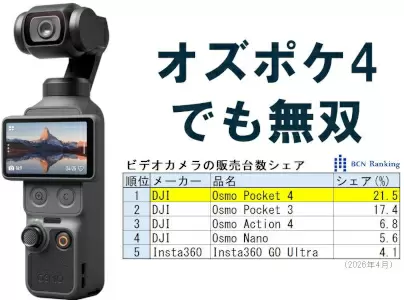
DJI currently holds a whopping 72.5% of the video camera market in Japan (Insta360 is at 12.5%):

DJI’s share of the video camera market has also risen, reaching an astonishing 72.5%, its highest ever. New products have also revitalized the entire video camera market. Sales in April increased significantly, with a 158.1% year-on-year increase in units and a 135.2% increase in sales value. This was revealed by the BCN ranking, which compiles actual sales data from 2,400 electronics retailers and online shops nationwide. (source)

Various DJI Osmo Pocket camera models currently hold the top 4 spots:

New DJI Osmo Pocket 4P camera teaser and additional information

The post DJI currently holds a whopping 72.5% of the video camera market in Japan appeared first on Photo Rumors.

❌