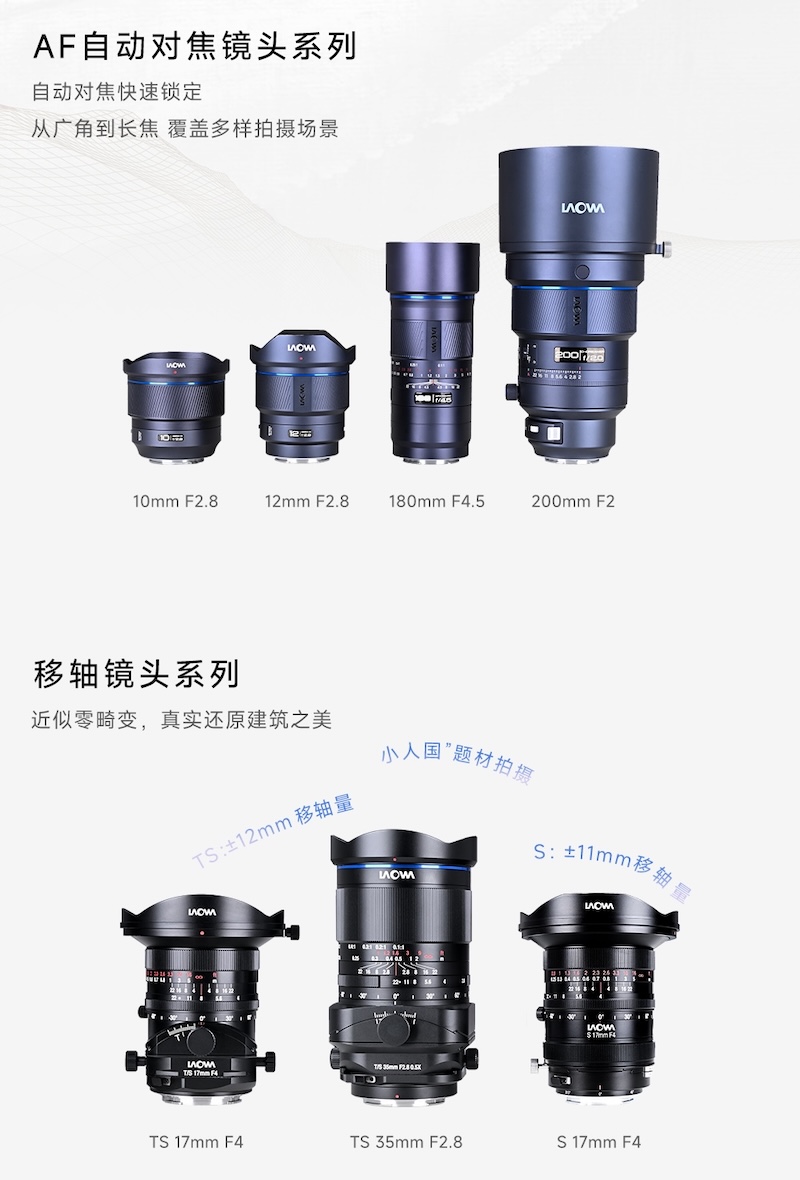
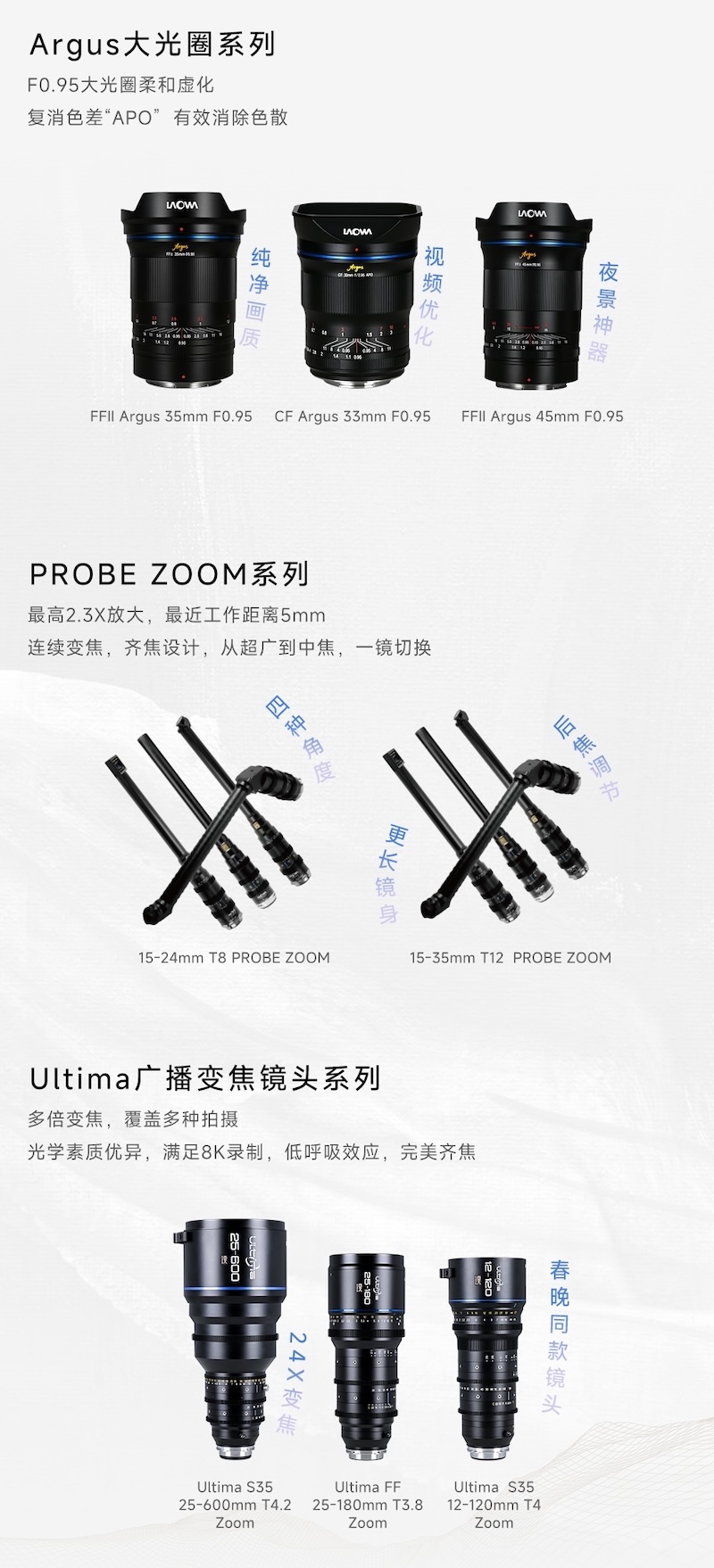
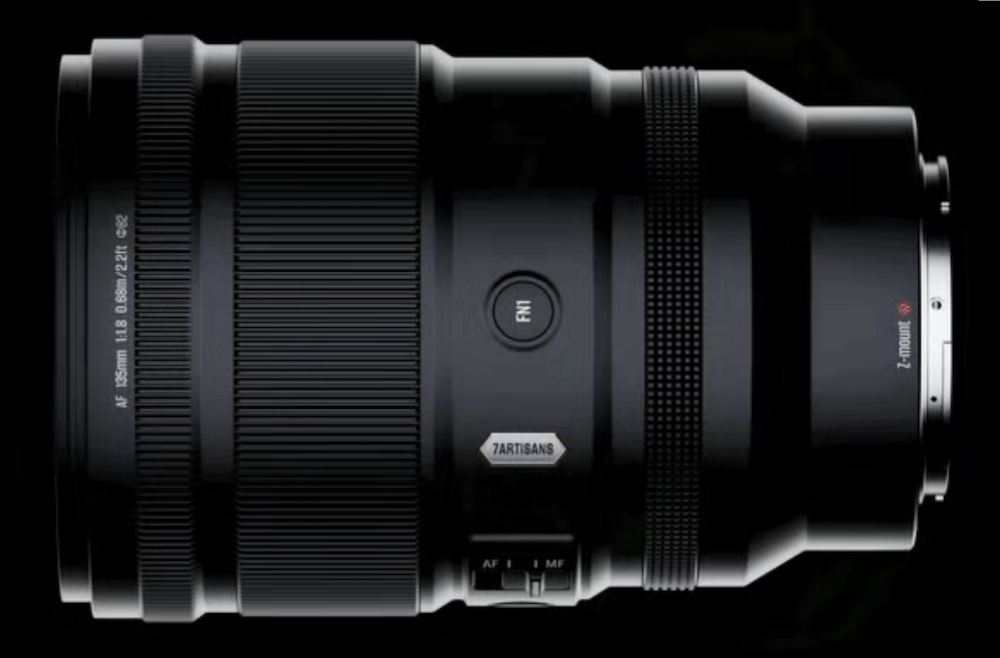
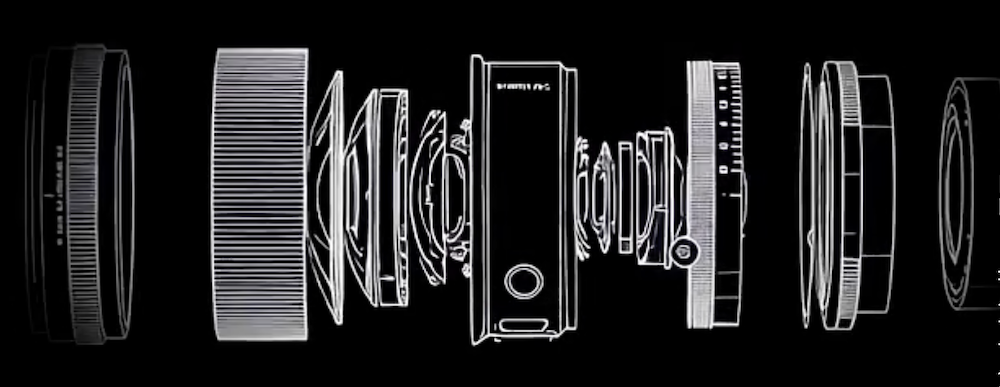
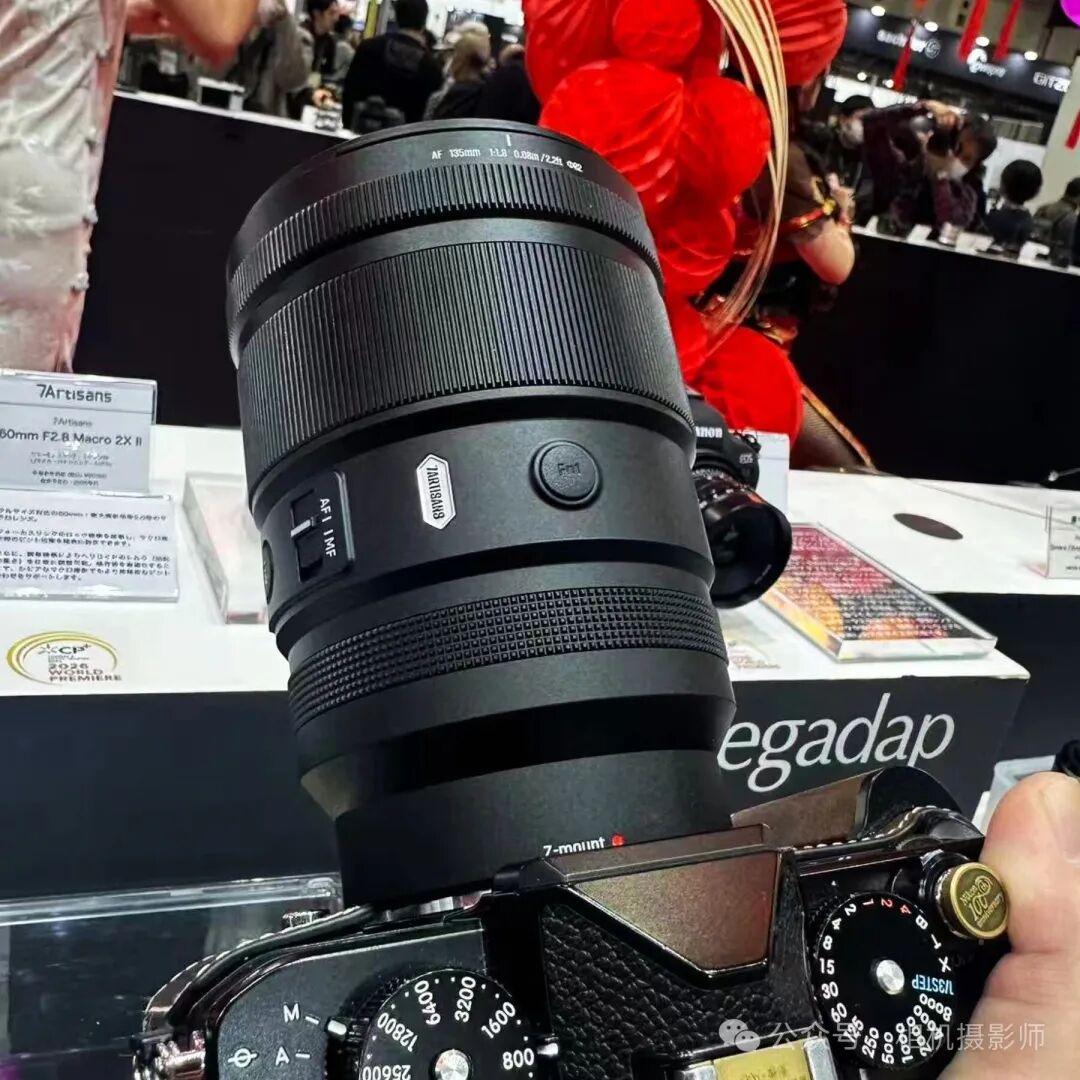
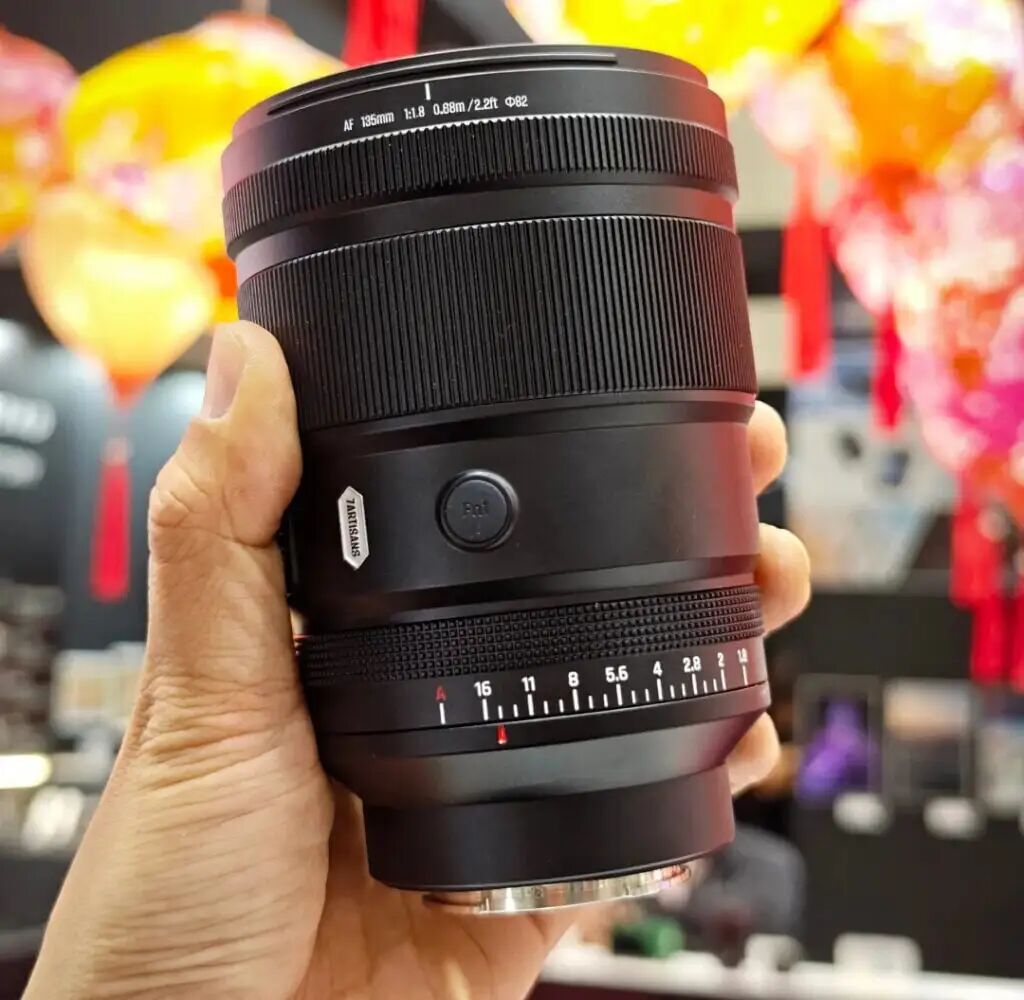
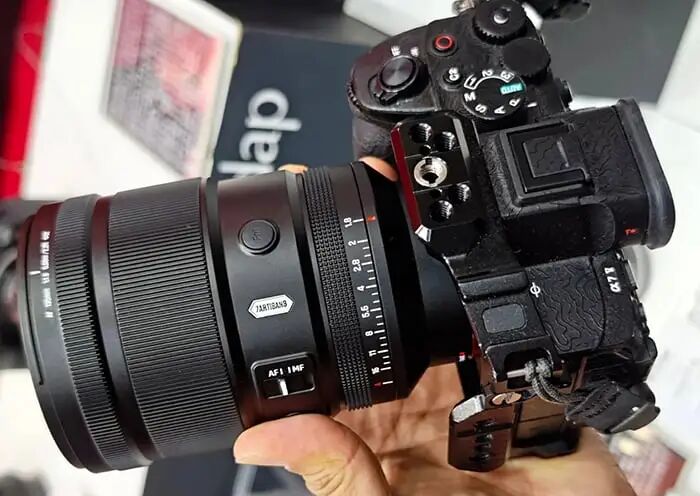
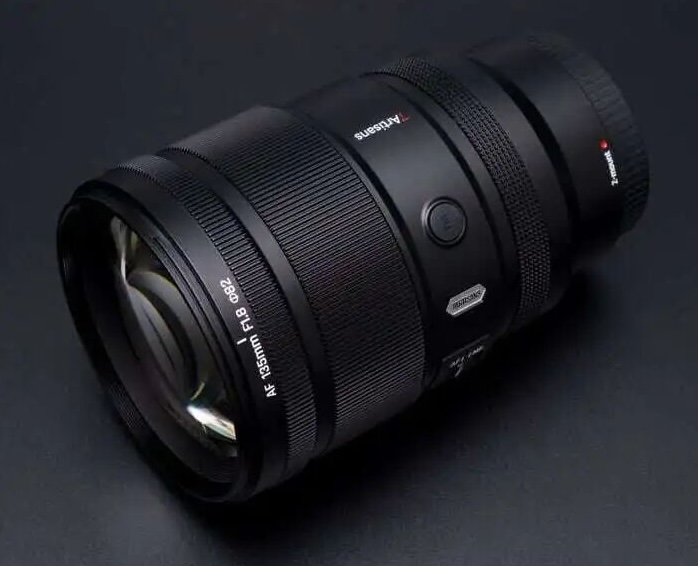
JC Optics will release a new 400mm f/8 full-frame telephoto manual focus lens with adjustable focus damping, featuring a 3-element, 2-group optical design and a minimum focusing distance of 100cm, and designed for E/Z/F/RF/EF/EF-M/X/MFT mounts (all-metal mount).
Memory card and storage prices (including SD/microSD, CFexpress, and SSDs) are rising sharply in 2026 primarily due to an AI-driven surge in NAND flash demand that has outstripped supply. Hyperscale data centers and AI infrastructure are consuming massive volumes of NAND for high-performance enterprise storage and related components. This has caused NAND wafer and contract prices to jump dramatically (e.g., 70-75% quarter-over-quarter in Q2 2026 projections, with some reports of 100%+ increases earlier in the year), pushing costs downstream to brands like Lexar, LaCie, OWC, and ProGrade:
A king surveys his snowy realm. The dark, monotonously colored forest background makes the colorful monkey stand out beautifully.
Canon EOS R5 II | Canon RF 24-105mm F4L IS USM | ISO 3200 | 1/1250 sec | F4 Photo: Erez Marom
In the first two articles in this series, I shared stories about photographing black and white snub-nosed monkeys in Yunnan province and mammal species in Tangjiahe Reserve and Wawu Mountain. In this third and final installment, I want to tell you about a very unexpected visit to shoot another species of snub-nosed monkey: the golden snub-nosed monkey.
The golden snub-nosed monkey is one of the most visually striking primates in the world, native to the high-altitude forests of central and southwestern China. It is instantly recognizable by its vivid golden-orange fur, pale blue face, and small upturned nose – an adaptation that may help reduce frostbite in cold mountain climates. These monkeys live in some of the harshest environments inhabited by non-human primates, enduring snowy winters at elevations of up to 3,000 meters, with thick fur and complex social behavior helping them survive.
I don't usually do many close portraits, as I feel anyone can do them, and I can't take a shot that shows both the animal and its surroundings in a compelling way. This was an exception, and the nice thing is that you can see the interesting details in the monkey's face, especially the nose. How cool is the pale blue skin?
Canon EOS R5 II | Canon RF 24-105mm F4L IS USM | ISO 1600 | 1/320 sec | F4 Photo: Erez Marom
Golden snub-nosed monkeys are highly social, forming large, multi-level groups that can include hundreds of individuals divided into smaller family units. They spend much of their time in trees, feeding on leaves, bark, fruits, and especially lichens during winter when other food is scarce. Despite their resilience, they are classified as endangered due to habitat loss and fragmentation, though conservation efforts in protected areas, particularly in regions like the Qinling Mountains, have helped stabilize some populations. Their survival is closely tied to the preservation of China’s temperate mountain forests, making them a flagship species for conservation in these ecosystems.
Golden snub-nosed monkeys eat tree bark to aid their digestion. A positive outcome of this is that the orange colors in the tree are fully exposed, which complements the golden monkey's fur. With the contrasting green leaves, I like the color palette in this image, as well as the interesting behavior and overall composition.
Canon EOS R5 II | Canon RF 100-500mm F4.5-7.1L IS USM | ISO 3200 | 1/200 sec | F6.3 Photo: Erez Marom
This shoot was highly unexpected because the area leading to the golden monkeys' habitat had been destroyed last year by a huge flood (the aftermath of which was clearly visible on the road there), and so we had absolutely no assurance we could get there or that the monkeys would be there. It was thus not at all in the plans to even attempt to photograph this species.
After massive floods, not much was left of a bridge that used to be part of the road leading to the valley where the golden snub-nosed monkeys are visible. We were only able to get there by driving on makeshift dirt roads.
Photo: Erez Marom
The monkeys are usually fed by rangers as part of their conservation program, and since the feeding stopped, the monkeys were not supposed to be reachable. But as we were photographing the Yunnan monkey, we got word that, due to snow on the mountains, the golden monkeys were coming down to the valley for the first time in weeks, which meant we might just be able to capture them. And capture them I did.
A wider shot of a golden snub-nosed monkey traversing the canopy. The warm-colored monkey against the forest's cooler green/blue hues in the background, along with the vastness of the mountainous forest, make this shot interesting and fun to look at.
Canon EOS R5 II | Canon RF 100-500mm F4.5-7.1L IS USM | ISO 6400 | 1/400 sec | F5.6
These young brothers were inseparable. The white fur color will gradually change to the golden-orange of the adults.
Canon EOS R5 II | Canon RF 24-105mm F4L IS USM | ISO 3200 | 1/6320 sec | F4
Photos: Erez Marom
The fact that the monkeys are habituated and used to being fed played to our advantage. I could go super close and shoot them with my 24-105mm and even my 10-20mm(!), which led to really unique perspectives and shots with a level of interest I didn't expect. It's quite different being inside the action and seeing these beautiful animals interact and go about their business without much regard for my presence.
The extreme proximity I was able to achieve to the monkeys resulted in extreme perspectives and really cool images. Getting up close and personal with these beautiful creatures was a very special treat, only possible because they are habituated to human presence. The backlight adds a lot to the image. Not only does it highlight the animals, but it also separates them from the background, creating compositional depth.
Canon EOS R5 II | Canon RF 24-105mm F4L IS USM | ISO 100 | 1/640 sec | F4
It doesn't get much cuter than this!
Canon EOS R5 II | Canon RF 10-20mm F4L IS STM | ISO 1600 | 1/200 sec | F5
The monkeys often quarrel, but those quarrels are short-lived.
Canon EOS R5 II | Canon RF 24-105mm F4L IS USM | ISO 400 | 1/1000 sec | F6.3
Photos: Erez Marom
The best golden monkey shoot was when we followed them to a slightly higher elevation, where snow was still on the ground, and the background was astounding. I even got a few jump shots when the monkeys were hopping between the snowy rocks.
The secret to shooting jump-shots such as this one is being able to expect the direction the monkey will jump. Then, all that is left is to frame the composition, spray and pray. After a few attempts, I successfully nailed the shot. The snow flying around really adds character and an Asian wintery feel.
Canon EOS R5 II | Canon RF 24-105mm F4L IS USM | ISO 3200 | 1/1000 sec | F4
Canon EOS R5 II | Canon RF 24-105mm F4L IS USM | ISO 3200 | 1/1000 sec | F4
Some more fighting, this time in the snow. This scene looked a bit like an 80s video game, for the Gen-Xers among you.
Canon EOS R5 II | Canon RF 24-105mm F4L IS USM | ISO 1600 | 1/800 sec | F4
Photos: Erez Marom
Imagine how grateful I was to go from expecting not to be able to even see this species to being able to shoot it at such close range, in the snow. Sometimes, the universe smiles upon you, and the rest is up to your shooting ability.
I highly recommend China as a destination for wildlife photography. My trip was nothing short of fantastic, and I plan to go back next year to lead a photography workshop and do some more shooting.
Erez Marom is a professional nature photographer, guide and traveller. You can follow Erez's work on Instagram and Facebook, and subscribe to his mailing list for updates.
If you'd like to experience and shoot some of the world's most fascinating landscapes and wildlife with Erez as your guide, take a look at his unique photography workshops in Zambia, China, Colombia, Vietnam, Madagascar and more.
Erez has recently published his first e-book, Solving the Puzzle, thoroughly explaining his views about composition in landscape photography and beyond.
The Topaz May update is now available with a new SDR-to-HDR video upscale model, expanded access to recently released models on both desktop (Gigapixel) and web (Topaz Image Web), and a new streamlined experience for using video enhancement models in Adobe Premiere. This is the first time the latest image models, like Wonder 3 and Denoise Max, are available in a web browser via an all-new web app. Topaz also started a new sale (details at the bottom of this post).
Recently released models, now available in Gigapixel.
Three of our newest and most popular models are now fully integrated into Topaz Gigapixel:
Wonder 2
Wonder 2 is our newest image enhancement model that denoises, sharpens, and upscales in a single step, with no sliders or tuning required. It is a giant, powerful model that now runs locally thanks to our proprietary NeuroStream technology, which dramatically reduces VRAM usage and allows powerful AI to run on standard creator hardware.
Wonder 3
Wonder 3 is a powerful, one-click sharpen, upscale, and denoise model. Unlike Wonder 2—which was built for ultra-low-resolution upscaling—Wonder 3 handles both high-quality inputs and heavily degraded images with consistent results.
High Fidelity 3
Built for technical precision. Optimized for clean, noise-free upscaling of high-fidelity images where accuracy matters most—especially for RAW files.
All your favorite Topaz image models, now in the browser.
Bring the power of Topaz image enhancement directly to your browser—no download required. Upload your images, choose from workflows like Autopilot, Creative Upscale, Photo Restoration, Sharpen, and more, then process everything in just a few clicks. Batch processing and side-by-side comparison make it easy to review your results, and all of your favorite Topaz image models are available in one place for the same high-quality enhancements you know from our desktop apps.
Topaz Labs for Premiere brings Topaz Video enhancement directly into your Premiere workflow. Process footage using cloud rendering without ever leaving your timeline—no export/import round trips needed.
Hyperion 2 – SDR to HDR Model
Unlock HDR depth from SDR footage.
Hyperion 2 converts standard dynamic range video (SDR) to high dynamic range (HDR) by expanding luminance, bit depth, and contrast. It supports both PQ (cinematic/mastering) and HLG (broadcast) transfer functions, so it fits into a wide range of modern HDR pipelines. Hyperion 2 is now available in Topaz Video, and will be coming to Astra next week.
Nikon APS-C camera: most likely a new top-of-the-line/high-end DX model. The Z30 is already up for replacement – it was first announced in June 2022. There were some unconfirmed reports that this could be a mini-Nikon ZR model with some RED tech inside. The RED Komodo, for example, features a Super 35mm sensor, commonly regarded as an APS-C equivalent (it’s slightly larger than a typical APS-C sensor).
Lenses
New/cheaper 14-24mm, 14mm, or similar wide-angle lens as a companion to the new 24-105mm – to be paired with the Z5II (not a replacement for the Nikkor Z 14-24mm f/2.8 S lens).
New Nikon 16-35mm lens or a similar lens designed for vloggers.
If you've ever switched your camera from stills to video mode with Log enabled, you may have noticed that it seems you can no longer use the base ISO setting. But shooting video in Log doesn't arbitrarily force you to shoot at higher ISO, despite what the camera's settings might suggest.
In a two-part video explainer totaling less than two minutes, DPReview’s Richard Butler succinctly breaks down why ISO isn't quite what it seems in Log. In part one, which you can watch at the top of the article, Richard briefly walks through some of the very basics of ISO. Part two (the video below) gets into the details of why Log is different, and how that impacts ISO.
The videos do a great job of simplifying a complex topic, so be sure to give them both a watch. Should you want something more in-depth, you can read Richard's articles about what ISO is and what makes it so complex.
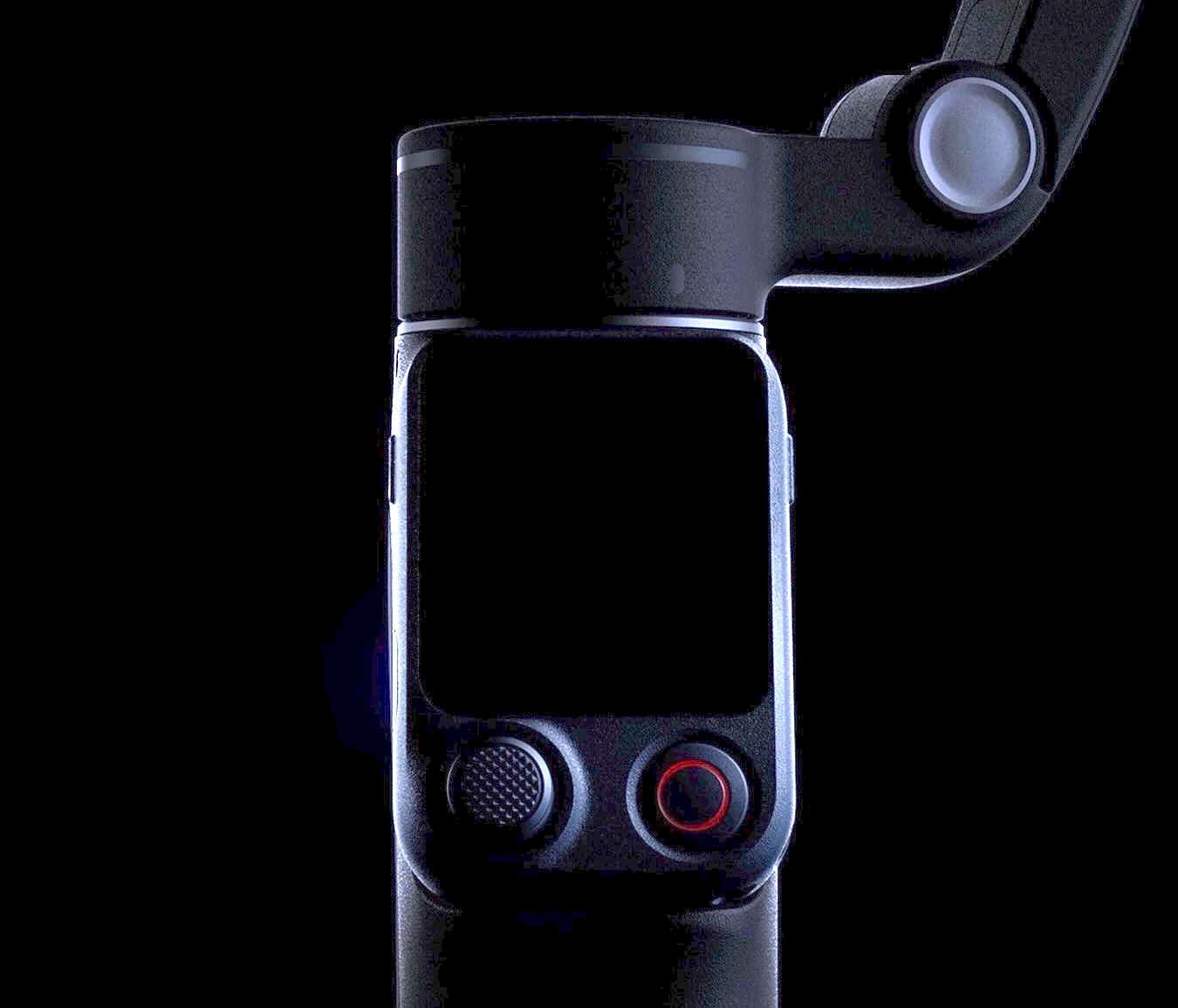
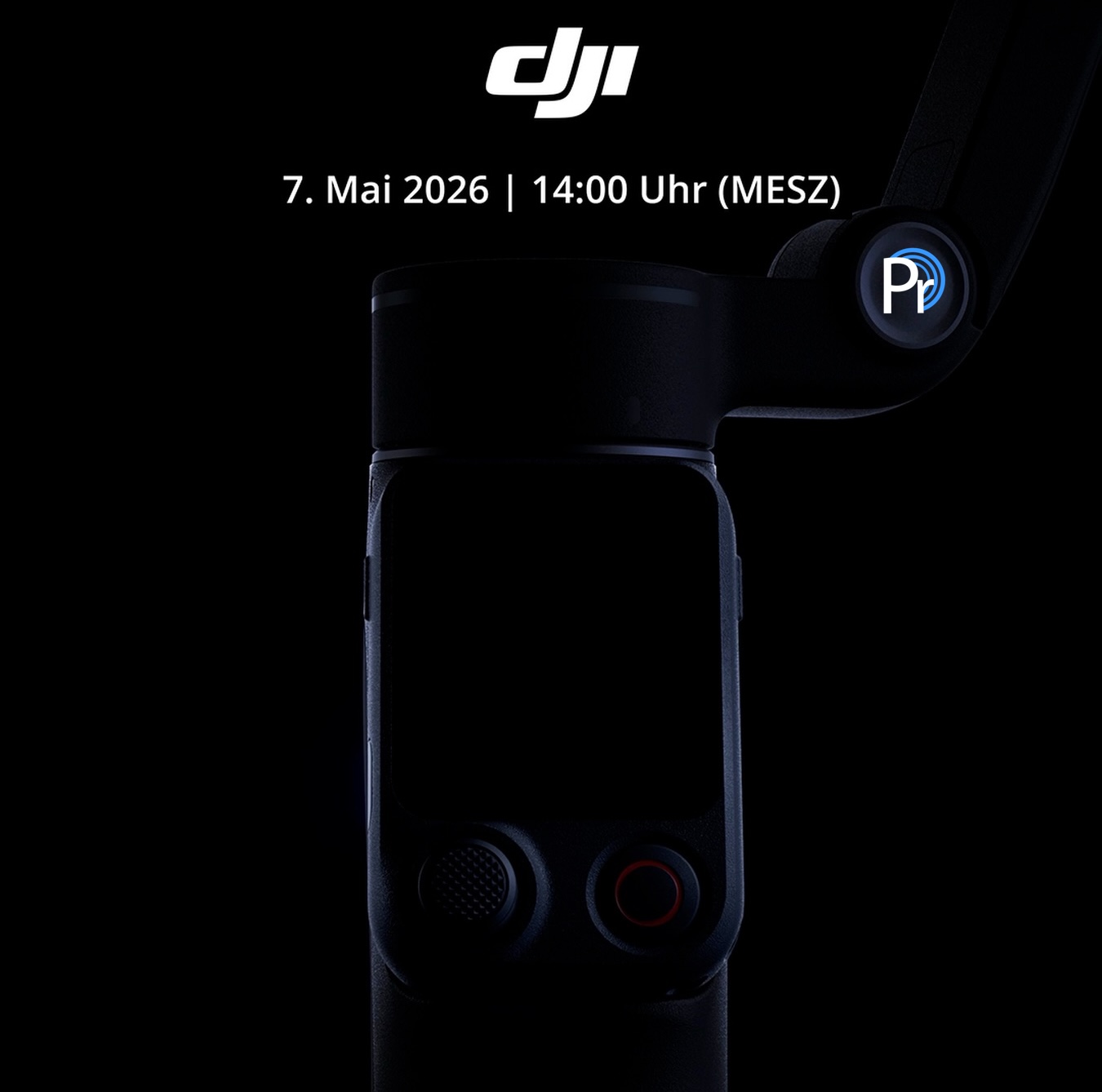
The faceplate on the DJI Osmo Pocket 4P can be removed, as on their drones.
Dual-lens design officially teased by DJI: The Pocket 4P features a vertically stacked dual-camera system (a first for the Pocket series) with a 1-inch main wide-angle sensor paired with a dedicated 3x optical telephoto lens (telephoto uses a ~1/1.5-inch CMOS sensor, roughly 60-70mm equivalent).
Zoom capabilities: 3x optical + 6x lossless (via in-sensor crop) + up to 12x digital zoom. Early review samples highlight natural face rendering and impressive background blur at telephoto settings.
Video specs: 4K/240fps slow-motion (matching or building on the standard Pocket 4), possible 6K support, 10-bit D-Log (or D-Log 2), HDR, and Hasselblad-style color tuning. Dynamic range is expected at ~14 stops on the main sensor.
Storage and build upgrades: 128GB built-in storage (vs. 107GB on the standard Pocket 4), more flexible/rotatable flip-out touchscreen, and enhanced ergonomics with a textured grip.
Stabilization and tracking: 3-axis mechanical gimbal + improved ActiveTrack 7.0 (works reliably at 3x/6x zoom). Some early hands-on notes mention slightly more micro-vibrations at telephoto and a top-heavy feel.
Other features: Better low-light performance, 4-channel audio hints in some leaks, and creator-focused tools. It’s positioned as a premium vlogging/pro option above the standard Pocket 4.
Trade-offs noted in leaks: Heavier and bulkier than the single-lens Pocket 4, potentially shorter battery life, and higher gimbal motor demands at zoom.
Pricing: Expected ~$699–$749
Many new preview videos were published on bilibili today
Left: Two IMAX film projectors. Right: Two digital IMAX projectors. Do note, this isn't the caliber of equipment you're likely to find in your local theater, even at "IMAX"-branded showings.
It's a rare thing to be able to see a full-fat IMAX film projection, but former Mythbusters star Adam Savage is letting everyone take a peek behind the curtain to see what goes into exhibiting movies using such a large format. Over the past few weeks, he's posted two videos shot at IMAX's headquarters, taking a look at the projection process in one and the film scanning and printing processes in the second.
The video on projection, which you can watch below, illustrates the scale of the machinery needed to project an image from a 70mm negative onto a 27m-tall (90') screen. The reels and projectors used are larger than a person, and the film has to travel up through the floor between the two. Watching it, it makes it seem like a miracle that the whole thing works at all.
Even more incredible is the process of scanning and printing the film, depicted in the second video. Both steps are essential for movies shot on IMAX that need VFX work (which is to say almost any contemporary movie shot with the format). In it, Savage admires what was apparently IMAX's only scanner until surprisingly recently, and which is built like a piece of fine furniture. Despite the extremely clever design, the decades-old machine has one asterisk: it apparently takes around 12 seconds to scan each frame. (The company keeps it around as a backup for its replacement, which is apparently much, much faster.)
What's harder to replace and, somehow, slower, are the film printers IMAX uses, as they utilize cathode ray tubes to expose the image onto the film. As they age, their output dims, so nowadays they take around one to one and a half minutes per frame.
The videos are full of little details like that, as Savage explores the company's headquarters and interviews some key members of its team. Both videos are well worth a watch if you're a movie buff or want to hype yourself up for upcoming IMAX movies, like Christopher Nolan's The Odyssey, which is the first feature-length blockbuster shot entirely in the format. Not that actually seeing a real IMAX showing of it will be an easy feat; they sold out a year in advance.
Canon has posted a video to its social media, which appears to tease an upcoming announcement.
The company says something is coming on May 13th at 9AM ET (6AM PT, 1PM GMT), with the caption "One camera. Endless possibilities." The post shows a person staring at a camera that is, as is often the case in these videos, cloaked in shadow, though a red tally lamp shines brightly from it. That detail, and the fact that, on Instagram, the post is a collaboration between Canon's main and Pro Video accounts, implies that we'll likely see something video-related.
This is the second teaser we've seen from a major camera company regarding an announcement on May 13th, which is, at time of writing, next Wednesday; Sony also posted a teaser for "the next R." Whatever the two companies are cooking up, it seems like the camera drought of 2026 may be coming to an end.
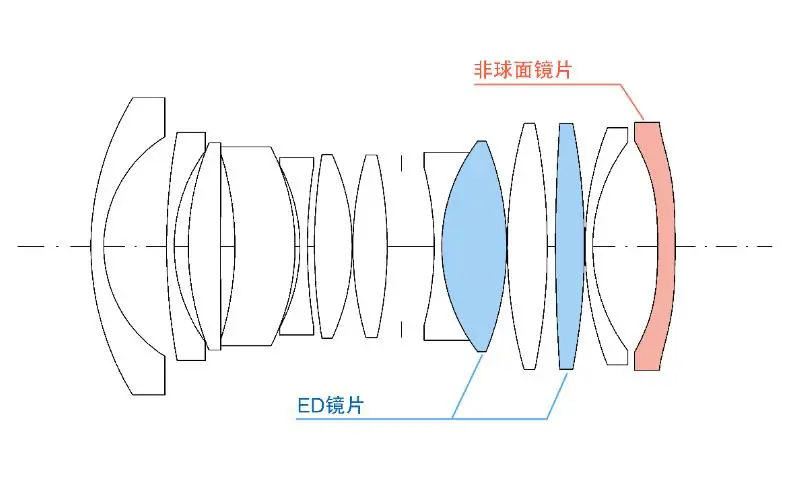
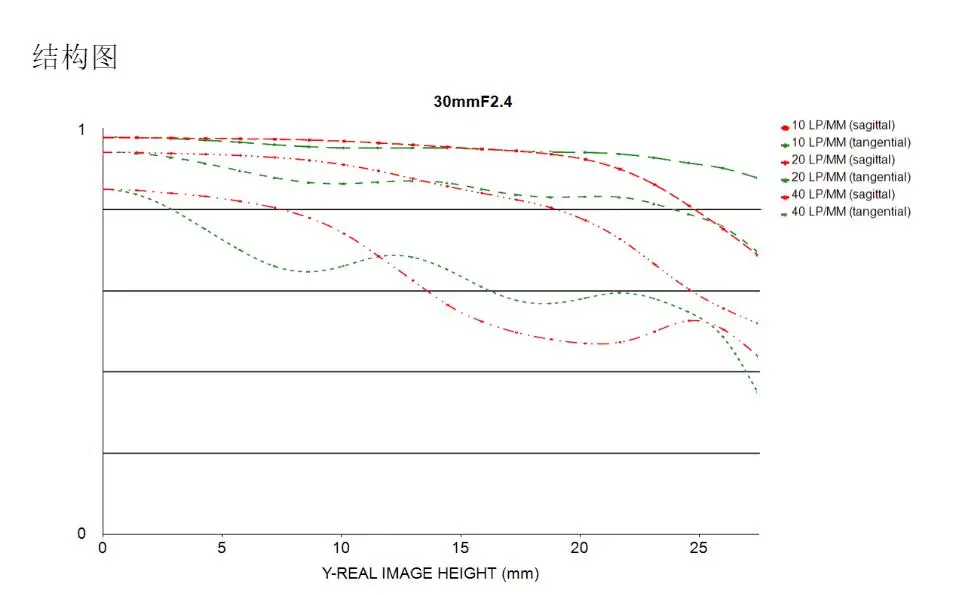
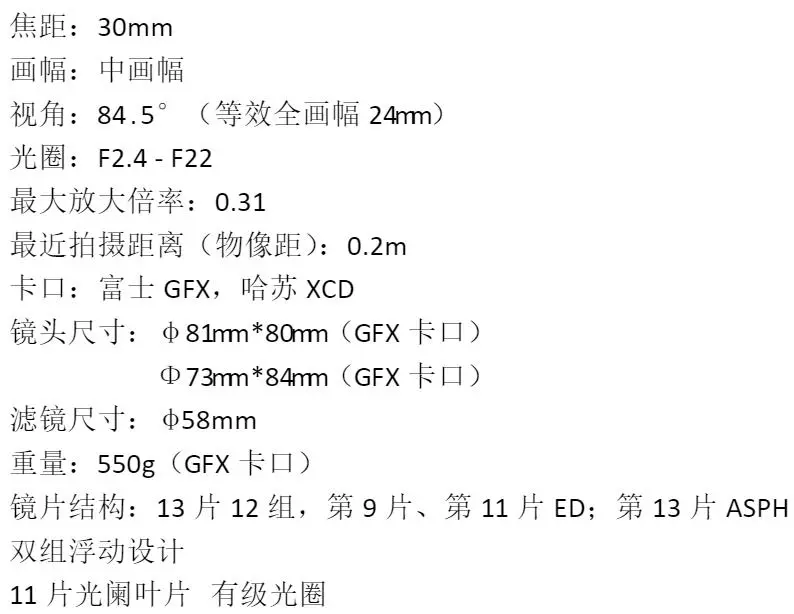
ZY Optics (Zhongyi) will release new 30mm f/2.4 and 45mm f/1.4 lenses at the Beijing P&E Imaging Show (May 15-18, 2026). Here are the details on the 30mm f/2.4 medium format lens (Zhongyi lenses are sold at B&H Photo and Amazon):
Format & Compatibility: Designed for 44×33mm (4433) medium format sensors; native mount support for Fujifilm GFX series (e.g., GFX50S) and Pentax 645 (including 645Z); also compatible with older digital backs (Mamiya, Leaf, Phase One CCD models with similar sensor size).
Focal Length & Aperture: 30mm wide-angle (provides a perspective wider than ~80° on 4433 format); bright maximum aperture of f/2.4.
Optical Design & Performance: Modern optics delivering high sharpness and resolution; rendering style combines contemporary clarity with the atmospheric “vintage” character of older lenses.
Build Quality: Full-metal construction with a substantial, premium feel and notable weight when handheld.
Series Context: Latest addition to ZHONGYI’s PITTURA series, following the 65mm F1.4 and 80mm F1.6.
Sony has announced an event for next week via its social accounts, teasing "the next R." The video and Instagram post share that the event will take place on May 13th at 9:30 EDT / 14:30 BST / 22:30 JST.
Sony isn't sharing anything beyond that there will be an event, and the date and time. Unlike many teasers, the posts don't feature a blurred-out or silhouetted camera or lens that we can try to glean details from. However, the mention of "the next R" certainly doesn't leave much up to the imagination, at least in terms of which lineup is likely to benefit from the upcoming event.
In an Instagram post a few days earlier, Sony unveiled a separate upcoming community event called Alpha in Residence, happening in New York City on May 14-15. Alpha in Residence is a two-day event that will feature photowalks, styled shooting sets in a historic mansion, gear rentals, panel discussions and more. It is free, though you do need to register for a ticket, which you can do on Sony's website.
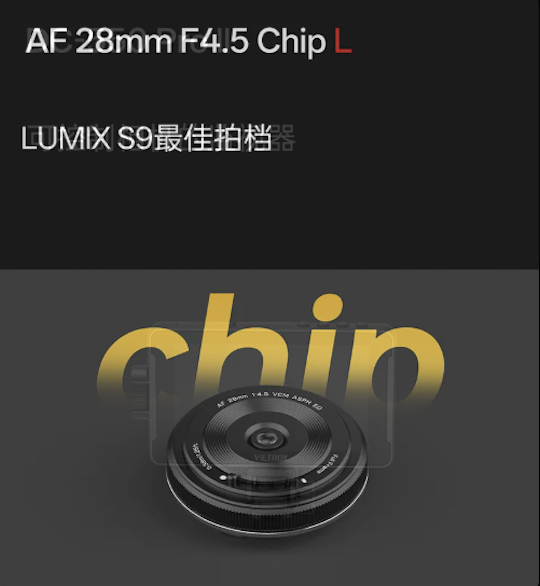
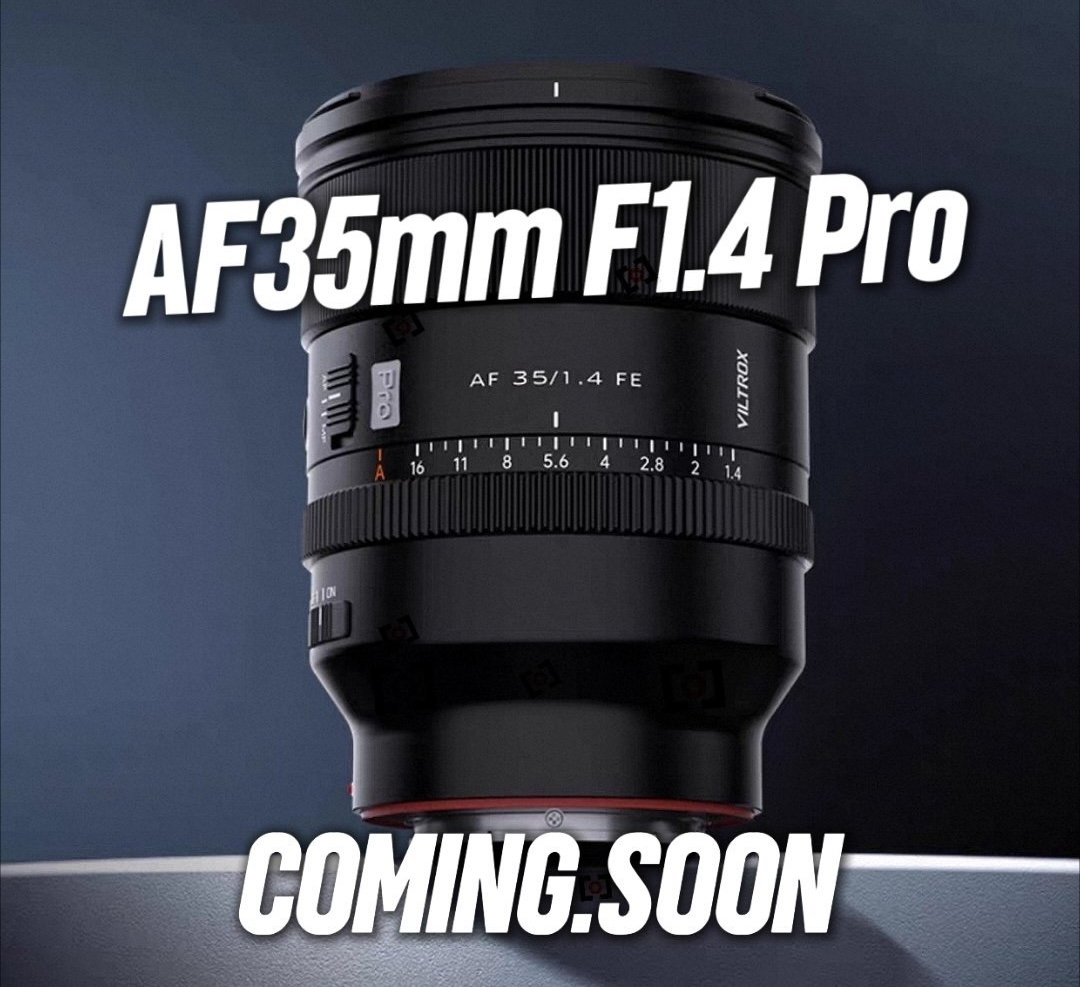
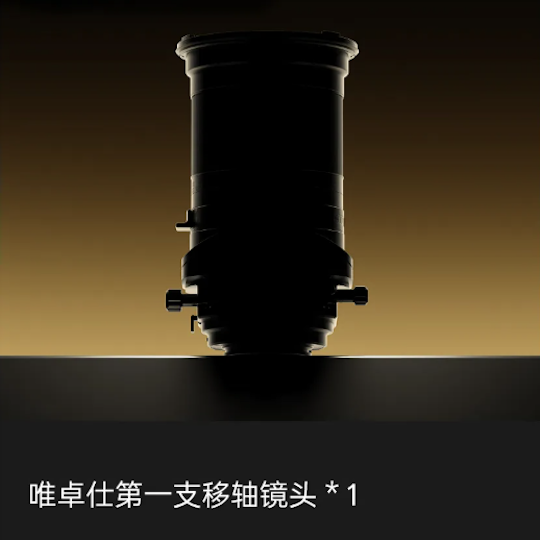
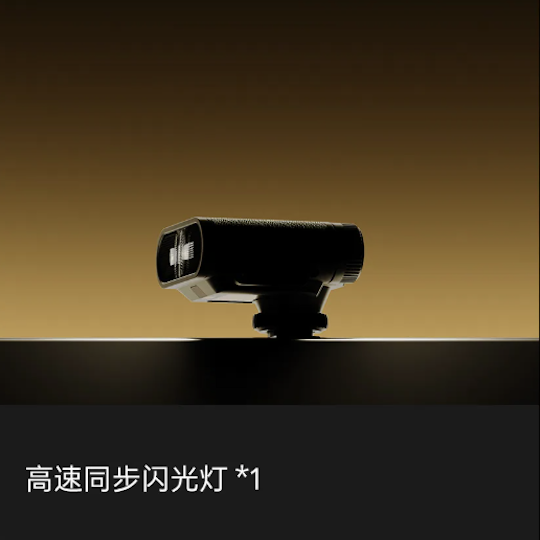
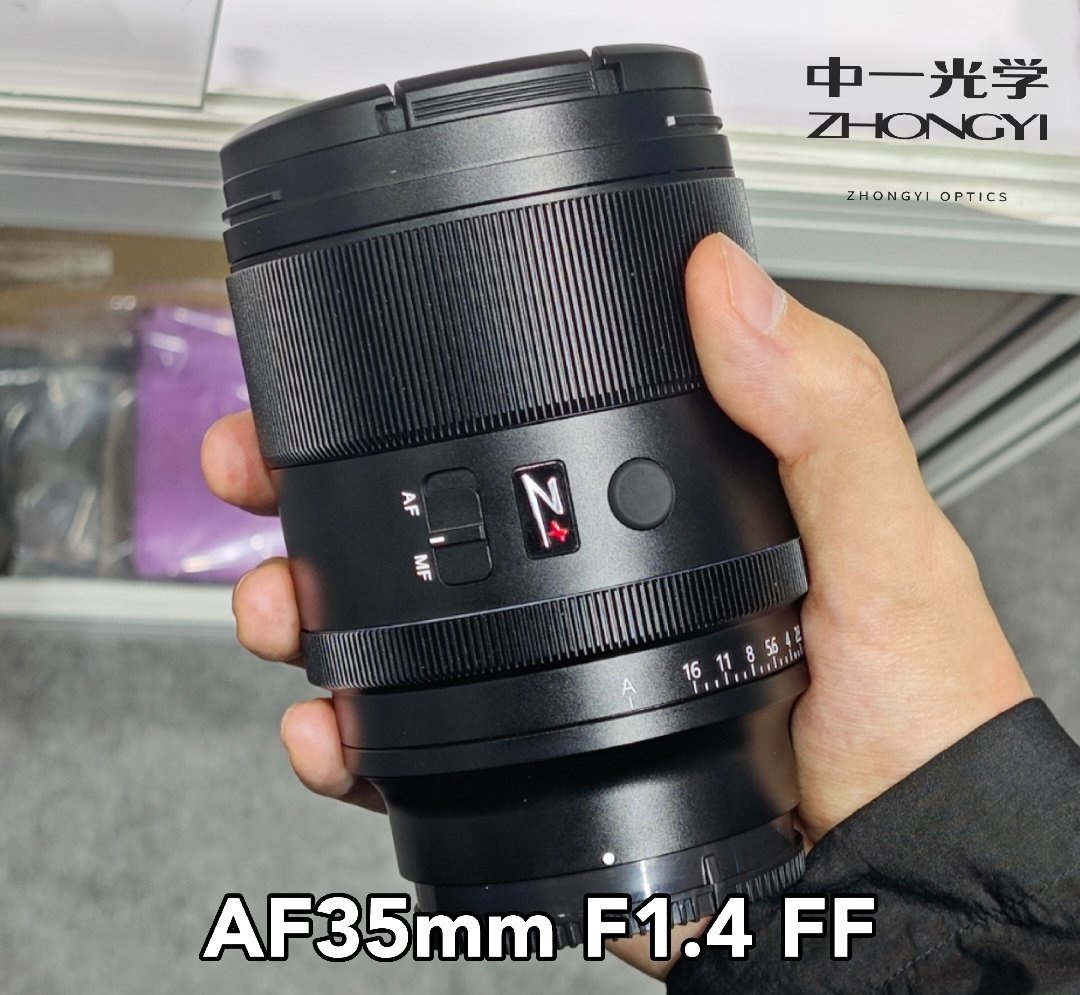
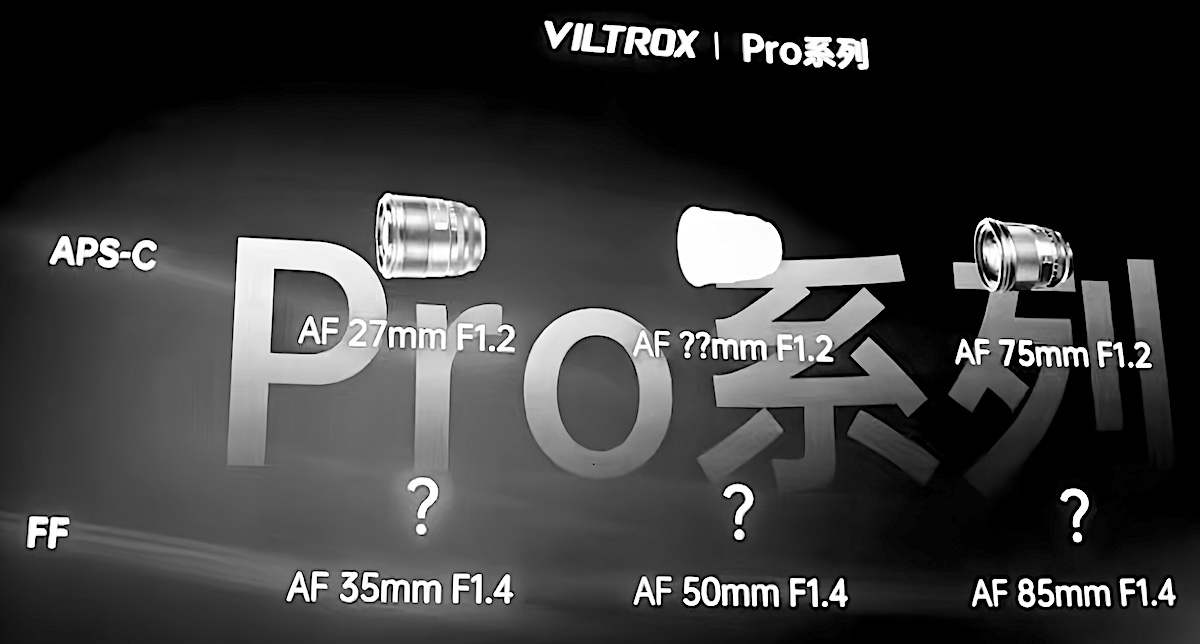
The previously reported Viltrox AF 35mm f/1.4 Pro full-frame lens will debut next week at the Beijing P&E Imaging Show (May 15-18, 2026). The Sony E-mount will be released first, with the Nikon Z-mount to follow. This will be the third Pro lens after the 50mm f/1.4 and 85mm f/1.4.
The Beijing P&E Imaging Show (May 15-18, 2026) starts next week, and we have already started seeing teasers and leaks of upcoming products. The two big ones are Sony and Canon – they will both announce new products on May 13th:

 Connexion